


 购物车
 个人中心

Doctors and Demonstrators
¥353.16
Since Roe v. Wade, abortion has continued to be a divisive political issue in the United States. In contrast, it has remained primarily a medical issue in Britain and Canada despite the countries' shared heritage. Doctors and Demonstrators looks beyond simplistic cultural or religious explanations to find out why abortion politics and policies differ so dramatically in these otherwise similar countries.?Drew Halfmann argues that political institutions are the key. In the United States, federalism, judicial review, and a private health care system contributed to the public definition of abortion as an individual right rather than a medical necessity. Meanwhile, Halfmann explains, the porous structure of American political parties gave pro-choice and pro-life groups the opportunity to move the issue onto the political agenda. A groundbreaking study of the complex legal and political factors behind the evolution of abortion policy, Doctors and Demonstrators will be vital for anyone trying to understand this contentious issue.
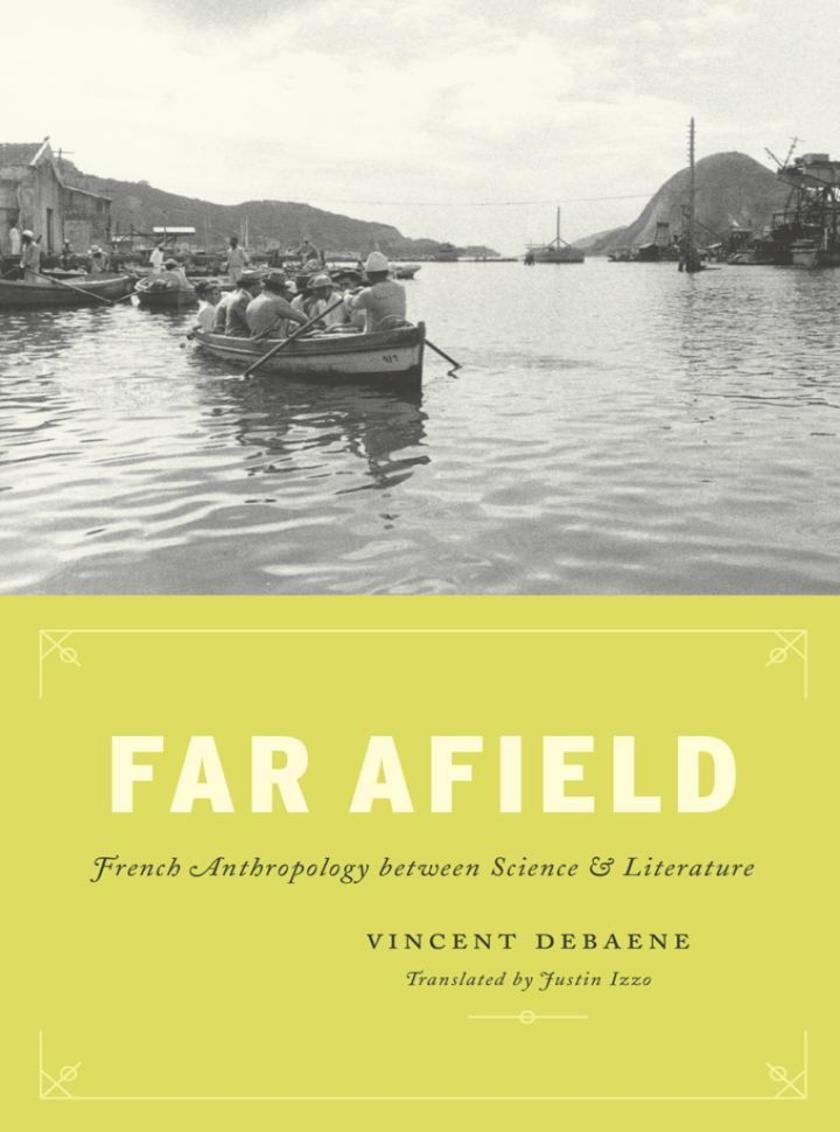
Far Afield
¥288.41
Anthropology has long had a vexed relationship with literature, and nowhere has this been more acutely felt than in France, where most ethnographers, upon returning from the field, write not one book, but two: a scientific monograph and a literary account. In?Far Afield-brought to English-language readers here for the first time-Vincent Debaene puzzles out this phenomenon, tracing the contours of anthropology and literature's mutual fascination and the ground upon which they meet in the works of thinkers from Marcel Mauss and Georges Bataille to Claude Levi-Strauss and Roland Barthes.?The relationship between anthropology and literature in France is one of careful curiosity. Literary writers are wary about anthropologists' scientific austerity but intrigued by the objects they collect and the issues they raise, while anthropologists claim to be scientists but at the same time are deeply concerned with writing and representational practices. Debaene elucidates the richness that this curiosity fosters and the diverse range of writings it has produced, from Proustian memoirs to proto-surrealist diaries. In the end he offers a fascinating intellectual history, one that is itself located precisely where science and literature meet.
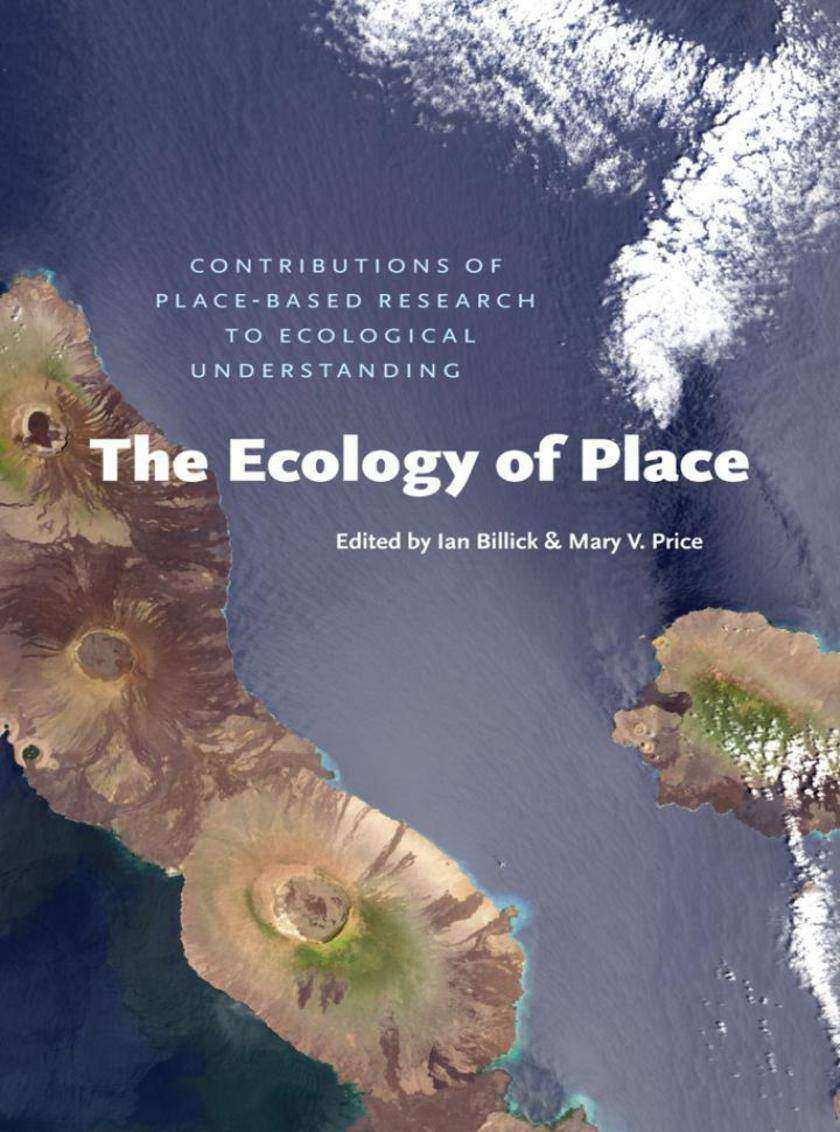
Ecology of Place
¥447.34
Ecologists can spend a lifetime researching a small patch of the earth, studying the interactions between organisms and the environment, and exploring the roles those interactions play in determining distribution, abundance, and evolutionary change. With so few ecologists and so many systems to study, generalizations are essential. But how do you extrapolate knowledge about a well-studied area and apply it elsewhere?Through a range of original essays written by eminent ecologists and naturalists, The Ecology of Place explores how place-focused research yields exportable general knowledge as well as practical local knowledge, and how society can facilitate ecological understanding by investing in field sites, place-centered databases, interdisciplinary collaborations, and field-oriented education programs that emphasize natural history. This unique patchwork of case-study narratives, philosophical musings, and historical analyses is tied together with commentaries from editors Ian Billick and Mary Price that develop and synthesize common threads. The result is a unique volume rich with all-too-rare insights into how science is actually done, as told by scientists themselves.
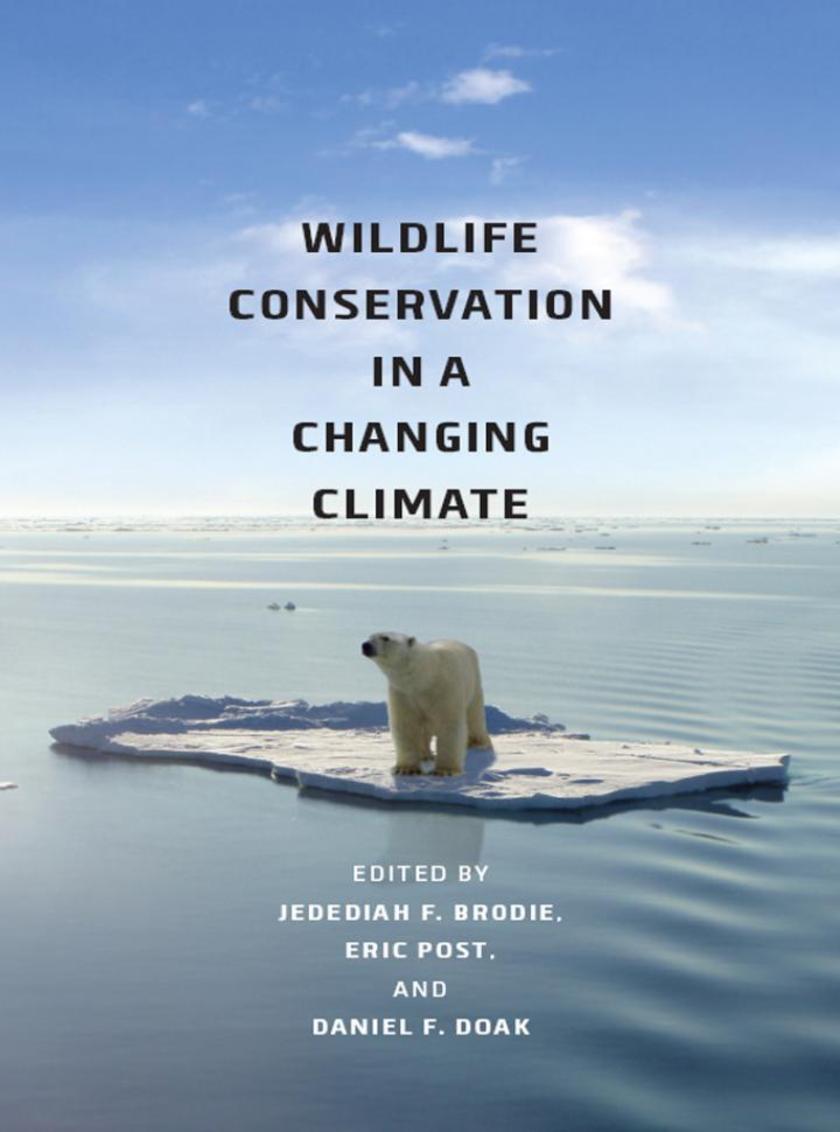
Wildlife Conservation in a Changing Climate
¥394.36
Human-induced climate change is emerging as one of the gravest threats to biodiversity in history, and while a vast amount of literature on the ecological impact of climate change exists, very little has been dedicated to the management of wildlife populations and communities in the wake of unprecedented habitat changes. Wildlife Conservation in a Changing Climate is an essential resource, bringing together leaders in the fields of climate change ecology, wildlife population dynamics, and environmental policy to examine the impacts of climate change on populations of terrestrial vertebrates. Chapters assess the details of climate change ecology, including demographic implications for individual populations, evolutionary responses, impacts on movement patterns, alterations of species interactions, and predicting impacts across regions. The contributors also present a number of strategies by which conservationists and wildlife managers can counter or mitigate the impacts of climate change as well as increase the resilience of wildlife populations to such changes. A seminal contribution to the fields of ecology and conservation biology, Wildlife Conservation in a Changing Climate will serve as the spark that ignites a new direction of discussions about and action on the ecology and conservation of wildlife in a changing climate.

Scientific Babel
¥147.15
English is the language of science today. No matter which languages you know, if you want your work seen, studied, and cited, you need to publish in English. But that hasn't always been the case. Though there was a time when Latin dominated the field, for centuries science has been a polyglot enterprise, conducted in a number of languages whose importance waxed and waned over time-until the rise of English in the twentieth century.?So how did we get from there to hereHow did French, German, Latin, Russian, and even Esperanto give way to EnglishAnd what can we reconstruct of the experience of doing science in the polyglot pastWith Scientific Babel, Michael D. Gordin resurrects that lost world, in part through an ingenious mechanism: the pages of his highly readable narrative account teem with footnotes-not offering background information, but presenting quoted material in its original language. The result is stunning: as we read about the rise and fall of languages, driven by politics, war, economics, and institutions, we actually see it happen in the ever-changing web of multilingual examples. The history of science, and of English as its dominant language, comes to life, and brings with it a new understanding not only of the frictions generated by a scientific community that spoke in many often mutually unintelligible voices, but also of the possibilities of the polyglot, and the losses that the dominance of English entails.?Few historians of science write as well as Gordin, and Scientific Babel reveals his incredible command of the literature, language, and intellectual essence of science past and present. No reader who takes this linguistic journey with him will be disappointed.
Subject of Murder
¥241.33
The subject of murder has always held a particular fascination for us. But, since at least the nineteenth century, we have seen the murderer as different from the ordinary citizen-a special individual, like an artist or a genius, who exists apart from the moral majority, a sovereign self who obeys only the destructive urge, sometimes even commanding cult followings. In contemporary culture, we continue to believe that there is something different and exceptional about killers, but is the murderer such a distinctive typeAre they degenerate beasts or supermen as they have been depicted on the page and the screenOr are murderers something else entirely?In The Subject of Murder, Lisa Downing explores the ways in which the figure of the murderer has been made to signify a specific kind of social subject in Western modernity. Drawing on the work of Foucault in her studies of the lives and crimes of killers in Europe and the United States, Downing interrogates the meanings of media and texts produced about and by murderers. Upending the usual treatment of murderers as isolated figures or exceptional individuals, Downing argues that they are ordinary people, reflections of our society at the intersections of gender, agency, desire, and violence.
Black New Orleans, 1860-1880
¥282.53
Reissued for the first time in over thirty years, Black New Orleans explores the twenty-year period in which the city's black population more than doubled. Meticulously researched and replete with archival illustrations from newspapers and rare periodicals, John W. Blassingame's groundbreaking history offers a unique look at the economic and social life of black people in New Orleans during Reconstruction. Not a conventional political treatment, Blassingame's history instead emphasizes the educational, religious, cultural, and economic activities of African Americans during the late nineteenth century."e;Blending historical and sociological perspectives, and drawing with skill and imagination upon a variety of sources, [Blassingame] offers fresh insights into an oft-studied period of Southern history. . . .In both time and place the author has chosen an extraordinarily revealing vantage point from which to view his subject.?"e;-Neil R. McMillen, American Historical Review

Discovery of Insulin
¥265.87
In a brilliant, definitive history of one of the most significant and controversial medical events of modern times, award-winning historian Michael Bliss brings to light a bizarre clash of scientific personalities. When F. G. Banting and J. J. R. Macleod won the 1923 Nobel Prize for discovering and isolating insulin, Banting immediately announced that he was dividing his share of the prize with his young associate, C. H. Best. Macleod divided his share with a fourth member of the team, J. B. Collip. For the next sixty years medical opinion was intensely divided over the allotment of credit for the discovery of insulin. In resolving this controversy, Bliss also offers a wealth of new detail on such subjects as the treatment of diabetes before insulin and the life-and-death struggle to manufacture insulin.
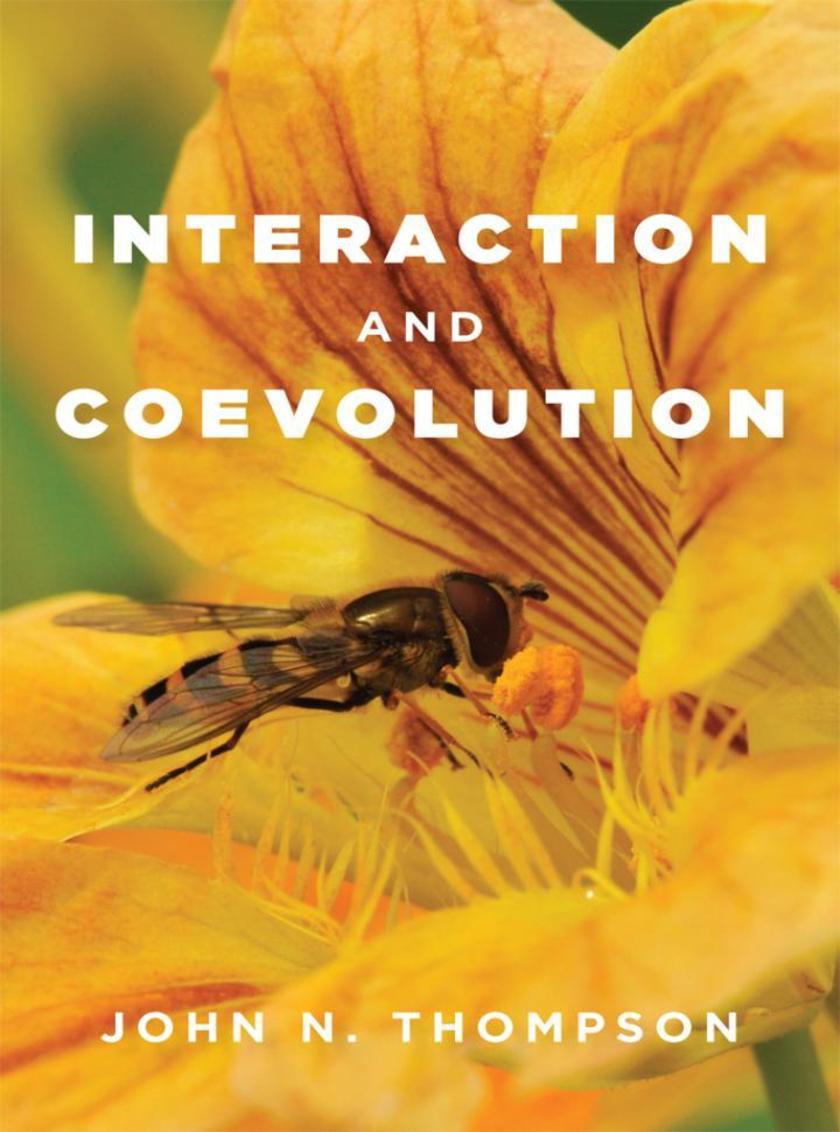
Interaction and Coevolution
¥165.81
"e;It is not only the species that change evolutionarily through interactions . . . the interactions themselves also change."e; Thus states John N. Thompson in the foreword to Interaction and Coevolution, the first title in his series of books exploring the relentless nature of evolution and the processes that shape the web of life. Originally published in 1982 more as an idea piece-an early attempt to synthesize then academically distinct but logically linked strands of ecological thought and to suggest avenues for further research-than as a data-driven monograph, Interaction and Coevolution would go on to be considered a landmark study that pointed to the beginning of a new discipline. Through chapters on antagonism, mutualism, and the effects of these interactions on populations, speciation, and community structure, Thompson seeks to explain not only how interactions differ in the selection pressures they exert on species, but also when interactions are most likely to lead to coevolution. In this era of climate change and swiftly transforming environments, the ideas Thompson puts forward in Interaction and Coevolution are more relevant than ever before.
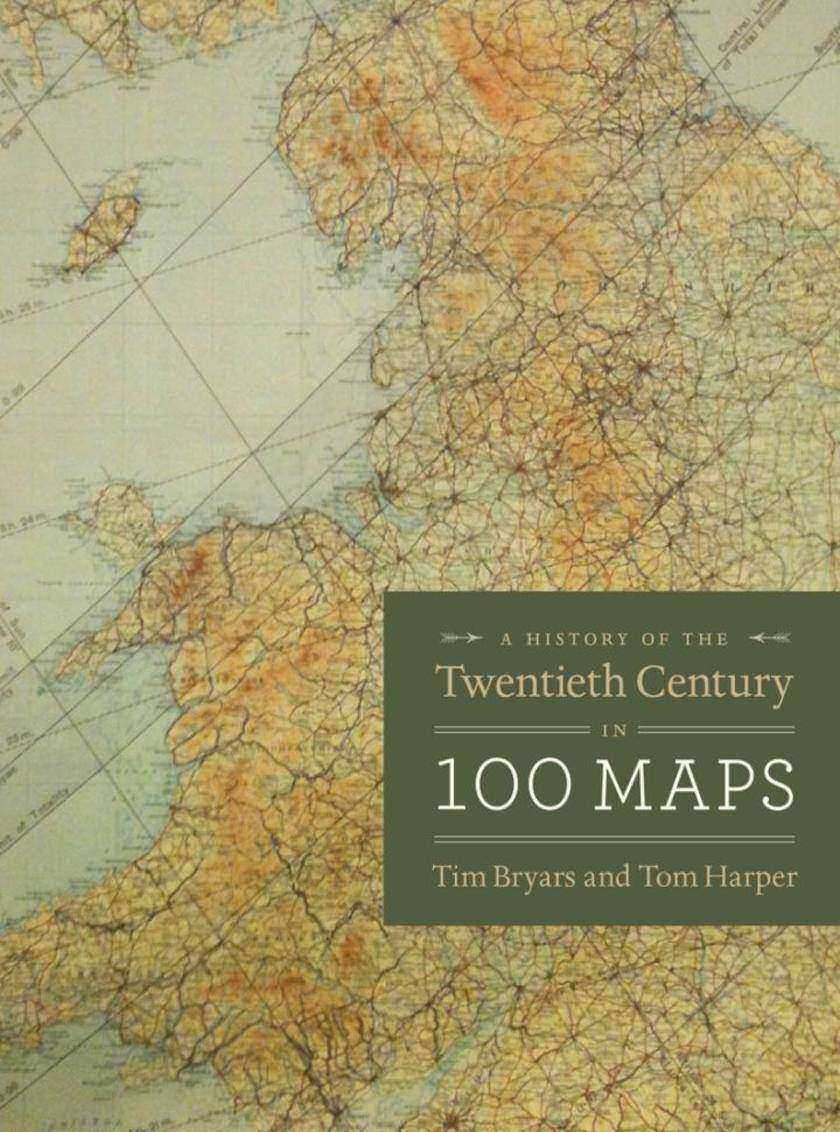
History of the Twentieth Century in 100 Maps
¥317.84
The twentieth century was a golden age of mapmaking, an era of cartographic boom. Maps proliferated and permeated almost every aspect of daily life, not only chronicling geography and history but also charting and conveying myriad political and social agendas. Here Tim Bryars and Tom Harper select one hundred maps from the millions printed, drawn, or otherwise constructed during the twentieth century and recount through them a narrative of the century's key events and developments.?As Bryars and Harper reveal, maps make ideal narrators, and the maps in this book tell the story of the 1900s-which saw two world wars, the Great Depression, the Swinging Sixties, the Cold War, feminism, leisure, and the Internet. Several of the maps have already gained recognition for their historical significance-for example, Harry Beck's iconic London Underground map-but the majority of maps on these pages have rarely, if ever, been seen in print since they first appeared. There are maps that were printed on handkerchiefs and on the endpapers of books; maps that were used in advertising or propaganda; maps that were strictly official and those that were entirely commercial; maps that were printed by the thousand, and highly specialist maps issued in editions of just a few dozen; maps that were envisaged as permanent keepsakes of major events, and maps that were relevant for a matter of hours or days.?As much a pleasure to view as it is to read, A History of the Twentieth Century in 100 Maps celebrates the visual variety of twentieth century maps and the hilarious, shocking, or poignant narratives of the individuals and institutions caught up in their production and use.

Phytomedicines, Herbal Drugs, and Poisons
¥317.84
Plants have been used to treat disease throughout human history. On a clay slab that dates back approximately five thousand years, the Sumerians recorded medicinal recipes that made use of hundreds of plants, including poppy, henbane, and mandrake. During the Middle Ages, monks commonly grew and prescribed plants such as sage, anise, and mint in their monasteries. And as the market for herbal remedies and natural medicine grows, we continue to search the globe for plants and plant compounds to combat our various ailments.?In Phytomedicines, Herbal Drugs, and Poisons, Ben-Erik van Wyk offers a richly illustrated, scientific guide to medicinal and poisonous plants, including those used for their mind-altering effects. Van Wyk covers approximately 350 species-from Aloe vera and Ephedra sinica to Cannabis sativa and Coffea arabica-detailing their botanical, geographical, pharmacological, and toxicological data as well as the chemical structures of the active compounds in each. Readers learn, for example, that Acacia senegal, or gum acacia, is used primarily in Sudan and Ethiopia as a topical ointment to protect the skin and mucosa from bacterial and fungal infections, and that Aconitum napellus, more commonly known as aconite, is used in cough syrups but can be psychedelic when smoked or absorbed through the skin. With 350 full-color photographs featuring the plants and some of their derivative products, Phytomedicines, Herbal Drugs, and Poisons will be an invaluable reference not only for those in the health care field but also for those growing their own medicinal herb gardens, as well as anyone who needs a quick answer to whether a plant is a panacea or a poison.

Crucibles of Black Empowerment
¥288.41
The term "e;community organizer"e; was deployed repeatedly against Barack Obama during the 2008 presidential campaign as a way to paint him as an inexperienced politician unfit for the presidency. The implication was that the job of a community organizer wasn't a serious one, and that it certainly wasn't on the list of credentials needed for a presidential?resume.?In reality, community organizers have played key roles in the political lives of American cities for decades, perhaps never more so than during the 1970s in Chicago, where African Americans laid the groundwork for further empowerment as they organized against segregation, discrimination, and lack of equal access to schools, housing, and jobs.In?Crucibles of Black Empowerment, Jeffrey Helgeson recounts the rise of African American political power and activism from the 1930s onward, revealing how it was achieved through community building. His book tells stories of the housewives who organized their neighbors, building tradesmen who used connections with federal officials to create opportunities in a deeply discriminatory employment sector, and the social workers, personnel managers, and journalists who carved out positions in the white-collar workforce. ?Looking closely at black liberal politics at the neighborhood level in Chicago, Helgeson explains how black Chicagoans built the networks that eventually would overthrow the city's seemingly invincible political machine.
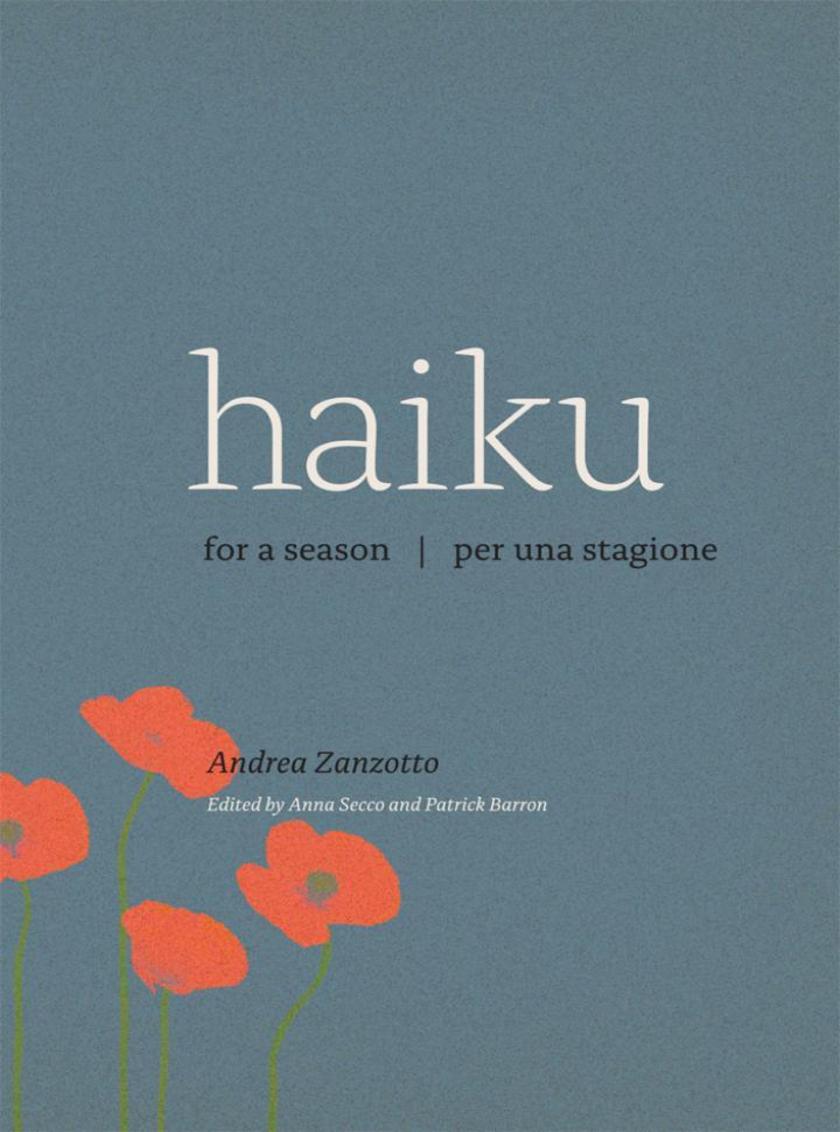
Haiku for a Season / Haiku per una stagione
¥170.69
Andrea Zanzotto is one of the most important and acclaimed poets of postwar Italy. This collection of ninety-one pseudo-haiku in English and Italian-written over several months during 1984 and then revised slowly over the years-confirms his commitment to experimentation throughout his life. Haiku for a Season represents a multilevel experiment for Zanzotto: first, to compose poetry bilingually; and second, to write in a form foreign to Western poetry. The volume traces the life of a woman from youth to adulthood, using the seasons and the varying landscape as a mirror to reflect her growth and changing attitudes and perceptions. With a lifelong interest in the intersections of nature and culture, Zanzotto displays here his usual precise and surprising sense of the living world. These never-before-published original poems in English appear alongside their Italian versions-not strict translations but parallel texts that can be read separately or in conjunction with the originals. As a sequence of interlinked poems, Haiku for a Season reveals Zanzotto also as a master poet of minimalism. Zanzotto's recent death is a blow to world poetry, and the publication of this book, the last that he approved in manu*, will be an event in both the United States and in Italy.

Whale and the Reactor
¥188.35
"e;The questions he poses about the relationship between technical change and political power are pressing ones that can no longer be ignored, and identifying them is perhaps the most a nascent 'philosophy of technology' can expect to achieve at the present time."e;-David Dickson, New York Times Book Review"e;The Whale and the Reactor is the philosopher's equivalent of superb public history. In its pages an analytically trained mind confronts some of the most pressing political issues of our day."e;-Ruth Schwartz Cowan, Isis
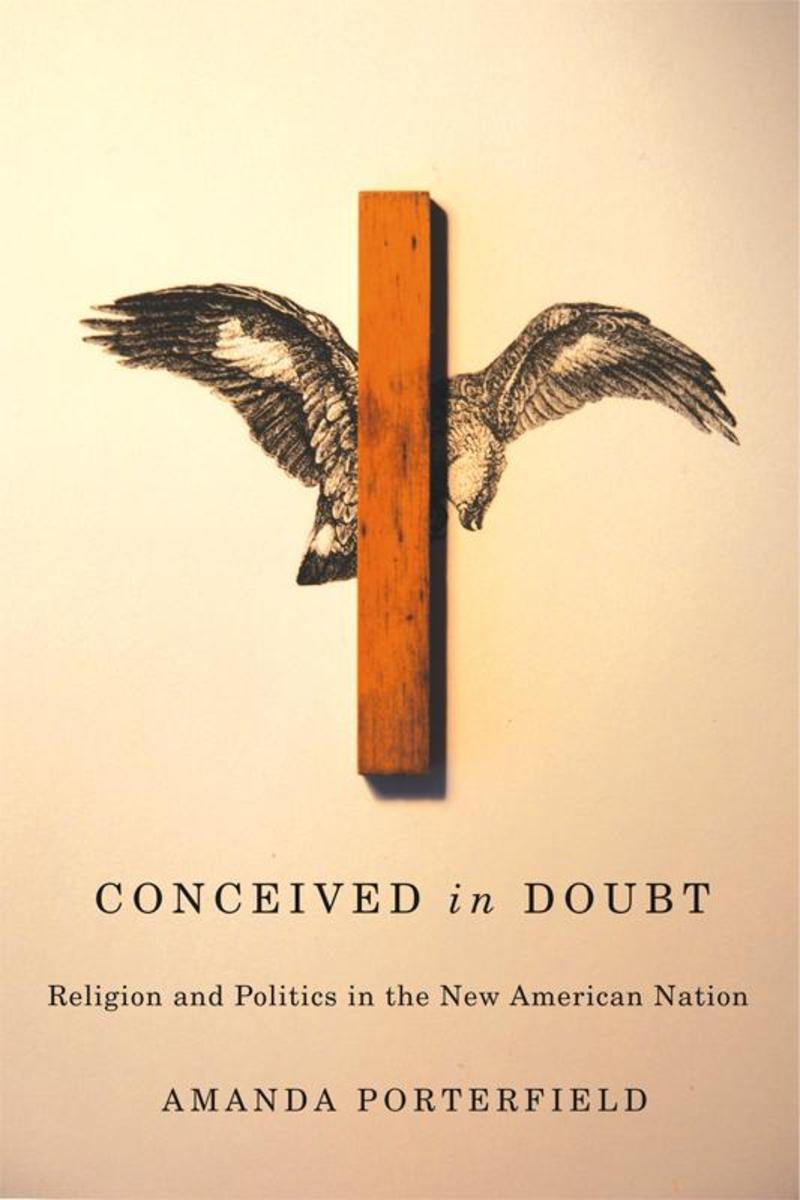
Conceived in Doubt
¥200.12
Americans have long acknowledged a deep connection between evangelical religion and democracy in the early days of the republic. This is a widely accepted narrative that is maintained as a matter of fact and tradition-and in spite of evangelicalism's more authoritarian and reactionary aspects.In Conceived in Doubt, Amanda Porterfield challenges this standard interpretation of evangelicalism's relation to democracy and describes the intertwined relationship between religion and partisan politics that emerged in the formative era of the early republic. In the 1790s, religious doubt became common in the young republic as the culture shifted from mere skepticism toward darker expressions of suspicion and fear. But by the end of that decade, Porterfield shows, economic instability, disruption of traditional forms of community, rampant ambition, and greed for land worked to undermine heady optimism about American political and religious independence. Evangelicals managed and manipulated doubt, reaching out to disenfranchised citizens as well as to those seeking political influence, blaming religious skeptics for immorality and social distress, and demanding affirmation of biblical authority as the foundation of the new American national identity.As the fledgling nation took shape, evangelicals organized aggressively, exploiting the fissures of partisan politics by offering a coherent hierarchy in which God was king and governance righteous. By laying out this narrative, Porterfield demolishes the idea that evangelical growth in the early republic was the cheerful product of enthusiasm for democracy, and she creates for us a very different narrative of influence and ideals in the young republic.
How Life Began
¥229.55
The origin of life is a hotly debated topic. The Christian Bible states that God created the heavens and the Earth, all in about seven days roughly six thousand years ago. This episode in Genesis departs markedly from scientific theories developed over the last two centuries which hold that life appeared on Earth about 3.5 billion years ago in the form of bacteria, followed by unicellular organisms half a millennia later. It is this version of genesis that Alexandre Meinesz explores in this engaging tale of life's origins and evolution.?How Life Began elucidates three origins, or geneses, of life-bacteria, nucleated cells, and multicellular organisms-and shows how evolution has sculpted life to its current biodiversity through four main events-mutation, recombination, natural selection, and geologic cataclysm.?As an ecologist who specializes in algae, the first organisms to colonize Earth, Meinesz brings a refreshingly novel voice to the history of biodiversity and emphasizes here the role of unions in organizing life. For example, the ingestion of some bacteria by other bacteria led to mitochondria that characterize animal and plant cells, and the chloroplasts of plant cells.?As Meinesz charmingly recounts, life's grandeur is a result of an evolutionary tendency toward sociality and solidarity. He suggests that it is our cohesion and collaboration that allows us to solve the environmental problems arising in the decades and centuries to come. Rooted in the science of evolution but enlivened with many illustrations from other disciplines and the arts, How Life Began?intertwines the rise of bacteria and multicellular life with Vermeer's portrait of Antoni van Leeuwenhoek, the story of Genesis and Noah, Meinesz's son's early experiences with Legos, and his own encounters with other scientists. All of this brings a very human and humanistic tone to Meinesz's charismatic narrative of the three origins of life.?

On the Nature of Limbs
¥229.55
The most prominent naturalist in Britain before Charles Darwin, Richard Owen made empirical discoveries and offered theoretical innovations that were crucial to the proof of evolution. Among his many lasting contributions to science was the first clear definition of the term homology-"e;the same organ in different animals under every variety of form and function."e; He also graphically demonstrated that all vertebrate species were built on the same skeletal plan and devised the vertebrate archetype as a representation of the simplest common form of all vertebrates.Just as Darwin's ideas continue to propel the modern study of adaptation, so too will Owen's contributions fuel the new interest in homology, organic form, and evolutionary developmental biology. His theory of the archetype and his views on species origins were first offered to the general public in On the Nature of Limbs, published in 1849. It reemerges here in a facsimile edition with introductory essays by prominent historians, philosophers, and practitioners from the modern evo-devo community.
Freudian Robot
¥247.21
The identity and role of writing has evolved in the age of digital media. But how did writing itself make digital media possible in the first placeLydia H. Liu offers here the first rigorous study of the political history of digital writing and its fateful entanglement with the Freudian unconscious.Liu's innovative analysis brings the work of theorists and writers back into conversation with one another to document significant meetings of minds and disciplines. She shows how the earlier avant-garde literary experiments with alphabetical writing and the word-association games of psychoanalysis contributed to the mathematical making of digital media. Such intellectual convergence, she argues, completed the transformation of alphabetical writing into the postphonetic, ideographic system of digital media, which not only altered the threshold of sense and nonsense in communication processes but also compelled a new understanding of human-machine interplay at the level of the unconscious.Ranging across information theory, cybernetics, modernism, literary theory, neurotic machines, and psychoanalysis, The Freudian Robot rewrites the history of digital media and the literary theory of the twentieth century.

Mapping the Nation
¥247.21
In the nineteenth century, Americans began to use maps in radically new ways. For the first time, medical men mapped diseases to understand and prevent epidemics, natural scientists mapped climate and rainfall to uncover weather patterns, educators mapped the past to foster national loyalty among students, and Northerners mapped slavery to assess the power of the South. After the Civil War, federal agencies embraced statistical and thematic mapping in order to profile the ethnic, racial, economic, moral, and physical attributes of a reunified nation. By the end of the century, Congress had authorized a national archive of maps, an explicit recognition that old maps were not relics to be discarded but unique records of the nation's past.All of these experiments involved the realization that maps were not just illustrations of data, but visual tools that were uniquely equipped to convey complex ideas and information. In Mapping the Nation, Susan Schulten charts how maps of epidemic disease, slavery, census statistics, the environment, and the past demonstrated the analytical potential of cartography, and in the process transformed the very meaning of a map.Today, statistical and thematic maps are so ubiquitous that we take for granted that data will be arranged cartographically. Whether for urban planning, public health, marketing, or political strategy, maps have become everyday tools of social organization, governance, and economics. The world we inhabit-saturated with maps and graphic information-grew out of this sea change in spatial thought and representation in the nineteenth century, when Americans learned to see themselves and their nation in new dimensions.
Eating the Enlightenment
¥247.21
Eating the Enlightenment offers a new perspective on the history of food, looking at writings about cuisine, diet, and food chemistry as a key to larger debates over the state of the nation in Old Regime France. Embracing a wide range of authors and scientific or medical practitioners-from physicians and poets to philosophes and playwrights-E. C. Spary demonstrates how public discussions of eating and drinking were used to articulate concerns about the state of civilization versus that of nature, about the effects of consumption upon the identities of individuals and nations, and about the proper form and practice of scholarship. En route, Spary devotes extensive attention to the manufacture, trade, and eating of foods, focusing upon coffee and liqueurs in particular, and also considers controversies over specific issues such as the chemistry of digestion and the nature of alcohol. Familiar figures such as Fontenelle, Diderot, and Rousseau appear alongside little-known individuals from the margins of the world of letters: the draughts-playing cafe owner Charles Manoury, the "e;Turkish envoy"e; Soliman Aga, and the natural philosopher Jacques Gautier d'Agoty. Equally entertaining and enlightening, Eating the Enlightenment will be an original contribution to discussions of the dissemination of knowledge and the nature of scientific authority.

Divas in the Convent
¥253.10
When eight-year-old Lucrezia Orsina Vizzana (1590-1662) entered one of the preeminent convents in Bologna in 1598, she had no idea what cloistered life had in store for her. Thanks to clandestine instruction from a local maestro di cappella-and despite the church hierarchy's vehement opposition to all convent music-Vizzana became the star of the convent, composing works so thoroughly modern and expressive that a recent critic described them as "e;historical treasures."e; But at the very moment when Vizzana's works appeared in 1623-she would be the only Bolognese nun ever to publish her music-extraordinary troubles beset her and her fellow nuns, as episcopal authorities arrived to investigate anonymous allegations of sisterly improprieties with male members of their order.?Craig A. Monson retells the story of Vizzana and the nuns of Santa Cristina to elucidate the role that music played in the lives of these cloistered women. Gifted singers, instrumentalists, and composers, these nuns used music not only to forge links with the community beyond convent walls, but also to challenge and circumvent ecclesiastical authority. Monson explains how the sisters of Santa Cristina-refusing to accept what the church hierarchy called God's will and what the nuns perceived as a besmirching of their honor-fought back with words and music, and when these proved futile, with bricks, roof tiles, and stones. These women defied one Bolognese archbishop after another, cardinals in Rome, and even the pope himself, until threats of excommunication and abandonment by their families brought them to their knees twenty-five years later. By then, Santa Cristina's imaginative but frail composer literally had been driven mad by the conflict.?Monson's fascinating narrative relies heavily on the words of its various protagonists, on both sides of the cloister wall, who emerge vividly as imaginative, independent-minded, and not always sympathetic figures. In restoring the musically gifted Lucrezia Orsina Vizzana to history, Monson introduces readers to the full range of captivating characters who played their parts in seventeenth-century convent life.?


