


 购物车
购物车 个人中心
个人中心

Redeeming the Rancher (Mills & Boon Love Inspired) (Serendipity Sweethearts, Boo
¥31.10
Her Perfect Match Successful businessman Griffin Haddon just wants a quiet place to start over again…alone. Griff doesn't realize that in a small town like Serendipity, Texas, solitude's hard to come by. Especially at Redemption Ranch, where the stunning Alexis Grainger struggles to keep her ministry for troubled teens afloat. The last thing Alexis needs is a distraction like slick city-boy Griff with his designer jeans and boots. But her meddling, matchmaking twin has other plans. As Alexis and Griff work to save the ranch, can they also heal his broken heart? Serendipity Sweethearts: Three small-town matchmakers finding Texas-size love.
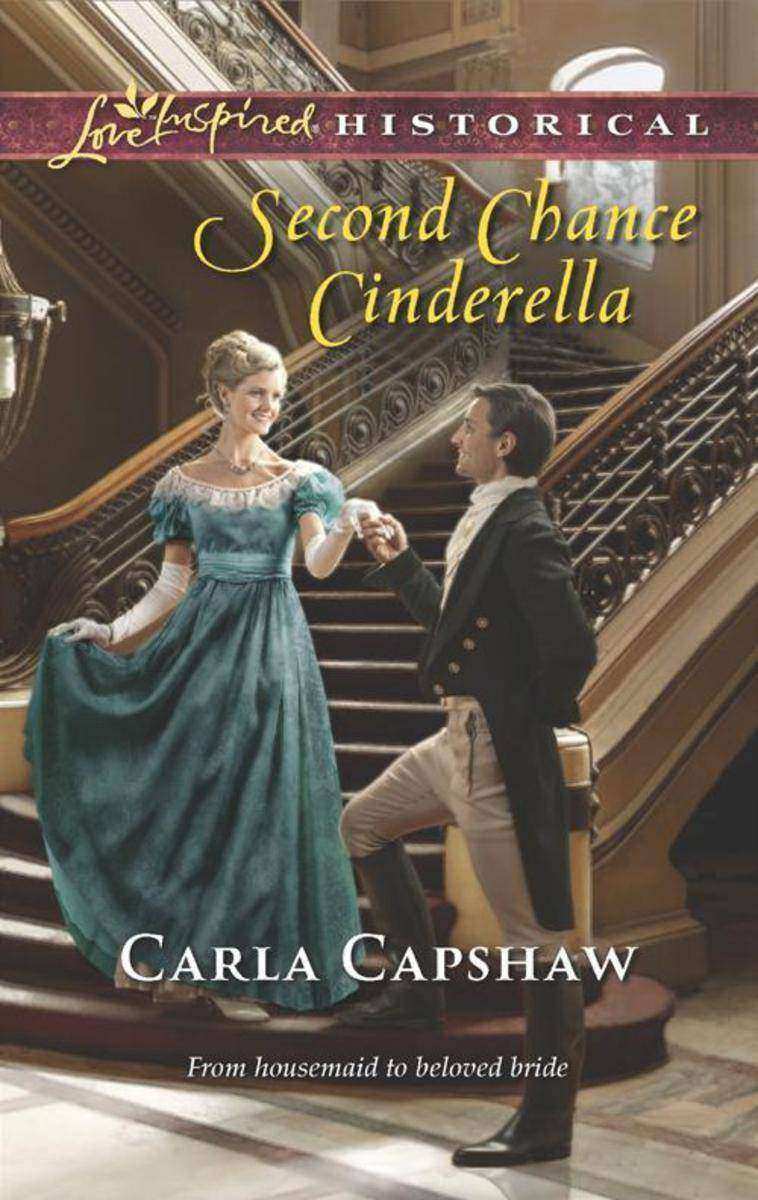
Second Chance Cinderella (Mills & Boon Love Inspired Historical)
¥31.10
"I'll Wait for You Forever." Heartbroken when her childhood love never returned, Rose Smith soon learned she had even greater worries–she carried his child. Ten years later as a housemaid in London, she encounters Samuel Blackstone. The kind youth she adored has turned bitter with success. Feeling out of place in Sam's high-society world, Rose fears what he may do when he learns of their son…. A wealthy stockbroker, Sam is used to getting what he wants. And when he learns that Rose bore him a son, he wants to claim his family. But he'll have to convince Rose to trust him again if he's to have any hope of meeting the boy…or recapturing her heart.
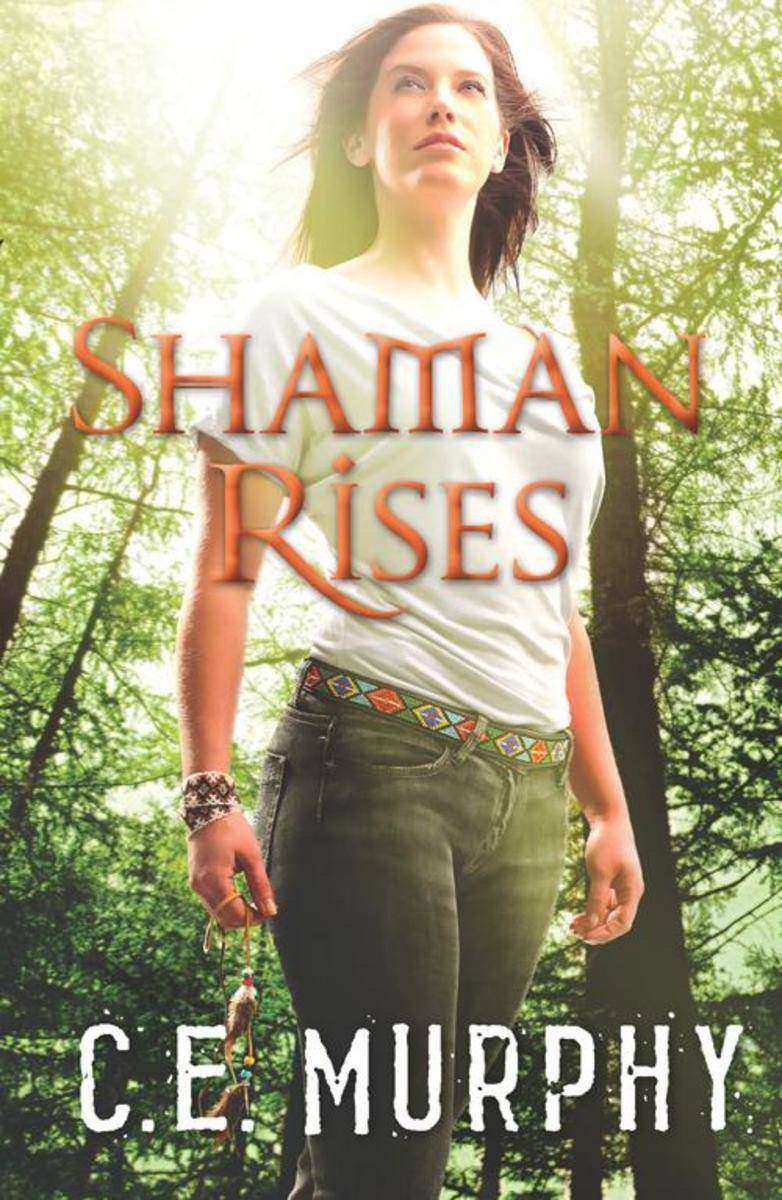
Shaman Rises (The Walker Papers, Book 10)
¥45.03
Joanne Walker has two choices: Defeat the enemy…or lose her soul trying For over a year, Joanne has been fighting the Master–the world's most abiding evil entity. She's sacrificed family, friendships, even watched potential futures fade away…and now the Master is bringing the final battle to Joanne's beloved Seattle. Lives will be lost as the repercussions of all Joanne's final transformation into her full Shamanic abilities come to her doorstep. Before the end, she'll mourn, rejoice–and surrender everything for the hope of the world's survival. She'll be a warrior and a healer. Because she is finally a Shaman Rising. "The twists and turns will have readers shaking their heads while devouring the next page." –USA TODAY on Raven Calls
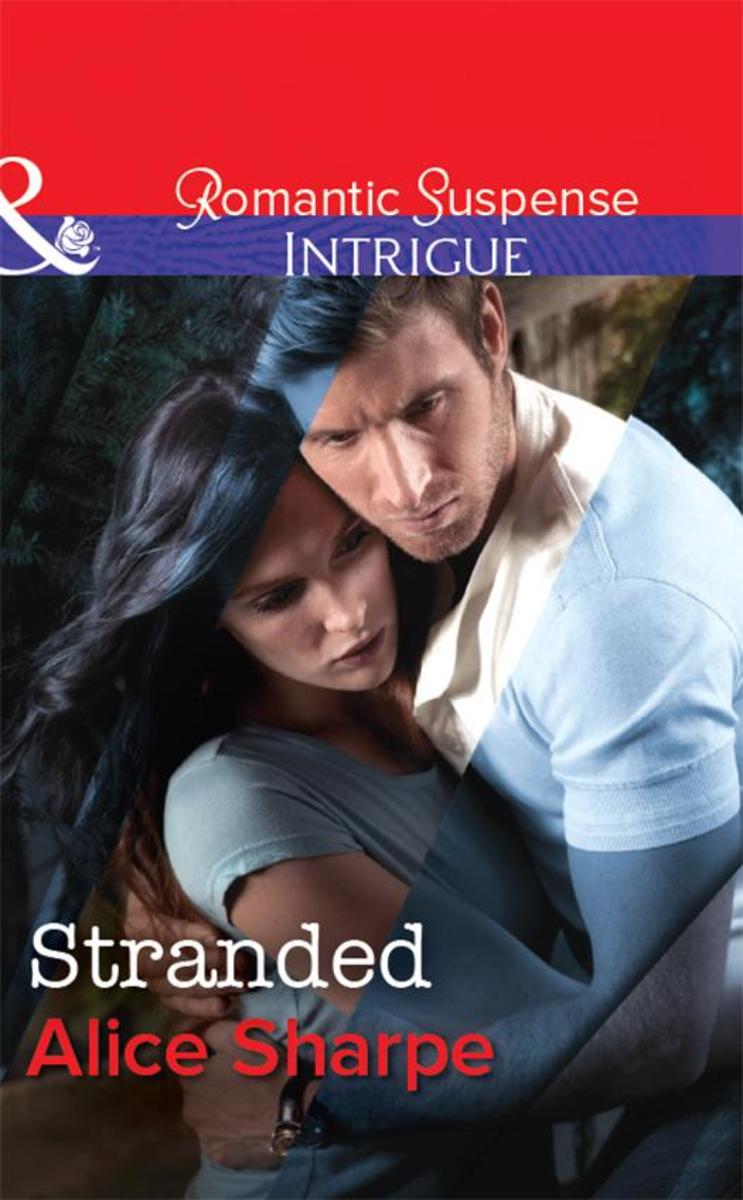
Stranded (Mills & Boon Intrigue) (The Rescuers, Book 2)
¥23.25
AFTER MONTHS STRANDED IN THE MOUNTAINS, A DETECTIVE RETURNS HOME TO A TARGET ON HIS BACK–AND HIS PREGNANT WIFE CAUGHT IN THE CROSSHAIRS… When Detective Alex Foster's plane goes down in the remote Bitterroot Mountains, everyone thinks he is dead. Including his wife, Jessica. But against all odds, he survives, returning months later to the joyous news that Jessica is pregnant. Yet their reunion reminds them both of their imperfections. Then Alex discovers his plane crash was no accident. Someone wanted him dead and is now targeting Jessica to get to him. She wants honesty; he wants to keep the frightening details to himself. Protecting Jessica and his unborn child is Alex's first priority–even if it means giving up his second chance at life to save theirs….
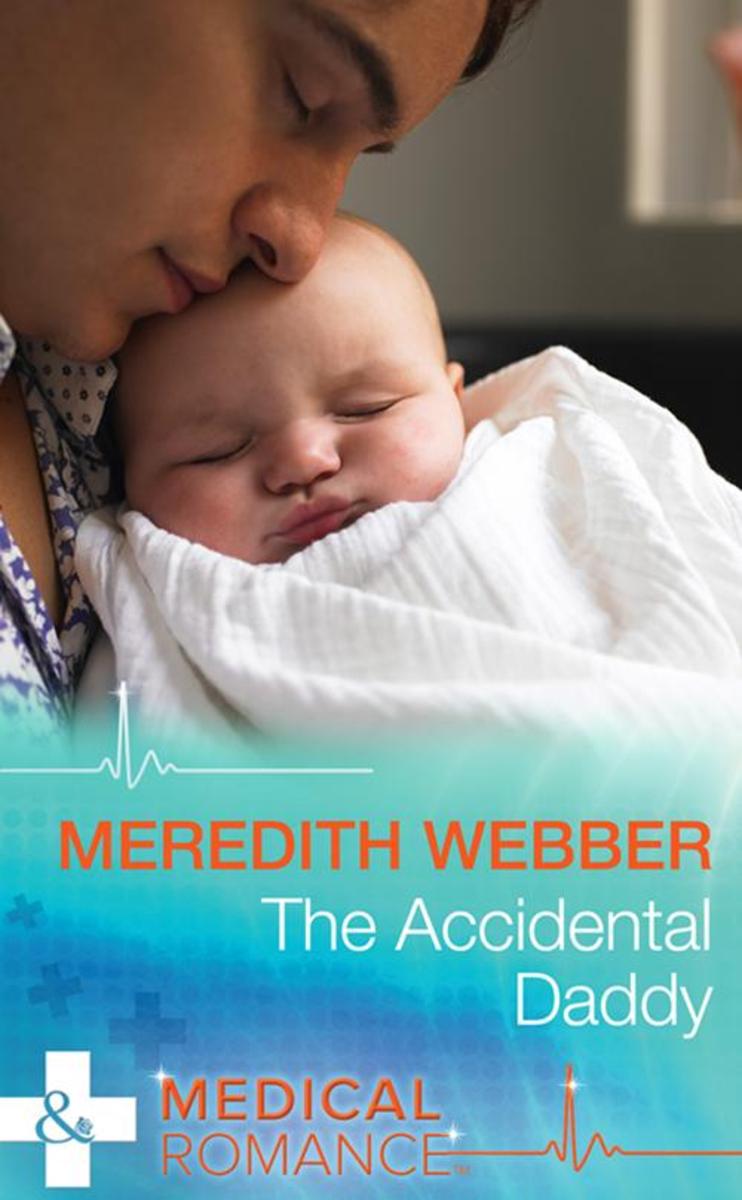
The Accidental Daddy (Mills & Boon Medical)
¥26.78
‘You’re having my baby!’ When Dr Max Winthrop is told he’s going to be a father, he never thinks he’ll have to share this news with the mother! But after a mix-up at the IVF clinic it’s up to Max to tell unsuspecting paediatrician Joey McMillan that she’s carrying his child! Max hadn’t expected to be a daddy right now – especially by accident – but getting to know beautiful Joey opens his eyes to the possibilities of being more than just a parent…maybe even a husband!
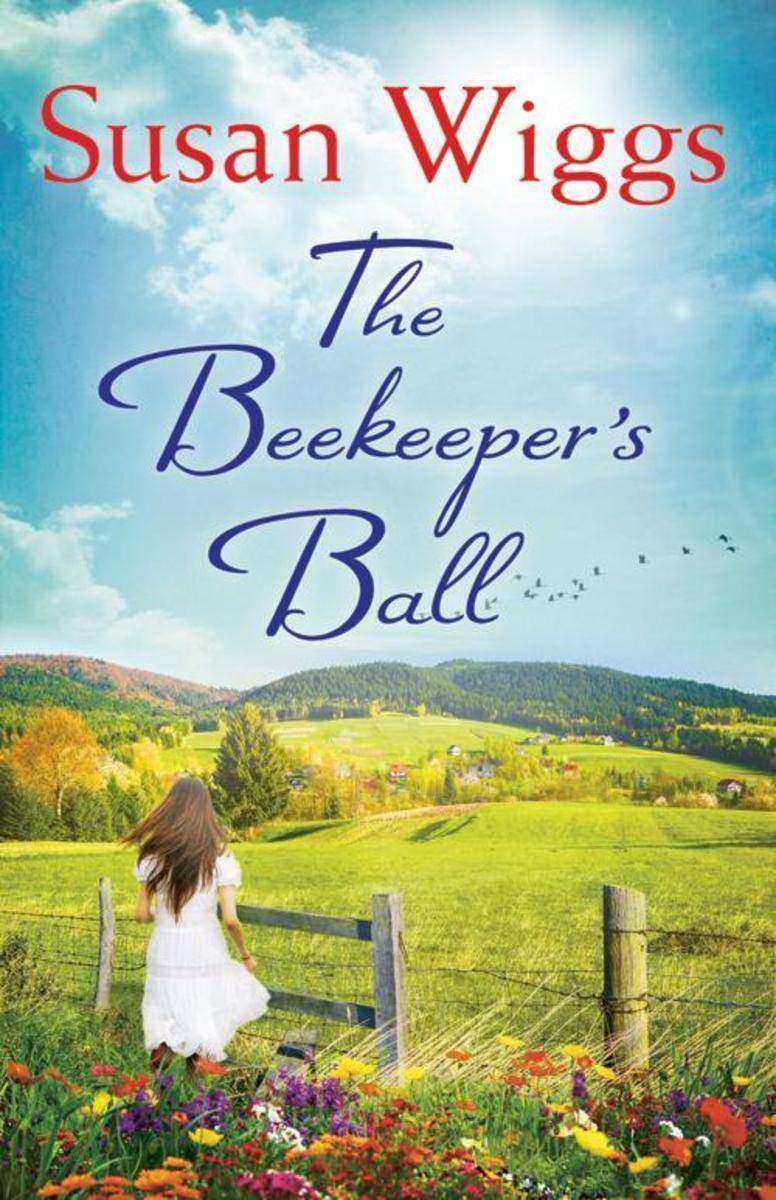
The Beekeeper's Ball (A Bella Vista novel, Book 2)
¥54.05
#1 New York Times bestselling author Susan Wiggs returns to sun-drenched Bella Vista, where the land's bounty yields a rich harvest…and family secrets that have long been buried. Isabel Johansen, a celebrated chef who grew up in the sleepy Sonoma town of Archangel, is transforming her childhood home into a destination cooking school - a unique place for other dreamers to come and learn the culinary arts. Bella Vista's rambling mission-style hacienda, with its working apple orchards, bountiful gardens and beehives, is the idyllic venue for Isabel's project…and the perfect place for her to forget the past. But Isabel's carefully ordered plans begin to go awry when swaggering, war-torn journalist Cormac O'Neill arrives to dig up old history. He's always been better at exposing the lives of others than showing his own closely guarded heart, but the pleasures of small-town life and the searing sensuality of Isabel's kitchen coax him into revealing a few truths of his own. The dreamy sweetness of summer is the perfect time of year for a grand family wedding and the enchanting Beekeeper's Ball, bringing emotions to a head in a story where the past and present collide to create an unexpected new future. From 'one of the best observers of stories of the heart' (Salem Statesman-Journal), The Beekeeper's Ball is an exquisite and richly imagined novel of the secrets that keep us from finding our way, the ties binding us to family and home, and the indelible imprint love can make on the human heart. Book two in the Bella Vista series For fans of Santa Montefiore, Patricia Scanlan and Cathy Kelly.

The Maverick Millionaire (Mills & Boon Cherish) (The Logan Twins, Book 2)
¥31.10
The man she has been waiting for… Jake Logan may be ex-military, but recently he'd been more at home among the glitterati of Hollywood's finest. So different from where he is right now: seeking shelter from a powerful storm with the most beautiful woman he's ever met. She's a breath of fresh air! Ellie Sutton doesn't trust easily; she's discovered that the hard way. With nowhere to run, for some reason she feels safe with the handsome enigmatic stranger. But as rescue draws closer, they realize they don't want their time together to end…. The Logan Twins: One storm–two happy endings!
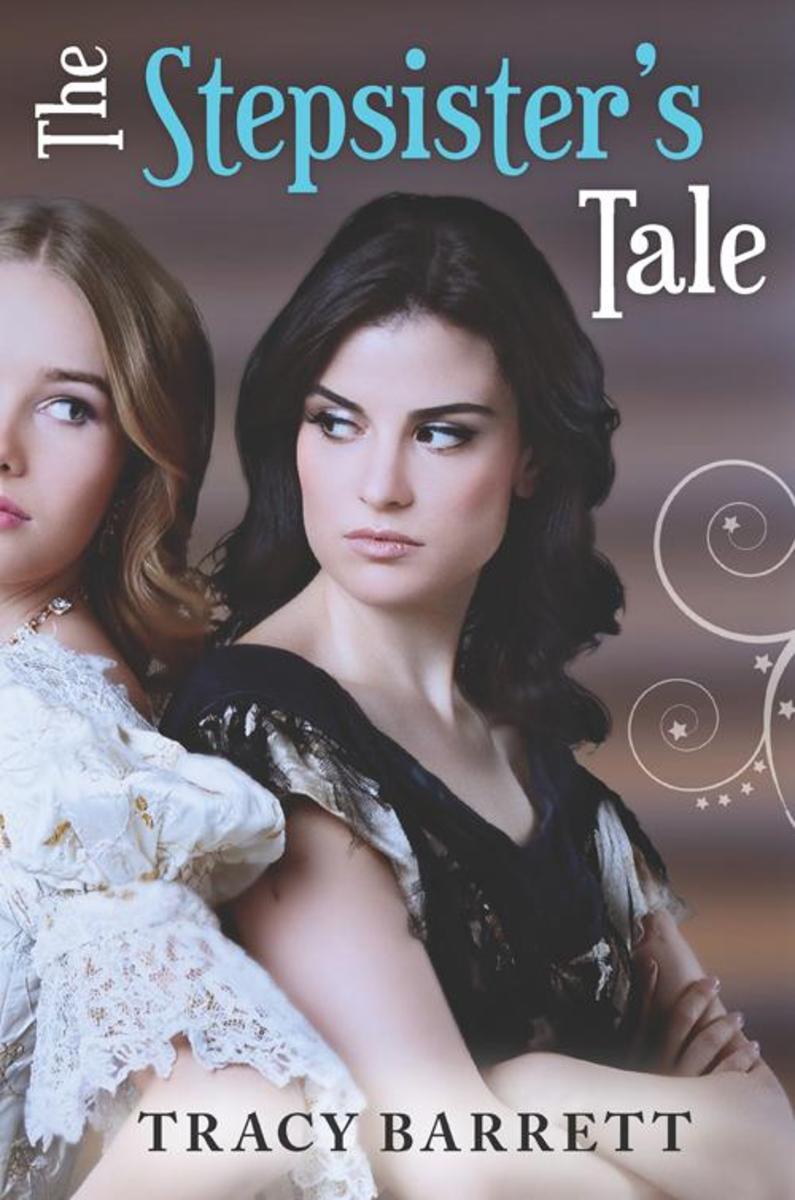
The Stepsister's Tale
¥54.74
What really happened after the clock struck midnight? Jane Montjoy is tired of being a lady. She's tired of pretending to live up to the standards of her mother's noble family—especially now that the family's wealth is gone and their stately mansion has fallen to ruin. It's hard enough that she must tend to the animals and find a way to feed her mother and her little sister each day. Jane's burden only gets worse after her mother returns from a trip to town with a new stepfather and stepsister in tow. Despite the family's struggle to prepare for the long winter ahead, Jane's stepfather remains determined to give his beautiful but spoiled child her every desire. When her stepfather suddenly dies, leaving nothing but debts and a bereaved daughter behind, it seems to Jane that her family is destined for eternal unhappiness. But a mysterious boy from the woods and an invitation to a royal ball are certain to change her fate…. From the handsome prince to the evil stepsister, nothing is quite as it seems in Tracy Barrett's stunning retelling of the classic Cinderella tale.

The Tea Shop on Lavender Lane (Life in Icicle Falls, Book 5)
¥51.50
When it comes to men, sisters don't share! After a fake food poisoning incident in L.A., Bailey Sterling's dreams of becoming a caterer to the stars collapse faster than a oufflé. Now Bailey's face is in all the gossip rags and her business is in ruins. But the Sterling women close ranks and bring her back to Icicle Falls, where she'll stay with her sister Cecily. All goes well between the sisters until Bailey comes up with a new business idea - a tea shop on a charming street called Lavender Lane. She's going into partnership with Todd Black, who - it turns out - is the man Cecily's started dating. It looks to Cecily as if there's more than tea brewing in that cute little shop. And she's not please. Wait! Isn't Cecily seeing Luke Goodman? He's a widower with an adorable little girl, and yes, Cecily does care about him. But Todd's the one who sends her zing-o-meter off the charts. So now what? Should you have to choose between your sister and the man you love (or think you love)? Welcome to Icicle Falls, the town that will warm your heart. 'Sheila Roberts makes me laugh. I read her books & come away hopeful and happy.' - bestselling romance author Debbie Macomber

The Tycoon and the Wedding Planner (Mills & Boon Cherish)
¥31.10
When one wedding leads to another… Kate Parker distracts herself from her memories by keeping busy–and how better than organizing weddings for Dolphin Bay's sweethearts? But tall, dark and handsome tycoon Sam Lancaster's arrival suddenly has Kate forgetting where she left the confetti…. And mysterious Sam will be around awhile longer than the cutting of the cake–because he's got to oversee Kate's building project! There's no time for distractions…but is it time to stop running from happiness now that it's led them to each other?
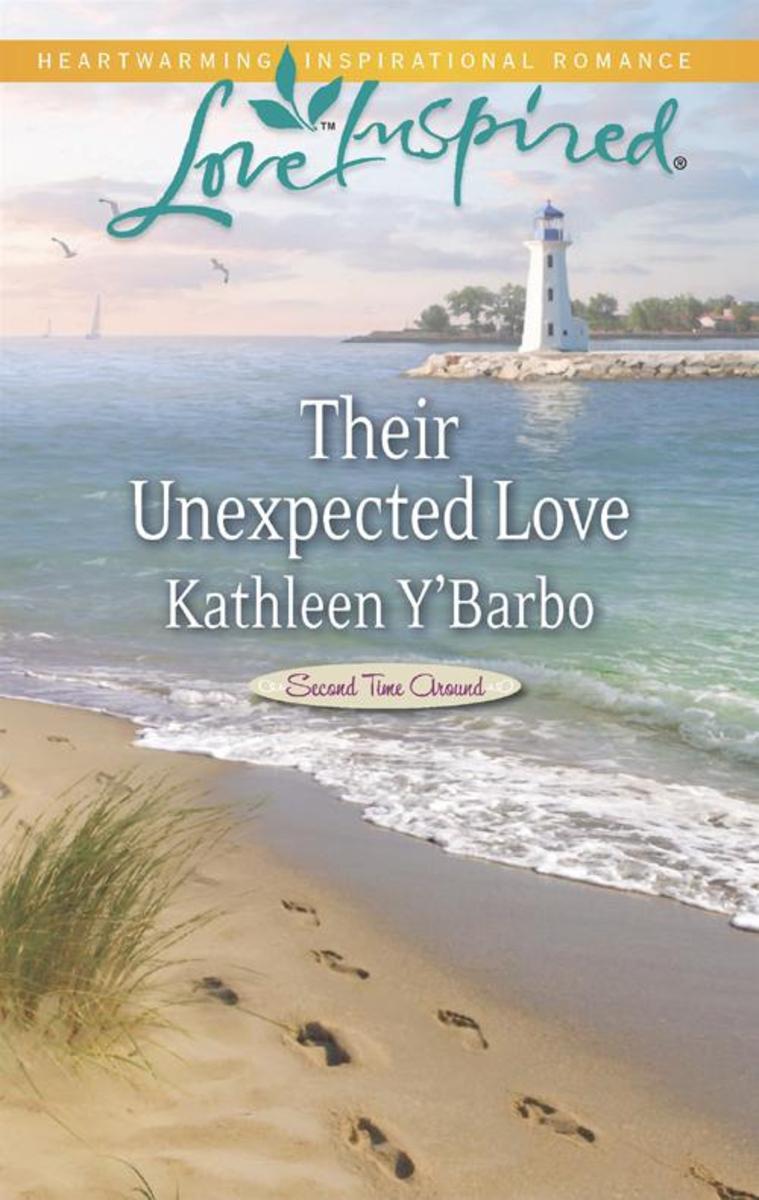
Their Unexpected Love (Mills & Boon Love Inspired) (Second Time Around, Book 3)
¥31.10
Opposites Attract Widowed contractor Logan Burkett knows exactly what troublemaking teens need: discipline. A former rabble-rouser, Logan had his life turned around by firm guidance and hard work. But try telling that to Pippa Gallagher. The softhearted event planner runs a skate park ministry for troubled teens and thinks a place to be themselves is the answer. As he and Pippa work together renovating the space, they seem to disagree about everything. But when disaster strikes, Logan finds himself feeling very protective of the beautiful planner and surprised to discover they share one very special thing in common…love. Second Time Around: Widowers find that love can bloom again…

What She'd Do for Love (Mills & Boon Heartwarming)
¥25.21
They have a chance to build something special… Christa Montgomery has faced many changes recently, but she draws the line at an overhaul of her hometown, Cedar Grove, Texas. When the community's livelihood is threatened by a new highway, she's determined to stop the project and its chief engineer, Ryder Oakes. Ryder almost swept Christa off her feet before she recognized who he was, and now she must struggle to resist his warmth and compassion. Torn between two loyalties, she can't support the new highway, even if his career is at stake. As his project runs into trouble, though, she's determined to come up with a way to have her town…and Ryder, too.
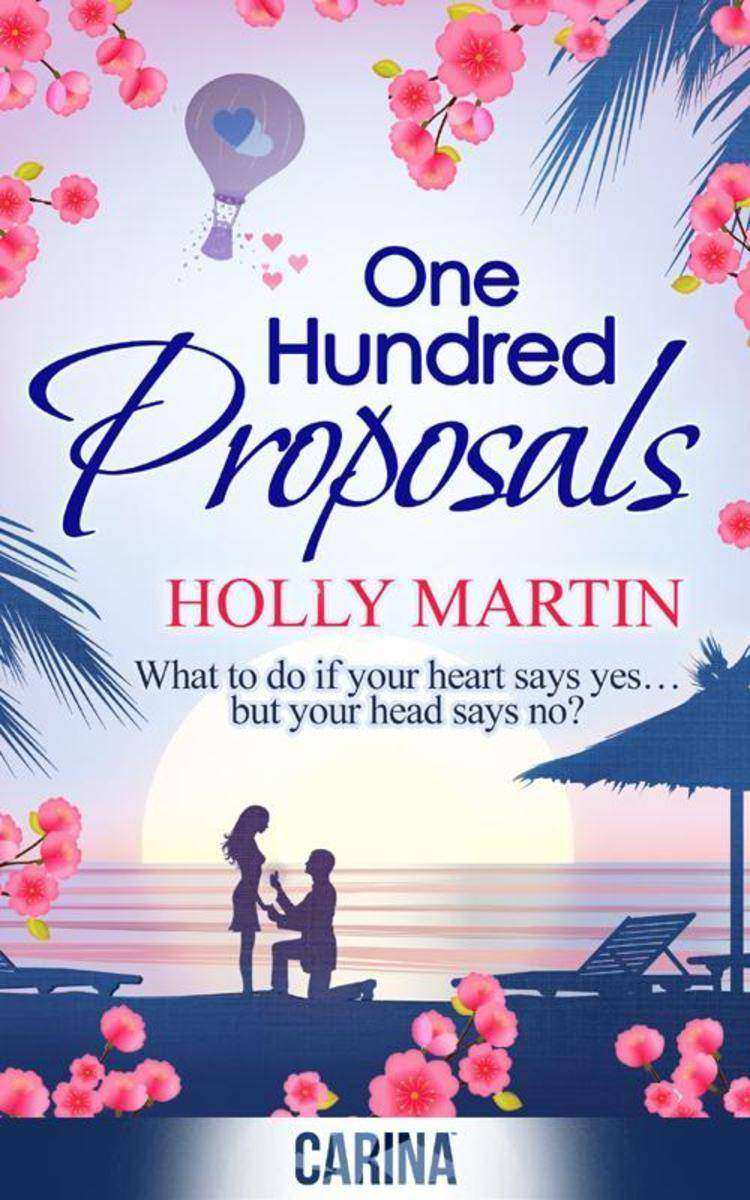
One Hundred Proposals
¥39.24
‘Is there really such a thing as a perfect proposal? Over the next hundred days I intend to find out. I will find one hundred ways to propose to our Chief Proposer Suzie McKenzie and post the results here for your enjoyment. One thing’s for sure, not one of my proposals will be on top of the Eiffel Tower with a dozen red roses.’ Best friends Suzie and Harry are partners in romance. That is, they run the.PerfectProposal.com, coming to the aid of would-be grooms to create the ultimate marriage proposal. But when Harry decides to catapult the business into the big leagues with a PR stunt all Suzie can see is a hundred days of heartbreak stretching ahead of her. But however exotic the location, or breath-takingly romantic the setting, Suzie has to keep remembering that ‘Marry Me?’ is the one question she can’t say yes to. This business proposal should come with one hundred broken heart warnings… One hundred proposals, one hundred chances to say yes. Praise for Holly Martin ‘Holly Martin writes about life and love with such big-hearted warmth and flair – invite The Guestbook into your home today!’ - Belinda Jones 'One Hundred Proposals is beautifully romantic, riveting, completely irresistible and a story that will make you fall in love with love.' - Victoria Loves Books 'Funny, poignant and riveting as well as romantic. Don't miss The Guestbook! I couldn't get enough of the guests' entries and it's got everything: humour, heartbreak, loss, love.' - I Heart.. Chick Lit 'If you’re going to buy any book then buy this delightful one! The Guestbook is splendid, it is beautiful, it is magical and it will leave you with such a smile on your face!' - Reading in the Sunshine 'an original heart-warming novel which will have you routing for Annie all the way!' - BookBoodle on The Guestbook 'This was honestly, 100% one of the most enjoyable books I have ever read – I devoured it in 2 sittings! Holly’s writing style is so easy and fluent it gets hard to stop, and before you know it you’ve read 200 pages and completely forgot about dinner.' - Jenny In Neverland

A Heartbeat Away (Mills & Boon Cherish)
¥31.10
Lucy McTavish has loved Daniel Brown since they were children, and he returned her feelings from the very first. His home, a farm in the English countryside, was a refuge from her unhappy childhood, his heart a shelter for her own. Daniel said they'd always be together–but that's a promise he's unable to keep…. Angry and grieving, Lucy goes to London and prepares to move on with her life. But Daniel is never far from her thoughts. Then one morning she meets a stranger in the park. The connection between them is immediate and powerful, and in the days that follow, Lucy knows Daniel has kept his promise after all.

Light the Stars (Mills & Boon Vintage Cherish)
¥23.84
Wade Dalton was having a very bad day. His five-year-old had accidentally set the kitchen on fire. His daughter was surly, as usual. The baby hadn't been fed yet. And his mother–aka "The Childminder"–had eloped…with a scam artist. Could it get any worse? Turned out it could. Because the annoyingly beautiful daughter of said scam artist was now at the door, batting her doe eyes at him and proposing that she be his temporary nanny while awaiting the newlyweds' return. Could he trust her to be under his roof? Could he trust himself with her under his roof?
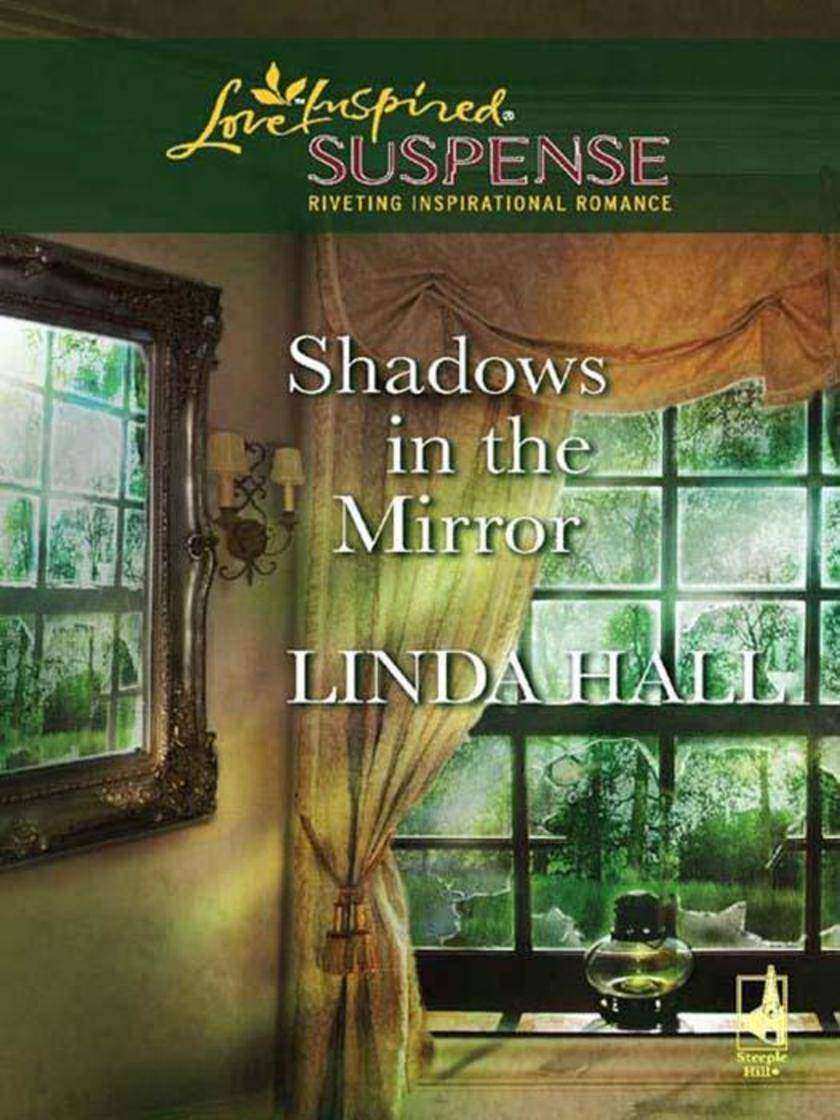
Shadows In The Mirror (Mills & Boon Love Inspired Suspense)
¥31.10
"Never go back to Burlington!" Those were the dying words of the secretive aunt who'd raised orphaned Marylee Simson. Yet to discover who she was, Marylee had to go back, sure the Lord would look out for her. But learning anything about her past was proving impossible. Why were there no records of the accident that claimed her parents' lives? No records of her parents, period? And who was trying to stop her from fi nding out? Someone whose threats were escalating. Someone close to her, such as Evan Baxter, the handsome photographer she'd entrusted with the one clue she had.

The Cowboy and the New Year's Baby (Mills & Boon Vintage Cherish)
¥31.10
When single, independent-minded mother-to-be Trish Delacourt went into labor on the side of a snowy road, she swallowed her pride and flagged down the nearest passing motorist. What she hoped for: a Good Samaritan. What she got: rancher Hardy Jones, handsome as sin and sworn to be single. He knew nothing about birthin' babies, but he was going to have to take a crash course–pronto! Inveterate ladies' man Hardy never could turn down a beautiful woman, so when the pregnant damsel in distress needed him, he delivered her beautiful baby girl. But what was to become of Hardy's policy of no-strings-attached? One look at Trish–and her adorable daughter–and he could feel a most unfamiliar pull….
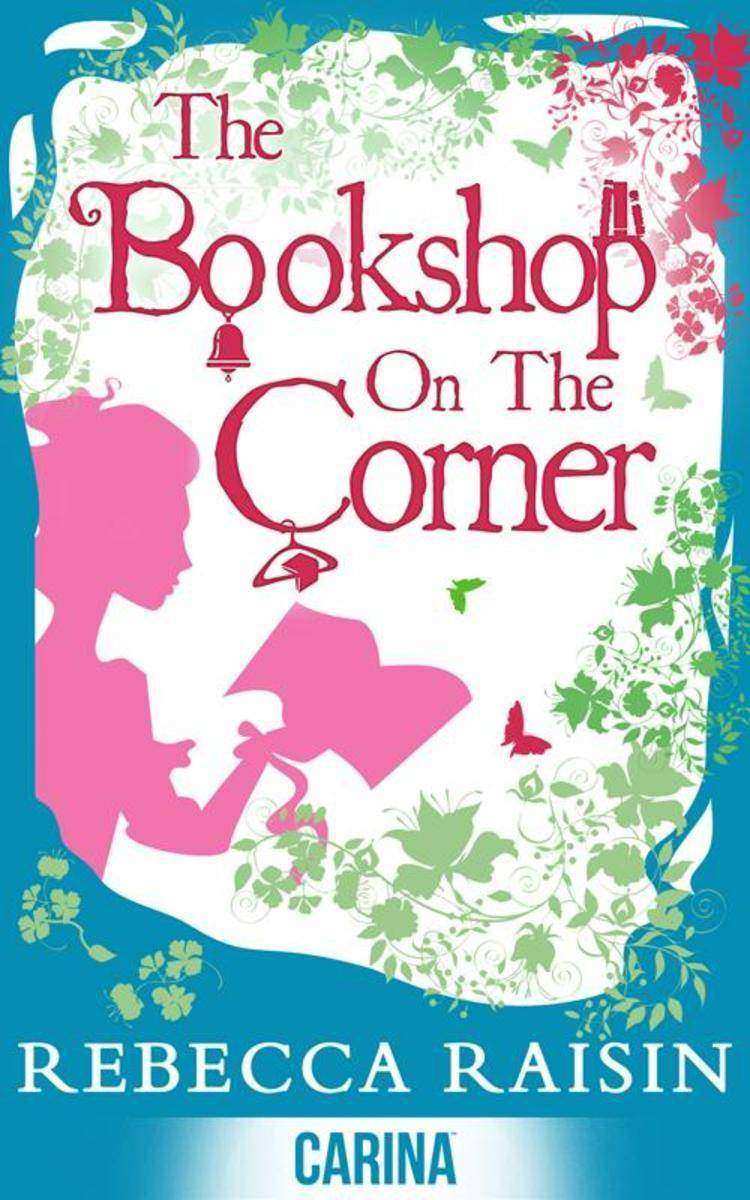
The Bookshop On The Corner (The Gingerbread Café)
¥25.31
Who said that only real heroes could be found in fiction? Sarah Smith had an addiction – she was addicted to romance novels. The meet-cute, the passion, the drama and the gorgeous men! Now this wouldn’t have been such an issue if she hadn’t been the owner of the only bookshop in Ashford, Connecticut. Ever since her close friend Lil, from The Gingerbread Café, had become engaged she had been yearning for a little love to turn up in her life. Except Sarah knew a good man was hard to find – especially in a tiny town like Ashford. That was until New York journalist, Ridge Warner stepped into her bookshop… Love could be just around the corner for Sarah, but will she be able to truly believe that happy-ever-after can happen in real-life too! Shortlisted for the Festival of Romantic Fiction Best Short Romance Award From the brilliant author of The Gingerbread Café trilogy don't miss this linked novella to get a sneak-peek at how Damon and Lil are getting on before the next book in the series Christmas Wedding at the Gingerbread Café out now! Also by Rebecca Raisin: The Gingerbread Café trilogy: Christmas at the Gingerbread Cafe Chocolate Dreams at the Gingerbread Cafe Christmas Wedding at the Gingerbread Café Secrets at Maple Syrup Farm The Little Paris Collection The Little Bookshop on the Seine The Little Antique Shop Under the Eiffel Tower The Little Perfume Shop off the Champs-Elysées Praise for Rebecca Raisin 'How I wish this magical little bookshop was around the corner from my house! Brimming with heart, hope, and wisdom, THE BOOKSHOP ON THE CORNER is a wonderful novel about love, life, friendship, romance, books galore, and finding that happy ending.' –Mia March, author of THE MERYL STREEP MOVIE CLUB and FINDING COLIN FIRTH ‘This story couldn't be anymore perfect if it tried. I am in love with Rebecca's characters, the heart-warming connection between them all and the intertwined lives within the tiny town of Ashford. Rebecca, a huge well done to you! The Bookshop On The Corner was remarkable.’ – Becca’s Books (5 cupcakes) 'A delightful little story about love and taking chances' – cayocosta72 on The Bookshop on the Corner 'Wow – loved it, loved it, loved it! … I don't know what I'm going to do whilst waiting for the next book – Christmas is so far away!!' – Crooks on Books on Chocolate Dreams at the Gingerbread Cafe
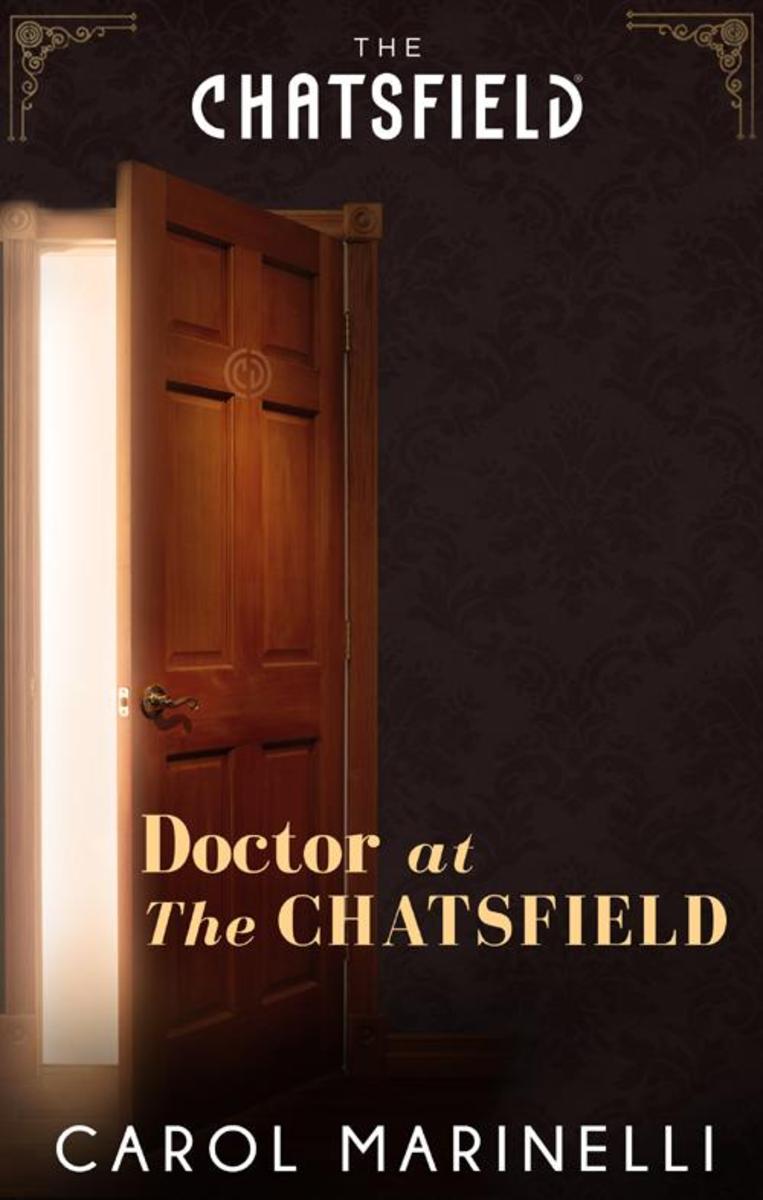
Doctor at The Chatsfield (A Chatsfield Short Story, Book 10)
¥9.71
Step behind the hotel room doors of the Chatsfield, London… Receptionist Natasha knows something’s missing from her life – she’s just not sure what. Until she finds herself playing emergency midwife in the Chatsfield lobby… Delivering the tiny baby is exhilarating – and so too is listening to delicious Dr Mason’s instructions over the phone! So when he turns up in reception, Natasha’s thrilled to discover he’s as sexy as his voice. Maybe he’s just what she’s been looking for all along?

A Clean Slate (Mills & Boon Silhouette)
¥39.24
A Clean Slate chronicles the days of Kelly McGraw, a Chicago woman who suddenly can't remember the last five months of her life, a time when she was dumped by her soon-to-be fiancé and laid off by the company she thought would make her partner. Overwhelmed and confused but otherwise feeling wonderful, she begins to realize that she has a clean slate in life. She can do anything she wants, go anywhere she wants, be anything she wants. But what, exactly, does she want? Follow Kelly on a journey that includes her search to discover what caused her memory loss, an internship with a bad-boy British photographer, a Caribbean photo shoot, her boyfriend's desire to come crawling back and, eventually, a brutal discovery that will cause her to reevaluate both her old and new lives.

A Little Change of Face (Mills & Boon Silhouette)
¥39.24
I need to change my life. On the surface, it doesn't look too bad. Great body, check. Pretty face, check. Job, check. Chicken pox. Check. Stuck in her Danbury, Connecticut, condo in self-imposed exile until she's contagion-free, Scarlett Jane Stein keeps circling around to a passing comment her friend Pam made: how everything (read: men) comes to Scarlett just because she's attractive. Is it true? All her life she's thought that she was fun to be around, that people liked her. Was it only because she was pretty (say it–because she's got incredible breasts)? Or is Pam, tired of playing second fiddle, now playing her? All Scarlett knows is that she's never found the man she believes is out there, her One True Love. So maybe Scarlett needs to change things up. So it's goodbye, Scarlett and hello, dowdier, schlumpier Lettie Shaw. And with her new look, new name, new home and new job, is there a chance that Lettie-née-Scarlett will find someone who loves her for who she is inside? Or has Scarlett's little change of face turned into the biggest mistake of her life?


