


 购物车
购物车 个人中心
个人中心
Anne of the Island
¥8.09
Classic children's novel. According to Wikipedia: "Lucy Maud Montgomery, (always called "Maud" by family and friends) and publicly known as L. M. Montgomery, (1874-1942) was a Canadian author, best known for a series of novels beginning with Anne of Green Gables, published in 1908. Anne of Green Gables was an immediate success. The central character, Anne, an orphaned girl, made Montgomery famous in her lifetime and gave her an international following. The first novel was followed by a series of sequels with Anne as the central character. The novels became the basis for the highly acclaimed 1985 CBC television miniseries, Anne of Green Gables and several other television movies and programs, including Road to Avonlea, which ran in Canada and the U.S. from 1990-1996."
Anne's House of Dreams
¥8.09
Classic children's novel. According to Wikipedia: "Lucy Maud Montgomery, (always called "Maud" by family and friends) and publicly known as L. M. Montgomery, (1874-1942) was a Canadian author, best known for a series of novels beginning with Anne of Green Gables, published in 1908. Anne of Green Gables was an immediate success. The central character, Anne, an orphaned girl, made Montgomery famous in her lifetime and gave her an international following. The first novel was followed by a series of sequels with Anne as the central character. The novels became the basis for the highly acclaimed 1985 CBC television miniseries, Anne of Green Gables and several other television movies and programs, including Road to Avonlea, which ran in Canada and the U.S. from 1990-1996."
Heretics
¥8.09
Classic collection of essays. Introductory Remarks on the Importance of Orthodoxy, On the Negative Spirit, On Mr. Rudyard Kipling and Making the World Small, Mr. Bernard Shaw, Mr. H. G. Wells and the Giants, Christmas and the Esthetes, Omar and the Sacred Vine, The Mildness of the Yellow Press, The Moods of Mr. George Moore, On Sandals and Simplicity, Science and the Savages, Paganism and Mr. Lowes Dickinson, Celts and Celtophiles, On Certain Modern Writers and the Institution of the Family, and On Smart Novelists and the Smart Set, On Mr. McCabe and a Divine Frivolity, On the Wit of Whistler, The Fallacy of the Young Nation, Slum Novelists and the Slums, and Concluding Remarks on the Importance of Orthodoxy. According to Wikipedia: "Gilbert Keith Chesterton (29 May 1874 – 14 June 1936) was an influential English writer of the early 20th century. His prolific and diverse output included journalism, philosophy, poetry, biography, Christian apologetics, fantasy and detective fiction. Chesterton has been called the "prince of paradox." Time magazine, in a review of a biography of Chesterton, observed of his writing style: "Whenever possible Chesterton made his points with popular sayings, proverbs, allegories—first carefully turning them inside out."
All Things Considered
¥8.09
Classic collection of essays. According to Wikipedia: "Gilbert Keith Chesterton (1874 - 1936) was an influential English writer of the early 20th century. His prolific and diverse output included journalism, philosophy, poetry, biography, Christian apologetics, fantasy and detective fiction. Chesterton has been called the "prince of paradox." He wrote in an off-hand, whimsical prose studded with startling formulations. For example: "Thieves respect property. They merely wish the property to become their property that they may more perfectly respect it."[2] He is one of the few Christian thinkers who are equally admired and quoted by both liberal and conservative Christians, and indeed by many non-Christians. Chesterton's own theological and political views were far too nuanced to fit comfortably under the "liberal" or "conservative" banner."
In Defense of Women
¥8.09
Classic collection of satirical essays, including The Feminine Mind, The War Between the Sexes, Marriage, Woman Sufrage, and The New Age. The Introduction begins: "As a professional critic of life and letters, my principal business in the world is that of manufacturing platitudes for tomorrow, which is to say, ideas so novel that they will be instantly rejected as insane and outrageous by all right thinking men, and so apposite and sound that they will eventually conquer that instinctive opposition, and force themselves into the traditional wisdom of the race."
Siddhartha, an Indian Tale
¥8.09
Classic novel, first published in 1922. According to Wikipedia: "Siddhartha is a novel by Hermann Hesse that deals with the spiritual journey of a boy known as Siddhartha from the Indian subcontinent during the time of the Buddha. The book, Hesse's ninth novel, was written in German, in a simple yet powerful and lyrical style. It was published in the U.S. in 1951 and became influential during the 1960s. Hesse dedicated Siddhartha to Ninon Hesse, his wife. The word Siddhartha is made up of two words in the Sanskrit language, siddha (achieved) + artha (meaning or wealth). The two words together mean "he who has found meaning (of existence)" or "he who has attained his goals". The Buddha's name, before his renunciation, was Prince Siddhartha Gautama. In this book, the Buddha is referred to as "Gotama".
Opera lui Tudor Arghezi
¥106.19
Cartea lui Dan Dungaciu se individualizeaza prin originalitatea metodei sale: logistica. Sociologia este, prin excelenta, o "stiinta de spate", cum ar spune logisticienii, adica o stiinta care serveste marilor incordari colective (ofensive sau defensive) pe o durata anumita. Dan Dungaciu propune, in acest sens, cel putin trei procedee de cercetare a sociologiei la scara unei epoci si a unei arii de civilizatie, cea europeana in acest caz: a) "centrele logistice ale gandirii sociale" (care sustin retelele sociologiei); b). "Harta logistica a sociologiei" (romanesti in acest caz); c). Seria teoriilor reprezentative pentru cateva dintre temele dominante ale sociologiei interbelice. Modelul lecturii dezvaluie o fata surprinzatoare a uneia dintre cele mai spectaculoase manifestari ale sociologiei in secolul XX: sociologia romaneasca interbelica. Istoria logistica a sociologiei romanesti reconstituie astfel una dintre secventele de mare tensiune creatoare ale dramei neamului romanesc in secolul al XX-lea, ceea ce face din cartea lui Dan Dungaciu una de exceptie.

Jurgen
¥8.09
According to Wikipedia: "James Branch Cabell (1879 - 1958) was an American author of fantasy fiction and belles lettres... Cabell's work was thought of very highly by a number of his peers, including Mark Twain, Sinclair Lewis, H. L. Mencken, Joseph Hergesheimer, and Jack Woodford. When Twain died he was reading Cabell's Chivalry. And although now largely forgotten by the general public, his work was remarkably influential on later authors of fantastic fiction... Cabell's eighth (and best-known) book, Jurgen, A Comedy of Justice (1919), was the subject of a celebrated obscenity case shortly after its publication. The eponymous hero, who considers himself a "monstrous clever fellow", embarks on a journey through ever more fantastic realms, even to hell and heaven. Everywhere he goes, he winds up seducing the local women, even the Devil's wife."
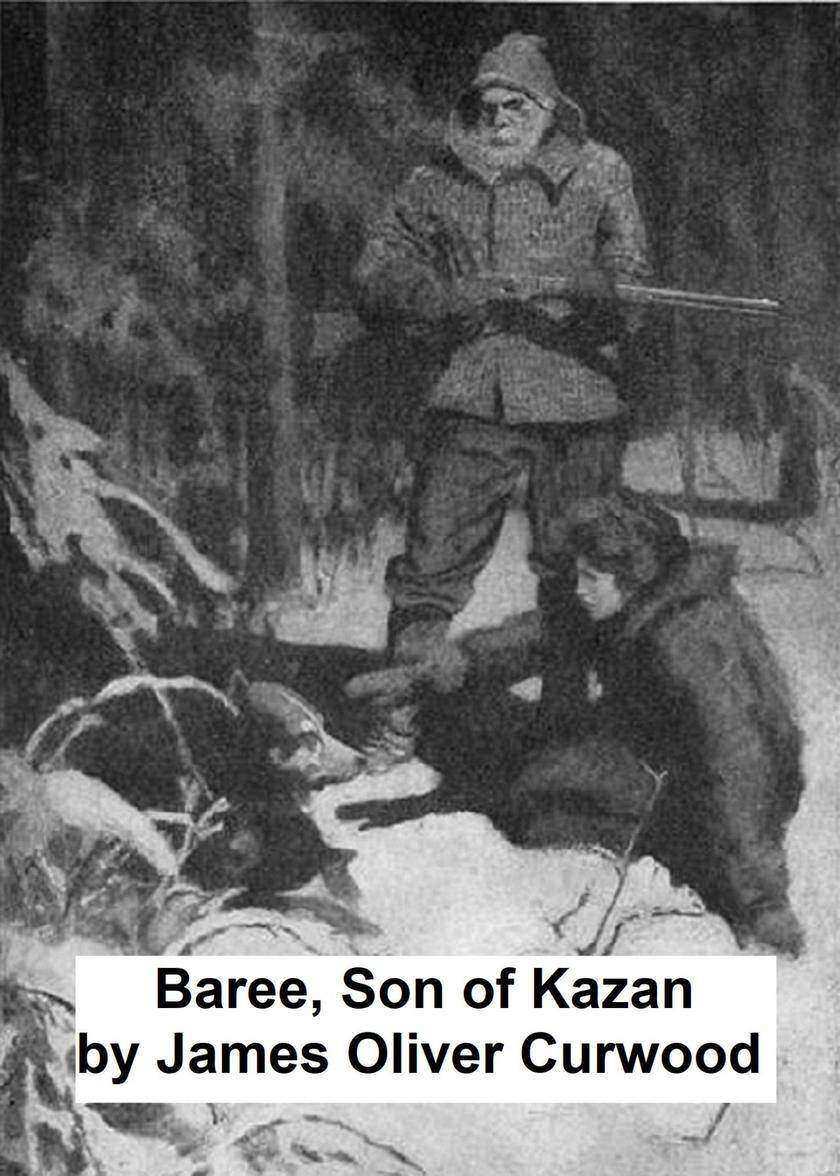
Baree, Son of Kazan
¥8.09
According to Wikipedia: "Baree, Son of Kazan is the eponymous name of a 1917 novel about a wild wolfling pup named Baree. It was written by James Oliver Curwood as the sequel to Kazan. Baree, Son of Kazan is a story about a wild wolfdog pup sired by Kazan (1/4 wolf, 3/4 dog) and born of blind Greywolf (pure wolf). This story is about Baree's survival after being separated from his parents as a young pup. He eventually finds himself in the care of Nepeese and her father Pierrot, a trapper. He bonds with Nepeese, and the story goes from there. James Oliver Curwood took the well used "a boy and his dog" formula, and created a great adventure story about a girl and her dog. A successful formula featuring a strong heroine, rather than a male hero, that he used in many of his stories."
Renaissance in Italy: The Age of the Despots
¥8.09
According to Wikipedia: "John Addington Symonds (5 October 1840 - 19 April 1893) was an English poet and literary critic… Meanwhile he was occupied with his major work, Renaissance in Italy, which appeared in seven volumes at intervals between 1875 and 1886. The Renaissance had been the subject of Symonds' prize essay at Oxford, and this had aroused a desire to produce a more complete picture of the reawakening of art and literature in Europe... He practically made his home at Davos. A charming picture of his life there is drawn in Our Life in the Swiss Highlands (1891). Symonds became a citizen of the town; he took part in its municipal business, made friends with the peasants and shared their interests. There he wrote most of his books: biographies of Shelley (1878), Philip Sidney (1886), Ben Jonson (1886) and Michelangelo (1893), several volumes of poetry and essays, and a translation of the Autobiography of Benvenuto Cellini (1887). There, too, he completed his study of the Renaissance, the work for which he is mainly remembered."
Renaissance in Italy: The Fine Arts
¥8.09
According to Wikipedia: "John Addington Symonds (5 October 1840 - 19 April 1893) was an English poet and literary critic… Meanwhile he was occupied with his major work, Renaissance in Italy, which appeared in seven volumes at intervals between 1875 and 1886. The Renaissance had been the subject of Symonds' prize essay at Oxford, and this had aroused a desire to produce a more complete picture of the reawakening of art and literature in Europe... He practically made his home at Davos. A charming picture of his life there is drawn in Our Life in the Swiss Highlands (1891). Symonds became a citizen of the town; he took part in its municipal business, made friends with the peasants and shared their interests. There he wrote most of his books: biographies of Shelley (1878), Philip Sidney (1886), Ben Jonson (1886) and Michelangelo (1893), several volumes of poetry and essays, and a translation of the Autobiography of Benvenuto Cellini (1887). There, too, he completed his study of the Renaissance, the work for which he is mainly remembered."
The Wind in the Willows
¥8.09
With 10 illustrations. According to Wikipedia: "Kenneth Grahame (July 20, 1859 – July 6, 1932) was a British writer, most famous for The Wind in the Willows (1908), one of the classics of children's literature. He also wrote The Reluctant Dragon, which was much later adapted into a Disney film."
The Tao Teh King or The Tao
¥8.09
According to Wikipedia: "The Tao Te Ching, Dao De Jing, or Daodejing, also simply referred to as the Laozi, is a Chinese classic text. According to tradition, it was written around the 6th century BC by the sage Laozi (or Lao Tzu, "Old Master"), a record-keeper at the Zhou Dynasty court, by whose name the text is known in China. The text's true authorship and date of composition or compilation are still debated, although the oldest excavated text dates back to the late 4th century BC. The text is fundamental to both philosophical and religious Taoism and strongly influenced other schools, such as Legalism, Confucianism and Chinese Buddhism, which when first introduced into China was largely interpreted through the use of Daoist words and concepts. Many Chinese artists, including poets, painters, calligraphers, and even gardeners have used the Daodejing as a source of inspiration. Its influence has also spread widely outside East Asia, and is amongst the most translated works in world literature."
C?inii
¥65.32
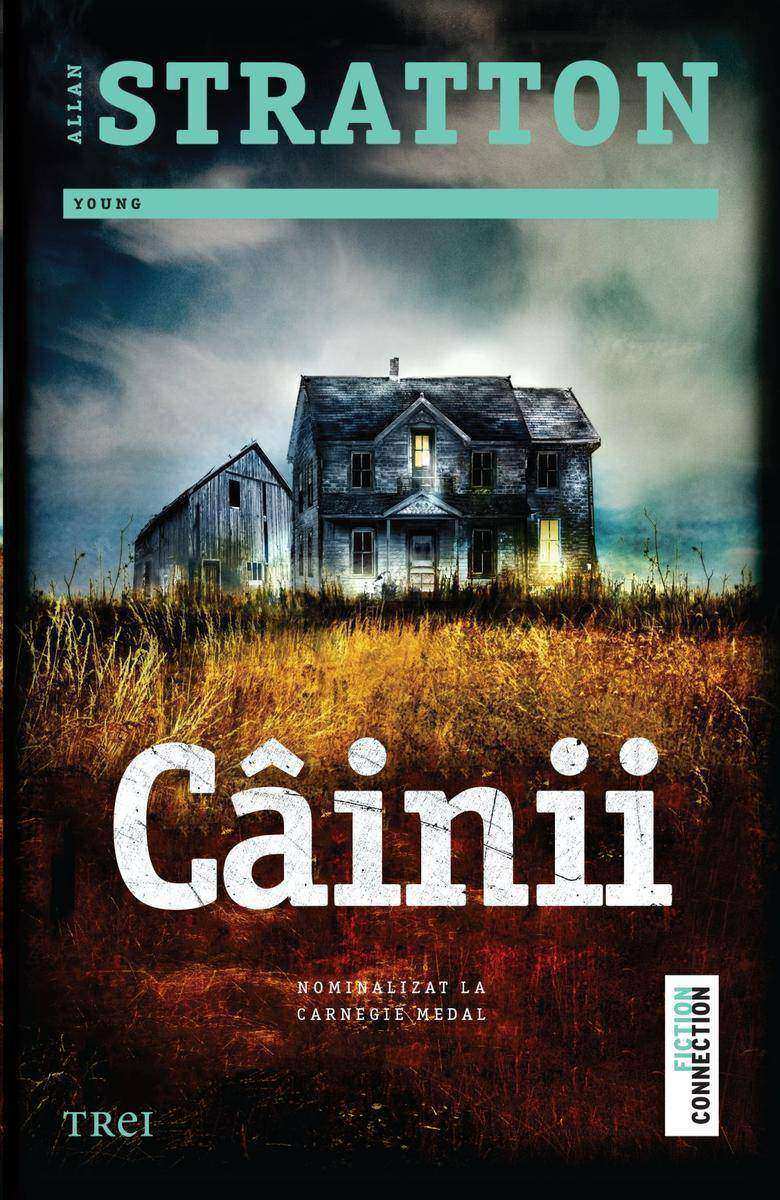
Ce ne determin? s? alegem un anumit b?rbat, o anumit? femeie? Exist? oare o alegere potrivit? sau totul e hazard? Si oare cum eroii unor romane at?t de ?ndr?gite, precum?Amantul doamnei Chatterley?sau?M?n?stirea din Parma, au ajuns s?-?i ?eas? pove?tile de dragoste?S? ne imagin?m rela?ia noastr? de iubire ca pe o cas?. ?i, construind-o, avem libertatea de a ?ncepe de oriunde dorim: de la funda?ia s?pat? ad?nc ?n p?m?nt, de la acoperi? sau de la parterul confortabil, trec?nd apoi la alte etaje, mai mult sau mai pu?in atr?g?toare ini?ial. ?n arhitectura unui cuplu, aceste planuri au o semnifica?ie proprie ?i spun c?te ceva despre cei care le cl?desc. Chestionarele ?i testele pe care le ve?i g?si ?n acest volum v? vor ajuta s? v? evalua?i compatibilitatea cu cel?lalt ?ntr-o rela?ie incipient? ?i s? v? cunoa?te?i mai bine "casa" propriului cuplu, pentru a v? putea bucura ?mpreun? de ea c?t mai deplin. E o carte pentru oameni singuri, ce ?nc? ??i caut? perechea, dar ?i pentru cuplurile deschise spre autoexplorare.?

Formarea inovatorilor. Cum cre?ti tinerii care vor schimba lumea de m?ine
¥65.32
Lee Child este un maestru al suspansului. – Entertainment WeeklyJack Reacher, fost ofi?er ?n poli?ia militar? a Statelor Unite, e pus din nou ?n fa?a unui caz complicat. Pl?nuind s? ajung? ?n Virginia, ?n c?utarea unei femei pe care nu a v?zut-o niciodat?, face autostopul. ?n ma?ina care se opre?te sunt doi b?rba?i ?i o femeie ce pare extrem de ?ngrijorat?. Din atitudinea lor, Reacher ?ncepe s? suspecteze c? ascund ceva.FBI-ul lanseaz? un apel de urm?rire general? pentru c? ?n zon? a avut loc o crim? ?i o persoan? a fost r?pit?. Oare ?nso?itorii de drum ai lui Reacher sunt implica?i ?n aceast? poveste? Iar fostul ofi?er din poli?ia militar? e doar o momeal??Al?turi de Julia Sorenson, agent FBI, Reacher porne?te o anchet? pe cont propriu ?i se treze?te prins ?ntr-o conspira?ie uria??, ?n care nimic nu e ceea ce pare ?i nimeni nu spune adev?rul.Urm?rit creeaz? unul dintre cele mai reu?ite personaje feminine din ?ntreaga serie Jack Reacher. – The New York TimesSubtil ?i nuan?at, cu un stil seduc?tor ?i r?sturn?ri irezistibile de situa?ie. – Newsweek?Reacher continu? s? conduc? ?i ?ncepu s? se g?ndeasc? la cele dou? baraje rutiere prin care trecuser?. Opt ma?ini ?i opt poli?i?ti ?n fiecare loc, cu lanterne ?i timp berechet pentru o inspec?ie am?nun?it?. Se imagin? pe sine ?n situa?ia de om urm?rit, cu ?nf??i?are obi?nuit?, c?l?torind singur, trezindu-se dintr-odat? vulnerabil ?i ?ntr-o situa?ie riscant?, poate anticip?nd barajele rutiere dinaintea sa. Ce putea s? fac? un astfel de om ca s? fie preg?tit? Putea s?-?i schimbe ?nf??i?area obi?nuit?, cu fard, plastilin?, peruci, piercinguri false, tatuaje false sau cicatrice false. Trebuia s? nu mai fie singur ?n ma?in?. Ceea ce era simplu, chiar ?i f?r? pricepere sau antrenament. Putea s? ia un autostopist de pe drum.“
Lumina pe care am pierdut-o
¥73.49
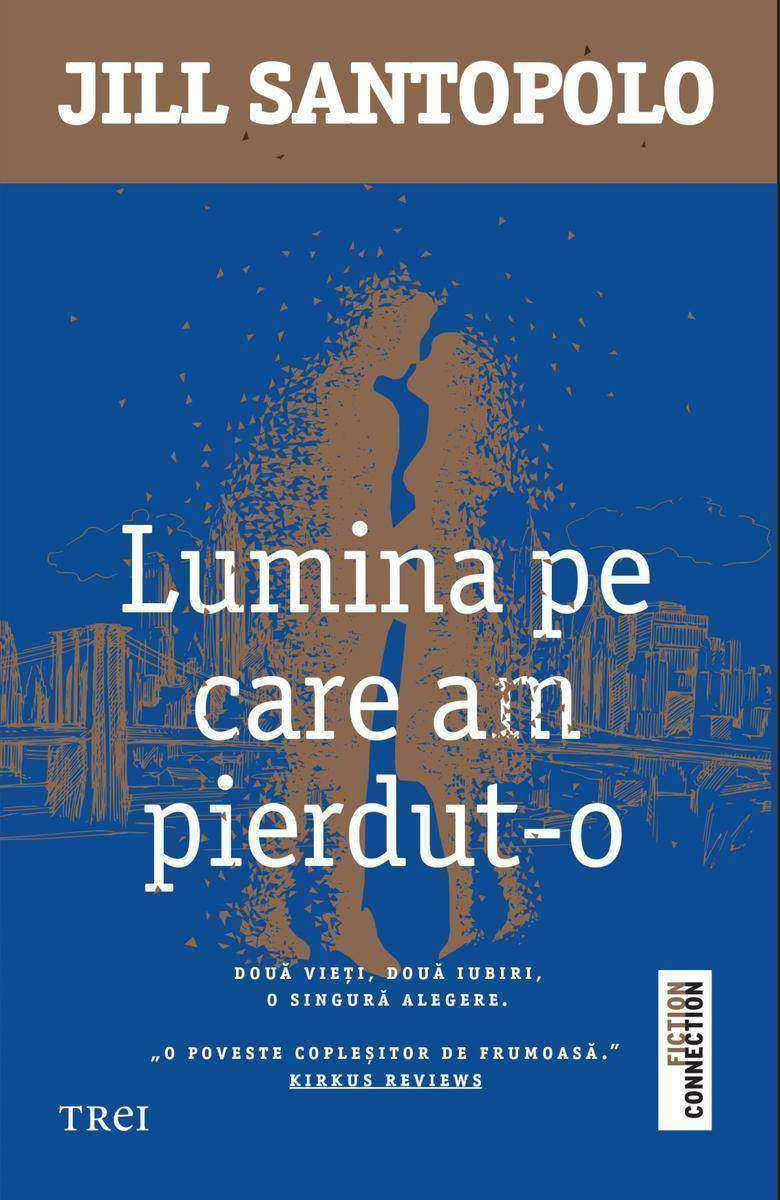
O stare de s?n?tate bun? este asociat? cu un sistem imunitar ce func?ioneaz? corespunz?tor. Dar aceast? func?ionare este independent? de via?a psihic?, organismul nostru se protejeaz? automat? Acest volum ofer? at?t o introducere bine documentat? ?n imunologie, c?t ?i o perspectiv? de ansamblu asupra rela?iilor dintre comportamentul uman, procesele neurologice ?i endocrine ?i func?ia imunitar? bazat? pe cercet?ri recente din domeniu. Sunt abordate diferite subiecte importante precum: modul ?n care stresul influen?eaz? func?ia imunitar?, modific?rile func?iei imunitare induse psihosocial, influen?a puternic? a depresiei asupra bolilor cardiovasculare ?i autoimune, rolul precum ?i efectele benefice ale ?n?elegerii ?i exprim?rii emo?iilor asupra func?ion?rii sistemului imunitar. De asemenea, un loc important ?n acest volum ?l ocup? prezentarea unor modele explicative ale rolului benefic al interven?iilor comportamentale ?i al diferitelor forme de psihoterapie asupra func?ion?rii sistemului imunitar. Cartea se adreseaz? medicilor, psihologilor ?i tuturor celor interesa?i de interac?iunea minte–corp.
Exerci?iul miraculos: C?nd un cuplu vindec? un psihoterapeut
¥48.97
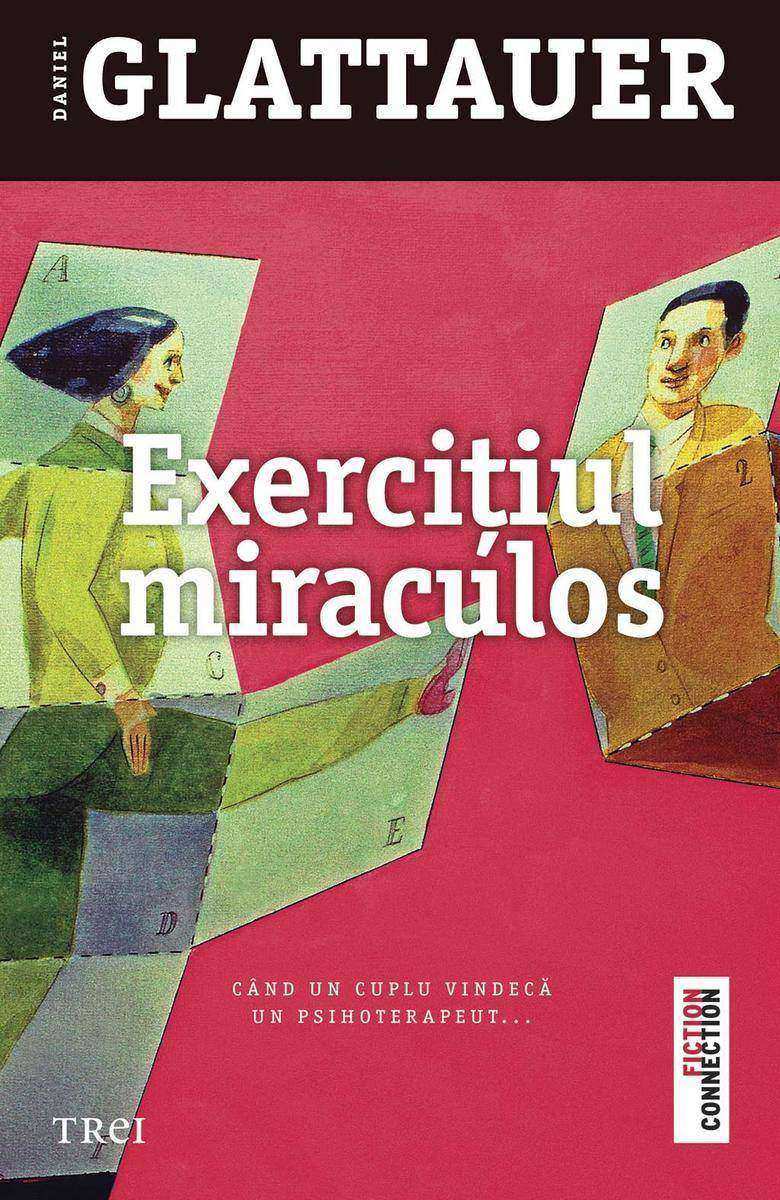
Unul tr?ie?te, cel?lalt moare. E singura solu?ie. Roman din seria Helen Grace Doi ostatici. Un singur glon?. Doar unul va supravie?ui. Sunt suflete-pereche. Vor s?-?i petreac? restul vie?ii ?mpreun?. ?ns? c?nd se trezesc singuri ?i dezorienta?i ?ntr-un subsol p?r?sit, groaza ?i cople?e?te. Nu au la dispozi?ie dec?t o arm? ?nc?rcat? cu un singur glon? ?i ?nso?it? de urm?torul mesaj: ?C?nd unul dintre voi ?l va ucide pe cel?lalt, supravie?uitorul va fi liber“. Cine a putut concepe un astfel de scenariu sinistru, ?n care victimele ?nse?i comit crima? Tortura?i de spaim?, disperare, sete ?i inani?ie, pentru ostatici nu exist? dec?t o singur? cale de a pune cap?t acestui supliciu: unul dintre ei trebuie s? moar?. M. J. Arlidge a creat o eroin? memorabil?: inspectoarea Helen Grace. – Daily Mail O poveste captivant? ?i ?nfrico??toare, scris? magistral. – Sun ??i d? fiori! – Sunday Mirror ?Mi se pare mie sau ?mbr??i??rile noastre nu ne mai prea ?nc?lzesc? ?i nu ne mai ap?r?? De c?nd s-a ?nt?mplat, ne-am ag??at zi ?i noapte unul de altul, dorind s? supravie?uim am?ndoi, dispera?i s? nu r?m?nem singuri ?n locul acesta cumplit. Am jucat tot felul de jocuri ca s? treac? timpul, imagin?ndu-ne ce vom face dup? ce va sosi cavaleria — ce-o s? m?nc?m, ce-o s? le spunem rudelor, ce-o s? primim de Cr?ciun. ?ns? aceste jocuri s-au terminat treptat, pe m?sur? ce am ?n?eles c? am fost adu?i aici cu un scop ?i c? nu va exista un sf?r?it fericit.“

O sut? de zile de fericire
¥81.67
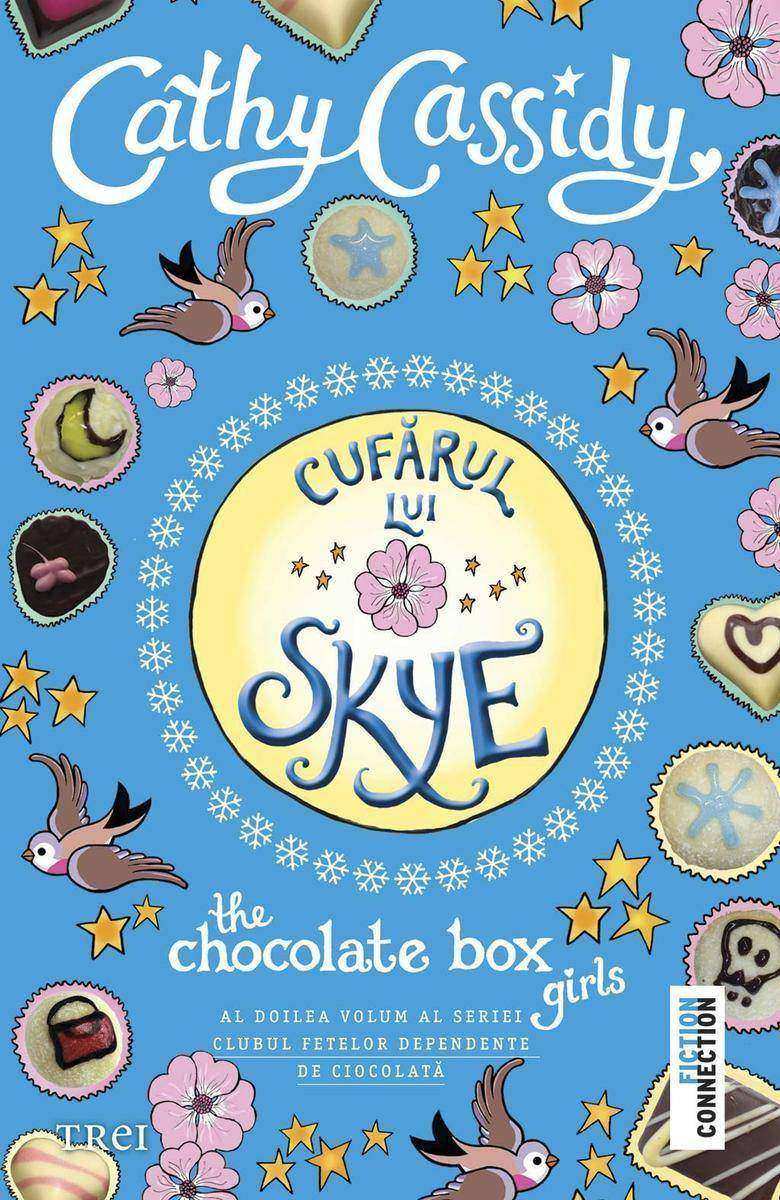
Capitala a c?zut. ?ntunecatul conduce Ravka din tronul s?u de umbre. Acum, soarta ??rii depinde de fragila Invocatoare a Soarelui, de o iscoad? c?zut? ?n dizgra?ie ?i de r?m??i?ele unei armate magice, c?ndva m?rea??. Pornit? ?n c?utarea ultimului amplificator al lui Morozova, Alina ?ncheie noi alian?e ?i las? deoparte vechile rivalit??i. Pe m?sur? ce afl? secretele ?ntunecatului, descoper? un trecut ce va schimba pentru totdeauna felul ?n care vede leg?tura lor, precum ?i puterea cu care e ?nzestrat?. Numai pas?rea de foc mai poate ?mpiedica distrugerea Ravk?i, ?ns? prinderea ei ar putea s? o coste pe Alina viitorul pentru care lupt?. Alina este o marginal? ?i a?a m? sim?eam ?i eu c?nd eram mic?. ??i dore?te foarte mult s? apar?in? unui loc din lumea asta ?i din aceast? cauz? face ni?te alegeri gre?ite. Am fost crescut? de bunicii mei ?ntr-un loc straniu, unde nu prea ?nt?lneai copii. Casa lor se afla pe un deal ?i mai tot timpul eram l?sat? de capul meu. Cred c? ceva din senza?ia aceea de izolare s-a strecurat ?i ?n descrierea Keramzinului (orfelinatul ?n care cresc Alina ?i Mal). – Leigh Bardugo, pentru Entertainment Weekly Elegan?a ?i fluiditatea stilului, ?mpreun? cu acea lume imaginar? des?v?r?it? fac din Trilogia Grisha o pies? de rezisten?? a genului fantasy. – RT Book Reviews Am reu?it s? m? ridic ?n picioare. Capul mi se ?nv?rtea. Mi-am str?ns bra?ul r?nit cu m?na teaf?r? ?i am pornit cl?tin?ndu-m? prin ?ntuneric. Nu vedeam nimic, eram complet dezorientat?. Dar am continuat s? merg prin bezn?, ?ncerc?nd s?-mi deblochez mintea, s? ?ncropesc un plan. ?tiam c? volcrele m? puteau ataca ?n orice clip?, dar era prea riscant s? folosesc lumina. G?nde?te!, m? mustram ?n sinea mea. Nu mai aveam nicio idee. R?m?sesem f?r? explozibili ?i nu puteam folosi T?ietura. M?neca ?mi era plin? de s?nge ?i pa?ii ?mi ?ncetineau. Trebuia s? g?sesc pe cineva s?-mi vindece bra?ul. Trebuia s? m? refac ?i s? atac din nou. Nu puteam fugi iar??i de ?ntunecatul, la fel ca prima oar? c?nd luptaser?m ?n Falie. De atunci, fugisem ?ntruna.
Cuf?rul lui Skye
¥57.14
Reunind extrase din lucr?rile scrise de Albert Ellis pe parcursul a cincizeci de ani, exemple ?i prezent?ri de caz, aceast? carte surprinde evolu?ia g?ndirii p?rintelui terapiei comportamentale ra?ional-emotive, numit totodat? ?i bunicul psihoterapiei cognitiv-comportamentale. Focalizat? ini?ial asupra educa?iei sexuale ?i a libert??ii sexuale, ?n contextul unei societ??i americane destul de stricte la acea vreme ?n ceea ce prive?te nuditatea sau sexul ?n afara c?s?toriei, munca lui Albert Ellis s-a extins treptat asupra unor domenii mai largi ale psihicului uman.Este o lucrare inedit?, interesant? ?i util? pentru psihologii ?i psihoterapeu?ii din indiferent ce orientare, dar ?i pentru nespeciali?ti, care pot avea ocazia s? se familiarizeze astfel cu opera unuia dintre cei mai mari deschiz?tori de drumuri ai secolului XX.
Copilul, familia ?i lumea exterioar?
¥65.32
Unu din cinci copii ?i adolescen?i sufer? de o tulburare mental?, potrivit unui studiu nord-american din 2013. Cartea de fa?? ofer? profesorilor, psihologilor ?colari ?i managerilor din domeniul educa?ional informa?iile psihologice ?i strategiile didactice necesare pentru a asigura un mediu previzibil, empatic ?i sigur pentru elevii afecta?i de ADHD, tulbur?ri de conduit?, anxit??i, depresii, autism, adic?ii ?i alte afec?iuni psihice. Acest ghid practic ofer? informa?ii ?i sfaturi legate de managementul clasei ?i de stilul de ?nv??are al elevilor cu vulnerabilit??i psihice, dar propune ?i o serie de interven?ii psihologice suportive, comportamentale ?i de ?nv??are socio-emo?ional?, realizabile ?mpreun? cu p?rin?ii ?i psihologii ?colari. ?To?i copiii, to?i elevii trebuie sprijini?i pentru a reu?i. Cei care se confrunt? cu probleme din zona s?n?t??ii mentale beneficiaz? de foarte pu?in? asisten??, iar uneori sunt neglija?i sau ignora?i. Aceast? carte le ofer? profesorilor repere strategice ?i instrumente foarte utile pentru a contribui la bun?starea mental? a celor cu care lucreaz?“. – Prof. univ. dr. Lucian Ciolan, decan al Facult??ii de Psihologie ?i ?tiin?ele Educa?iei, Universitatea din Bucure?ti
Ghici cine moare primul: Roman din seria Helen Grace
¥73.49
PREMIUL NA?IONAL AL CHINEI ?n senza?ionalul s?u roman de debut, Mai Jia ne dezv?luie misterioasa lume a Unit??ii 701, un serviciu de informa?ii ultrasecrete, care se ocup? cu spargerea codurilor ?i contraspionaj. Rong Jinzhen, un geniu al matematicii autist, cu un trecut de-a dreptul mitic, e obligat s?-?i abandoneze cariera academic? dup? ce e recrutat ?n Unitatea 701. Fiind cel mai mare criptograf al Chinei, Rong descoper? c? mintea str?lucit? din spatele extrem de dificilului Cod Violet e fostul s?u profesor ?i prieten apropiat, care lucreaz? acum pentru inamicul Chinei. Considerat un precursor al fic?iunii de spionaj chineze, Mai Jia s-a inspirat din propria experien?? – a intrat ?n contact cu numero?i criptologi ?i spioni ?n timpul celor 17 ani c?t a lucrat ?n serviciul de informa?ii secrete din cadrul Armatei de eliberare a poporului. “Cartea e o subtil? ?i complex? ?mbinare de criptografie, politic?, vise ?i semnifica?ia lor. Sunt multe episoade memorabile, de la apari?ia stranie, ?nc?rcat? de supersti?ii, a familiei Rong ?i p?n? la declinul ei treptat, pe m?sur? ce secolul XX ?nainteaz?. ?ns? marea reu?it? a romanului e dat? de profunzimea personajelor lui.“ - The Times Literary Supplement Romanul lui Mai Jia are o estetic? proprie, construie?te o lume ?n care personajele par mereu gata s? cad? prad? obsesiilor. -- The Telegraph “Absurditatea destinului, str?lucirea ?i fragilitatea geniului ?i ?mprejur?rile care-i leag? definitiv pe oameni – despre toate acestea vorbe?te Criptograful, romanul straniu ?i misterios al lui Mai Jia.“ - Beijing Evening News “Copilul s-a n?scut cu pre?ul vie?ii mamei sale, care ?l adusese pe lume ?n chinuri groaznice. Intrat ?n via??, i-a uimit pe to?i cu capul lui mare ca o bani??. Avea capul mai mare dec?t linia umerilor! Capul mamei era o nimica toat? ?n compara?ie cu al fiului (…)Dup? na?terea lui, cei din clanul Lin s-au dat peste cap s?-i aleag? tot soiul de nume, de la nume cu stil, nume formale, nume-porecl? ?i multe altele, ?ns? ?i-au dat repede seama c? era o treab? de prisos, ?ntruc?t capul s?u c?t bani?a ?i condi?iile groaznice ?n care se n?scuse i-au f?cut pe oameni s?-l strige: C?p???n? de Uciga?.“


