


 购物车
购物车 个人中心
个人中心

Her Second-Chance Man (Mills & Boon Silhouette)
¥21.09
Brian Kemp didn't put much faith in happy endings, but when his orphaned niece's puppy got sick, the hard-nosed cop turned to the one woman capable of performing miracles…. Back in the day, Jessica Moran had been plain, plump and unpopular–and very much in love with golden-boy Brian. Now she was all grown up, hauntingly beautiful and doing just fine…. Until her high school heartthrob showed up on her doorstep with his sad-eyed niece and injured pup in tow. But Jessica knew better than to give her heart to the man who'd made her stop believing in happily-ever-after long ago…. Didn't she? He'd asked her to heal the pooch, but maybe she would heal his brooding heart, as well!
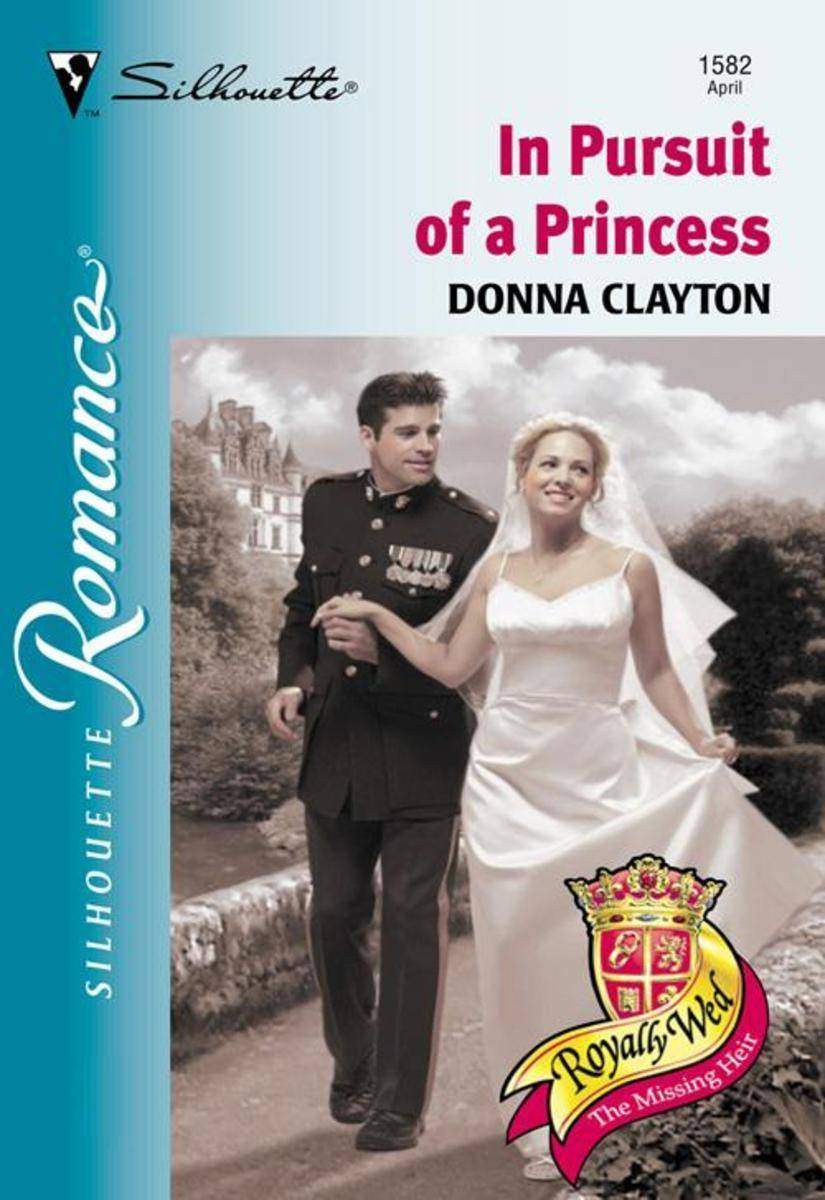
In Pursuit Of A Princess (Mills & Boon Silhouette)
¥31.10
FROM THE DESK OF LUC DUMONT, HEAD OF SECURITY ST. MICHEL APRIL 2002 DAY30 While a missing heir remains at large, Princess Ariane has offered to go undercover at the palace in Rhineland and learn more about the rumored faction hoping to control St. Michel. Her quick mind and devotion to her country–not to mention her intoxicating beauty–make Ariane the perfect person for the job. But it seems as though love has bloomed early this spring, for Ariane and the irresistible Prince Etienne have been practically inseparable. Does this mean the prince has finally found his bride? And if so, what will happen when he learns Ariane's been stripped of her royal title?

Kids Included (Mills & Boon Cherish)
¥31.10
When Jack met Molly again on vacation with their respective children in tow, it brought home two things–the fun and fiasco of their last meeting and just how much they wanted each other! Their holiday certainly brought them closer. But what woman would want to take Jack on with four children–especially when she already had two of her own? But those children realized something their parents didn't–that five plus three equals the ideal family!
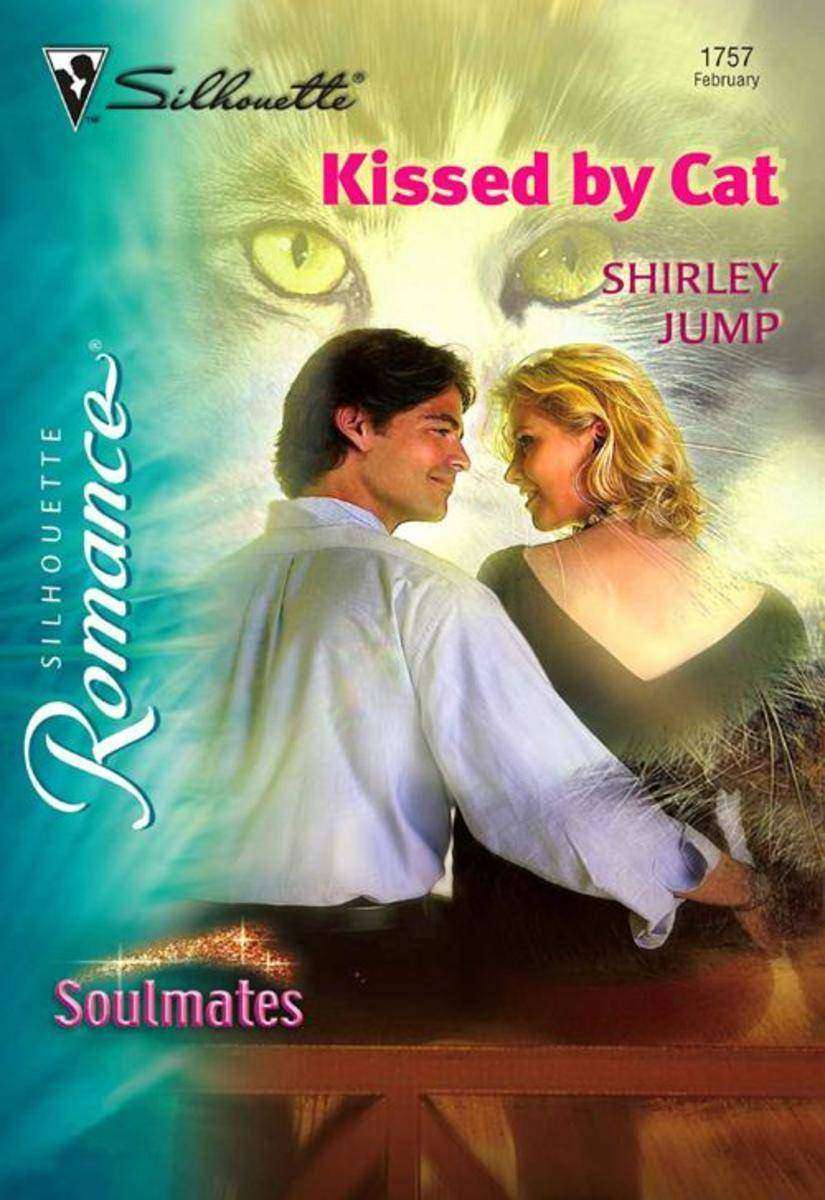
Kissed by Cat (Mills & Boon Silhouette)
¥31.10
The Cat Rules Rule #1: Cats have nine lives. Catherine Wyndham had used up her first eight avoiding mishaps and romantic misadventures. Now she had only one more left…and one last chance to find true love. Rule #2: Cats always land on their feet. Catherine usually did too, until she was waylaid one night by a purrfectly irresistible veterinarian, Garrett McAllister. He was so kind to her that soon her finicky heart began to melt, even though her inner feline told her she might be headed for a romantic crash landing! Rule #3: Good little kittens grow up, get rescued by the tom of their dreams and live happily ever after. Is that really a rule…or is it just another romantic furry tail?

Lord of Zaracus (Mills & Boon Modern) (The Anne Mather Collection)
¥31.10
Mills & Boon are excited to present The Anne Mather Collection – the complete works by this classic author made available to download for the very first time! These books span six decades of a phenomenal writing career, and every story is available to read unedited and untouched from their original release. The start of a love hate relationship! When Carolyn Madison flees England to escape the attentions of an unwanted suitor, she wonders if she has jumped out of the frying pan and into the fire! Joining her archaeologist father deep in Mexico, she finds herself in immediate conflict with Don Carlos, the formidable owner of the valley they are excavating. As compellingly attractive as she finds him, she is utterly exasperated by his out-dated opinion of her as a ‘product of a permissive society’. She couldnever contemplate a relationship with him - and yet with chemistry as strong as theirs, she can’t imagine not being around him either…
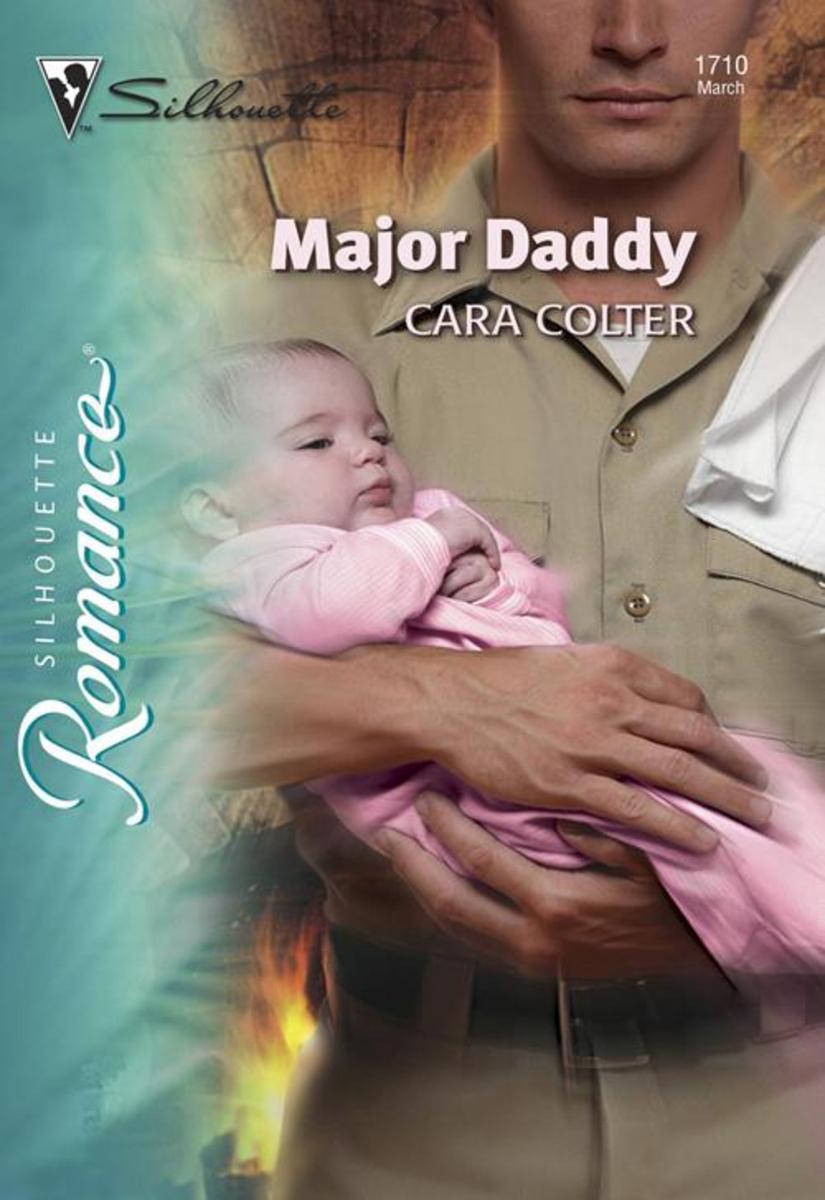
Major Daddy (Mills & Boon Silhouette)
¥21.09
When Major Cole Standen retired from the Canadian Armed Forces, he figured he'd quit the rescuing business for good. Then five irresistible tykes turned up on his doorstep in the middle of the night, desperate for his help But he hadn't counted on sharing child-care duties with their auntie, Brooke Callan–a wide-eyed beauty who seemed as if she could use a little rescuing herself. Knee-deep in diapers and baby bottles, Cole soon realized there was far more to Brooke than just her vulnerable eyes and kissable lips. Perhaps it was being around a ready-made family, but this soldier was suddenly picturing himself with a brood of his own…and beautiful Brooke as his not-so-temporary second-in-command!
Mask of Scars (Mills & Boon Modern) (The Anne Mather Collection)
¥31.10
Mills & Boon are excited to present The Anne Mather Collection – the complete works by this classic author made available to download for the very first time! These books span six decades of a phenomenal writing career, and every story is available to read unedited and untouched from their original release. Perfect wife material…? Christiana can’t think of a better way to spend her summer vacation than sun, sea and sand in the Algarve, Portugal. But when she arrives at her brother’s hotel, the reception from her sister-in-law is decidedly frosty. So she is grateful when she is offered a job by local ‘lord of the manor’ Dom Carlos Ramirez – despite his positively feudal attitude to women! Perhaps it is his dark good looks, but Christiana can’t help but be drawn to difficult Dom Carlos. But the Dom is already betrothed – and surely a suitable fiancée would make a better wife than an argumentative young English student anyway?!

Sandstorm (Mills & Boon Modern) (The Anne Mather Collection)
¥31.10
Mills & Boon are excited to present The Anne Mather Collection – the complete works by this classic author made available to download for the very first time! These books span six decades of a phenomenal writing career, and every story is available to read unedited and untouched from their original release. The Crown Prince’s reluctant wife… Once upon a time she was whisked away to a desert kingdom by a handsome Prince… but marriage to Rachid was no fairy-tale – and Abby soon fled. Abby has tried to rebuild her life, but now Rachid has returned to claim her! Though Abby wants a divorce, Rachid will never accept it’s over. Her reasons for leaving are still valid, but with her treacherous body obeying his every command – Abby may just have no choice in the matter…

Married In The Morning (Mills & Boon Silhouette)
¥31.10
HONEYMOON IN VEGAS… The last thing Gina Martin expected when she bumped into the chief of operations of her father's company at a bar was that they'd end up naked together in a Las Vegas hotel room two days later! If the ring on her finger, the rumpled satin sheets and sizzling good-morning kiss were any clues, she was now Mrs. Gerrick Green. Gerrick couldn't blame Gina for having second thoughts about their hasty nuptials. He'd never thought of himself as the marrying kind, either. But the powerful executive also always went after what he wanted most. Still, after an unforgettable night of passion, was he willing to risk his heart and win a happily-ever-after with the boss's daughter?

Take What You Want (Mills & Boon Modern) (The Anne Mather Collection)
¥31.10
Mills & Boon are excited to present The Anne Mather Collection – the complete works by this classic author made available to download for the very first time! These books span six decades of a phenomenal writing career, and every story is available to read unedited and untouched from their original release. The Duque’s willing captive… Sophie has always adored her step-brother Robert. But her whole family disapproves, and are determined to do everything in their power to discourage any kind of union! Only the fact that he seems to feel for her too gives Sophie any hope at all. But now Robert has produced a fiancée who appears to have a hold over him and Sophie fears she’ll never be able to compete…
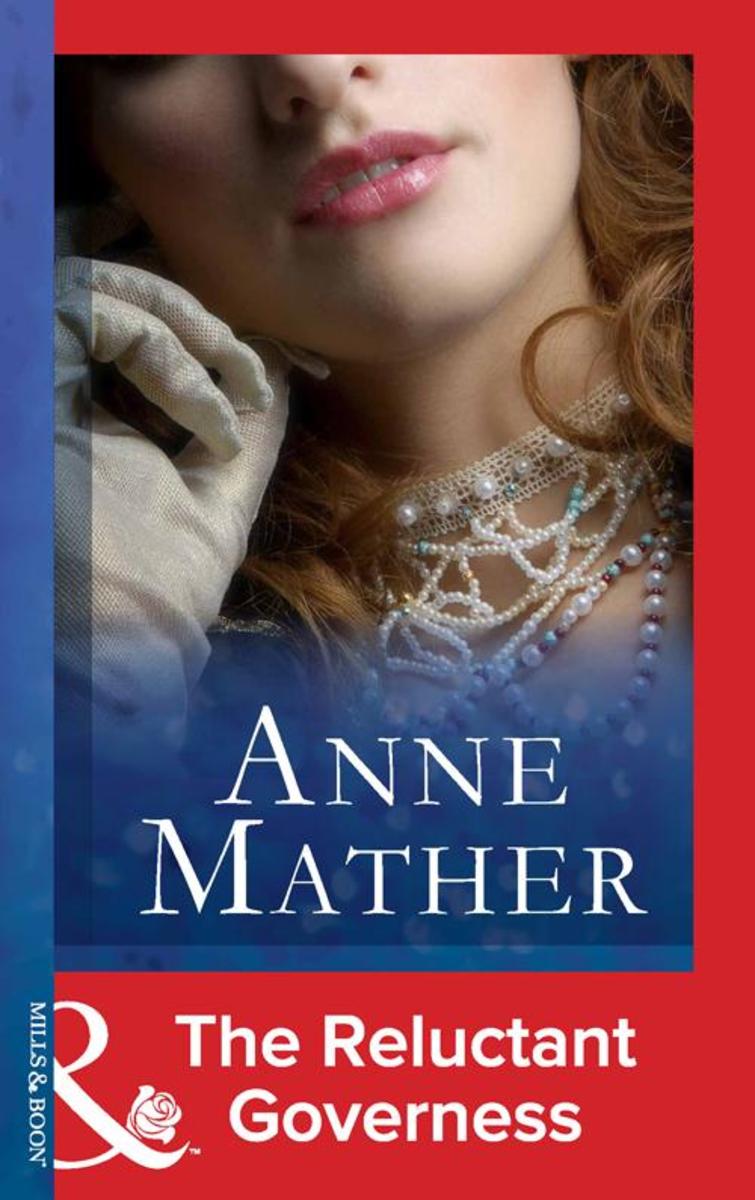
The Reluctant Governess (Mills & Boon Modern) (The Anne Mather Collection)
¥31.20
Mills & Boon are excited to present The Anne Mather Collection – the complete works by this classic author made available to download for the very first time! These books span six decades of a phenomenal writing career, and every story is available to read unedited and untouched from their original release. Problem child… problem father! Victoria Munroe has fled to the Austrian Alps to escape a disastrous love affair – only to find herself in a far more challenging situation. As governess to troubled Sophie, Victoria certainly has her work cut out for her. Especially when Victoria’s brooding employer, Sophie’s father, Baron Horst von Reichstein, proves even more of a problem than his daughter! Victoria is determined not to let Sophie or the Baron get the better of her – but she risks losing her cool in the face of her powerful attraction to the embittered Baron. And as she gets more and more entangled with the Baron and his secrets, it may just be too late to walk away…

Summer Of Love (The Love Trilogy, Book 3)
¥42.48
It's only a summer fling… Boutique jewellery designer Lily Thomas knows hating the boring ring her fiancé gave her isn't a good enough reason to end a seven-year relationship. Especially when settling down with Edward is the only thing she's ever done right in the eyes of her mother–and her hometown. Besides, everyone else seems to be getting married: Lily's best friend Cora, her cousin, her friends from work. So why not Lily? But when Alex Harper, Lily's high school crush, moves back to Felinfach, he shows her exactly why. She can't pretend to be someone she's not just to keep her fiancé happy. It's a terrible way to start a marriage, and a terrible way to live. Lily calls off her engagement, but she still needs a date to all the weddings crowding her summer calendar. Conveniently, Alex has a few weddings to attend as well. They agree to be wedding buddies, and soon the whole town is talking about them. If everyone's going to talk anyway, why shouldn't Lily and Alex make the most of it? As long as they both know it's only a summer fling… Praise for Sophie Pembroke's Love Trilogy 'A very sweet story which I really loved; I finished it in no time.' - Rachel Cotterill Book Reviews 'What a delightful story! I loved the de*ions of the old inn and surrounding countryside and the occupants of the inn were irresistible. This book is a real treat' - cayocosta72 – Book Reviews 'Well, I have never met a sweeter hero! ' - Random Book Muses The Love trilogy by Sophie Pembroke: Room for Love An A to Z of Love Summer of Love

Her Montana Cowboy (Mills & Boon Love Inspired) (Big Sky Centennial, Book 2)
¥31.10
The Man of Her Dreams Julie Shaw is up to her ears in parade preparations…and cowboys! As the mayor's daughter, she needs to make sure the centennial celebrations for her beloved hometown of Jasper Gulch, Montana, go off without a hitch. Surely that's why she's feeling so flustered. It couldn't have anything to do with the handsome Ryan Travers. Of course she'd noticed the visiting rodeo star with the sparkle in his eye. But Julie is way too sensible to fall for his obvious appeal. As the town gossips about a century-old mystery, Julie's thoughts keep drifting to the charming cowboy. Despite her father's objections, she may soon find herself roped in…by love. Big Sky Centennial: A small town rich in history…and love.

Protective Instincts (Mills & Boon Love Inspired Suspense) (Mission: Rescue, Boo
¥31.10
STALKED! After losing her family, and then nearly her life when she was held hostage in Africa, grieving widow Raina Lowery only wants to put the past behind her. Instead, she's finding her son's toys in the woods and dodging a gunman's bullets. Raina is trapped in a real-life nightmare–until Jackson Miller reappears. Months ago, saving Raina was Jackson's job as a member of HEART, a private rescue team. But now it's personal. The hardened protector wants to give Raina–and himself–a second chance at love. But first he has to save her…again. Mission: Rescue–No job is too dangerous for these fearless heroes

Redeeming the Rancher (Mills & Boon Love Inspired) (Serendipity Sweethearts, Boo
¥31.10
Her Perfect Match Successful businessman Griffin Haddon just wants a quiet place to start over again…alone. Griff doesn't realize that in a small town like Serendipity, Texas, solitude's hard to come by. Especially at Redemption Ranch, where the stunning Alexis Grainger struggles to keep her ministry for troubled teens afloat. The last thing Alexis needs is a distraction like slick city-boy Griff with his designer jeans and boots. But her meddling, matchmaking twin has other plans. As Alexis and Griff work to save the ranch, can they also heal his broken heart? Serendipity Sweethearts: Three small-town matchmakers finding Texas-size love.
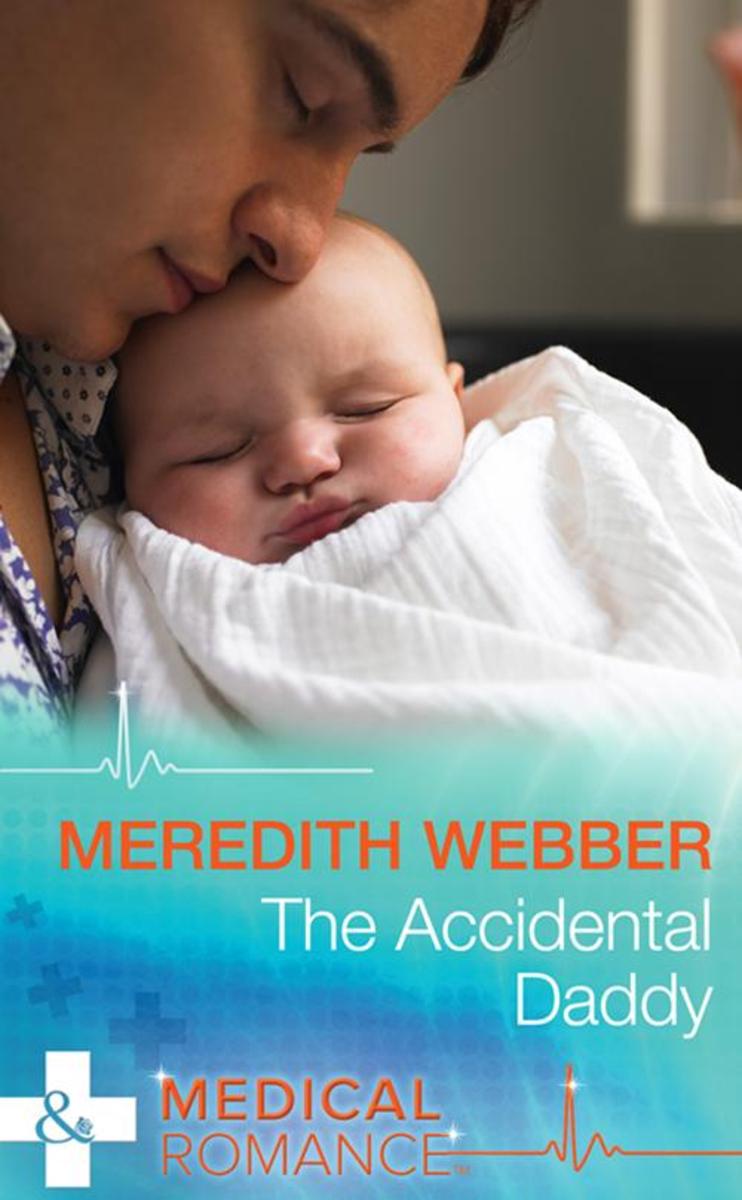
The Accidental Daddy (Mills & Boon Medical)
¥26.78
‘You’re having my baby!’ When Dr Max Winthrop is told he’s going to be a father, he never thinks he’ll have to share this news with the mother! But after a mix-up at the IVF clinic it’s up to Max to tell unsuspecting paediatrician Joey McMillan that she’s carrying his child! Max hadn’t expected to be a daddy right now – especially by accident – but getting to know beautiful Joey opens his eyes to the possibilities of being more than just a parent…maybe even a husband!
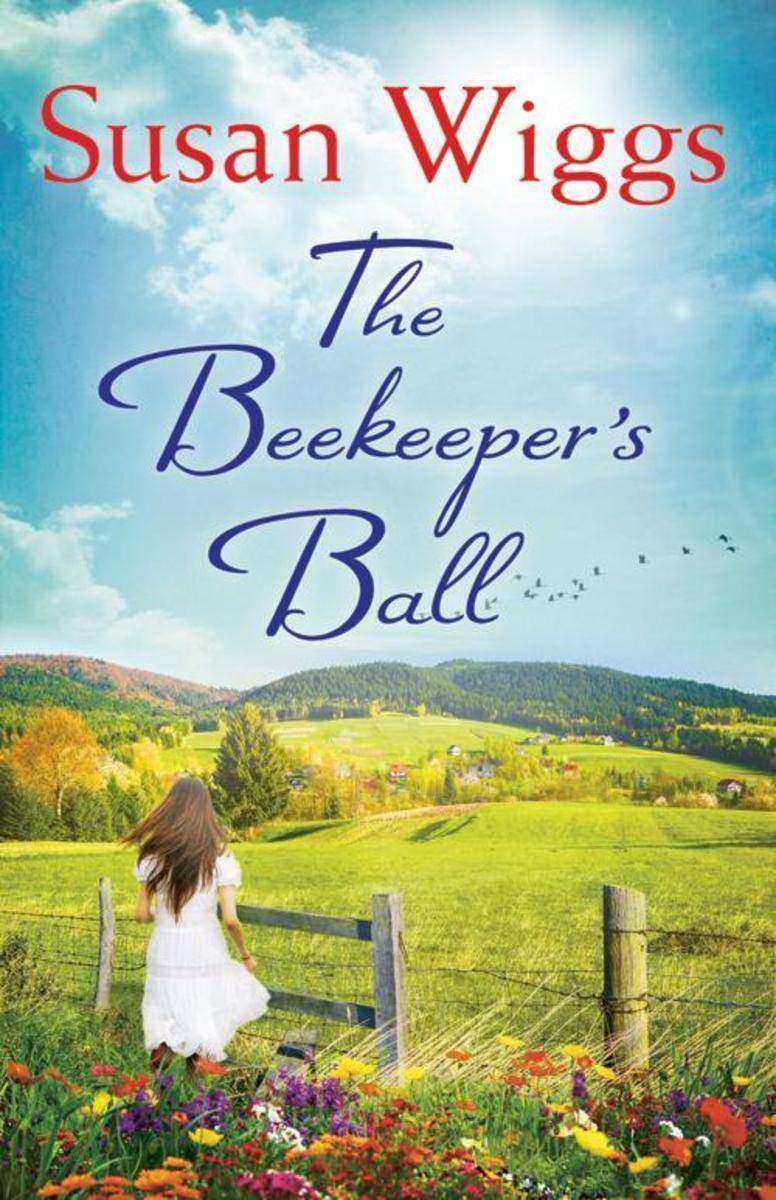
The Beekeeper's Ball (A Bella Vista novel, Book 2)
¥54.05
#1 New York Times bestselling author Susan Wiggs returns to sun-drenched Bella Vista, where the land's bounty yields a rich harvest…and family secrets that have long been buried. Isabel Johansen, a celebrated chef who grew up in the sleepy Sonoma town of Archangel, is transforming her childhood home into a destination cooking school - a unique place for other dreamers to come and learn the culinary arts. Bella Vista's rambling mission-style hacienda, with its working apple orchards, bountiful gardens and beehives, is the idyllic venue for Isabel's project…and the perfect place for her to forget the past. But Isabel's carefully ordered plans begin to go awry when swaggering, war-torn journalist Cormac O'Neill arrives to dig up old history. He's always been better at exposing the lives of others than showing his own closely guarded heart, but the pleasures of small-town life and the searing sensuality of Isabel's kitchen coax him into revealing a few truths of his own. The dreamy sweetness of summer is the perfect time of year for a grand family wedding and the enchanting Beekeeper's Ball, bringing emotions to a head in a story where the past and present collide to create an unexpected new future. From 'one of the best observers of stories of the heart' (Salem Statesman-Journal), The Beekeeper's Ball is an exquisite and richly imagined novel of the secrets that keep us from finding our way, the ties binding us to family and home, and the indelible imprint love can make on the human heart. Book two in the Bella Vista series For fans of Santa Montefiore, Patricia Scanlan and Cathy Kelly.

The Tea Shop on Lavender Lane (Life in Icicle Falls, Book 5)
¥51.50
When it comes to men, sisters don't share! After a fake food poisoning incident in L.A., Bailey Sterling's dreams of becoming a caterer to the stars collapse faster than a oufflé. Now Bailey's face is in all the gossip rags and her business is in ruins. But the Sterling women close ranks and bring her back to Icicle Falls, where she'll stay with her sister Cecily. All goes well between the sisters until Bailey comes up with a new business idea - a tea shop on a charming street called Lavender Lane. She's going into partnership with Todd Black, who - it turns out - is the man Cecily's started dating. It looks to Cecily as if there's more than tea brewing in that cute little shop. And she's not please. Wait! Isn't Cecily seeing Luke Goodman? He's a widower with an adorable little girl, and yes, Cecily does care about him. But Todd's the one who sends her zing-o-meter off the charts. So now what? Should you have to choose between your sister and the man you love (or think you love)? Welcome to Icicle Falls, the town that will warm your heart. 'Sheila Roberts makes me laugh. I read her books & come away hopeful and happy.' - bestselling romance author Debbie Macomber

The Tycoon and the Wedding Planner (Mills & Boon Cherish)
¥31.10
When one wedding leads to another… Kate Parker distracts herself from her memories by keeping busy–and how better than organizing weddings for Dolphin Bay's sweethearts? But tall, dark and handsome tycoon Sam Lancaster's arrival suddenly has Kate forgetting where she left the confetti…. And mysterious Sam will be around awhile longer than the cutting of the cake–because he's got to oversee Kate's building project! There's no time for distractions…but is it time to stop running from happiness now that it's led them to each other?
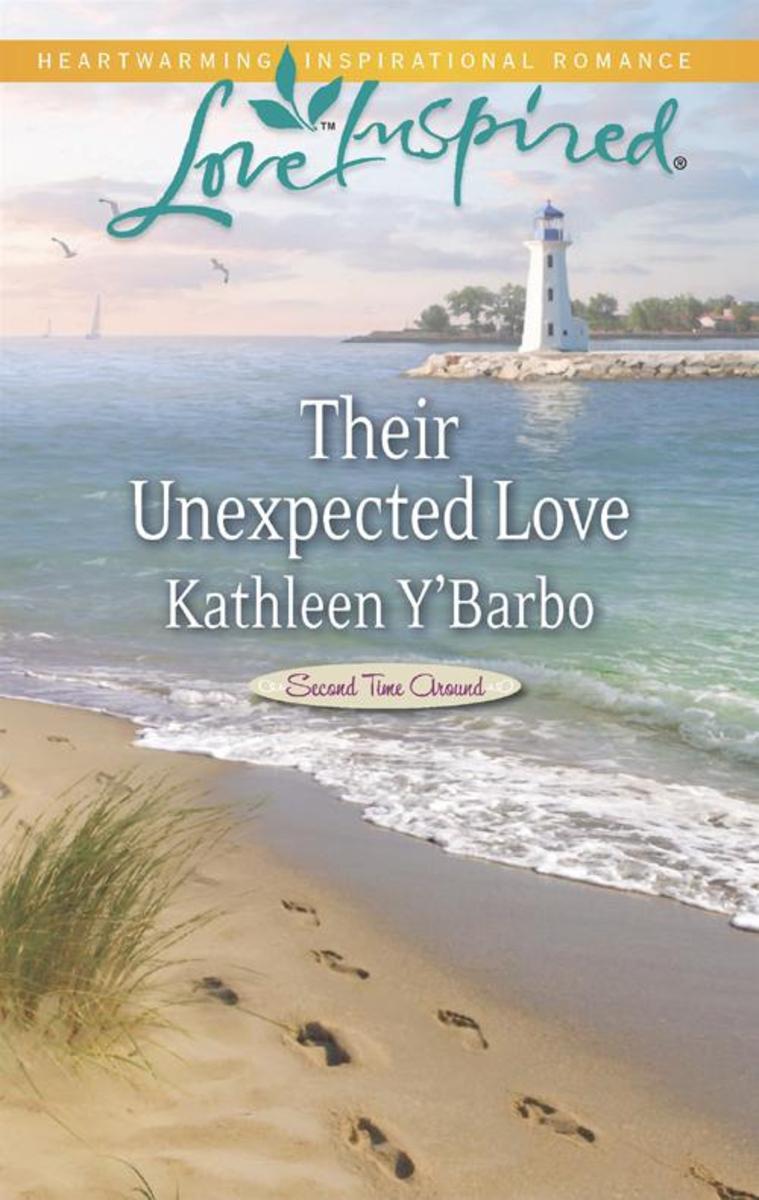
Their Unexpected Love (Mills & Boon Love Inspired) (Second Time Around, Book 3)
¥31.10
Opposites Attract Widowed contractor Logan Burkett knows exactly what troublemaking teens need: discipline. A former rabble-rouser, Logan had his life turned around by firm guidance and hard work. But try telling that to Pippa Gallagher. The softhearted event planner runs a skate park ministry for troubled teens and thinks a place to be themselves is the answer. As he and Pippa work together renovating the space, they seem to disagree about everything. But when disaster strikes, Logan finds himself feeling very protective of the beautiful planner and surprised to discover they share one very special thing in common…love. Second Time Around: Widowers find that love can bloom again…

What She'd Do for Love (Mills & Boon Heartwarming)
¥25.21
They have a chance to build something special… Christa Montgomery has faced many changes recently, but she draws the line at an overhaul of her hometown, Cedar Grove, Texas. When the community's livelihood is threatened by a new highway, she's determined to stop the project and its chief engineer, Ryder Oakes. Ryder almost swept Christa off her feet before she recognized who he was, and now she must struggle to resist his warmth and compassion. Torn between two loyalties, she can't support the new highway, even if his career is at stake. As his project runs into trouble, though, she's determined to come up with a way to have her town…and Ryder, too.


