


 购物车
 个人中心

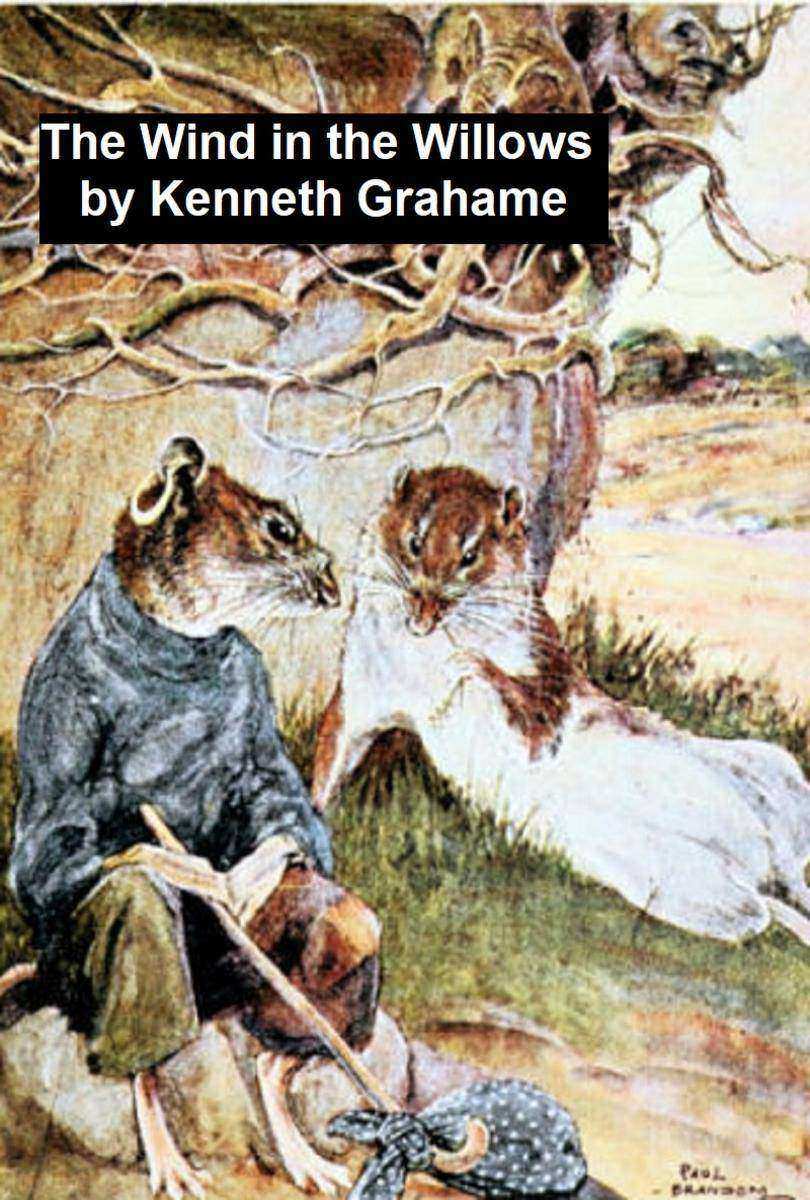
The Wind in the Willows
¥8.09
With 10 illustrations. According to Wikipedia: "Kenneth Grahame (July 20, 1859 – July 6, 1932) was a British writer, most famous for The Wind in the Willows (1908), one of the classics of children's literature. He also wrote The Reluctant Dragon, which was much later adapted into a Disney film."
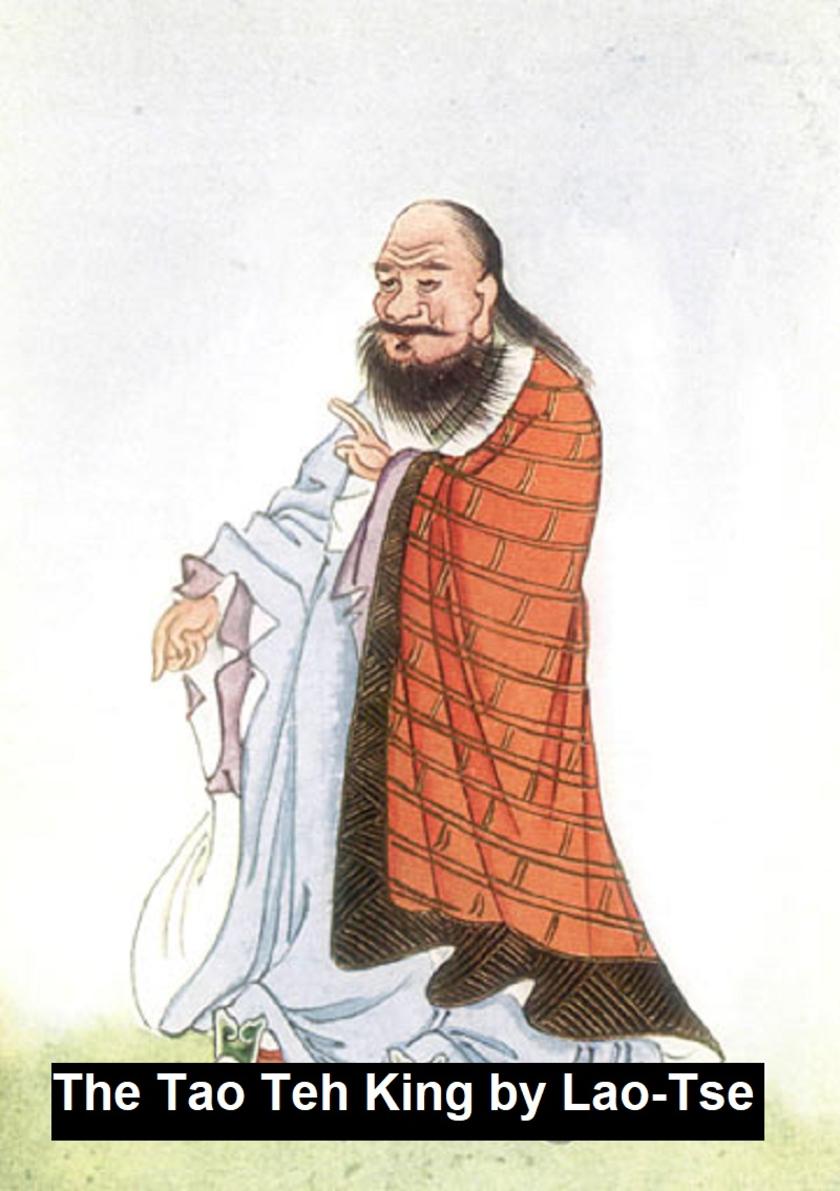
The Tao Teh King or The Tao
¥8.09
According to Wikipedia: "The Tao Te Ching, Dao De Jing, or Daodejing, also simply referred to as the Laozi, is a Chinese classic text. According to tradition, it was written around the 6th century BC by the sage Laozi (or Lao Tzu, "Old Master"), a record-keeper at the Zhou Dynasty court, by whose name the text is known in China. The text's true authorship and date of composition or compilation are still debated, although the oldest excavated text dates back to the late 4th century BC. The text is fundamental to both philosophical and religious Taoism and strongly influenced other schools, such as Legalism, Confucianism and Chinese Buddhism, which when first introduced into China was largely interpreted through the use of Daoist words and concepts. Many Chinese artists, including poets, painters, calligraphers, and even gardeners have used the Daodejing as a source of inspiration. Its influence has also spread widely outside East Asia, and is amongst the most translated works in world literature."
The Bobbsey Twins at Snow Lodge
¥8.09
According to Wikipedia: "Laura Lee Hope is a pseudonym used by the Stratemeyer Syndicate for the Bobbsey Twins and several other series of children's novels. Actual writers taking up the pen of Laura Lee Hope include Edward Stratemeyer, Howard and Lilian Garis, Elizabeth Ward, Harriet (Stratemeyer) Adams, and Nancy Axelrad. Laura Lee Hope was first used as a pseudonym in 1904 for the debut of the Bobbsey Twins. Series: The Bobbsey Twins (1904-), The Outdoor Girls (23 vols. 1913-1933), The Moving Picture Girls (7 vols. 1914-1916), Bunny Brown (20 vols. 1916-1931), Six Little Bunkers (14 vols. 1918-1930), Make Believe Stories (12 vols. c. 1920-1923), Blythe Girls (12 vols. 1925-1932)."
The Bobbsey Twins in a Great City
¥8.09
According to Wikipedia: "Laura Lee Hope is a pseudonym used by the Stratemeyer Syndicate for the Bobbsey Twins and several other series of children's novels. Actual writers taking up the pen of Laura Lee Hope include Edward Stratemeyer, Howard and Lilian Garis, Elizabeth Ward, Harriet (Stratemeyer) Adams, and Nancy Axelrad. Laura Lee Hope was first used as a pseudonym in 1904 for the debut of the Bobbsey Twins. Series: The Bobbsey Twins (1904-), The Outdoor Girls (23 vols. 1913-1933), The Moving Picture Girls (7 vols. 1914-1916), Bunny Brown (20 vols. 1916-1931), Six Little Bunkers (14 vols. 1918-1930), Make Believe Stories (12 vols. c. 1920-1923), Blythe Girls (12 vols. 1925-1932)."
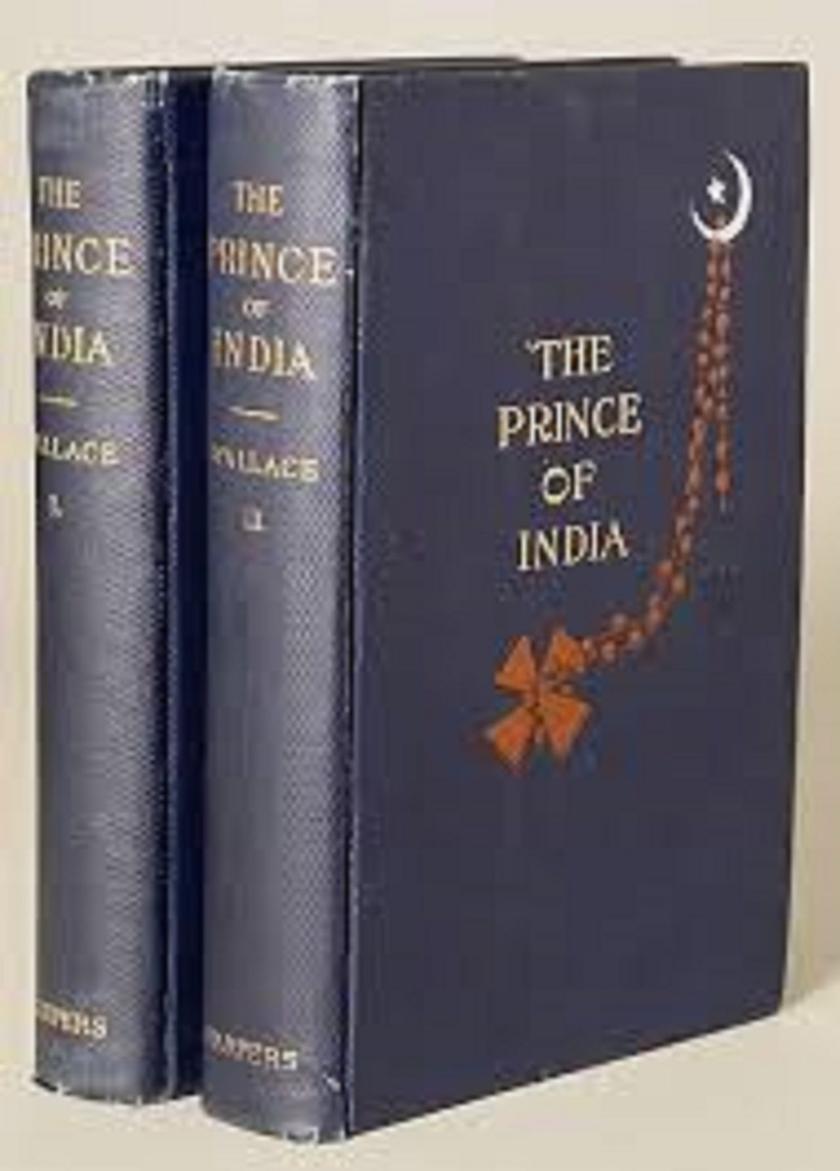
The Prince of India
¥8.09
According to Wikipedia: "Lewis "Lew" Wallace (April 10, 1827 – February 15, 1905) was a lawyer, governor, Union general in the American Civil War, American statesman, and author, best remembered for his historical novel Ben-Hur: A Tale of the Christ… Wallace's most notable service came in July 1864, at the Battle of Monocacy, part of the Valley Campaigns of 1864. Although the force under his command (amalgamated from the Middle Department) and the division of James B. Ricketts from VI Corps was defeated by Confederate General Jubal A. Early, he was able to delay Early's advance toward Washington, D.C., to the point that the city defenses had time to organize and repel Early... Wallace participated in the military commission trial of the Lincoln assassination conspirators as well as the court-martial of Henry Wirz, commandant of the Andersonville prison camp.[4] He resigned from the army on November 30, 1865.[5] Late in the war, he directed secret efforts by the government to help the Mexicans remove the French occupation forces who had seized control of Mexico in 1864. He continued in those efforts more publicly after the war and was offered a major general's commission in the Mexican army after his resignation from the U.S. Army. Multiple promises by the Mexican revolutionaries were never delivered, which forced Wallace into deep financial debt. Wallace held a number of important political posts during the 1870s and 1880s. He served as governor of New Mexico Territory from 1878 to 1881, and as U.S. Minister to the Ottoman Empire from 1881 to 1885. As governor, he offered amnesty to many men involved in the Lincoln County War; in the process he met with Billy the Kid. On March 17, 1879, the pair arranged that the Kid would act as an informant and testify against others involved in the Lincoln County War, and, in return, the Kid would be "scot free with a pardon in [his] pocket for all [his] misdeeds". But the Kid returned to his outlaw ways and Governor Wallace withdrew his offer. While serving as governor, Wallace completed the novel that made him famous: Ben-Hur: A Tale of the Christ (1880). It grew to be the best-selling American novel of the 19th century.[6] The book has never been out of print and has been filmed four times."
True Evangelism or Winning Souls by Prayer
¥8.09
According to Wikipedia: "Lewis Sperry Chafer (February 27, 1871 – August 22, 1952) was the founder and first president of Dallas Theological Seminary, and an influential founding member of modern Christian Dispensationalism.
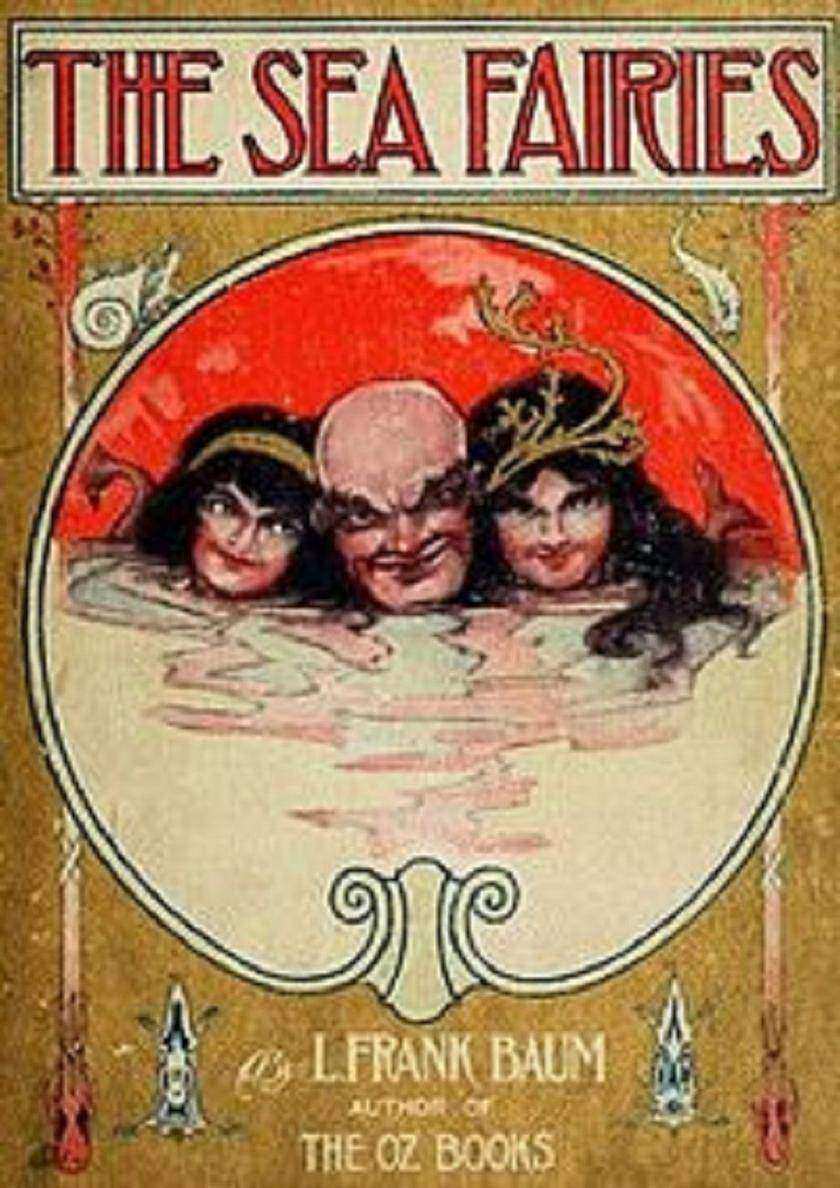
The Sea Fairies
¥8.09
According to Wikipedia: "Baum had decided to end the Oz series with The Emerald City of Oz in 1910, after six installments over the first decade of the twentieth century. The Sea Fairies was intended to be the first in a new series of fantasy novels, which Baum and Reilly & Britton continued the next year with Sky Island. Unfortunately for author and publisher, the two volumes of the new projected series did not meet with the same success as the Oz books previously had. The first edition of The Sea Fairies sold 12,400 copies in its initial year on the market, where The Emerald City of Oz had sold 20,000. Even when Baum's books experienced a major resurgence in interest and sales in 1918, The Sea Fairies sold only 611 copies that year while the Oz books and even Baum's non-Oz works were selling thousands of copies. Once Baum returned to writing Oz books with The Patchwork Girl of Oz in 1913, the Trot series was retired — but the main characters lived on. Trot and Cap'n Bill are the main protagonists in The Scarecrow of Oz (1915) — the plot of which was reworked from the projected third book in their aborted series — and they play a significant role in The Magic of Oz (1919). Trot appears in The Lost Princess of Oz (1917) and Glinda of Oz (1920) as well."
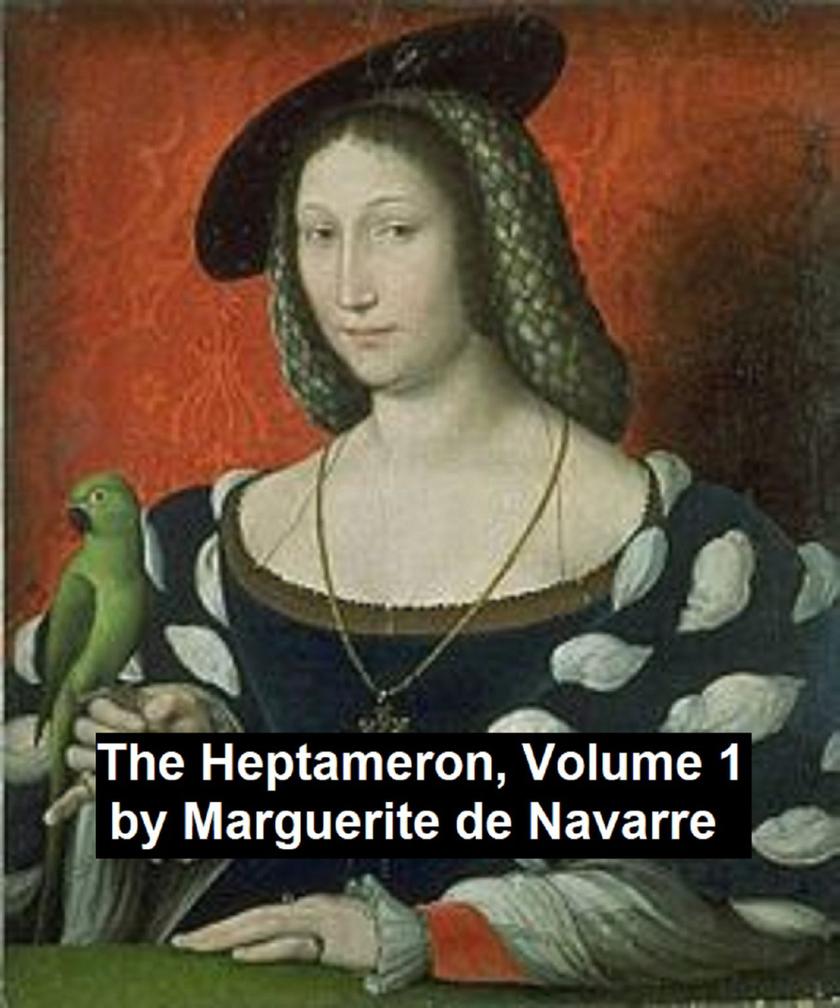
The Heptameron, Volume 1
¥8.09
With 23 illustrations. According to Wikipedia: "The Heptameron is a collection of 72 short stories written in French by Marguerite of Navarre (1492-1549), published posthumously in 1558. It has the form of a frame narrative and was inspired by The Decameron of Giovanni Boccaccio. It was originally intended to contain one hundred stories covering ten days just as The Decameron does, but at Marguerite’s death it was only completed as far as the second story of the eighth day. Many of the stories deal with love, lust, infidelity and other romantic and sexual matters. One was based on the life of Marguerite de La Rocque, a French noblewoman abandoned, as punishment, with her lover on an island off Quebec... Marguerite de Navarre (French: Marguerite d'Angoulême) (April 11, 1492 – December 21, 1549), also known as Marguerite of Angouleme and Margaret of Navarre, was the queen consort of King Henry II of Navarre. As patron of humanists and reformers, and as an author in her own right, she was an outstanding figure of the French Renaissance. Samuel Putnam called her "The First Modern Woman"."
The After House
¥8.09
According to Wikipedia: "Mary Roberts Rinehart (August 12, 1876-September 22, 1958) was a prolific author often called the American Agatha Christie. She is considered the source of the phrase "The butler did it", although she did not actually use the phrase herself, and also considered to have invented the "Had-I-But-Known" school of mystery writing.... Rinehart wrote hundreds of short stories, poems, travelogues and special articles. Many of her books and plays, such as The Bat (1920) were adapted for movies, such as The Bat (1926), The Bat Whispers (1930), and The Bat (1959). While many of her books were best-sellers, critics were most appreciative of her murder mysteries. Rinehart, in The Circular Staircase (1908), is credited with inventing the "Had-I-But-Known" school of mystery writing. The Circular Staircase is a novel in which "a middle-aged spinster is persuaded by her niece and nephew to rent a country house for the summer. The house they choose belonged to a bank defaulter who had hidden stolen securities in the walls. The gentle, peace-loving trio is plunged into a series of crimes solved with the help of the aunt. This novel is credited with being the first in the "Had-I-But-Known" school."[3] The Had-I-But-Known mystery novel is one where the principal character (frequently female) does less than sensible things in connection with a crime which have the effect of prolonging the action of the novel. Ogden Nash parodied the school in his poem Don't Guess Let Me Tell You: "Sometimes the Had I But Known then what I know now I could have saved at least three lives by revealing to the Inspector the conversation I heard through that fortuitous hole in the floor." The phrase "The butler did it", which has become a cliché, came from Rinehart's novel The Door, in which the butler actually did do it, although that exact phrase does not actually appear in the work."
The Bat
¥8.09
According to Wikipedia: "Mary Roberts Rinehart (August 12, 1876-September 22, 1958) was a prolific author often called the American Agatha Christie.[1] She is considered the source of the phrase "The butler did it", although she did not actually use the phrase herself, and also considered to have invented the "Had-I-But-Known" school of mystery writing.... Rinehart wrote hundreds of short stories, poems, travelogues and special articles. Many of her books and plays, such as The Bat (1920) were adapted for movies, such as The Bat (1926), The Bat Whispers (1930), and The Bat (1959). While many of her books were best-sellers, critics were most appreciative of her murder mysteries. Rinehart, in The Circular Staircase (1908), is credited with inventing the "Had-I-But-Known" school of mystery writing. The Circular Staircase is a novel in which "a middle-aged spinster is persuaded by her niece and nephew to rent a country house for the summer. The house they choose belonged to a bank defaulter who had hidden stolen securities in the walls. The gentle, peace-loving trio is plunged into a series of crimes solved with the help of the aunt. This novel is credited with being the first in the "Had-I-But-Known" school."[3] The Had-I-But-Known mystery novel is one where the principal character (frequently female) does less than sensible things in connection with a crime which have the effect of prolonging the action of the novel. Ogden Nash parodied the school in his poem Don't Guess Let Me Tell You: "Sometimes the Had I But Known then what I know now I could have saved at least three lives by revealing to the Inspector the conversation I heard through that fortuitous hole in the floor." The phrase "The butler did it", which has become a cliché, came from Rinehart's novel The Door, in which the butler actually did do it, although that exact phrase does not actually appear in the work."
The Confessions of Nat Turner
¥8.09
According to Wikipedia: "Nathaniel "Nat" Turner (October 2, 1800 – November 11, 1831) was an American slave who led a slave rebellion in Virginia on August 21, 1831 that resulted in 56 deaths among their victims, the largest number of white fatalities to occur in one uprising in the antebellum southern United States. He gathered supporters in Southampton County, Virginia. Turner's killing of whites during the uprising makes his legacy controversial. For his actions, Turner was convicted, sentenced to death, and executed. In the aftermath, the state executed 56 blacks accused of being part of Turner's rebellion. Two hundred additional blacks were beaten and killed, as part of overreaction by white militias and mobs. Virginia and other southern states passed legislation reducing rights of free blacks and slaves. Across the South, state legislators passed new laws prohibiting education of slaves and free blacks, restricting rights of assembly and other civil rights for free blacks, and requiring white ministers to be present at black worship services."
In Homespun
¥8.09
Classic novel for children. According to Wikipedia: "Edith Nesbit (married name Edith Bland; 15 August 1858 – 4 May 1924) was an English author and poet whose children's works were published under the name of E. Nesbit. She wrote or collaborated on over 60 books of fiction for children, several of which have been adapted for film and television. She was also a political activist and co-founded the Fabian Society, a precursor to the modern Labour Party.... Nesbit published approximately 40 books for children, both novels and collections of stories. Collaborating with others, she published almost as many more. According to her biographer Julia Briggs, Nesbit was "the first modern writer for children": "(Nesbit) helped to reverse the great tradition of children's literature inaugurated by [Lewis] Carroll, [George] MacDonald and Kenneth Grahame, in turning away from their secondary worlds to the tough truths to be won from encounters with things-as-they-are, previously the province of adult novels." Briggs also credits Nesbit with having invented the children's adventure story. Among Nesbit's best-known books are The Story of the Treasure Seekers (1898) and The Wouldbegoods (1899), which both recount stories about the Bastables, a middle class family that has fallen on relatively hard times. Her children's writing also included numerous plays and collections of verse. She created an innovative body of work that combined realistic, contemporary children in real-world settings with magical objects and adventures and sometimes travel to fantastic worlds."
Born in Exile
¥8.09
Classic novel. According to Wikipedia: "George Robert Gissing (November 22, 1857 – December 28, 1903) was an English novelist who wrote twenty-three novels between 1880 and 1903. From his early naturalistic works, he developed into one of the most accomplished realists of the late-Victorian era. ... In 1880 when his first novel, Workers in the Dawn, proved to be an abject failure, he became a private tutor to keep poverty from the door. In 1883, he separated from his wife, now an alcoholic, but gave her a weekly income on what little money he had until her death in 1888. In 1884 his second novel, The Unclassed, which saw a marked improvement in style and characterisation, met with moderate critical acclaim. After this Gissing published novels almost on a yearly basis, but so little money did they bring him, that for several more years he had to continue working as a tutor. Although notoriously exploited by his publishers, he was able to visit Italy in 1889 from the sale of the copyright of The Nether World, his most pessimistic book. Between 1891 and 1897 (his so-called middle period) Gissing produced his best works, which include New Grub Street, Born in Exile, The Odd Women, In the Year of Jubilee, and The Whirlpool. In advance of their time, they variously deal with the growing commercialism of the literary market, religious charlatanism, the situation of emancipated women in a male-dominated society, the poverty of the working classes, and marriage in a decadent world. During this period, having belatedly become aware of the financial rewards of writing short stories for the press, he produced almost seventy stories. As a result he was able to give up teaching. ... The middle years of the decade saw Gissing's reputation reach new heights: by some critics he is counted alongside George Meredith and Thomas Hardy as one of the best three novelists of his day. He also enjoyed new friendships with fellow writers such as Henry James, and H.G. Wells, and came into contact with many other up and coming writers such as Joseph Conrad and Stephen Crane. ... In 1903 Gissing published The Private Papers of Henry Ryecroft, which brought him much acclaim. This is his most autobiographical work. It is the memoir of the last happy years of a writer who had struggled much like Gissing, but thanks to a late legacy had been able to give up writing to retire to the countryside."
Eve's Ransom
¥8.09
Classic novel. According to Wikipedia: "George Robert Gissing (November 22, 1857 – December 28, 1903) was an English novelist who wrote twenty-three novels between 1880 and 1903. From his early naturalistic works, he developed into one of the most accomplished realists of the late-Victorian era. ... In 1880 when his first novel, Workers in the Dawn, proved to be an abject failure, he became a private tutor to keep poverty from the door. In 1883, he separated from his wife, now an alcoholic, but gave her a weekly income on what little money he had until her death in 1888. In 1884 his second novel, The Unclassed, which saw a marked improvement in style and characterisation, met with moderate critical acclaim. After this Gissing published novels almost on a yearly basis, but so little money did they bring him, that for several more years he had to continue working as a tutor. Although notoriously exploited by his publishers, he was able to visit Italy in 1889 from the sale of the copyright of The Nether World, his most pessimistic book. Between 1891 and 1897 (his so-called middle period) Gissing produced his best works, which include New Grub Street, Born in Exile, The Odd Women, In the Year of Jubilee, and The Whirlpool. In advance of their time, they variously deal with the growing commercialism of the literary market, religious charlatanism, the situation of emancipated women in a male-dominated society, the poverty of the working classes, and marriage in a decadent world. During this period, having belatedly become aware of the financial rewards of writing short stories for the press, he produced almost seventy stories. As a result he was able to give up teaching. ... The middle years of the decade saw Gissing's reputation reach new heights: by some critics he is counted alongside George Meredith and Thomas Hardy as one of the best three novelists of his day. He also enjoyed new friendships with fellow writers such as Henry James, and H.G. Wells, and came into contact with many other up and coming writers such as Joseph Conrad and Stephen Crane. ... In 1903 Gissing published The Private Papers of Henry Ryecroft, which brought him much acclaim. This is his most autobiographical work. It is the memoir of the last happy years of a writer who had struggled much like Gissing, but thanks to a late legacy had been able to give up writing to retire to the countryside."
In the Year of Jubilee
¥8.09
Classic novel. According to Wikipedia: "George Robert Gissing (November 22, 1857 – December 28, 1903) was an English novelist who wrote twenty-three novels between 1880 and 1903. From his early naturalistic works, he developed into one of the most accomplished realists of the late-Victorian era. ... In 1880 when his first novel, Workers in the Dawn, proved to be an abject failure, he became a private tutor to keep poverty from the door. In 1883, he separated from his wife, now an alcoholic, but gave her a weekly income on what little money he had until her death in 1888. In 1884 his second novel, The Unclassed, which saw a marked improvement in style and characterisation, met with moderate critical acclaim. After this Gissing published novels almost on a yearly basis, but so little money did they bring him, that for several more years he had to continue working as a tutor. Although notoriously exploited by his publishers, he was able to visit Italy in 1889 from the sale of the copyright of The Nether World, his most pessimistic book. Between 1891 and 1897 (his so-called middle period) Gissing produced his best works, which include New Grub Street, Born in Exile, The Odd Women, In the Year of Jubilee, and The Whirlpool. In advance of their time, they variously deal with the growing commercialism of the literary market, religious charlatanism, the situation of emancipated women in a male-dominated society, the poverty of the working classes, and marriage in a decadent world. During this period, having belatedly become aware of the financial rewards of writing short stories for the press, he produced almost seventy stories. As a result he was able to give up teaching. ... The middle years of the decade saw Gissing's reputation reach new heights: by some critics he is counted alongside George Meredith and Thomas Hardy as one of the best three novelists of his day. He also enjoyed new friendships with fellow writers such as Henry James, and H.G. Wells, and came into contact with many other up and coming writers such as Joseph Conrad and Stephen Crane. ... In 1903 Gissing published The Private Papers of Henry Ryecroft, which brought him much acclaim. This is his most autobiographical work. It is the memoir of the last happy years of a writer who had struggled much like Gissing, but thanks to a late legacy had been able to give up writing to retire to the countryside."
A Life's Morning
¥8.09
Classic novel. According to Wikipedia: "George Robert Gissing (November 22, 1857 – December 28, 1903) was an English novelist who wrote twenty-three novels between 1880 and 1903. From his early naturalistic works, he developed into one of the most accomplished realists of the late-Victorian era. ... In 1880 when his first novel, Workers in the Dawn, proved to be an abject failure, he became a private tutor to keep poverty from the door. In 1883, he separated from his wife, now an alcoholic, but gave her a weekly income on what little money he had until her death in 1888. In 1884 his second novel, The Unclassed, which saw a marked improvement in style and characterisation, met with moderate critical acclaim. After this Gissing published novels almost on a yearly basis, but so little money did they bring him, that for several more years he had to continue working as a tutor. Although notoriously exploited by his publishers, he was able to visit Italy in 1889 from the sale of the copyright of The Nether World, his most pessimistic book. Between 1891 and 1897 (his so-called middle period) Gissing produced his best works, which include New Grub Street, Born in Exile, The Odd Women, In the Year of Jubilee, and The Whirlpool. In advance of their time, they variously deal with the growing commercialism of the literary market, religious charlatanism, the situation of emancipated women in a male-dominated society, the poverty of the working classes, and marriage in a decadent world. During this period, having belatedly become aware of the financial rewards of writing short stories for the press, he produced almost seventy stories. As a result he was able to give up teaching. ... The middle years of the decade saw Gissing's reputation reach new heights: by some critics he is counted alongside George Meredith and Thomas Hardy as one of the best three novelists of his day. He also enjoyed new friendships with fellow writers such as Henry James, and H.G. Wells, and came into contact with many other up and coming writers such as Joseph Conrad and Stephen Crane. ... In 1903 Gissing published The Private Papers of Henry Ryecroft, which brought him much acclaim. This is his most autobiographical work. It is the memoir of the last happy years of a writer who had struggled much like Gissing, but thanks to a late legacy had been able to give up writing to retire to the countryside."
Thyrza
¥8.09
Classic novel. According to Wikipedia: "George Robert Gissing (November 22, 1857 – December 28, 1903) was an English novelist who wrote twenty-three novels between 1880 and 1903. From his early naturalistic works, he developed into one of the most accomplished realists of the late-Victorian era. ... In 1880 when his first novel, Workers in the Dawn, proved to be an abject failure, he became a private tutor to keep poverty from the door. In 1883, he separated from his wife, now an alcoholic, but gave her a weekly income on what little money he had until her death in 1888. In 1884 his second novel, The Unclassed, which saw a marked improvement in style and characterisation, met with moderate critical acclaim. After this Gissing published novels almost on a yearly basis, but so little money did they bring him, that for several more years he had to continue working as a tutor. Although notoriously exploited by his publishers, he was able to visit Italy in 1889 from the sale of the copyright of The Nether World, his most pessimistic book. Between 1891 and 1897 (his so-called middle period) Gissing produced his best works, which include New Grub Street, Born in Exile, The Odd Women, In the Year of Jubilee, and The Whirlpool. In advance of their time, they variously deal with the growing commercialism of the literary market, religious charlatanism, the situation of emancipated women in a male-dominated society, the poverty of the working classes, and marriage in a decadent world. During this period, having belatedly become aware of the financial rewards of writing short stories for the press, he produced almost seventy stories. As a result he was able to give up teaching. ... The middle years of the decade saw Gissing's reputation reach new heights: by some critics he is counted alongside George Meredith and Thomas Hardy as one of the best three novelists of his day. He also enjoyed new friendships with fellow writers such as Henry James, and H.G. Wells, and came into contact with many other up and coming writers such as Joseph Conrad and Stephen Crane. ... In 1903 Gissing published The Private Papers of Henry Ryecroft, which brought him much acclaim. This is his most autobiographical work. It is the memoir of the last happy years of a writer who had struggled much like Gissing, but thanks to a late legacy had been able to give up writing to retire to the countryside."
The Town Traveller
¥8.09
Classic novel. According to Wikipedia: "George Robert Gissing (November 22, 1857 – December 28, 1903) was an English novelist who wrote twenty-three novels between 1880 and 1903. From his early naturalistic works, he developed into one of the most accomplished realists of the late-Victorian era. ... In 1880 when his first novel, Workers in the Dawn, proved to be an abject failure, he became a private tutor to keep poverty from the door. In 1883, he separated from his wife, now an alcoholic, but gave her a weekly income on what little money he had until her death in 1888. In 1884 his second novel, The Unclassed, which saw a marked improvement in style and characterisation, met with moderate critical acclaim. After this Gissing published novels almost on a yearly basis, but so little money did they bring him, that for several more years he had to continue working as a tutor. Although notoriously exploited by his publishers, he was able to visit Italy in 1889 from the sale of the copyright of The Nether World, his most pessimistic book. Between 1891 and 1897 (his so-called middle period) Gissing produced his best works, which include New Grub Street, Born in Exile, The Odd Women, In the Year of Jubilee, and The Whirlpool. In advance of their time, they variously deal with the growing commercialism of the literary market, religious charlatanism, the situation of emancipated women in a male-dominated society, the poverty of the working classes, and marriage in a decadent world. During this period, having belatedly become aware of the financial rewards of writing short stories for the press, he produced almost seventy stories. As a result he was able to give up teaching. ... The middle years of the decade saw Gissing's reputation reach new heights: by some critics he is counted alongside George Meredith and Thomas Hardy as one of the best three novelists of his day. He also enjoyed new friendships with fellow writers such as Henry James, and H.G. Wells, and came into contact with many other up and coming writers such as Joseph Conrad and Stephen Crane. ... In 1903 Gissing published The Private Papers of Henry Ryecroft, which brought him much acclaim. This is his most autobiographical work. It is the memoir of the last happy years of a writer who had struggled much like Gissing, but thanks to a late legacy had been able to give up writing to retire to the countryside."
The Whirlpool
¥8.09
Classic novel. According to Wikipedia: "George Robert Gissing (November 22, 1857 – December 28, 1903) was an English novelist who wrote twenty-three novels between 1880 and 1903. From his early naturalistic works, he developed into one of the most accomplished realists of the late-Victorian era. ... In 1880 when his first novel, Workers in the Dawn, proved to be an abject failure, he became a private tutor to keep poverty from the door. In 1883, he separated from his wife, now an alcoholic, but gave her a weekly income on what little money he had until her death in 1888. In 1884 his second novel, The Unclassed, which saw a marked improvement in style and characterisation, met with moderate critical acclaim. After this Gissing published novels almost on a yearly basis, but so little money did they bring him, that for several more years he had to continue working as a tutor. Although notoriously exploited by his publishers, he was able to visit Italy in 1889 from the sale of the copyright of The Nether World, his most pessimistic book. Between 1891 and 1897 (his so-called middle period) Gissing produced his best works, which include New Grub Street, Born in Exile, The Odd Women, In the Year of Jubilee, and The Whirlpool. In advance of their time, they variously deal with the growing commercialism of the literary market, religious charlatanism, the situation of emancipated women in a male-dominated society, the poverty of the working classes, and marriage in a decadent world. During this period, having belatedly become aware of the financial rewards of writing short stories for the press, he produced almost seventy stories. As a result he was able to give up teaching. ... The middle years of the decade saw Gissing's reputation reach new heights: by some critics he is counted alongside George Meredith and Thomas Hardy as one of the best three novelists of his day. He also enjoyed new friendships with fellow writers such as Henry James, and H.G. Wells, and came into contact with many other up and coming writers such as Joseph Conrad and Stephen Crane. ... In 1903 Gissing published The Private Papers of Henry Ryecroft, which brought him much acclaim. This is his most autobiographical work. It is the memoir of the last happy years of a writer who had struggled much like Gissing, but thanks to a late legacy had been able to give up writing to retire to the countryside."
Vandover and the Brute
¥8.09
Classic novel. According to Wikipedia: "Benjamin Franklin Norris, Jr. (March 5, 1870 – October 25, 1902) was an American novelist, during the Progressive Era, writing predominantly in the naturalist genre. His notable works include McTeague (1899), The Octopus: A California Story (1901), and The Pit (1903). Although he did not openly support socialism as a political system, his work nevertheless evinces a socialist mentality and influenced socialist/progressive writers such as Upton Sinclair. Like many of his contemporaries, he was profoundly influenced by the advent of Darwinism, and Thomas Henry Huxley's philosophical defense of it. Norris was particularly influenced by an optimistic strand of Darwinist philosophy taught by Joseph LeConte, whom Norris studied under while at the University of California, Berkeley. Through many of his novels, notably McTeague, runs a preoccupation with the notion of the civilized man overcoming the inner "brute," his animalistic tendencies. His peculiar, and often confused, brand of Social Darwinism also bears the influence of the early criminologist Cesare Lombroso and the French naturalist Emile Zola."
England, My England
¥8.09
Classic novel. According to Wikipedia: "David Herbert Richards Lawrence (11 September 1885 – 2 March 1930) was an English author, poet, playwright, essayist and literary critic. His collected works represent an extended reflection upon the dehumanizing effects of modernity and industrialization. In them, Lawrence confronts issues relating to emotional health and vitality, spontaneity, human sexuality and instinct. Lawrence's opinions earned him many enemies and he endured official persecution, censorship, and misrepresentation of his creative work throughout the second half of his life, much of which he spent in a voluntary exile he called his "savage pilgrimage." At the time of his death, his public reputation was that of a pornographer who had wasted his considerable talents. E. M. Forster, in an obituary notice, challenged this widely held view, describing him as, "The greatest imaginative novelist of our generation." Later, the influential Cambridge critic F. R. Leavis championed both his artistic integrity and his moral seriousness, placing much of Lawrence's fiction within the canonical "great tradition" of the English novel. Lawrence is now generally valued as a visionary thinker and significant representative of modernism in English literature, although some feminists object to the attitudes toward women and sexuality found in his works."


