


 购物车
购物车 个人中心
个人中心
The Law of Divine Compensation
¥94.10
Unleash the Divine Power of Abundance Author, activist, and spiritual leader Marianne Williamson is often considered one of the defining voices for a new generation of spiritual seekers.Spirituality and Health Williamson focuses on what defines meaningful work and how our jobs can be an extension of our spirituality. As she teaches . . . the sense of endless possibility to reshape our lives unfolds.Huffington Post The Law of Divine Compensation assures us that everything will be all right since the universe is set up to work for us. . . . We are challenged to believe that miracles do happen and what is lacking can become abundant.Spirituality and Practice
Willpower Is Not Enough
¥83.03
Many people think that what the addict needs is willpower, but nothing could be further from the truth: When a person has already lost control over a drug or activity, attempts to control its use almost never work. Because the source of addiction isn't the drug or activity itself but a desire for a mood changer, successful recovery means ultimately changing the way we live, giving up the addictive life-style. Willpower's Not Enough will show you how to change your life-style and to recover from your addiction.
Marriage Confidential
¥90.77
Pamela Haag has written the generational "big book" on modern marriage, a mesmerizing, sometimes salacious look at the semi-happy ambivalence lurking just below the surface of many marriages today. The spouses may rarely fight they may maintain a sincere affection for each other but one or both may harbor a melancholy sense that something important is missing. Remarkably, this side of the marriage story hasn't been told or analyzed until now.Meticulously researched and injected with insightful firsthand accounts and welcome doses of humor, Marriage Confidential articulates for a generation that grew up believing they would "have it all" why they have ended up disenchanted. Haag introduces us to contemporary marriages where spouses act more like life partners than lovers; children occupy an uncontested position at the center of the marital relationship; and even the romantic staples of sexual fidelity and passion are assailed from all sides so much so that spouses can end up having affairs online almost by accident.Blending tales from the front lines of matrimony with cultural history, surveys, and research covert-ops (such as joining an online affair-finding site and posting a personal ad in the New York Review of Books), Haag paints a detailed picture of the state of marriage today. And to show what's possible as well as what's melancholy in our post-romantic age, Haag seeks out marriages with a twist rebels who are quietly brainstorming and evolving the *s around career, money, social life, child rearing, and sex.Provocative but sympathetic, forward-thinking and bold, here, at last, is a manifesto for living large in marriage.
The Reluctant Parting
¥90.77
Now in paperback, The Reluctant Parting is a poignant look at the New Testament exploring the forgotten question of intention and identity in Christianity's core writings– How did Jesus's followers stop being Jewish without meaning toWhile other books have demonstrated the "Jewishness" of Jesus, none have grappled with the implications of the New Testament authors' relationship to their own Judaism. The Christian New Testament has led a life never imagined by its Jewish sectarian authors. Through lively and accessible scholarship, Galambush reveals the anguish of the early Christians as they first struggled with, and then left behind, the larger Jewish community. She illuminates the human drama of the split between Jews and Christians, revealing a deep loss at the heart of Christian tradition that continues to cry out for reconciliation between Christianity and the Judaism it so painfully left. Not just another well–credentialed scholar, Galambush is uniquely positioned as both a convert to Judaism and a former associate pastor to identify what is at stake for Jews as well as for Christians. The book's deeply empathic portrayal of the early Christians' struggle with their Jewish identity will allow it to serve as a resource for Jews and Christians alike.
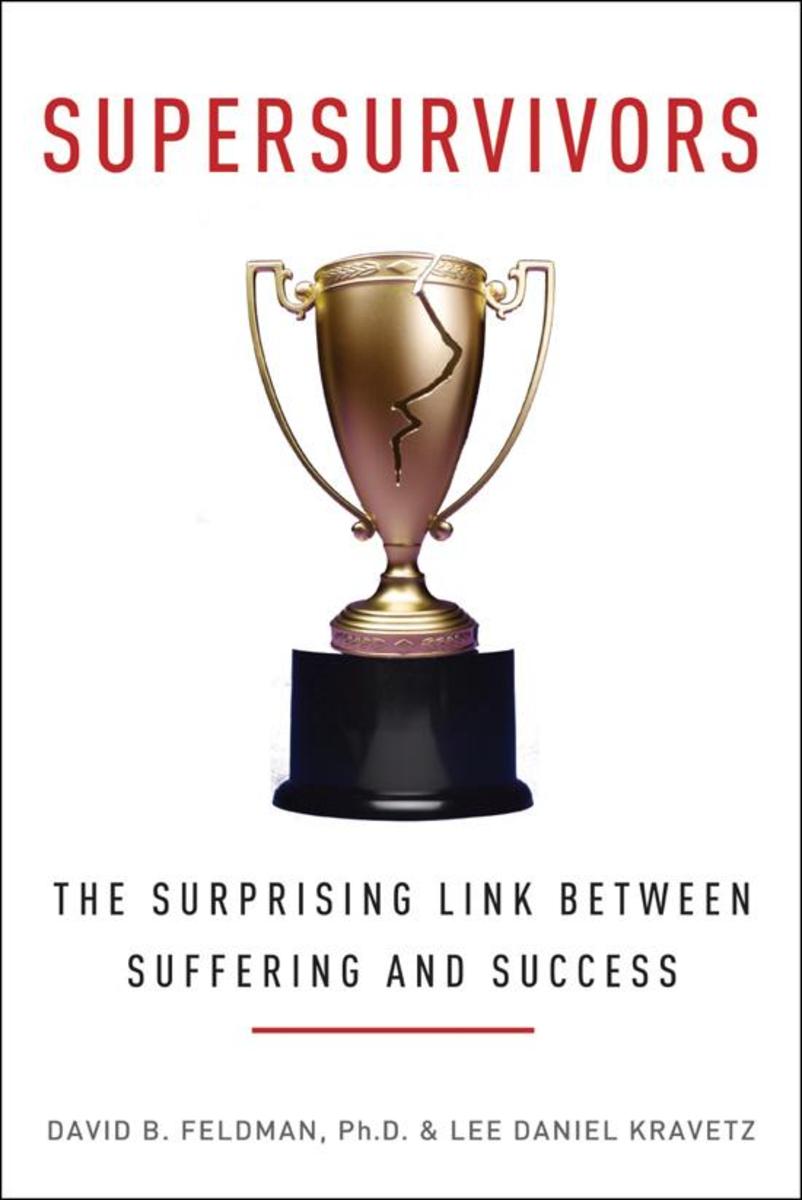
Supersurvivors
¥88.56
The key to how ordinary people accomplish extraordinary things after traumatic upheavalMany people suffer trauma in their lifetime. While some experience serious psychological consequences, like post-traumatic stress disorder and other afflictions, many are able to move on and overcome trauma's effects. Then there are those rare individuals who, in the aftermath of great tragedy and turmoil, reassess their priorities, redirect their focus, and accomplish extraordinary feats they break records, win awards, and meet the seemingly unattainable goals they set for themselves.These are the supersurvivors. A leukemia sufferer who won an Olympic gold medal, a blind man who rowed across the Atlantic, a woman who survived genocide in Rwanda and went on to become a President Obama appointee: these are among the extraordinary men and women who moved beyond mere resilience. They radically deviated on their life path, transforming the worst thing to happen to them into their best success.Renowned psychology researchers David B. Feldman and Lee Daniel Kravetz interviewed dozens of men and women to understand how these individuals pushed beyond their experiences to attain greatness. We discover why certain delusions can be healthy, why forgiveness is good for the body, and why reflecting on death can lead to a better life. And, perhaps counterintuitively, we learn how positive thinking is not always a strategy toward the good. Feldman and Kravetz weave the narratives of these supersurvivors with the latest scientific findings and clinical experience to elucidate how we can learn from their inspiring stories, offering hope that tragedy does not have to cause us to shrink from a full and adventurous life. Supersurvivors is sure to reset our thinking about how we deal with all our challenges, no matter who we are or what we have endured.
The Mozart Effect for Children
¥95.39
In his groundbreaking book, The Mozart Effect, Don Campbell revealed the enormous healing powers of classical music. Now he shows you how to help the children in your life experience the same benefits.You don't have to be an expert on classical music to use this wise and compassionate book. Focusing each chapter on a particular age -- from prenatal through age ten -- Don Campbell explains how music is the perfect tool to improve children's language, movement, and social skills at home, school, and play. He presents dynamic, inventive ways to invigorate a child's imagination, and supplies simple exercises, musical menus, and entertaining games that will improve your child's memory. At once practical and profound, The Mozart Effect for Children is an invaluable resource for all parents and educators who want to help their children imagine, achieve, and grow in every aspect of their lives.
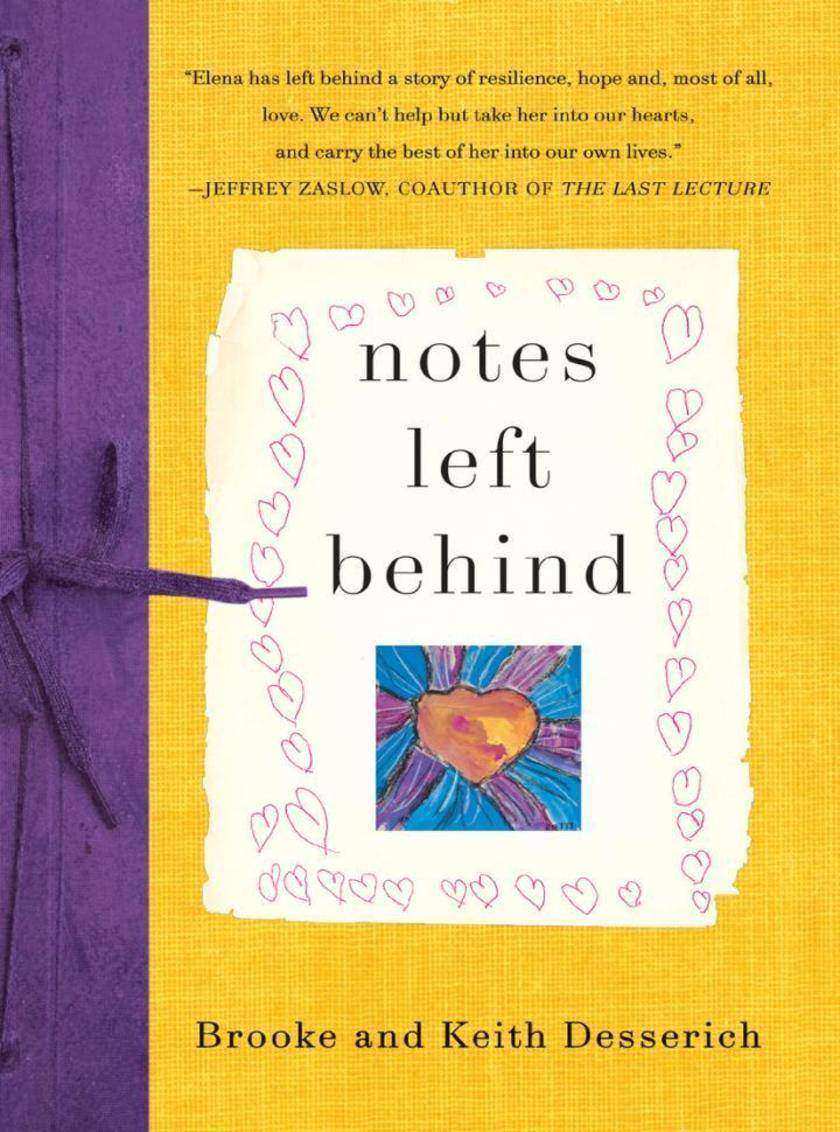
Notes Left Behind
¥88.56
Elena Desserich dreamed of becoming a teacher. Although her time on this earth was far too short to fulfill her dream, she left behind an enlightening lesson plan on life. Wise beyond her years, Elena never stopped teaching those around her to appreciate the miracle of everyday living even as the innocent six-year-old battled a rare form of brain cancer. Through personal and candid journal entries written as a remembrance for Elena's younger sister, Brooke and Keith Desserich share their emotional journey as they negotiated their contradictory impulses to fight Elena's cancer at all costs and realized the inevitable outcome. Page by page, this journal is a reminder to parents everywhere to appreciate and savor every precious moment they have with their own children.Notes Left Behind tells a story of humility and inspiration. From the time of her diagnosis, Elena accomplished a truly spectacular series of wishes, big and small, that she alone created, from riding in a horse-drawn carriage to painting a masterpiece that would hang in an art museum. Her life motivated the creation of the foundation that today helps children everywhere in their fight against cancer. Included in the pages of this book are Elena's private messages that she secretly hid around her home, knowing her family would find them when she was gone. These notes show us how even during the darker moments of life, it is possible to find hope and encouragement through selfless love.
Mars and Venus Starting Over
¥90.51
Is it possible to find love again after a breakup, death, or divorce?At the end of a relationship, it can sometimes feel like the end of the world. Devastation, loneliness, and bitterness are some emotions that exist due to a breakup, divorce, or the loss of a loved one. But with the help of this compassionate guide, Dr. John Gray expresses that you will survive and tells you how to find love again.While the process of healing is similar with both sexes, there are distinct differences between the ways men and women heal their bruised hearts. In Mars and Venus Starting Over, Dr. Gray offers gender-specific advice on how to: Deal with pain Find forgiveness Discover the strength to let go Rebuild confidence Rise to the challenge of finding fulfillment again Filled with gentle guidance, healing practices, and compassionate wisdom, Mars and Venus Starting Over will help men and women explore the meaning of loss, find their way through the healing process, and discover the secret to moving on.
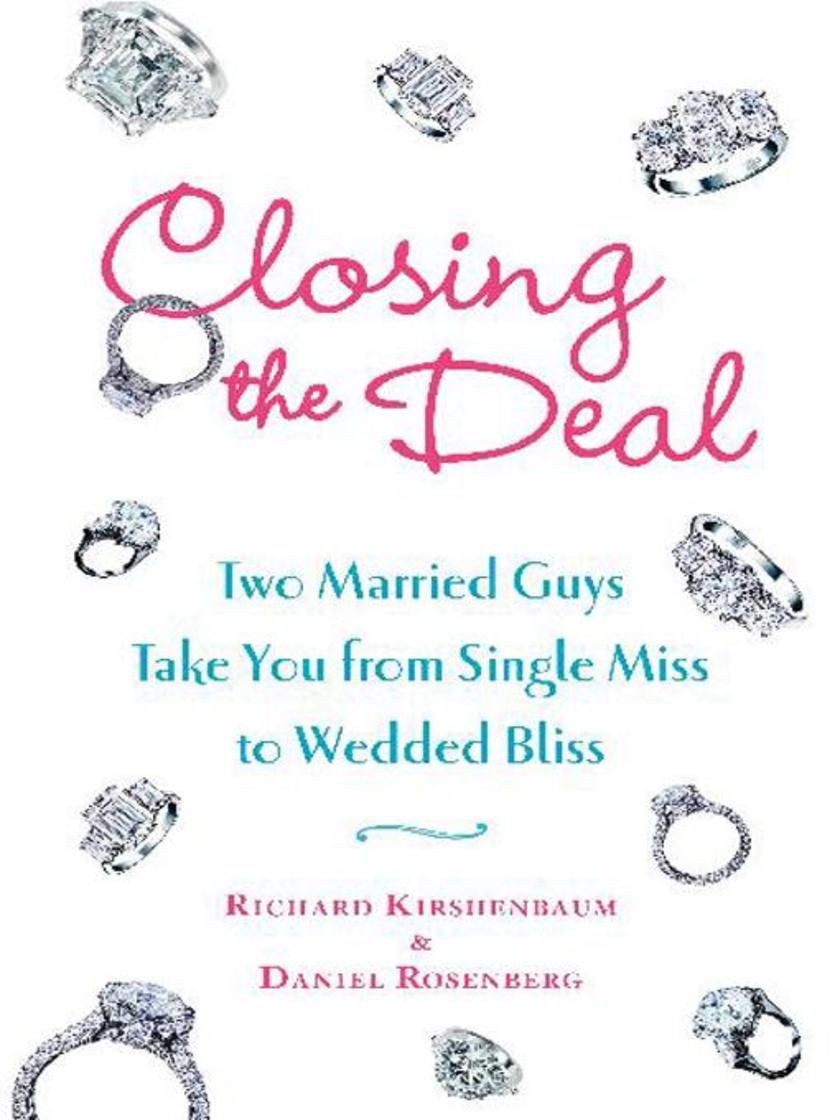
Closing the Deal
¥84.16
In this hip and utterly indispensable guide, two happily married husbands and regular guys reveal the secrets to getting a man down on bended knee -- his most uncomfortable position.Over the years, Richard Kirshenbaum and Daniel Rosenberg have dispensed loads of successful relationship advice to friends, colleagues, and relatives, who then pushed the ex-bachelors to share their lessons with the masses of future brides who need help taking their existing relationships to the next level. These guys have been there and know what it takes to get even the biggest commitment phobes to take the plunge.Closing the Deal will help you make a realistic assessment of your relationship and offers a fresh perspective on how your man's mind works. You'll find a new way to drive your relationship toward marriage without resorting to game playing.The authors promote the importance of truth telling, self-positioning, and the artful use of marketing tactics to reel in your man. You don't have to be the prettiest, thinnest, or richest woman to close the deal -- there is an art to it!Closing the Deal is not about outsmarting your man to the altar -- it's about learning to understand him. Richard and Daniel explain that no matter how much a guy may love his significant other, Change is the Enemy, so wannabe brides everywhere must convince their boyfriends that marriage is man's best friend. Closing the Deal will show you how to do just that.To help future brides build their matrimonial muscles and monitor their progress, Richard and Daniel include quizzes and real-life scenarios and throw in a glossary for extra clarification.Honest and supportive, funny and straightforward, these ideal big brothers offer a sure cure for the wedding-bell blues.
Embracing Fear
¥78.32
It's Time to Take Back Your Life Fear takes many forms dread panic anxiety self consciousness superstition and negativity and manifests itself in many ways avoidance procrastination judgment control and agitation to name just a few. Whether we are afraid of the dark or being alone of failure or commitment of public speaking or flying fear dominates our lives affecting nearly every decision we make. Combining compelling stories from the author's twenty five year practice examples from his own struggles with addiction and depression and practical exercises and tools Embracing Fear does not pretend to teach the impossible and eliminate fear but rather shows us that once we understand it we can live beyond its tyrannical control. Instead of repressing or ignoring the voices of panic and dread we learn that it is only through facing exploring accepting and responding to fear that we free ourselves from its paralyzing grip.
The Eyes of the Heart
¥77.49
From critically acclaimed author and Pulitzer Prize runner-up Frederick Buechner comes another powerfully honest memoir, The Eyes of the Heart. Full of poinant insights into his most personal relationships, this moving account traces how the author was shaped as much by his family's secrets as by its celebrations.Within the innermost chambers of his consciousness, Buechner, in his characteristically self-searching style, explores the mysteries and truths behind his deepest connections to family, friends, and mentors. Extraordinarily moving, this memoir follows not chronology but the converging paths of Buechner's imagination and memory.Buechner invites us into his library-his own Magic Kingdom, Surrounded by his beloved books and treasures, we discover how they serve as the gateway to Buechner's mind and heart. He draws the reader into his recollections, moving seamlessly from reminiscence to contemplation. Buechner recounts events such as the tragic suicide of his father and its continual fallout on his life, intimate and little-known details about his deep friendship with the late poet James Merrill, and his ongoing struggle to understand the complexities of his relationship to his mother.This cast of characters comprised of Buechner's relatives and loved ones is brought to vibrant life by his peerless writing and capacity to probe the depths of his own consciousness. Buechner visits his past with an honest eye and a heart open to the most painful and life-altering of realizations. heartbreaking and enlightening, The Eyes of the Heart is a treasure for any who have ever pondered the meaning and mystery of their own past.As "one of our finest writers," according to author Annie Dillard, Frederick Buechner provides yet another chapter in the tale of his life in this gripping memoir tracing the complicated roots and path of his inner life and family, with their multitude of intersections." The Eyes of the Heart stands as a touching testimonial to the significance of kinship to the author as well as to the legions of readers who have come to regard him as one of their own.
Journey to the Heart
¥90.77
In the spirit of her bestselling The Language of Letting Go, one of America's most beloved inspirational writers guides us on a sacred journey as we learn to expand our creativity, embrace our powers, and open our hearts.Writing with the same warmth, honesty, and compassion that has attracted such a loyal following, Melody Beattie now charts a new path toward spiritual growth and renewal. In 365 insightful and delightfully warm daily reflections, Journey to the Heart will inspire us all to discover our true purpose in the world and learn to connect even more deeply with ourselves, the creative force, and the magic and mystery in the world around and within us.

Just Kids
¥95.11
Due to copyright restrictions, this eBook may not contain all of the images available in the print edition. It was the summer Coltrane died, the summer of love and riots, and the summer when a chance encounter in Brooklyn led two young people on a path of art, devotion, and initiation. Patti Smith would evolve as a poet and performer, and Robert Mapplethorpe would direct his highly provocative style toward photography. Bound in innocence and enthusiasm, they traversed the city from Coney Island to Forty-second Street, and eventually to the celebrated round table of Max's Kansas City, where the Andy Warhol contingent held court. In 1969, the pair set up camp at the Hotel Chelsea and soon entered a community of the famous and infamous the influential artists of the day and the colorful fringe. It was a time of heightened awareness, when the worlds of poetry, rock and roll, art, and sexual politics were colliding and exploding. In this milieu, two kids made a pact to take care of each other. Scrappy, romantic, committed to create, and fueled by their mutual dreams and drives, they would prod and provide for one another during the hungry years. Just Kids begins as a love story and ends as an elegy. It serves as a salute to New York City during the late sixties and seventies and to its rich and poor, its hustlers and hellions. A true fable, it is a portrait of two young artists' ascent, a prelude to fame.
OpenStack Networking Cookbook
¥90.46
Harness the power of OpenStack Networking for public and private clouds using 90 hands-on recipesAbout This BookBuild and manage virtual switching, routing, and firewall-based networks in OpenStack using NeutronDevelop plugins and drivers for Neutron to enhance the built-in networking capabilitiesMonitor and automate OpenStack networks using tools like Ceilometer and Heat Who This Book Is For This book is aimed at network and system administrators who want to deploy and manage OpenStack-based cloud and IT infrastructure. If you have basic knowledge of OpenStack and virtualization, this book will help you leverage the rich functionality of OpenStack Networking in your cloud deployments.What You Will LearnOperate OpenStack Networking for public and private cloudsConfigure advanced routing services for your workloadsSecure data traffic using firewall-as-a-service capabilities of OpenStackDiscover how to leverage VXLAN to implement SDN in your OpenStack cloudMonitor the virtual networks using CeilometerDevelop plugins to enhance and customize OpenStack NetworkingProvide HA and VPN connectivity for your virtual machinesTroubleshoot and solve common problems with OpenStack Networking In Detail Networking in OpenStack has evolved from Nova Network to Neutron. This has resulted in a rich suite of networking services available to OpenStack users and administrators. Advanced services such as routers, firewall, and load balancers use building blocks such as network and subnets. Recent improvements support powerful customization using plugins. The evolution of Neutron continues as it integrates with tools like Ceilometer and Heat. This book will explore the built-in capabilities of Neutron to effectively deploy cloud solutions. You will begin with the most fundamental constructs of OpenStack Networking for switching and routing. You will then learn how to provide your tenants with services like firewalls and load-balancers. The step-by-step recipes will help you configure and troubleshoot networking problems in your cloud. This book will also introduce you to advanced topics like Ceilometer, Heat, and other upcoming tools in OpenStackStyle and approach The book is full of step-by-step recipes to configure and manage the networking aspects of your OpenStack cloud. In addition to covering basic configuration involved in OpenStack Networking, the books also shares various troubleshooting tips and techniques. As much as possible the book uses OpenStack dashboard (Horizon) to help the user get a feel of real OpenStack Networking
Data Analysis and Business Modeling with Excel 2013
¥71.93
Manage, analyze, and visualize data with Microsoft Excel 2013 to transform raw data into ready to use informationAbout This BookCreate formulas to help you analyze and explain findingsDevelop interactive spreadsheets that will impress your audience and give them the ability to slice and dice dataA step-by-step guide to learn various ways to model data for businesses with the help of Excel 2013 Who This Book Is For If you want to start using Excel 2013 for data analysis and business modeling and enhance your skills in the data analysis life cycle then this book is for you, whether you’re new to Excel or experienced.What You Will LearnDiscover what Excel formulas are all about and how to use them in your spreadsheet developmentIdentify bad data and learn cleaning strategiesCreate interactive spreadsheets that engage and appeal to your audienceLeverage Excel’s powerful built-in tools to get the median, maximum, and minimum values of your dataBuild impressive tables and combine datasets using Excel’s built-in functionalityLearn the powerful *ing language VBA, allowing you to implement your own custom solutions with ease In Detail Excel 2013 is one of the easiest to use data analysis tools you will ever come across. Its simplicity and powerful features has made it the go to tool for all your data needs. Complex operations with Excel, such as creating charts and graphs, visualization, and analyzing data make it a great tool for managers, data scientists, financial data analysts, and those who work closely with data. Learning data analysis and will help you bring your data skills to the next level. This book starts by walking you through creating your own data and bringing data into Excel from various sources. You’ll learn the basics of SQL syntax and how to connect it to a Microsoft SQL Server Database using Excel’s data connection tools. You will discover how to spot bad data and strategies to clean that data to make it useful to you. Next, you'll learn to create custom columns, identify key metrics, and make decisions based on business rules. You’ll create macros using VBA and use Excel 2013’s shiny new macros. Finally, at the end of the book, you'll be provided with useful shortcuts and tips, enabling you to do efficient data analysis and business modeling with Excel 2013.Style and approach This is a step-by-step guide to performing data analysis and business modelling with Excel 2013, complete with examples and tips.
Ionic Cookbook
¥90.46
Over 35 exciting recipes to spice up your application development with IonicAbout This BookLearn how to utilize the robust features of Ionic CLI and its framework to create, develop, and build your mobile appExplore new integrations with various Backend-as-a-Services, along with AngularJS modules, for creative solutionsUse out-of-the-box Ionic functionalities, customize existing components, and add new components with this comprehensive, step-by-step guide Who This Book Is For If you are a front-end developer and want to take advantage of your existing mobile application development skills to develop cross-platform mobile apps, this book is for you. You will build up your Ionic knowledge with in-depth recipes on Angular.js, Cordova, and Sass.What You Will LearnAuthenticate users using an e-mail password, Twitter, Facebook, Google+, and LinkedInRetrieve data and store it using FirebaseAccess native device functionalities such as a camera, contact list, e-mail, and maps using ngCordovaWork with localStorage and SQLite for persistent data access on the client sideCommunicate to and from your app using push notifications or SMSLeverage AngularJS events and Ionic-specific events to communicate across pages, controllers, and directivesCustomize the color and theme of your Ionic appCreate new custom directives as componentsCompile your app for iOS, Android, and Windows Phone In Detail The world of mobile development is extremely fragmented with many platforms, frameworks, and technologies available. Ionic is intended to fill that gap, by enabling developers to build apps that have a native feel to them, using web technologies such as HTML, CSS, and AngularJS. Ionic makes it easy for front-end developers to become app developers. The framework provides superior performance with deep Cordova integration and a comprehensive set of tools for prototyping, backend support, and deployment. Ionic Cookbook takes you through the process of developing a cross-platform mobile app using just HTML5 and the JavaScript-based Ionic. You will start with an introduction to the CLI and then move on to building and running an app. You will explore common features of real-world mobile apps such as authenticating a user, and getting and saving data using either Firebase or Local Storage. Next, the book covers how Ionic integrates with Cordova to support native device features using ngCordova, and you will discover how to take advantage of existing modules around its ecosystem. You will also delve into advanced topics, including how to extend Ionic to create new components. Finally, the book will walk you through customizing the Ionic theme and building the app so that it can be deployed to all platforms.Style and approach This book follows a recipe-based approach to cross-platform mobile app development, where each task is explained in a conversational and easy-to-follow style. Every topic explains individual features or components of Ionic, and provides extra details for readers to come up with custom solutions based on real-world applications.
A Year with C. S. Lewis 与C.S.路易斯相伴365日
¥138.41
Beloved author C. S. Lewis is our trusted guide in this intimate day-by-day companion offering his distinctive and celebrated wisdom. Amidst the bustle of our daily experience, A Year with C. S. Lewis provides the necessary respite and inspiration to meet the many challenges we face in our lives. Ruminating on such themes as the nature of love, the existence of miracles, overcoming a devastating loss, and discovering a profound faith, Lewis offers unflinchingly honest insight for each day of the year. These daily meditations have been culled from Lewis's celebrated Signature Classics: Mere Christianity , The Screwtape Letters , The Great Divorce , The Problem of Pain , Miracles , and A Grief Observed , as well as from the distinguished works The Weight of Glory and The Abolition of Man. Throughout this elegant daybook the reader will find poignant biographical com-mentary about C. S. Lewis's life that offers a remarkable portrait of Lewis in the context of his work. As each day unfolds, we embark on a path of discovery with a friend by your side. A Year with C. S. Lewis is the perfect com-panion for everyone who cherishes Lewis's timeless words.
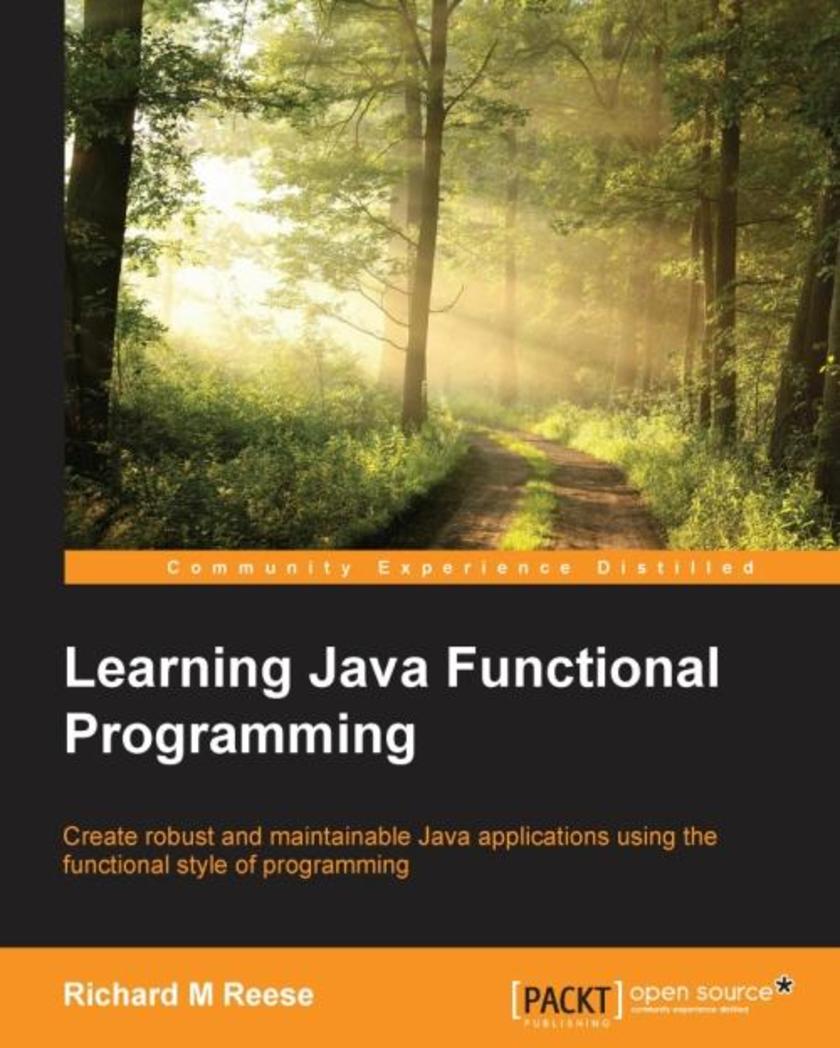
Learning Java Functional Programming
¥99.18
Create robust and maintainable Java applications using the functional style of programmingAbout This BookExplore how you can blend object-oriented and functional programming styles in JavaUse lambda expressions to write flexible and succinct codeA tutorial that strengthens your fundamentals in functional programming techniques to enhance your applications Who This Book Is For If you are a Java developer with object-oriented experience and want to use a functional programming approach in your applications, then this book is for you. All you need to get started is familiarity with basic Java object-oriented programming concepts.What You Will LearnUse lambda expressions to simplyfy codeUse function composition to achieve code fluencyApply streams to simply implementations and achieve parallelismIncorporate recursion to support an application’s functionalityProvide more robust implementations using OptionalsImplement design patterns with less codeRefactor object-oriented code to create a functional solutionUse debugging and testing techniques specific to functional programs In Detail Functional programming is an increasingly popular technology that allows you to simplify many tasks that are often cumbersome and awkward using an object-oriented approach. It is important to understand this approach and know how and when to apply it. Functional programming requires a different mindset, but once mastered it can be very rewarding. This book simplifies the learning process as a problem is described followed by its implementation using an object-oriented approach and then a solution is provided using appropriate functional programming techniques. Writing succinct and maintainable code is facilitated by many functional programming techniques including lambda expressions and streams. In this book, you will see numerous examples of how these techniques can be applied starting with an introduction to lambda expressions. Next, you will see how they can replace older approaches and be combined to achieve surprisingly elegant solutions to problems. This is followed by the investigation of related concepts such as the Optional class and monads, which offer an additional approach to handle problems. Design patterns have been instrumental in solving common problems. You will learn how these are enhanced with functional techniques. To transition from an object-oriented approach to a functional one, it is useful to have IDE support. IDE tools to refactor, debug, and test functional programs are demonstrated through the chapters. The end of the book brings together many of these functional programming techniques to create a more comprehensive application. You will find this book a very useful resource to learn and apply functional programming techniques in Java.Style and approach In this tutorial, each chapter starts with an introduction to the terms and concepts covered in that chapter. It quickly progresses to contrast an object-oriented approach with a functional approach using numerous code examples.
Mere Christianity
¥90.77
One of the most popular and beloved introductions to the concept of faith ever written, Mere Christianity has sold millions of copies worldwide. The book brings together C. S. Lewis legendary radio broadcasts during the war years, in which he set out simply to explain and defend the belief that has been common to nearly all Christians at all times. Rejecting the boundaries that divide Christianity many denominations, Mere Christianity provides an unequalled opportunity for believers and nonbelievers alike to absorb a powerful, rational case for the Christian faith.
The Screwtape Letters
¥83.92
A milestone in the history of popular theology, The Screwtape Letters is an iconic classic on spiritual warfare and the dynamics of temptation. This profound and striking narrative takes the form of a series of letters from Screwtape, a devil high in the Infernal Civil Service, to his nephew Wormwood, a junior colleague engaged in his first mission on earth, trying to secure the damnation of a young man who has just become a Christian. Although the young man initially looks to be a willing victim, he changes his ways and is "lost" to the young devil. Dedicated to Lewis's friend and colleague J. R. R. Tolkien, The Screwtape Letters is a timeless classic on spiritual conflict and the psychology of temptation which are part of our religious experience.
The Abolition of Man
¥78.32
Both astonishing and prophetic, The Abolition of Man remains one of C. S. Lewis's most controversial works. Lewis sets out to persuade his audience of the ongoing importance and relevance of universal objective values, such as courage and honor, and the foundational necessity of natural law. He also makes a cogent case that a retreat from these pillars of our educational system, even if in the name of "scientism," would be catastrophic. National Review lists it as number seven on their "100 Best Nonfiction Books of the Twentieth Century."


