


 购物车
购物车 个人中心
个人中心

Evolutionaries
¥90.51
When it comes to evolution, we've all heard about fossils and fruit flies, Darwin and Dawkins. But the idea of evolution is far more profound and far-reaching. Today, a movement of visionary scientists, philosophers, and spiritual thinkers is forging a new understanding of evolution that honors science, reframes culture, and radically updates spirituality. Carter Phipps calls them Evolutionaries. His groundbreaking book provides the first popular guide to these exciting minds who are illuminating the secrets of our past and expanding the vistas of our future.
Your Struggling Child
¥90.77
Here is a practical, compassionate book parents can turn to when they first recognize that their child has a "problem" but aren't sure what it is or where to seek help. At this very moment, millions of children across the U.S. are falling behind in school, acting out impulsively at home, having problems making friends, suffering dramatic mood swings, and more. Their parents are frustrated and afraid, aware that something's wrong, but not sure where to turn for help or how to cope with their child's behavior. "Is it a learning disorder, ADHD, anxiety disorder, or some combination?" they wonder. "Are these moods and behaviors normal or abnormalWill my child outgrow them?" This book by a noted neuropsychologist explains the different and overlapping symptoms of learning, mood, and behavior disorders and guides parents in getting the right diagnosis and treatment. Dr. Newby demystifies the process and empowers parents. Step by step, he explains: How to observe and chart your child's behavior a critical diagnostic tool What to expect during the evaluation and treatment process How to partner with medical and school professionals to assist your child and what to do when conflicts arise Clear and comprehensive, this supportive guide will be every parent's first line of defense in helping a troubled child.
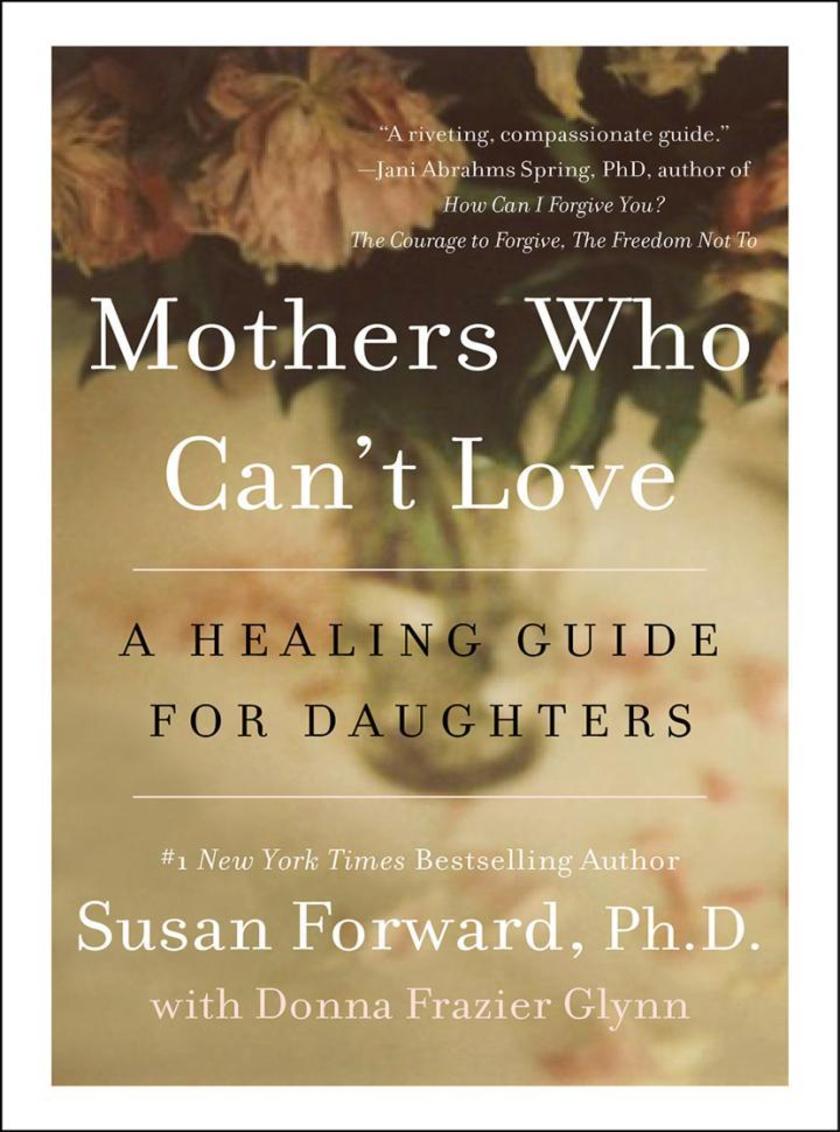
Mothers Who Can't Love
¥90.77
Bestselling author Susan Forward looks at the devastating impact unloving mothers have on their daughters and provides effective techniques for overcoming that painful legacy. Over the course of thirty-five years as a therapist, Susan Forward has worked with a large number of women struggling to escape the emotional damage inflicted by the women who raised them. Subjected to years of criticism, competition, role reversal, smothering control, emotional neglect, and other forms of abuse, women raised by mothers who can't love are plagued by anxiety, depression, relationship problems, lack of confidence, and difficulties with trust.But as Forward explains in Mothers Who Can't Love, it is possible to heal the mother wound and find help and validation. The many different kinds of unloving mothers the narcissistic mother, the competitive mother, the overly enmeshed mother, the control freak, mothers who need mothering, and mothers who abuse or fail to protect their daughters from abuse are all described in these pages. They each bring unique issues to the mother-daughter dynamic and need to be understood in order for healing to begin.Filled with compelling case histories, Mothers Who Can't Love outlines the self-help techniques Forward has developed to transform the lives of her clients, showing women how to overcome the pain of their childhoods and act in their own best interests. Riveting and compassionate, this landmark book will give daughters the emotional support and tools they need to reclaim their confidence and self-respect so that the emotional destructiveness they grew up with does not constitute a legacy for future generations.
Music Through the Eyes of Faith
¥88.56
"Christian musicians know of the obligation to make music as agents of God's grace. They make music graciously, whatever its kind or style, as ambassadors of Christ, showing love, humility, servanthood, meekness, victory, and good example . . . Music is freely made, by faith, as an act of worship, in direct response to the overflowing grace of God in Christ Jesus." Co-sponsored by the Christian College Coalition, this thought-provoking study of music-as-worship leads both students and experienced musicians to a better understanding of the connections between music making and Christian faith. "Christian music makers have to risk new ways of praising God. Their faith must convince them that however strange a new offering may be, it cannot out-reach, out-imagine, or overwhelm God. God remains God, ready to swoop down in the most wonderful way, amidst all of the flurry and mystery of newness and repetition, to touch souls and hearts, all because faith has been exercised and Christ's ways have been imitated. Meanwhile, a thousand tongues will never be enough." Best relates musical practice to a larger theology of creation and creativity, and explores new concepts of musical quality and excellence, musical unity, and the incorporation of music from other cultures into today's music.
Losing a Parent
¥88.62
Kennedy shares her own story of facing the loss of a parent and offers innovative strategies for healing and transformation.

The Song of the Seed
¥72.93
From the bestselling author of Seasons of Your Heart and A Tree Full of Angels, a lyric, loving, and inspiring approach to communion with God based on Benetictine spirituality.
The Attitude Is Everything Workbook
¥95.39
In this companion to Attitude Is Everything, mega successful motivational speaker Keith Harrell gives you practicall, step by step guidance on putting a good attitude to work in order to get ahead in life. Keith Harrell has taken his place among the motivational greats of the world. Regularly inspiring Fortune 500 companies with a 100 percent satisfaction rate, his message is simple yet powerful: attitude, whether positive or negative, has the power to impact on an organization's or individual's success. Based on his successful Attitude Is Everything, this workbook is the essential to guide to transforming Harrell's strategies into success. In a series of clear step by step exercises and instructions, Harrell teaches readers techniques for maintaining a powerful positive attitude in order to get ahead in life.
From This Day Forward
¥94.10
After thirty years together, Cokie and Steve Roberts know something about marriage and after thirty distinguished years in journalism, they know how to write about it.In From This Day Forward, Cokie and Steve weave their personal stories of matrimony into a wider reflection on the state of marriage in American today.Here they write with the same conversational style that catapulted Cokie's We Are Our Mother's Daughters to the top of the New York Times bestseller list. They ruminate on their early worries about their different faiths -- she's Catholic, he's Jewish -- and describe their wedding day at Cokie's childhood home. They discuss the struggle to balance careers and parenthood, and how they compromise when they disagree. They also tell the stories of other American marriages: that of John and Abigail Adams, and those pioneers, slaves and immigrants. They offer stories of broken marriages as well, of contemporary families living through the "divorce revolution". Taken together, these tales reveal the special nature of the wedding bond in America. Wise and funny, this book is more than an endearing chronicle of a loving marriage -- it is a story of all husbands and wives, and how they support and strengthen each other.

Prescriptions for Living
¥84.16
As a physician who has cared for and counseled innumerable patients, Bernie S. Siegel embraces a philosophy that is at the forefront of a society grappling with medical ethics and spiritual issues. His books Love, Medicine, and Miracles (1986), Peace, Love and Healing (1989), and How to Live Between Office Visits (1993) have broken new ground in the field of healing. Over a span of twenty years, other physicians have become increasingly receptive to his message. Bernie's efforts have now turned toward humanizing medical care and medical education, and he continues to travel extensively with his wife, Bobbie, to speak at and run workshops, sharing his techniques and experiences. Bernie and Bobbie have five children and six grandchildren (so far). "This book is a continuation of the work I began when I became Bernie. It is a collection of stories about how to deal with life's difficulties. Most of the people in these stories have not had the great wake-up call; that is, they are mot facing life-threatening illnesses. So in a sense, this book is preventive medicine. It is a pre*ion for living that gives you effective and healthy ways of dealing with the adversity that occurs in everyone's life. I want to help you learn to accept your morality before something catastrophic brings you face-to-face with the end of your life." -- From the Introduction
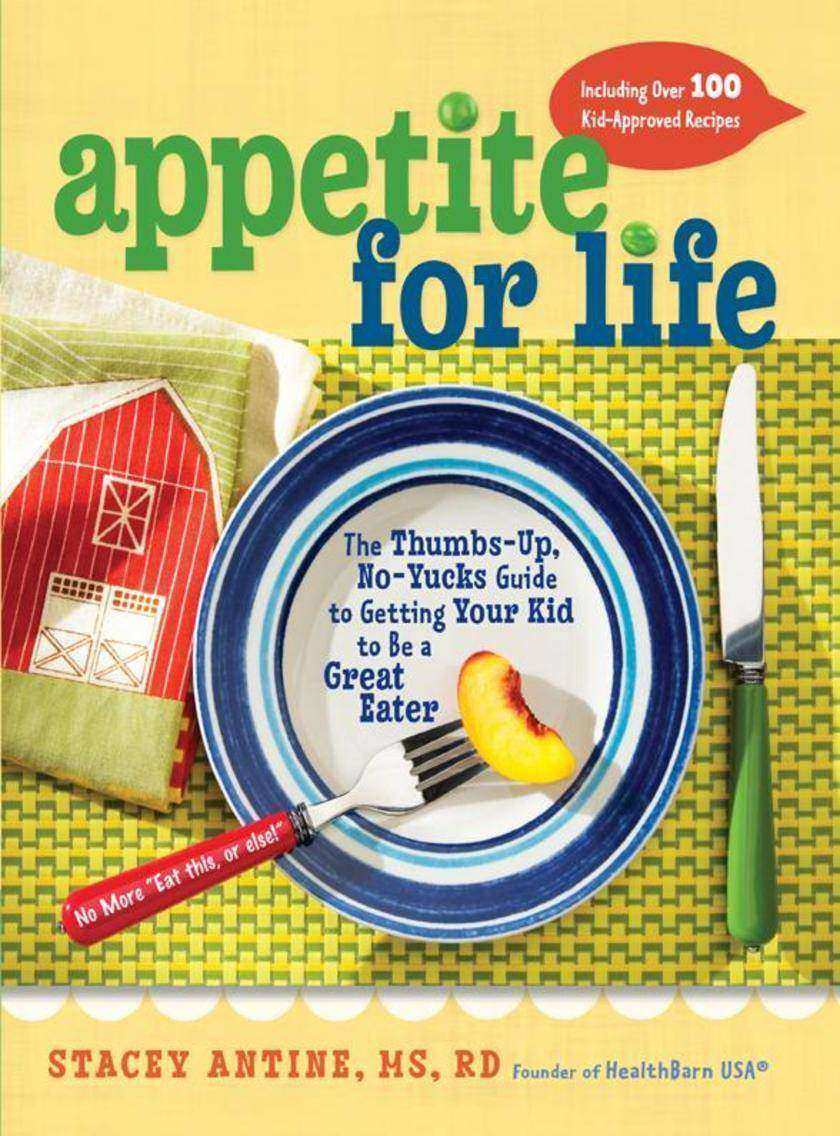
Appetite for Life
¥101.00
From fluorescent yogurt to 100-calorie snack packs, most "kid friendly" food has little nutritional benefit. We've convinced ourselves that in order to get kids to eat it, food needs to be packaged into something fake, colored, and far from its natural source. No wonder kids protest when we ask them to eat their vegetables. They don't come in a box!Enter Stacey Antine, founder of HealthBarn USA, an organization at the front lines of introducing kids and their families to healthy eating habits and real food. While some parents "sneak" nutritious foods into meals, Antine knows from experience that the key to raising adventurous, wise eaters is to connect kids to the food they eat. Kids are more likely to try new foods and make healthy choices if they understand where ingredients come from, know why certain foods are good for their bodies and minds, and have an active role in preparation, from gathering ingredients to cooking.In Appetite for Life, mealtime is no longer a battleground, but an opportunity for fun and experimentation. In fact, Antine encourages giving children a voice: with her "no yucks allowed" method, kids use a thumbs-up/thumbs-down rating system for each new food they try, but they always have to try at least one bite.Featuring food the whole family will love (no more separate kids menu!), this book includes: nutritious, easy-to-make recipes for all three meals plus snack time, which have been tested and approved by the thousands of kids who attend HealthBarn; family activities like Stacey's Supermarket Spy Kids game; and great-tasting, home-made alternatives to your go-to store-bought foods, with side-by-side nutritional analysis to highlight the benefits of learning to eat the HealthBarn way. Appetite for Life is the key ingredient to a healthier, happier dinner table.
The Common Thread
¥73.48
No relationship is more fulfilling, infuriating, emotional, and problematic than that of mother and daughter. Now, in a work filled with truth, surprises, and humor, renowned psychologist and author Martha Manning offers mothers and daughters of all ages a new way to understand each other. Challenging the accepted premise that this powerful bond must be severed for emotional growth, Manning shows us why this precious attachment is never outgrown, how, if it is damaged, it can be healed, and what will enrich this lifelong commitment while fostering essential independence. The key is empathy, and Manning provides potent tools to help us build stronger ties and celebrate the crazy twists, joys, and secrets inherent in this most glorious of life connections.Combining personal experiences and scrupulous research, The Common Thread helps each of us develop a mutually empowering relationship -- and laugh, too -- as we more deeply connect with and appreciate the mother or daughter we love.

Fathers and Babies
¥84.82
Fathers and Babies is the one and only baby care book written expressly for fathers. Fathers and Babies is a light and reassuring introduction into the world of fatherhood. Fathers today want to be, and are expected to be, involved parents who bond with their children and help them thrive. Yet, sadly, many new fathers feel excluded from the loop of child care. Because most fathers don't get to spend as much time with their babies as mothers do, men don't learn the everyday skills of baby care. When they attempt to help out during evenings and on weekends, they frustrate themselves and those they are trying to help. Instead of becoming closer to their children, many fathers withdraw, conceding the domain of parenting to mothers. This is unfair to mothers, fathers, and their children. What fathers desperately need is a special baby care training manual that will teach them how to fix a bottle, soothe a bay in the middle of the night, and help a child learn to talk. Fathers who are primary caregivers gain these skills easily. But most fathers are not primary caregivers; and because they can't spend more time with their children, they need help in order to become the great fathers they want to be. Fathers and Babies provides step-by-step instructions accompanied by humorous, real-life pictures that show fathers what to do. The book also explains the important perceptual abilities, language skills, muscular coordination, strength, and concepts of trust and self-esteem that babies need to develop during the first eighteen months of life. The more fathers know about these critical developments, the more fathers will be able to help their babies achieve and the more worthy they will feel as parents.
Telling Secrets
¥77.49
With eloquence, candor, and simplicity, a celebrated author tells the story of his father's alcohol abuse and suicide and traces the influence of this secret on his life as a son, father, husband, minister, and writer.
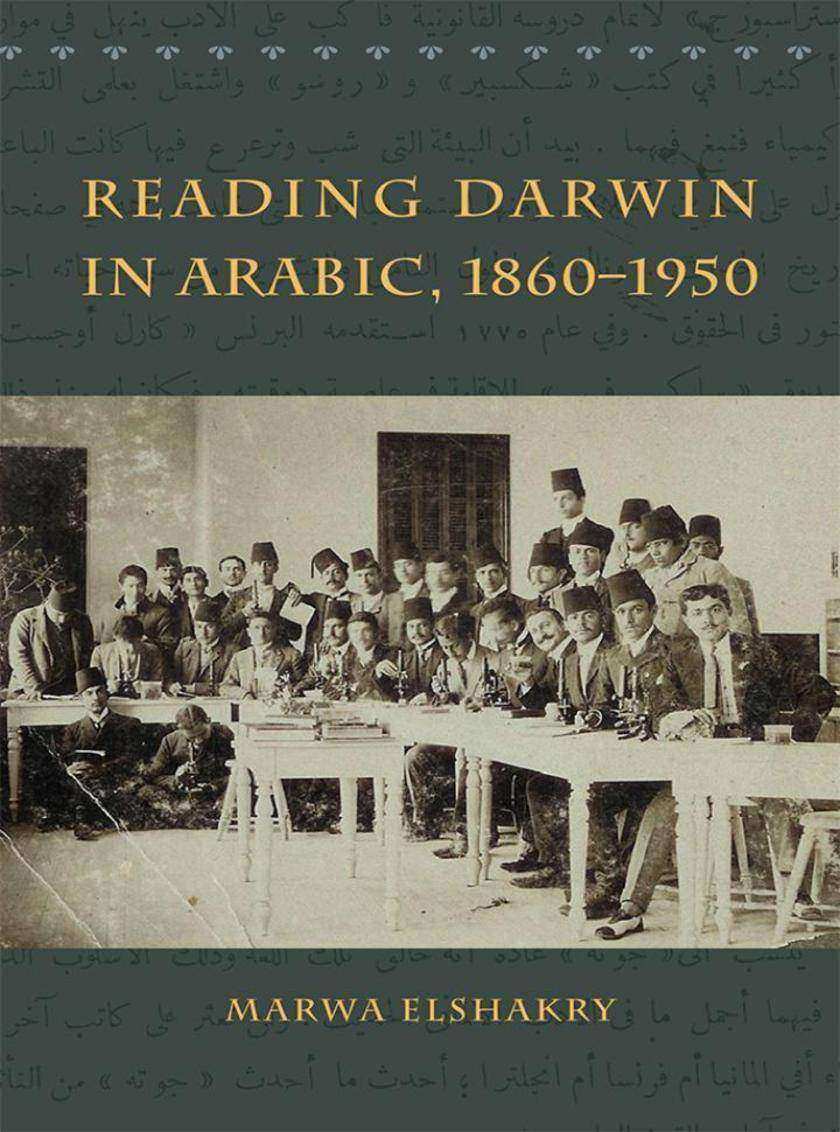
Reading Darwin in Arabic, 1860-1950
¥370.82
In Reading Darwin in Arabic, Marwa Elshakry questions current ideas about Islam, science, and secularism by exploring the ways in which Darwin was read in Arabic from the late 1860s to the mid-twentieth century. Borrowing from translation and reading studies and weaving together the history of science with intellectual history, she explores Darwin's global appeal from the perspective of several generations of Arabic readers and shows how Darwin's writings helped alter the social and epistemological landscape of the Arab learned classes.?Providing a close textual, political, and institutional analysis of the tremendous interest in Darwin's ideas and other works on evolution, Elshakry shows how, in an age of massive regional and international political upheaval, these readings were suffused with the anxieties of empire and civilizational decline. The politics of evolution infiltrated Arabic discussions of pedagogy, progress, and the very sense of history. They also led to a literary and conceptual transformation of notions of science and religion themselves. Darwin thus became a vehicle for discussing *ural exegesis, the conditions of belief, and cosmological views more broadly. The book also acquaints readers with Muslim and Christian intellectuals, bureaucrats, and theologians, and concludes by exploring Darwin's waning influence on public and intellectual life in the Arab world after World War I.?Reading Darwin in Arabic is an engaging and powerfully argued reconceptualization of the intellectual and political history of the Middle East.
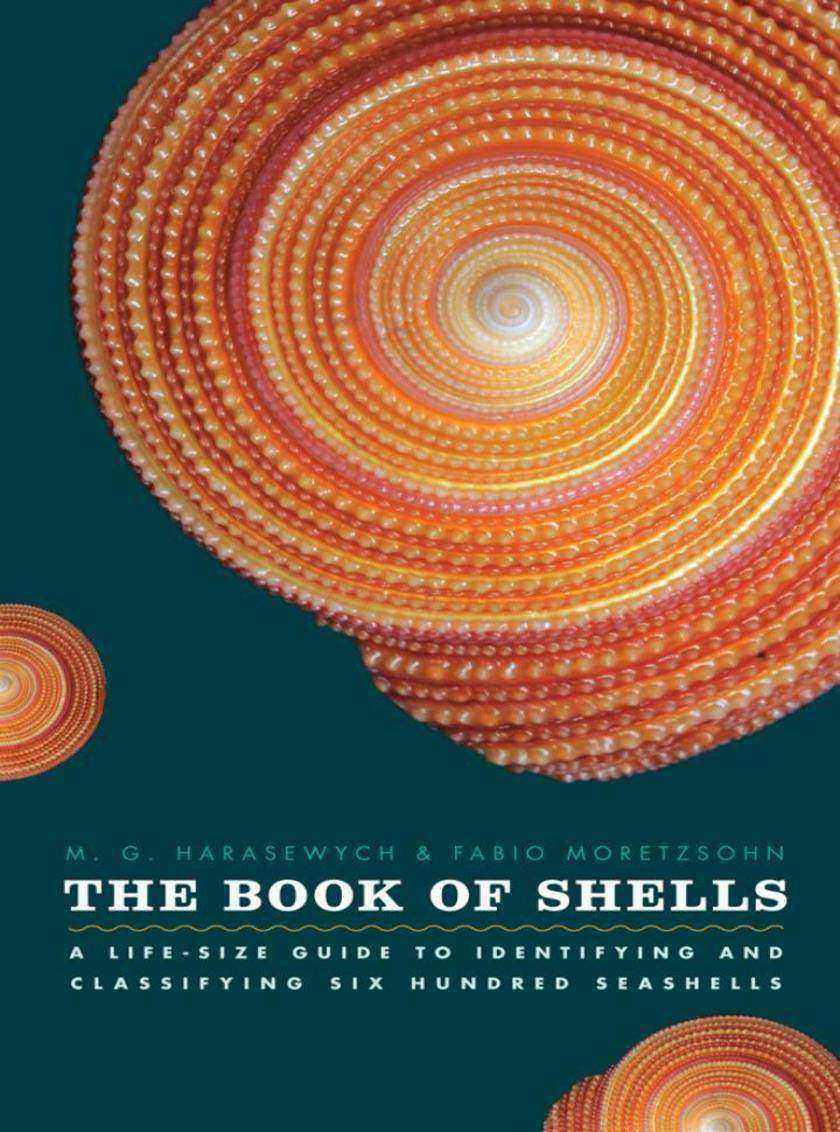
Book of Shells
¥194.24
Who among us hasn't marveled at the diversity and beauty of shellsOr picked one up, held it to our ear, and then gazed in wonder at its shape and hueMany a lifelong shell collector has cut teeth (and toes) on the beaches of the Jersey Shore, the Outer Banks, or the coasts of Sanibel Island. Some have even dived to the depths of the ocean. But most of us are not familiar with the biological origin of shells, their role in explaining evolutionary history, and the incredible variety of forms in which they come.Shells are the external skeletons of mollusks, an ancient and diverse phylum of invertebrates that are in the earliest fossil record of multicellular life over 500 million years ago. There are over 100,000 kinds of recorded mollusks, and some estimate that there are over amillion more that have yet to be discovered. Some breathe air, others live in fresh water, but most live in the ocean. They range in size from a grain of sand to a beach ball and in weight from a few grams to several hundred pounds. And in this lavishly illustrated volume, they finally get their full due.The Book of Shells offers a visually stunning and scientifically engaging guide to six hundred of the most intriguing mollusk shells, each chosen to convey the range of shapes and sizes that occur across a range of species. Each shell is reproduced here at its actual size, in full color, and is accompanied by an explanation of the shell's range, distribution, abundance, habitat, and operculum-the piece that protects the mollusk when it's in the shell. Brief scientific and historical accounts of each shell and related species include fun-filled facts and anecdotes that broaden its portrait.The Matchless Cone, for instance, or Conus cedonulli, was one of the rarest shells collected during the eighteenth century. So much so, in fact, that a specimen in 1796 was sold for more than six times as much as a painting by Vermeer at the same auction. But since the advent of scuba diving, this shell has become far more accessible to collectors-though not without certain risks. Some species of Conus produce venom that has caused more than thirty known human deaths.The Zebra Nerite, the Heart Cockle, the Indian Babylon, the Junonia, the Atlantic Thorny Oyster-shells from habitats spanning the poles and the tropics, from the highest mountains to the ocean's deepest recesses, are all on display in this definitive work.
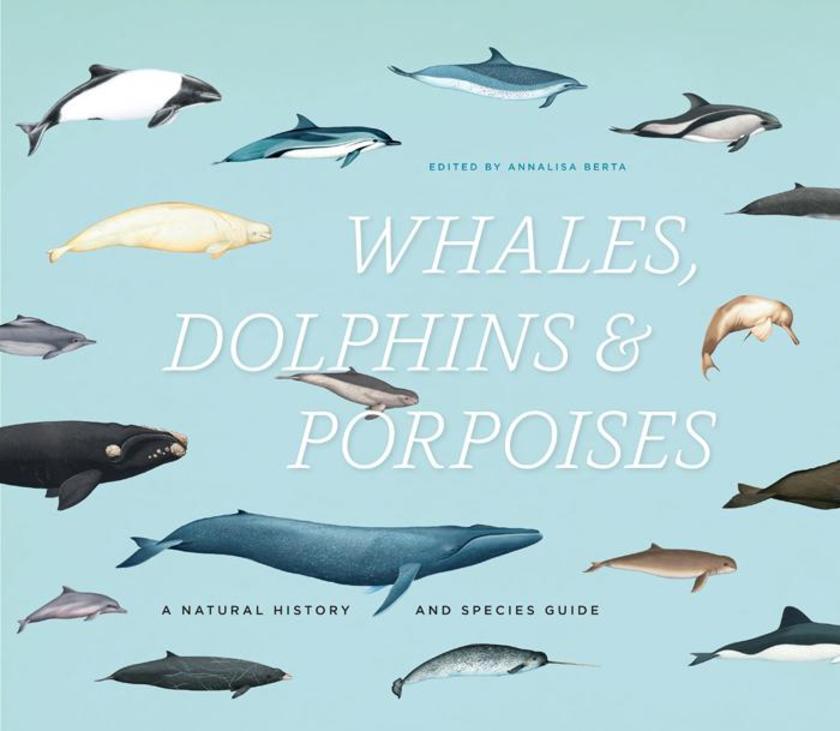
Whales, Dolphins, and Porpoises
¥294.30
The eighty-nine cetacean species that swim our seas and rivers are as diverse as they are intelligent and elusive, from the hundred-foot-long, two-hundred-ton blue whale to the lesser-known tucuxi, ginkgo-toothed beaked whale, and diminutive, critically endangered vaquita. The huge distances these highly migratory creatures cover and the depths they dive mean we catch only the merest glimpses of their lives as they break the surface of the water. But thanks to the marriage of science and technology, we are now beginning to understand their anatomy, complex social structures, extraordinary communication abilities, and behavioral patterns. In this beautifully illustrated guide, renowned marine mammalogist Annalisa Berta draws on the contributions of a pod of fellow whale biologists to present the most comprehensive, authoritative overview ever published of these remarkable aquatic mammals.Opening with an accessible rundown of cetacean biology-including the most recent science on feeding, mating, and communication-Whales, Dolphins, and Porpoises then presents species-specific natural history on a range of topics, from anatomy and diet to distribution and conservation status. Each entry also includes original drawings of the species and its key identifiers, such as fin shape and color, tooth shape, and characteristic markings as they would appear both above and below water-a feature unique to this book.Figures of myth and-as the debate over hunting rages on-figures of conflict since long before the days of Moby-Dick, whales, dolphins, and porpoises are also ecologically important and, in many cases, threatened. Written for general enthusiasts, emergent cetacean fans, and biologists alike, this stunning, urgently needed book will serve as the definitive guide for years to come.

Undertones of War
¥117.72
"e;I took my road with no little pride of fear; one morning I feared very sharply, as I saw what looked like a rising shroud over a wooden cross in the clustering mist. Horror! But on a closer study I realized that the apparition was only a flannel gas helmet. . . . What an age since 1914!"e;In Undertones of War, one of the finest autobiographies to come out of World War I, the acclaimed poet Edmund Blunden records his devastating experiences in combat. After enlisting at the age of twenty, he took part in the disastrous battles at the Somme, Ypres, and Passchendaele, describing them as "e;murder, not only to the troops but to their singing faiths and hopes."e;All the horrors of trench warfare, all the absurdity and feeble attempts to make sense of the fighting, all the strangeness of observing war as a writer-of being simultaneously soldier and poet-pervade Blunden's memoir. In steely-eyed prose as richly allusive as any poetry, he tells of the endurance and despair found among the men of his battalion, including the harrowing acts of bravery that won him the Military Cross.Now back in print for American readers, the volume includes a selection of Blunden's war poems that unflinchingly juxtapose death in the trenches with the beauty of Flanders's fields. Undertones of War deserves a place on anyone's bookshelf between Siegfried Sassoon's poetry and Robert Graves's Goodbye to All That.
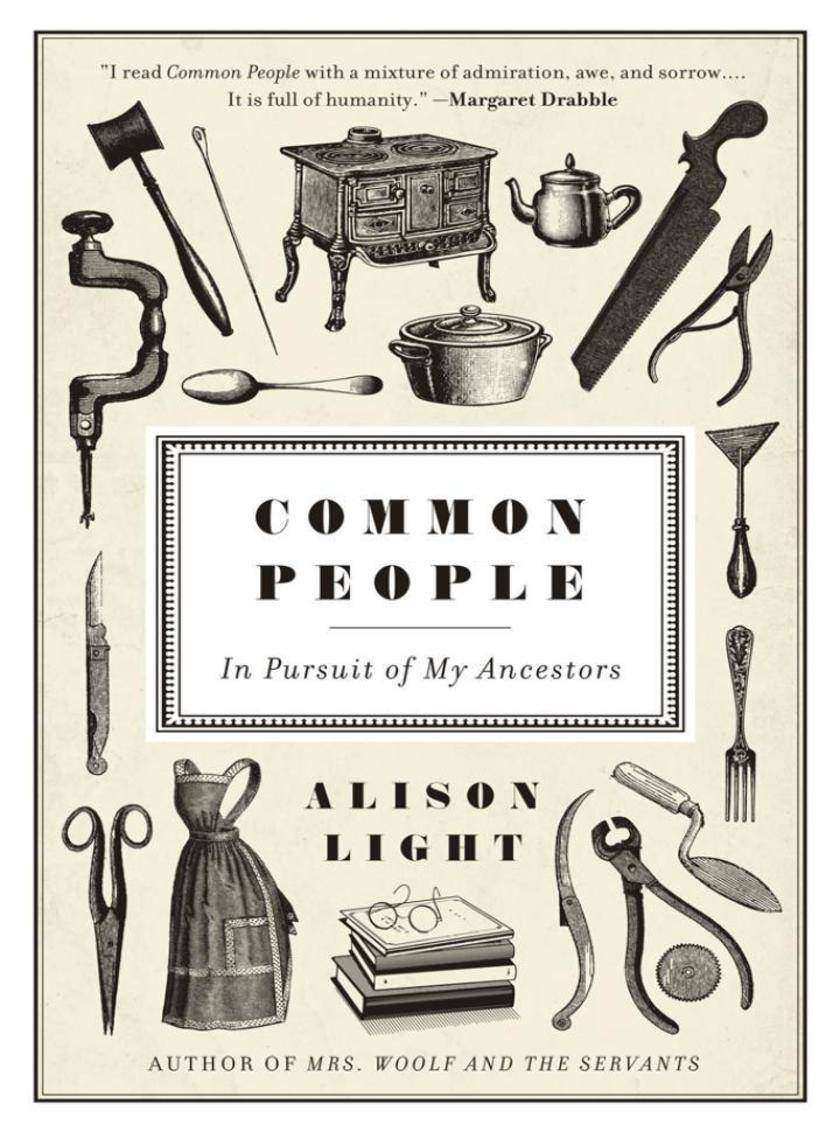
Common People
¥147.15
"e;Family history begins with missing persons,"e; Alison Light writes in Common People. We wonder about those we've lost, and those we never knew, about the long skein that led to us, and to here, and to now. So we start exploring.?Most of us, however, give up a few generations back. We run into a gap, get embarrassed by a ne'er-do-well, or simply find our ancestors are less glamorous than we'd hoped. That didn't stop Alison Light: in the last weeks of her father's life, she embarked on an attempt to trace the history of her family as far back as she could reasonably go. The result is a clear-eyed, fascinating, frequently moving account of the lives of everyday people, of the tough decisions and hard work, the good luck and bad breaks, that chart the course of a life. Light's forebears-servants, sailors, farm workers-were among the poorest, traveling the country looking for work; they left few lasting marks on the world. But through her painstaking work in archives, and her ability to make the people and struggles of the past come alive, Light reminds us that "e;every life, even glimpsed through the chinks of the census, has its surprises and secrets."e;?What she did for the servants of Bloomsbury in her celebrated Mrs. Woolf and the Servants Light does here for her own ancestors, and, by extension, everyone's: draws their experiences from the shadows of the past and helps us understand their lives, estranged from us by time yet inextricably interwoven with our own. Family history, in her hands, becomes a new kind of public history.
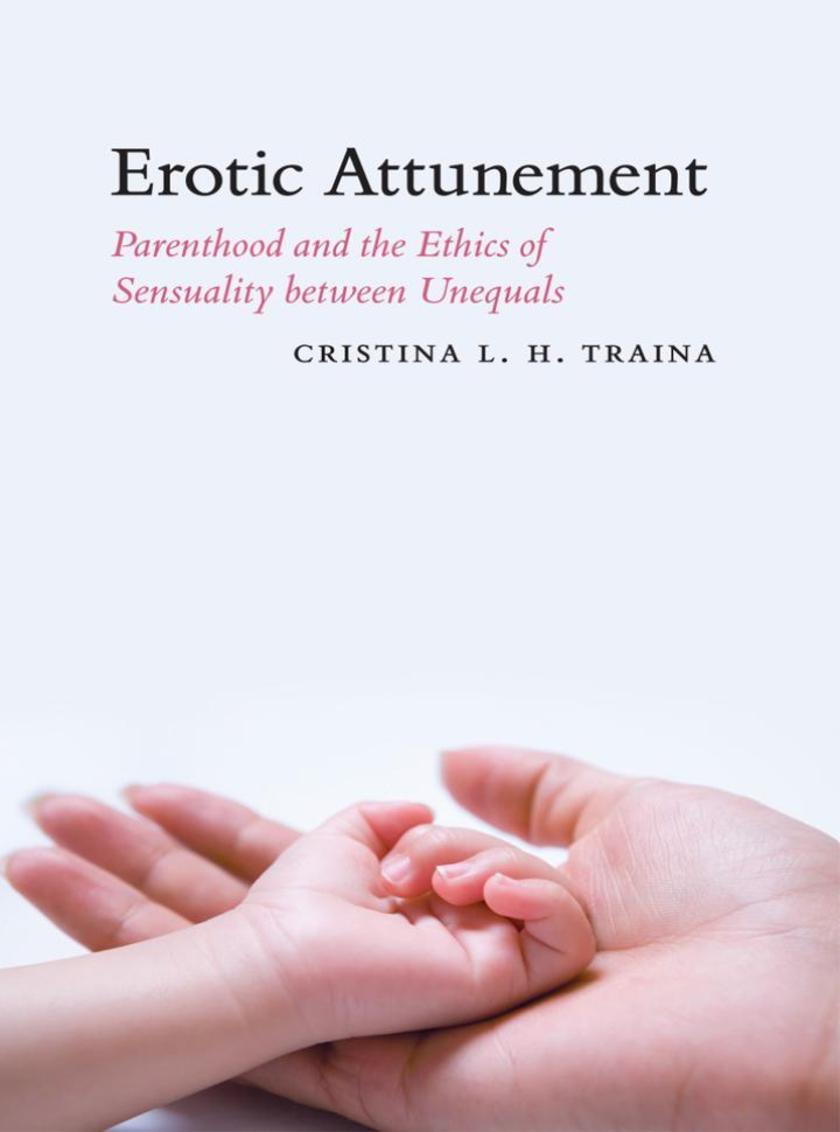
Erotic Attunement
¥529.74
Heightened awareness of the problem of sexual abuse has led to deep anxiety over adults touching children-in nearly any context. Though our society has moved toward increasingly strict enforcement of this taboo, studies have shown that young children need regular human contact, and the benefits of breastfeeding have been widely extolled. Exploring the complicated history of love, desire, gender, sexuality, parenthood, and inequality, Erotic Attunement probes the disquieting issue of how we can draw a clear line between natural affection toward children and perverse exploitation of them.Cristina L. H. Traina demonstrates that we cannot determine what is wrong about sexual abuse without first understanding what is good about appropriate sensual affection. Pondering topics such as the importance of touch in nurturing children, the psychology of abuse and victimhood, and recent ideologies of motherhood, she argues that we must expand our philosophical and theological language of physical love and make a distinction between sexual love and erotic love. Taking on theological and ethical arguments over the question of sexuality between unequals, she arrives at the provocative conclusion that it can be destructive to completely bar eroticism from these relationships.
Essays in Ancient and Modern Historiography
¥253.10
Arnaldo Momigliano was one of the foremost classical historiographers of the twentieth century. This collection of twenty-one carefully selected essays is remarkable both in the depth of its scholarship and the breadth of its subjects. Moving with ease across the centuries, Momigliano supplements powerful readings of writers in the Greek, Jewish, and Roman traditions, such as Tacitus and Polybius, with writings that focus on later historians, such as Vico and Croce. Charmingly written and concise, these pieces range from review essays reprinted from the New York Review of Books to treatises on the nature of historical scholarship. Essays in Ancient and Modern Historiography is a brilliant reminder of Momigliano's profound knowledge of classical civilization and his gift for deftly handling prose.With a new Foreword by Anthony Grafton, this volume is essential reading for any student of classics or historiography.

Idea of Hegel's "e;Science of Logic"e;
¥453.22
Although Hegel considered?Science of Logic?essential to his philosophy, it has received scant commentary compared with the other three books he published in his lifetime. Here philosopher Stanley Rosen rescues the?Science of Logic?from obscurity, arguing that its neglect is responsible for contemporary philosophy's fracture into many different and opposed schools of thought. Through deep and careful analysis, Rosen sheds new light on the precise problems that animate Hegel's overlooked book and their tremendous significance to philosophical conceptions of logic and reason.Rosen's overarching question is how, if at all, rationalism can overcome the split between monism and dualism. Monism-which claims a singular essence for all things-ultimately leads to nihilism, while dualism, which claims multiple, irreducible essences, leads to what Rosen calls "e;the endless chatter of the history of philosophy."e; The?Science of Logic, he argues, is the fundamental text to offer a new conception of rationalism that might overcome this philosophical split. Leading readers through Hegel's book from beginning to end, Rosen's argument culminates in a masterful chapter on the Idea in Hegel. By fully appreciating theScience of Logic?and situating it properly within Hegel's oeuvre, Rosen in turn provides new tools for wrangling with the conceptual puzzles that have brought so many other philosophers to disaster.


