


 购物车
购物车 个人中心
个人中心
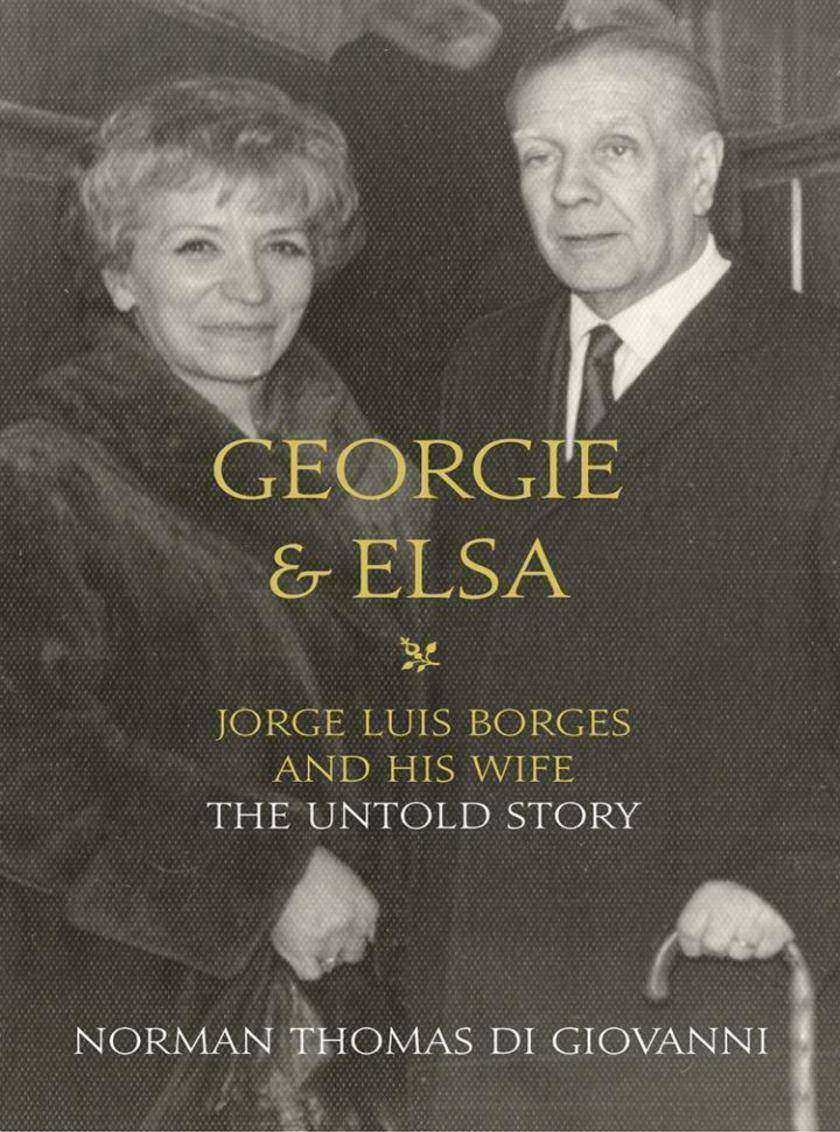
Georgie and Elsa: Jorge Luis Borges and His Wife: The Untold Story
¥82.40
A biography of Borges, by his translator. Jorge Luis Borges, known as Georgie to his friends, married Elsa Astete Millan in 1967. Borges was sixty-eight years old at the time of the wedding; Elsa, a widow, with a son in his twenties, was eleven years younger. It proved to be a tempestuous and eventful marriage that would leave an indelible mark on the remainder of Borges' life, but their relationship has been largely glossed over by previous biographers. This is because the one person who knew all the details has refused to speak about it. Until now. Norman Thomas di Giovanni worked with Borges in Cambridge, Massachusetts, and in Buenos Aires from late 1967 to 1972 and thereafter sporadically until Borges's death in 1986. During their first period together di Giovanni spent more time with the couple than did almost anyone else. He was privy to the private side of their relationship and to its sudden decline. It was di Giovanni who helped the demoralized Borges by organizing and arranging his divorce and at the same time rescuing his library and smuggling him out of Buenos Aires to avoid the wrath of Elsa and her lawyers. The book is based on the author's extensive collection of original material in the form of diaries, notebooks, letters, manu*s, and photographs, most of which has never before been seen. It provides a unique insight into one of the few true geniuses of literature.
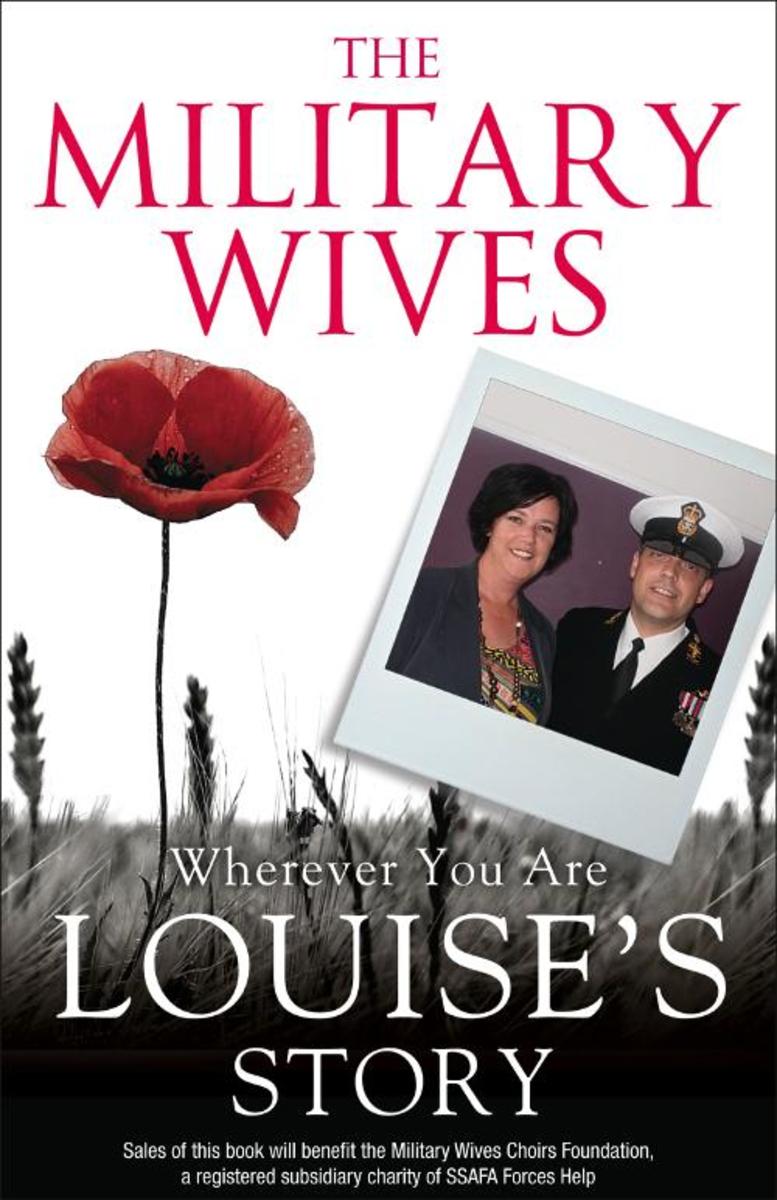
The Military Wives: Wherever You Are – Louise’s Story
¥12.95
This is Louise’s story, one of four individual journeys taken from Wherever You Are by The Military Wives. Louise Baines always said she would never marry into the military. She was working behind a bar when Charlie Baines, a submariner, introduced himself – but within a few months they had moved in together, bought a house, and tied the knot. She knew being married to a submariner was never going to be easy, but with young children and a husband absent for months at a time, away from all forms of communication and risking his life, coping alone was harder than Louise had ever imagined. When she heard that Gareth Malone had started a choir in Plymouth, she thought she’d go along. Surrounded by friends and singing her heart out, Louise was soon aware that this was no ordinary choir… Through the choir, life soon became a whirlwind. Mere months later, they would have met Gareth Malone, performed for the Queen, recorded a bestselling album and achieved a Christmas number 1. But much more than this: Louise had a support network that meant she would never have to cope alone again. This is one woman’s true story of heartbreak and hope, and of how the choir changed everything. Sales of this book will benefit the Military Wives Choirs Foundation, a network of choirs that reaches across the military community to provide support, guidance and funding for individual choirs, but first and foremost to bring women closer together through singing. The Foundation is a registered subsidiary charity of SSAFA Forces Help.
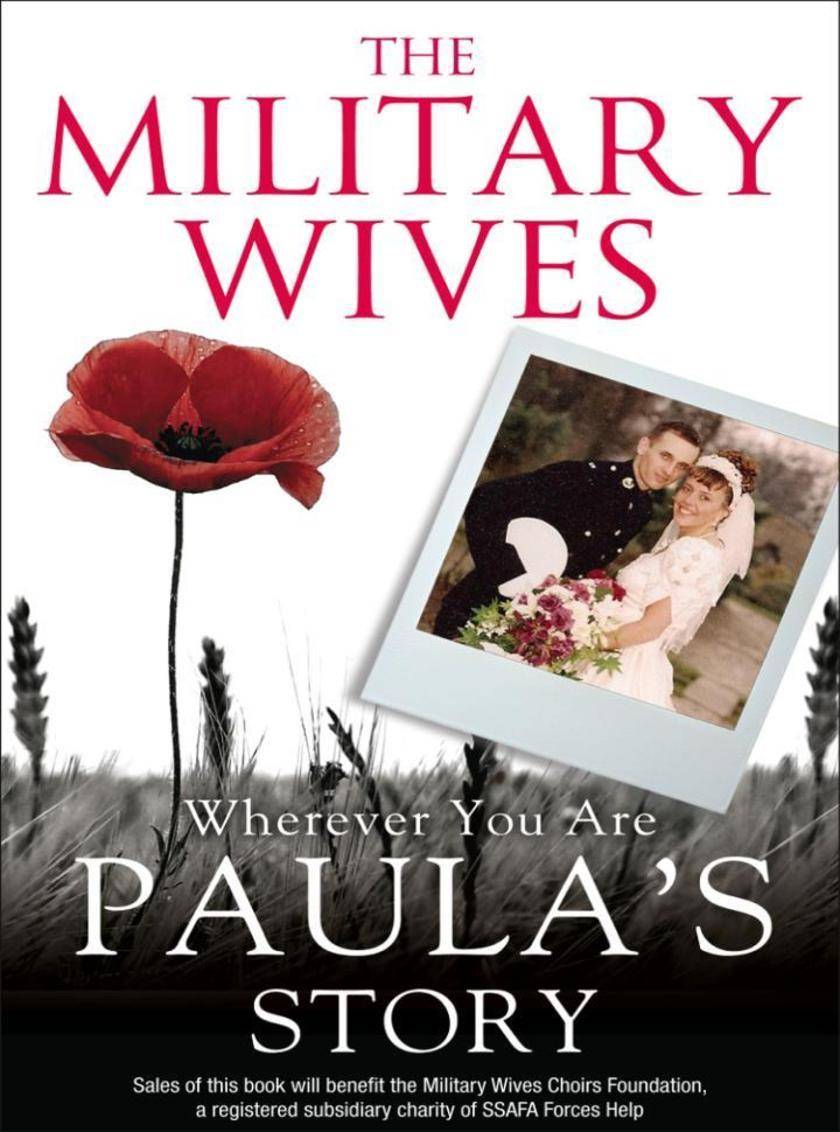
The Military Wives: Wherever You Are – Paula’s Story
¥12.95
This is Paula’s story, one of four individual journeys taken from Wherever You Are by The Military Wives. Paula and James Mundy first met when they were teenagers, little knowing they’d end up spending the rest of their lives together. After James had completed his marine training they met again, became inseparable, and before long had moved into married quarters. But life as a military wife would be particularly hard for Paula. With James posted overseas, she was left to cope with the mental and physical disabilities of their daughter Rhianna, had full responsibility for her elder brother and younger sister, and in 2011 she was left reeling when her mother was diagnosed with cancer. When Paula began singing with her local choir, she realised she had an outlet for the first time; a way to switch off. In the dozens of other wives, each with their own hardships to overcome, she found a support network; through the darkest times, the choir was there. Mere months later, the Military Wives choir would have performed for the Queen, recorded a bestselling album and achieved a Christmas number 1. This is one woman’s true story of heartbreak, love and loss, and of how singing kept hope alive. Sales of this book will benefit the Military Wives Choirs Foundation, a network of choirs that reaches across the military community to provide support, guidance and funding for individual choirs, but first and foremost to bring women closer together through singing. The Foundation is a registered subsidiary charity of SSAFA Forces Help.
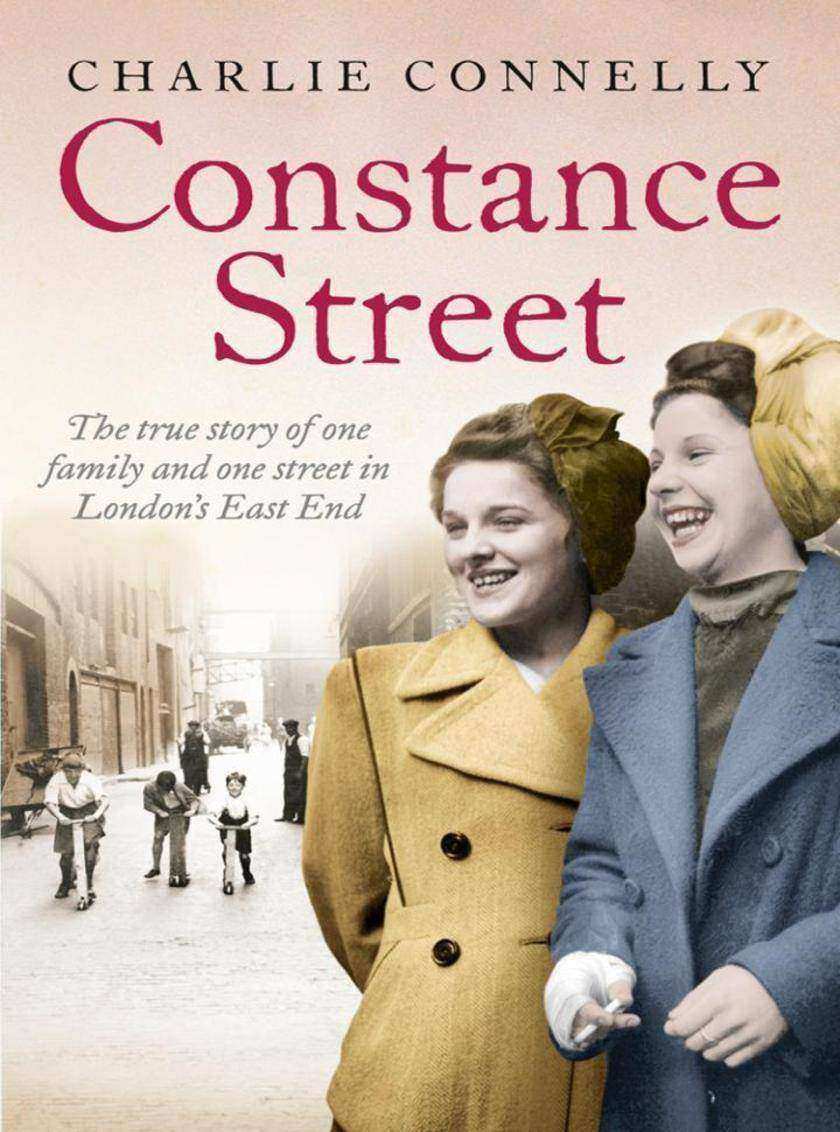
Constance Street
¥58.86
One forgotten street, 12 unforgettable women. ‘’Ang on boy, Joan’s got sumfink to show yer.’ She rummaged in a drawer for a moment, pulled out a piece of paper and handed it to me. ‘Constance Street,’ she said. ‘As I remember it.’ Through the story of one street – Constance Street – we hear the true life tales of a tight knit group of working class women in the East End of London set against a backdrop of war, hardship and struggle. It’s a story of matriarchy and deep family ties, of a generation that was scattered away from the street during the blitz bombings, but which maintained the ties of that street for decades afterwards. Set in an area of East London called Silvertown, a once thriving docking community that at the turn of the 20th century was the industrial heartland of the south of England; the story focuses on the lives of 12 incredible women and their struggle to survive amidst the chaos of the war years. We have Nellie Greenwood, the author’s great grandmother who runs a laundry in Silvertown which becomes the focal point of the community. In 1917 a munitions factory in Silvertown explodes flattening much of the surrounding area and causing extensive damage to Constance Street – Nellie’s daughter is blown from her crib but miraculously survives. Deciding to open the laundry as a field hospital for the injured, Nellie and the women on the street come together to tend the wounded, the sick and the emotionally shattered as they cope with the aftermath of not just one but two world wars. Through the Great War, the roaring Twenties, the Depression and then the unimaginable – the outbreak of a second world war – Nellie and the street survive with love, laughter and friendships that bind the community together. But just as this incredible group of women live through the worst, the unthinkable happens. On 7 September 1940, Constance Street is no more. Following in the footsteps of Farewell to the East End by Jennifer Worth and The Sugar Girls, Constance Street is a life-affirming, heart-warming read that reminds us of a time when people pulled together.
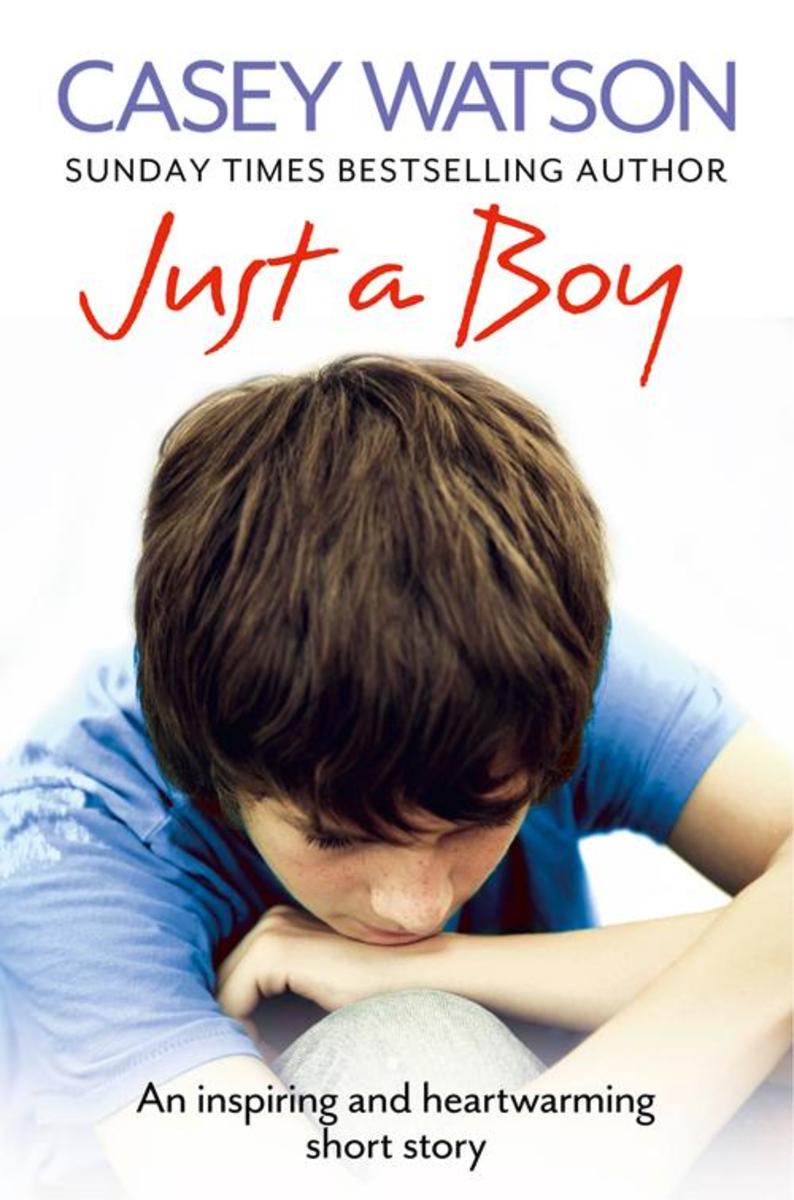
Just a Boy: An Inspiring and Heartwarming Short Story
¥18.74
A heartwarming short story from bestselling author and foster carer Casey Watson. A digital-exclusive short story from Casey Watson, plus a sneak peek chapter from Casey’s highly anticipated next title, Breaking the Silence, and sample chapters from each of Casey’s five moving and inspirational titles. Although he isn’t with them for long, Cameron immediately touches the hearts of Casey’s whole family. A sweet boy with a great sense of humour, he seems different from the other children she’s cared for. But after a disastrous and embarrassing family trip, Cameron disappears. Casey fears the worst. Will her fears be realised?
Escaping Daddy
¥63.77
The sequel to Daddy’s Little Earner tells Maria’s story as she tries to rebuild her life. Determined to escape from her past and be the best wife and mother she could possibly be, Maria throws herself into her marriage. But it is never that easy to escape from such a traumatic start in life. Maria tells the story of her marriage into the gypsy community and the emotional demons that rise up from her childhood to haunt her as she becomes the victim of violence once more. She leads the reader through her own personal and inspiring journey out of a nervous breakdown, through two marriages and on to becoming a personal development teacher, helping many others to overcome their pasts, and a strong, empowered single mother of two boys.

Some Sunny Day
¥63.18
The remarkable autobiography of the last great wartime icon. Born Vera Welch on 20 March, 1917 in the East End of London, Dame Vera Lynn’s career was set from an early age - along with her father, who also did a ‘turn’, she sang in Working Men’s Clubs from just seven years old. She had a successful radio career with Joe Loss and Charlie Kunz in the 1920s and ‘30s, but it was with World War II that she became the iconic figure that captured the imagination of the national public. Her spirit and verve, along with her ability to connect with the men fighting for their country and those left behind praying for their loved ones, made her the ‘Forces’ sweetheart’. Performing the songs that she will always be associated with, such as ‘We’ll Meet Again’ and ‘Yours’, Vera toured Egypt, India and Burma to entertain the troops and bring them a sense of ‘back home’. Her career after the war flourished, with hits in the US and the UK, but Vera was never able to leave behind her wartime role and was deeply affected by what she had seen. Still heavily involved with veteran and other charities, this is Dame Vera’s vivid story of her life and her war - from bombs and rations to dance halls and the searing heat of her appearances abroad. Epitomising British fortitude and hope, Dame Vera gives a vivid portrait of Britain at war, and a unique story of one woman who came to symbolize a nation.
Geoff Hurst, the Hand of God and the Biggest Rows in World Football
¥84.66
Ex-referee and now fearless writer and football pundit, Graham Poll is no stranger to controversy. His latest book is an entertaining and provocative reappraisal of the major incidents in World and English football down the years – from Geoff Hurst’s goal in ‘66, through Maradona’s ‘Hand of God’ to the infamous Battle of the Bridge in 2009. Graham Poll, England’s highest profile referee of the last two decades, refereed over 400 Premiership games, involving more than 1.5 million spectators, and at two World Cups, placing him at the centre of some of the most controversial incidents in football. So what does Poll make of some of the biggest rows in English and World football down the years? Would modern referees have reached different key decisions? What can the game learn from the mistakes of history? In this follow-up book to Seeing Red, Poll’s bestselling memoirs, we get an informative, frequently provocative but always entertaining romp through the pages of football history and the major incidents that sent shockwaves through the game. The book revisits in startling clarity all those much talked about football moments that continue to be the topic of pub debate among football fans the world over – and turns everything on its head. What was the real reason for the linesman giving Geoff Hurst’s goal in 1966 at Wembley? In the infamous Maradona ‘Hand of God’ game, why should the behaviour of Argentine players have helped the ref disallow the goal? How does Kim Milton Nielson, the official who red-carded David Beckham against Argentina in the 1998 World Cup, view the decision now? And was video technology used to 'convict' Zinedine Zidane of his World Cup Final head-butt? Framed with other fascinating football facts, personality profiles and colourful anecdotes, these stories and more – including football's most recent controversies – provide a rich seam of material for Graham Poll, in his usual no-nonsense style, to set the topical football agenda and to enrich our knowledge and understanding of the beautiful game.

A Safe Place for Joey
¥58.86
From bestselling author and teacher Mary Maccracken comes the engaging and inspiring story of five troubled children who she fought to bring back from the brink Joey is the class clown, but alone proves to be an intensely dark seven-year old who still can’t read. Eric is a kindergartener, left withdrawn and speechless by the horrors he’s witnessed at home. Alice appears the model fifth year child, but secretly scores zero on every maths test. Charlie, an eight-year old, struggles to understand his place in the world, leaving him confused and alone. Ben comes from a comfortable life at home, but has been called stupid so many times he now believes it. These are some of the learning-disabled children who were in deep trouble until Mary MacCracken, an extraordinary therapist and teacher, works her magic with them and transforms their lives. Her heart-warming book is a testament to her talent, compassion and love.
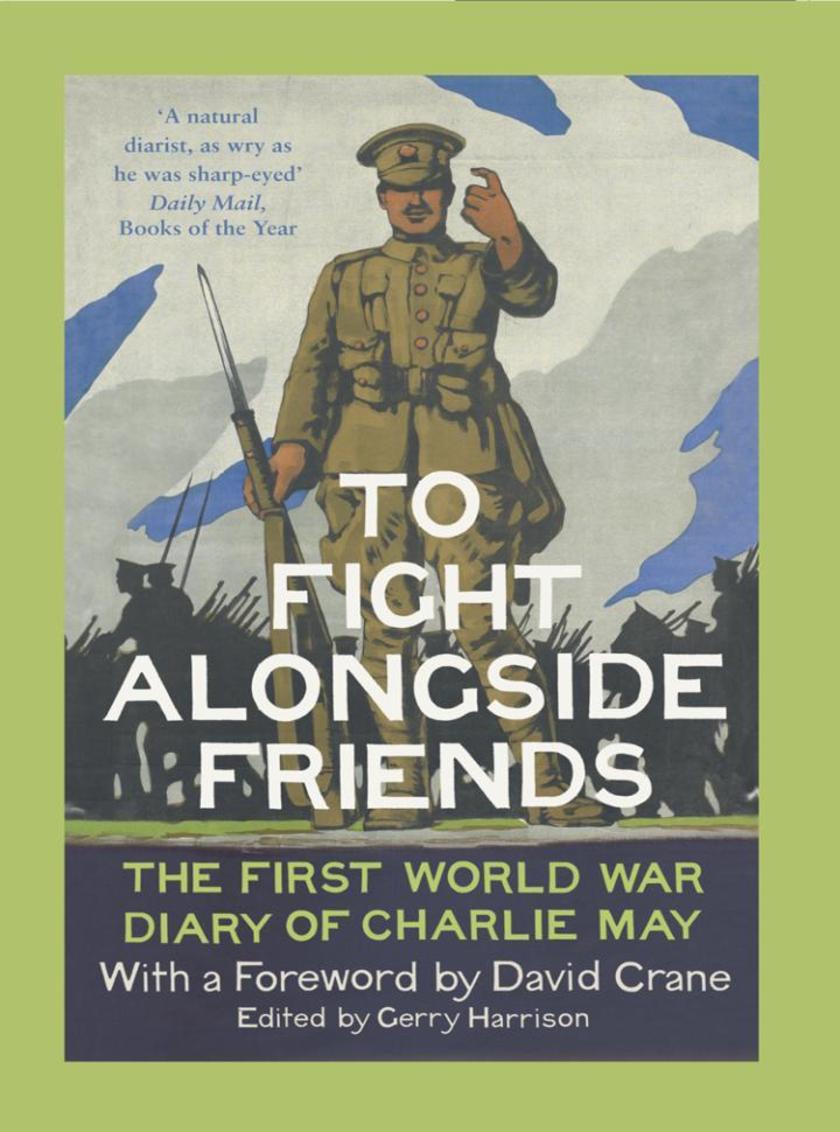
To Fight Alongside Friends: The First World War Diaries of Charlie May
¥73.58
The First World War Diaries of Manchester Pals Captain Charlie May – written and kept in secret and published now for the first time. A born storyteller, Charlie May’s vivid eye for detail and warm good humour brings his experience in the trenches (and the experience of millions of ordinary men like him) to life for a 21st-century readership. Captain Charlie May was killed, aged 27, in the early morning of 1st July 1916, leading the men of ‘B Company’, 22nd Manchester Service Battalion (the Manchester Pals) into action on the first day of the Somme. This tolerant and immensely likeable man had been born in New Zealand and – against King’s regulations – he kept a diary in seven small, wallet-sized pocket books. A journalist before the war and a born storyteller, May’s diaries give a vivid picture of battalion life in and behind the trenches during the build-up to the greatest battle fought by a British army and are filled with the friendships and tensions, the home-sickness, frustrations, delays and endless postponements, the fog of ignorance, the combination of boredom and terror to which every man that has ever fought could testify. His diaries reflect on the progress of the war, tell jokes – good and bad, give details of horse-rides along the Somme valley, afternoons with a fishing rod, lunch in Amiens, a gastronomic celebration of Christmas 1915 and concerts in ‘Whiz Bang Hall’. He describes battles not just with the enemy, but with rats, crows and on the makeshift football pitch – all recorded with a freshness that brings these stories home as if for the first time. The diaries are also written as an extended and deeply-moving love letter to his wife Maude and baby daughter Pauline. ‘I do not want to die’, he wrote – ‘Not that I mind for myself. If it be that I am to go, I am ready. But the thought that I may never see you or our darling baby again turns my bowels to water.’ Fresh, eloquent and warm, these diaries were kept secret from the censor and were delivered to his wife after his death by a fellow soldier in Charlie’s company. Edited by his great-nephew and published for the first time, these diaries give an unforgettable account of the war that took Charlie May’s life, and millions of others like him.

The Times Cricket Quiz Book
¥54.25
The definitive cricket quiz book with 2000 quality questions on all aspects of the game. Since England won the Ashes in 2005 cricket has enjoyed a resurgence in popularity. This book will appeal to quiz goers but also to cricket enthusiasts to enjoy as an informative read. Some of the facts and brainteasers will amuse and entertain as well. Questions allude to all facets of the game including the laws of cricket, the politics, the history, the venues, the teams, the players, the results and the winners and the losers. The major tournaments are covered - the Test Matches, One Day Internationals, The World Cup, Twenty 20, County Cricket and Ashes contests. Each quiz deals with a single category such as a county, a venue or a player but there are also some quirkier sections such as 'Cricket's Bad Boys', 'The Big Hitters', 'Players nicknames and middle names'. The questions vary in their level of difficulty and follow the formats listed here: ? straightforward question and answer ? true or false ? who am I? ? anagrams e.g. which player's name is an anagram of 'Fanned off twirl' ? who said? ? brainteaser e.g. which England player's name end in the letter i?
More Blood, More Sweat and Another Cup of Tea
¥63.18
The sequel to the bestselling memoir Blood, Sweat & Tea. Tom Reynolds is an ambulance worker. On any given day he can be attacked by strangers, sworn at by motorists, puked on, covered in blood and other much more unpleasant substances. He could help to deliver a baby in the morning and witness the last moments of a dying man in the afternoon. He deals with road accidents, knife attacks, domestic violence, drug overdoses, neglect and suffering. And you think you’re having a bad day at work? Tom blogs about his experiences at the end of each shift. His Random Acts of Reality website has a huge following with over 30,000 visitors every day. He is an internet legend and a remarkable writer. His first book, Blood, Sweat & Tea came out of nowhere to be a surprise bestseller in 2006. Readers were stunned by the stories he had to tell and impressed by the sheer quality of his writing. Critics who sneer at blogs-to-books have never read this one. More Blood, More Sweat and Another Cup of Tea charts the past two years of Tom’s life as an ambulance worker. He is tired, he is frustrated and he is more pissed off than ever but he still manages to capture the more moving, heartwarming and inspirational moments alongside the chaos.

Can I Let You Go?: A heartbreaking true story of love, loss and moving on
¥61.51
Can I Let You Go is the true story of Faye, a wonderful young woman who may never be able to parent her unborn child. Faye is 24, pregnant, and has learning difficulties as a result of her mother’s alcoholism. Faye is gentle, childlike and vulnerable, and normally lives with her grandparents, both of whom have mobility problems. Cathy and her children welcome Faye into their home and hearts. The care plan is for Faye to stay with Cathy until after the birth when she will return home and the baby will go for adoption. Given that Faye never goes out alone it is something of a mystery how she ever became pregnant and Faye says it’s a secret. To begin with Faye won’t acknowledge she is pregnant or talk about the changes in her body as she worries it will upset her grandparents, but after her social worker assures her she can talk to Cathy she opens up. However, this leads to Faye realizing just how much she will lose and she changes her mind and says she wants to keep her baby. Is it possible Faye could learn enough to parent her child Cathy believes it is, and Faye’s social worker is obliged to give Faye the chance.

Long Shot: My Bipolar Life and the Horses Who Saved Me
¥54.25
An inspiring and searingly honest memoir of how one woman had the strength and courage to change her life. Sylvia Harris was homeless, her children had been taken from her, and she was using crack cocaine. She is also a manic depressive. Now she’s a prize-winning jockey with the world at her feet. Sylvia’s life was dominated by the fear of a faceless madness that could take hold without warning, causing terrifying hallucinations, delusions and bizarre behaviour. These could at any moment fluctuate back to ruthless clarity or all-consuming depression. She had been labelled a ‘neglectful mother’, was beaten by her boyfriend, snubbed by family and neighbours and in trouble with the law. There seemed no way out. Until she discovered that her childhood love of horses could offer a means of escape, a sanctuary from her isolation. Sylvia felt the exhilaration and danger of riding, the joy of connection to these strong and graceful creatures, the redemptive focus and intuition of the race, the pure ecstasy of finishing, of winning, of beating her demons and all the people who never believed she would succeed, and never looked back. As unforgettable as Seabiscuit and as touching as Horse Boy, Long Shot is for anyone who has been at life’s lowest ebb – and survived.
The Secrets of the Notebook
¥68.67
The incredible true story revealed by a family notebook, telling of four daughters across two centuries of turbulent history, of a passionate and ill-fated royal love affair, ending in a tragic and cruel death. 'The beautiful owner of this book is dearer to me than my life. August, your protector.' Eve Haas was irresistibly drawn to the family 'notebook', which had been passed down the generations. Her father had shown her the in*ion inside when she was young, with warnings of dire happenings if the secret behind the diary was pursued. Years later, Eve decided to follow the trail of the notebook, it would take her to the old kingdom of Prussia, to a forbidden royal marriage that was wiped from all official records, and a royal princess given away to ensure her protection. Forty years earlier in 1942, Eve's grandmother, Anna, had died on her way to Auschwitz after being seized by the SS. They believed she was just an old Jewish woman. The secret of her royal heritage lay in that notebook, but it couldn't save her.
Stolen Innocence
¥65.53
A tale of survival and freedom, Stolen Innocence is the story of one heroic woman who stood up for what was right and reclaimed her life. In September 2007, a packed courtroom in St. George, Utah, sat hushed as Elissa Wall, the star witness against polygamous sect leader Warren Jeffs, gave captivating testimony of how Jeffs forced her to marry her first cousin at the age of fourteen. This harrowing and vivid account proved to be the most compelling evidence against Jeffs, showing the harsh realities of the lengths to which Jeffs went in order to control the sect's women. Now, in this courageous memoir, Elissa Wall tells the incredible and inspirational story of how she emerged from the confines of the Fundamentalist Church of Latter Day Saints (FLDS) and helped bring one of America's most notorious criminals to justice. Offering a child's perspective on life in the FLDS, Wall discusses her tumultuous youth, and explains how Warren Jeffs's influence over the church twisted its already rigid beliefs in dangerous new directions. Once she was married, Wall's childhood shattered as she was obligated to follow Jeffs's directives and submit to her husband in "mind, body, and soul." With little money and no knowledge of the outside world, she was trapped and forced to endure the pain and abuse of her loveless relationship, which eventually pushed her to spend nights sleeping in her truck rather than face the tormentor in her bed.

Britney: Inside the Dream
¥72.40
Britney Spears – the princess of pop – is making a comeback, and there isn't a person out there who hasn't heard about it. In this fully up-to-date and authoritative biography, Steve Dennis reveals all there is to know about the much-loved star. Hitting our radios for the first time in 1998 with '…Baby One More Time', Britney Spears quickly became a pop idol. Now, at just 27 years of age, she has racked up five number one albums, seven top-ten singles and seven sell-out world tours, as well having performed on stage with both Madonna and Michael Jackson. Just a decade after breaking onto to scene, she has become nothing short of a pop legend. Her private life, however, has not been so easy. In 2004 Britney famously married a childhood friend at The Little White Wedding Chapel in Las Vegas; since then her personal life has seemingly been thrown into turmoil. In the last five years she has had numerous failed relationships and endured a very public divorce and custody battle - all in the full glare of the international media. Drawing on exclusive interviews with those closest to the superstar, Britney: Inside the Dream is a engrossing portrait of fascinating star. A frank biography, with no detail spared, it reveals the real Britney Spears, like you’ve never known her before.
I Know This Much: From Soho to Spandau
¥72.30
I Know This Much – by Gary Kemp, Spandau Ballet's prime mover – is simply the freshest, most exciting and best-written memoir to arrive for years. Gary's story begins in North London, where the Kemp family rented a home with no bathrooms and chickens in the yard. After a couple of failed attempts to kill his brother Martin, his parents gave him a guitar for Christmas. From schoolyard battles between the Bowie Boys and the Prog Rockers to Mrs Kemp's firm insistence on net curtains, from acting for the Children's Film Foundation to manning a fruit and veg stall on Saturdays, Gary brilliantly evokes an upbringing full of love, creativity and optimism. As the Thatcher years begin, Gary's account of the outrageous London club scene centred around the Blitz and Billy's is just sizzling. Out of this glamorous mayhem of kilt-wearing mascara'd peacocks would emerge Spandau Ballet - the band that would define the era, and hold high the victorious standard of the New Romantics. Gary's thrilling journey with Spandau Ballet would see them record worldwide hits such as True, Gold and Through the Barricades, play the biggest stadiums in the world, and take to the stage in togas when their luggage gets lost in flight. Stallions, supermodels and dwarves would be hired for video shoots, and through it all, Gary records the wonderful friendships, and the slowly-building tensions that would eventually see five old friends facing each other in court. I Know This Much tells the story of Spandau Ballet, but it's far more than a book about being in a band. Whether it's meeting Ronnie Kray before filming The Krays, sketching out the fashions and subcultures of the day, or hanging out with Princess Diana, this book offers a story on every page. And all the more so because it's all written – brilliantly – by Gary himself.
The Men Commandments
¥72.99
The Bible For Blokes From The Daddy Of Breakfast Radio Foreword by James Nesbitt. Christian O’Connell has been a man nearly all his life. Well, once he was a boy, then he was a teenager, then a man, but you get what we mean. So who better to save manhood from devolving into one of those spineless newt things from the Guinness ad? For years women have had everyone from Germaine Greer to Bridget Jones to tell them how to be a woman, and who have men had? No one. That is, until now . . . For ten years Christian has dispensed wisdom and advice to millions of lucky radio listeners on every topic conceivable; but it was when he saw his wife reading, and laughing at, a book called “How to Kill your Husband”, that he realised he had to write this book. Men are confused about what it is to be a man in a world where men use moisturiser and eat sandwiches with rocket. They need help. The Men Commandments is a roadmap, a compass for men (not a sat nav - they’re evil!) With his outspoken humour and ironic take on life, Christian explores male-dom; celebrating all that is great about being a man and unravelling those mysteries of masculinity that have stumped women for literally minutes. Packed full of wisdom, advice, trivia, and cheeky banter, this is the must have book for men everywhere. Includes: ? The Man Quiz (a helpful quiz to establish real manliness) ? The 78 genetic differences between men and women (work for which Christian is expecting a Nobel prize) ? Manly Toilet Etiquette (real men do not speak at the urinals) ? The History of Men (it says a lot about the psyche of Man that early Neanderthal paintings depict willies) ? Men and their Mates (a relationship full of weird rituals, abuse and unspoken rules) ? The Real First XI ? The Men Commandments (the ten commandments that every true man needs to know)
Forever in My Heart: The Story of My Battle Against Cancer
¥80.25
Jade's heart-breaking diary of her fight against terminal cancer and her final precious months with her beloved family. In August 2007 Jade Goody received the shattering news that she had cervical cancer. She was only 27 years old. But with her usual strength of character, Jade was determined to beat the disease and carry on with life as normal with her two little boys Bobby and Freddy. Neither the chemotherapy, which left her weak and bald, or the hysterectomy that crushed her dreams of having a little girl, could break Jade's sunny personality or her fierce refusal to be a victim. But in February 2009, Jade received the tragic news that any mother dreads to hear: she was going to be torn from her beloved sons. The cancer had spread and was untreatable. Forever In My Heart is Jade's final 'love letter' to her two little boys. Covering her initial diagnosis while appearing on Celebrity Big Brother in India, their emotional last Christmas as a family, her magical wedding to her partner Jack Tweed and her dying wish to see be christened with her boys, Jade's heart-breaking diary of her final months is set against a backdrop of flashbacks to her difficult early years, her rise to fame in the Big Brother house and those moments of joy and laughter as the nation's darling. It is the powerful story of a young mother's brave fight against a terminal disease, her unique humour, her determination to provide for her sons and her fierce desire to leave a legacy which might prevent other young women being torn from their families in the prime of life. A percentage of profits from the book will be donated to Marie Curie Cancer Care.
My Father’s Keeper
¥54.25
A powerful and compelling memoir of growing up with a schizophrenic father, who hid his mental illness behind a charismatic larger-than-life, gluttonous personality and found logical explanations for the most bizarre ways of thinking. As a child Julie was close to her father. More friend than parent, he would belt her into their tiny car and they'd punch through yellow lights, scarf down candy bars before supper and had their own way of making fun of Julie's mother in a secret language of eye-rolling. She adored her father for his exuberance, and pitied him when he broke down in suicidal desperation. But as she neared 10, a darker side emerged: her father could switch instantly from squeaking out a tear as they harmonized to "Hey Jude" in the car, to pulling his loaded pistol on the man that asked for change in the McDonald's drive-thru as they waited. The isolation that came with the family's move to the country saw the wacky, unorthodox elements of her father's denied mental illness take a back seat to paranoid fear. Her father would tell her any boy who befriended her was just pretend-acting until he could rape her, and Julie came to fear all boys and men. He fell ever deeper into paranoid delusions that his daughter was sexually active, prostituting herself, sneaking out at night to sleep with black men. When Julie was 14 her father attempted suicide and was placed in a locked psychiatric ward. Julie was made to testify against her father, and when he was released he became convinced she had turned on him. Julie became the target of his ever more paranoid delusions. Julie left home before 18 but her father's schizophrenic behaviour bled over into her own life: if she couldn't find the hairdryer, she would check for signs of entry. When it later turned up, she would wonder how the thief broke back in to return it. Confused, lost and damaged from years spent as the only confidante of her paranoid schizophrenic father, but determined to survive, Julie was finally able to come to terms with her father. She was her father's keeper, and always would be.


