


 购物车
 个人中心

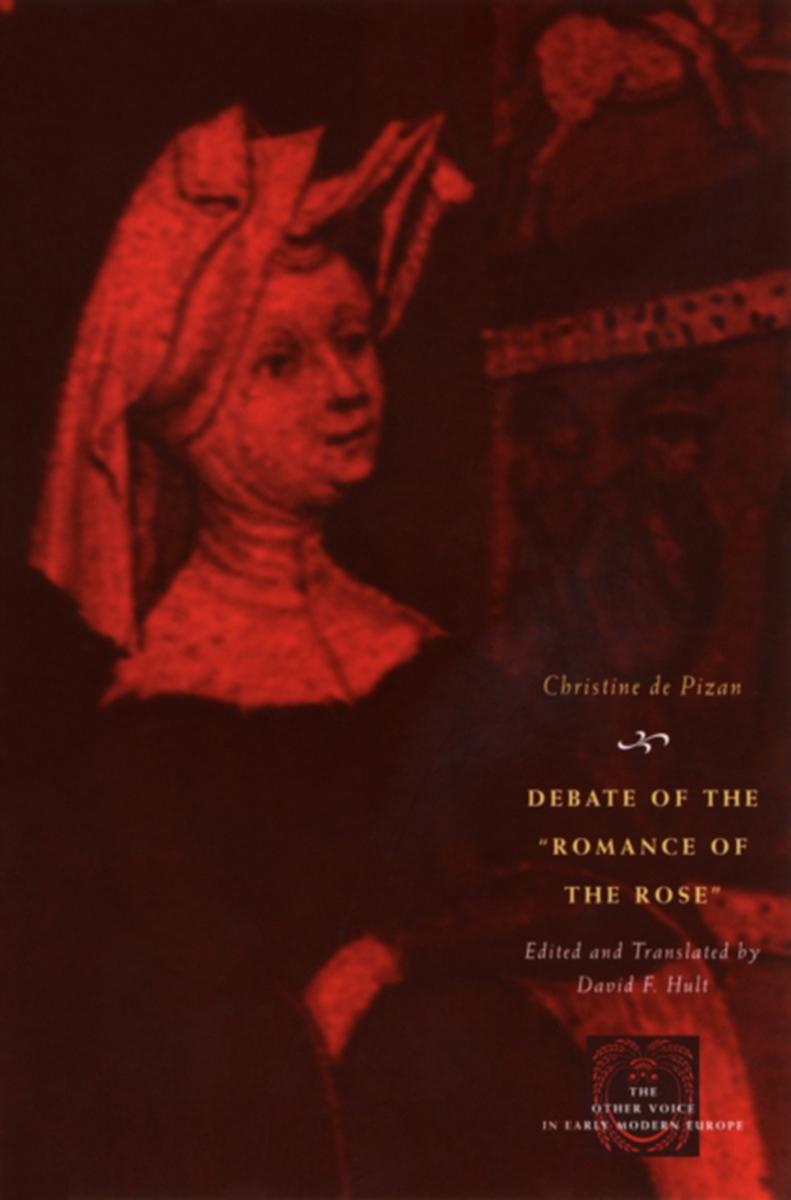
Debate of the Romance of the Rose
¥353.16
In 1401, Christine de Pizan (1365-1430?), one of the most renowned and prolific woman writers of the Middle Ages, wrote a letter to the provost of Lille criticizing the highly popular and widely read Romance of the Rose for its blatant and unwarranted misogynistic depictions of women. The debate that ensued, over not only the merits of the treatise but also of the place of women in society, started Europe on the long path to gender parity. Pizan's criticism sparked a continent-wide discussion of issues that is still alive today in disputes about art and morality, especially the civic responsibility of a writer or artist for the works he or she produces.In Debate of the "e;Romance of the Rose,"e; David Hult collects, along with the debate documents themselves, letters, sermons, and excerpts from other works of Pizan, including one from City of Ladies-her major defense of women and their rights-that give context to this debate.?Here, Pizan's supporters and detractors are heard alongside her own formidable, protofeminist voice.The resulting volume affords a rare look at the way people read and thought about literature in the period immediately preceding the era of print.
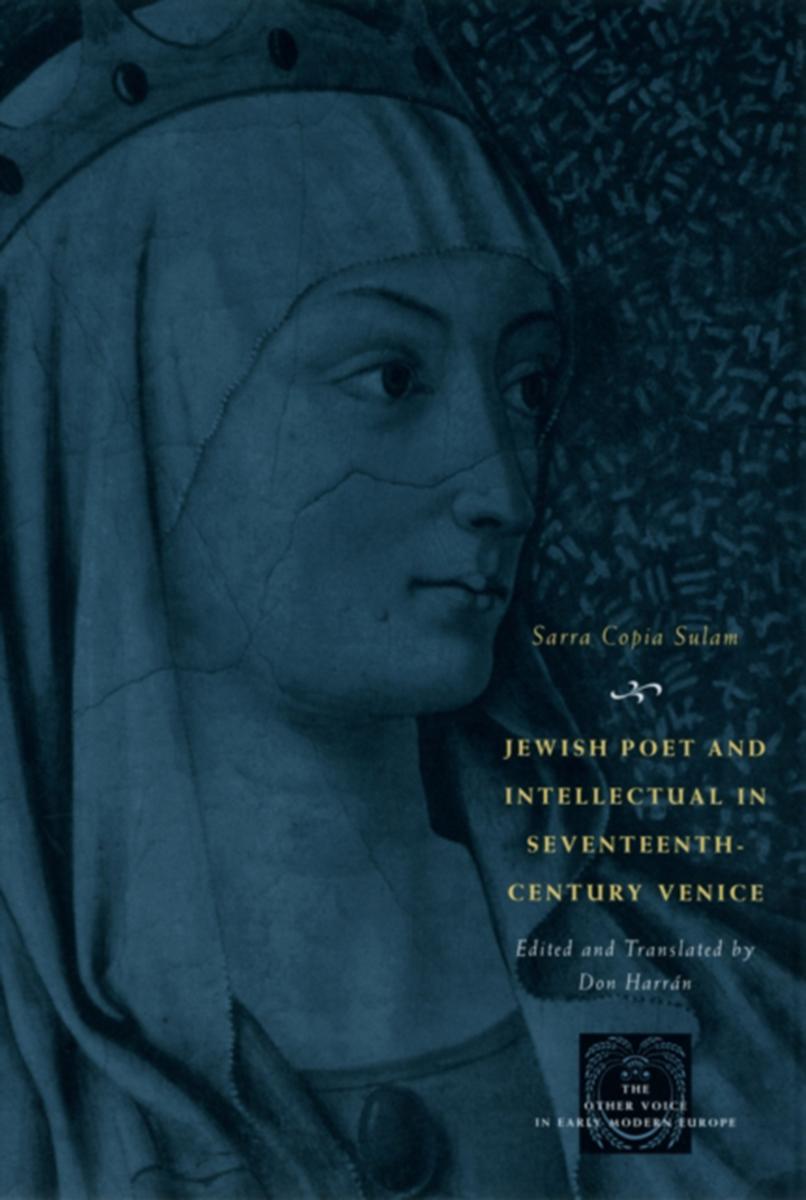
Jewish Poet and Intellectual in Seventeenth-Century Venice
¥353.16
These recent achievements have their origins in things women (and some male supporters) said for the first time about six hundred years ago. Theirs is the “other voice,” in contradistinction to the “first voice,” the voice of the educated men who created Western culture. Coincident with a general reshaping of European culture in the period 1300- 1700 (called the Renaissance or early modern period), questions of female equality and op-portunity were raised that still resound and are still unresolved.
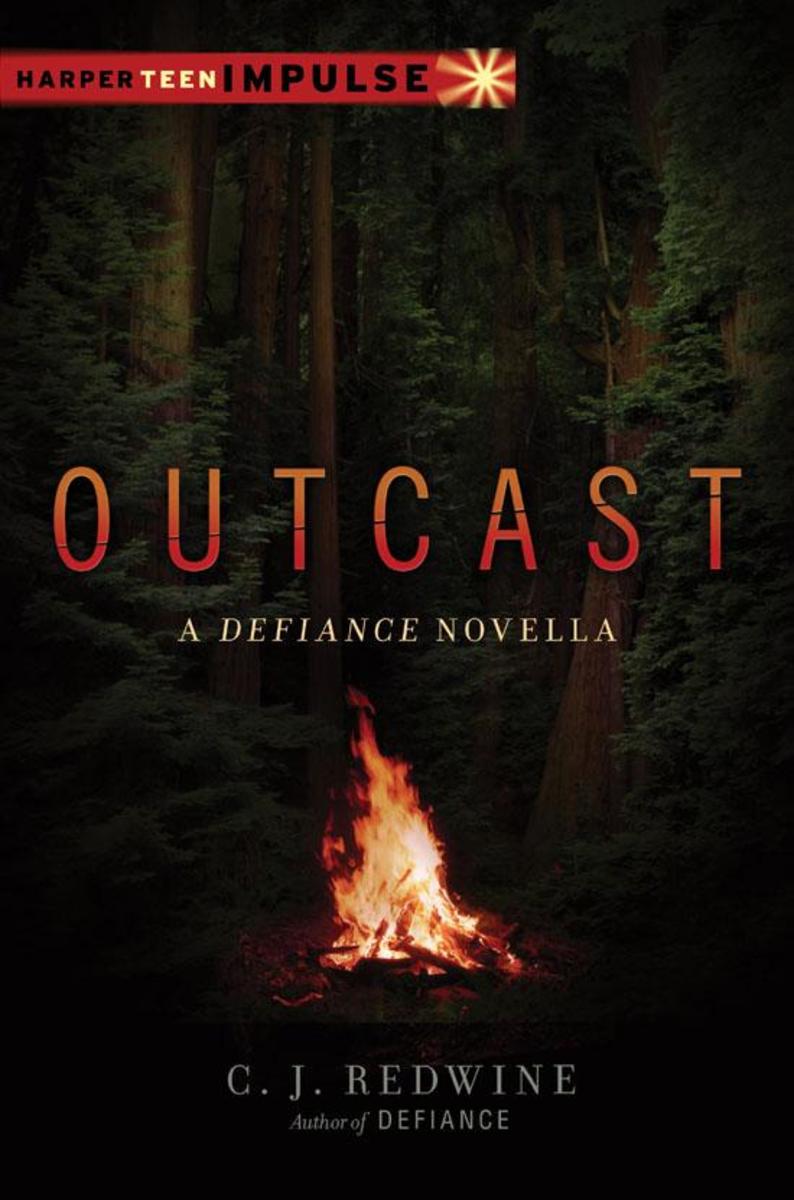
Outcast
¥10.71
A thrilling, dangerous adventure, this digital prequel novella to C. J. Redwine's Defiance and Deception features Quinn, a popular character from the series.Quinn Runningbrook knows a hundred ways to kill a man and make it hurt. He can track, ambush, and torture his prey with terrifying skill—just like his father taught him. But every kill consumes another piece of him, and Quinn longs to stop, to save himself and his sister, Willow, from becoming like his father—a man who kills for entertainment.But when Quinn refuses to torture a group of trespassers caught too close to the Tree Village where his family lives and instead kills them quickly, he disobeys a direct order from his father . . . and Willow is forced to take his place. Suddenly, Quinn isn't the favored apprentice to the family business of "protecting" the Tree Village anymore. Willow is.When Jared Adams—a courier from the nearby city-state of Baalboden—is caught traveling too close to their borders, Willow is ordered to kill him. But Quinn knows that Jared doesn't deserve torture or death. And he realizes he has to take action . . . or the fate chosen for Willow and himself by their father will remain carved in stone.Epic Reads Impulse is a digital imprint with new releases each month.
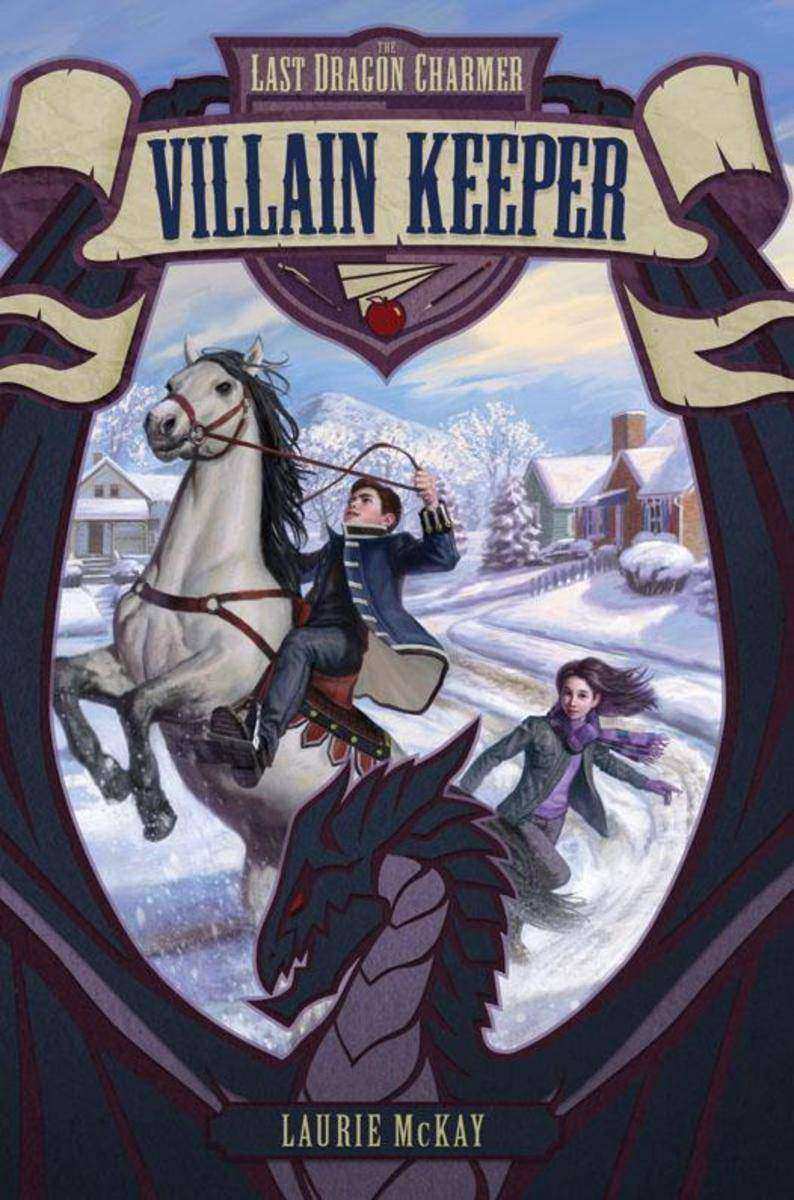
The Villain Keeper
¥39.24
This first book in the Last Dragon Charmer series is packed with adventure and wit, perfect for fans of Soman Chainani's School for Good and Evil series and Chris Colfer's Land of Stories series.All his life, Prince Caden has dreamed of slaying a dragon. But before he has the chance, he is ripped from his home in the Great Winterlands of Razzon and finds himself in Asheville, North Carolina—a land with no magic and no dragons.Or so he thinks. The longer Caden spends in Asheville, the more he comes to realize that there is unexpected and dangerous magic in this strange land. There just may be dragons here too. But what if Caden's destiny isn't to slay a dragon, after all?

Made for You
¥55.33
Eva Tilling wakes up in the hospital to discover she possesses a strange new skill—the ability to foresee people's deaths when they touch her. While she is recovering from her hit-and-run accident, Nate, an old flame, reappears, and the two must traverse their rocky past as they figure out how to use Eva's power to keep their friends—and each other—from falling into the hands of a killer.This contemporary romantic suspense novel from five-time New York Times bestselling author Melissa Marr earned widespread critical acclaim, with Kirkus Reviews calling it a "riveting whodunit that delivers a bouquet of teen romance, paranormal, and thriller." And BCCB declared, "Between the suspense, the horror, the romance, and the wit, this will have equal appeal for fans of Sarah Dessen and Rosemary Clement-Moore."A stark departure from her fantasy settings, this Southern Gothic, racy thriller gives fans old and new chilling twists, unrequited obsession, and high-stakes romance.

Agitations
¥261.83
Not Without Honor threads together the stories of three American POWs-Carano; his buddy Bill Blackmon, who was also at Stalag 17 b; and John C. Bitzer, who survived the brutal "e;Death March"e; from northern Germany to liberation in April 1945. At times the journal reads like a thriller as he records air battles and escape attempts. Yet in their most gripping accounts, these POWs ruminate on psychological survival. The sense of community they formed was instrumental to their endurance. This compelling book allows the reader to journey with these young men as they bore firsthand witness to the best and worst of human nature.
Dialogues and Addresses
¥265.87
Born Francoise d'Aubigne, a criminal's daughter reduced to street begging as a child, Madame de Maintenon (1653-1719) made an improbable rise from impoverished beginnings to the summit of power as the second, secret wife of Louis XIV. An educational reformer, Maintenon founded and directed the celebrated academy for aristocratic women at Saint-Cyr. This volume presents the dialogues and addresses in which Maintenon explains her controversial philosophy of education for women.Denounced by her contemporaries as a political schemer and religious fanatic, Maintenon has long been criticized as an opponent of gender equality. The writings in this volume faithfully reflect Maintenon's respect for social hierarchy and her stoic call for women to accept the duties of their state in life. But the writings also echo Maintenon's more feminist concerns: the need to redefine the virtues in the light of women's experience, the importance of naming the constraints on women's freedom, and the urgent need to remedy the scandalous neglect of the education of women.In her writings as well as in her own model school at Saint-Cyr, Maintenon embodies the demand for educational reform as the key to the empowerment of women at the dawn of modernity.
Mom
¥165.81
In the early twentieth century, Americans often waxed lyrical about "Mother Love," signaling a conception of motherhood as an all-encompassing identity, rooted in self-sacrifice and infused with social and political meaning. By the 1940s, the idealization of motherhood had waned, and the nation's mothers found themselves blamed for a host of societal and psychological ills. In Mom, Rebecca Jo Plant traces this important shift by exploring the evolution of maternalist politics, changing perceptions of the mother-child bond, and the rise of new approaches to childbirth pain and suffering.Plant argues that the assault on sentimental motherhood came from numerous quarters. Male critics who railed against female moral authority, psychological experts who hoped to expand their influence, and women who strove to be more than wives and mothers-all for their own distinct reasons-sought to discredit the longstanding maternal ideal. By showing how motherhood ultimately came to be redefined as a more private and partial component of female identity, Plant illuminates a major reorientation in American civic, social, and familial life that still reverberates today.

Africa as a Living Laboratory
¥270.76
Tropical Africa was one of the last regions of the world to experience formal European colonialism, a process that coincided with the advent of a range of new scientific specialties and research methods. Africa as a Living Laboratory is a far-reaching study of the thorny relationship between imperialism and the role of scientific expertise-environmental, medical, racial, and anthropological-in the colonization of British Africa.A key source for Helen Tilley's analysis is the African Research Survey, a project undertaken in the 1930s to explore how modern science was being applied to African problems. This project both embraced and recommended an interdisciplinary approach to research on Africa that, Tilley argues, underscored the heterogeneity of African environments and the interrelations among the problems being studied. While the aim of British colonialists was unquestionably to transform and modernize Africa, their efforts, Tilley contends, were often unexpectedly subverted by scientific concerns with the local and vernacular. Meticulously researched and gracefully argued, Africa as a Living Laboratory transforms our understanding of imperial history, colonial development, and the role science played in both.
Loving Faster than Light
¥394.36
In November 1919, newspapers around the world alerted readers to a sensational new theory of the universe: Albert Einstein's theory of relativity. Coming at a time of social, political, and economic upheaval, Einstein's theory quickly became a rich cultural resource with many uses beyond physical theory. Media coverage of relativity in Britain took on qualities of pastiche and parody, as serious attempts to evaluate Einstein's theory jostled with jokes and satires linking relativity to everything from railway budgets to religion. The image of a befuddled newspaper reader attempting to explain Einstein's theory to his companions became a set piece in the popular press.?Loving Faster than Light focuses on the popular reception of relativity in Britain, demonstrating how abstract science came to be entangled with class politics, new media technology, changing sex relations, crime, cricket, and cinematography in the British imagination during the 1920s. Blending literary analysis with insights from the history of science, Katy Price reveals how cultural meanings for Einstein's relativity were negotiated in newspapers with differing political agendas, popular science magazines, pulp fiction adventure and romance stories, detective plots, and esoteric love poetry. Loving Faster than Light is an essential read for anyone interested in popular science, the intersection of science and literature, and the social and cultural history of physics.
School, Society, and State
¥394.36
"e;Democracy has to be born anew every generation, and education is its midwife,"e; wrote John Dewey in his classic work The School and Society. In School, Society, and State, Tracy Steffes places that idea at the center of her exploration of the connections between public school reform in the early twentieth century and American political development from 1890 to 1940.American public schooling, Steffes shows, was not merely another reform project of the Progressive Era, but a central one. She addresses why Americans invested in public education and explains how an array of reformers subtly transformed schooling into a tool of social governance to address the consequences of industrialization and urbanization. By extending the reach of schools, broadening their mandate, and expanding their authority over the well-being of children, the state assumed a defining role in the education-and in the lives-of American families.In School, Society, and State, Steffes returns the state to the study of the history of education and brings the schools back into our discussion of state power during a pivotal moment in American political development.
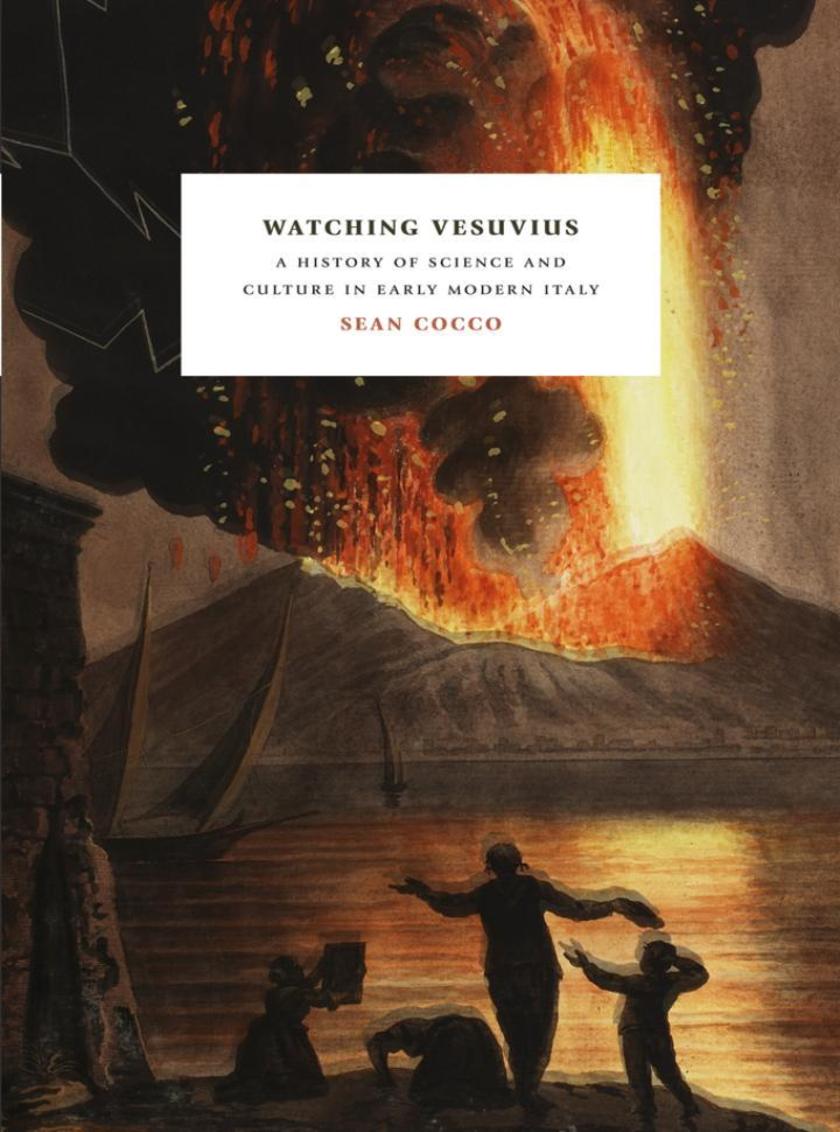
Watching Vesuvius
¥394.36
Mount Vesuvius has been famous ever since its eruption in 79 CE, when it destroyed and buried the Roman cities of Pompeii and Herculaneum. But less well-known is the role it played in the science and culture of early modern Italy, as Sean Cocco reveals in this ambitious and wide-ranging study. Humanists began to make pilgrimages to Vesuvius during the early Renaissance to experience its beauty and study its history, but a new tradition of observation emerged in 1631 with the first great eruption of the modern period. Seeking to understand the volcano's place in the larger system of nature, Neapolitans flocked to Vesuvius to examine volcanic phenomena and to collect floral and mineral specimens from the mountainside.?In Watching Vesuvius, Cocco argues that this investigation and engagement with Vesuvius was paramount to the development of modern volcanology. He then situates the native experience of Vesuvius in a larger intellectual, cultural, and political context and explains how later eighteenth-century representations of Naples-of its climate and character-grew out of this tradition of natural history. Painting a rich and detailed portrait of Vesuvius and those living in its shadow, Cocco returns the historic volcano to its place in a broader European culture of science, travel, and appreciation of the natural world.
Acolytes of Nature
¥447.34
Although many of the practical and intellectual traditions that make up modern science date back centuries, the category of "e;science"e; itself is a relative novelty. In the early eighteenth century, the modern German word that would later mean "e;science,"e; naturwissenschaft, was not even included in dictionaries. By 1850, however, the term was in use everywhere. Acolytes of Nature follows the emergence of this important new category within German-speaking Europe, tracing its rise from an insignificant eighteenth-century neologism to a defining rallying cry of modern German culture.Today's notion of a unified natural science has been deemed an invention of the mid-nineteenth century. Yet what Denise Phillips reveals here is that the idea of naturwissenschaft acquired a prominent place in German public life several decades earlier. Phillips uncovers the evolving outlines of the category of natural science and examines why Germans of varied social station and intellectual commitments came to find this label useful. An expanding education system, an increasingly vibrant consumer culture and urban social life, the early stages of industrialization, and the emergence of a liberal political movement all fundamentally altered the world in which educated Germans lived, and also reshaped the way they classified knowledge.
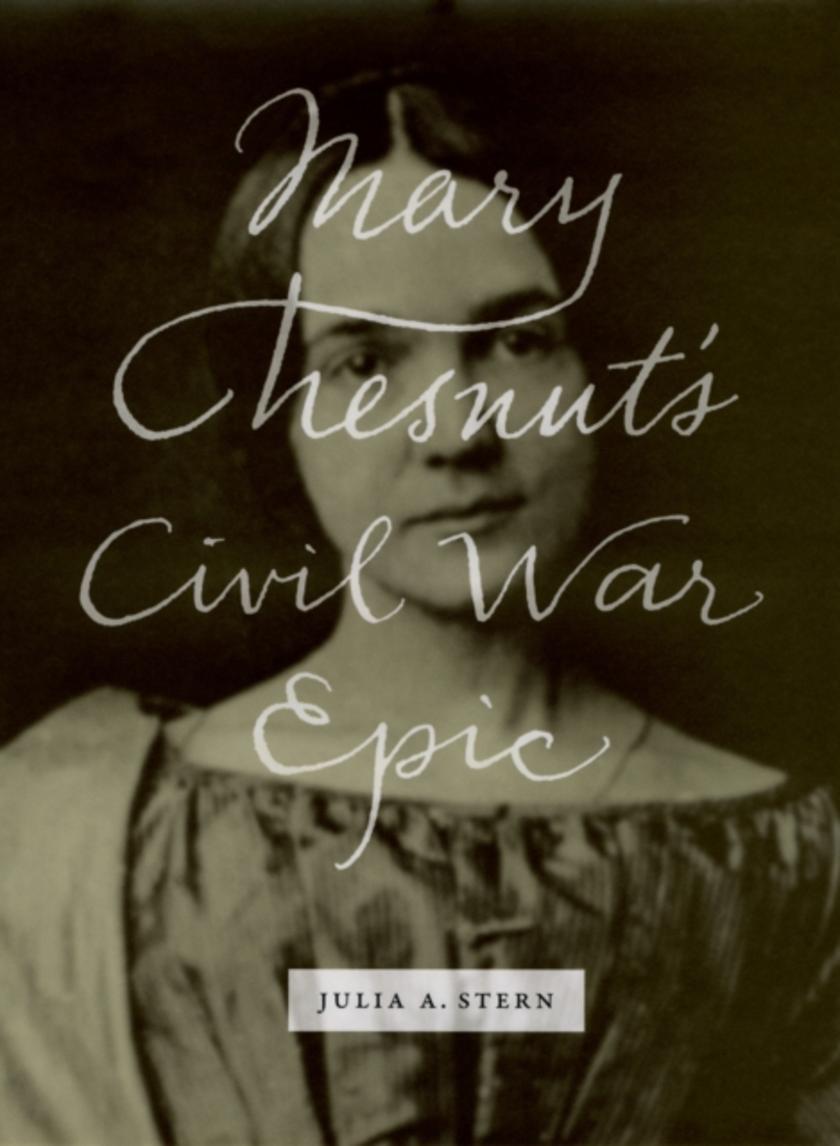
Mary Chesnut's Civil War Epic
¥447.34
A genteel southern intellectual, saloniste, and wife to a prominent colonel in Jefferson Davis's inner circle, Mary Chesnut today is remembered best for her penetrating Civil War diary. Composed between 1861 and 1865 and revised thoroughly from the late 1870s until Chesnut's death in 1886, the diary was published first in 1905, again in 1949, and later, to great acclaim, in 1981. This complicated literary history and the questions that attend it-which edition represents the real ChesnutTo what genre does this text belong?-may explain why the document largely has, until now, been overlooked in literary studies.Julia A. Stern's critical analysis returns Chesnut to her rightful place among American writers. In Mary Chesnut's Civil War Epic, Stern argues that the revised diary offers the most trenchant literary account of race and slavery until the work of Faulkner and that, along with his Yoknapatawpha novels, it constitutes one of the two great Civil War epics of the American canon. By restoring Chesnut's 1880s revision to its complex, multidecade cultural context, Stern argues both for Chesnut's reinsertion into the pantheon of nineteenth-century American letters and for her centrality to the literary history of women's writing as it evolved from sentimental to tragic to realist forms.
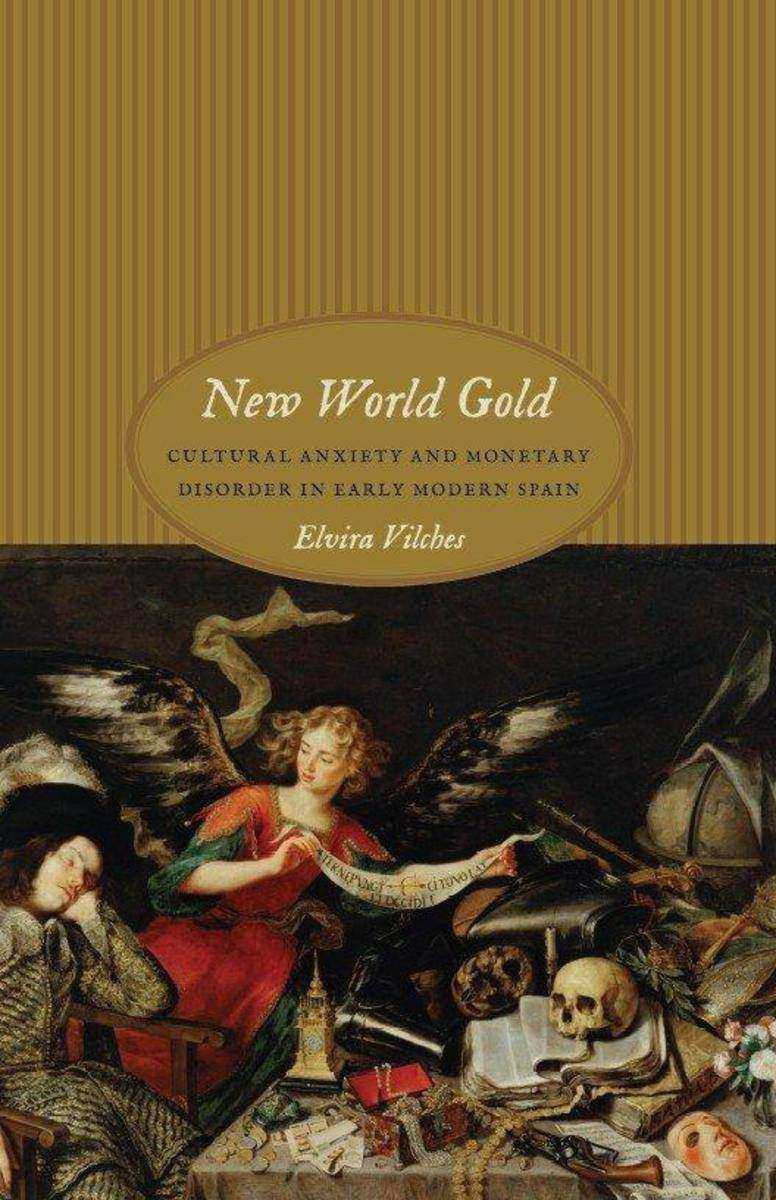
New World Gold
¥447.34
The discovery of the New World was initially a cause for celebration. But the vast amounts of gold that Columbus and other explorers claimed from these lands altered Spanish society. The influx of such wealth contributed to the expansion of the Spanish empire, but also it raised doubts and insecurities about the meaning and function of money, the ideals of court and civility, and the structure of commerce and credit. New World Gold shows that, far from being a stabilizing force, the flow of gold from the Americas created anxieties among Spaniards and shaped a host of distinct behaviors, cultural practices, and intellectual pursuits on both sides of the Atlantic.Elvira Vilches examines economic treatises, stories of travel and conquest, moralist writings, fiction, poetry, and drama to reveal that New World gold ultimately became a problematic source of power that destabilized Spain's sense of trust, truth, and worth. These cultural anxieties, she argues, rendered the discovery of gold paradoxically disastrous for Spanish society. Combining economic thought, social history, and literary theory in trans-Atlantic contexts, New World Gold unveils the dark side of Spain's Golden Age.
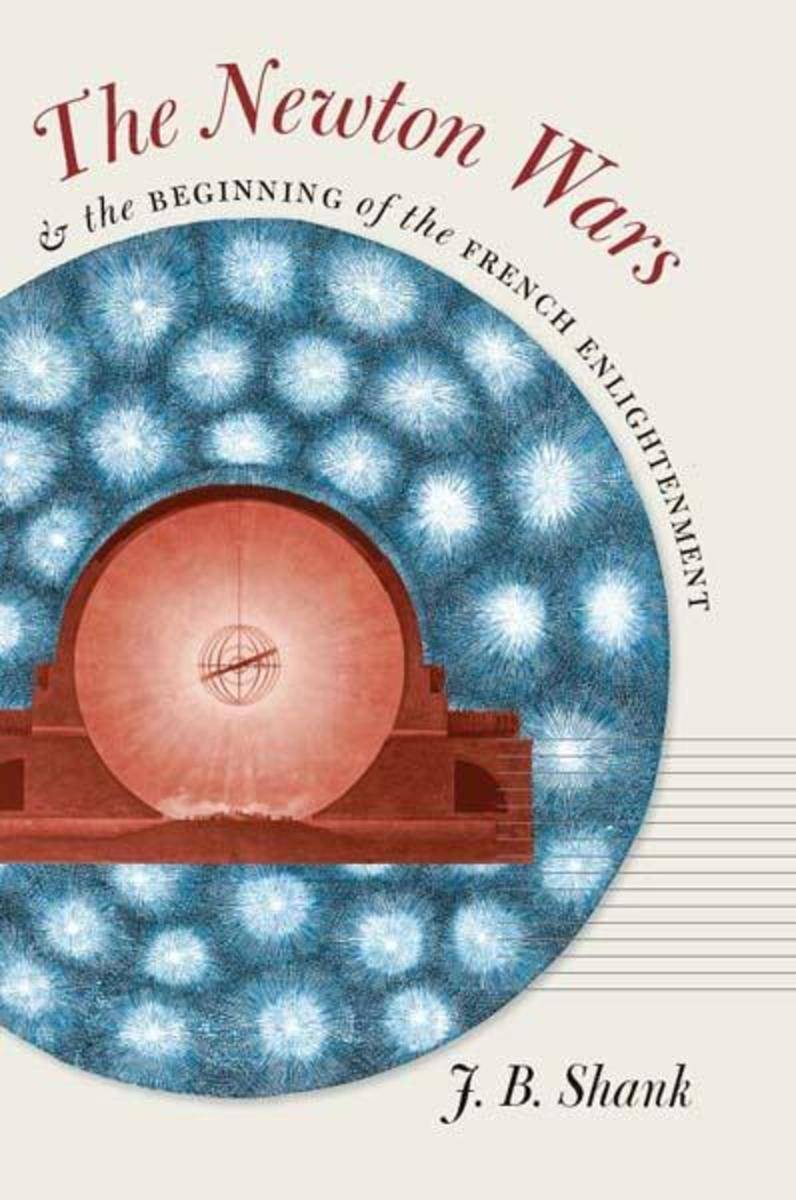
Newton Wars and the Beginning of the French Enlightenment
¥529.74
Nothing is considered more natural than the connection between Isaac Newton's science and the modernity that came into being during the eighteenth-century Enlightenment. Terms like "e;Newtonianism"e; are routinely taken as synonyms for "e;Enlightenment"e; and "e;modern"e; thought, yet the particular conjunction of these terms has a history full of accidents and contingencies. Modern physics, for example, was not the determined result of the rational unfolding of Newton's scientific work in the eighteenth century, nor was the Enlightenment the natural and inevitable consequence of Newton's eighteenth-century reception. Each of these outcomes, in fact, was a contingent event produced by the particular historical developments of the early eighteenth century.A comprehensive study of public culture, The Newton Wars and the Beginning of the French Enlightenment digsbelow the surface of the commonplace narratives that link Newton with Enlightenment thought to examine the actual historical changes that brought them together in eighteenth-century time and space. Drawing on the full range of early modern scientific sources, from studied scientific treatises and academic papers to book reviews, commentaries, and private correspondence, J. B. Shank challenges the widely accepted claim that Isaac Newton's solitary genius is the reason for his iconic status as the father of modern physics and the philosophemovement.
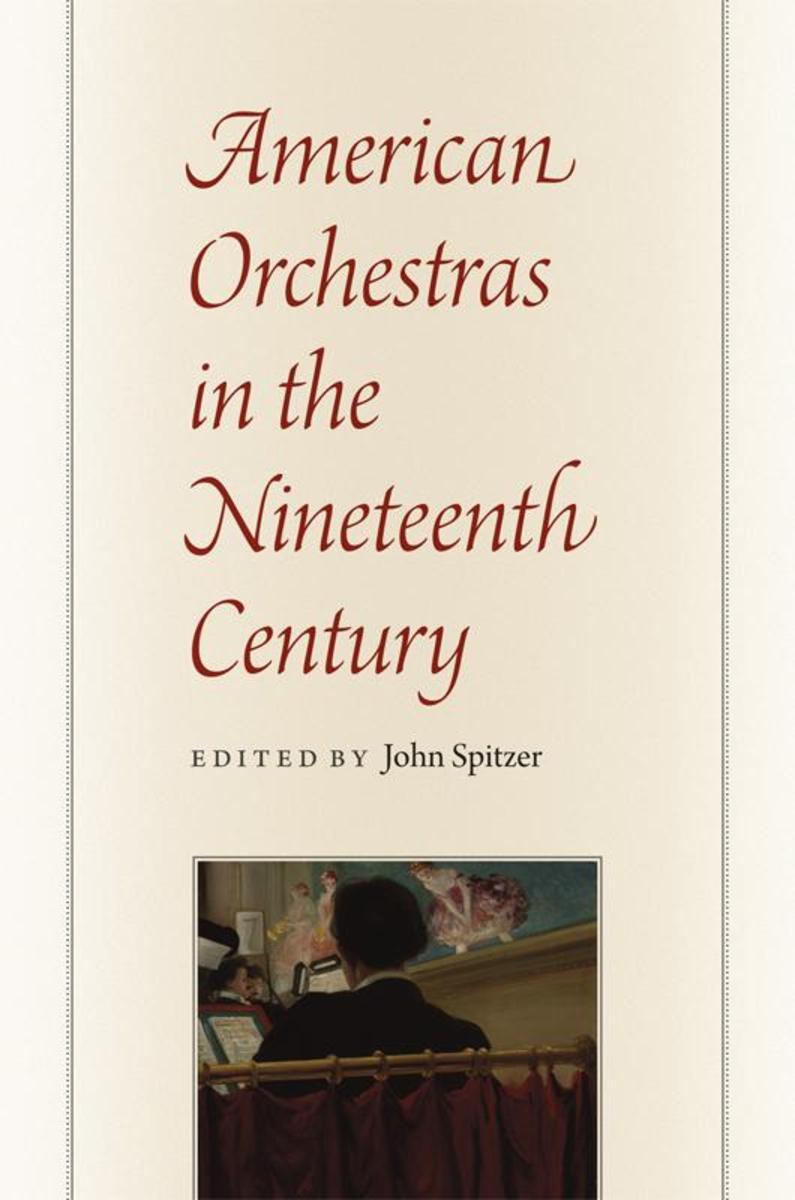
American Orchestras in the Nineteenth Century
¥529.74
Studies of concert life in nineteenth-century America have generally been limited to large orchestras and the programs we are familiar with today. But as this book reveals, audiences of that era enjoyed far more diverse musical experiences than this focus would suggest. To hear an orchestra, people were more likely to head to a beer garden, restaurant, or summer resort than to a concert hall. And what they heard weren't just symphonic works-programs also included opera excerpts and arrangements, instrumental showpieces, comic numbers, and medleys of patriotic tunes.This book brings together musicologists and historians to investigate the many orchestras and programs that developed in nineteenth-century America. In addition to reflecting on the music that orchestras played and the socioeconomic aspects of building and maintaining orchestras, the book considers a wide range of topics, including audiences, entrepreneurs, concert arrangements, tours, and musicians' unions. The authors also show that the period saw a massive influx of immigrant performers, the increasing ability of orchestras to travel across the nation, and the rising influence of women as listeners, patrons, and players. Painting a rich and detailed picture of nineteenth-century concert life, this collection will greatly broaden our understanding of America's musical history.

American Railroads
¥211.90
Few scenes capture the American experience so eloquently as that of a lonely train chugging across the vastness of the Great Plains, or snaking through tortuous high mountain passes. Although this vision was eclipsed for a time by the rise of air travel and trucking, railroads have enjoyed a rebirth in recent years as profitable freight carriers.A fascinating account of the rise, decline, and rebirth of railroads in the United States, John F. Stover's American Railroads traces their history from the first lines that helped eastern seaports capture western markets to today's newly revitalized industry. Stover describes the growth of the railroads' monopoly, with the consequent need for state and federal regulations; relates the vital part played by the railroads during the Civil War and the two World Wars; and charts the railroads' decline due to the advent of air travel and trucking during the 1950s.In two new chapters, Stover recounts the remarkable recovery of the railroads, along with other pivotal events of the industry's recent history. During the 1960s declining passenger traffic and excessive federal regulation led to the federally-financed creation of Amtrak to revive passenger service and Conrail to provide freight service on bankrupt northeastern railroads. The real savior for the railroads, though, proved to be the Staggers Rail Act of 1980, which brought prosperity to rail freight carriers by substantially deregulating the industry. By 1995, renewed railroad freight traffic had reached nearly twice its former peak in 1944.Bringing both a seasoned eye and new insights to bear on one of the most American of industries, Stover has produced the definitive history of railroads in the United States.
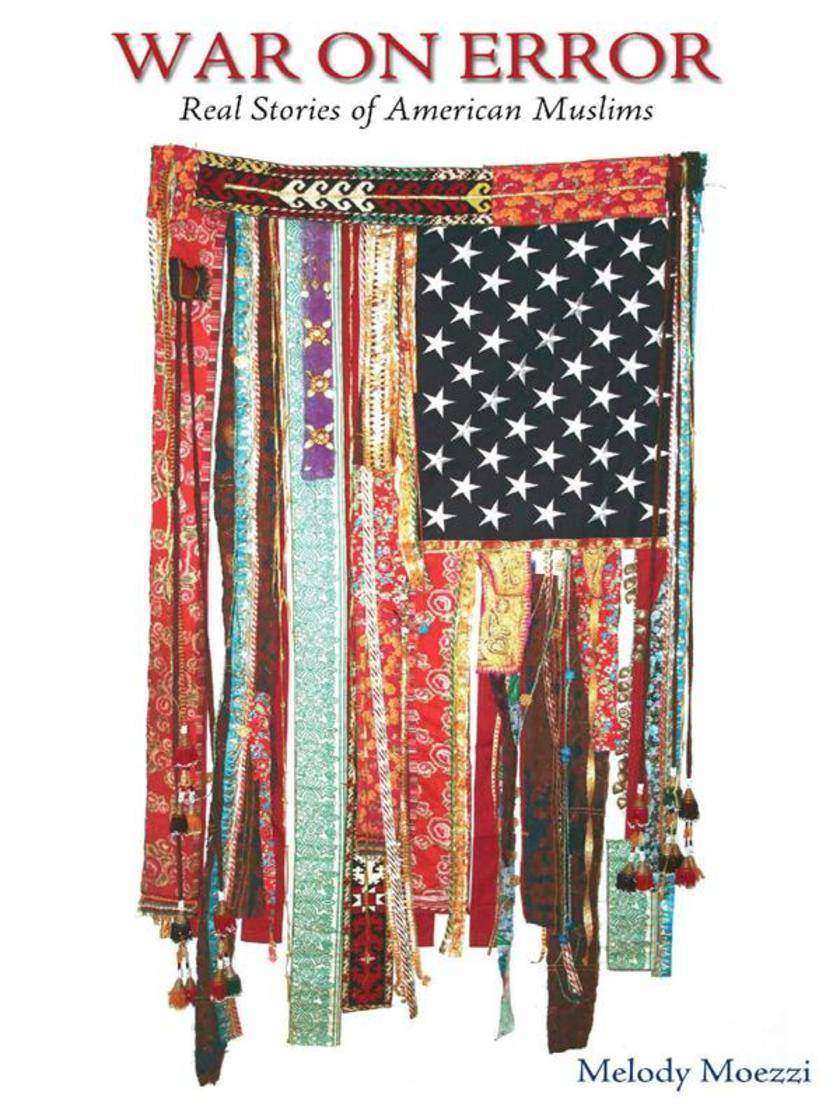
War on Error
¥150.29
War on Error brings together the stories of twelve young people, all vastly different but all American, and all Muslim. Their approaches to religion couldn't be more diverse: from a rapper of Korean and Egyptian descent to a bisexual Sudanese American to a converted white woman from Colorado living in Cairo and wearing the hijab. These individuals, whether they were born to the religion or came to it on their own, have made their own decisions about how observant they'll be, whether or not to fast, how often to pray, and what to wear. Though each story is unique, each is also seen through the searching eyes of Melody Moezzi, herself an American Muslim of Iranian descent. She finds that the people she interviews are horrified that, in a post-9/11 world, they have seen their religion come to be represented, in the minds of many Americans, by terrorism. These thoughtful and articulate individuals represent the truth about the faith and its adherents who are drawn to the logic, compassion, and tolerance they find in Muslim teachings. Moezzi, ever comfortable with contradiction and nuance, is a likable narrator whose underlying assumption that "e;faith is greater than dogma"e; is strengthened as she learns more about her religion and faces her own biases and blind spots. This fresh new voice, combined with the perceptions and experiences of her fellow American Muslims, make for a read that is both illuminating and enjoyable.
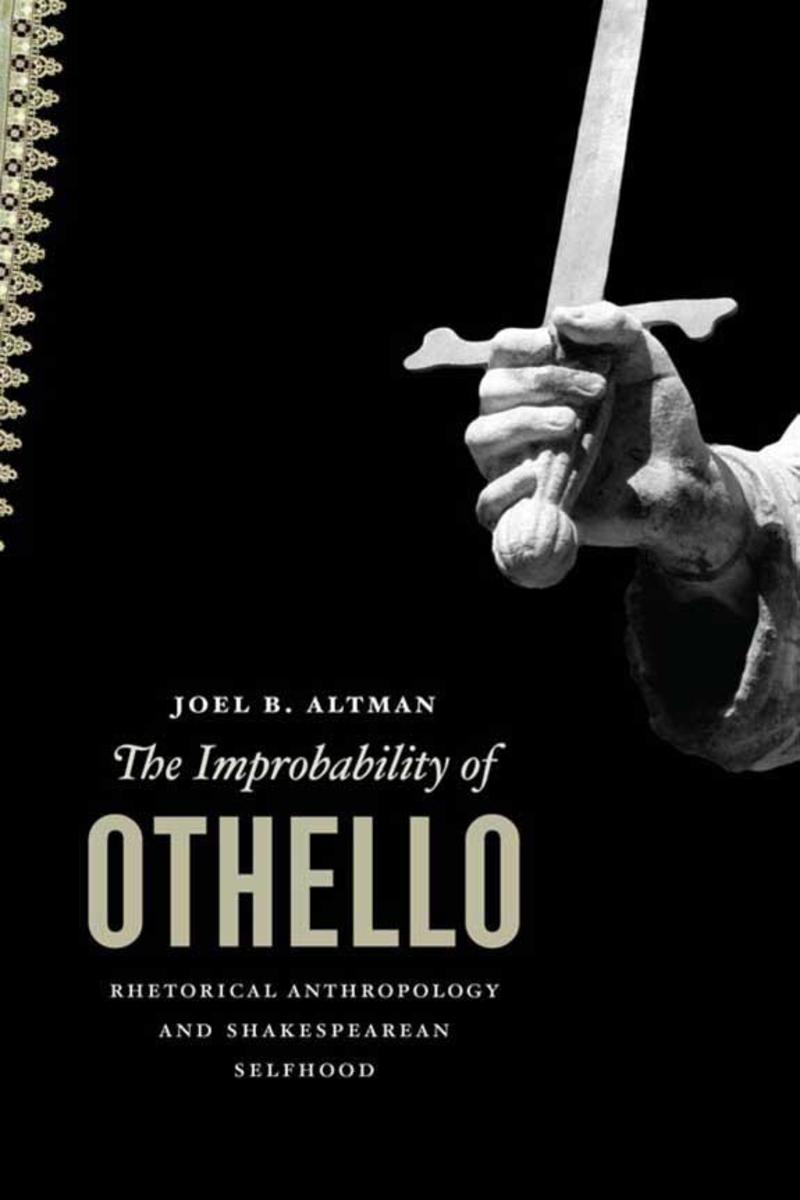
Improbability of Othello
¥488.54
Shakespeare's dramatis personae exist in a world of supposition, struggling to connect knowledge that cannot be had, judgments that must be made, and actions that need to be taken.For them, probability-what they and others might be persuaded to believe-governs human affairs, not certainty. Yet negotiating the space of probability is fraught with difficulty. Here, Joel B. Altman explores the problematics of probability and the psychology of persuasion in Renaissance rhetoric and Shakespeare's theater.Focusing on the Tragedy of Othello, Altman investigates Shakespeare's representation of the self as a specific realization of tensions pervading the rhetorical culture in which he was educated and practiced his craft. In Altman's account, Shakespeare also restrains and energizes his audiences' probabilizing capacities, alternately playing the skeptical critic and dramaturgic trickster. A monumental work of scholarship by one of America's most respected scholars of Renaissance literature, The Improbability of Othello contributes fresh ideas to our understanding of Shakespeare's conception of the self, his shaping of audience response, and the relationship of actors to his texts.
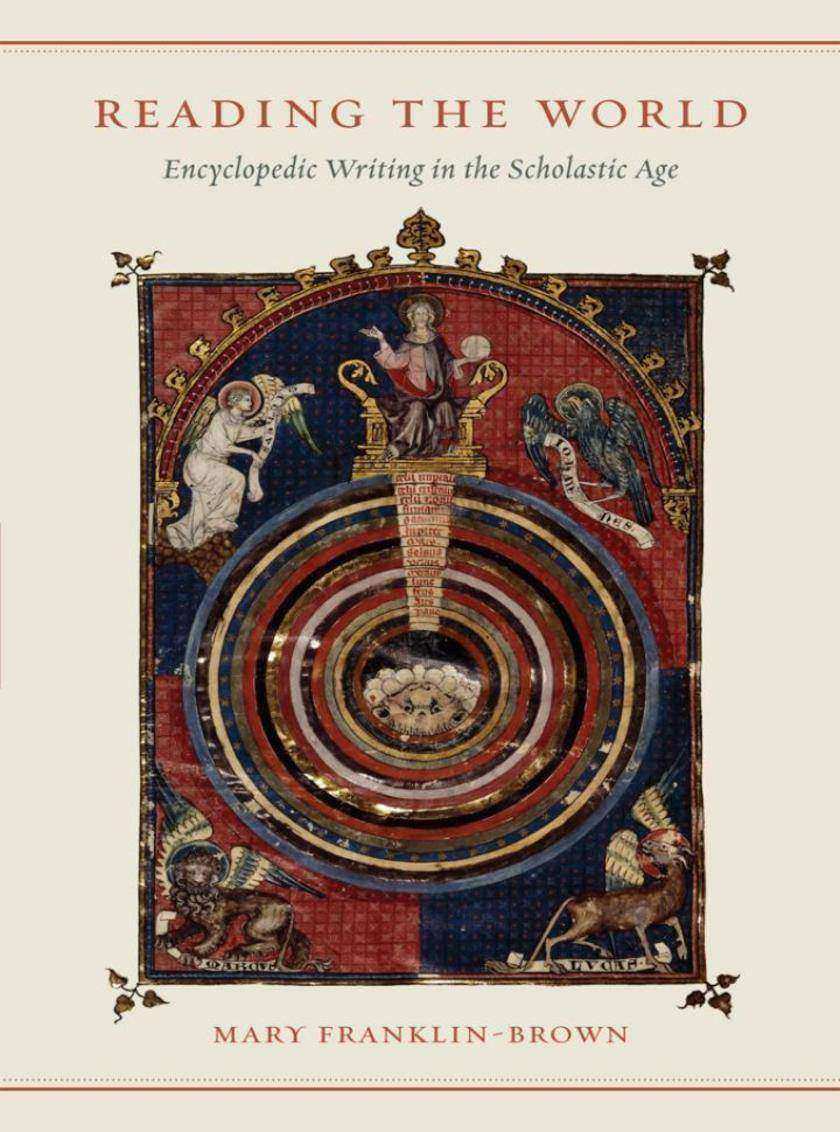
Reading the World
¥488.54
The thirteenth century saw such a proliferation of new encyclopedic texts that more than one scholar has called it the "e;century of the encyclopedias."e; Variously referred to as a speculum, thesaurus, or imago mundi-the term encyclopedia was not commonly applied to such books until the eighteenth century-these texts were organized in such a way that a reader could easily locate a collection of authoritative statements on any given topic. Because they reproduced, rather than simply summarized, parts of prior texts, these compilations became libraries in miniature.?In this groundbreaking study, Mary Franklin-Brown examines writings in Latin, Catalan, and French that are connected to the encyclopedic movement: Vincent of Beauvais's Speculum maius; Ramon Llull's Libre de meravelles, Arbor scientiae, and Arbre de filosofia d'amor; and Jean de Meun's continuation of the Roman de la Rose. Franklin-Brown analyzes the order of knowledge in these challenging texts, describing the wide-ranging interests, the textual practices-including commentary, compilation, and organization-and the diverse discourses that they absorb from preexisting classical, patristic, and medieval writing. She also demonstrates how these encyclopedias, like libraries, became "e;heterotopias"e; of knowledge-spaces where many possible ways of knowing are juxtaposed.?But Franklin-Brown's study will not appeal only to historians: she argues that a revised understanding of late medievalism makes it possible to discern a close connection between scholasticism and contemporary imaginative literature. She shows how encyclopedists employed the same practices of figuration, narrative, and citation as poets and romanciers, while much of the difficulty of the imaginative writing of this period derives from a juxtaposition of heterogeneous discourses inspired by encyclopedias.With rich and innovative readings of texts both familiar and neglected, Reading the World reveals how the study of encyclopedism can illuminate both the intellectual work and the imaginative writing of the scholastic age.


