


 购物车
购物车 个人中心
个人中心

The Other Side of Israel: My Journey Across the Jewish/Arab Divide
¥63.27
The pioneering autobiographical story of a British Zionist in her fifties who moves to Israel and chooses to live among 25,000 Muslims in the all-Arab Israeli town of Tamra, a few miles from Nazareth. Susan Nathan’s revelatory book about her new life across the ethnic divide in Israel is already creating international interest. At a time when Middle Eastern politics (in many ways central to the current world disorder) have become mired in endless tit-for-tat killings, Susan Nathan is showing – by her own daily example – that it is perfectly possible for Jews and Arabs to live peacefully together in a single community, recognising their common humanity. The author’s familiarity with the former injustices of apartheid South Africa enables her to draw telling comparisons with the state of Israel. The increasing segregation of, and discrimintation against, the million-strong Arabic population of Israel is something she witnesses at first hand, but in describing her experiences in Tamra she is as observant of Arab frailties as of Jewish oppression. Written with warmth, compassion and humour, ‘The Other Side of Israel’ is one courageous woman’s positive life-enhancing response to a situation in which entrenched attitudes lead only to more violence and bloodshed.
Frankie: The Autobiography of Frankie Dettori
¥63.77
Irresistible to the punters, champion jockey Frankie Dettori is a charismatic personality with an easy charm and immaculate dress sense that make him an instant favourite on the track and a household name off it. His autobiography has been fully updated to include Frankie’s record-breaking racing exploits in 2004. In his own words, Frankie Dettori charts his rise from stable lad to champion jockey, revealing the endless hours of hard work, the fun along the way, and his determination to succeed against the odds. Frankie relives his nine Classic winners in the UK and talks about his notable victories at the St Leger, The Breeder’s Cup Mile, the Arc de Triomphe, the Queen Elizabeth II Stakes, and, memorably, his seven winners on the same card at Ascot in 1996. He also shares the secrets of his successful partnerships with trainers like Luca Cumani and John Gosden, and owners such as Sheikh Mohammed of the Goldolphin organisation. This is also a human interest story. Frankie talks openly about using drugs to keep his weight down, his celebrity role as team captain on ‘A Question of Sport’, his rich and varied lifestyle outside of racing, including his family and inner circle, and of the moment when he almost lost his life following a plane crash. Controversial, informative and hugely entertaining, Frankie Dettori’s life story will appeal to the millions of people who follow the sport as well as those intrigued to know more about one of the greatest talents that horse-racing has ever seen.
The Lost Babes: Manchester United and the Forgotten Victims of Munich
¥88.39
Manchester United and the Forgotten Victims of Munich A moving story of how a legendary football team was lost to tragedy - and how this disaster irrevocably altered the lives of the survivors and the bereaved families, and ultimately brought shame on the biggest football club in the world. The Manchester United team Matt Busby had built in the fifties from the club's successful youth policy seemed destined to dominate football for many years. Such was the power of the 'Busby Babes' that they seemed invincible. The average age of the side which won the Championship in 1955-56 was just 22, the youngest ever to achieve such a feat. A year later, when they were Champions again, nothing, it seemed, would prevent this gifted young team from reigning for the next decade. But then came 6 February 1958, the day that eight Manchester United players died on a German airfield in the 'Munich Air Disaster' - a date to be forever etched in the annals of sporting tragedy. Duncan Edwards, Eddie Colman, Tommy Taylor, Roger Byrne...the names were already enshrined in legend before the air crash, but Munich in many ways earned them immortality. They have never grown old. Jeff Connor traces the rise of the greatest Manchester United side of all time, alongside a vibrant portrait of England in the 1950s, but he also paints a dark picture of a club that enriched itself on the myth of Munich while neglecting the families of the dead and the surviving players. The repercussions and the toll the disaster took on so many linger to the present day. Drawing on extensive interviews with the Munich victims and players of that era, The Lost Babes is the definitive account of British football's golden age, a poignant story of the protracted effects of loss and a remorseless dissection of the how the richest football club in the world turned its back on its own players and their families.
Torres: El Ni?o: My Story
¥66.22
Fernando Torres is one of the hottest properties in world football. From local Madrid idol to Kop hero and European Championship winner, he talks here for the first time about the unique challenges faced in his two years in England, with candid snapshots of his life on and off the field. At the age of 25, Spain’s Fernando Torres has already established himself as one of the Liverpool greats and a proud wearer of the fabled No 9 shirt. His first book provides a captivating illustrated story of his career to date, alongside candid snapshots of his early life in Madrid, as a child football prodigy and lifelong fan of local club Atletico. Nicknamed ‘El Nino’ (The Kid), Torres opens up about life on the streets besides Atletico’s Vicente Calderon stadium, signing for the club at the age of 15 and appointed club captain by 19, becoming, as one local journalist put it, ‘one part folk hero, one part native son, one part messiah.’ When Liverpool broke their club transfer record to bring Torres to Anfield in July 2007, it proved the turning point in his career. Competing in the goldfish bowl of the English Premier League, settling into the NorthWest and playing alongside Liverpool heroes like Steven Gerrard and Jamie Carragher, in the company of Spanish team-mates Pepe Reina, Xavi Alonso and Albert Rieira, and performing in front of the Kop who quickly adopted him as one of their own – Torres describes what it means to him to play on one of the greatest stages in world football, and compares and contrasts life in Spain with his new career in England. Away from the football, Torres talks about life out of the spotlight with his childhood sweetheart Ollala, his family and friends, and what inspires and motivates him.
Tony Visconti: The Autobiography: Bowie, Bolan and the Brooklyn Boy
¥72.40
A name synonymous with ground-breaking music, Tony Visconti has worked with the most dynamic and influential names in pop, from T.Rex and Iggy Pop to David Bowie and U2. This is the compelling life story of the man who helped shape music history, and gives a unique, first-hand insight into life in London during the late 1960s and '70s. This memoir takes you on a roller-coaster journey through the glory days of pop music, when men wore sequins and pop could truly rock. Featuring behind-the-scenes stories of big names such as Bowie, Visconti's unique access to the hottest talent, both on stage and off, for over five decades is complemented by unseen photographs from his own personal archive, offering a glimpse at music history that few have witnessed so intimately. Soon after abandoning his native New York to pursue his musical career in the UK, Visconti was soon in the thick of the emerging glam rock movement, launching T.Rex to commercial success and working with the then-unknown David Bowie. Since his fateful move to the land of tea and beer drunk straight from the can, Visconti has worked with such names as T.Rex, Thin Lizzy, Wings, The Boomtown Rats, Marsha Hunt, Procol Harum, and more recently Ziggy Marley, Mercury Rev, the Manic Street Preachers and Morrissey on his acclaimed new album 'Ringleader of the Tormentors'. Even Visconti's personal life betrays an existence utterly immersed in music. Married to first to Siegrid Berman, then to Mary Hopkin and later to May Pang, he counts many of the musicians and producers he has worked with as close friends and is himself a celebrated musician.
If I Don’t Write It Nobody Else Will
¥63.18
The long awaited story of one of Britain’s greatest comic legends. 'Some people walk on stage and the audience warms to them. You can't explain it, and you shouldn't try. It's an arrogant assumption to say you 'decide' to become a comedian. The audience decides for you.' Eric Sykes, December 2001 From his early days writing *s for Bill Fraser and Frankie Howerd through decades of British radio and television comedy – ‘Educating Archie’, ‘Sykes And A …’, ‘Curry and Chips’, ‘The Plank’ – to his present day ventures into film and theatre, starring in ‘The Others’ with Nicole Kidman and appearing in Peter Hall's recent production of ‘As You Like It’, Eric Sykes has carved himself an enduring place as one of Britain's greatest writers and performers. In his much anticipated autobiography, Sykes reveals his extraordinary life working alongside a generation of legendary comedians and entertainers, despite being dogged by deafness and eventually virtual blindness. His hearing problems began in the early days of his career in the 1950s, around the time he wrote, directed and performed in the spoof pantomime ‘Pantomania’ for the BBC. Undeterred however, Sykes learned to lip-read, going on to write and appear in a number of BBC productions including ‘Opening Night’ and Val Parnell's ‘Saturday Spectacular’, the first of two shows he made with Peter Sellers, a great life-long friend. From 1959 until her death in 1980, Syke's starred with Hattie Jacques in one of Britain's best loved sitcoms ‘Sykes and A …’ Throughout the two decade run of this show he continued to work alongside a host of stars including Charlie Drake, Tommy Cooper, Tony Hancock, Spike Milligan, Johnny Speight, Ray Galton and Alan Simpson. Eric Sykes’s comedy has always sported an essential core of warm humanity and this, along with his genuine creative genius, continues to prove an unforgettably winning combination.
You’ll Miss Me When I’m Gone: The life and work of Eric Morecambe
¥147.35
To mark the 25th anniversary of Eric Morecambe’s death, You’ll Miss Me When I’m Gone is the first book to cover Eric’s whole life and untimely death, including unseen family photographs and new insights by Eric’s son Gary Morecambe. Published in the 25th anniversary year of Eric Morecambe’s death, You’ll Miss Me When I’m Gone is a celebration of Eric Morecambe’s life in words and previously unseen personal family photographs. Eric Morecambe and Ernie Wise are to this day still regarded as Britain’s most successful and best loved comedy duo, and their television shows from the 1970’s and 80’s are undoubtedly their finest work. For the first time, Eric Morecambe’s whole life, from his earliest days in his home-town of Morecambe right up to his death in Gloucestershire in 1984 are appraised by his son Gary. Included are photographs not seen by the family until recently – poignantly one of Eric at a friend’s wedding the day before he would collapse and die on stage. As the final and definitive book on Eric Morecambe,You’ll Miss Me features interviews with those who knew and loved Eric, including his wife Joan, Ronnie Corbett, Hamish McColl who wrote and starred in The Play What I Wrote and a foreword by Judi Dench. ’You’ll miss me when I’m gone’ was Eric’s oft repeated plaintive remark when he’d been annoying the Morecambe family with his gags.The irony is that, 25 years after his death, the viewing nation still misses Eric Morecambe.
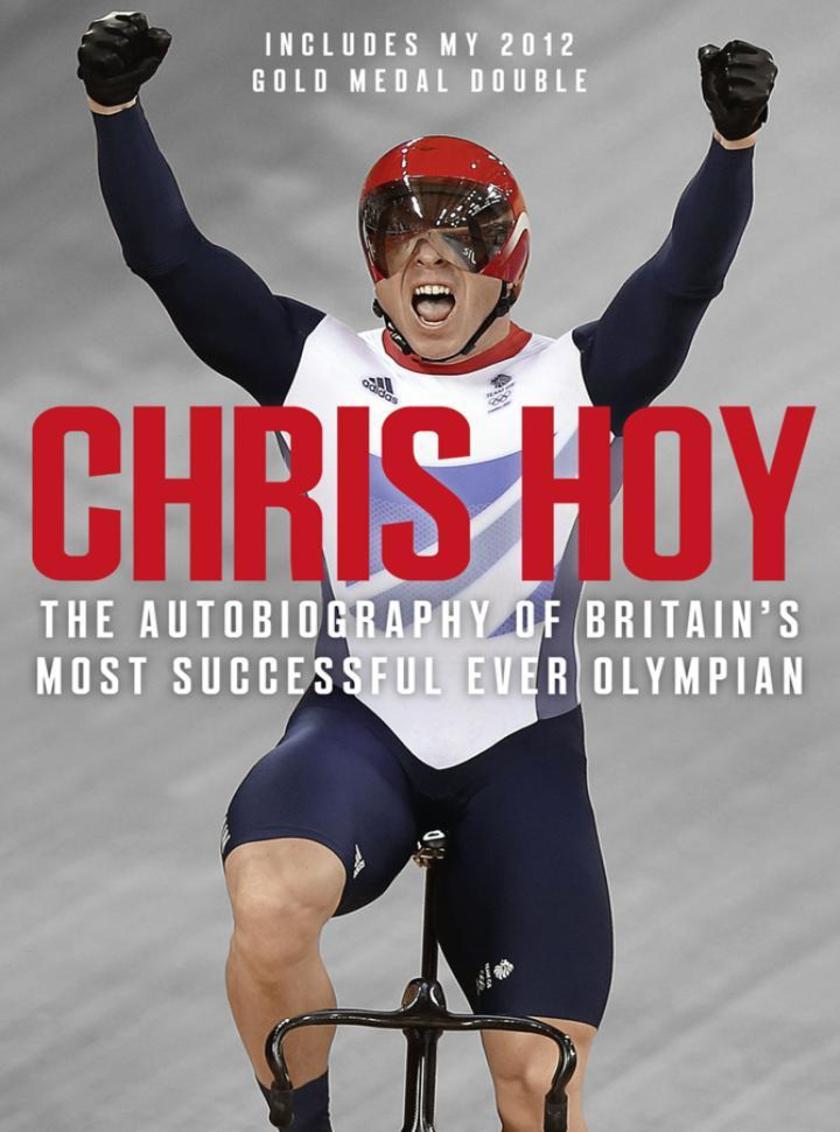
Chris Hoy: The Autobiography
¥68.67
Fully updated to include Sir Chris Hoy’s incredible, record-breaking golds at London 2012 (making him his country’s greatest ever Olympian), this is the story of a sporting legend in his own words. Fully updated to include Sir Chris Hoy’s incredible, record-breaking golds at London 2012 (making him his country’s greatest ever Olympian), this is the story of a sporting legend in his own words. This 33-year-old cycling fanatic from Murrayfield in the suburbs of Edinburgh defied the doubters who thought he would struggle when his specialist discipline, the 1km time trial, was dropped from the Olympics, and went on to reinvent himself as a track cycling sprinter and triple Olympic gold medallist in Beijing. His return to these shores sparked unprecedented celebrations and real admiration that here was a role model who was the epitome of all things that are good in sport. What makes a champion in sport? In his autobiography, Hoy returns to his roots as a child fully engaged with the BMX craze of the Eighties; when, even as a seven year old his will to succeed allied to an unyielding mental strength set him apart from other youngsters of his age. A promising rower and rugby player in school, it was when he joined his first local cycling club and spent most weekends of the year competing in national events from Blackpool to Bristol that the seeds of his future career were sown. With the devoted support of his family, Hoy drove himself to the pinnacle of his sport at the same time as British track cycling established itself as a pioneering force on the world stage. In the wake of his unparalleled achievements at London 2012, which filled the whole country with pride, there is no sporting icon better placed to demonstrate what it takes to reach the top than Chris Hoy.
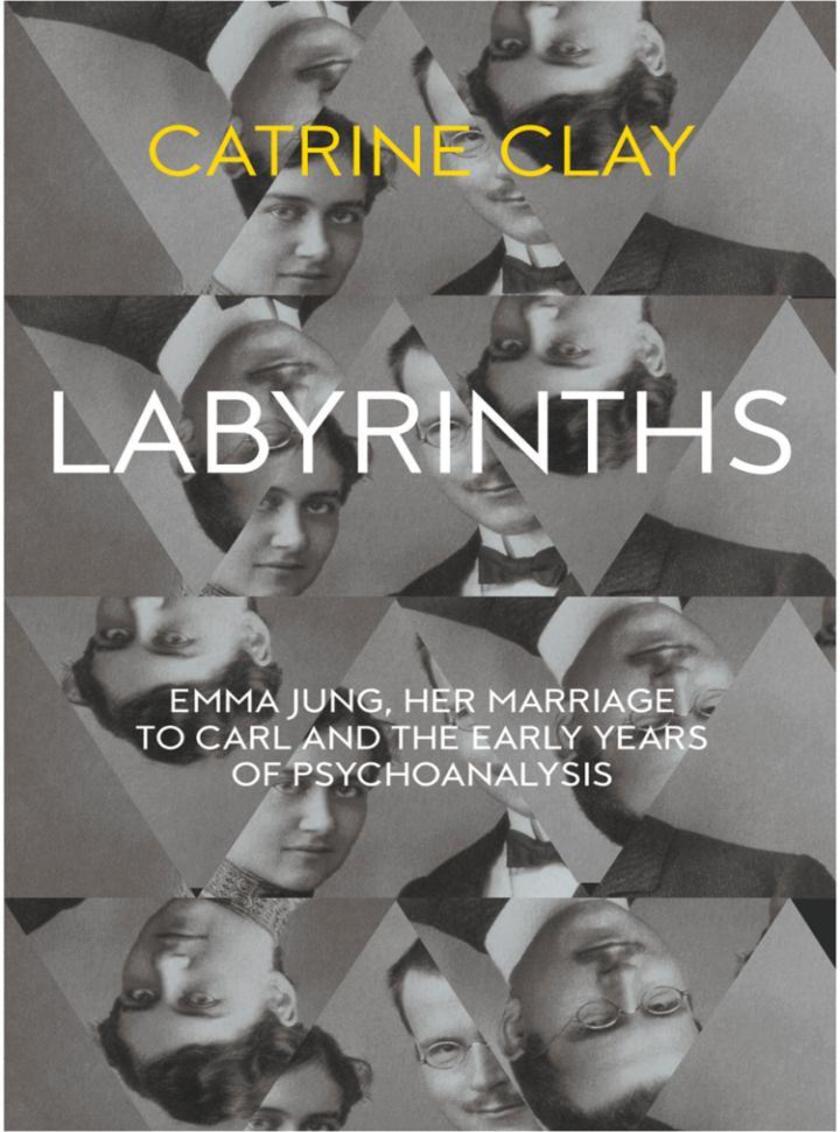
Labyrinths
¥73.58
The story of Emma and Carl Jung's highly unconventional marriage, their relationship with Freud, and their part in the early years of Psychoanalysis. Emma Jung was clever, ambitious and immensely wealthy, one of the richest heiresses in Switzerland when, aged seventeen, she met and fell in love with Carl Jung, a handsome, penniless medical student. Determined to share his adventurous life, and to continue her own studies, she was too young to understand Carl’s complex personality or conceive the dramas that lay ahead. Labyrinths tells the story of the Jungs’ unconventional marriage, their friendship and, following publication of Jung’s The Psychology of the Unconscious, subsequent rift with Freud. It traces Jung’s development of word association, notions of the archetype, the collective unconscious, the concepts of extraversion and introversion and the role played by both Carl and Emma in the early development of the scandalous new Psychoanalysis movement. In its many twists and turns, the Jung marriage was indeed labyrinthine and Emma was forced to fight with everything she had to come to terms with Carl’s brilliant, complex character and to keep her husband close to her. His belief in polygamy led to many extra-marital affairs including a menage a trois with a former patient Toni Wolff that lasted some thirty years. But the marriage endured and Emma realised her ambition to become a noted analyst in her own right.
The Strangest Family
¥81.03
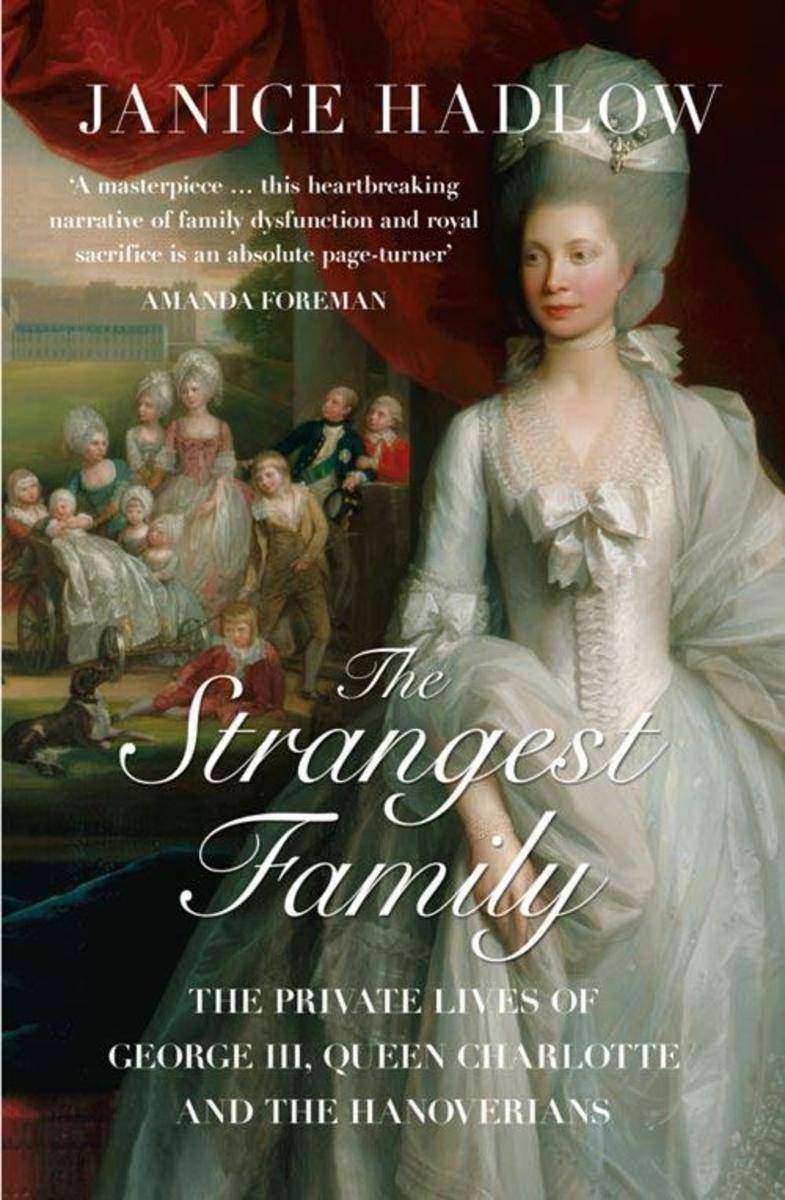
An intensely moving account of George III’s doomed attempt to create a happy, harmonious family, written with astonishing emotional force by a stunning new history writer. George III came to the throne in 1760 as a man with a mission. He was determined to break with the extraordinarily dysfunctional home lives of his Hanoverian predecessors. He was sure that as a faithful husband and a loving father, he would be not just a happier man but a better ruler as well. During the early part of his reign it seemed as if, against all the odds, his great family project was succeeding. His wife, Queen Charlotte, shared his sense of moral purpose, and together they raised their fifteen children in a climate of loving attention. But as the children grew older, and their wishes and desires developed away from those of their father, it became harder to maintain the illusion of domestic harmony. ‘The Strangest Family’ is an epic, sprawling family drama, filled with intensely realised characters who leap off the page as we are led deep inside the private lives of the Hanoverians. Written with astonishing emotional force by a stunning new voice in history writing, it is both a window on another world and a universal story that will resonate powerfully with modern readers.
The Beechwood Airship Interviews
¥110.46
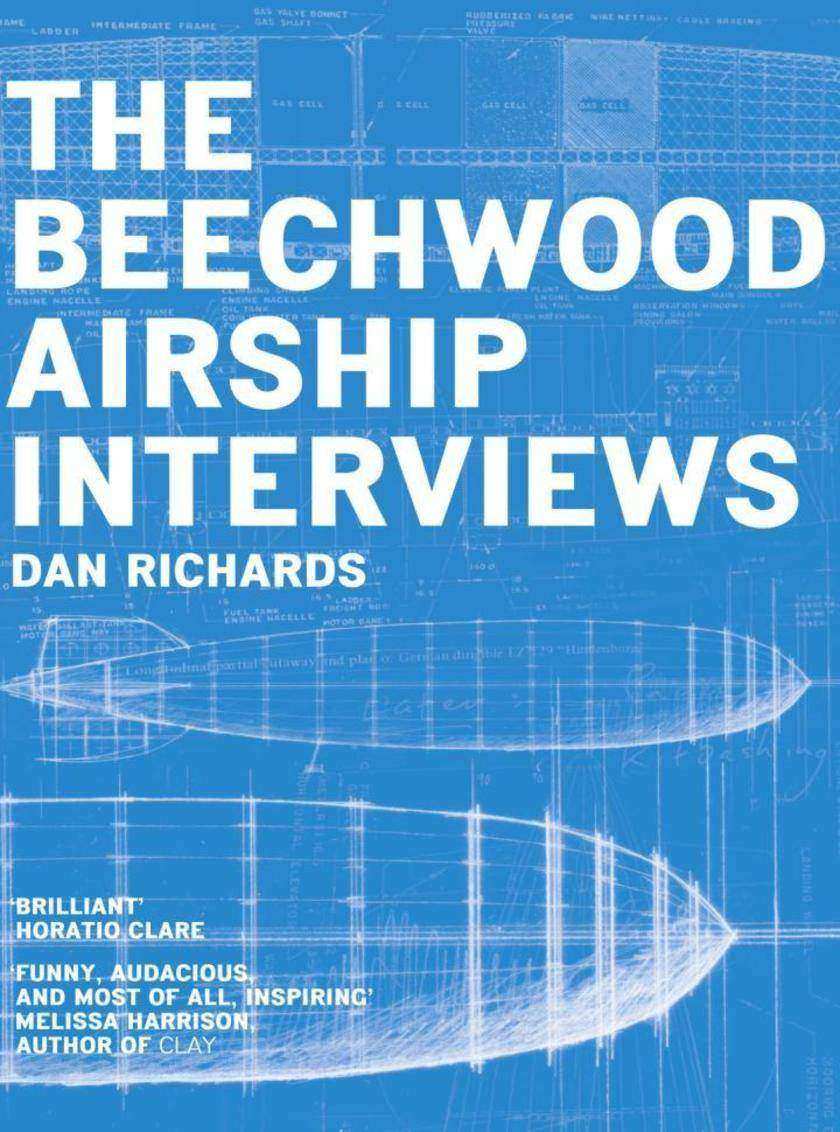
A journey into the headspaces and workplaces of some of Britain’s most unique artists, from the co-author of the critically acclaimed Holloway. Bill Drummond. Richard Lawrence. Stanley Donwood. Jenny Saville. David Nash. Manic Street Preachers. Dame Judi Dench. Cally Callomon. Sheryl Garratt. Vaughan Oliver. Jane Bown. Steve Gullick. Stewart Lee. The Butcher of Common Sense. Robert Macfarlane. Artists. Writers. Photographers. Musicians. A comedian. An actor. A printer. An airship. The people interviewed in this book come from all corners of Britain’s cultural landscape but are united in their commitment to their craft. At the beginning of this extraordinary memoir, Dan Richards impulsively decides to build an airship in his art school bar, an act of opposition which leads him to meet and interview some of Britain’s most extraordinary artists, craftsmen and technicians in the spaces and environments in which they work. His search for what it is that compels both him and them to create becomes a profound examination of what it is to be an artist in 21st Century Britain, and an inspiring testament to the importance of making art for art’s sake.
Nowhere to Go
¥58.86
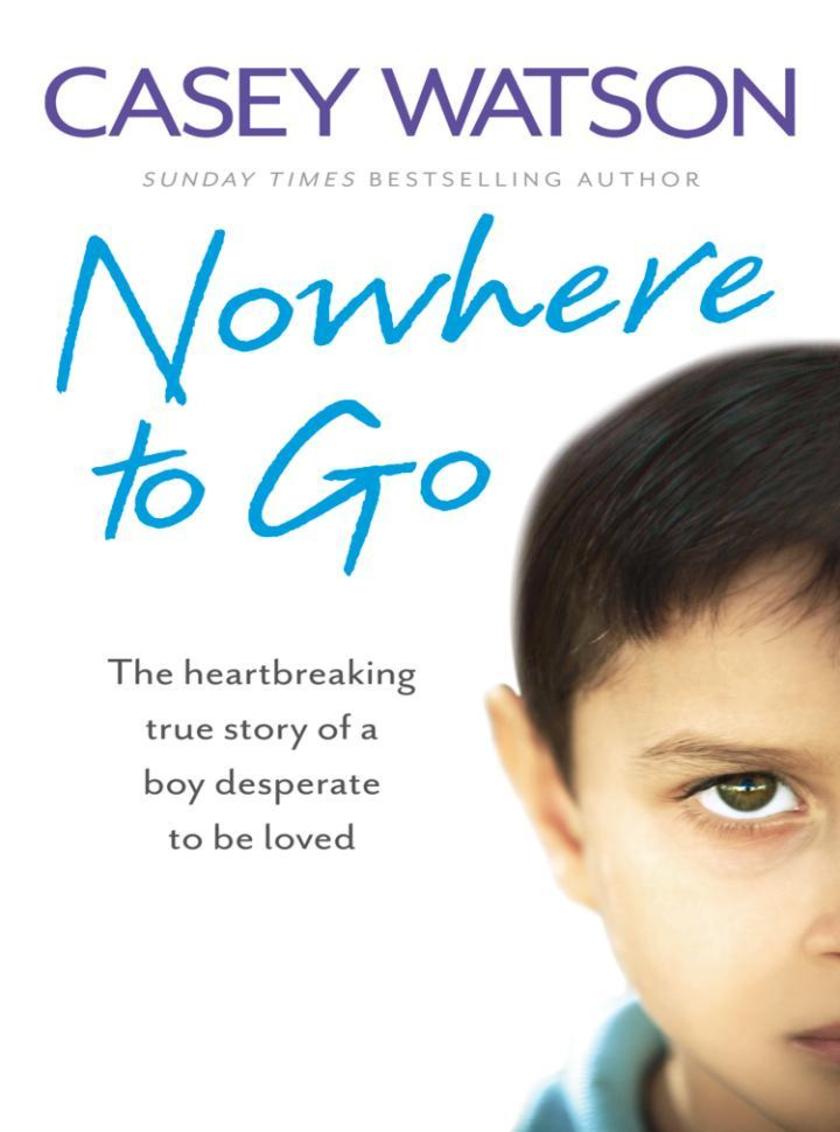
Bestselling author and foster carer Casey Watson shares the shocking true story of Tyler, an abused eleven-year-old who, after stabbing his step-mother, had nowhere else to go. Knowing a little of Tyler’s past – his biological mother, a heroin addict, died of an overdose when he was three – Casey feels bound to do her best for him. It isn’t easy; Tyler continuously lashes out, even trying to attack Casey herself. Investigation into his earlier childhood reveals why: forced to watch his mother die he was found emaciated and traumatised two days later, then delivered to a father who didn’t want him and a step-mother who beat him. With the horrific events of his past now vividly affecting the course of his present, Casey and her husband Mike are determined to veer him away from the violence and drugs they fear he will come to depend on. Heartbreaking and profoundly moving, Nowhere to Go tells the story of a child forsaken by his family but fought for by his foster carers.
Our Vinnie - Part 2 of 3
¥18.93
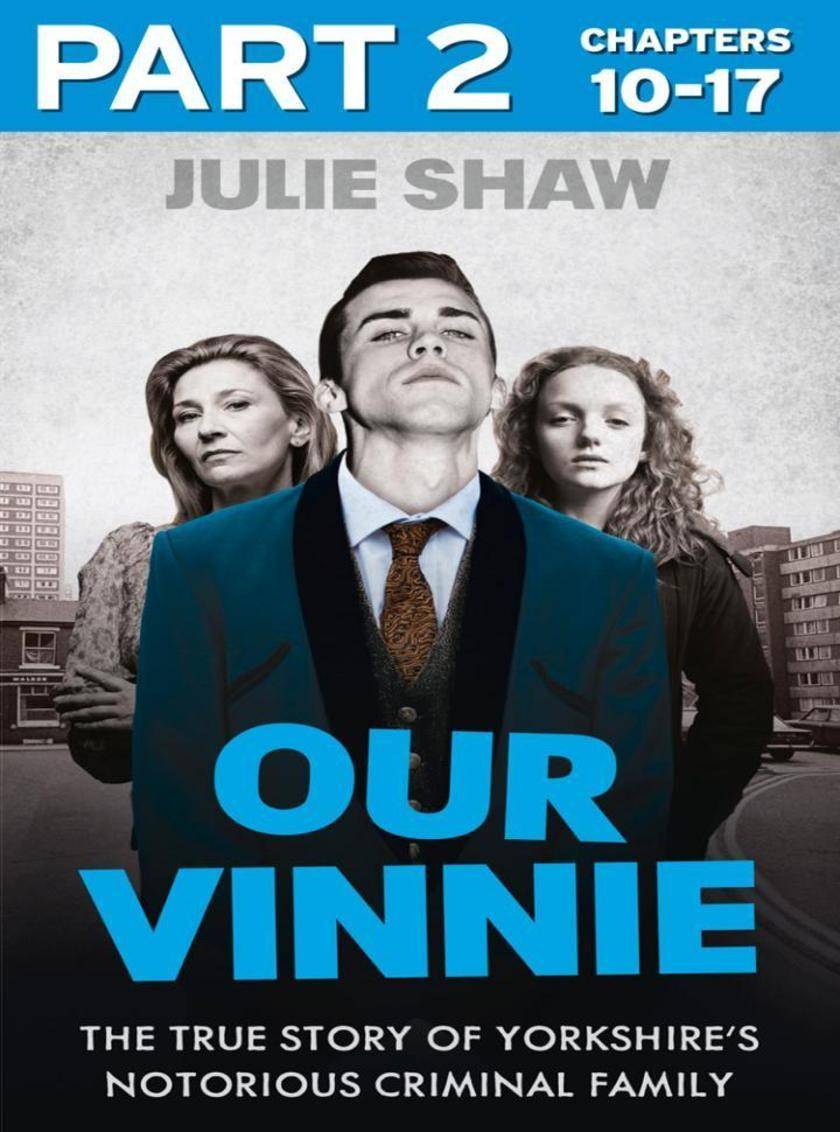
Our Vinnie can either be read as a full-length eBook or in 3 serialised eBook-only parts. This is PART 2 of 3. You can read Part 2 two weeks ahead of release of the full-length eBook and paperback. The infamous Canterbury Estate in Bradford, a hotbed of crime, drink and drugs, was a law unto itself in the ’70s. So when one of their own was wronged in any way, the community always had its own way of dealing with it. The first title in a series of gritty family sagas, Our Vinnie accounts the dramatic true story of a brother’s determination to avenge his younger sister’s rape. Josie was just 11 when her Vinnie, then 14, was taken away to a detention centre. Distraught by his absence and left alone with indifferent parents, when she escapes from one of their rows she naively enters the house of a neighbour, Melvin, who – horrifically – leads her upstairs and overpowers her. Convinced by her friend Carol, Josie tells her sister Lyndsey about the rape but, with Vinnie out of the picture, Lyndsey uses the information for her own ends. When Vinnie returns, hardened by years inside the system, his outrage on discovering the truth is severe. And with new abuses continually coming to light, a cataclysmic series of violent events begins to spiral out of control… Dramatic and shocking, Our Vinnie is an unbelievable page-turner, documenting a community forsaken by society, and one brother’s unrelenting determination to take justice into his own hands.
My Uncle Charlie - Part 1 of 3
¥18.93
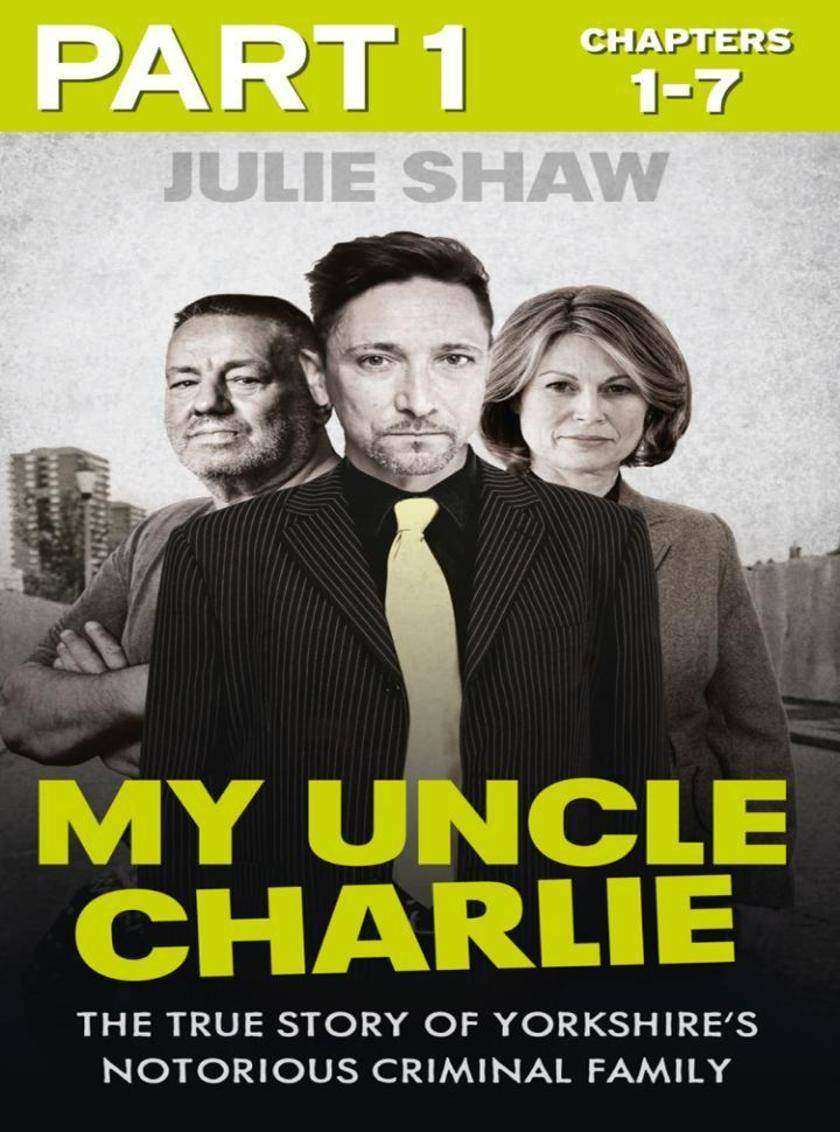
My Uncle Charlie can either be read as a full-length eBook or in 3 serialised eBook-only parts. This is PART 1 of 3. You can read Part 1 three weeks ahead of release of the full-length eBook and paperback. If you lived on the notorious Canterbury Estate in the ‘40s and ‘50s, then you knew there was one man you did not want to cross: Charlie Hudson. A solitary man, feared and respected by the gangsters of the time, Charlie was a boxer who never lost a fight, in or out of the ring – the most infamous of The Canterbury Warriors. My Uncle Charlie, the second title in the explosive series unravels a story of debauchery, crime and self-destruction. Charlie Hudson was a born leader. The eldest of eight brothers and four sisters and with a boxer for a father, fighting was in his blood. And as the young protégé of local Italian gangster, Mr Cappovanni, Charlie not only learned to knock every opponent out, he also learned the tools of the crime and extortion trade well; emerging into adulthood in the middle of the war years as a natural heir: running cons, illegal books and a band of prostitutes. But when Charlie met Betty, a sweet, caring girl, he was determined to be a better man for her. He’d still deal with ‘business’ but no more would he bed his working girls, and the birth of their baby girl, Elizabeth, sealed it: he knew life could not get any better. But for a man who had only ever lived in the belly of the Canterbury Estate underworld, it could definitely get worse… Gritty and engrossing, book two of the Hudson family saga delves deeper into history of the infamous Canterbury Warriors; the true story of one man’s ascendancy to power, and the tragedy that brought it all crashing down.
My Uncle Charlie - Part 2 of 3
¥18.93
My Uncle Charlie can either be read as a full-length eBook or in 3 serialised eBook-only parts. This is PART 2 of 3. You can read Part 2 two weeks ahead of release of the full-length eBook and paperback.
My Mam Shirley - Part 1 of 3
¥18.93
My Mam Shirley can either be read as a full-length eBook or in 3 serialised eBook-only parts. This is PART 1 of 3. You can read Part 1 three weeks ahead of release of the full-length eBook and paperback.
Ted Hughes: The Unauthorised Life
¥81.03
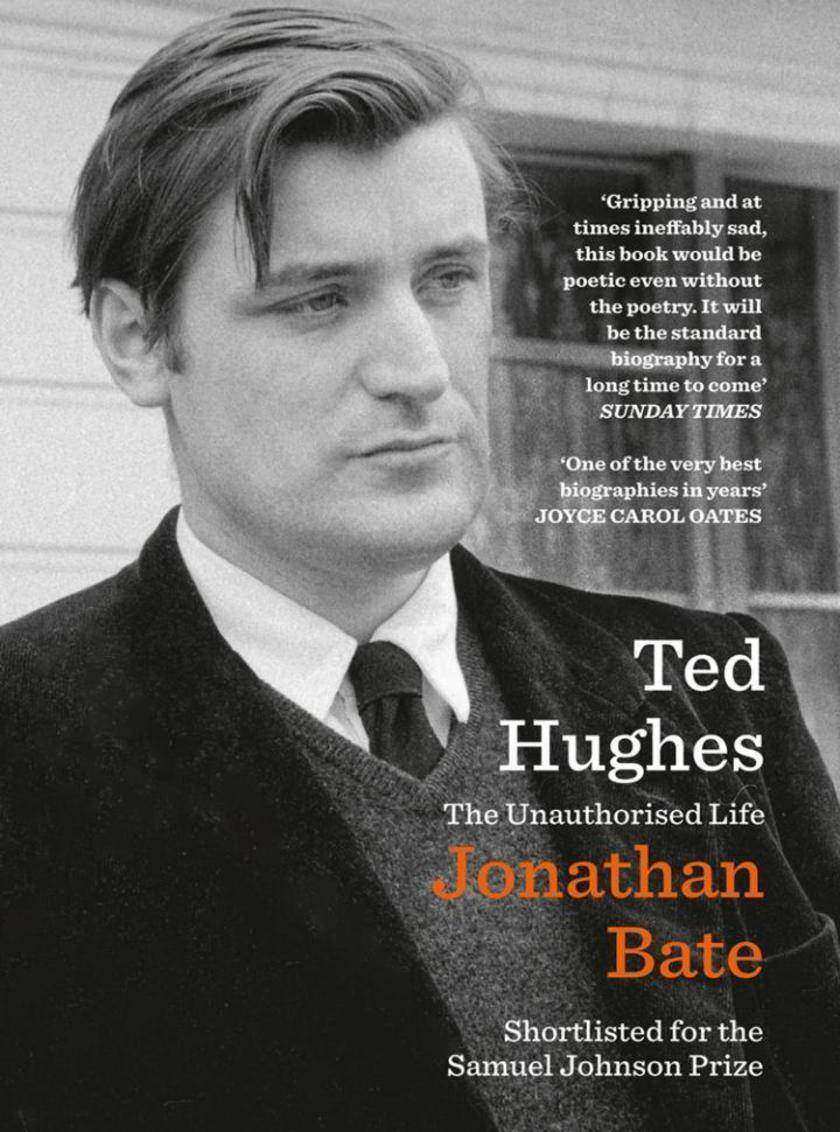
SHORTLISTED FOR THE 2015 SAMUEL JOHNSON PRIZE ‘Gripping and at times ineffably sad, this book would be poetic even without the poetry. It will be the standard biography of Hughes for a long time to come’Sunday Times ‘Captures the great poet in all his wild complexity. Powerful and clarifying, richly layered and compelling’ Melvyn Bragg, Observer Ted Hughes, Poet Laureate, was one of the greatest writers of the twentieth century. He is one of Britain’s most important poets, a poet of claws and cages: Jaguar, Hawk and Crow. Event and animal are turned to myth in his work. Yet he is also a poet of deep tenderness, of restorative memory steeped in the English literary tradition. A poet of motion and force, of rivers, light and redemption, of beasts in brooding landscapes. With an equal gift for poetry and prose, and with a soul as capacious as any poet who has lived, he was also a prolific children’s writer and has been hailed as the greatest English letter-writer since John Keats. With his magnetic personality and an insatiable appetite for friendship, for love and for life, he also attracted more scandal than any poet since Lord Byron. At the centre of this book is Hughes’s lifelong quest to come to terms with the suicide of his first wife, Sylvia Plath, the saddest and most infamous moment in the public history of modern poetry. Ted Hughes left behind him a more complete archive of notes and journals than any other major poet, including thousands of pages of drafts, unpublished poems and memorandum books that make up an almost complete record of Hughes’s inner life, preserved by him for posterity. Renowned scholar Sir Jonathan Bate has spent five years in his archives, unearthing a wealth of new material. Shortlisted for the Samuel Johnson Prize, his book offers for the first time the full story of Ted Hughes's life as it was lived, remembered and reshaped in his art. It is a book that honours, though not uncritically, Ted Hughes’s poetry and the art of life-writing, approached by his biographer with an honesty answerable to Hughes’s own.
Sixty Years a Nurse
¥66.22
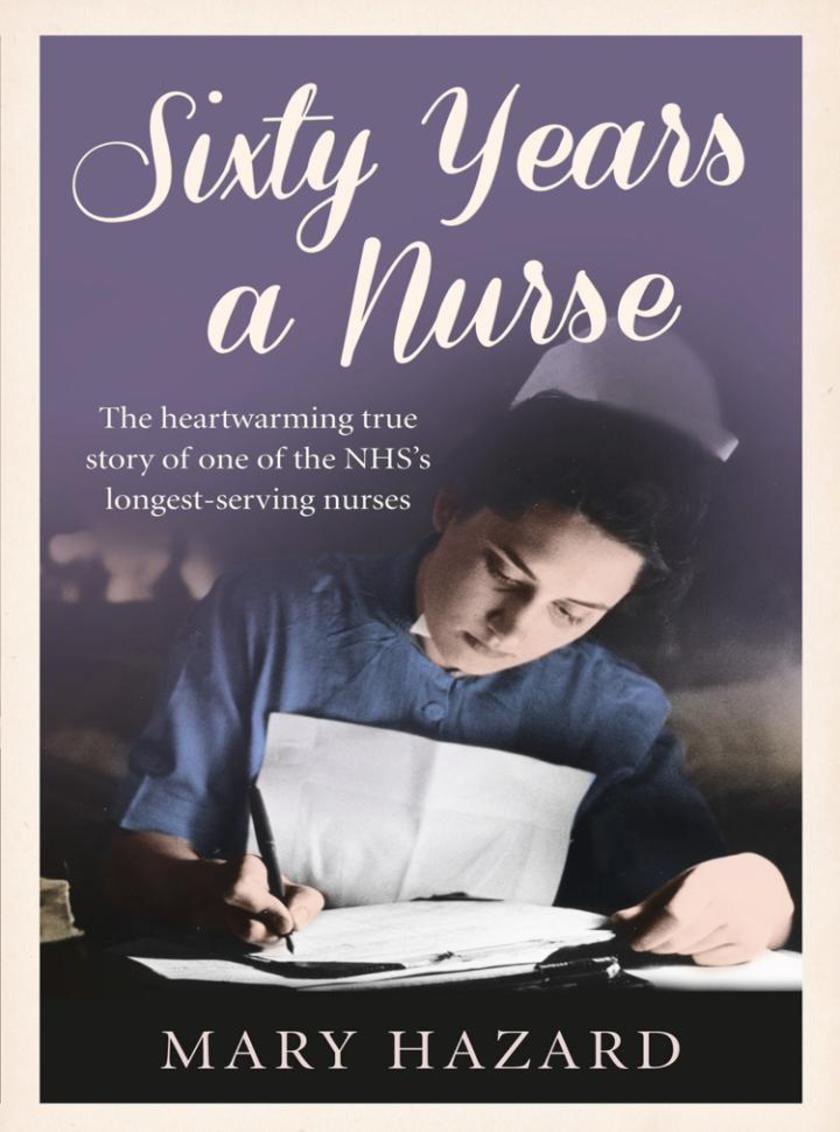
When 18-year-old Mary Hazard touched down in post-war Putney to begin her nurse’s training, she could never have known that it was the beginning of a colourful career that would still be going 60 years later – one of the longest ever serving NHS nurses. For Mary, raised in a strict convent in rural south Ireland, working in her first London hospital was a shocking and life-changing experience. Against a backdrop of ongoing rationing and poverty, she saw for the first time the horrors of disease, the heart-breaking outcomes of failed abortions – and faced the genuine shock of seeing a man naked for the first time! 60 Years a Nurse follows the dramas and emotions as Mary found her feet during those early years. From the firm friends she made under the ever-watchful gaze of Matron and the sisters, to the eclectic mix of Londoners she strove to care for; the Teddy Boys she danced with and the freedom of living away from home; and her own burgeoning love story, as extraordinary as it was romantic – these are the funny and heartwarming moments that helped Mary to follow her dream.
A Stolen Childhood
¥58.86
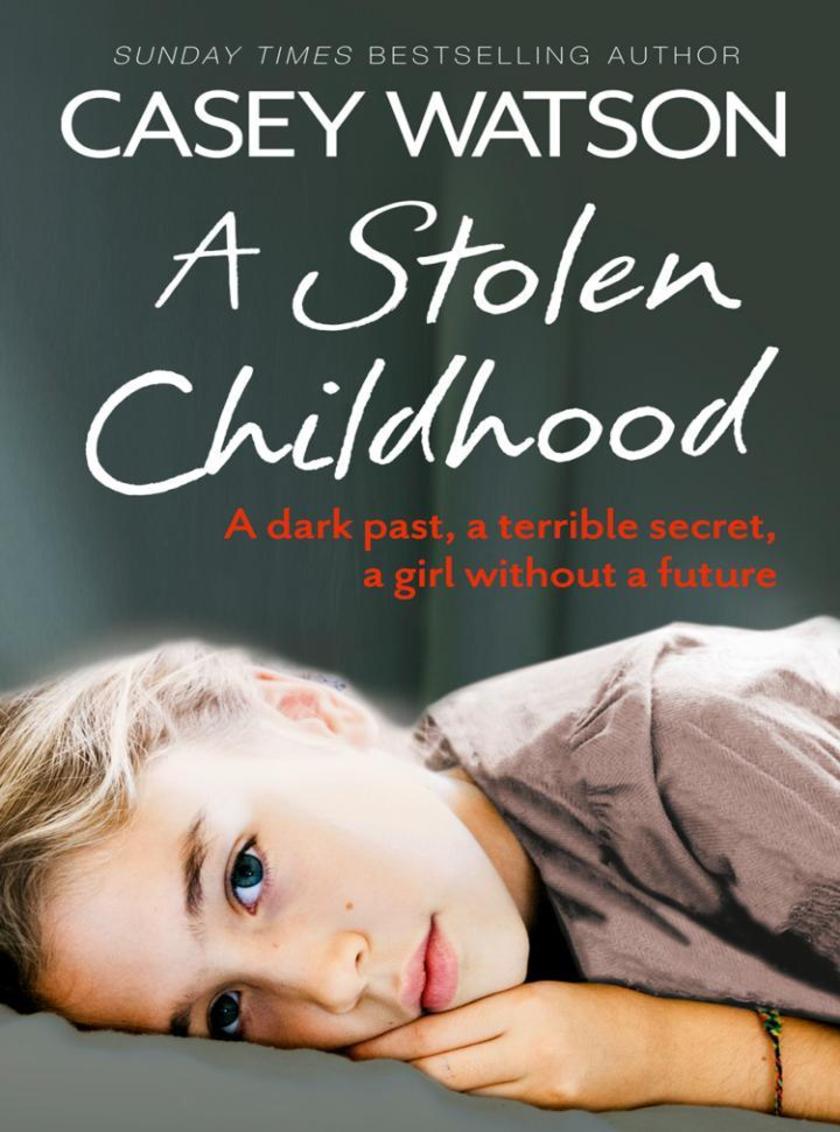
Bestselling author and teacher Casey Watson shares the horrifying true story of Kiera Bentley, a 12-year-old girl with a deeply shocking secret she’s too young to even understand. When Casey first meets Kiera, a small slight girl who’s just lashed out at a fellow pupil in assembly, she immediately senses something’s wrong. Something in Kiera’s eyes alerts Casey that this is an “old head on young shoulders”, and with Kiera’s constant tiredness and self-soothing habit of pulling her hair out, she follows her instinct and takes Kiera under her wing. At first the answer seems simple enough; Kiera’s parents aren’t together and they don’t get on, which makes life hard for Kiera as she’s so close to her dad. But as the weeks roll on, Casey begins to understand that there’s something much darker going on behind closed doors. And when she finally learns the truth, she’s terrified she won’t be able to save Kiera from it.

Care for Your Rabbits (RSPCA Pet Guide)
¥31.59
Published in association with the RSPCA, the UK’s leading animal welfare charity, this practical family guide is full of expert advice on how to choose a puppy and how best to look after it. If you already own or are planning to buy a puppy this easy-to-use introductory guide is a must. Clearly illustrated with colour photographs throughout, it covers all aspects of daily care including housing, feeding, hygiene, grooming, exercise and first aid. Published in association with the experts at the RSPCA, this book will help you ensure that you are giving your puppy the best possible start in life.

Care for Your Hamster (RSPCA Pet Guide)
¥32.18
Published in association with the RSPCA, the UK’s leading animal welfare charity, this practical family guide is full of expert advice on how to choose a hamster and how best to look after it. If you already own or are planning to buy a hamster this easy-to-use introductory guide is a must. Clearly illustrated with colour photographs throughout, it covers all aspects of daily care including housing, feeding, handling, hygiene, exercise and first aid. Published in association with the experts at the RSPCA, this book will help you ensure that you are giving your hamster the best possible care.


