


 购物车
购物车 个人中心
个人中心

American Railroads
¥211.90
Few scenes capture the American experience so eloquently as that of a lonely train chugging across the vastness of the Great Plains, or snaking through tortuous high mountain passes. Although this vision was eclipsed for a time by the rise of air travel and trucking, railroads have enjoyed a rebirth in recent years as profitable freight carriers.A fascinating account of the rise, decline, and rebirth of railroads in the United States, John F. Stover's American Railroads traces their history from the first lines that helped eastern seaports capture western markets to today's newly revitalized industry. Stover describes the growth of the railroads' monopoly, with the consequent need for state and federal regulations; relates the vital part played by the railroads during the Civil War and the two World Wars; and charts the railroads' decline due to the advent of air travel and trucking during the 1950s.In two new chapters, Stover recounts the remarkable recovery of the railroads, along with other pivotal events of the industry's recent history. During the 1960s declining passenger traffic and excessive federal regulation led to the federally-financed creation of Amtrak to revive passenger service and Conrail to provide freight service on bankrupt northeastern railroads. The real savior for the railroads, though, proved to be the Staggers Rail Act of 1980, which brought prosperity to rail freight carriers by substantially deregulating the industry. By 1995, renewed railroad freight traffic had reached nearly twice its former peak in 1944.Bringing both a seasoned eye and new insights to bear on one of the most American of industries, Stover has produced the definitive history of railroads in the United States.

War on Error
¥150.29
War on Error brings together the stories of twelve young people, all vastly different but all American, and all Muslim. Their approaches to religion couldn't be more diverse: from a rapper of Korean and Egyptian descent to a bisexual Sudanese American to a converted white woman from Colorado living in Cairo and wearing the hijab. These individuals, whether they were born to the religion or came to it on their own, have made their own decisions about how observant they'll be, whether or not to fast, how often to pray, and what to wear. Though each story is unique, each is also seen through the searching eyes of Melody Moezzi, herself an American Muslim of Iranian descent. She finds that the people she interviews are horrified that, in a post-9/11 world, they have seen their religion come to be represented, in the minds of many Americans, by terrorism. These thoughtful and articulate individuals represent the truth about the faith and its adherents who are drawn to the logic, compassion, and tolerance they find in Muslim teachings. Moezzi, ever comfortable with contradiction and nuance, is a likable narrator whose underlying assumption that "e;faith is greater than dogma"e; is strengthened as she learns more about her religion and faces her own biases and blind spots. This fresh new voice, combined with the perceptions and experiences of her fellow American Muslims, make for a read that is both illuminating and enjoyable.
Measuring Capital in the New Economy
¥1024.16
As the accelerated technological advances of the past two decades continue to reshape the United States' economy, intangible assets and high-technology investments are taking larger roles. These developments have raised a number of concerns, such as: how do we measure intangible assetsAre we accurately appraising newer, high-technology capitalThe answers to these questions have broad implications for the assessment of the economy's growth over the long term, for the pace of technological advancement in the economy, and for estimates of the nation's wealth.In Measuring Capital in the New Economy, Carol Corrado, John Haltiwanger, Daniel Sichel, and a host of distinguished collaborators offer new approaches for measuring capital in an economy that is increasingly dominated by high-technology capital and intangible assets. As the contributors show, high-tech capital and intangible assets affect the economy in ways that are notoriously difficult to appraise. In this detailed and thorough analysis of the problem and its solutions, the contributors study the nature of these relationships and provide guidance as to what factors should be included in calculations of different types of capital for economists, policymakers, and the financial and accounting communities alike.
Improbability of Othello
¥488.54
Shakespeare's dramatis personae exist in a world of supposition, struggling to connect knowledge that cannot be had, judgments that must be made, and actions that need to be taken.For them, probability-what they and others might be persuaded to believe-governs human affairs, not certainty. Yet negotiating the space of probability is fraught with difficulty. Here, Joel B. Altman explores the problematics of probability and the psychology of persuasion in Renaissance rhetoric and Shakespeare's theater.Focusing on the Tragedy of Othello, Altman investigates Shakespeare's representation of the self as a specific realization of tensions pervading the rhetorical culture in which he was educated and practiced his craft. In Altman's account, Shakespeare also restrains and energizes his audiences' probabilizing capacities, alternately playing the skeptical critic and dramaturgic trickster. A monumental work of scholarship by one of America's most respected scholars of Renaissance literature, The Improbability of Othello contributes fresh ideas to our understanding of Shakespeare's conception of the self, his shaping of audience response, and the relationship of actors to his texts.
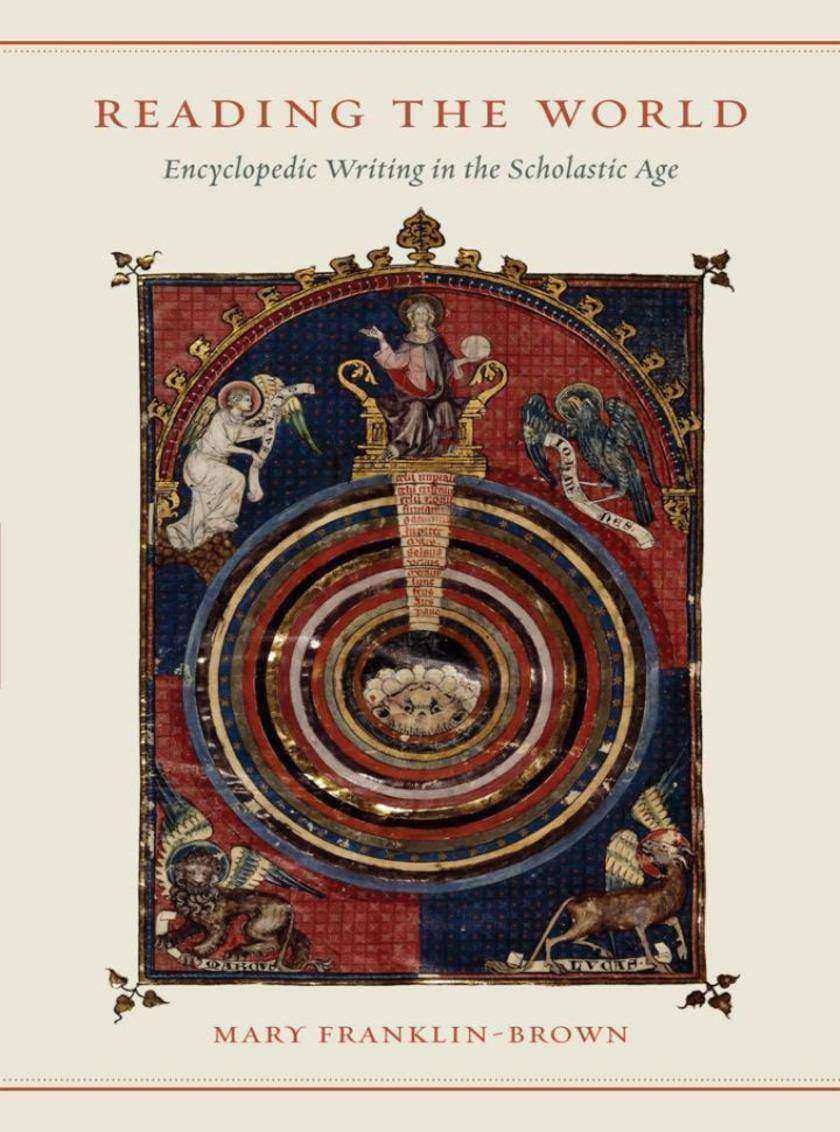
Reading the World
¥488.54
The thirteenth century saw such a proliferation of new encyclopedic texts that more than one scholar has called it the "e;century of the encyclopedias."e; Variously referred to as a speculum, thesaurus, or imago mundi-the term encyclopedia was not commonly applied to such books until the eighteenth century-these texts were organized in such a way that a reader could easily locate a collection of authoritative statements on any given topic. Because they reproduced, rather than simply summarized, parts of prior texts, these compilations became libraries in miniature.?In this groundbreaking study, Mary Franklin-Brown examines writings in Latin, Catalan, and French that are connected to the encyclopedic movement: Vincent of Beauvais's Speculum maius; Ramon Llull's Libre de meravelles, Arbor scientiae, and Arbre de filosofia d'amor; and Jean de Meun's continuation of the Roman de la Rose. Franklin-Brown analyzes the order of knowledge in these challenging texts, describing the wide-ranging interests, the textual practices-including commentary, compilation, and organization-and the diverse discourses that they absorb from preexisting classical, patristic, and medieval writing. She also demonstrates how these encyclopedias, like libraries, became "e;heterotopias"e; of knowledge-spaces where many possible ways of knowing are juxtaposed.?But Franklin-Brown's study will not appeal only to historians: she argues that a revised understanding of late medievalism makes it possible to discern a close connection between scholasticism and contemporary imaginative literature. She shows how encyclopedists employed the same practices of figuration, narrative, and citation as poets and romanciers, while much of the difficulty of the imaginative writing of this period derives from a juxtaposition of heterogeneous discourses inspired by encyclopedias.With rich and innovative readings of texts both familiar and neglected, Reading the World reveals how the study of encyclopedism can illuminate both the intellectual work and the imaginative writing of the scholastic age.
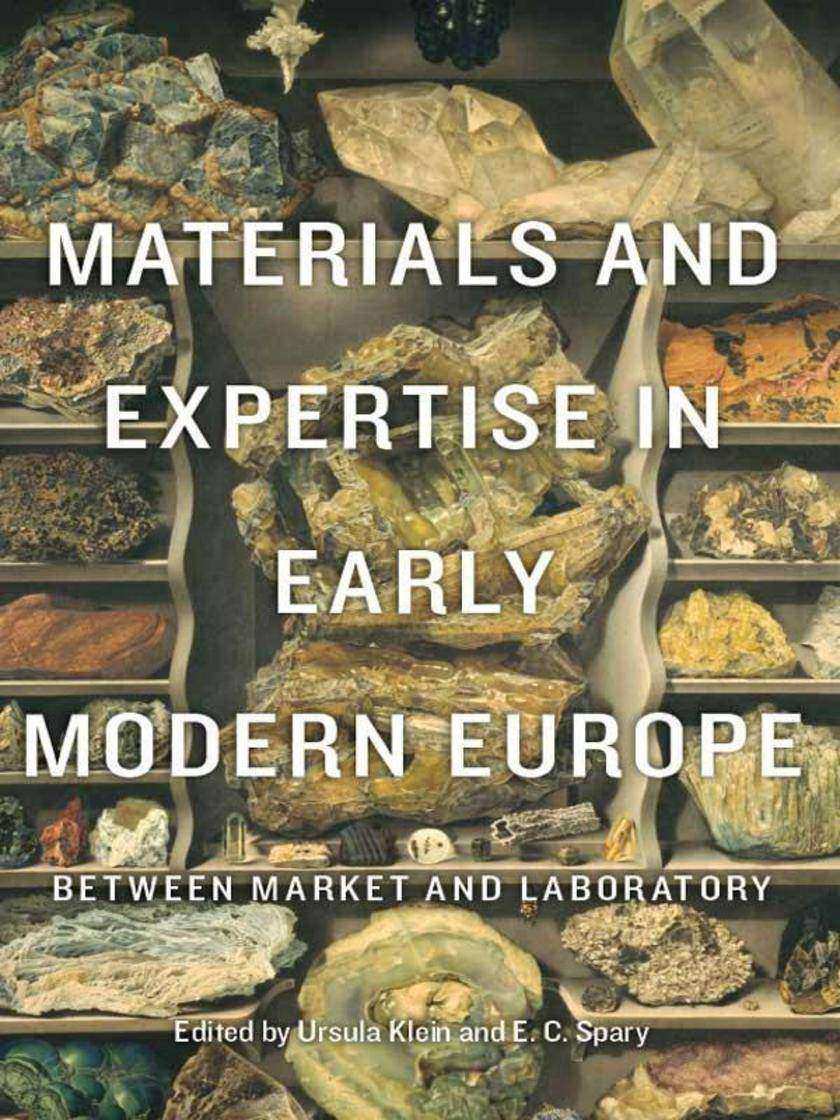
Materials and Expertise in Early Modern Europe
¥488.54
It is often assumed that natural philosophy was the forerunner of early modern natural sciences. But where did these sciences' systematic observation and experimentation get their startsIn Materials and Expertise in Early Modern Europe, the laboratories, workshops, and marketplaces emerge as arenas where hands-on experience united with higher learning. In an age when chemistry, mineralogy, geology, and botany intersected with mining, metallurgy, pharmacy, and gardening, materials were objects that crossed disciplines.Here, the contributors tell the stories of metals, clay, gunpowder, pigments, and foods, and thereby demonstrate the innovative practices of technical experts, the development of the consumer market, and the formation of the observational and experimental sciences in the early modern period. Materials and Expertise in Early Modern Europe showcases a broad variety of forms of knowledge, from ineffable bodily skills and technical competence to articulated know-how and connoisseurship, from methods of measuring, data gathering, and classification to analytical and theoretical knowledge. By exploring the hybrid expertise involved in the making, consumption, and promotion of various materials, and the fluid boundaries they traversed, the book offers an original perspective on important issues in the history of science, medicine, and technology.
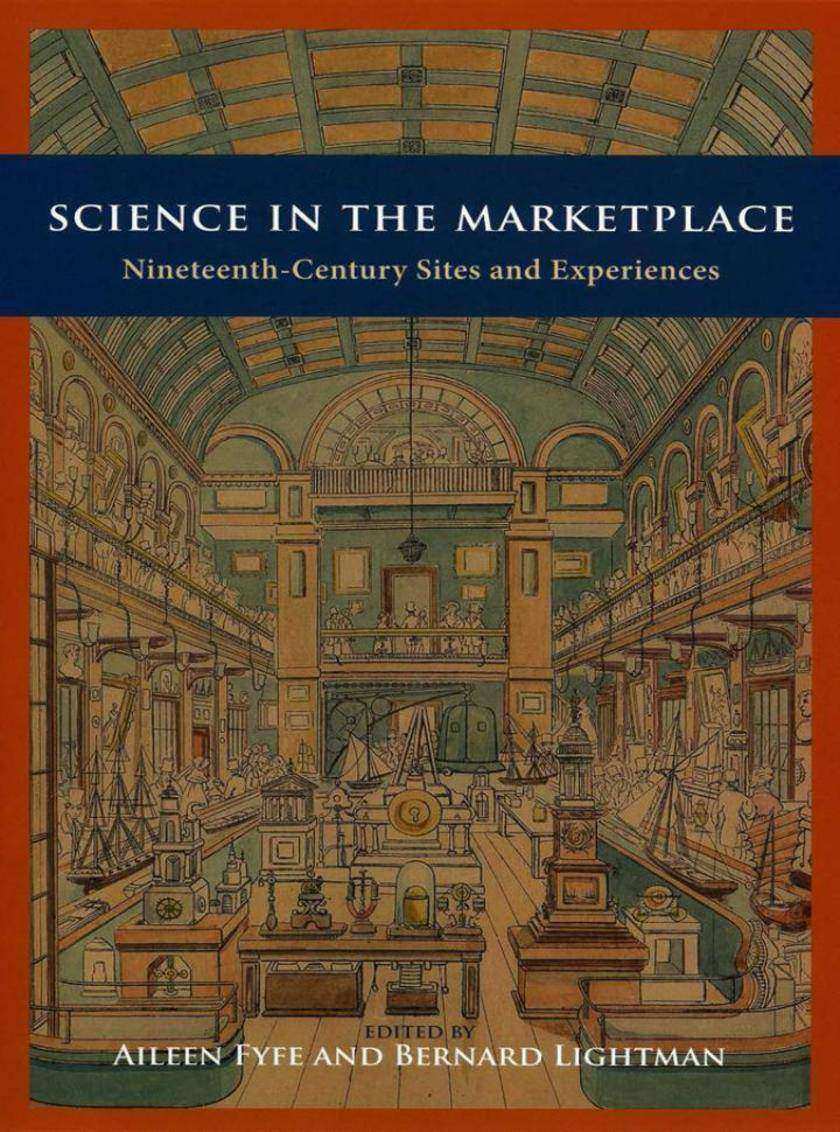
Science in the Marketplace
¥447.34
The nineteenth century was an age of transformation in science, when scientists were rewarded for their startling new discoveries with increased social status and authority.But it was also a time when ordinary people from across the social spectrum were given the opportunity to participate in science, for education, entertainment, or both. In Victorian Britain science could be encountered in myriad forms and in countless locations: in panoramic shows, exhibitions, and galleries; in city museums and country houses; in popular lectures; and even in domestic conversations that revolved around the latest books and periodicals.Science in the Marketplace reveals this other side of Victorian scientific life by placing the sciences in the wider cultural marketplace, ultimately showing that the creation of new sites and audiences was just as crucial to the growing public interest in science as were the scientists themselves. By focusing attention on the scientific audience, as opposed to the scientific community or self-styled popularizers, Science in the Marketplace ably links larger societal changes-in literacy, in industrial technologies, and in leisure-to the evolution of "e;popular science."e;
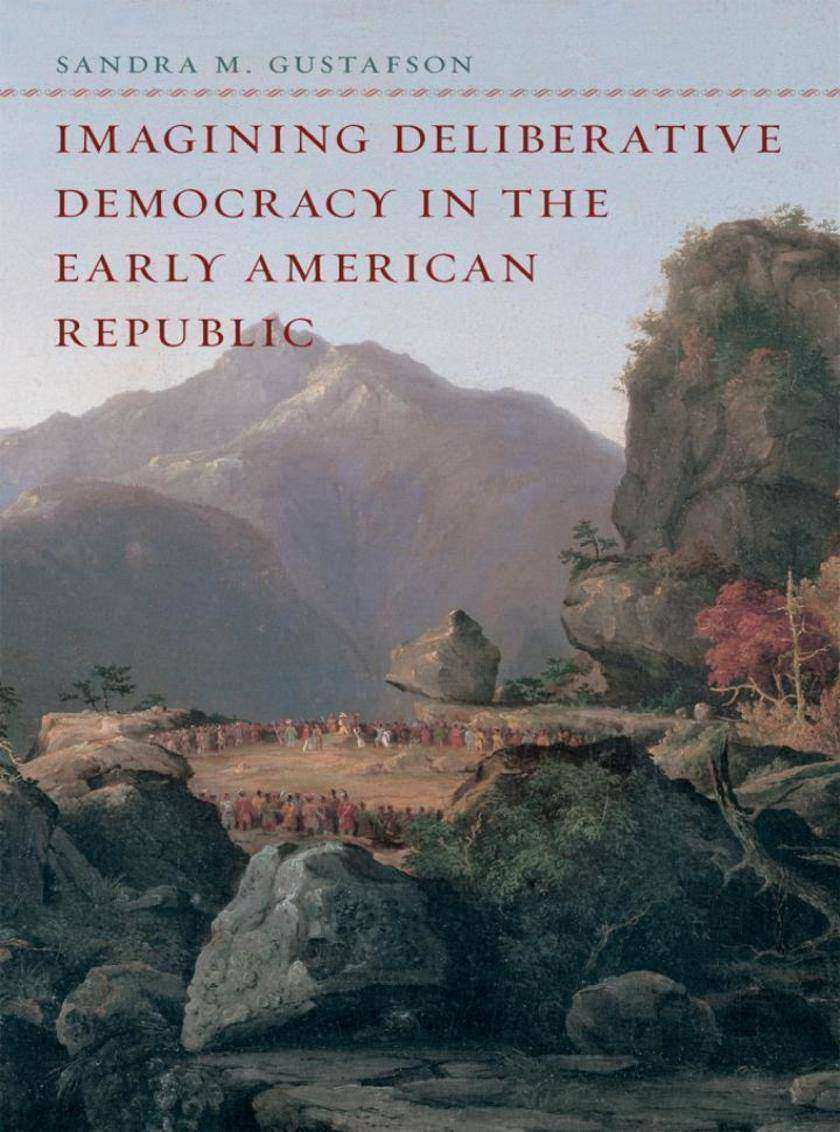
Imagining Deliberative Democracy in the Early American Republic
¥447.34
Deliberation, in recent years, has emerged as a form of civic engagement worth reclaiming. In this persuasive book, Sandra M. Gustafson combines historical literary analysis and political theory in order to demonstrate that current democratic practices of deliberation are rooted in the civic rhetoric that flourished in the early American republic.Though the U.S. Constitution made deliberation central to republican self-governance, the ethical emphasis on group deliberation often conflicted with the rhetorical focus on persuasive speech. From Alexis de Tocqueville's ideas about the deliberative basis of American democracy through the works of Walt Whitman, John Dewey, John F. Kennedy, and Martin Luther King Jr., Gustafson shows how writers and speakers have made the aesthetic and political possibilities of deliberation central to their autobiographies, manifestos, novels, and orations. Examining seven key writers from the early American republic-including James Fenimore Cooper, David Crockett, and Daniel Webster-whose works of deliberative imagination explored the intersections of style and democratic substance, Gustafson offers a mode of historical and textual analysis that displays the wide range of resources imaginative language can contribute to political life.

Combating Jihadism
¥247.21
Although terrorism is an age-old phenomenon, jihadi ideology is distinctive in its ambition to abandon the principle of state sovereignty, overthrow the modern state system, and replace it with an extremely radical interpretation of an Islamic world order. These characteristics reflect a radical break from traditional objectives promoted by terrorist groups. In Combating Jihadism Barak Mendelsohn argues that the distinctiveness of the al-Qaeda threat led the international community to change its approach to counterterrorism. Contrary to common yet erroneous conceptions, the United States, in its role as a hegemon, was critical for the formulation of a multilateral response.While most analyses of hegemony have focused on power, Mendelsohn firmly grounds the phenomenon in a web of shared norms and rules relating to the hegemon's freedom of action. Consequently, he explains why US leadership in counterterrorism efforts was in some spheres successful, when in others it failed or did not even seek to establish multilateral collaborative frameworks. Tracing the ways in which international cooperation has stopped terrorist efforts, Combating Jihadism provides a nuanced, innovative, and timely reinterpretation of the war on terrorism and the role of the United States in leading the fight against al-Qaeda and its affiliates.
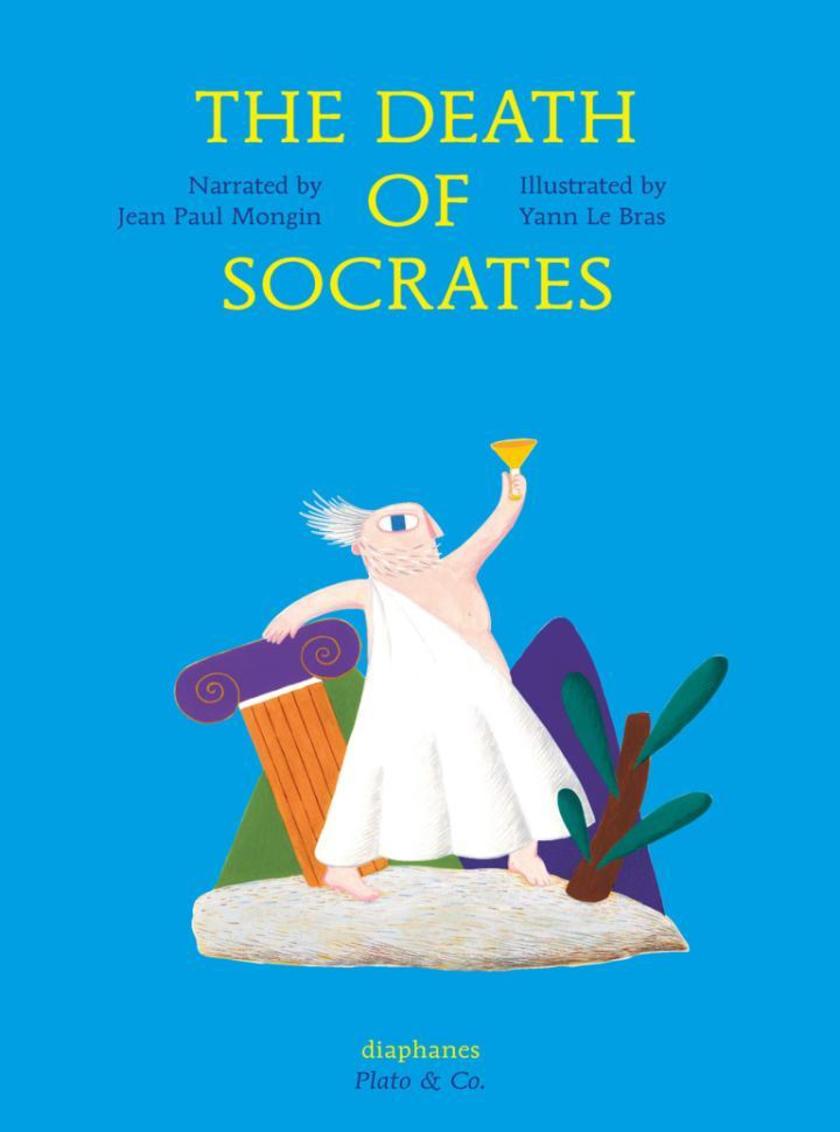
Death of Socrates
¥123.61
At its most basic, philosophy is about learning how to think about the world around us. It should come as no surprise, then, that children make excellent philosophers! Naturally inquisitive, pint-size scholars need little prompting before being willing to consider life's "e;big questions,"e; however strange or impractical. Plato & Co. introduces children-and curious grown-ups-to the lives and work of famous philosophers, from Descartes to Socrates, Einstein, Marx, and Wittgenstein. Each book in the series features an engaging-and often funny-story that presents basic tenets of philosophical thought alongside vibrant color illustrations."e;Tell us, Delphic Oracle, who is the wisest man in all of Greece?"e; So begins The Death of Socrates. No mortal man is wiser than Socrates, who, on his daily walks through Athens, talks to all the people he meets. When the person he talks to takes himself to be very wise, Socrates asks so many questions that the person ends up admitting he knows nothing. When he runs into people who know little, Socrates sets them on the way to wisdom. But not everyone shares Socrates's love for the truth. When the people of Athens become angry with him for his ceaseless questioning, how will he find the courage to continue to speak the truth Plato & Co.'s clear approach and charming illustrations make this series the perfect addition to any little library.

On Creaturely Life
¥241.33
In his Duino Elegies, Rainer Maria Rilke suggests that animals enjoy direct access to a realm of being-the open-concealed from humans by the workings of consciousness and self-consciousness. In his own reading of Rilke, Martin Heidegger reclaims the open as the proper domain of human existence but suggests that human life remains haunted by vestiges of an animal-like relation to its surroundings. Walter Benjamin, in turn, was to show that such vestiges-what Eric Santner calls the creaturely-have a biopolitical aspect: they are linked to the processes that inscribe life in the realm of power and authority.?Santner traces this theme of creaturely life from its poetic and philosophical beginnings in the first half of the twentieth century to the writings of the enigmatic German novelist W. G. Sebald. Sebald's entire oeuvre, Santner argues, can be seen as an archive of creaturely life. For Sebald, the work on such an archive was inseparable from his understanding of what it means to engage ethically with another person's history and pain, an engagement that transforms us from indifferent individuals into neighbors.?An indispensable book for students of Sebald, On Creaturely Life is also a significant contribution to critical theory.
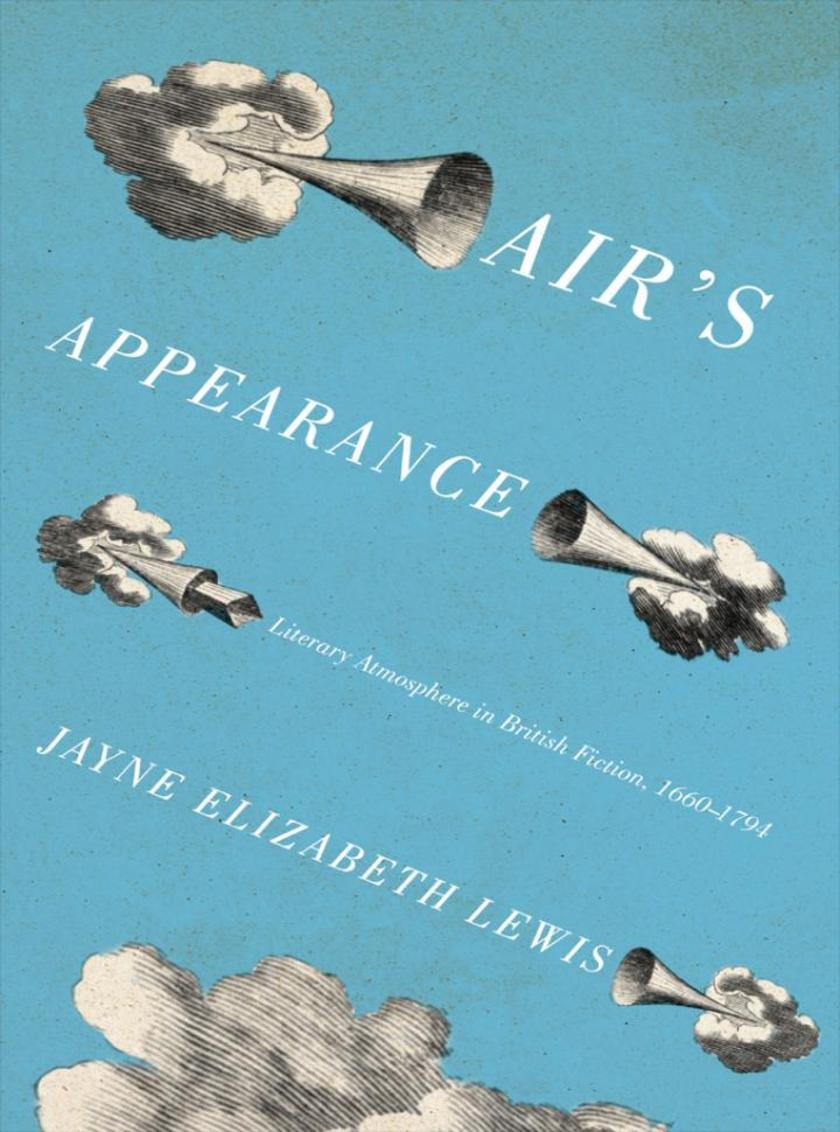
Air's Appearance
¥394.36
In Air's Appearance, Jayne Elizabeth Lewis enlists her readers in pursuit of the elusive concept of atmosphere in literary works. She shows how diverse conceptions of air in the eighteenth century converged in British fiction, producing the modern literary sense of atmosphere and moving novelists to explore the threshold between material and immaterial worlds.?Air's Appearance links the emergence of literary atmosphere to changing ideas about air and the earth's atmosphere in natural philosophy, as well as to the era's theories of the supernatural and fascination with social manners-or, as they are now known, "e;airs."e; Lewis thus offers a striking new interpretation of several standard features of the Enlightenment-the scientific revolution, the decline of magic, character-based sociability, and the rise of the novel-that considers them in terms of the romance of air that permeates and connects them. As it explores key episodes in the history of natural philosophy and in major literary works like Paradise Lost, "e;The Rape of the Lock,"e; Robinson Crusoe, and The Mysteries of Udolpho, this book promises to change the atmosphere of eighteenth-century studies and the history of the novel.

Trams or Tailfins?
¥394.36
In the years that followed World War II, both the United States and the newly formed West German republic had an opportunity to remake their economies. Since then, much has been made of a supposed "e;Americanization"e; of European consumer societies-in Germany and elsewhere. Arguing against these foggy notions, Jan L. Logemann takes a comparative look at the development of postwar mass consumption in West Germany and the United States and the emergence of discrete consumer modernities.?In Trams or Tailfins?, Logemann explains how the decisions made at this crucial time helped to define both of these economic superpowers in the second half of the twentieth century. While Americans splurged on private cars and bought goods on credit in suburban shopping malls, Germans rebuilt public transit and developed pedestrian shopping streets in their city centers-choices that continue to shape the quality and character of life decades later. Outlining the abundant differences in the structures of consumer society, consumer habits, and the role of public consumption in these countries, Logemann reveals the many subtle ways that the spheres of government, society, and physical space define how we live.
School, Society, and State
¥394.36
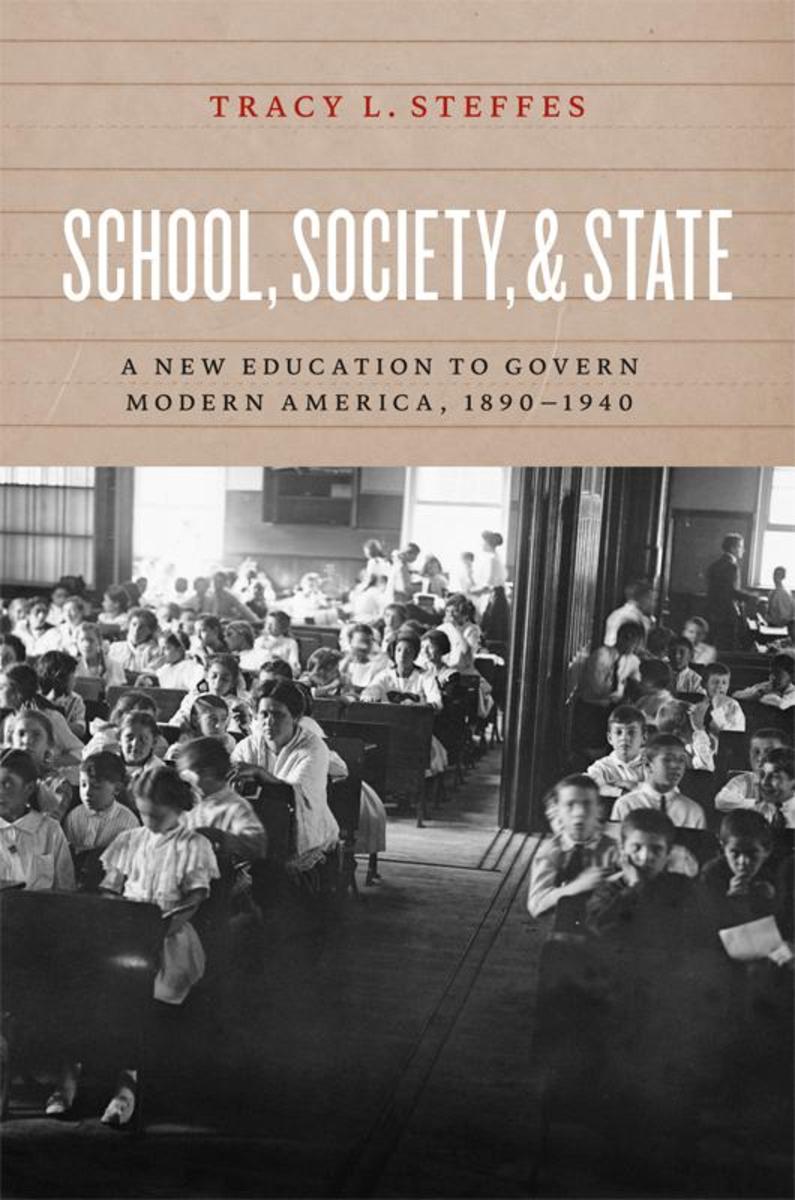
"e;Democracy has to be born anew every generation, and education is its midwife,"e; wrote John Dewey in his classic work The School and Society. In School, Society, and State, Tracy Steffes places that idea at the center of her exploration of the connections between public school reform in the early twentieth century and American political development from 1890 to 1940.American public schooling, Steffes shows, was not merely another reform project of the Progressive Era, but a central one. She addresses why Americans invested in public education and explains how an array of reformers subtly transformed schooling into a tool of social governance to address the consequences of industrialization and urbanization. By extending the reach of schools, broadening their mandate, and expanding their authority over the well-being of children, the state assumed a defining role in the education-and in the lives-of American families.In School, Society, and State, Steffes returns the state to the study of the history of education and brings the schools back into our discussion of state power during a pivotal moment in American political development.
Debate of the Romance of the Rose
¥353.16
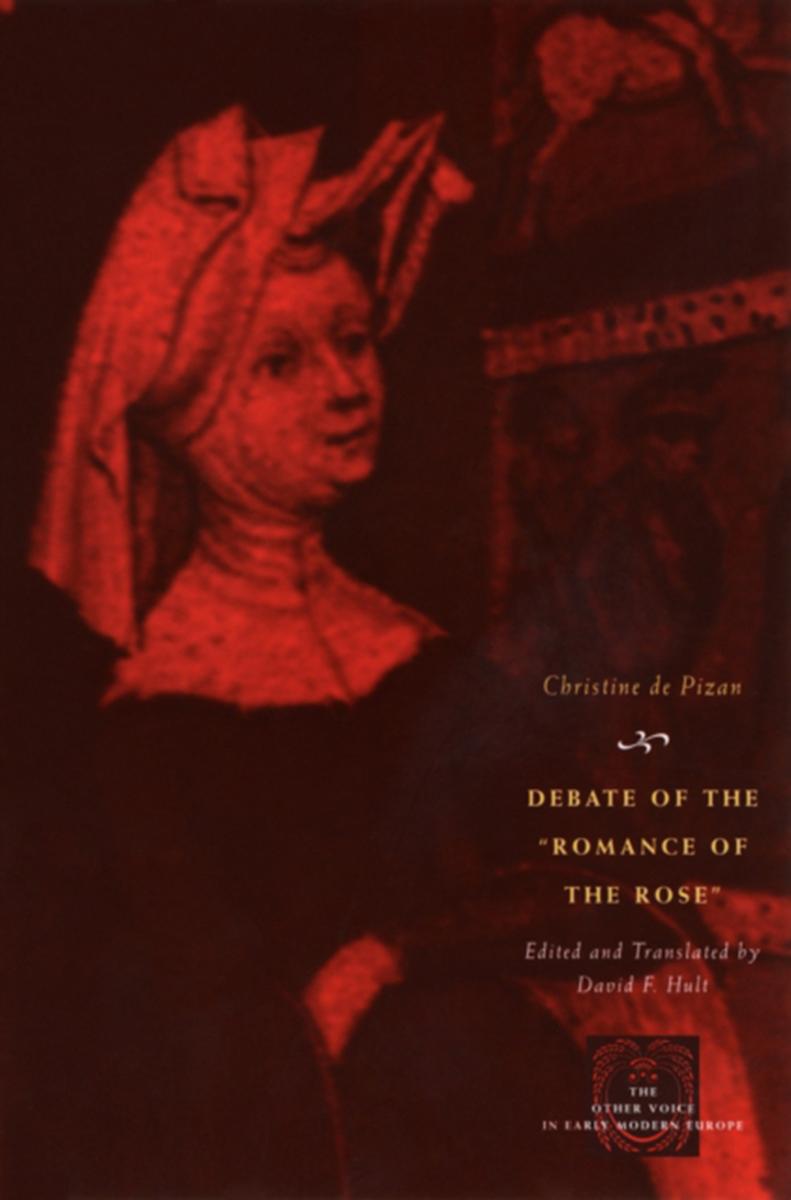
In 1401, Christine de Pizan (1365-1430?), one of the most renowned and prolific woman writers of the Middle Ages, wrote a letter to the provost of Lille criticizing the highly popular and widely read Romance of the Rose for its blatant and unwarranted misogynistic depictions of women. The debate that ensued, over not only the merits of the treatise but also of the place of women in society, started Europe on the long path to gender parity. Pizan's criticism sparked a continent-wide discussion of issues that is still alive today in disputes about art and morality, especially the civic responsibility of a writer or artist for the works he or she produces.In Debate of the "e;Romance of the Rose,"e; David Hult collects, along with the debate documents themselves, letters, sermons, and excerpts from other works of Pizan, including one from City of Ladies-her major defense of women and their rights-that give context to this debate.?Here, Pizan's supporters and detractors are heard alongside her own formidable, protofeminist voice.The resulting volume affords a rare look at the way people read and thought about literature in the period immediately preceding the era of print.
Jewish Poet and Intellectual in Seventeenth-Century Venice
¥353.16
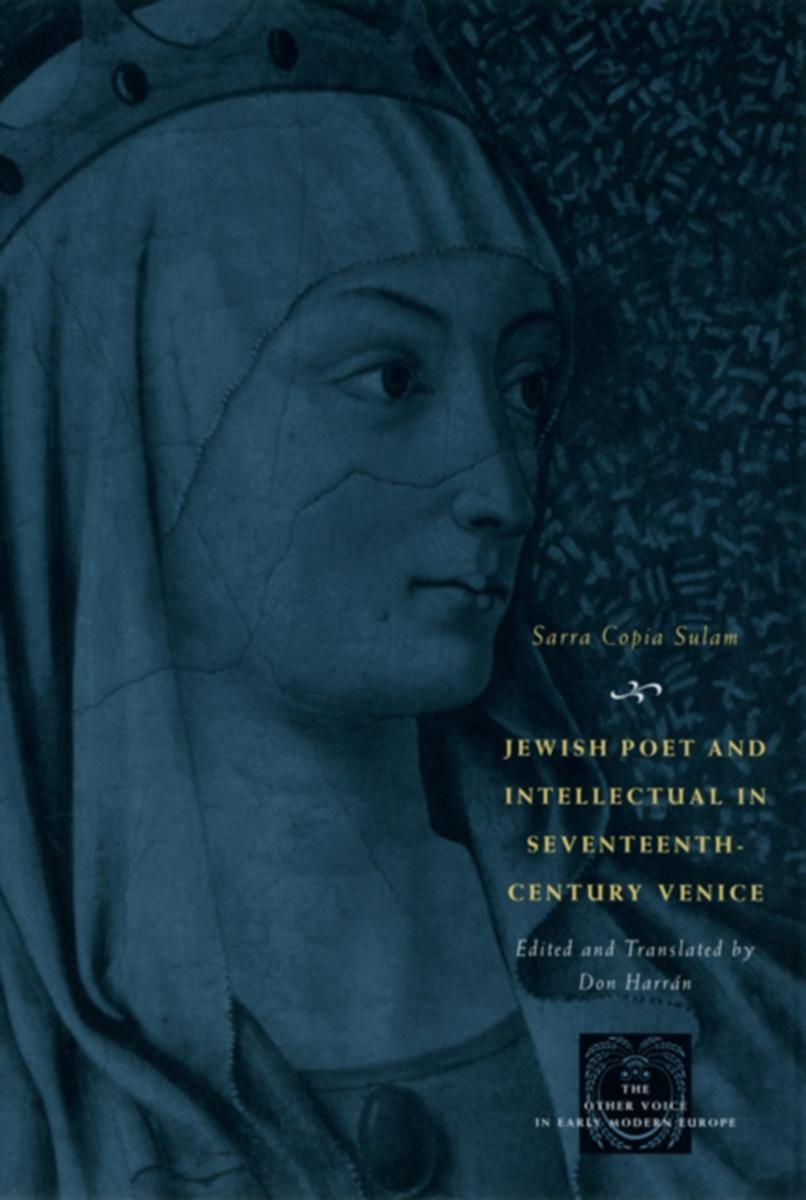
These recent achievements have their origins in things women (and some male supporters) said for the first time about six hundred years ago. Theirs is the “other voice,” in contradistinction to the “first voice,” the voice of the educated men who created Western culture. Coincident with a general reshaping of European culture in the period 1300- 1700 (called the Renaissance or early modern period), questions of female equality and op-portunity were raised that still resound and are still unresolved.

The Paradoxes of Integration
¥200.12
Tali Mendelberg and Janelle . In 1999, while at Princeton University, Tali and I started talking about race and social environments. At the time I was writing about how suburban social contexts influence civic participation, and she suggested it might be interesting to examine their impact on racial attitudes. This piqued my interest, and, working together, we published a paper examining how economic and racial contexts shaped whites' racial attitudes. A year later, while at Yale University, Janelle and I began to wonder if these same effects might be evident among minority populations as well. As an undergraduate at UCLA, Janelle had worked as a researcher on the Multi-City Study of Urban Inequality (MCSUI) and told me the data might be a great source for testing some hypotheses about interminority attitudes. Working together, we later published a paper using the Los Angeles portion of the MCSUI study. I am greatly indebted to both Tali and Janelle for helping me first engage this difficult topic and work through many core issues in this analysis.
Madwomen
¥200.12
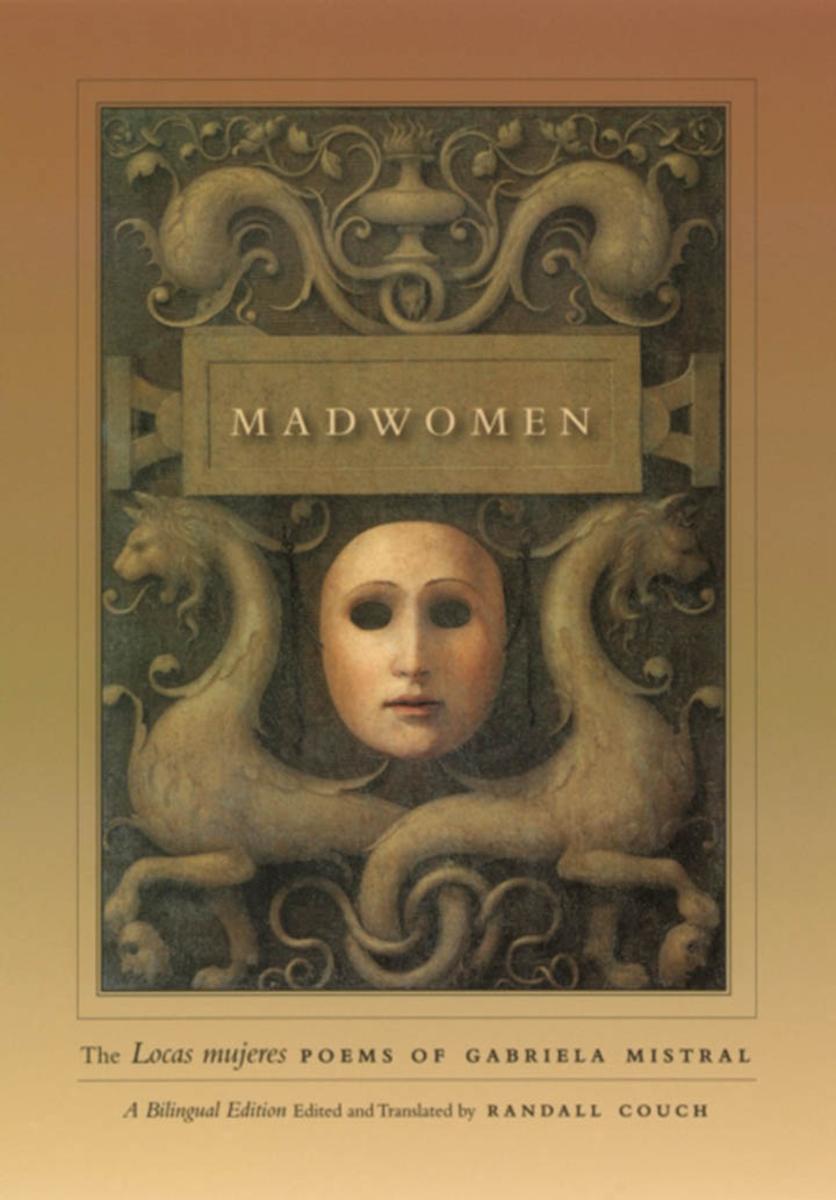
A schoolteacher whose poetry catapulted her to early fame in her native Chile and an international diplomat whose boundary-defying sexuality still challenges scholars, Gabriela Mistral (1889-1957) is one of the most important and enigmatic figures in Latin American literature of the last century. The Locas mujeres poems collected here are among Mistral's most complex and compelling, exploring facets of the self in extremis-poems marked by the wound of blazing catastrophe and its aftermath of mourning. From disquieting humor to balladlike lyricism to folkloric wisdom, these pieces enact a tragic sense of life, depicting "e;madwomen"e; who are anything but mad. Strong and intensely human, Mistral's poetic women confront impossible situations to which no sane response exists. This groundbreaking collection presents poems from Mistral's final published volume as well as new editions of posthumous work, featuring the first English-language appearance of many essential poems. Madwomen promises to reveal a profound poet to a new generation of Anglophone readers while reacquainting Spanish readers with a stranger, more complicated "e;madwoman"e; than most have ever known.
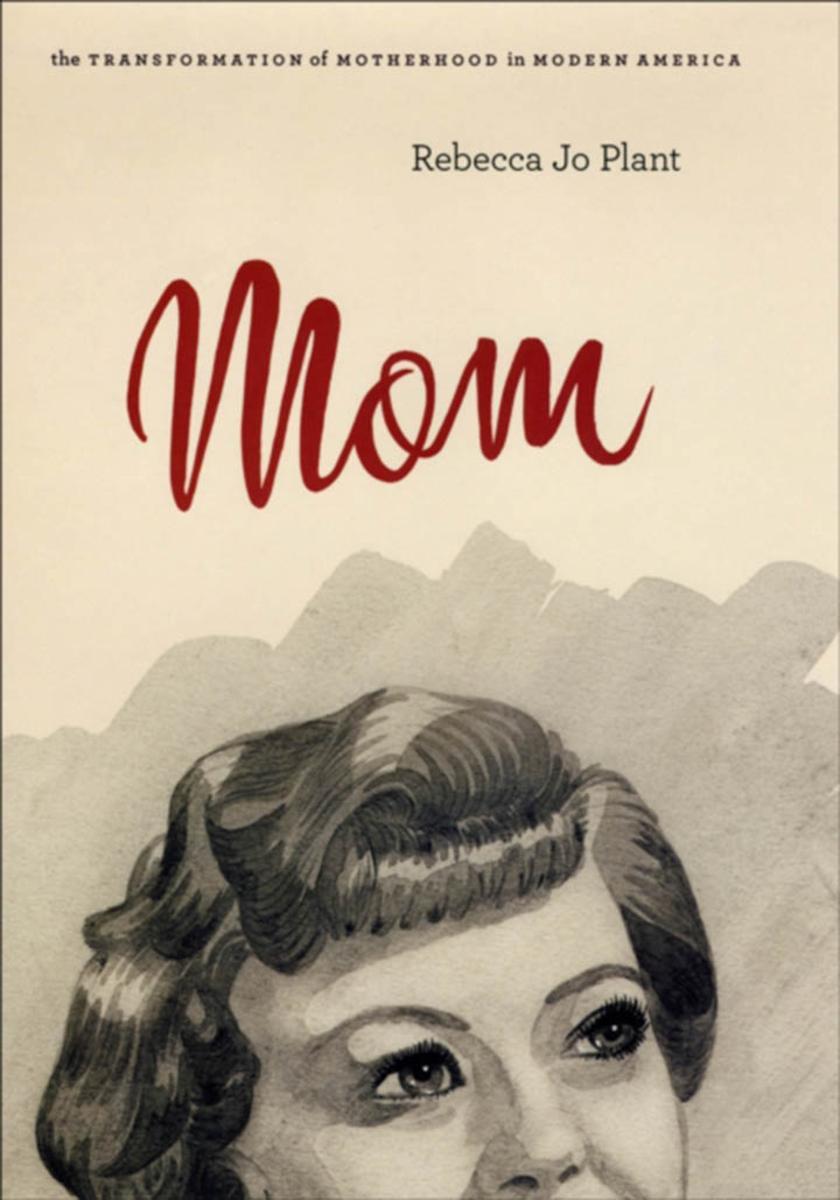
Mom
¥165.81
In the early twentieth century, Americans often waxed lyrical about "Mother Love," signaling a conception of motherhood as an all-encompassing identity, rooted in self-sacrifice and infused with social and political meaning. By the 1940s, the idealization of motherhood had waned, and the nation's mothers found themselves blamed for a host of societal and psychological ills. In Mom, Rebecca Jo Plant traces this important shift by exploring the evolution of maternalist politics, changing perceptions of the mother-child bond, and the rise of new approaches to childbirth pain and suffering.Plant argues that the assault on sentimental motherhood came from numerous quarters. Male critics who railed against female moral authority, psychological experts who hoped to expand their influence, and women who strove to be more than wives and mothers-all for their own distinct reasons-sought to discredit the longstanding maternal ideal. By showing how motherhood ultimately came to be redefined as a more private and partial component of female identity, Plant illuminates a major reorientation in American civic, social, and familial life that still reverberates today.
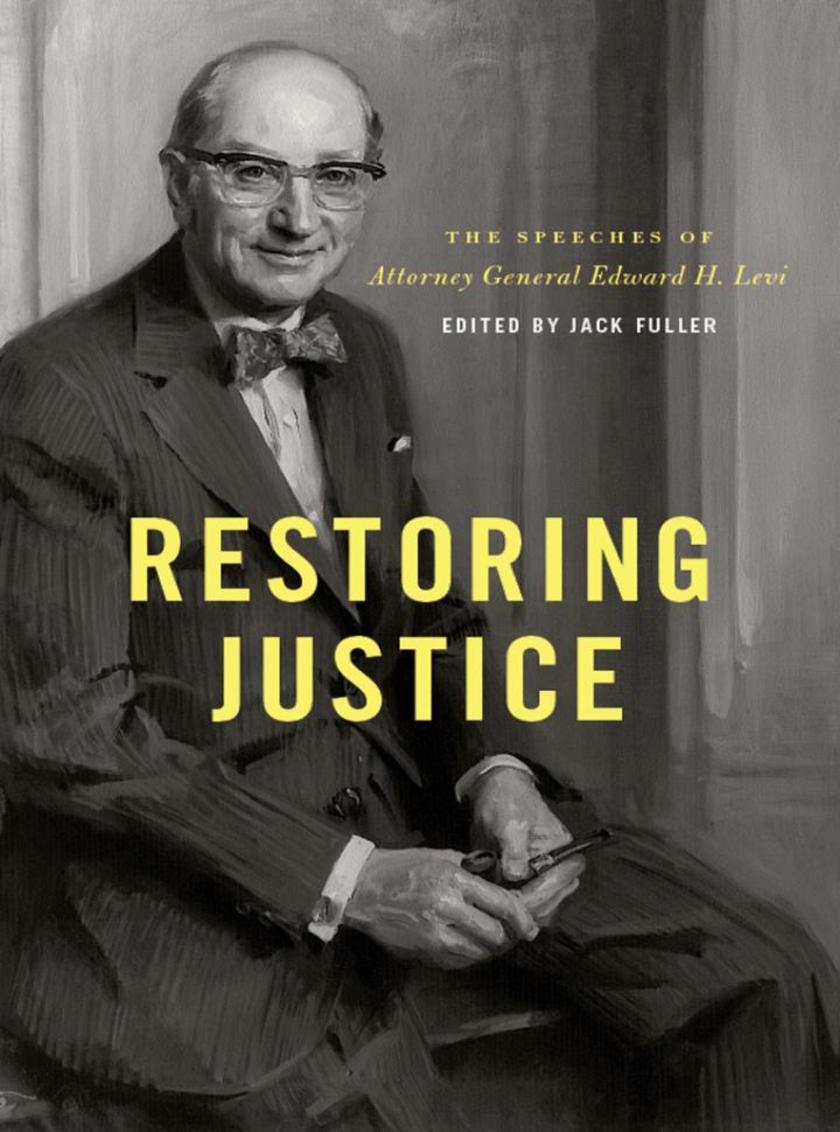
Restoring Justice
¥370.82
In the wake of Watergate, Gerald Ford appointed eminent lawyer and scholar Edward H. Levi to the post of attorney general-and thus gave him the onerous task of restoring legitimacy to a discredited Department of Justice. Levi was famously fair-minded and free of political baggage, and his inspired addresses during this tumultuous time were critical to rebuilding national trust. They reassured a tense and troubled nation that the Department of Justice would act in accordance with the principles underlying its name, operating as a nonpartisan organization under the strict rule of law.For Restoring Justice, Jack Fuller has carefully chosen from among Levi's speeches a selection that sets out the attorney general's view of the considerable challenges he faced: restoring public confidence through discussion and acts of justice, combating the corrosive skepticism of the time, and ensuring that the executive branch would behave judicially. Also included are addresses and Congressional testimonies that speak to issues that were hotly debated at the time, including electronic surveillance, executive privilege, separation of powers, antitrust enforcement, and the guidelines governing the FBI-many of which remain relevant today. Serving at an almost unprecedentedly difficult time, Levi was among the most admired attorney generals of the modern era. Published here for the first time, the speeches in Restoring Justice offer a superb sense of the man and his work.
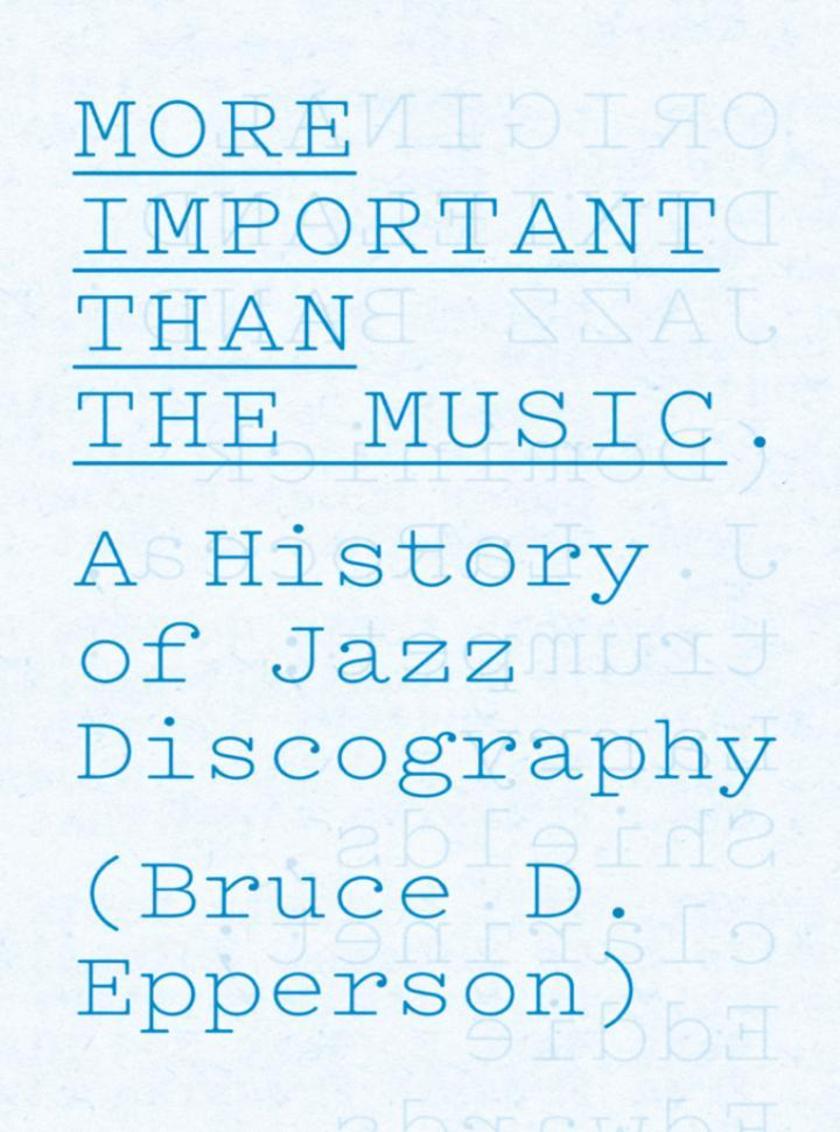
More Important Than the Music
¥370.82
Today, jazz is considered high art, America's national music, and the catalog of its recordings-its discography-is often taken for granted. But behind jazz discography is a fraught and highly colorful history of research, fanaticism, and the intense desire to know who played what, where, and when. This history gets its first full-length treatment in Bruce D. Epperson's More Important Than the Music. Following the dedicated few who sought to keep jazz's legacy organized, Epperson tells a fascinating story of archival pursuit in the face of negligence and deception, a tale that saw curses and threats regularly employed, with fisticuffs and lawsuits only slightly rarer.Epperson examines the documentation of recorded jazz from its casual origins as a novelty in the 1920s and '30s, through the overwhelming deluge of 12-inch vinyl records in the middle of the twentieth century, to the use of computers by today's discographers. Though he focuses much of his attention on comprehensive discographies, he also examines the development of a variety of related listings, such as buyer's guides and library catalogs, and he closes with a look toward discography's future. From the little black book to the full-featured online database, More Important Than the Music offers a history not just of jazz discography but of the profoundly human desire to preserve history itself.


