


 购物车
购物车 个人中心
个人中心
No One Listened
¥53.76
When Isobel and Alex came home from school to find their abusive father had brutally murdered their mother, their world was thrown into chaos. Plunged into a care system that neglected them, Isobel and Alex were expected to come to nothing, and had only each other to rely on. Isobel and Alex’s mother used to do everything with them. A full-time teacher, she dedicated herself to her children, partly in order to give them every possible opportunity in life, and partly to keep them out of the way of their increasingly eccentric, erratic and unpleasant father. Their father, a violent and frightening man, spent most of his time locked in his bedroom, a room the rest of the family never ventured into. He became increasingly bitter and angry at the outside world in general, and at his wife and children in particular. The local community feared his outbursts as much as Isobel and Alex did, but the neighbours saw far less of him as he became increasingly housebound. No one came to the Kerr’s house to visit. When Isobel was 15 and Alex 13, they came home from school to find police everywhere. Their father had stabbed their mother between fifty and sixty times with a sharpened chisel. As far as anyone could tell the attack was unprovoked and of incredible savagery, but the children were given the minimum amount of information. No one wanted to upset them unnecessarily. Their mother had been an only child and they had never been in contact with their father's family. There was no one else for them to turn to - except each other. This is an inspiring story of a brother and sister who only had each other, and a powerful testament to what can be achieved through courage and love.
The Exodus Quest
¥59.15
Fact collides with fiction in Will Adams second pulse-pounding adventure featuring the enigmatic Daniel Knox – hero of The Alexander Cipher Fact collides with fiction in Will Adams second pulse-pounding adventure featuring the enigmatic Daniel Knox. On the trail of a Dead Sea Scroll, Knox stumbles across an ancient temple being surreptitiously excavated by evangelical Christians outside Alexandria. A chase ends in tragedy with the death of Alexandria's senior archaeologist, and Knox the chief suspect. Meanwhile, Knox's partner Gaille Bonnard is baby-sitting a television crew around the ancient city of Amarna, home of the multiple mysteries of Pharaoh Akhenaten. Kidnapped by rogue soldiers, her time fast running out, she sends Knox a message hidden in a hostage video, pleading with him to come to her rescue. But Knox has problems of his own, under arrest on suspicion of murder, locked in a police cell half a country away. And the only way for him to find and save her is to crack one of the great unsolved mysteries of the ancient world.
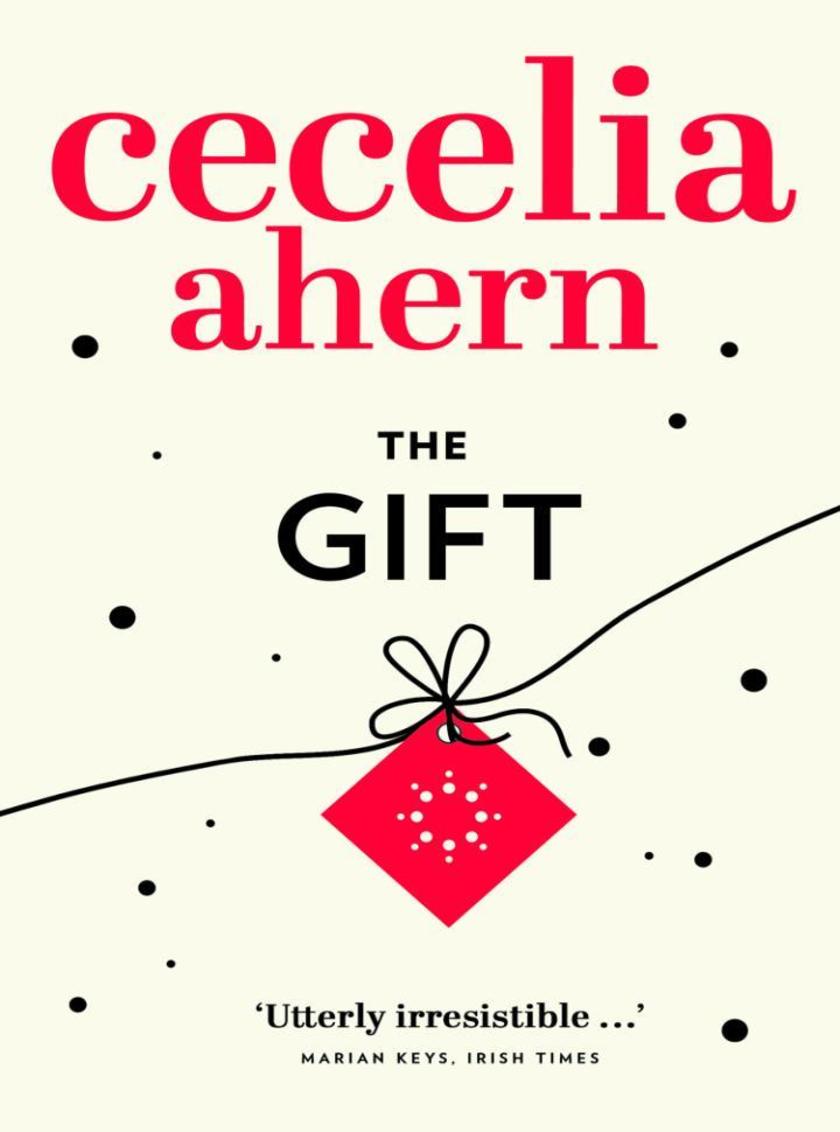
The Gift
¥58.47
Step into the magical world of Cecelia Ahern in this heartwarming bestseller. If you could wish for one gift this Christmas, what would it be? Lou Suffern wishes he could be in two places at once. His constant battle with the clock is a sensitive issue with his wife and family. Gabe wishes he was somewhere warm. When Lou invites Gabe, a homeless man who sits outside his office, into the building and into his life, Lou’s world is changed beyond all measure… An enchanting and thoughtful Christmas story that speaks to all of us abut the value of time and what is truly important in life.
Look who it is!: My Story
¥57.09
The brilliantly funny Sunday Times top ten bestseller. Alan Carr tells his life story in his own words, from growing up in a football-mad family in Northampton to his rise as one of Britain’s best-loved comedians. ‘Puberty had been unkind. Whereas it had come in the night and left the other boys with chiselled, stubbly chins and deep masculine voices, I’d been left with a huge pair of knockers and the voice of a pensioner.’ Alan Carr Alan Carr grew up in one of the most boring towns in England – Northampton. A place known for making shoes. It was also known for its football club, Northampton Town FC. Alan’s dad as manager of the club was a local hero. A dream come true for most lads, but not Alan. Alan wore glasses and had man boobs at 14. He did not like P.E. In his very first book, Alan tells his life story, (‘oh and what a life’) with his unique twist of natural, observational humour – ‘I’m not saying I’m a fantasist but there have been times when things that I’ve seen on television when I was younger have tended to seep into my subconscious and blended into my own life. I remember telling my Mum about the time I stopped that woman from having a diamond encrusted necklace stolen and she’d say ‘No Alan, that was Poirot.’ With his tongue-in-cheek, end of pier humour that made him famous, Alan describes an ordinary life in bursts of technicolour. His journey from awkward schoolboy hiding his man-boobs on the pitch, drinking tea with the dinner ladies and working in a call centre, to becoming one of our best-loved comedians likened to the great Frankie Howerd, make his book a guaranteed tickler with a laugh-out-loud gag on every page.
An Angel Called My Name: Incredible true stories from the other side
¥63.77
Following on from the hugely popular ‘Angel Saved My Life’ series comes a moving new collection of real-life stories from the Afterlife. Following the bestsellers An Angel by My Side and An Angel Held My Hand comes a brand new collection of heartwarming and inspiring real-life dramas about people who have had 'a little help' from the other side when they most needed it. Stories include: ? The shouting angel whose playful antics saved a young girl from falling down the stairs. ? The angel who prevented a woman's bad judgement becoming a tragedy. ? The whispering angel who helped a serial dieter lose weight for good. ? The angel voice that quietly guided a woman to her soul mate. ? The group of friends whose guardian angels revealed their purpose in life. ? The laughing angel who helped a lost boy find his way home. These are just some of the miraculous accounts in this inspiring new collection of true stories.
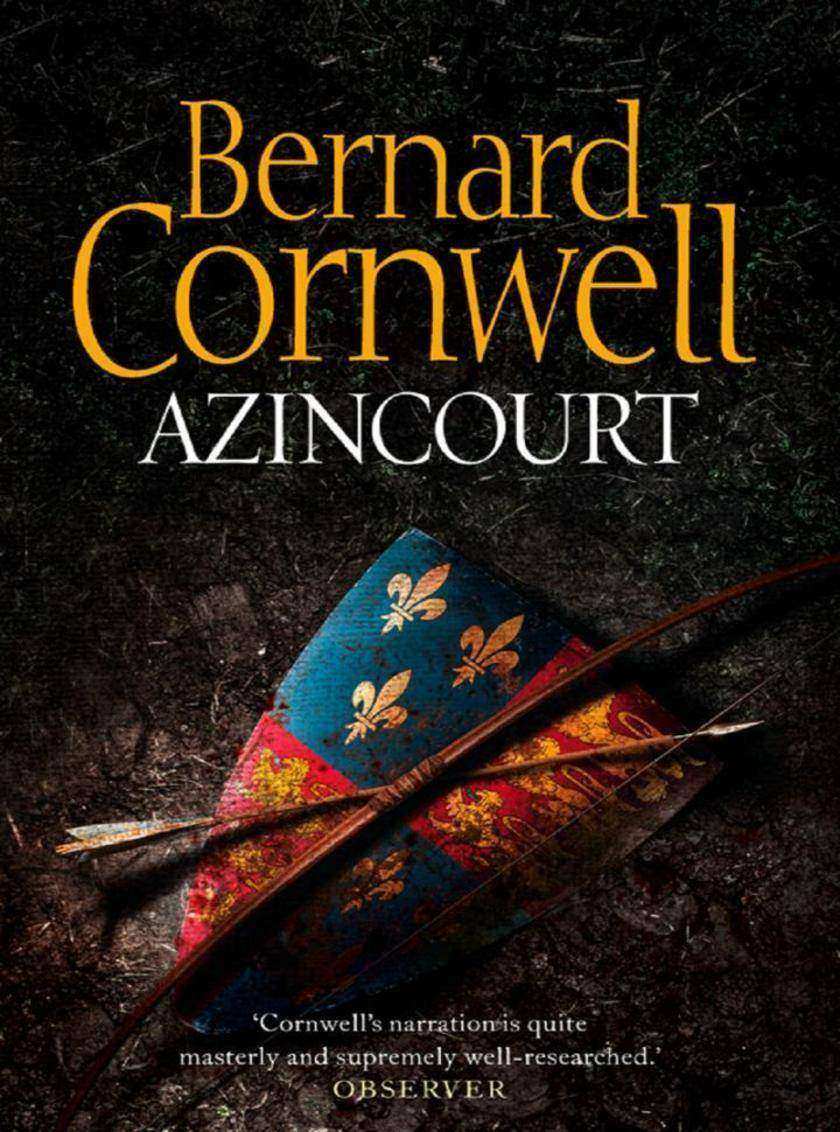
Azincourt
¥58.47
An extraordinary and dramatic depiction of the legendary battle of Agincourt from the number one historical novelist Azincourt, fought on October 25th 1415, St Crispin's Day, is one of England’s best-known battles, in part through the brilliant depiction of it in Shakespeare's Henry V, in part because it was a brilliant and unexpected English victory and in part because it was the first battle won by the use of the longbow - a weapon developed by the English which enabled them to dominate the European battlefields for the rest of the century. Bernard Cornwell’s Azincourt is a vivid, breathtaking and meticulously well-researched account of this momentous battle and its aftermath. From the varying viewpoints of nobles, peasants, archers, and horsemen, Azincourt skilfully brings to life the hours of relentless fighting, the desperation of an army crippled by disease and the exceptional bravery of the English soldiers.
Punished
¥57.09
‘Punished’ is the inspiring true story of an unusual little girl, Vanessa, whose childhood was devastated by torture and abuse at the hands of her sadistic mother. Vanessa was nearly destroyed until she discovered a secret that ultimately saved her life. From the age of 3, Vanessa lived in daily terror of her mother's unpredictable rage. If she was 'naughty', her mother would lash out at her – with beatings, torture, starvation and making Vanessa sleep in their garden's pigsty, tied up like an animal. Her mother said her punishments were God's revenge on her for being the devil's child. Her father lived in denial of her suffering. When she was 6 years old, Vanessa's grandfather began to sexually abuse her – to her despair, aided and abetted by both her mother and grandmother. At eight years old, she then discovered that the 'mother' who hated her so much had adopted her as a baby and would never love her as her own. At the most horrific times of Vanessa's abuse, she nearly lost all hope that she would escape her prison, until mysterious things started to happen to her that allowed her to fight back. This is the story of how Vanessa survived a childhood that nearly destroyed her and how her secret led her out of the horrors of her past.
The Dark Crusader
¥54.25
A classic tale of espionage, secret missions and exotic locations which out-Bonds Bond, from the acclaimed master of action and suspense. Eight job advertisements. Eight jobs. Eight specialists in modern technology required. Eight scientists to fill them. Applicants to be married, with no children, and prepared to travel. Highly persuasive salaries. One criminal mastermind. Eight positions filled. Eight scientists - and their wives - disappear. Completely. One secret agent to stop him. Advertisment no.9. Sydney, Australia. Fuel specialist required. Looks like a job for John Bentall…
Fear is the Key
¥63.77
A classic novel of ruthless revenge set in the steel jungle of an oil rig in the Gulf of Mexico – and on the sea bed below it. Now reissued in a new cover style. A sunken DC-3 lying on the Caribbean floor. Its cargo: ten million, two hundred and fifty thousand dollars in gold ingots, emeralds and uncut diamonds guarded by the remains of two men, one woman and a very small boy. The fortune was there for the taking, and ready to grab it were a blue-blooded oilman with his own offshore rig, a gangster so cold and independent that even the Mafia couldn’t do business with him and a psychopathic hired assassin. Against them stood one man, and those were his people, those skeletons in their watery coffin. His name was Talbot, and he would bury his dead – but only after he had avenged their murders.
Goodbye California
¥57.09
The classic tale of terrorism, where a criminal fanatic is hell-bent on blasting San Francisco into the ocean, from the acclaimed master of action and suspense. 'Earthquake country,' said the Professor. 'San Francisco is geologically and seismologically a city that waits to die. Los Angeles is ringed by earthquake centres - seven massive quakes so far. We have no idea where the next, the monster, will hit…' …until a criminal fanatic kidnaps a nuclear scientist and builds his own atomic bombs. If exploded on California's fault lines they could trigger off the mightiest earthquake of them all - killing half its population and dumping the entire city of San Francisco into the sea. Goodbye California…
Puppet on a Chain
¥45.62
From the acclaimed master of action and suspense. The all time classic. Paul Sherman of Interpol's Narcotics Bureau flies to Amsterdam on the trail of a dope king. With enormous skill the atmosphere is built up: Amsterdam with its canals and high houses; stolid police; psychopaths; women in distress and above all – murder.
San Andreas
¥45.62
Reissue of the classic tale of war at sea, from the acclaimed master of action and suspense. Suddenly, just before dawn, the lights went out aboard the San Andreas. For the British hospital ship sailing the deadly, U-boat patrolled Norwegian waters, a nightmare of violence and betrayal has begun. A terrifying game of sabotage in which an unknown traitor among the crew holds all the cards. The red crosses on the vessel’s sides spell anything but safety. For a dangerous secret has turned the ship into a priceless quarry. With the Captain out of action Bosun Archie McKinnon takes over. Alone in treacherous, frozen seas, her compass smashed, the San Andreas is being drawn relentlessly into the enemy’s hands.
Santorini
¥57.09
Reissue of the gripping tale of sabotage at sea, from the acclaimed master of action and suspense. In the heart of the Aegean Sea, a luxury yacht is on fire and sinking fast. Minutes later, a four-engined jet with a fire in its nose-cone crashes into the sea. Is there a sinister connection between these two tragedies? And is it an accident that the Ariadne, a NATO spy ship, is the only vessel in the vicinity - the only witness? Only Commander Talbot of the Ariadne can provide the answers as he uncovers a deadly plot involving drugs and terrorism - leading to the heart of the Pentagon.
The Satan Bug
¥57.09
Gripping and tense story of secret agents, even more secret government facilities, and a deadly virus, from the acclaimed master of action and suspense. HELL IS ABOUT TO BE UNLEASHED… Five strands of high-voltage wire, 200 yards of bare ground and double barbed wire fences patrolled by armed guards with dogs separated Mordon Research Centre from the outside world. Yet behind the locked doors of E block, a scientist lies dead, and a new toxin of terrifying power has vanished…
When Eight Bells Toll
¥63.77
From the acclaimed master of action and suspense. The all time classic Millions of pounds in gold bullion are being pirated in the Irish Sea. Investigations by the British Secret Service, and a sixth sense, have bought Philip Calvert to a bleak, lonely bay in the Western Highlands. But the sleepy atmosphere of Torbay is deceptive. The place is the focal point of many mysterious disappearances. Even the unimaginative Highland Police Sergeant seems to be acting a part. But why? This story is Alistair MacLean at his enthralling best. It has all the edge-of-the-seat suspense, and dry humour that millions of readers have devoured for years.
Day of Judgment
¥54.25
A classic thriller from Jack Higgins, the undisputed master of adrenalin packed adventure and the bestselling author of ‘The Eagle has Landed’ It’s 1963 and the eve of John F.Kennedy’s historic visit to Berlin. Locked away inside the impregnable fortress of Schloss Neustadt, Father Sean Conlin, survivor of Dachau and lifelong champion of human freedom is fighting to deny his jailers their ultimate goal. On this momentus day, when the whole world is watching they must make him admit to being a CIA hireling. But the West is determined to save him, and gambling with their lives a small band of men begin a daring rescue mission that could change the course of history.
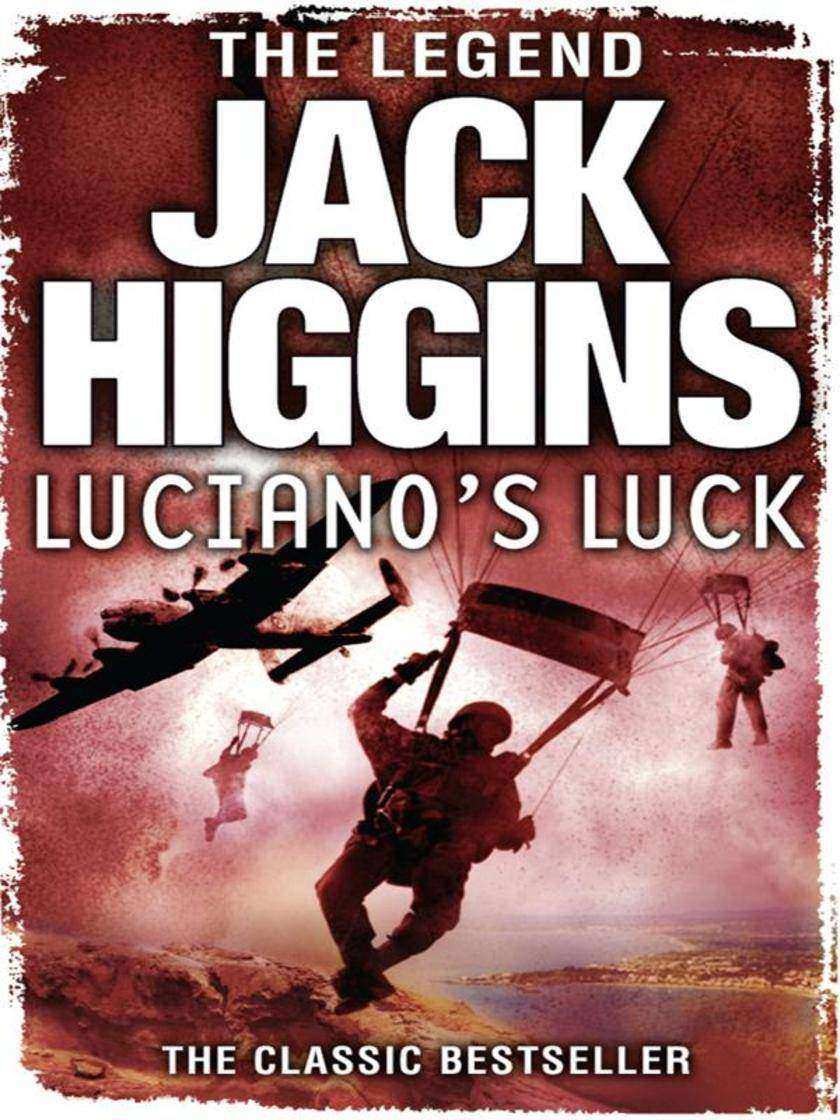
Luciano’s Luck
¥57.09
The brilliant suspense thriller from the author of THE EAGLE HAS LANDED, set in the wartime battlegrounds of the Mediterranean. A brilliant suspense thriller from the wartime battlegrounds of the Mediterranean. In the historic summer offensive of 1943, the Allies stand ready to invade Sicily. The cost will be high in lives and time, unless the Sicilians themselves can be persuaded to rise against their Nazi oppressors. Only the Mafia can command an uprising – and the Godfather refuses to fight… Desperate action is needed to dent Hitler's evil pride. Someone who understands Mafia ways, and knows how to earn the loyalty the Allies crave. Someone who isn't afraid of killing his own…
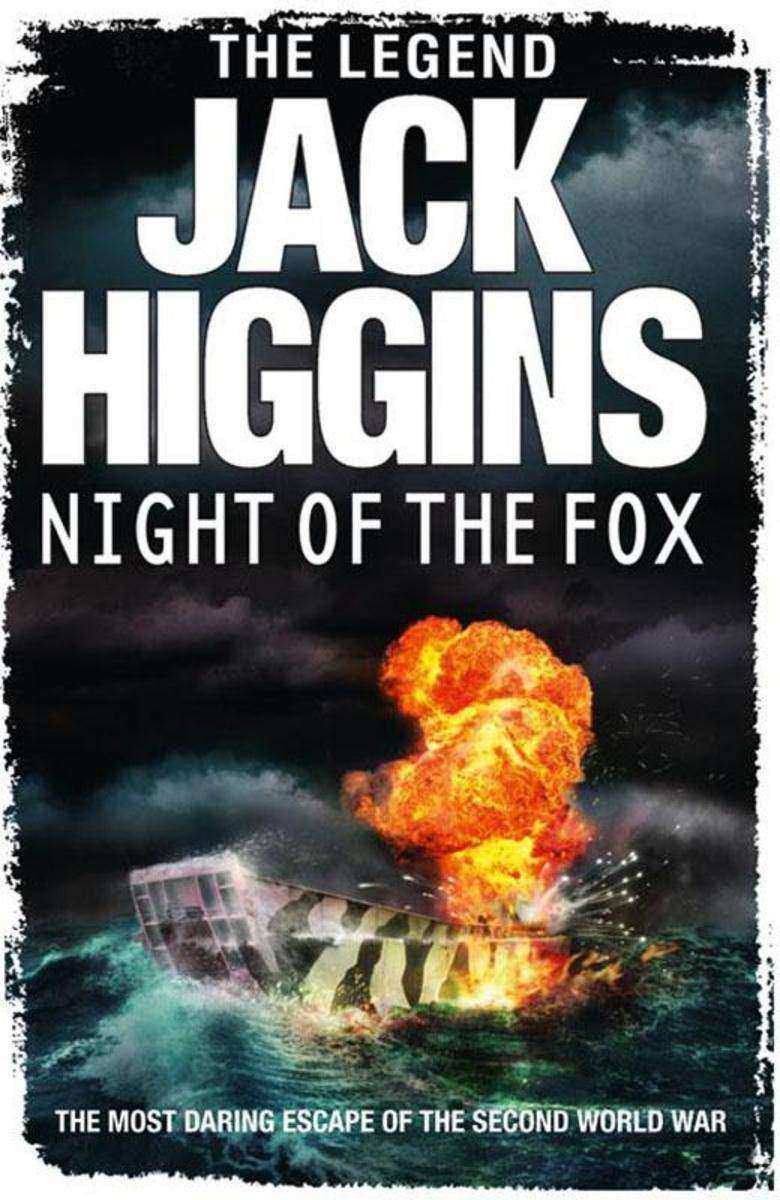
Night of the Fox
¥61.51
A classic thriller featuring the most daring escape of the Second World War, from the Sunday Times bestselling author of The Eagle Has Landed. American Colonel Hugh Kelso is washed ashore on German-held Jersey in Spring 1944, with top-secret D-Day plans in his possession. To get him back, the most daring escape of the Second World War must be planned and executed. Harry Martineau, bilingual philosophy professor turned assassin, and Sarah Drayton, a beautiful, half-French Jersey native, are selected to carry out the mission, and set off to steal the most precious Allied asset from under the noses of the Nazis. . .
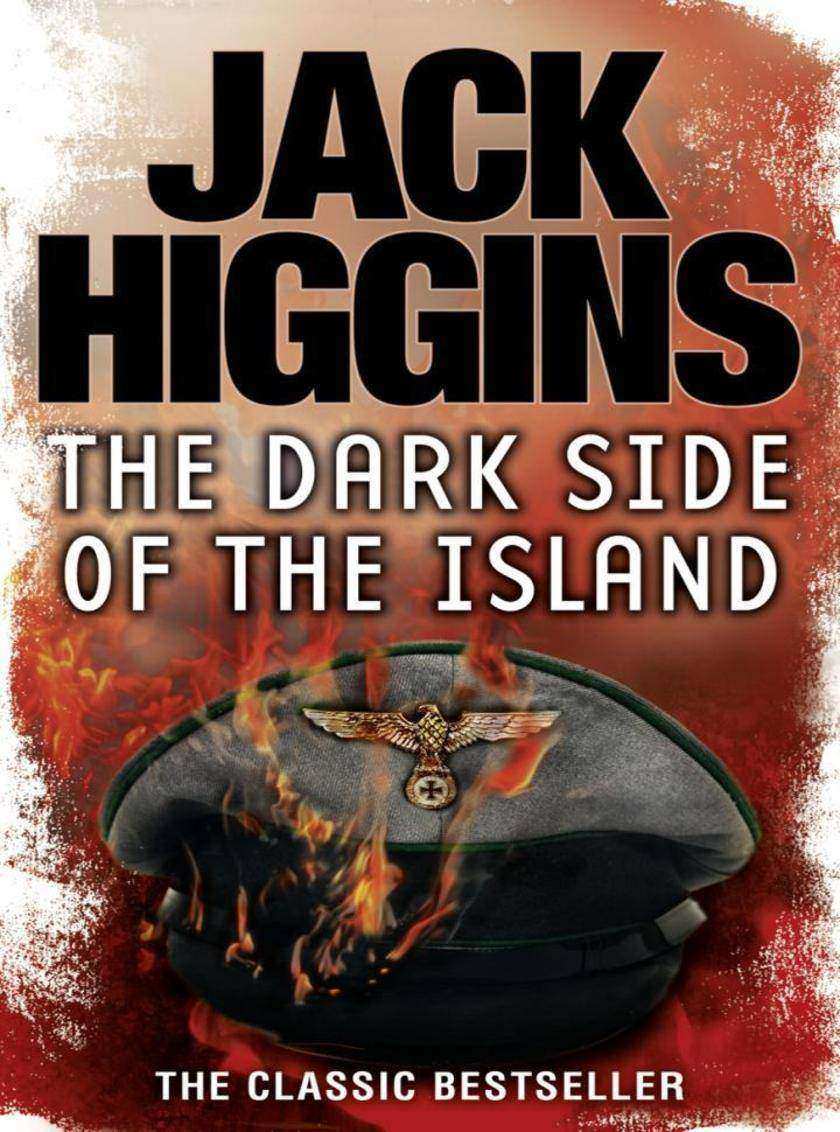
The Dark Side of the Island
¥62.59
Reissue of the timeless Higgins classic… Captain Hugh Lomax's last view of Kyros had been as a German prisoner of war. The picturesque beauty of the Greek Islands hiding their blood-drenched history and the terrifying carnage that took place years earlier. But there are questions still unanswered. Lomax knows he was innocent, and as he returns to Kyros he begins to remember things he had long since buried in the back of his mind; the deadly mission he undertook, as well as a horrific massacre that still remains without reason. Now, the time has come for answers. Lomax is set to unlock the secrets of his past; someone betrayed the islanders at the height of the Nazi occupation, and they want their secret kept, whatever it takes, whoever has to suffer.
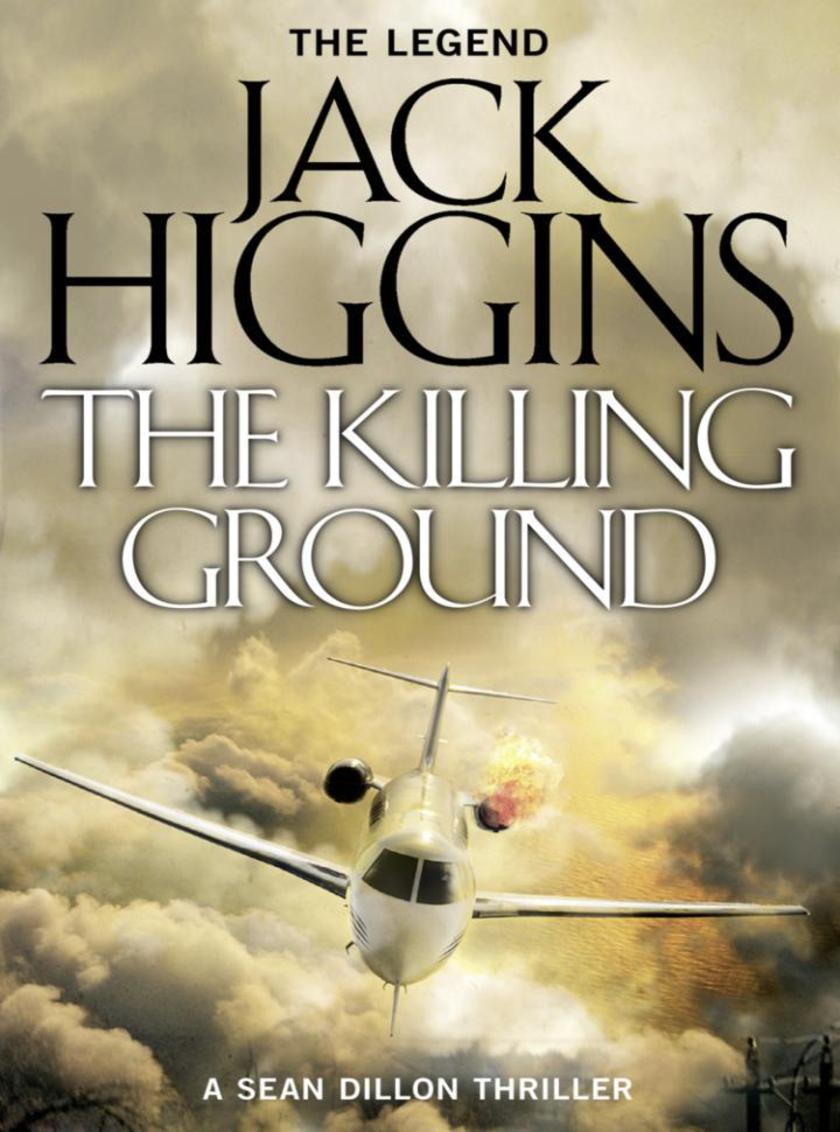
The Killing Ground (Sean Dillon Series, Book 14)
¥59.15
Jack Higgins, the undisputed master of action and suspense is back with a brand new adventure featuring the unstoppable Sean Dillon. For intelligence operative Sean Dillon, it is a routine passport check. But the events it will lead to will be as bloody as any he has ever known. The man he stops at Heathrow airport is Caspar Rashid, born and bred in England, but with family ties to a Bedouin tribe fiercely wedded to the old ways, as Rashid has just found out to his pain. His thirteen-year-old daughter, Sara, has been kidnapped by Rashid's own father and taken to Iraq to be married to a man known as the Hammer of God, one of the Middle East's most feared terrorists. Dillon has had his own run-ins with the tribe, and when the distraught man begs him for help, he sees a chance to settle some old scores – but Dillon has no idea of the terrible chain of events he is about to unleash, nor of the implacable enemies he is about to gain. Before his journey is done, many men will die – and Dillon may be one of them.
Lost River (Cooper and Fry Crime Series, Book 10)
¥21.58
An atmospheric new Fry and Cooper thriller for fans of Peter Robinson and Reginald Hill A May Bank Holiday in the Peak District is ruined by the tragic drowning of an eight-year-old girl in picturesque Dovedale. For Detective Constable Ben Cooper, a helpless witness to the tragedy, the incident is not only traumatic, but leads him to become involved in the tangled lives of the Neilds, the dead girl's family. As he gets to know them, Cooper begins to suspect that one of them is harbouring a secret - a secret that the whole family might be willing to cover up. Meanwhile, Detective Sergeant Diane Fry has a journey of her own to make - a journey back to her roots. As she finds herself drawn into an investigation of her own among the inner-city streets of Birmingham, Fry realises there is only one person she can rely on to provide the help she needs. But that man is Ben Cooper, and he's back in Derbyshire, where his suspicions are leading him towards a shocking discovery on the banks of another Peak District river.


