


 购物车
购物车 个人中心
个人中心
Exotic Pets (Collins Need to Know?)
¥73.58
By picking up this book, you are probably either considering keeping exotic pets, or you already have an interest in them. Not only are many of these creatures extremely beautiful to look at but they are also much simpler to look after than some of the more traditional pet mammals and birds with whom we choose to share our lives.Among the most popular pet amphibians, tree frogs are remarkably easy to look after and many species are suitable for handling by keepers.
The Mulberry Empire
¥73.58
The breakthrough novel from one of Britain's most brilliant critics. 'The Mulberry Empire' is a seemingly straightforward historical novel that recounts an episode in the Great Game in central Asia -- the courtship, betrayal and invasion of Afghanistan in the 1830s by the emissaries of Her Majesty's Empire, which is followed by the bloody and summary expulsion of the Brits from Kabul following an Afghani insurrection (shades of the Soviet Union's final imperial fling in the very same country in the 1980s). The novel has at its heart the encounter between West and East as embodied in the likeable, complex relationship between Alexander Burnes, leader of the initial British expeditionary party, and the wily, cultured Afghani ruler, the Amir Dost Mohammed Khan.

Farming and Birds (Collins New Naturalist Library, Book 135)
¥220.14
Ian Newton is an ornithologist and applied scientist, and a leading expert on bird ecology and biogeography, specialising in finches, waterfowl and birds of prey, especially the sparrowhawk. He graduated from Bristol University and gained his doctorate at Oxford. He joined the NERC in 1967, initially studying population ecology of geese and finches, followed by the impact of pesticides on birds of prey. He has written three previous New Naturalist volumes, Finches (1972), Bird Migration (2010) and Bird Populations (2013).

The New Forest (Collins New Naturalist Library, Book 73)
¥476.96
I recall the New Forest in childhood and explored it in the 1950s. It has been my home and I have been involved in its affairs since 1960 when almost by accident I found myself working in the Nature Conservancy (since 1974 the NCC). The Forest has not been my only professional concern or research interest since then, but it has been of constant and absorbing interest. The absorption grows with time – partly because over long time spans, it becomes possible to measure and witness changes which illuminate the relationships between soils, vegetation, animals and management in ways which no short-term study can achieve; and partly because time increases rather than diminishes the degree of spiritual renewal and intellectual wonder to be derived from the familiar woods and heaths.

The Prince's Cinderella Bride (Mills & Boon Medical)
¥29.43
Operation Marriage… Prince Quinton Carlow’s life was turned upside down the day his divorce was filed and his military papers were executed. Seven years later, the embittered soldier returns, only to walk straight back into his ex-wife! But when Quinn discovers he’s still married to the one woman who could claim his heart, he realises he must tackle the past for the future he wants…the future Anais wants too. But can he convince his Cinderella bride to fight for their love?

Care for your Pony (The Official RSPCA Pet Guide)
¥25.21
Owning and caring for a pony can be one of the most rewarding experiences in life. It teaches self-discipline and self-reliance and helps to develop a sense of responsibility in young people. In return for good care, a pony will provide years of pleasure and a wonderful way to get and stay fit.But ponies can be extremely demanding animals in terms of time, land and money. There may seem nothing to match the fervour of a child’s longing for his or her own pony, but if parents do not give the matter careful thought, or if they make a hasty purchase, then they may find out too late that they have created an impossible situation.A pony must have daily attention at regular times not just when its owner finds it convenient. It must have a safe, well-fenced field or paddock, and field shelter if it is to live out all year. The field must be well-drained and preferably large enough to divide into two or three sections to allow for controlled grazing. If the pony is to be stabled during the winter, a loose box of adequate size must be provided, with plenty of bedding, changed daily. The cost of winter feed is another factor to be considered before taking on ownership of a pony, for even hardy ponies which live out all year need supplementary food from late autumn to early summer. There will also be regular blacksmith’s and vet’s bills to be taken into account.

A Month To Marry The Midwife (Mills & Boon Medical) (The Midwives of Lighthouse
¥29.43
Midwife Ellie Swift has devoted herself to beautiful Lighthouse Bay’s tiny hospital. After a painful divorce, she’s vowed never to get involved with another man—but then the sexy new locum obstetrician walks through the door! Despite his own damaged heart, Sam Southwell is captivated by Ellie’s warmth and compassion. She’s a woman who deserves the fairytale! It won’t be easy to change her mind but Sam’s never walked away from a challenge…

Reunited By Their Pregnancy Surprise (Mills & Boon Medical)
¥30.61
Reclaiming his wife…and his baby Obstetrician Sam Saint wakes in hospital after an accident to find he doesn’t remember the last eighteen months. The beautiful woman by his bedside is in fact his wife…and she’s pregnant! Midwife Emily never thought her husband would want the child she longs for. But now she’s expecting his baby, she’s determined to fight for their marriage. And as they rediscover each other, Emily and Sam find themselves making new memories—ones they’ll both treasure, for ever!

The Secret Heir Of Alazar (Mills & Boon Modern) (Seduced by a Sheikh, Book 1)
¥29.43
One stolen night with the Sultan… Virginal Gracie Jones longs for adventure—and one incredible evening in Rome, she finds it in the arms of charismatic Malik al Bahjat. But morning reveals he’s next in line to Alazar’s throne! Driven away by his royal family, Gracie discovers too late that their forbidden night left her pregnant… When Malik learns the truth a decade later, he explodes back into Gracie’s life. He sweeps her from her small hometown to his splendid kingdom where, kiss by scorching kiss, he’s intent on legitimising his heir—and satisfying his cravings—by crowning Gracie his desert queen!
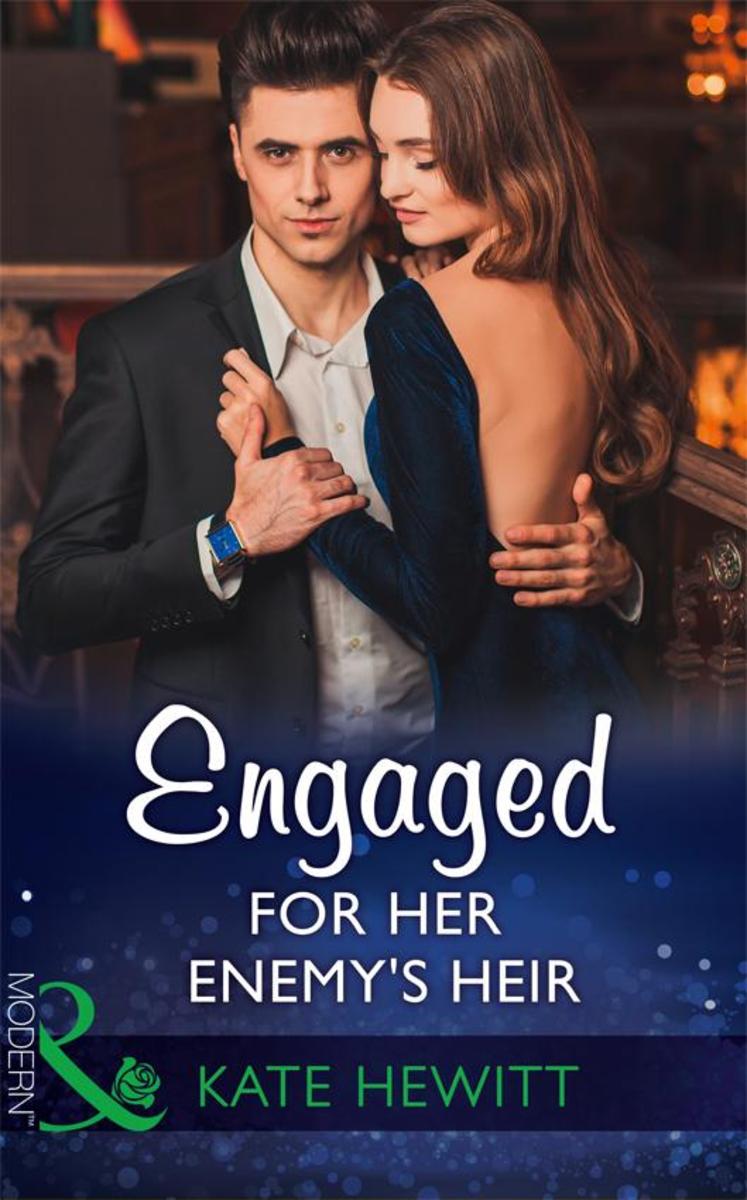
Engaged For Her Enemy's Heir (Mills & Boon Modern) (One Night With Consequences,
¥29.43
Surrendering to the Italian billionaire When ruthless Rafael Vitali learns the woman in his bed is the daughter of his sworn enemy, he can’t get her out of his penthouse quick enough. But when Allegra reveals she’s pregnant, Rafael seizes the opportunity to assert his control. He insists Allegra move to Sicily… as his wife! Allegra’s night of abandon with Rafael shattered the life she once knew. His claim over her body, and their unborn child, is undeniable but giving him a claim over her fragile heart is beyond foolish…yet the temptation he poses is wildly, wickedly irresistible… When one night…leads to pregnancy!

The Cook's Secret Ingredient (Mills & Boon Cherish) (Hurley's Homestyle Kitchen,
¥25.21
Stir two hearts…and let simmer PI Carson Ford believes the fortune-teller who promised his father a second great love was a fraud. He wants the fortune-teller's daughter, Olivia Hurley, to explain that to his dad. But the mystery ‘great love’ sounds very much like Olivia’s missing aunt; finding her just might be a journey to love for themselves!

How To Steal The Lawman's Heart (Mills & Boon Cherish) (Sweet Briar Sweethearts,
¥25.21
Forgiveness starts with a stolen kiss Widowed chief of police Trent Knight never expected Carmen Shields, the woman he blames for his wife's death, to be the one to make him love again. But Carmen is not only finding her way into his little daughters' affections, she seems to be stealing his heart too.

A Family Under The Stars (Mills & Boon Cherish) (Sugar Falls, Idaho, Book 6)
¥29.43
LOVE IN THE GREAT OUTDOORS With two little girls and a demanding job, Charlotte Folsom’s plate is already full when she arrives in Sugar Falls. Hiking, fishing, rafting? Absolutely not her thing. But Chef Charlotte is on special assignment for her magazine, so she decides to make the best of it. Her river guide, Alex Russell, is rugged and hunky, and the camera loves him. For her, the jury is still out. Alex has seen enough city sophisticates come to Idaho for his adventure vacations to know that Charlotte is not the woman for him. When a sudden storm leaves them stranded in the mountains, however, unexpected passion flares among the pines. The Mountain Man and the Magazine Mom? Unthinkable! Or just maybe inevitable…

The Cowboy's Second-Chance Family (Mills & Boon Cherish) (Return to Stonerock, B
¥25.21
Finding love twice in a lifetime! When Lucy Brooks lost her husband, her dreams of a family went with him. Now her life is a busy balance of friends, work and the demands of her small ranch. When she meets handsome, brooding Noah Spencer, she recognises grief in his penetrating eyes. And yet she can't deny the feelings – and hope – that he reawakens within her. All widower Noah has in life is his little daughter and a fresh start as Stonerock's newest police officer. Right now he needs to keep his life simple and his heart guarded. Yet he can't resist the instant pull of sweet, selfless Lucy. This could be a second chance at living happily-ever-after…
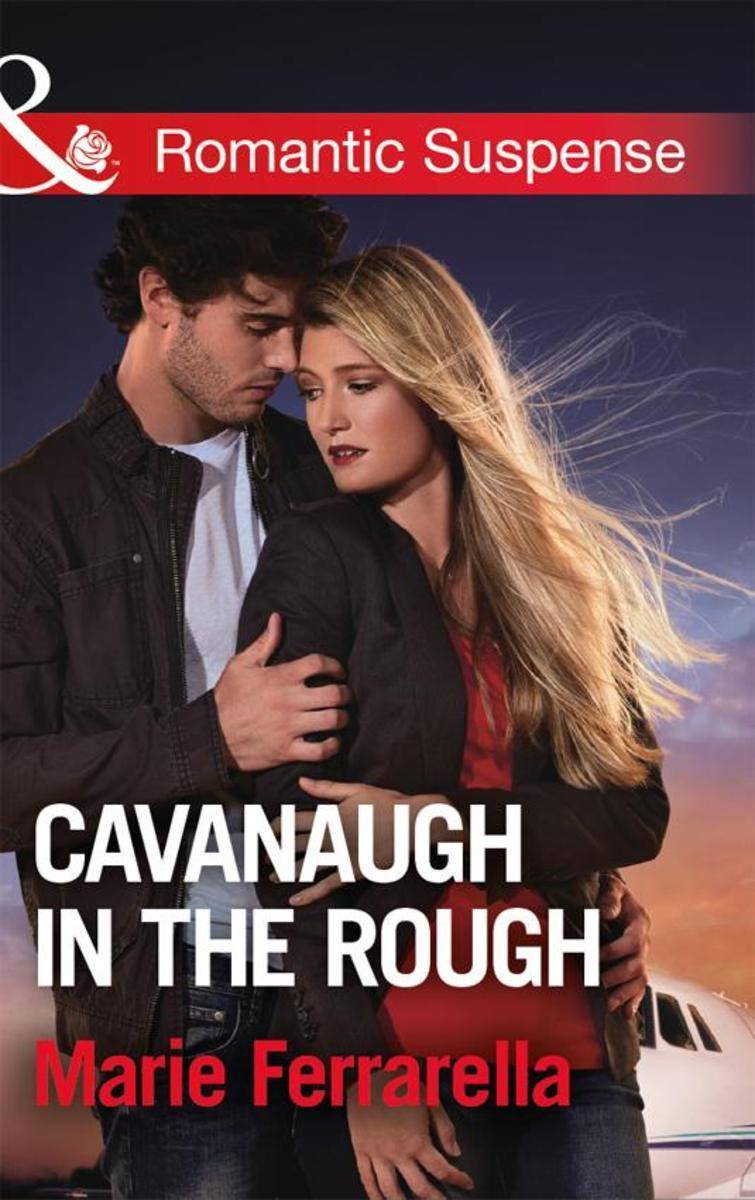
Cavanaugh In The Rough (Mills & Boon Romantic Suspense) (Cavanaugh Justice, Book
¥30.61
A crime-scene investigator and a gorgeous cop must track down a serial killer in USA TODAY bestselling author Marie Ferrarella's explosive new novel! For Susannah Quinn, heartbreakingly handsome detective Christian Cavanaugh O'Bannon is trouble that she doesn't need. Still, her CSI instincts tell her a serial killer's on the loose, so she agrees to work this case with Chris through long daysand even hotter nights. But his reckless charm is allowing him perilously close to her darkest secrets. Going by the book has never been freewheeling Chris's style, so an unofficial partnership with Susannah is just what he needs to stop a vicious murderer in his tracks. While he struggles to win the beautiful blonde's trust, mutual desire puts them both in harm's way

The Bull Rider's Valentine (Mills & Boon Cherish) (Mustang Valley, Book 11)
¥30.61
Forever his Valentine It may be the most romantic time of the year, but Valentine’s Day just brings up bad memories for Nate Truett. Because on that day six years ago, Ronnie Hartman turned down his marriage proposal and broke his heart. Ever since, he’s been avoiding the holiday and her, completely. Now he’s returned to Arizona, with one last chance to set things right. Ronnie hasn’t forgotten that awful day, or why she turned down Nate’s proposal, but six years is a long time. Seeing how easily the he fits back into her life is…interesting. As he is welcomed with open arms by her family, Ronnie realises one thing. Whatever his reasons for coming back, she can’t avoid him or the past, anymore…
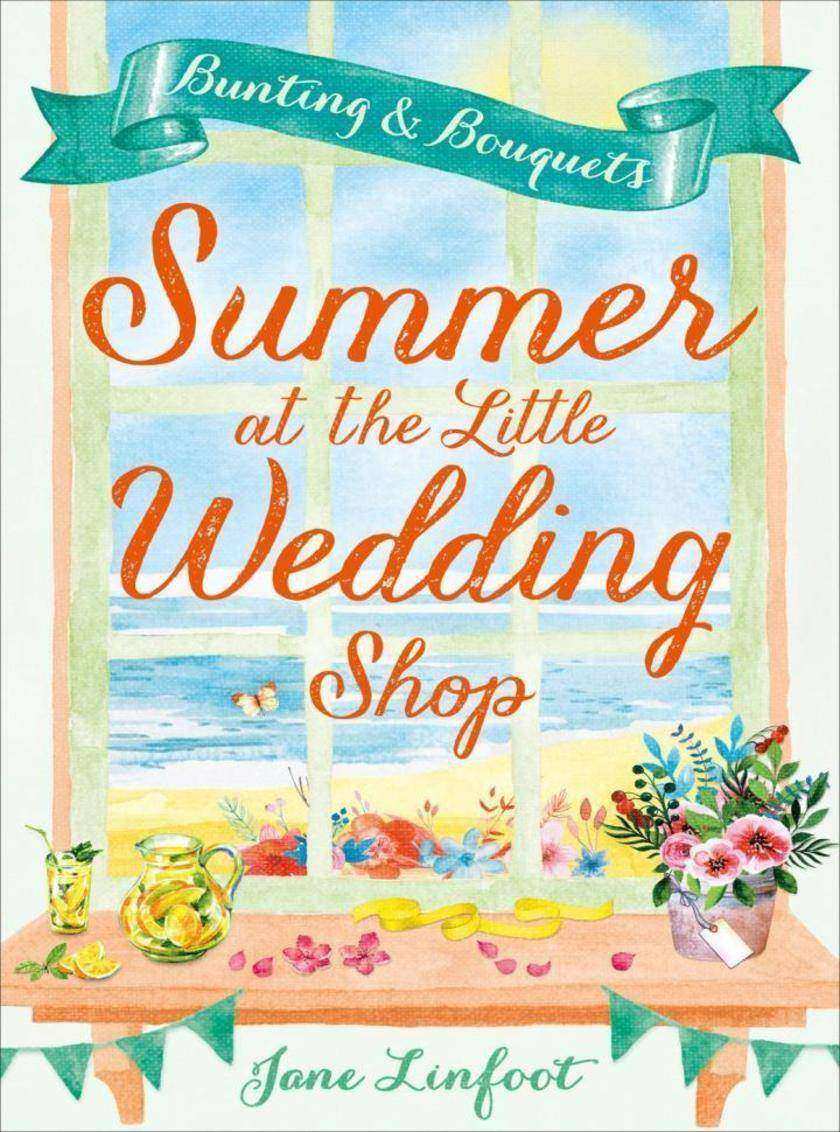
The hottest new release of summer 2017-perfect for the beach
¥32.08
‘A sparkling, laugh-out-loud, romantic read’ Phillipa Ashley, bestselling author of Summer at the Cornish Cafe ‘The perfect holiday read to warm your heart’ #1 Bestselling author Tracy Bloom When the owner of Brides by the Sea, Cornwall’s cutest little wedding shop, offers Lily a job as their new wedding stylist, her first thought is – can she possibly pull it off? Before she’s even sourced a fairy light or tasted a cupcake, Kip Penryn hires her services – but he’s opened an exclusive wedding venue in direct competition to her friend Poppy! Lily feels like a traitor working for Kip, only everyone knows Penryn men are gorgeous but unreliable. All she has to do is sit back and watch him mess it up…doesn’t she? Love is in the Cornish sea breeze this summer as the girls tackle their busiest wedding season yet. There’s plenty of bunting, bubbly and baking – but who is going to catch the bouquet? ‘Funny and big-hearted, I was enchanted by Lily and her friends’ Sunday Times bestselling author Michele Gorman ‘A pure delight…fabulous, fun and unforgettable’ – Debbie Johnson, bestselling author of Christmas at the Comfort Food Cafe
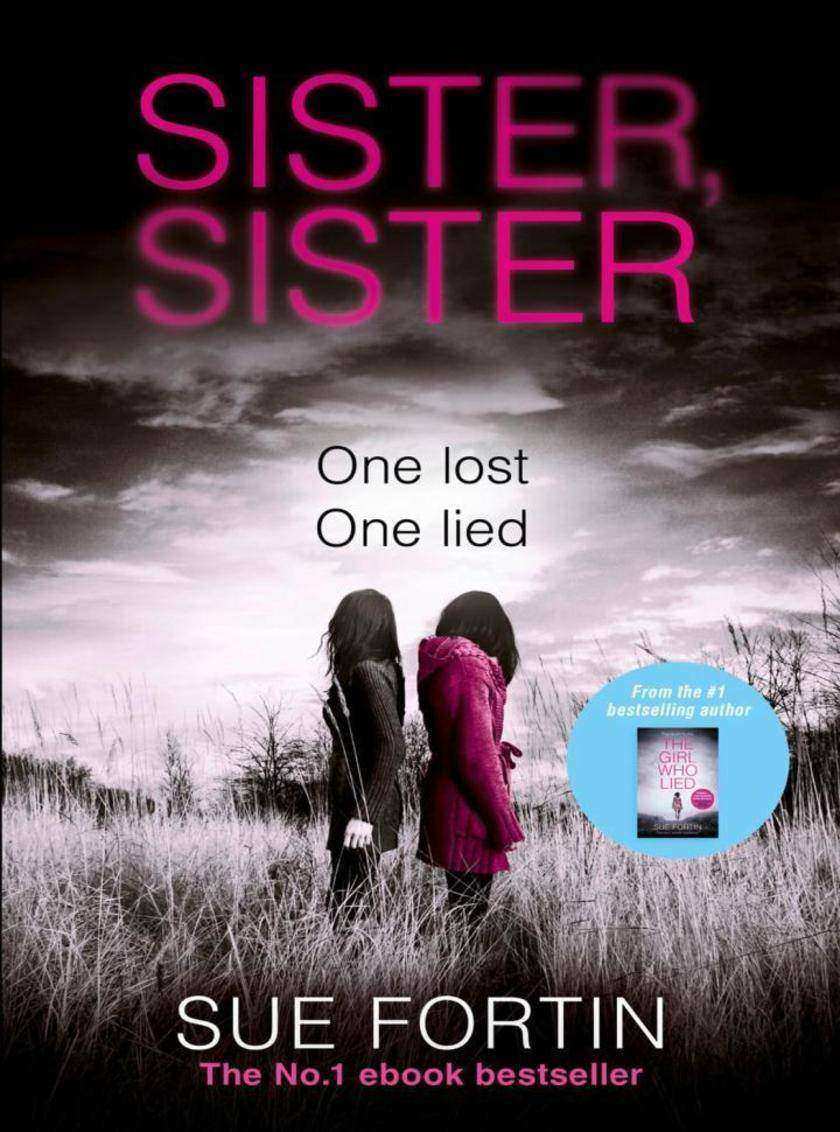
Sister Sister: A truly gripping psychological thriller
¥32.08
USA Today bestselling author of The Girl Who Lied ‘Gobsmacked…a thrilling finale’ Rachel’s Random Reads Alice: Beautiful, kind, manipulative, liar. Clare: Intelligent, loyal, paranoid, jealous. Clare thinks Alice is a manipulative liar who is trying to steal her life. Alice thinks Clare is jealous of her long-lost return and place in their family. One of them is telling the truth. The other is a maniac. Two sisters. One truth. What people are saying about SISTER SISTER: ‘I would definitely recommend this if you love psychological thrillers’ – Stardust Book Reviews ‘Sister Sister has everything – conflict, family secrets and betrayal, all of which go to make it thoroughly deserving of the five stars I’ve given it’ – Brook Cottage Books ‘A truly absorbing psychological thriller’ – Joan Hill, Reviewing Recommended Reads
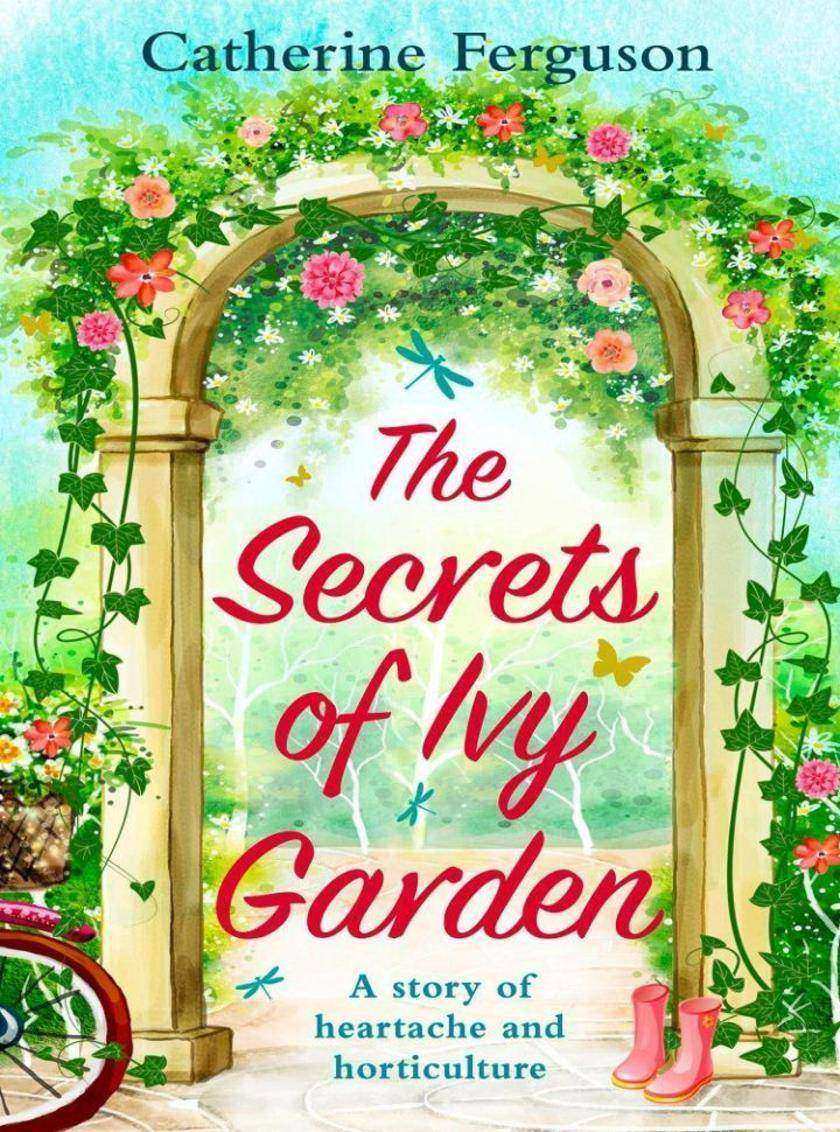
The Secrets of Ivy Garden: A heartwarming tale perfect for relaxing on the grass
¥34.24
The ebook bestseller is back with her next hilarious read – a fun, fresh tale of love, friendship and family secrets… When Holly breaks up with her boyfriend Dean, she’s at a loss as to what to do next. But things go from bad to worse when her beloved grandmother Ivy dies – and Holly is left in charge of sorting out Ivy’s house and garden. As she sorts through her grandmother’s belongings and makes her way through the wilderness outside, Holly soon finds that there is more to Ivy than meets the eye, and uncovers a surprising family secret that changes everything… This is a heart-warming and hilarious story from Catherine Ferguson about starting over, learning to garden and most of all learning to love.

Death List
¥28.55
CRITICAL IMITATION A notorious assassin is captured before receiving the ultimate hit list from a major crime family. To protect the targets, Stony Man Farm sends Mack Bolan to infiltrate the family’s compound and secure the list. This time, Bolan has an extra weapon in his arsenal: he’s a dead ringer for the assassin. His impersonation is successful...until the escaped killer arrives on the scene. Suddenly, the race is on for Bolan to reach the targets before the assassin or his mercenaries can murder them—or Bolan himself. Yet despite the stolen identity, there will be no mistaking the Executioner’s signature blaze of hellfire and justice.

The Birthday Girl: The gripping new psychological thriller full of shocking twis
¥35.61
USA Today bestselling author of The Girl Who Lied and Sister Sister Dear Carys, Zoe and Andrea Come and join me for my fortieth birthday adventure weekend, full of mysteries and surprises the like of which you can’t imagine. When Joanne’s friends reluctantly accept an invitation to her birthday party, it quickly becomes clear that there is more to this weekend than they are expecting. One of them is hiding a secret. And Joanne is planning to reveal it… A weekend away in a cottage in the woods sounds like fun – until no one can hear your cries for help. Four friends. A party to die for. Who will survive?


