


 购物车
购物车 个人中心
个人中心
Martin Faber: The Story of a Criminal
¥260.85
William Gilmore Simms's (1806-1870) body of work, a sweeping fictional portrait of the colonial and antebellum South in all its regional diversity, with its literary and intellectual issues, is probably more comprehensive than any other nineteenth-century southern author. Simms's career began with a short novel, Martin Faber, published in 1833. This Gothic tale is reminiscent of James Hogg's Confessions of a Sinner and was written four years before Edgar Allan Poe's "e;William Wilson."e; Narrated in the first person, it is considered a pioneering examination of criminal psychology. Martin seduces then murders Emily so that he might marry another woman, Constance. Martin confesses to his friend and is killed after attempting to stab Constance when she visits him in jail. The book was immediately successful and was well received by the northern media, thus starting Simms's successful career as a writer, one that would rank him as the only major southern literary figure besides Poe before the Civil War. As with other volumes in the Arkansas Edition of Simms's work, this volume includes a critical introduction by the editor and a Simms chronology, as well as appendices dealing with textual matters. This edition also includes Simms's 1829 story, "e;Confessions of a Murderer,"e; which was the germ for his first book of fiction.

Worthy of the Cause for Which They Fight
¥263.30
Worthy of the Cause for Which They Fight chronicles the experiences of a well-educated and articulate Confederate officer from Arkansas who witnessed the full evolution of the Civil War in the Trans-Mississippi Department and western theater. Daniel Harris Reynolds, a community leader with a thriving law practice in Chicot County, entered service in 1861 as a captain in command of Company A of the First Arkansas Mounted Rifles. Reynolds saw action at Wilson's Creek and Pea Ridge before the regiment was dismounted and transferred to the Army of Tennessee, the primary Confederate force in the western theater. As Reynolds fought through the battles of Chickamauga, Atlanta, Nashville, and Bentonville, he consistently kept a diary in which he described the harsh realities of battle, the shifting fortunes of war, and the personal and political conflicts that characterized and sometimes divided the soldiers. The result is a significant testimonial offering valuable insights into the nature of command from the company to brigade levels, expressed by a committed Southerner coming to grips with the realities of defeat and the ultimate demoralization of surrender.

A Documentary History of Arkansas
¥142.34
A Documentary History of Arkansas provides a comprehensive look at Arkansas history from the state's earliest events to the present. Here are newspaper articles, government bulletins, legislative acts, broadsides, letters, and speeches that, taken collectively, give a firsthand glimpse at how the twenty-fifth state's history was made. Enhanced by additional documents and brought up to date since its original publication in 1984, this new edition is the standard source for essential primary documents illustrating the state's political, social, economic, educational, and environmental history.
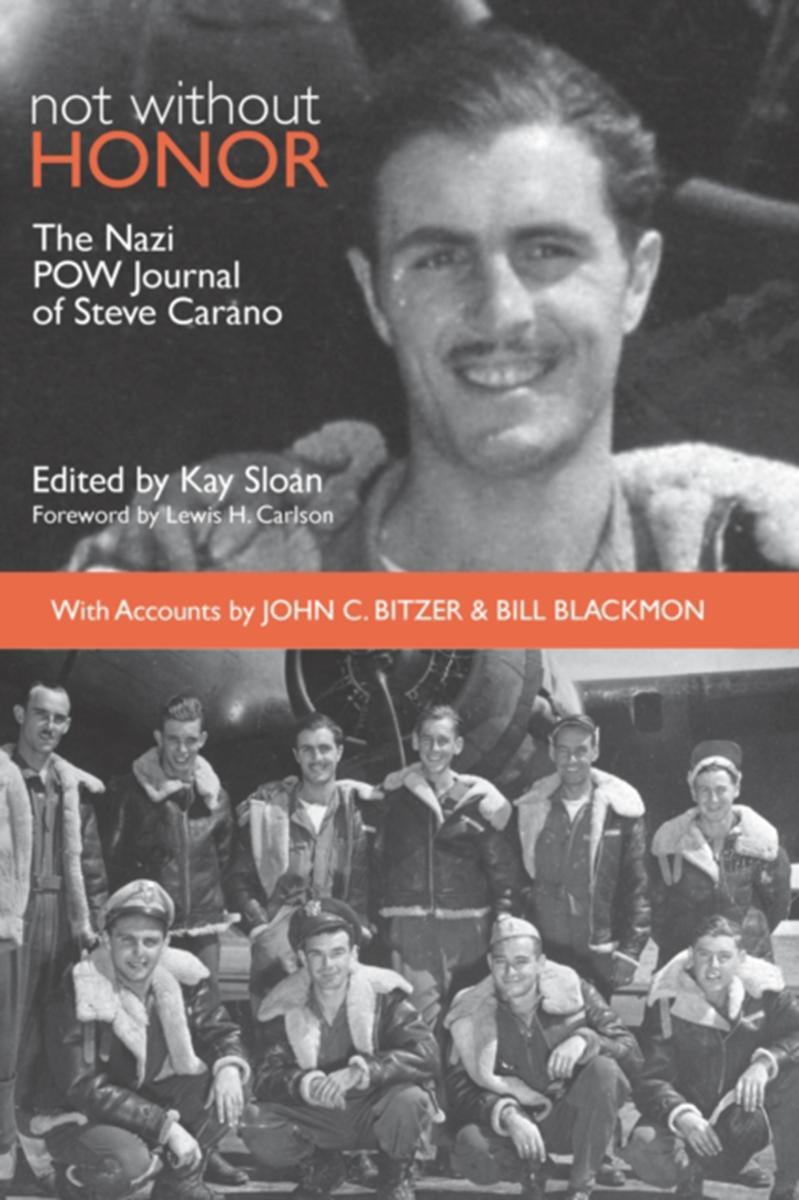
Not Without Honor
¥223.57
Not Without Honor threads together the stories of three American POWs-Carano; his buddy Bill Blackmon, who was also at Stalag 17 b; and John C. Bitzer, who survived the brutal "e;Death March"e; from northern Germany to liberation in April 1945. At times the journal reads like a thriller as he records air battles and escape attempts. Yet in their most gripping accounts, these POWs ruminate on psychological survival. The sense of community they formed was instrumental to their endurance. This compelling book allows the reader to journey with these young men as they bore firsthand witness to the best and worst of human nature.
R Machine Learning Essentials
¥71.93
If you want to learn how to develop effective machine learning solutions to your business problems in R, this book is for you. It would be helpful to have a bit of familiarity with basic object-oriented programming concepts, but no prior experience is required.

Burp Suite Essentials
¥54.49
If you are interested in learning how to test web applications and the web part of mobile applications using Burp, then this is the book for you. It is specifically designed to meet your needs if you have basic experience in using Burp and are now aiming to become a professional Burp user.
Learning Concurrent Programming in Scala
¥80.65
This book is a must-have tutorial for software developers aiming to write concurrent programs in Scala, or broaden their existing knowledge of concurrency. This book is intended for Scala programmers that have no prior knowledge about concurrent programming, as well as those seeking to broaden their existing knowledge about concurrency. Basic knowledge of the Scala programming language will be helpful. Readers with a solid knowledge in another programming language, such as Java, should find this book easily accessible.
Advanced UFT 12 for Test Engineers Cookbook
¥80.65
This advanced cookbook is designed for software testers and engineers with previous automation experience and teaches UFT (QTP) developers advanced programming approaches. Knowledge of software testing and basic coding (with VBScript in particular) and familiarity with programming concepts are prerequisites.
Learning Game AI Programming with Lua
¥80.65
If you are a game developer or a general programmer who wishes to focus on programming systems and techniques to build your game AI without creating low-level interfaces in a game engine, then this book is for you. Knowledge of C++ will come in handy to debug the entirety of the AI sandbox and expand on the features present within the book, but it is not required.
Learning JavaScript Data Structures and Algorithms
¥80.65
If you are a JavaScript developer or someone who has basic knowledge of JavaScript, and want to explore its optimum ability, this fast-paced book is definitely for you. Programming logic is the only thing you need to know to start having fun with algorithms.

VMware Horizon View Essentials
¥80.65
If you are a desktop administrator or an end user of a computing project team looking to speed up to the latest VMware Horizon View solution, then this book is perfect for you. It is your ideal companion to deploy a solution to centrally manage and virtualize your desktop estate using Horizon View 6.0.
OpenShift Cookbook
¥107.90
If you are a web application developer who wants to use the OpenShift platform to host your next big idea but are looking for guidance on how to achieve this, then this book is the first step you need to take. This is a very accessible cookbook where no previous knowledge of OpenShift is needed.
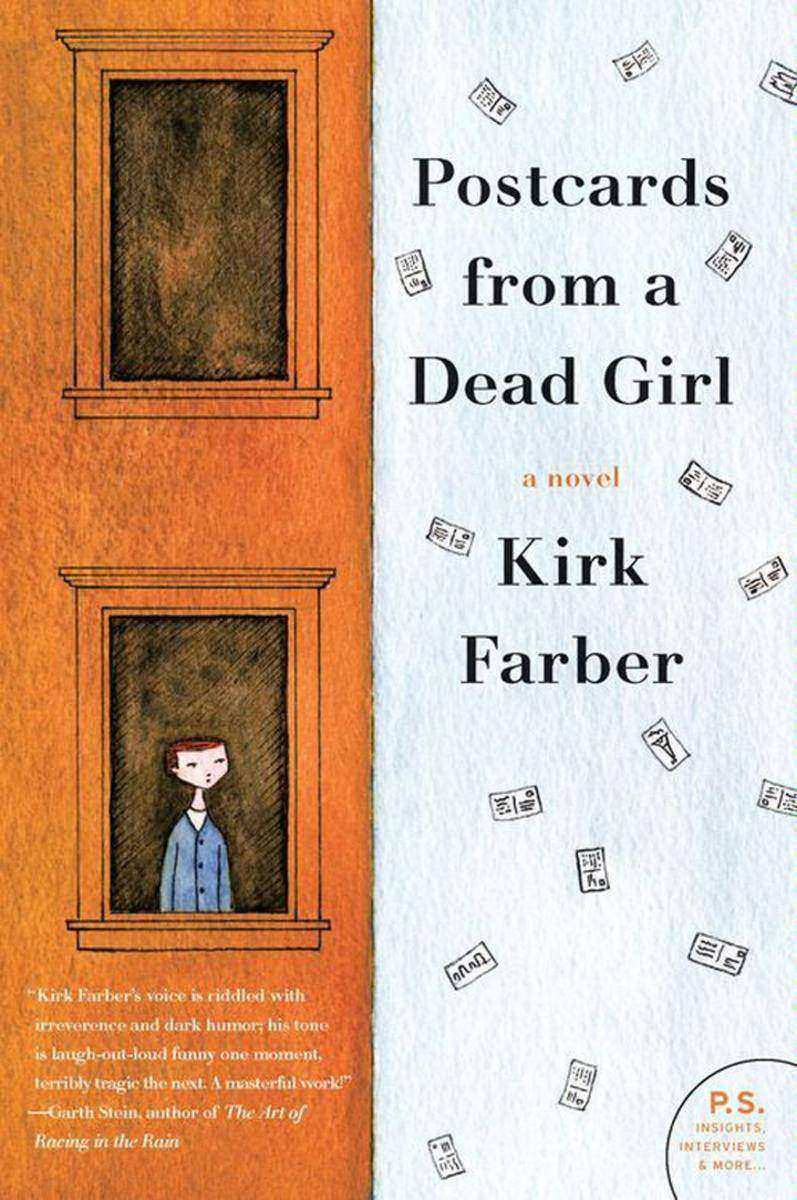
Postcards from a Dead Girl
¥79.38
Sid is going crazy . . . A telemarketer at a travel agency, Sid is becoming unhinged and superneurotic. Lately he's been obsessed with car washes and mud baths. His hypochondria is driving his doctor sister mad. And it's all because of his ex-girlfriend, Zoe, who's sending him postcards from her European adventure, one that they were supposed to take together. It's all quite upsetting.A fact-finding tour of local post offices—and a new friendship with postman Gerald—followed by a solo European jaunt will do little to ease his anxiety. A long talk with his mother's spirit in a wine bottle doesn't help either. But what he really needs are a few more tentative dates with the chatty Candyce. Sid needs to get over Zoe and find love again—even though Zoe, apparently, has no inclination to be gotten over. Wonderfully poignant, funny, odd, and more than a bit macabre, Postcards from a Dead Girl marks the emergence of a truly gifted and original literary voice.

Hollywood
¥94.10
Hank and his wife, Sarah, agree to write a screenplay, and encounter the strange world of the movie industry.

Hot Water Music
¥94.10
Hot Water Music is a collection of short stories by Charles Bukowski, published in 1983. The collection deals largely with: drinking, women, gambling, and writing. It is an important collection that establishes Bukowski's minimalist style and his thematic oeuvre.
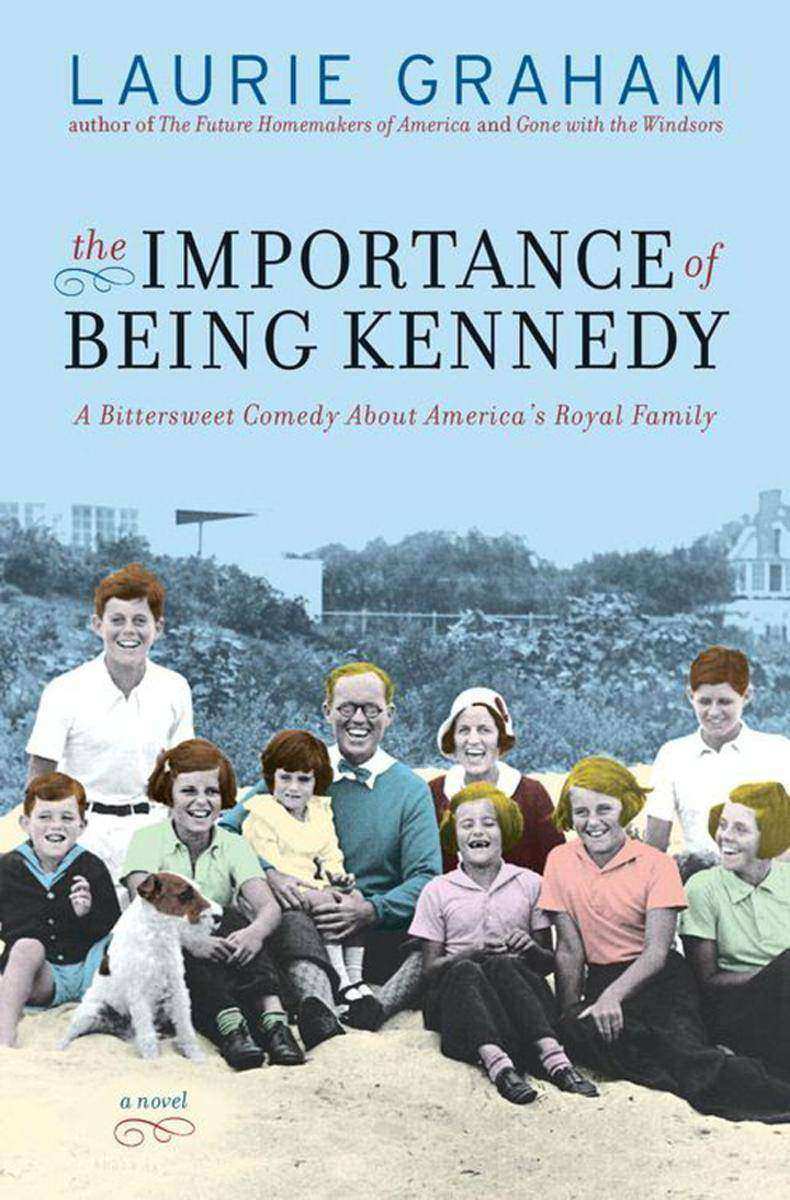
The Importance of Being Kennedy
¥90.77
From the fictitious diary of the equally fictitious Kennedy nanny comes an inside look into the early years of the dynasty—with all the juicy bits intact. Newly arrived from Ireland, Nora Brennan finds a position as nursery maid to the Kennedys of Brookline, Massachusetts—and lands at the heart of American history. In charge of nine children practically from the minute they're born—including Joe Jr., Jack, Bobby, Teddy, vivacious "Kick," and tragic Rosemary—she sees the boys coached at their father's knee to believe everything they'll ever want in life can be bought. She sees the girls trained by mother Rose to be good Catholic wives. With her sharp eye and her quiet common sense, Nora is the perfect candidate to report on an empire in the making. Then World War II changes everything.

Jigs & Reels
¥77.26
Each of the twenty-two tales in this enchanting collection is a surprise and a delight, melding the poignant and the possible with the outrageous, the magical, and, sometimes, the eerily haunting. Wolf men, dolphin women, defiant old ladies, and middle-aged manufacturers of erotic leatherwear -- in Jigs & Reels the miraculous goes hand in hand with the mundane, the sour with the sweet, and the beautiful, the grotesque, the seductive, and the disturbing are never more than one step away. Whether she's exploring the myth of beauty, the pain of infidelity, or the wonder of late-life romance, Joanne Harris once again proves herself a master of the storyteller's trade.
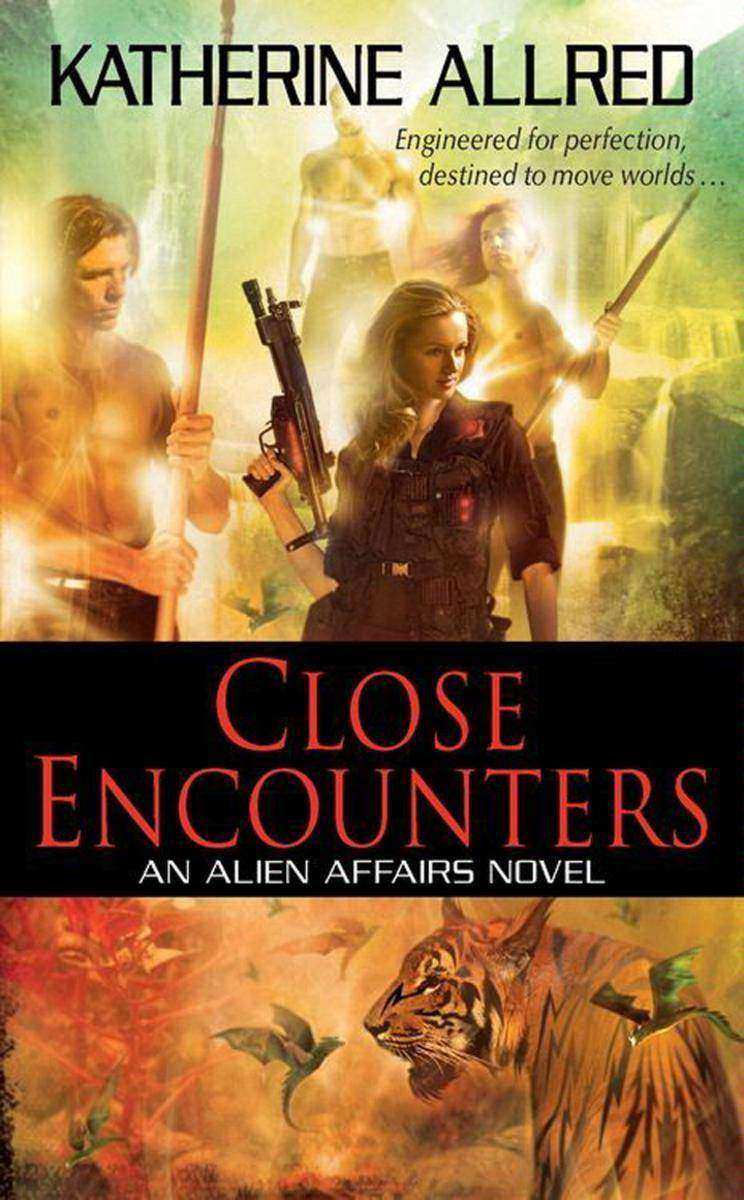
Close Encounters
¥55.91
Kiera Smith is not like ordinary Genetically Engineered Persons . . .The Bureau of Alien Affairs needed a special GEP agent with empathic abilities to handle their most extraordinary assignments—and a rogue geneticist saw to it that Kiera fit their specifications. But she turned out stronger, faster, smarter, and more impervious to harm than anyone anticipated. A reluctant "superhero," Kiera wishes she were normal, but it is not to be.On Orpheus Two, the indigenous Buri race faces extinction, a prospect the powerful Dynatec corporation welcomes and, in fact, may be actively hastening. It is Kiera's job to protect these beautiful, exotic aliens . . . and to discover what there is on Orpheus Two that Dynatec feels is worth killing for.But the magnetic allure of Thor, the breathtaking Buri leader, is proving a dangerous distraction. And now, to save Thor's people, Kiera will need a power she's never before possessed—something hidden in the unexplored recesses of her heart.
Dear Husband
¥77.49
A gripping and moving new collection of stories by Joyce Carol Oates, which reimagines the meaning of family—by unexpected, often startling meansWith the unflinching candor and sym?pathy for which Joyce Carol Oates is celebrated, these fourteen stories examine the intimate lives of contemporary American families: the tangled ties between generations, the desperation—and the covert, radiant happiness—of loving more than one is loved in return. In "Cutty Sark" and "Landfill," the bond between adolescent son and mother reverberates with the force of an unspoken passion, bringing unexpected consequences for the son. In "A Princeton Idyll," a woman is forced to realize, decades later, her childhood role in the destruction of a famous, beloved grandfather's life. In "Magda Maria," a man tries to break free of the enthralling and dangerous erotic obsession of his life. In the gripping title story, Oates boldly reimagines the true-crime story of Andrea Yates, the Texas mother who drowned her children in 2001. Several stories—"Suicide by Fitness Center," "The Glazers," and "Dear Joyce Carol,"—take a less tragic turn, exploring with mordant humor the shadowy interstices between self-awareness and delusion.Dramatic, intensely rendered, and always provocative, Dear Husband, provides an unsettling and fascinating look into the mysterious heart of America.
Tunneling to the Center of the Earth
¥77.49
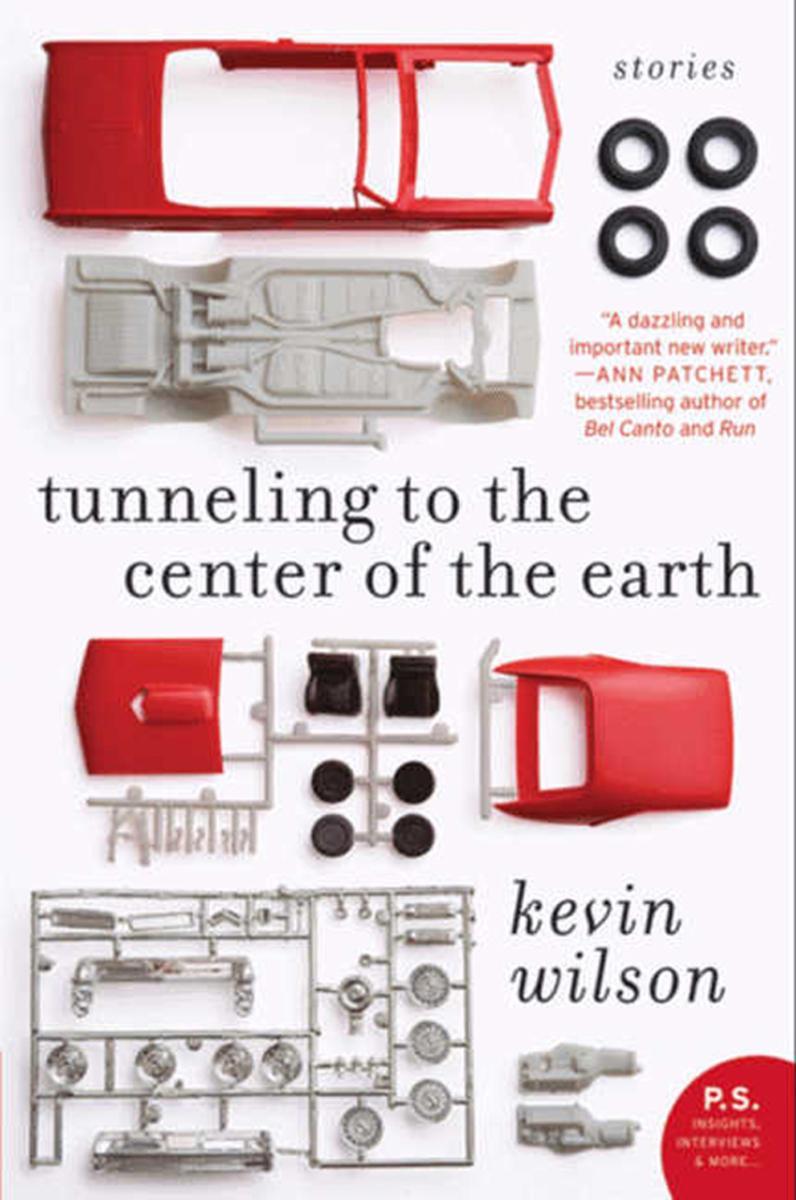
Kevin Wilson's characters inhabit a world that moves seamlessly between the real and the imagined, the mundane and the fantastic. "Grand Stand-In" is narrated by an employee of a Nuclear Family Supplemental Provider—a company that supplies "stand-ins" for families with deceased, ill, or just plain mean grandparents. And in "Blowing Up On the Spot," a young woman works sorting tiles at a Scrabble factory after her parents have spontaneously combusted.Southern gothic at its best, laced with humor and pathos, these wonderfully inventive stories explore the relationship between loss and death and the many ways we try to cope with both.

The King's Rifle
¥85.05
It's winter 1944 and the Second World War is entering its most crucial state. A few months ago fourteen-year-old Ali Banana was a blacksmith's apprentice in his rural hometown in West Africa; now he's trekking through the Burmese jungle. Led by the unforgettably charismatic Sergeant Damisa, the unit has been given orders to go behind enemy lines and wreak havoc. But Japanese snipers lurk behind every tree—and even if the unit manages to escape, infection and disease lie in wait. Homesick and weary, the men of D-Section Thunder Brigade refuse to give up. Taut and immediate, The King's Rifle is the first novel to depict the experiences of black African soldiers in the Second World War. This is a story of real life battles, of the men who made the legend of the Chindits, the unconventional, quick-strike division of the British Army in India. Brilliantly executed, this vividly realized account details the madness, sacrifice, and dark humor of that war's most vicious battleground. It is also the moving story of a boy trying to live long enough to become a man.


