


 购物车
购物车 个人中心
个人中心

Hidden (Sisters of the Heart, Book 1)
¥71.72
When Anna decides it's time to leave her abusive boyfriend, she doesn't know where to turn. Rob has completely won over her parents, and the entire community, with his good looks and smooth charm. Only Anna has seen his dark side. Desperate, she runs to the only place she's ever felt completely safe—the Amish Brenneman Bed and Breakfast, where Anna met life-long friend Katie Brenneman. The family welcomes her in, and with few questions asked allows her to stay, dressed in Plain clothing, and help around the inn. Katie's older brother Henry is the only one who doesn't take too kindly to the intrusion. He tries to ignore Anna, knowing no good would ever come from caring for an Englisher like her. But as he gets to know Anna, he discovers her good heart and is surprised with her readiness to accept their lifestyle. The more time Anna spends with the Amish, the more she feels she's found a true home. But how can she deny the life she left behindAnd will her chance for happiness be stolen away by the man from her past?
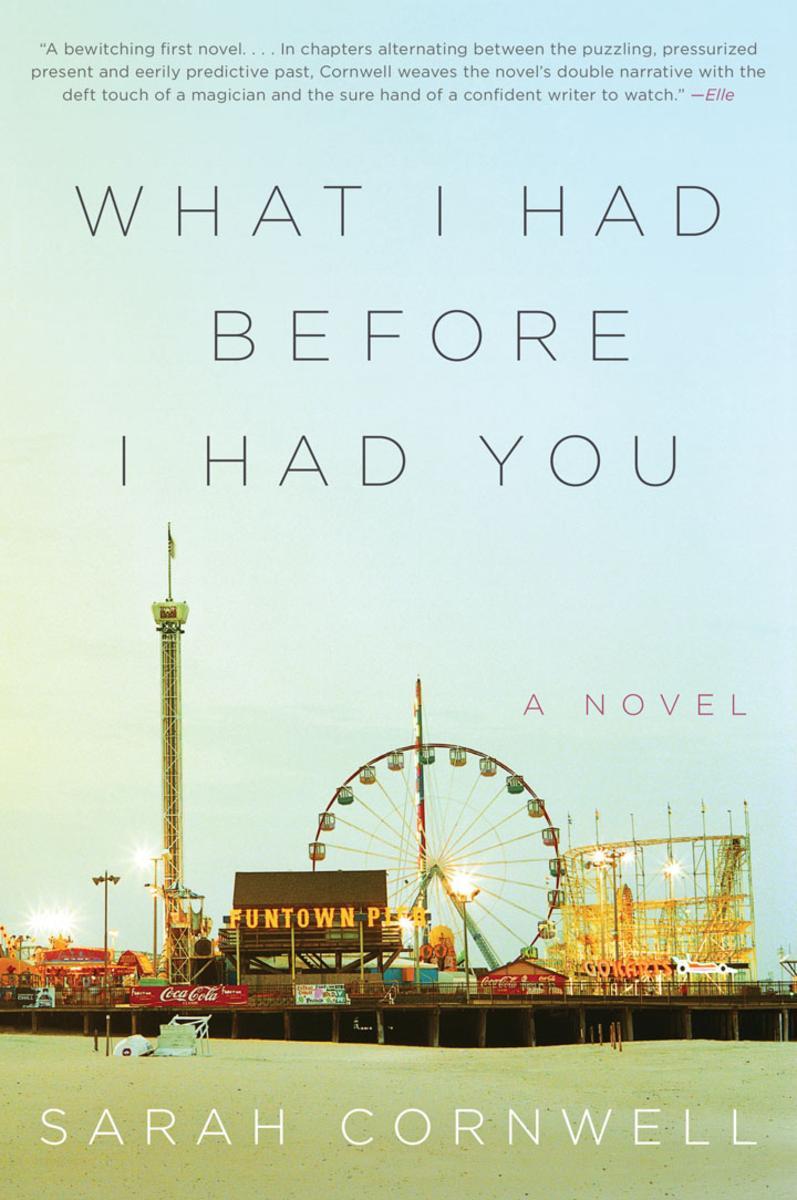
What I Had Before I Had You
¥83.03
Written in radiant prose and with stunning psychological acuity, award-winning author Sarah Cornwell's What I Had Before I Had You is a deeply poignant story that captures the joys and sorrows of growing up and learning to let go.Olivia Reed was fifteen when she left her hometown of Ocean Vista on the Jersey Shore. Two decades later, divorced and unstrung, she returns with her teenage daughter, Carrie, and nine-year-old son, Daniel, recently diagnosed with bipolar disorder. Distracted by thoughts of the past, Olivia fails to notice when Daniel disappears from her side. Her frantic search for him sparks memories of the summer of 1987, when she exploded out of the cocoon of her mother's fierce, smothering love and into a sudden, full-throttle adolescence, complete with dangerous new friends, first love, and a rebellion so intense that it utterly recharted the course of her life.Olivia's mother, Myla, was a practicing psychic whose powers waxed and waned along with her mercurial moods. Myla raised Olivia to be a guarded child, and also to believe in the ever-present infant ghosts of her twin sisters, whom Myla took care of as if they were alive—diapers, baby food, an empty nursery kept like a shrine. At fifteen, Olivia saw her sisters for the first time, not as ghostly infants but as teenagers on the beach. But when Myla denied her vision, Olivia set out to learn the truth—a journey that led to shattering discoveries about herself and her family.Sarah Cornwell seamlessly weaves together the past and the present in this riveting debut novel, as she examines the relationships between mothers and daughters, and the powerful forces of loss, family history, and magical thinking.
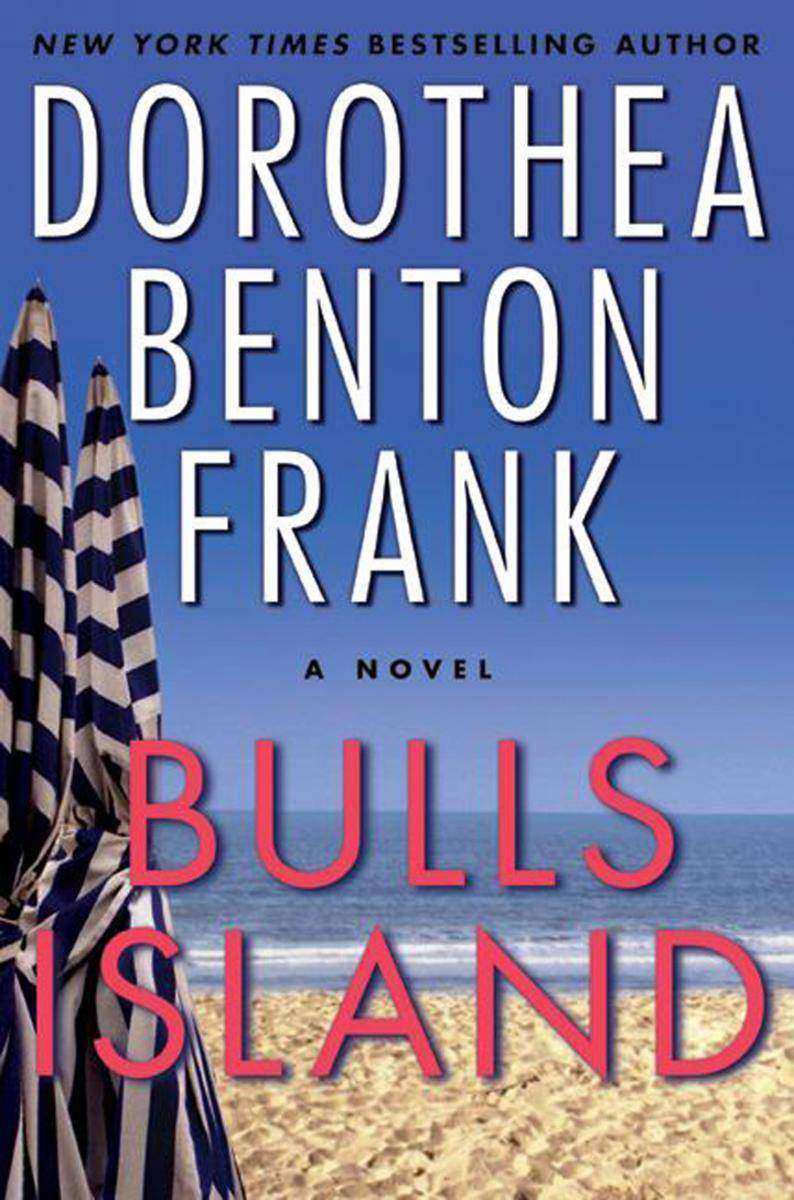
Bulls Island
¥55.31
A satisfying tale of honor, chance, and star-crossed love infused with Southern wit, grace, and charm from the New York Times bestselling author Dorothea Benton Frank After twenty years, Elizabeth "Betts" McGee has finally managed to put her past behind her. She hasn't been home to beautiful South Carolina and untouched Bulls Island since the tragic night that ended her engagement to Charleston's golden boy, J. D. Langley. And why is thatReally, this is the story of two old Southern families. The Langley family has more money than the Morgan Stanley Bank. And they think they have more class. The Barrett family made their nineteenth-century fortune in a less distinguished manner corner grocery stores and liquor stores. It's no surprise that when J.D. and Betts fall in love and decide to marry their parents are none too pleased. And when the love affair comes to an end, everyone is ready to place blame.Now twenty years have gone by and Betts, a top investment bank executive, must leave her comfortable life in New York City to return to the home she thought she'd left behind forever. But spearheading the most important project of her career puts her back in contact with everything she's tried so hard to forget: her estranged sister, her father, J.D., and her past. Once she's home, can Betts keep the secret that threatens all she holds dearOr will her fear of the past wreck her future happinessAnd what about that crazy gatorAll will be revealed on Bulls Island.
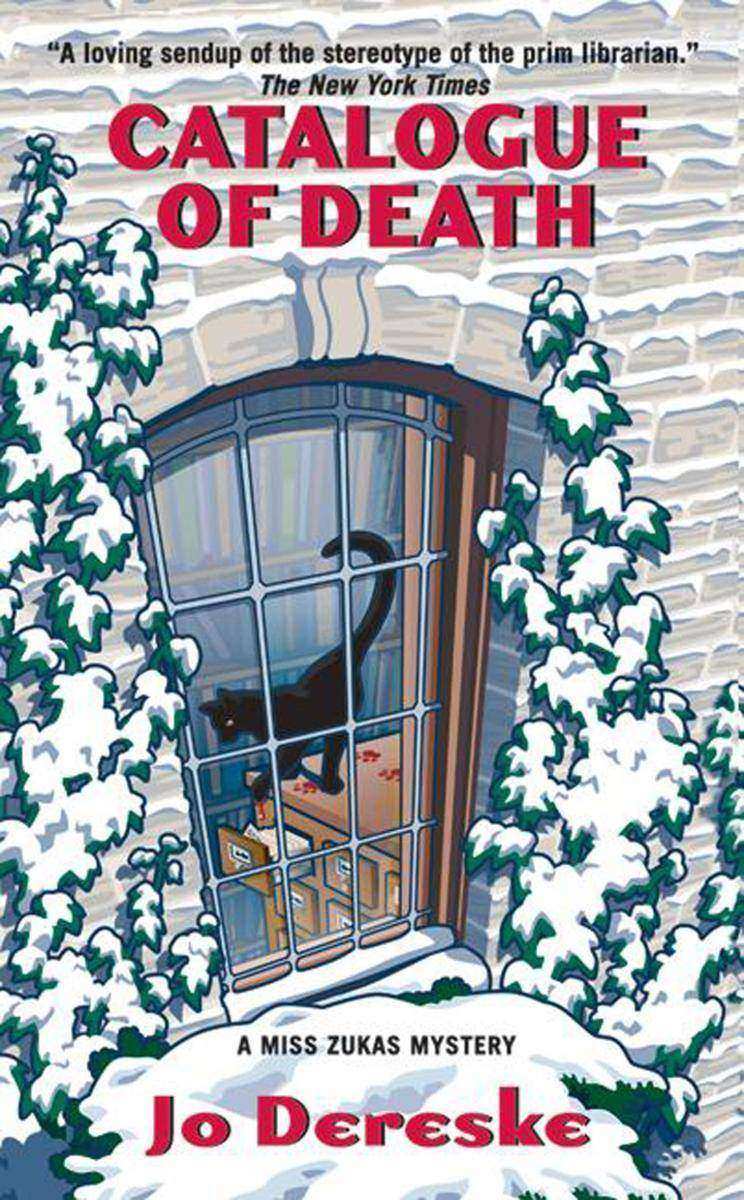
Catalogue of Death
¥55.31
At last, construction begins on a new library for Bellehaven, a gift of Franklin Harrington, scion of old Bellehaven money, and one of the locally famous Harrington triplets. But when a freak snowstorm hits, Bellehaven is brought to its knees. Not so Miss Helma Zukas who is at her post, dispensing library information, overseeing wayward employees, and soothing a busload of stranded gamblers. Suddenly, an explosion rocks the snowy day, destroying the library site, killing the benefactor and a penny pinching city finance czar. The snow melts but not trouble. Shockingly, Ms. Moon thrusts the new library project onto Helma. And Helma soon discovers why, uncovering secrets and shady dealings from start to finish secrets in the library, in the City, and in the Harrington family – secrets worth killing for.
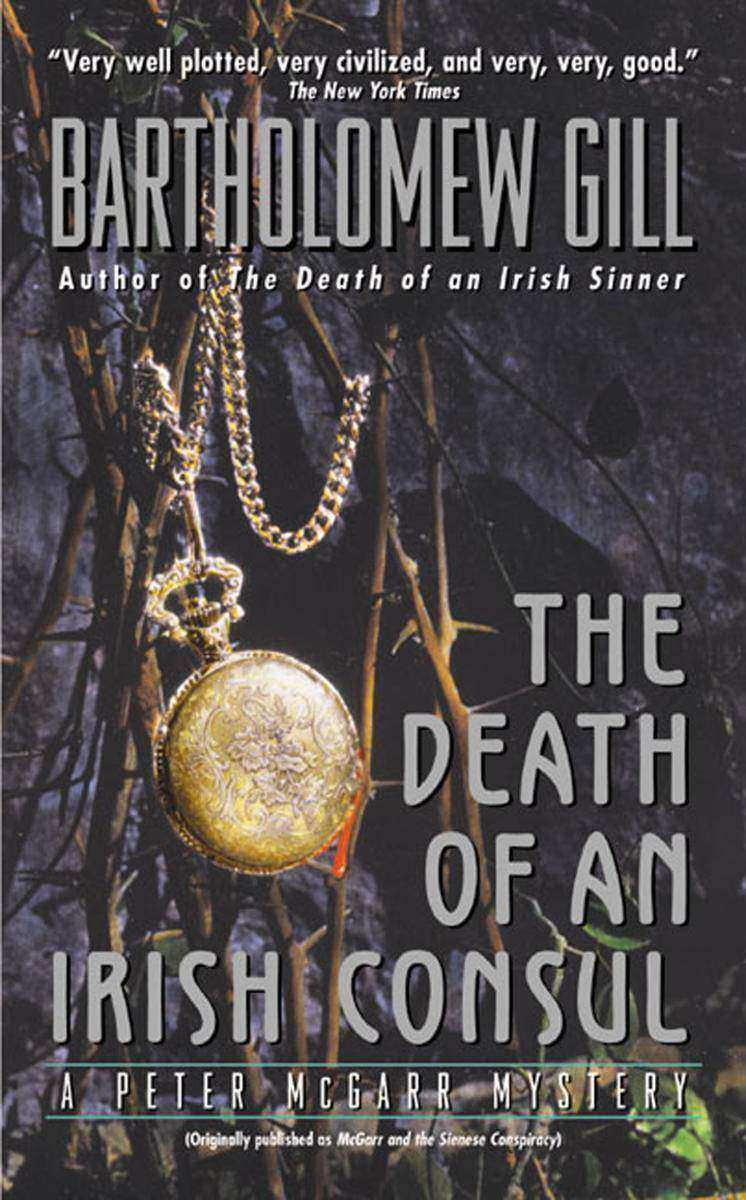
The Death of an Irish Consul
¥49.05
It's a rare occurrence when Chief Inspector of Detectives Peter McGarr leaves the shores of his beloved Ireland -- but this time he has little choice. The blood of two prominent British subjects -- both former S.I.S. chiefs, both brutally murdered -- is staining Irish soil. And Sir Colin Cummings, the current head of Britain's elite secret service -- and potential third victim -- en route to Italy, with McGarr coming along for the man's protection. A macabre conspiracy of murder and revenge is spreading its tentacles across several nations, and McGarr's time spent amidst the charm and rustic beauty of Siena promises to be anything but restful. Because there are many hidden players in this most deadly game -- from ex-spies to Communist rabble rousers to wealthy Italian industrialists. And a single misstep could place one dedicated and inquisitive Chief Inspector of the Garda Soichana directly in the line of killing fire.
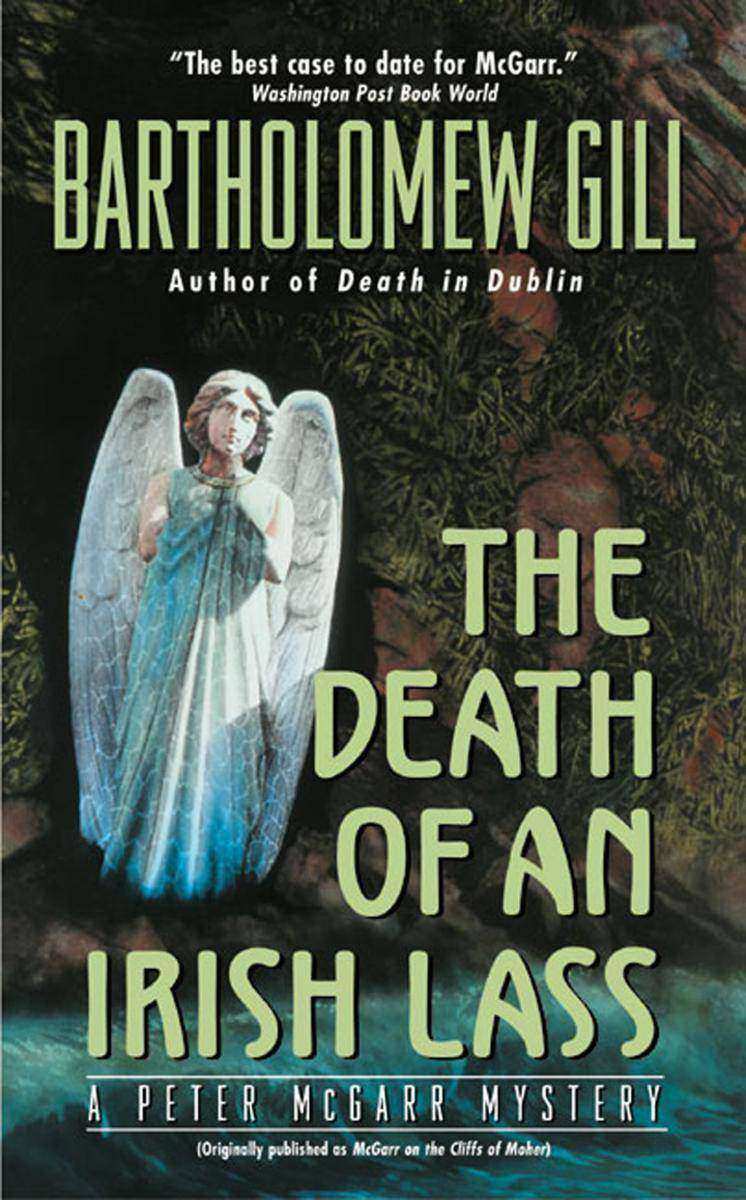
The Death of an Irish Lass
¥49.05
The dead woman is an enigma a local lass who emigrated to America some years back, now perched atop a seven hundred foot cliff high above the pounding Irish surf . . . with two passports, a pistol, and $27,000 U.S. dollars in her coat pocket. The brutality of May Quirk's murder along with the accompanying death of her unborn child haunts Chief Superintendent Peter McGarr of the Special Crimes Unit. What was it that brought her home to County Clare to dieMcGarr is determined to find out, as his investigation carries him into the twisted core of a deadly conspiracy centered around money, madness, and lethal politics . . . and leads him far from his own home to a dark place where a dedicated Irish policeman is easy prey.

The Fires
¥90.77
Smoke has as many different scents as skin. Part of the pleasure is not knowing what it will be -- sulfurous or closer to incense or airier and sweeter as I imagine the smell of clouds.Ella is a connoisseur of fire, a woman enthralled by it as other women are by love. She savors the seductive promise of a spark, the caress of a curling wisp of smoke, the all-consuming hunger of a spreading blaze. Ella's heart seethes with a rage that can be spoken only with tongues of flame.In her remarkable first novel, Rene Steinke has created a narrator so lyrical and lucid in her madness as to raise the book to the level of romance. Trapped in a sleepy Indiana town, torn by inner demons that drive her to pyromania and promiscuity, Ella is at once entirely original and unforgettably real.As she struggles to come to terms with her family's tormented past and her own uncertain future, she draws the mesmerized reader ever deeper into her scorched soul, revealing a sensuality that will spiral into final, fiery destruction -- unless it can be quenched by love.
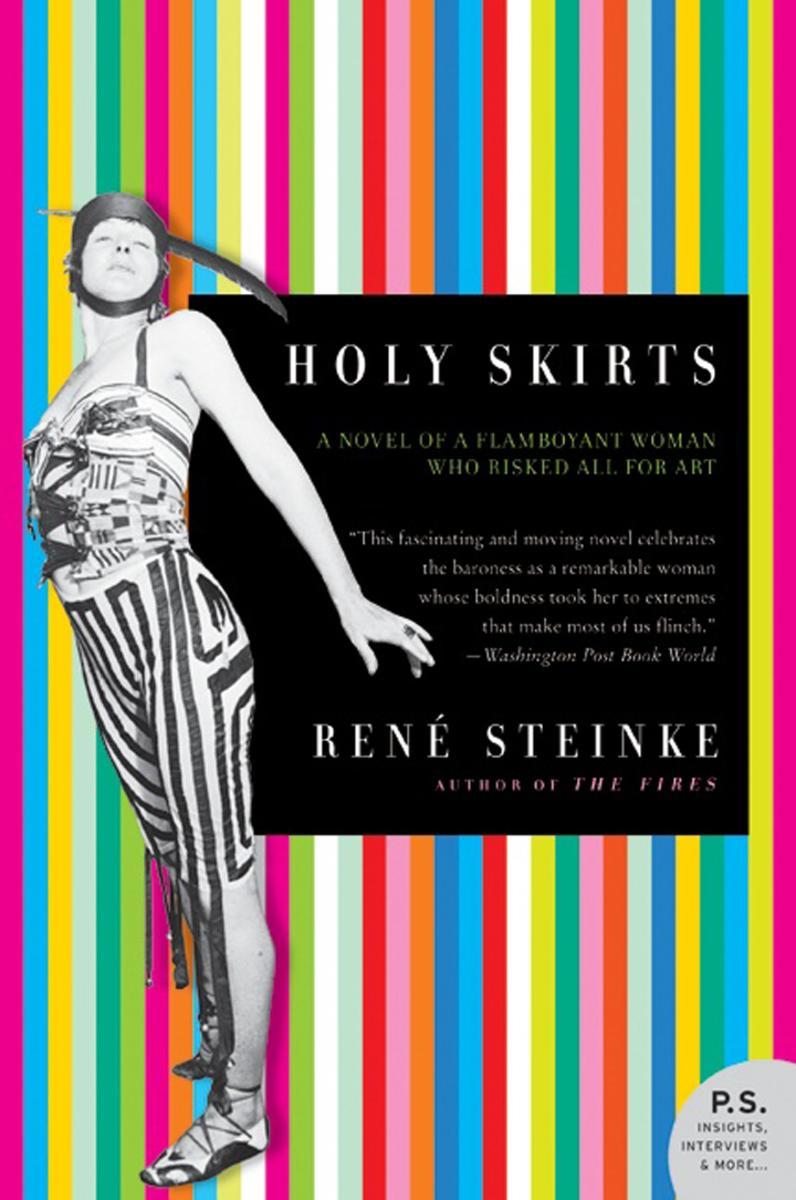
Holy Skirts
¥84.16
No one in 1917 New York had ever encountered a woman like the Bar-oness Elsa von Freytag-Loringhoven -- poet, artist, proto-punk rocker, sexual libertine, fashion avatar, and unrepentant troublemaker. When she wasn't stalking the streets of Greenwich Village wearing a brassiere made from tomato cans, she was enthusiastically declaiming her poems to sailors in beer halls or posing nude for Man Ray or Marcel Duchamp. In an era of brutal war, technological innovation, and cataclysmic change, the Baroness had resolved to create her own destiny -- taking the center of the Dadaist circle, breaking every bond of female propriety . . . and transforming herself into a living, breathing work of art.
The Original 1982
¥85.05
It's 1982, and Lisa is twenty-four years old, a waitress, an aspiring singer-songwriter, and the girlfriend to a famous musician. That year, she makes a decision, almost without thinking about it.But what would have happened if she had chosen differentlyThirty years later, haunted by regret, Lisa revisits her past to reimagine it.Alternating between two very different possibilities, The Original 1982 is a novel about how the choices we make affect the people we become—and about how the people we are affect the choices we make.

All That Is Solid Melts into Air
¥84.16
Russia, 1986. On a run-down apartment block in Moscow, a nine-year-old prodigy plays his piano silently for fear of disturbing the neighbors. In a factory on the outskirts of the city, his aunt makes car parts, hiding her dissident past. In a nearby hospital, a surgeon immerses himself in his work, avoiding his failed marriage.And in a village in Belarus, a teenage boy wakes to a sky of the deepest crimson. Outside, the ears of his neighbor's cattle are dripping blood. Ten miles away, at the Chernobyl Power Plant, something unimaginable has happened.Now their lives will change forever. An end-of-empire novel charting the collapse of the Soviet Union, All That Is Solid Melts into Air is a gripping and epic love story by a major new talent.
Sight Reading
¥88.56
The critically acclaimed author of Russian Winter turns her "sure and suspenseful artistry" (Boston Globe) to the lives of three colleagues and lovers in the world of classical music.On a Boston street one warm spring day, Hazel and Remy spot each other for the first time in years. Although their brief meeting may seem insignificant, behind them lie two decades in which their life paths have crisscrossed, diverged, and ultimately interlaced. Remy, a gifted violinist, is married to the composer Nicholas Elko—once the love of Hazel's life.It has been twenty years since Remy, an ambitious conservatory student; Nicholas, a wunderkind launching an international career; and his wife, the beautiful and fragile Hazel, first came together, tipping their collective world on its axis. As their story unfolds from 1987 to 2007, from Europe to America, from conservatory life to the Boston Symphony Orchestra, each discovers the surprising ways in which the quest to create something real and true—be it a work of art or one's own life—can lead to the most personal of revelations.Lyrical and evocative, Sight Reading explores the role of art and beauty in everyday life, while unspooling a transporting story of marriage, family, and the?secrets we keep,?even from ourselves.
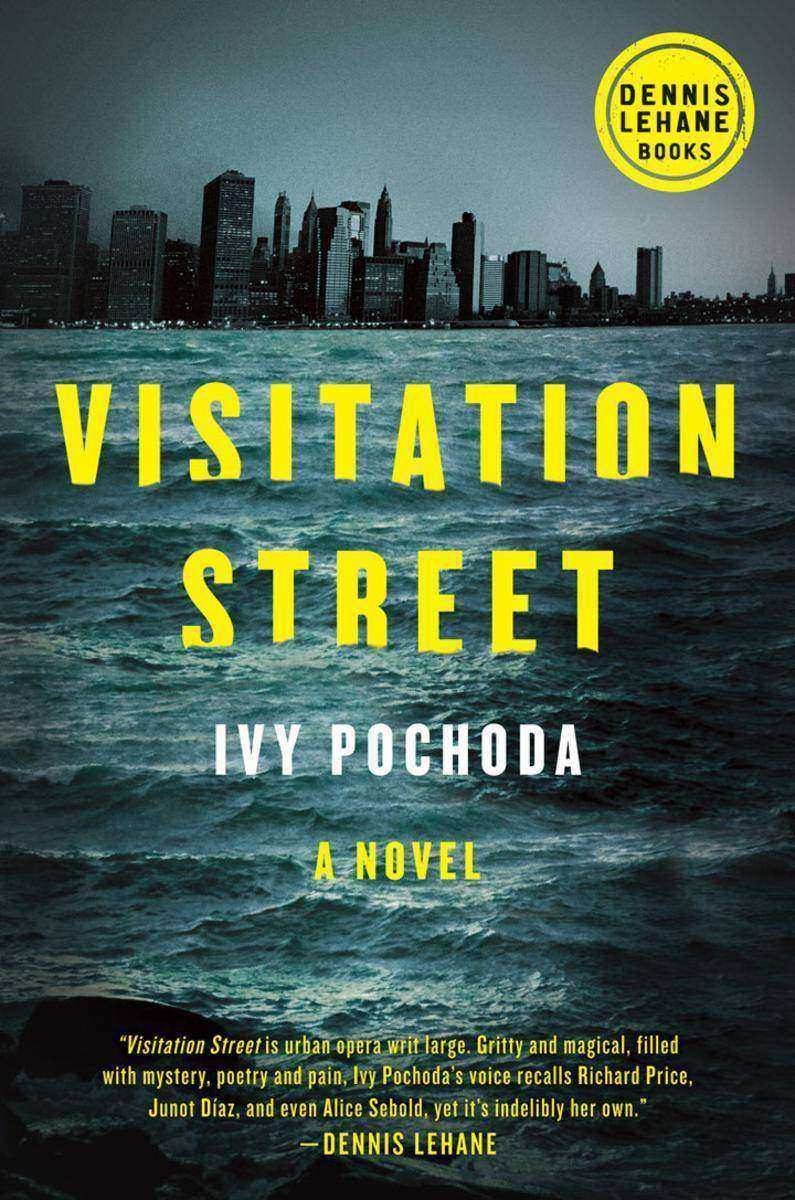
Visitation Street
¥88.56
Summer in Red Hook, Brooklyn, an isolated blue-collar neighborhood where hipster gourmet supermarkets push against tired housing projects and the East River opens into the bay. Bored and listless, fifteen-year-olds June and Val are looking for fun. Forget the boys, the bottles, the coded whistles. Val wants to do something wild and a little crazy: take a raft out onto the bay. But on the water during the humid night, the girls disappear. Only Val survives, washing ashore in the weeds, bruised and unconscious.This shocking event echoes through the lives of Red Hook's diverse residents. Fadi, the Lebanese bodega owner, hopes that his shop is a place to share neighborhood news, and he trolls for information about June's disappearance. Cree, just beginning to pull it together after his father's murder, unwittingly makes himself the chief suspect in the investigation, but an enigmatic and elusive guardian is determined to keep him safe. Val contends with the shadow of her missing friend and a truth she's buried deep inside. Her teacher Jonathan, a Juilliard dropout and barfly, wrestles with dashed dreams and a past riddled with tragic sins.In Visitation Street, Ivy Pochoda combines intensely vivid prose with breathtaking psychological insight to explore a cast of solitary souls, pulled by family, love, betrayal, and hope, who yearn for a chance to break free.

The Last Best Kiss
¥55.33
Jane Austen comes to modern-day Los Angeles in Claire LaZebnik's imaginative take on Persuasion, where seventeen-year-old Anna Eliot finds out whether there's such a thing as a second chance when it comes to first love. Fans of Polly Shulman, Maureen Johnson, Elizabeth Eulberg, Stephanie Perkins, and, of course, Jane Austen will love this irresistibly funny and romantic contemporary tale.Anna is tired of worrying about what other people think. After all, that was how she lost the only guy she ever really liked, Finn Westbrook. Now, three years after she broke his heart, the one who got away is back in her life—and he wants nothing to do with her.Anna keeps trying to persuade herself that she doesn't care about Finn either, but even though they've both changed since they first met, deep down she knows he's the guy for her. Now if only she can get him to believe that, too . . .

Wrong About the Guy
¥55.33
This contemporary twist on Jane Austen's Emma features the signature wit and swoon-worthy romance of beloved author Claire LaZebnik's other fan favorites Epic Fail, The Trouble with Flirting, and The Last Best Kiss.Ellie Withers is definitely not spoiled, so she wishes that George Nussbaum would stop implying that she is. It's not her fault that her stepfather became a TV star and now they live in a big house and people fawn over her wherever she goes. She doesn't even like being fawned over. Fortunately, her two closest friends understand her a lot better than George: Heather Smith loved her before she even knew who Ellie's stepfather was, and handsome Aaron Marquand has a father who's just as famous.With Aaron back in town and very much in her life, Ellie feels like things are just fine—or would be if her mother hadn't hired George to tutor her. George has a habit of making Ellie feel a little less sure of herself, a little less on top of the world, a little less right about everything. It's almost like he wants her to be a better person than she is.When Ellie's plans for her family, her friends, and even her love life don't turn out the way she imagined, she begins to wonder if maybe she could stand to learn a thing or two after all . . . and whether it's possible—or even likely—that the perfect person to teach her is the last person she'd expect.

Forest of the Pygmies
¥83.03
Once again Alexander Cold and his indomitable journalist grandmother, Kate, are braving the mystical unknown, this time in the heart of Africa. Along with Alex's friend Nadia Santos and a photographic crew from International Geographic magazine, they have travelled to Kenya to work on an article about the continent's first elephant-led safaris. But when a missionary approaches their camp in search of companions who have mysteriously disappeared, Alex, Nadia, and their group find themselves embarking on a dangerous mission to Africa's equatorial forest to aid a clan of Pygmies. For the Cold expedition is the tribe's last hope for survival in a world where poaching, corruption, and slavery run rampant.Forest of the Pygmies is the concluding volume of acclaimed author Isabel Allende's celebrated trilogy, which begins with City of the Beasts and continues with Kingdom of the Golden Dragon.
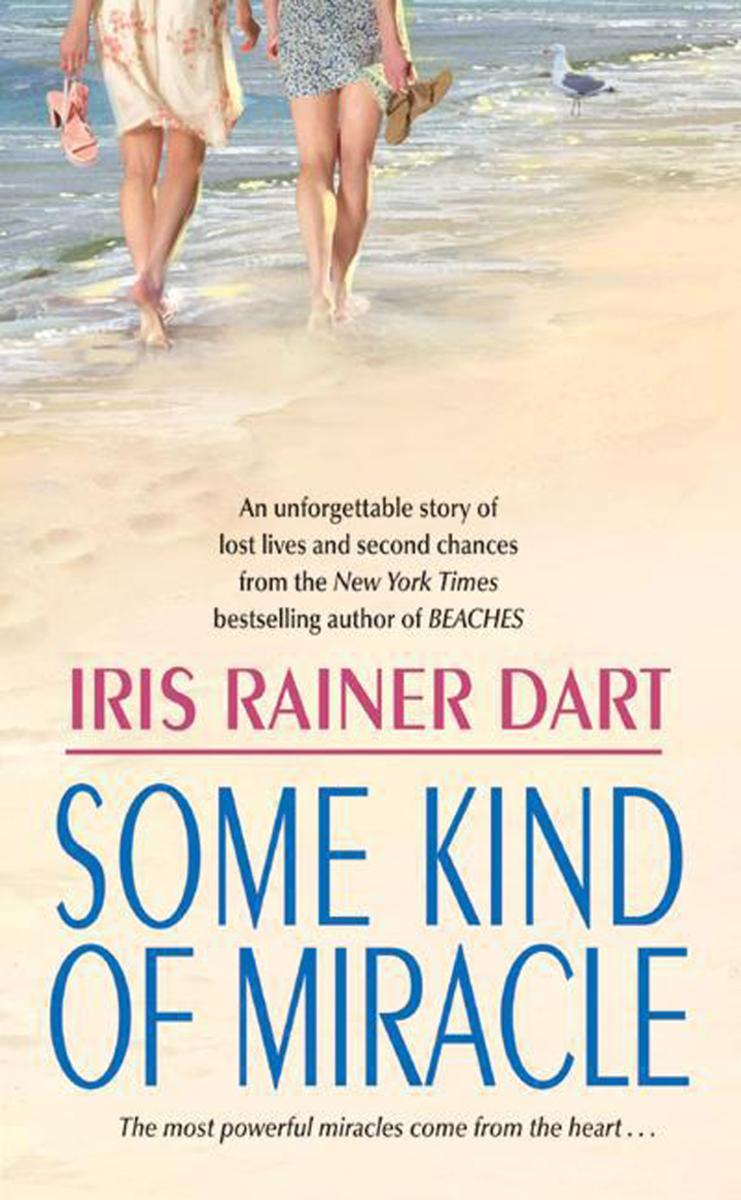
Some Kind of Miracle
¥52.63
From the mega-bestselling author of Beaches , a new novel, available in mass market for the first time, once again celebrating female relationships. Two very different women fulfil a childhood promise to take care of one another no matter what.Dahlia Green is a struggling songwriter in Los Angeles who has fallen on hard times. She's had few of her songs recorded, but lately there's been a long pause between sales and she's starting to believe she'll never sell another song. As a child Dahlia and her cousin Annie wrote duets together as child play. Then Annie was diagnosed with schizophrenia and for all of her adult life has cycled in and out of mental hospitals where no one ever goes to visit her. Now twenty-five years later Dahlia has a chance to shine again by selling a song she and Annie wrote. So she tracks Annie in an institution and brings her home in hopes of convincing her to sign away her rights to the tune. But what starts out as a scheme to get ahead and exploit her cousin results in Dahlia putting someone else's needs above her own for the first time in her life. She fulfils a childhood promise made long ago to take care of one another no matter what.
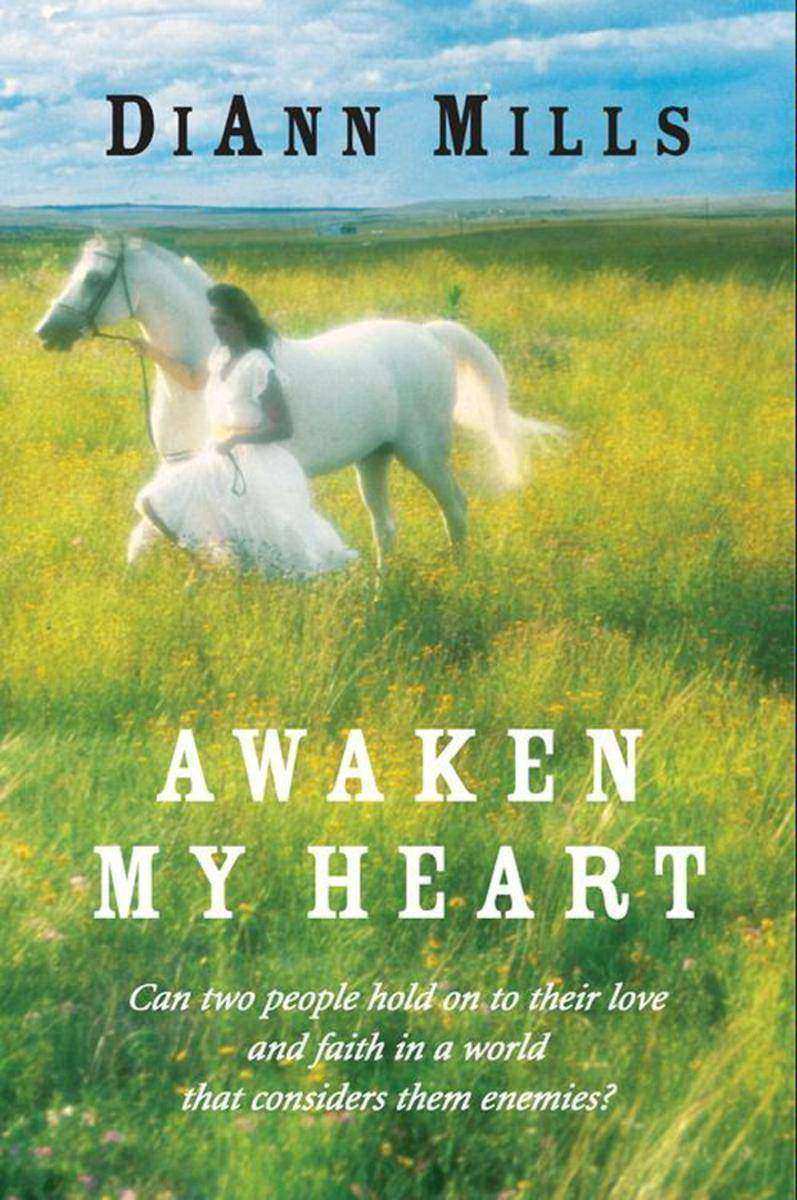
Awaken My Heart
¥61.70
1803, the colony of Texas Marianne Phillips, the daughter of a wealthy rancher, has never agreed with her father's harsh treatment of the poor mestizos who first inhabited the colony of Texas. When rebels kidnap Marianne, in hopes her father will trade back their land for her freedom, she realizes her loyalty lies with her abductors, not her father, who plans to marry her off to the don of a nearby estate. Armando Garcia is the locals' reluctant leader, but his people revere and depend on him. Knowing that without his leadership they'd be forced from their land, Armando accepts his role, but does not approve of the latest attempt to manipulate their enemy. When he learns that Marianne actually speaks his language, of her loyalty to his people, and of the faith that keeps her strong, Armando is faced with a difficult decision. Will his newfound love keep him from letting her goOr will he set her free and risk losing their land forever?
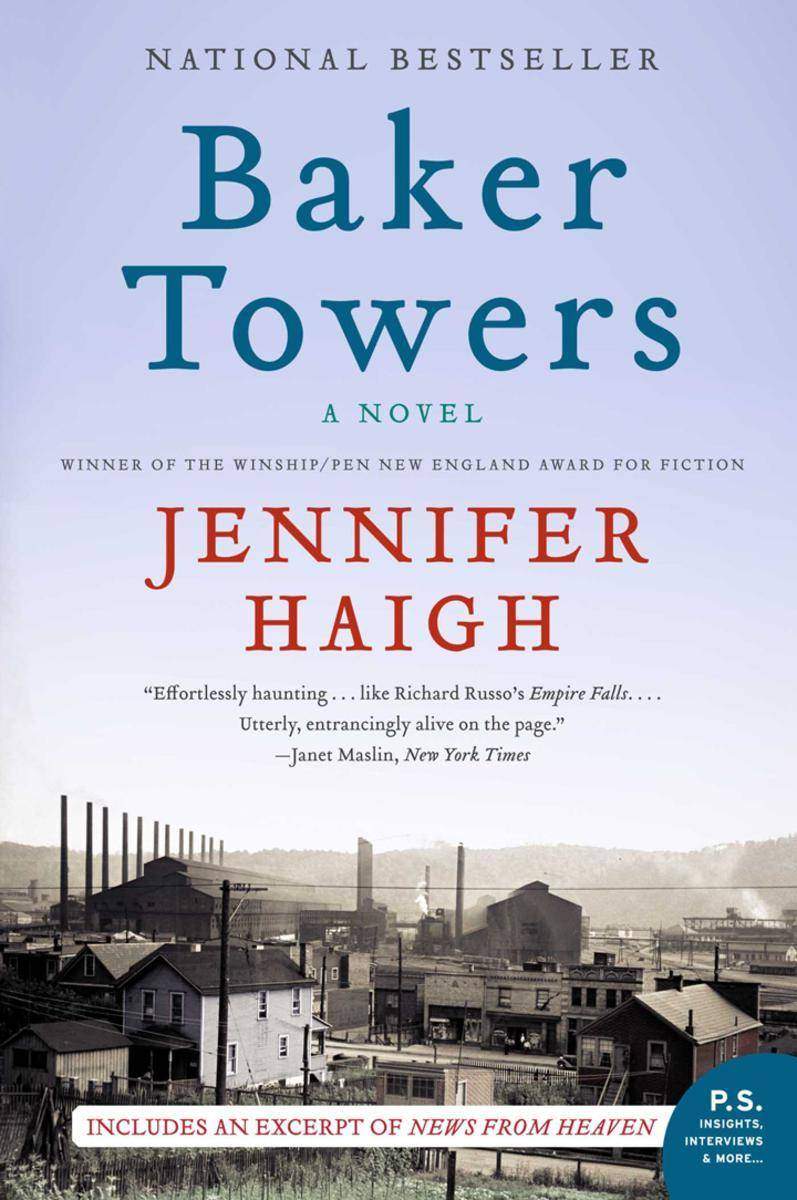
Baker Towers
¥83.03
Bakerton is a community of company houses and church festivals, of union squabbles and firemen's parades. Its neighborhoods include Little Italy, Swedetown, and Polish Hill. For its tight-knit citizens -- and the five children of the Novak family -- the 1940s will be a decade of excitement, tragedy, and stunning change. Baker Towers is a family saga and a love story, a hymn to a time and place long gone, to America's industrial past, and to the men and women we now call the Greatest Generation. It is a feat of imagination from an extraordinary voice in American fiction, a writer of enormous power and skill.

The Beauty Buyble
¥78.32
This attractive box includes The Beauty Buyble book and dozens of amazing product samples you won't be able to wait to get your hands on! Indulge yourself--and find out what products work best for your hair, skin, and face! Going to the cosmetic counter can be one of the most abusive experiences in a woman's daily routing. Where else do you pay for the privilege of being told, You need a new look The salesperson, who has no clue about what's right for you, sells you $150 worth of makeup and skin care products you may not need or that may irritate your skin. How do you know which mascara truly lengthens, curls, or offers the blackest blackWhich lipstick really does stay on all day without drying your lipsThe Beauty Buyble is a one-step reference to the year's best beauty buys and products. It takes out the guesswork, making it easier for you to find the best hair care, makeup, skin care, and beauty tools available on the market. This helpful, accessible book lists product in the low-, middle-, and high-end price range so you can find the item that's right for you and that will truly enhance your beauty. The clean, concise format helps you find just what you need -- and the authors offer advice from celebrity hair stylists, makeup artists, and real women to help you get the best out of your beauty purchases!Includes tips and secrets from the top names in beauty!Sally Hershberger, celebrity stylist and spokesperson for John Frieda Oscar Blandi, celebrity stylist Rebecca Restrepo, New York-based makeup artist Mark Garrison, celebrity stylist Katherine Hickland, owner and founder of Cat Cosmetics Orlando Pita, celebrity stylist Lorri Goddard-Clark, celebrity colorist Dr. Dennis Gross, dermatologist in New York City Carla Kay, Cloutier celebrity manicurist
Birds of Prey
¥69.16
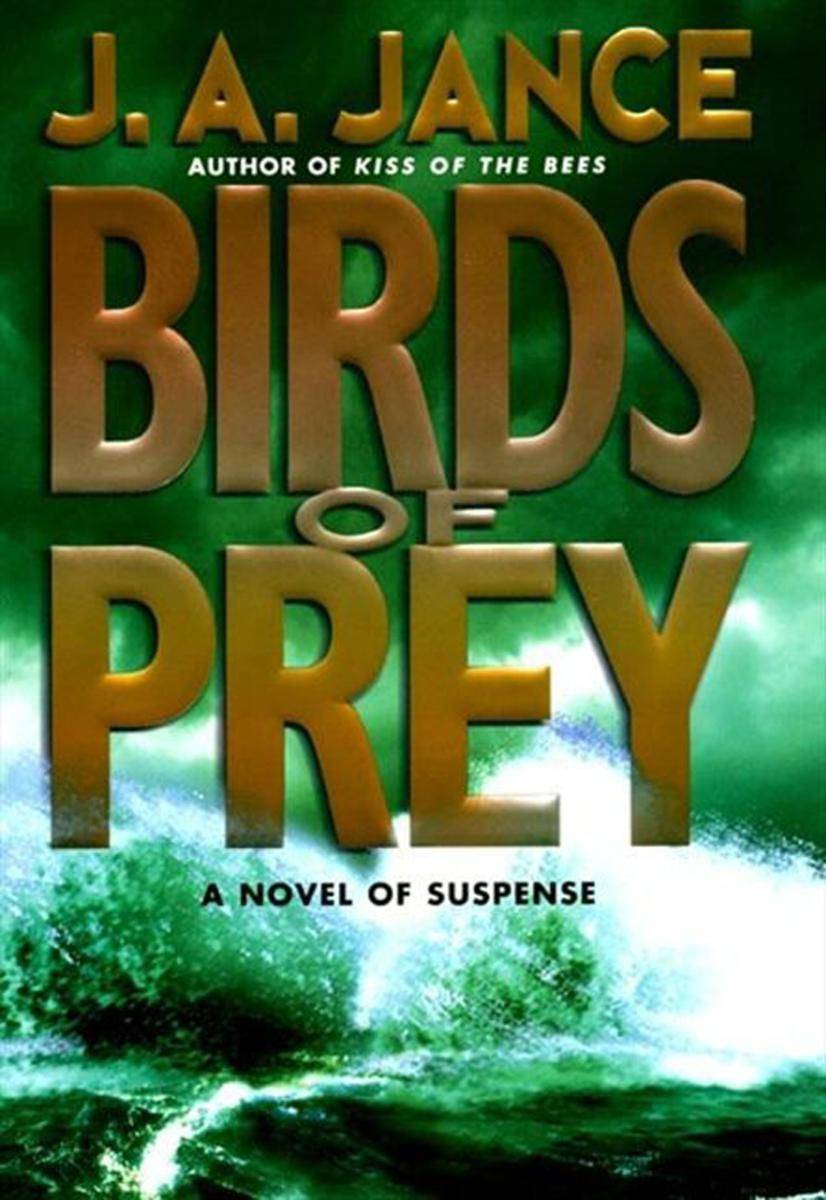
The Starfire Breeze steams its way north toward the Gulf of Alaska, buffeted by crisp sea winds blowing down from the Arctic. Those on board are seeking peace, relaxation, adventure, escape. But there is no escape in this place of unspoiled natural majesty. Because terror strolls the decks even in the brilliant light of day . . . and death is a conspicuous, unwelcome passenger. Former Seattle policeman J.P. Beaumont a damaged homicide detective who has come here to heal from fresh, stinging wounds will find that the grim ghosts pursuing him were not left behind . . . as a pleasure cruise gone horribly wrong carries him into lethal, ever-darkening waters.
Almost Friends
¥83.92
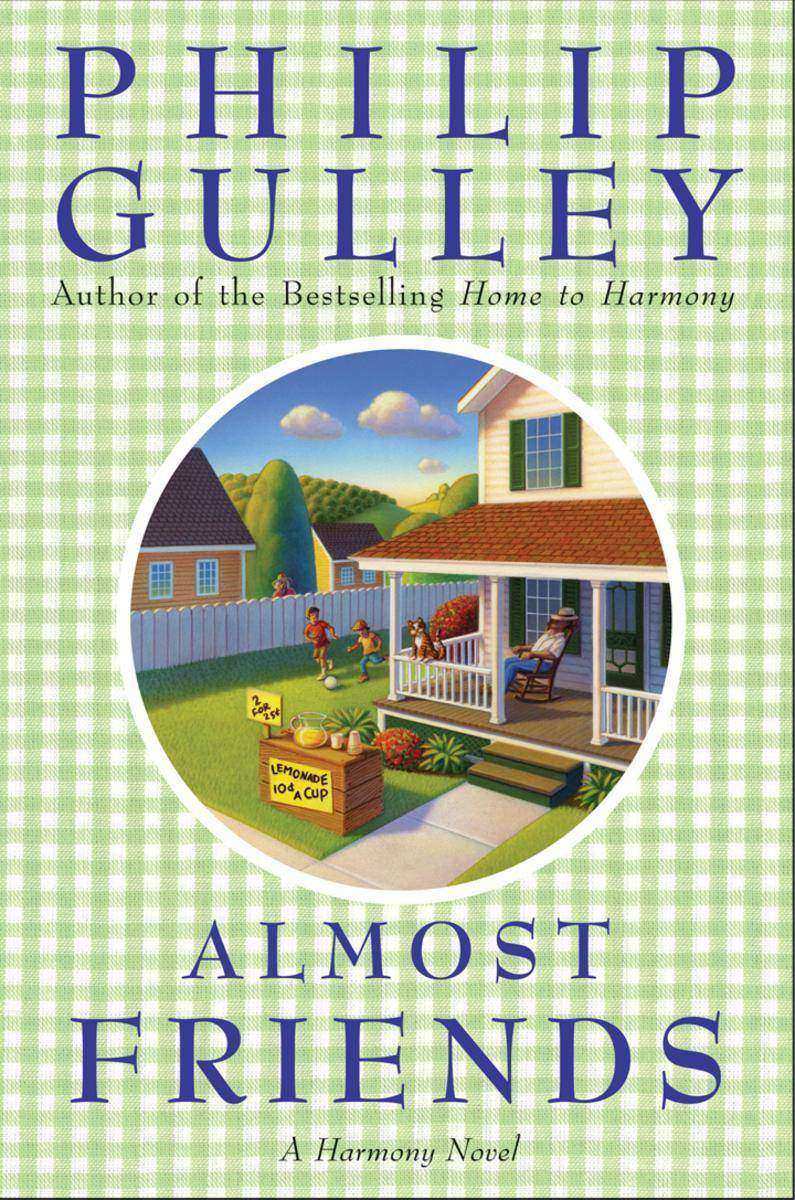
It's summer in Harmony, but not everything is as sunny as the weather. The good citizens of Harmony are back and stirring up trouble as usual, sometimes with disastrous results. Pastor Sam Gardner must take a leave of absence from his post at Harmony Friends Meeting to take care of his ailing father.But when spunky pastor Krista Riley comes to fill his position, the quirky Quakers seem to fall in love with her, and it begins to look like Sam's sabbatical may be permanent. Krista's resilience is put to the test when Dale Hinshaw and Fern Hampton begin to question whether a woman can faithfully lead their flock, and it looks like the resulting tiff might just be the undoing of Harmony Friends Meeting. Will Sam come to the rescueFinding the answer to this question makes the trip back to Harmony worth turning every page.


