


 购物车
 个人中心

There is No Thinker Only Thought
¥73.49
In these talks given in New Delhi, Bombay, London, Saanen, Paris and Madras, Krishnamurti begins by defining what he means by the word discussion and what it means to go beyond thought. "I think, before we begin, it should be made clear what we mean by discussion. To me it is a process of discovery through exposing oneself to the fact. That is, in discussing I discover myself, the habit of my thought, the way I proceed to think, my reactions, the way I reason, not only intellectually but inwardly. It is really exposing oneself not merely verbally but actually so that the discussion becomes a thing worth while - to discover for ourselves how we think. Because, I feel if we could be serious enough for an hour or a little more and really fathom and delve into ourselves as much as we can, we shall be able to release, not through any action of will, a certain sense of energy which is all the time awake, which is beyond thought."
Choiceless Awareness
¥73.49
In these talks in India , Krishnamurti begins by stating his intention to begin answering questions put forth to him by others. He points out that if an answer is to be right, the question itself must also be. "...a serious question put by a serious person, by an earnest person who is seeking out the solution of a very difficult problem, then, obviously, there will be an answer befitting that question."? An extensive compendium of Krishnamurti's talks and discussions in the USA, Europe, India, New Zealand, and South Africa from 1933 to 1967—the Collected Works have been carefully authenticated against existing transcripts and tapes. Each volume includes a frontispiece photograph of Krishnamurti , with question and subject indexes at the end. The content of each volume is not limited to the subject of the title, but rather offers a unique view of Krishnamurti's extraordinary teachings in selected years. The Collected Works offers the reader the opportunity to explore the early writings and dialogues in their most complete and authentic form.

Walden and Civil Disobedience
¥40.79
Walden follows Thoreau's experiences over the course of two years, two months, and two days in a cabin he built near Walden Pond, amidst woodland owned by his friend and mentor Ralph Waldo Emerson. In Civil Disobedience Thoreau argues that individuals should not permit governments to overrule or atrophy their consciences, and that they have a duty to avoid allowing such acquiescence to enable the government to make them the agents of injustice.

Excursions
¥40.79
An anthology of several essays by American transcendentalist Henry David Thoreau. The book includes an introduction entitled 'Biographical Sketch' in which fellow transcendentalist Ralph Waldo Emerson provides a description of Thoreau and nine of nine of Thoreau's essays: Natural History of Massachusetts, A Walk to Wachusett, The Landlord, A Winter Walk, The Succession of Forest Trees, Walking, Autumnal Tints, Wild Apples, and Night and Moonlight.

Walden
¥40.79
I went to the woods because I wished to live deliberately, to front only the essential facts of life, and see if I could not learn what it had to teach, and not, when I came to die, discover that I had not lived. I did not wish to live what was not life, living is so dear; nor did I wish to practice resignation, unless it was quite necessary. I wanted to live deep and suck out all the marrow of life, to live so sturdily and Spartan-like as to put to rout all that was not life, to cut a broad swath and shave close, to drive life into a corner, and reduce it to its lowest terms, and, if it proved to be mean, why then to get the whole and genuine meanness of it, and publish its meanness to the world; or if it were sublime, to know it by experience, and be able to give a true account of it in my next excursion.
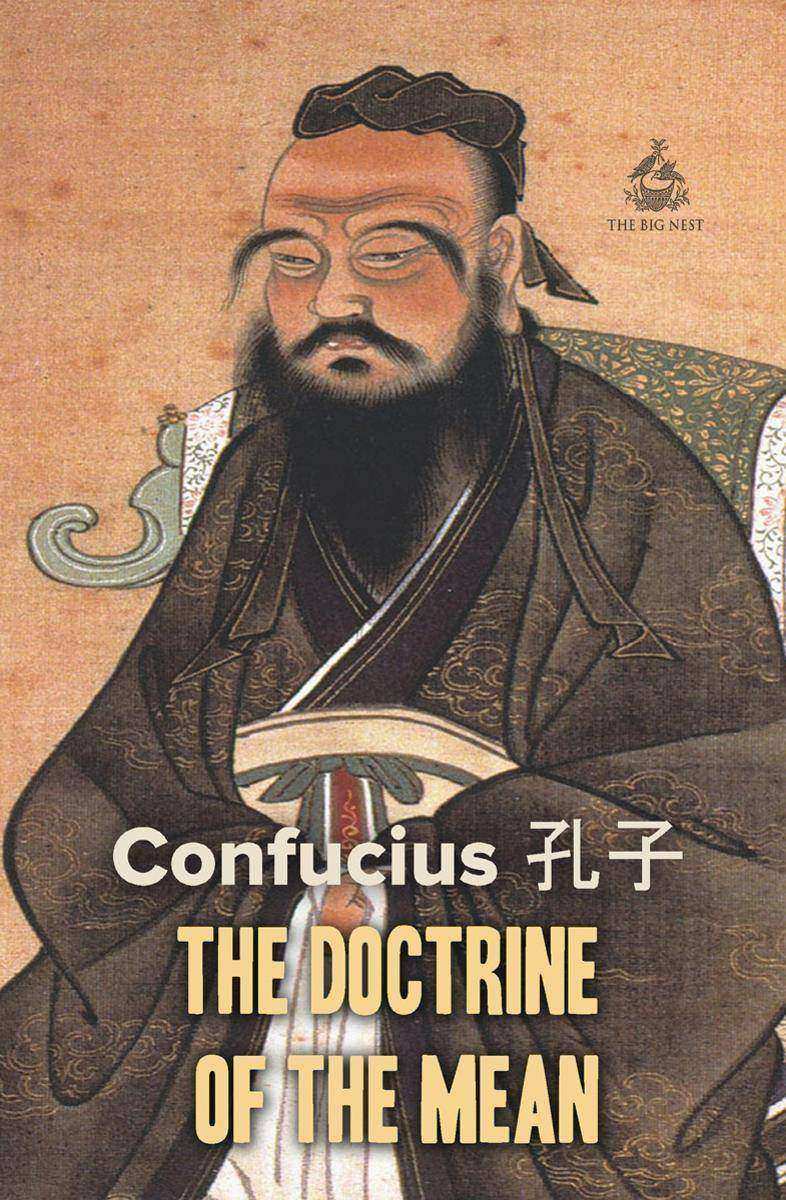
The Doctrine of the Mean
¥40.79
The Doctrine of the Mean is a text rich with symbolism and guidance to perfecting oneself. The person who follows the mean is on a path of duty and must never leave it. A superior person is cautious, a gentle teacher and shows no contempt for his or her inferiors.
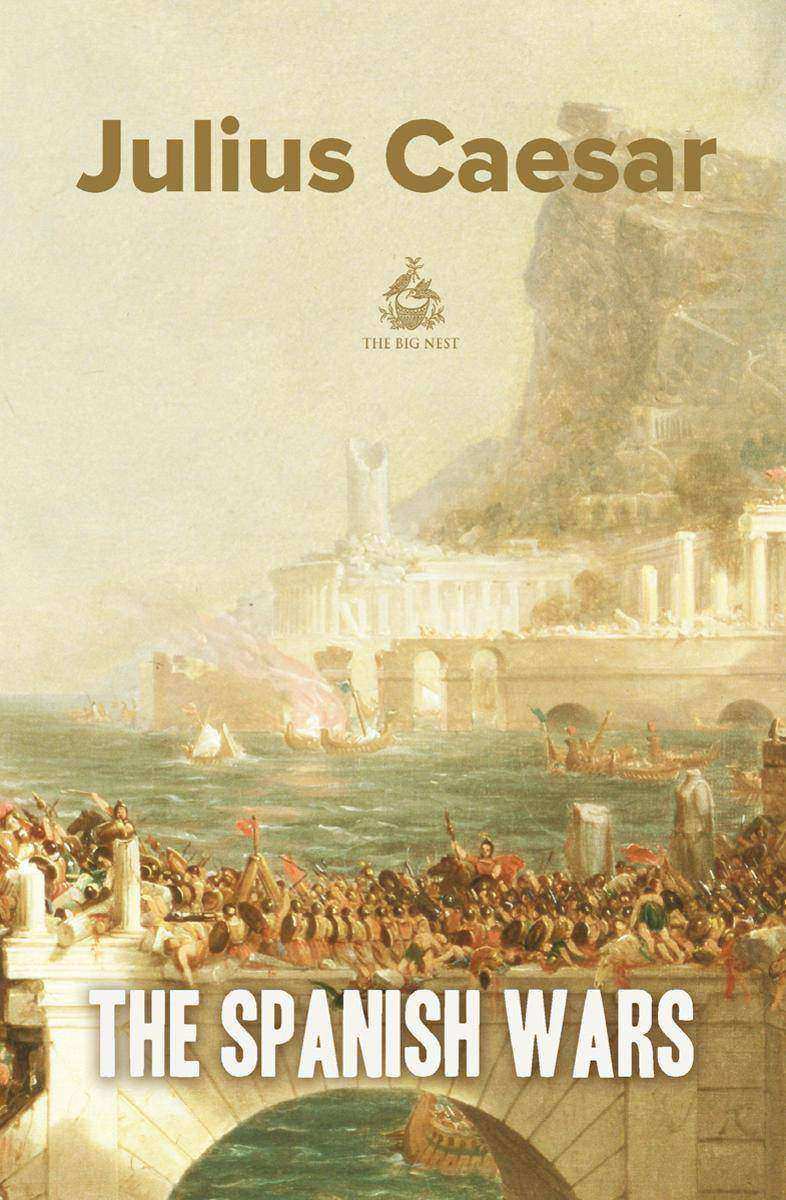
The Spanish Wars
¥40.79
On the defeat of Pharnaces and reduction of Africa, those who escaped from those battles fled to young Cn. Pompey, who had taken possession of Further Spain, while Caesar was detained in Italy in exhibiting games. Pompey began to throw himself on the protection of every state, in order the more readily to establish the means of defense against him. Accordingly, with a considerable force which had been collected, partly by entreaty, partly by force, he began to lay waste the province. Under these circumstances some states voluntarily sent him supplies, others shut the gates of their towns against him. If any of these chanced to fall into his hands by assault, although some citizen in it had deserved well of Cn. Pompey (his father), yet some cause was alleged against him on account of the greatness of his wealth, so that, he being dispatched, his fortune might become the reward of the soldiers.
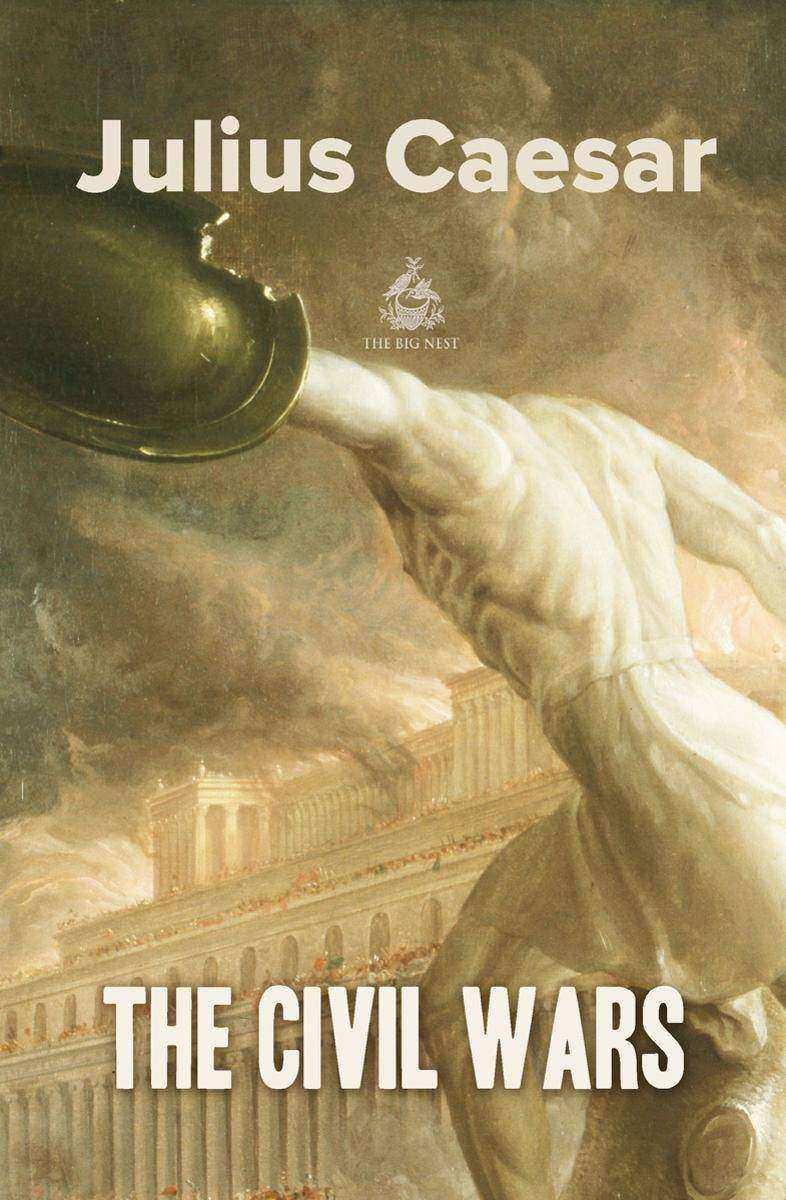
The Civil Wars, Book 2
¥40.79
While these things were going forward in Spain, Caius Trebonius, Caesar's lieutenant, who had been left to conduct the assault of Massilia, began to raise a mound, vineae, and turrets against the town, on two sides; one of which was next the harbor and docks, the other on that part where there is a passage from Gaul and Spain to that sea which forces itself up the mouth of the Rhone. For Massilia is washed almost on three sides by the sea, the remaining fourth part is the only side which has access by land.
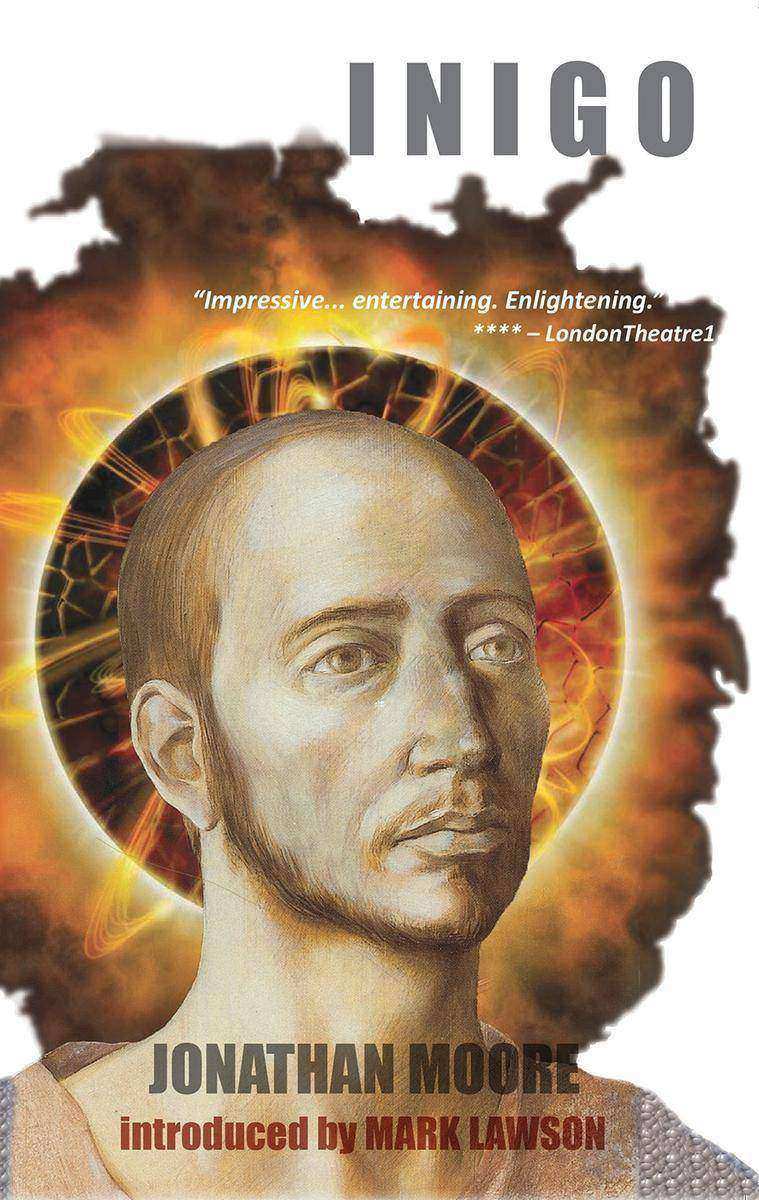
Inigo: a play about Ignatius of Loyola
¥32.62
Inigo (Ignatius de Loyola) begins as a hot-headed, street-fighting sensualist, in this action-packed play but due to serious injury in a sword-fight, he has to spend time recovering and reassessing his dissolute life. This stage version of his life follows his transformation to become the co-founder of the Jesuits in the sixteenth century, battling the powers of the day and the Inquisition. In Moore's bold, funny play, he asserts Inigo's position as a radical figure bent on changing the Catholic Church.?? This play is not only for those interested in Inigo and the Jesuits. It is also about individuals who fight for change against an implacable Establishment and it is ideal for performing in schools, colleges and theatres. Of special interest to schools and colleges, many of which are named after Inigo (Ignatius de Loyola).?Inigo's spiritual tools for change have informed other self-development programs such as the 12 step program for recovering drug and alcohol addicts. As Pope Francis is a Jesuit, this is a timely exploration of one of history's major spiritual leaders and reformers. "This is the most interesting play text to have reached me for a while... Ignatius of Loyala, founder of the Jesuits is not the most obvious choice for a play subject until you remember that he was effectively a counter-cultural radical fighting an implacable establishment suddenly it s both topical and relevant. I hope this thoughtful, engaging and very funny in places eight-hander will get more outings very soon. If not read the text anyway." --Susan Elkin, The Stage"Brilliantly written... a great evening of thoughtful and dynamic theatre." --Mark Lawson, arts correspondent"The structure and dynamism of the play, the art with which Jonathan Moore makes Ignatius accessible to us, capturing much of the drama of the Spiritual Exercises themselves, would also make I?igo an excellent discovery for schools and colleges." --James Hanvey SJ, Master of Campion Hall, University of Oxford, Thinking Faith Jonathan Moore is an award-winning actor, writer and director. As an actor he has played leading roles at the Royal Shakespeare Co, Royal Court, Donmar, the Royal Exchange and on BBC TV. He has directed theatre and opera world premieres at the Almeida, Donmar, West End, Royal Exchange, Gate, English National Opera, Covent Garden, La Fenice in Venice and on TV among many others. He has directed world premieres by composers such as Turnage, MacMillan, Henze, Schnittke, Nyman, Copeland and more, and his early work was sponsored by Joe Strummer of The Clash. He has collaborated with members of punk band Killing Joke and on several projects with Industrial group Test Dept. A published playwright and librettist, his work has been performed at leading theatres including the Donmar, Royal Exchange, Gate, BBC TV, radio and internationally. Jonathan was asked by Mark Rylance to direct the large-scale immersive project for over fifty performers What You Will, a co-production for Shakespeare s Globe, The Cultural Olympiad and Mayor s Office and several subsequent Shakespeare projects. He is due to direct a large-scale site-specific immersive project for Ludovico Einaudi in Italy and a new opera project with Stewart Copeland. He is on the Artistic Advisory Committee of the Royal Academy of Dramatic Art. He has had a Who s Who entry since 2007. A collection of Moore's plays has been previously published by Aurora Metro Books. www.jonathanmooreuk.com
Apology
¥40.79
Apology presents the speech of self-defence given by Socrates in his trial for impiety and corruption specifically against the charges of corrupting the young, and by not believing in the gods in whom the city believes, but in other daimonia that are novel.
Phaedo
¥40.79
After an interval of some months or years, and at Phlius, a town of Peloponnesus, the tale of the last hours of Socrates is narrated to Echecrates and other Phliasians by Phaedo the beloved disciple. The Dialogue necessarily takes the form of a narrative, because Socrates has to be described acting as well as speaking. The minutest particulars of the event are interesting to distant friends, and the narrator has an equal interest in them.
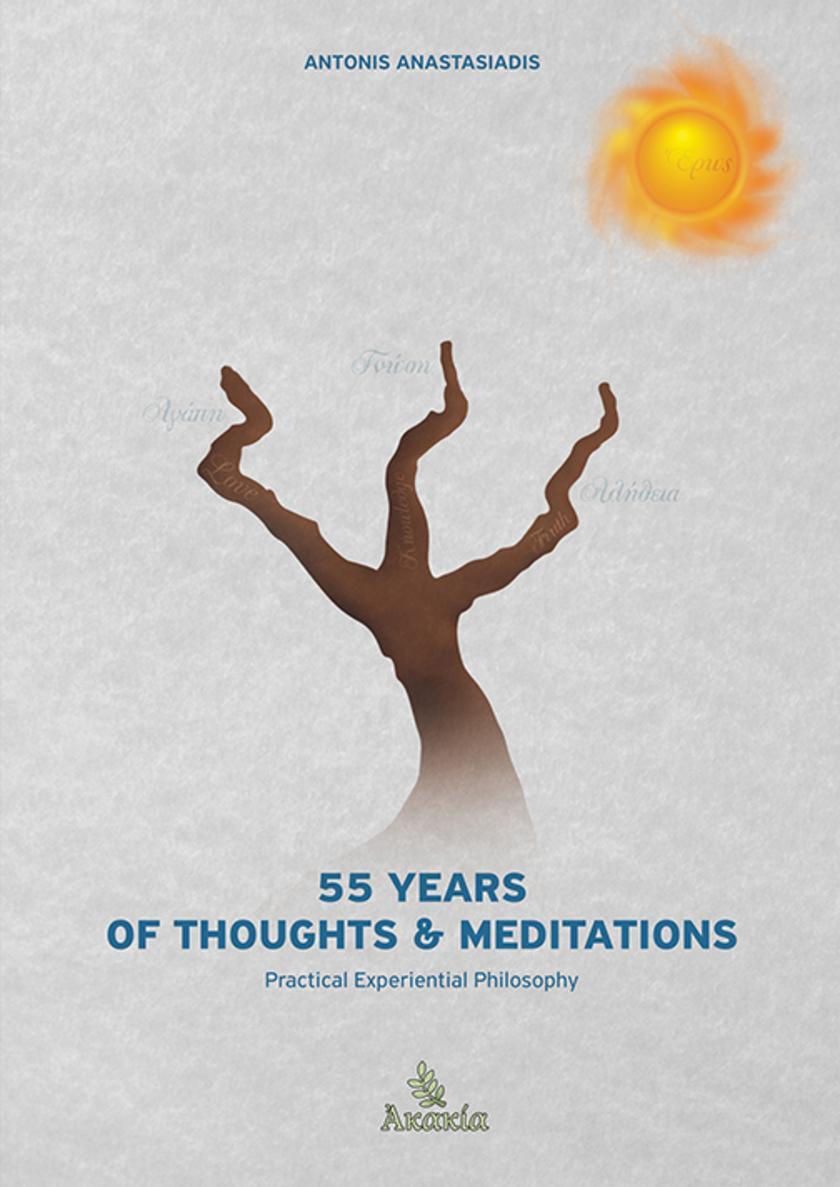
55 Years of Thoughts & Meditations: Practical Experiential Philosophy
¥84.20
The book “55 years of Thoughts & Meditations” is the result of the constant efforts, inquiries, reflections, thoughts and meditations of one man. All matters analysed derive from our everyday lives and include social, political, philosophical and love issues, as well as more general reflections on life. These matters are delivered in a thematic manner, which varies in both form and substance and is expressed in prose mainly, but also in poetic form. Many of the issues posed occur to every thinking person, who follows his/her own path on earth and who seeks answers and solutions to life’s problems: Why do nations engage in battle? Why do people fight? What makes human contact difficult? What are art and beauty? What are sciences and what are their true limits? Should we trust them? What is “wisdom” and “beauty” and which knowledge is truly worthwhile? Is there objective knowledge? What is the unique truth? Is there good and evil? What are the three ideals, “Love”, “Knowledge” and the “Truth”?So one morning, I began to gather and then document all my random thoughts, the remnants of everything that has triggered my observations, all the questions I have documented throughout my life and everything I had noted here and there and I turned it into a book of personal thoughts and meditations. This book is therefore the book of life, taken straight from life, rich with the reflec-tions of a lifetime. It is a book about life and is aimed at every thinking and honest reader with good intentions. This includes young readers who are gifted with the clarity of soul and are in a better position to be aware of the just and the beautiful. Fifty five years of thoughts and meditations is what this book is. It is a quest of “Love”, of “Knowledge” and of the “Truth”.
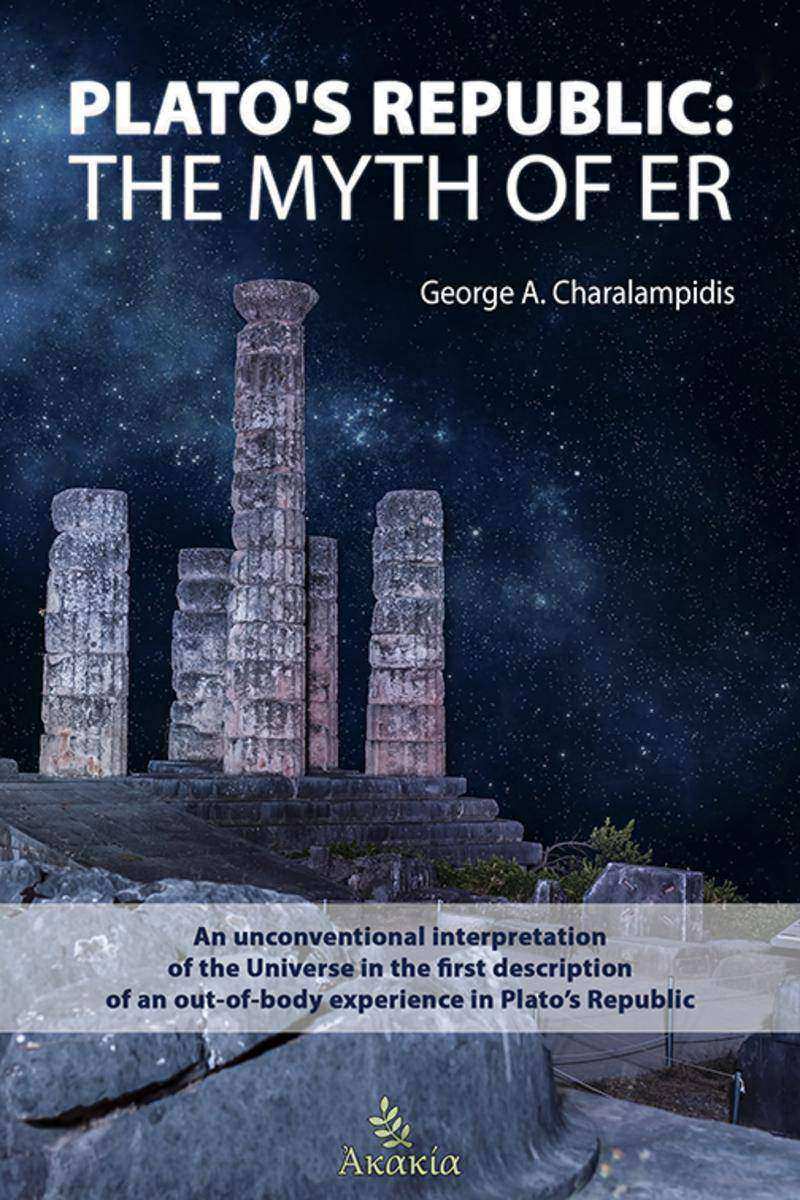
Plato’s Republic: The Myth of ER
¥63.19
The Myth of Er is the epilogue of Plato’s Republic. It could be considered as an independent text that refers to the greatest philosophical question of all times."Where does our soul go when we die and where does it come from when we are born?"Socrates in order to give an answer that would lead to a safe conclusion connects the journey of our soul to the function of our planetary system and tries to analyze the following sacramental but also scientific issues:- What is the difference between a developed soul and a developed mind?- Why is the cultivation of virtues necessary?- Which are the three roads of Hades and their connection to the "Van Allen belts"?- How are the penalties and rewards to our soul defined?- Where is Tartarus?- What does the spindle of necessity symbolize?- How are space time and the "Cuiper belt" connected?- What does the existence of Sirens and the three fates mean?- What is the procedure our incarnation?- What contract do we sign before we reincarnate on planet earth?- Which is the role of free will?- What does the mystery of the Dionysial theatre symbolize?- What difference is there between reincarnation and metempsychosis?- What is Socrates’ genius or our guardian angel?
Timaeus
¥40.79
Of all the writings of Plato the Timaeus is the most obscure and repulsive to the modern reader, and has nevertheless had the greatest influence over the ancient and mediaeval world. The obscurity arises in the infancy of physical science, out of the confusion of theological, mathematical, and physiological notions, out of the desire to conceive the whole of nature without any adequate knowledge of the parts, and from a greater perception of similarities which lie on the surface than of differences which are hidden from view.

Ion
¥40.79
The Ion is the shortest, or nearly the shortest, of all the writings which bear the name of Plato, and is not authenticated by any early external testimony. The grace and beauty of this little work supply the only, and perhaps a sufficient, proof of its genuineness. The plan is simple; the dramatic interest consists entirely in the contrast between the irony of Socrates and the transparent vanity and childlike enthusiasm of the rhapsode Ion.
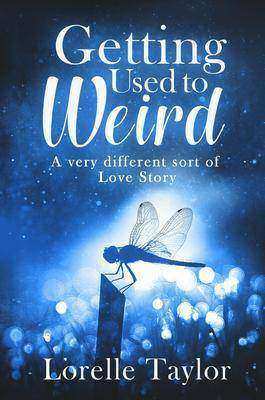
Getting Used to Weird: A very different sort of Love Story
¥8.63
Are you awakening spiritually and feeling weird?You’re not alone. Truly, you are not alone. You have many spiritual helpers, and just like Angela, you can learn to communicate with them and enlist their support. Lorelle Taylor’s extraordinary book traces Angela’s journey from normal to weird. Join her as she confronts challenges and undertakes deeply spiritual lessons while exploring the biggest questions. Learn about life and death from angels, spirit guides, Jesus and God. Discover how to overcome obstacles in your own path as you too discover the secrets for a fulfilled and happy life. Start reading?Getting Used to Weird: A very different sort of Love Story?today and you’ll discover that on this journey, you’re also getting used to love. You’ll come away with the knowledge that “Love is the answer to all questions.”
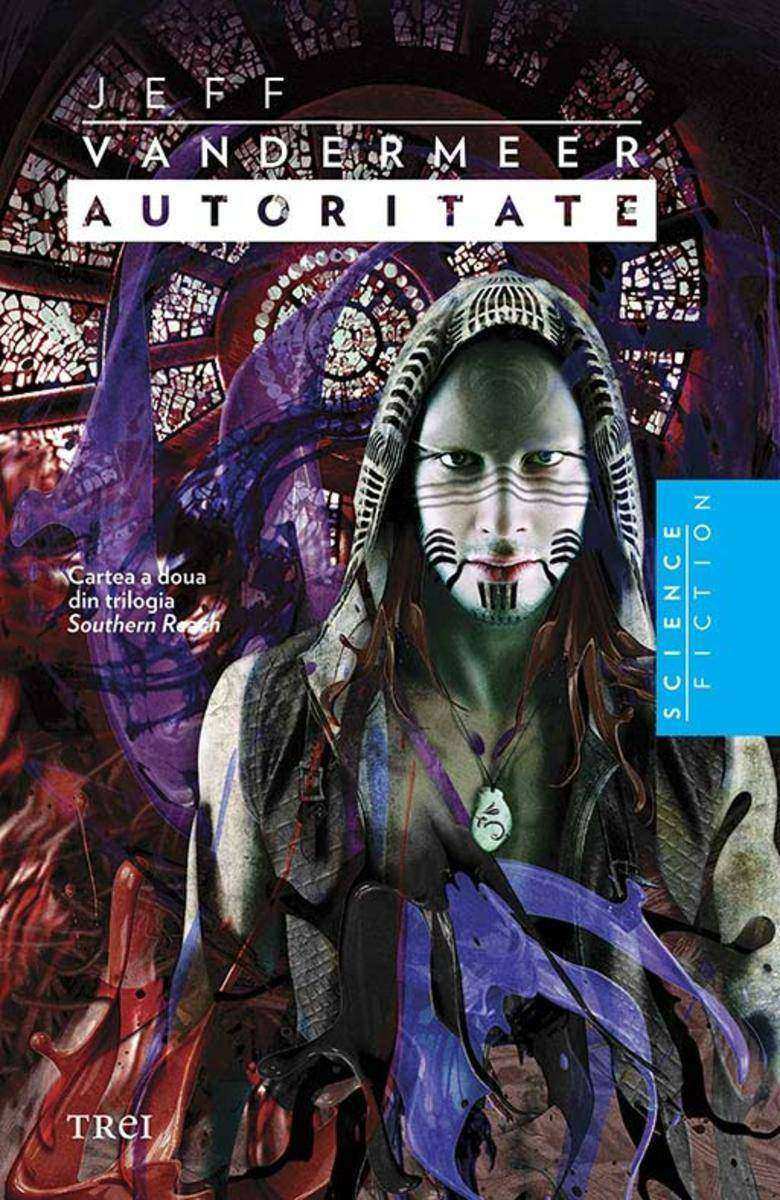
Autoritate
¥73.49
„Greu este s? fii bun“. A?a suna verdictul unui filozof presocratic la care m? încruntam abitir pe la 20 de ani. Acum, la 60, dup? ce am înv??at de la aceia?i în?elep?i c? „to?i oamenii sunt r?i“, dar c? „nu trebuie s?-i judeci“, nu m? mai gr?besc cu încruntarea. Doar zâmbesc pu?in ofilit, în dulce resemnare. Cu un astfel de zâmbet – trist, admirativ, îng?duitor ?i comp?timitor totodat? – trebuie întâmpinat (?i f?r? îndoial? iertat) Tomas H., personajul axial din romanul Cameliei Cavadia. Destinat fericirii, dar e?uat lamentabil. Vinovat inocent ?i egofil culpabil. ?i totu?i înseninat, dureros de triumf?tor în final, dup? ce altruismul învinge mizantropia, iar d?ruirea de sine absolv? vinov??ia. În fond, ce ar fi vina f?r? isp??ire? Un roman despre povara fericirii (chiar a?a!) ?i chinul permanent al demonicului de a surpa – prin patologia patimii oarbe – iubirea curat?, armonia conjugal?, farmecul divin al copil?riei ?i nobila condi?ie de p?rinte. Un debut surprinz?tor prin precizia arhitecturii narative ?i siguran?a rotirii caruselului cu multe ?i subtile rela?ii psihologice. În plus, îmbucur?tor prin op?iunea preponderent moral?, într-o vreme dominat? de anarhie, relativism ?i etic? în r?sp?r. – Dan C. Mih?ilescu ?„De când m? ?tiu am vrut s? devin scriitoare. PR de meserie, am scris pove?tile altora, dar mi-am dat seama c? am în?untrul meu propriile pove?ti care a?teapt? s? le dau via??. Tot ceea ce am f?cut pîn? acum a roit în jurul cuvintelor. Prin prisma meseriei mele, am scris sute de comunicate, am luat zeci de interviuri, m-am trezit cu zeci de fraze construite-n cap ?i am adormit cu altele bâzâindu-mi în ureche. Am hot?rât ca e timpul s?-mi urmez visul ?i s? devin ceea ce m-am sim?it mereu.“ – Camelia Cavadia
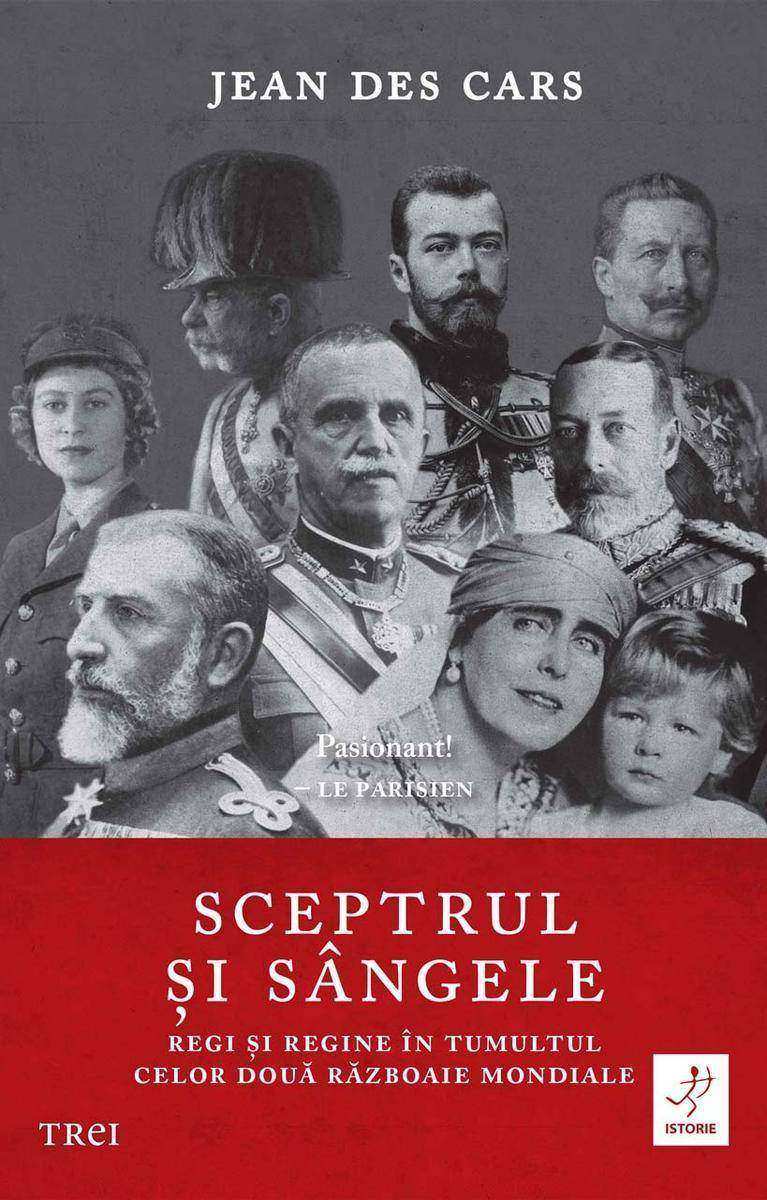
Sceptrul ?i s?ngele. Regi ?i regine ?n tumultul celor dou? R?zboaie Mondiale
¥90.84
Cum a fost ?nceputul, de unde ?i de ce a venit Universul la fiin??? Cine a creat, de fapt, via?a pe P?m?nt ?i cum va fi Sf?r?itul? Ce se ?nt?mpl? atunci c?nd murim ?i unde ajungem dup? aceea? ?i, la urma urmei, ce contur trebuie s?-i d?m vie?ii noastre dac? Dumnezeu nu exist?? Miturile ?i speran?ele noastre ofer? r?spunsuri convenabile, dar periculoase, la aceste ?ntreb?ri ?ntruc?t ?ntre?in iluzii care ne sporesc, ?n realitate, angoasa ?i la?itatea. Avem, totu?i, o alternativ?: apelul la metodele ?i descoperirile ?tiin?ei pentru a repune lucrurile ?i problemele ?n contextul din care au fost decupate din ignoran?? sau din r?utate. Despre via?? ?i moarte reabiliteaz? acest tip de demers ?ntr-un periplu scris cu umor, dar ?i cu seriozitate, cu elegan??, dar ?i cu duio?ie.
Emigra?ia alb? ?i Biserica Rus? pe teritoriul Rom?niei Socialiste, 1950-1952
¥61.83
Publicat? ini?ial, ?n prima edi?ie ?n 1785, cu titlul Grundlegung zur Metaphysik der Sitten, este una dintre cele mai influente crea?ii din ?ntreaga oper? filosofic? a lui Immanuel Kant ?i, totodat?, un reper ?n istoria filosofiei universale. Lucrarea filosofului german cuprinde o prefa??, trei sec?iuni – Trecerea de la cunoa?terea ra?ional? comun? a moravurilor la aceea filosofic?, Trecerea de la ?n?elepciunea moral? popular? la metafizica moravurilor, Trecerea de la metafizica moravurilor la critica ra?iunii pure practice – ?i o remarc? final?, precedate de nota traduc?torului, Valentin Mure?an. ?n prefa??, Kant pledeaz? pentru o metafizic? a moravurilor ?i discut? despre metodologia pe care a folosit-o. El porne?te de la ?mp?r?irea filosofiei grece?ti ?n fizic?, etic? ?i logic?. ?n prima sec?iune, dup? cum ?i titlul sugereaz?, se face trecerea de la forma cunoa?terii comune privind moravurile la cea filosofic?. El discut?, printre altele, despre voin?a bun? ?i datorie. ?n sec?iunea a doua se aprofundeaz? problema imperativelor. ?n ultima sec?iune, Kant discut? despre voin??, libertate. De fapt, cea de-a treia sec?iune reprezint? punctul de pornire de la care Kant a dezvoltat Critica ra?iunii practice, publicat? ?n 1788.

Paradoksal Ritüeller: [Aforizmatik Deneme]
¥18.80
Geli?mi?li?in ??karsamalar?nda ilk akla gelen ?l?üt, meden? olarak ilerleme kaydetti?ini iddi? eden, d??avurumcu insanlar toplulu?unun bencil yap?la?mas?ndan ge?mektedir. Ara?t?rmalar sonucunda elde edilebilen, g?rsel, i?itsel, yaz?l?, ar?iv v.b tüm veriler do?rultusunda ayd?nlat?lm?? ger?ekler düny?si mevcuttur. Asalak olarak hayata tutunmaya ?al??an, ?z bireyci katmanlar?n en alt?na indirgenmi? insan say?lan varl?klar?n, niteliksel ?zelliklerle ?a?a tutunmas? imk?nsizdir. "En ?ok ben kazanay?m." s?yleminden yola ??karak, rahatl?k ve konforun adresinde bulu?an simbiyoz ya?ant?lar?n; ?a?d??? kalm??, kendi dü?üncesi h?ricindekileri yok sayan, ?ok katmanl? yüzeysel düny?s?nda gezinmenin verdi?i ferahl?k, bir?ok insan? cezbederek, ?ekilsiz ya?ant? portrelerini bilfiil olu?turmu?tur. Dü?ünceleri ve mevc?diyeti ?imento ile kaplanan nesillerin, zenginlik saltanat?na ayak ba?? olmas?ndan korkan erkin, katmerli yapt?r?mlar? bulunmaktad?r. D??s?z kalm?? medeniyetin, ??karsamalarla dolu ??karc? düny?s?nda, kendine en ufak bir yer edinimini ba?ar? sayan birey, ya?ant? düny?sinin ger?ek yüzeyine ula?t??? i?in mutlu olmal? m?d?r? G?rülen ve g?sterilen, verilen, yapt?r?lan tüm edimlerin ve edinimlerin, do?rultusunda, bireyin ??karc? sistem adamlar? ile yapt??? yolculu?a dikkat etmesi gerekir. Ritüel h?line gelmi?, paradoksal d?ngüde her d?im ba?lad??? yerden farkl? bir sona ula?mas? gereken yolculu?u yapan bireyin de, beklentisi bu olan macer?s?nda, üzüntü ve yenilgi verici sonucun, ayn? ?ekilde ikinci, ü?üncü defa ger?ekle?mesi ve ?o?u insan?n, bunun fark?ndal???nda olmay???n?n verdi?i bocalamayla ge?en ?mrünün c?resizli?inde ??rp?nmas? ve bo?ulmas? an meselesidir. Yapt?r?mlar yapt?r?mlar?, bilgisizlik ve c?hillik yeni olu?umlar? tetikleyecektir. ?nemli olan her insan?n asl?nda bir paradoks denkleminde, paradoks yolunda oldu?unu bilmesi ve ba?lad??? noktaya geldi?inde, nas?l bir düzenin i?erisinde ritüel yapt???n?n fark?nda olmas? gerekmektedir. Naz?re davran??lar?, sistem i?erisinde en az?ndan denemek, ayn? dü?üncede bulunan insanlar? bir araya getirmek ?artt?r. Ulusal bilincin her d?im uyan?k tutulmas?, paradokslarla sava??n en mükemmel ?rneklerinden birini olu?turacakt?r. ?nsan?n kat etti?i yol da, bu s?yede dünden kopu?un de?il, yar?n?n güvence alt?na al?nmas?n? tetikleyecektir. Yar?n? güvence alt?na al?nan bireyler de; kof, mesnetsiz, yalan ve riy?karl??a dayal? sistemleri ??kertme ve kendi hastal?kl? sistemlerini dayatmaya ?al??an ?o?unlu?un, katmerli ezici üstünlü?ü alt?nda direni? g?stermenin, mutlak gayreti i?erisinde olacakt?r. ?nsan?n yahut insanl???n bu eylemi ger?ekle?tirmeye ?al??mas?n?, en az?ndan denemesini diliyorum. N??M ONUR TEZMEN, 2013 MUSTAFA VE AY?E Mustafa’ya g?re; canl?lar?n, kompleks ya?am süreci i?erisinde, kabullenebilir davran?? grafi?ini topluma uydurmak ve o uyumu devam ettirme g?revi, bireysel sorumluluk gerektirmekteydi. Toplum i?erisindeki statüsünü belirleyen birtak?m rolleri üstlenen bireyin, davran?? biliminde girece?i rollerin karma?as?na kap?lmadan, gerekli ve ?l?ülü davran??, sosyal bilim do?rulu?u vey? bu do?rulu?a en yak?n olmay? gerektiren tüm birle?imler; bireyin ?zünü, karakterini ve bili?sel zek?sini olu?turmaktayd?. En az?ndan Mustafa'n?n dü?ünceleri ?????nda, akl?n? yordu?u; bilgi, kültür, gelenek ve g?renek birikimi ile a??klamas? buydu. Varolu?unun aksine, ayn? y?nde kürek ?ekmesine ba?l? olan ya?amsal uzamda, kendi do?ruluk pay?n? olu?turmas? ve bu pay?, ?evresindeki insanlara sunmas?, ona zevkli bir hus? veriyordu. Mustafa’ya g?re bilgelik, kazan?lan tecrübelerle birlikte, birikimlerin, paralel vey? ayn? düzlem i?erisinde hareket ettirebilmenin yoluydu. Bundan ??karacak ders de, birine bir do?ruyu empoze etmeden, ikn? k?biliyetini, ki?inin benzer birle?imlerinde ivme kazanan ara?lar gibi haz?rlamak ve var??a ondan ?nce vararak, kendi do?rusunun en yak?n bile?enine, kar??s?ndaki insan? ?ekebilmekti.
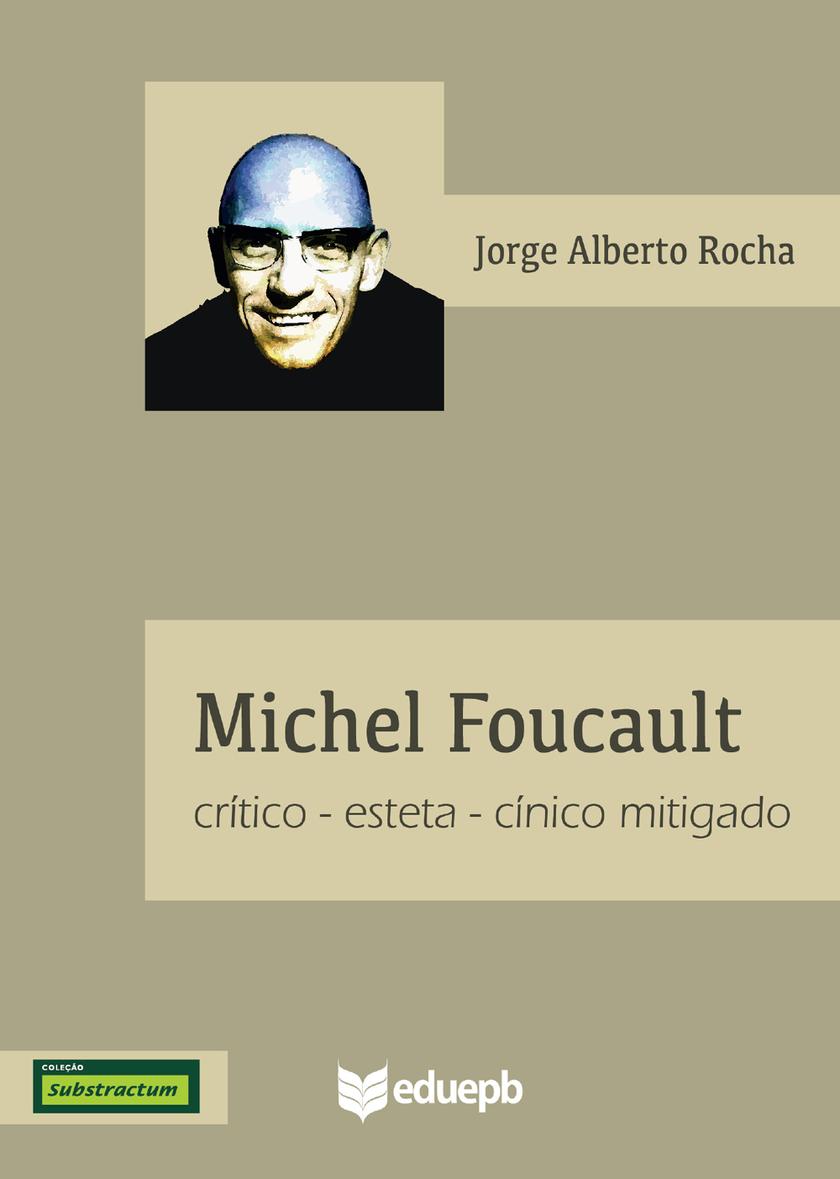
Michel Foucault: crítico-esteta-cínico mitigado
¥57.14
S?rmanul Nietzsche, ?bestia blond?“, a avut ?i el parte de crucificare. Multor profe?i ?i m?ntuitori li se ?nt?mpl? asta: eventual ?i ?n timpul vie?ii, ?i dup? moarte. Nietzsche, r?zvr?titul ?mpotriva legilor celor vechi, ?ntemeietorul orgolios al noii sale ?religii“, a trebuit s? suporte ?i el toate e?ecurile ?i r?st?lm?cirile posibile, ba chiar ?i punerea terifiant? ?n practic? a unora dintre ideile lui, care nici nu mai erau ale lui ?i, ?ndeob?te, nu mai erau idei…?Viclenia ra?iunii“, implicit a istoriei, o descrisese Hegel, unul dintre cei mul?i pe care Nietzsche nu-i agrea. Dincoace de istorie ?i chiar dincolo de ea, r?m?n c?r?ile. Omul n-a fost s? fie m?ntuit de Nietzsche. C?r?ile lui vor d?inui printre oameni: pentru oameni.


