


 购物车
购物车 个人中心
个人中心

Misterul de la London Eye. Ce urc? trebuie s? ?i coboare... nu?
¥65.32
Lucrarea adun? eseuri filozofice ?i evoc? figuri de marc? ale culturii rom?ne.

Drumul la zid
¥131.49
Volumul cuprinde dou? traduceri clasicizate, semnate de Victor Scorade?, Dincolo de bine ?i de r?u, ?i de Janina Iano?i ?i Horia Stanca, Genealogia moralei. Un mare vinovat f?r? vin?, sihastrul de la Sils-Maria a dinamitat g?ndirea secolului al XIX-lea, figur?nd – al?turi de Dostoievski – printre uria?ii profe?i ai omenirii, care au proorocit nenorocirile ce-au urmat, crimele ?n numele unei idei, rasismul, precum ?i devastatorul totalitarism ro?u. Dincolo de bine ?i de r?u e una dintre capodoperele g?nditorului german.
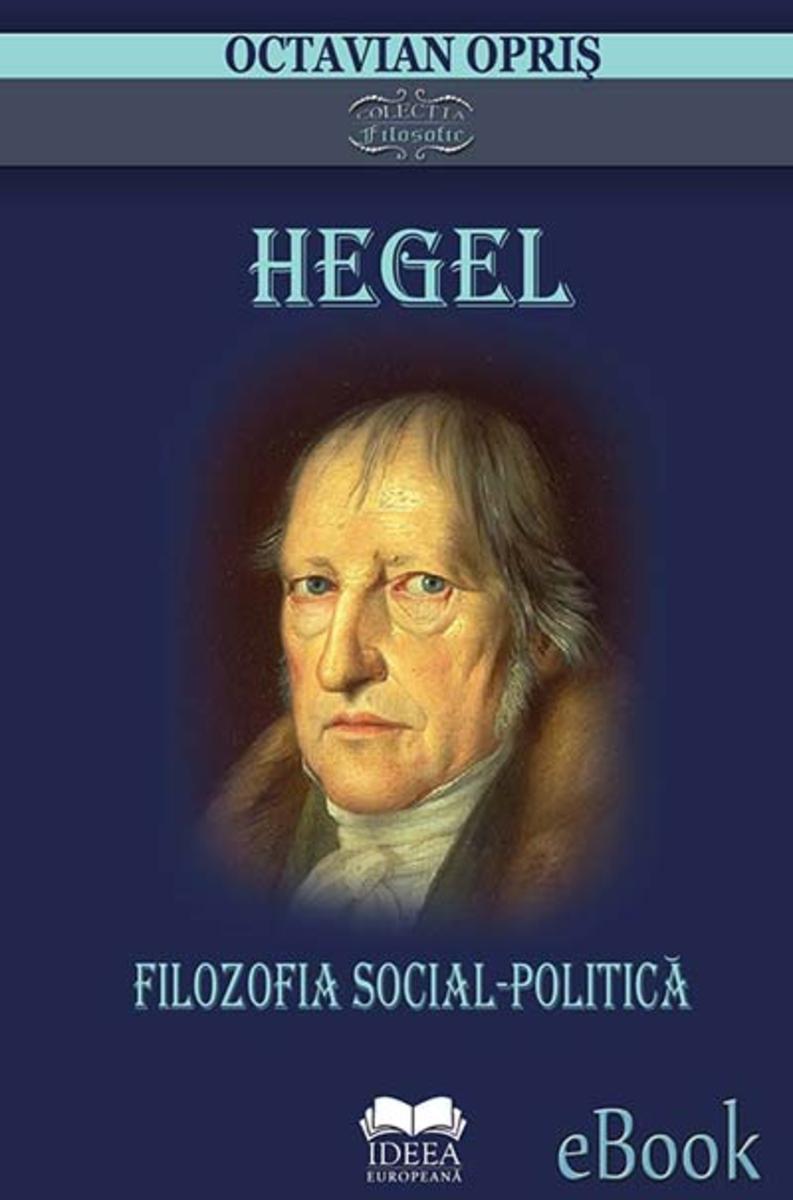
Hegel. Filozofia social-politic?
¥51.50
Hegel este cel mai sistematic filozof, a c?rui oper? este coerent articulat? ?i sus?inut? de o dens? ?es?tur? conceptual? ?i o teleologie cu un pronun?at caracter axiologic. Hegel a vrut ?i ?n parte a reu?it s? construiasc? o concep?ie articulat? ?i cuprinz?toare despre om, societate, natur? ?i divinitate. Fiecare component? a sistemului s?u filozofic, structurile logice, societatea, arta, politica sau istoria nu pot fi ?n?elese f?r? ?ntregul care le cuprinde, le determin? d?ndu-le transparen?? ?i sens. G?ndirea politic? hegelian? nu e o simpl? medita?ie asupra statului ?i a institu?iilor sale determinat? de conjunctur? sau de vreo implica?ie practic? a filozofului ?n politica din timpul s?u. Medita?ia hegelian? asupra politicului este consecin?a necesar? a g?ndirii speculative cuprins? ?n masiva sa oper? filozofic?. Politicul este o component? important? a structurii ontologice a lumii, un moment esen?ial al realiz?rii ?i func?ion?rii Libert??ii. Ra?iunea ?n act, cristalizat? ?ntr-o diversitate de conduite, structuri ?i institu?ii configureaz? universul practic, concretiz?nd spiritul teoretic ?i organiz?nd a nou? regiune ontic?.
Revistele literare ale exilului rom?nesc. Luceaf?rul
¥69.57
Adam Smith (1723-1790) este p?rintele g?ndirii economice moderne. ?n volumul de fa?? au fost culese c?teva dintre cele mai importante capitole din lucrarea care a marcat ?nceputurile disciplinare ale unui domeniu pentru care ast?zi se acord? Premiul Nobel, dar ?i paragraful care ofer? cititorului o explica?ie sintetic? a conceptului pentru care autorul va r?m?ne ?n istorie: m?na invizibil?. Chiar daca unele concepte-cheie ale teoriei g?nditorului sco?ian par dep??ite, ?n esen?a observa?iile ?i explica?iile sale privitoare la natura economic? a socialului r?m?n c?t se poate de subtile ?i conving?toare.
Disconfort ?n cultur?
¥24.44
Jonathan Swift (1667-1745) este cunoscut publicului larg ca autor al C?l?toriilor lui Gulliver. A fost considerat de mul?i un mizantrop des?v?r?it, de?i a f?cut parte din clerul Bisericii Anglicane. Va r?m?ne ?ns? ?n istorie ca primul pamfletar de limba englez?. Povestea unui poloboc este cea mai consistent? lucrare de acest gen, de care ?nsu?i autorul s-a declarat ?ntotdeauna foarte satisf?cut. ?n aceast? ?poveste“ satiristul irlandez ne propune o ingenioas? alegorie, ?n egal? m?sur? un atac la adresa bisericilor occidentale care au pervertit p?n? la desfigurare credin?a mo?tenit? de la biserica primar? ?i la adresa modelor care au infestat at?t operele spiritului, c?t ?i discursul teologic.Pus? la index la vremea apari?iei ei de regina Ana a Angliei din cauza nest?p?nitelor ?arje la adresa papismului ?i a puritanismului britanic, considerat? un text ?reac?ionar“ ?n Rom?nia epocii lui Ceau?escu, aceast? carte nu este, cu siguran??, o lectur? confortabil?, dar r?m?ne una dintre cele mai spumoase ?i mai fine satire scrise vreodat?.

Pagini de istorie american?
¥46.36
Aceasta este prima lucrare scris? ?n limba rom?n? care se concentreaz? asupra operei lui Thomas Kuhn, probabil cel mai influent filosof al ?tiin?ei din ultima jum?tate a secolului trecut. ?n particular, lucrarea analizeaz? ?n detaliu, ?ntr-o manier? original?, o idee foarte provocatoare a filosofului american, teza incomensurabilit??ii conceptuale, conform c?reia, ?n dezvoltarea cunoa?terii ?tiin?ifice, teoriile noi utilizeaz? un limbaj ireductibil la cel al teoriilor anterioare. Totodat?, lucrarea se apleac? ?ntr-o manier? sistematic? asupra conceptului de paradigm?, introdus de Kuhn, care avea s? fie utilizat ulterior pe scar? larg? ?n filosofie ?i ?tiin?ele sociale.
Comandorul Sablin. Liderul monarhi?tilor ru?i urm?rit de Siguran?? ?i de Securit
¥61.83
Volumul de fa?? cuprinde trei eseuri ale autorului francez despre ,,r?sul provocat ?n mod special de c?tre comic“. Acestea au la baz? ideile urm?toare: comicul este uman, r?sul are nevoie de o deta?are emo?ional? fa?? de obiectul/subiectul vizat, r?sul are o func?ie social?. Autorul exploreaz? diferite ipostaze ale comicului ?n art? sau ?n via?a de zi cu zi ?n func?ie de cauza care a produs efectul respectiv. Un om care se ?mpiedic? ?i cade poate st?rni r?sul trec?torilor. ?n aceast? situa?ie comicul survine ca urmare a rigidit??ii mecanice a personajului care a c?zut pentru nu a putut evita un obstacol. ?i o diformitate poate st?rni r?sul, ?nsa una care poate fi imitat? de o persoan? care nu are acea diformitate. Exist? ?i un comic al mi?c?rilor, de exemplu, gesturile unui orator. ?n cel de-al doilea capitol, autorul analizeaz? alt? dou? categorii: comicul de situa?ie ?i pe cel de limbaj. ?n fine, al treilea capitol este consacrat comicului de caracter. Anexa de la sf?r?itul lucr?rii curprinde o scurt? discu?ie despre defini?iile comicului, dar ?i despre metoda utilizat? de autor ?n cele trei capitole. Comicul ?ine de aceast? dimensiune a persoanei prin care se seam?n? cu un lucru, acest aspect al evenimentelor umane care imit? prin rigiditatea sa de un fel cu totul spe-cial, mecanismul pur ?i simplu, automatismul, de fapt mi?carea f?r? via??. El exprim?, a?adar, o imperfec?iune individual? sau colectiv? care necesit? o corec?ie imediat?. R?sul este ?ns??i aceast? corec?ie. R?sul este un anumit tip de gest social care subliniaz? ?i reprim? o distragere special? a oamenilor ?i evenimentelor.

R?sul
¥16.27
Publicat? ini?ial, ?n trei articole, ?n 1861, o lucrare fundamental?, cu o influen?? de necontestat ?n domeniul ?tiin?elor sociale, Utilitarismul lui J.S.Mill cuprinde o serie de discu?ii despre principiile care stau la baza doctrinei filosofice a utilitarismului. Structura lucr?rii, cu cinci capitole clare ?i concise (Considera?ii generale, Ce este utilitarismul, Despre sanc?iunea fundamental? a principiului utilit??ii, De ce fel de demonstra?ie este susceptibil principiul utilit??ii, Despre leg?tura dintre dreptate ?i utilitate), este elegant? ?i faciliteaz? ?n?elegerea ideilor aprofundate de g?nditorul englez. ?ntr-un sens, Utilitarismul reprezint? o rafinare a ideilor lui Jeremy Bentham despre ceea ce ar trebui s? constituie m?sura binelui ?i a r?ului: exigen?a de a ob?ine cea mai mare fericire pentru un num?r c?t mai mare de oameni. ?ntr-un alt sens, mai larg ?i mai important, cartea de fa?? formuleaz? ?i analizeaz? ?n profunzime toate implica?iile, pentru moral?, ale principiului utilit??ii. John Stuart Mill aduce etica ?n vecin?tatea economiei (maximizarea fericirii, ierarhizarea pl?cerilor ?n func?ie de profit, decizia bazat? pe calcularea utilit??ii alternativelor etc.) ?i ?ncearc? s? rezolve toate dificult??ile rezultate din acest mod de a trata problema drept??ii. Mill ofer? r?spunsuri la c?teva ?ntreb?ri esen?iale precum: ,,?n ce const? fericirea?“, ,,Ce urm?rim, de fapt, atunci c?nd alegem o anumit? conduit??“, ,,Ce pl?ceri sunt preferabile?“, ,,Cum trebuie s? arate legile (?i sanc?iunile inerente) dac? morala se ?ntemeieaz? pe utilitate?“, ,,De ce este preferabil principiul utilit??ii, at?t din perspectiva binelui personal, c?t ?i din aceea a binelui public?“

Istoria se repet?. Momente, Schi?e, Amintiri
¥33.03
Antropologie ?i antroposofie ? Max Dessoir despre antroposofie ? Franz BrentanoAlc?tuind cuprinsul acestei lucr?ri, Rudolf Steiner reveleaz? ?c?teva din firele ?tiin?ifice care trebuie trasate pornind de la antropozofie la filozofie, la psihologie ?i la fiziologie“. Cunoa?terea omului va trebui atunci s? fie extins? ?in?nd cont de enigmaticele aspecte ale vie?ii sale interioare, privite din perspective multiple. ?n aceast? carte, Rudolf Steiner prezint? ?n scris aspectele semnificative ale configur?rii ?ntreite a fiin?ei omene?ti: corpul fizic, organismul sufletesc ?i configura?ia spiritual?.
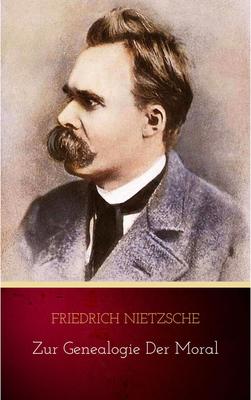
Zur Genealogie der Moral
¥8.82
Das Werk, das aus einer Vorrede und drei ?Abhandlungen“ besteht, geh?rt zu den einflussreichsten Schriften Nietzsches. Er legte hier keine Aphorismen vor wie in den meisten anderen seiner Werke, sondern l?ngere, systematische Texte mit durchaus wissenschaftlichem Anspruch: Er stellt darin soziologische, historische und psychologische Thesen auf. Nietzsche wollte anders als klassische Moralphilosophen keine Moral herleiten oder begründen, sondern die geschichtliche Entwicklung und die psychischen Voraussetzungen bestimmter moralischer Wertvorstellungen nachvollziehen. Er fragt also nicht, wie die Menschen handeln sollten, sondern warum Menschen (Einzelne oder Gruppen) glauben, sie sollten auf bestimmte Weise handeln, oder andere dazu bringen wollen, so oder so zu handeln.

Ancheta
¥33.03
Ce este adev?rul? De unde ?tiu cine sunt? De ce ar trebui s? fim buni? Exist? multe c?r?i despre filosofie. Cu toate acestea, Cine sunt eu? difer? fa?? de celelalte lucr?ri de introducere ?n filosofie. Nimeni nu a reu?it p?n? acum s? pun? cititorul fa??-n fa?? cu marile ?ntreb?ri ale omenirii ?ntr-o manier? at?t de documentat?, de competent? ?i, ?n acela?i timp, cu umor ?i cu elegan??. Prezenta lucrare reprezint? o c?l?torie unic? prin noianul de cuno?tin?e pe care le avem despre om. Precht ne prezint? tot ceea ce este mai nou ?n neuro?tiin??, ?n psihologie ?i ?n filosofie. Fie c? pleac? ?n cercetarea sensului vie?ii pornind de la analiza unui episod din Star Trek sau de la melodia Lucy in the Sky with Diamonds a celor de la Beatles, cartea ne pune ?n fa?a unui traseu captivant, ?n care vom descoperi cele mai surprinz?toare lucruri despre noi ?n?ine.

贺麟全集:马克思博士论文 黑格尔辩证法和哲学一般的批判
¥42.00
《马克思博士论文黑格尔辩证法和哲学一般的批判》(“贺麟全集”第九卷)是贺麟译述马克思早年经典哲学论著的重要成果。收发表于1842年的博士论文《德谟克里特的自然哲学与伊壁鸠鲁的自然哲学的差别》,该文对于用辩证法观研究古代自然哲学史有很大贡献,1958年由贺麟完成中译,1961年人民出版社出版单行本,后收《马恩全集》。《黑格尔辩证法和哲学一般的批判》于1955年翻译出版,对黑格尔哲学批判研究很有指导作用。本书另收四篇贺麟所撰相关文章,以备研究参考之用。

赫尔墨斯的口误(增订)(曹卫东学术文集)
¥25.00
《赫尔墨斯的口误(增订)》是作者的学术译文合集,涉及形而上学批判、话语政治、文艺理论等,收录了霍克海默、哈贝马斯、伽达默尔、克吕格、巴尔塔萨、罗曼·茵伽登、顾彬等著名学者的经典文章。译文难度较大,可见译者译笔矫健,这些文章也为学术界提供了颇具学术价值的成果。
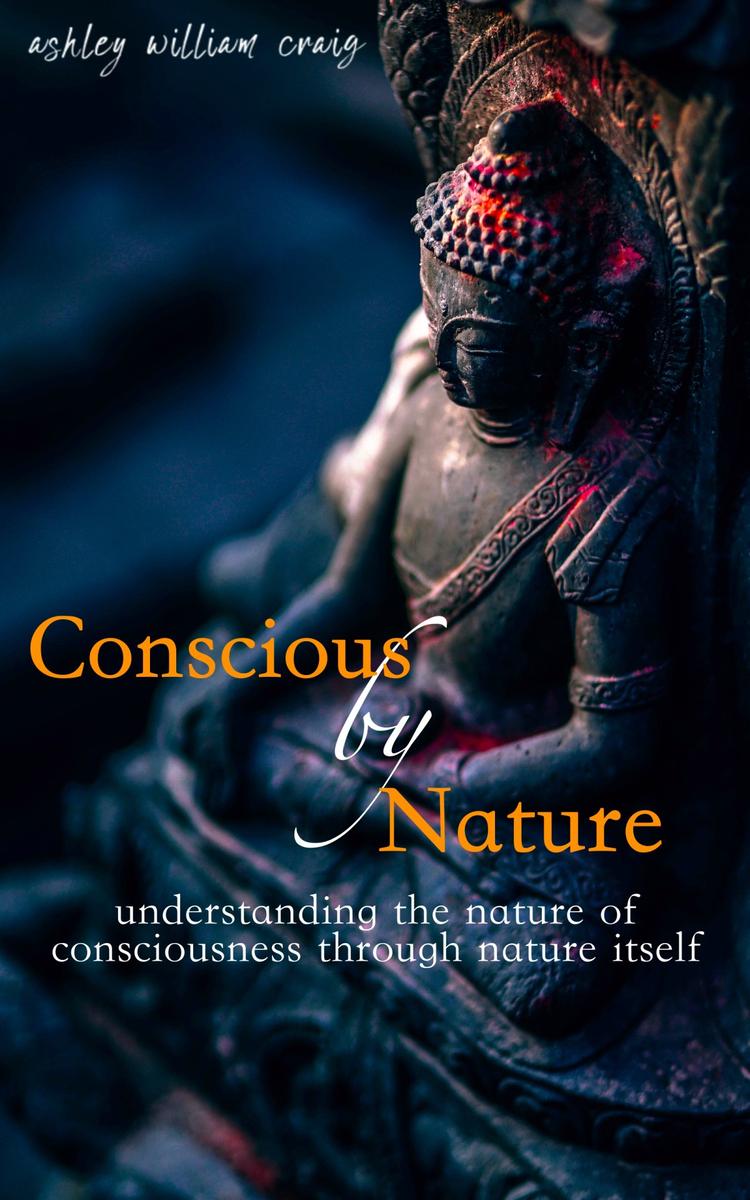
Conscious by Nature: Understanding the nature of consciousness through nature it
¥40.79
Come on a journey into the nature of consciousness, finding the space 'between thoughts' as the most obvious place to recognize your true and eternal Self. We recognize overlooked aspects of the natural world around us; as ourselves, as well as using nature to demonstrate spiritual concepts such as God, union and liberation. Your true 'nature' awaits...---------------------------"No matter how it is approached, no amount of words will ever transmit to another person the indescribable 'ultimate Truth'. The fact that it's described as indescribable should be enough to stop us trying. Yet it's made even more difficult because of our troublesome human mind. As intelligent and magnificent as it is, it has a deep and tragic habit of confusing the symbols we use (for simple convenience) in our lives, for the actual things or ideas they represent. As Alan Watts used to say, it's like climbing a signpost rather than walking in the direction it points. Our greatest of misunderstandings is that we confuse the story and idea of who we are, with what is actually true; pure and simple. We make a false judgment on who or what we are, and you wouldn't believe the amount of mischief that arises in result.As exaggerated or humorous as all this may sound on first impressions, this habit of confusing symbols for reality is a very real problem plaguing our human world, and the implications are exceptionally far reaching. We have confused such things as money for wealth, status or fame for character and even the virtual world for real - but most appropriate to this book, is that religious or spiritual concepts are always confused for the things they are pointing towards. That's particularly true of our concepts of 'God', particularly true of Buddha's Dharma, particularly true of any teaching towards enlightenment or liberation."---------------------------"OmniscienceOh father in heaven, omniscience cannot be. It makes no sense, no sense to me....***Between thoughts, your functioning remains flawless. Between thoughts you are ego-less, yet still exist...?How is it so that your heart beats without your control?How do migrating birds travel without directions, newborn horses stand straight up and embryos form without instruction. How does a plant know how to flower and a seed mature into a tree??Without thought or instruction, nature around you is already omniscient. Are you different from nature, or one and the same?***Young one, nature already exists in an omniscient state with no mind…?Between thoughts, are you omniscient?Mid-thought, do you believe you're not?"

新教伦理与资本主义精神
¥79.00
《新教伦理与资本主义精神》是马克斯·韦伯著名的作品。在这部作品中,韦伯提出了一个知名的论:新教教徒的思想影响了资本主义的发展。宗教教徒往往排斥世俗的事务,尤其是经济成就上的追求,但为什么新教教徒却是例外? 韦伯在该书中论述宗教观念(新教伦理)与隐藏在资本主义发展背后的某种心理驱力(资本主义精神)之间的关系。韦伯列举了新教、清教、加尔文教等教徒生活、学习的例子并加以分析得出:资本主义的兴起和成功与新教盛行存在着相互影响的关系。新教世禁欲主义伦理为资本主义企业家提供了心理驱动力和道德能量,从而成为现代资本主义得以兴起的重要条件之一。

中西政治哲学史(套装全6册)
¥303.60
《西方政治哲学史》(*卷)由八位杰出学者撰写,内容涵盖了从古希腊到宗教改革的政治思想和政治哲学。*章提供了西方政治思想端处的宏大背景,讨论了希腊城邦与民主思想,以及诗人、剧作家、智者和史学家的政治洞见;第二章到第六章分别聚焦于柏拉图的统一城邦、亚里士多德的*政体、西塞罗的法权国家、奥古斯丁的上帝之城与尘世之城、阿奎那的自然法与政体理论;第七章既从宏观上考察了文艺复兴时期政治思想的巨大变革,又特别讨论了马基雅维利在其中的突出地位;第八章以路德和加尔文的政治思想为主体,同时考察了宗教改革时代的神学—政治问题。全书既关注政治思想的历史语境,又凸显重要思想家的特殊贡献,体现了汉语学界在西方政治哲学史领域的*研究成果。

荀学探微(中国哲学新思丛书)
¥17.88
本书的主要内容在于矫正后人对荀子天论和性论之误解。荀子言天道,分本体与现象两部分。本体不见其事而见其功,皆知其所以成而莫知其无形,这属于天职的部分。现象即能生之本体所产生的自然现象,有其运行的规律,所谓“天行有常”,故人若应之以治则吉,应之以乱则凶,这属于人职的部分。荀子讲明于天人之分,其目的即强调人伪比天性更重要。荀子论性,认为人既有好利疾恶之性,亦有好义欲善之性。但好利疾恶不等于恶,人一味放纵好利疾恶之性,以至争夺生而辞让亡、残贼生而忠信亡,才是恶。同理,好义欲善不等于善,只有学至全尽、知类明统、深思熟虑,实际上建构出礼仪法度来,才是善。荀子批评孟子的性善说是“幽隐而无说,闭约而无解”,是因为孟子不重视后天人为之伪。因此荀子言性,只是本始材朴,无所谓善恶。故与其说荀子是性恶论者,不如说是善伪论者。
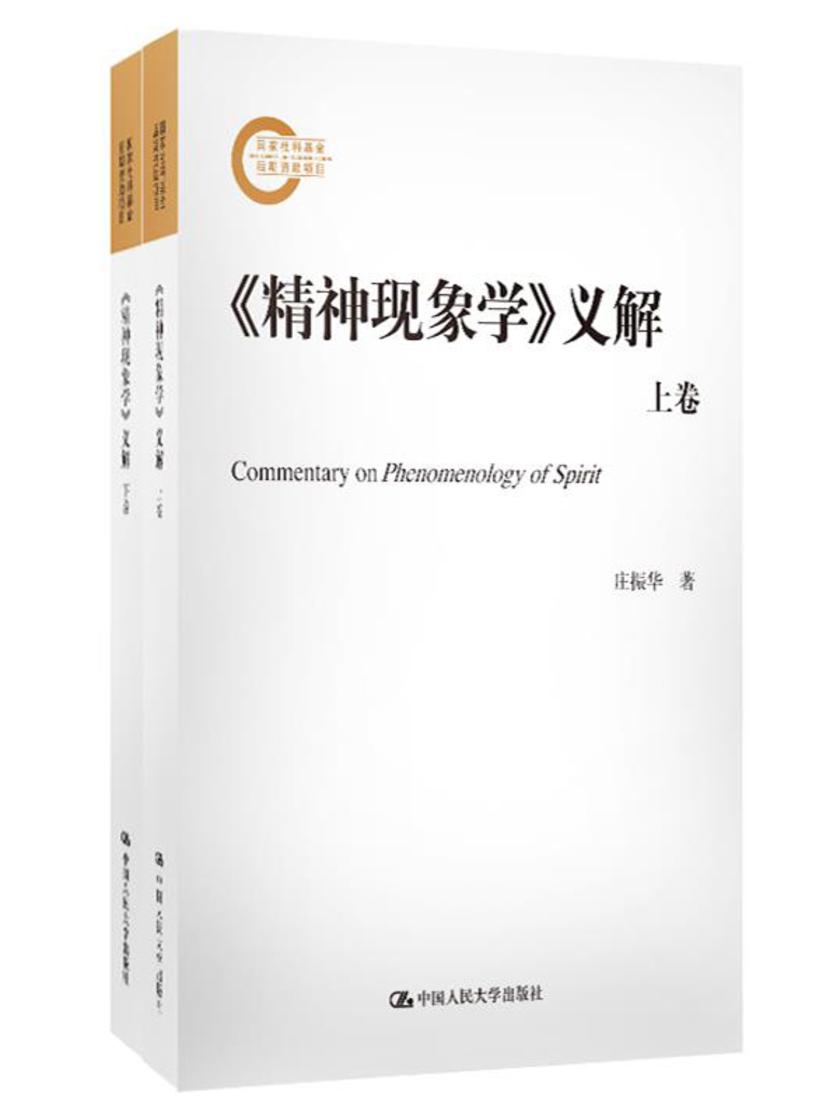
《精神现象学》义解(上下卷)
¥94.00
本书是一部逐段考释《精神现象学》的评注性著作,是作者多年潜心研究黑格尔哲学与德国古典哲学,吸收国内外学者《精神现象学》研究的前沿成果,并经过多轮课堂教学、同行讨论的锤炼后写作而成的。本书不满足于对国内外某家某派观的单纯介绍,而是基于自身的判断,对这些观有取有舍,并重新界定辩证法、规律、理性、精神等关键概念,对黑格尔与现代性的关系、德国古典哲学的特质与思想史地位等问题提出作者独立的见解,堪与西方学者行对话。因此,本书对于推我国黑格尔研究和德国古典哲学研究大有裨益。


论语(全新精编精校修订)(国学大书院)(塑造君子人格,培养学习态度,指导教育教学,讲述治国安邦)
¥17.40
《论语》以语录体记述了孔子及其弟子的言行,是中国儒家文化的本源,被儒家学派尊奉为圭臬。自西汉以来,《论语》所表述的孔子学说,被迅速传播,其影响遍及政治、经济、思想、文化、教育、伦理道德等各个领域,成为中国传统文化的一大标志。是我国古代儒家经典著作之一,是首创语录之体。南宋时,朱熹将它与《孟子》《大学》《中庸》合称为“四书”。

赫西俄德的世界(“经典与解释”第48期)
¥22.42
本期为赫西俄德专题,选译了英语学界研究赫西俄德的四篇代表性文章,分别涉及赫西俄德诗歌与自然哲学和政治哲学的关系问题,意图显示赫西俄德的两个世界——自然的世界和正义的世界之间的关系,揭示赫西俄德与古希腊思想的深刻勾连。 “古典作品研究”栏目选译了日本学者斋藤拙堂的《老子辨》和古希腊哲学家埃斯基涅斯的《阿尔喀比亚德》残篇。“思想史发微”则收录研究海德格尔的力作《从“同一者”到“命运”》;“旧文新刊”栏目刊布民国湖南学者郭倬瑩的《四部通論·經部流別》;“评论”收录两篇译文,分别涉及黑格尔和施特劳斯。
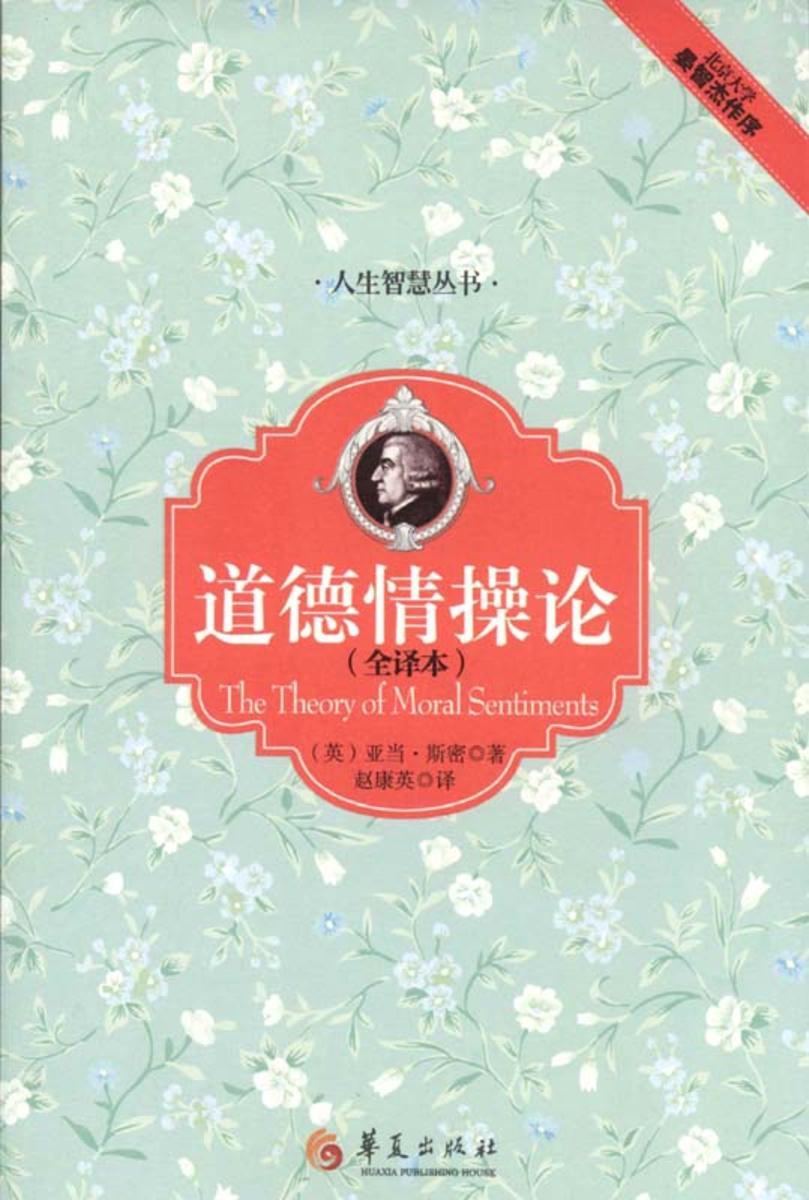
道德情操论
¥13.68
本书不仅从伦理道德的角度,而且从哲学、法学、心理学和经济学的角度,对资本主义社会生产关系的各个方面作了探讨。它共分为七部分。在书中,斯密用同情的基本原理来阐释正义、仁慈、克己等一切道德情操产生的根源,说明道德评价的性质、原则以及各种美德的特征,并对各种道德哲学学说进行了介绍和评价,进而揭示出人类社会赖以维系的和谐的发展基础以及人的行为应遵循的一般道德准则。《道德情操论》(1759)是和《国富论》(1776)同样齐名的亚当·斯密的经典传世之作。


