万本电子书0元读

万本电子书0元读

一周特价8.12-8.25 读老庄之道悟生活智慧
读老庄之道悟生活智慧
刘义林
促销价:¥4.99|¥32.00
观察水的态势可以从中领略人生的厦智慧,老子和庄子都是深谙水之道的智者,也因此而领略了人生与众不同的风景。 气球再大,里面也是空的,风筝再美,也不可能飞得比鹰更高,智慧的人生是不需要大过张扬和显摆的。 任何烦恼都是沧海一粟,甚至是连细小的尘埃都不如,又怎么能企正触动我们,让我们痛苦呢? 道家认为,人的本性是无拘无束的,是近天道的。可是因为法世有大多的纷扰羁绊,所以我们才会渐渐迷失自己的本性,渐温看不清自己的真心。
满2件6折 论语通解(一)
论语通解(一)
钟永圣
¥18.51
许多人很想读经典,但苦于读不懂,又缺乏好的方法。作者在书中不仅分享了自己的学习方法,还提倡快乐学习,书画怡情。《论语》作为儒家经典,仰之弥高,钻之弥深。故人云:半部《论语》治天下;今人云:一句《论语》治天下;其实不用一句,一“孝”字做真,即可遍行天下,亦可大治天下。
满2件6折 禅的养心智慧
禅的养心智慧
朱哲玲
¥10.73
  本书所说的“心”是宇宙社会中、人体全息的“心”,在生存、生活、生命、生死的方方面面,用散文叙事的味道,诗歌的意境,绘画的心脑灵性美,调频“这个时代的微语言”,用充满哲理的小故事解释了人养生的首要是养护心灵、心性,以达到豁达和宁静,这样才能真正超越肉体身体的健康而到达一种灵性美和身心灵合一的境界。在社会中学习,事业、爱情中的“智慧有约”穿越时空,带我们行过去、现在与未来的遨游。用我们熟知的生活:感悟先贤智慧,把现代文明的心理学、超心理学哲学智慧融合,体悟生活禅的践行密意。
满2件6折 千年玄门 三十春秋
千年玄门 三十春秋
赖保荣
¥17.70
冲虚古观位于广东省惠州市博罗县境内的罗浮山下。公元327年,晋朝道教理论家葛洪在此修筑道观,宋时定名为冲虚观,迄今已有一千多年的历史。1985年,在党和政府关怀下,冲虚古观重修后恢复原貌,重振昔日辉煌,在改革开放政策的指引下,弘扬道教精神,积极参与社会公益事业。本书由冲虚观现任住持赖保荣组织编写,以冲虚古观的历史为主线,弘扬中华传统文化,协助政府加强精神文明建设。
满2件6折 左传-3
左传-3
左丘明
¥6.99
《春秋左氏传》(或称 《左氏春秋》,简称《左传》),多以史实解释《春秋》,起自鲁隐公元年(前722年),迄于鲁哀公二十七年(前468年),以记事为主,兼载言论,叙述详明,文字生动简洁,全面反映了当时的社会历史面貌,既是重要的儒家经典,又是我国部完整的编年体史书,在文学上也有很高的成就。
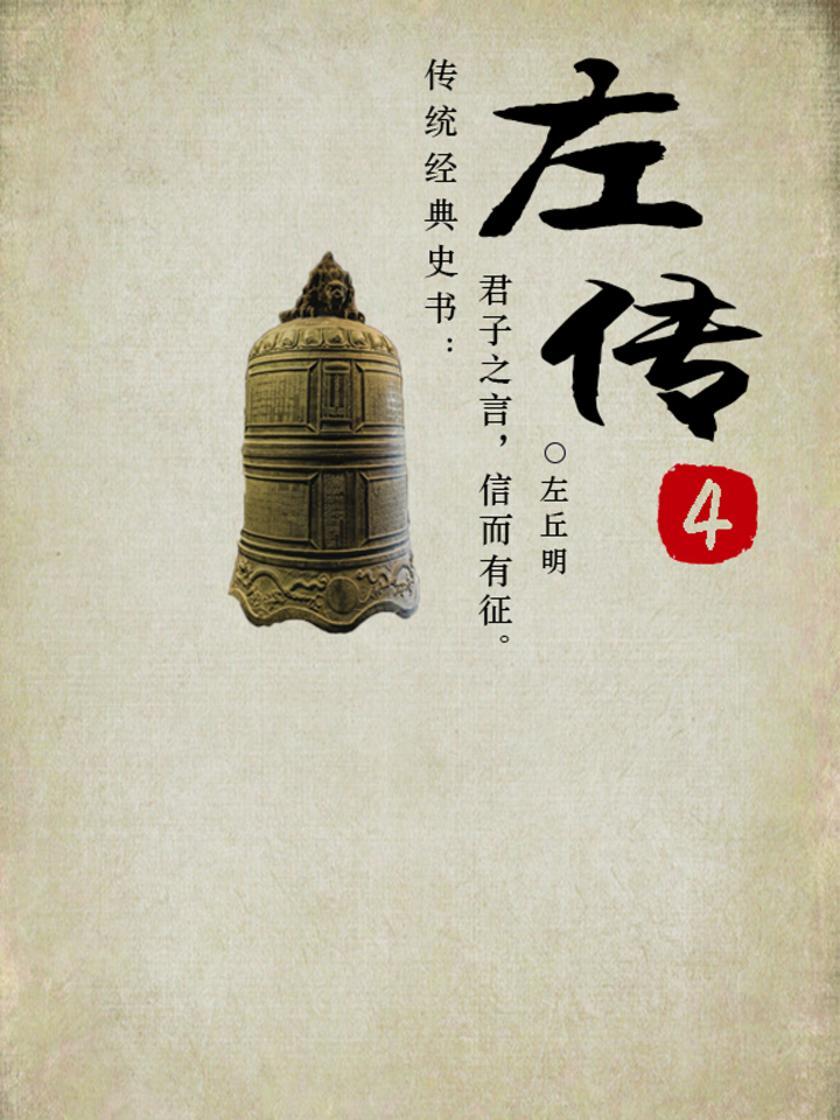
满2件6折 左传-4
左传-4
左丘明
¥6.99
《春秋左氏传》(或称 《左氏春秋》,简称《左传》),多以史实解释《春秋》,起自鲁隐公元年(前722年),迄于鲁哀公二十七年(前468年),以记事为主,兼载言论,叙述详明,文字生动简洁,全面反映了当时的社会历史面貌,既是重要的儒家经典,又是我国部完整的编年体史书,在文学上也有很高的成就。
满2件6折 人人都该懂的认识论
人人都该懂的认识论
(加) 罗伯特·马丁(Robert M.Martin)
¥32.90
究竟什么才是知识? 知识从何而来? 为什么有些信念的来源就是可靠的知识? 哲学家对知识的思考有哪些不同的答案呢? …… 关于知识的问题,几千年来一直是哲学家思考的重,他们彼此争论,寻求问题的答案。对知识的哲学研究就是认识论。在书中,你可以读到柏拉图、康德、笛卡儿等不同哲学家对知识的思考,重塑你对知识的认识,也能在外在主义、内在主义、怀疑主义、经验主义的理解中启你对哲学的思考。 但你不要期待能在书中找到关于知识的*终答案,因为哲学中没有公认的答案。阅读本书时,*好的做法是试着自己评估每一种哲学立场,判断它是否正确。这不仅仅是一种本能反应,因为每一种立场都会伴随着赞成或反对的观,这些观都值得你自己去仔细考量,从而判断它们是否令人信服。你甚至可以添加一些自己的思考,享受一次令人兴奋的体验。 《人人都该懂的认识论》属于湛庐文化重磅推出的“新核心素养”系列图书之一。本系列图书致力于推广通识阅读,扩展读者的阅读面,培养批判性思考的能力。其中涵盖了哲学、心理学、法律、艺术、物理学、生物科技等诸多人文科学和自然科学的知识,其中《人人都该懂的认识论》从哲学的角度出发,对知识行了一场哲学思考,可以帮助你更好地理解知识,探讨知识到底从何而来,启一场对哲学的重新思考。
儒家智慧活学活用
儒家智慧活学活用
叶舟
¥4.99
本书通过对儒家思想与精神的集中展现,用儒家的智慧来解决当今生活中的具体问题。内容包括做事先做人、自重意识的觉醒、修养“五字诀”、智慧的积累等
满2件6折 沉思录
沉思录
马可·奥勒留
¥9.99
《沉思录》的作者是古罗马帝国皇帝马可?奥勒留。他把一切事情都不看成是恶,认为痛苦和不安仅仅是来自内心,并且可以由自己的内心加以消除。书中记录了他摆脱激情和欲望、希望获得冷静而达观的生活态度,阐述了理性与死亡的关系,分析了个人德行以及个人对社会的责任,同时要求人们常常自省,并付诸行动。
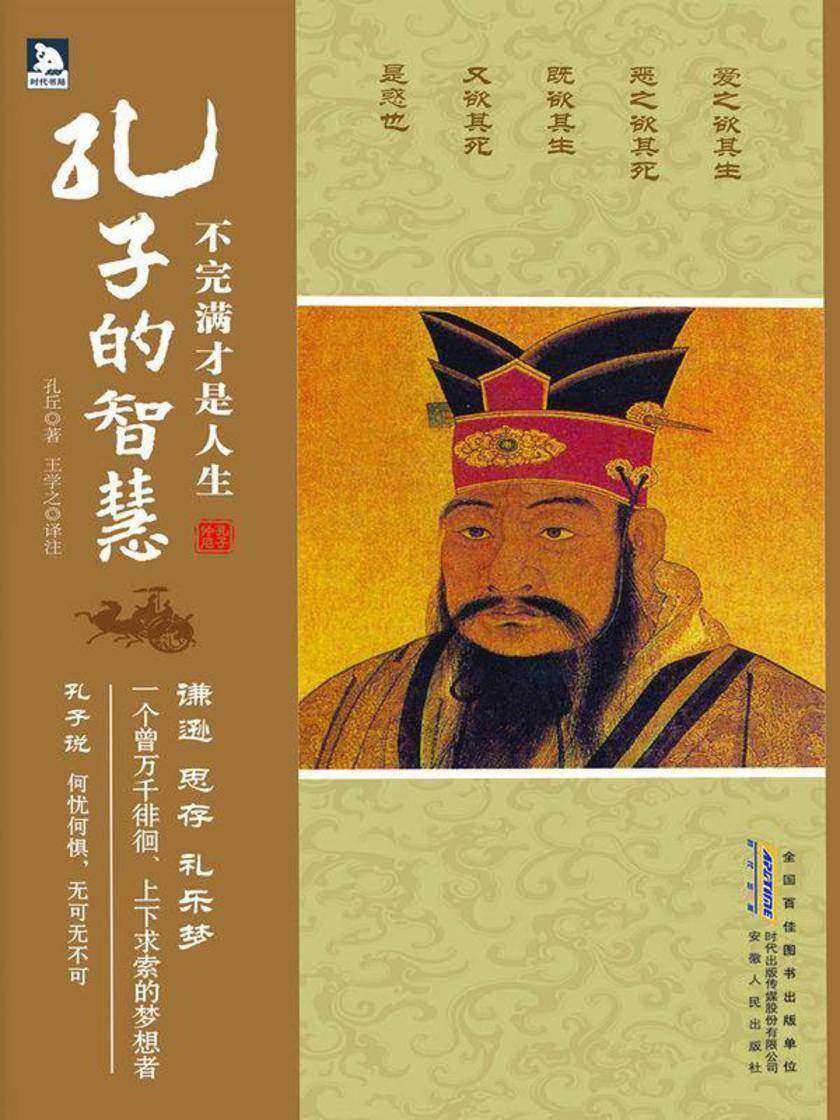
满2件6折 论语(全新精编精校修订)(国学大书院)(塑造君子人格,培养学习态度,指导教育教学,讲述治国安邦)
论语(全新精编精校修订)(国学大书院)(塑造君子人格,培养学习态度,指导教育教学,讲述治国安邦)
孔丘
¥17.40
《论语》以语录体记述了孔子及其弟子的言行,是中国儒家文化的本源,被儒家学派尊奉为圭臬。自西汉以来,《论语》所表述的孔子学说,被迅速传播,其影响遍及政治、经济、思想、文化、教育、伦理道德等各个领域,成为中国传统文化的一大标志。是我国古代儒家经典著作之一,是首创语录之体。南宋时,朱熹将它与《孟子》《大学》《中庸》合称为“四书”。
未读小经典:沉思录
未读小经典:沉思录
(古罗马)马可·奥勒留
¥18.99
马可·奥勒留是古罗马的“哲学家皇帝”。在历史上,一世英明且苦修哲学的皇帝,除奥勒留外恐怕没有第二人。他在政务辛劳之余,利用短暂的闲暇,与自己对话,对人生行思考,写下了《沉思录》这本“世界之书”。本书是斯多葛学派的里程碑之作,认为应遵从自然规律过一种自制的生活,回归安宁、平静和理性的心灵状态。时至今日,对生活在巨大压力下、心灵躁动不安的现代人来说,依然是一剂良方。
满2件6折 中国神话故事第8卷
中国神话故事第8卷
聂作平
¥9.20
★中国神话丰富多彩、蔚为大观。按地域区别,可以划分为西方昆仑神话、东方蓬莱神话、南方楚神话及中原神话;按内容区别,则可分为天辟地、人类起源、超级洪水、发明创造等几个大的板块。聂作平编著的《中国神话故事》把中国经典神话故事演绎得形象生动,每篇故事都根据情节配以精美的插图,不但读起来优美动人,而且还蕴含着深刻的道理,令人回味无穷。本书加注拼音后十分适合小学低年级儿童阅读,已经被中宣部、团中央和列向青少年的100种优秀图书名单,以及“中国小学生基础阅读书目”等等。
Misterul de la London Eye. Ce urc? trebuie s? ?i coboare... nu?
Siobhan Dowd
¥65.32
Lucrarea adun? eseuri filozofice ?i evoc? figuri de marc? ale culturii rom?ne.
Zorii din Alexanderplatz
Fabio Geda
¥40.79
innd seama de multiplele referiri la istorie, ct i de importana i relevana perspectivei temporal-istorice pentru orice alt tem, ajungem firesc la cardinalitatea istoriei n discursul lui Emil Cioran. n noianul tuturor temelor sale obsesive, istoria este o mega-tem, aflat n puternice raporturi cu celelalte. Aderena i entuziasmul pentru studiul problemelor de filosofia istoriei le gsim mrturisite nc de la nceputul traseului, n cteva scrisori ctre Bucur incu din anii ‘30. n acele scrisori vorbete de pasiune, de gndire spontan i personal, de adaptare natural asupra domeniului, i se arat ncredinat c, alturi de problemele de filosofia culturii i antropologiei filosofice, problemele de filosofia istoriei nu pot concepe c lea prsi vreodat. Dintre multiplele justificri ulterioare – opuse ca atitudine fa de cele din perioada iniial, dar care marcheaz aceeai aderen –, s punem dou n corelaie, scrise n ani apropiai, n care preocuparea pentru istorie este descris prin stri de dependen: slbiciune, sete, patim.“ – Ioan Costea
Utopia. Imaginarul social ?ntre proiec?ie ?i realitate
Prelipcean Teodora
¥40.79
La acest ?nceput de secol XXI, ?n ?ntreaga lume se intensific? studierea problemelor fundamentale, eterne, ca via?a ?i moartea, rostul vie?ii, originile ?i destina?iile noastre ultime, c?t ?i ?ntrebarea cu privire la existen?a de dup? moarte. Cartea examineaz? filosofia de via?? a budismului Nichiren ?n lumina ideilor de ultim? or? despre via?? ?i moarte, de?i cuprinderea exhaustiv? ?ntr?un singur volum a unei probleme at?t de vaste este imposibil?. Budismul Nichiren ofer? oamenilor mijloacele de a??i transforma destinele prin ?nf?ptuirea propriei revolu?ii umane individuale ?i dezv?luie calea spre pace ?i fericire.
Discovery of the Future: Illustrated
H. G. Wells
¥13.98
Such is the system which underlies the Meditations of Marcus Aurelius. Some knowledge of it is necessary to the right understanding of the book, but for us the chief interest lies elsewhere. We do not come to Marcus Aurelius for a treatise on Stoicism. He is no head of a school to lay down a body of doctrine for students; he does not even contemplate that others should read what he writes. His philosophy is not an eager intellectual inquiry, but more what we should call religious feeling. The uncompromising stiffness of Zeno or Chrysippus is softened and transformed by passing through a nature reverent and tolerant, gentle and free from guile; the grim resignation which made life possible to the Stoic sage becomes in him almost a mood of aspiration. His book records the innermost thoughts of his heart, set down to ease it, with such moral maxims and reflections as may help him to bear the burden of duty and the countless annoyances of a busy life. It is instructive to compare the Meditations with another famous book, the Imitation of Christ. There is the same ideal of self-control in both. It should be a man's task, says the Imitation, 'to overcome himself, and every day to be stronger than himself.' 'In withstanding of the passions standeth very peace of heart.' 'Let us set the axe to the root, that we being purged of our passions may have a peaceable mind.' To this end there must be continual self-examination. 'If thou may not continually gather thyself together, namely sometimes do it, at least once a day, the morning or the evening. In the morning purpose, in the evening discuss the manner, what thou hast been this day, in word, work, and thought.' But while the Roman's temper is a modest self-reliance, the Christian aims at a more passive mood, humbleness and meekness, and reliance on the presence and personal friendship of God. The Roman scrutinises his faults with severity, but without the self-contempt which makes the Christian 'vile in his own sight.' The Christian, like the Roman, bids 'study to withdraw thine heart from the love of things visible'; but it is not the busy life of duty he has in mind so much as the contempt of all worldly things, and the 'cutting away of all lower delectations.' Both rate men's praise or blame at their real worthlessness; 'Let not thy peace,' says the Christian, 'be in the mouths of men.' But it is to God's censure the Christian appeals, the Roman to his own soul. The petty annoyances of injustice or unkindness are looked on by each with the same magnanimity. 'Why doth a little thing said or done against thee make thee sorry? It is no new thing; it is not the first, nor shall it be the last, if thou live long. At best suffer patiently, if thou canst not suffer joyously.' The Christian should sorrow more for other men's malice than for our own wrongs; but the Roman is inclined to wash his hands of the offender. 'Study to be patient in suffering and bearing other men's defaults and all manner infirmities,' says the Christian; but the Roman would never have thought to add, 'If all men were perfect, what had we then to suffer of other men for God?' The virtue of suffering in itself is an idea which does not meet us in the Meditations. Both alike realise that man is one of a great community. 'No man is sufficient to himself,' says the Christian; 'we must bear together, help together, comfort together.' But while he sees a chief importance in zeal, in exalted emotion that is, and avoidance of lukewarmness, the Roman thought mainly of the duty to be done as well as might be, and less of the feeling which should go with the doing of it. To the saint as to the emperor, the world is a poor thing at best. 'Verily it is a misery to live upon the earth,' says the Christian; few and evil are the days of man's life, which passeth away suddenly as a shadow. ? ? ? ? ? ? ? ? ? ? ? ? ? ? ? ? ? ? ? ? ? ? ? ? ? ? ? ? ? ? ? ? ? ? ? ? ? ? ? ? ? ?*** ? "MARCUS AURELIUS ANTONINUS" was born on April 26, A.D. 121. His real name was M. Annius Verus, and he was sprung of a noble family which claimed descent from Numa, second King of Rome. Thus the most religious of emperors came of the blood of the most pious of early kings. His father, Annius Verus, had held high office in Rome, and his grandfather, of the same name, had been thrice Consul. Both his parents died young, but Marcus held them in loving remembrance. On his father's death Marcus was adopted by his grandfather, the consular Annius Verus, and there was deep love between these two. On the very first page of his book Marcus gratefully declares how of his grandfather he had learned to be gentle and meek, and to refrain from all anger and passion. The Emperor Hadrian divined the fine character of the lad, whom he used to call not Verus but Verissimus, more Truthful than his own name. He advanced Marcus to equestrian rank when six years of age, and at the age of eight made him a member of the ancient Salian priesthood. The boy's aunt, A
55 Years of Thoughts & Meditations: Practical Experiential Philosophy
Antonis Anastasiadis
¥84.20
The book “55 years of Thoughts & Meditations” is the result of the constant efforts, inquiries, reflections, thoughts and meditations of one man. All matters analysed derive from our everyday lives and include social, political, philosophical and love issues, as well as more general reflections on life. These matters are delivered in a thematic manner, which varies in both form and substance and is expressed in prose mainly, but also in poetic form. Many of the issues posed occur to every thinking person, who follows his/her own path on earth and who seeks answers and solutions to life’s problems: Why do nations engage in battle? Why do people fight? What makes human contact difficult? What are art and beauty? What are sciences and what are their true limits? Should we trust them? What is “wisdom” and “beauty” and which knowledge is truly worthwhile? Is there objective knowledge? What is the unique truth? Is there good and evil? What are the three ideals, “Love”, “Knowledge” and the “Truth”?So one morning, I began to gather and then document all my random thoughts, the remnants of everything that has triggered my observations, all the questions I have documented throughout my life and everything I had noted here and there and I turned it into a book of personal thoughts and meditations. This book is therefore the book of life, taken straight from life, rich with the reflec-tions of a lifetime. It is a book about life and is aimed at every thinking and honest reader with good intentions. This includes young readers who are gifted with the clarity of soul and are in a better position to be aware of the just and the beautiful. Fifty five years of thoughts and meditations is what this book is. It is a quest of “Love”, of “Knowledge” and of the “Truth”.
Plato’s Republic: The Myth of ER
George Charalampidis
¥63.19
The Myth of Er is the epilogue of Plato’s Republic. It could be considered as an independent text that refers to the greatest philosophical question of all times."Where does our soul go when we die and where does it come from when we are born?"Socrates in order to give an answer that would lead to a safe conclusion connects the journey of our soul to the function of our planetary system and tries to analyze the following sacramental but also scientific issues:- What is the difference between a developed soul and a developed mind?- Why is the cultivation of virtues necessary?- Which are the three roads of Hades and their connection to the "Van Allen belts"?- How are the penalties and rewards to our soul defined?- Where is Tartarus?- What does the spindle of necessity symbolize?- How are space time and the "Cuiper belt" connected?- What does the existence of Sirens and the three fates mean?- What is the procedure our incarnation?- What contract do we sign before we reincarnate on planet earth?- Which is the role of free will?- What does the mystery of the Dionysial theatre symbolize?- What difference is there between reincarnation and metempsychosis?- What is Socrates’ genius or our guardian angel?
61 de ore
61 de ore
Lee Child
¥81.67
Cartea este o culegere de eseuri pe teme de istorie literar?, istoria ideilor ?i probleme generale de estetica artelor, toate acestea fiind abordate dintr-un accentuat unghi filozofic ?i ?tiin?ific deopotriv?.
Demonii m?run?i
Demonii m?run?i
Breban Nicolae
¥65.32
Avem o carte preponderent de sondare a mentalit??ii ruse, care este rezultatul unei radiografieri a societ??ii pe mai multe pali?ere, dintre care se deta?eaz? cel istoric ?i cel religios. (…) Rusia bolnav? este scris? ?n primii ani dup? evenimentele revolu?ionare din 1905?l907, ?n cursul c?rora autorul a avut o participare activ?, mai ales ?n ce prive?te punerea acestei revolu?ii sub semnul lui Hris?tos. Este o carte important? tocmai pentru c? oglinde?te deziluziile unei naturi pasiona?le, care, ?n centrul istoriei ?i al religiei, pune mereu fapta. Fire?te acum, dup? Arhipelagul lui Soljeni??n, pamfletele lui Merejkovski par simple exerci?ii de stil, ?nelibertatea” deza?vuat? ?n ele, Rusia ?arist? ca ??nchisoare a popoarelor” ap?r?nd chiar foarte apropiat? de ceea ce s?ar putea numi ?stat de drept”. ?n privin?a ?demasc?rii” ororilor contemporane?it??ii, putem spune c? – a?a cum au dovedit?o deceniile bol?evice – ?ntotdeauna este loc de mai r?u. (Emil Iordache)
A trubadúr
A trubadúr
Salvadore Cammarano
¥22.73
Egy kétségtelenül szellemes megjegyzés szerint a cím csak akkor fedheti le pontosan a k?nyv tartalmát, ha bet?r?l bet?re megegyezik vele. Valami hasonló mondható a fülsz?vegekr?l is (biztos Boegesnek is tetszene ez a gondolat), és ennek megfelel?en meg sem kísérlem néhány mondatban ?sszefoglalni, hogy mir?l lesz szó. Ehelyett inkább el?sz?r is azt emelem ki, hogy a címnek megfelel?en mir?l nem: például nem magáról Borgesr?l, a 20. század egyik legjelent?sebb argentin írójáról. Hanem inkább arról, hogy a novelláival kapcsolatban milyen, az irodalomtól olyakor látszólag meglehet?sen távol álló kérdések merülhetnek fel kezdve azon, hogy az általa leírt bábeli k?nyvtár valóban olyan teljes és mindenre kiterjed?-e, miként azt Borges sugallja; folytatva azon, hogy van-e egyáltalán értelme felvetni, hogy milyen lenne, ha valaki t?kéletes emlékezettel rendelkezne (nincs). Meg, hogy elképzelhet?-e, nem pedig, hogy létezik vagy legalább lehetséges-e egy olyan pont vagy térrész: egy olyan Alef, amelyen keresztül egyszerre láthatunk mindent. ?s így tovább egészen addig, hogy mit mondhatunk az irodalomkritikáról, az irodalmi zsánerek létrej?ttér?l meg elt?nésér?l vagy éppen az irodalmi halhatatlanságról – ismét csak mint elméleti problémáról. Azaz végs? soron persze mégiscsak egyfajta bolyongás ez a borgesi k?nyvtában, illetve bizonyos, legalább hipotetikusan lehetséges és az irodalomhoz így vagy úgy kapcsolódó kérdések fázisterében még akkor is, ha a fentebbiekben, miként a figyelmes olvasó már észre vehette, éppen azt tettem, amir?l korábban azt sejttettem, hogy nem fogom: néhány példa említésével próbáltam utalni rá, hogy mir?l szól az egész. De talán ez sincs igazi ellentmondásban azzal a megk?zelítéssel, amit ez a k?nyv sugall. Galántai Zoltán tudományt?rténész és író. Korábbi k?nyvei az eClassicnál: K?nyvkett?. A k?nyv, az írás és az irodalom j?v?jér?l (2013) http://eclassic.xyz/shop/bemutato/konyvketto-a-konyv-az-iras-es-az-irodalom-jovojerol/ Monoverzumok. Kozmosz, t?rvény, tudomány (2016) http://eclassic.xyz/shop/szabadpolc/monoverzumok/