


 购物车
购物车 个人中心
个人中心

Raw: The diary of an anorexic (HarperTrue Life – A Short Read)
¥9.71
Lydia was 19 years old and enjoying university with a loving family and great friends when she became anorexic. The doctors told her that she would die. This is Lydia’s account of what anorexia did to her, how it changed her and how it impacted on her family, friends and all her choices in life. Her story is told through letters and blogs that Lydia wrote at the best and worst of times, notes from her parent s and friends desperately trying to find a way through to her and doctors notes with the horrific exacting details. Lydia is now 23 and ‘recovering’. She strongly believes that recovery is possible, and feels she is almost there. She wrote her book to explain her deepest thoughts and to explain the painful mental torture that she endured and overcame. And she wrote it in the hope that others suffering would relate to it, and that other families watching their loved ones will be touched and understand more deeply how an eating disorder really feels.
It’s Christmas!: Whatever Happened to the Christmas Single?
¥18.65
Updated for Christmas 2013! James King is tired of ‘Step Into Christmas’. He’s tired of ‘All I Want for Christmas is You’. He’s tired – if it’s possible – of ‘Fairytale of New York’. It’s time for a new Christmas Classic. ‘It’s Chriiiistmaaaas’ is a festive journey through the decades via the most cherished seasonal songs of the last century – from ‘Rockin’ Around the Christmas Tree’ to ‘Do They Know it’s Christmas?’. But beneath the nostalgia, are serious questions: is it always ‘Last Christmas’ for the December charts? Has the music buying public become like Noddy Holder’s Gran, telling everyone the ‘old songs are the best’? In this, his manifesto, James King takes us through the grand history of the Christmas number one, proving, once and for all, that the charts are ready for a new Christmas hit.

Robert Plant: A Life: The Biography
¥70.44
Robert Plant is one of the few genuine living rock legends. Frontman of Led Zeppelin, musical innovator and seller of millions of records, Plant has had a profound influence on music for over four decades. But the full account of his life has barely been told … until now. Robert Plant: A Life is the first complete and comprehensive telling of Plant’s story. From his earliest performances in folk clubs in the early 1960s, to the world’s biggest stages as Led Zeppelin’s self-styled ‘Golden God’, and on to his emergence as an emboldened solo star. The sheer scale of Zeppelin’s success is extraordinary: in the US alone they sold 70 million records, a figure surpassed only by the Beatles. But their success was marred by tragedy. These pages contain first-hand accounts of Plant’s greatest highs and deepest lows: the tragic deaths of his son Karac and his friend, Zeppelin drummer John Bonham. Told in vivid detail, this is the definitive story of a man of great talent, remarkable fortitude and extraordinary conviction.
Margery’s Story
¥9.71
From the bestselling authors of The Sugar Girls and GI Brides, this is Margery’s story, one of three true accounts from the book The Girls Who Went to War. “‘Who does that man think he is?’ Margery muttered to a girl standing next to her. The words had slipped out before she could stop herself, but she realised, to her horror, that the warrant officer had heard them. ‘What was that?’ he demanded, striding over and fixing her with an angry stare. Margery gulped – but there was no going back now.” In the summer of 1940, Britain stood alone against Germany. The British Army stood at just over one and a half million men, while the Germans had three times that many, and a population almost twice the size of ours from which to draw new waves of soldiers. Clearly, in the fight against Hitler, manpower alone wasn’t going to be enough. Margery Pott signed up for the Women’s Auxiliary Air Force, leaving her quiet home for the rigours of training, the camaraderie of the young women who worked together so closely and to face a war that would change her life forever. Overall, more than half a million women served in the armed forces during the Second World War. This book tells the story of just one of them. But in her story is reflected the lives of hundreds of thousands of others like them – ordinary girls who went to war, wearing their uniforms with pride.
Kathleen’s Story
¥9.71
From the bestselling authors of The Sugar Girls and GI Brides, this is Kathleen’s story, one of three true accounts from the book The Girls Who Went to War. “Boxing Day was cold and frosty, and by the time Kathleen and the lads arrived at the football pitch she was already shivering. As they stood watching the game, Arnold silently took her hand and put it inside the pocket of his greatcoat. It was a small gesture, but it told her that she belonged to him now, and to Kathleen nothing had ever seemed so romantic.” In the summer of 1940, Britain stood alone against Germany. The British Army stood at just over one and a half million men, while the Germans had three times that many, and a population almost twice the size of ours from which to draw new waves of soldiers. Clearly, in the fight against Hitler, manpower alone wasn’t going to be enough. Nanny Kathleen Skin signed up for the WRNS, leaving her quiet home for the rigours of training, the camaraderie of the young women who worked together so closely and to face a war that would change her life forever. Overall, more than half a million women served in the armed forces during the Second World War. This book tells the story of just one of them. But in her story is reflected the lives of hundreds of thousands of others like them – ordinary girls who went to war, wearing their uniforms with pride.
The Complete Poems of C.P. Cavafy
¥184.23
The complete Cavafy poems – including the unfinished works – in a stunning new translation. From the acclaimed author of ‘The Lost’, a translation that scales new heights in modern poetic rendering. With a masterful eye for irony and an ear for the music of Cavafy’s form, Daniel Mendelsohn’s translation brings to English the poet who won acclaim from generations of writers, E.M. Forster and T.S. Eliot among them. Spanning the fall of Homeric heroes to the rise of the modern world, Cavafy’s poetry collapses the spectra of time, geography and age into intimately personal elegies. Works such as "Waiting for the Barbarians" and “Ithica”, famed for their revival of the ancient worlds, continue to address the modern reader in terms of timeless relevance. Here they are accompanied by Cavafy’s unfinished poems, translated into English for the first time. From a highly respected classicist and social essayist, Daniel Mendelsohn’s edition is uniquely placed to become the fresh, definitive edition of Cavafy in English.
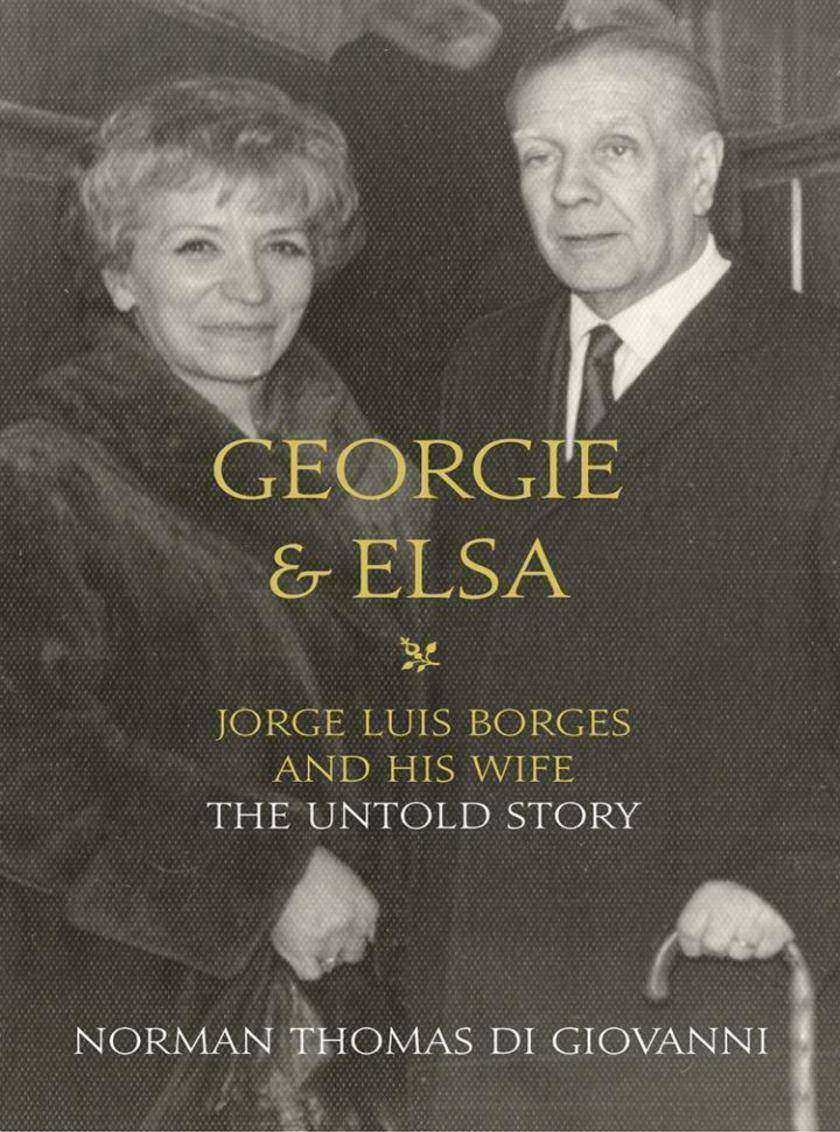
Georgie and Elsa: Jorge Luis Borges and His Wife: The Untold Story
¥82.40
A biography of Borges, by his translator. Jorge Luis Borges, known as Georgie to his friends, married Elsa Astete Millan in 1967. Borges was sixty-eight years old at the time of the wedding; Elsa, a widow, with a son in his twenties, was eleven years younger. It proved to be a tempestuous and eventful marriage that would leave an indelible mark on the remainder of Borges' life, but their relationship has been largely glossed over by previous biographers. This is because the one person who knew all the details has refused to speak about it. Until now. Norman Thomas di Giovanni worked with Borges in Cambridge, Massachusetts, and in Buenos Aires from late 1967 to 1972 and thereafter sporadically until Borges's death in 1986. During their first period together di Giovanni spent more time with the couple than did almost anyone else. He was privy to the private side of their relationship and to its sudden decline. It was di Giovanni who helped the demoralized Borges by organizing and arranging his divorce and at the same time rescuing his library and smuggling him out of Buenos Aires to avoid the wrath of Elsa and her lawyers. The book is based on the author's extensive collection of original material in the form of diaries, notebooks, letters, manu*s, and photographs, most of which has never before been seen. It provides a unique insight into one of the few true geniuses of literature.
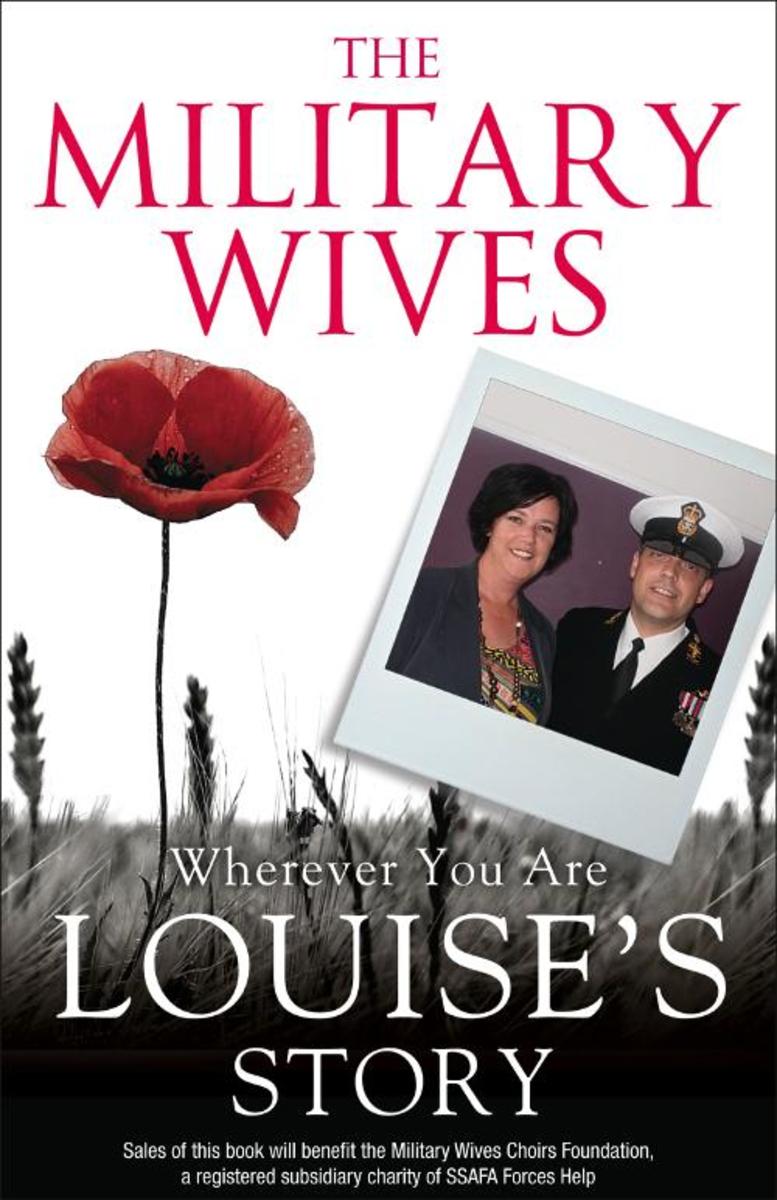
The Military Wives: Wherever You Are – Louise’s Story
¥12.95
This is Louise’s story, one of four individual journeys taken from Wherever You Are by The Military Wives. Louise Baines always said she would never marry into the military. She was working behind a bar when Charlie Baines, a submariner, introduced himself – but within a few months they had moved in together, bought a house, and tied the knot. She knew being married to a submariner was never going to be easy, but with young children and a husband absent for months at a time, away from all forms of communication and risking his life, coping alone was harder than Louise had ever imagined. When she heard that Gareth Malone had started a choir in Plymouth, she thought she’d go along. Surrounded by friends and singing her heart out, Louise was soon aware that this was no ordinary choir… Through the choir, life soon became a whirlwind. Mere months later, they would have met Gareth Malone, performed for the Queen, recorded a bestselling album and achieved a Christmas number 1. But much more than this: Louise had a support network that meant she would never have to cope alone again. This is one woman’s true story of heartbreak and hope, and of how the choir changed everything. Sales of this book will benefit the Military Wives Choirs Foundation, a network of choirs that reaches across the military community to provide support, guidance and funding for individual choirs, but first and foremost to bring women closer together through singing. The Foundation is a registered subsidiary charity of SSAFA Forces Help.
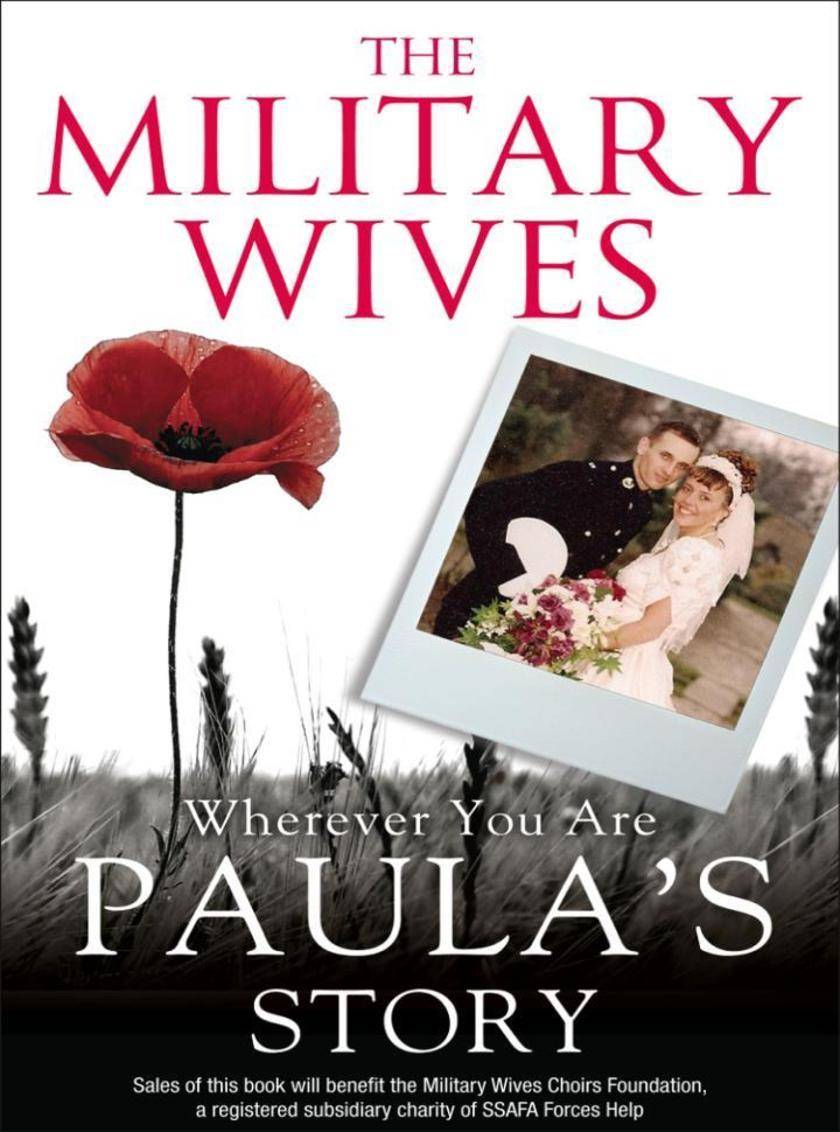
The Military Wives: Wherever You Are – Paula’s Story
¥12.95
This is Paula’s story, one of four individual journeys taken from Wherever You Are by The Military Wives. Paula and James Mundy first met when they were teenagers, little knowing they’d end up spending the rest of their lives together. After James had completed his marine training they met again, became inseparable, and before long had moved into married quarters. But life as a military wife would be particularly hard for Paula. With James posted overseas, she was left to cope with the mental and physical disabilities of their daughter Rhianna, had full responsibility for her elder brother and younger sister, and in 2011 she was left reeling when her mother was diagnosed with cancer. When Paula began singing with her local choir, she realised she had an outlet for the first time; a way to switch off. In the dozens of other wives, each with their own hardships to overcome, she found a support network; through the darkest times, the choir was there. Mere months later, the Military Wives choir would have performed for the Queen, recorded a bestselling album and achieved a Christmas number 1. This is one woman’s true story of heartbreak, love and loss, and of how singing kept hope alive. Sales of this book will benefit the Military Wives Choirs Foundation, a network of choirs that reaches across the military community to provide support, guidance and funding for individual choirs, but first and foremost to bring women closer together through singing. The Foundation is a registered subsidiary charity of SSAFA Forces Help.
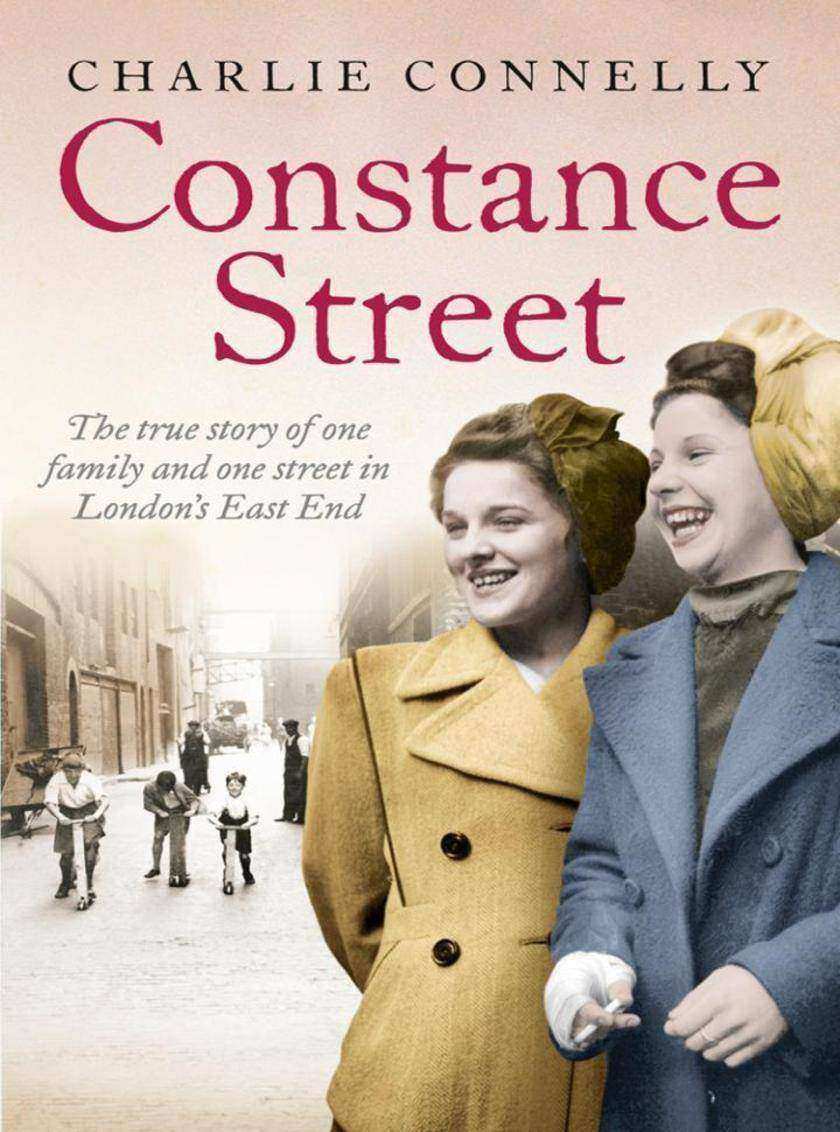
Constance Street
¥58.86
One forgotten street, 12 unforgettable women. ‘’Ang on boy, Joan’s got sumfink to show yer.’ She rummaged in a drawer for a moment, pulled out a piece of paper and handed it to me. ‘Constance Street,’ she said. ‘As I remember it.’ Through the story of one street – Constance Street – we hear the true life tales of a tight knit group of working class women in the East End of London set against a backdrop of war, hardship and struggle. It’s a story of matriarchy and deep family ties, of a generation that was scattered away from the street during the blitz bombings, but which maintained the ties of that street for decades afterwards. Set in an area of East London called Silvertown, a once thriving docking community that at the turn of the 20th century was the industrial heartland of the south of England; the story focuses on the lives of 12 incredible women and their struggle to survive amidst the chaos of the war years. We have Nellie Greenwood, the author’s great grandmother who runs a laundry in Silvertown which becomes the focal point of the community. In 1917 a munitions factory in Silvertown explodes flattening much of the surrounding area and causing extensive damage to Constance Street – Nellie’s daughter is blown from her crib but miraculously survives. Deciding to open the laundry as a field hospital for the injured, Nellie and the women on the street come together to tend the wounded, the sick and the emotionally shattered as they cope with the aftermath of not just one but two world wars. Through the Great War, the roaring Twenties, the Depression and then the unimaginable – the outbreak of a second world war – Nellie and the street survive with love, laughter and friendships that bind the community together. But just as this incredible group of women live through the worst, the unthinkable happens. On 7 September 1940, Constance Street is no more. Following in the footsteps of Farewell to the East End by Jennifer Worth and The Sugar Girls, Constance Street is a life-affirming, heart-warming read that reminds us of a time when people pulled together.
Just a Boy: An Inspiring and Heartwarming Short Story
¥18.74
A heartwarming short story from bestselling author and foster carer Casey Watson. A digital-exclusive short story from Casey Watson, plus a sneak peek chapter from Casey’s highly anticipated next title, Breaking the Silence, and sample chapters from each of Casey’s five moving and inspirational titles. Although he isn’t with them for long, Cameron immediately touches the hearts of Casey’s whole family. A sweet boy with a great sense of humour, he seems different from the other children she’s cared for. But after a disastrous and embarrassing family trip, Cameron disappears. Casey fears the worst. Will her fears be realised?
To Fight Alongside Friends: The First World War Diaries of Charlie May
¥73.58
The First World War Diaries of Manchester Pals Captain Charlie May – written and kept in secret and published now for the first time. A born storyteller, Charlie May’s vivid eye for detail and warm good humour brings his experience in the trenches (and the experience of millions of ordinary men like him) to life for a 21st-century readership. Captain Charlie May was killed, aged 27, in the early morning of 1st July 1916, leading the men of ‘B Company’, 22nd Manchester Service Battalion (the Manchester Pals) into action on the first day of the Somme. This tolerant and immensely likeable man had been born in New Zealand and – against King’s regulations – he kept a diary in seven small, wallet-sized pocket books. A journalist before the war and a born storyteller, May’s diaries give a vivid picture of battalion life in and behind the trenches during the build-up to the greatest battle fought by a British army and are filled with the friendships and tensions, the home-sickness, frustrations, delays and endless postponements, the fog of ignorance, the combination of boredom and terror to which every man that has ever fought could testify. His diaries reflect on the progress of the war, tell jokes – good and bad, give details of horse-rides along the Somme valley, afternoons with a fishing rod, lunch in Amiens, a gastronomic celebration of Christmas 1915 and concerts in ‘Whiz Bang Hall’. He describes battles not just with the enemy, but with rats, crows and on the makeshift football pitch – all recorded with a freshness that brings these stories home as if for the first time. The diaries are also written as an extended and deeply-moving love letter to his wife Maude and baby daughter Pauline. ‘I do not want to die’, he wrote – ‘Not that I mind for myself. If it be that I am to go, I am ready. But the thought that I may never see you or our darling baby again turns my bowels to water.’ Fresh, eloquent and warm, these diaries were kept secret from the censor and were delivered to his wife after his death by a fellow soldier in Charlie’s company. Edited by his great-nephew and published for the first time, these diaries give an unforgettable account of the war that took Charlie May’s life, and millions of others like him.
Sour: My Story - Part 1 of 3
免费
Sour can either be read as a full-length eBook or in 3 serialised eBook-only parts. This is PART 1 of 3. They call me Sour. The opposite of sweet. Shanking, stabbing, steaming, robbing, I did it all, rolling with the Man Dem. I did it because I was bad. I did it because I had heart. And the reason I reckon I got away with it for so long? Because I was a girl. SOUR is the true story of a former Brixton gang girl, drug dealer and full-time criminal. A member of the Younger 28s, a notorious gang that terrorised the postcodes around Brixton in the 90s, Sour escapes a troubled family life to immerse herself in the street life of likking and linking. She never leaves her house without a knife. At the age of fifteen, she stabs an innocent man in the street, earning her unrivalled respect and ‘Top-Dog’ status amongst her crew. She believes she is invincible. But the consequences of her actions are soon to catch up with her. Waking for the second time in two weeks in a hospital bed, to the news that she is pregnant, she realises it’s time to turn her life around. Motherhood will be a rude awakening, but it may also be her saving grace. Told with raw emotions and ferocious honesty, this is the real, on-the-record, story of one woman’s descent down the rabbit hole of gangland, and her efforts, as a daughter, mother and girlfriend, to claw herself out.
Sour: My Story - Part 3 of 3
¥47.48
Sour can either be read as a full-length eBook or in 3 serialised eBook-only parts. This is PART 1 of 3. They call me Sour. The opposite of sweet. Shanking, stabbing, steaming, robbing, I did it all, rolling with the Man Dem. I did it because I was bad. I did it because I had heart. And the reason I reckon I got away with it for so long? Because I was a girl. SOUR is the true story of a former Brixton gang girl, drug dealer and full-time criminal. A member of the Younger 28s, a notorious gang that terrorised the postcodes around Brixton in the 90s, Sour escapes a troubled family life to immerse herself in the street life of likking and linking. She never leaves her house without a knife. At the age of fifteen, she stabs an innocent man in the street, earning her unrivalled respect and ‘Top-Dog’ status amongst her crew. She believes she is invincible. But the consequences of her actions are soon to catch up with her. Waking for the second time in two weeks in a hospital bed, to the news that she is pregnant, she realises it’s time to turn her life around. Motherhood will be a rude awakening, but it may also be her saving grace. Told with raw emotions and ferocious honesty, this is the real, on-the-record, story of one woman’s descent down the rabbit hole of gangland, and her efforts, as a daughter, mother and girlfriend, to claw herself out.
Betrayed: Part 1 of 3
免费
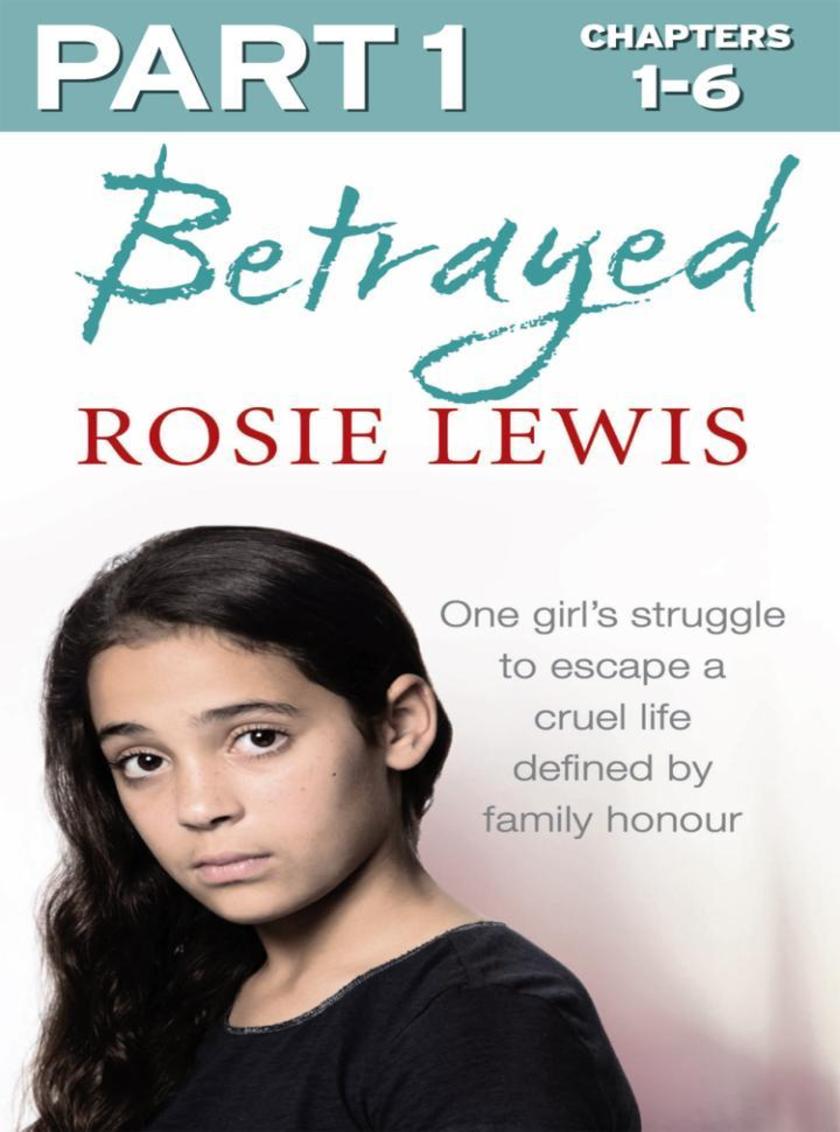
Betrayed can either be read as a full-length eBook or in 3 serialised eBook-only parts. This is PART 1 of 3. You can read Part 1 two weeks ahead of release of the full-length eBook and paperback. In the much-anticipated follow-up to Sunday Times bestseller Trapped, foster carer Rosie Lewis tells the heartbreaking true story of 13-year-old Zadie. When the young teenage girl runs away and is discovered hiding on the city streets by the police, it is clear that all is not as it should be. Taught to believe that Westerners should not be trusted, when Zadie is initially delivered into the experienced hands of foster carer Rosie she is polite and well-behaved, but understandably suspicious of the family around her. Through Rosie’s support and understanding, gradually Zadie begins to settle into her new surroundings, but loyalty to her relatives, and fear of bringing shame on those around her, prevents her from confessing the horrifying truth about her troubled past. When the shocking truth finally emerges, Rosie and her family can hardly believe that Zadie had managed to keep the shocking secrets to herself for so long.
Betrayed: Part 3 of 3
¥47.48
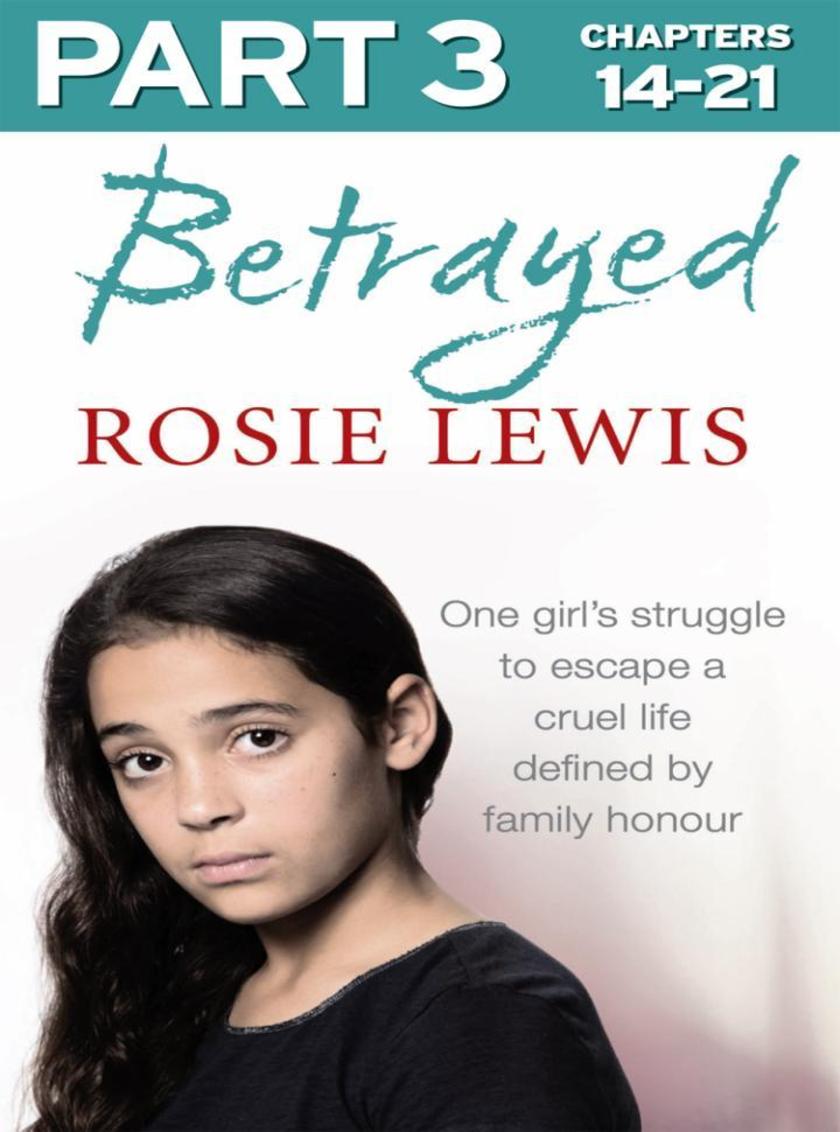
Betrayed can either be read as a full-length eBook or in 3 serialised eBook-only parts. This is PART 3 of 3. You can read Part 3 on release of the full-length eBook and paperback. In the much-anticipated follow-up to Sunday Times bestseller Trapped, foster carer Rosie Lewis tells the heartbreaking true story of 13-year-old Zadie. When the young teenage girl runs away and is discovered hiding on the city streets by the police, it is clear that all is not as it should be. Taught to believe that Westerners should not be trusted, when Zadie is initially delivered into the experienced hands of foster carer Rosie she is polite and well-behaved, but understandably suspicious of the family around her. Through Rosie’s support and understanding, gradually Zadie begins to settle into her new surroundings, but loyalty to her relatives, and fear of bringing shame on those around her, prevents her from confessing the horrifying truth about her troubled past. When the shocking truth finally emerges, Rosie and her family can hardly believe that Zadie had managed to keep the shocking secrets to herself for so long.
Nowhere to Go: Part 1 of 3
免费
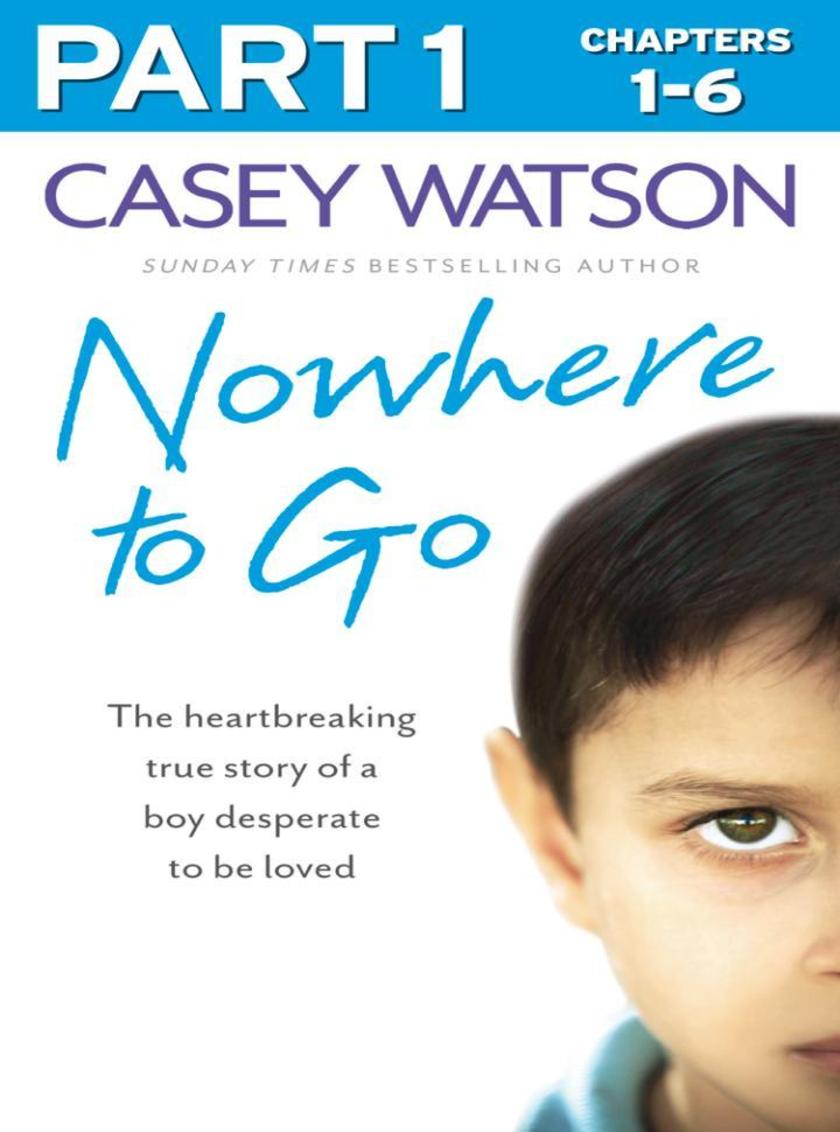
Bestselling author and foster carer Casey Watson shares the shocking true story of Tyler, an abused eleven-year-old who, after stabbing his step-mother, had nowhere else to go. Knowing a little of Tyler’s past – his biological mother, a heroin addict, died of an overdose when he was three – Casey feels bound to do her best for him. It isn’t easy; Tyler continuously lashes out, even trying to attack Casey herself. Investigation into his earlier childhood reveals why: forced to watch his mother die he was found emaciated and traumatised two days later, then delivered to a father who didn’t want him and a step-mother who beat him. With the horrific events of his past now vividly affecting the course of his present, Casey and her husband Mike are determined to veer him away from the violence and drugs they fear he will come to depend on. Heartbreaking and profoundly moving, Nowhere to Go tells the story of a child forsaken by his family but fought for by his foster carers.

D-day Dogs: Remarkable true stories of heroic dogs
¥9.71
Incredible true stories of canine loyalty in the Second World War. There were dogs involved with the landings, dogs the soldiers could not bear to leave behind and dogs trained to patrol, protect and locate. The dogs sailed with the Merchant Navy and brought their boats into dangerous waters to retrieve the wounded or stranded. They were on land, in the air and on the water during the D-Day operation – playing their special part in every aspect. Through this inspiring short collection of the true stories of four of these canine heroes the remarkable achievements of the D-Day dogs are brought to life.

Warrior: The true story of the real war horse
¥11.77
An inspiring and heart-warming short story of devotion and bravery. A thoroughbred horse, Warrior, is passed through various owners before he is shipped to the thick of the action on the Western Front to serve as his current master’s mount for all four years of the First World War. Warrior and General ‘Galloping Jack Seeley’ were involved from the first engagements through to one of the last, the Battle of Moreuil Wood. Together they fought in terrifying battles and witnessed the death of many horses and masters who served alongside them, terrible deaths, but through it all Warrior seemed to pass like a spirit. This is the tale of his heroic wartime exploits and eventual return to the green fields of England. An evocative and powerful story of a real and great war horse. Warrior’s story was the basis for the fictional Joey in Michael Morpurgo’s War Horse.

Little Girl Lost: The true story of a broken child
¥9.71
The fourth in a series of true short stories from foster carer Mia Marconi. Kira first came to foster carer Mia Marconi’s home on respite care when she was three. She had suffered an unimaginable amount of abuse in her short life. Although she couldn’t tie her shoe laces, she could smash a room to pieces; she fought against everything like a wild cat. At the age of five Kira moved permanently to live with Mia and her family, but by the time she was nine years old the whole family was at breaking point. Mia is the kind of person who won’t give in and believes she can always change things for the better, but try as she might she can’t change Kira. So after six years, with a very heavy heart, she is forced to question whether she can really help this lost and damaged child. Raw, shocking and honest, this short story will shed new light on the role of foster carers, revealing the kind of heartbreaking real life situations carers like Mia Marconi are confronted with every day.
The New Arrival: Part 1 of 3
免费
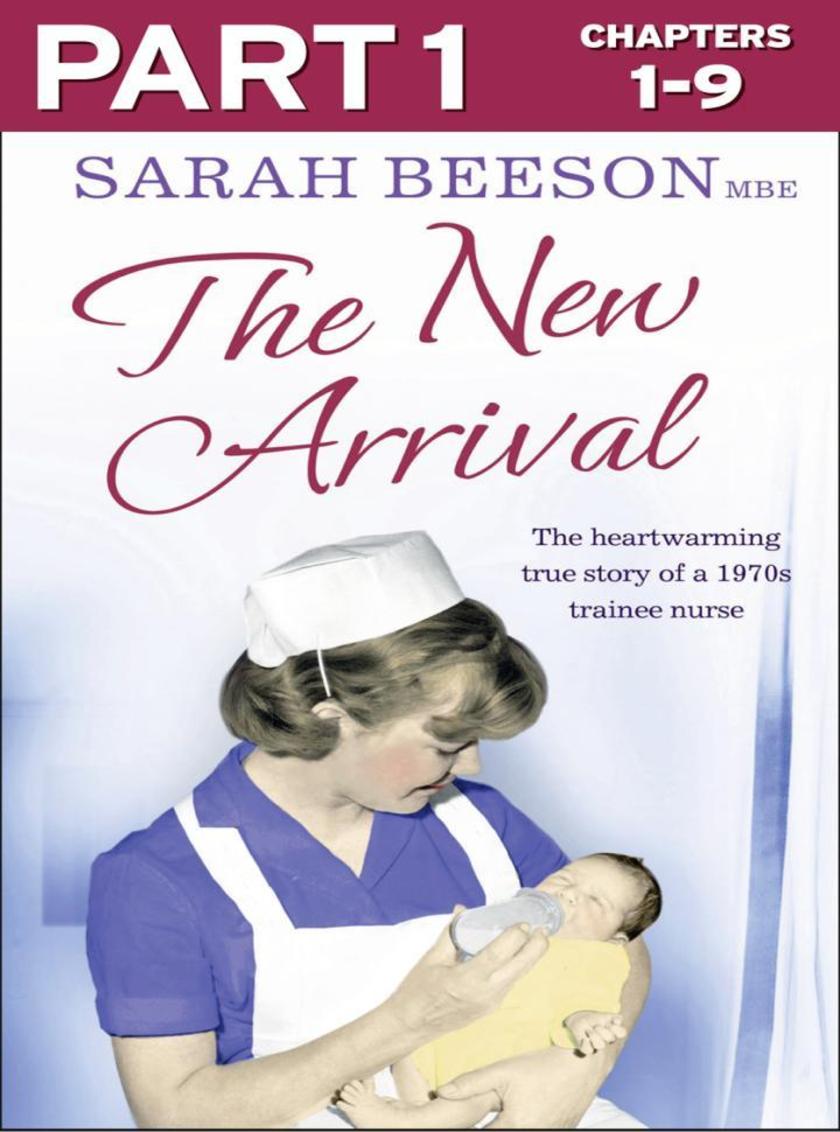
The New Arrival can either be read as a full-length eBook or in 3 serialised eBook-only parts. This is PART 1 of 3 (Chapters 1-9 of 30). You can read Part 1 two weeks ahead of release of the full-length eBook and paperback. 17-year-old Sarah Hill leaves behind her home in Wales and enrols at Hackney General Hospital, where she is due to start her training. Looking up at the rows and rows of little windows, there was no way Sarah could have guessed just what she was getting herself into… More than just a hospital, Hackney General was part of the community, just as much as the Adam & Eve pub the staff frequent. A place where the poorly children of Hackney were nursed to health, a place where young nurses would discover just want they wanted from life, fall in love with shy photographers and grow into women. But it’s not all smooth sailing in Hackney: for every baby that goes home to its loving family another is abandoned, unloved, or never gets to go home at all. Funny, warm and deeply moving, Sarah Beeson’s poignant memoir captures both the heartache and happiness of hospital life and 1970s London through the eyes of a gentle but determined young nurse.


