


 购物车
购物车 个人中心
个人中心
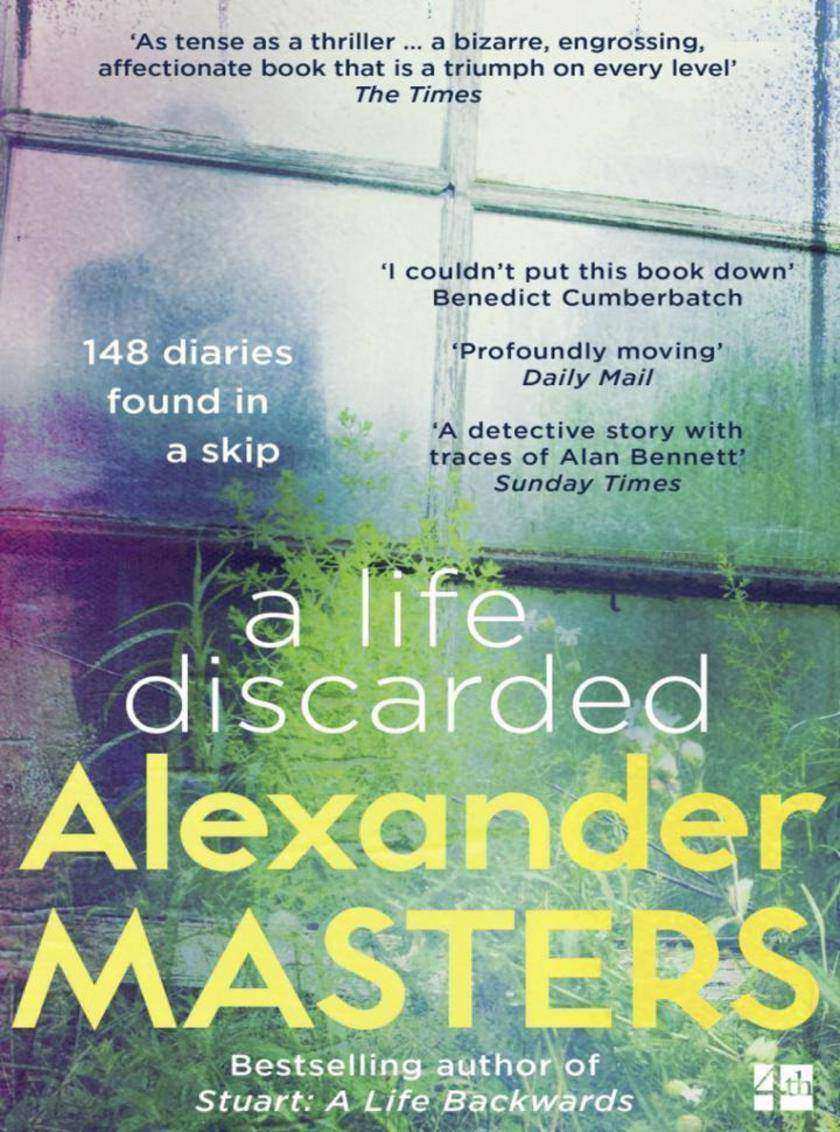
A Life Discarded: 148 Diaries Found in a Skip
¥66.22
Unique, transgressive and as funny as its subject, A Life Discarded has all the suspense of a murder mystery. Written with his characteristic warmth, respect and humour, Masters asks you to join him in celebrating an unknown and important life left on the scrap heap. A Life Discarded is a biographical detective story. In 2001, 148 tattered and mould-covered notebooks were discovered lying among broken bricks in a skip on a building site in Cambridge. Tens of thousands of pages were filled to the edges with urgent handwriting. They were a small part of an intimate, anonymous diary, starting in 1952 and ending half a century later, a few weeks before the books were thrown out. Over five years, the award-winning biographer Alexander Masters uncovers the identity and real history of their author, with an astounding final revelation. A Life Discarded is a true, shocking, poignant, often hilarious story of an ordinary life. The author of the diaries, known only as ‘I’, is the tragicomic patron saint of everyone who feels their life should have been more successful. Part thrilling detective story, part love story, part social history, A Life Discarded is also an account of two writers’ obsessions: of ‘I’s need to record every second of life and of Masters’ pursuit of this mysterious yet universal diarist.

The Silent Cry: There is little Kim can do as her mother's mental health spirals
¥66.22
The heartbreaking true story of a young, troubled mother who needed help. The sixteenth fostering memoir by Cathy Glass. It is the first time Laura has been out since the birth of her baby when Cathy sees her in the school playground. A joyful occasion but Cathy has the feeling something is wrong. By the time she discovers what it is, it is too late. This is the true story of Laura whose life touches Cathy’s in a way she could never have foreseen. It is also the true stories of little Darrel, Samson and Hayley who she fosters when their parents need help. Some stories can have a happy ending and others cannot, but as a foster carer Cathy can only do her best.
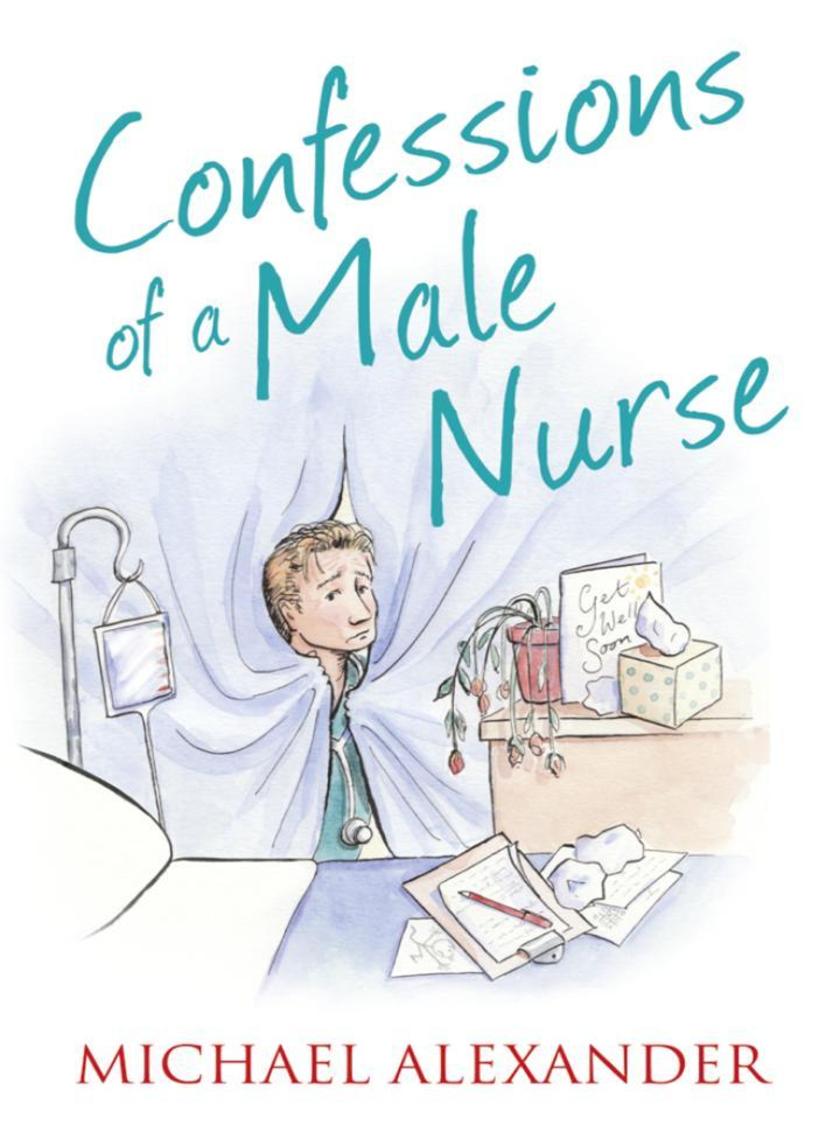
Confessions of a Male Nurse (The Confessions Series)
¥56.90
From the people who brought you the bestselling Confessions of a Gp. From stampeding nudes to inebriated teenagers, young nurse Michael Alexander never really knew what he was getting himself into. But now, sixteen years since he was first launched into his nursing career - as the only man in a gynaecology ward - he's pretty much dealt with everything: body parts that come off in his hands; teenagers with phantom pregnancies; doctors unable to tell the difference between their left and right; violent drunks; singing relatives; sexism. . .and a whole lot of nudity. Confessions of a Male Nurse is a touching, shocking and frequently hilarious account of one man's life in nursing.
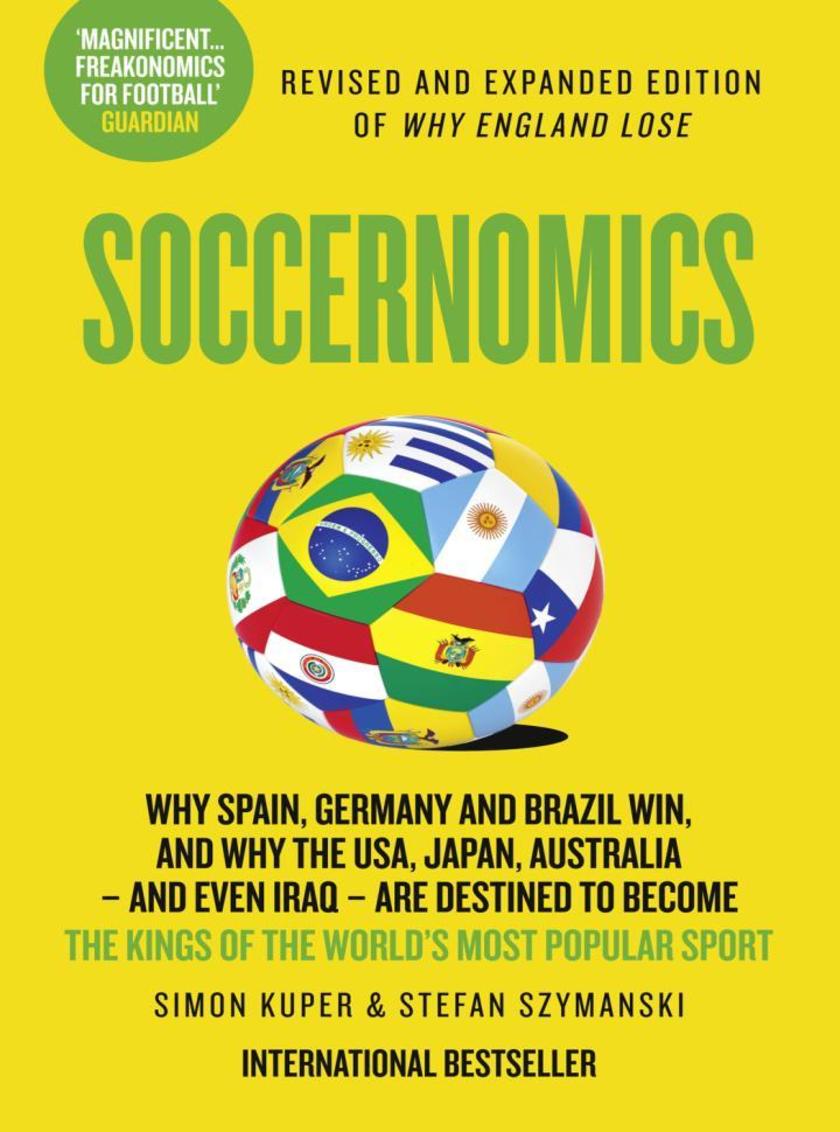
Soccernomics
¥68.67
At last, football has its answer to Freakonomics, The Tipping Point and The Undercover Economist. Why do England lose?” “Why do Germany & Brazil Win?” “How have Spain conquered the World?” "Penalties - what are they good for?" “What is the price on achieving success and the true cost of failure?” These are questions every football fan has asked. Soccernomics (previously published as Why England Lose) answers them. Written with an economist's brain and a football writer's skill, it applies high-powered analytical tools to everyday football topics. Soccernomics isn't in the first place about money. It's about looking at data in new ways. It's about revealing counterintuitive truths about football. It explains all manner of things about the game which newspapers just can't see. It all adds up to a new way of looking at football, beyond clichés about "The Magic of the FA Cup", "England's Shock Defeat" and "Newcastle's New South American Star". No training in economics is needed to read Soccernomics but the reader will come out of it with a better understanding not just of football, but of how economists think and what they know.

The Dog Listener: Learning the Language of your Best Friend
¥80.25
You’ve heard of the Horse Whisperer – now meet the woman who uses similar methods to train dogs. Jan Fennell’s remarkable gifts have earned her the nickname “the dog listener”. Her unique understanding of the canine world and its instinctive language has enabled her to bring even the most desperate and delinquent of dogs to heel. This easy-to-follow guide to understanding Jan’s simple techniques draws on her countless case histories of problem dogs – from biters and barkers to bicycle chasers – to show how we can bridge the language barrier that separates man from his best friend. In The Dog Listener Jan shares her secrets, telling us how she grew determined to find a more compassionate alternative to standard “obedience” training techniques and ultimately how to communicate with canines.

Can I Let You Go?: A heartbreaking true story of love, loss and moving on
¥61.51
Can I Let You Go is the true story of Faye, a wonderful young woman who may never be able to parent her unborn child. Faye is 24, pregnant, and has learning difficulties as a result of her mother’s alcoholism. Faye is gentle, childlike and vulnerable, and normally lives with her grandparents, both of whom have mobility problems. Cathy and her children welcome Faye into their home and hearts. The care plan is for Faye to stay with Cathy until after the birth when she will return home and the baby will go for adoption. Given that Faye never goes out alone it is something of a mystery how she ever became pregnant and Faye says it’s a secret. To begin with Faye won’t acknowledge she is pregnant or talk about the changes in her body as she worries it will upset her grandparents, but after her social worker assures her she can talk to Cathy she opens up. However, this leads to Faye realizing just how much she will lose and she changes her mind and says she wants to keep her baby. Is it possible Faye could learn enough to parent her child Cathy believes it is, and Faye’s social worker is obliged to give Faye the chance.
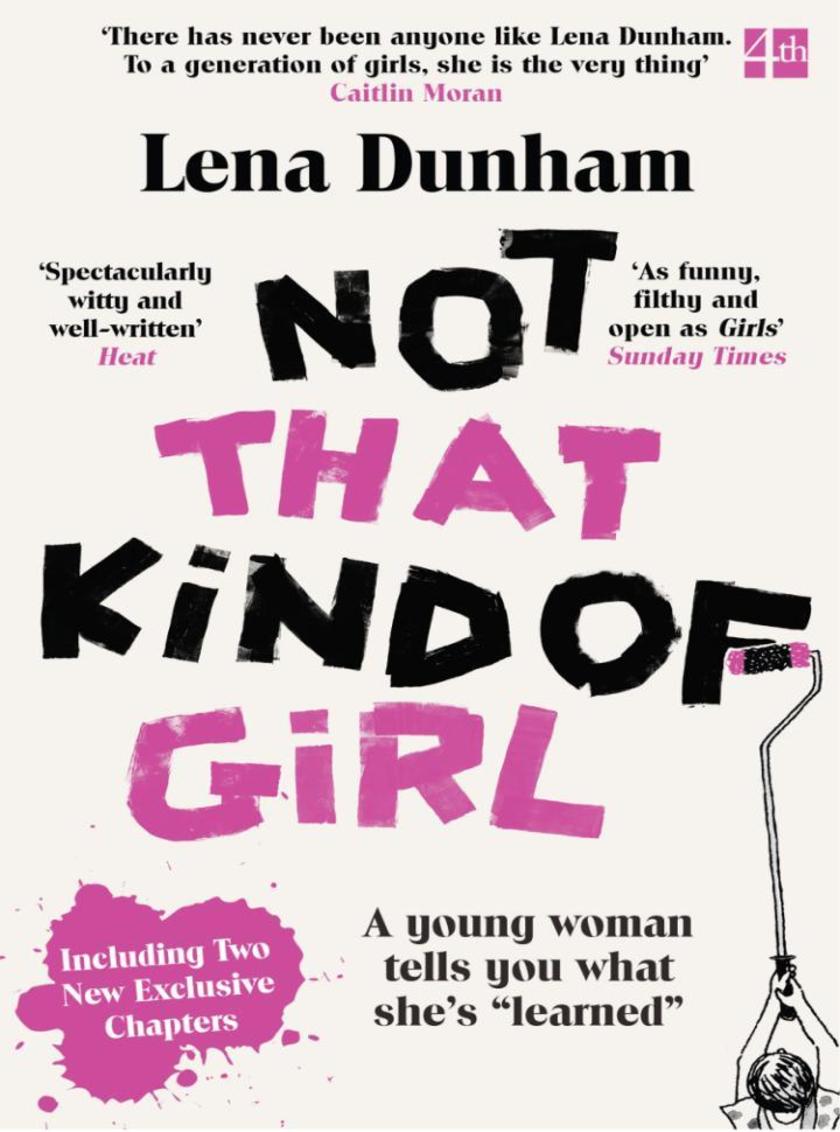
Not That Kind of Girl: A Young Woman Tells You What She’s Learned
¥66.22
Lena Dunham, acclaimed writer-director-star of HBO and Sky Atlantic’s ‘Girls’ and the award-winning movie ‘Tiny Furniture’, displays her unique powers of observation, wisdom and humour in this exceptional collection of essays. “If I could take what I’ve learned and make one menial job easier for you, or prevent you from having the kind of sex where you feel you must keep your sneakers on in case you want to run away during the act, then every misstep of mine was worthwhile. I’m already predicting my future shame at thinking I had anything to offer you, but also my future glory in having stopped you from trying an expensive juice cleanse or thinking that it was your fault when the person you are dating suddenly backs away, intimidated by the clarity of your personal mission here on earth. No, I am not a sexpert, a psychologist, or a dietician. I am not a mother of three or the owner of a successful hosiery franchise. But I am a girl with a keen interest in having it all, and what follows are hopeful dispatches from the frontlines of that struggle.”

The Child Bride
¥58.86
Cathy Glass, international bestselling author, tells the shocking story of Zeena, a young Asian girl desperate to escape from her family. When 14 -year-old Zeena begs to be taken into care with a non-Asian family, she is clearly petrified. But of what? Placed in the home of experienced foster carer Cathy and her family, Zeena gradually settles into her new life, but misses her little brothers and sisters terribly. Prevented from having any contact with them by her family who insist she has brought shame and dishonour on the whole community, Zeena tries to see them at school. But when her father and uncle find out, they bundle her into a car and threaten to set fire to her if she makes anymore trouble. Zeena is too frightened to press charges against them despite being offered police protection in a safe house. Eventually, Cathy discovers the devastating truth from Zeena, and with devastation she believes there is little she can do to help her.
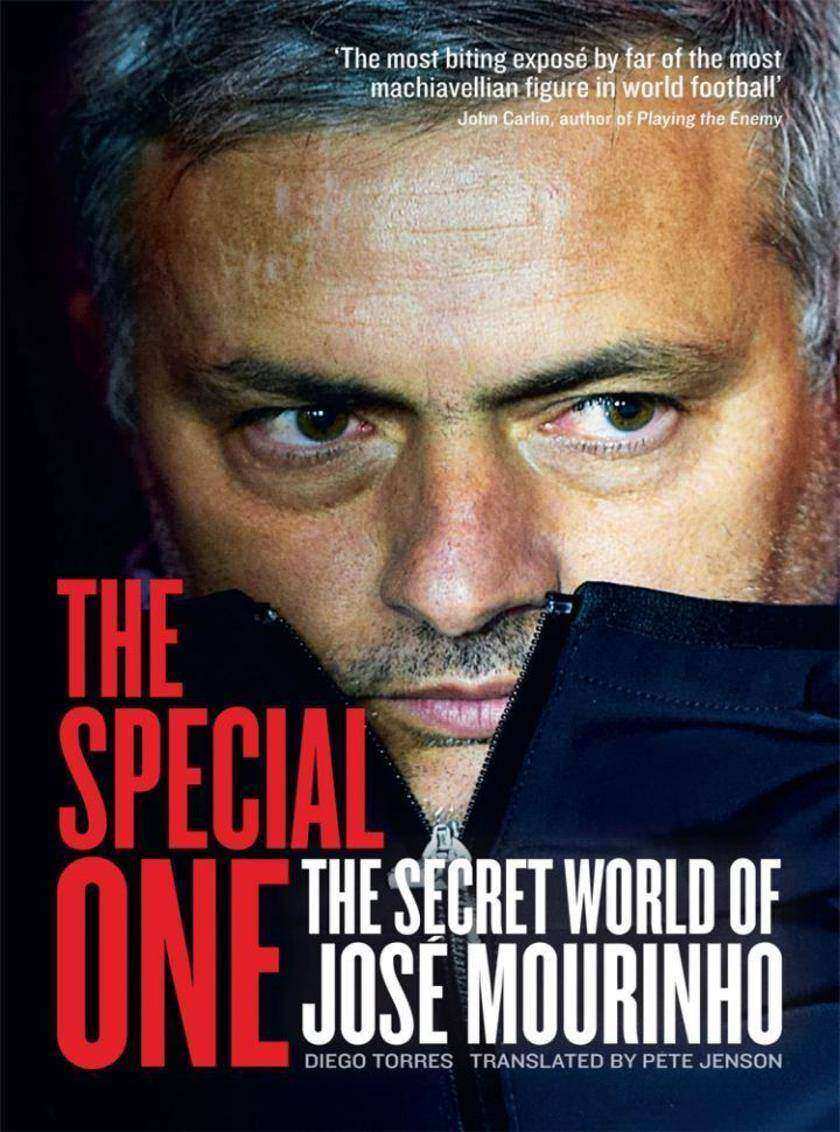
The Special One: The Dark Side of Jose Mourinho
¥95.75
An explosive and shocking biography of Jose Mourinho - revealing the dark side of 'the special one'. When José Mourinho announced his return to English football, it sparked celebrations from fans and press alike. As one of the most charismatic figures in the game, his reappearance could surely only be a good thing… But is there a darker side to the Mourinho? A mischievous, scheming, even tyrannical quality to the man beneath the veneer of charm? As part of El Pais, Diego Torres is one of the premier investigative journalists in Spanish football, and in this explosive biography of 'the special one' he uncovers secrets and lies that will change the way we see Mourinho. From dodgy dealings to assassinations of players both outside and within his own team, and other shocking revelations, Prepare To Lose reveals Mourinho as a man far removed from the hero so many people consider him to be.
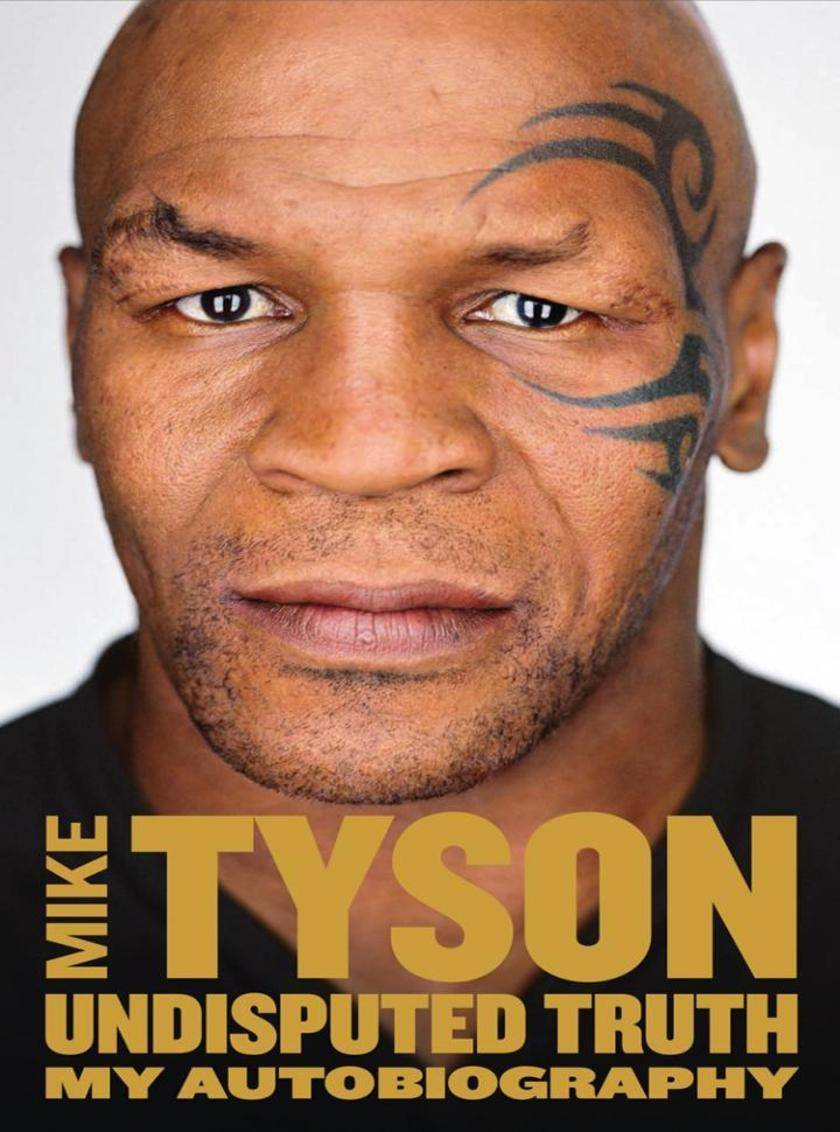
Undisputed Truth: My Autobiography
¥80.25
One of the most talked-about and bestselling books of last year, this is the no-holds-barred autobiography of a sporting legend driven to the brink of self-destruction. The bestseller that has everyone talking. In this, his first, autobiography, ‘Iron’ Mike Tyson pulls no punches and lays bare the story of his remarkable life and career. Co-written with Larry Sloman, author of Antony Keidis’s best-selling memoir ‘Scar Tissue’, this is a visceral, and unputdown-able story of a man born and raised to brutality, who reached the heights of stardom before falling to crime, substance abuse and infamy. Full of all the controversy and complexity that you would expect from a man who delighted as much as he shocked, this is a book that will surprise and reveals a fascinating character beneath the exterior of violence. If you think you know all about Mike Tyson, read this book and think again.
SAS Survival Handbook: The Definitive Survival Guide
¥91.43
The original and best survival guide for any situation in every climate. Now with added techniques for handling Urban dangers, the ‘SAS Survival Handbook’ is the complete companion for adventurers everywhere.
Democratic Art
¥370.82
Throughout the Great Recession American artists and public art endowments have had to fight for government support to keep themselves afloat. It wasn't always this way. At its height in 1935, the New Deal devoted $27 million-roughly $461 million today-to supporting tens of thousands of needy artists, who used that support to create more than 100,000 works. Why did the government become so involved with these artists, and why weren't these projects considered a frivolous waste of funds, as surely many would be today?In Democratic Art, Sharon Musher explores these questions and uses them as a springboard for an examination of the role art can and should play in contemporary society. Drawing on close readings of government-funded architecture, murals, plays, writing, and photographs, Democratic Art examines the New Deal's diverse cultural initiatives and outlines five perspectives on art that were prominent at the time: art as grandeur, enrichment, weapon, experience, and subversion. Musher argues that those engaged in New Deal art were part of an explicitly cultural agenda that sought not just to create art but to democratize and Americanize it as well. By tracing a range of aesthetic visions that flourished during the 1930s, this highly original book outlines the successes, shortcomings, and lessons of the golden age of government funding for the arts.
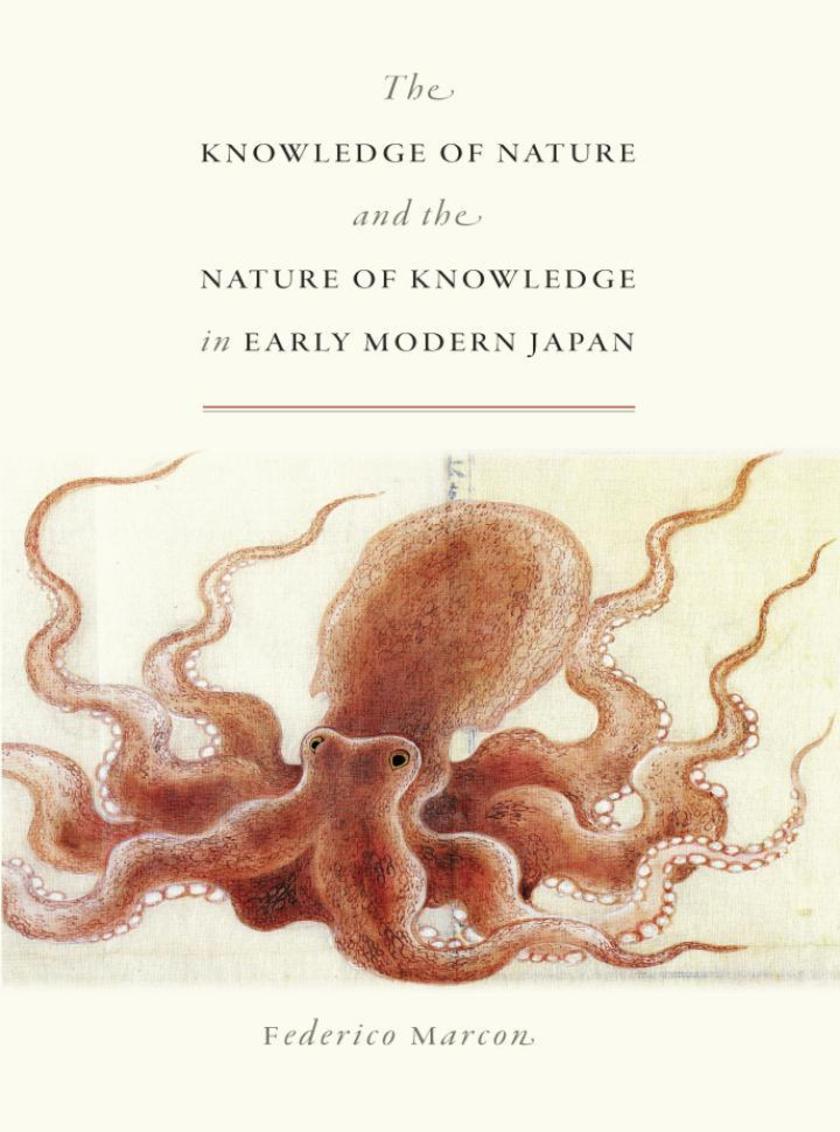
Knowledge of Nature and the Nature of Knowledge in Early Modern Japan
¥370.82
Between the early seventeenth and the mid-nineteenth century, the field of natural history in Japan separated itself from the discipline of medicine, produced knowledge that questioned the traditional religious and philosophical understandings of the world, developed into a system (called honzogaku) that rivaled Western science in complexity-and then seemingly disappeared. Or did itIn The Knowledge of Nature and the Nature of Knowledge in Early Modern Japan, Federico Marcon recounts how Japanese scholars developed a sophisticated discipline of natural history analogous to Europe's but created independently, without direct influence, and argues convincingly that Japanese natural history succumbed to Western science not because of suppression and substitution, as scholars traditionally have contended, but by adaptation and transformation.?The first book-length English-language study devoted to the important field of honzogaku, The Knowledge of Nature and the Nature of Knowledge in Early Modern Japan will be an essential text for historians of Japanese and East Asian science, and a fascinating read for anyone interested in the development of science in the early modern era.
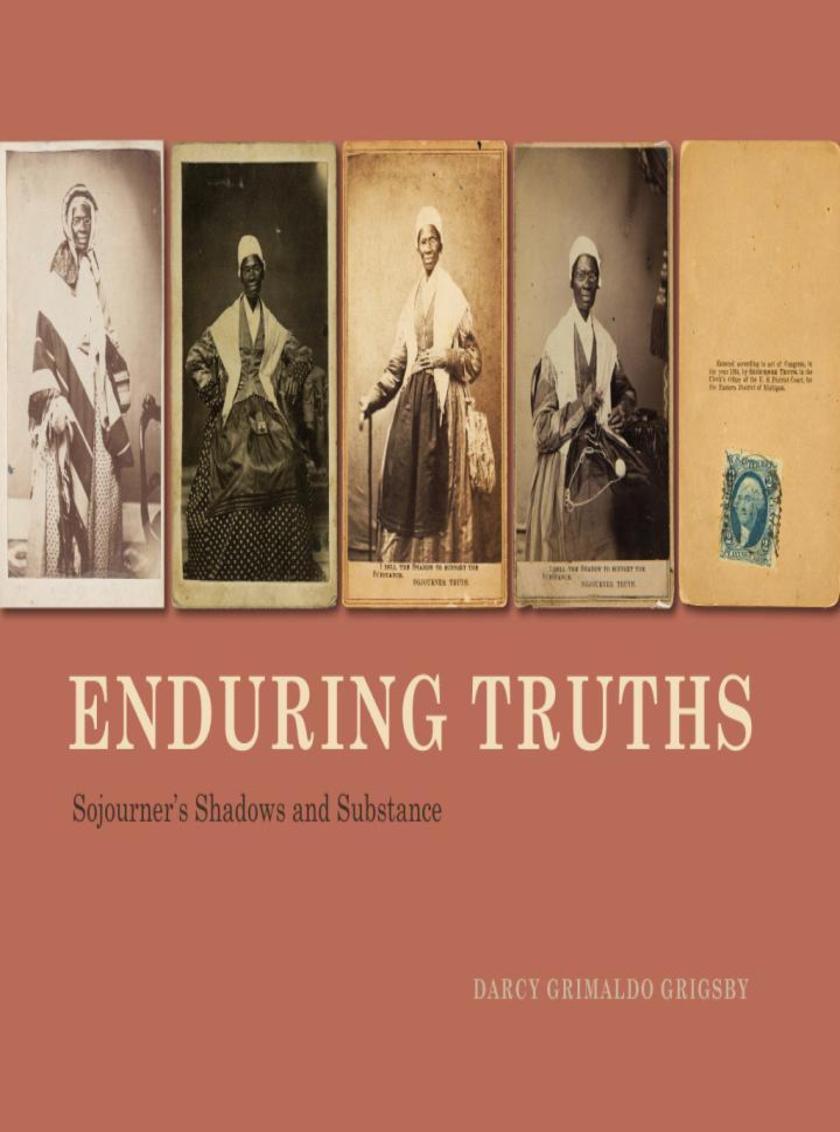
Enduring Truths
¥370.82
Runaway slave Sojourner Truth gained fame in the nineteenth century as an abolitionist, feminist, and orator and earned a living partly by selling photographic carte de visite portraits of herself at lectures and by mail. Cartes de visite, similar in format to calling cards, were relatively inexpensive collectibles that quickly became a new mode of mass communication. Despite being illiterate, Truth copyrighted her photographs in her name and added the caption "e;I Sell the Shadow to Support the Substance. Sojourner Truth."e;Featuring the largest collection of Truth's photographs ever published,?Enduring Truths?is the first book to explore how she used her image, the press, the postal service, and copyright laws to support her activism and herself. Darcy Grimaldo Grigsby establishes a range of important contexts for Truth's portraits, including the strategic role of photography and copyright for an illiterate former slave; the shared politics of Truth's cartes de visite and federal banknotes, which were both created to fund the Union cause; and the ways that photochemical limitations complicated the portrayal of different skin tones. Insightful and powerful,?Enduring Truths?shows how Truth made her photographic portrait worth money in order to end slavery-and also became the strategic author of her public self.
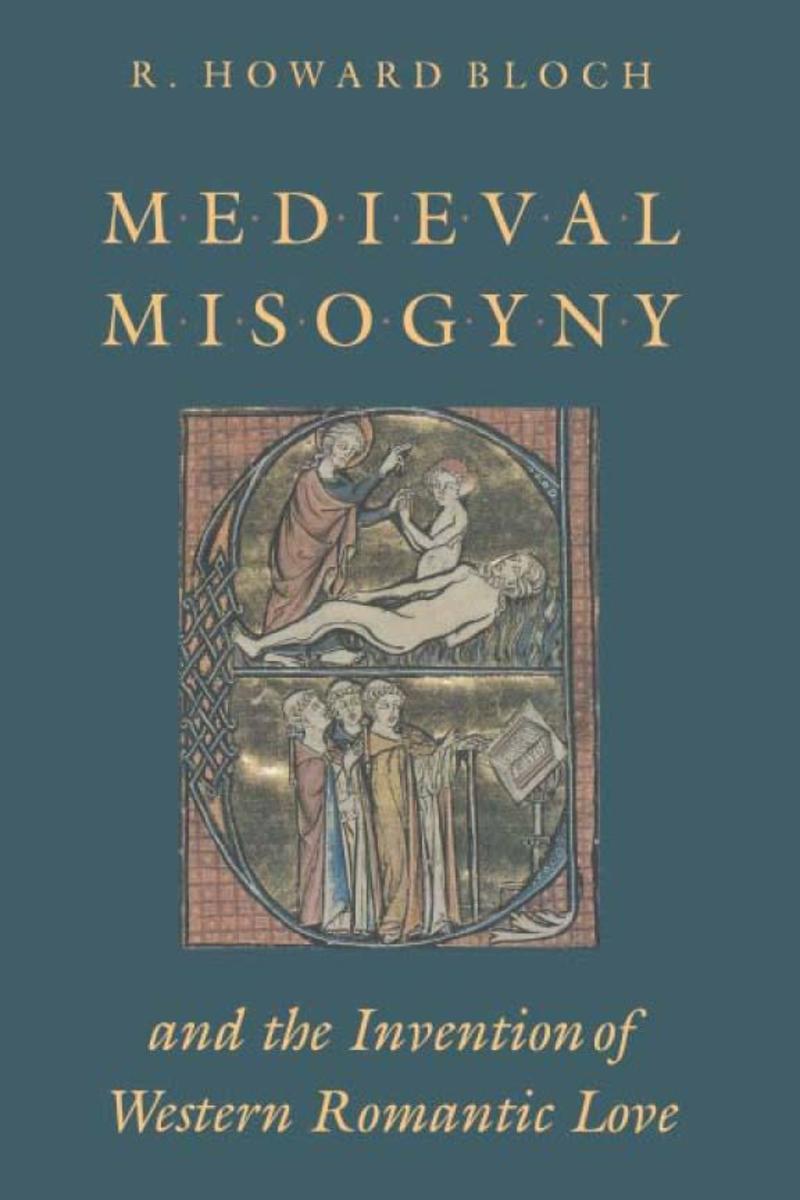
Medieval Misogyny and the Invention of Western Romantic Love
¥288.41
Until now the advent of Western romantic love has been seen as a liberation from-or antidote to-ten centuries of misogyny. In this major contribution to gender studies, R. Howard Bloch demonstrates how similar the ubiquitous antifeminism of medieval times and the romantic idealization of woman actually are.Through analyses of a broad range of patristic and medieval texts, Bloch explores the Christian construction of gender in which the flesh is feminized, the feminine is aestheticized, and aesthetics are condemned in theological terms. Tracing the underlying theme of virginity from the Church Fathers to the courtly poets, Bloch establishes the continuity between early Christian antifeminism and the idealization of woman that emerged in the twelfth and thirteenth centuries. In conclusion he explains the likely social, economic, and legal causes for the seeming inversion of the terms of misogyny into those of an idealizing tradition of love that exists alongside its earlier avatar until the current era.This startling study will be of great value to students of medieval literature as well as to historians of culture and gender.
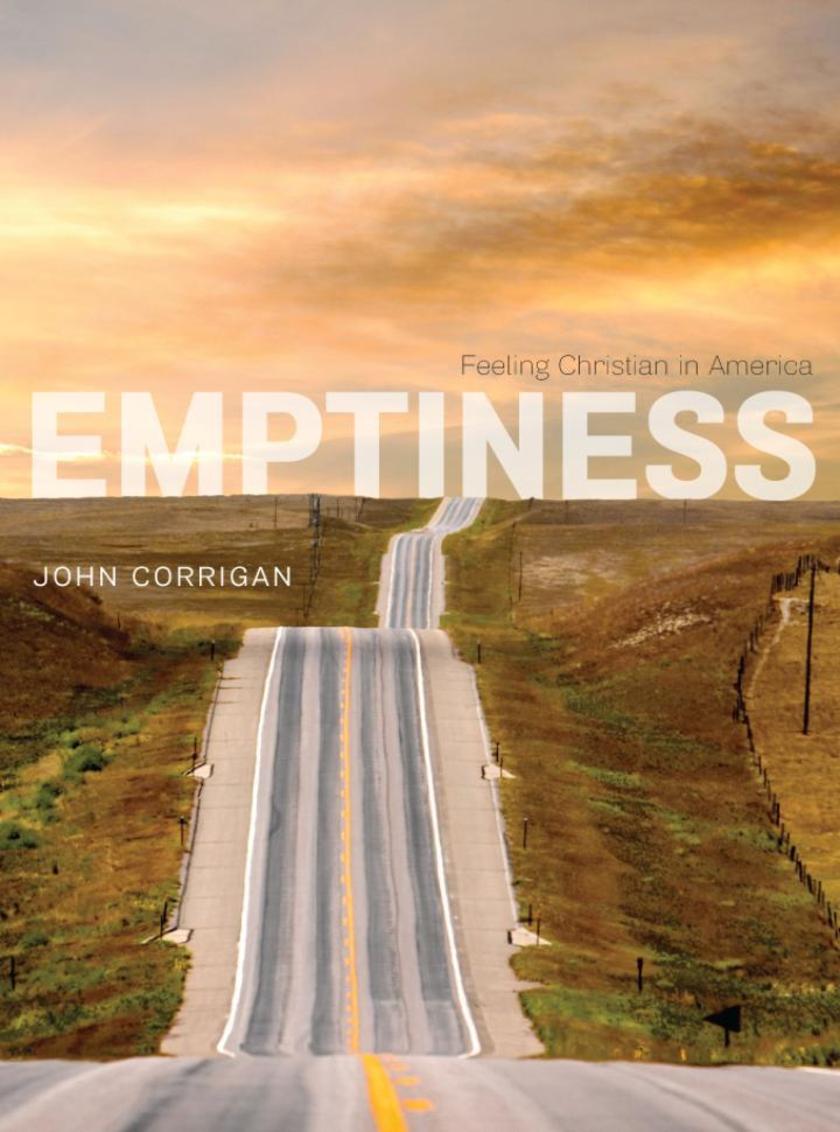
Emptiness
¥288.41
For many Christians in America, becoming filled with Christ first requires being empty of themselves-a quality often overlooked in religious histories. In Emptiness, John Corrigan highlights for the first time the various ways that American Christianity has systematically promoted the cultivation of this feeling. ?Corrigan examines different kinds of emptiness essential to American Christianity, such as the emptiness of deep longing, the emptying of the body through fasting or weeping, the emptiness of the wilderness, and the emptiness of historical time itself. He argues, furthermore, that emptiness is closely connected to the ways Christian groups differentiate themselves: many groups foster a sense of belonging not through affirmation, but rather avowal of what they and their doctrines are not. Through emptiness, American Christians are able to assert their identities as members of a religious community.Drawing much-needed attention to a crucial aspect of American Christianity, Emptiness expands our understanding of historical and contemporary Christian practices.?
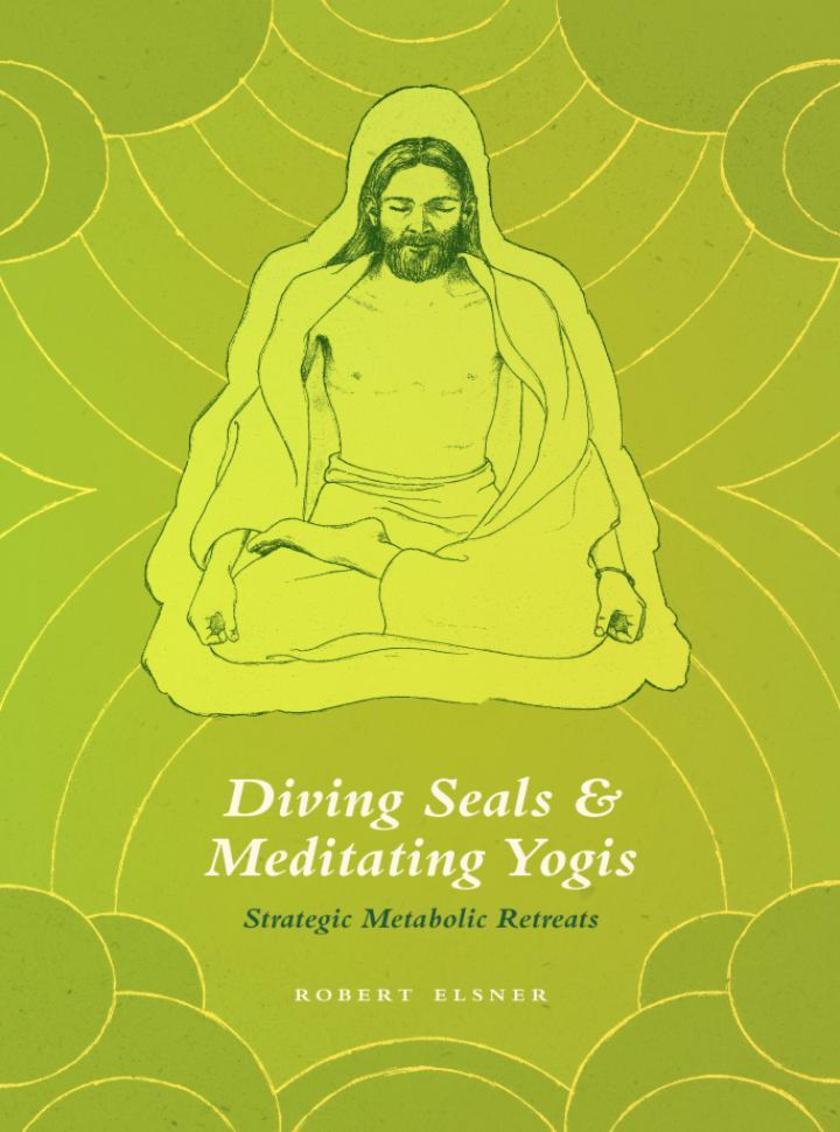
Diving Seals and Meditating Yogis
¥265.87
The comparative physiology of seemingly disparate organisms often serves as a surprising pathway to biological enlightenment. How appropriate, then, that Robert Elsner sheds new light on the remarkable physiology of diving seals through comparison with members of our own species on quests toward enlightenment: meditating yogis.As Elsner reveals, survival in extreme conditions such as those faced by seals is often not about running for cover or coming up for air, but rather about working within the confines of an environment and suppressing normal bodily function. Animals in this withdrawn state display reduced resting metabolic rates and are temporarily less dependent upon customary levels of oxygen. For diving seals-creatures especially well-adapted to prolonged submergence in the ocean's cold depths-such periods of rest lengthen dive endurance. But while human divers share modest, brief adjustments of suppressed metabolism with diving seals, it is the practiced response achieved during deep meditation that is characterized by metabolic rates well below normal levels, sometimes even approaching those of non-exercising diving seals. And the comparison does not end here: hibernating animals, infants during birth, near-drowning victims, and clams at low tide all also display similarly reduced metabolisms.By investigating these states-and the regulatory functions that help maintain them-across a range of species, Elsner offers suggestive insight into the linked biology of survival and well-being.
Gravity's Ghost and Big Dog
¥247.21
Gravity's Ghost and Big Dog brings to life science's efforts to detect cosmic gravitational waves. These ripples in space-time are predicted by general relativity, and their discovery will not only demonstrate the truth of Einstein's theories but also transform astronomy. Although no gravitational wave has ever been directly detected, the previous five years have been an especially exciting period in the field. Here sociologist Harry Collins offers readers an unprecedented view of gravitational wave research and explains what it means for an analyst to do work of this kind.?Collins was embedded with the gravitational wave physicists as they confronted two possible discoveries-"e;Big?Dog,"e; fully analyzed in this volume for the first time, and the "e;Equinox Event,"e; which was first chronicled by Collins in Gravity's Ghost. Collins records the agonizing arguments that arose as the scientists worked out what they had seen and how to present it to the world, along the way demonstrating how even the most statistical of sciences rest on social and philosophical choices. Gravity's Ghost and Big Dog draws on nearly fifty years of fieldwork observing scientists at the American Laser Interferometer Gravitational Wave Observatory and elsewhere around the world to offer an inspired commentary on the place of science in society today.
Realizing Educational Rights
¥247.21
In?Realizing Educational Rights, Anne Newman examines two educational rights questions that arise at the intersection of political theory, educational policy, and law: What is the place of a right to education in a participatory democracy, and how can we realize this right in the United StatesTracking these questions across both philosophical and pragmatic terrain, she addresses urgent moral and political questions, offering a rare, double-pronged look at educational justice in a democratic society.Newman argues that an adequate K-12 education is the right of all citizens, as a matter of equality, and emphasizes that this right must be shielded from the sway of partisan and majoritarian policy making far more than it currently is. She then examines how educational rights are realized in our current democratic structure, offering two case studies of leading types of rights-based activism: school finance litigation on the state level and the mobilization of citizens through community-based organizations. Bringing these case studies together with rich philosophical analysis,?Realizing Educational Rights?advances understanding of the relationships among moral and legal rights, education reform, and democratic politics.?
Theory of Morality
¥247.21
"e;Let us . . . nominate this the most important theoretical work on ethical or moral theory since John Rawls's Theory of Justice. If you have philosophical inclinations and want a good workout, this conscientious scrutiny of moral assumptions and expressions will be most rewarding. Donagan explores ways of acting in the Hebrew-Christian context, examines them in the light of natural law and rational theories, and proposes that formal patterns for conduct can emerge. All this is tightly reasoned, the argument is packed, but the language is clear."e;-Christian Century"e;The man value of this book seems to me to be that it shows the force of the Hebrew-Christian moral tradition in the hands of a creative philosopher. Throughout the book, one cannot but feel that a serious philosopher is trying to come to terms with his religious-moral background and to defend it against the prevailing secular utilitarian position which seems to dominate academic philosophy."e;-Bernard Gert, Journal of Medicine and Philosophy
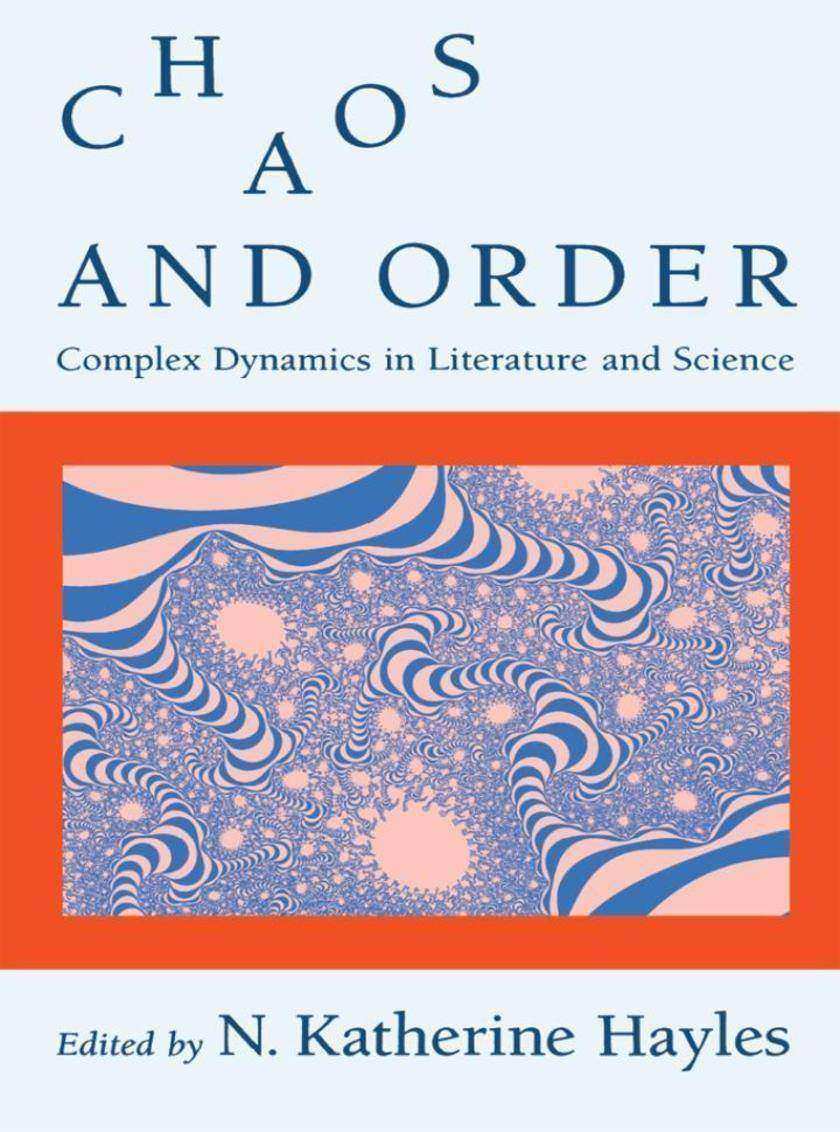
Chaos and Order
¥247.21
The scientific discovery that chaotic systems embody deep structures of order is one of such wide-ranging implications that it has attracted attention across a spectrum of disciplines, including the humanities. In this volume, fourteen theorists explore the significance for literary and cultural studies of the new paradigm of chaotics, forging connections between contemporary literature and the science of chaos. They examine how changing ideas of order and disorder enable new readings of scientific and literary texts, from Newton's Principia to Ruskin's autobiography, from Victorian serial fiction to Borges's short stories.N. Katherine Hayles traces shifts in meaning that chaos has undergone within the Western tradition, suggesting that the science of chaos articulates categories that cannot be assimilated into the traditional dichotomy of order and disorder. She and her contributors take the relation between order and disorder as a theme and develop its implications for understanding texts, metaphors, metafiction, audience response, and the process of interpretation itself. Their innovative and diverse work opens the interdisciplinary field of chaotics to literary inquiry.


