


 购物车
 个人中心


Life Atomic
¥247.21
After World War II, the US Atomic Energy Commission (AEC) began mass-producing radioisotopes, sending out nearly 64,000 shipments of radioactive materials to scientists and physicians by 1955. Even as the atomic bomb became the focus of Cold War anxiety, radioisotopes represented the government's efforts to harness the power of the atom for peace-advancing medicine, domestic energy, and foreign relations.?In Life Atomic, Angela N. H. Creager tells the story of how these radioisotopes, which were simultaneously scientific tools and political icons, transformed biomedicine and ecology. Government-produced radioisotopes provided physicians with new tools for diagnosis and therapy, specifically cancer therapy, and enabled biologists to trace molecular transformations. Yet the government's attempt to present radioisotopes as marvelous dividends of the atomic age was undercut in the 1950s by the fallout debates, as scientists and citizens recognized the hazards of low-level radiation. Creager reveals that growing consciousness of the danger of radioactivity did not reduce the demand for radioisotopes at hospitals and laboratories, but it did change their popular representation from a therapeutic agent to an environmental poison. She then demonstrates how, by the late twentieth century, public fear of radioactivity overshadowed any appreciation of the positive consequences of the AEC's provision of radioisotopes for research and medicine.
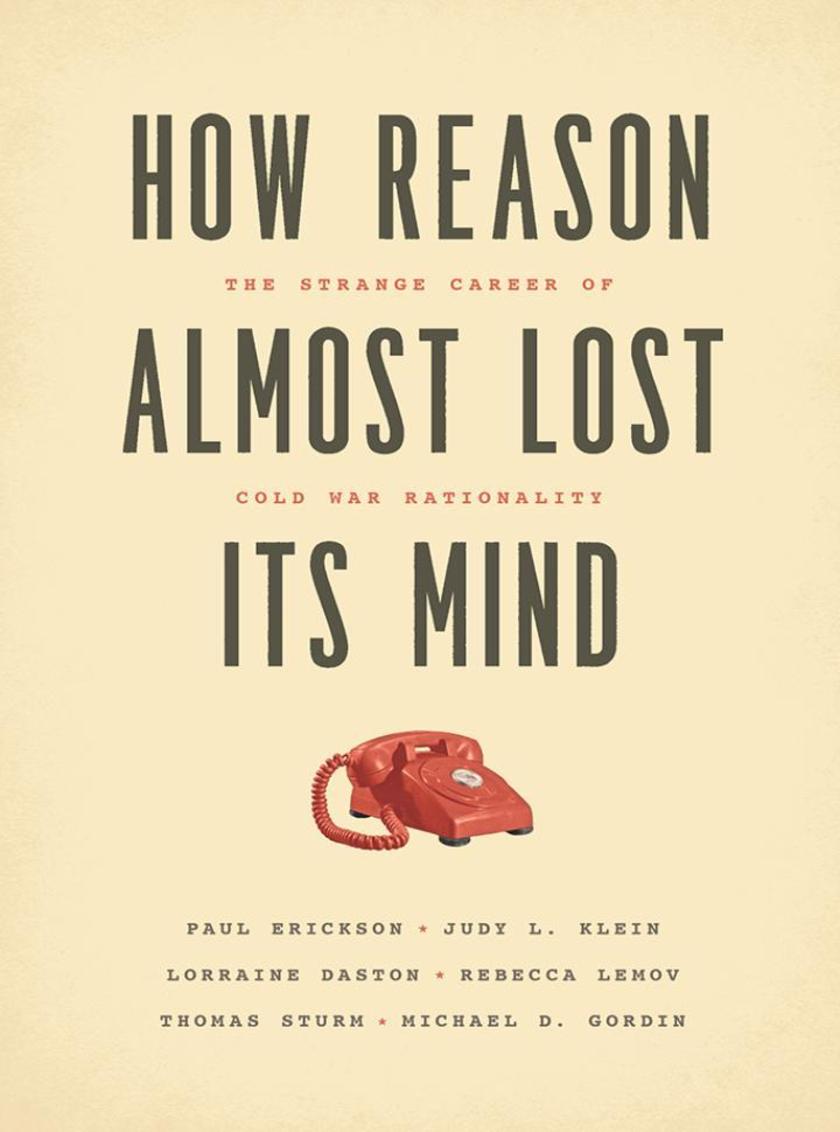
How Reason Almost Lost Its Mind
¥170.69
In the United States at the height of the Cold War, roughly between the end of World War II and the early 1980s, a new project of redefining rationality commanded the attention of sharp minds, powerful politicians, wealthy foundations, and top military brass. Its home was the human sciences-psychology, sociology, political science, and economics, among others-and its participants enlisted in an intellectual campaign to figure out what rationality should mean and how it could be deployed.?How Reason Almost Lost Its Mind brings to life the people-Herbert Simon, Oskar Morgenstern, Herman Kahn, Anatol Rapoport, Thomas Schelling, and many others-and places, including the RAND Corporation, the Center for Advanced Study in the Behavioral Sciences, the Cowles Commission for Research and Economics, and the Council on Foreign Relations, that played a key role in putting forth a "e;Cold War rationality."e; Decision makers harnessed this picture of rationality-optimizing, formal, algorithmic, and mechanical-in their quest to understand phenomena as diverse as economic transactions, biological evolution, political elections, international relations, and military strategy. The authors chronicle and illuminate what it meant to be rational in the age of nuclear brinkmanship.
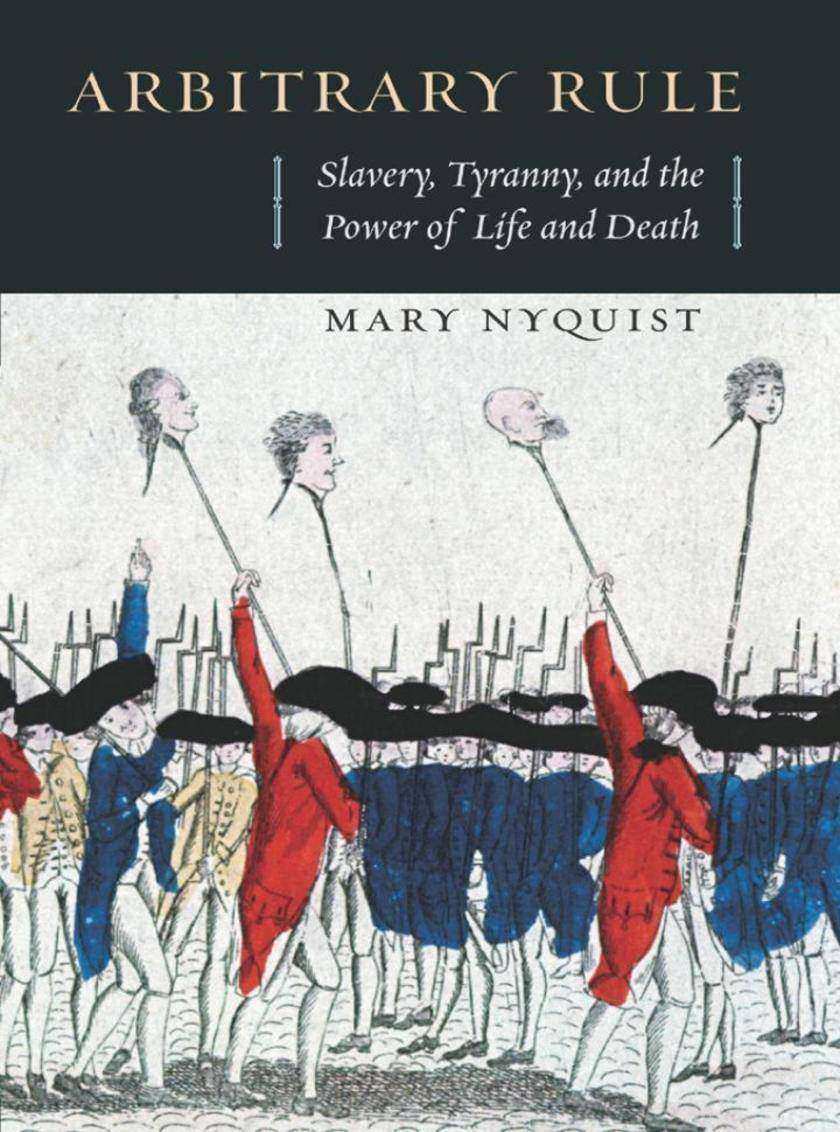
Arbitrary Rule
¥223.67
Slavery appears as a figurative construct during the English revolution of the mid-seventeenth century, and again in the American and French revolutions, when radicals represent their treatment as a form of political slavery. What, if anything, does figurative, political slavery have to do with transatlantic slaveryIn Arbitrary Rule, Mary Nyquist explores connections between political and chattel slavery by excavating the tradition of Western political thought that justifies actively opposing tyranny. She argues that as powerful rhetorical and conceptual constructs, Greco-Roman political liberty and slavery reemerge at the time of early modern Eurocolonial expansion; they help to create racialized "e;free"e; national identities and their "e;unfree"e; counterparts in non-European nations represented as inhabiting an earlier, privative age.?Arbitrary Rule is the first book to tackle political slavery's discursive complexity, engaging Eurocolonialism, political philosophy, and literary studies, areas of study too often kept apart. Nyquist proceeds through analyses not only of texts that are canonical in political thought-by Aristotle, Cicero, Hobbes, and Locke-but also of literary works by Euripides, Buchanan, Vondel, Montaigne, and Milton, together with a variety of colonialist and political writings, with special emphasis on tracts written during the English revolution. She illustrates how "e;antityranny discourse,"e; which originated in democratic Athens, was adopted by republican Rome, and revived in early modern Western Europe, provided members of a "e;free"e; community with a means of protesting a threatened reduction of privileges or of consolidating a collective, political identity. Its semantic complexity, however, also enabled it to legitimize racialized enslavement and imperial expansion.?Throughout, Nyquist demonstrates how principles relating to political slavery and tyranny are bound up with a Roman jurisprudential doctrine that sanctions the power of life and death held by the slaveholder over slaves and, by extension, the state, its representatives, or its laws over its citizenry.
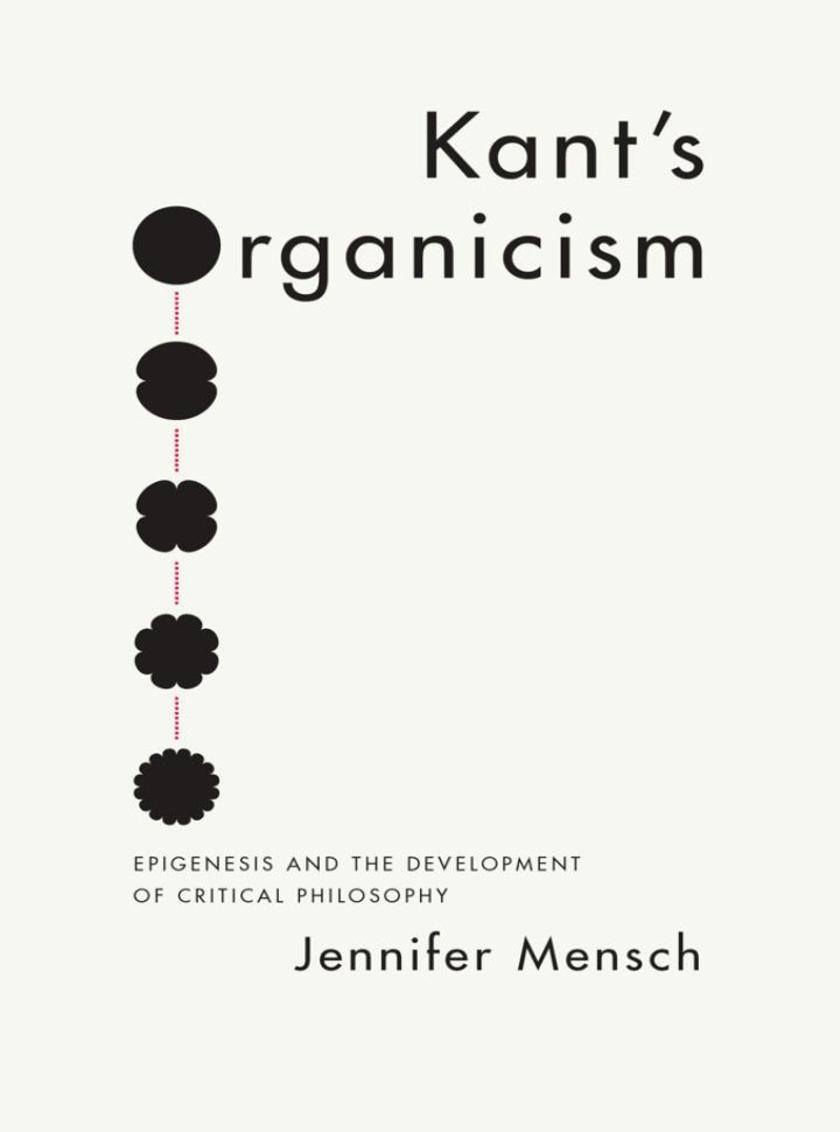
Kant's Organicism
¥223.67
Because it laid the foundation for nearly all subsequent epistemologies, Immanuel Kant's Critique of Pure Reason has overshadowed his other interests in natural history and the life sciences, which scholars have long considered as separate from his rigorous theoretical philosophy-until now. In Kant's Organicism, Jennifer Mensch draws a crucial link between these spheres by showing how the concept of epigenesis-a radical theory of biological formation-lies at the heart of Kant's conception of reason.?As Mensch argues, epigenesis was not simply a metaphor for Kant but centrally guided his critical philosophy, especially the relationship between reason and the categories of the understanding. Offsetting a study of Kant's highly technical theory of cognition with a mixture of intellectual history and biography, she situates the epigenesis of reason within broader investigations into theories of generation, genealogy, and classification, and against later writers and thinkers such as Goethe and Darwin. Distilling vast amounts of research on the scientific literature of the time into a concise and readable book, Mensch offers one of the most refreshing looks not only at Kant's famous first Critique but at the history of philosophy and the life sciences as well.
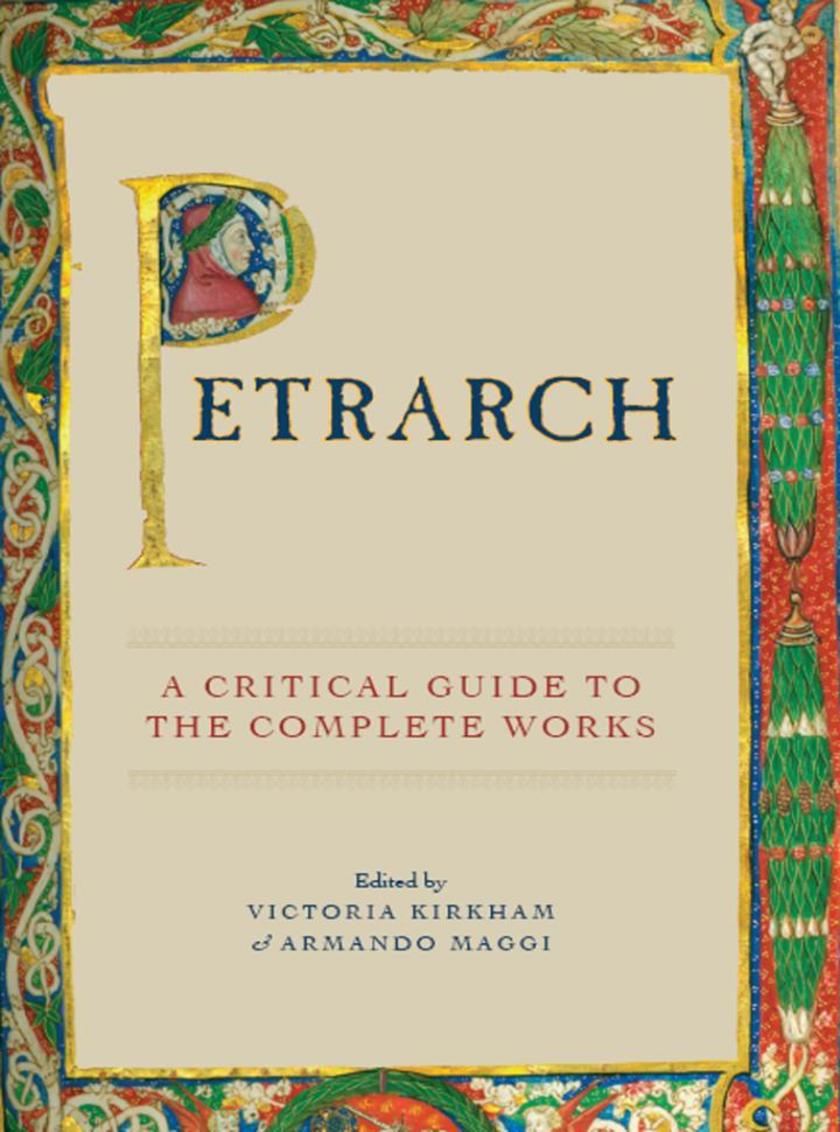
Petrarch
¥311.96
Although Francesco Petrarca (1304-74) is best known today for cementing the sonnet's place in literary history, he was also a philosopher, historian, orator, and one of the foremost classical scholars of his age. Petrarch: A Critical Guide to the Complete Works is the only comprehensive, single-volume source to which anyone-scholar, student, or general reader-can turn for information on each of Petrarch's works, its place in the poet's oeuvre, and a critical exposition of its defining features.A sophisticated but accessible handbook that illuminates Petrarch's love ofclassical culture, his devout Christianity, his public celebrity, and his struggle for inner peace, this encyclopedic volume covers both Petrarch's Italian and Latin writings and the various genres in which he excelled: poem, tract, dialogue, oration, and letter. A biographical introduction and chronology anchor the book, making Petrarch an invaluable resource for specialists in Italian, comparative literature, history, classics, religious studies, the Middle Ages, and the Renaissance.
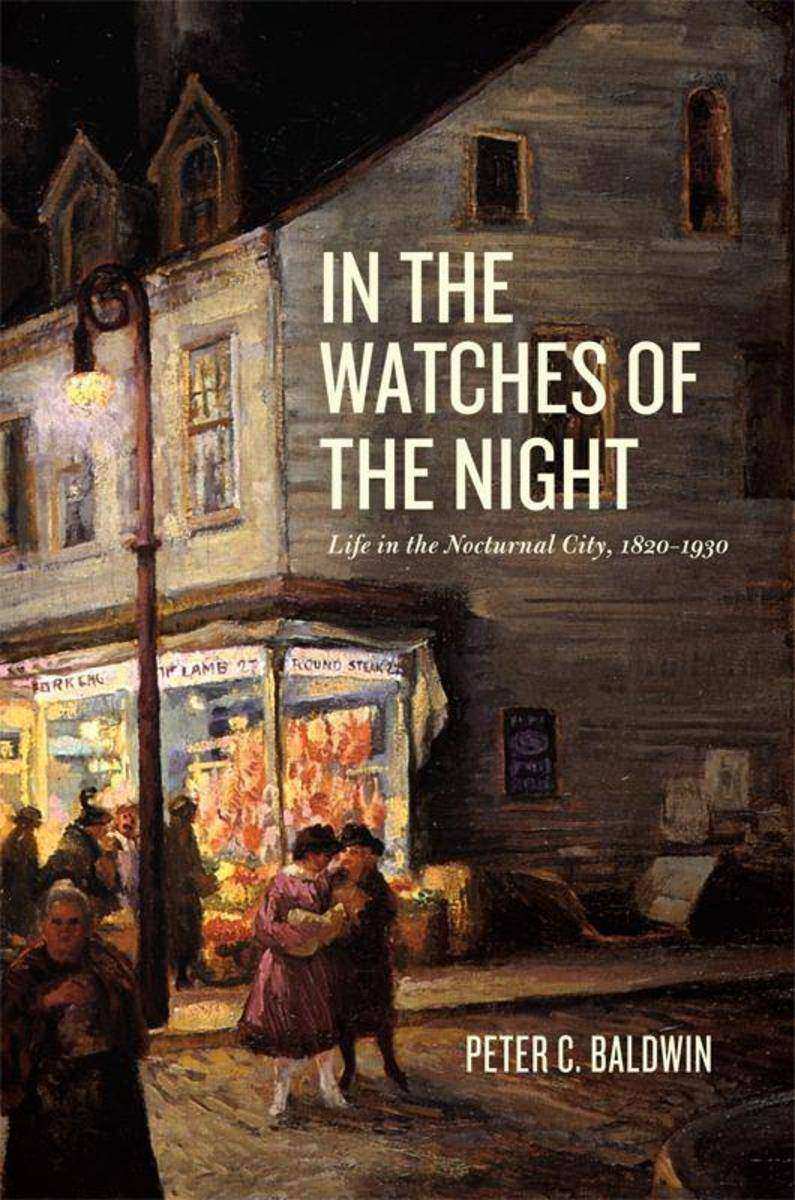
In the Watches of the Night
¥223.67
Before skyscrapers and streetlights glowed at all hours, American cities fell into inky blackness with each setting of the sun. But over the course of the nineteenth and early twentieth century, new technologies began to light up streets, sidewalks, buildings, and public spaces. Peter C. Baldwin's evocative book depicts the changing experience of the urban night over this period, visiting a host of actors-scavengers, newsboys, and mashers alike-in the nocturnal city.Baldwin examines work, crime, transportation, and leisure as he moves through the gaslight era, exploring the spread of modern police forces and the emergence of late-night entertainment, to the era of electricity, when social campaigns sought to remove women and children from public areas at night. While many people celebrated the transition from darkness to light as the arrival of twenty-four hours of daytime, Baldwin shows that certain social patterns remained, including the danger of street crime and the skewed gender profile of night work. Sweeping us from concert halls and brothels to streetcars and industrial forges, In the Watches of the Night is an illuminating study of a vital era in American urban history.
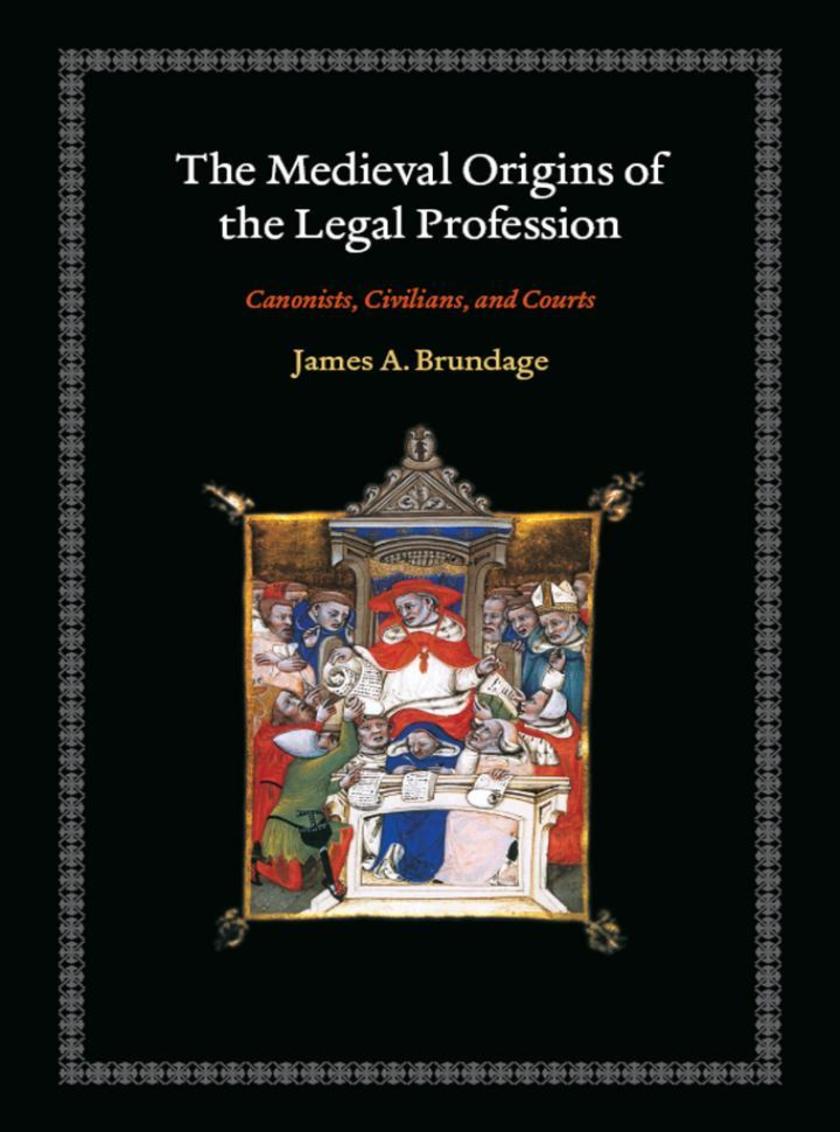
Medieval Origins of the Legal Profession
¥353.16
In the aftermath of sixth-century barbarian invasions, the legal profession that had grown and flourished during the Roman Empire vanished. Nonetheless, professional lawyers suddenly reappeared in Western Europe seven hundred years later during the 1230s when church councils and public authorities began to impose a body of ethical obligations on those who practiced law. James Brundage's The Medieval Origins of the Legal Profession traces the history of legal practice from its genesis in ancient Rome to its rebirth in the early Middle Ages and eventual resurgence in the courts of the medieval church.By the end of the eleventh century, Brundage argues, renewed interest in Roman law combined with the rise of canon law of the Western church to trigger a series of consolidations in the profession. New legal procedures emerged, and formal training for proctors and advocates became necessary in order to practice law in the reorganized church courts. Brundage demonstrates that many features?that characterize legal advocacy today were already in place by 1250, as lawyers trained in Roman and canon law became professionals in every sense of the term. A sweeping examination of the centuries-long power struggle between local courts and the Christian church, secular rule and religious edict, The Medieval Origins of the Legal Profession will be a resource for the professional and the student alike.
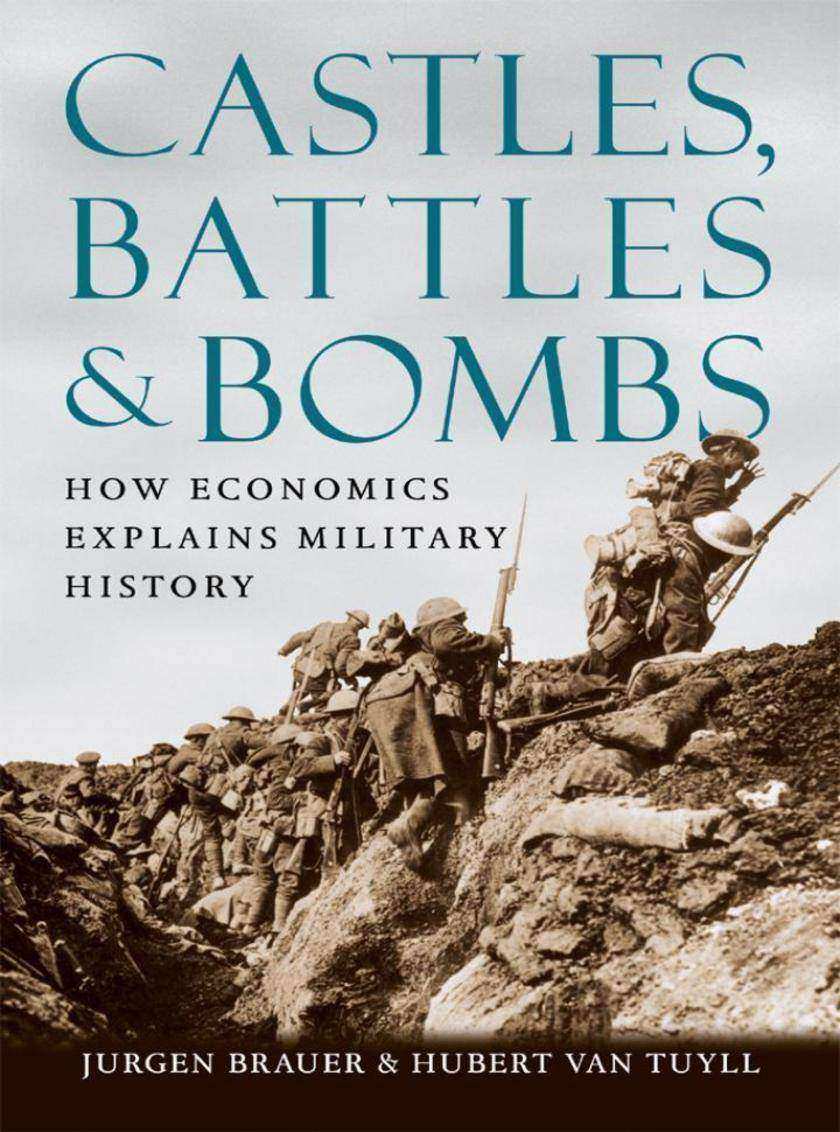
Castles, Battles, and Bombs
¥147.15
Castles, Battles, and Bombs reconsiders key episodes of military history from the point of view of economics-with dramatically insightful results. For example, when looked at as a question of sheer cost, the building of castles in the High Middle Ages seems almost inevitable: though stunningly expensive, a strong castle was far cheaper to maintain than a standing army. The authors also reexamine the strategic bombing of Germany in World War II and provide new insights into France's decision to develop nuclear weapons. Drawing on these examples and more, Brauer and Van Tuyll suggest lessons for today's military, from counterterrorist strategy and military manpower planning to the use of private military companies in Afghanistan and Iraq.?"e;In bringing economics into assessments of military history, [the authors] also bring illumination. . . . [The authors] turn their interdisciplinary lens on the mercenary arrangements of Renaissance Italy; the wars of Marlborough, Frederick the Great, and Napoleon; Grant's campaigns in the Civil War; and the strategic bombings of World War II. The results are invariably stimulating."e;-Martin Walker, Wilson Quarterly?"e;This study is serious, creative, important. As an economist I am happy to see economics so professionally applied to illuminate major decisions in the history of warfare."e;-Thomas C. Schelling, Winner of the 2005 Nobel Prize in Economics
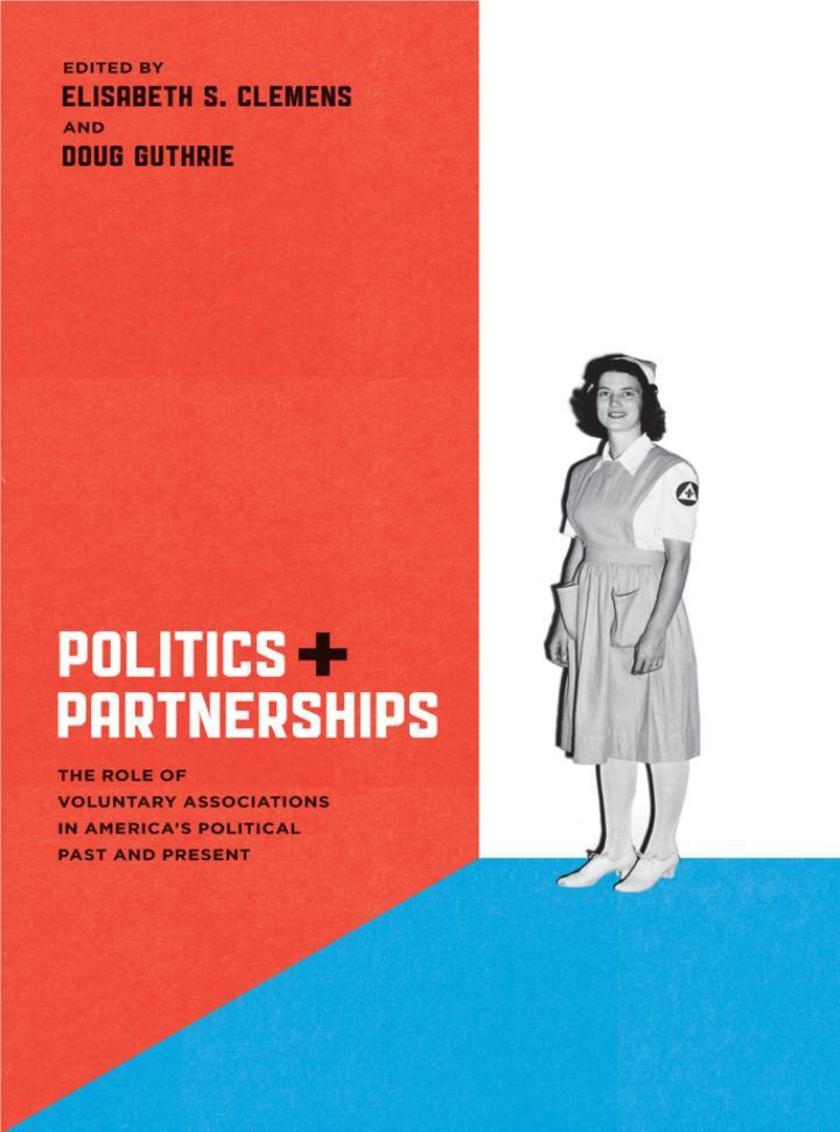
Politics and Partnerships
¥206.01
Exhorting people to volunteer is part of the everyday vocabulary of American politics. Routinely, members of both major parties call for partnerships between government and nonprofit organizations. These entreaties increase dramatically during times of crisis, and the voluntary efforts of ordinary citizens are now seen as a necessary supplement to government intervention.But despite the ubiquity of the idea of volunteerism in public policy debates, analysis of its role in American governance has been fragmented. Bringing together a diverse set of disciplinary approaches, Politics and Partnerships is a thorough examination of the place of voluntary associations in political history and an astute investigation into contemporary experiments in reshaping that role. The essays here reveal the key role nonprofits have played in the evolution of both the workplace and welfare and illuminate the way that government's retreat from welfare has radically altered the relationship between nonprofits and corporations.
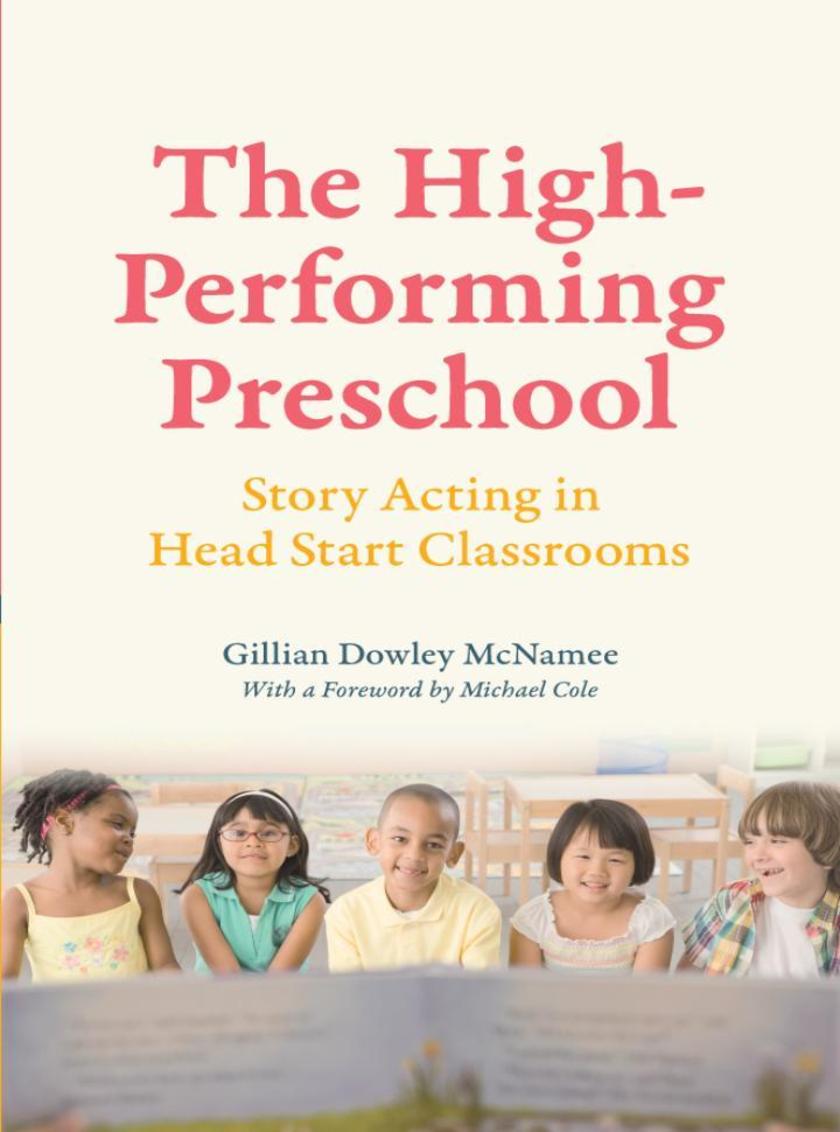
High-Performing Preschool
¥182.47
The High-Performing Preschool takes readers into the lives of three- and four-year-old Head Start students during their first year of school and focuses on the centerpiece of their school day: story acting. In this activity, students act out stories from high-quality children's literature as well as stories dictated by their peers. Drawing on a unique pair of thinkers-Russian psychologist Lev Vygotsky and renowned American teacher and educational writer Vivian G. Paley-Gillian Dowley McNamee elucidates the ways, and reasons, this activity is so successful. She shows how story acting offers a larger blueprint for curricula that helps ensure all preschools-not just those for society's well-to-do-are excellent.McNamee outlines how story acting cultivates children's oral and written language skills. She shows how it creates a crucial opportunity for teachers to guide children inside the interior logic and premises of an idea, and how it fosters the creation of a literary community. Starting with Vygotsky and Paley, McNamee paints a detailed portrait of high-quality preschool teaching, showing how educators can deliver on the promise of Head Start and provide a setting for all young children to become articulate, thoughtful, and literate learners. ?
Houston, We Have a Narrative
¥147.15
Ask a scientist about Hollywood, and you'll probably get eye rolls. But ask someone in Hollywood about science, and they'll see dollar signs: moviemakers know that science can be the source of great stories, with all the drama and action that blockbusters require.?That's a huge mistake, says Randy Olson: Hollywood has a lot to teach scientists about how to tell a story-and, ultimately, how to do science better. With Houston, We Have a Narrative, he lays out a stunningly simple method for turning the dull into the dramatic. Drawing on his unique background, which saw him leave his job as a working scientist to launch a career as a filmmaker, Olson first diagnoses the problem: When scientists tell us about their work, they pile one moment and one detail atop another moment and another detail-a stultifying procession of "e;and, and, and."e; What we need instead is an understanding of the basic elements of story, the narrative structures that our brains are all but hardwired to look for-which Olson boils down, brilliantly, to "e;And, But, Therefore,"e; or ABT. At a stroke, the ABT approach introduces momentum ("e;And"e;), conflict ("e;But"e;), and resolution ("e;Therefore"e;)-the fundamental building blocks of story. As Olson has shown by leading countless workshops worldwide, when scientists' eyes are opened to ABT, the effect is staggering: suddenly, they're not just talking about their work-they're telling stories about it. And audiences are captivated.?Written with an uncommon verve and enthusiasm, and built on principles that are applicable to fields far beyond science, Houston, We Have a Narrative has the power to transform the way science is understood and appreciated, and ultimately how it's done.
Demands of the Day
¥188.35
Demands of the Day asks about the logical standards and forms that should guide ethical and experimental anthropology in the twenty-first century. Anthropologists Paul Rabinow and Anthony Stavrianakis do so by taking up Max Weber's notion of the "e;demands of the day."e; Just as the demand of the day for anthropology decades ago consisted of thinking about fieldwork, today, they argue, the demand is to examine what happens after, how the experiences of fieldwork are gathered, curated, narrated, and ultimately made available for an anthropological practice that moves beyond mere ethnographic de*ion.?Rabinow and Stavrianakis draw on experiences from an innovative set of anthropological experiments that investigated how and whether the human and biological sciences could be brought into a mutually enriching relationship. Conceptualizing the anthropological and philosophic ramifications of these inquiries, they offer a bold challenge to contemporary anthropology to undertake a more rigorous examination of its own practices, blind spots, and capacities, in order to meet the demands of our day.
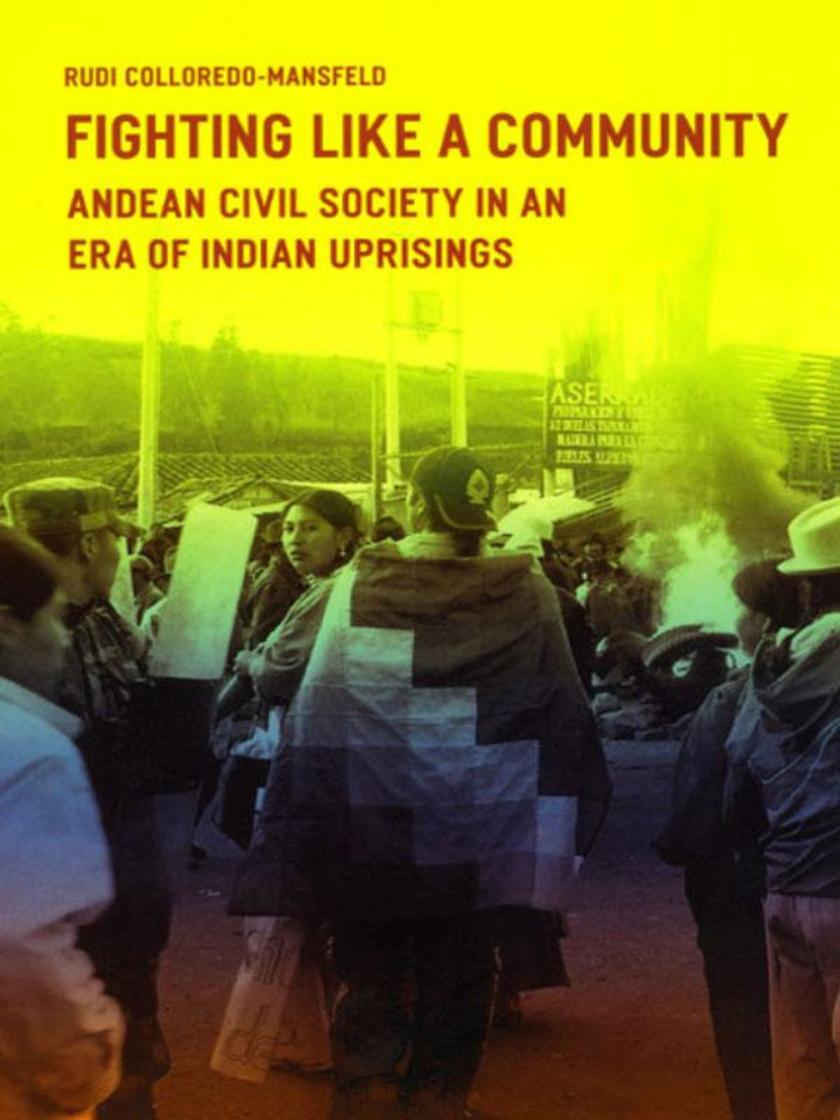
Fighting Like a Community
¥229.55
The indigenous population of the Ecuadorian Andes made substantial political gains during the 1990s in the wake of a dynamic wave of local activism. The movement renegotiated land development laws, elected indigenous candidates to national office, and successfully fought for the constitutional redefinition of Ecuador as a nation of many cultures. Fighting Like a Community argues that these remarkable achievements paradoxically grew out of the deep differences-in language, class, education, and location-that began to divide native society in the 1960s.Drawing on fifteen years of fieldwork, Rudi Colloredo-Mansfeld explores these differences and the conflicts they engendered in a variety of communities. From protestors confronting the military during a national strike to a migrant family fighting to get a relative released from prison, Colloredo-Mansfeld recounts dramatic events and private struggles alike to demonstrate how indigenous power in Ecuador is energized by disagreements over values and priorities, eloquently contending that the plurality of Andean communities, not their unity, has been the key to their political success.
Birth of Territory
¥247.21
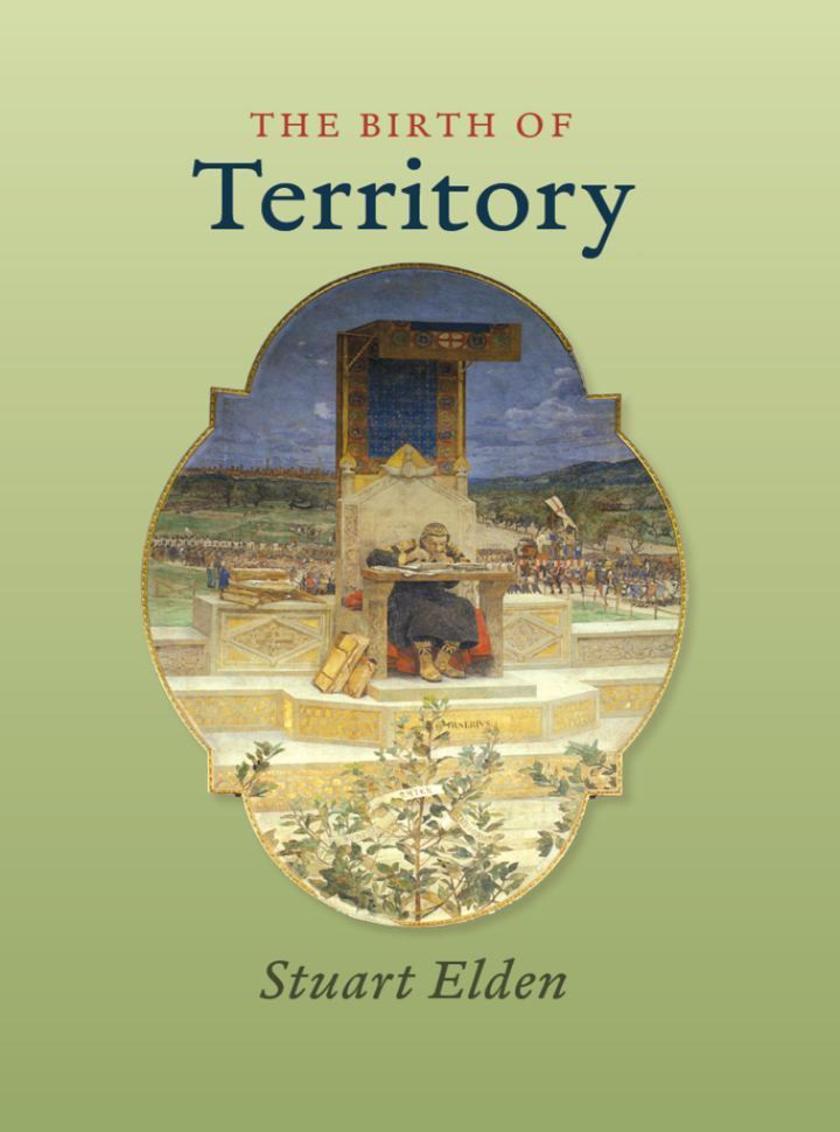
Territory is one of the central political concepts of the modern world and, indeed, functions as the primary way the world is divided and controlled politically. Yet territory has not received the critical attention afforded to other crucial concepts such as sovereignty, rights, and justice. While territory continues to matter politically, and territorial disputes and arrangements are studied in detail, the concept of territory itself is often neglected today. Where did the idea of exclusive ownership of a portion of the earth's surface come from, and what kinds of complexities are hidden behind that seemingly straightforward definitionThe Birth of Territory provides a detailed account of the emergence of territory within Western political thought. Looking at ancient, medieval, Renaissance, and early modern thought, Stuart Elden examines the evolution of the concept of territory from ancient Greece to the seventeenth century to determine how we arrived at our contemporary understanding. Elden addresses a range of historical, political, and literary texts and practices, as well as a number of key players-historians, poets, philosophers, theologians, and secular political theorists-and in doing so sheds new light on the way the world came to be ordered and how the earth's surface is divided, controlled, and administered.
American Allegory
¥247.21
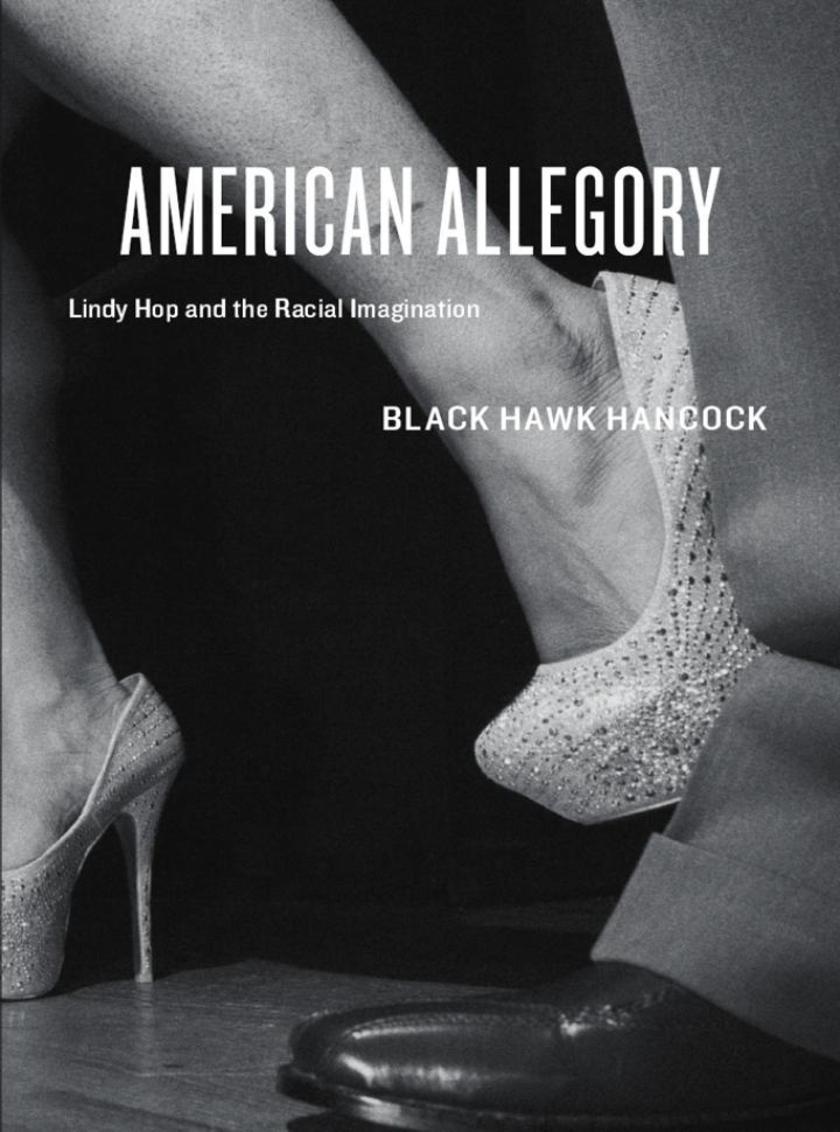
"e;Perhaps,"e; wrote Ralph Ellison more than seventy years ago, "e;the zoot suit contains profound political meaning; perhaps the symmetrical frenzy of the Lindy-hop conceals clues to great potential power."e; As Ellison noted then, many of our most mundane cultural forms are larger and more important than they appear, taking on great significance and an unexpected depth of meaning. What he saw in the power of the Lindy Hop-the dance that Life magazine once billed as "e;America's True National Folk Dance"e;-would spread from black America to make a lasting impression on white America and offer us a truly compelling means of understanding our culture. But with what hidden implications?In American Allegory, Black Hawk Hancock offers an embedded and embodied ethnography that situates dance within a larger Chicago landscape of segregated social practices. Delving into two Chicago dance worlds, the Lindy and Steppin', Hancock uses a combination of participant-observation and interviews to bring to the surface the racial tension that surrounds white use of black cultural forms. Focusing on new forms of appropriation in an era of multiculturalism, Hancock underscores the institutionalization of racial disparities and offers wonderful insights into the intersection of race and culture in America.
Corporate Social Responsibility?
¥247.21
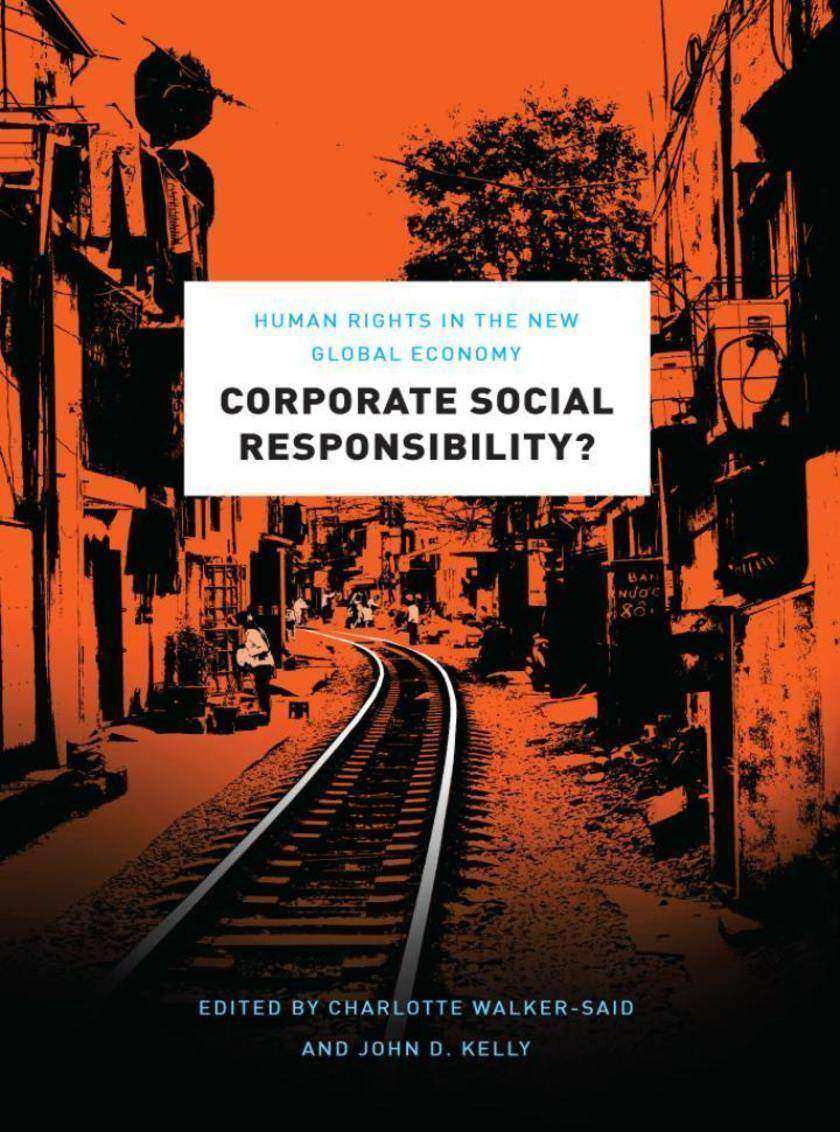
With this book, Charlotte Walker-Said and John D. Kelly have assembled an essential toolkit to better understand how the notoriously ambiguous concept of corporate social responsibility (CSR) functions in practice within different disciplines and settings. Bringing together cutting-edge scholarship from leading figures in human rights programs around the United States, they vigorously engage some of the major political questions of our age: what is CSR, and how might it render positive political change in the real worldThe book examines the diverse approaches to CSR, with a particular focus on how those approaches are siloed within discrete disciplines such as business, law, the social sciences, and human rights. Bridging these disciplines and addressing and critiquing all the conceptual domains of CSR, the book also explores how CSR silos develop as a function of the competition between different interests. Ultimately, the contributors show that CSR actions across all arenas of power are interdependent, continually in dialogue, and mutually constituted. Organizing a diverse range of viewpoints, this book offers a much-needed synthesis of a crucial element of today's globalized world and asks how businesses can, through their actions, make it better for everyone.?
Philosophy of Autobiography
¥247.21
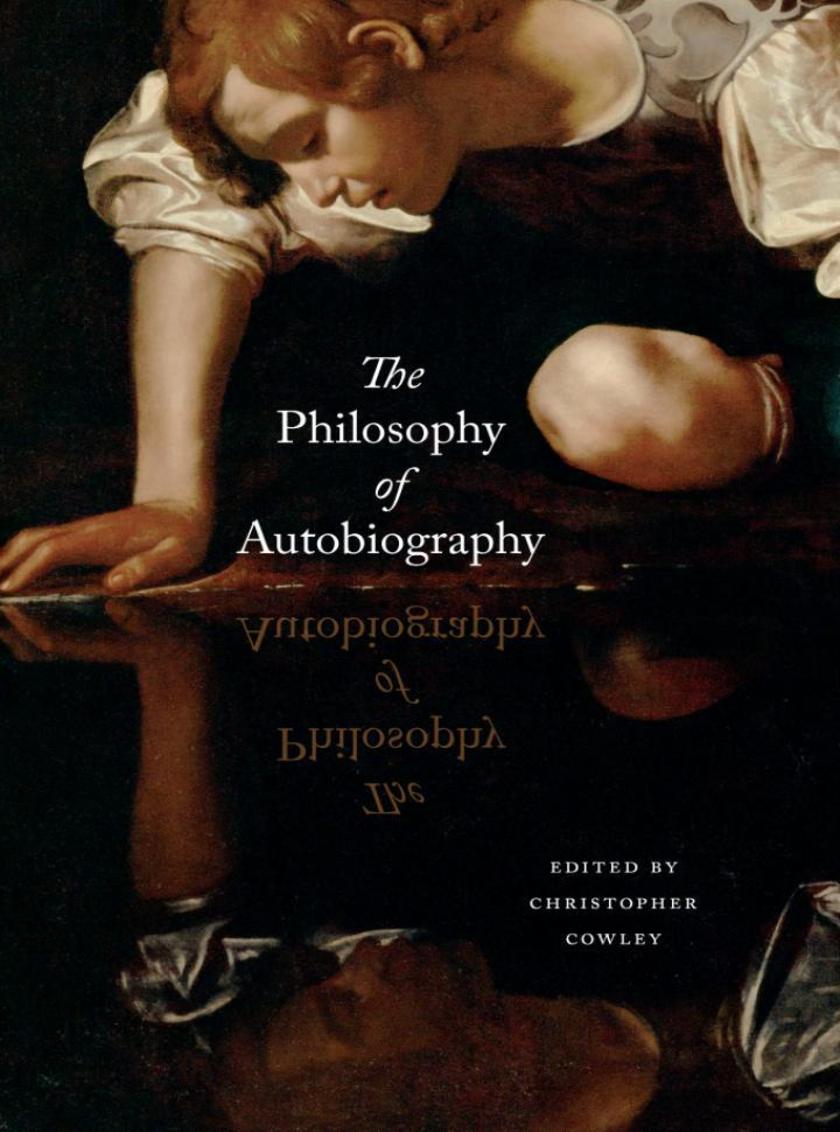
We are living through a boom in autobiographical writing. Every half-famous celebrity, every politician, every sports hero-even the non-famous, nowadays, pour out pages and pages, Facebook post after Facebook post, about themselves. Literary theorists have noticed, as the genres of "e;creative nonfiction"e; and "e;life writing"e; have found their purchase in the academy. And of course psychologists have long been interested in self-disclosure. But where have the philosophers beenWith this volume, Christopher Cowley brings them into the conversation.?Cowley and his contributors show that while philosophers have seemed uninterested in autobiography, they have actually long been preoccupied with many of its conceptual elements, issues such as the nature of the self, the problems of interpretation and understanding, the paradoxes of self-deception, and the meaning and narrative structure of human life. But rarely have philosophers brought these together into an overarching question about what it means to tell one's life story or understand another's. Tackling these questions, the contributors explore the relationship between autobiography and literature; between story-telling, knowledge, and agency; and between the past and the present, along the way engaging such issues as autobiographical ethics and the duty of writing. The result bridges long-standing debates and illuminates fascinating new philosophical and literary issues. ?
Urban Neighborhoods in a New Era
¥247.21
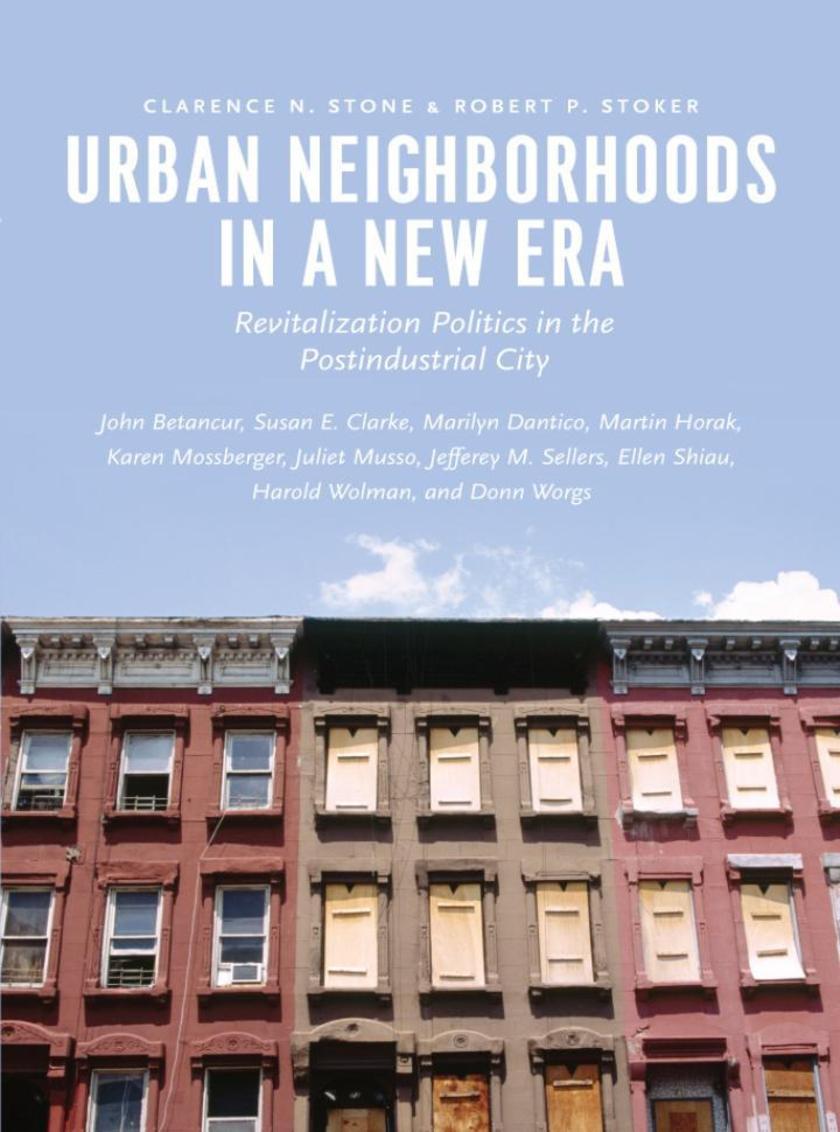
For decades, North American cities racked by deindustrialization and population loss have followed one primary path in their attempts at revitalization: a focus on economic growth in downtown and business areas. Neighborhoods, meanwhile, have often been left severely underserved. There are, however, signs of change. This collection of studies by a distinguished group of political scientists and urban planning scholars offers a rich analysis of the scope, potential, and ramifications of a shift still in progress. Focusing on neighborhoods in six cities-Baltimore, Chicago, Denver, Los Angeles, Phoenix, and Toronto-the authors show how key players, including politicians and philanthropic organizations, are beginning to see economic growth and neighborhood improvement as complementary goals. The heads of universities and hospitals in central locations also find themselves facing newly defined realities, adding to the fluidity of a new political landscape even as structural inequalities exert a continuing influence.While not denying the hurdles that community revitalization still faces, the contributors ultimately put forth a strong case that a more hospitable local milieu can be created for making neighborhood policy. In examining the course of experiences from an earlier period of redevelopment to the present postindustrial city, this book opens a window on a complex process of political change and possibility for reform.

Knowledge in the Time of Cholera
¥265.87
Vomiting. Diarrhea. Dehydration. Death. Confusion. In 1832, the arrival of cholera in the United States created widespread panic throughout the country. For the rest of the century, epidemics swept through American cities and towns like wildfire, killing thousands. Physicians of all stripes offered conflicting answers to the cholera puzzle, ineffectively responding with opiates, bleeding, quarantines, and all manner of remedies, before the identity of the dreaded infection was consolidated under the germ theory of disease some sixty years later.These cholera outbreaks raised fundamental questions about medical knowledge and its legitimacy, giving fuel to alternative medical sects that used the confusion of the epidemic to challenge both medical orthodoxy and the authority of the still-new American Medical Association. In Knowledge in the Time of Cholera, Owen Whooley tells us the story of those dark days, centering his narrative on rivalries between medical and homeopathic practitioners and bringing to life the battle to control public understanding of disease, professional power, and democratic governance in nineteenth-century America.
How Poems Think
¥206.01
To write or read a poem is often to think in distinctively poetic ways-guided by metaphors, sound, rhythms, associative movement, and more. Poetry's stance toward language creates a particular intelligence of thought and feeling, a compressed articulation that expands inner experience, imagining with words what cannot always be imagined without them. Through translation, poetry has diversified poetic traditions, and some of poetry's ways of thinking begin in the ancient world and remain potent even now. In How Poems Think, Reginald Gibbons presents a rich gallery of poetic inventiveness and continuity drawn from a wide range of poets-Sappho, Pindar, Shakespeare, Keats, William Carlos Williams, Marina Tsvetaeva, Gwendolyn Brooks, and many others. Gibbons explores poetic temperament, rhyme, metonymy, etymology, and other elements of poetry as modes of thinking and feeling. In celebration and homage, Gibbons attunes us to the possibilities of poetic thinking.
Place That Matters Yet
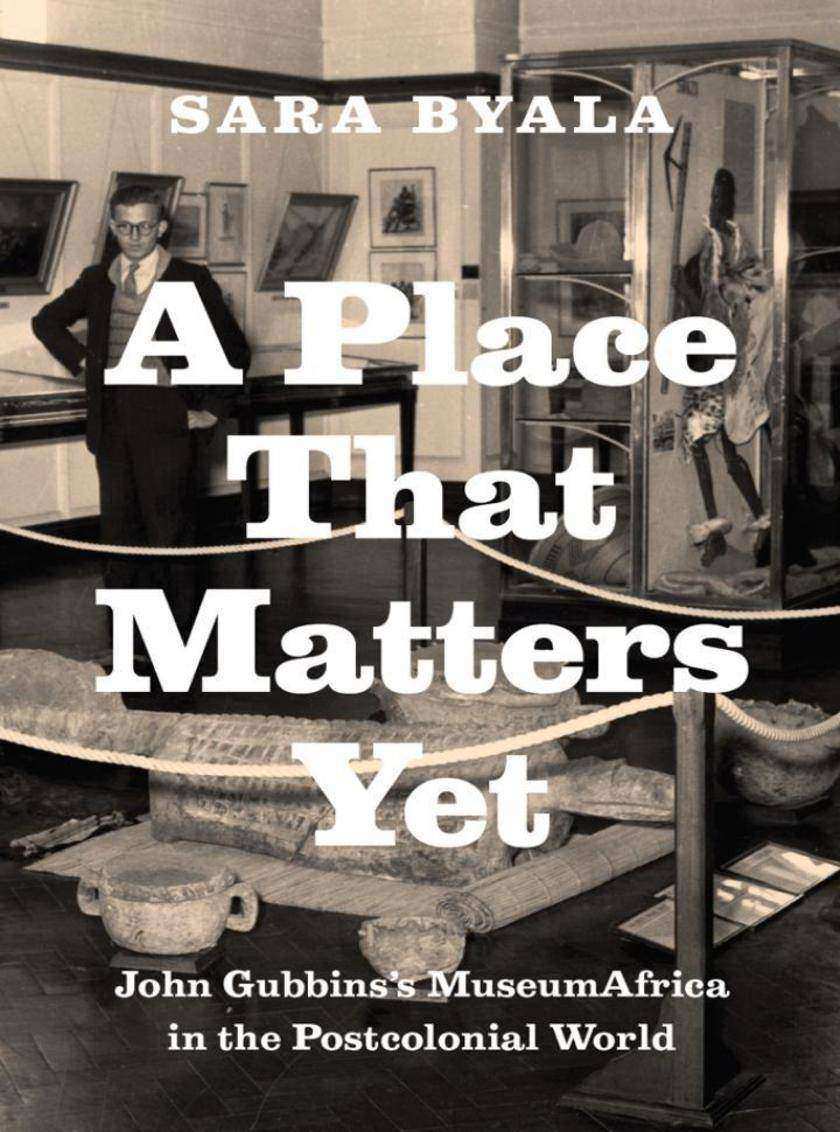
¥288.41
A Place That Matters Yet unearths the little-known story of Johannesburg's MuseumAfrica, a South African history museum that embodies one of the most dynamic and fraught stories of colonialism and postcolonialism, its life spanning the eras before, during, and after apartheid. Sara Byala, in examining this story, sheds new light not only on racism and its institutionalization in South Africa but also on the problems facing any museum that is charged with navigating colonial history from a postcolonial perspective.?Drawing on thirty years of personal letters and public writings by museum founder John Gubbins, Byala paints a picture of a uniquely progressive colonist, focusing on his philosophical notion of "e;three-dimensional thinking,"e; which aimed to transcend binaries and thus-quite explicitly-racism. Unfortunately, Gubbins died within weeks of the museum's opening, and his hopes would go unrealized as the museum fell in line with emergent apartheid politics. Following the museum through this transformation and on to its 1994 reconfiguration as a post-apartheid institution, Byala showcases it as a rich-and problematic-archive of both material culture and the ideas that surround that culture, arguing for its continued importance in the establishment of a unified South Africa.


