


 购物车
购物车 个人中心
个人中心
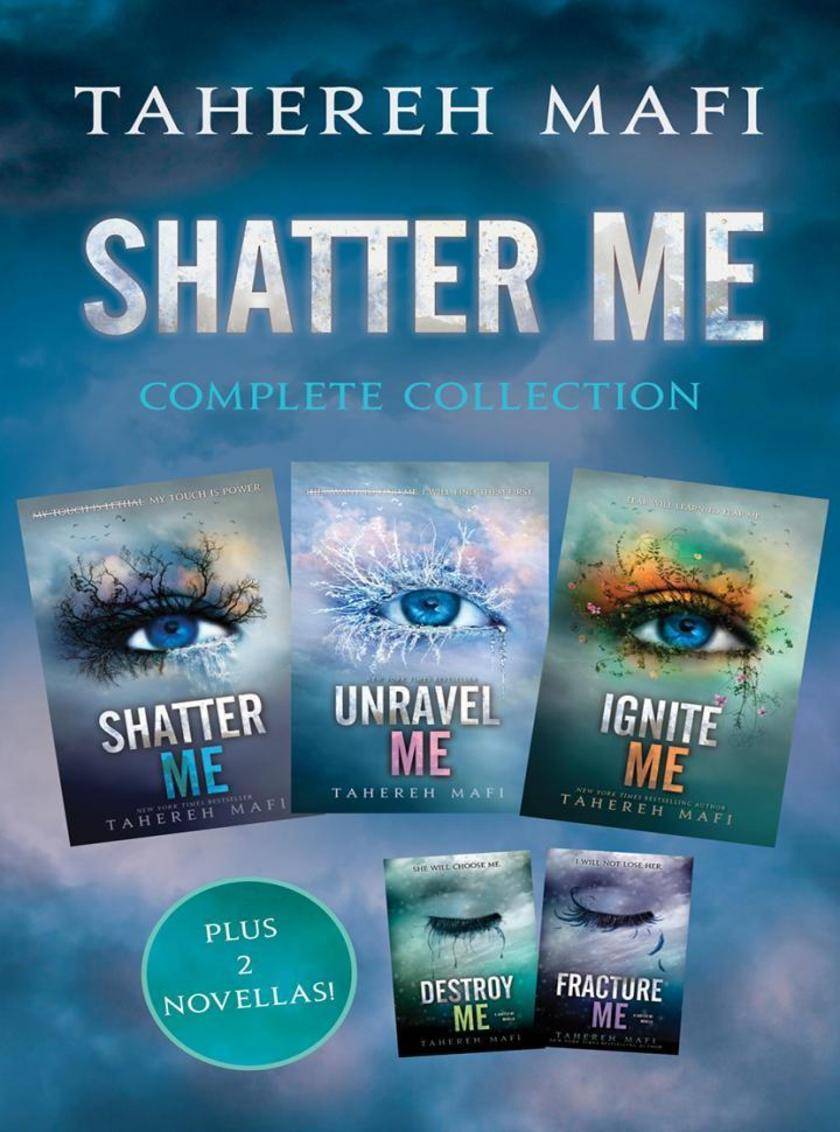
Shatter Me Complete Collection
¥381.65
The Shatter Me series is perfect for fans who crave action-packed young adult novels with tantalizing romance like Divergent by Veronica Roth, The Hunger Games by Suzanne Collins, and Legend by Marie Lu. Tahereh Mafi has created a captivating and original story that combines the best of dystopian and paranormal and was praised by Publishers Weekly as "a gripping read from an author who's not afraid to take risks." This collection includes the three novels and two novellas in the series.Shatter Me: No one knows why Juliette's touch is fatal, but The Reestablishment has plans for her. Plans to use her as a weapon. But Juliette has plans of her own. After a lifetime without freedom, she's finally discovering a strength to fight back for the very first time—and to find a future with the one boy she thought she'd lost forever.Destroy Me: Set after Tahereh Mafi's Shatter Me and before Unravel Me, the spellbinding sequel, Destroy Me is a novella told from the perspective of Warner, the ruthless leader of Sector 45.Unravel Me: Juliette is still haunted by her deadly touch. But now that she has teamed up with other rebels with powers of their own, she'll be able to fight back against The Reestablishment to save her broken world. With the help of these new allies, she'll also finally learn the secret behind Adam's—and Warner's—immunity to her killer skin.Fracture Me: In this electrifying sixty-page companion novella to the New York Times bestselling Shatter Me series, discover the fate of the Omega Point rebels as they go up against The Reestablishment. Set during and soon after the final moments of Unravel Me, Fracture Me is told from Adam's perspective.Ignite Me: With Omega Point destroyed, Juliette doesn't know if the rebels, her friends, or even Adam are alive. But that won't keep her from trying to take down The Reestablishment once and for all. Now she must rely on Warner, the handsome commander of Sector 45. The one person she never thought she could trust. The same person who saved her life. He promises to help Juliette master her powers and save their dying world . . . but that's not all he wants with her.

The Baseball Great Collection
¥174.42
Tim Green's thrilling Baseball Great books are perfect for middle-grade readers, and this collection contains three bestselling novels in the series.Baseball Great: Josh feels like he's starting to make it big! Jaden, the school reporter, says he's going to take the baseball team to number one. Then his dad pulls him off the field and signs him up with Coach Rocky Valentine's youth championship team, the Titans. Now Josh is gulping down Rocky's "Super Stax" milkshakes to build muscle and trying to fit in with his new teammates. All Josh really wants to do is play ball, but as he gets in deeper with the Titans, Josh and his new friend Jaden find themselves in a dangerous struggle with a desperate man who doesn't want them to expose the nasty secrets they uncover.Rivals: New York Times bestselling author Tim Green delivers a hard-hitting look at what some teams will do to win in this gripping companion to Baseball Great. Josh is thrilled when all his hard training pays off in a big way and his team, the Titans, makes it to a national tournament in Cooperstown, home of the National Baseball Hall of Fame. But after a dirty play and a brutal injury threaten to sideline Josh, he spies suspicious activity at the tournament. He tries to tell his good friend Jaden about what he's seen, but she's too busy spending time with the L.A. Comets' star player to want to get involved. Jaden says she's doing research for the newspaper . . . but is she?Best of the Best: Josh is still flying high from his team's tournament win when his parents start talking about a divorce. Now his dad is challenging him to play the best of the best at the Little League World Series in Williamsport, Pennsylvania. But does he just want to get Josh out of the way. With the help of Benji and Jaden, Josh races to get the facts that can keep his family together—but it's ever harder to concentrate on the game and make the winning plays that will lead his team to victory.
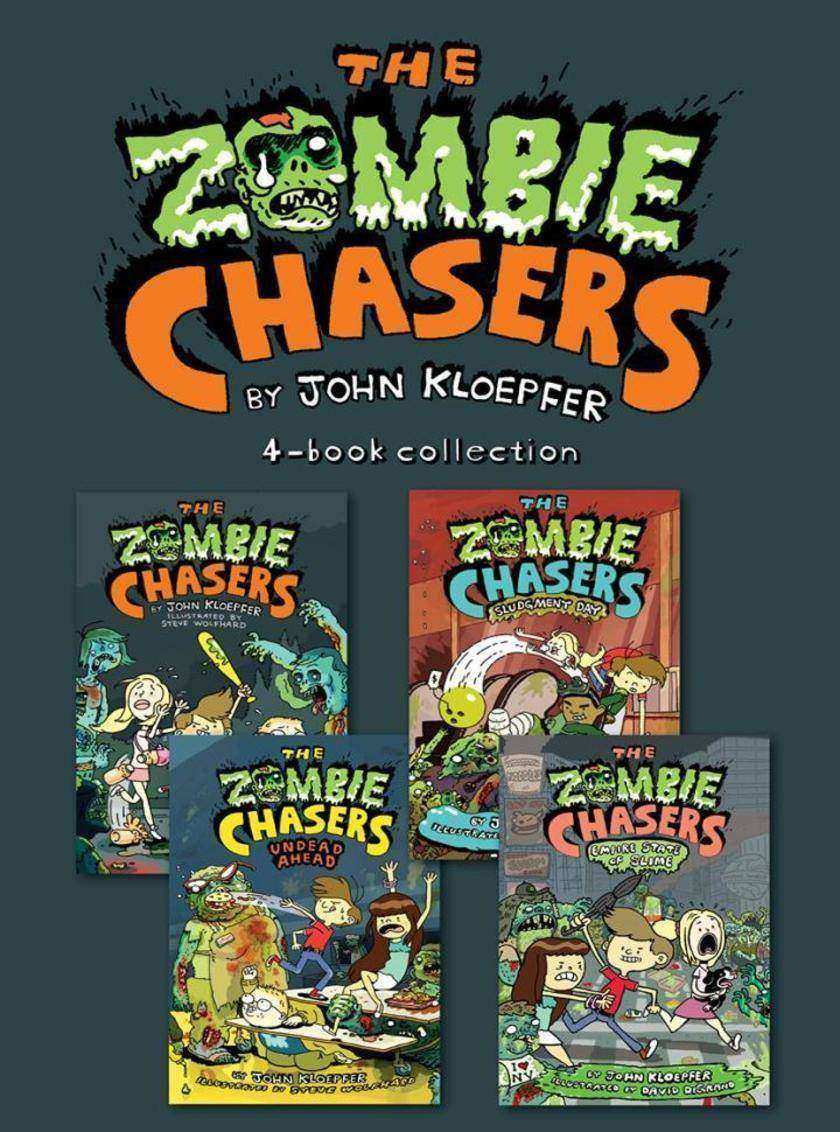
Zombie Chasers 4-Book Collection
¥218.05
Perfect for fans of Diary of a Wimpy Kid and The Strange Case of Origami Yoda, John Kloepfer's hilarious and stomach-churning Zombie Chasers tween series is overflowing with uproarious middle school humor, dead-on illustrations, and high-action adventure that will leave readers moaning for more. This collection contains the first four books in the series.The Zombie Chasers: Zombie Attack! When brain-gobbling zombies invade, a sleep?over at Zack Clarke's house quickly turns into a Level-3 creep-over. The undead have infested the streets, filling the air with deathly moans and the stench of rotting flesh. The Zombie Chasers are on a mission to save the world, but first they have to survive their flesh-eating, half-dead neighbors—and one another.The Zombie Chasers #2: Undead Ahead: Zack's sister is a zombie and his parents might be goners. Rice has uncovered the source of the zombie outbreak, and Madison's health-drink habit may be the key to a cure. Ozzie, the newest zombie chaser, is a nunchaku-wielding, monster-fighting machine who's ready to kick some undead butt. The whole country—from their parents to the president—is counting on them. Can the Zombie Chasers save the nation from brain-gobbling ghoulsOr will the US of A become the US of Z?The Zombie Chasers #3: Sludgment Day: Zack and his crew of Zombie Chasers—Rice, Madison, Ozzie, and Zoe—are ready to end this nightmare once and for all! With the antidote in hand, the gang sets off on a wild cross-country road trip to defeat the evil genius behind the zombie apocalypse.The Zombie Chasers #4: Empire State of Slime: Six months after Zack Clarke, his sister, Zoe, and pals Rice, Ozzie, and Madison saved the country from brain-gobbling ghouls, life is finally heading back to normal. But while the kids are busy exploring the Big Apple's sites on a class trip to New York City, things go from sublime to slime when millions of people suddenly rezombify! The Zombie Chasers are back on undead duty, but can they escape the crowded city streets and find a new cure, or is Z-Day here to stay?
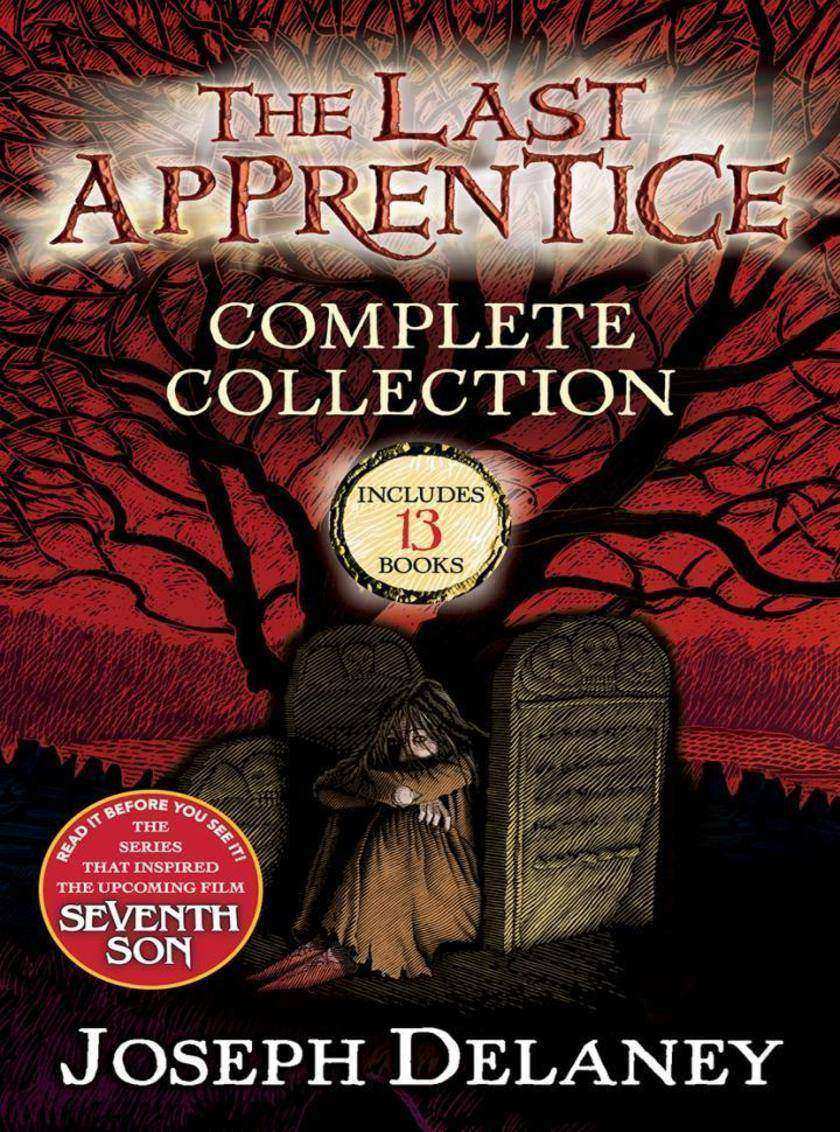
The Last Apprentice Complete Collection
¥1363.22
All 13 volumes of Joseph Delaney's internationally best-selling fantasy adventure series, The Last Apprentice, plus the two short story collections and The Spook's Bestiary—all together for the first time!Tom Ward is the seventh son of a seventh son. As the Spook's apprentice, he will face boggarts, witches, ghosts, and other terrifying creatures of the night. Other apprentices have come before him. Some have failed. Some have fled. Some have died. Will Tom be the one who survives—especially when he becomes the target of the world's greatest evils?Includes 16 books set in the world of the acclaimed series that inspired the major motion picture Seventh Son.Revenge of the Witch (Book 1) Curse of the Bane (Book 2) Night of the Soul Stealer (Book 3) Attack of the Fiend (Book 4) Wrath of the Bloodeye (Book 5) Clash of the Demons (Book 6) Rise of the Huntress (Book 7) Rage of the Fallen (Book 8) Grimalkin the Witch Assassin (Book 9) Lure of the Dead (Book 10) Slither (Book 11) I Am Alice (Book 12) Fury of the Seventh Son (Book 13) The Spook's Tale and Other Horrors (short story collection) Coven of Witches (short story collection) The Spook's Bestiary: The Guide to Creatures of the Dark (illustrated companion book)

The Girl of Fire and Thorns Complete Collection
¥312.84
All three volumes of Rae Carson's New York Times?bestselling The Girl of Fire and Thorns trilogy plus the three novellas set in the same world, available together! An insecure princess with an unclear destiny becomes a secret bride, a revolutionary, a queen, and—finally—the champion her world so desperately needs in this epic fantasy series that Tamora Pierce called "engrossing" and that Veronica Roth said was "intense, unique . . . definitely recommended."This complete collection includes the three volumes of the trilogy: book one, The Girl of Fire and Thorns; book two, The Crown of Embers; and book three, The Bitter Kingdom. It also includes the three novellas set in the world of the series: The Shadow Cats, The Shattered Mountain, and The King's Guard.Once every century, one person is chosen for greatness. But the prophecy is vague, and Elisa has no idea why she was chosen or how she will fulfill the expectations. Her future is unknown and her potential is tremendous—even if she doesn't realize it. A sweeping fantasy series about a young woman finding her true strength, this is perfect for fans of Kristin Cashore's Graceling and George R. R. Martin's Game of Thrones.
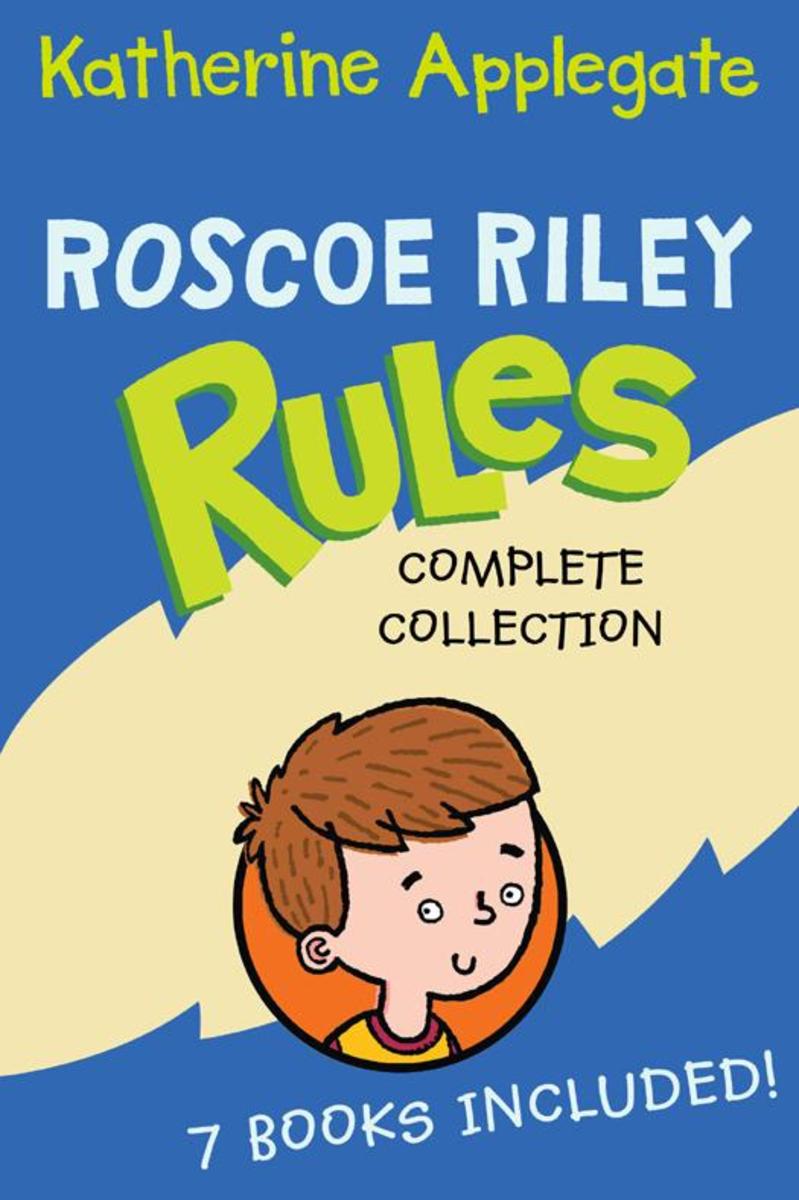
Roscoe Riley Rules Complete Collection
¥381.65
Short, funny, true-to-life stories from Katherine Applegate, the author of the Newbery Medal winning The One and Only Ivan, the Roscoe Riley books are perfect for kids new to reading chapter books. They're filled with appealing art, and they star good-hearted first grader Roscoe Riley.This collection includes all seven books in the series: Never Glue Your Friends to ChairsNever Swipe a Bully's BearDon't Swap Your Sweater for a DogNever Swim in ApplesauceDon't Tap-Dance on Your TeacherNever Walk in Shoes That TalkNever Race a Runaway Pumpkin
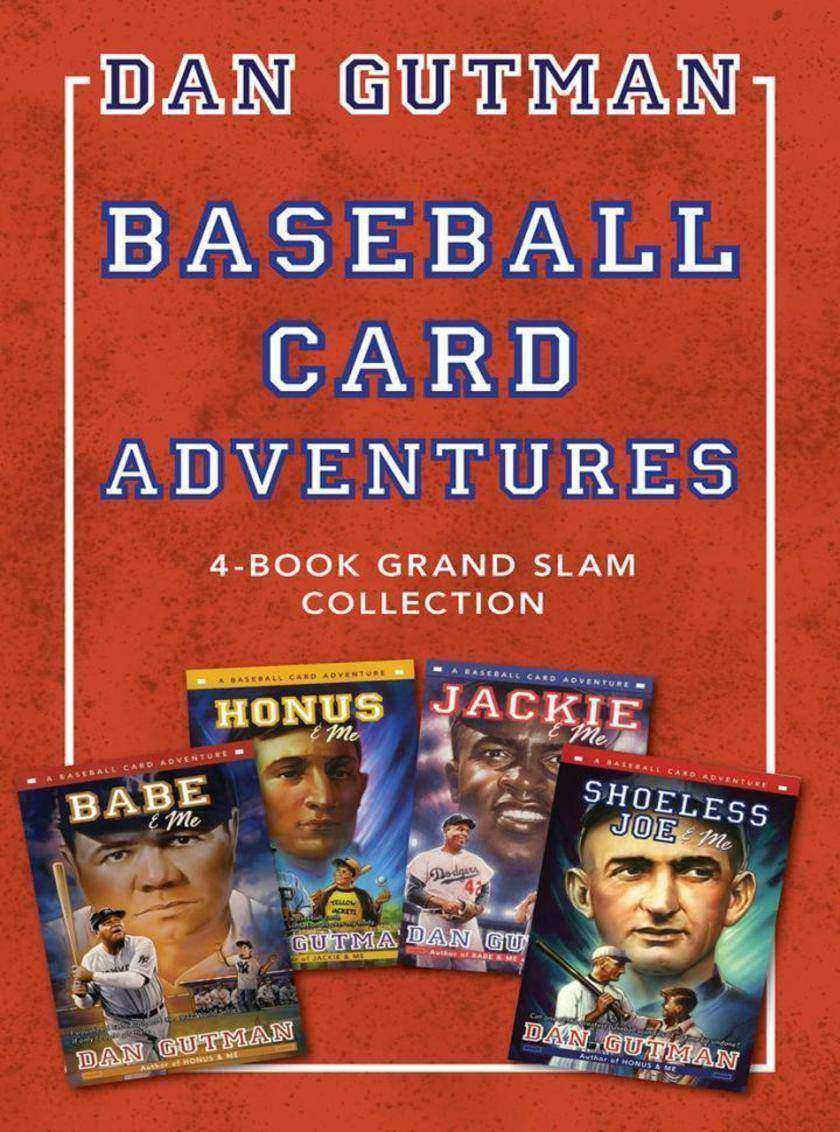
Baseball Card Adventures: 4-Book Grand Slam Collection
¥196.24
Twelve-year-old Joe Stoshack is an average kid with two amazing talents: getting his hands on rare baseball cards, and traveling through time to meet the famous players they depict. Sports buffs and fans of authors like Tim Green and Jon Scieszka will love this imaginative series.Together for the first time, this collection includes:Honus & Me, featuring Honus Wagner, the greatest shortstop ever, from the turn of the century. Honus Wagner’s baseball card is the rarest and most expensive of all; one specimen sold for $2.8 million in 2007. Jackie & Me, featuring Jackie Robinson, the first African-American player in Major League Baseball, six-time All-Star, and recipient of the Presidential Medal of Freedom and the Congressional Gold Medal. Babe & Me, featuring Babe Ruth, all-time great batter and seven-time World Series champion, who set records that still stand today. Shoeless Joe & Me, featuring Shoeless Joe Jackson, who was banned from baseball in the prime of his career and whose involvement in the Black Sox Scandal is still disputed.

The Hero's Guide Complete Collection
¥215.70
In the Hero's Guide books, readers discover that Prince Charming isn't one man—there are four of them: Liam, Frederick, Duncan, and Gustav. And they all have their own challenges to overcome as they try to grow from goofy, average-guy princes into impossibly perfect knights of legend. Joined by princesses Ella, Snow White, Briar Rose, Rapunzel, and Lila, they're off on adventures that they—and their kingdoms—can only hope to survive. Tween fans of Shrek and How to Train Your Dragon will love this fast-paced, funny series that's been applauded by the LA Times, the New York Times, Publishers Weekly, and Kirkus Reviews.This collection includes:The Hero’s Guide to Saving Your Kingdom The Hero’s Guide to Storming the Castle The Hero’s Guide to Being an Outlaw
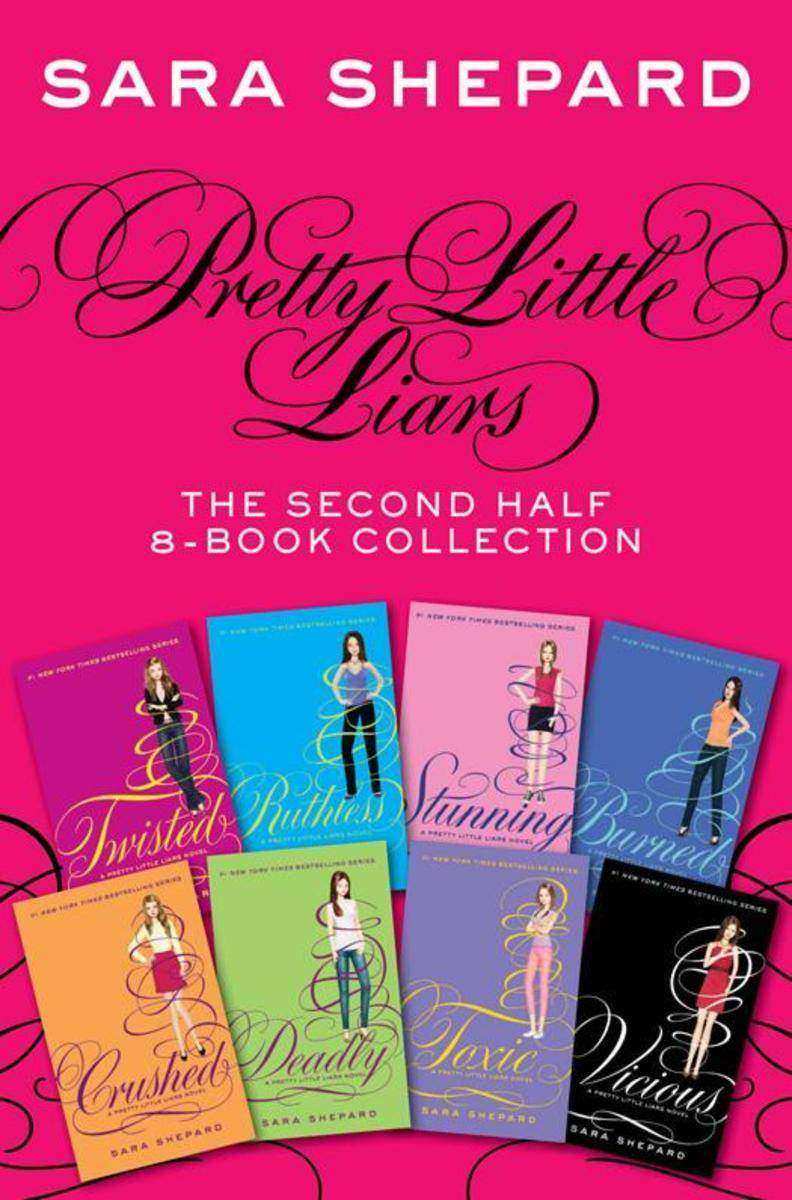
Pretty Little Liars: The Second Half 8-Book Collection
¥708.84
In Rosewood, majestic estates sprawl for acres, and Tiffany toggle bracelets dangle from every girl's wrist. But not all that glitters is gold, and the town harbors secrets darker than anyone could imagine—like the truth about what really happened the night Alison DiLaurentis went missing. . . . Sara Shepard's #1 New York Times bestselling Pretty Little Liars series is the inspiration for the hit ABC Family original TV show. This collection contains the final eight novels in the series.Includes:Pretty Little Liars #9: Twisted Pretty Little Liars #10: Ruthless Pretty Little Liars #11: Stunning Pretty Little Liars #12: Burned Pretty Little Liars #13: Crushed Pretty Little Liars #14: Deadly Pretty Little Liars #15: Toxic Pretty Little Liars #16: Vicious
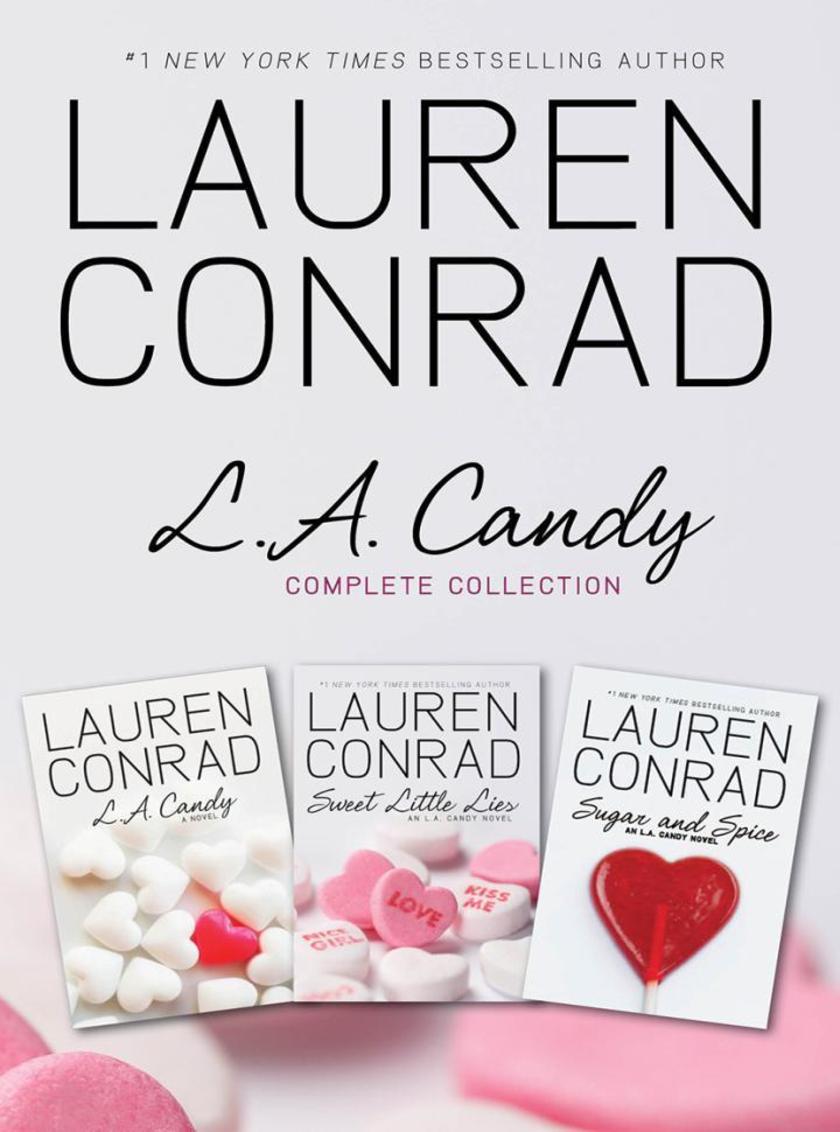
L.A. Candy Complete Collection
¥305.30
The L.A. Candy trilogy is a fast-paced, fun, and realistic depiction of coming of age in Hollywood while starring in a reality TV show—written by a star who's experienced it all firsthand: Lauren Conrad, of MTV's #1 show The Hills. This #1 New York Times bestselling series provides a scandalous peek into the life of new reality celebrity Jane Roberts while dishing Hollywood gossip and drama at every turn.Includes:L.A. Candy Sweet Little Lies: An L.A. Candy Novel Sugar and Spice: An L.A. Candy Novel

The Hidden Prince
¥54.42
The city of Skyvale is in trouble. Magic use is rampant. Crime is spreading. Told from the perspective of Tobiah, the crown prince with a dangerous secret, and set two years before the heart-racing action of The Orphan Queen, this 100-page digital novella brings to life one of Jodi Meadows's most beloved characters.Tobiah Pierce knows he is a spoiled, sheltered prince, and he's tired of it. His only chance for freedom is if his cousin, James Rayner, passes the trials to be one of his bodyguards. But when Tobiah takes a rare opportunity to escape a courtly celebration and he witnesses a horrible—and magical—crime, he must make a momentous decision: return to the ignorance and comfort of the palace, or risk everything to discover the truth?The Hidden Prince is the first of four prequel novellas that offer existing fans a deeper insight into a favorite character and the complex city of Skyvale, while new readers will find a stunning introduction to this rich world and the heart-pounding fantasy of the Orphan Queen series.Epic Reads Impulse is a digital imprint with new releases each month.
Die Once More
¥10.71
This one-hundred-page novella picks up where the international bestselling Die for Me trilogy ended and follows the eternally irresistible Jules Marchenoir as he leaves Paris behind for a fresh start in New York City.Jules is a revenant—an undead being whose fate forces him to sacrifice himself over and over again to save human lives. He's spent the last century flirting his way through Paris and, most recently, falling in love with his best friend's girlfriend. Loyalty and heartbreak have led him to choose a new life in NYC.Separated from his friends and his home, Jules is adrift in this dangerous new world, facing unknown enemies . . . until he meets a revenant named Ava. Though the battle for France has been won, an epic war between good and evil has just begun in the Big Apple, and Ava needs Jules's help to uncover the key to an American victory. Jules finds himself in the same position he crossed an ocean to escape: at risk of losing his immortal existence as well as his heart.Epic Reads Impulse is a digital imprint with new releases each month.
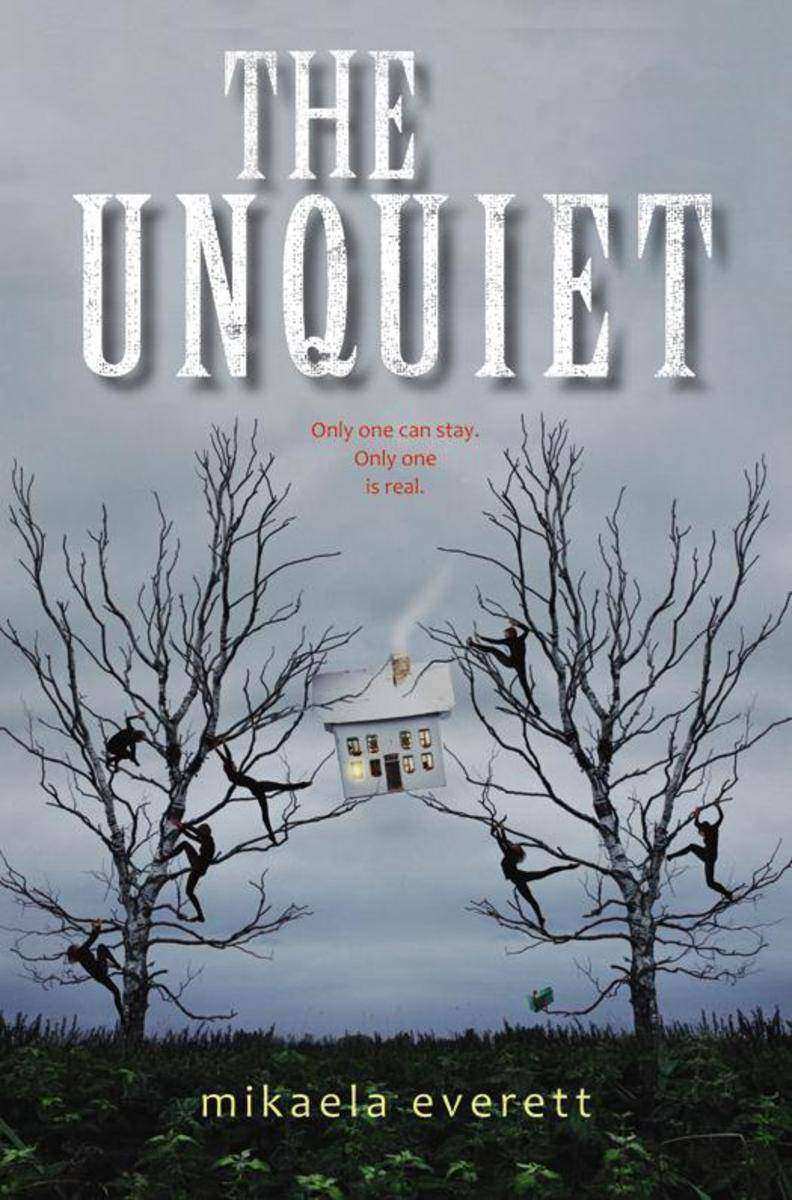
The Unquiet
¥101.00
For most of her life, Lirael has been training to kill—and replace—a duplicate version of herself on a parallel Earth. She is the perfect sleeper-soldier. But she's beginning to suspect she is not a good person. Fans of eerily futuristic and beautifully crafted stories such as Never Let Me Go, Orphan Black, and Fringe will find themselves haunted by this unsettling debut.The two Earths are identical in almost every way. Two copies of every city, every building, even every person. But the people from the second Earth know something their duplicates do not—two versions of the same thing cannot exist. They—and their whole planet—are slowly disappearing. Lira has been trained mercilessly since childhood to learn everything she can about her duplicate, to be a ruthless sleeper-assassin who kills that other Lirael and steps seamlessly into her life.An intricate, literary stand-alone from an astonishing new voice, The Unquiet takes us deep inside the psyche of a strong teenage heroine struggling with what she has been raised to be and who she really is.
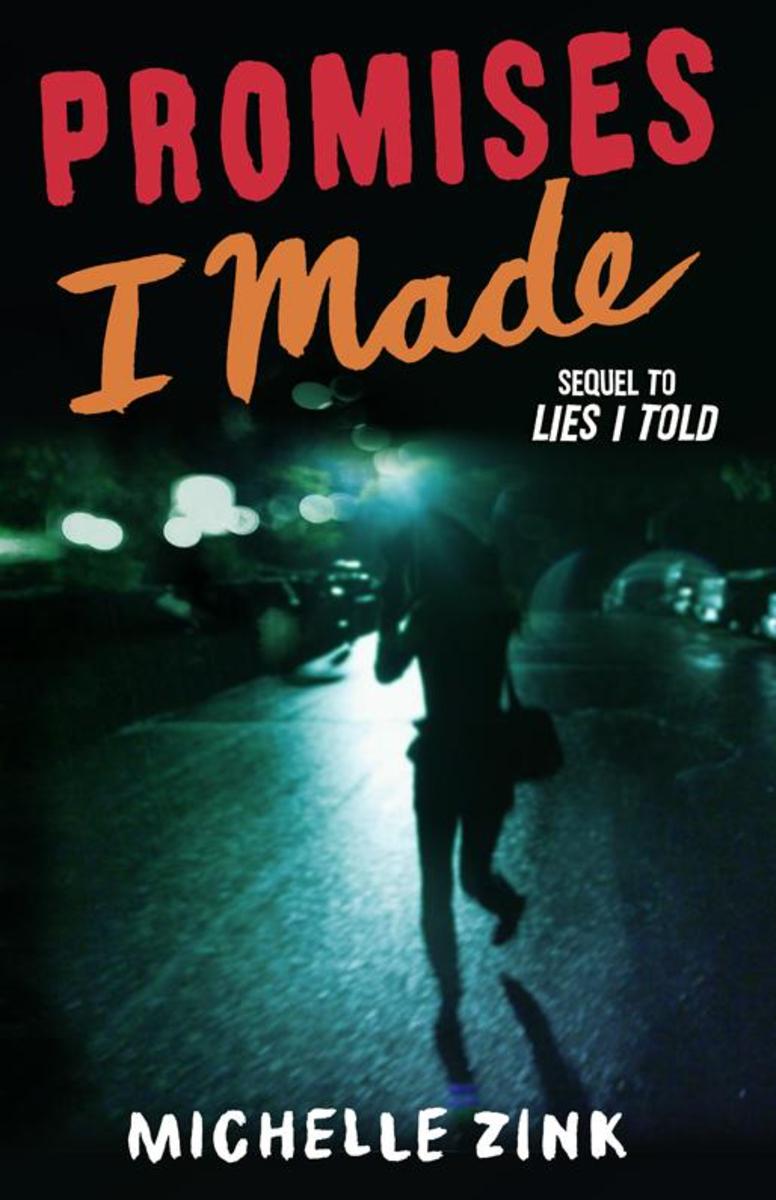
Promises I Made
¥99.65
In the thrilling sequel to Lies I Told, Grace learns that the most difficult thing about pulling off the perfect crime is living with the consequences. Fans of Ally Carter, Cecily von Ziegesar, and Gail Carriger will love this thrilling, high-stakes novel, which deftly explores the roles of identity and loyalty while offering a window into the world of the rich and fabulous.Grace Fontaine was trained to carry out perfect crimes. But when a mistake was made the night her family tried to execute their biggest heist yet, her world fell apart.Haunted by the way she betrayed her brother, her friends, and Logan—the only boy she's ever loved—Grace decides she must return to the place every thief knows you should avoid: the scene of the crime.Returning to Playa Hermosa as a wanted criminal is dangerous. But Grace has only one chance to make things right. To do it, she has to use everything she's been taught about the art of the con to hunt down the very people who trained her: the only family she's ever known.
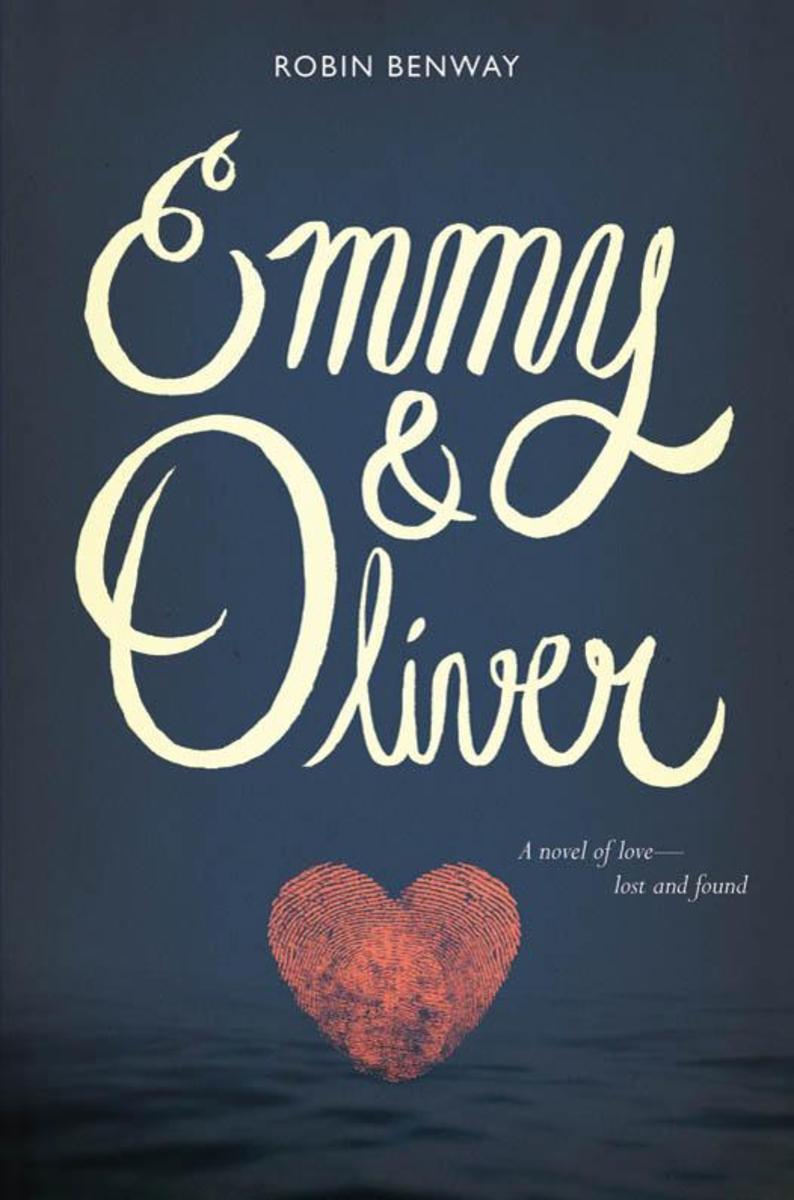
Emmy & Oliver
¥100.71
Emmy and Oliver were going to be best friends forever, or maybe even more, before their futures were ripped apart. In Emmy's soul, despite the space and time between them, their connection has never been severed. But is their story still written in the starsOr are their hearts like the pieces of two different puzzles—impossible to fit together?Emmy just wants to be in charge of her own life. . . . She wants to stay out late, surf her favorite beach—go anywhere without her parents' relentless worrying. But Emmy's parents can't seem to let her grow up—not since the day Oliver disappeared.Oliver needs a moment to figure out his heart. . . . He'd thought, all these years, that his dad was the good guy. He never knew that it was his father who had kidnapped him and kept him on the run. Discovering it, and finding himself returned to his old hometown, all at once, has his heart racing, and his thoughts swirling.Readers who love Sarah Dessen will devour these pages with hearts in throats as Emmy and Oliver struggle to face the messy, confusing consequences of Oliver's father's crime. Full of romance, coming-of-age emotion, and heartache, these two equally compelling characters create an unforgettable story.
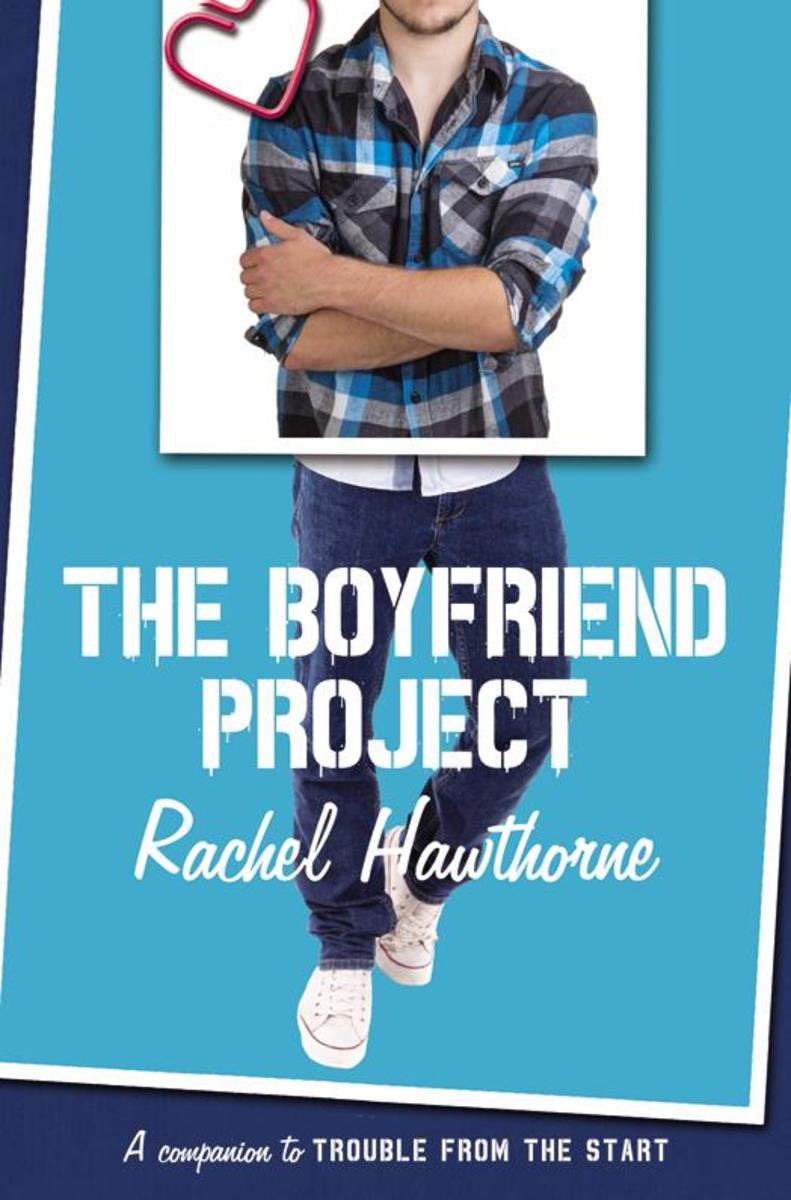
The Boyfriend Project
¥55.33
Perfect for fans of Stephanie Perkins, Lauren Barnholdt, and Susane Colasanti, The Boyfriend Project is a romantic read about a girl who wishes her sweet boyfriend had a little more edge.Kendall and her boyfriend, Jeremy, have been together forever, and Kendall is starting to wonder if Jeremy is a little boring. . . . So she embarks on a boyfriend makeover. But as Jeremy learns to strut his stuff, other girls start to notice him and, what's worse, he's noticing them back. Then Jeremy breaks up with Kendall and she realizes her makeover project was the ultimate disaster. Is the sweet boyfriend she loved gone forever?A companion novel to Rachel Hawthorne's paperback original Trouble from the Start, this title is perfect for fans of summer beach reads and sweet treats.
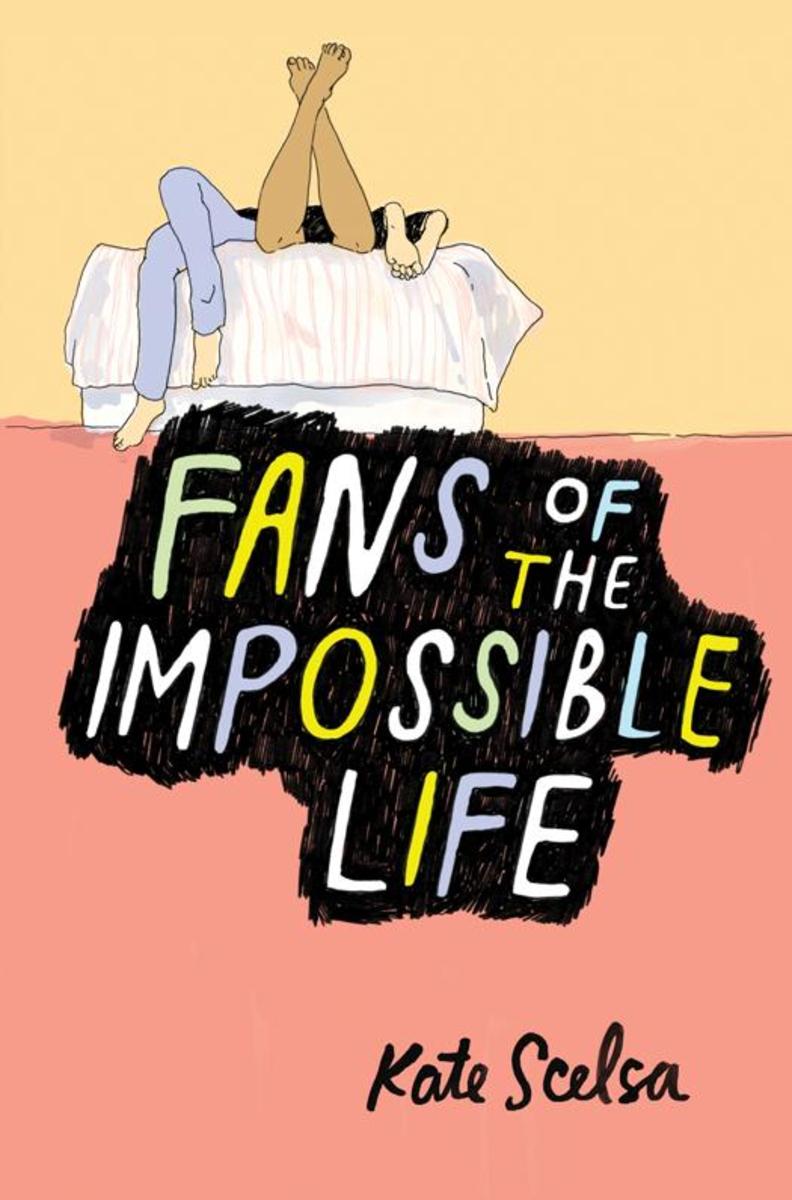
Fans of the Impossible Life
¥100.71
A captivating and profound debut novel about complicated love and the friendships that have the power to transform you forever, perfect for fans of The Perks of Being a Wallflower.Mira is starting over at Saint Francis Prep. She promised her parents she would at least try to pretend that she could act like a functioning human this time, not a girl who can’t get out of bed for days on end, who only feels awake when she’s with Sebby.Jeremy is the painfully shy art nerd at Saint Francis who’s been in self-imposed isolation after an incident that ruined his last year of school. When he sees Sebby for the first time across the school lawn, it’s as if he’s been expecting this blond, lanky boy with mischief glinting in his eye.Sebby, Mira’s gay best friend, is a boy who seems to carry sunlight around with him. Even as life in his foster home starts to take its toll, Sebby and Mira together craft a world of magic rituals and impromptu road trips, designed to fix the broken parts of their lives.As Jeremy finds himself drawn into Sebby and Mira’s world, he begins to understand the secrets that they hide in order to protect themselves, to keep each other safe from those who don’t understand their quest to live for the impossible.
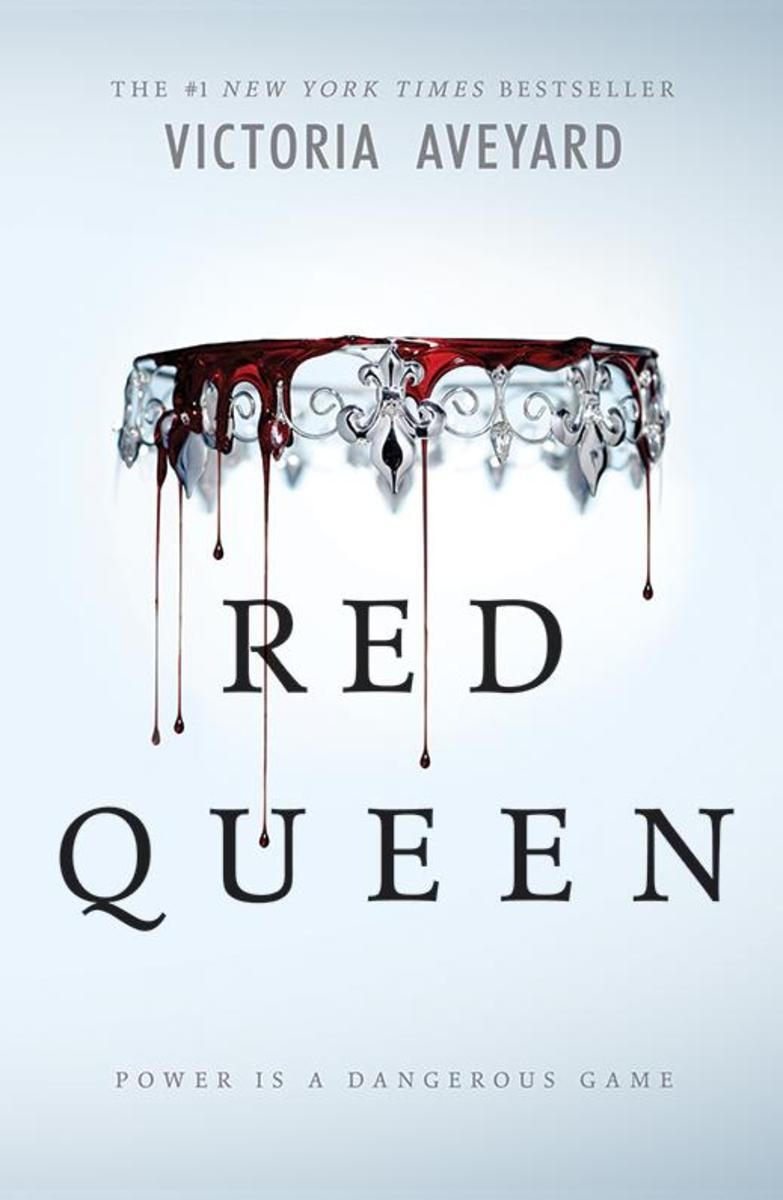
Red Queen
¥72.71
Graceling meets The Selection in debut novelist Victoria Aveyard's sweeping tale of seventeen-year-old Mare, a common girl whose once-latent magical power draws her into the dangerous intrigue of the king's palace. Will her power save her or condemn her?Mare Barrow's world is divided by blood—those with common, Red blood serve the Silver- blooded elite, who are gifted with superhuman abilities. Mare is a Red, scraping by as a thief in a poor, rural village, until a twist of fate throws her in front of the Silver court. Before the king, princes, and all the nobles, she discovers she has an ability of her own.To cover up this impossibility, the king forces her to play the role of a lost Silver princess and betroths her to one of his own sons. As Mare is drawn further into the Silver world, she risks everything and uses her new position to help the Scarlet Guard—a growing Red rebellion—even as her heart tugs her in an impossible direction. One wrong move can lead to her death, but in the dangerous game she plays, the only certainty is betrayal.
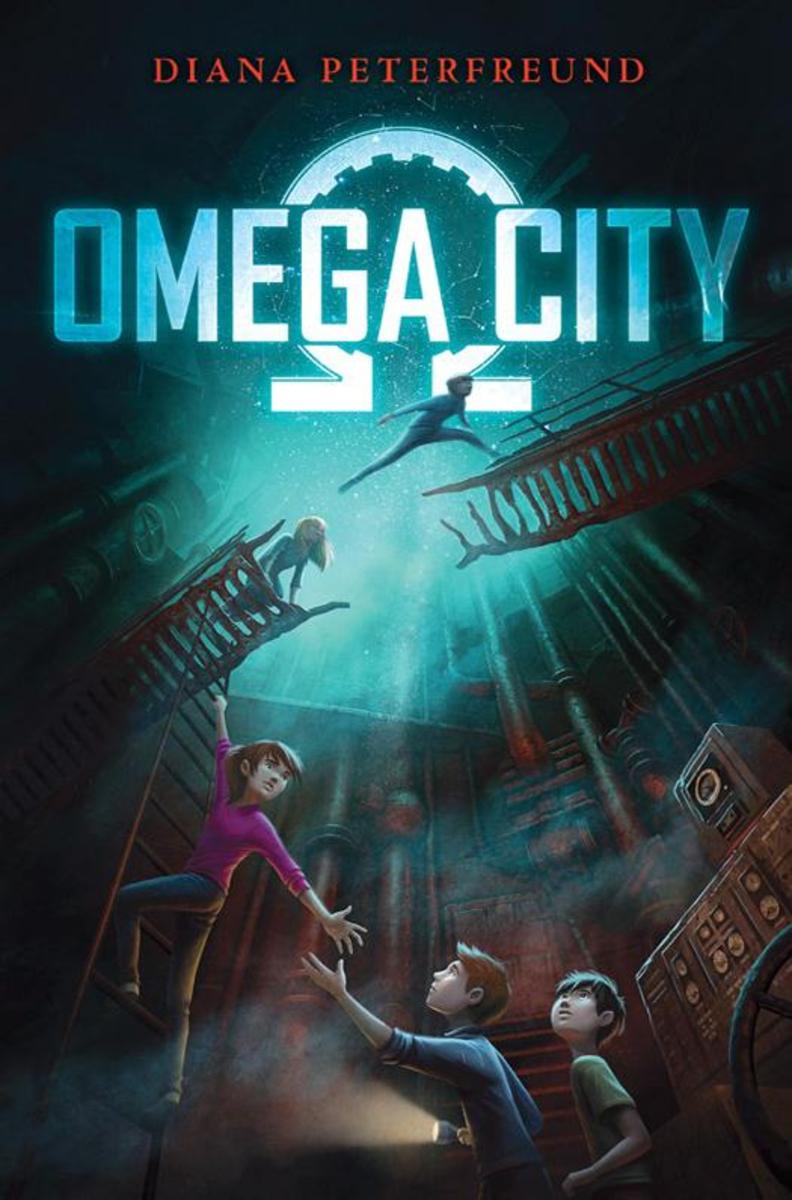
Omega City
¥38.72
The first middle grade novel in an exciting new series from acclaimed author Diana Peterfreund, perfect for fans of The Goonies and The City of Ember.Gillian Seagret doesn't listen to people who say her father's a crackpot. His conspiracy theories about the lost technology of Cold War–era rocket scientist Dr. Aloysius Underberg may have cost him his job and forced them to move to the middle of nowhere, but Gillian knows he's right and plans to prove it.When she discovers a missing page from Dr. Underberg's diary in her father's mess of an office, she thinks she's found a big piece of the puzzle—a space-themed riddle promising to lead to Dr. Underberg's greatest invention. Enlisting the help of her skeptical younger brother, Eric, her best friend, Savannah, and Howard, their NASA-obsessed schoolmate, Gillian sets off on a journey into the ruins of Omega City, a vast doomsday bunker deep inside the earth,.But they aren't alone inside its dark and flooded halls. For while Gillian wants to save her dad's reputation by bringing Dr. Underberg's secrets to light, there are others who will stop at nothing to make sure they stay buried . . . forever.

The Swap
¥44.25
This smart and funny twist on Freaky Friday is perfect for fans of Wendy Mass, Jerry Spinelli, and Jon Scieszka.With one random wish, Jack and Ellie are living life in each other's shoes. He's her. And she's him. ELLIE assumed popular guys didn't worry about body image, being perfect, or talking to girls, but acting like you're cool with everything is tougher than it looks.JACK thought girls had it easy—no fights with bullies, no demanding dads, no power plays—but facing mean girls at sleepovers and getting grilled about your period is way harder than taking a hit to the face at sports practice.Now they're dealing with each other's middle school dramas—locker room teasing, cliques, video game battles, bra shopping, and a slew of hilariously awkward moments—until they hopefully switch back! Told in both Jack's and Ellie's voices, The Swap offers a fresh and honest take on tween friendship, all while exploring more serious themes of family, loss, empathy, and what it really means to be yourself. And as Jon Scieszka says, it's "seriously, truly, fearlessly funny!"
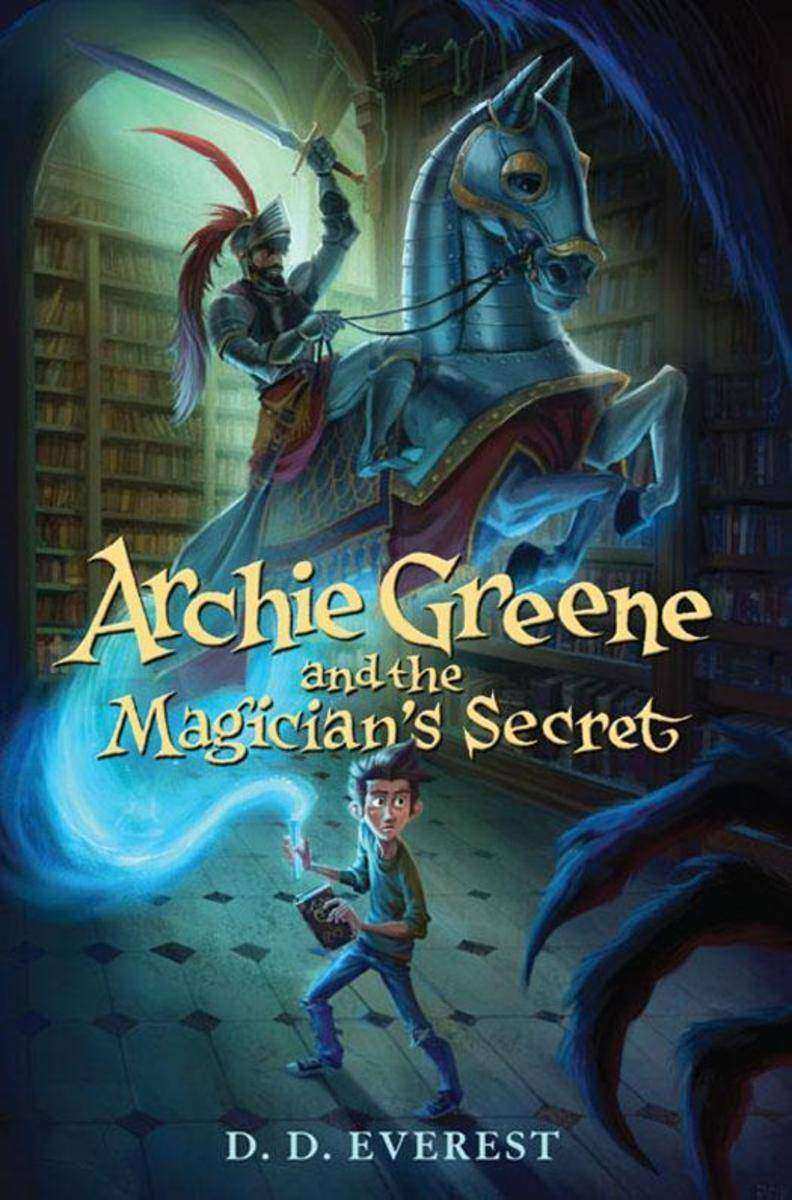
Archie Greene and the Magician's Secret
¥39.24
D. D. Everest's magical middle grade debut, filled with enchanted books and mysterious activity, is sure to captivate readers. Open this book . . . if you dare to face what awaits you inside!On his twelfth birthday, Archie Greene receives a mysterious package containing an ancient book in a language he doesn't recognize. The gift leads him to a family he didn't know he had and a world he never knew existed.With the help of his cousins, Bramble and Thistle, Archie tries to unravel the mystery behind his book, but he begins to realize that his gift is something more powerful than he could have imagined. And the only thing more perilous than its contents is being its owner. The book waited four hundred years for Archie Greene. Now Archie must discover why.


