


 购物车
购物车 个人中心
个人中心
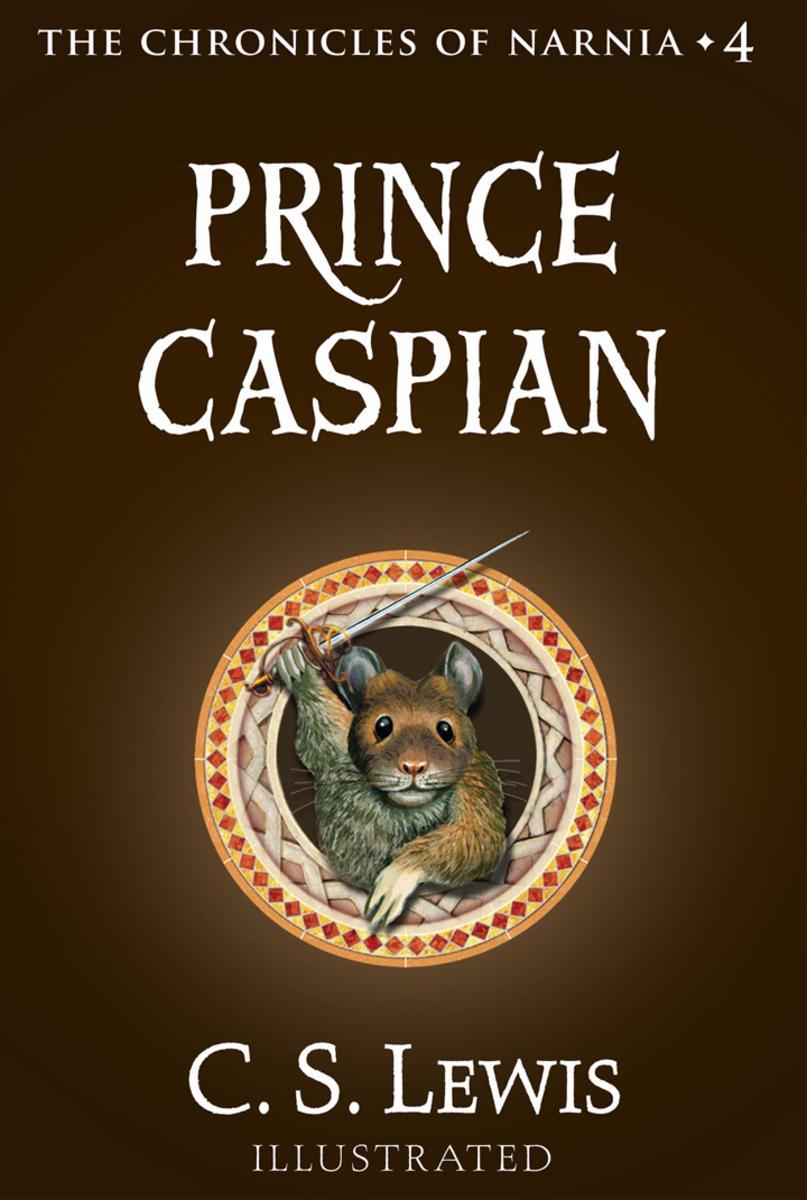
Prince Caspian 纳尼亚传奇4(彩色插图版)
¥50.33
Illustrations in this ebook appear in vibrant full color on a full color ebook device, and in rich black and white on all other devices. Narnia . . . where animals talk . . . where trees walk . . . where a battle is about to begin. A prince denied his rightful throne gathers an army in a desperate attempt to rid his land of a false king. But in the end, it is a battle of honor between two men alone that will decide the fate of an entire world. Prince Caspian is the fourth book in C.S. Lewis The Chronicles of Narnia, a series that has become part of the canon of classic literature, drawing readers of all ages into a magical land with unforgettable characters for over fifty years. This is a stand-alone novel, but if you would like to see more of Lucy and Edmund adventures, read The Voyage of the Dawn Treader , the fifth book in The Chronicles of Narnia.
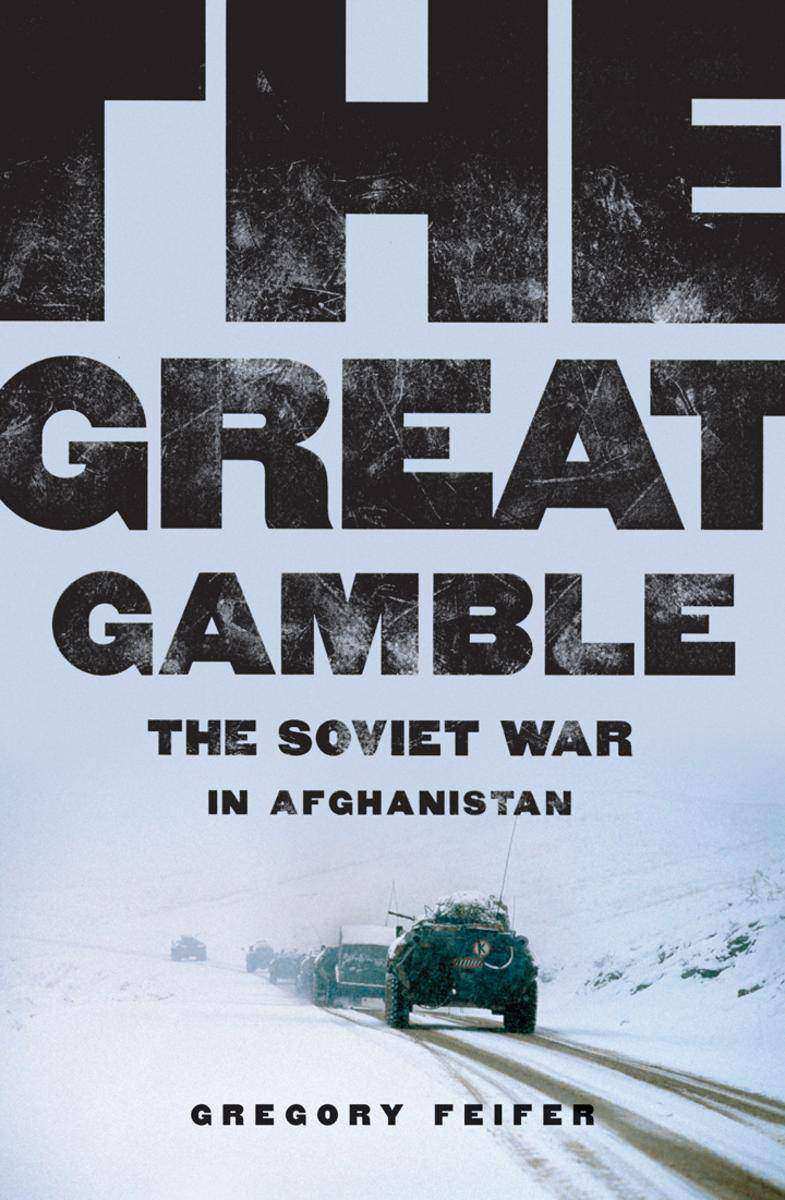
The Great Gamble
¥95.11
The Soviet war in Afghanistan was a grueling debacle that has striking lessons for the twenty-first century. In The Great Gamble , Gregory Feifer examines the conflict from the perspective of the soldiers on the ground. In gripping detail, he vividly depicts the invasion of a volatile country that no power has ever successfully conquered. A riveting account as seen through the eyes of the men who fought in the war, The Great Gamble tells an unforgettable story full of drama, action, and political intrigue whose relevance in our own time is greater than ever.
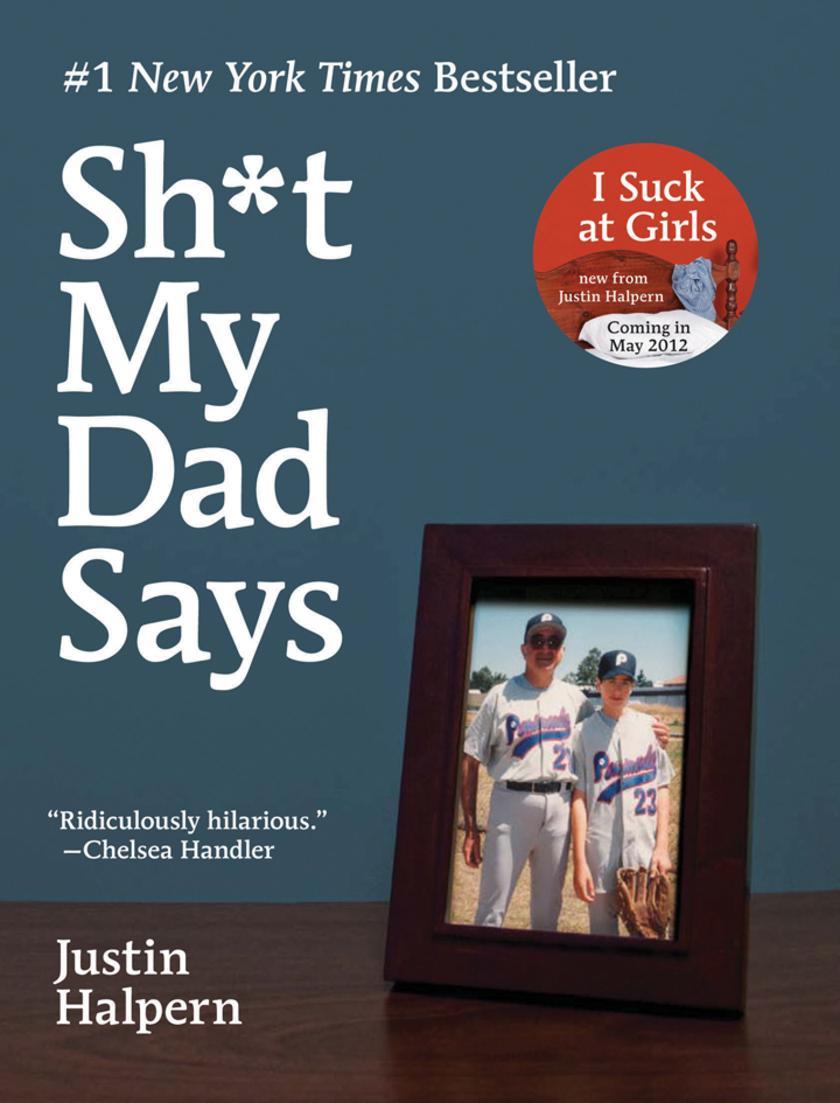
Sh t My Dad Says
¥95.11
After being dumped by his longtime girlfriend, twenty-eight-year-old Justin Halpern found himself living at home with his seventy-three-year-old dad. Sam Halpern, who is "like Socrates, but angrier, and with worse hair," has never minced words, and when Justin moved back home, he began to record all the ridiculous things his dad said to him: "That woman was sexy. . . . Out of your leagueSon, let women figure out why they won't screw you. Don't do it for them." "Do people your age know how to comb their hairIt looks like two squirrels crawled on their heads and started fucking." "The worst thing you can be is a liar. . . . Okay, fine, yes, the worst thing you can be is a Nazi, but then number two is liar. Nazi one, liar two." More than a million people now follow Mr. Halpern's philosophical musings on Twitter, and in this book, his son weaves a brilliantly funny, touching coming-of-age memoir around the best of his quotes. An all-American story that unfolds on the Little League field, in Denny's, during excruciating family road trips, and, most frequently, in the Halperns' kitchen over bowls of Grape-Nuts, Sh*t My Dad Says is a chaotic, hilarious, true portrait of a father-son relationship from a major new comic voice.

Dispatches from the Edge
¥88.56
Few people have witnessed more scenes of chaos and conflict around the world than Anderson Cooper, whose groundbreaking coverage on CNN has changed the way we watch the news. In this gripping, candid, and remarkably powerful memoir, he offers an unstinting, up-close view of the most harrowing crises of our time, and the profound impact they have had on his life. After growing up on Manhattan's Upper East Side, Cooper felt a magnetic pull toward the unknown, an attraction to the far corners of the earth. If he could keep moving, and keep exploring, he felt he could stay one step ahead of his past, including the fame surrounding his mother, Gloria Vanderbilt, and the tragic early deaths of his father and older brother. As a reporter, the frenetic pace of filing dispatches from war-torn countries, and the danger that came with it, helped him avoid having to look too closely at the pain and loss that was right in front of him. But recently, during the course of one extraordinary, tumultuous year, it became impossible for him to continue to separate his work from his life, his family's troubled history from the suffering people he met all over the world. From the tsunami in Sri Lanka to the war in Iraq to the starvation in Niger and ultimately to Hurricane Katrina in New Orleans and Mississippi, Cooper gives us a firsthand glimpse of the devastation that takes place, both physically and emotionally, when the normal order of things is violently ruptured on such a massive scale. Cooper had been in his share of life-threatening situations before -- ducking fire on the streets of war-torn Sarejevo, traveling on his own to famine-stricken Somalia, witnessing firsthand the genocide in Rwanda -- but he had never seen human misery quite like this. Writing with vivid memories of his childhood and early career as a roving correspondent, Cooper reveals for the first time how deeply affected he has been by the wars, disasters, and tragedies he has witnessed, and why he continues to be drawn to some of the most perilous places on earth. Striking, heartfelt, and utterly engrossing, Dispatches from the Edge is an unforgettable memoir that takes us behind the scenes of the cataclysmic events of our age and allows us to see them through the eyes of one of America's most trusted, fearless, and pioneering reporters.
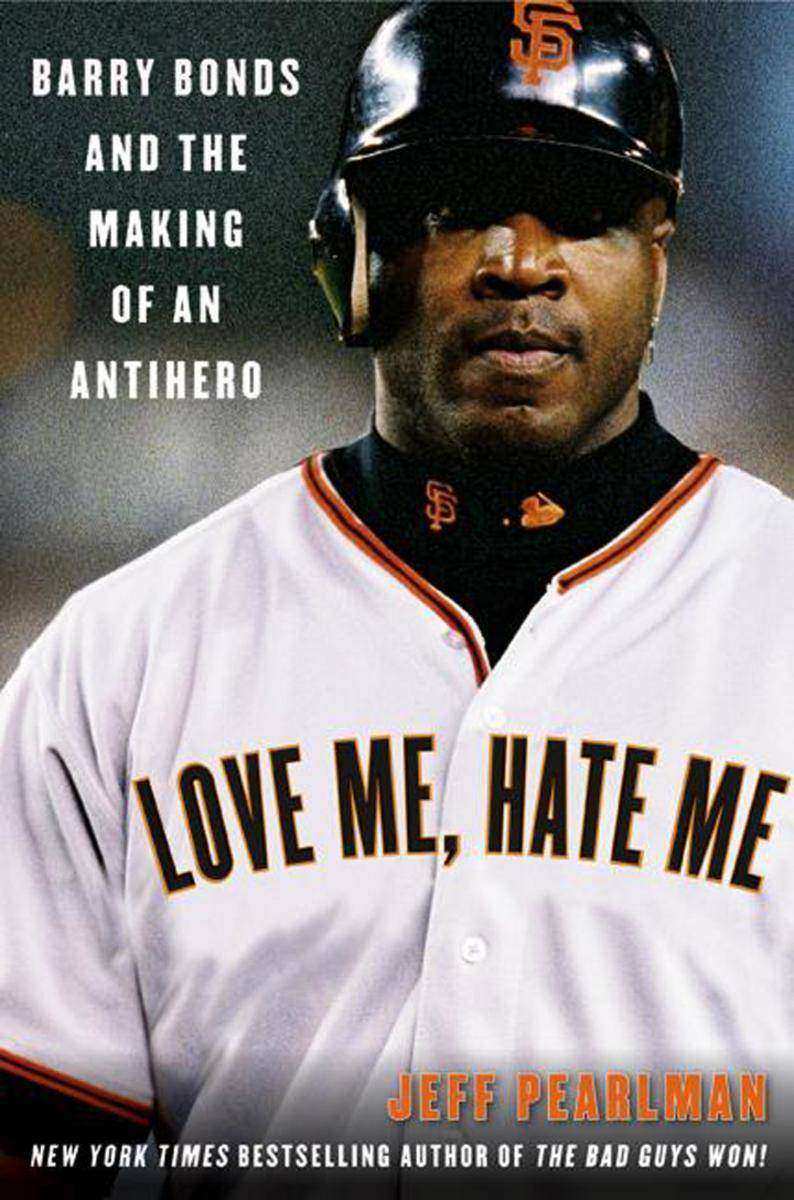
Love Me, Hate Me
¥83.03
No player in the history of baseball has left such an indelible mark on the game as San Francisco Giants outfielder Barry Bonds. In his twenty-year career, Bonds has amassed an unprecedented seven MVP awards, eight Gold Gloves, and more than seven hundred home runs, an impressive assortment of feats that has earned him consideration as one of the greatest players the game has ever seen. Equally deserved, however, is his reputation as an insufferable braggart, whose mythical home runs are rivaled only by his legendary ego. From his staggering ability and fabled pedigree (father Bobby played outfield for the Giants; cousin Reggie Jackson and godfather Willie Mays are both Hall of Famers) to his well-documented run-ins with teammates and the persistent allegations of steroid use, Bonds inspires a like amount of passion from both sides of the fence. For many, Bonds belongs beside Babe Ruth and Hank Aaron in baseball's holy trinity; for others, he embodies all that is wrong with the modern athlete: aloof; arrogant; alienated.In Love Me, Hate Me , author Jeff Pearlman offers a searing and insightful look into one of the most divisive athletes of our time. Drawing on more than five hundred interviews -- with former and current teammates, opponents, managers, trainers, friends, and outspoken critics and unapologetic supporters alike -- Pearlman reveals, for the first time, a wonderfully nuanced portrait of a prodigiously talented and immensely flawed American icon whose controversial run at baseball immortality forever changed the way we look at our sports heroes.
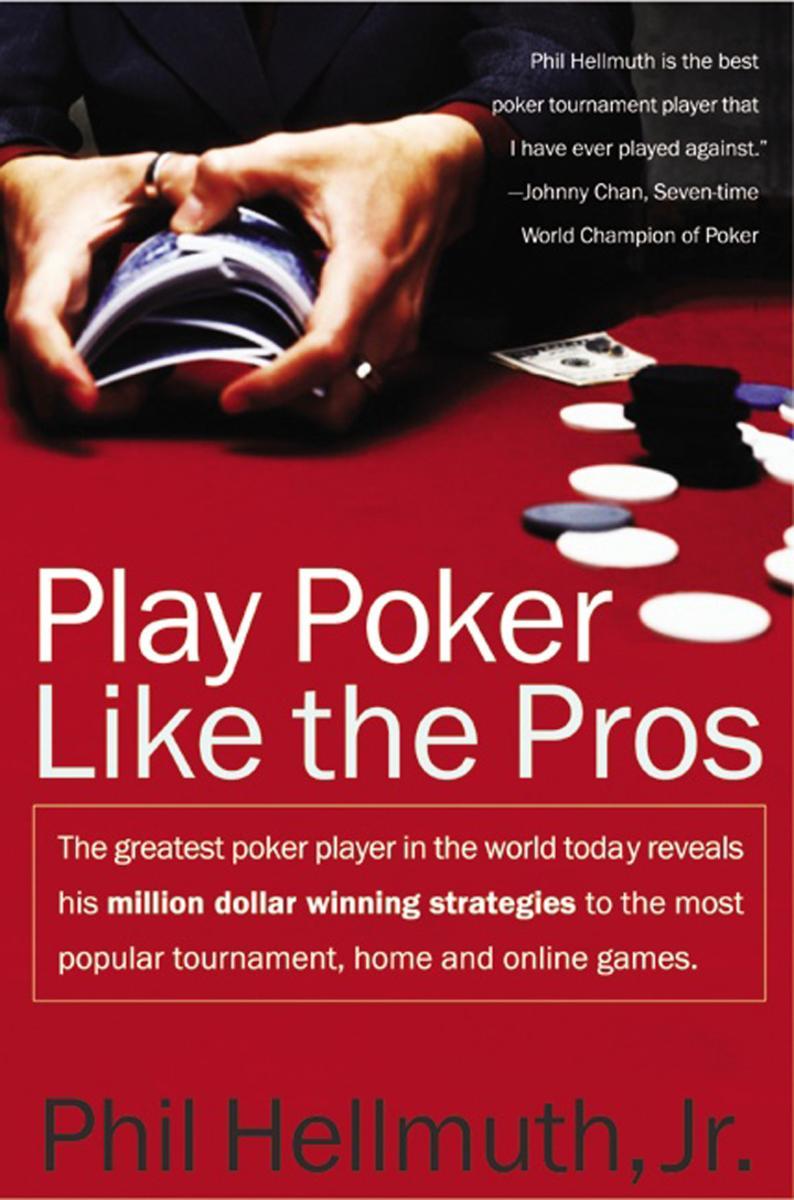
Play Poker Like the Pros
¥88.56
In Play Poker Like the Pros , poker master Phil Hellmuth, Jr., demonstrates exactly how to play and win -- even if you have never picked up a deck of cards -- the modern games of poker, including: Texas Hold'em, Omaha, Seven-Card Stud, and Razz. Phil Hellmuth, Jr., a seven-time World Champion of Poker, presents his tournament-tested strategies to beat any type of player, including: The Jackal (crazy and unpredictable) The Elephant (plays too many hands) The Mouse (plays very conservatively) The Lion (skilled and tough to beat) Play Poker Like the Pros begins by laying out the rules and set-up of each game and then moves on to easy-to-follow basic and advanced strategies. Hellmuth teaches exactly which hands to play, when to bluff, when to raise, and when to fold. In addition Hellmuth provides techniques for reading other players and staying cool under pressure. There are also special chapters on how to beat online poker games and an inside look at tournament play.
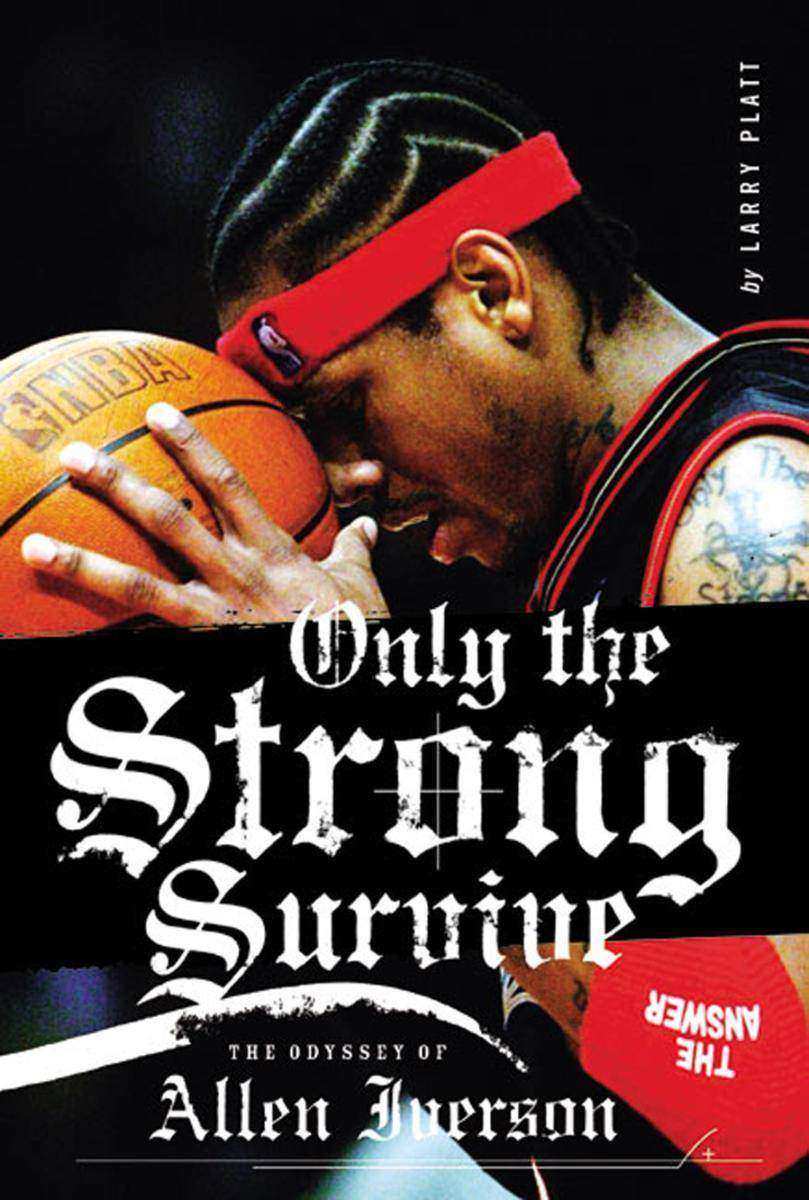
Only the Strong Survive
¥83.03
Part sports star, part antihero, part hip-hop icon, Allen Iverson has managed to cross over into the mainstream of American culture -- without compromise. Defiantly tattooed, with his hair in cornrows, the six-foot Philadelphia 76ers point guard is one of the most recognizable and controversial stars of the sports world. His meteoric rise from a troubled childhood in the ghetto to NBA superstardom has been marked by five straight playoff appearances, including a finals berth in 2001 and an MVP award. From his rap sheet to his rap album, fans and journalists alike hound his every move. But never before has a biographer presented a full portrait of this complicated and intensely private star -- a man whose loyalty to his family, the streets, and his friends trumps any other concern. Filled with exclusive interview material and unprecedented access to many of Iverson's inner circle, Only the Strong Survive is the first in-depth look at the truth behind this newly minted legend.

When Strangers Marry
¥56.07
Lysette buried her face against Max's throat. "But he's going to take me away. Don't let him, don't -- " "You're not going anywhere," Max interrupted. "Calm yourself, Lysette. It's not good for you to become excited." His possessiveness made her strangely giddy. As far as he was concerned, she was his, and no one was going to take her away from him. Max stared at Etienne. His voice was soft, but it contained a note that chilled Lysette's blood. "If you so much as disarrange a hair on her head, I'll tear you apart." Lysette couldn't believe it, but she didn't care about her ruined reputation. The only thing that mattered was that she wouldn't have to marry Etienne.
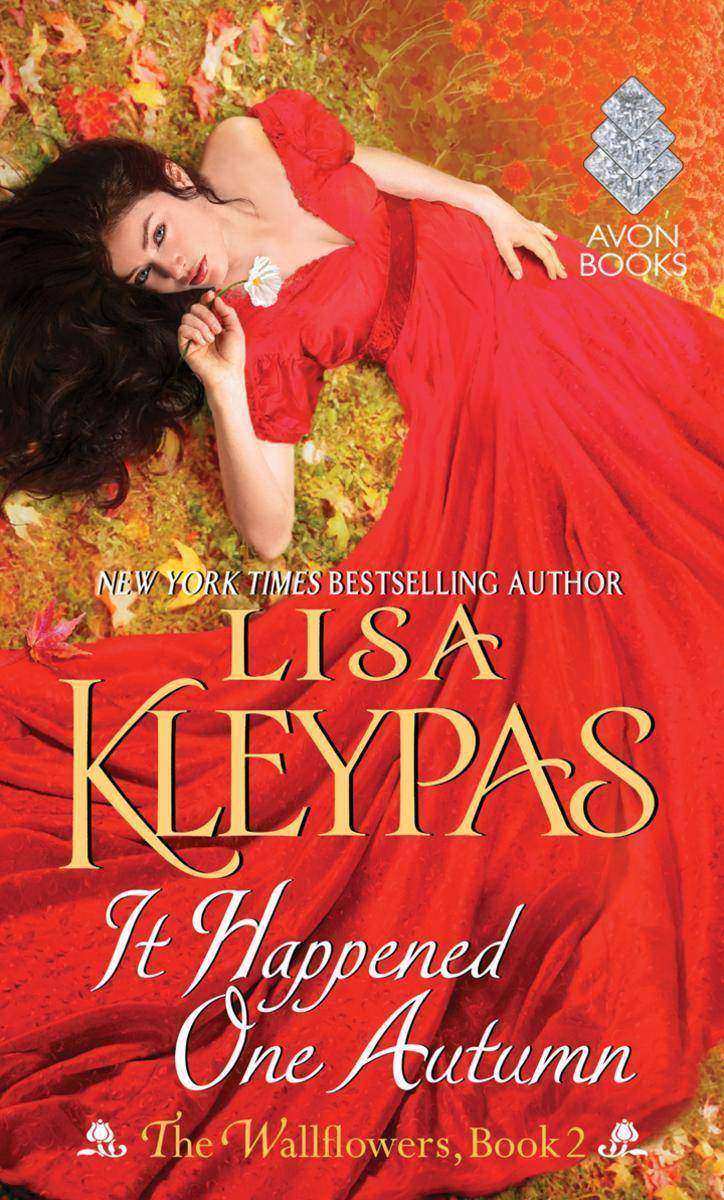
It Happened One Autumn
¥42.03
Four young ladies enter London society with one necessary goal:they must use their feminine wit and wiles to find a husband. So they band together, and a daring husband-hunting scheme is born. It Happened at the Ball... Where beautiful but bold Lillian Bowman quickly learned that her independent American ways weren't entirely "the thing." And the most disapproving of all was insufferable, snobbish, and impossible Marcus, Lord Westcliff, London's most eligible aristocrat. It Happened in the Garden; When Marcus shockingly -- and dangerously swept her into his arms. Lillian was overcome with a consuming passion for a man she didn't even like. Time stood still; it was as if no one else existed thank goodness they weren't caught very nearly in the act! It Happened One Autumn... Marcus was a man in charge of his own emotions, a bedrock of stability. But with Lillian, every touch was exquisite torture, every kiss an enticement for more. Yet how could he consider taking a woman so blatantly unsuitable as his bride?

Little Chapel on the River
¥88.56
Forced from her downtown Manhattan apartment by the terrorist attack of September 11, journalist Wendy Bounds was delivered to Guinan's doorstep -- a legendary Irish drinking hole and country store nestled along the banks of the Hudson River in the small town of Garrison, New York -- by a friend. Captivated by the bar's charismatic but ailing owner and his charming, motley clientele, Bounds uprooted herself permanently and moved to tiny Garrison, the picturesque river town they all call home. There she became one of the rare female regulars at the old pub and was quickly swept up into its rhythm, heartbeat, and grand history -- as related by Jim Guinan himself, the stubborn high priest of this little chapel. Surrounded by a crew of endearing, delightfully colorful characters who were now her neighbors and friends, she slowly finds her own way home. Beautifully written, deeply personal, and brilliantly insightful, Little Chapel on the River is a love story about a place -- and the people who bring it to life.

Desert Flower
¥83.03
Waris Dirie leads a double life -- by day, she is an international supermodel and human rights ambassador for the United Nations; by night, she dreams of the simplicity of life in her native Somalia and the family she was forced to leave behind. Desert Flower, her intimate and inspiring memoir, is a must-read for anyone who has ever wondered about the beauty of African life, the chaotic existence of a supermodel, or the joys of new motherhood.Waris was born into a traditional Somali family, desert nomads who engaged in such ancient and antiquated customs as genital mutilation and arranged marriage. At twelve, she fled an arranged marriage to an old man and traveled alone across the dangerous Somali desert to Mogadishu -- the first leg of an emotional journey that would take her to London as a house servant, around the world as a fashion model, and eventually to America, where she would find peace in motherhood and humanitarian work for the U.N.Today, as Special Ambassador for the U.N., she travels the world speaking out against the barbaric practice of female genital mutilation, promoting women's reproductive rights, and educating people about the Africa she fled -- but still deeply loves.Desert Flower will be published simultaneously in eleven languages throughout the world and is currently being produced as a feature film by Rocket Pictures UK.
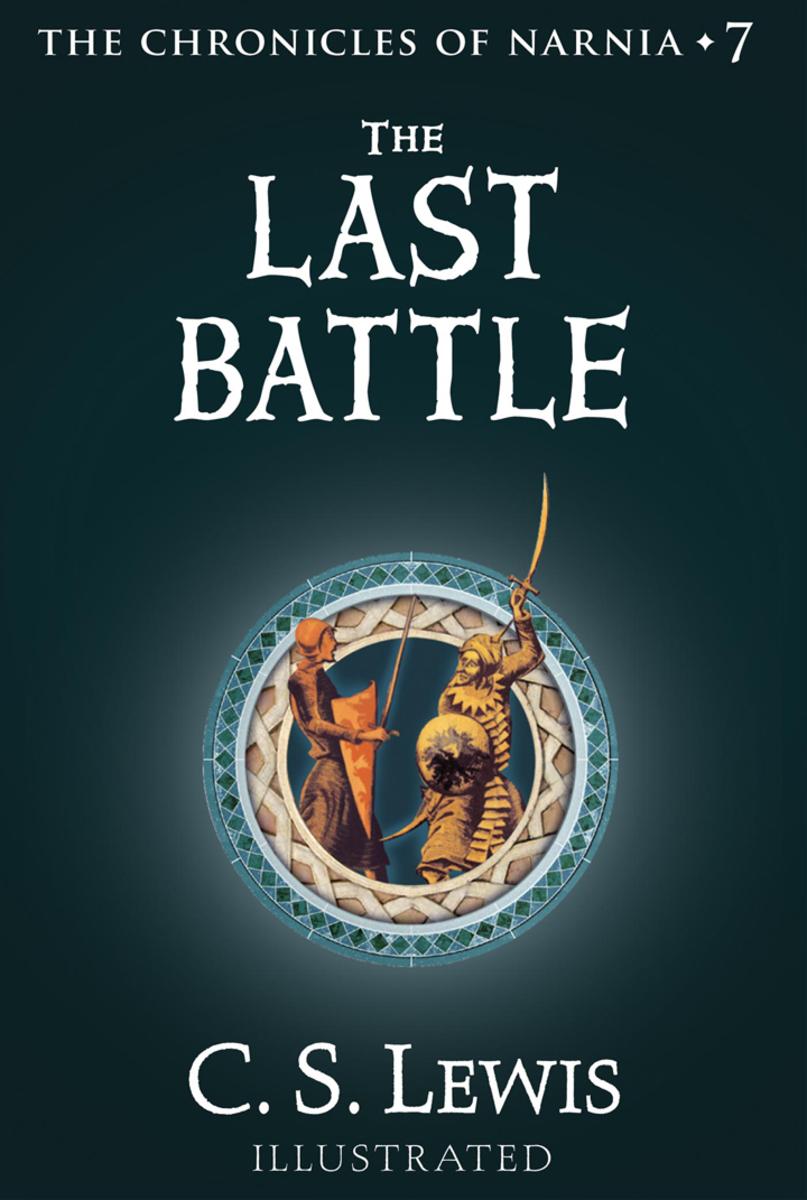
The Last Battle 纳尼亚传奇7(彩色插图版)
¥50.33
Illustrations in this ebook appear in vibrant full color on a full color ebook device, and in rich black and white on all other devices. Narnia . . . where lies breed fear . . . where loyalty is tested . . . where all hope seems lost During the last days of Narnia, the land faces its fiercest challenge not an invader from without but an enemy from within. Lies and treachery have taken root, and only the king and a small band of loyal followers can prevent the destruction of all they hold dear in this, the magnificent ending to The Chronicles of Narnia. The Last Battle is the seventh and final book in C.S. Lewis The Chronicles of Narnia, a series that has become part of the canon of classic literature, drawing readers of all ages into a magical land with unforgettable characters for over fifty years. A complete stand-alone read, but if you want to relive the adventures and find out how it began, pick up The Magician Nephew , the first book in The Chronicles of Narnia.
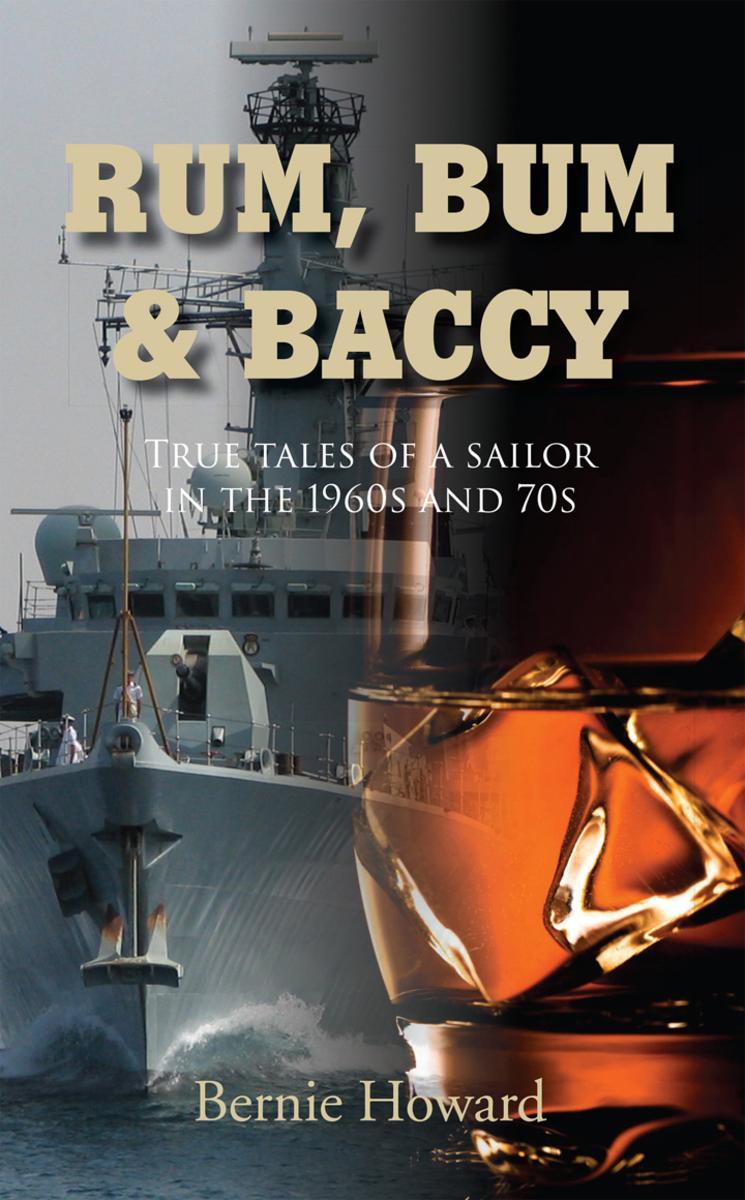
Rum Bum and Baccy
¥24.44
From being chased along a beach by a pack of wolves in Mombasa to being told to get lost by film star Jack Palance, Bernie Howard’s mates loved hearing his stories about his time in the Navy so much that he decided to put them all in a book. Rum, Bum and Baccy is a collection of short stories about Bernie’s life as a sailor in the Royal and Merchant navies in the 1960s and 1970s, beginning with his training at HMS Ganges in Ipswich as a 15-year-old in 1962. “Nobody in my family or anyone I knew had been in the Navy, but for some reason I just always wanted to go to sea,” says Bernie, who ran the Cavendish Stores on Cavendish Road in Highams Park after he left the navy, from 1977 to 1983. “I wanted to travel, to see different parts of the world. It was the adventure of it, I suppose.” As a schoolboy in Swaffham in Norfolk, Bernie and his classmates would be visited by prospective employers from the likes of the fishing fleet and the Merchant Navy, but when someone from the Royal Navy came, he was sold. Bernie stayed in the Royal Navy until 1971, when he joined the Merchant Navy, working for Shell, and sailing on some of the biggest super tankers in the world. “The comradeship was great in the Royal Navy,” remembers Bernie, 67, who now lives in Peterborough, “but you lived in such tight conditions, there’d be 36 of us living in a very small room. In the Merchant Navy, you got your own cabin, you had your own toilet and shower, there were gymnasiums and television rooms on the ship – luxury compared to the Royal Navy! And the food was fantastic as well, some of the best food I’ve ever had.
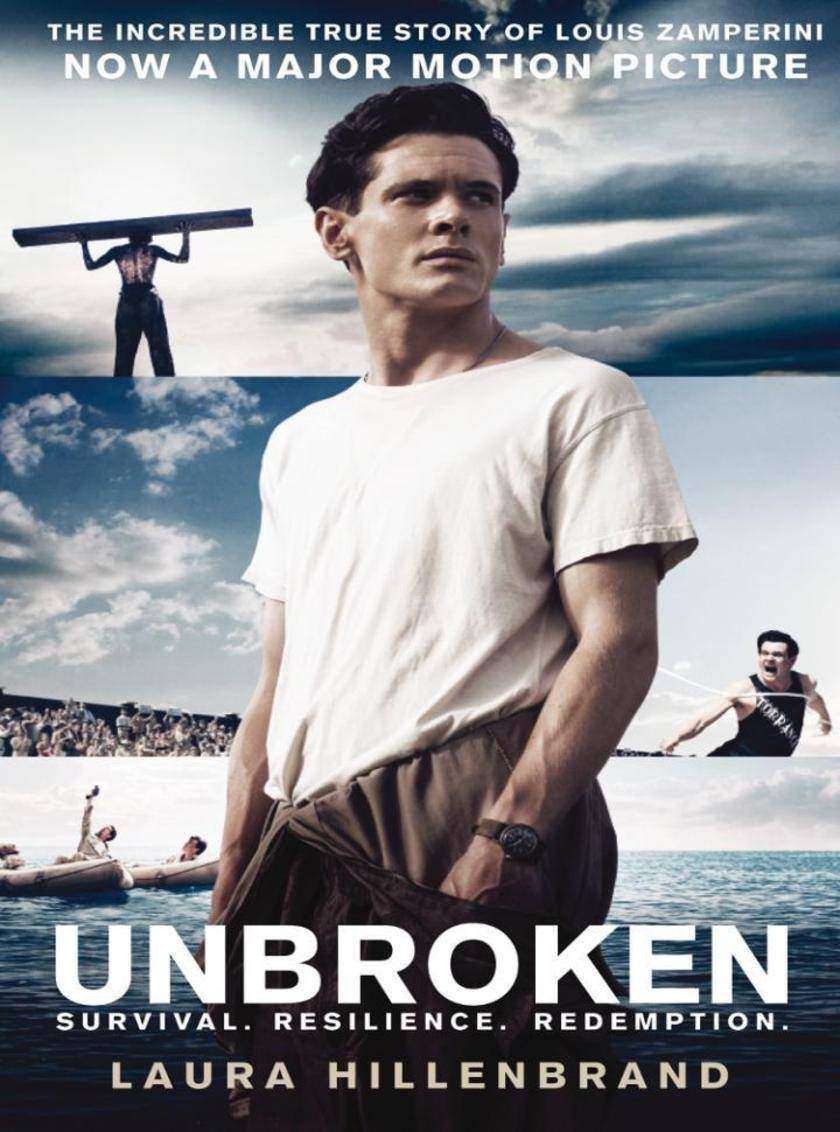
Unbroken
¥66.22
The incredible true story of Louis Zamperini, now a major motion picture directed by Angelina Jolie. THE INTERNATIONAL NUMBER ONE BESTSELLER In 1943 a bomber crashes into the Pacific Ocean. Against all odds, one young lieutenant survives. Louise Zamperini had already transformed himself from child delinquent to prodigious athlete, running in the Berlin Olympics. Now he must embark on one of the Second World War’s most extraordinary odysseys. Zamperini faces thousands of miles of open ocean on a failing raft. Beyond like only greater trials, in Japan’s prisoner-of-war camps. Driven to the limits of endurance, Zamperini’s destiny, whether triumph or tragedy, depends on the strength of his will … Now a major motion picture, directed by Angelina Jolie and starring Jack O’ Connell.
The Golden Age of Murder
¥81.03
Winner of the 2016 EDGAR, AGATHA, MACAVITY and H.R.F.KEATING crime writing awards, this real-life detective story investigates how Agatha Christie and colleagues in a mysterious literary club transformed crime fiction. Detective stories of the Twenties and Thirties have long been stereotyped as cosily conventional. Nothing could be further from the truth. The Golden Age of Murder tells for the first time the extraordinary story of British detective fiction between the two World Wars. A gripping real-life detective story, it investigates how Dorothy L. Sayers, Anthony Berkeley, Agatha Christie and their colleagues in the mysterious Detection Club transformed crime fiction. Their work cast new light on unsolved murders whilst hiding clues to their authors’ darkest secrets, and their complex and sometimes bizarre private lives. Crime novelist and current Detection Club President Martin Edwards rewrites the history of crime fiction with unique authority, transforming our understanding of detective stories, and the brilliant but tormented men and women who wrote them.
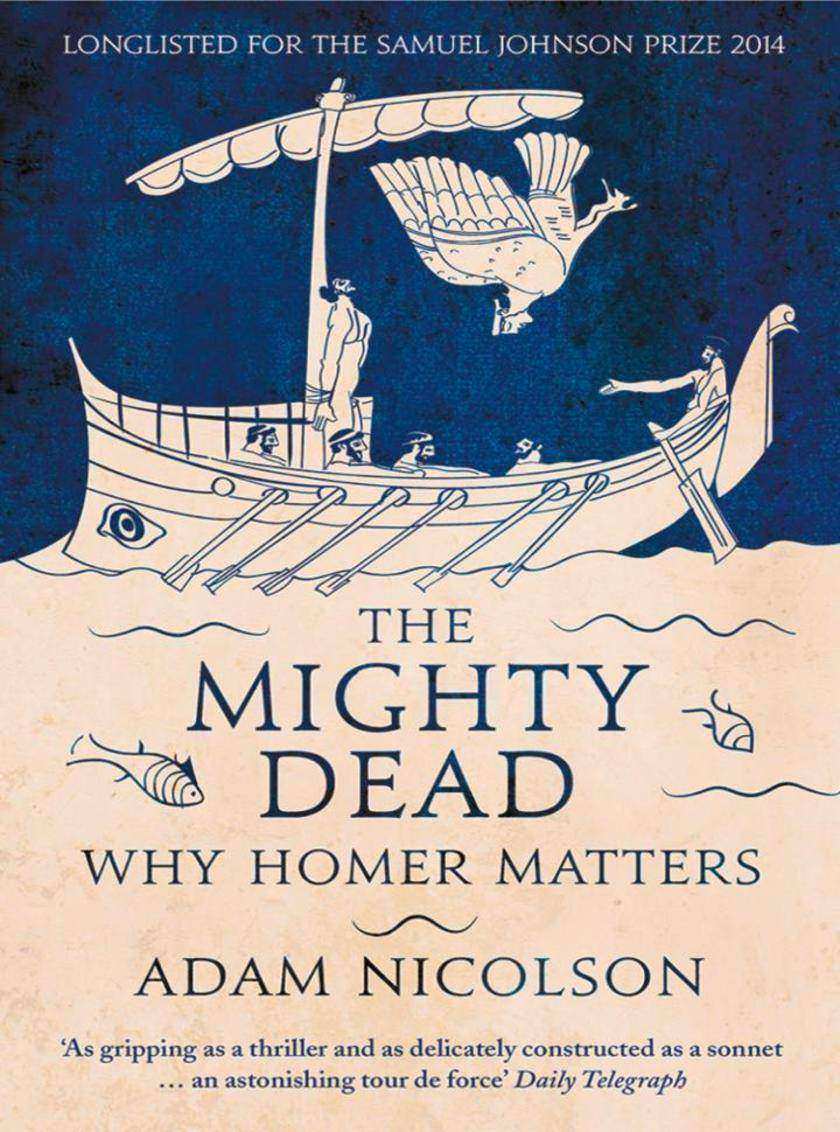
The Mighty Dead: Why Homer Matters
¥73.58
Where does Homer come from And why does Homer matter His epic poems of war and suffering can still speak to us of the role of destiny in life, of cruelty, of humanity and its frailty, but why they do is a mystery. How can we be so intimate with something so distant In this passionate and deeply personal book, Adam Nicolson sets out to explain why these great ancient poems still have so much to say about what it is to be human, to love, lose, grow old and die. ‘The Mighty Dead’ is a journey of history and discovery, sewn together by the oldest stories we have – the Iliad and the Odyssey, which emerged from a time before the Greeks became Greek. As nomadic tribes of the northern steppe, they clashed with the sophisticated cities of the eastern Mediterranean. These poems tell us how we became who we are. We witness a disputatious dinner in 19th-century Paris and Keats finding in Chapman’s Homer the inspiration to travel in the ‘realms of gold’. We go to Bosnia in the 1930s, with the god of Homer studies Milman Parry where oral poetry still thrived; to Spain to visit the possible site of Hades; to Troy, Ukraine, Syria and the islands of the Mediterranean; and to that most ancient of modern experiences, the open sea, in calm and storm. Reflecting on fathers and sons, men and women, on the necessity for love and the violence of warriors, on peace and war, youth and old-age, Homer is the deep voice of Europe, as dark as Mavrodaphne and as glowingly alive as anything that has ever been.
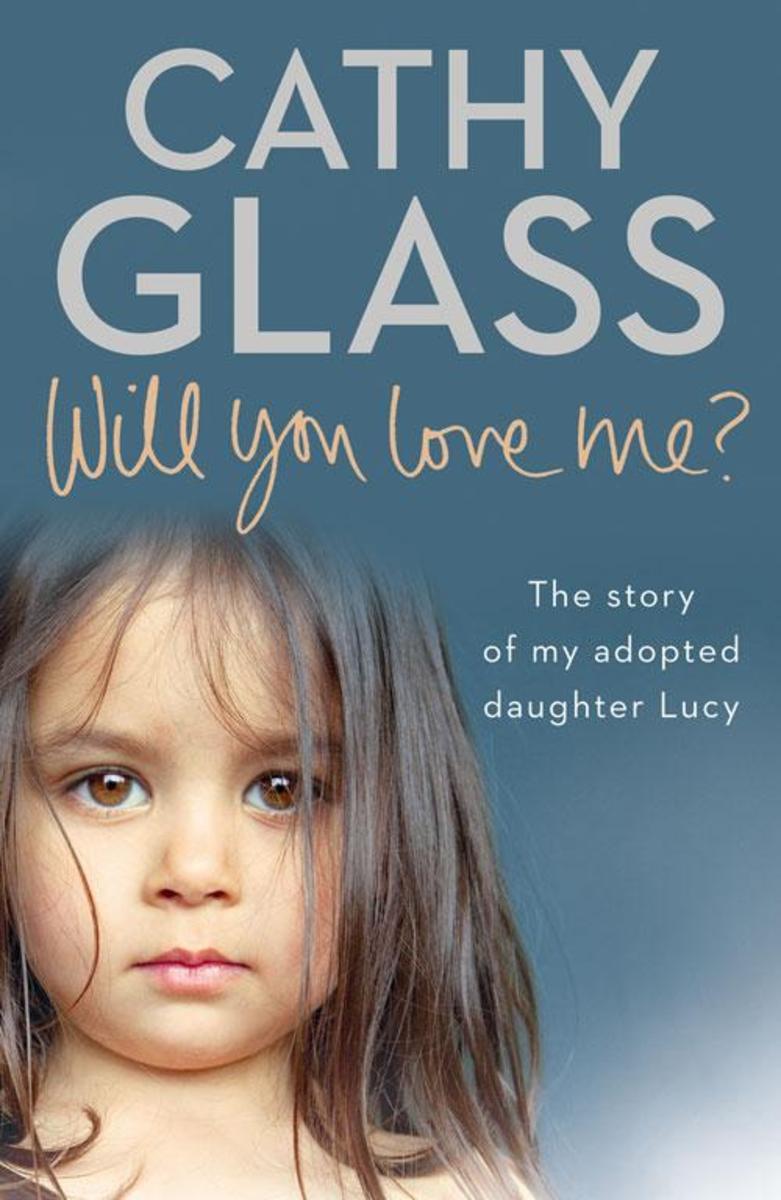
Will You Love Me?: The story of my adopted daughter Lucy
¥61.51
The eleventh memoir and latest title from the internationally bestselling author and foster carer Cathy Glass. This book tells the true story of Cathy’s adopted daughter Lucy. Lucy was born to a single mother who had been abused and neglected for most of her own childhood. Right from the beginning Lucy’s mother couldn’t cope, but it wasn’t until Lucy reached eight years old that she was finally taken into permanent foster care. By the time Lucy is brought to live with Cathy she is eleven years old and severely distressed after being moved from one foster home to another. Withdrawn, refusing to eat and three years behind in her schooling, it is thought that the damage Lucy has suffered is irreversible. But Cathy and her two children bond with Lucy quickly, and break through to Lucy in a way no-one else has been able to, finally showing her the loving home she never believed existed. Cathy and Lucy believe they were always destined to be mother and daughter – it just took them a little while to find each other.
Frankie: The Autobiography of Frankie Dettori
¥63.77
Irresistible to the punters, champion jockey Frankie Dettori is a charismatic personality with an easy charm and immaculate dress sense that make him an instant favourite on the track and a household name off it. His autobiography has been fully updated to include Frankie’s record-breaking racing exploits in 2004. In his own words, Frankie Dettori charts his rise from stable lad to champion jockey, revealing the endless hours of hard work, the fun along the way, and his determination to succeed against the odds. Frankie relives his nine Classic winners in the UK and talks about his notable victories at the St Leger, The Breeder’s Cup Mile, the Arc de Triomphe, the Queen Elizabeth II Stakes, and, memorably, his seven winners on the same card at Ascot in 1996. He also shares the secrets of his successful partnerships with trainers like Luca Cumani and John Gosden, and owners such as Sheikh Mohammed of the Goldolphin organisation. This is also a human interest story. Frankie talks openly about using drugs to keep his weight down, his celebrity role as team captain on ‘A Question of Sport’, his rich and varied lifestyle outside of racing, including his family and inner circle, and of the moment when he almost lost his life following a plane crash. Controversial, informative and hugely entertaining, Frankie Dettori’s life story will appeal to the millions of people who follow the sport as well as those intrigued to know more about one of the greatest talents that horse-racing has ever seen.
The Lost Babes: Manchester United and the Forgotten Victims of Munich
¥88.39
Manchester United and the Forgotten Victims of Munich A moving story of how a legendary football team was lost to tragedy - and how this disaster irrevocably altered the lives of the survivors and the bereaved families, and ultimately brought shame on the biggest football club in the world. The Manchester United team Matt Busby had built in the fifties from the club's successful youth policy seemed destined to dominate football for many years. Such was the power of the 'Busby Babes' that they seemed invincible. The average age of the side which won the Championship in 1955-56 was just 22, the youngest ever to achieve such a feat. A year later, when they were Champions again, nothing, it seemed, would prevent this gifted young team from reigning for the next decade. But then came 6 February 1958, the day that eight Manchester United players died on a German airfield in the 'Munich Air Disaster' - a date to be forever etched in the annals of sporting tragedy. Duncan Edwards, Eddie Colman, Tommy Taylor, Roger Byrne...the names were already enshrined in legend before the air crash, but Munich in many ways earned them immortality. They have never grown old. Jeff Connor traces the rise of the greatest Manchester United side of all time, alongside a vibrant portrait of England in the 1950s, but he also paints a dark picture of a club that enriched itself on the myth of Munich while neglecting the families of the dead and the surviving players. The repercussions and the toll the disaster took on so many linger to the present day. Drawing on extensive interviews with the Munich victims and players of that era, The Lost Babes is the definitive account of British football's golden age, a poignant story of the protracted effects of loss and a remorseless dissection of the how the richest football club in the world turned its back on its own players and their families.
You’ll Miss Me When I’m Gone: The life and work of Eric Morecambe
¥147.35
To mark the 25th anniversary of Eric Morecambe’s death, You’ll Miss Me When I’m Gone is the first book to cover Eric’s whole life and untimely death, including unseen family photographs and new insights by Eric’s son Gary Morecambe. Published in the 25th anniversary year of Eric Morecambe’s death, You’ll Miss Me When I’m Gone is a celebration of Eric Morecambe’s life in words and previously unseen personal family photographs. Eric Morecambe and Ernie Wise are to this day still regarded as Britain’s most successful and best loved comedy duo, and their television shows from the 1970’s and 80’s are undoubtedly their finest work. For the first time, Eric Morecambe’s whole life, from his earliest days in his home-town of Morecambe right up to his death in Gloucestershire in 1984 are appraised by his son Gary. Included are photographs not seen by the family until recently – poignantly one of Eric at a friend’s wedding the day before he would collapse and die on stage. As the final and definitive book on Eric Morecambe,You’ll Miss Me features interviews with those who knew and loved Eric, including his wife Joan, Ronnie Corbett, Hamish McColl who wrote and starred in The Play What I Wrote and a foreword by Judi Dench. ’You’ll miss me when I’m gone’ was Eric’s oft repeated plaintive remark when he’d been annoying the Morecambe family with his gags.The irony is that, 25 years after his death, the viewing nation still misses Eric Morecambe.
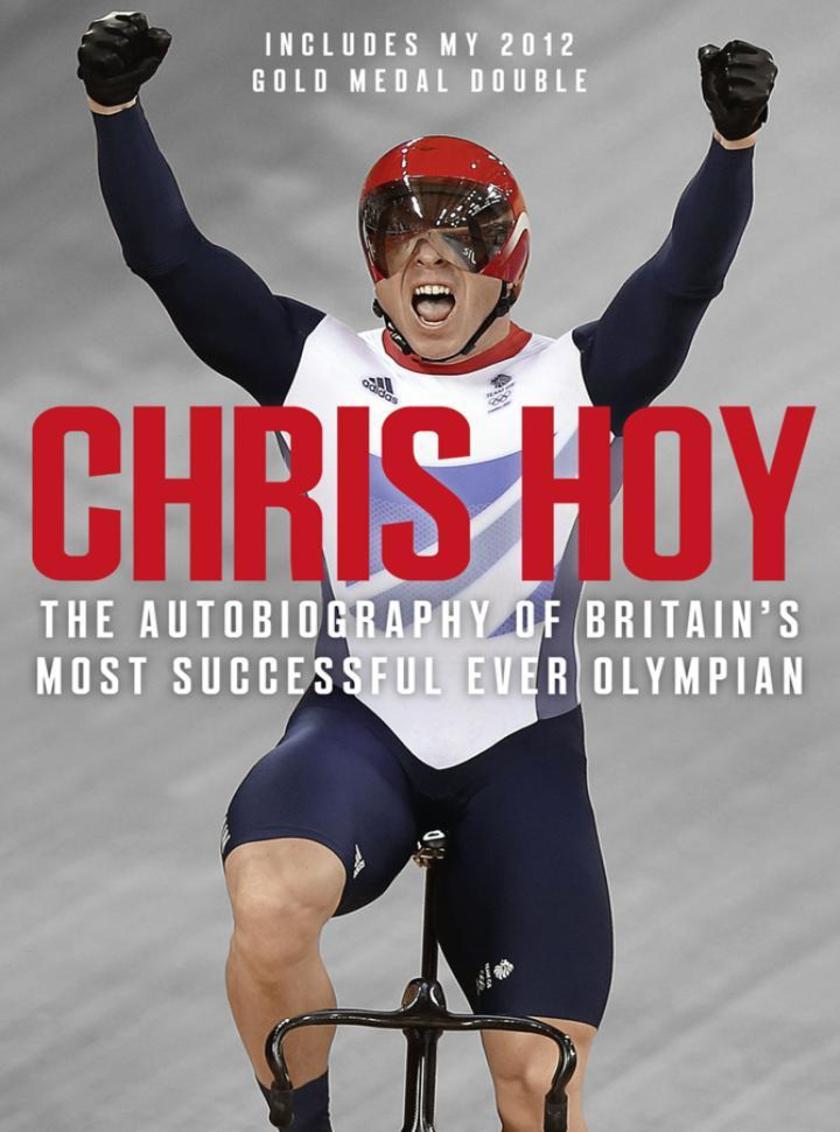
Chris Hoy: The Autobiography
¥68.67
Fully updated to include Sir Chris Hoy’s incredible, record-breaking golds at London 2012 (making him his country’s greatest ever Olympian), this is the story of a sporting legend in his own words. Fully updated to include Sir Chris Hoy’s incredible, record-breaking golds at London 2012 (making him his country’s greatest ever Olympian), this is the story of a sporting legend in his own words. This 33-year-old cycling fanatic from Murrayfield in the suburbs of Edinburgh defied the doubters who thought he would struggle when his specialist discipline, the 1km time trial, was dropped from the Olympics, and went on to reinvent himself as a track cycling sprinter and triple Olympic gold medallist in Beijing. His return to these shores sparked unprecedented celebrations and real admiration that here was a role model who was the epitome of all things that are good in sport. What makes a champion in sport? In his autobiography, Hoy returns to his roots as a child fully engaged with the BMX craze of the Eighties; when, even as a seven year old his will to succeed allied to an unyielding mental strength set him apart from other youngsters of his age. A promising rower and rugby player in school, it was when he joined his first local cycling club and spent most weekends of the year competing in national events from Blackpool to Bristol that the seeds of his future career were sown. With the devoted support of his family, Hoy drove himself to the pinnacle of his sport at the same time as British track cycling established itself as a pioneering force on the world stage. In the wake of his unparalleled achievements at London 2012, which filled the whole country with pride, there is no sporting icon better placed to demonstrate what it takes to reach the top than Chris Hoy.


