


 购物车
 个人中心

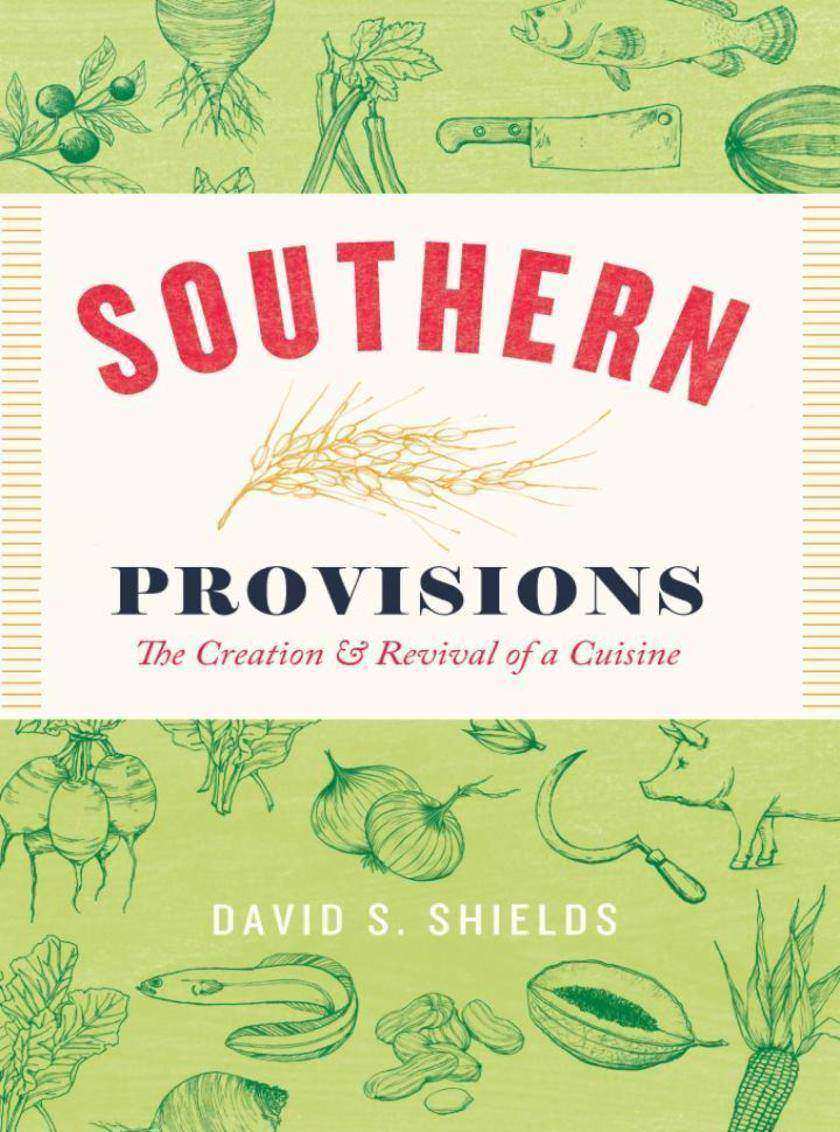
Southern Provisions
¥147.15
Southern food is America's quintessential cuisine. From creamy grits to simmering pots of beans and greens, we think we know how these classic foods should taste. Yet the southern food we eat today tastes almost nothing like the dishes our ancestors enjoyed because the varied crops and livestock that originally defined this cuisine have largely disappeared. Now, a growing movement of chefs and farmers is seeking to change that by recovering the rich flavor and diversity of southern food. At the center of that movement is historian David Shields, who has spent over a decade researching early American agricultural and cooking practices.In Southern Provisions, he reveals how the true ingredients of southern cooking have been all but forgotten and how the lessons of its current restoration and recultivation can be applied to other regional foodways.?Shields's turf is the southern Lowcountry, from the peanut patches of Wilmington, North Carolina to the sugar cane fields of the Georgia Sea Islands and the citrus groves of Amelia Island, Florida, and he takes us on an excursion to this region in order to offer a vivid history of southern foodways, drawing connections among plants, farms, growers, seed brokers, vendors, cooks, and consumers. Shields begins by looking at how professional chefs during the nineteenth century set standards of taste that elevated southern cooking to the level of cuisine. He then turns to the role of food markets in creating demand for ingredients and enabling conversation between producers and preparers. Next, his focus shifts to the field, showing how the key ingredients-rice, sugarcane, sorghum, benne, cottonseed, peanuts, and citrus-emerged and went on to play a significant role in commerce and consumption. Shields concludes with a look at the challenges of reclaiming both farming and cooking traditions.?From Carolina gold rice to white flint corn, the ingredients of authentic southern cooking are returning to fields and dinner plates, and with Shields as our guide, we can satisfy our hunger both for the most flavorful regional dishes and their history.
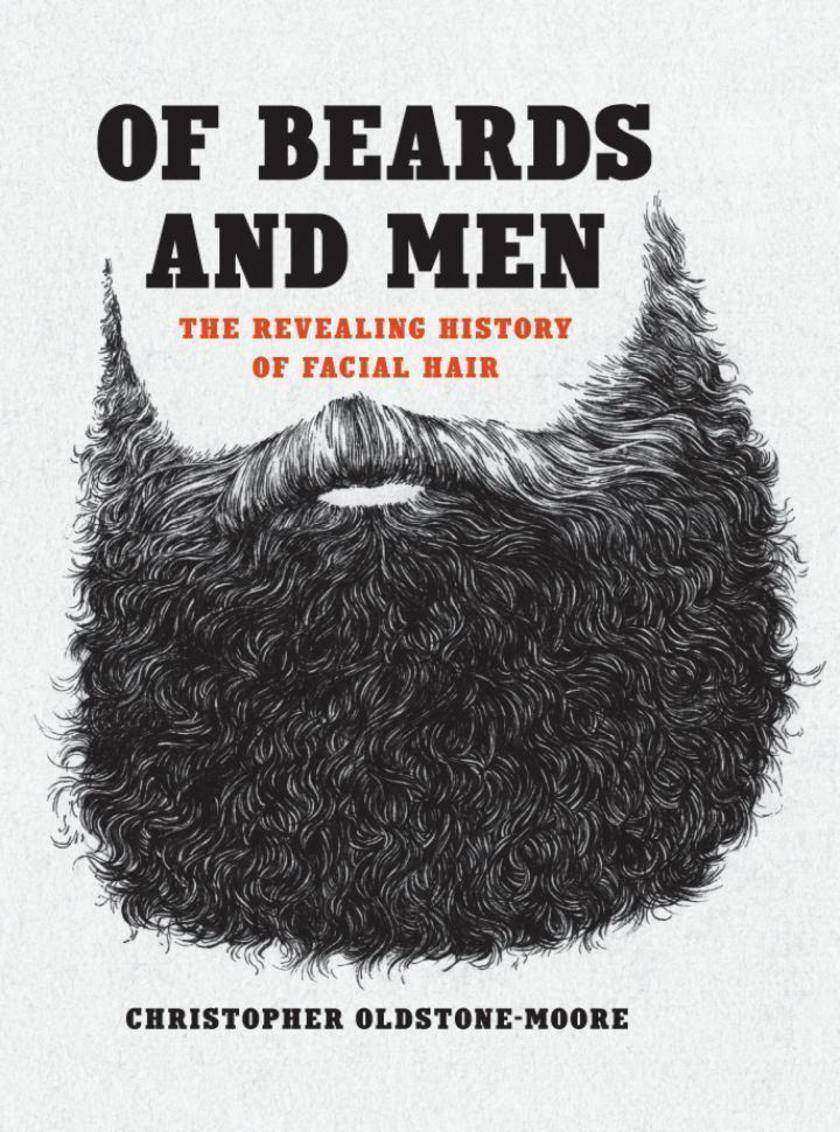
Of Beards and Men
¥147.15
Beards-they're all the rage these days. Take a look around: from hip urbanites to rustic outdoorsmen, well-groomed metrosexuals to post-season hockey players, facial hair is everywhere. The New York Times traces this hairy trend to Big Apple hipsters circa 2005 and reports that today some New Yorkers pay thousands of dollars for facial hair transplants to disguise patchy, juvenile beards. And in 2014, blogger Nicki Daniels excoriated bearded hipsters for turning a symbol of manliness and power into a flimsy fashion statement. The beard, she said, has turned into the padded bra of masculinity.Of Beards and Men makes the case that today's bearded renaissance is part of a centuries-long cycle in which facial hairstyles have varied in response to changing ideals of masculinity. Christopher Oldstone-Moore explains that the clean-shaven face has been the default style throughout Western history-see Alexander the Great's beardless face, for example, as the Greek heroic ideal. But the primacy of razors has been challenged over the years by four great bearded movements, beginning with Hadrian in the second century and stretching to today's bristled resurgence. The clean-shaven face today, Oldstone-Moore says, has come to signify a virtuous and sociable man, whereas the beard marks someone as self-reliant and unconventional. History, then, has established specific meanings for facial hair, which both inspire and constrain a man's choices in how he presents himself to the world.This fascinating and erudite history of facial hair cracks the masculine hair code, shedding light on the choices men make as they shape the hair on their faces. Oldstone-Moore adeptly lays to rest common misperceptions about beards and vividly illustrates the connection between grooming, identity, culture, and masculinity. To a surprising degree, we find, the history of men is written on their faces.

City Creatures
¥147.15
We usually think of cities as the domain of humans-but we are just one of thousands of species that call the urban landscape home. Chicago residents knowingly move among familiar creatures like squirrels, pigeons, and dogs, but might be surprised to learn about all the leafhoppers and water bears, black-crowned night herons and bison, beavers and massasauga rattlesnakes that are living alongside them. City Creatures introduces readers to an astonishing diversity of urban wildlife with a unique and accessible mix of essays, poetry, paintings, and photographs.The contributors bring a story-based approach to this urban safari, taking readers on birding expeditions to the Magic Hedge at Montrose Harbor on the North Side, canoe trips down the South Fork of the Chicago River (better known as Bubbly Creek), and insect-collecting forays or restoration work days in the suburban forest preserves.The book is organized into six sections, each highlighting one type of place in which people might encounter animals in the city and suburbs. For example, schoolyard chickens and warrior wasps populate "e;Backyard Diversity,"e; live giraffes loom at the zoo and taxidermy-in-progress pheasants fascinate museum-goers in "e;Animals on Display,"e; and a chorus of deep-freeze frogs awaits in "e;Water Worlds."e; Although the book is rooted in Chicago's landscape, nature lovers from cities around the globe will find a wealth of urban animal encounters that will open their senses to a new world that has been there all along. Its powerful combination of insightful narratives, numinous poetry, and full-color art throughout will help readers see the city-and the creatures who share it with us-in an entirely new light.
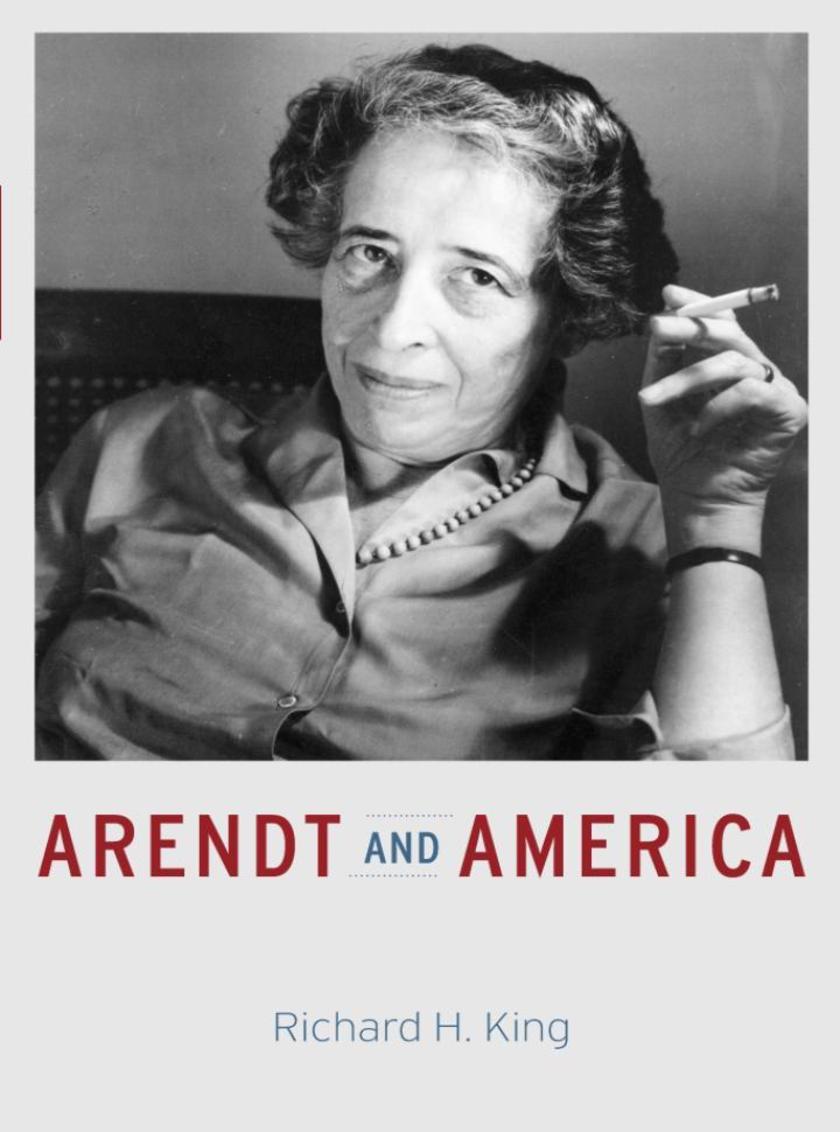
Arendt and America
¥170.69
German-Jewish political philosopher Hannah Arendt (1906-75) fled from the Nazis to New York in 1941, and during the next thirty years in America she wrote her best-known and most influential works, such as The Human Condition, The Origins of Totalitarianism, and On Revolution. Yet, despite the fact that a substantial portion of her oeuvre was written in America, not Europe, no one has directly considered the influence of America on her thought-until now. In Arendt and America, historian Richard H. King argues that while all of Arendt's work was haunted by her experience of totalitarianism, it was only in her adopted homeland that she was able to formulate the idea of the modern republic as an alternative to totalitarian rule.?Situating Arendt within the context of U.S. intellectual, political, and social history, King reveals how Arendt developed a fascination with the political thought of the Founding Fathers. King also re-creates her intellectual exchanges with American friends and colleagues, such as Dwight Macdonald and Mary McCarthy, and shows how her lively correspondence with sociologist David Riesman helped her understand modern American culture and society. In the last section of Arendt and America, King sets out the context in which the Eichmann controversy took place and follows the debate about "e;the banality of evil"e; that has continued ever since. ?As King shows, Arendt's work, regardless of focus, was shaped by postwar American thought, culture, and politics, including the Civil Rights Movement and the Cold War.For Arendt, the United States was much more than a refuge from Nazi Germany; it was a stimulus to rethink the political, ethical, and historical traditions of human culture. This authoritative combination of intellectual history and biography offers a unique approach for thinking about the influence of America on Arendt's ideas and also the effect of her ideas on American thought.
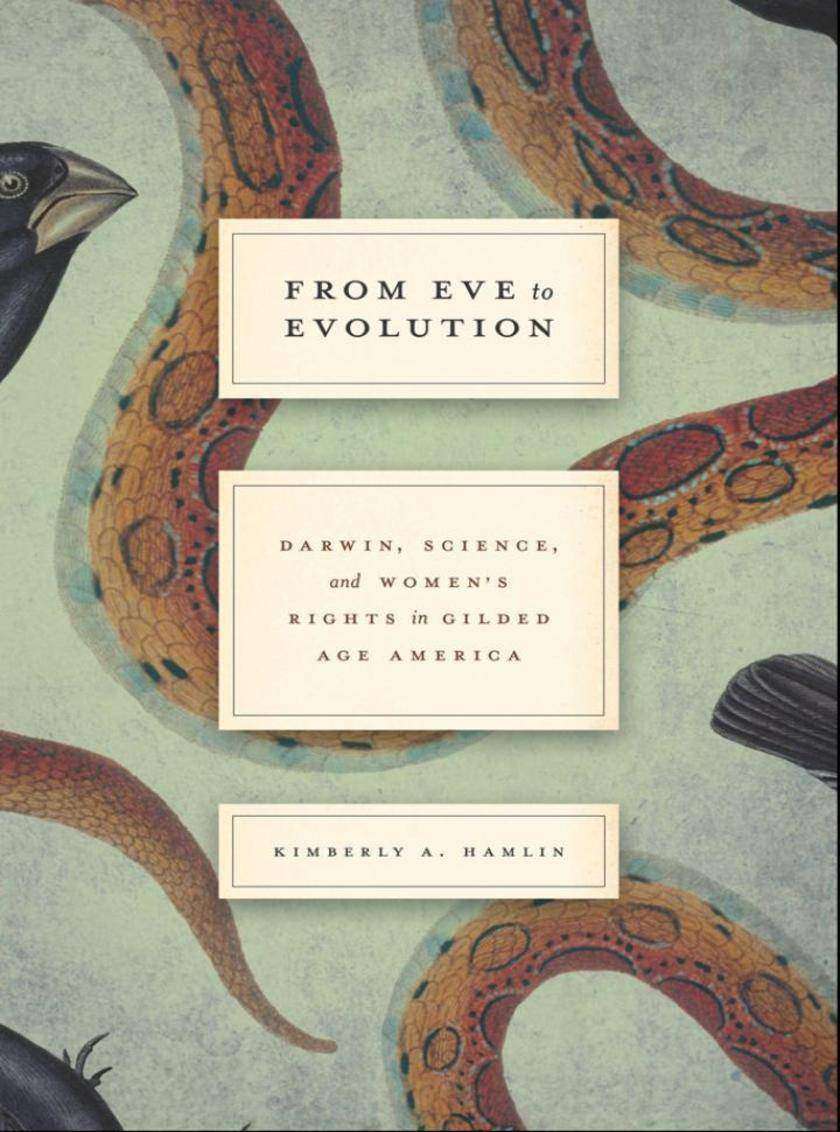
From Eve to Evolution
¥200.12
From Eve to Evolution provides the first full-length study of American women's responses to evolutionary theory and illuminates the role science played in the nineteenth-century women's rights movement. Kimberly A. Hamlin reveals how a number of nineteenth-century women, raised on the idea that Eve's sin forever fixed women's subordinate status, embraced Darwinian evolution-especially sexual selection theory as explained in The Descent of Man-as an alternative to the creation story in Genesis.?Hamlin chronicles the lives and writings of the women who combined their enthusiasm for evolutionary science with their commitment to women's rights, including Antoinette Brown Blackwell, Eliza Burt Gamble, Helen Hamilton Gardener, Charlotte Perkins Gilman, and Elizabeth Cady Stanton. These Darwinian feminists believed evolutionary science proved that women were not inferior to men, that it was natural for mothers to work outside the home, and that women should control reproduction. The practical applications of this evolutionary feminism came to fruition, Hamlin shows, in the early thinking and writing of the American birth control pioneer Margaret Sanger.Much scholarship has been dedicated to analyzing what Darwin and other male evolutionists had to say about women, but very little has been written regarding what women themselves had to say about evolution. From Eve to Evolution adds much-needed female voices to the vast literature on Darwin in America.
Other Americans in Paris
¥200.12
While Gertrude Stein hosted the literati of the Left Bank, Mrs. Bates-Batcheller, an American socialite and concert singer in Paris, held sumptuous receptions for the Daughters of the American Revolution in her suburban villa. History may remember the American artists, writers, and musicians of the Left Bank best, but the reality is that there were many more American businessmen, socialites, manufacturers' representatives, and lawyers living on the other side of the River Seine.Be they newly minted American countesses married to foreigners with impressive titles or American soldiers who had settled in France after World War I with their French wives, they provide a new view of the notion of expatriates.Nancy L. Green thus introduces us for the first time to a long-forgotten part of the American overseas population-predecessors to today's expats-while exploring the politics of citizenship and the business relationships, love lives, and wealth (and poverty for some) of Americans who staked their claim to the City of Light. The Other Americans in Paris shows that elite migration is a part of migration tout court and that debates over "e;Americanization"e; have deep roots in the twentieth century.
Androids in the Enlightenment
¥223.67
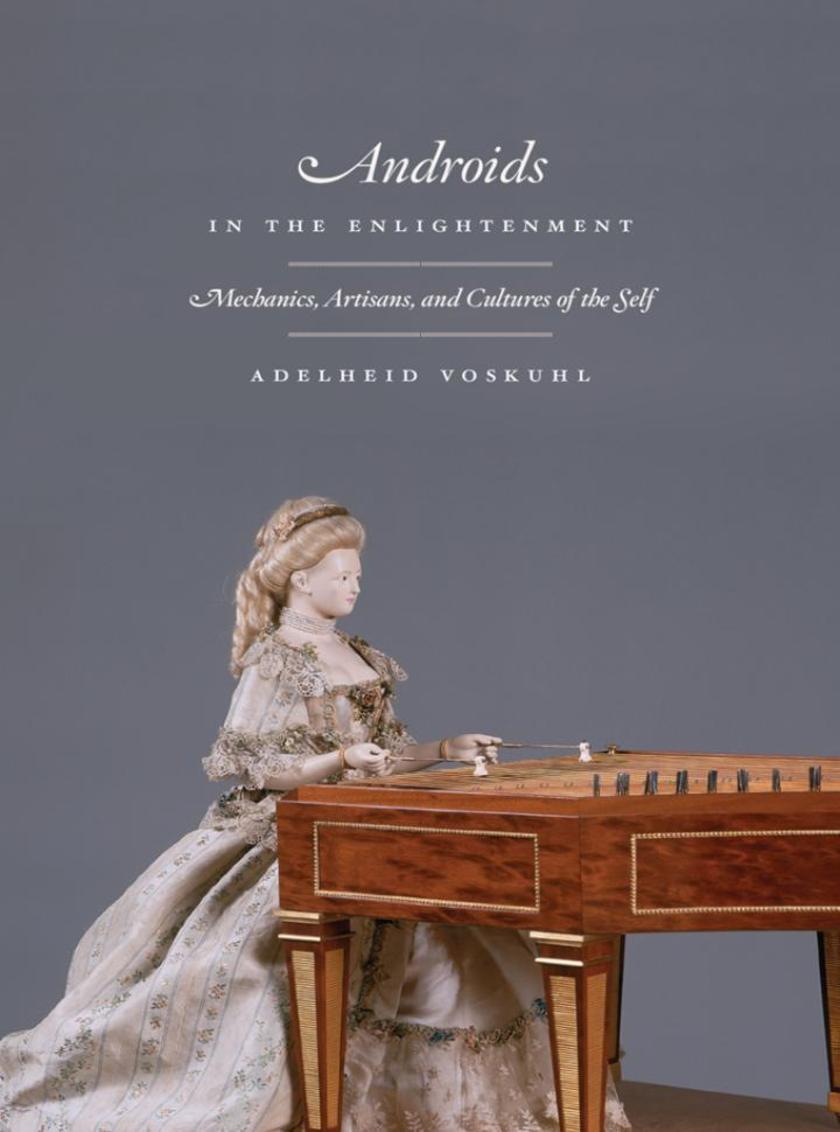
The eighteenth century saw the creation of a number of remarkable mechanical androids: at least ten prominent automata were built between 1735 and 1810 by clockmakers, court mechanics, and other artisans from France, Switzerland, Austria, and the German lands. Designed to perform sophisticated activities such as writing, drawing, or music making, these "e;Enlightenment automata"e; have attracted continuous critical attention from the time they were made to the present, often as harbingers of the modern industrial age, an era during which human bodies and souls supposedly became mechanized.?In Androids in the Enlightenment, Adelheid Voskuhl investigates two such automata-both depicting piano-playing women. These automata not only play music, but also move their heads, eyes, and torsos to mimic a sentimental body technique of the eighteenth century: musicians were expected to generate sentiments in themselves while playing, then communicate them to the audience through bodily motions. Voskuhl argues, contrary to much of the subsequent scholarly conversation, that these automata were unique masterpieces that illustrated the sentimental culture of a civil society rather than expressions of anxiety about the mechanization of humans by industrial technology. She demonstrates that only in a later age of industrial factory production did mechanical androids instill the fear that modern selves and societies had become indistinguishable from machines.?
After Freud Left
¥206.01
From August 29 to September 21, 1909, Sigmund Freud visited the United States, where he gave five lectures at Clark University in Worcester, Massachusetts. This volume brings together a stunning gallery of leading historians of psychoanalysis and of American culture to consider the broad history of psychoanalysis in America and to reflect on what has happened to Freud's legacy in the United States in the century since his visit.There has been a flood of recent scholarship on Freud's life and on the European and world history of psychoanalysis, but historians have produced relatively little on the proliferation of psychoanalytic thinking in the United States, where Freud's work had monumental intellectual and social impact. The essays in After Freud Left provide readers with insights and perspectives to help them understand the uniqueness of Americans' psychoanalytic thinking, as well as the forms in which the legacy of Freud remains active in the United States in the twenty-first century. After Freud Left will be essential reading for anyone interested in twentieth-century American history, general intellectual and cultural history, and psychology and psychiatry.?
Art and Truth after Plato
¥288.41
Despite its foundational role in the history of philosophy, Plato's famous argument that art does not have access to truth or knowledge is now rarely examined, in part because recent philosophers have assumed that Plato's challenge was resolved long ago. In Art and Truth after Plato, Tom Rockmore argues that Plato has in fact never been satisfactorily answered-and to demonstrate that, he offers a comprehensive account of Plato's influence through nearly the whole history of Western aesthetics.?Rockmore offers a cogent reading of the post-Platonic aesthetic tradition as a series of responses to Plato's position, examining a stunning diversity of thinkers and ideas. He visits Aristotle's Poetics, the medieval Christians, Kant's Critique of Judgment, Hegel's phenomenology, Marxism, social realism, Heidegger, and many other works and thinkers, ending with a powerful synthesis that lands on four central aesthetic arguments that philosophers have debated. More than a mere history of aesthetics, Art and Truth after Plato presents a fresh look at an ancient question, bringing it into contemporary relief.

City Water, City Life
¥147.15
A city is more than a massing of citizens, a layout of buildings and streets, or an arrangement of political, economic, and social institutions. It is also an infrastructure of ideas that are a support for the beliefs, values, and aspirations of the people who created the city. In City Water, City Life, celebrated historian Carl Smith explores this concept through an insightful examination of the development of the first successful waterworks systems in Philadelphia, Boston, and Chicago between the 1790s and the 1860s. By examining the place of water in the nineteenth-century consciousness, Smith illuminates how city dwellers perceived themselves during the great age of American urbanization.?But City Water, City Life is more than a history of urbanization.?It is also a refreshing meditation on water as a necessity, as a resource for commerce and industry, and as an essential-and central-part of how we define our civilization.
Myth of Achievement Tests
¥265.87
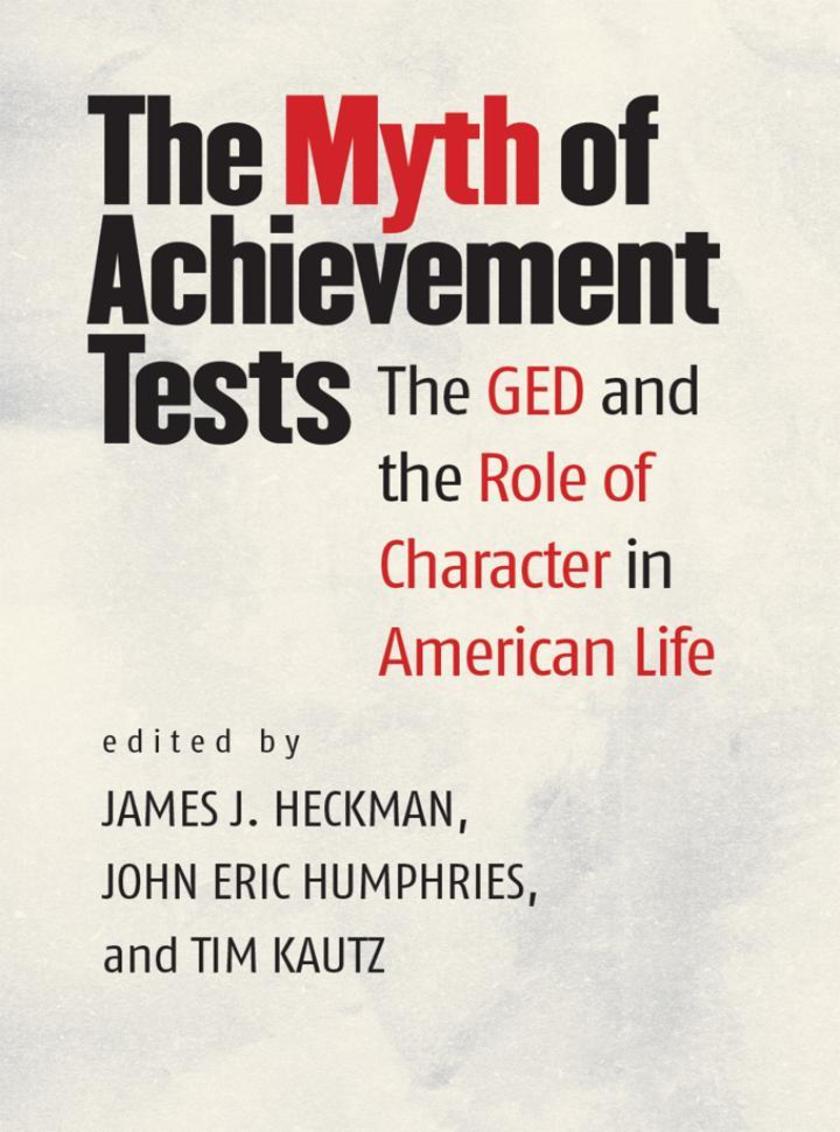
Achievement tests play an important role in modern societies. They are used to evaluate schools, to assign students to tracks within schools, and to identify weaknesses in student knowledge. The GED is an achievement test used to grant the status of high school graduate to anyone who passes it. GED recipients currently account for 12 percent of all high school credentials issued each year in the United States. But do achievement tests predict success in life?The Myth of Achievement Tests shows that achievement tests like the GED fail to measure important life skills. James J. Heckman, John Eric Humphries, Tim Kautz, and a group of scholars offer an in-depth exploration of how the GED came to be used throughout the United States and why our reliance on it is dangerous. Drawing on decades of research, the authors show that, while GED recipients score as well on achievement tests as high school graduates who do not enroll in college, high school graduates vastly outperform GED recipients in terms of their earnings, employment opportunities, educational attainment, and health. The authors show that the differences in success between GED recipients and high school graduates are driven by character skills. Achievement tests like the GED do not adequately capture character skills like conscientiousness, perseverance, sociability, and curiosity. These skills are important in predicting a variety of life outcomes. They can be measured, and they can be taught.?Using the GED as a case study, the authors explore what achievement tests miss and show the dangers of an educational system based on them. They call for a return to an emphasis on character in our schools, our systems of accountability, and our national dialogue.ContributorsEric Grodsky, University of Wisconsin-MadisonAndrew Halpern-Manners, Indiana University BloomingtonPaul A. LaFontaine, Federal Communications CommissionJanice H. Laurence, Temple UniversityLois M. Quinn, University of Wisconsin-MilwaukeePedro L. Rodrguez, Institute of Advanced Studies in AdministrationJohn Robert Warren, University of Minnesota, Twin Cities
Sound Diplomacy
¥265.87
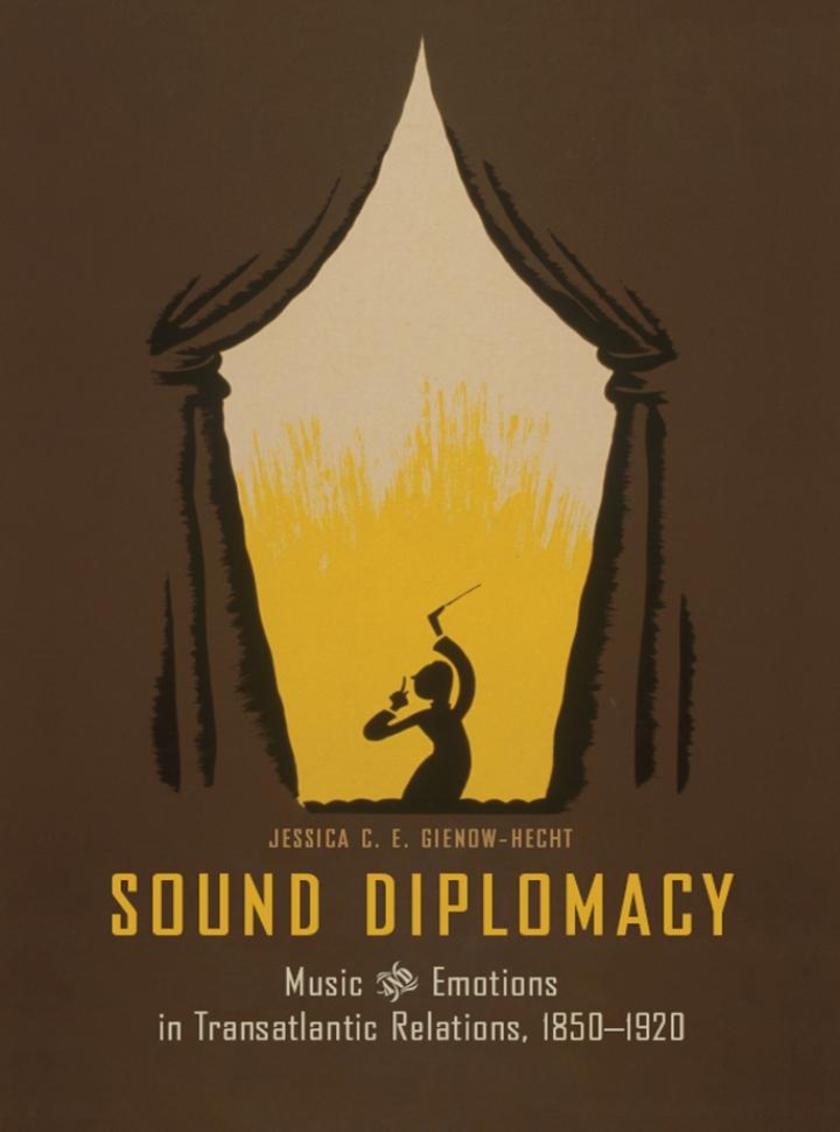
The German-American relationship was special long before the Cold War; it was rooted not simply in political actions, but also long-term traditions of cultural exchange that date back to the nineteenth century. Between 1850 and 1910, the United States was a rising star in the international arena, and several European nations sought to strengthen their ties to the republic by championing their own cultures in America. While France capitalized on its art and Britain on its social ties and literature, Germany promoted its particular breed of classical music.Delving into a treasure trove of archives that document cross-cultural interactions between America and Germany, Jessica Gienow-Hecht retraces these efforts to export culture as an instrument of nongovernmental diplomacy, paying particular attention to the role of conductors, and uncovers the remarkable history of the musician as a cultural symbol of German cosmopolitanism. Considered sexually attractive and emotionally expressive, German players and conductors acted as an army of informal ambassadors for their home country, and Gienow-Hecht argues that their popularity in the United States paved the way for an emotional elective affinity that survived broken treaties and several wars and continues to the present.

After Preservation
¥147.15
From John Muir to David Brower, from the creation of Yellowstone National Park to the Endangered Species Act, environmentalism in America has always had close to its core a preservationist ideal. Generations have been inspired by its ethos-to encircle nature with our protection, to keep it apart, pristine, walled against the march of human development. But we have to face the facts. Accelerating climate change, rapid urbanization, agricultural and industrial devastation, metastasizing fire regimes, and other quickening anthropogenic forces all attest to the same truth: the earth is now spinning through the age of humans. After Preservation takes stock of the ways we have tried to both preserve and exploit nature to ask a direct but profound question: what is the role of preservationism in an era of seemingly unstoppable human development, in what some have called the AnthropoceneBen A. Minteer and Stephen J. Pyne bring together a stunning consortium of voices comprised of renowned scientists, historians, philosophers, environmental writers, activists, policy makers, and land managers to negotiate the incredible challenges that environmentalism faces. Some call for a new, post-preservationist model, one that is far more pragmatic, interventionist, and human-centered. Others push forcefully back, arguing for a more chastened and restrained vision of human action on the earth. Some try to establish a middle ground, while others ruminate more deeply on the meaning and value of wilderness. Some write on species lost, others on species saved, and yet others discuss the enduring practical challenges of managing our land, water, and air.From spirited optimism to careful prudence to critical skepticism, the resulting range of approaches offers an inspiring contribution to the landscape of modern environmentalism, one driven by serious, sustained engagements with the critical problems we must solve if we-and the wild garden we may now keep-are going to survive the era we have ushered in. ?Contributors include: Chelsea K. Batavia, F. Stuart (Terry) Chapin III, Norman L. Christensen, Jamie Rappaport Clark, William Wallace Covington, Erle C. Ellis, Mark Fiege, Dave Foreman, Harry W. Greene, Emma Marris, Michelle Marvier, Bill McKibben, J. R. McNeill, Curt Meine, Ben A. Minteer, Michael Paul Nelson, Bryan Norton, Stephen J. Pyne, Andrew C. Revkin, Holmes Rolston III, Amy Seidl, Jack Ward Thomas, Diane J. Vosick, John A. Vucetich, Hazel , and Donald Worster.?
Divas and Scholars
¥147.15
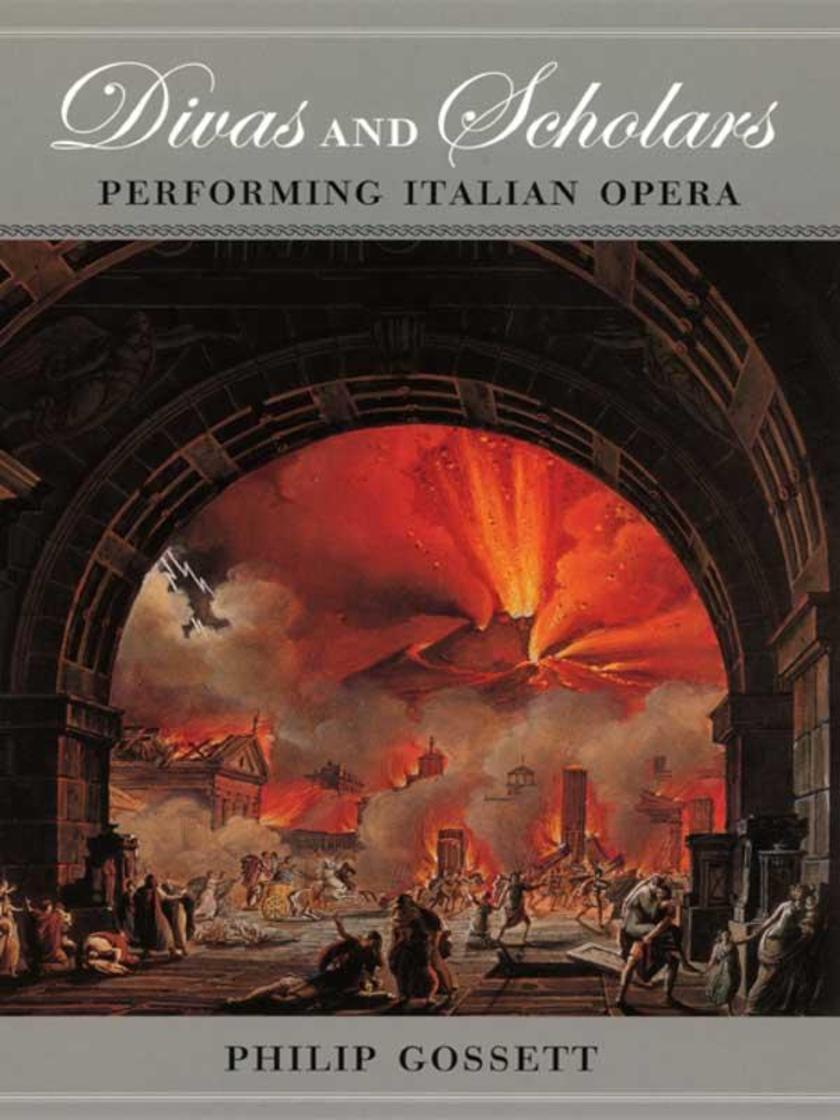
Winner of the 2007 Otto Kinkeldey Award from the American Musicological Society and the 2007 Deems Taylor Award from the American Society of Composers, Authors, and Publishers.Divas and Scholars is a dazzling and beguiling account of how opera comes to the stage, filled with Philip Gossett's personal experiences of triumphant-and even failed-performances and suffused with his towering and tonic passion for music. Writing as a fan, a musician, and a scholar, Gossett, the world's?leading authority on the performance of Italian opera, brings colorfully to life the problems, and occasionally the scandals, that attend the production of some of our most favorite operas.?Gossett begins by tracing the social history of nineteenth-century Italian theaters in order to explain the nature of the musical scores from which performers have long worked. He then illuminates the often hidden but crucial negotiations opera scholars and opera conductors and performers: What does it mean to talk about performing from a critical editionHow does one determine what music to perform when multiple versions of an opera existWhat are the implications of omitting passages from an opera in a performanceIn addition to vexing questions such as these, Gossett also tackles issues of ornamentation and transposition in vocal style, the matters of translation and adaptation, and even aspects of stage direction and set design.?Throughout this extensive and passionate work, Gossett enlivens his history with reports from his own experiences with major opera companies at venues ranging from the Metropolitan and Santa Fe operas to the Rossini Opera Festival at Pesaro. The result is a book that will enthrall both aficionados of Italian opera and newcomers seeking a reliable introduction to it-in all its incomparable grandeur and timeless allure.?

57 Ways to Screw Up in Grad School
¥123.61
Don't think about why you're applying. Select a topic for entirely strategic reasons. Choose the coolest supervisor. Write only to deadlines. Expect people to hold your hand. Become "e;that"e; student.When it comes to a masters or PhD program, most graduate students don't deliberately set out tofail. Yet, of the nearly 500,000 people who start a graduate program each year, up to half will never complete their degree. Books abound on acing the admissions process, but there is little on what to do once the acceptance letter arrives. Veteran graduate directors Kevin D. Haggerty and Aaron Doyle have set out to demystify the world of advanced education. Taking a wry, frank approach, they explain the common mistakes that can trip up a new graduate student and lay out practical advice about how to avoid the pitfalls. Along the way they relate stories from their decades of mentorship and even share some slip-ups from their own grad experiences.The litany of foul-ups is organized by theme and covers the grad school experience from beginning to end: selecting the university and program, interacting with advisors and fellow students, balancing personal and scholarly lives, navigating a thesis, and creating a life after academia. Although the tone is engagingly tongue-in-cheek, the lessons are crucial to anyone attending or contemplating grad school. 57 Ways to Screw Up in Grad School allows you to learn from others' mistakes rather than making them yourself.
Monstrous Regiment
¥55.91
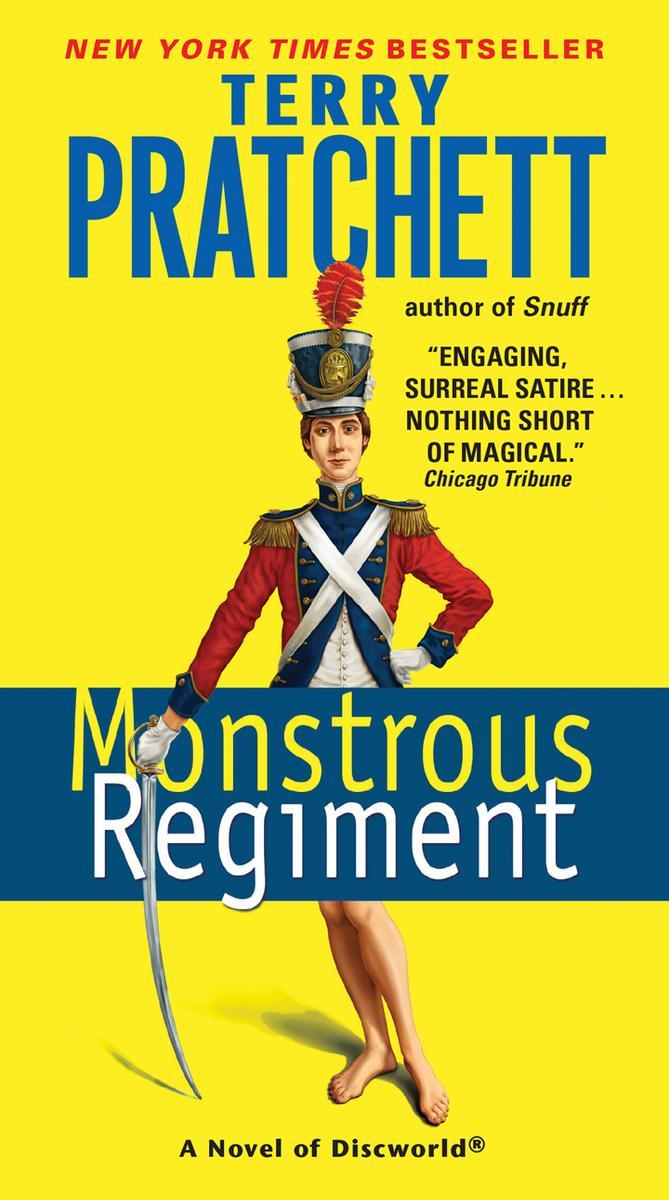
War has come to Discworld ... again.And, to no one's great surprise, the conflict centers around the small, arrogantly fundamentalist duchy of Borogravia, which has long prided itself on its unrelenting aggressiveness. A year ago, Polly Perks's brother marched off to battle, and Polly's willing to resort to drastic measures to find him. So she cuts off her hair, dons masculine garb, and -- aided by a well-placed pair of socks -- sets out to join this man's army. Since a nation in such dire need of cannon fodder can't afford to be too picky, Polly is eagerly welcomed into the fighting fold—along with a vampire, a troll, an Igor, a religious fanatic, and two uncommonly close "friends." It would appear that Polly "Ozzer" Perks isn't the only grunt with a secret. But duty calls, the battlefield beckons. And now is the time for all good ... er ... "men" to come to the aid of their country.
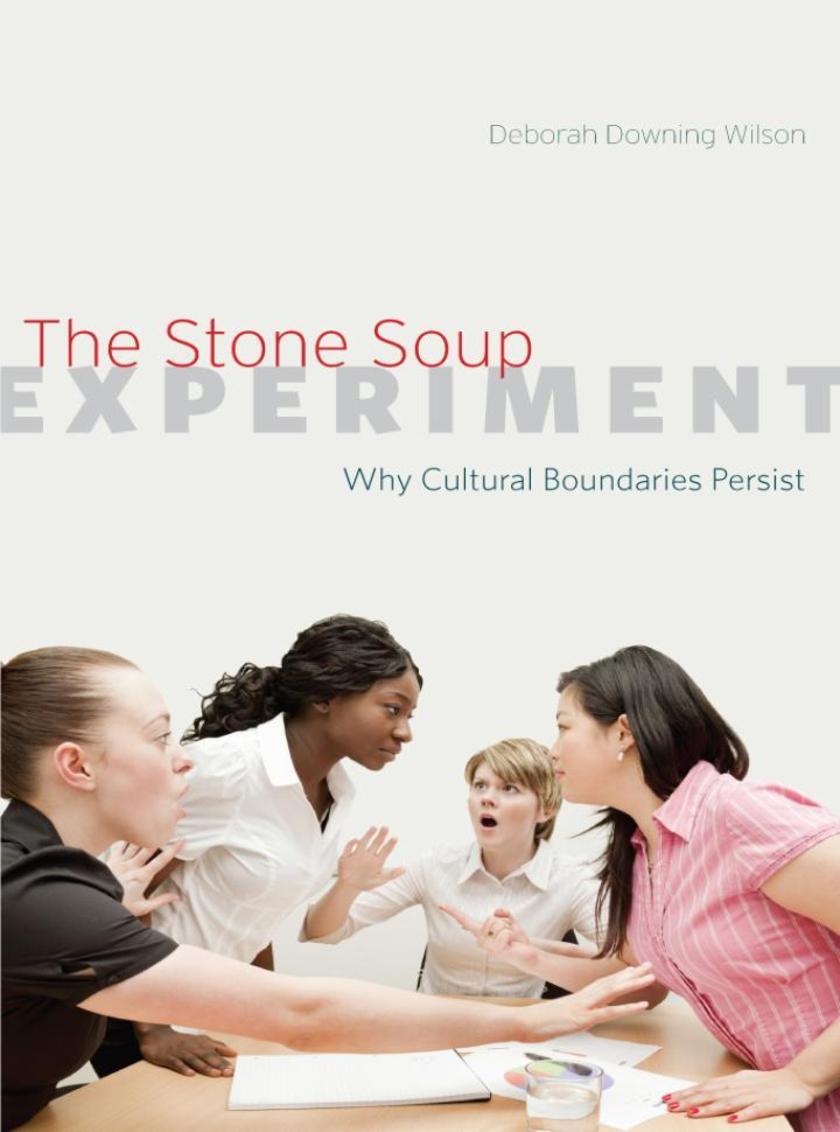
Stone Soup Experiment
¥147.15
The Stone Soup Experiment is a remarkable story of cultural difference, of in-groups, out-groups, and how quickly and strongly the lines between them are drawn. It is also a story about simulation and reality, and how quickly the lines between them can be dismantled.?In a compulsively readable account, Deborah Downing Wilson details a ten-week project in which forty university students were split into two different simulated cultures: the carefree Stoners, and the market-driven Traders. Through their eyes we are granted intimate access to the very foundations of human society: how group identities are formed and what happens when opposing ones come into contact.?The experience of the Stoners and Traders is a profound testament to human sociality. Even in the form of simulation, even as a game, the participants found themselves quickly-and with real conviction-bound to the ideologies and practices of their in-group. The Stoners enjoyed their days lounging, chatting, and making crafts, while the Traders-through a complex market of playing cards-competed for the highest bankrolls. When they came into contact, misunderstanding, competition, and even manipulation prevailed, to the point that each group became so convinced of its own superiority that even after the simulation's end the students could not reconcile. Throughout her riveting narrative, Downing Wilson interweaves fascinating discussions on the importance of play, emotions, and intergroup interaction in the formation and maintenance of group identities, as well as on the dynamic social processes at work when different cultural groups interact. A fascinating account of social experimentation, the book paints a vivid portrait of our deepest social tendencies and the powers they have over how we make friends and enemies alike.?

Stick
¥88.56
After serving time for armed robbery, Ernest "Stick" Stickley is back on the outside and trying to stay legit. But it's tough staying straight in a crooked town -- and Miami is a pirate's paradise, where investment fat cats and lowlife drug dealers hold hands and dance. And when a crazed player chooses Stick at random to die for another man's sins, the struggling ex-con is left with no choice but to dive right back into the game. Besides, Stick knows a good thing when he sees it -- and a golden opportunity to run a very profitable sweet revenge scam seems much too tasty to pass up.

Ghost Force
¥55.31
The year is 2011.An oil-hungry world is starving . . .. . . and Argentina, with Russia's help, is determined to brutally wrest the petroleum-rich Falkland Islands from British hands. Enraged over this brazen act of international piracy, Great Britain dispatches a battle fleet to the islands for the second time in thirty years—unaware that Viper K-157, a lethal Russian Akula-class submarine, lies in wait, stuffed to the gunwales with ship-killingtorpedoes.America cannot sit idle as hell explodes in the South Atlantic and, under the stern eye of Admiral Arnold Morgan, the military's most powerful weapon is unleashed to hammer Argentina into submission: the U.S. Navy SEALs. The outcome of the unforeseen war that's igniting in America's backyard ultimately depends upon her awesome "ghost force” and their successful execution of two remarkable clandestine missions—while the consequences of failure may be too terrible to consider.

Mystic River
¥69.16
"There are threads in our lives. You pull one, and everything else gets affected."When they were children, Sean Devine, Jimmy Marcus, and Dave Boyle were friends. But then a strange car pulled tip to their street. One boy got into the car, two did not, and something terrible happened — something that ended their friendship and changed all three boys forever.Twenty-five years later, Sean Devine is a homicide detective. Jimmy Marcus is an ex-con who owns a corner store. And Dave Boyle is trying to hold his marriage together and keep his demons at bay — demons that urge him to do terrible things.When Jimmy Marcus's daughter is found murdered, Sean Devine is assigned to the case. His personal life unraveling, he must go back into a world he thought he'd left behind to confront not only the violence, of the present but the nightmares of his past. His investigation brings him into conflict with Jimmy Marcus, who finds that his old criminal impulses tempt him to solve the crime with brutal justice. And then there is Dave Boyle, who came home the night Jimmy's daughter died covered with someone else's blood.While Sean Devine attempts to use the law to return peace and order to the neighborhood, Jimmy Marcus finds his need for vengeance pushing him ever closer to a moral abyss from which lie wont be able to return, and Dave's wife, Celeste, sleeps at night with a man she fears may very well be a monster. a monster who fathered her child and hides his true nature from everyone, possibly even himself.A tense and unnerving psychological thriller, Mystic River is also an epic novel of love and loyalty, faith and family, in which people irrevocably marked by the past find themselves on a collision course with the darkest truths of their own hidden selves.
Flesh and Bone
¥69.16
Anthropologist Dr. Bill Brockton founded Tennessee's world-famous Body Farm—a small piece of land where corpses are left to decay in order to gain important forensic information. Now, in the wake of a shocking crime in nearby Chattanooga, he's called upon by Jess Carter—the rising star of the state's medical examiners—to help her unravel a murderous puzzle. But after re-creating the death scene at the Body Farm, Brockton discovers his career, reputation, and life are in dire jeopardy when a second, unexplained corpse appears in the grisly setting.Accused of a horrific crime—transformed overnight from a respected professor to a hated and feared pariah—Bill Brockton will need every ounce of his formidable forensic skills to escape the ingeniously woven net that's tightening around him . . . and to prove the seemingly impossible: his own innocence.


