


 购物车
购物车 个人中心
个人中心

Orizontul r?sturnat
¥73.49
Coresponden?a lui Descartes dubleaz? opera sa propriu-zis?, fiind uneori mai expresiv? dec?t aceasta ?i cuprinz?nd cutezan?e filozofice pe care c?r?ile sale nu ?i le ?ng?duie. E aici, ?n paginile acestor scrisori, un Descartes mai viu, mai nuan?at ?n exprimare, mai amplu. O mare g?ndire filozofic?, precum aceasta, nu se resemneaz? cu propria realitate, ci se impune printr-o str?danie de a cuceri con?tiin?a public?, despre care dau seama aceste texte. Ele ?nchid ?n cuprinderea lor imaginea eforturilor prin care filozoful ??i creeaz? premisele posterit??ii sale.

Mossad. Istoria s?ngeroas? a spionajului israelian
¥82.81
n eseul Despre prostie (ber die Dummheit, 1937) subiectul este tratat, ca de obicei, cu toate resursele familiare autorului: analiza filosofic se combin cu observaiile de tip psihologic i cu constatri din istorie i politologie. Dei proiectul iniiat de acest eseu nu a fost finalizat, se remarc, totui, atenta cartografiere a fenomenelor asociate prostiei, tratate n stilul ironiei constructive“, att de specific lui Musil.

Despre via?? ?i moarte
¥32.62
Urm?nd acela?i tipar de p?n? acum (Logica elefan?ilor, Editura All, 2012), Ciprian V?lcan ?i Dana Percec au selectat c?te dou?zeci de eseuri care formuleaz?, ?ntr-o manier? doar aparent lejer?, un r?spuns la tot at?tea pretexte, culese cu ochiul colec?ionarului de caricaturi din presa rom?neasc? ?i interna?ional? sau din tomuri mai mult sau mai pu?in colbuite. Autorii inspecteaz? cu lupa ?i curiozitatea entomologului numeroase ?nt?mpl?ri, mesaje ?i personaje contemporane, ?ndemn?ndu-i pe cititori, prin stilul degajat ?i tonul convivial, s? se amuze pe seama absurdului din via?a de zi cu zi. Fie c? este vorba de politic?, sport, mod?, mass-media sau tribunale, de gastronomie sau vr?jitorie, eseurile demonteaz? adev?ruri mici, truisme, precum ?i pl?smuiri de tot felul. Fiec?rei p??anii evocate ?n pretext – unele ilare, cu miros de b?lci, altele aproape detestabile – autorii Metafizicii bicicli?tilor ?i r?spund ?n manier? diferit?, dar convergent?, contur?nd o nevoie de a r?scoli excesele lumii pentru a o ?ndemna s? se rea?eze.

Spre binele t?u. Mici crime ?n numele iubirii
¥32.62
Alchimia fericirii, publicat? ?n persan? (Kimiya?yi sa’adat), spre sf?r?itul vie?ii autorului, urm?re?te atenuarea tensiunilor dintre filosofii ?i misticii Islamului ?i scoate ?n eviden?? importan?a autodisciplinei ?i a ascetismului. Traducerea de fa?? are la baz? traducerea publicat? ?n 1910, ?n englez? de Claud Field (The Alchemy of Happiness) ?i este structurat? ?n opt capitole, aproximativ egale ca ?ntindere. Cartea de fa?? reune?te o serie de interpret?ri ale unor pilde cu con?inut religios evocate ?n Coran ?i ale unor idei exprimate de Mahomed, de al?i profe?i sau ?nv??ati musulmani. Chestiunile abordate de Al-Ghazali aduc ?n prim-plan ideea unei vie?i religioase exemplare. Astfel, el prezint? mai multe sfaturi pentru musulmanii pio?i. Raportul omului cu divinitatea, cu semenii s?i, cu rudele apropiate, dar ?i implica?iile religioase ale institu?iei c?s?toriei sau ale muzicii ?i dansului sunt printre cele mai importante subiecte din lucrarea lui Al-Ghazali. S? ?tii, o, preaiubite, c? omul nu a fost creat ?n glum? sau la ?nt?mplare, ci a fost f?cut ?ntr?un fel minunat ?i pentru un ?el ?nalt. Chiar dac? nu a existat dintotdeauna, el tr?ie?te ve?nic; ?i chiar dac? trupul s?u este slab ?i p?m?ntesc, spiritul ?i este m?re? ?i dumnezeiesc. ?i cu c?t este mai ales subiectul cunoa?terii noastre,cu at?t mai mare va fi ?nc?ntarea sim?it? ?n studierea acestuia; de exemplu, ne?ar face mai mult? placer s? ?tim secretele unui rege dec?t dac? am afla secretele unui ministru. V?z?nd c? Dumnezeu este cel mai ?nalt obiect posibil pentru cunoa?terea noastr?, cunoa?terea Sa trebuie s? ne d?ruiasc? mai mult? desf?tare dec?t oricare alta.
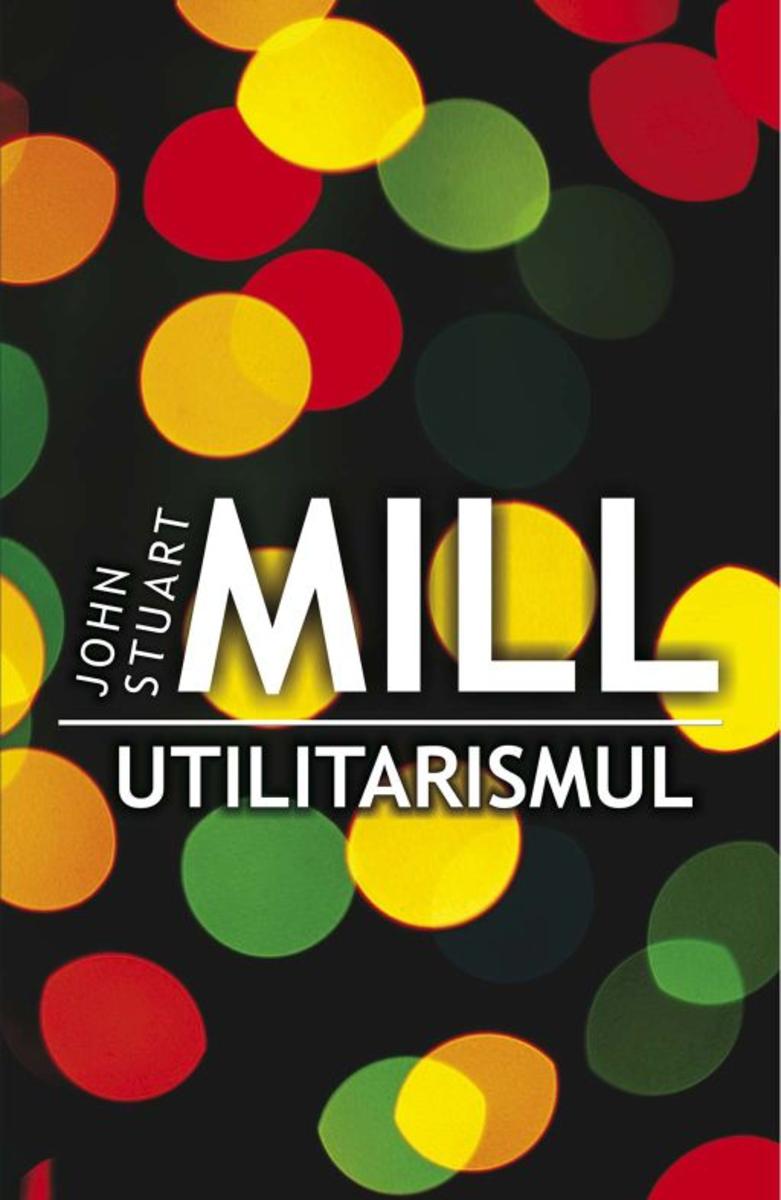
Utilitarismul
¥16.27
De La Boétie ofer? una dintre primele ?i cele mai clare explica?ii privind servitutea voluntar?, starea care define?te supunerea majorit??ii fa?? de minoritatea care de?ine puterea politic?. Este ?i va r?m?ne acela?i lucru, indiferent de scurgerea timpului: un eseu memorabil despre m?re?ia ?i micimile naturii umane, slujit exemplar de g?ndul ?i de pana unui geniu cu care timpul nu a avut prea mult? r?bdare.,,Dar, Dumnezeule mare, ce ?nseamn? asta? Cum s? numim aceast? nenorocire? Ce viciu ?ngrozitor e ?sta, s? vezi nenum?ra?i oameni, nu doar c? se supun, ci c? slujesc, nu c? sunt guverna?i, ci c? sunt tiraniza?i, neav?nd nici bunuri, nici p?rin?i, nici copii, nici m?car propria lor via???“ ?tienne de LA Boétie

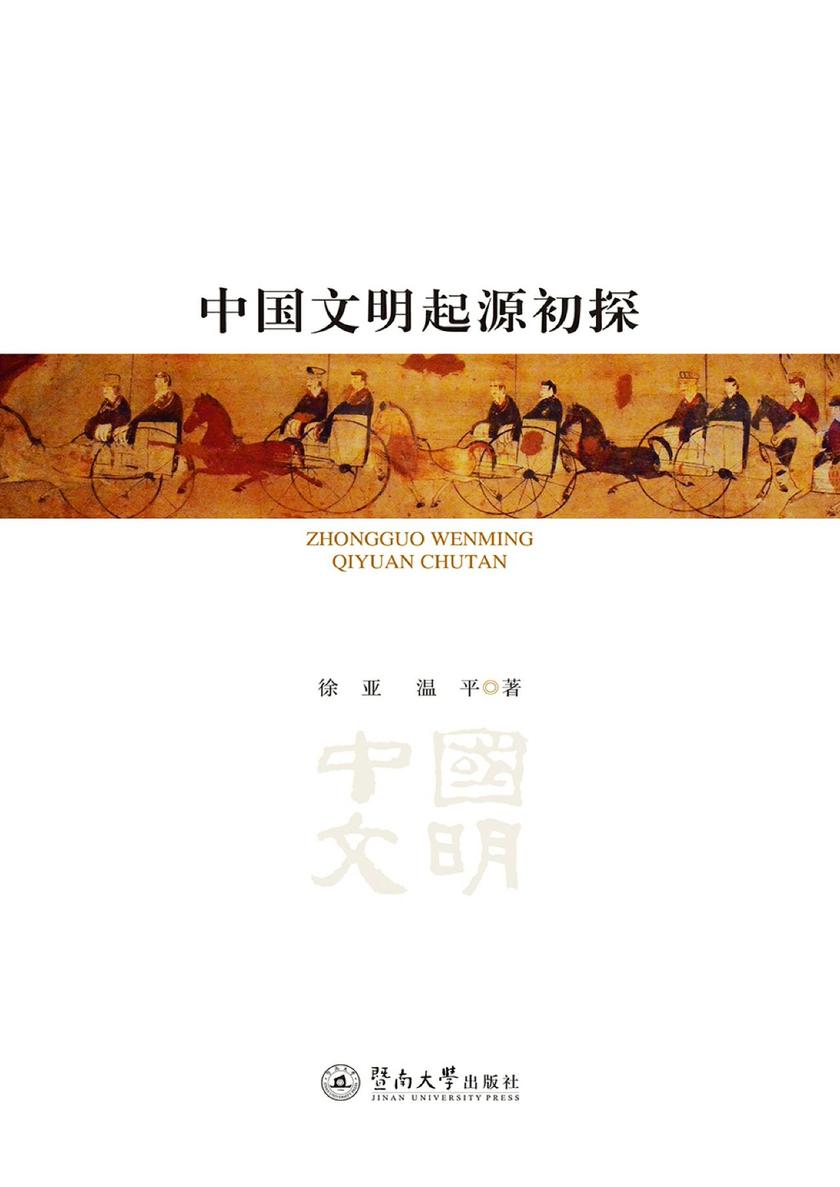
中国文明起源初探
¥25.99
本书是一部探讨中国文明起源的著作,作者潜心研究中国历史、哲学和文化多年,力求洞悉中国文明的内在脉络。作者聚焦于中国文明起源过程中的理性要素,通过追溯这个时期理性要素的形态,试图还原中国文明*初的萌发过程。本书沿着中国古代思想观念发展的路,回溯发端,探究这个时期决定历史走向的观念是怎样的,历史是怎样被这种观念所决定的,以及这种观念的来源和后续发展,以此来逐渐揭中国文明起源发展的印记和规律。
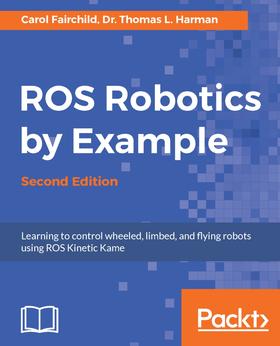
ROS Robotics By Example - Second Edition
¥371.39
Learning how to build and program your own robots with the most popular open source robotics programming framework About This Book Get to know the fundamentals of ROS and apply its concepts to real examples Learn how to write robotics applications without getting bogged down in hardware problems Learn to implement best practices in ROS development Who This Book Is For This book is for robotic enthusiasts, researchers and professional robotics engineers who would like to build robot applications using ROS. It gives the robotics beginner and the ROS newbie an immensely practical introduction to robot building and robotics application coding. Basic knowledge of GNU/Linux and the ability to write simple applications is assumed, but no robotics knowledge, practical or theoretical, is needed. What You Will Learn Control a robot without requiring a PhD in robotics Simulate and control a robot arm Control a flying robot Send your robot on an independent mission Learning how to control your own robots with external devices Program applications running on your robot Extend ROS itself Extend ROS with the MATLAB Robotics System Toolbox In Detail ROS is a robust robotics framework that works regardless of hardware architecture or hardware origin. It standardizes most layers of robotics functionality from device drivers to process control and message passing to software package management. But apart from just plain functionality, ROS is a great platform to learn about robotics itself and to simulate, as well as actually build, your first robots. This does not mean that ROS is a platform for students and other beginners; on the contrary, ROS is used all over the robotics industry to implement flying, walking and diving robots, yet implementation is always straightforward, and never dependent on the hardware itself. ROS Robotics has been the standard introduction to ROS for potential professionals and hobbyists alike since the original edition came out; the second edition adds a gradual introduction to all the goodness available with the Kinetic Kame release. By providing you with step-by-step examples including manipulator arms and flying robots, the authors introduce you to the new features. The book is intensely practical, with space given to theory only when absolutely necessary. By the end of this book, you will have hands-on experience on controlling robots with the best possible framework. Style and approach ROS Robotics By Example, Second Edition gives the robotics beginner as well as the ROS newbie an immensely practical introduction to robot building and robotics application coding. ROS translates as "robot operating system"; you will learn how to control a robot via devices and configuration files, but you will also learn how to write robot applications on the foundation of this operating system.
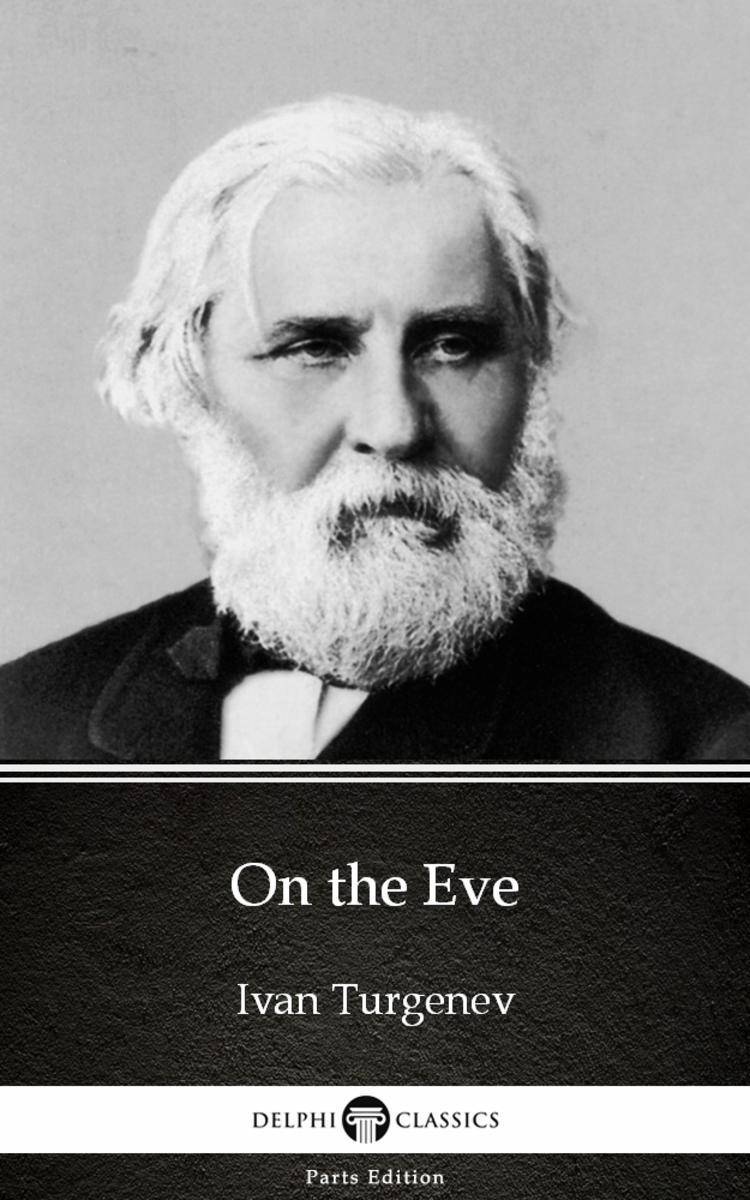
On the Eve by Ivan Turgenev - Delphi Classics (Illustrated)
¥8.09
This eBook features the unabridged text of ‘On the Eve by Ivan Turgenev - Delphi Classics (Illustrated)’ from the bestselling edition of ‘The Collected Works of Ivan Turgenev’. Having established their name as the leading publisher of classic literature and art, Delphi Classics produce publications that are individually crafted with superior formatting, while introducing many rare texts for the first time in digital print. The Delphi Classics edition of Turgenev includes original annotations and illustrations relating to the life and works of the author, as well as individual tables of contents, allowing you to navigate eBooks quickly and easily. eBook features: * The complete unabridged text of ‘On the Eve by Ivan Turgenev - Delphi Classics (Illustrated)’ * Beautifully illustrated with images related to Turgenev’s works * Individual contents table, allowing easy navigation around the eBook * Excellent formatting of the text Please visit www.delphiclassics.com to learn more about our wide range of titles
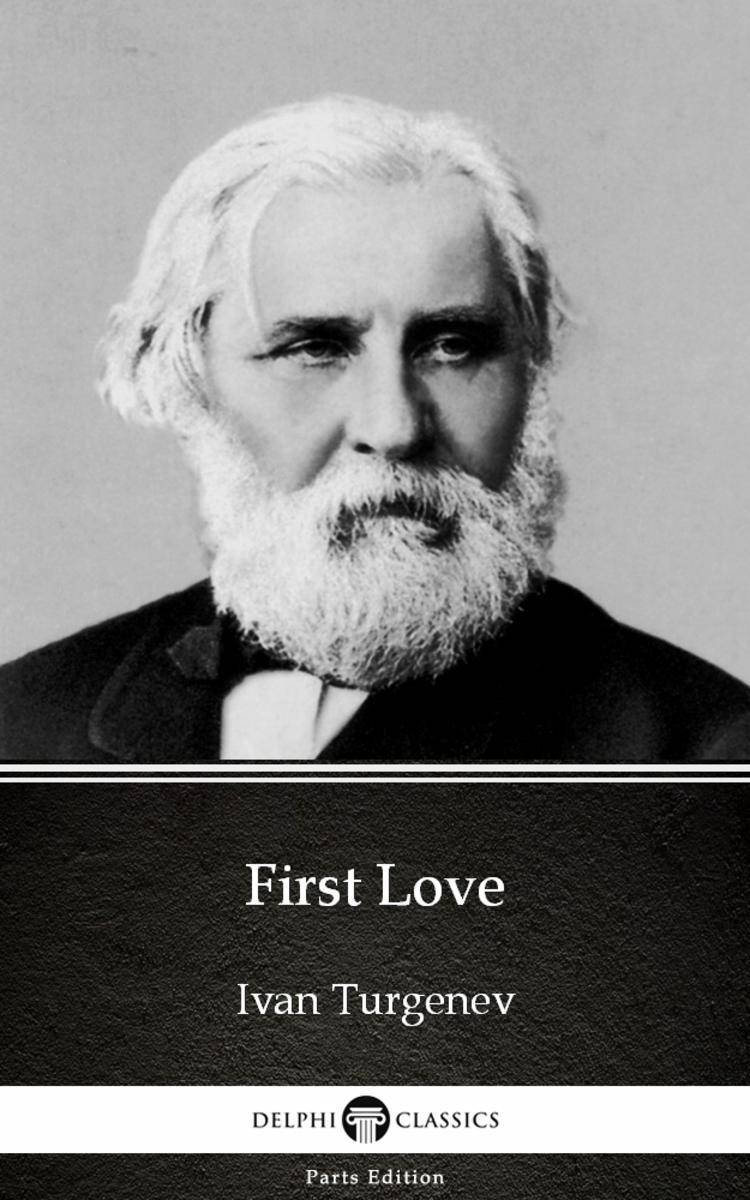
First Love by Ivan Turgenev - Delphi Classics (Illustrated)
¥8.09
This eBook features the unabridged text of ‘First Love by Ivan Turgenev - Delphi Classics (Illustrated)’ from the bestselling edition of ‘The Collected Works of Ivan Turgenev’. Having established their name as the leading publisher of classic literature and art, Delphi Classics produce publications that are individually crafted with superior formatting, while introducing many rare texts for the first time in digital print. The Delphi Classics edition of Turgenev includes original annotations and illustrations relating to the life and works of the author, as well as individual tables of contents, allowing you to navigate eBooks quickly and easily. eBook features: * The complete unabridged text of ‘First Love by Ivan Turgenev - Delphi Classics (Illustrated)’ * Beautifully illustrated with images related to Turgenev’s works * Individual contents table, allowing easy navigation around the eBook * Excellent formatting of the text Please visit www.delphiclassics.com to learn more about our wide range of titles

Ursule Mirouet by Honoré de Balzac - Delphi Classics (Illustrated)
¥8.09
This eBook features the unabridged text of ‘Ursule Mirouet by Honoré de Balzac - Delphi Classics (Illustrated)’ from the bestselling edition of ‘The Collected Works of Honoré de Balzac’. Having established their name as the leading publisher of classic literature and art, Delphi Classics produce publications that are individually crafted with superior formatting, while introducing many rare texts for the first time in digital print. The Delphi Classics edition of Balzac includes original annotations and illustrations relating to the life and works of the author, as well as individual tables of contents, allowing you to navigate eBooks quickly and easily. eBook features: * The complete unabridged text of ‘Ursule Mirouet by Honoré de Balzac - Delphi Classics (Illustrated)’ * Beautifully illustrated with images related to Balzac’s works * Individual contents table, allowing easy navigation around the eBook * Excellent formatting of the text Please visit www.delphiclassics.com to learn more about our wide range of titles
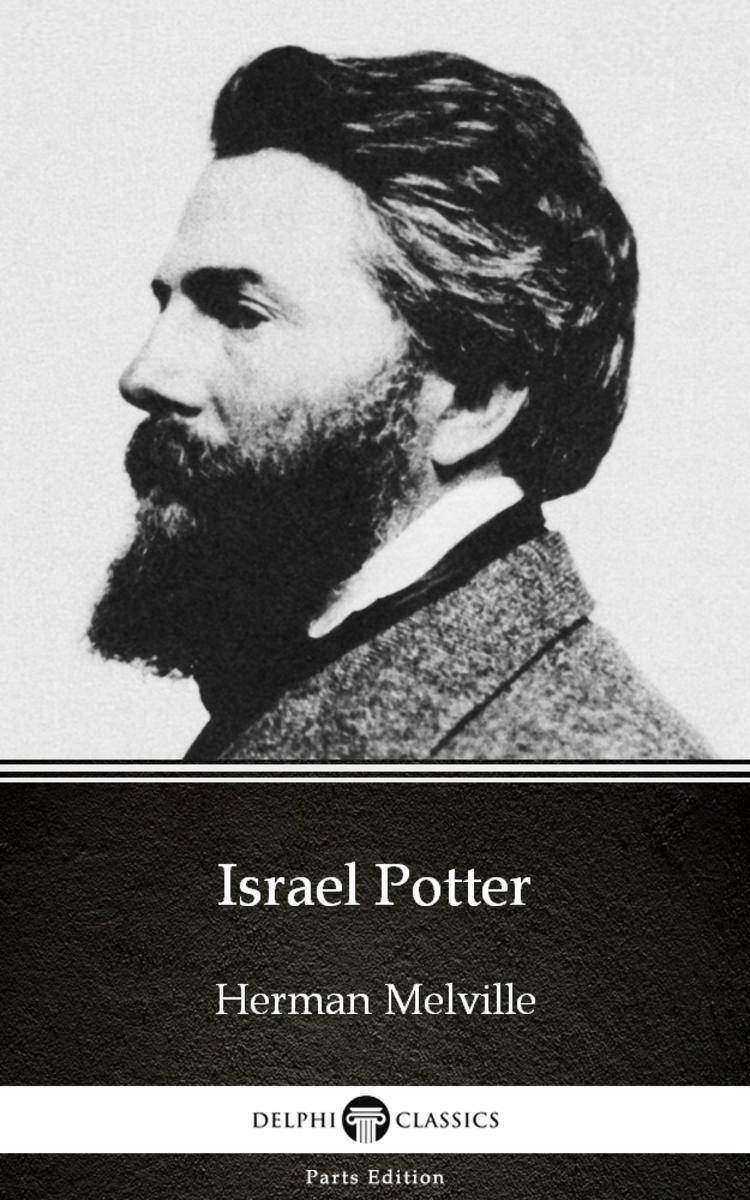
Israel Potter by Herman Melville - Delphi Classics (Illustrated)
¥8.09
This eBook features the unabridged text of ‘Israel Potter by Herman Melville - Delphi Classics (Illustrated)’ from the bestselling edition of ‘The Complete Works of Herman Melville’. Having established their name as the leading publisher of classic literature and art, Delphi Classics produce publications that are individually crafted with superior formatting, while introducing many rare texts for the first time in digital print. The Delphi Classics edition of Melville includes original annotations and illustrations relating to the life and works of the author, as well as individual tables of contents, allowing you to navigate eBooks quickly and easily. eBook features: * The complete unabridged text of ‘Israel Potter by Herman Melville - Delphi Classics (Illustrated)’ * Beautifully illustrated with images related to Melville’s works * Individual contents table, allowing easy navigation around the eBook * Excellent formatting of the text Please visit www.delphiclassics.com to learn more about our wide range of titles
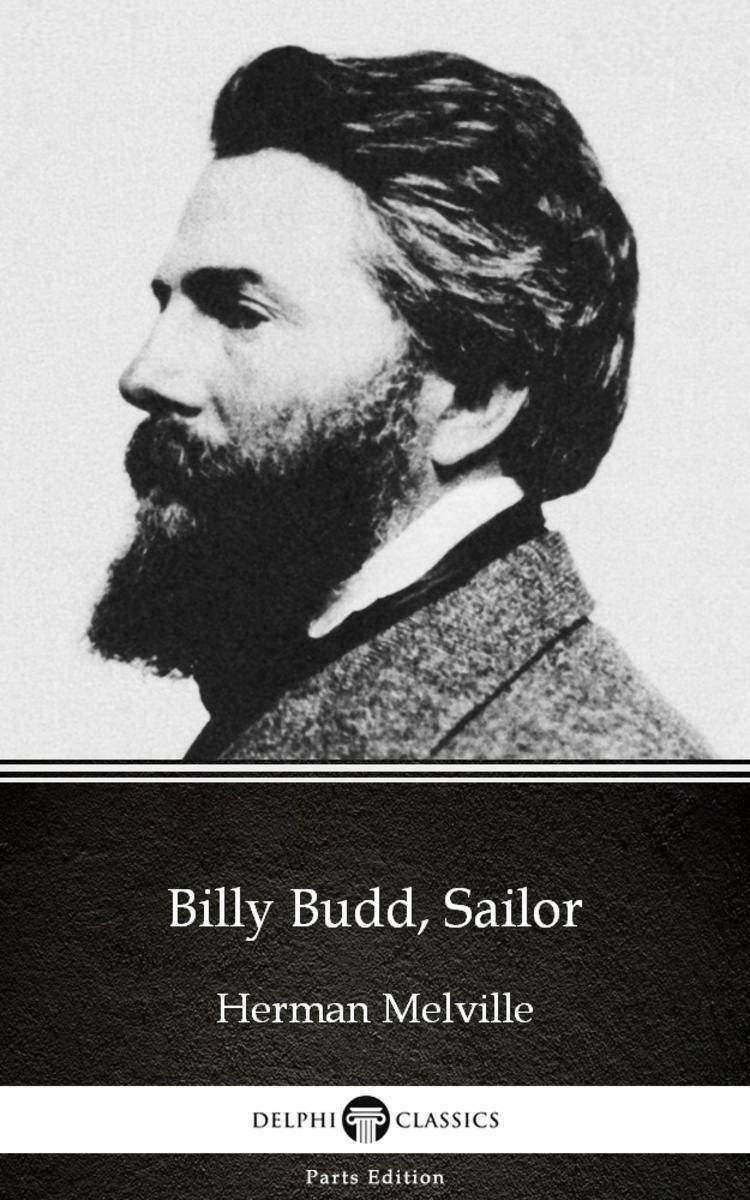
Billy Budd, Sailor by Herman Melville - Delphi Classics (Illustrated)
¥8.09
This eBook features the unabridged text of ‘Billy Budd, Sailor by Herman Melville - Delphi Classics (Illustrated)’ from the bestselling edition of ‘The Complete Works of Herman Melville’. Having established their name as the leading publisher of classic literature and art, Delphi Classics produce publications that are individually crafted with superior formatting, while introducing many rare texts for the first time in digital print. The Delphi Classics edition of Melville includes original annotations and illustrations relating to the life and works of the author, as well as individual tables of contents, allowing you to navigate eBooks quickly and easily. eBook features: * The complete unabridged text of ‘Billy Budd, Sailor by Herman Melville - Delphi Classics (Illustrated)’ * Beautifully illustrated with images related to Melville’s works * Individual contents table, allowing easy navigation around the eBook * Excellent formatting of the text Please visit www.delphiclassics.com to learn more about our wide range of titles
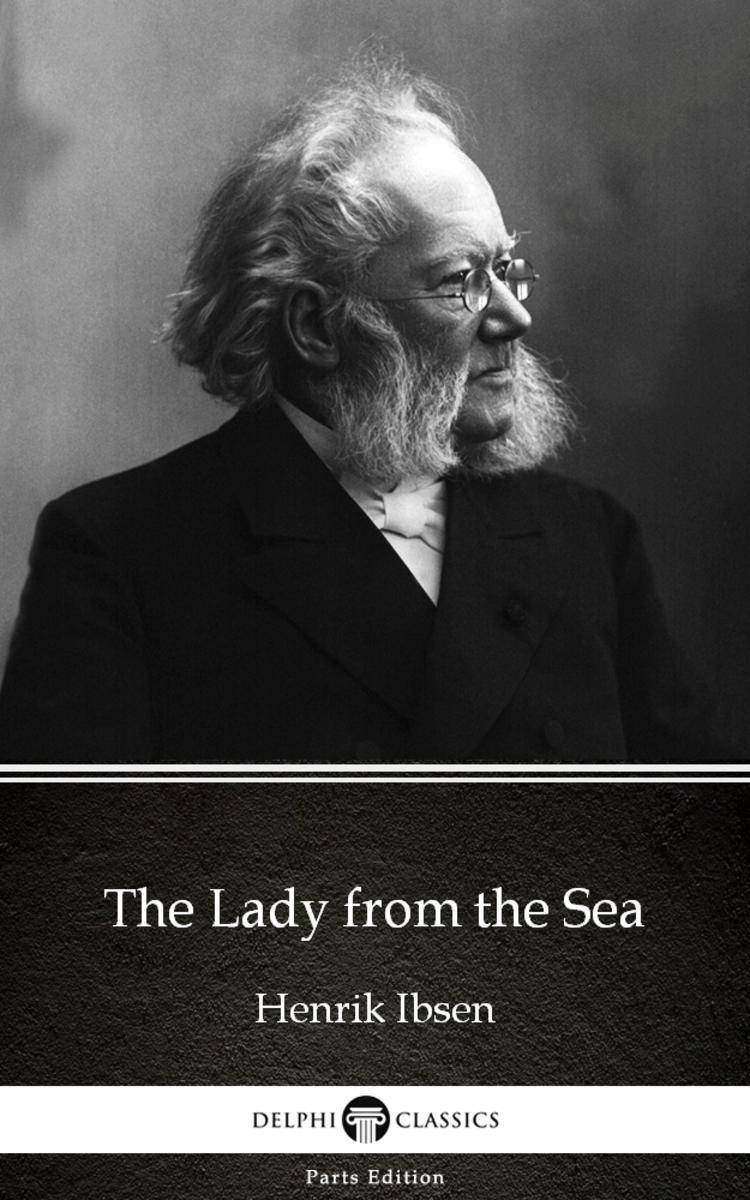
The Lady from the Sea by Henrik Ibsen - Delphi Classics (Illustrated)
¥8.09
This eBook features the unabridged text of ‘The Lady from the Sea by Henrik Ibsen - Delphi Classics (Illustrated)’ from the bestselling edition of ‘The Complete Works of Henrik Ibsen’. Having established their name as the leading publisher of classic literature and art, Delphi Classics produce publications that are individually crafted with superior formatting, while introducing many rare texts for the first time in digital print. The Delphi Classics edition of Ibsen includes original annotations and illustrations relating to the life and works of the author, as well as individual tables of contents, allowing you to navigate eBooks quickly and easily. eBook features: * The complete unabridged text of ‘The Lady from the Sea by Henrik Ibsen - Delphi Classics (Illustrated)’ * Beautifully illustrated with images related to Ibsen’s works * Individual contents table, allowing easy navigation around the eBook * Excellent formatting of the text Please visit www.delphiclassics.com to learn more about our wide range of titles
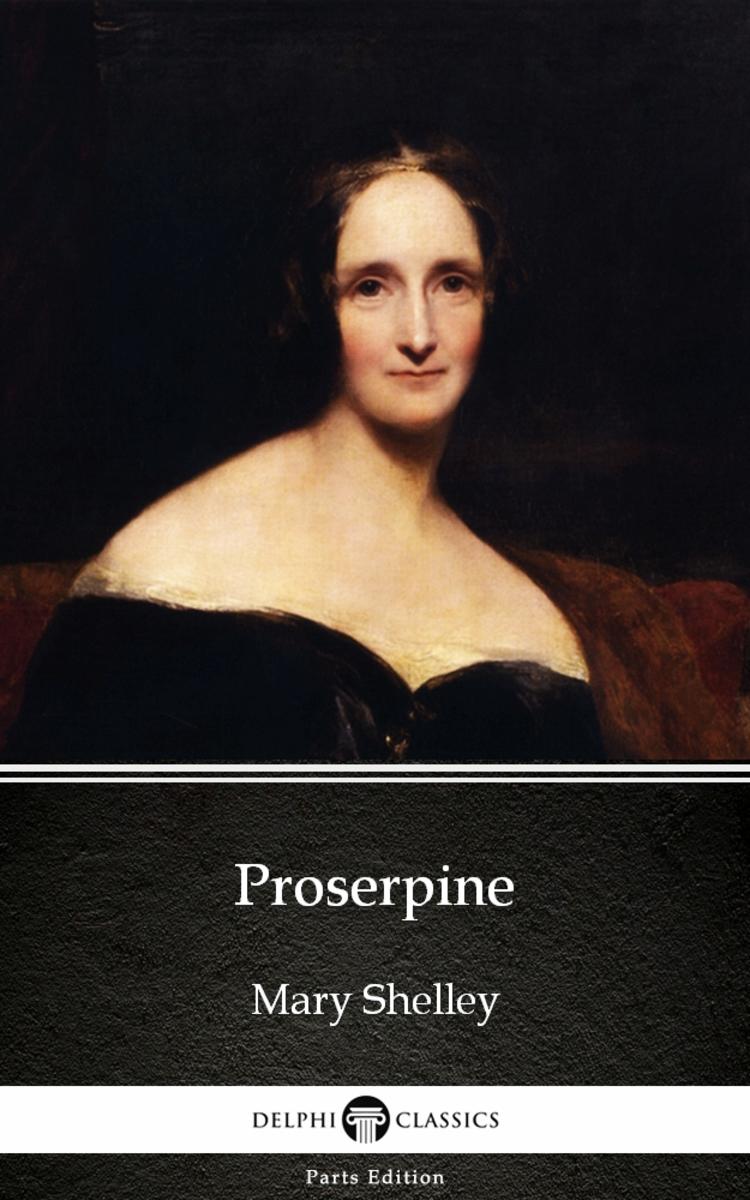
Proserpine by Mary Shelley - Delphi Classics (Illustrated)
¥8.09
This eBook features the unabridged text of ‘Proserpine by Mary Shelley - Delphi Classics (Illustrated)’ from the bestselling edition of ‘The Complete Works of Mary Shelley’. Having established their name as the leading publisher of classic literature and art, Delphi Classics produce publications that are individually crafted with superior formatting, while introducing many rare texts for the first time in digital print. The Delphi Classics edition of Shelley includes original annotations and illustrations relating to the life and works of the author, as well as individual tables of contents, allowing you to navigate eBooks quickly and easily. eBook features: * The complete unabridged text of ‘Proserpine by Mary Shelley - Delphi Classics (Illustrated)’ * Beautifully illustrated with images related to Shelley’s works * Individual contents table, allowing easy navigation around the eBook * Excellent formatting of the text Please visit www.delphiclassics.com to learn more about our wide range of titles
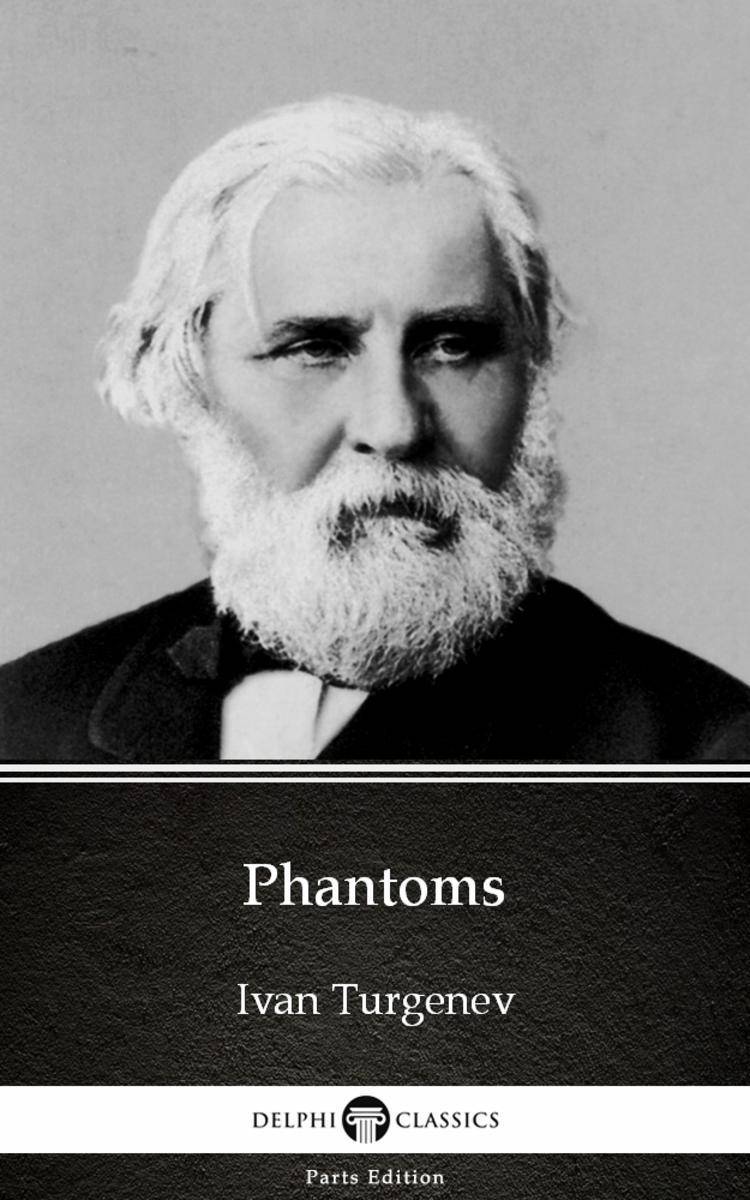
Phantoms by Ivan Turgenev - Delphi Classics (Illustrated)
¥8.09
This eBook features the unabridged text of ‘Phantoms by Ivan Turgenev - Delphi Classics (Illustrated)’ from the bestselling edition of ‘The Collected Works of Ivan Turgenev’. Having established their name as the leading publisher of classic literature and art, Delphi Classics produce publications that are individually crafted with superior formatting, while introducing many rare texts for the first time in digital print. The Delphi Classics edition of Turgenev includes original annotations and illustrations relating to the life and works of the author, as well as individual tables of contents, allowing you to navigate eBooks quickly and easily. eBook features: * The complete unabridged text of ‘Phantoms by Ivan Turgenev - Delphi Classics (Illustrated)’ * Beautifully illustrated with images related to Turgenev’s works * Individual contents table, allowing easy navigation around the eBook * Excellent formatting of the text Please visit www.delphiclassics.com to learn more about our wide range of titles
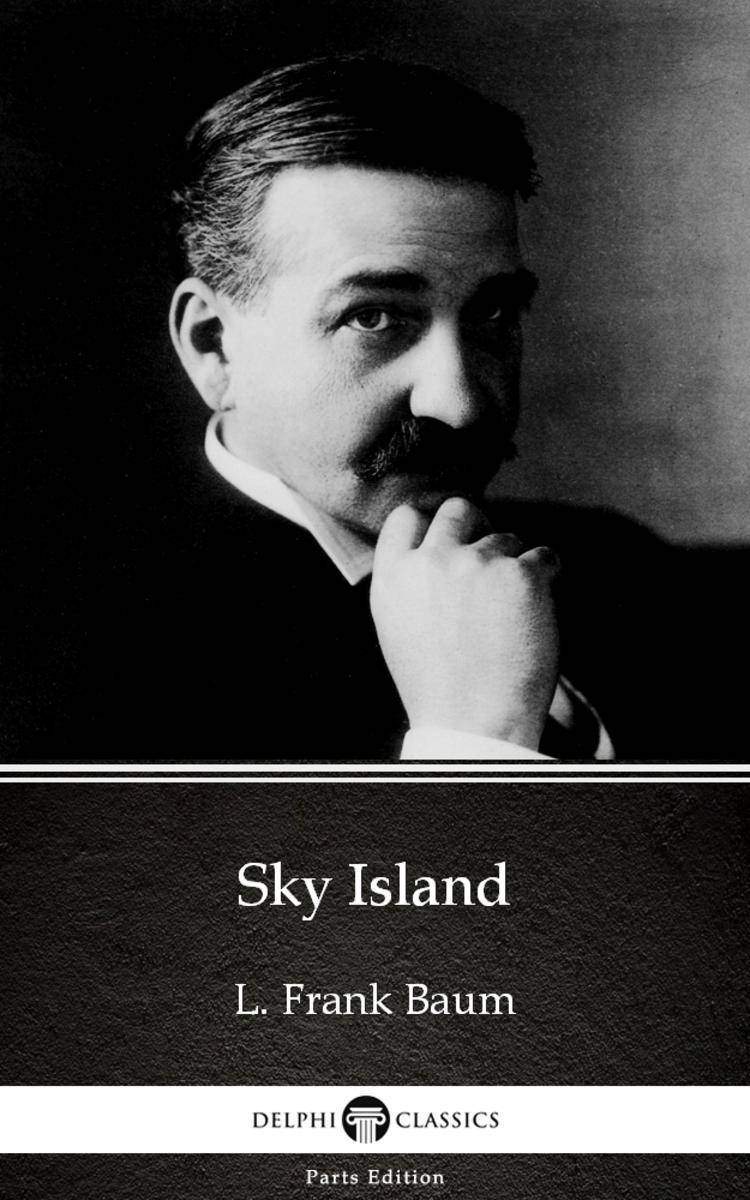
Sky Island by L. Frank Baum - Delphi Classics (Illustrated)
¥8.09
This eBook features the unabridged text of ‘Sky Island by L. Frank Baum - Delphi Classics (Illustrated)’ from the bestselling edition of ‘The Complete Works of L. Frank Baum’. Having established their name as the leading publisher of classic literature and art, Delphi Classics produce publications that are individually crafted with superior formatting, while introducing many rare texts for the first time in digital print. The Delphi Classics edition of Baum includes original annotations and illustrations relating to the life and works of the author, as well as individual tables of contents, allowing you to navigate eBooks quickly and easily. eBook features: * The complete unabridged text of ‘Sky Island by L. Frank Baum - Delphi Classics (Illustrated)’ * Beautifully illustrated with images related to Baum’s works * Individual contents table, allowing easy navigation around the eBook * Excellent formatting of the text Please visit www.delphiclassics.com to learn more about our wide range of titles

The Witch’s Head by H. Rider Haggard - Delphi Classics (Illustrated)
¥8.09
This eBook features the unabridged text of ‘The Witch’s Head by H. Rider Haggard - Delphi Classics (Illustrated)’ from the bestselling edition of ‘The Complete Works of H. Rider Haggard’. Having established their name as the leading publisher of classic literature and art, Delphi Classics produce publications that are individually crafted with superior formatting, while introducing many rare texts for the first time in digital print. The Delphi Classics edition of Haggard includes original annotations and illustrations relating to the life and works of the author, as well as individual tables of contents, allowing you to navigate eBooks quickly and easily. eBook features: * The complete unabridged text of ‘The Witch’s Head by H. Rider Haggard - Delphi Classics (Illustrated)’ * Beautifully illustrated with images related to Haggard’s works * Individual contents table, allowing easy navigation around the eBook * Excellent formatting of the text Please visit www.delphiclassics.com to learn more about our wide range of titles

The Beast in the Jungle
¥40.79
The Beast in the Jungle is one of James' finest short novels touching upon such universal themes as loneliness, fate, love and death. The story can be interpreted as a confession or parable about James' own life. He never married and possibly never experienced a consummated sexual relationship. Although he did enjoy a thorough experience of aesthetic creativity, it is possible that he still regretted what he called the essential loneliness of his life. The parable of the protagonist, John Marcher and his peculiar destiny speaks about the worth and meaning of human life.

Delphi Complete Works of Henry Howard, Earl of Surrey (Illustrated)
¥16.27
One of the most influential and important figures of the Renaissance, Henry Howard, Earl of Surrey was the first poet to use blank verse in English literature, later influencing the works of Shakespeare, Spenser and Milton. This new edition of the bestselling Delphi Poets Series offers superior formatting of the complete surviving works of Surrey, with beautiful illustrations and the usual Delphi bonus material. (Version 1) * Beautifully illustrated with images relating to Surrey's life and works * Concise introduction to the influential early Renaissance poet * Excellent formatting of the poems * Special chronological and alphabetical contents tables for the poetry * Easily locate the poems you want to read * Includes line numbers ? ideal for students * Features a bonus biography - explore Surrey's literary life Please visit www.delphiclassics.com to browse through our range of exciting titles CONTENTS: The Poetry of Surrey BRIEF INTRODUCTION: HENRY HOWARD, EARL OF SURREY The Poems LIST OF POEMS IN CHRONOLOGICAL ORDER LIST OF POEMS IN ALPHABETICAL ORDER The Biography HENRY HOWARD by Sidney Lee Please visit www.delphiclassics.com to browse through our range of exciting titles

The Ancestors
¥51.91
The Ancestors is the story of three generations of first daughters who were born after the abolition of slavery and possessed egos that were not compliant with the expected and largely accepted subservient role of women within the humble but chauvinistic environment in which they lived. The spirit of the era is captured as the biopic depicts simple sub-cultural lifestyles with fixed superstitions, parallel belief in God and the occult and unique language. Life experiences are stmpathetically and humorously echoed during separate journeys of survival and eventual triumph.

Nightmare Abbey
¥40.79
A morose widower, Mr Glowry lives with his only son Scythrop in his semi-dilapidated family mansion Nightmare Abbey, which is situated on a strip of dry land between the sea and the fens in Lincolnshire. Mr Glowry is a melancholy gentleman who likes to surround himself with servants with long faces or dismal names such as Raven, Graves or Deathshead. The few visitors he welcomes to his home are mostly of a similar cast of mind: Mr Flosky, a transcendental philosopher; Mr Toobad, a Manichaean Millenarian; Mr Listless, Scythrop's languid and world-weary college friend; and Mr Cypress, a misanthropic poet.


