


 购物车
购物车 个人中心
个人中心
The Seven Plays of Aeschylus
¥8.09
This file includes: AGAMEMNON, THE LIBATION-BEARERS, THE FURIES, THE SUPPLIANT MAIDENS, THE PERSIANS, THE SEVEN AGAINST THEBES, and THE PROMETHEUS BOUND; all translated by E.D.A. MORSHEAD. According to Wikipedia: "Aeschylus ( c. 525 BC/524 BC – c. 456 BC/455 BC) was an ancient Greek playwright. He is often recognized as the father of tragedy, and is the earliest of the three Greek tragedians whose plays survive, the others being Sophocles and Euripides. According to Aristotle, he expanded the number of characters in plays to allow for conflict among them; previously, characters interacted only with the chorus. Only seven of an estimated seventy to ninety plays by Aeschylus have survived into modern times; one of these plays, Prometheus Bound, is widely thought to be the work of a later author. At least one of Aeschylus' works was influenced by the Persian invasion of Greece, which took place during his lifetime. His play The Persians remains a good primary source of information about this period in Greek history. The war was so important to the Greeks and to Aeschylus himself that, upon his death around 456 BC, his epitaph commemorated his participation in the Greek victory at Marathon rather than to his success as a playwright."
King Richard II, with line numbers
¥8.09
The classic Shakespearean history play. According to Wikipedia: "King Richard the Second is a history play by William Shakespeare believed to be written in approximately 1595. It is based on the life of King Richard II of England and is the first part of a tetralogy, referred to by scholars as the Henriad, followed by three plays concerning Richard's successors: Henry IV, part 1, Henry IV, part 2, and Henry V. It may not have been written as a stand-alone work."
Hamlet, with line numbers
¥8.09
The classic tragedy. According to Wikipedia: "Hamlet is a tragedy by William Shakespeare, believed to have been written between 1599 and 1601. The play, set in Denmark, recounts how Prince Hamlet exacts revenge on his uncle Claudius, who has murdered Hamlet's father, the King, and then taken the throne and married Hamlet's mother. The play vividly charts the course of real and feigned madness—from overwhelming grief to seething rage—and explores themes of treachery, revenge, incest, and moral corruption."
Macbeth in French
¥8.09
Traduit par Fran?ois Pierre Guillaume Guizot (1787 - 1874), historien fran?ais et homme d'?tat. Publié en 1864. Selon Wikipedia: ?La tragédie de Macbeth (communément appelée Macbeth) est une tragédie de William Shakespeare à propos d'un homme qui commet un régicide pour devenir roi et commet ensuite d'autres meurtres pour maintenir son pouvoir. effet corruptif de l'ambition, mais aussi traite de la relation entre la cruauté et la masculinité, la tyrannie et la royauté, la trahison, la violence, la culpabilité, la prophétie et la perturbation de l'ordre naturel.
Le Marchand de Venise (The Merchant of Venice in French)
¥8.09
Comédie Shakespeare, traduit en fran?ais. Selon Wikipedia: "Le Marchand de Venise est une comédie tragique de William Shakespeare, qui aurait été écrite entre 1596 et 1598. Bien que classifiée comme une comédie dans le Premier Folio et partageant certains aspects avec les autres comédies romantiques de Shakespeare, la pièce est peut-être On se souvient surtout de ses scènes dramatiques, et il est surtout connu pour Shylock et le fameux discours ?N'avez pas les yeux d'un juif.? Le discours de Portia sur la ?qualité de la miséricorde? est également remarquable.
Mesure pour Mesure (Measure for Measure in French)
¥8.09
Comédie Shakespeare, traduit en fran?ais. Selon Wikipedia: ?Measure for Measure est une pièce de William Shakespeare, qui aurait été écrite en 1603 ou 1604. Elle était (et continue d'être) classée comédie, mais son humeur défie ces attentes. Diverses raisons, certains critiques l'ont étiqueté comme l'un des jeux de problème de Shakespeare.A l'origine publié dans le premier folio de 1623 (où il a d'abord été étiqueté comme une comédie), la première performance enregistrée de la pièce était en 1604. La pièce traite des problèmes de la miséricorde, de la justice, de la vérité et de leur relation à l'orgueil et à l'humilité: "Certains se lèvent par le péché, d'autres tombent par la vertu".
New Poems
¥8.09
Poetry collection. According to Wikipedia: "Robert Louis (Balfour) Stevenson ( 1850 - 1894), was a Scottish novelist, poet, and travel writer, and a leading representative of Neo-romanticism in English literature. He was the man who "seemed to pick the right word up on the point of his pen, like a man playing spillikins", as G. K. Chesterton put it. He was also greatly admired by many authors, including Jorge Luis Borges, Ernest Hemingway, Rudyard Kipling, Vladimir Nabokov, and J. M. Barrie. Most modernist writers dismissed him, however, because he was popular and did not write within their definition of modernism. It is only recently that critics have begun to look beyond Stevenson's popularity and allow him a place in the canon."
Antoine et Cleopatre, Antony and Cleopatra in French
¥8.09
Traduit par Fran?ois Pierre Guillaume Guizot (1787 - 1874), historien fran?ais et homme d'?tat. Publié en 1862. Selon Wikipeia: "Antony et" Cléop?tre est une tragédie par William Shakespeare, qui aurait été écrit entre 1603 et 1607. Il a d'abord été imprimé dans le premier folio de 1623. L'intrigue est basée sur la traduction de Thomas North de la vie de Plutarque et suit la relation entre Cléop?tre et Marc Antoine depuis l'époque de la guerre des Parthes jusqu'au suicide de Cléop?tre. L'antagoniste majeur est Octavius Caesar, l'un des compagnons de triumviri d'Antony et le futur premier empereur de Rome. La tragédie est une pièce romaine caractérisée par des changements rapides et panoramiques dans les lieux géographiques et dans les registres, alternant entre Alexandrie sensuelle et imaginative et la Rome plus austère et plus pragmatique. Beaucoup considèrent le r?le de Cléop?tre dans ce jeu l'un des r?les féminins les plus complexes dans le travail de Shakespeare. "
La Songe d'une Nuit de'Ete (A Midsummer Night's Dream in French)
¥8.09
Comédie de Shakespeare, traduite en fran?ais par Fran?ois Pierre Guillaume Guizot (1787 - 1874), historien fran?ais et homme d'?tat. Publié en 1862. Selon Wikipedia: "Un Songe d'une nuit d'été est une pièce écrite par William Shakespeare, qui aurait été écrite entre 1590 et 1596. Elle décrit les événements entourant le mariage du duc d'Athènes, Thésée, et la Reine des Amazones, Hippolyta, dont les aventures de quatre jeunes amants athéniens et d'un groupe de six comédiens amateurs manipulés par les fées qui peuplent la forêt où se déroule la plus grande partie de la pièce. Les ?uvres les plus populaires de Shakespeare pour la scène et sont largement jouées à travers le monde. "
Troilus et Cressida, Troilus and Cressida in French
¥8.09
Traduit par Fran?ois Pierre Guillaume Guizot (1787 - 1874), historien fran?ais et homme d'?tat. Publié en 1862. Selon Wikipedia: "Troilus et Cressida est une tragédie de William Shakespeare, qui aurait été écrite en 1602. Il a également été décrit par Frederick S. Boas comme l'une des pièces à problèmes de Shakespeare. note avec la mort du noble cheval de Troie Hector et la destruction de l'amour entre Tro?lus et Cressida.Tout au long de la pièce, le ton s'écroule follement entre comédie débile et tristesse tragique, et les lecteurs et les spectateurs ont souvent du mal à comprendre comment on est Cependant, plusieurs éléments caractéristiques de la pièce (le plus notable étant sa remise en question constante de valeurs intrinsèques telles que la hiérarchie, l'honneur et l'amour) ont souvent été considérés comme nettement ?modernes? ..
Four Plays
¥8.09
Deacon Brodie, Beau Austin, Admiral Guinea, and Robert Macaire. All co-written with W.E. Henley. According to Wikipedia: "Robert Louis (Balfour) Stevenson ( 1850 - 1894), was a Scottish novelist, poet, and travel writer, and a leading representative of Neo-romanticism in English literature. He was the man who "seemed to pick the right word up on the point of his pen, like a man playing spillikins", as G. K. Chesterton put it. He was also greatly admired by many authors, including Jorge Luis Borges, Ernest Hemingway, Rudyard Kipling, Vladimir Nabokov, and J. M. Barrie. Most modernist writers dismissed him, however, because he was popular and did not write within their definition of modernism. It is only recently that critics have begun to look beyond Stevenson's popularity and allow him a place in the canon."
Sir Thomas More, Shakespeare Apocrypha
¥8.09
Elizabethan play, sometimes attributed in part to Shakespeare. According to Wikipedia: "William Shakespeare (baptised 26 April 1564 – died 23 April 1616) was an English poet and playwright, widely regarded as the greatest writer in the English language and the world's pre-eminent dramatist. He is often called England's national poet and the "Bard of Avon" (or simply "The Bard"). His surviving works consist of 38 plays, 154 sonnets, two long narrative poems, and several other poems. His plays have been translated into every major living language, and are performed more often than those of any other playwright."
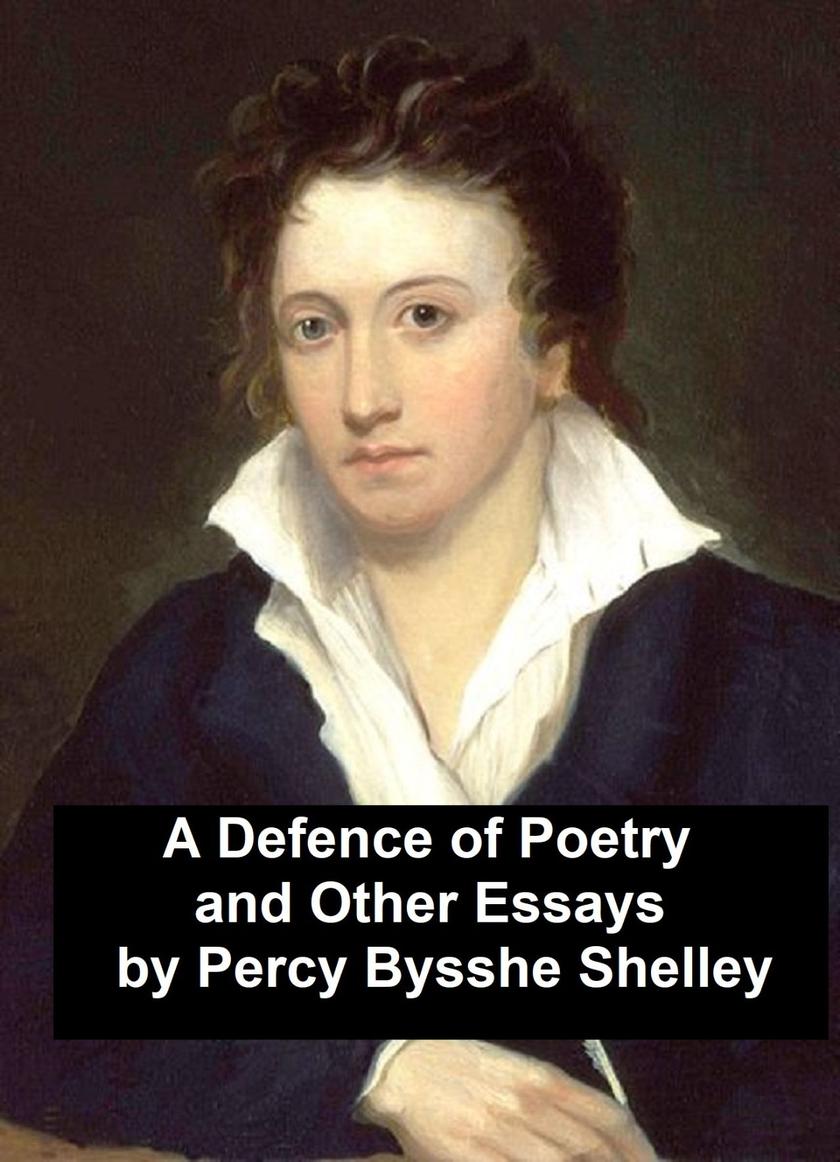
A Defence of Poetry and Other Essays
¥8.09
According to Wikipedia: "A Defence of Poetry is an essay by the English poet Percy Bysshe Shelley, written in 1821 and first published posthumously in 1840 in Essays, Letters from Abroad, Translations and Fragments (1840) [1839]. It contains Shelley's famous claim that "poets are the unacknowledged legislators of the world".
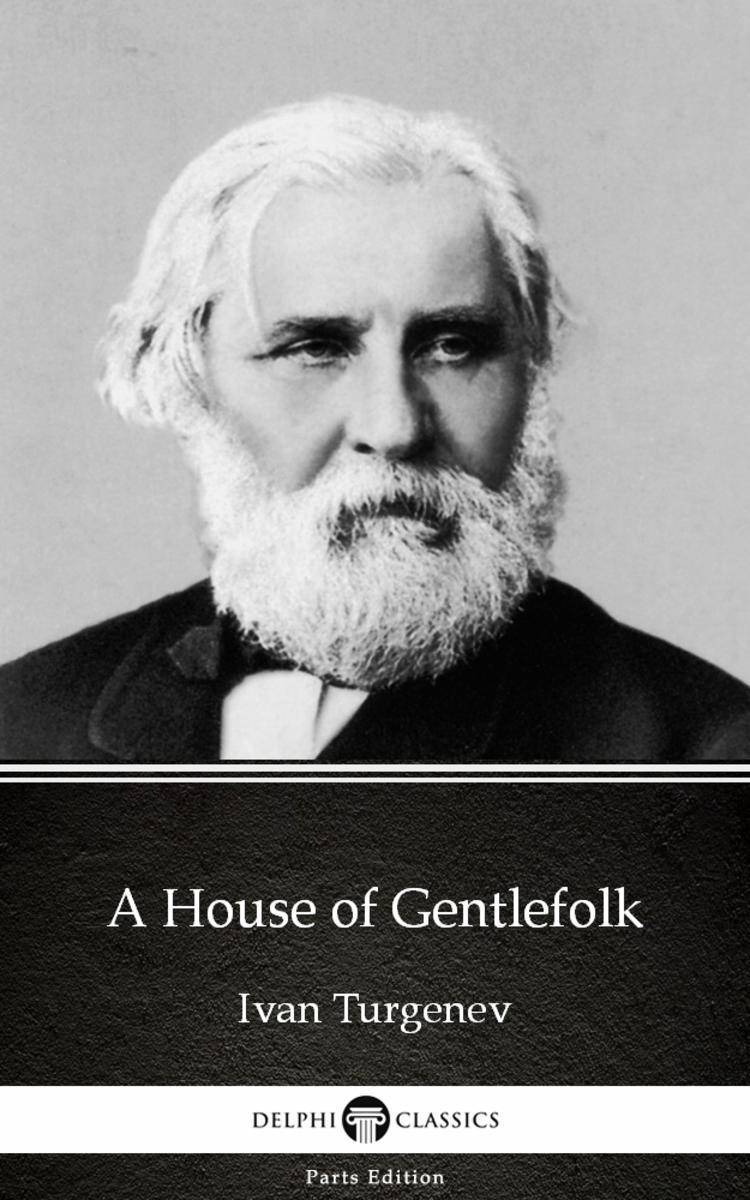
A House of Gentlefolk by Ivan Turgenev - Delphi Classics (Illustrated)
¥8.09
This eBook features the unabridged text of ‘A House of Gentlefolk by Ivan Turgenev - Delphi Classics (Illustrated)’ from the bestselling edition of ‘The Collected Works of Ivan Turgenev’. Having established their name as the leading publisher of classic literature and art, Delphi Classics produce publications that are individually crafted with superior formatting, while introducing many rare texts for the first time in digital print. The Delphi Classics edition of Turgenev includes original annotations and illustrations relating to the life and works of the author, as well as individual tables of contents, allowing you to navigate eBooks quickly and easily. eBook features: * The complete unabridged text of ‘A House of Gentlefolk by Ivan Turgenev - Delphi Classics (Illustrated)’ * Beautifully illustrated with images related to Turgenev’s works * Individual contents table, allowing easy navigation around the eBook * Excellent formatting of the text Please visit www.delphiclassics.com to learn more about our wide range of titles
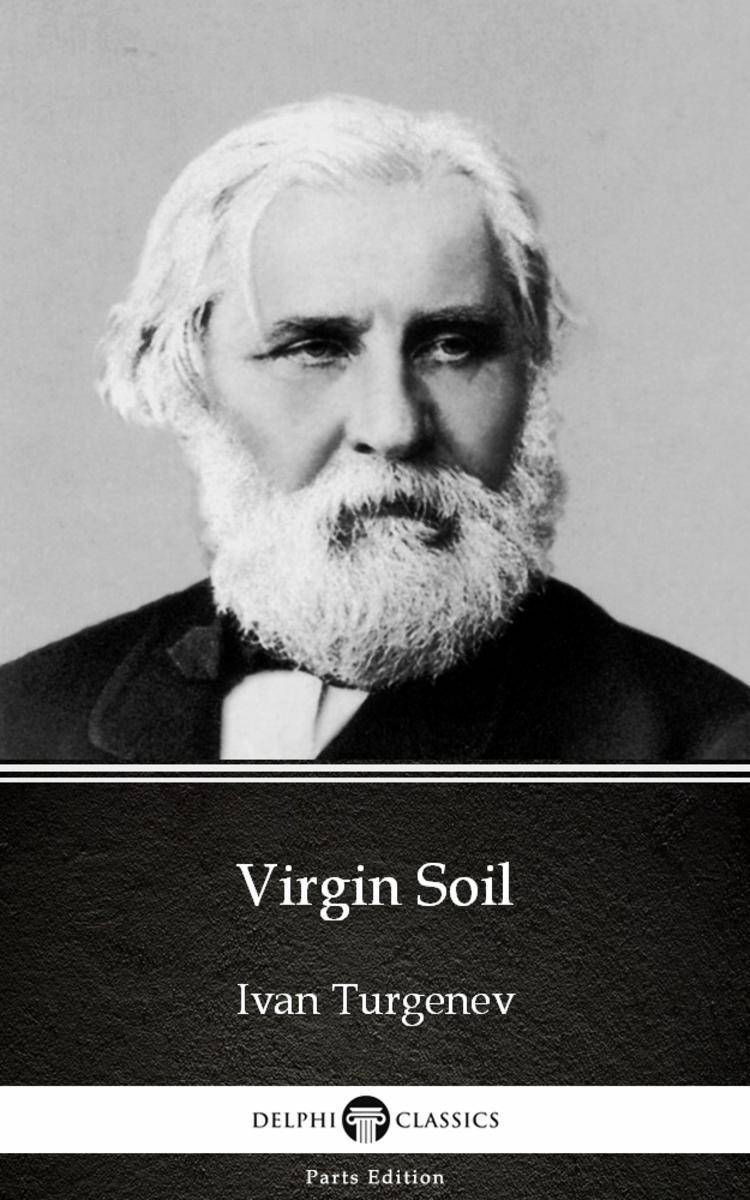
Virgin Soil by Ivan Turgenev - Delphi Classics (Illustrated)
¥8.09
This eBook features the unabridged text of ‘Virgin Soil by Ivan Turgenev - Delphi Classics (Illustrated)’ from the bestselling edition of ‘The Collected Works of Ivan Turgenev’. Having established their name as the leading publisher of classic literature and art, Delphi Classics produce publications that are individually crafted with superior formatting, while introducing many rare texts for the first time in digital print. The Delphi Classics edition of Turgenev includes original annotations and illustrations relating to the life and works of the author, as well as individual tables of contents, allowing you to navigate eBooks quickly and easily. eBook features: * The complete unabridged text of ‘Virgin Soil by Ivan Turgenev - Delphi Classics (Illustrated)’ * Beautifully illustrated with images related to Turgenev’s works * Individual contents table, allowing easy navigation around the eBook * Excellent formatting of the text Please visit www.delphiclassics.com to learn more about our wide range of titles
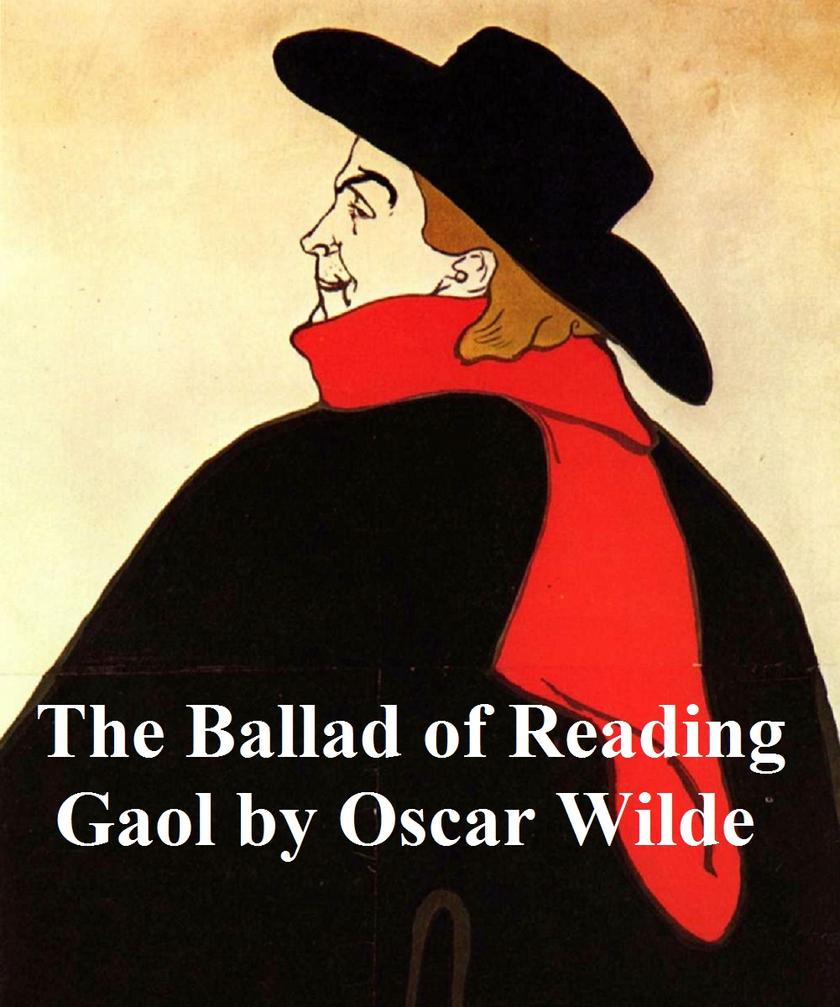
The Ballad of Reading Gaol
¥8.09
Classic poem, written in jail. According to Wikipedia: "Oscar Fingal O'Flahertie Wills Wilde (1854 - 1900) was an Irish playwright, novelist, poet, and author of short stories. Known for his barbed wit, he was one of the most successful playwrights of late Victorian London, and one of the greatest celebrities of his day. As the result of a famous trial, he suffered a dramatic downfall and was imprisoned for two years of hard labour after being convicted of the offence of 'gross indecency.'"
Troilus and Cressida, with line numbers
¥8.09
Classic Shakespearean drama. According to Wikipedia: "Troilus and Cressida is a tragedy by William Shakespeare, believed to have been written in 1602. The play (also described as one of Shakespeare's problem plays) is not a conventional tragedy, since its protagonist (Troilus) does not die. The play ends instead on a very bleak note with the death of the noble Trojan Hector and destruction of the love between Troilus and Cressida. Throughout the play, the tone lurches wildly between bawdy comedy and tragic gloom, and readers and theatre-goers have frequently found it difficult to understand how one is meant to respond to the characters. However, several characteristic elements of the play (the most notable being its constant questioning of intrinsic values such as hierarchy, honor and love) have often been viewed as distinctly "modern"..."
Colours (Activities for 3-5 Year Olds)
¥39.14
Colours: Activities for 3-5 Year Olds contains enjoyable activities to help develop children's essential skills. Recognizing, identifying and being able to name colours are essential steps in the early education of all children. Colour knowledge is an important means of helping children to make comparisons and observe and explore their environment. The practical activities in Colours include: Fun ways of teaching colour recognition and identification, Sorting and matching games, Unusual art and craft ideas and Suggestions for exploring colours in the environment. All the books in the Activities for 3-5 Year Olds Series contain tried-and-tested activities, linked to the six key areas of learning. They are an invaluable resource of fun, easy-to-use ideas for all early years settings, from preschools and nurseries to reception classes and day nurseries.
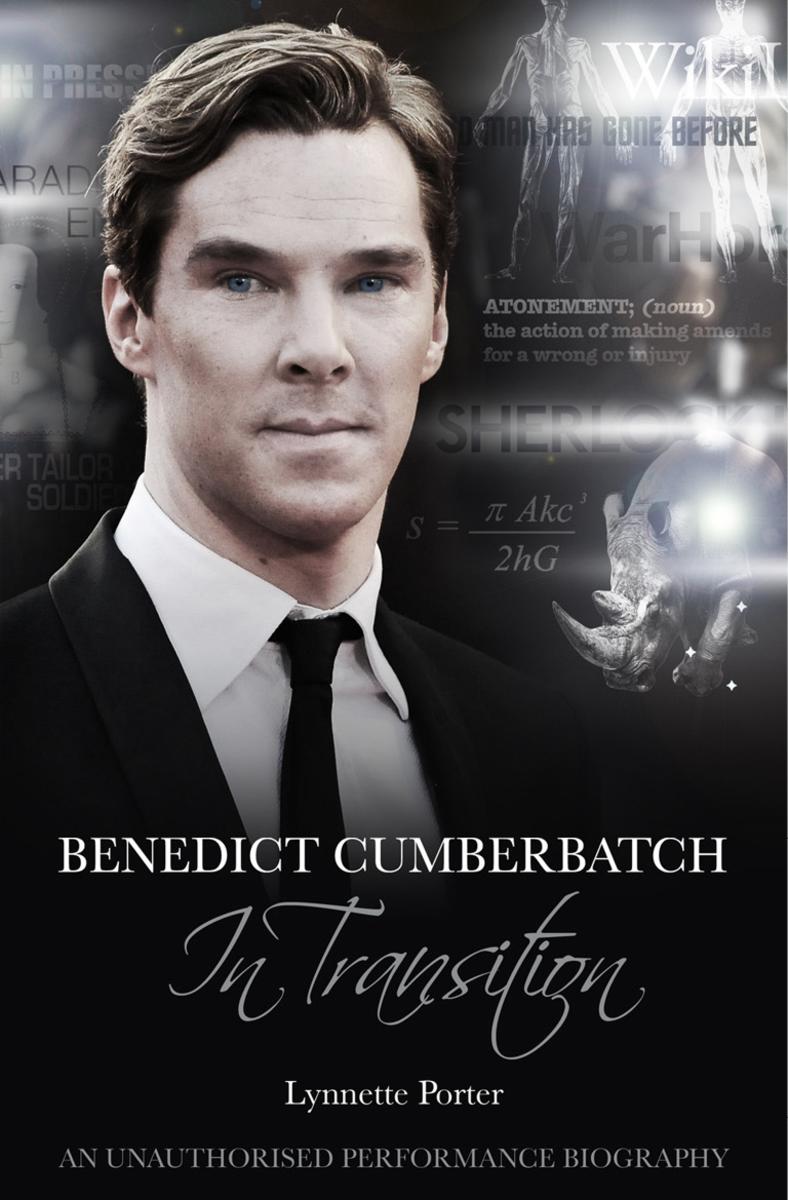
Benedict Cumberbatch, In Transition
¥58.76
Tinker Tailor Soldier Spy, War Horse, Star Trek: Into Darkness, The Hobbit trilogy, Twelve Years a Slave, August: Osage County, The Fifth Estate; Hedda Gabler, After the Dance, Frankenstein; Hawking, To the Ends of the Earth, The Last Enemy, Parade's End, and, of course, Sherlock. For most actors, these stellar cinematic, theatrical, and television events would be the highlights of a lifetime's work. On Benedict Cumberbatch's resume they are only a few of many entries. Especially since 2010, his performances have garnered a plethora of best actor awards, both in the theatre (Evening Standard Theatre Award, Critics Circle Theatre Award, and Olivier Award), by playing the dual roles of Victor Frankenstein and the Creature in the National Theatre's Frankenstein, and on television (Broadcasting Press Guild Award, Critics Choice Television Award, Crime Thriller Award, and TV Choice Award), by starring as the titular Holmes in the BBC's Sherlock. Add these and other recent accolades to nearly a decade's nominations and awards (such as the Golden Nymph as best actor in Hawking), and it's easy to see why Benedict Cumberbatch is often hailed as the actor of his generation. Cumberbatch's body of work further includes indie films, radio plays and series, television documentaries, live dramatic readings, multimedia advertisements, and even the occasional stint as a fashion model. He often shares an intriguing perspective on his profession, as evidenced in sometimes controversial interviews. He has become so much in demand that online box offices crash when tickets for his performances go on sale, and, before a Cheltenham Literature Festival Q&A session, fans overwhelmed Twitter when so many responded immediately to a call for questions. Cumberbatch consistently is a top name on lists ranging from sex appeal to global influence. In 2012 he beat David Beckham in the former and U.S. President Barack Obama in the latter. Increasingly, part of Cumberbatch's job involves the role of celebrity. Benedict Cumberbatch is at a pivotal point in his profession, and his career trajectory especially as documented in entertainment media permits a closer examination of just what it means to be a celebrity or star in Britain or the U.S. and how an actor may be perceived very differently in London or Hollywood. This performance biography is an analysis of a man in transition from working actor to multimedia star, as well as the balance between actor and celebrity. It looks at what makes this actor so well suited to play one of popular culture's iconic characters, Sherlock Holmes, and how Sherlock is so well suited to propel Cumberbatch toward greater global fame.
Road to Damascus
¥19.52
August Strindberg's classic trilogy of plays entitled To Damascus (also known as The Road to Damascus) is known as his greatest work.A very complex and thought provoking play series, it follows the conversations between two characters: the Stranger and the Lady.An excerpt from the Introduction:The Road to Damascus might be termed a marriage drama, a mystery drama, or a drama of penance and conversion, according as preponderance is given to one or other of its characteristics. The question then arises: what was it in the drama which was of deepest significance to the author himself? The answer is to be found in the title, with its allusion to the narrative in the Acts of the Apostles of the journey of Saul, the persecutor, the scoffer, who, on his way to Damascus, had an awe-inspiring vision, which converted Saul, the hater of Christ, into Paul, the apostle of the Gentiles. Strindberg's drama describes the progress of the author right up to his conversion, shows how stage by stage he relinquishes worldly things, scientific renown, and above all woman, and finally, when nothing more binds him to this world, takes the vows of a monk and enters a monastery where no dogmas or theology, but only broadminded humanity and resignation hold sway. What, however, in an inner sense, distinguishes Strindberg's drama from the Bible narrative is that the conversion itself - although what leads up to it is convincingly described, both logically and psychologically - does not bear the character of a final and irrevocable decision, but on the contrary is depicted with a certain hesitancy and uncertainty. THE STRANGER'S entry into the monastery consequently gives the impression of being a piece of logical construction; the author's heart is not wholly in it. From Strindberg's later works it also becomes evident that his severe crisis had undoubtedly led to a complete reformation in that it definitely caused him to turn from worldly things, of which indeed he had tasted to the full, towards matters divine. But this did not mean that then and there he accepted some specific religion, whether Christian or other. One would undoubtedly come nearest to the author's own interpretation in this respect by characterising The Road to Damascus not as a drama of conversion, but as a drama of struggle, the story of a restless, arduous pilgrimage through the chimeras of the world towards the border beyond which eternity stretches in solemn peace, symbolised in the drama by a mountain, the peaks of which reach high above the clouds.
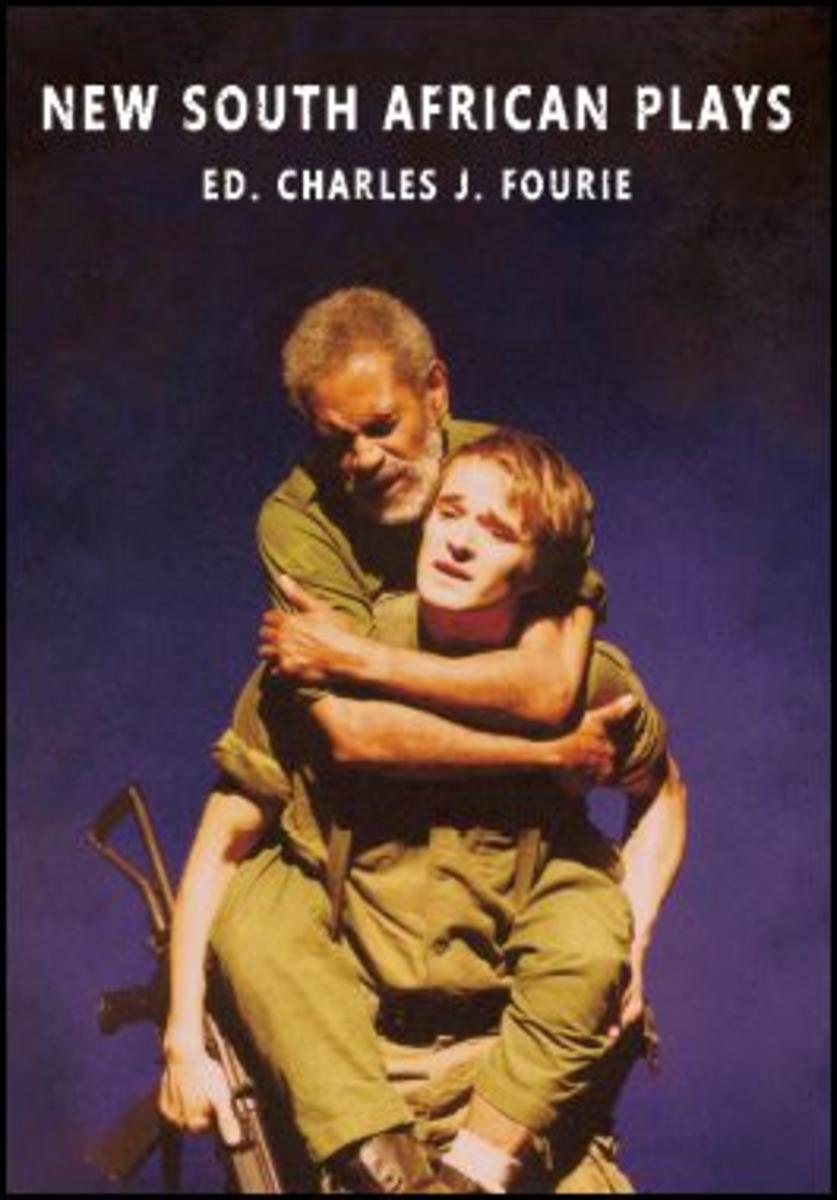
New South African Plays
¥40.79
A collection of six plays dealing with the new South Africa, published in 2006 to celebrate 10 years of democracy post-apartheid. Plays about racial conflict, the impact of AIDS, power and corruption, the legacy of the past and female identity. Reprinted 2012, 2019. ? The Plays The Playground?by Beverly Naidoo “…it floats on a haunting, echoing raft of traditional South African harmonies that make watching it a joyful experience as well as a thought-provoking one…”?Time Out Critics’ Choice – Pick of the Year Taxi?by Sibusiso Mamba: Edinburgh fringe first winner “a superbly written and produced play… A fine piece of work that’s refreshingly free of cliches.”?Daily Mail, Pick of the Week Green Man Flashing?by Mike Van Graan “…This finely crafted drama tears at the heart and soul of our democracy, and rips at the underbelly of corruption and political power through its astute writing…”?Star Tonight Rejoice?by James Whylie “… the cruellest irony of all is left until the end… the same one which has spelled the death of Rejoice… And millions more.”?Friends of BBC Radio 3 What the Water Gave Me?by Rehane Abrahams “tales that retrieve ancient magics and reveal contemporary terrors…”?Cape Times To House?by Ashwin Singh: Finalist in the 2003 PANSA (Performing Arts Network of SA) Festival of Reading of New Writing (the country’s foremost playwriting contest) “To House is an important piece of theatre; in it people voice opinions that are uncomfortable and edgy. The cathartic and therapeutic value of hearing these things said aloud in a public place is part of our essential healing process and proves, once again, that art has the ability to go where angels fear to tread.”?Daily News, Durban


