


 购物车
购物车 个人中心
个人中心
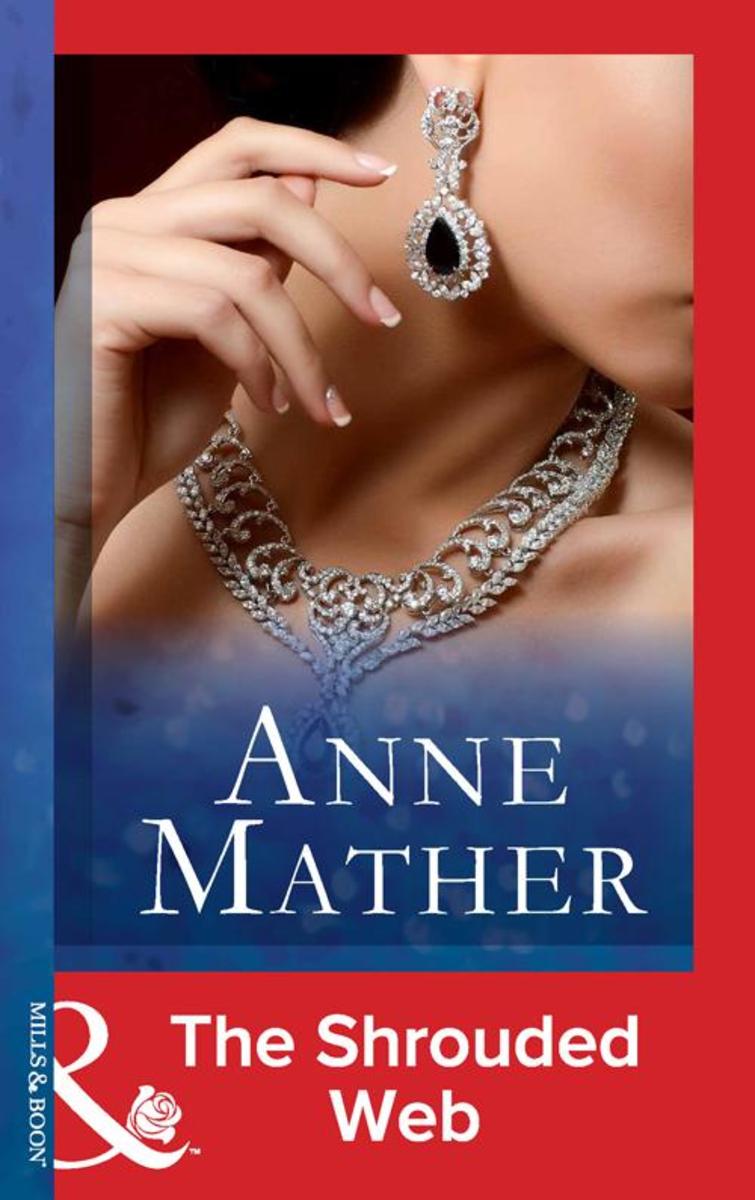
The Shrouded Web (Mills & Boon Modern) (The Anne Mather Collection)
¥31.10
Mills & Boon are excited to present The Anne Mather Collection – the complete works by this classic author made available to download for the very first time! These books span six decades of a phenomenal writing career, and every story is available to read unedited and untouched from their original release. Her make-believe husband… Justina had been practically forced into an unhappy marriage by her domineering aunt and, for complicated reasons, had decided not to tell her of her husband’s death three years later. But now, her aunt was demanding to see her – with husband in tow! It was only when Justina heard about Dominic Hallam, who was in hospital suffering from amnesia after a plane crash, that the germ of an idea came to her. If she pretended he was her husband, her aunt’s mind would be put at rest. But how far would Dominic co-operate?
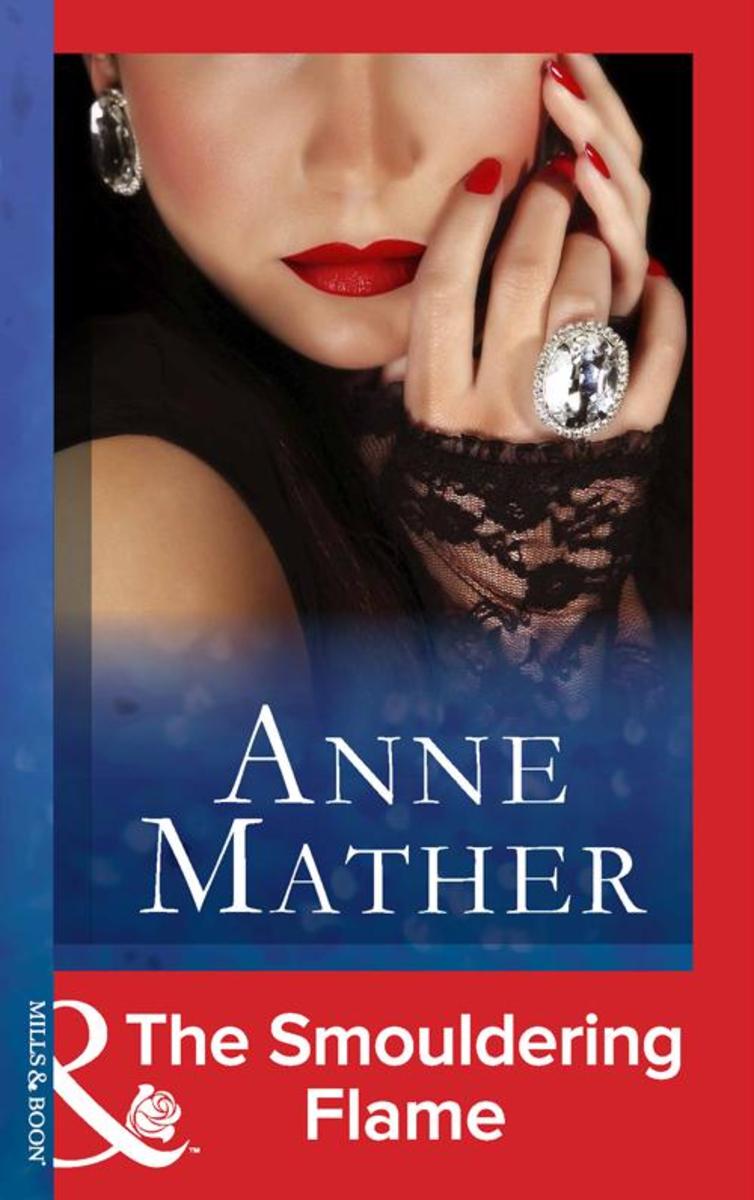
The Smouldering Flame (Mills & Boon Modern) (The Anne Mather Collection)
¥31.10
Mills & Boon are excited to present The Anne Mather Collection – the complete works by this classic author made available to download for the very first time! These books span six decades of a phenomenal writing career, and every story is available to read unedited and untouched from their original release. Passion that burns as fiercely as ever… Joanna never expected to see Shannon Carne again. But when family reasons lead her to seek him out in Africa – she is overwhelmed by the force of her emotions. And it is clear he still feels the same as her… But her renewed passion for Shannon couldn’t have come at a worst time – she is engaged to be married to another man. Dare she give up everything, and trust her heart to Shannon once more?

A Bride by Summer (Mills & Boon Cherish) (Round-the-Clock Brides, Book 3)
¥31.10
Baby, oh, baby! Talk about being broadsided! When Reed Sullivan is almost run off the road by a reckless driver, it's town newcomer Ruby O'Toole to the rescue. But the last thing Reed needs is a sexy distraction like Ruby, especially with the paternity of the infant left on the Sullivan brothers' doorstep still a mystery. For now, all he can offer Ruby is friendship…and maybe a kiss here or there. Quirky, independent Ruby is making a fresh start. Men are strictly off-limits–so maybe she and Reed should just be friends, despite their instant, combustible chemistry. But when a new wrinkle in the baby drama develops, will their "just friends" status stand? Or is happily-ever-after on the table?

A Sinclair Homecoming (Mills & Boon Superromance) (The Sinclairs of Alaska, Book
¥31.10
Free from the past Wade Sinclair knows you can't run from the past–he's tried. After his beloved sister was murdered, he ran from Alaska to California only to discover there was no escape. So when a family crisis calls him back, he discovers therapist Morgan O'Hare knee-deep in their affairs. As soon as he meets Morgan, he feels as if there is brightness in the world again. It would be inappropriate for them to get involved, yet the spark is irresistible. Wade never expected this kind of joy again. But is he really ready for this? Together, maybe they could find the strength to move on…if they're brave enough to try.

Desert Impact
¥25.60
BORDER ASSAULT The murder of several border patrol agents in a moonlight attack seems like an average Mexican cartel ambush…until the killers' weapons turn out to be U.S. military grade. There's a leak in the local army base, and it needs to be plugged before more ordnance trucks south–and more innocent lives are taken. Mack Bolan heads into the desert to investigate. But when an old ally is killed in a second assault, Bolan realizes he's underestimated the threat. Whoever is behind the attack is not only smuggling weapons into Mexico, but also building a private army. And the kingpin is intent on spreading his reign of terror into America. With an unofficial war about to break out on the border, he must plan a strategic strike to take down the empire and eliminate all its key players. And this time, for the Executioner, it's personal.

Her Montana Cowboy (Mills & Boon Love Inspired) (Big Sky Centennial, Book 2)
¥31.10
The Man of Her Dreams Julie Shaw is up to her ears in parade preparations…and cowboys! As the mayor's daughter, she needs to make sure the centennial celebrations for her beloved hometown of Jasper Gulch, Montana, go off without a hitch. Surely that's why she's feeling so flustered. It couldn't have anything to do with the handsome Ryan Travers. Of course she'd noticed the visiting rodeo star with the sparkle in his eye. But Julie is way too sensible to fall for his obvious appeal. As the town gossips about a century-old mystery, Julie's thoughts keep drifting to the charming cowboy. Despite her father's objections, she may soon find herself roped in…by love. Big Sky Centennial: A small town rich in history…and love.

Million-Dollar Maverick (Mills & Boon Cherish)
¥31.10
Finding true love: priceless RUST CREEK RAMBLINGS People say that the odds of finding your perfect partner are rather like the odds of hitting the lottery: slim to none. It's hard to believe, faithful readers, but Nate Crawford may just have accomplished both. We have the scoop on Rust Creek Falls' best-kept secret: our former mayoral candidate is now a very wealthy man! Yet he is going out of his way to make sure no one finds out. The question is, why? Insiders whisper that Nate is also keeping another secret from his new girlfriend, nurse Callie Kennedy–a big one–and it could be a game changer. Place your bets, dear readers! What will she do when she learns her "regular guy" boyfriend is really a maverick millionaire?
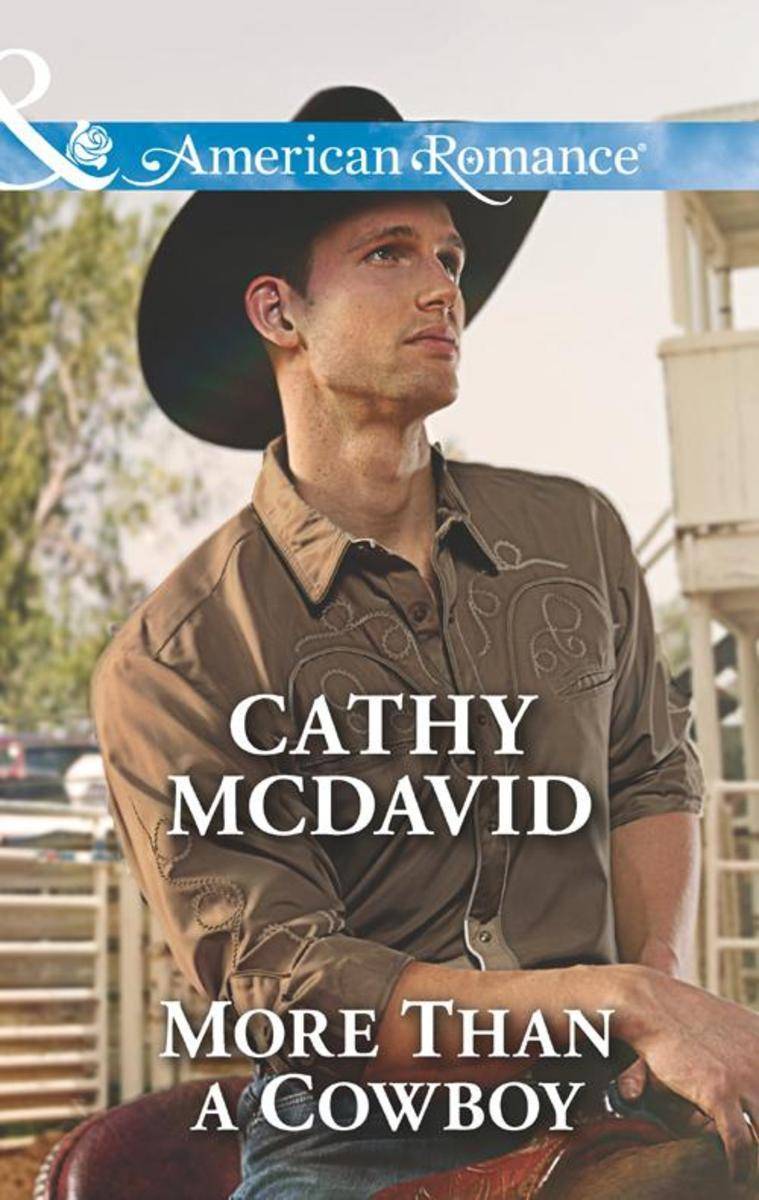
More Than a Cowboy (Mills & Boon American Romance) (Reckless, Arizona, Book 1)
¥31.10
LOVE OR FAMILY LOYALTY? Liberty Beckett was so used to watching longtime crush Deacon McCrea ride at her family's Reckless, Arizona, arena, she nearly forgot the handsome cowboy was an attorney. But it won't be hard to remember now that Deacon is representing her father in the legal battle dividing the Beckett clan and threatening the Easy Money Rodeo Arena. This case is Deacon's chance to clear his name in Reckless. He didn't anticipate the powerful effect Liberty would have on him. Their attraction is undeniable…and a huge conflict of interest. To save his career and Liberty's relationship with her family, Deacon knows he needs to avoid Liberty. But what a man needs and what he wants are two very different things….
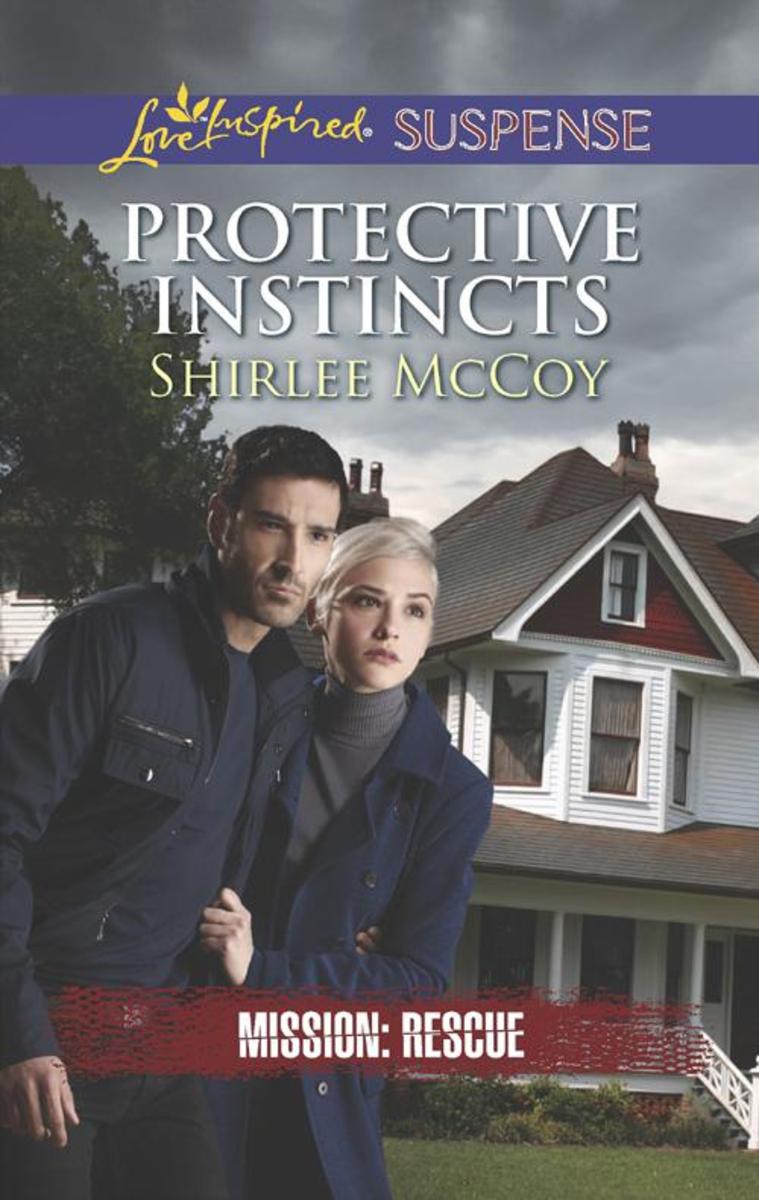
Protective Instincts (Mills & Boon Love Inspired Suspense) (Mission: Rescue, Boo
¥31.10
STALKED! After losing her family, and then nearly her life when she was held hostage in Africa, grieving widow Raina Lowery only wants to put the past behind her. Instead, she's finding her son's toys in the woods and dodging a gunman's bullets. Raina is trapped in a real-life nightmare–until Jackson Miller reappears. Months ago, saving Raina was Jackson's job as a member of HEART, a private rescue team. But now it's personal. The hardened protector wants to give Raina–and himself–a second chance at love. But first he has to save her…again. Mission: Rescue–No job is too dangerous for these fearless heroes

The Proposal Plan (Mills & Boon Modern Tempted)
¥30.61
Lucy Telford knows all about heartache (her teenage crush on friend Gabriel Blake was a crash course in unrequited love) but these days, she’s determined to make her own happy ending. If her boyfriend won’t get down on one knee, she’ll just have to ask him herself! Step one is enlisting Gabriel’s help - as an absolute woman-magnet, surely he can give her some tips on becoming irresistible? But Lucy’s perfect plan goes awry when she starts wondering if she’s asking the right man to walk her down the aisle…
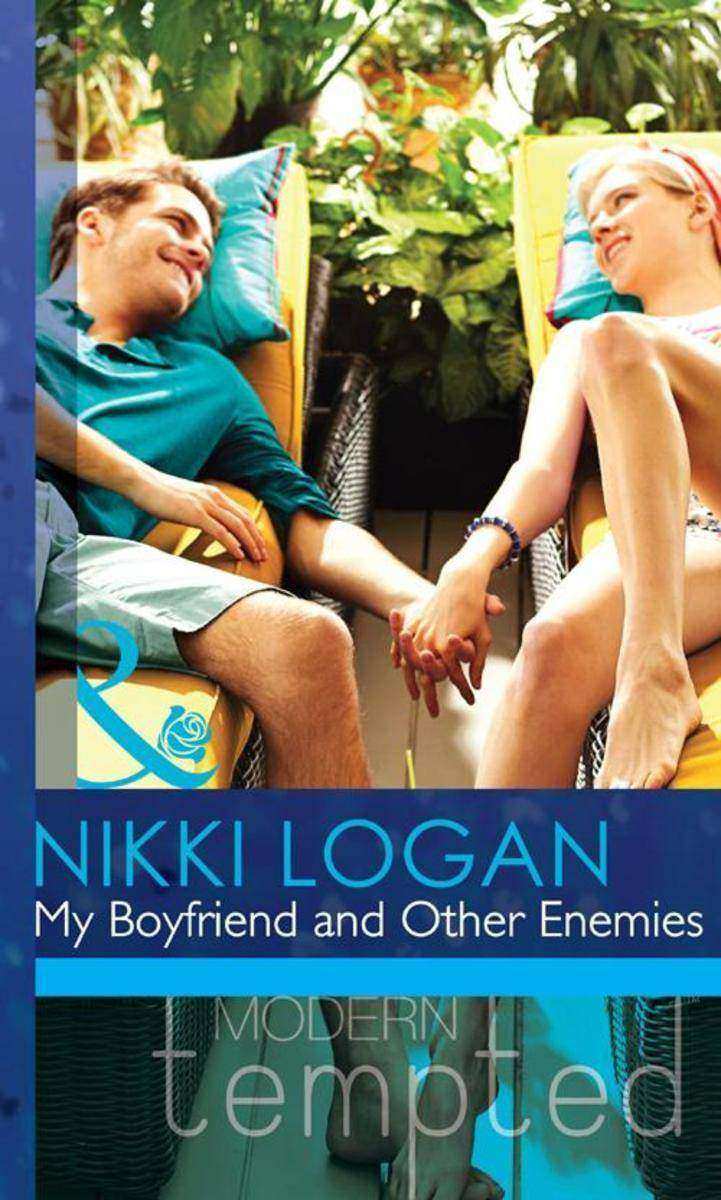
My Boyfriend and Other Enemies (Mills & Boon Modern Tempted)
¥30.61
The moment Tash Sinclair sets eyes on family rival Aiden Moore, she knows she’s in trouble. His vendetta against her is bad enough, but the fact she finds Aiden outrageously attractive makes everything a million times worse! Tash and Aiden clash immediately, but everyone knows that the line between love and hate is paper thin. As the fireworks fly, will Tash and Aiden spontaneously combust, or will Tash do the unthinkable, and fall for her own worst enemy? After all, you should keep your friends close, but maybe your enemies the closest of all… !
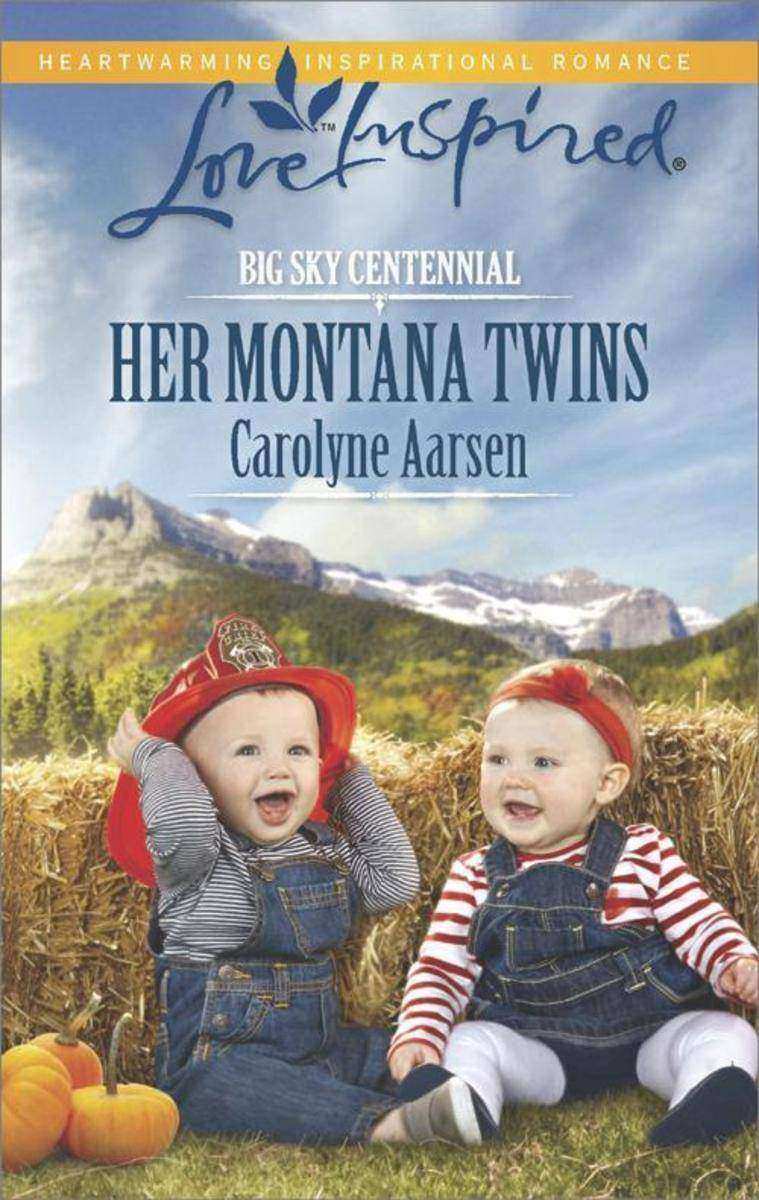
Her Montana Twins (Mills & Boon Love Inspired) (Big Sky Centennial, Book 4)
¥31.20
A FOREVER FAMILY Raising twins on her own hasn't been easy for widowed mom Hannah Douglas. But she's determined to see her family-and the picnic basket auction she's organizing for the town's centennial celebration-succeed. Still, there are times she wishes for someone to lean on. To her surprise, Brody Harcourt's strong shoulders are at the ready. Seems like Jasper Gulch's favorite firefighter and rancher is always there when she needs him. But Hannah's not sure she's willing to take another chance on love, especially with someone whose job puts him in harm's way. Is the risk of loving Brody worth the reward to make her family complete? Big Sky Centennial: A small town rich in history… and love.

His Texas Forever Family (Mills & Boon Cherish)
¥25.70
Please Report to the Principal's Office… Paige Graham only has room in her life for her son, Owen. He hadn’t spoken since his father died, but things changed when he met his new art teacher, Liam Campbell. Paige can’t help marvelling at the progress Owen’s made – and Liam isn’t exactly hard on the eyes either! New to Texas, Liam can’t risk his future by falling for his captivating supervisor Paige. But there’s something about her that he can’t resist. With Owen on the road to recovery, healing Paige’s heart to help her love again is next on his agenda.
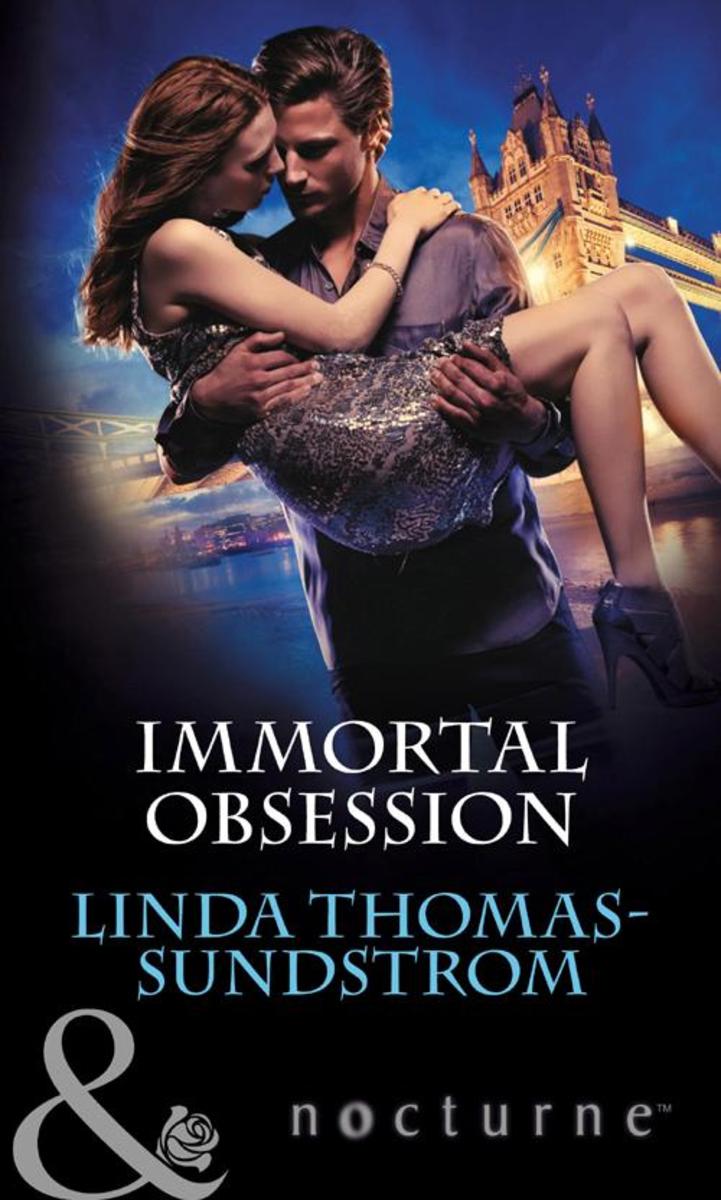
Immortal Obsession (Mills & Boon Nocturne)
¥31.59
Bound to oblige her every desire... When a rogue group of human-hating vampires overtake London, the elite immortals who own the city turn to American newscaster Madison Chase. If she can convince someone to help her infiltrate the dangerous faction, she just might stem the bloodshed and find her brother in time… The instincts that keep St. John from being fully human make him the rogues’ worst enemy. His all-consuming desire for Madison is forbidden. But, as the investigation escalates, Madison must discover if St. John is her trusted Protector – or if she’s being seduced by a monster!

In Her Rival's Arms (Mills & Boon Cherish)
¥31.10
Walking into Suzanna Zelensky’s shop, Dominic Brabant can’t help but make an impression. Zanna can’t control the beating of her heart – except this stranger’s here for more pressing matters… her home is top of his redevelopment list and Zanna’s not going to give in to her rival’s charms!

Reunited with the Lassiter Bride (Mills & Boon Desire) (Dynasties: The Lassiters
¥31.10
In the fight sparked by her late father’s will, CEO Angelica Lassiter won control of her birthright – but lost the fiancé she loved. Yet suddenly she and Evan McCain must now fake a reunion to make their best friends’ wedding work. Trusting each other might be impossible, but their kisses may not be a ruse any more…

Risk of Falling (Mills & Boon Heartwarming)
¥31.10
Grief doesn't come with a deadline… She's got thirty days to clean up her mother's neglected home or she'll lose it. That's all city code inspector Will Stone has given her. And it's not nearly long enough for Suzy Bylin to sort through the lifetime of old treasures and broken keepsakes she's inherited. Desperate to keep the place, Suzy must steel herself against the feeling that every time she throws something away, she's getting rid of a memory of her mom. When she can no longer do it on her own, she has nobody to turn to but Will. And if she can help him through his own family crisis, maybe together they can find more than mutual support and friendship….

Beloved Enemy (Mills & Boon Historical)
¥39.24
HOW COULD SHE FALL IN LOVE WITH A YANKEE? Julia Chandler was a true daughter of the Confederacy, believing any man who wore Union blue was no man at all. But the magic of a costume ball transformed her, and she looked beyond his mask and saw in the eyes of Major Robert Montgomery the mirror of her very soul! Major Rob Montgomery had good reason to hate Southerners. Hadn't Rebel gunfire shattered his dreams along with his hand? And yet he yearned for even a moonlit glimpse of Miss Julia, a sheltered Virginia belle, forbidden him by war and politics, but destined for him by heart's true love!

Sunken Treasure (Mills & Boon Love Inspired Suspense)
¥25.60
DANGER ON THE HIGH SEAS Shipwreck diver Gage Fontaine is used to modern-day pirates chasing after his boat and the buried treasure he salvages. But when he unknowingly leads a dangerous criminal to the waters off Stepping Stones Island, he puts a beautiful fisherwoman in grave danger. Rachelle Thibodaux has spent the past year hiding on her boat to avoid the town's censure for her father's crimes. But when she comes face-to-face with a gun-wielding pirate, she becomes a new kind of target. To save her own life, she'll have to work with Gage to find the treasure before the pirates do.
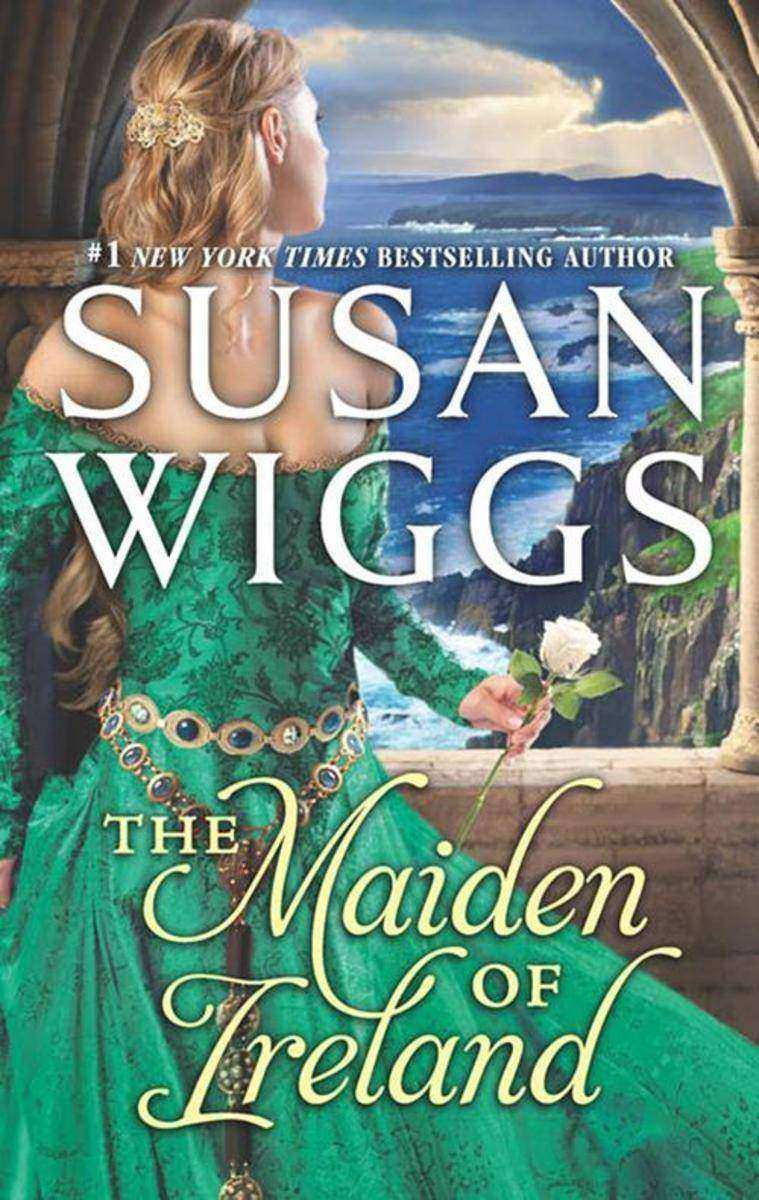
The Maiden of Ireland
¥54.74
#1 New York Times bestselling author Susan Wiggs sweeps readers away to the misty coast of Ireland in an irresistible tale of falling in love with the enemy… John Wesley Hawkins was condemned to hang, accused of treason and heresy. As he's transported to the scaffold at Tyburn, however, the Lord Protector steps in and offers him the hand of mercy-if Wesley agrees to travel to Ireland on a dangerous mission into the heart of the Irish resistance against English rule. He'll have to seduce the rebels' secrets from a headstrong Irishwoman, but that shouldn't be a problem for a man of Wesley's reputation… . Caitlin MacBride is mistress of the beleaguered Irish castle Clonmuir, and she makes no secret of her loyalty to her countrymen. She's determined to remain strong for her people, but a wish for true love one evening at sunset yields the one thing that may sway her resolve. When Wesley walks out of the mist that fateful night, Caitlin's faith in the magic of Ireland is briefly restored-until she discovers he's one of the treacherous Englishmen she has spent her life fighting against. See more at www.SusanWiggs.com
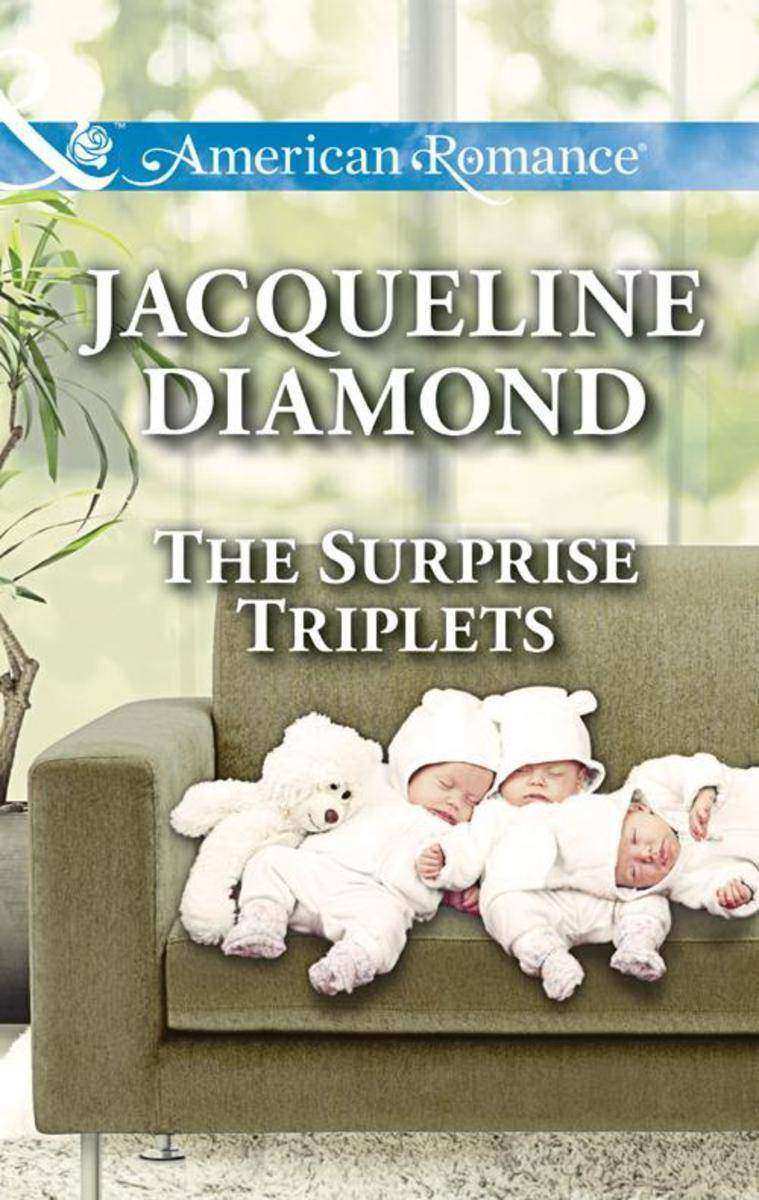
The Surprise Triplets (Mills & Boon American Romance) (Safe Harbor Medical, Book
¥31.10
TRIPLE THE TROUBLE When fertility counselor Melissa Everhart decided to have a baby on her own, she didn't anticipate triplets… or her ex-husband's return to Safe Harbor. Three years ago, Edmond's reluctance to have children tore them apart. But now that he's been made guardian of his niece, Melissa witnesses how tenderly he cares for the little girl. Though Edmond doesn't believe he's father material, his sudden custody of Dawn leaves him little choice. He turns to Melissa, the warmest, kindest person he knows, for help. They begin to rediscover the love they once shared, but the betrayals of the past trouble them both. Can they find the forgiveness they both need to come together as a family?


