


 购物车
购物车 个人中心
个人中心
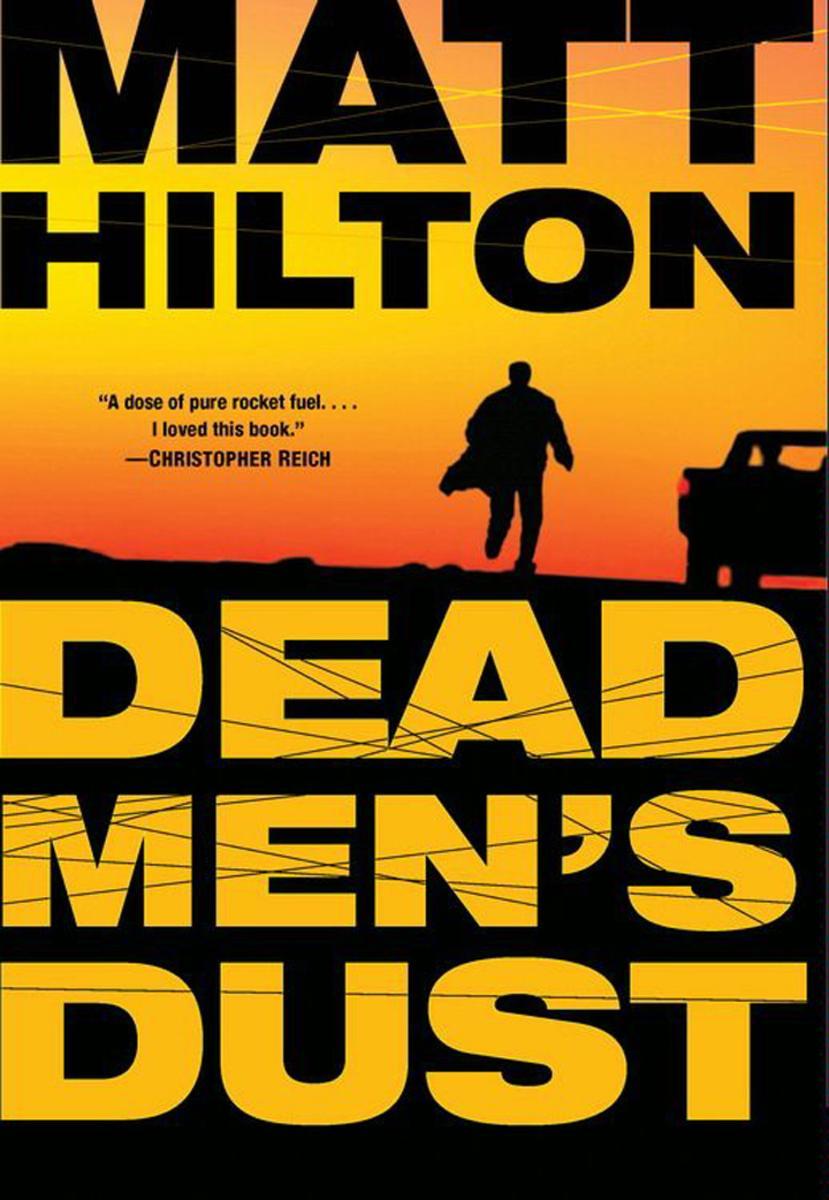
Dead Men's Dust
¥55.31
The electrifying debut of ex-military officer and all-around tough guy Joe Hunter, who is on the trail of his missing and estranged brother . . . and the madman who may have taken him Joe Hunter solves problems. Or, as he likes to put it, he's "the weapon sent in when all the planning is done and all that's left is the ass kicking." And as a former military operative and ex-CIA agent, he's good at what he does. But when he's told that his brother—with whom he hasn't been on the best of terms—has disappeared, he learns that everything he's faced before is child's play compared to what's coming. Tubal Cain is a killer—smart, stealthy, and arrogant—but he's also sentimental. His most precious possession is the set of knives he uses, and when one of them (his favorite Bowie) is stolen along a deserted stretch of highway, Cain will stop at nothing to get it back. Unfortunately for Hunter, the thief is his brother, a man who has been on the run from his own mis-takes but is now in the crosshairs of a seriously deranged man. To find his brother, Hunter must find Cain, and the chase takes all three men on a hair-raising journey across the country to a barren spot in the American Southwest, where bones have become nothing more than dead men's dust. With its cinematic pacing, nonstop thrills, and strong, charismatic hero, Dead Men's Dust introduces Matt Hilton as a powerful and irresistible new voice in thriller fiction.
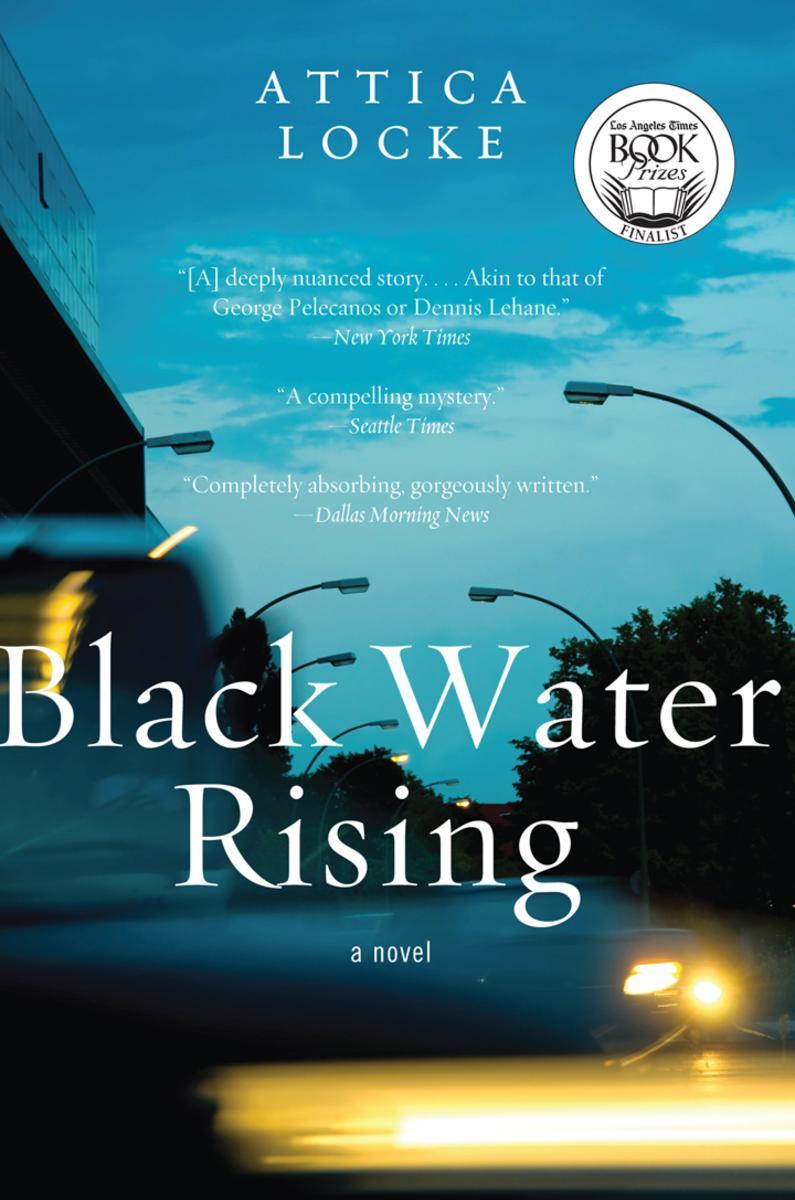
Black Water Rising
¥83.92
Writing in the tradition of Dennis Lehane and Greg Iles, Attica Locke, a powerful new voice in American fiction, delivers a brilliant debut thriller that readers will not soon forget.Jay Porter is hardly the lawyer he set out to be. His most promising client is a low-rent call girl and he runs his fledgling law practice out of a dingy strip mall. But he's long since made peace with not living the American Dream and carefully tucked away his darkest sins: the guns, the FBI file, the trial that nearly destroyed him. Houston, Texas, 1981. It is here that Jay believes he can make a fresh start. That is, until the night in a boat out on the bayou when he impulsively saves a woman from drowning—and opens a Pandora's box. Her secrets put Jay in danger, ensnaring him in a murder investigation that could cost him his practice, his family, and even his life. But before he can get to the bottom of a tangled mystery that reaches into the upper echelons of Houston's corporate power brokers, Jay must confront the demons of his past.With pacing that captures the reader from the first scene through an exhilarating climax, Black Water Rising marks the arrival of an electrifying new talent.
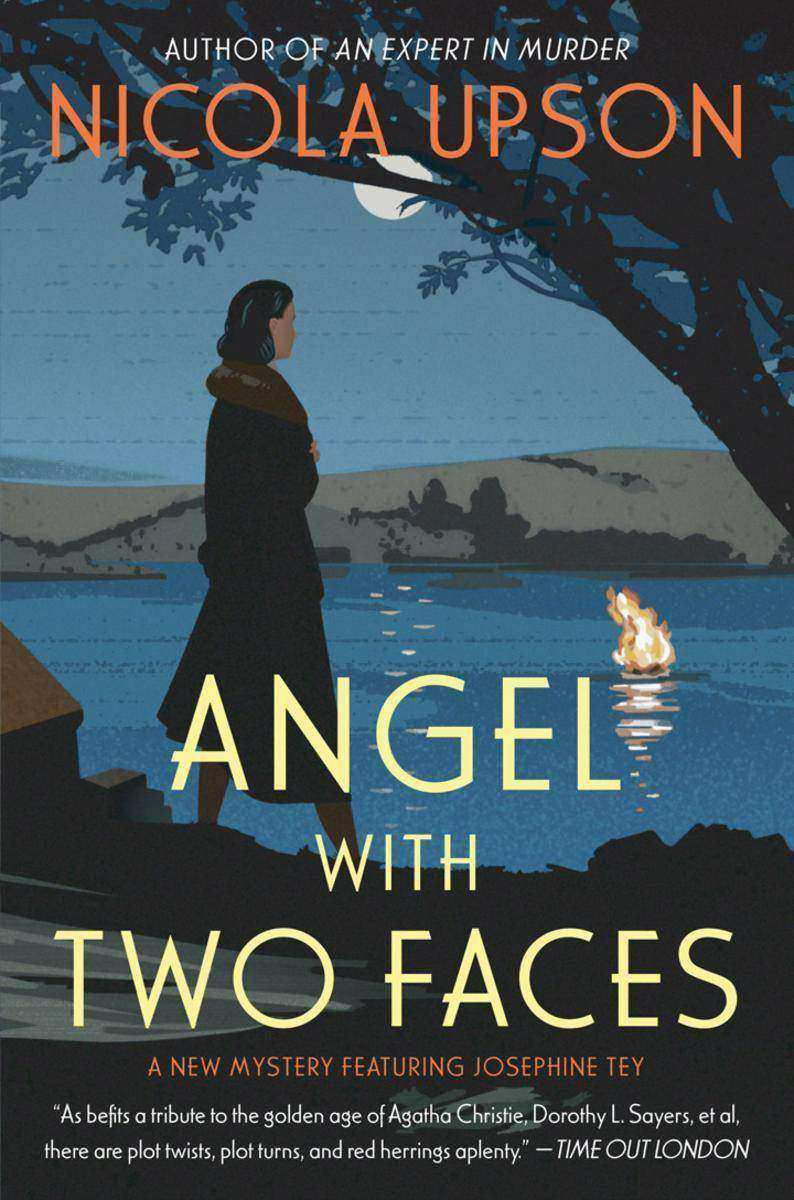
Angel with Two Faces
¥77.49
Exhausted and disillusioned with the world of theater in May 1935, Josephine Tey has traveled to Cornwall to spend the summer with her friends the Motleys at their run-down but beautiful country estate. Ready to begin work on her second mystery novel, Tey finds much to inspire her in the landscape and its legends. Meanwhile, the Motleys have become involved in an amateur production at the nearby Minack Theater.Detective Inspector Archie Penrose has returned to his roots in Cornwall to attend the funeral of a family friend, a young estate worker who died in a tragic riding accident. Penrose has a few questions about the circumstances surrounding the fatal occurrence. And when the Minack Theater proves to be the stage for a real-life tragedy, Penrose and Tey together must investigate an audacious murder and confront an evil suggesting that there are darker things than death.

Good Things I Wish You
¥78.55
The acclaimed author of Vinegar Hill returns with a story of two unlikely romances—one historical, the other modern-day—separated by thousands of miles and well over a century. Battling feelings of loss and apathy in the wake of a painful divorce, novelist Jeanette struggles to complete a book about the long-term relationship between Clara Schumann, a celebrated pianist and the wife of the composer Robert Schumann, and her husband's protégé, the handsome young composer Johannes Brahms. Although this legendary love triangle has been studied exhaustively, Jeanette—herself a gifted pianist—wonders about the enduring nature of Clara and Johannes's lifelong attachment. Were they just "best friends," as both steadfastly claimedOr was the relationship complicated by desires that may or may not have been consummatedThrough a chance encounter, Jeanette meets Hart, a mysterious, worldly entrepreneur who is a native of Clara's birthplace, Leipzig, Germany. Hart's casual help with translations quickly blossoms into something more. There are things about men and women, he insists, that do not change. The two embark on a whirlwind emotional journey that leads Jeanette across Germany and Switzerland to a crossroads similar to that faced by Clara Schumann—also a mother, also an artist—more than a century earlier. Accompanied by photographs, sketches, and notes from past and present, A. Manette Ansay's original blend of fiction and history captures the timeless nature of love and friendship between women and men.

Annie, Between the States
¥55.93
Annie's home and heart are divided by the Civil War.Annie Sinclair's Virginia home is in the battle path of the Civil War. Her brothers, Laurence and Jamie, fight to defend the South, while Annie and her mother tend to wounded soldiers. When she develops a romantic connection with a Union Army lieutenant, Annie's view of the war broadens. Then an accusation calls her loyalty into question. A nation and a heart divided force Annie to choose her own course.

The Rebel Princess
¥90.77
Ala?s, the spirited and indomitable princess of France, returns for another thrilling adventure in this historically rich, mesmerizing sequel to The Canterbury PapersWhen I settled back among the velvet cushions, the scenes from the cathedral replayed themselves before my unwilling eyes: the odd chalice, the way Constance looked at it, the interruption of Mass by the armed knights, the strange response of Chastellain to the king's inquiry.A whisper within me matched the clap-clap of the horses' hooves on the stones of the Paris road: There is more here; there is more here.Paris, October 1207. There is nothing that Princess Ala?s of France wants more than to settle down with her lover, William of Caen, and to reveal to his ward, Francis, that she is his mother. But intrigue is afoot in the palace: two monks have arrived from Rome on a mission to compel her brother, Philippe, the king, to help them battle a dangerous breakaway Christian sect in the south known as the Cathars. At the same time, Ala?s's aunt, the dowager countess Constance of Toulouse, is causing trouble in court, and Etienne Chastellain, the king's chief official, appears to be up to something more sinister than usual.Tensions are pushed to the brink when the St. John Cup, a relic much prized by the Cathars, is stolen, and then young Francis goes missing. Frantic for his safety, Ala?s will risk life and limb to find the boy. Donning a disguise, the royal princess must outwit cunning enemies and make her way into unfamiliar territory to save her son, and perhaps even prevent her beloved France from a bloody holy war.From the opulent halls of Paris to austere monasteries in the south of France, The Rebel Princess combines history and suspense in an unforgettabletale involving one of the most enigmatic and intriguing female figures in medieval history.

The Web and The Root
¥84.16
Shortly before his death at a tragically young age, author Thomas Wolfe presented his editor with an epic masterwork that was subsequently published as three separate novels: You Can't Go Home Again, The Hills Beyond, and The Web and the Rock.The Web and the Root features the three initial sections of the The Web and the Rock, widely considered to be the book's strongest material. A prequel to You Can't Go Home Again, it is the story of George Webber's momentous journey from Libya Falls, North Carolina, to the Golden City of the North—offering vivid, sometimes cutting depictions of rural pleasures and small-town clannishness while exploring boundless urban possibility and the complex, violent undercurrents of the metropolis.

The Crowning Glory of Calla Lily Ponder
¥88.56
Known for her beloved Ya-Ya books (Divine Secrets of the Ya-Ya Sisterhood, Little Altars Everywhere, and Ya-Yas in Bloom), Rebecca Wells has helped women name, claim, and celebrate their shared sisterhood for over a decade. Divine Secrets of the Ya-Ya Sisterhood held the top of the New York Times bestseller list for sixty-eight weeks, became a knockout feature film, sold more than 5 million copies, and inspired the creation of Ya-Ya clubs worldwide. Now Wells debuts an entirely new cast of characters in this shining stand-alone novel about the pull of first love, the power of life, and the human heart's vast capacity for healing. The Crowning Glory of Calla Lily Ponder is the sweet, sexy, funny journey of Calla Lily's life set in Wells's expanding fictional Louisiana landscape. In the small river town of La Luna, Calla bursts into being, a force of nature as luminous as the flower she is named for. Under the loving light of the Moon Lady, the feminine force that will guide and protect her throughout her life, Calla enjoys a blissful childhood—until it is cut short. Her mother, M'Dear, a woman of rapture and love, teaches Calla compassion, and passes on to her the art of healing through the humble womanly art of "fixing hair." At her mother's side, Calla further learns that this same touch of hands on the human body can quiet her own soul. It is also on the banks of the La Luna River that Calla encounters sweet, succulent first love, with a boy named Tuck. But when Tuck leaves Calla with a broken heart, she transforms hurt into inspiration and heads for the wild and colorful city of New Orleans to study at L'Académie de Beauté de Crescent. In that extravagant big river city, she finds her destiny—and comes to understand fully the power of her "healing hands" to change lives and soothe pain, including her own. When Tuck reappears years later, he presents her with an offer that is colored by the memories of lost love. But who knows how Calla Lily, a "daughter of the Moon Lady," will respondA tale of family and friendship, tragedy and triumph, loss and love, The Crowning Glory of Calla Lily Ponder features the warmth, humor, soul, and wonder that have made Wells one of today's most cherished writers, and gives us an unforgettable new heroine to treasure.
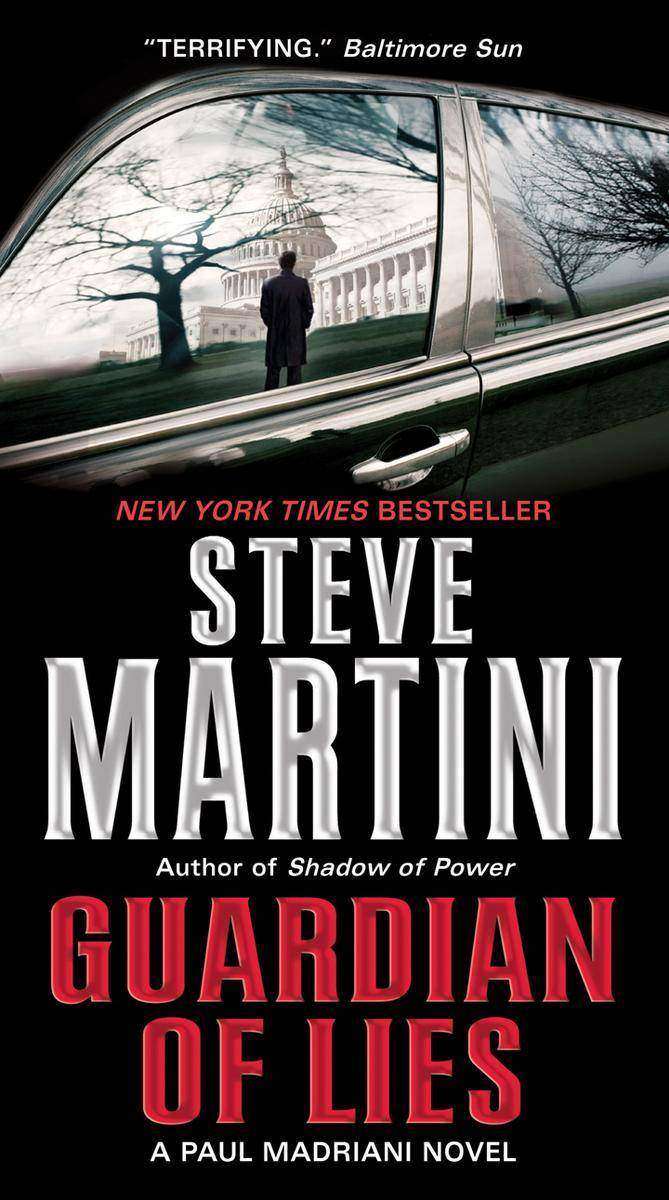
Guardian of Lies
¥69.90
Defense attorney Paul Madriani gets caught in a web of deceit and murder involving Cold War secrets, a rare coin dealer who once worked for the CIA, and a furious assassin in one of the most entertaining novels yet in this New York Times bestselling series.A woman pauses in the hallway of a darkened San Diego beach house at night—listening for just the right moment when she can flee before her companion notices that she's gone.A man outside watches the same mansion, waiting for a sign that he can enter on his mission of blood and carnage.So begins this riveting new tale about Paul Madriani and his latest case—that of Katia, a woman accused of an unlikely crime—a trial that will unravel a careful but horrifying conspiracy. Madriani soon realizes that he's signed onto something much more sinister than a botched heist. As he searches for the truth that will clear Katia's name, he finds himself on a path that takes him from Southern California to Costa Rica, and, ultimately, to a secret buried since Castro's rise to power.Together with his partner, Harry Hinds, Madriani must piece together the threads of a decades-old conspiracy involving priceless gold coins, an aging American spy, a disaffected Russian soldier, and a forgotten weapon from the days of JFK and the Cuban Missile Crisis. As the separate strands of the story come together, Madriani finds information that will ultimately lead him to the one person who holds the key to it all: a man some call "The Guardian of Lies."In this fascinating thriller from New York Times bestselling author Steve Martini, Paul Madriani faces his most challenging—and most urgent—case yet, a breathless story that combines fact and fiction and will hold readers captive until its final, explosive conclusion.

Fire and Ice
¥70.10
Seattle investigator J. P. Beaumont is working a series of murders in which six young women have been wrapped in tarps, doused with gasoline, and set on fire. Their charred remains have been scattered around various dump sites, creating a grisly pattern of death across western Washington. At the same time, thousands of miles away in the Arizona desert, Cochise County sheriff Joanna Brady is looking into a homicide in which the elderly caretaker of an ATV park was run over and left to die. All the man has left behind is his dog, who is the improbable witness to some kind of turf warfare—or possibly something more sinister.Then a breakthrough in Beaumont's case leads him directly to the Southwest and into Brady's jurisdiction. When the two met on a joint investigation years earlier, sparks flew. Under different circumstances, both of them admit, even more could have happened.But here, as the threads of their two seemingly separate cases wind together, Beaumont and Brady must put aside echoes of their shared past as they are once again drawn into an orbit of deception. Except this time it's not just their own lives that are in danger but those of the people closest to them as well.

Reasons for and Advantages of Breathing
¥85.05
With this first book of fiction, a gifted young writer brings together eight superbly crafted stories that peer deeply into the human heart, exploring lives derailed by the loss of a vital connection to the land and to the natural world of which they are a part. "Mule Killers" evokes the end of an era and of a grandfather's dreams when he decides to replace animal power on his farm with tractors. Two restless young girls in "Sweethearts of the Rodeo" live out their last summer of innocence, riding ponies recklessly and spying on their boss and the wealthy women who visit him. In "Phantom Pain," the Tennessee woods are a sliver of what they once were, men now hunt with GPS and cell phones, and the rumor of a dangerous panther on the loose stirs up a small town. An unexpected vision of the beauty and mystery of life redeems the darkest moments in this stellar debut collection, a book that readers will want to read and reread.

The Last Summer of Her Other Life
¥78.55
From Jean Reynolds Page—the critically acclaimed author of The Space Between Before and After and one of the most compelling voices in contemporary women's fiction—comes a dazzling novel of loss and redemption, of relationships that damage and those that heal.Thirty-nine and pregnant by a man she's decided to leave behind in California, Jules' life is changing. Always the protected daughter, she must now relinquish that role and prepare to be a mother herself. But her efforts are upstaged by shocking allegations from a local teen in her North Carolina hometown. The boy has accused her of what the police are calling “inappropriate sexual contact.” Three men rally in her defense: Lincoln, her brother, who flies in from New York to help her; Sam, her high school boyfriend, who after so many years still offers unconditional support; and Walt, the uncle of the teen, who charms Jules with his intelligence and unanticipated kindness. Her search for the truth about the troubled teenager becomes, for Jules, a first step toward discovering the woman she wishes to be. But with so many wrong choices behind her, how can she trust herself with the future of her unborn child?

Pop Salvation
¥78.55
Caleb Watson is not like the other children at his Washington, D.C., private school. Having skipped a grade—and being younger and smaller than the rest of the boys—he finds that his Southern accent and sensitive, reserved nature set him even further apart. Caleb simply does not belong. But on a field trip to the art museum, Caleb discovers his hero—his icon—when he is exposed to the art of Andy Warhol. In the beauty of the things that don't fit, in the art and philosophy of Pop plus the glorious camp of The Rocky Horror Picture Show and its creatures of the night, Caleb will find sanctuary, transforming himself and the eccentric friends he meets along the way into his own little version of Warhol's Factory.
The Mermaids Singing
¥72.78
There is an island off the west coast of Ireland called Inis Murúch -- theIsland of the Mermaids -- a world where myth is more powerful than truth, and love can overcome even death. It is here that Lisa Carey sets her lyrical and sensual first novel, weaving together the voices and lives of three generations of Irish and Irish-American women.Years ago, the fierce and beautiful Grace stole away from the island with her small daughter, Gráinne, unable to bear its isolation. Now Gráinne is motherless at fifteen, and a grandmother she has never met has come to take her back. Her heart is pulled between a life in which she no longer belongs and a family she cannot remember. But only on Inis Murúch can she begin to understand the forces that have torn her family apart.

WordPress Search Engine Optimization - Second Edition
¥80.65
A complete guide to dominating search engines with your WordPress siteAbout This BookEverything you need to get your WordPress site to the top of search engines and bring thousands of new customers to your blog or businessLearn everything from keyword research and link building to customer conversions, in this complete guidePacked with real-word examples to help get your site noticed on Google, Yahoo, and Bing Who This Book Is For This book is for anyone who runs any of the over 90,000,000 WordPress installations throughout the world. If you can login to your WordPress website, you can implement most of the tips in this book without any coding experience.What You Will LearnThe elements that search engines use to rank websites—and how to optimize your site for premium placementHarness social media sites to extend the reach of your site and gain more visitorsDiscover the high-volume, high-value search phrases that customers use when searching for your products or servicesAvoid dangerous black-hat optimization techniques and the people who advocate and purvey themBuild high-quality, high-value links from other websites to raise your rankings in search enginesCreate optimized and engaging content that both search engines and readers will loveAvoid common SEO mistakes that can get your site penalized by search engines In Detail WordPress is a powerful platform for creating feature-rich and attractive websites but, with a little extra tweaking and effort, your WordPress site can dominate search engines and bring thousands of new customers to your business. WordPress Search Engine Optimization will show you the secrets that professional SEO companies use to take websites to the top of search results. You'll take your WordPress site to the next level; you'll brush aside even the stiffest competition with the advanced tutorials in this book.Style and approach This is a practical, hands-on book based around sound SEO techniques specifically applied to WordPress. Each chapter starts with a brief overview of the important concepts then quickly moves into practical step-by-step actions you can take immediately. Throughout the book, you'll get clear instructions and detailed screenshots, so you can see exactly what to do each step of the way.
Ubuntu Server Essentials
¥54.49
Unleash the true potential of Ubuntu Server in your production environment using this administration guide About This Book Learn how to deploy and configure Ubuntu servers and work with cloud and hyper-visors Optimize network traffic to broadcast and multicast the traffic flow in OpenStack clouds Discover the essentials of the latest version of Ubuntu, which are good in both looks and performance, using this fast-paced guide Who This Book Is For This book is for system administrators who are familiar with the fundamentals of the Linux operating system and are looking for a fast-paced guide on Ubuntu, and those who are familiar with the older versions of Ubuntu and want to get up to scratch. Basic knowledge of Linux administration is assumed. What You Will Learn Install and set up Ubuntu Server in the shortest possible time, manually as well as in an automated way, for a single server or hundreds of servers Discover the fundamentals of the Ubuntu command-line interface Configure and administer Ubuntu Server using networking and CLI Deploy servers on Ubuntu in the simplest and fastest ways Enhance security within Ubuntu Server using tools such as firewalls, IDS, and IPS and procedures such as restore, rescue, and recovery Work with virtualization, clouds, and one of the best in open source cloud computing —OpenStack Optimize CLI for grep and exec commands and gain some best tips and tricks for Ubuntu Server administration In Detail Ubuntu is a Debian-based Linux operating system built on top of the Debian architecture. It is used to make operating systems for multiple platforms, including phones, desktops, TVs and mobiles. It has made some serious progress in the realms of efficiency and user friendliness. With evolving technology trends, demands on software have changed, with more and more skilled users. Over the past few years, services such as Facebook, Twitter, and push notifications on smartphones mean that users are used to being up to date with everything that happens all the time. With SignalR, the applications stay connected and will generate notifications when something happens either from the system or by other users. This provides new opportunities for the system administrators, to enter this new and exciting world of real-time application development. This is a concise and a cost-friendly guide, packed with up-to-date essentials on Ubuntu Server fundamentals. It will guide you through deploying and configuring Ubuntu servers in your office environments. You’ll start by installing Ubuntu Server, then move to the most useful aspect —the command-line interface inside it. You’ll extend your knowledge by learning how to administrate and configure Ubuntu Server. You will also see how to deploy services on Ubuntu Server and find out how to secure it. You’ll get to grips with the virtualization and cloud computing facilities provided by Ubuntu, and finally, you’ll gain some very useful tips. Style and approach This concise and easy-to-follow guide follows a step-by-step approach to help you master Ubuntu server, no matter what your level of expertise it. Each topic is explained sequentially with both essential information and whenever needed, in-depth references.
Learning OpenStack Networking (Neutron) - Second Edition
¥90.46
Wield the power of OpenStack Neutron networking to bring network infrastructure and capabilities to your cloud About This Book This completely up-to-date edition will show you how to deploy a cloud on OpenStack using community-driven processes. It includes rich examples that will help you understand complex networking topics with ease Understand every aspect of designing, creating, customizing, and maintaining the core network foundation of an OpenStack cloud using OpenStack Neutron all in one book Written by best-selling author James Denton, who has more than 15 years of experience in system administration and networking. James has experience of deploying, operating, and maintaining OpenStack clouds and has worked with top enterprises and organizations Who This Book Is For If you are an OpenStack-based cloud operator and administrator who is new to Neutron networking and wants to build your very own OpenStack cloud, then this book is for you. Prior networking experience and a physical server and network infrastructure is recommended to follow along with concepts demonstrated in the book. What You Will Learn Architect and install the latest release of OpenStack on Ubuntu Linux 14.04 LTS Review the components of OpenStack networking, including plugins, agents, and services, and learn how they work together to coordinate network operations Build a virtual switching infrastructure using reference architectures based on ML2 + Open vSwitch or ML2 + LinuxBridge Create networks, subnets, and routers that connect virtual machine instances to the network Deploy highly available routers using DVR or VRRP-based methods Scale your application with haproxy and Load Balancing as-a-Service Implement port and router-level security using Security Groups and Firewall as-a-Service Provide connectivity to tenant networks with Virtual Private Networking as-a-Service (VPNaaS) Find out how to manage OpenStack networking resources using CLI and GUI-driven methods In Detail OpenStack Neutron is an OpenStack component that provides networking as a service for other OpenStack services to architect networks and create virtual machines through its API. This API lets you define network connectivity in order to leverage network capabilities to cloud deployments. Through this practical book, you will build a strong foundational knowledge of Neutron, and will architect and build an OpenStack cloud using advanced networking features. We start with an introduction to OpenStack Neutron and its various components, including virtual switching, routing, FWaaS, VPNaaS, and LBaaS. You’ll also get hands-on by installing OpenStack and Neutron and its components, and use agents and plugins to orchestrate network connectivity and build a virtual switching infrastructure. Moving on, you’ll get to grips with the HA routing capabilities utilizing VRRP and distributed virtual routers in Neutron. You’ll also discover load balancing fundamentals, including the difference between nodes, pools, pool members, and virtual IPs. You’ll discover the purpose of security groups and learn how to apply the security concept to your cloud/tenant/instance. Finally, you'll configure virtual private networks that will allow you to avoid the use of SNAT and floating IPs when connecting to remote networks. Style and approach This easy-to-follow guide on networking in OpenStack follows a step-by-step process to installing OpenStack and configuring the base networking components. Each major networking component has a dedicated chapter that will build on your experience gained from prior chapters.

Avon
¥56.07
Catriona Cameron was once famed for her seductive beauty and charm. Now she saw no one, hiding from the world . . . and no one dared break through her self-imposed exile. No one, that is, until Mark Thorburn burst into her home, and Catriona darkened world began to have color again. Thorburn, secretly the heir to an Earldom, claimed he was a footman. But Catriona didn't care about the scandal their passion could cause . . . for his very touch sparked her back to a life of sensuality, one she thought she'd never have again. Little does she know that Mark is part of a masquerade. One that will end when they become the target of a madman set on revenge. Mark realizes he will have to do more than win her love . . . he will have to save her life as well.
The Duke Diaries
¥55.31
Six Regency heroes One royal hangover After a royal bachelor party of the century,Lady Verity Fitzroy wakes up to find her brother's archenemy,Rory Lennox, the Duke of Abshire, in her bed. WhileRory has always fascinated her, nothing can convince her tomarry this rake even though her reputation is in peril.Indeed, there are far graver worries that plague her. If sheis unmasked as the author of the infamous Duke Diaries,no one can save her . . . not even the man of her dreams. Though he has known Verity since she was still in theschoolroom, Rory never imagined her to be sucha spitfire! Which only makes the challenge of winning herhand more intriguing. Never mind that he has nointerest in a wife. But when this secret war hero discoversthe root of Verity's horrendous troubles, he realizes he must face down his greatest fears not only to save her . . .but to win her hand and her heart.
The Real Jane Austen
¥94.10
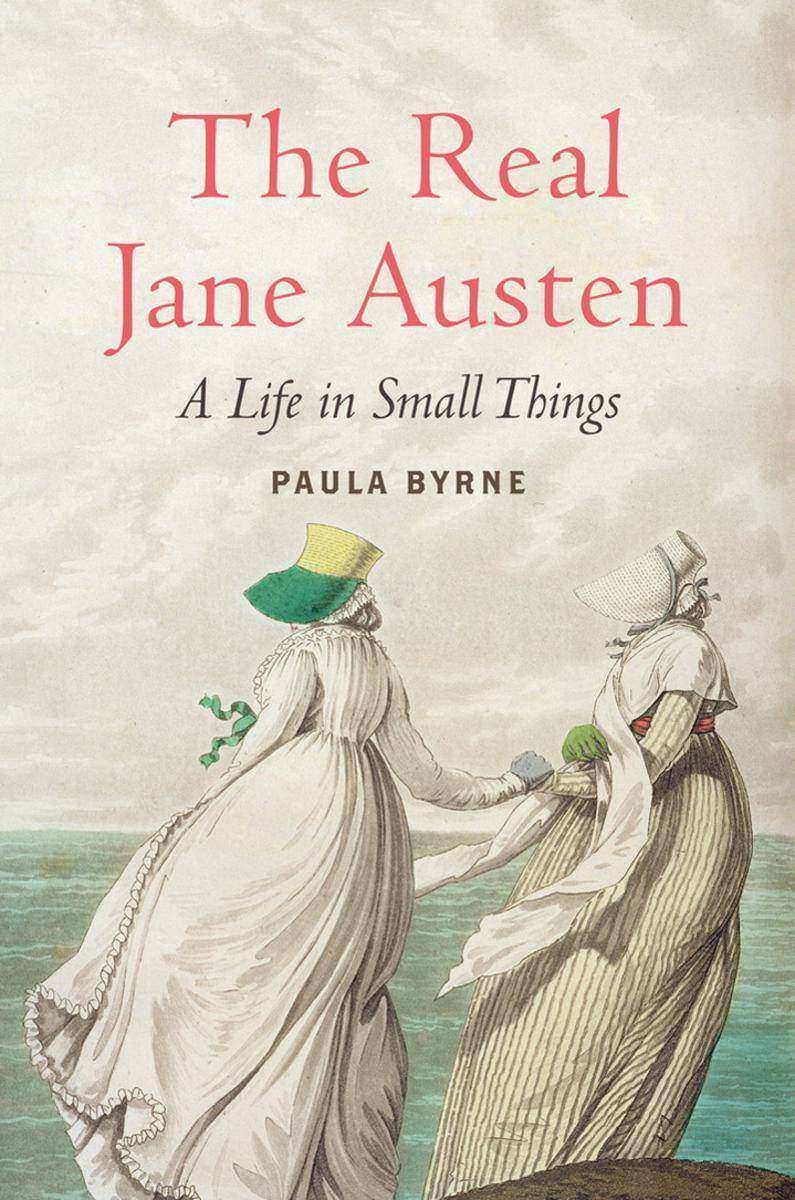
The Real Jane Austen: A Life in Small Things offers a startlingly original look at the revered writer through a variety of key moments, scenes, and objects in her life and work. Going beyond previous traditional biographies which have traced Austen daily life from Steventon to Bath to Chawton to Winchester, Paula Byrne portrait organized thematically and drawn from the most up-to-date scholarship and unexplored sources explores the lives of Austen extended family, friends, and acquaintances. Through their absorbing stories, we view Austen on a much wider stage and discover unexpected aspects of her life and character. Byrne transports us to different worlds the East Indies and revolutionary Paris and different events from a high society scandal to a petty case of shoplifting, She follows Austen on her extensive travels, setting her in contexts both global and English, urban and rural, political and historical, social and domestic wider perspectives of vital and still under-estimated importance to her creative life. Literary scholarship has revealed that letters and tokens in Austen novel often signal key turning points in the unfolding narrative. This groundbreaking biography explores Jane own story following the same principle. As Byrne reveals, small things in the writer world a scrap of paper, a simple gold chain, an ivory miniature, a bathing machine hold significance in her emotional and artistic development. The Real Jane Austen: A Life in Small Things introduces us to a woman deeply immersed in the world around her, yet far ahead of her time in her independence and ambition; to an author who was an astute commentator on human nature and the foibles of her own age. Rich and compelling, it is a fresh, insightful, and often surprising portrait of an artist and a vivid evocation of the complex world that shaped her.

Mick Jagger
¥100.71
A supreme achiever to whom his colossal achievements seem to mean nothing . . . A supreme extrovert who prefers discretion . . . A supreme egotist who dislikes talking about himself . . . Philip Norman has long towered above other rock biographers with his definitive studies of the Beatles, the Rolling Stones, Elton John, Buddy Holly, and John Lennon legends whom the world thought it knew, but who came to life as never before through the meticulousness of Norman's research, the sweep of his cultural knowledge, and the brilliance of his writing. Now Norman turns to a rock icon who is the most notorious yet enigmatic of them all. Throughout five decades of fronting the Rolling Stones, Mick Jagger has been seen as the ultimate arrogant, narcissistic superstar, whose sexual appetite and cavalier treatment of women rival Casanova's and whose supposed reckless drug use touched off the most famous scandal in rock history. Now a grandfather nearing seventy and a British knight of the realm, he still creates excitement at the mere mention of his name; still remains the model for every young rock singer who ever takes the stage. Norman shows Jagger to be a character far more complex than the cold archseducer of myth: human, vulnerable, often impressive, sometimes endearing. Here at last is the real story of how the Stones' brilliant first manager, Andrew Oldham, transformed a shy economics student named Mike Jagger into a modern Antichrist...of Jagger's vicious show trial and imprisonment on minuscule drug charges in 1967...his remarkable feat at the Stones' Hyde Park concert in making a quarter of a million people keep quiet and listen to poetry...his unpublicized heroic role at the Altamont festival that brought the sunny sixties to a horrific end...the cavalcade of beautiful women from Chrissie Shrimpton to Jerry Hall, whom he has bedded but not always dominated...the enduring but ever-fraught partnership with his "Glimmer Twin," Keith Richards. While playful about some aspects of Sir Mick, Norman gives him long overdue credit as a songwriter, whose "Sympathy for the Devil" is one of the few truly epic pop singles, and as a harmonica player fit to rank among the great blues masters who inspired the Stones before money became their raison d'etre. Mick Jagger , above all, explores the keen and calculating intelligence that has kept the Stones on their plinth as "the world's greatest rock 'n' roll band" for half a century.


