


 购物车
购物车 个人中心
个人中心

Cei care pleac? ?i cei ce r?m?n. Al treilea volum din tetralogia napolitan?
¥73.49
Al treilea volum din Tetralogia Napolitan? ?n lini?tea cea mai deplin? sau ?n mijlocul evenimentelor tumultuoase, atunci c?nd ne sim?im ?n siguran?? sau ?n pericol, c?nd suntem nevinova?i sau imorali, suntem o mul?ime format? din ceilal?i. Iar aceast? mul?ime e cu siguran?? o binecuv?ntare pentru literatur?.?Elena Ferrante ?n al treilea roman al Tetralogiei Napolitane, Elena ?i Lila, cele dou? fete cu care cititorii au f?cut cuno?tin?? ?n Prietena mea genial?, au devenit femei.Lila ?i-a p?r?sit so?ul ?i confortul material, iar acum munce?te ?n condi?ii foarte dure. Elena a studiat la ?coala Normal? din Pisa ?i a publicat un roman de succes, care i-a deschis u?ile saloanelor selecte. Am?ndou? au refuzat s? se complac? ?ntr-o via?? plin? de nefericire, ignoran?? ?i supunere, ?mbr??i??nd ?n schimb numeroasele oportunit??i ale anilor ’70. ?n continuare le leag? o prietenie profund?, de nezdruncinat.?nc? de la apari?ia romanului?Prietena mea genial?, care deschide?Tetralogia Napolitan?, faima Elenei Ferrante a crescut enorm. Este considerat? una dintre autoarele contemporane cele mai conving?toare, o stilist? des?v?r?it?, cu o intui?ie artistic? ie?it? din comun, care a c??tigat admira?ia mai multor scriitori celebri – Jhumpa Lahiri, Elizabeth Strout, Claire Messud – ?i a unor critici importan?i: James Wood, John Freeman, Eugenia Williamson etc. Dar f?r? ?ndoial?, primirea cea mai c?lduroas? a avut-o din partea cititorilor, care au descoperit o autoare care vorbe?te ?ntr-un stil plin de frumuse?e ?i for?? despre sentimentul de apartenen?? la un loc, despre rela?iile umane, dragoste, familie ?i prietenie.

Conselhos que os livros de auto-ajuda n?o ensinam
¥7.63
Prepare-se para aprender valiosas li??es de auto-ajuda que nem Augusto Cury vai lhe ensinar. S?o ensinamentos que, se n?o lhe ajudarem a viver melhor, também n?o o deixará viver pior.

Inim? de piatr?
¥7.36
Via?a grea l-a ?nv??at pe Lucas Kendrick, Duce de Harndon, s?-?i p?streze o inim? de piatr? ?i s? nu-?i dezv?luie sentimentele. Respins de logodnic?, tr?dat de fratele lui, alege s? se dueleze cu acesta ?i aproape ?l ucide. De aceea, este nevoit s? fug? la Paris unde locuie?te timp de 10 ani. Aici ajunge cel mai c?utat burlac, un adev?rat dandy al vremii respective ?n societatea monden?. Dup? moartea fratelui, unchiul lui insist? s? se ?ntoarc? acas? pentru a prelua titlul de duce ?i s? se ocupe de proprit??ile familiei. Lucas este amuzat de sfatul de a se ?nsura c?t mai repede pentru a-i fi mai u?or s? ?in? ?n fr?u certurile din familie ?i s? aib? grij? de uria?a mo?tenire. Totu?i, atunci c?nd o cunoa?te pe Lady Anna Marlowe la un bal, se hot?r??te ?ndat? s? o ia de so?ie ?i se c?s?toresc ?n doar o s?pt?m?n?. Frumoasa ?i vesela fat? ascunde ?ns? un secret ?nfior?tor din trecutul ei. Un necunoscut o amenin?? ?i va fi ?n pericol s? fie r?pit?, pericol care ?l va amenin?a ?i pe copilul lor nen?scut. Nici familia nu-i ofer? lui Lucas prea mult? lini?te. Intrigile sunt la ele acas? ?n castelul ducelui: mama, sora, fratele mai mic ?i so?ia fratelui decedat nu se las? ?i ?ncearc? s? pun? m?na pe putere. Iar ceva – mai degrab? cineva – ?i va ?nmuia inima lui Lucas ?i ?l va schimba ?n mod nea?teptat.
Jocul seduc?iei
¥7.36
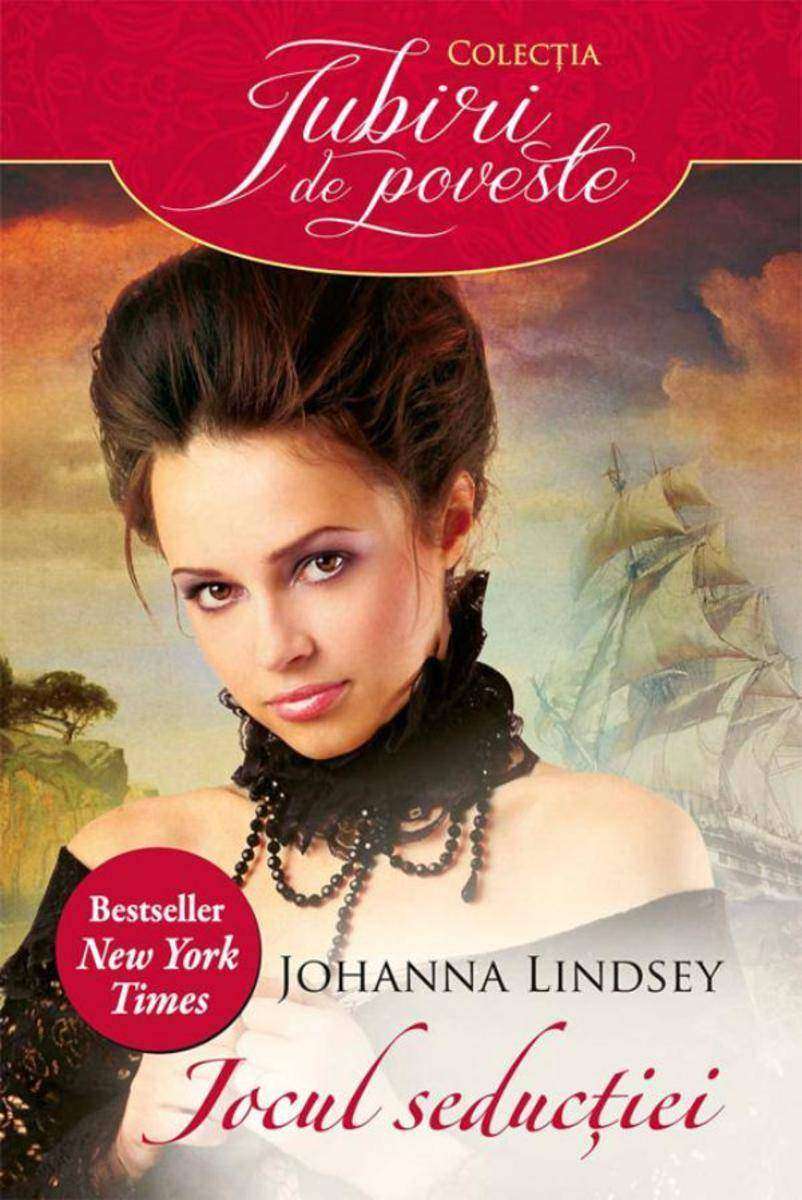
Pirat, crai ?i burlac ?nr?it – dar dragostea are propriile c?i de a-?i g?si ?mplinirea Dup? ce descoper? c? logodnicul pe care l-a a?teptat ani ?ntregi a tr?dat-o ?n cel mai m?r?av mod, disperat?, Georgina Anderson se hot?r??te s? se ?ntoarc? c?t mai cur?nd acas? ?n America, pentru a-l da uit?rii ?i a-?i lecui inima fr?nt?. A?a c? adopt? solu?ia nebuneasc? de a se ?mbarca la bordul navei Fecioara Anne deghizat? ?n mus, f?r? s? aib? nici cea mai vag? b?nuial? c? va fi cu totul la dispozi?ia tiranicului c?pitan al vasului, James Mallory.Oaia neagr? a unei familii m?ndre ?i pline de firi furtunoase, chipe?ul c?pitan, fost pirat, a jurat c?ndva c? nu exist? femeie care s?-l poat? prinde ?n mrejele c?sniciei. Iar asta pentru c? ?ntreaga lui via?? a fost un adev?rat crai, poate cel mai renumit din Londra, fiind martor la superficialitatea femeilor m?ritate care abia a?teptau s?-?i ?n?ele so?ii ne?tiutori chiar cu… el ?nsu?i. Dar ?n largul m?rii, hot?r?rea aparent nestr?mutat? va fi sl?bit? de o pasiune mai fierbinte ca iadul ?i de frumuse?ea temperamentalei Georgina, a c?rei dragoste pentru libertate ?i aventur? se potrive?te at?t de bine cu ceea ce simte el ?nsu?i. Iar c?nd dou? suflete-pereche se ?nt?lnesc, nici un obstacol nu poate rezista ?n calea iubirii.

Alias Grace
¥84.69
A regény alapján készült sorozat november 3-tól a Netflix m?során. A Kanadába emigrált Grace Markot gyilkosságért ítélték el 1840-ben. ?llítólagos szeret?jével együtt kegyetlenül végeztek Grace munkaadójával és annak házvezet?n?jével. Véd?je Grace elmeállapotára hivatkozva eléri, hogy ne k?tél általi halálra, csupán életfogytiglanra ítéljék. Sokan vannak meggy?z?dve arról, hogy gonosz és ?rült teremtés, de ugyanennyien az ellenkez?jér?l is: ártatlan teremtés, aki a k?rülmények áldozata lett. Egy fiatal és felt?rekv? orvos elhatározza, hogy kideríti az igazságot, ezért hetente leül beszélgetni a lánnyal, aki egyre inkább megnyílik neki, ám azt állítja, a gyilkosságból semmire sem emlékszik… Margaret Atwood valós t?rténelmi eseményen alapuló regénye felkerült a Man Booker-díj shortlistjére, és 2017-ben tévésorozat készült bel?le.
Bebidas naturales para su salud
¥9.16
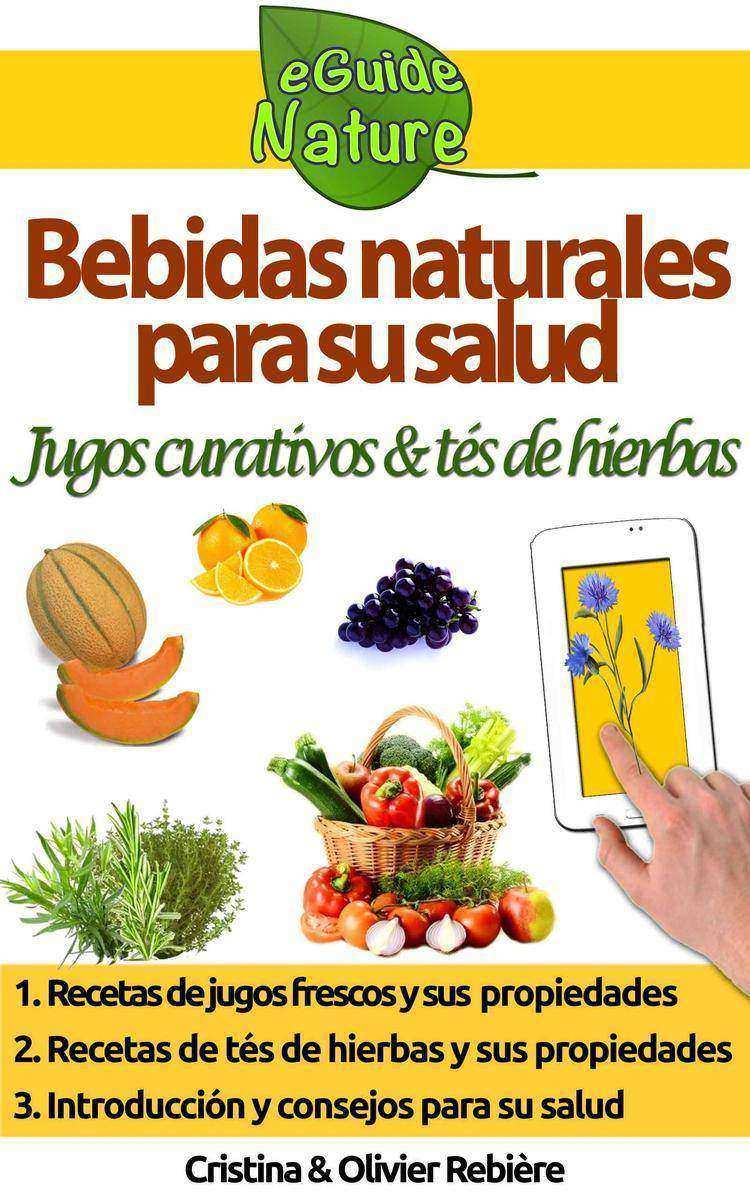
Un jugo fresco curativo o un té de hierbaspara su salud Pequea guía digital con recetas de jugos frescos de frutas y verduras y con tés de hierbas La vida está llena de simples placeres que pueden convertirse fácilmente en pura felicidad Por qué no pasar a lo natural … o más bien volver N°0 - Bebidas naturales para su salud En este número "cero" de la colección "eGuide Nature" vamos a ver cómo preparar bebidas naturales, jugos frescos o tés de hierbas para cuidar de su salud. Qué vas a encontrar en este eGuide Nature Nuestros consejos para preparar jugos frescos curativos Nuestros consejos parapreparar tés de hierbas 20recetas par su salud Atentamente, Cristina Olivier Rebiere
Chimista
¥106.19
De la autoarea seriei AMURG, bestseller New York Times A fost ?arma" secret? a uneia dintre agen?iile-fantom? ale guvernului american. C?nd a devenit incomod?, au decis s? o lichideze. Ca s? r?m?n? ?n via??, s-a transformat ?ntr-un cameleon care jongleaz? cu identit??ile ?i adresele. L-au ucis pe singurul om ?n care avea ?ncredere, ?ns? ea reprezint? ?n continuare o amenin?are. Vor s-o vad? moart?, ?i asta c?t mai repede. C?nd fostul ?ef ?i ofer? o cale de ie?ire, realizeaz? c? ar fi singura ?ans? de a-?i reinventa destinul. Dar pentru asta va trebui s? accepte o ultim? misiune. Constat? ?ns? c? informa?iile pe care le ob?ine o pun ?ntr-o situa?ie ?i mai primejdioas?. Hot?r?t? s? ?nfrunte direct amenin?area, se preg?te?te pentru cea mai dificil? lupt? din via?a ei, dar se ?ndr?goste?te de un b?rbat. Noua pasiune nu poate dec?t s?-i mic?oreze ?ansele de supravie?uire. Aflat? ?n impas, ??i valorific? talentele unice ?n feluri pe care nu ?i le-a imaginat niciodat?. ?n acest roman cu o intrig? bine ?ncheiat?, Stephenie Meyer creeaz? o nou? eroin? aprig? ?i fascinant?, cu abilit??i ie?ite din comun. Ne arat? ?nc? o dat? de ce este una dintre cele mai bine v?ndute autoare din lume. ?Felul cum Meyer gestioneaz? curiozitatea cititorului, ?ntre?in?nd ?i control?nd fluxul informa?iilor, demonstreaz? o m?iestrie de virtuoz… Oamenii nu vor doar s? citeasc? romanele lui Meyer; ei vor s? p?trund? ?n interiorul lor ?i s? tr?iasc? acolo." — Lev Grossman, Time ?Meyer scrie cu o claritate luminoas?, f?r? s? se interpun? nicio clip? ?ntre cititor ?i ceea ce ??i imagineaz? acesta. Originalitatea ei este incontestabil?." — Orson Scott Card, autorul seriei Jocul lui Ender ?Meyer este mai interesat? de rela?ii dec?t de conven?iile superficiale ale genului… Lec?ia ei de via?? pozitiv? este dezarmant?." — Jeff Giles,Entertainment Weekly ?Nu cite?ti un roman de Stephenie Meyer, ci ?l tr?ie?ti, al?turi de personajele vii ?i conving?toare pe care le-a creat. Meyer are modul s?u special de a-l implica pe cititor ?n via?a personajelor ei." — Ridley Pearson, autorul bestsellerului White Bone

Zilele aman?ilor
¥53.33
C?nd am primit invita?ia de a citi manuscrisul c?r?ii Corinei, am acceptat tem?tor. Sunt la o v?rst? c?nd ??i spui arogant c? ai citit cam tot ?i te ?ntrebi seniorial ce ar putea s? te mai surprind?. Ei bine, cartea Corinei. Care te surprinde prin toate locurile pe care le credeai securizate, impenetrabile. Te surprinde ?n primul r?nd pentru faptul c? refuz? f?r? efort scriitura feminin?, melancolic? ?i vag lamentabil?. Frazele sunt scurte ?i nu intr? b?t?nd la u??, ci tr?ntind-o de perete. Apoi, te surprinde tema predilect? a c?r?ii: amantl?curile, iubirile frugale, rela?iile interzise, tot tac?mul. Practic, Corina omoar? ?n pove?tile ei orice ipocrizie feminist? (chestie care mie mi-a mers la suflet), o ?ngroap? ad?nc ?i ?i pune capac. N-o s? omit sub nicio form? limbajul, care surprinde de asemenea. Corina folose?te limba rom?n? f?r? s? se fereasc? de extremele ei. Are curaj, ?are ou?“, cum s-ar spune. Nu c? ar fi singura, nu c? ar fi o raritate, dar a manipula cuvinte interzise ?ntr-un text literar, f?r? a-i strica savoarea, nu e la ?ndem?na oricui. R?m?ne ?ns? la final impresia general?, cea care conteaz? cel mai mult. Care e bun?, dac? nu foarte bun?. Cartea se cite?te u?or, e cinic?, e vie, are tot ce ?i trebuie pentru a deveni un succes. (?tefan Caraman)Corina Ozon vine dinspre jurnalism spre literatur?, cunosc?nd oamenii, cu talent. Scrie captivant, folosind ?n fraze c?te cuvinte chiar trebuie, f?r? floricele stilistice ?i volute descriptive ?n plus, care ar cre?te statistic durata de somn a popula?iei. ?Zilele aman?ilor“ e o carte pentru dezinhiba?i. N-o recomand pro?tilor si bigo?ilor. (Alexandru Petria)Aceasta este o carte de?teapt?. Iar vr?jitoria nu-i deloc exclus?. Te ?ine lipit de ea, nu te las? absolut deloc nici s? faci altceva ?i nici m?car s? te g?nde?ti la altceva. Nu po?i uza de niciun instrument fizic ori sufletesc pentru a i te sustrage. Iar dac? asta nu-i curat? fermec?tur?, atunci ce este? A, ?tiu. Literatur? de?teapt?. (Ana Barton)O lectur? care curge u?or, cu un limbaj direct ?i frust, perfect adaptat subiectului. Corina vorbe?te cu umor ?i amar, f?r? ocoli?uri, despre situa?ii de via?? verosimile, desprinse din cotidian. Aman?ii putem fi oricare dintre noi. (Petronela Rotar)

Em busca de prazer
¥8.18
Um homem de meia idade cansado de se satisfazer com a m?o sai de casa e vai para o bairro de Itatinga em busca de uma garota de programa e lá recebe algo que nunca recebeu na vida.
Discover ISO 9001:2015 Through Practical Examples
¥163.42
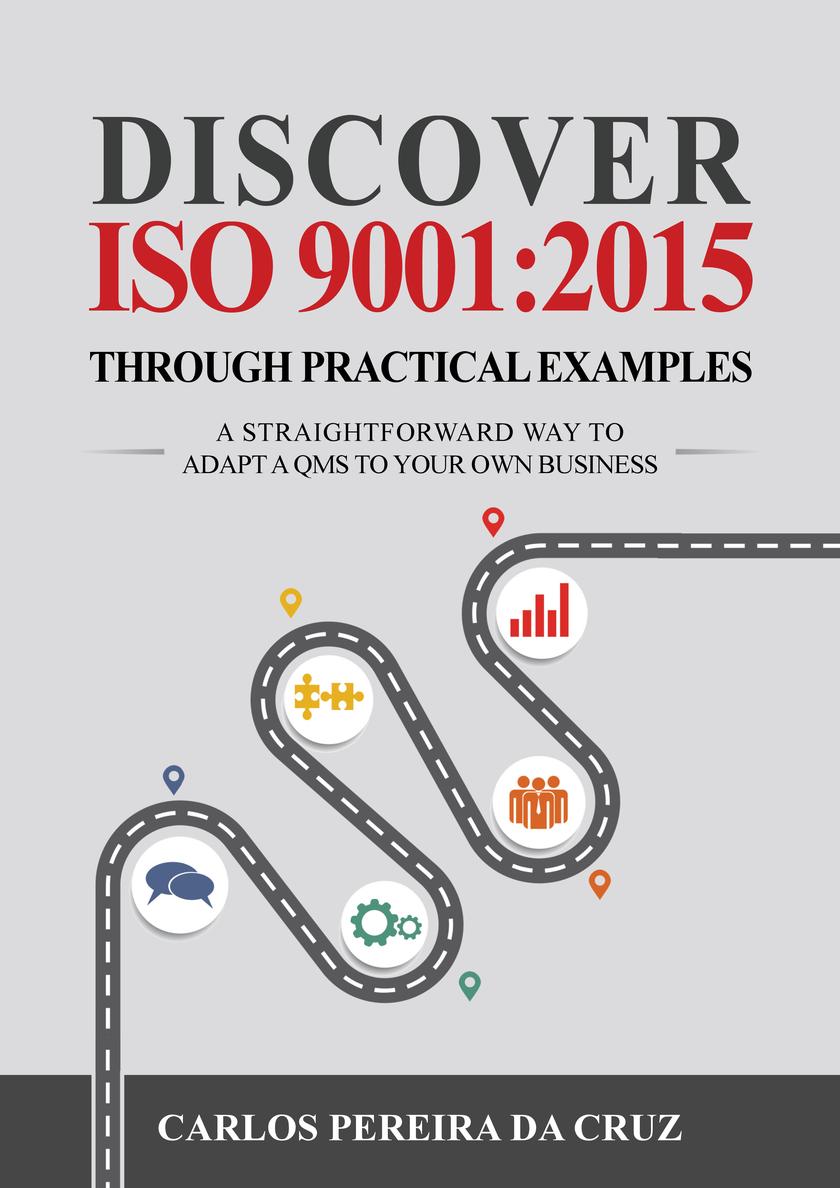
Author and experienced quality management consultant Carlos Pereira da Cruz has written this book with one goal in mind: to offer you a practical and straightforward way to adapt your quality management system to your business, while meeting the requirements of ISO 9001:2015. Discover ISO 9001:2015?Through Practical Examples?is primarily for beginners in quality management systems, and for people with moderate knowledge of ISO 9001. However, if you are an experienced quality practitioner, but are disappointed with bureaucratic side of the standard, this book will show you a practical and relevant method of applying ISO 9001 to your business rather instead of blindly following policies and procedures. The main focus of the book is author’s desire to show you a different approach to the QMS. As he says at the beginning of the book, “What I see too often is Quality Management Systems with too few or too many documents, but concentrated on listing tasks that people must perform. And people perform their tasks, and companies remain certified, but nothing else happens.” Rather than looking at the standard that way, da Cruz says, “This book is about how to build a Quality Management System from scratch without looking at ISO 9001; the standard will naturally come afterwards when we show the relationship between sound management practices and ISO 9001 clauses.” Even though this book is written to be short and simple, it has more than 50 case studies, charts, diagrams and tables to help you develop your own QMS. Some of them include: The ecosystem of interested parties around Altix Example of monitoring plan Flowchart of activities, objects, and participants Objectives produced from the main processes Risk evaluation matrix Risks, process and improvement project Da Cruz has written the book using plain English, which is easy to understand for beginners. Using practical examples to help you understand the relationship between your regular business operations and ISO 9001:2015, he shows you that you’re not just implementing the standard to prove compliance, you’re doing it to improve the business.
Ion
¥0.01
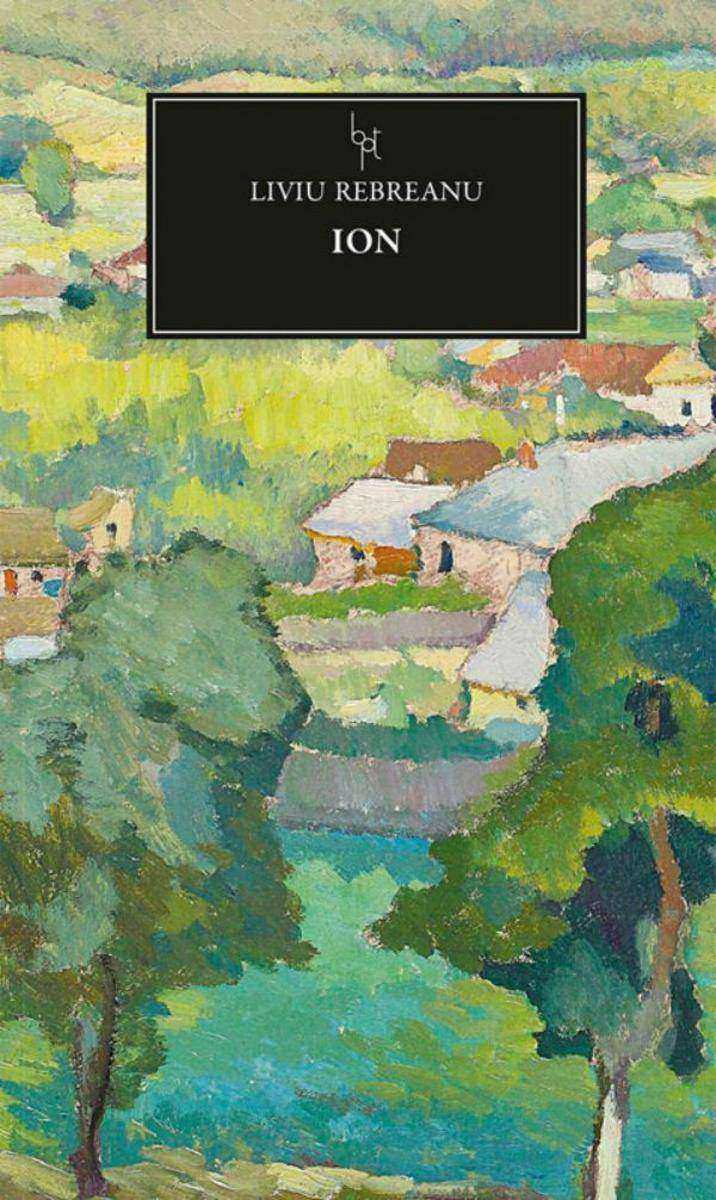
este primul roman obiectiv din literatura rom?n?, fiind ap?rut ?n anul 1920, dup? o lung? perioad? de elaborare, a?a cum ?nsu?i autorul men?ioneaz? ?n finalul operei, ?ntre martie 1913 – iulie 1920. Apari?ia romanului a st?rnit un adev?rat entuziasm ?n epoc?, mai ales c? nimic din crea?ia nuvelistic? de p?n? atunci nu anun?a aceast? evolu?ie spectaculoas?: ?Nimic din ce e publicat ?nainte nu ne putea face s? prevedem admirabila dezvoltare a unui scriitor, care a ?nceput ?i a continuat vreo zece ani, nu numai f?r? str?lucire, dar ?i f?r? indica?ii de viitor“, nota Eugen Lovinescu. Criticul prime?te romanul Ion ca pe o izb?nd? a literaturii rom?ne, iar satisfac?ia sa este consemnat? ?n studiul ?Crea?ia obiectiv?. Liviu Rebreanu: Ion“. Pentru ini?iatorul modernismului rom?nesc, al c?rui principiu de baz? era sincronismul literaturii rom?ne cu cea european?, romanul Ion este cel care ?rezolv? o problem? ?i curm? o controvers?“. Aceast? afirma?ie a lui Lovinescu se refer? la faptul c? apari?ia primului roman obiectiv direc?ioneaz? literatura rom?n? c?tre valoare european? ?i stinge polemica pe care criticul o avea cu s?m?n?tori?tii epocii.

Függ?ségben 1
¥0.01
Nathaniel Cruz már akkor belebolondult Alexis Woodville-be, amikor a lány a gimnáziumban egy szerencsétlen baleset folytán, fejen találta ?t egy focilabdával. A cserfes és csábos, v?r?s hajú lány szó szerint levette a fiút lábáról. Egyikük sem sejtette, hogy a spontán vonzalom életre szóló bilincset tesz majd a szívükre, de katasztrofális id?zítés és egy buta véletlen hosszú id?re elszakítja ?ket egymástól. ?vekkel kés?bb Nathaniel már a világhír? futballsztár csillogónak látszó életét éli, szívében azonban még mindig megszállottja Alexisnek. Véletlen találkozásukkor felszínre t?rnek a régóta eltitkolt vágyak, ám hiába tombol k?z?ttük a szenvedély, a féltékenység és birtokolni vágyás megint szétválasztja ?ket. Amikor útjaik kés?bb újra keresztezik egymást, hatalmas dilemma el?tt állnak. K?vetve a szívük vágyát, megadják-e magukat az oly régóta elnyomott szenvedélynek, vagy feláldozzák a szerelmet a felel?sségtudat oltárán. Ez Alexis és Nathaniel érzéki, szenvedélyes t?rténete. Remélem, annyira élvezitek majd olvasni, mint amennyire én az írást élveztem!
O dem?nio do armário
¥7.63
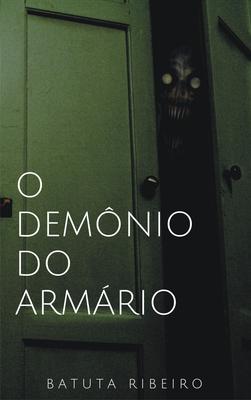
Um pai de família compra uma casa sem desconfiar de que há um terrível dem?nio no armário embutido de um dos quartos. batutaribeiro.com.br

Точка возврата - Женский любовный роман
¥38.07
Спустя три года после смерти мужа Женя так и не сумела обрести вкус к жизни. Она растит сына, терпит капризы матери, тянет лямку на работе в отделе кадров фарфорового завода. Евгений Халтурин, столичный кризисный менеджер, приезжает, чтобы запустить процедуру банкротства завода. Молодой, амбициозный и деятельный начальник раздражает Женю, и она высказывает негативное мнение о предстоящем банкротстве… Халтурин начинает размышлять о словах невзрачной кадровички, понимая, что хочет обязательно сделать ее своей союзницей. Но зачем? Женя разительно отличается от тех уверенных в себе элегантных светских женщин, которые привлекают его… Издательство Animedia Company желает вам приятного чтения.

Emerson’s Story: (Creepy Hollow Books 7, 8 & 9)
¥81.67
Nearly eighteen years after the events of A Faerie’s Curse, a thrilling new adventure begins ... Emerson Clarke: Sarcastic. Independent. Possibly losing her mind Because that’s the only explanation for why she occasionally sees things that aren’t there, right? But one night, an impossible power erupts from her, and Em realizes the truth is crazier than she ever thought: she isn’t losing her mind she’s magical. Thrown into an entirely new world of faeries, enchantments—and the annoying guy from down the road who, it turns out, isn’t human either—Em barely has time to learn even the most basic of magic before another startling truth reveals itself: she has a Griffin Ability. A special kind of magic feared by fae. Now she’s at the top of everyone’s most-wanted list—including the mysterious glass faerie carrying out random attacks on fae. In this magical and terrifying world that she’s entirely unprepared for, Em must try to figure out who she really is, whom to trust, and how to stay alive long enough to get back to her normal life. Meet a new heroine and catch up with old favorite characters in this thrilling adventure packed with enchanting magic, unexpected twists, and a dash of romance. Includes the following THREE Creepy Hollow books: Rebel Faerie THE COMPLETE CREEPY HOLLOW SERIES CONSISTS OF THE FOLLOWING BOOKS: Violet's Story The Faerie Guardian The Faerie Prince The Faerie War Calla's Story A Faerie's Secret A Faerie's Revenge A Faerie's Curse Emerson's Story Glass Faerie Shadow Faerie Rebel Faerie

Thunderlight
¥40.79
Vibrant, scale swathed wings… Abilities that can be harnessed by a chosen few… Dragons… All this may seem like old news, but for seventeen year-old Elena Watkins the world of Paegeia is not finished revealing all its secrets. During a summer break intended for relaxation, she discovers that her harrowing adventure to retrieve the King of Lion sword wasn’t the destiny foretold by the cryptic Viden, a dragon with the ability to see a person’s true fate. The words inked onto the page of the mysterious Book of Shadows remains black and Elena must return to Dragonia Academy to discover their true meaning. Upon her return to the magnificent castle she has to face a challenge of a different kind, keeping her boyfriend Lucian McKenzie, the Prince of Tith and love of her life, away from the dangerous new student, Paul Sutton. As a Wyvern, Paul has made it his mission to claim Elena as his rider but he is proving to be more perilous than at first glance. Everyone knew that Wyverns were bad news, and just as evil as the darkness that lurked inside Blake Leaf, the Rubicon forced to fight against his inner nature every day. But Elena can see a small light lurking in the darkness, a destiny still unfulfilled; to prove that Wyverns can be claimed. Will Lucian’s dark secret about Wyverns and Elena’s need to prove their true nature cause their love to be torn apart? And which of Elena’s friends will be sacrificed this time if she is wrong?

Public Speaking for Authors, Creatives and Other Introverts
¥60.96
Are you an introverted author or creative? Do you want to improve your public speaking ability?As creatives in a crowded world, we can no longer sit in our rooms, creating alone, if we want a viable income. Increasingly, we have to be out there in the world, sharing our knowledge and being visible in order to have a successful career. Public speaking can be an extra income stream, or can form an integral part of your marketing. It's also a good idea to plan for success and authors/creatives often have to speak when they become well-known, so it's best to start practicing earlier. This book is a starter pack and an easy reference guide with the information that you need the most to speak confidently and professionally in public. And, although some chapters have specific tips for introverts, much of this information will be useful for anyone who is interested in public speaking, regardless of their personality type. In this book, I'll share everything that I know as a professional speaker and introverted author-entrepreneur. The book contains lots of tips about public speaking in general, based on my own experience over the last five years. In addition, I cover some specific points that creative introverts need to consider as speakers. You can read this book from start to finish, but you can also dip in and out, as each chapter contains succinct tips that you'll need at different times on your journey. In this book, you will find: Part 1 goes into the practicalities of speaking: types of speaking, preparation, your actual talk, and what happens afterwards. Part 2 is about some of the psychological aspects of speaking: your mindset, authenticity, confidence, and tackling the inevitable anxiety, which we all feel. Part 3 discusses the business side of speaking: financials, marketing, and how to create multiple streams of income. Part 4 contains interviews with three fantastic professional speakers, each from a different market, to give you a variation in perspective. Mark McGuinness is an introvert, Clare Edwards is an extrovert and Alastair Humphreys sits somewhere in the middle.? There are also videos, audio and extra image-formatted transcripts, so you can experience this information in other modes if you prefer. The Appendices contain resources that may be useful in your speaking journey, including my own speaking checklist and booking form, example sales page and a series of questions for you to answer that will kickstart your public speaking.??? I’m an author and professional speaker, and I’m also an introvert. I often get asked how I do what I do, when our natural tendency is to relish being alone and creative, not standing in front of a crowd. In this book, I share everything I’ve learned about being a speaker and creative over the last 5 years of speaking internationally, in front of large and small audiences. I also dispel some of the myths around being a speaker. You don’t have to be Tony Robbins, bouncing around on stage with a booming voice and larger than life persona. You just have to be you, and tell your stories. If you're ready to improve your public speaking, download a sample or buy now.

A lány a vonaton
¥79.95
Ritkaság, hogy egy k?nyv vezesse t?bb országban egyszerre, szinte az ?sszes fontos sikerlistát. A New York Timesét és a BarnesandNoble-ét, például. Az végképp szokatlan, hogy ezt egy debütáló író tegye.2015 elején Paula Hawkins regénye berobbant az angolszász piacokra. Ahogy Stephen King fogalmazott, ebben a t?rténetben csak fokozódik és fokozódik a feszültség. Nem véletlenül hasonlítják Hitchkockhoz és Agatha Crhristie-hez az írót, a Gone girlhez a t?rténetet.Rachel ingázó, minden reggel felszáll ugyanarra a vonatra. Tudja, hogy minden alkalommal várakozni szoktak ugyanannál a fénysorompónál, ahonnan egy sor hátsó udvarra nyílik rálátás. Már-már kezdi úgy érezni, hogy ismeri az egyik ház lakóit. Jess és Jason, így nevezi ?ket. A pár élete t?kéletesnek t?nik, és Rachel sóvárogva gondol a boldogságukra.?s aztán lát valami megd?bbent?t. Csak egyetlen pillanatig, ahogy a vonat tovahalad, de ennyi elég.A pillanat mindent megváltoztat. Rachel immár részese az életüknek, melyet eddig csak messzir?l szemlélt.Meglátják; sokkal t?bb ?, mint egy lány a vonaton.

Addig se iszik
¥58.04
Mikor a szerzt megismertem, még nagyképen vallotta: Hárman nem írunk: Szókratész, Jézus és én. Aztán megtrt, és írni kezdett, paródiákat, persze – és megállt a kanál a levesben, de úgy, hogy a fal adta másikat. gy vágytunk erre a hangra ebben a karót nyelt, szürke, humordeficites honi literatúrában, mint egy falat kenyérre. Bdcs írásaiban a páratlan irodalmi mveltség találkozik az igazi humorral Karinthy boncasztalán. Apját kérdezték, mit szól, hogy fia már ír is. Addig se iszik – válaszolta a blcs reg, és igaza volt: Tibor írás kzben sose iszik. (Hmm…) Mert ilyen az irodalom: nevel, tanít, szórakoztat – és amíg írunk vagy olvasunk, addig se iszunk. Tisztelet a kivételnek. Fogadják tehát szeretettel az irodalmi paródia Lemmyjét, a magyar humor Billy, a Klykjét, a búcsúszentlászlói Rabelais-t. Tessék mosolyogni! ” Cserna-Szabó András

Live your dreams! :Stop dreaming: how to make a dream come true
¥0.01
How to make your dreams come true? Here is a question that ??tortures?? many of us since we all want our dreams to come true … Isn’t it? Here is a little book that may help you navigate through the birth to the embodiment of a dream. They will show you some tools to make your dreams come true or at least show you that it is possible . The birth of this book came unexpectedly and surprisingly. I had just published my first book in the Paths to Yourself collection. It dealt with a subject that concerns many of us: how to build a healthy and lasting relationship of love or friendship? I was talking with a friend of this publication. He told me that one of his dreams was to write too, but in Thai. I replied that he can surely fulfill this dream considering that he has been speaking and writing in this language for a long time: his wife is from Laos and their language of communication is Thai. But it seemed to him a difficult dream to reach … To joke, I told him I should write a book on ??How to make one’s dreams come true??? because I have some 25 years of experience in the field … and I do not hesitate to do everything possible to realize mine. In addition, I accomplished almost all the dreams I really wanted. There is still one, still running, but which I will reveal later in this book;) . This friend told me that he would be the first to read this book if I write it one day … Putting a dream in to practice And now this new challenge, which I think will help others embody their dreams or at least part of them, has led my brain to think, almost without even wanting to, about a possible structure of this book. Barely two days passed after I had had this conversation with my friend and I was already writing it. So check out this little FREE guide to help you make your dreams come true!

Fericirea ?ncepe azi
¥73.49
Iubirea adev?rat? scoate la iveal? tot ce este mai bun ?n tine...Abby Abernathy s-a hot?r?t s? devin? altcineva. Acum e o fat? bun?, nu bea ?i nu vorbe?te ur?t, are haine cumin?i ?n ?ifonier. Crede c? s-a distan?at suficient de lucrurile ?ntunecate din trecutul ei, dar c?nd ajunge la colegiu ?mpreun? cu prietena sa cea mai bun?, dorin?a de un nou ?nceput este supus? provoc?rilor.Travis Maddox, ?iret, iste? ?i acoperit cu tatuaje, reprezint? tot ceea ce Abby vrea – ?i trebuie – s? evite. Travis ??i petrece nop?ile c??tig?nd bani din lupte, iar ziua e seduc?torul num?rul unu al campusului. Intrigat de rezisten?a lui Abby la farmecele sale, Travis o face s? intre ?n via?a lui printr-un pariu.?Povestea rela?iei dintre Abby Abernathy ?i Travis Maddox constituie o excelent? radiografie a adolescen?ei, cu toate fr?m?nt?rile, visurile ?i frumuse?ea ei.“ – Reading, Eating & Dreaming?V? garantez c? ve?i fi at?t de captiva?i de aceast? carte, ?nc?t ve?i l?sa orice alt? activitate deoparte!“ – BookWhisperer Reviews?Am f?cut o adev?rat? pasiune pentru personajele acestui roman.“ – The Daily Quirk?…Noul meu romance preferat, cu o doz? subtil? de erotism rafinat.“ – Nightly Reading Review


