


 购物车
购物车 个人中心
个人中心
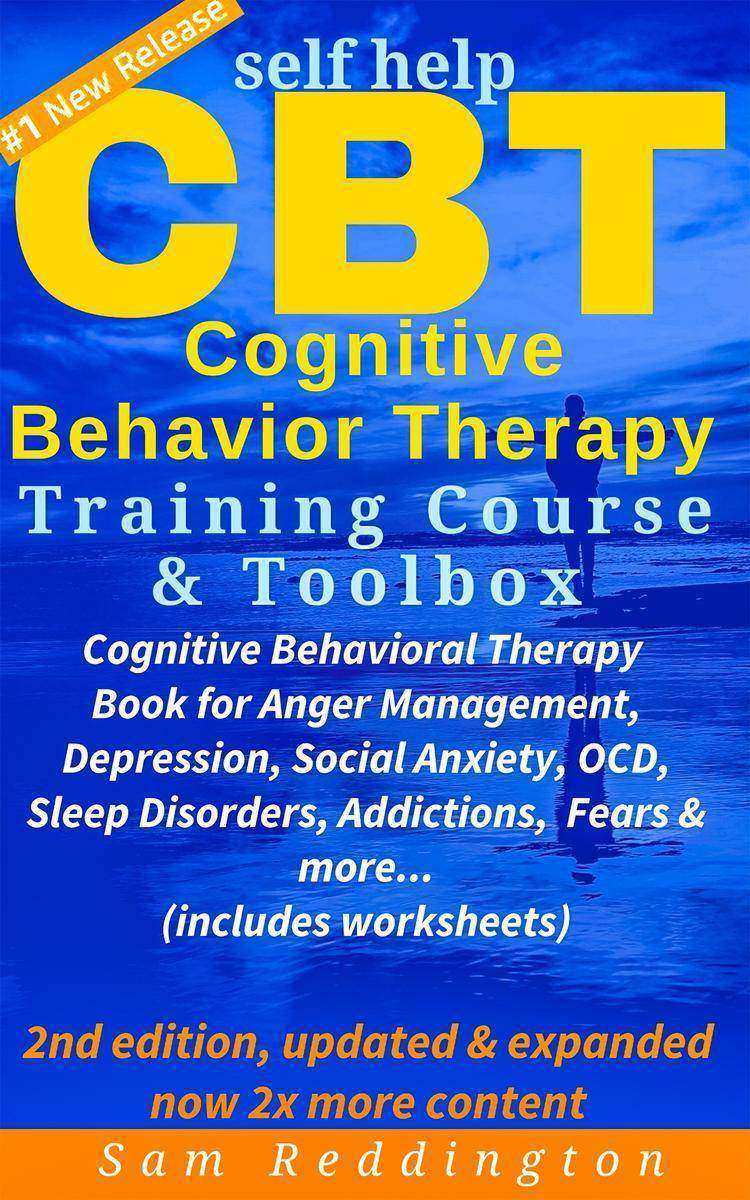
Self Help CBT Cognitive Behavior Therapy Training Course & Toolbox
¥32.62
"You Can Laugh At Negative Thinking, Emotional & Mental Issues -- If You Follow This Simple Plan" [Updated and Upgraded 2018 Edition with 2x more content!] Super easy, literally this CBT therapy can be done by adults,children and adolescents alike.You have full control of your emotions and actions, and all it takes is the CORRECT way to shift your thinking! To adopt healthy thought paaterns. And that is the mission of this book. You don't need to a ton of cbt books/workbooks, audiobooks and video products to possess the right toolbox or fix to the issues bothering you. It just takes understanding of your problems, basic skills and strong will to actually do something about it-preferably today? I will not waste your time today, forcing you to read several hundred pages of material unnecessarily - when all that you need can be concisely compressed into this book you hold in front of you. Let us begin this journey today-that's right today, stop procrastinating, stop whining, and begin taking steps towards a better you! No need to be intimidated. The wonderful thing about CBT, is that it's not rocket science and you can finish the book and start tweaking your brain minutes from now. INSIDE YOU'LL LEARN: Cbt Backstory Application Of Cognitive-Behavior Therapy Symptoms Of Eating Disorders Types Of Eating Disorders Osfed Include The Following Diagnostic Symptoms: Types Of Anxiety Disorders:Causes Of Obsessive-Compulsive Disorder General Forms Of Anger Disorders Include: Symptoms Of Schizophrenia Are Categorized Into: Somatoform Disorders Include: The Basics Of Cbt? You Feel The Way You Think: The Link Between Thought And Feeling:A Look At The Types Of Beliefs Using The Abc Format:The Abc Format:Catastrophe Thinking:All Or Nothing Mentality: Generalization Thinking: Refocusing Your Newly Found Awareness: Definition Of Problems And Goal Setting: Facing Fear And Anxiety, Destroying Depression And Overcoming Obsessions: Overcome Low Self Esteem And Cool Your Anger: See A New Past, Put New Beliefs In Your Heart And Enjoy A? Happier, Healthier Future: Overcome Obstacles To Your Progress And Maintaining Your Cbt Gains: Working With Professionals: Ten Attitudes Have A Healthy Life: Ten Ways You Can Lighten Your Mood: Cbt Worksheet The Cognitive Behavior Therapy For Older People Depression Dementia The Cbt PrinciplesBrief Cbt: An Overview Brief Cbt In Action:Cbt On Improving Relationships Cbt Myths And Misconceptions GET YOUR COPY TODAY!
The Great Gatsby
¥16.27
In 1922, F. Scott Fitzgerald announced his decision to write "something new--something extraordinary and beautiful and simple + intricately patterned." That extraordinary, beautiful, intricately patterned, and above all, simple novel became The Great Gatsby, arguably Fitzgerald's finest work and certainly the book for which he is best known. A portrait of the Jazz Age in all of its decadence and excess, Gatsby captured the spirit of the author's generation and earned itself a permanent place in American mythology. Self-made, self-invented millionaire Jay Gatsby embodies some of Fitzgerald's--and his country's--most abiding obsessions: money, ambition, greed, and the promise of new beginnings. "Gatsby believed in the green light, the orgiastic future that year by year recedes before us. It eluded us then, but that's no matter--tomorrow we will run faster, stretch out our arms farther.... And one fine morning--" Gatsby's rise to glory and eventual fall from grace becomes a kind of cautionary tale about the American Dream.It's also a love story, of sorts, the narrative of Gatsby's quixotic passion for Daisy Buchanan. The pair meet five years before the novel begins, when Daisy is a legendary young Louisville beauty and Gatsby an impoverished officer. They fall in love, but while Gatsby serves overseas, Daisy marries the brutal, bullying, but extremely rich Tom Buchanan. After the war, Gatsby devotes himself blindly to the pursuit of wealth by whatever means--and to the pursuit of Daisy, which amounts to the same thing. "Her voice is full of money," Gatsby says admiringly, in one of the novel's more famous descriptions. His millions made, Gatsby buys a mansion across Long Island Sound from Daisy's patrician East Egg address, throws lavish parties, and waits for her to appear. When she does, events unfold with all the tragic inevitability of a Greek drama, with detached, cynical neighbor Nick Carraway acting as chorus throughout. Spare, elegantly plotted, and written in crystalline prose, The Great Gatsby is as perfectly satisfying as the best kind of poem.* * *"Now we have an American masterpiece in its final form: the original crystal has shaped itself into the true diamond. This is the novel as Fitzgerald wished it to be, and so it is what we have dreamed of, sleeping and waking." -- James Dickey* * *The Great Gatsby is a novel by the American author F. Scott Fitzgerald. First published on April 10, 1925, it is set on Long Island's North Shore and in New York City during the summer of 1922.The novel takes place following the First World War. American society enjoyed prosperity during the "roaring" 1920s as the economy soared. At the same time, Prohibition, the ban on the sale and manufacture of alcohol as mandated by the Eighteenth Amendment, made millionaires out of bootleggers. After its republishing in 1945 and 1953, it quickly found a wide readership and is today widely regarded as a paragon of the Great American Novel, and a literary classic. The Great Gatsby has become a standard text in high school and university courses on American literature in countries around the world, and is ranked second in the Modern Library's lists of the 100 Best Novels of the 20th Century.--Wikipedia

Glass Faerie
¥40.79
Emerson Clarke: Sarcastic. Independent. Possibly losing her mind. Because that’s the only explanation for why she occasionally sees things that aren’t there, right? But one night, an impossible power erupts from her, and Em realizes the truth is crazier than she ever thought: she isn’t losing her mind; she’s magical. Thrown into an entirely new world of faeries, enchantments—and the annoying guy from down the road who, it turns out, isn’t human either—Em barely has time to learn even the most basic of magic before another startling truth reveals itself: she has a Griffin Ability. A special kind of magic feared by most fae. Now she’s at the top of everyone’s most-wanted list—including the mysterious glass faerie carrying out random attacks on fae. In this magical and terrifying world that she’s entirely unprepared for, Em must try to figure out who she really is, whom to trust, and how to stay alive long enough to get back to her normal life. Begin a thrilling new adventure as the bestselling Creepy Hollow series continues eighteen years after the events of A Faerie’s Curse!

Keto Diet: 100+ Low-Carb Healthy Ketogenic Recipes & Desserts That Can Change Yo
¥24.44
Looking For Simple Tasty Ketogenic Recipes You Can Cook At Home? Tired of Feeling Sick Unhealthy? I've Included 100+ Recipes That Can Dramatically Improve Your Life! Start Feeling Healthier Happier Today! You no longer need to suffer and withhold from eating while you're dieting. The great thing about starting a ketogenic diet is you never get saddled with that hungry feeling that is a byproduct of most traditional diets. Dieting no longer needs to feel like a punishment. The keto diet was created to help people like you lose weight and get your body back under control. The ketogenic diet has been proven to lower blood pressure, lower cholesterol, and even lower blood sugar. Sticking to this diet will give you the energy you need to make the most out of each day. This book will give you 100+ keto recipes covering every meal from breakfast to dessert. Inside You'll Learn: 30+ Keto Diet Breakfast Recipes 20+ Keto Diet Lunch Recipes 30+ Keto Diet Dinner Recipes 20+ Keto Diet Sides, Soups, & Snacks Recipes 20+ Keto Diet Dessert Recipes This recipe book will give you a taste of everything the ketogenic diet can offer. Taking that first step towards a healthier lifestyle is often the most difficult. By picking up this book you're deciding your health comes first and you want to become the best version of yourself possible. Don't Wait Another Minute! Get Your Copy Now!

Prietena mea genial?
¥65.32
Cnd eram mic – pe la doisprezece-treisprezece ani –, eram absolut convins c o carte bun trebuie s aib un brbat drept erou i lucrul sta m ntrista foarte tare. Dar dup vreo doi ani faza aceea s-a ncheiat. La cincisprezece ani, am nceput s scriu poveti despre fete curajoase aflate n situaii dificile. ns am rmas cu convingerea – e adevrat, tot mai accentuat – c cei mai mari povestitori sunt brbaii i c, dac vrei s scrii, trebuie s nvei s povesteti ca ei.“ – Elena Ferrante O capodoper modern a uneia dintre scriitoarele italiene cele mai apreciate, Prietena mea genial este o poveste complex i emoionant despre dou prietene, Elena i Lila. Aciunea romanului este plasat n anii 1950, n mahalalele unui Napoli cenuiu. Elena i Lila cresc mpreun pe strzile pe care se duc rzboaiele ntre bande rivale i nva s aib ncredere deplin una n cealalt. Prietenia lor rmne profund, n ciuda drumurilor diferite pe care le va purta destinul. Prezentnd vieile a dou femei, Ferrante spune povestea unei mahalale, a unui ora i a unei ri care sufer transformri ce vor influena, la rndul lor, relaia dintre protagoniste, memorabilele Elena i Lila. Cine va reui s lase n urm universul dur al unei copilrii pe jumtate condamnate – Lilla cea descurcrea i ntreprinztoare sau Elena cea sfioas, ndrgostit de romane i pasionat de digresiuni filosofice Elena i Lila simbolizeaz o naiune supus unor transformri majore, iar portretul pe care Ferrante l face eroinelor sale reprezint o impresionant meditaie asupra istoriei i a prieteniei dintre oameni. Elena Ferrante este pseudonimul unei romanciere italiene. A publicat ase cri, printre care Amore molesto i I giorni dell 'abbandono, descris ca rvitoare“ de ctre prestigiosul cotidian New York Times. Prietena mea genial este primul roman dintr-o serie despre dou fete inteligente i descurcree din Napoli, care ncearc s-i construiasc o via ntr-o cultur violent i opresiv. Ferrante scrie sub semnul urgenei, cu aviditate i pasiune.“ – The San Francisco Chronicle Prietena mea genial este unul dintre cele mai nuanate portrete ale prieteniei dintre femei din memoria recent.“ – Vogue
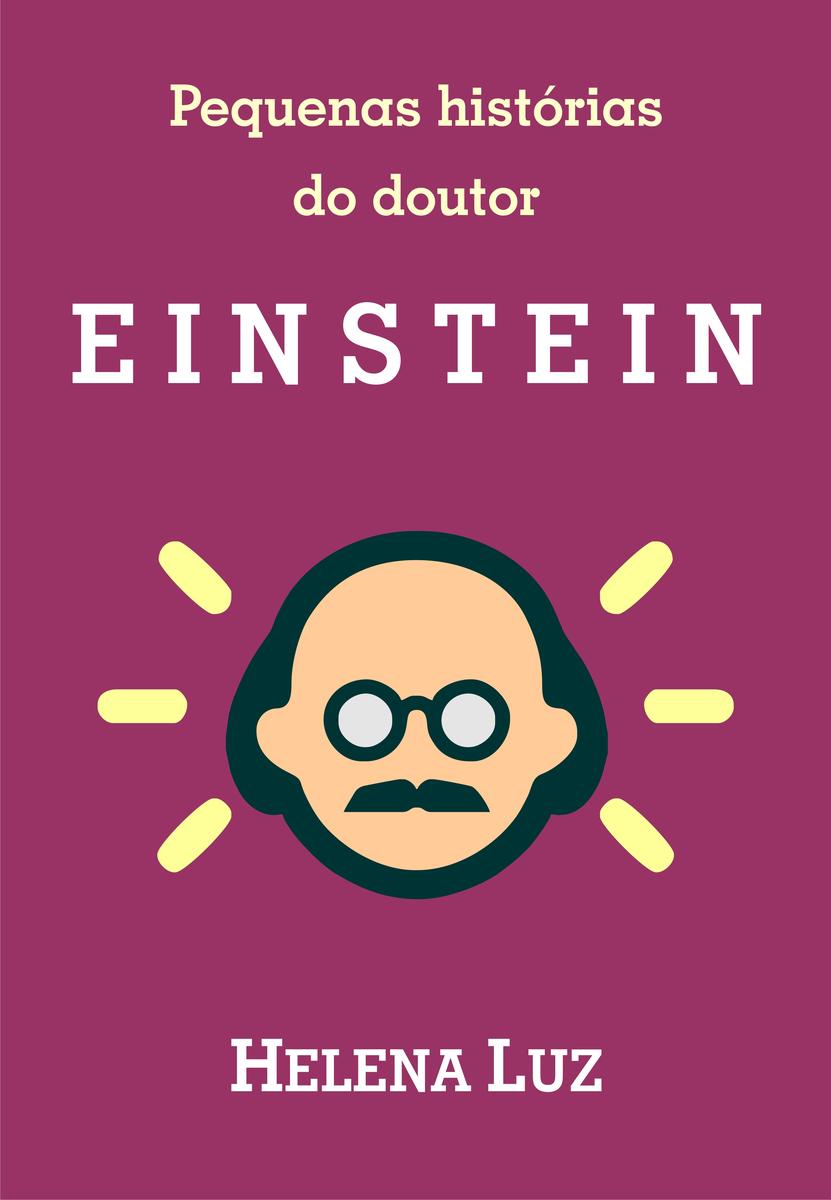
Pequenas histórias do doutor Einstein
¥8.18
O Dr. Einstein é um professor e cientista muito famoso. Seus cabelos arrepiados e seu bigode felpudo podem lhe fazer parecer meio louco, mas ele é um amor de pessoa, que só tem conselhos valiosos para oferecer.

10 Receitas para você fazer na ceia de natal
¥8.18
Quando se fala em Ceia de Natal, logo pensamos na família reunida na mesa de jantar para comemorar essa data especial. E nada melhor do que uma Ceia com a mesa farta.Aprenda a fazer 10 receitas tradicionais do Natal para deixar a sua confraterniza??o mais especial.

N?o me deixe sozinha
¥8.18
“?s vezes, tudo o que uma pessoa mais precisa é de alguém para lhe proteger”A vida de um sargento de polícia muda completamente quando ele é abordado por uma linda mo?a chamada Paula. Apesar de a mo?a ser-lhe totalmente desconhecida, o policial aceita a mo?a em sua casa em troca de companhia e felicidade.Mas Paula guarda segredos que poder?o colocar tudo a perder.

?ntoarcerea ?n Eclipse Bay
¥7.36
Bunicii lor s-au uracirc;t din toat? inima. La fel ?i ta?ii lor. ?i, pentru c? reprezint? urm?toarea genera?ie din familie Harte ?i Madison, toat? lumea se a?teapt? ca ?i Hannah ?i Rafe s? se urasc?. Hannah Harte, de?in?toarea unei companii de succes ce organizeaz? nun?i, este o femeie cu o viziune sceptic? asupra c?s?toriei. Dar contrar opiniei celor din jur, eaicirc;?i aminte?te de noaptea petrecut? pe plaj? cu mult timpicircn urm? cu Rafe, cacircnd el s-a dovedit a fi mai mult decacirct b?iatul cu reputa?ie proast? din familia Madison. Iar Rafe ?i aduce aminte, la racircndul s?u, de gestul plin de curaj al lui Hannah, care a demonstrat c? spiritul s?u aprig ?i sincer era mai puternic decacirc;t orice vrajb? istoric? dintre familiile lor, salvacircndu-l de o condamnare aproape sigur? la icircnchisoare. Adu?i icirc;mpreun? de o mo?tenire surprinz?toare dup? ani ntregi icircn care vie?ile lor au urmat drumuri separate, Rafe ?i Hannah se icircntorc icircn Eclipse Bay ?i la ostilit??ile care icircnc? le mai despart ?i le leag? familiile. ?i descoper? un lucru icircn acela?i timpicircncacircnt?tor ?i extrem de tulbur?tor: sentimentele care se nasc icircntre ei pot fi mai presus de secrete, tr?d?ri ?i rivalit??i

Suge-o, Andrei! ?nc? o poveste semi-amuzant?
¥68.34
Continuarea bestsellerului 2015 Suge-o, Ramona! Singurul mod ?n care po?i s? afli dac? ai reu?it s? ui?i cu adev?rat o persoan? pe care c?ndva o iubeai cu toat? puterea ta este s? te ?nt?lne?ti cu ea, s-o prive?ti ?n ochi ?i s? nu-?i dore?ti s-o iei ?n bra?e. Abia dac? reu?e?ti lucrul ?sta po?i s? spui c? e?ti preg?tit s? treci mai departe. Mul?i dintre noi, dac? nu to?i, am avut o poveste de iubire care ne-a dat lumea peste cap ?i ne-a f?cut sufletul s? zburde de fericire ori s? urle de durere. O persoan? care ne-a b?ntuit g?ndurile ani ?ntregi ?i pe care cu greu am reu?it s? ne-o scoatem din suflet. O persoan? pe care am c?utat-o ?n fiecare rela?ie nou? ?i care ne-a l?sat cicatrici invizibile, dar ad?nci. ?ncerc?nd s-o uite pe Anemona, Andrei are tot felul de aventuri, unele amuzante, altele neobi?nuite. Dar, ?n realitate, el nu caut? pe altcineva. C?utarea lui este o c?utare de sine. ?i de fiecare dat? se reg?se?te ?n alt? persoan?, ?n mod diferit. O carte care te va face s? z?mbe?ti, s? r?zi ?n hohote, s? te g?nde?ti la propria rela?ie sau, pur ?i simplu, s? te miri ce mare-i gr?dina Domnului! Ca s? te conving c? merit? s? cite?ti aceast? carte, uite ni?te p?reri despre primul volum, Suge-o Ramona!: ?Cu greu pot s? m? adun dup? ?cartea? asta. Scris? ca o list? de cump?r?turi, are exact aceea?i ?n?elegere a sensurilor pe care o poate atinge pisica mea c?nd se holbeaz? proste?te pe geam.“ – Ana ?O carte demn? de toaleta public?, risip? de resurse ?i energie. Spun carte fiindc? are tr?s?turile fizice ale unei c?r?i. Con?inutul ei este ?ns? o simpl? degringolad?.“ – Wickle Tickle ?Vi s-a ?nt?mplat s? v? vin? s? vomita?i dup? ce citi?i un fragment dintr-o ?carte?? Mie nu (p?n? acum). Mi-am pierdut un minut din via?? citind asta... ?i acum ochii mei s?ngereaz?...“ – Ione Butterfly ?B?i, ce pot s? zic, mie mi s-a p?rut ok.“ – Andrei Ciobanu ?Deci asta faci tu la Bucure?ti? Au aflat vecinii c? ai scris o carte ?i m?-ntreab? cum se cheam?. Ce le spun? Apropo, vrei s?-?i trimit ni?te salat? de vinete?“ – Alfred, mama lui Andrei

Az Arab lánya
¥57.55
Megrendít és fordulatos”Gamal, a szaúdi királyi család tagja, megkapja élete legnagyobb feladatát: fel kell nevelnie magyar szerelmétl született gyermekét, Annát – nem is akárhol: saját hazájában, Szaúd-Arábiában. A család nem nézi jó szemmel a házasságon kívüli kislány érkezését. De ha ez nem lenne elég, a sors még egy megoldhatatlannak tn kihívást küld Gamalnak.Vajon képes egy apa egyenlséget tenni gyermekei kztt, amikor azt a vallási tradíciók szerint nem is volna szabad Lehet boldog egy ilyen zord világban egy ártatlan kislány, akinek már születésekor megpecsételdik a sorsa Mire képes az apai szív Mire képes egy mostohaA hatalmas sikert aratott Az Arab és Az Arab szeretje cím írásokban megismertük egy szívbemarkoló szerelem trténetét.BORSA BROWN legújabb regényében, Az Arab lánya els ktetében a korábbi részek folytatásaként a gyermek Anna élete bontakozik ki, mikzben édesapja, Gamal lelke is új életre kel.A szerzn külnleges, szókimondó, ugyanakkor érzelmes és szenvedélyes, erotikában bvelked írásai az olvasók kedvenceivé váltak. Az írón a már megszokott stílusban folytatja a trténetet, mely ismét érzelmi magasságokba és mélységekbe juttat bennünket.

De vorb? cu Emma
¥16.27
Cine am fi noi f?r? dragoste? Cum ar fi dragostea f?r? noi? ?ntr-o lume a iubirii ?i a pove?tilor de via??, Emma, femeia rebel? ?i inocent? ?n acela?i timp, caut? r?spunsuri la propriile ?ntreb?ri. O ajut? s? le g?seasc? Greg, b?rbatul creator ?i omul ei de ?ncredere, al?turi de care tr?ie?te bucurii ?i dezam?giri, redate ?n dialoguri ?i reflec?ii. L?ng? el, ea e cald? ca o ploaie de var? sau rece ca un sloi de ghea??. Conflictul pe muchie genereaz? tr?irile femeii – ale Emmei, ?i, implicit, ipostazele ?n care ea riposteaz? sau ?ncheie armisti?ii. Cu siguran?? ?ns?, nu exist? o alt? cale de mijloc dec?t dragostea. — M? iube?ti? — Mai mult dec?t vreodat?. — ?i totu?i pleci. — Da! Pentru c? m? la?i s? fac asta... Emmei ?i este team? de singur?tate. Ea vrea s? r?d? cu el din acela?i motiv. Ea ?ine minte s?ruturile pe care nu i le-a dat. Ea vrea s? fie fericit? ?n patul lui. Ea ?tie c? cele mai bune vinuri se beau ?n doi. Ea caut? s? construiasc? poduri peste ne?n?elegerile din trecut. Ea vrea s? mearg? descul? pe malul m?rii. Sunt momente c?nd revine la acea ?mbr??i?are din trecut, la plimb?rile nocturne, la momentele ?n care a r?s ?i la cele ?n care a suferit. ?i momente ?n care ??i poart? g?ndul undeva departe sau se bucur? fericit? de prezent. Iubindu-l pe Greg sau tr?indu-?i emo?iile. Ea caut? un loc sfin?it de dragoste. Ea se ?ntoarce mereu la el. Citind De vorb? cu Emma, tr?ie?ti ?mpreun? cu personajul propria ta poveste de via??. Emma te provoac? s? g?se?ti calea spre sufletul t?u ?i te cheam? ?ntr-o lume ?n care lini?tea, nebunia ?i iubirea adev?rat? sunt un tot ?ntreg. Fie c? e?ti femeie ?i o ?n?elegi, fie c? e?ti b?rbat ?i cau?i calea spre inima ei, ai nevoie de r?spunsuri. Le g?se?ti ?n dialoguri ?i printre r?ndurile scrise de el sau tr?ite de ea. P?n? la urm?, po?i fi chiar tu Emma, cu experien?ele ?i pove?tile tale de dragoste. Empatiz?nd cu ea tacit, vei ajunge s? o la?i s? poarte ?i s? consume c?teva dintre zbucium?rile tale. La finalul acestei c?r?i, vei ?mbr??isa mai mult ?mp?carea cu tine ?ns??i, te vei sim?i mai senin?, mai preg?tit? s? accep?i, s? ?n?elegi ?i s? iube?ti. Vei fi gata s? ?ncepi un nou capitol ?n via?a ta. Pentru c? temerile, tr?irile ?i visurile Emmei sunt ?i ale tale. Iar dac? Emma le dep??e?te, le vei dep??i ?i tu. Ia-?i o cafea fierbinte, retrage-te ?n col?ul t?u de lume, las? un ora? pustiu ?n spate, deschide cartea ?i stai de vorb? cu tine. ?Vrei o rela?ie bun?? Fii bun. Vrei un partener care s? te sus?in?? Sus?ine ?i tu. ?ntr-o rela?ie, reciprocitatea nu are limite. urma urmei, rela?iile pe care le-ai avut ?nainte, tot ce ai tr?it, ce ai suferit ?i de ce te-ai bucurat trebuie s? fie o c?t de mic? lec?ie pentru ceea ce ai acum. S? ?n?elegi c? dac? pierzi, o faci nu doar din vina lui. S? ajungi la cincizeci de ani ?in?ndu-l de m?n? pe omul pe care ?l iube?ti nu este un dar sau o predestinare. Este munc?. Un efort zilnic, a c?rui greutate nici nu o observi dac? totul se imparte la doi ?i totul e facut la timp. Cau?i re?ete, prescrip?ii, recomand?ri pentru o rela?ie perfect?? Pentru omul potrivit? Fii tu ?n primul r?nd persoana potrivit?. Dac? nu e?ti, tinde s? fii. Dac? gre?e?ti, recunoa?te. Dac? nu ?tii, ?ntreab?. Dac? vezi c? se rupe, ia ?i ?ndreapt?. Une?te. Vorbe?te. Construie?te. Ascult?. Repar?. F? ceva. ?i asta se refer? la ambii. Este greu s? oferi? S? devii un bun prieten? S? ai mai mult? r?bdare? S? fii mai bun? S? z?mbe?ti mai des? S? oferi devotament? S? ier?i c?nd trebuie? S? ceri iertare? Dac? vrei o re?et? bun?, nu trebuie dec?t s? le une?ti pe toate ?n acela?i ?ntreg, pe care unii ferici?i ?l numesc rela?ie.“

Семья Эскалант. Книга 1. Злата - Любовный роман
¥53.33
Две сложных и сильных личности сталкиваются в битве нравов. Она — честная, благородная и невинная. Он — эгоист, сын испанских аристократов, самовлюбленный и совершенный во всём. Объединяет их на первый взгляд лишь одно — химия чувств, страсть, которая словно сверхволна сметает на своем пути принципы и предрассудки. Но еще есть тайна. Его тайна. Низкая, подлая, ломающая жизни и мечты. В этой истории есть всё: дружба и предательство, коварные интриги и мстительные враги, бессмертная любовь и всепоглощающая страсть, тонкий юмор и трогательные слова, беззаботная студенческая жизнь ивыживание среди войны… Издательство Animedia Company желает вам приятного чтения.
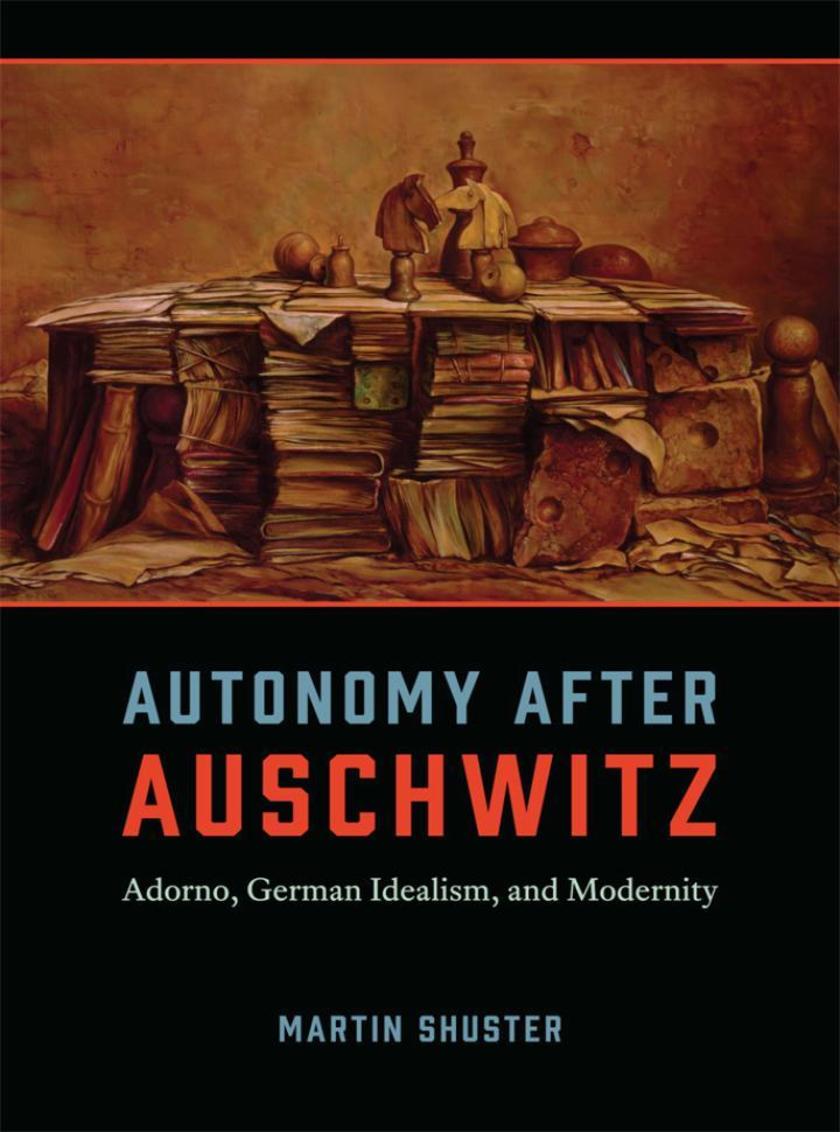
Autonomy After Auschwitz
¥370.82
Ever since Kant and Hegel, the notion of autonomy-the idea that we are beholden to no law except one we impose upon ourselves-has been considered the truest philosophical expression of human freedom. But could our commitment to autonomy, as Theodor Adorno asked, be related to the extreme evils that we have witnessed in modernityIn Autonomy after Auschwitz, Martin Shuster explores this difficult question with astonishing theoretical acumen, examining the precise ways autonomy can lead us down a path of evil and how it might be prevented from doing so.Shuster uncovers dangers in the notion of autonomy as it was originally conceived by Kant. Putting Adorno into dialogue with a range of European philosophers, notably Kant, Hegel, Horkheimer, and Habermas-as well as with a variety of contemporary Anglo-American thinkers such as Richard Rorty, Stanley Cavell, John McDowell, and Robert Pippin-he illuminates Adorno's important revisions to this fraught concept and how his different understanding of autonomous agency, fully articulated, might open up new and positive social and political possibilities. Altogether, Autonomy after Auschwitz is a meditation on modern evil and human agency, one that demonstrates the tremendous ethical stakes at the heart of philosophy.?
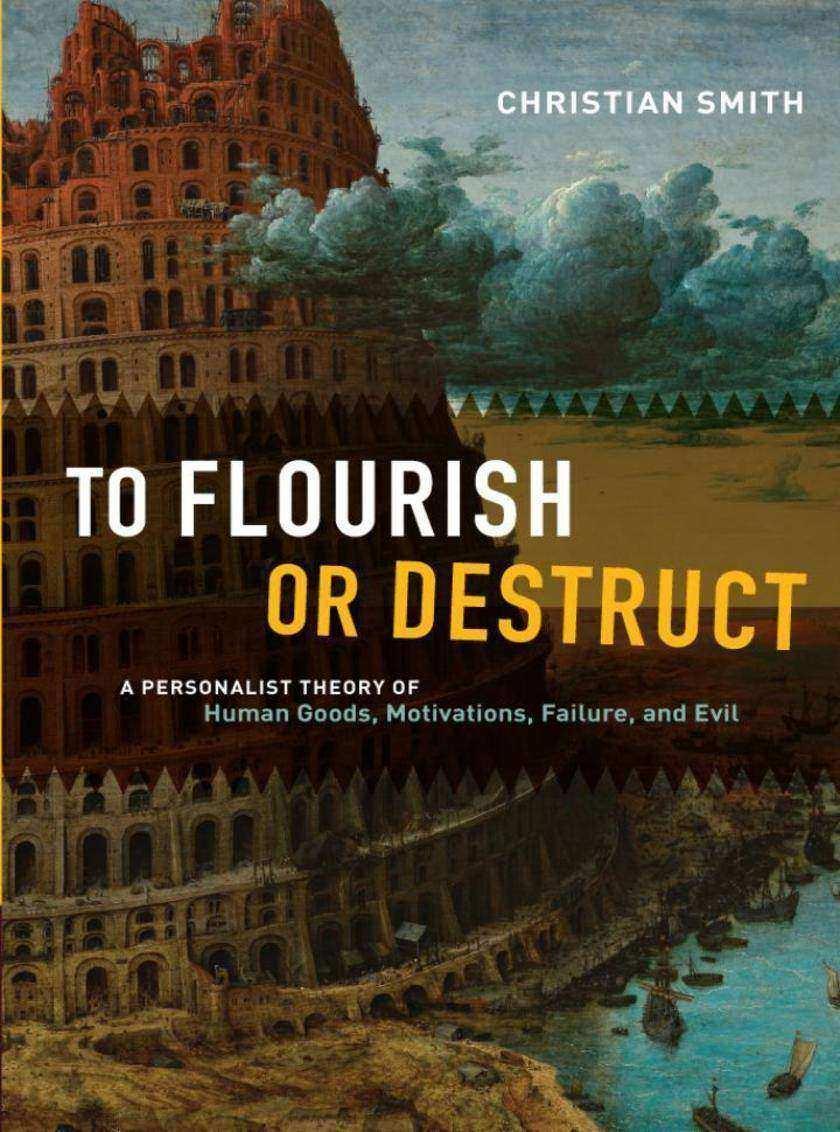
To Flourish or Destruct
¥370.82
In his 2010 book What Is a Person?, Christian Smith argued that sociology had for too long neglected this fundamental question. Prevailing social theories, he wrote, do not adequately "e;capture our deep subjective experience as persons, crucial dimensions of the richness of our own lived lives, what thinkers in previous ages might have called our 'souls' or 'hearts.'"e; Building on Smith's previous work, To Flourish or Destruct examines the motivations intrinsic to this subjective experience: Why do people do what they doHow can we explain the activity that gives rise to all human social life and social structuresSmith argues that our actions stem from a motivation to realize what he calls natural human goods: ends that are, by nature, constitutionally good for all human beings. He goes on to explore the ways we can and do fail to realize these ends-a failure that can result in varying gradations of evil. Rooted in critical realism and informed by work in philosophy, psychology, and other fields, Smith's ambitious book situates the idea of personhood at the center of our attempts to understand how we might shape good human lives and societies.
Wasting a Crisis
¥370.82
The recent financial crisis led to sweeping reforms that inspired countless references to the financial reforms of the New Deal. Comparable to the reforms of the New Deal in both scope and scale, the 2,300-page Dodd-Frank Act of 2010-the main regulatory reform package introduced in the United States-also shared with New Deal reforms the assumption that the underlying cause of the crisis was misbehavior by securities market participants, exacerbated by lax regulatory oversight.With Wasting a Crisis, Paul G. Mahoney offers persuasive research to show that this now almost universally accepted narrative of market failure-broadly similar across financial crises-is formulated by political actors hoping to deflect blame from prior policy errors. Drawing on a cache of data, from congressional investigations, litigation, regulatory reports, and filings to stock quotes from the 1920s and '30s, Mahoney moves beyond the received wisdom about the financial reforms of the New Deal, showing that lax regulation was not a substantial cause of the financial problems of the Great Depression. As new regulations were formed around this narrative of market failure, not only were the majority largely ineffective, they were also often counterproductive, consolidating market share in the hands of leading financial firms. An overview of twenty-first-century securities reforms from the same analytic perspective, including Dodd-Frank and the Sarbanes-Oxley Act of 2002, shows a similar pattern and suggests that they too may offer little benefit to investors and some measurable harm.
Making "e;Nature"e;
¥370.82
Making "e;Nature"e; is the first book to chronicle the foundation and development of Nature, one of the world's most influential scientific institutions. Now nearing its hundred and fiftieth year of publication, Nature is the international benchmark for scientific publication. Its contributors include Charles Darwin, Ernest Rutherford, and Stephen Hawking, and it has published many of the most important discoveries in the history of science, including articles on the structure of DNA, the discovery of the neutron, the first cloning of a mammal, and the human genome.But how did Nature become such an essential institutionIn Making "e;Nature,"e; Melinda Baldwin charts the rich history of this extraordinary publication from its foundation in 1869 to current debates about online publishing and open access. This pioneering study not only tells Nature's story but also sheds light on much larger questions about the history of science publishing, changes in scientific communication, and shifting notions of "e;scientific community."e; Nature, as Baldwin demonstrates, helped define what science is and what it means to be a scientist.
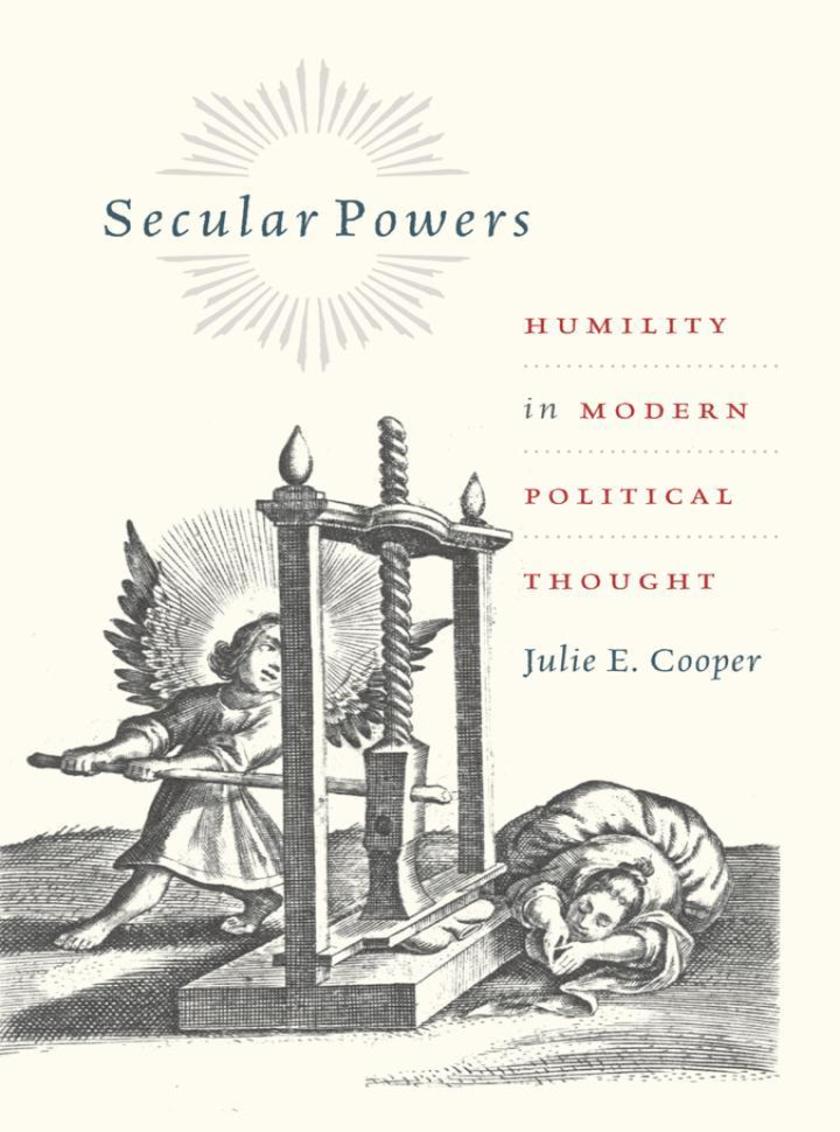
Secular Powers
¥329.62
Secularism is usually thought to contain the project of self-deification, in which humans attack God's authority in order to take his place, freed from all constraints. Julie E. Cooper overturns this conception through an incisive analysis of the early modern justifications for secular politics. While she agrees that secularism is a means of empowerment, she argues that we have misunderstood the sources of secular empowerment and the kinds of strength to which it aspires.Contemporary understandings of secularism, Cooper contends, have been shaped by a limited understanding of it as a shift from vulnerability to power. But the works of the foundational thinkers of secularism tell a different story. Analyzing the writings of Hobbes, Spinoza, and Rousseau at the moment of secularity's inception, she shows that all three understood that acknowledging one's limitations was a condition of successful self-rule. And while all three invited humans to collectively build and sustain a political world, their invitations did not amount to self-deification. Cooper establishes that secular politics as originally conceived does not require a choice between power and vulnerability. Rather, it challenges us-today as then-to reconcile them both as essential components of our humanity.

Rhetoric of Pregnancy
¥288.41
It is a truth widely acknowledged that if you're pregnant and can afford one, you're going to pick up a pregnancy manual. From What to Expect When You're Expecting to Pregnancy for Dummies, these guides act as portable mentors for women who want advice on how to navigate each stage of pregnancy. Yet few women consider the effect of these manuals-how they propel their readers into a particular system of care or whether the manual they choose reflects or contradicts current medical thinking.Using a sophisticated rhetorical analysis, Marika Seigel works to deconstruct pregnancy manuals while also identifying ways to improve communication about pregnancy and healthcare. She traces the manuals' evolution from early twentieth-century tomes that instructed readers to unquestioningly turn their pregnancy management over to doctors, to those of the women's health movement that encouraged readers to engage more critically with their care, to modern online sources that sometimes serve commercial interests as much as the mother's.The first book-length study of its kind, The Rhetoric of Pregnancy is a must-read for both users and designers of our prenatal systems-doctors and doulas, scholars and activists, and anyone interested in encouraging active, effective engagement.
Foundations of Natural Morality
¥288.41
Recent years have seen a renaissance of interest in the relationship between natural law and natural rights. During this time, the concept of natural rights has served as a conceptual lightning rod, either strengthening or severing the bond between traditional natural law and contemporary human rights. Does the concept of natural rights have the natural law as its foundation or are the two ideas, as Leo Strauss argued, profoundly incompatible?With The Foundations of Natural Morality, S. Adam Seagrave addresses this controversy, offering an entirely new account of natural morality that compellingly unites the concepts of natural law and natural rights. Seagrave agrees with Strauss that the idea of natural rights is distinctly modern and does not derive from traditional natural law. Despite their historical distinctness, however, he argues that the two ideas are profoundly compatible and that the thought of John Locke and Thomas Aquinas provides the key to reconciling the two sides of this long-standing debate. In doing so, he lays out a coherent concept of natural morality that brings together thinkers from Plato and Aristotle to Hobbes and Locke, revealing the insights contained within these disparate accounts as well as their incompleteness when considered in isolation. Finally, he turns to an examination of contemporary issues, including health care, same-sex marriage, and the death penalty, showing how this new account of morality can open up a more fruitful debate.
Tunguska, or the End of Nature
¥288.41
On June 30, 1908, a mysterious explosion erupted in the skies over a vast woodland area of Siberia. Known as the Tunguska Event, it has been a source of wild conjecture over the past century, attributed to causes ranging from meteors to a small black hole to antimatter. In this imaginative book, Michael Hampe sets four fictional men based on real-life scholars-a physicist (Gunter Hasinger and Steven Weinberg), a philosopher (Paul Feyerabend), a biologist (Adolf Portmann), and a mathematician (Alfred North Whitehead)-adrift on the open ocean, in a dense fog, to discuss what they think happened. The result is a playful and highly illuminating exploration of the definition of nature, mankind's role within it, and what its end might be.?Tunguska, Or the End of Nature uses its four-man setup to tackle some of today's burning issues-such as climate change, environmental destruction, and resource management-from a diverse range of perspectives. With a kind of foreboding, it asks what the world was like, and will be like, without us, whether we are negligible and the universe random, whether nature can truly be explained, whether it is good or evil, or whether nature is simply a thought we think. This is a profoundly unique work, a thrillingly interdisciplinary piece of scholarly literature that probes the mysteries of nature and humans alike.?


