


 购物车
购物车 个人中心
个人中心

Oamenii ferici?i citesc ?i beau cafea
¥65.32
A plecat din Paris s? se uite pe sine. Dragostea pe care o va ?nt?lni va schimba totul.Povestea lui Diane ?ncepe ?n mod brutal cu moartea so?ului ?i a feti?ei sale, eveniment care o arunc? ?n cea mai cumplit? depresie. Totul se opre?te ?n loc, ?n afar? de inima ei, care continu? s? bat?. Cu ?nc?p???nare. Dureros. Zadarnic.C?nd cel mai bun prieten ?i asociat ?n mica afacere cu o cafenea literar? la Paris, Felix, ?i propune o c?l?torie ca ?nceput pentru o nou? via??, Diane alege s? ?ndeplineasc? o mai veche dorin?? a fostului ei so? ?i se refugiaz? departe de lume, ?ntr-o mic? a?ezare din Irlanda.O ?nt?lnire nea?teptat? cu un b?rbat taciturn o face pe Diane s? vad? din nou lumea cu ?ncredere ?i cu for?? reg?sit?.?Aceast? poveste despre ?mp?carea cu sine con?ine dialoguri conving?toare ?i e spus? ?ntr-un stil simplu, nepreten?ios, av?nd chiar ?i accente de umor.“ – Le ParisienProfund ?i emo?ionant, romanul lui Agnès Martin-Lugand sondeaz? cu luciditate cea mai cumplit? tragedie din via?a unui om. O carte care te marcheaz?.“ – Susan Wiggs??n ?ntuneric, am mers pe urmele lor, ?n ?nc?perea ?n care ne reuneam. Colin venea spre mine, eu ?i desf?ceam cravata, el m? s?ruta, Clara ne desp?r?ea, cinam, Colin o culca pe fiica noastr?, dup? care r?m?neam am?ndoi, cu siguran?a de a o ?ti pe Clara la c?ldur? ?n patul ei, cu degetul mare ?n gur?.Am realizat c? apartamentul nostru nu mai exista, ?mi dorisem s? r?m?n acolo ca s? p?strez totul neatins, dar gre?isem. Nu mai erau dosare, zgomotul cheii ?n u??, alerg?turi pe parchet. Nu aveam s? mai revin niciodat? aici.“
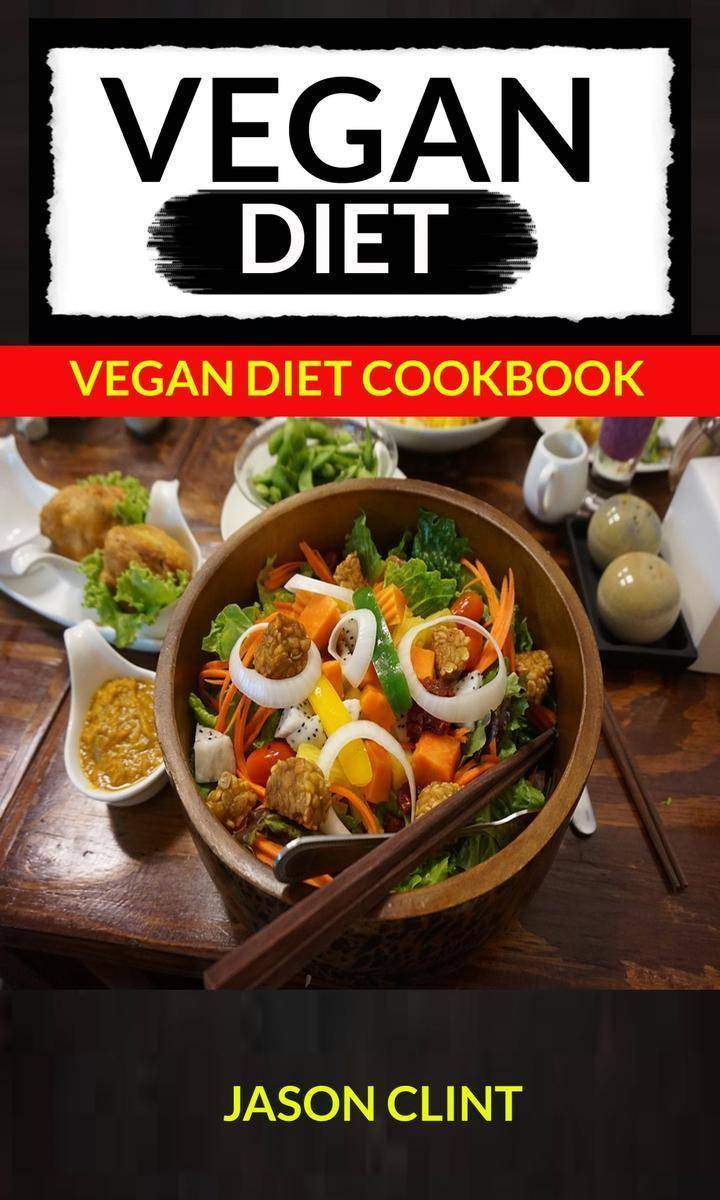
Vegan Diet Vegan Diet Cookbook
¥0.01
Vegan Diet has always been something superb. Whatever your reasons are for integrating vegan food to your life, Love Vegan will inspire you to cook beautiful authentic and traditional Mexican meals for all occasions, every night of the week. All recipes are designed to take no longer than 30 minutes preparation time No ‘artificial vegan meat’ or hard to find ingredients. All recipes are made up of ingredients that you would commonly have in your pantry or can easily find at your local supermarket. Authentic and traditional dishes which have been carefully refined to not include animal products yet still retain the taste, texture and flavor of your favorites.

Spune-mi ca ma iubesti
¥7.36
O reputa?ie nep?tat? sau dragostea adev?rat?? Alegerea nu a fost niciodat? mai dificil?... R?mas? f?r? nici un venit – al?turi de familia sa care este pe cale s?-?i piard? c?minul din pricina datoriilor ?i icircntr-o stare de disperare crunt?, Kelsey Langton icirc?i d? seama c? doar l?sacircndu-se vacircndut? la o licita?ie poate salva viitorul surorii sale. Astfel, nobila macircndr? ?i dezn?d?jduit? intr? renumita Cas? a lui Eros, resemn acircndu-se s? devin? juc?ria favorit? a unui lord icircnst?rit ?i s? fie la dispozi?ia lui cacirc;t timp acesta avea s-o doreasc? iar Lord Derek Malory este b?rbatul care ofer? suma cea mai mare pentru a deveni unicul proprietar al farmecelor lui Kelsey. Un crai chipe? ?i un renumit burlac convins, Derek o atrage icircn curacirc nd pe senzuala ?i inocenta fecioar? icirc;ntr-o lume de pl?ceri neb?nuite ?i de rivalit??i primejdioase. ?i, ca vreunul din ei s?-?i fi propus, gra?ia, inteligen?a ?i frumuse?ea ei icircl ispitesc pe noul st?pacircn s? renun?e la via?a de huzur ?i pierzanie ?i s? parieze tot ce are pe dragostea adev?rat?.

Mirii MacGregor
¥7.36
Cu nepoatele, uneltirile i-au func?ionat de minune, a?a c? acum Daniel MacGregor, venerabilul ?ef al familiei, vrea s?-?i vad? c?s?tori?i ?i cei trei nepo?i chipe?i ?i numai buni de ?nsur?toare, de?i ace?tia ?in cu ?nc?p???nare la via?a de burlac.Pentru artistul Duncan o alege pe Layna Drake, mo?tenitoarea unui lan? de magazine de renume, o femeie de afaceri de?teapt? ?i abil?, obi?nuit? cu singur?tatea ?i hot?r?t? s? ??i vad? de carier?. ?n calea lui Duncan, proprietarul unui vas-cazinou, o scoate pe Cat Farrell, o c?nt?rea?? care ?l va vr?ji din prima clip? cu vocea ei ? ?i nu numai. ?n cazul nepotului s?u Ian, avocat de renume, Daniel este ceva mai subtil c?nd aranjeaz? ca acesta s? se ?nt?lneasc? ? ca din pur? ?nt?mplare ? cu Naomi Brightstone, r??u?ca cea ur?t? a familiei, care a reu?it ?ns? s? se reinventeze ?ntr-un mod spectaculos, devenind leb?da cea frumoas?, dar totu?i lipsit? de experien?? c?nd vine vorba despre rela?ii.?i, dup? cum este de a?teptat, Marele MacGregor va urm?ri plin de sine cum planurile lui sunt puse ?n aplicare ?i cum cei trei nepo?i cad, f?r? ca m?car s?-?i dea seama, ?n plasa pe care b?tr?nul lor bunic a ?ntins-o cu at?ta pricepere.
![Kü?ük Elisa [Zaman Yolcusu]](https://platform-permanent.ddimg.cn/pt-media-info-soa-resource/digital/product/67/68/1901126768_ii_cover.jpg?version=f4386957-a0e7-4b45-955d-4851f323ae4d)
Kü?ük Elisa [Zaman Yolcusu]
¥0.01
“..Hayatta hep eksik bir ?eyler kal?r. Ya yap?lmam?? bir i? veya kavu?ulmam?? bir insan. Belki, de en son kalan par?a hayat?m?z?n da tüm anlam?n? i?erir ve o yüzden hep sakl?d?r” dedi Elisa, konu?mas?na ba?lamadan ?nce. ?yle ki, baz? an gelir, hayat?m?z?n geri kalan?n? o eksik elmas par?ay? aramakla ge?irmek zorunda kal?r?z. ?ünkü, o son par?a olmadan, hi?bir ?ey anlam?n? tamamlamaz.. ??te, aynen bunun gibi, Alice’in de –Elisa– olmadan ?nceki hayat?n?n ger?ek anlam? ve kay?p par?as? neydi? Bunu mutlaka ??renmeliydi. Ama bunun i?in ?ok uzun bir yolculuktan ge?mesi gerekiyordu.” Gezgin Seyyah: Elisa ile tan??mam?zdan ?nce Müslümanlar?n kitab?nda ??yle bir ?ey okumu?tum: “Dünya ya?am?, bir nevi bir elence ve bir oyundan ibarettir.” Bu nas?l mümkün olabilirdi ki? Veya hayat?n esas (ger?ek) anlam? bu mu? diye kendi kendime ilk ba?larda bunu okudu?umdan beridir soruyordum. Bir hayali dünya ile bir de ger?ek dünya m? var? Fakat Elisa ile tan??t?ktan sonra, bu alternatif (hayali) dünyalar? g?rdükten sonra, ger?ekten de bir e?lenceler dünyas?nda oldu?uma kanaat getirmeye ba?lad?m. Her ?eyin asl?nda sanal (kurgulanm??) bir oyun oldu?unu bu kitapta g?rebiliyordum art?k. Eminim, Elisa ile olan bu ilgin? seyahatlerimi ve onun i?inden ??kt??? bu sihirli kitab? okuduk?a siz de buna kat?lacaks?n?z ve “ger?ek” üzerinde yeniden dü?ünmeye ba?layacaks?n?z.. Unutmay?n! Bu evrendeki her ?eyin bir hayali bir de ger?ek g?rüntüsü vard?r.? ??????
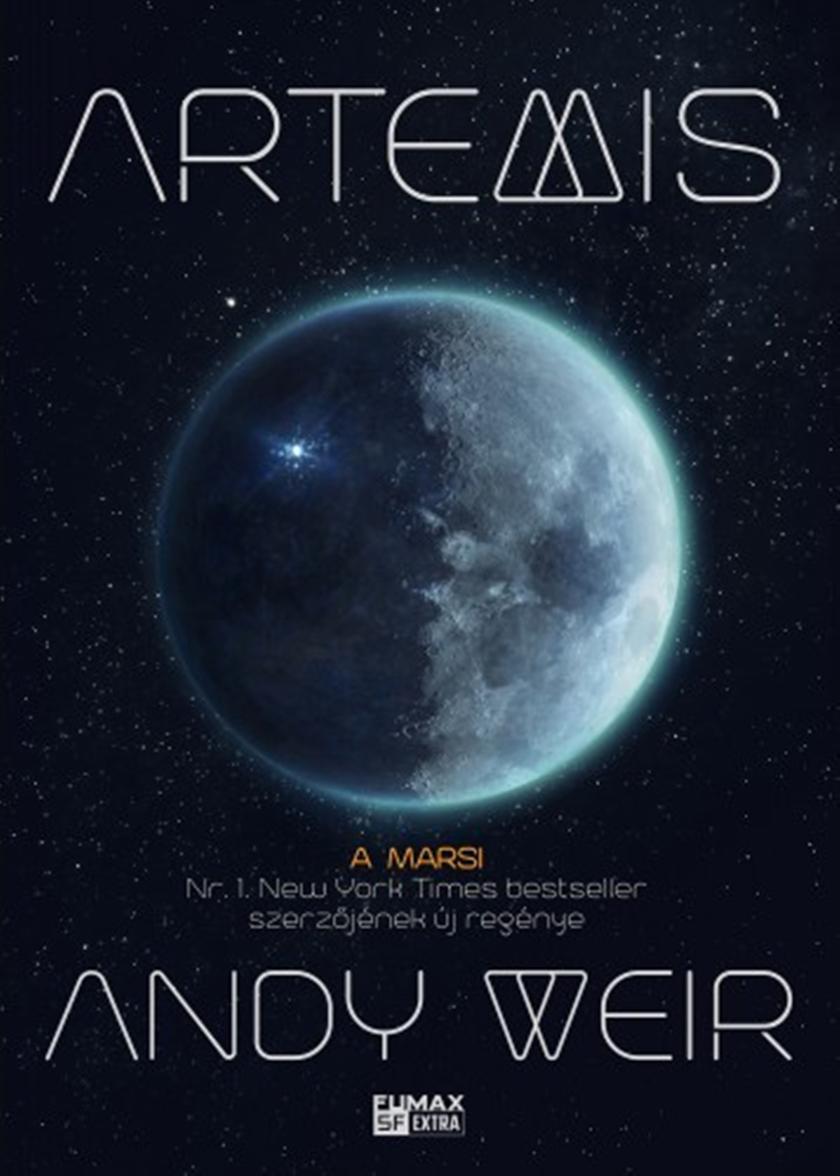
Artemis
¥75.54
Jazz Bashara b?n?z?. Vagy valami olyasmi. Az élet ugyanis elég kemény Artemisen, a Hold els? és egyetlen városában, hacsak nem vagy gazdag turista vagy excentrikus milliárdos. Némi ártalmatlan, de tiltott áru becsempészése nem egetver? b?n, ugyebár? F?leg, ha kül?nb?z? adósságokat kell t?rlesztened, mivel a hordári munkádért kapott fizetés a lakbért is alig fedezi. A dolgok akkor kezdenek megváltozni, amikor Jazznek páratlan lehet?sége adódik a t?kéletes b?ntény elk?vetésére, amely akkora nyereséggel kecsegtet, hogy képtelenség lenne visszautasítani. A lehetetlen végrehajtása azonban még csak a kezdet: ráébred, hogy egyenesen egy ?sszeesküvés kell?s k?zepébe cs?ppent, amelynek célja nem kevesebb, mint átvenni a hatalmat egész Artemis f?l?tt. Ha pedig túl akarja élni, bele kell mennie élete legbrutálisabb játszmájába, olyan tétekkel, amelyek már egyáltalán nincsenek az ínyére. A marsi sikerlista-vezet? szerz?je, Andy Weir újabb leny?g?z? f?szerepl?t alkotott, Jazz t?rténetét pedig a rá jellemz? humorral és tudományos alapossággal írta meg. Az Artemis filmes jogai már a k?nyv bejelentésének napján elkeltek, a 20th Century Fox és a New Regency máris dolgozik az adaptáción.

Fascinatia Crossfire – Vol. 4
¥68.75
FASCINA?IE O RELA?IE CARE ATINGE NOI CULMI ?I ABISURI CU FIECARE ZI Gideon m? nume?tengera?ul lui, s? el este cel care reprezint? un miracol pentru via?a mea. El este r?zboinicul meu minunat ?i r?nit, att de hot?racirct s? se lupte cu demonii mei, vreme ce refuz? s? ?i-i nfrunte pe ai lui. Jur?mintele pe care le-am schimbat ar fi trebuit s? fie leg?tura care s? ne apropie tot mai mult, dar schimb au deschis r?ni vechi, au expus dureri ?i incertitudini Am s? simt cum se dep?rteaz? de mine, ?i astfel cea mai mare team? a mea se transform? realitate acum dragostea este pus? la cercare feluri pe care nu sunt sigur? c? am suficient? putere s? le. credeam c? tr?im cele mai luminoase momente ale vie?ii noastre tunericul din trecutul lui a s? nconjoare ?i s? amenin?e tot ceea ce am construit cu atta efort. Iar acum, fa?a noastr? se afl? o alegere teribil de dificil?: s? ne refugiem siguran?a familiar? a vie?ilor pe care le avea fiecare nainte sau s? lupt?m pentru un viitor care brusc a ceput s? par? un vis imposibil ?i lipsit de speran??.
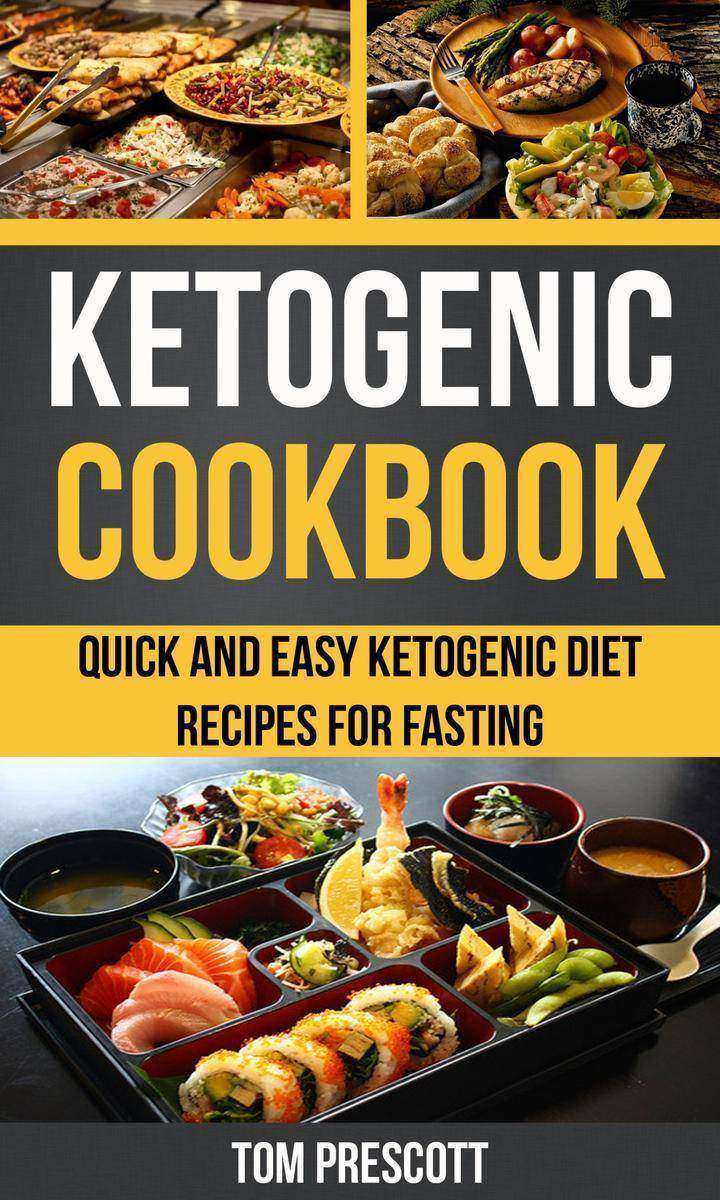
Ketogenic Cookbook:Quick And Easy Ketogenic Diet Recipes For Fasting
¥0.01
Be Happier and Healthier Starting Today! Are You Tired of Feeling Out Of Shape? Want to Start A Diet That Will Allow You to Change Your Life Forever? This Ketogenic Cookbook: Quick And Easy Ketogenic Diet Recipes you can easily prepare is an excellent guide to those who want to lose weight and get slim over the small period of time. In today’s world where one’s figure is the first thing that represents him or her, one should take care extra care of it not only because of the impression that it leaves on others but also because of the sake of having healthy and quality wiseexcellent life. We will get into detail in the book but for now take a general look on what this book offers: Ketogenic diet and its unlimited benefits Ketogenic diet recipes: For the breakfast Ketogenic diet recipes: For the lunch time Ketogenic diet recipes: For dinner Get the jumpstart to a newer you and a better life by grabbing this book.
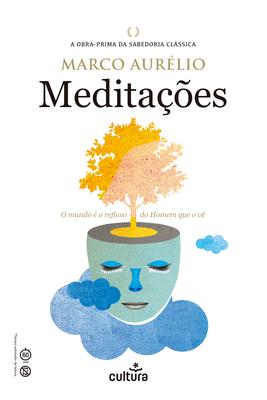
Medita??es
¥79.35
Enquanto imperador, sou importante em Roma; enquanto homem, sou igual a qualquer um no mundo. Marco Aurélio Meditaes é a única obra de Marco Aurélio que chegou até nós. Composta por doze livros, em forma de máximas, apresenta reflexes marcadas pelo Estoicismo. Marco Aurélio considerava-se um cidado do mundo — ou melhor, do Universo. Para ele, a igualdade e a fraternidade entre os homens obrigavam a uma ateno constante aos atos sociais, a nunca censurar os deuses nem os seres humanos e a aceitar os acontecimentos como a expresso simples da lei do Universo. Esta obra é o livro de um homem de ao, que procura a serenidade, indispensável à eficácia, mas também de um homem para o qual os atos humanos apenas possuem um valor profundo e duradouro se se enquadrarem na perspetiva do Todo do Universo e da comunidade de todos. Muito mais do que uma compilao de pensamentos filosóficos, Meditaes é um manual de comportamento perfeitamente atual, que apela à reflexo sobre como podemos melhorar o nosso modo de vida e o nosso relacionamento com os outros.

O amor machuca
¥8.18
“O amor machuca, o amor deixa cicatrizes, o amor fere e prejudica” – Nazareth Como qualquer outro apaixonado, Kevin só queria viver uma grande paix?o com sua amada, Helen Lewis, a garota mais bonita da rua. Porém, como muitos apaixonados, Kevin acabou se machucando...
Investing In Stock Market For Beginners:understanding the basics of how to make
¥24.44
Stock investing can be intimidating and a bewildering experience for complete beginners. Fortunately that doesn't have to be the case anymore. This course will arm you with all the basics and fundamentals of stock market picking, so you can begin taking control of your financial future! This book will take away the confusion and teach the must-know principles and theories in plain english.This book is especially written for those who know very little, if any about the stock market and how it works.Be aware that although you can make a LOT of money in the market? Many also go broke without proper guidance and training. For a beginner, this is the perfect book to get you started. Perhaps not with real money yet? I urge you to get your feet wet first, gain some experience (by applying the principles in this book) and when you're making a killing in the market simulations? You can now invest real cash!If you don't want to go through that stage first? Don't worry. Safe investments will be taught to you to mitigate high risk ventures, so you can get started with minimal risks.

Just GONE:Book 1 of 2 of the 7 Years Later Series
¥0.01
It was without doubt that Lana Bell was the cleverest, sexiest, most inspiring and seductive girl Hayden Ravensdale had ever met. The attractive law student had burst into his life, blown his mind and changed everything. He was head over heels in love with her. He could not have foreseen the disaster awaiting him just around the corner. So when all of a sudden Lana disappears without a trace, Hayden’s whole world crumbles to pieces. Had it all been a lie? Had she only been using the young and wealthy heir to a well-known international publishing firm? When after 7 years of despair, pain, anger, hatred, and finally, emptiness, the disillusioned businessman unexpectedly comes face to face with the love of his youth, only to see his strictly organized life turn upside down again. Their chance encounter finds them both cast into a whirlwind of attraction, uncertainty, and doubt. Can he ever trust her again? Can he once more put his broken heart into the hands of this woman without the risk of ruining himself completely? Dare he even resist? Can either of them possibly deny the physical attraction they feel towards each other? This is the passionate and captivating love story of Hayden and Lana. I hope you will enjoy reading it!
Beginner Spanish in 32 Topics:Speak With Confidence About Everyday Matters
¥0.01
Learn to speak in Spanish about the things that matter to you. Massively improve your Spanish vocabulary and speaking skills through reading about these 32 everyday topics. By the end of this book you will: Know the essential Spanish vocabulary for speaking about 32 everyday topics. Feel confident having real conversations about real topics with other Spanish speakers. Know 100’s of new Spanish words and feel comfortable about moving up to the intermediate level. Who is it for? If you are a high beginner with a good understanding of basic grammar and vocabulary then this is the book to help you to take your Spanish to the next level. How does it work? Each article covers a topic that you would commonly talk about in your own language. So instead of learning boring vocabulary lists, you will be reading interesting articles and learning the specific language you will need for having real conversations with other Spanish speakers. We’ve kept it interesting by giving each topic an ‘angle’. So, for example the ‘romance’ article is about ‘online dating’ and the ‘food’ article is about ‘cooking shows’ etc. This way, you will be much more engaged and learn more smoothly. By the end of this book you will: Know the essential Spanish vocabulary for speaking about 32 everyday topics. Feel confident having real conversations about real topics with other Spanish speakers. Know 100’s of new Spanish words and feel comfortable about moving up to the intermediate level. Get started today and click the buy button, and start speaking with confidence about 32 everyday topics.

Textos para ler antes de morrer de rir
¥8.18
Agora você tem uma cole??o dos textos mais engra?ados e legais do planeta! Onde quer que você esteja, este livro irá lhe arrancar boas gargalhadas. Less ATEN??O: Se você n?o ler estes textos antes de morrer, depois n?o irá ler nunca mais... Pense bem nisso.
Becoming Resilient – The Definitive Guide to ISO 22301 Implementation
¥326.92
Author and experienced business continuity consultant Dejan Kosutic has written Becoming Resilient with one goal in mind: to give you the knowledge and practical step-by-step processes you need to successfully implement ISO 22301—without any stress, hassle or headaches. This book is written for beginners in the field and is structured in such a way that someone with no prior experience or knowledge about business continuity. It will help you fully understand the subject and implement an entire business continuity project. If you are an IT administrator, information security professional, quality manager, or a project manager with a task to implement ISO 22301 in your company, this book is perfect for you. However, this book will be also useful for consultants and experienced business continuity practitioners. It can be used as a checklist for getting a comprehensive and structured view of how business continuity should be implemented. Becoming Resilient is a step-by-step guide that takes you from an introduction of ISO 22301 to the implementation of the business continuity standard. During the process, Dejan uses plain English to explain: Common misunderstandings of the standard: “Business continuity is a job for IT guys;” “Business continuity equals business continuity plans;” “Business continuity is a one-time job;” and others.How to present the benefits to your top management:“Reason number one for business continuity project failures? The number one problem most business continuity practitioners are emphasizing? The answer is the same – lack of management understanding and commitment.”How to develop a Business Impact Analysis Methodology, an Incident Response Plan, a Business Recovery plan and other crucial actions to implement and maintain the ISO 22301 standard. Leaving the technical jargon to the geeks, Becoming Resilient is written for everyone, using plain, simple language. Whether you’re a business continuity practitioner or new to the field, it’s the only book you’ll ever need on the subject of ISO 22301 implementation.

111 Chistes
¥8.18
Una buena chiste puede hacer su mejor día, porque no hay nada mejor que dar una buena risa. Algunas personas les gusta escuchar chistes y hay gente que le gusta contar chistes. Lo que sea, este libro servirá para ambos. Los mejores chistes de Pepito, Jaimito, amigos, suegras, borrachos,novios, es mucho más.

Só piadas de português
¥8.18
No metr?, no ?nibus, na escola, no trabalho, em casa, no comercial, no banheiro, na rua, na fila do p?o, na pra?a, na cama, no sofá, em qualquer lugar que você estiver, espante o tédio se divertindo com piadas de português, só as melhores.

Frostbite
¥40.79
Losing Lucian McKenzie, the Prince of her heart and discovering her true identity has made Elena Watkins' life almost unbearable. However, new trials will test the 17 year-old's strength and push her to limits she didn’t think were possible. Only a mysterious offer from Blake Leaf, the Rubicon and a dragon predestined for evil, reveals there may be a light at the end of Elena’s dark tunnel. With the life she thought she knew crashing down around her, Elena will have to face a monumental decision about the fate of Paegeia. She can either make peace with Blake’s demands or try once again to unravel the Queen’s secrets that lie deep within her dragon, Tanya La Frey’s, heart. The third heart pounding novel in The Dragonian Series by Adrienne Woods.

The Little Prince
¥8.67
“Goodbye, said the fox. And now here is my secret, a very simple secret. It is only with the heart that one can see rightly. What is essential is invisible to the eye.” Antoine de Saint-Exupéry, The Little Prince The Little Prince first published in 1943, is a novella and the most famous work of the French aristocrat, writer, poet and pioneering aviator Antoine de Saint-Exupéry. The novella is both the most read and most translated book in the French language, and was voted the best book of the 20th century in France. Translated into more than 250 languages and dialects selling over a million copies per year with sales totalling more than 140 million copies worldwide, it has become one of the best-selling books ever published. Saint-Exupéry, a laureate of several of France's highest literary awards and a reserve military pilot at the start of the Second World War, wrote and illustrated the manuscript while exiled in the United States after the Fall of France. He had travelled there on a personal mission to persuade its government to quickly enter the war against Nazi Germany. In the midst of personal upheavals and failing health he produced almost half of the writings he would be remembered for, including a tender tale of loneliness, friendship, love and loss, in the form of a young prince fallen to Earth.
Successful Self-Publishing:How to self-publish and market your book in ebook and
¥0.01
Do you want to successfully self-publish? There are thousands of new books being published every day, but many self-published books quickly sink to the bottom of the pile. Many authors are frustrated because there are so many options for self-publishing, and they don't know which one to choose or what will be best for their book. Others spend thousands of dollars to publish and end up broken-hearted with the result.? But it doesn't have to be this way.? I've spent the last ten years self-publishing bestselling fiction and non-fiction books and in 2011, I left my day job to become a full-time author-entrepreneur. I've made lots of mistakes along the way, but through the process of self-publishing 27 books, I've learned the most effective way to publish and market your books. In this book, I'll share everything with you.

Szív-titkok-k?nyv
¥0.01
Hat kül?nleges t?rténet az egzotikus utazásoktól a szívfájdító szerelemig. Sok-sok kül?nb?z? ember, rendkívüli párok és szerelmek. Egy mexikói luxus prostituált erotikus t?rténete, akit a kegyetlen sors, az átok sem tud megakadályozni abban, hogy rátaláljon az igaz szerelemre. A sivatagban eltévedt fiatal orvosn?, az elkényeztetett maffiaf?n?k lánya, és az ?r?kké bizonytalan magyar Kathy egzotikus világokba viszi el az olvasókat Jement?l Mexikóig. Mindezek mellett két fiatalt, egy testvér szíve, sok-sok fájdalom, és csodálatos érzelmek vezérelnek, hogy szem ne maradjon szárazon. A t?rténetekben megtalálható a kaland, rejtély, izgalom, de mindenekel?tt a romantika.


