


 购物车
购物车 个人中心
个人中心

The Astronomy of the Bible
¥24.44
The Astronomy of the Bible

Astronomy for Amateurs
¥24.44
Astronomy for Amateurs

Biological System: A Tutorial Study Guide
¥32.62
Biological System: A Tutorial Study Guide
Pharmacokinetics: A Tutorial Study Guide
¥32.62
Pharmacokinetics: A Tutorial Study Guide

Origin of Species: A Tutorial Study Guide
¥32.62
Origin of Species: A Tutorial Study Guide

Endocrine System: A Tutorial Study Guide
¥40.79
Endocrine System: A Tutorial Study Guide

Sensory System: A Tutorial Study Guide
¥40.79
Sensory System: A Tutorial Study Guide

Principles of Biology: Animal Systems: A Tutorial Study Guide (box set)
¥326.92
Principles of Biology: Animal Systems: A Tutorial Study Guide (box set)

Neurotransmitter Pathways: A Tutorial Study Guide
¥32.62
Neurotransmitter Pathways: A Tutorial Study Guide

Renal System: A Tutorial Study Guide
¥32.62
Renal System: A Tutorial Study Guide

Schizophrenia: A Tutorial Study Guide
¥32.62
Schizophrenia: A Tutorial Study Guide

Motivating for STEM Success
¥81.67
Motivating for STEM Success

Ebola Free World-Stopping The Killer Virus: How Nigeria Did It And How Other Cou
¥32.62
Ebola Free World-Stopping The Killer Virus: How Nigeria Did It And How Other Countries Can Too

Tools and Function Lists: Engineering Tools Manual
¥20.44
Tools and Function Lists: Engineering Tools Manual

Clinical Updates in the Management of Severe Asthma
¥0.01
Clinical Updates in the Management of Severe Asthma
Cosmoza. Iubirea cosmic?
¥73.49
O investiga?ie ?tiin?ific? pentru ?n?elegerea ?i ?mbun?t??irea capacit??ii min?iiViitorul min?ii umane aduce un subiect rezervat c?ndva exclusiv domeniului science-fiction ?ntr-o realitate nou? ?i surprinz?toare. Acest tur de for?? ?tiin?ific dezv?luie cercet?rile uimi?toare care se efectueaz? ?n laboratoa?rele de top din lumea ?ntreag? – toate baz?ndu-se pe ultimele descoperiri din neuro?tiin?? ?i fizic? – incluz?nd expe?rimente recente ?n telepatie, controlul min?ii, telechinezie ?i ?nregistrarea amintirilor ?i a visurilor.Lectura acestei c?r?i este o aventur? uimitoare nu doar pentru fanii SF, ci ?i pentru pasiona?ii de fizic?, medicin?, neuro?tiin??, care vor descoperi aici vastele posibilit??i ale creierului uman.?Kaku are darul de a explica idei incredibil de complexe ?ntr-un limbaj pe care-l poate ?n?elege ?i un cititor neavizat." - San Francisco Chronicle
The City of Dreadful Night by Rudyard Kipling - Delphi Classics (Illustrated)
¥8.09
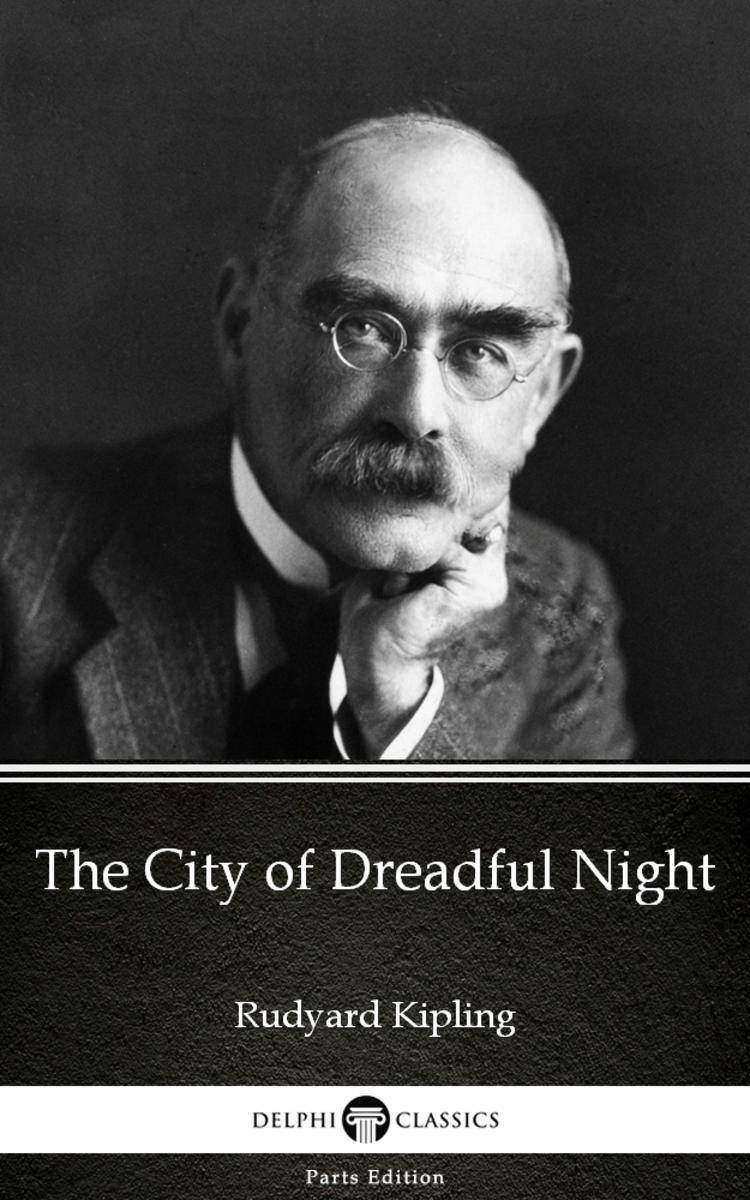
This eBook features the unabridged text of ‘The City of Dreadful Night by Rudyard Kipling - Delphi Classics (Illustrated)’ from the bestselling edition of ‘The Complete Works of Rudyard Kipling’. Having established their name as the leading publisher of classic literature and art, Delphi Classics produce publications that are individually crafted with superior formatting, while introducing many rare texts for the first time in digital print. The Delphi Classics edition of Kipling includes original annotations and illustrations relating to the life and works of the author, as well as individual tables of contents, allowing you to navigate eBooks quickly and easily. eBook features: * The complete unabridged text of ‘The City of Dreadful Night by Rudyard Kipling - Delphi Classics (Illustrated)’ * Beautifully illustrated with images related to Kipling’s works * Individual contents table, allowing easy navigation around the eBook * Excellent formatting of the text Please visit www.delphiclassics.com to learn more about our wide range of titles

Simple and Natural Herbal Living - An Earth Lodge Guide to Holistic Herbs for He
¥40.79
Herbal living is simple. It's natural. In this illustrated guide, you'll come to understand that an herbal life is a reward in itself. You will learn to appreciate the power held in one tiny leaf. You will be inspired to walk hand in hand with nature, accepting her gifts and respecting her in return. And you'll even learn to appreciate the immense potential you hold inside yourself. Detailing the medicinal uses for over 60 herbs and 23 essential oils, Herbal Living contains many useful recipes for health and home. Herbs for the kitchen, facial products, healing salves and tinctures are all covered in detail."Maya Cointreau will take you on a journey towards a new way of living life. She makes it easy to relate to the material and her words will leave you feeling confident and self-empowered." Kathy Lalonde, RPP

The Americans: "American Problems from the Point of View of a Psychologist"
¥28.61
"The Americans" by Hugo Munsterberg stands alongside Alexis de Tocqueville's American Democracy as one of the great works on the New World written by a scholar deeply familiar with the Old World. When originally published, it gave the German public a sense of American life, and was described as "a book which deals in a detailed way with the political, economic, intellectual, and social aspects of American culture." Munsterberg, a world-renowned psychologist at the turn of the twentieth century, noted that "its purpose is to interpret systematically the democratic ideals of America."??The primary aim of The Americans is to study the people and America's inner tendencies. It offers a "philosophy of Americanism," the ideology of a people writ whole. Munsterberg's sense of the "spirit" of a people, rather than facts about the people, is revealed in his four cardinal chapters: Self-Direction, Self-Realization, Self-Perfection, and Self-Assertion. While he covers the economic premises of the free market and the politics of party affairs, he considers these the least important. Instead it is the lasting forces and tendencies of American life, rather than problems of the day, that occupy the author. ??This focus was shared by German readers, for whom the book was conceived, and for those in the United States who read the book in English.The dynamic of strong basic tendencies of democratic forces and lesser, but significant, aristocratic tendencies underwrites the strains and tensions in American society. It also defines the special nature of a book, written more than one hundred years ago, that retains its lively sense of purpose and deep insight into American life. ??One could well say that this book is required reading in this day and age for Americans and Europeans alike:??"This is a neglected masterpiece.."
Slavery
¥27.88
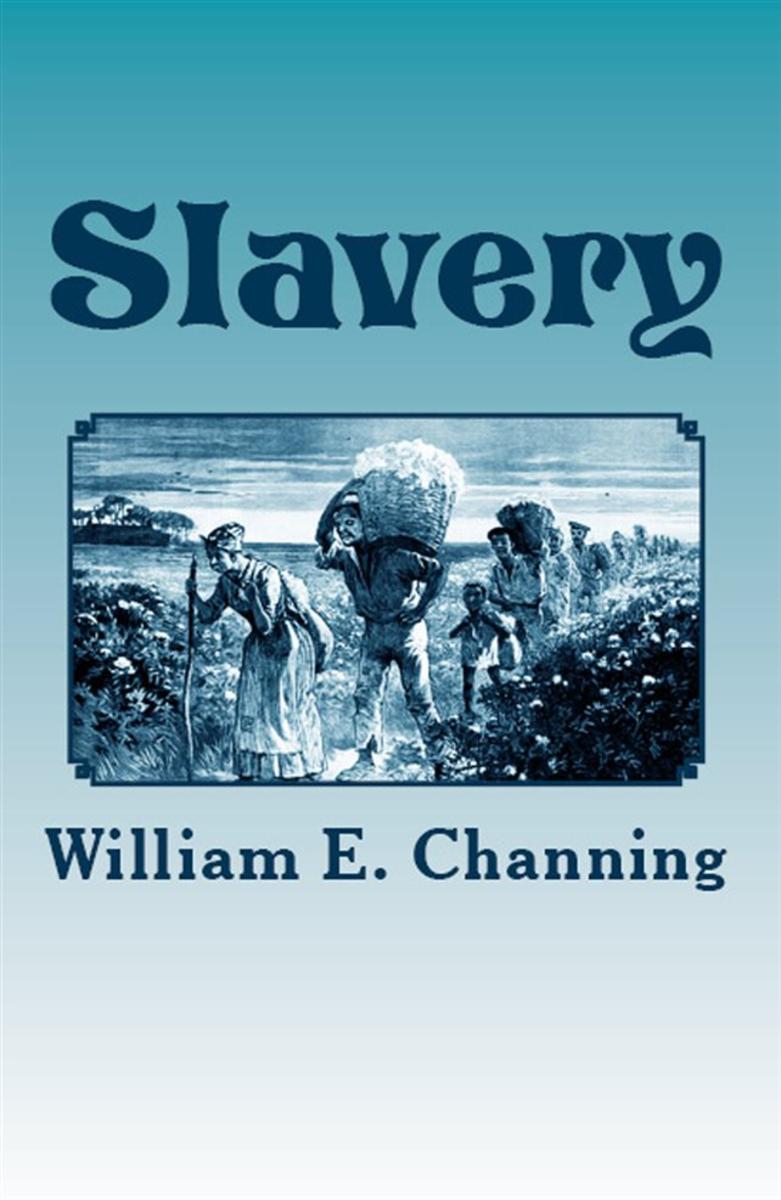
The first question to be proposed by a rational being is, not what is profitable, but what is Right. Duty must be primary, prominent, most conspicuous, among the objects of human thought and pursuit. If we cast it down from its supremacy, if we inquire first for our interests and then for our duties, we shall certainly err. We can never see the Right clearly and fully, but by making it our first concern. No judgment can be just or wise, but that which is built on the conviction of the paramount worth and importance of Duty. This is the fundamental truth, the supreme law of reason; and the mind, which does not start from this in its inquiries into human affairs, is doomed to great, perhaps fatal error. The Right is the supreme good, and includes all oth-er goods. In seeking and adhering to it, we secure our true and only happiness. All prosperity, not founded on it, is built on sand. If human affairs are controlled, as we believe, by Almighty Rectitude and Impartial Goodness, then to hope for happiness from wrong do-ing is as insane as to seek health and prosperity by rebelling against the laws of nature, by sowing our seed on the ocean, or making poison our common food. There is but one unfailing good; and that is, fidelity to the Everlasting Law written on the heart, and rewritten and republished in God's Word. Slavery ought to be discussed. We ought to think, feel, speak, and write about it. But whatever we do in regard to it should be done with a deep feeling of re-sponsibility, and so done as not to put in jeopardy the peace of the slave-holding States. On this point public opinion has not been and cannot be too strongly pro-nounced. Slavery, indeed, from its very nature, must be a ground of alarm wherever it exists. Slavery and security can by no device be joined together. But we may not, must not, by rashness and passion increase the peril. To instigate the slave to insurrection is a crime for which no rebuke and no punishment can be too severe. This would be to involve slave and master in common ruin. It is not enough to say, that the Constitution is violated by any action endangering the slave-holding portion of our country. A higher law than the Constitution forbids this unholy interference. Were our national union dissolved, we ought to reprobate, as sternly as we now do, the slightest manifestation of a disposition to stir up a servile war. Still more, were the free and the slave-holding States not only separated, but engaged in the fiercest hostilities, the former would deserve the abhorrence of the world, and the indignation of Heaven, were they to resort to insurrection and massacre as means of victory. Better were it for us to bare our own breasts to the knife of the slave, than to arm him with it against his master. ? ABOUT AUTHOR William Ellery Channing (1780 – 1842) was the foremost Unitarian preacher in the United States in the early nineteenth century and along with Andrews Norton, (1786-1853), one of Unitarianism's leading theologians. He was known for his articulate and impassioned sermons and public speeches, and as a prominent thinker in the liberal theology of the day. Channing's religion and thought were among the chief influences on the New England Transcendentalists, though he never countenanced their views, which he saw as extreme. The beliefs he espoused, especially within his "Baltimore Sermon" of May 5, 1819, at the ordination of a future famous theologian and educator in his own right, Jared Sparks, (1789-1866), as the first minister (1819-1823) of the newly organized (1817) "First Independent Church of Baltimore" (later the "First Unitarian Church of Baltimore (Unitarian and Universalist)"). Here he espoused his principles and tenets of the developing philosophy and theology of "Unitarianism" resulted in the organization later in 1825 of the first Unitarian denomination in America (American Unitarian Association) and the later developments and mergers between Unitarians and Universalists resulting finally in the Unitarian Universalist Association of America in 1961. In later years Channing addressed the topic of slavery, although he was never an ardent abolitionist. Channing wrote a book in 1835, entitled, "SLAVERY" James Munroe and Company, publisher. Channing, however, has been described as a "romantic racist" in "Black Abolitionism: A Quest for Human Dignity" by Beverly Eileen Mitchell (133–38). He held a common American belief about the inferiority of African people and slaves and held a belief that once freed, Africans would need overseers. The overseers (largely former slave masters) were necessary because the slaves would lapse into laziness. Furthermore, he did not join the abolitionist movement because he did not agree with their way of conducting themselves, and he felt that voluntary associations limited a person's autonomy. Therefore, he often chose to remain separate from organizations and reform movements. This middle position characterized his attitude about

Smokiana
¥27.88
Although Smoking is generally associated with Tobacco only, yet there are other plants whose leaves are used for similar purposes & these will be referred to as we come to the different means of using them. Our first Woodcut of Tobacco is from STELLA—ROMA 1669. a work of great value as giving Pipes & the Hookah of Persia as well as Plants but we will start with some of the growths now most generally known of the “NICOTIANA” Family which is very widely spread over the face of the Earth & has of late made great strides in Borneo & Sumatra. We are greatly indebted to old German woodcuts for solid infor-mation anent details of Habits & customs of the 16th. Century which our own people have not handed down to us, take for instance “Hans Sachs.” Book of Trades. Had smoking been in vogue in his day he would have given it—or rather Jost Ammon would have illustrated it so here in 1616 A.D. we find a Sturdy German, blowing a tremendous cloud. It is taken from an old work now in Frankfurt—viz


