


 购物车
购物车 个人中心
个人中心
Gorgias
¥40.79
In several of the dialogues of Plato, doubts have arisen among his interpreters as to which of the various subjects discussed in them is the main thesis. The speakers have the freedom of conversation; no severe rules of art restrict them, and sometimes we are inclined to think, with one of the dramatis personae in the Theaetetus, that the digressions have the greater interest. Yet in the most irregular of the dialogues there is also a certain natural growth or unity; the beginning is not forgotten at the end, and numerous allusions and references are interspersed, which form the loose connecting links of the whole.
Phaedrus
¥40.79
The Phaedrus is closely connected with the Symposium, and may be regarded either as introducing or following it. The two Dialogues together contain the whole philosophy of Plato on the nature of love, which in the Republic and in the later writings of Plato is only introduced playfully or as a figure of speech. But in the Phaedrus and Symposium love and philosophy join hands, and one is an aspect of the other. The spiritual and emotional part is elevated into the ideal, to which in the Symposium mankind are described as looking forward, and which in the Phaedrus, as well as in the Phaedo, they are seeking to recover from a former state of existence.
Protagoras
¥40.79
The Protagoras, like several of the Dialogues of Plato, is put into the mouth of Socrates, who describes a conversation which had taken place between himself and the great Sophist at the house of Callias—'the man who had spent more upon the Sophists than all the rest of the world'—and in which the learned Hippias and the grammarian Prodicus had also shared, as well as Alcibiades and Critias, both of whom said a few words—in the presence of a distinguished company consisting of disciples of Protagoras and of leading Athenians belonging to the Socratic circle.
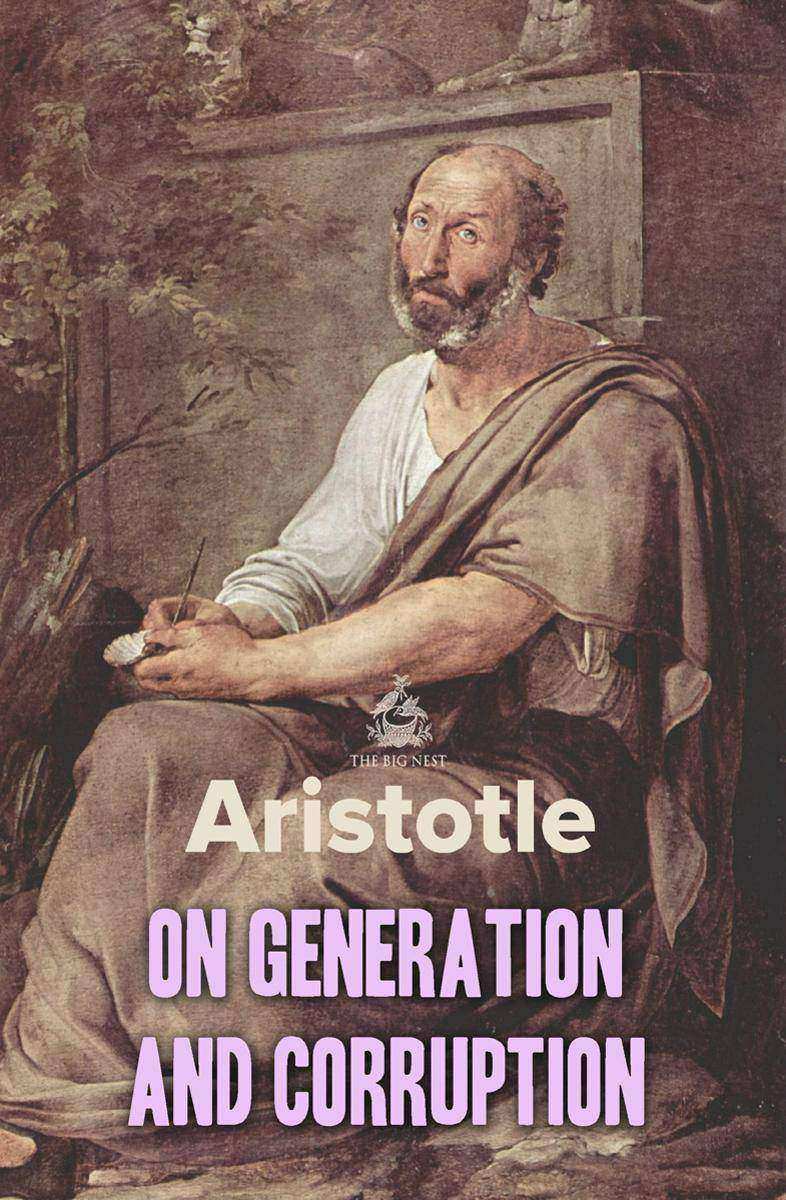
On Generation and Corruption
¥40.79
Our next task is to study coming-to-be and passing-away. We are to distinguish the causes, and to state the definitions, of these processes considered in general-as changes predicable uniformly of all the things that come-to-be and pass-away by nature. Further, we are to study growth and 'alteration'. We must inquire what each of them is; and whether 'alteration' is to be identified with coming-to-be, or whether to these different names there correspond two separate processes with distinct natures.
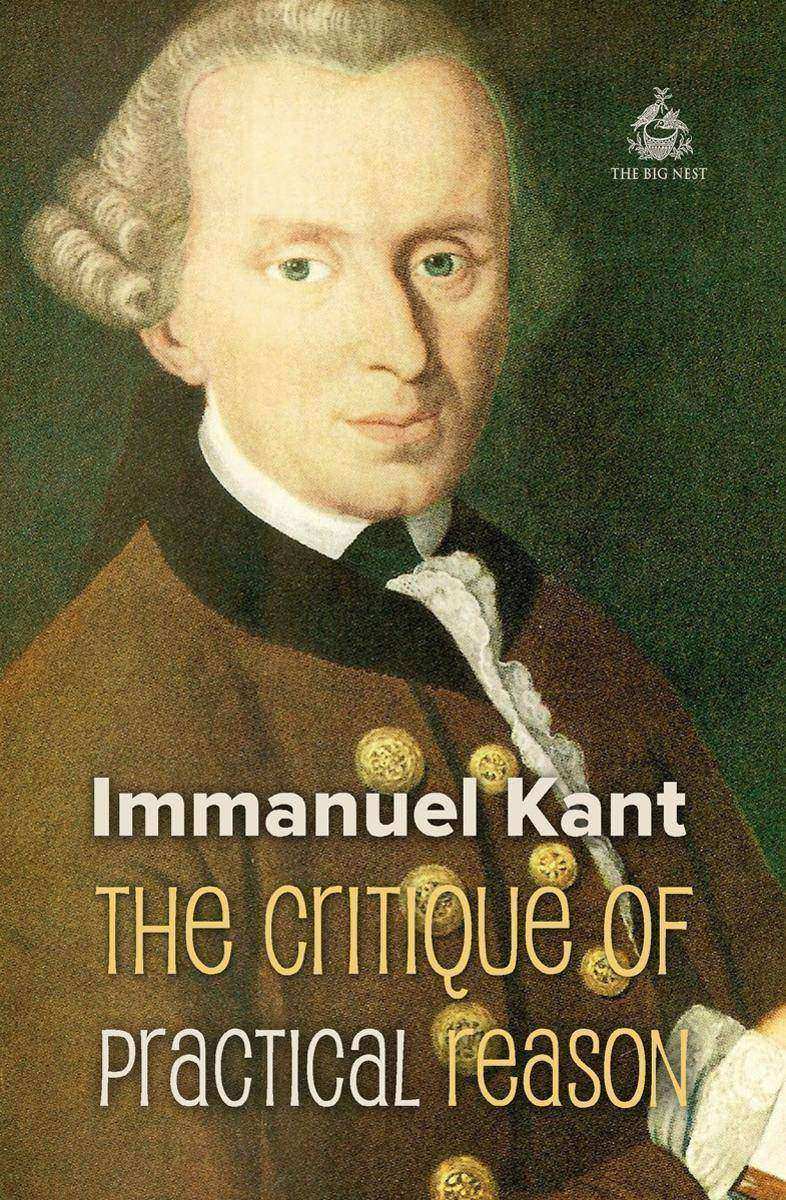
The Critique of Practical Reason
¥40.79
The Critique of Practical Reason follows on from Kant's Critique of Pure Reason and deals with his moral philosophy. The second Critique exercised a decisive influence over the subsequent development of the field of ethics and moral philosophy, beginning with Johann Gottlieb Fichte's Doctrine of Science and becoming, during the 20th century, the principal reference point for deontological moral philosophy.
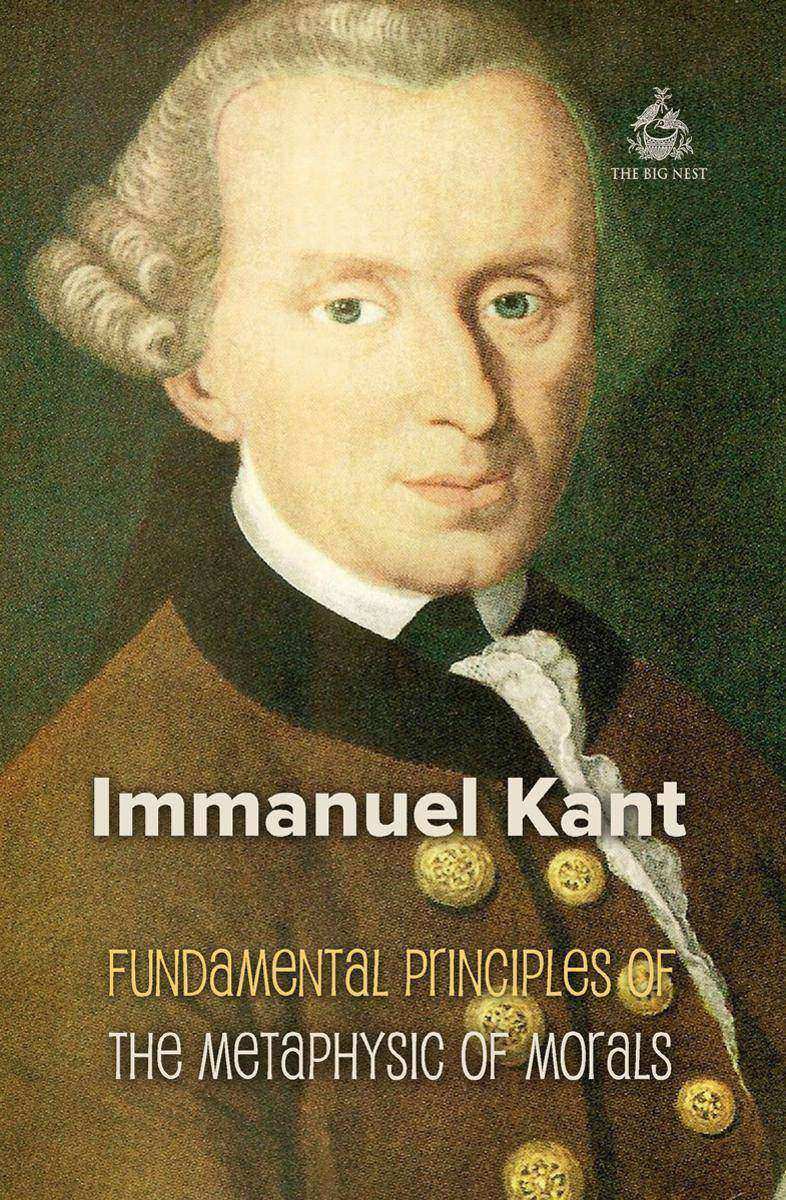
Fundamental Principles of the Metaphysic of Morals
¥40.79
The first of Immanuel Kant's mature works on moral philosophy and remains one of the most influential in the field. Kant conceives his investigation as a work of foundational ethics, one that clears the ground for future research by explaining the core concepts and principles of moral theory and showing that they are normative for rational agents. Kant aspires to nothing less than this: to lay bare the fundamental principle of morality and show that it applies to us.

The Great Learning
¥40.79
What the great learning teaches, is to illustrate illustrious virtue; to renovate the people; and to rest in the highest excellence. The point where to rest being known, the object of pursuit is then determined; and, that being determined, a calm unperturbedness may be attained to. To that calmness there will succeed a tranquil repose. In that repose there may be careful deliberation, and that deliberation will be followed by the attainment of the desired end.
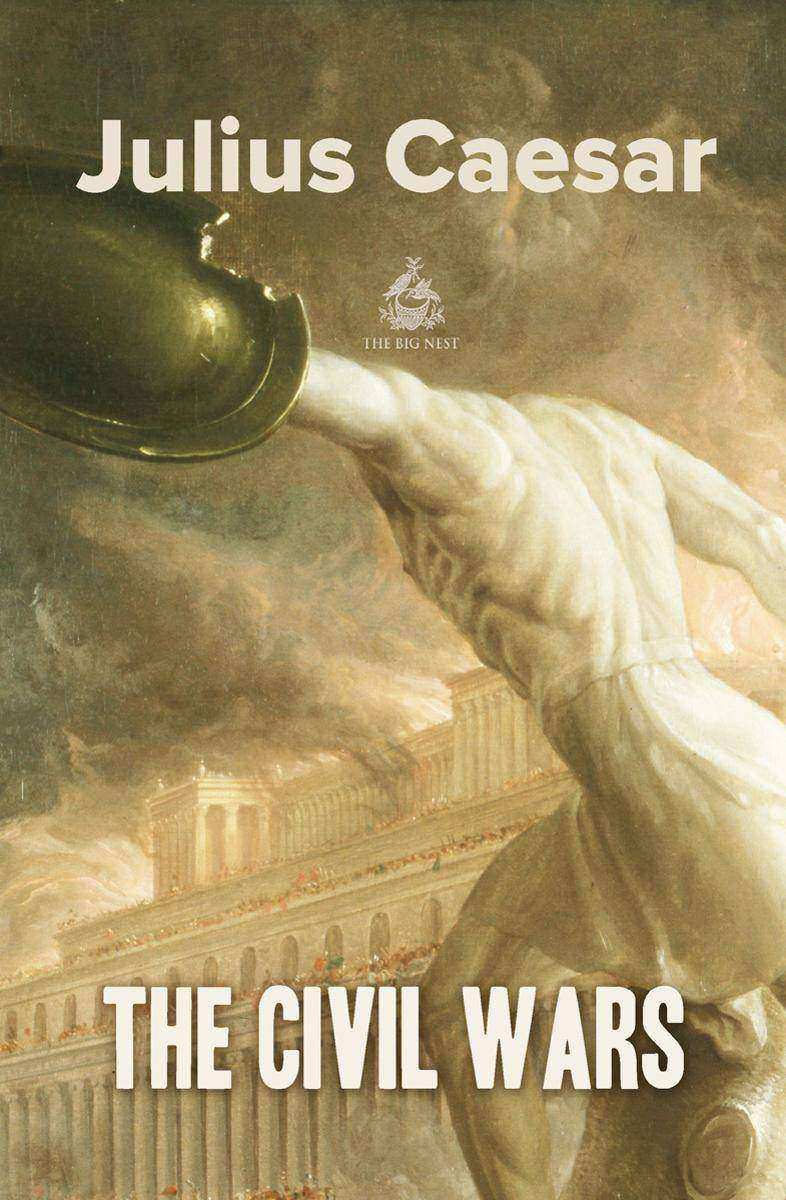
The Civil Wars, Book 3
¥40.79
Julius Caesar, holding the election as dictator, was himself appointed consul with Publius Servilius; for this was the year in which it was permitted by the laws that he should be chosen consul. This business being ended, as credit was beginning to fail in Italy, and the debts could not be paid, he determined that arbitrators should be appointed: and that they should make an estimate of the possessions and properties of the debtors, how much they were worth before the war, and that they should be handed over in payment to the creditors. This he thought the most likely method to remove and abate the apprehension of an abolition of debt, the usual consequence of civil wars and dissensions, and to support the credit of the debtors.
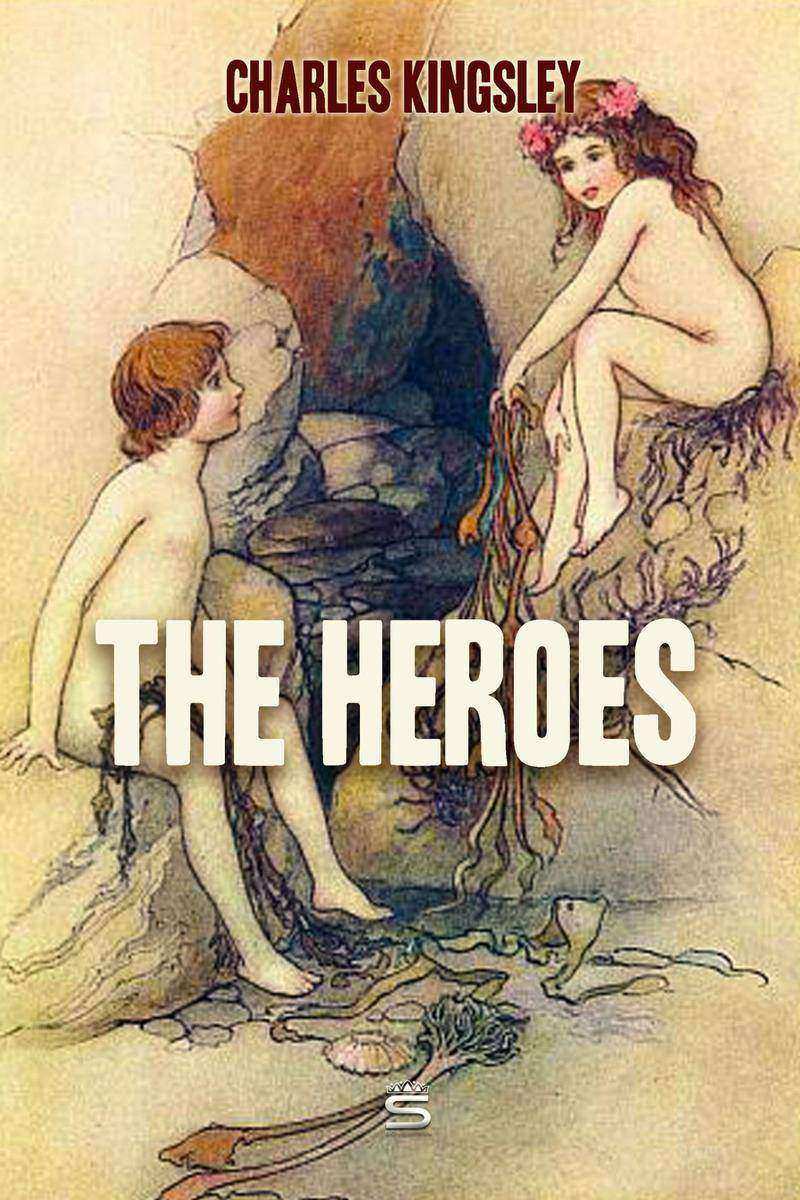
The Heroes: Greek Fairy Tales for My Children
¥40.79
A collection of magical stories based on old Greek fairy tales including: The Story of Perseus, The Story of The Argonauts, The Story of Theseus. Written by Charles Kingsley and dedicated to his children Rose, Maurice, and Mary. A little present of old Greek Fairy Tales.
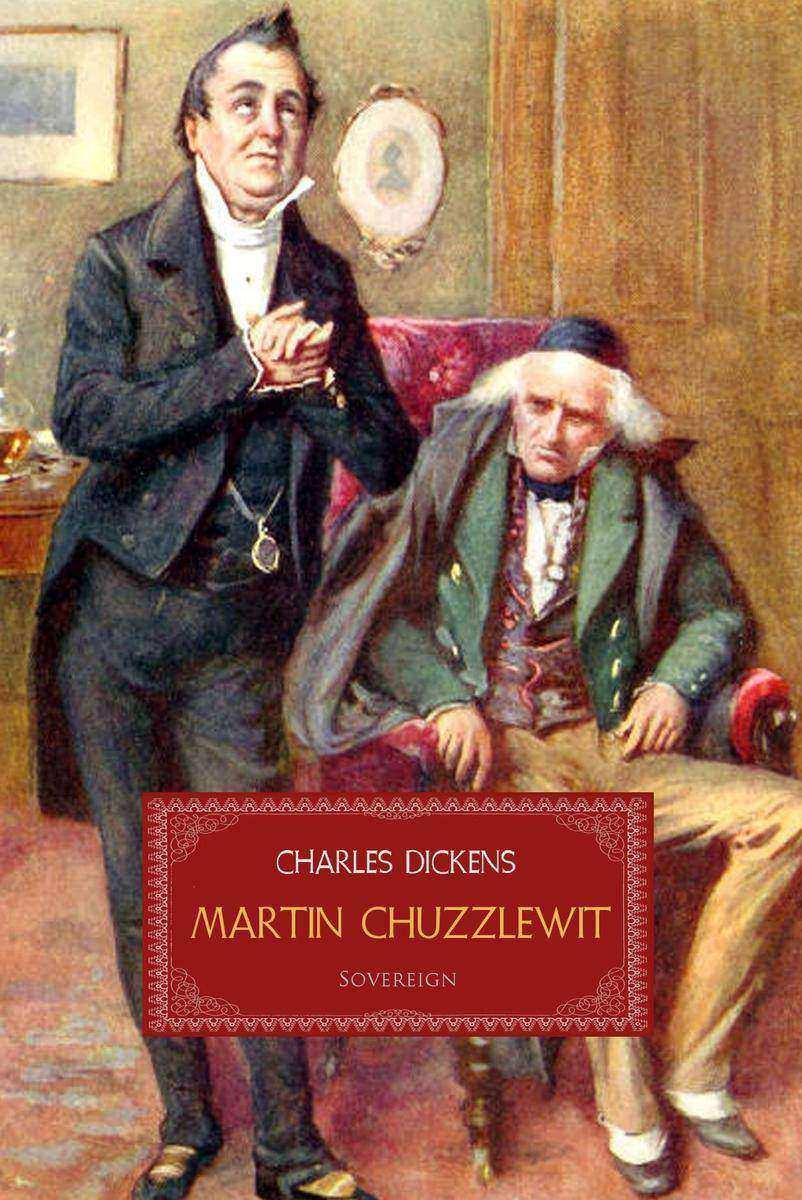
Martin Chuzzlewit
¥40.79
The last of Dickens' picaresque novels which exposes selfishness, portrayed in a satirical fashion using all the members of the Chuzzlewit family. The novel was written after taking a year off during which Charles Dickens visited America. Similarly, young Martin Chuzzlewit, the old man's grandson, goes off to America to live through events which Dickens himself perhaps experienced or observed during his own travels.

Eve's Ransom
¥40.79
Eve's Ransom is the story of a mechanical draughtsman named Maurice Hilliard, who comes into some money, which enables him to live without working. As part of his resulting travels, he meets and falls in love with Eve Madeley, a book keeper.

The Godson
¥40.79
A son was born to a poor peasant. He rejoiced and went to a neighbour to ask him to stand as godfather to the boy. The neighbour refused. He did not want to be godfather to a poor man’s son. So the peasant went to another neighbour and he, too, refused. He walked from house to house, but could find no one who would be godfather to his son, so he set out to another village.
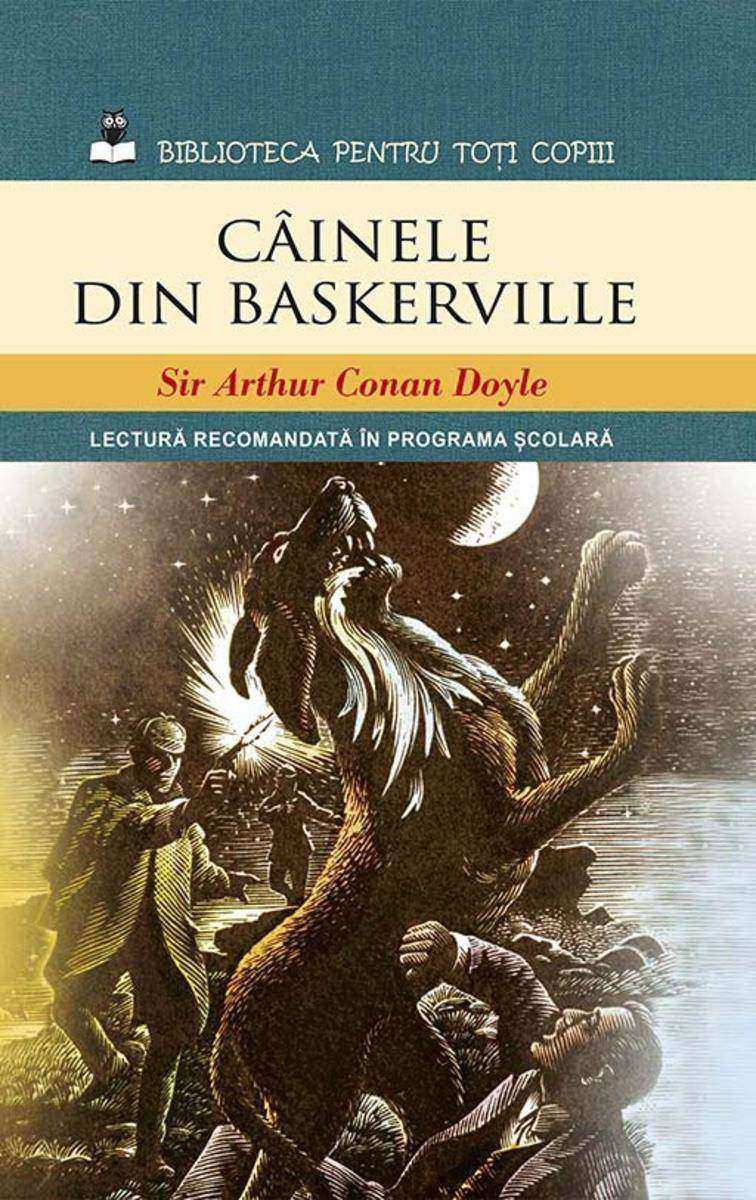
C?inele din Baskerville
¥33.03
O analiz? aplicat? a operei unuia dintre cei mai controversa?i g?nditori germani, supranumit monahul de la Sils-Maria; o lectur? ?n filigran a modului nietzschean de abordare a c?torva concepte dificile, interpretate la modul catastrofic: supraomul, ve?nica ?ntoarcere a aceluia?i, anti-Christul. Lucrarea se situeaz? ?n buna ?i prestigioas? tradi?ie a marilor creatori care comenteaz? textele fundamentale ale omenirii dintr-un unghi specific.
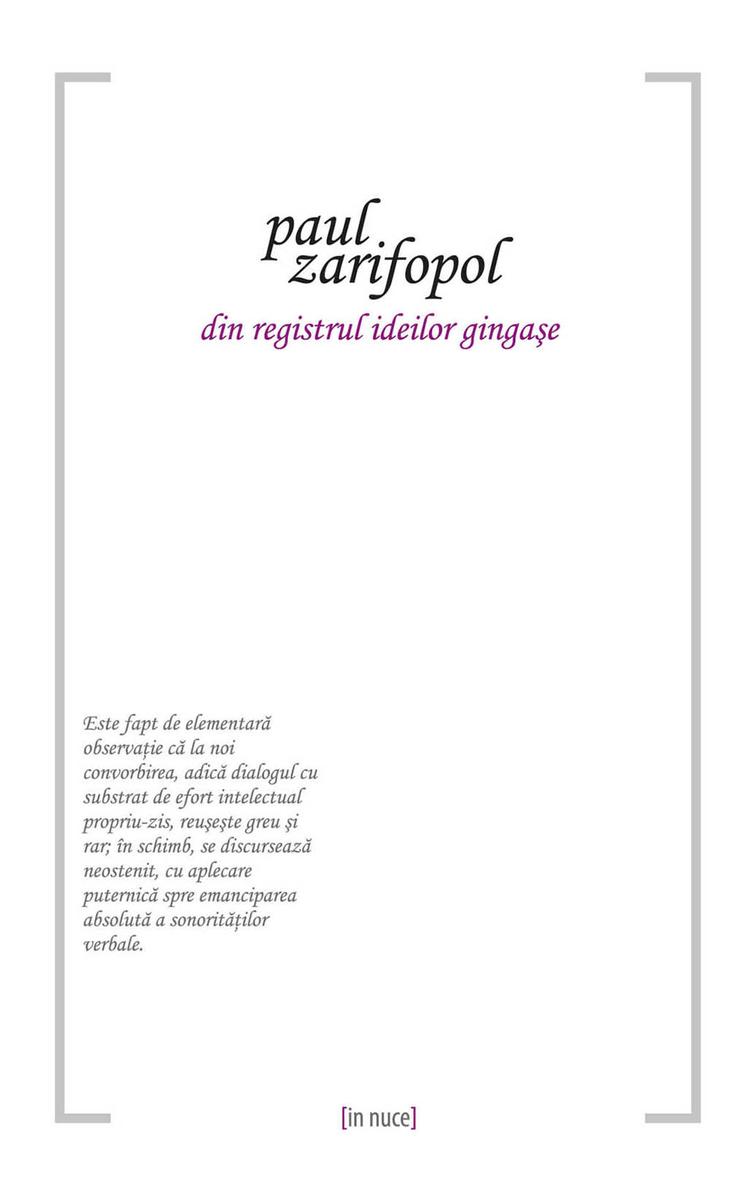
Din registrul ideilor ginga?e
¥24.44
Immanuel Kant (1724-1804) este o figur? legendar? a filosofiei germane, opera sa fiind baza ? revolu?iei copernicane“ petrecute ?n istoria g?ndirii ?n plin? er? de av?nt al romantismului. ?n volumul de fa?? sunt cuprinse dou? eseuri foarte pu?in cunoscute publicului amator de filosofie, ?n care vom reg?si g?ndurile filosofului privitoare la ?nceputuri (ale istoriei omenirii) ?i sf?r?ituri (ale lumii ?n general). Scrise dup? celebra triad? a ? Criticilor“, textele poart? amprenta sistemului kantian de g?ndire, dar constituie totodat? ?ncerc?ri remarcabile de abordare a unor subiecte de larg interes, analizate din perspectiva ve?nicei clauze a ? condi?iilor de posibilitate“. Orice minte uman? care va ?ncerca s? cuprind? ?nceputul ?i sf?r?itul se va vedea constr?ns? ?ntr-un fel sau ?n altul de limitele pe care Kant ?ncearc? s? le expun? aici ?n idei c?t mai simple.? Istoria naturii ?ncepe a?adar cu binele, c?ci este lucrarea lui Dumnezeu, iar istoria libert??ii cu r?ul, c?ci este lucrarea oamenilor. Pentru individ, care, ?n exerci?iul libert??ii prive?te doar c?tre sine, o astfel de schimbare a fost o pierdere pentru natur?, ale c?rei scopuri sunt orientate spre oameni ca specie, a fost un c??tig.“
Destine ale reginelor frumuse?ii
¥61.83
Constantin Dobrogeanu-Gherea (1855-1920), critic literar ?i politician intelectual, s-a num?rat printre primii sociologi ai Rom?niei. Lucrarea de fa??, care ?ncheie celebrul studiu Neoiobagia, constituie prima analiz? bine ?ntemeiat? a vie?ii sociale care a caracterizat Rom?nia ?ntre 1866 ?i Al Doilea R?zboi Mondial, fiind o concluzie ?i totodata o sintez? a acestui studiu.Dincolo de cifre ?i de personajele citate, dincolo de obiectele specifice ale analizei, cititorul r?bd?tor poate descoperi c?, sub forma diferit?, vom g?si de data aceasta un fond: fibra profund? din care se ?mpletesc ve?nicele noastre probleme na?ionale.? ?i doar? din cele spuse se vede clar unde rezid? r?ul ??rii. O organiza?ie social? ?i de stat antagonic? ?i contradictorie, care preface institu?iile ei ?n aparen?e ?i minciun?. O via?? politic? ?i economic? plin? de resturi feudale, care nu vor s? moar?, ?i bazat? pe capitalismul modern,care nu poate ?nc? s? tr?iasc?.“ - Constantin Dobrogeanu-Gherea

Secretele ?ntineririi. S?n?tatea ideal? prin controlul pH-ului
¥57.14
Pamfletul Sim?ul comun (1776) a fost un veritabil best-seller ?n epoc?, succesul de care s-a bucurat reflect?ndu-se ?n numeroasele republic?ri. Lucrarea pledeaz?, cu argumente solide, pentru separarea total? a coloniilor americane de Marea Britanie, invoc?nd drepturile naturale ale oamenilor, egalitatea ?i suveranitatea fiec?rei fiin?e, supunerea doar fa?? de lege ?i caracterul absurd al institu?iei monarhiei. Autorul surprinde cu verv? ?i fine?e toate circumstan?ele favorabile desprinderii de patria-mam?, ?ndemn?ndu-?i concet??enii s?-?i decid? singuri soarta.

Ultimii martori
¥51.50
Lucrarea aceasta se bazeaz? pe teza de doctorat a autorului, sus?inut? ?n iunie 2008, Problema drept??ii ?i restituirea propriet??ilor ?n Rom?nia post-decembrist?, fiind ?ns? o versiune modificat? a tezei. Dup? cum m?rturise?te autorul, unele pasaje tehnice au fost adaptate, pentru a putea fi u?or inteligibile pentru publicul larg. Cartea de fa?? este rezultatul unor ample cercet?ri, ?ncepute ?n 2002. ?Nu mai cred c? principala datorie a filosofului moral este de a produce ?solu?ii? (sentin?e) la problemele etice percepute ca atare ?ntr-un univers social. […] La fel ca ?ntr-un tribunal, pledoariile sunt utile, ?i e bine s? se foloseasc? de argumente c?t mai puternice ?i mai rafinate. Dar, la fel cum cercetarea ?n materie de drept nu-?i poate propune ca obiectiv principal producerea de pledoarii specific avoca?ilor (cu toate c? examinarea fundamentelor legii poate conferi o greutate suplimentar? unei pledoarii particulare sau alteia), tot a?a cercetarea de ordin etic nu-?i poate propune ca obiectiv ceva similar pledoariilor.“ Con?inutul este organizat ?n 7 capitole, concluzii ?i o bibliografie, util? f?r? ?ndoial? pentru oricine ar dori s? aprofundeze chestiunile abordate de autor. Introducerea este urmat? de o discu?ie conceptual? ?i metodologic? despre repara?ie (capitolul 2), rectificare, restitu?ie, drepturile de proprietate ?i evaluarea moral? a restitu?iei. Celelalte capitole se ocup? de urm?toarele teme: nedreptatea na?ionaliz?rii (capitolul 3), restitu?ia post-comunist? (capitolul 4), argumentul coasian (capitolul 5), restitu?ia ?i dreptatea transgenera?ional? (capitolul 6), principiul nozickian al rectific?rii nedrept??ilor (capitolul 7). ?Am ?ncercat apoi s? analizez ce anume presupune c?utarea unui r?spuns la o ?ntrebare de tipul ?Este restitu?ia justificat? ?? (?n 2.3.) Rezultatul important, cred, a fost acela c? nu exist? un r?spuns simplu, ?i c? o astfel de ?ntrebare este prost formulat?. Am propus ?n loc alte cinci ?ntreb?ri, mai precise : dac? actul na?ionaliz?rii a fost unul nedrept, dac? o politic? restitutiv? risc? sau nu s? ?ndrepte o nedreptate trecut? ?nf?ptuind o alta, dac? putem identifica cu precizie obiectele restitu?iei ?i dac? orizontul temporal introduce elemente importante ?n cadrul de evaluare moral? (at?t ca atare, c?t ?i ?n dimensiunea sa intergenera?ional?). ?n primul r?nd, putem afirma c? politica aleas? imediat dup? 1989 (cea a men?inerii status-quo-ului, ?n speran?a c? lucrurile se vor rezolva cumva de la sine sau ca o solu?ie ideal? se va prezenta ?n mod miraculos) a fost at?t lipsit? de vreo justificare moral?, c?t ?i neinspirat? din punct de vedere pragmatic.“

Isabel ?i apele diavolului
¥33.03
Tr?s?turi fundamentale ale unei concep?ii moderne despre lume?Cum se comport? filosofia c? art? fa?? de libertatea omului, ce este aceast? libertate, ?i dac? am ajuns s? ne ?mp?rt??im din ea, sau putem ajunge la acest lucru: iat? problema fundamental? a scrierii mele. Toate celelalte expuneri ?tiin?ifice au fost f?cute numai pentru ca, ?n cele din urm?, s? arunc?m ?i mai mult? lumin? asupra unei probleme care, dup? p?rerea mea, prezint? cea mai mare importan?? pentru om. ?n aceste pagini vrem s? d?m o filosofie a libert??ii.“ – Rudolf Steiner

Iubi?i-v? pe tunuri
¥33.03
F?r? a propune o terminologie aristotelic? bine precizat? pe teritoriul limbii rom?ne, transpunerea de fa?? reprezint? un moment important ?n raportarea rom?neasc? la opera Stagiritului.Traducere de ?tefan Bezdechi efectuat? dup? textul grec publicat de W. Christ ?n colec?ia ?Teubner“, Lipsca, 1906. Pentru realizarea ei au fost utilizate urm?toarele surse:Die Metaphysik des Aristoteles, traducere ?n limba german? de J. R. V. Kirchmann, ap?rut? ?n dou? volume ?i prev?zut? cu note ample ?n colec?ia ?Philosophische Bibliothek“, numerele 38 ?i 39, la Berlin, ?n 1871;Aristoteles, Metaphysik, traducere ?n limba german? de Adolf Lasson, ?n care cele patrusprezece c?r?i ale Metafizicii sunt a?ezate ?ntr-o r?nduial? mai logic? dec?t a?a cum au fost transmise ?n originalul grec, traducere ap?rut? ?n 1924, la Jena;Aristote, Métaphysique, traducere ?n limba francez? de J. Tricot, cu o prefa?? de A. Diés, ap?rut? ?n colec?ia ?Bibliothèque des textes philosophiques“, J. Vrin, la Paris, ?n 1933.La marginea textului a fost trecut? pagina?ia edi?iei Bekker, dup? care se fac ?n mod obi?nuit cita?iile din opera lui Aristotel.Confruntarea traducerii a fost f?cut? de prof. Aram M. Frenkian.

MI6. Adev?ruri ?ocante despre istoria serviciilor secrete britanice
¥82.81
Volumul cuprinde dou? din cele mai reprezentative lucr?ri ?n care filosoful german ??i expune concep?ia moral?: ?ntemeierea metafizicii moravurilor (1785) ?i Critica ra?iunii practice (1788). ?n ?ntemeierea metafizicii moravurilor Immanuel Kant expune principiile moralit??ii, iar ?n Critica ra?iunii practice ??i construie?te propriul s?u sistem etic, ceea ce face ca aceasta s? fie considerat?, dup? Critica ra?iunii pure, a doua sa oper? fundamental?.?ntre cele dou? lucr?ri este o at?t de str?ns? leg?tur?, ?nc?t cunoa?terea numai a uneia din ele ne-ar oferi o imagine incomplet? asupra concep?iei sale morale.Immanuel Kant a avansat idei etice ?i ?n alte opere ulterioare (Religia ?n limitele ra?iunii – 1793 sau Metafizica moravurilor – 1797), dar numai ?n cele reunite ?n acest volum se ocup? de problemele teoretice ale moralit??ii.Traducerea a fost f?cut? dup? edi?ia german? din 1956 (Leipzig, Hrsg. Von Raymund Schimidt).

Distracted by Disaster: How to Turn Obstacles Into Opportunities
¥16.27
Bogged down by an endless onslaught of stumbling blocks and disasters that keep pushing you farther away from fulfilling your purpose and achieving your goals? ? This book could radically change all that. ? This simple, clear, and highly practical step-by-step guide will show you: ? How to manage all the problems and disasters that come your way while still making progress on all your goals—short-term and long-term—without sacrificing the important things in life. How to turn obstacles into an advantage that will propel you along the path to fulfilling your goals and achieving your purpose. How to shift your thinking so that all you see are opportunities that will open doors to great possibilities you may have never imagined before.


