


 购物车
购物车 个人中心
个人中心
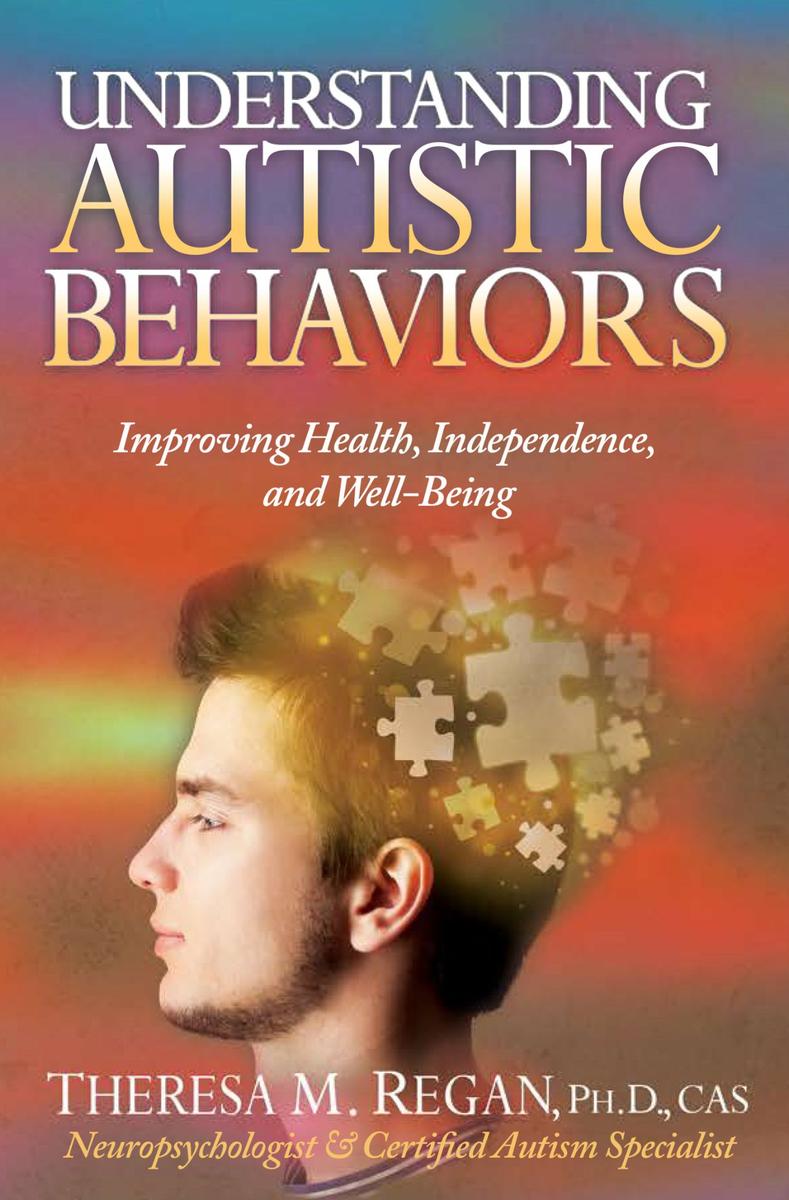
Understanding Autistic Behaviors: Improving Health, Independence, and Well-Being
¥32.62
Individuals with Autism Spectrum Disorder usually receive a diagnosis when certain behaviors negatively impact their health, independence, and quality of life. These behaviors are evident across the lifespan: a two-year-old melts down if his red cars are mixed in with his orange cars; a middle-aged woman exhibits staring spells when faced with relationship conflict; an aging gentleman hoards clocks and papers but does not eat nutritious foods or take showers. A correct diagnosis of ASD is an essential first step in navigating this journey, but the next question is “What now?” To provide much-needed answers, Dr. Theresa Regan, author of Understanding Autism in Adults and Aging Adults, suggests general techniques to improve functioning in the areas of emotional regulation, communication, and independent behaviors. In Understanding Autistic Behaviors: Improving Health, Independence, and Well-Being, she offers practical exercises to help caregivers and family members implement effective strategies that are specific to the ASD individual in their lives to achieve successful outcomes for everyone.?
Growing Couple Intimacy:Improving Love, Sex, and Relationships
¥48.74
Is the intimacy in your relationship as rich as it could be? ·Expand your understanding of the power of intimacy in couples. ·Learn new and stimulating ways to interact with your partner to enhance bonding. ·Explore the possibilities of pushing the limits of six kinds of intimacy. ·Advance your relationship with exercises you can do together or solo. ·Relate at a deeper level than you may have thought possible. ·Recharge passion for your relationship and partner. "This workbook encourages us to take a step back and rethink our intentions and help us remember why we love our partners and continue to strengthen our relational bonds." -- Sarah Davinsizer, B.A. "Growing Couple Intimacy is well done, filled with concrete ways for couples to explore and grow individually and in their intimacy with one another." -- Pastor Mary J. Hendricks "A wonderful, practical guide to further develop intimacy, including helpful activities that are both individual and couple focused." -- Melody Ray "Growing Couple Intimacy sums up many poignant topics most humans could use some help with and presents suggestions in very workable and understandable ways. I will be using this workbook in my own marriage. I also believe this will give me another useful tool in my clinical practice." -- Michael Stubler, MA, CRC, LPC "Very insightful and engaging! The exercises help to break down walls and explore intimacy in ways you might not have known existed." -- Chris Schneider, Worship Leader, Manchester, CT "Growing Couple Intimacy is a useful tool that I can apply to individuals as well as couples. I found the practical applications outlined a helpful step towards intimacy growth." -- Nicole Behe, wife and mother Learn more at www.LHPress.com

Pedagogii alternative
¥57.14
O carte despre dezvoltarea copilului de la na?tere p?n? la adolescen??Genera?ii de p?rin?i au avut ?ncredere ?n cea mai v?ndut? carte a dr. Spock, care r?m?ne ?i ast?zi ghidul esen?ial pentru p?rin?i. Ca urmare a colabor?rii cu dr. Robert Needlman, cartea a fost ?mbun?t??it?, iar tematica abordat? a fost extins? pentru a ?nt?mpina modific?rile ?i provoc?rile lansate de noul secol. Toate sfaturile valoaroase testate ?n timp ale dr. Spock sunt prezentate ?n aceast? carte. Lor li se adaug? cele mai noi cuno?tin?e ?i practici medicale legate de ?ngrijirea copilului, al?turi de un glosar cu totul nou de termeni medicali. Foarte bine structurat, volumul permite o consultare rapid? ?i are sec?iuni noi care acoper? perioada adolescen?ei.Cartea ofer? ultimele nout??i referitoare la:- alimenta?ia la s?n: cele mai noi abord?ri ?i tehnici utile mamelor care al?pteaz?;- programe de vaccinare, recomand?ri cu privire la regimurile alimentare ?i administrare de vitamine;- probleme medicale curente ale copilului;- discu?ii cu copilul despre sex, contracep?ie, homosexualitate, fumat, alcool, droguri, SIDA;- ?coala ?i dificult??ile ?nv??atului;- p?rin?i homosexuali sau lesbiene;- adop?ia interna?ional?;- adaptarea la terorism ?i dezastre;- planificarea educa?iei (colegiu, facultate etc.);- autism etc.

Pas cu pas
¥32.62
Marian Godin? merge la Poli?ie aproape ?n fiecare zi. Nu pentru c? s-ar afla sub control judiciar, ci fiindc? este poli?ist, ?ncep?nd cu luna decembrie a anului 2006, dup? ce a absolvit ?coala de Agen?i de Poli?ie ?Vasile Lasc?r“ din C?mpina. Pe l?ng? amenzi rutiere, Marian scrie ?i texte care abund? de umor ?i care reu?esc de fiecare dat? s? schimbe ?n bine dispozi?ia cititorului, duc?ndu-l p?n? ?ntr-acolo ?nc?t ?tergerea lacrimilor din ochi devine obligatorie pentru continuarea lecturii. Drept dovad? stau cei peste 140 000 de oameni care au ajuns s?-i urm?reasc? post?rile pe Facebook ?n mai pu?in de jum?tate de an de la apari?ia primului text, precum ?i miile de comentarii ?i de acces?ri. Flash-uri din sens opus reprezint? volumul s?u de debut.

Epopeea dragostei
¥41.37
Volumul este c??tig?torul Concursului de Debut ?Adenium START“, sec?iunea Eseu, organizat de Editura Adenium ?n anul 2014 ?i con?ine eseuri despre art? ?i literatur? ce constituie un periplu literar ?i vizual ghidat de o evolu?ie tematic? realizat? pe antiteze: fl?c?rile spiritualizate ale lui El Greco ?i cele negre, demonice ale lui Goya sau eliberarea sugerat? de Rodin prin ner?bdarea formelor create ?i deplina lor rev?rsare ?n extaz senzual la Gauguin. Eseurile presupun atenta observare a unei perechi pictor (sculptor) – scriitor (poet), motiv pentru care fiecare dintre formele de exprimare vizual? este pus? ?n coresponden?? cu cel pu?in un text literar care o reflect?.
Imigra??o na Uni?o Europeia: uma leitura crítica a partir do nexo entre securiti
¥57.14
Ghidul tehnoredactorului. De la print la eBook, scris ?n colaborare de Vlad Puescu ?i Victor Jalb?-?oimaru, ??i propune s? fie ?un manual de utilizare“ pentru c?r?ile electronice, o specie editorial? ?nc? insuficient cunoscut? ?i agreat? pe pia?a editorial? din Rom?nia. Tocmai din dorin?a de a sublinia faptul c? eBookurile nu sunt ?bastarzii“ industriei editoriale, a?a cum poate le mai percep ?nc? unii, ci o etap? fireasc?, necesar? ?i, de ce nu, chiar superioar? ?n evolu?ia acesteia, ghidul propune, ?n primele sale capitole, o istorie a c?r?ii ?n diacronie, de la anticele t?bli?e de lut ?i suluri de papirus la forma contemporan? a c?r?ii. Trec?nd de la codexul primelor secole cre?tine ?i manuscrisele medievale la etapa presei tipografice cu caractere de plumb, pentru a ajunge la revolu?ia tiparului marcat? de contribu?ia lui Gutenberg ?i, implicit, la secularizarea ?i democratizarea cunoa?terii, cartea tip?rit? a fost, vreme de cinci secole, ?cea mai durabil? ?i mai eficient? form? prin care a fost depozitat? ?i transmis? cunoa?terea“, timp ?n care ?i nici industria de profil nu a mai cunoscut transform?ri dramatice. De?i varianta digital? a c?r?ii a fost ?i continu? ?nc? s? fie ?boicotat?“ de bibliofili ?i de unele voci din interiorul industriei editoriale, care au profe?it sumbru moartea c?r?ii fizice, apari?ia c?r?ii electronice nu constituie ?ns? dec?t un pas absolut firesc de evolu?ie av?nd ?n vedere schimb?rile majore de la nivelul stilului general de via?? impuse de c?tre dezvoltarea computerelor ?i de apari?ia internetului. Ghidul tehnoredactorului. De la print la eBook sus?ine ideea aceasta at?t prin multitudinea de informa?ii privind dezvoltarea pie?ei digitale (marcat? de apari?ia a tot mai multe eBook Readere, ca dispozitive de gen, introduse pe pia?? de lan?uri de libr?rii precum Amazon, Barnes & Noble, Kobo etc.), c?t ?i prin enumerarea avantajelor pe care le presupune lectura digital?, ?ntre care personalizarea experien?ei de lectur?, posibilitatea index?rii facile ?i a activ?rii cu u?urin?? a func?iilor de dic?ionar, ?mbog??irea con?inutului, crearea unei comunit??i globale de cititori ?i interactivitatea. Pentru ?n?elegerea ?n ansamblu a fenomenului sunt trecute ?n revist? ?i explicate ?i tipurile de c?r?i electronice, ?mbog??ite ?i interactive, de formate digitale ?i de dispozitive de lectur?.Partea a doua a ghidului, cu caracter tehnic ?i specializat, se ocup? de procesul de tehnoredactare ?n ansamblu at?t pentru edi?ia tip?rit? a unei c?r?i, c?t ?i pentru formatul s?u digital, ?ntr-un demers amplu, care pleac? de la discutarea problemelor de software aferent produc?iei, sisteme de operare, layouturi de tastatur?, utilitare, pluginuri, extensii ?i scripturi, p?n? la preg?tirea ?i importarea textului ?n formatul de paginare ?i aspectele legate de punerea ?n pagin? a unei c?r?i (formatul, corpul de liter?, stiluri, grafic?, pozi?ionarea notelor ilustra?iilor ?i tabelelor), dar ajung?nd s? abordeze ?i problemele pe care le presupune trecerea pe print ?n edi?ia digital? (metadate, introducerea copertei, op?iuni specifice de export c?tre ePub, op?iuni de validare).Ghidul tehnoredactorului… are meritul de a propune ?i o list? de referin?e bibliografice esen?iale, nu neap?rat ca o anex? la carte, c?t ?ntre?esute pe tot parcursul textului, ?n curgerea fireasc? a procesului de expunere, interpretare ?i explicitare a informa?iilor.

Eroul evurilor
¥106.19
"Asemeni ecologilor, care privesc natura ca pe un mediu indispensabil de supravie?uire ?i cer stoparea polu?rii pentru ca urma?ii no?tri s? mai poat? avea ce respira, ?i Mihai Maci prive?te ?nv???m?ntul ca pe un mediu de via??, indispensabil pentru viitorul na?iunii ?i pus sever ?n discu?ie de iresponsa?bilitatea distrugerii condi?iilor care fac posibile producerea ?i reproducerea binelui comun.?Vom disp?rea, ne avertizeaz? Maci cu vocea sa bl?nd?, iubitoare ?i ?nc?rcat? de disperare." -?H. R. Patapievici "Atunci c?nd abdic? de la menirea ei, ?coala nu e o simpl? institu?ie iner?ial?, ci una deformatoare. ?i nu deformeaz? doar spatele copiilor, ci, ?n primul r?nd, sufletele lor. Elevul care ?nva?? c? poate ob?ine note mari cu referate de pe internet e adultul de m?ine care va plagia f?r? remu?c?ri, cel care-?i copiaz? temele ?n pauz? va alege ?ntotdeauna?scurt?tura,?iar cel care promoveaz? cu?interven?ii?va ?ti c? la baza reu?itei st? nu cunoa?terea, ci?cuno?tin?ele. Luate indi?vidual, lucrurile acestea pot p?rea m?runte, ?ns? cumulate, ele dau m?sura deform?rii lumii ?n care tr?im ?i arunc? o umbr? grea asupra viitorului pe care ni-l dorim altfel." -?Mihai Maci Colec?ia Contributors?reune?te lucr?ri informative, inteligente, semnate de nume cu autoritate ?n diverse domenii. Cititorul va g?si ?n paginile colec?iei argumente conving?toare, analiz? riguroas? ?i independen?? ?n g?ndire. Volumele incluse ?n aceast? colec?ie sunt menite s? te fac? s? ?n?elegi ideile, tendin?ele ?i muta?iile din lumea modern?, din actualitatea imedi?at? ?i din min?ile celor ce provoac? sau decid schimb?rile.??Anatomia unei imposturi, de Mihai Maci, este al doilea volum al colec?iei Contributors.
Pasien?e
¥48.97
A crete copii este un lucru riscant, cci reuita depinde de mult trud i grij, iar nereuita ntrece orice alt durere, spunea Democrit. E trist i frustrant s-i vezi copilul nepstor sau, mai ru, dispreuitor fa de coal i nvtur, dar, orict ar prea de incredibil, nu e vina lui. Succesul su la coal i dragostea de carte depind n cea mai mare msur de educaia pe care noi, ca prini, i-o dm n primii apte ani de via, de mediul familial pe care i-l oferim i de valoarea pe care noi nine o acordm cunoaterii. Averile se cldesc i se pierd, ne nal i ne coboar, ne fac puternici i ne nimicesc. Singur, comoara minii sporete, nu e niciodat n pericol s se piard i poate fi druit zilnic, fr grija c se mpuineaz.“ – Irina Petreai tu poi fi Supernanny. Cu copilul la coal este cel de-al doilea volum al seriei inaugurate de Irina Petrea, din care face parte i cartea i tu poi fi Supernanny. Cum s-i creti bine copilul i i propune s ia n discuie principalele probleme ale copilului la coal. De asemenea, ofer sugestii utile pentru prini i pentru cei care se ocup de creterea copilului-colar.Performanele copilului n coal sunt o prioritate pentru prinii contiincioi, iar problemele legate de studiu i disciplina nu sunt nici puine, nici uoare i, mai ales, nu au ntotdeauna cauze evidente. Chiulul, temele, notele, examenele i violen n coal sunt subiectele cel mai des aduse n discuie la edinele cu prinii i la cabinetele de consiliere. Prinii ateapt soluii-miracol la problemele lor cnd, de fapt, acestea sunt problemele copiilor lor. Prinii obinuiesc s se ntrebe de ce, oare, mi face copilul meu probleme n loc s se ntrebe de ce are copilul meu problemeCopilul nu e un roboel pe care l repari dac se stric, nici o fiin ce trebuie dresat i adus la obedien total. E o persoan aflat n cretere, ce are nevoie de afeciune, ocrotire i, da, instruire pentru a se putea dezvolta normal, pentru a putea s-i valorifice ct mai bine potenialul de care dispune. Performanele sale colare nu depind numai de inteligena lui, ci i de mediul familial n care crete, precum i de coal pe care o frecventeaz, prin urmare, are nevoie ca familia i coala s coopereze i s coopereze strns.Din pcate, la noi, se ntmpl adesea exact pe dos i elevul devine o minge de fotbal n meciul dintre prini i cadre didactice. Cnd miza este dezvoltarea copilului i devenirea lui, orgoliile nu-i au rostul. Pn la urm, orice copil este investiia cea mai important a oricrei societi i cu toii avem nevoie s-l privim ca pe o responsabilitate colectiv.

Shirley
¥8.67
The object of this book, which is addressed to all cultured men and women, is to set forth the primitive manifestations of love and to throw light on those strange emotional climaxes which I have called "Metaphysical Eroticism." I have taken no account of historical detail, except where it served the purpose of proving, explaining and illustrating my subject. Nor have I hesitated to intermingle psychological motives and motives arising from the growth and spread of civilisation. The inevitable result of a one-sided glimpse at historical facts would have been a history of love, an undertaking for which I lack both ability and inclination. On the other hand, had I written a merely psychological treatise, disregarding the succession of periods, I should have laid myself open to the just reproach of giving rein to my imagination instead of dealing with reality. I have availed myself of historical facts to demonstrate that what psychology has shown to be the necessary phases of the evolution of love, have actually existed in historical time and characterised a whole period of civilisation. The history of civilisation is an end in itself only in the chapter entitled "The Birth of Europe." My work is intended to be first and foremost a monograph on the emotional life of the human race. I am prepared to meet rather with rejection than with approval. Neither the historian nor the psychologist will be pleased. Moreover, I am well aware that my standpoint is hopelessly "old-fashioned." To-day nearly all the world is content to look upon the sexual impulse as the source of all erotic emotion and to regard love as nothing more nor less than its most exquisite radiation. My book, on the contrary, endeavours to establish its complete independence of sexuality.My contention that so powerful an emotion as love should have come into existence in historical, not very remote times, will seem very strange; for, all outward profession of faith in evolution notwithstanding, men are still inclined to take the unchangeableness of human nature for granted. The facts on which I have based my arguments are well known, but my deductions are new; it is not for me to decide whether they are right or wrong. In the first (introductory) part I have made use of works already in existence, in addition to Plato and the poets, but the second and third parts are founded almost entirely on original research. ?E. L.

Power Down & Parent Up!
¥32.62
Electronic Media Can Endanger As Well As Empower Your Kids In this decade, our digital world has grown exponentially as has the degree of time both adults and children are spending on their screens. Not surprisingly, researchers are discovering a myriad of unhealthy behaviors associated with excessive screen time. ?In “Power Down & Parent Up”, Kenley expands on her groundbreaking book Cyber Bullying No More, giving parents/guardians effective strategies to integrate into their lives and their children’s. ?How can we navigate a tech-driven world and raise tech-healthy children? ·Tackle cyber bullying head-on by implementing a concise “Parent Up” approach with proven strategies for Protection, Intervention, and Prevention. ·"Power Down" on screen dependence and become fully informed about its growing health concerns and consequences. ·Learn Seven Proactive Practices such as goal setting and creating a family plan to reduce screen time. ·Discover Four Healthy Guidelines to add to our parenting toolboxsuch as learning how to communicate about the false nature of cyber worth and cultivate our children’s real worth. "Rather imply that families can return to some idealistic less complicated time without Facebook, sexting, social networks, and Twitter, and whatever else comes along, Kenley's booklet will help parents mitigate possible harm to their children as they integrate this technology hopefully into healthy lives and relationships." --Ronald Mah, M.A. LMFT, author of Difficult Behavior in Early Childhood and The One Minute Temper Tantrum Solution "Holli addresses children's readiness for technology as well as rules, contracts and education for parents to consider for their children as they introduce or allow entry of new technology into their lives. Cyber bullying and victimization are concerns addressed as well as internet resources for parents, with tools for protection, interventions and prevention--a must for parents in our technological world." --Lani Stoner, Marriage and Family Therapist Learn more at?www.HolliKenley.com ?
V?na?ii. Cartea a doua din seria Spirite-Animale
¥32.62
André Stern annak az új létezési formának az el?futára, amelyben újra kell értelmeznünk a gyermekekhez való hozzáállásunkat, elképzeléseinket a nevelésr?l, a tanulásról, az egymással való viselkedési formákról.
?n gr?dina de la moar?
¥65.32
Mi a kül?nbség a szabad játék és a játékosítás k?z?tt? Hogyan függ ?ssze a szabad játék, a szabad tanulás és a hivatásban való létezés, a szabad, alkotó munkavégzés? Milyen min?ségek jellemzik az életünket, amennyiben teret engedünk ezeknek? Miért nem érdemes játékosítani még akkor sem, ha ez r?videbb távon vonzó megoldásnak t?nik?
Great Expectations
¥18.74
IT was Christmas Eve. I remember it just as if it was yesterday. The Colonel had been pretending not to notice it, but when Drinkwater Torm knocked over both the great candlesticks, and in his attempt to pick them up lurched over himself and fell sprawling on the floor, he yelled at him. Torm pulled himself together, and began an explanation, in which the point was that he had not "teched a drap in Gord knows how long," but the Colonel cut him short."Get out of the room, you drunken vagabond!" he roared. Torm was deeply offended. He made a low, grand bow, and with as much dignity as his unsteady condition would admit, marched very statelily from the room, and passing out through the dining-room, where he stopped to abstract only one more drink from the long, heavy, cut-glass decanter on the sideboard, meandered to his house in the back-yard, where he proceeded to talk religion to Charity, his wife, as he always did when he was particularly drunk. He was expounding the vision of the golden candlestick, and the bowl and seven lamps and two olive-trees, when he fell asleep. The roarer, as has been said, was the Colonel; the meanderer was Drinkwater Torm. The Colonel gave him the name, "because," he said, "if he were to drink water once he would die."As Drinkwater closed the door, the Colonel continued, fiercely:"Damme, Polly, I will! I'll sell him to-morrow morning; and if I can't sell him I'll give him away."Polly, with troubled great dark eyes, was wheedling him vigorously. "No; I tell you, I'll sell him.—'Misery in his back!' the mischief! he's a drunken, trifling, good-for-nothing nigger! and I have sworn to sell him a thousand—yes, ten thousand times; and now I'll have to do it to keep my word."

Bow-Wow and Mew-Mew: Illustrated
¥24.44
Margaret, the eldest of the four, was sixteen, and very pretty, being plump and fair, with large eyes, plenty of soft brown hair, a sweet mouth, and white hands, of which she was rather vain. Fifteen-year-old Jo was very tall, thin, and brown, and reminded one of a colt, for she never seemed to know what to do with her long limbs, which were very much in her way. She had a decided mouth, a comical nose, and sharp, gray eyes, which appeared to see everything, and were by turns fierce, funny, or thoughtful. Her long, thick hair was her one beauty, but it was usually bundled into a net, to be out of her way. Round shoulders had Jo, big hands and feet, a flyaway look to her clothes, and the uncomfortable appearance of a girl who was rapidly shooting up into a woman and didn't like it. Elizabeth, or Beth, as everyone called her, was a rosy, smooth-haired, bright-eyed girl of thirteen, with a shy manner, a timid voice, and a peaceful expression which was seldom disturbed. Her father called her 'Little Miss Tranquility', and the name suited her excellently, for she seemed to live in a happy world of her own, only venturing out to meet the few whom she trusted and loved. Amy, though the youngest, was a most important person, in her own opinion at least. A regular snow maiden, with blue eyes, and yellow hair curling on her shoulders, pale and slender, and always carrying herself like a young lady mindful of her manners. What the characters of the four sisters were we will leave to be found out. The clock struck six and, having swept up the hearth, Beth put a pair of slippers down to warm. Somehow the sight of the old shoes had a good effect upon the girls, for Mother was coming, and everyone brightened to welcome her. Meg stopped lecturing, and lighted the lamp, Amy got out of the easy chair without being asked, and Jo forgot how tired she was as she sat up to hold the slippers nearer to the blaze. "They are quite worn out. Marmee must have a new pair." "I thought I'd get her some with my dollar," said Beth. "No, I shall!" cried Amy. "I'm the oldest," began Meg, but Jo cut in with a decided, "I'm the man of the family now Papa is away, and I shall provide the slippers, for he told me to take special care of Mother while he was gone."

T?zkeresztség
¥57.80
In giving to the world the record of what, looked at as an adventure only, is I suppose one of the most wonderful and mysterious experiences ever undergone by mortal men, I feel it incumbent on me to explain what my exact connection with it is. And so I may as well say at once that I am not the narrator but only the editor of this extraordinary history, and then go on to tell how it found its way into my hands. Some years ago I, the editor, was stopping with a friend, "vir doctissimus et amicus neus," at a certain University, which for the purposes of this history we will call Cambridge, and was one day much struck with the appearance of two persons whom I saw going arm-in-arm down the street. One of these gentlemen was I think, without exception, the handsomest young fellow I have ever seen. He was very tall, very broad, and had a look of power and a grace of bearing that seemed as native to him as it is to a wild stag. In addition his face was almost without flaw—a good face as well as a beautiful one, and when he lifted his hat, which he did just then to a passing lady, I saw that his head was covered with little golden curls growing close to the scalp. "Good gracious!" I said to my friend, with whom I was walking, "why, that fellow looks like a statue of Apollo come to life. What a splendid man he is!" "Yes," he answered, "he is the handsomest man in the University, and one of the nicest too. They call him 'the Greek god'; but look at the other one, he's Vincey's (that's the god's name) guardian, and supposed to be full of every kind of information. They call him 'Charon.'" I looked, and found the older man quite as interesting in his way as the glorified specimen of humanity at his side. He appeared to be about forty years of age, and was I think as ugly as his companion was handsome. To begin with, he was shortish, rather bow-legged, very deep chested, and with unusually long arms. He had dark hair and small eyes, and the hair grew right down on his forehead, and his whiskers grew right up to his hair, so that there was uncommonly little of his countenance to be seen. Altogether he reminded me forcibly of a gorilla, and yet there was something very pleasing and genial about the man's eye. I remember saying that I should like to know him.
A Csipkerózsika-gyilkosság
¥70.80
Mrázik Julianna a Pécsi Tudományegyetem Neveléstudományi Intézete Nevelés és Oktatáselméleti Tanszékének vezet?je. Közel száz tudományos megjelenéssel rendelkezik, közöttük angol és német nyelv? publikációkkal. Magyar és nemzetközi konferenciák gyakori résztvev?je, szakért?i tevékenységet folytat, számos kutatásban vett részt, folyóirat-szerkeszt?bizottsági tag és tananyagfejleszt?, pedagógus-továbbképzési szak indítója és programgazdája. Opponensi, témavezet?i, Országos Tudományos Diákköri konzulensi tevékenységet folytat és külföldi hallgatóknak kínál konzultációt. Oktatott tantárgyai a pedagógiai kreatológia, a tankönyvelemzés, a bevezetés a pedagógiába, tanítás tanulása, a neveléselmélet és pedagógiai antropológia, a nevelés és iskola.A monográfia célja, hogy tanárképzésben és a tanártovábbképzésben résztvev?k megismerkedjenek az intézményes és nem-intézményes nevelés aktuális és megoldandó feladataival, valamint a hazai és nemzetközi törekvésekkel ezen feladatok megoldására. A nemzetközi és összehasonlító megközelítés? kötet számos témája közé tartozik a nevelés (pedagógiai) antropológiai megközelítése, történeti-filozófiai el?zményei, kapcsolódásai más tudományterületekkel, a nevelés stílusai, valamint a nevel?- és a tanulószerep.
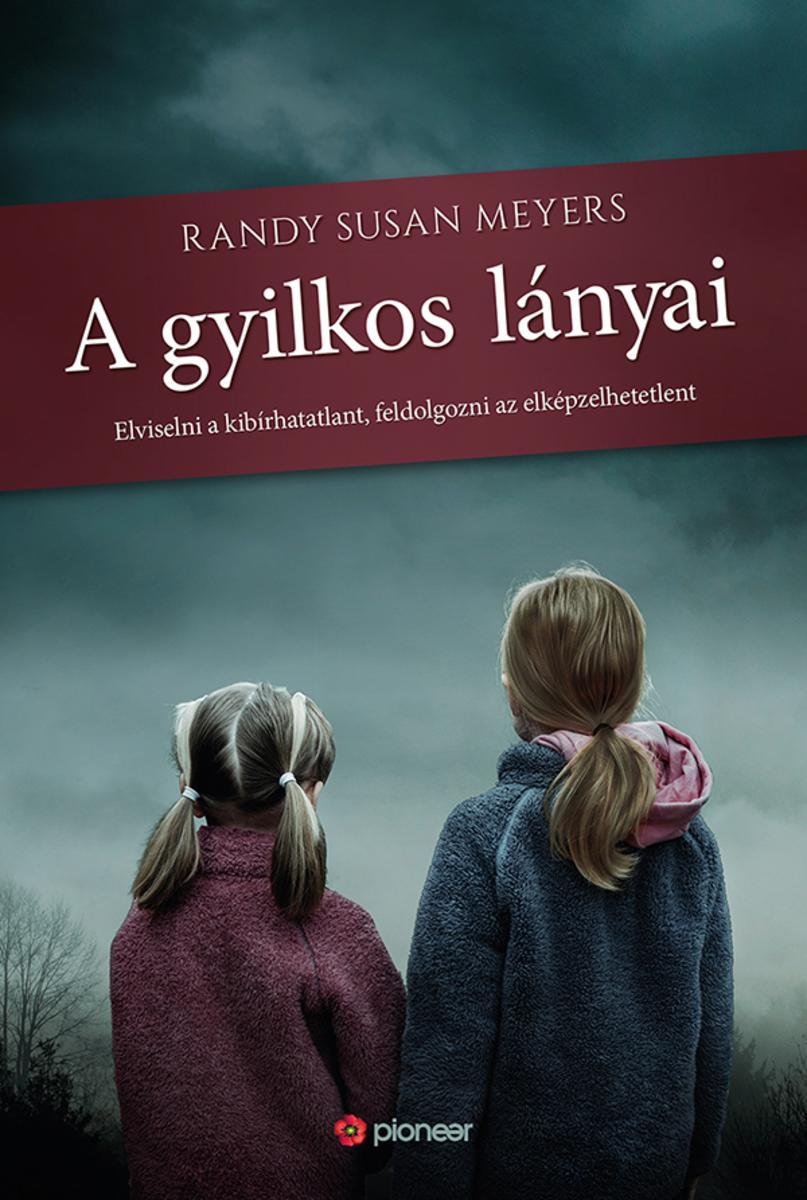
A gyilkos lányai
¥75.54
Nina Elliot sosem gondolta volna, hogy ennyire bátor lesz. Elhagyja a férfit, aki nem érdemelte meg a szerelmét, és beolvas a f?nökének, majd hangosan becsapja maga mögött az ajtót, és kilép a bizonytalanságba. Maga sem sejti, hogy erre a régóta halogatott döntésre van szüksége ahhoz, hogy egyszer csak szembejöjjön vele a nagy lehet?ség. Egy váratlan találkozásnak köszönhet?en visszatérhet korábbi munkahelyére, a fest?i Milton-birtokra, ahol az író családf?nek segíthet könyve el?készületi munkálataiban. Egy nyárra szól a megállapodás, addig lakik újra a családdal az egykori bébiszitter, és így a lány id?t nyerhet, amíg kitalálja, hogyan tovább. Dehogy számít rá, hogy a Milton fiúk, akik id?közben feln?ttek, csapni kezdik neki a szelet… Ráadásul közvetlenül egy nagy csalódás után nem is szeretne új kapcsolatba kezdeni. Csakhogy a forró nyár a romantika id?szaka is, a lány pedig egyre jobban belejön a döntéshozatalba… Victoria Connelly harmadik magyar nyelv? regénye is egy meseszer? világba kalauzolja az olvasót. A Bárcsak itt lennél és a Szökevény színészn? szerz?je ezúttal is tökéletes nyári történetet kínál, a görög vakáció és a skót táj után pedig szül?hazájába viszi el olvasóit, a t?le megszokott romantikus történetvezetéssel. Fej?s Éva A szerz? további m?vei: Bárcsak itt lennél Szökevény színészn?
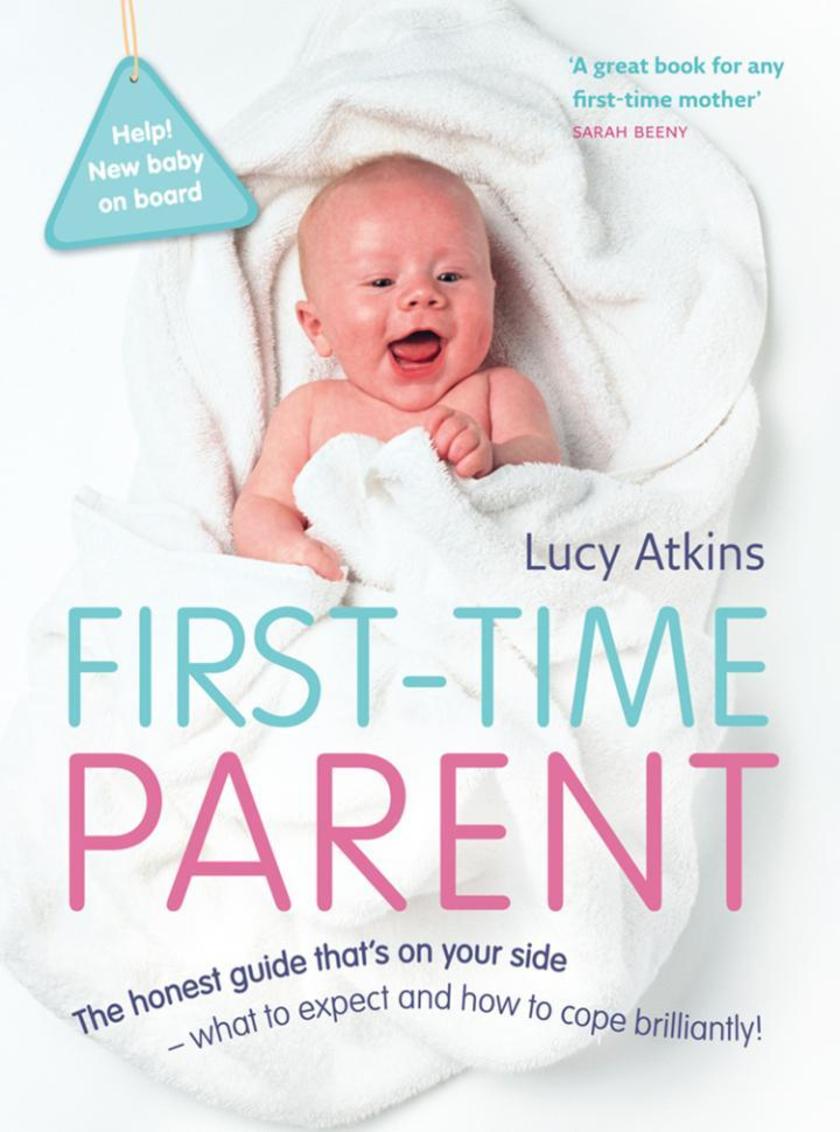
First-Time Parent: The honest guide to coping brilliantly and staying sane in yo
¥80.25
Forget unrealistic childcare manuals – this is the book you really need to help you cope brilliantly with those first chaotic days and months ahead. As a health journalist and mother-of-three, Lucy Atkins is familiar with both the medical aspects of childbirth and baby development, and the reality of day-to-day life as an exhausted first-time mum or dad. In her feisty, humorous style, she begins with that first mind-blowing day and addresses the issues unique to the first-time parent who stares at their newborn and thinks “Where are the instructions?” Anticipating the questions and concerns of all new mothers–Why does my baby cry so much? Will I ever lose all this weight? Am I a bad parent because…?–the book provides practical advice and level-headed reassurance. It addresses the needs of the baby and, very importantly, those of the parent during the first year of their baby’s life. Contents include: ? Starter’s orders – the equipment and kit you really need, as opposed to what the department store tells you ? Hello – how to cope with the first few hours ? Start – coming home, bonding, how to survive the first few days ? Sleep – for everyone! ? Cry – why your baby cries, what to do, why you'll want to cry, too ? Eat –breastfeeding, supplemental feeding, moving to solids, nutrition ? Grow – baby's physical and mental development ? Play – yes, you two actually can have fun ? Thrive – health considerations for baby and parent ? Live – adapting to your new life, the changing mother-father relationship ? Work – coping with being at home and with going back to work ? Also includes information on single parenting, and on adopted, multiple and special needs babies. The First-Time Parent is on your side, and reassures that you can cope brilliantly with your new baby and your new life.

Scott Pilgrim’s Precious Little Life: Volume 1 (Scott Pilgrim, Book 1)
¥31.49
Scott Pilgrim’s life is totally sweet.

Scott Pilgrim vs The World: Volume 2 (Scott Pilgrim, Book 2)
¥41.01
The second Scott Pilgrim volume!
The Good Behaviour Book: How to have a better-behaved child from birth to age te
¥95.75
In THE GOOD BEHAVIOUR BOOK, Dr. William and Martha Sears, the paediatrics specialists whose books on birth, babies, and parenting have become widely praised best-sellers, provide a definitive guide to raising happy, well-adjusted, well-behaved children. Disciplining children means equipping them with the tools to succeed in life. In this unique guide, seasoned parents of eight, Bill and Martha Sears draw on personal experience and their professional knowledge as childcare experts to provide an authoritative approach to a broad range of disciplinary issues and practices. With focus on preventing behaviour problems as well as managing them when they arise, the Searses offer clear, practical advice on everything parents need to know about disciplining young children. Believing that discipline starts at birth, the Searses discuss baby discipline, disciplining the toddler, mother-father roles in modern parenting, saying no, self-esteem as the foundation of good behaviour, helping a child to express feelings, the constructive use of anger, good nutrition for good behaviour, and sleep discipline. On handling problem behaviour, the Searses cover sibling rivalry, spanking and alternatives to spanking, breaking annoying habits, and eliminating bothersome behaviours like whining and talking back. The Searses strongly advocate teaching children values like apologising and sharing, and explain how to deal with such issues as lying, stealing, and cheating. In addition, the Searses address building healthy sexuality and discipline in special situations such as after divorce and in the single-parent household.


