


 购物车
购物车 个人中心
个人中心
The Little Big Things
¥94.10
#131 The Case of the Two-Cent CandyYears ago, I wrote about a retail store in the Palo Alto environs a good one, which had a box of two-cent candies at the checkout. I subsequently remember that "little" parting gesture of the two-cent candy as a symbol of all that is Excellent at that store. Dozens of people who have attended seminars of mine from retailers to bankers to plumbing-supply-house owners have come up to remind me, sometimes 15 or 20 years later, of "the two-cent candy story," and to tell me how it had a sizable impact on how they did business, metaphorically and in fact.Well, the Two-Cent Candy Phenomenon has struck again with oomph and in the most unlikely of places.For years Singapore's "brand" has more or less been Southeast Asia's "place that works." Its legendary operational efficiency in all it does has attracted businesses of all sorts to set up shop there. But as "the rest" in the geographic neighborhood closed the efficiency gap, and China continued to rise-race-soar, Singapore decided a couple of years ago to "rebrand" itself as not only a place that works but also as an exciting, "with it" city. (I was a participant in an early rebranding conference that also featured the likes of the late Anita Roddick, Deepak Chopra, and Infosys founder and superman N. R. Narayana Murthy.)Singapore's fabled operating efficiency starts, as indeed it should, at ports of entry the airport being a prime example. From immigration to baggage claim to transportation downtown, the services are unmatched anywhere in the world for speed and efficiency.Saga . . . Immigration services in Thailand, three days before a trip to Singapore, were a pain. ("Memorable.") And entering Russia some months ago was hardly a walk in the park, either. To be sure, and especially after 9/11, entry to the United States has not been a process you'd mistake for arriving at Disneyland, nor marked by an attitude that shouted "Welcome, honored guest."Singapore immigration services, on the other hand:The entry form was a marvel of simplicity. The lines were short, very short, with more than adequate staffing.The process was simple and unobtrusive.And:The immigration officer could have easily gotten work at Starbucks; she was all smiles and courtesy.And:Yes!Yes!And . . . yes!There was a little candy jar at each Immigration portal!The "candy jar message" in a dozen ways:"Welcome to Singapore, Tom!! We are absolutely beside ourselves with delight that you have decided to come here!"Wow!Wow!Wow!Ask yourself . . . now:What is my (personal, department, project, restaurant, law firm) "Two-Cent Candy"?Does every part of the process of working with us/me include two-cent candies?Do we, as a group, "think two-cent candies"?Operationalizing: Make "two-centing it" part and parcel of "the way we do business around here." Don't go light on the so-called substance but do remember that . . . perception is reality . . . and perception is shaped by two-cent candies as much as by that so-called hard substance.Start: Have your staff collect "two-cent candy stories" for the next two weeks in their routine "life" transactions. Share those stories. Translate into "our world." And implement.Repeat regularly.Forever.(Recession or no recession you can afford two cents.)(In fact, it is a particularly Brilliant Idea for a recession you doubtless don't maximize Two-Cent Opportunities. And what opportunities they are.)
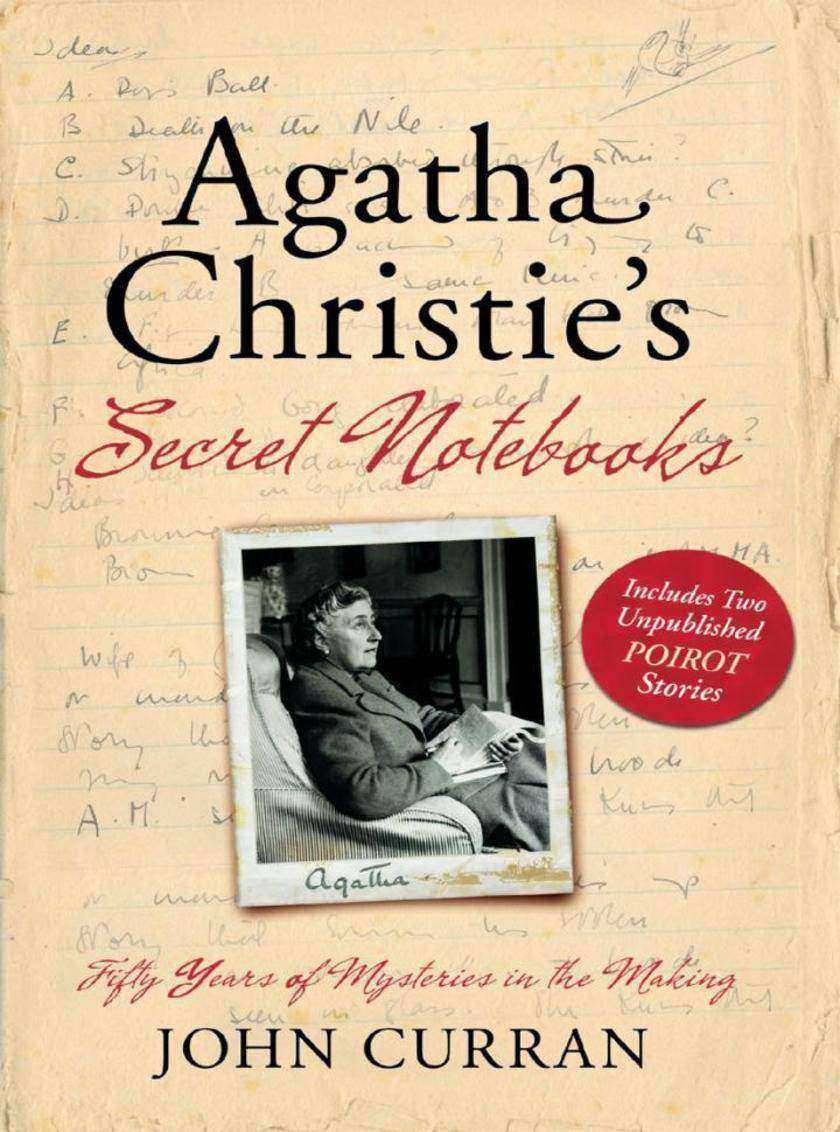
Agatha Christie's Secret Notebooks
¥94.10
A fascinating exploration of the contents of Agatha Christie's seventy-three private notebooks, including illustrations and two unpublished Poirot stories When Agatha Christie died in 1976, at age eighty-five, she had become the world's most popular author. With sales of more than two billion copies worldwide, in more than one hundred countries, she had achieved the impossible more than one book every year since the 1920s, every one a bestseller.So prolific was Agatha Christie's output sixty-six crime novels, twenty plays, six romance novels under a pseudonym and more than one hundred and fifty short stories it was often claimed that she had a photographic memory. Was this trueOr did she resort over those fifty-five years to more mundane methods of working out her ingenious crimesFollowing the death of Agatha's daughter, Rosalind, at the end of 2004, a remarkable legacy was revealed. Unearthed among her affairs at the family home of Greenway were Agatha Christie's private notebooks, seventy-three handwritten volumes of notes, lists and drafts outlining all her plans for her many books, plays and stories. Buried in this treasure trove, all in her unmistakable handwriting, are revelations about her famous books that will fascinate anyone who has ever read or watched an Agatha Christie story.How did the infamous twist in The Murder of Roger Ackroyd really come aboutWhich very famous Poirot novel started life as an adventure for Miss MarpleWhich books were designed to have completely differ-ent endings, and what were theyWhat were the plot ideas that she considered but rejected?Full of details she was too modest to reveal in her own autobiography, this remarkable new book includes a wealth of excerpts and pages reproduced directly from the notebooks and her letters, plus, for the first time, two newly discovered complete Hercule Poirot short stories never before published.
Crossing the Chasm
¥101.00
Here is the bestselling guide that created a new game plan for marketing in high-tech industries. Crossing the Chasm has become the bible for bringing cutting-edge products to progressively larger markets. This edition provides new insights into the realities of high-tech marketing, with special emphasis on the Internet. It's essential reading for anyone with a stake in the world's most exciting marketplace.
Instant Turnaround!
¥130.45
Transform Your Workplace!Imagine a company where people are excited about coming to work and giving their best efforts every day. In this innovative and engrossing business parable, Harry Paul and Ross Reck show managers at all levels how they can immediately and easily increase productivity by tapping into the discretionary effort of the people who work for them. Starting from the most basic aspect of business reality that people intentionally regulate the amount of effort they put into their jobs based upon how they feel they're being treated the authors point out that the most important part of the job of every manager, team leader, supervisor, and executive is to treat people in such a way that they become excited about applying all their discretionary effort toward performing their jobs.At the book's center is the story of Nancy Kim, a human resources director at a magazine that is struggling with all the problems associated with unhappy employees low productivity and morale along with high absenteeism and turnover. After she openly challenges the CEO's new management-by-the-numbers system, she's charged with turning the situation around immediately. Filled with real-world studies, Instant Turnaround! shows anyone how to turn the workplace into a destination a place where working hard feels like hardly working because it's engaging, enjoyable, and fulfilling.
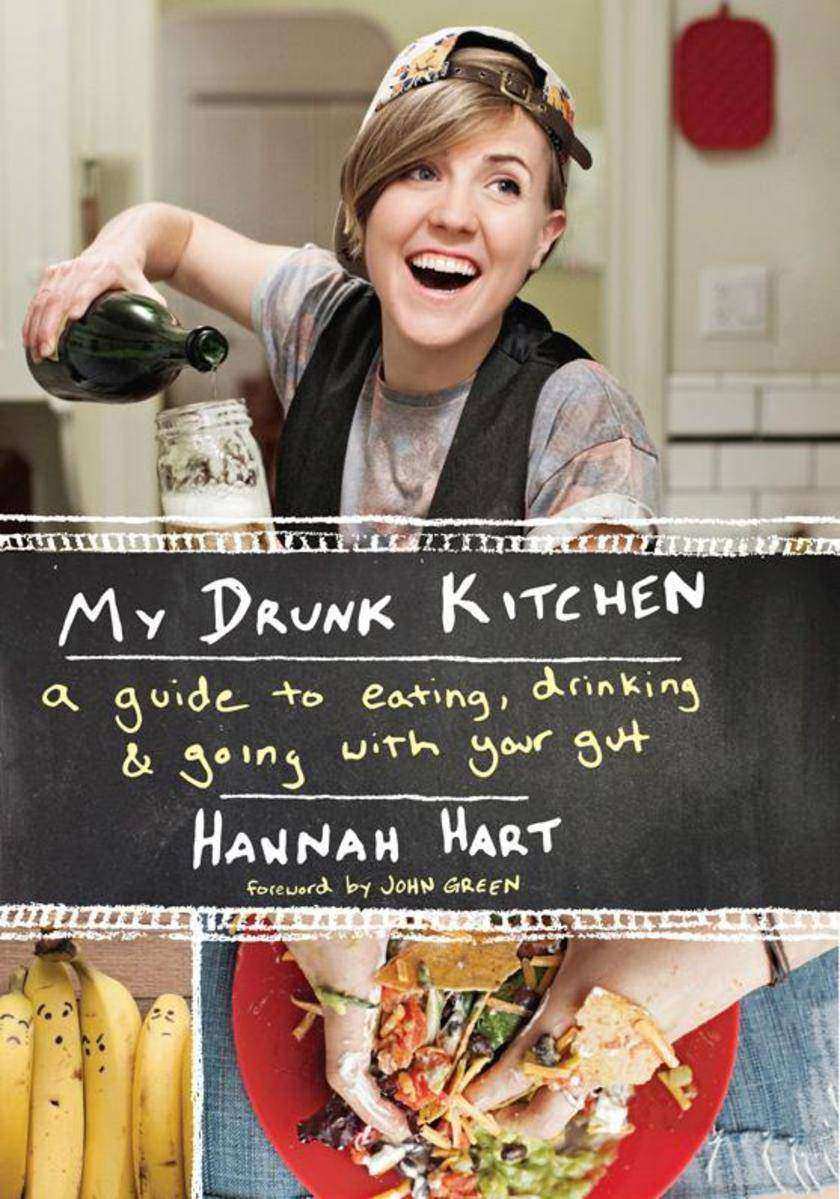
My Drunk Kitchen
¥129.07
One day, sad cubicle dweller and otherwise bored New York transplant Hannah Hart decided, as a joke, to make a fake cooking show for her friend back in California. She turned on the camera, pulled out some bread and cheese, and then, as one does, started drinking. (Doesn't everyone cook with a spoon in one hand and a bottle of wine in the other?) The video went viral and an online sensation was born. My Drunk Kitchen includes recipes, stories, full color photos, and drawings to inspire your own culinary adventures in tipsy cooking. It is also a showcase for Hannah Hart's great comedic voice. Hannah offers key drink recommendations, cooking tips (like, remember to turn the oven off when you go to bed) and shares never-before-seen recipes such as: ?The Hartwich (Knowledge is ingenuity! Learn from the past!) ?Can Bake (Inventing things is hard! You don't have to start from scratch!) ?Latke Shotkas (Plan ahead to avoid a night of dread!) ?Tiny Sandwiches (Size doesn't matter! Aim to satisfy.) ?Saltine Nachos (It's not about resources! It's about being resourceful.) This is a book for anyone who believes they have what it takes to make a soufflé for the holiday party and show up the person who apparently has nothing better to do than bake things from scratch. It also recommends the drink you'll need to accompany any endeavor of this magnitude. In the end, My Drunk Kitchen may not be your go-to guide for your next dinner party . . . but it will make you laugh and drink . . . I mean think . . . about life.
Beyond Words
¥139.90
Beyond Words n (1.) Terms or names that point to the realm of mystery and depth that lies beyond our ordinary experience. (2.) The reality that is beyond even the power of beyond words to convey, and that can be known only by experiencing it for yourself."A word a day to keep the demons at bay." This is how Frederick Buechner likes to describe this witty and incisive dictionary. A daily devotional from one of today's greatest spiritual writers, Beyond Words offers 366 entries from Buechner's three alphabet books, Wishful Thinking, Peculiar Treasures, and Whistling in the Dark, including a new Introduction and nineteen new entries.Providing definitions of both sacred and ordinary words, as well as biblical characters, Buechner unabashedly brings his fresh perspective to words, concepts, and characters we thought we understood. This is a great introduction to Buechner's work as well as a library staple for those already well versed in his writing. It is Buechner at his best. Whether readers find themselves tearful from a deeply moving insight or laughing out loud at an unexpected turn of phrase, they will always feel uplifted, illuminated, and enchanted by the wisdom of Frederick Buechner.
Balancing Heaven and Earth
¥138.41
One of this century's most popular psychology scholars, Robert A.Johnson was among the first to present Carl Jung's rich but complex theories with simple elegance and grace,opening them to an entirely new and hungry audience. His masterful works--including the best selling He, She, Inner Work, and Owning Your Own Shadow-are known and loved as much for their beautiful retellings of timeless myths and folktales as for their deep wisdom and profound insight. Balancing Heaven and Earth reveals, for the first time, Johnson's own fascinating and mystical life-from his near-death experience at the age of eleven to the lifelong soul journey that has informed his writing and taught him how to live a spiritual life in the endlessly challenging modern world. Full of compelling, humorous, and surprising stories of encounters with an assortment of "sages, saints, and sinners," it lays bare Johnson's own inner world and its dazzeling landscape of powerful dreams, mystical visions, and synchronistic events. Beginnning with a vivid retelling of the childhood accident that claimed the lower part of his right leg, Johnson describes the life-defining moment when he was transported by a mystical vision to a realm that exists just beyond ordinary consciousness-a realm he calls the "Golden World." With this experience, described as "both my curse and my blessing," Johnson is launched on a spiritual quest that leads him in search of Eastern wisdom, to encounters with such wise men as J. Krishnamurti and D.T. Suzuki, and finally to Carl Jung, who shows him his destiny revealed in a dream. Johnson's experiences lead him to a unique understanding and acceptance of the slender connecting threads at work in all our lives, guiding us and shaping who we are-"call it fate, destiny, or the hand of God." As much a personal guide as a memoir, Balancing Heaven and Earth teaches us to follow , as Johnson has, the subtle influences of dreams, visions, and even our deepest sufferings in order to live attuned to our spiritual selves. A pure delight for Johnson's many fans and a splendid example of his trademark blend of illustrative myth and psychological insight, this is a work of incomparable beauty and inspiration showcasing the wisdom of a lifetime.
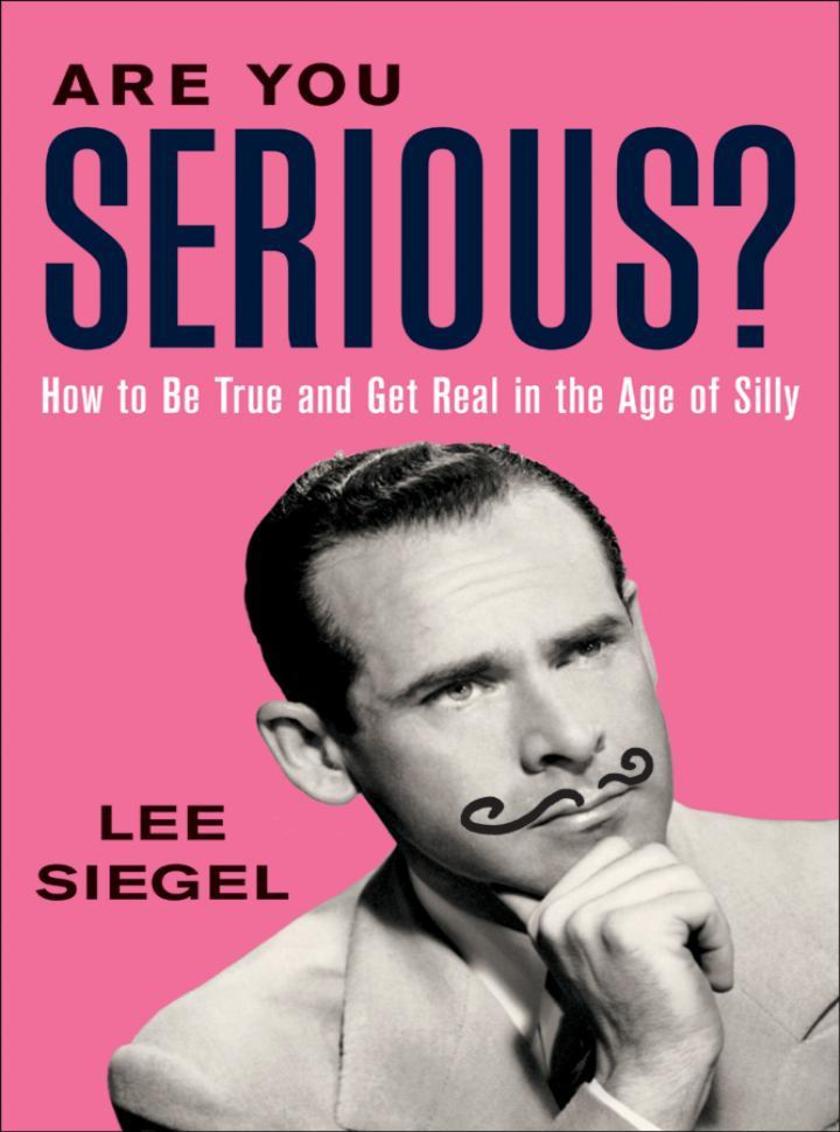
Are You Serious?
¥140.29
A provocative critique of modern frivolity and a guide to being serious in an unserious age We used to live in a world run by serious people: politicians and religious leaders, writers and artists, journalists and academics, lawyers and business executives, who approached their work with maturity and mindfulness. Today it seems as if most of these figures have all but disappeared, leaving our country and our culture in the hands of amateurs, buffoons, and professional clowns. Yet, according to Lee Siegel, seriousness has been elusive in every age, and every age has its own particular obstacles to living seriously. In a unique combination of fiction, memoir, history, social criticism, satire, and spiritual reflection, Siegel illuminates our contemporary distractions of profit, popularity, and instant pleasure as we search for ways to be serious in culture, in politics, and in everyday life.Are You Seriousis a thoughtful and enlightening exploration of seriousness in all its incarnations, from the heights of intellectual endeavor to the depths of political conflict to how the word itself is used in ordinary situations, from romance to business. Siegel lays bare the forces in modern life that create the silliness all around us, and he describes how seriousness may be attained through the qualities of attention, purpose, and continuity, in satisfying lives forged in bonds of work and love.
Paper
¥90.51
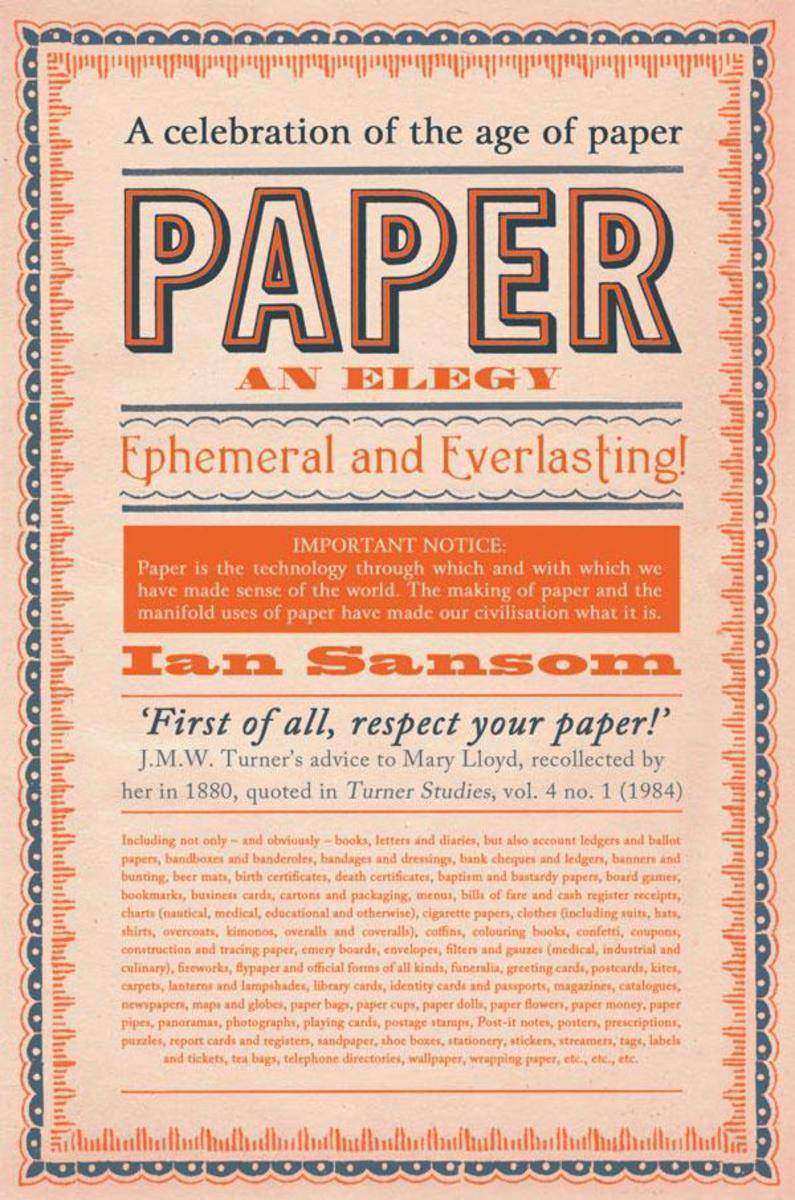
Let us suppose for a moment that paper were to disappear.Would anything be lost?Everything would be lost.aper surrounds us. Not only as books, letters and diaries, but as beer mats and birth certificates, board games and business cards, fireworks and flypaper, photographs and playing cards, tickets and tea bags. We are paper people.But the age of paper is coming to an end. E-books regularly outsell physical books. E-tickets replace the paper variety. Archives are digitized. The world we know was made from paper, and yet everywhere we look, paper is beginning to disappear. As we enter a world beyond paper, Ian Sansom explores the paradoxes of the greatest of man-made materials and shows how some kinds of paper, and the ghosts and shadows of paper, will always be with us.Paper: An Elegy is a history of paper in all its forms and functions. Both a cultural study and a series of personal reflections on the meaning of paper, this book is a timely meditation on the very paper it is printed on.
Miss Jessie's
¥88.56
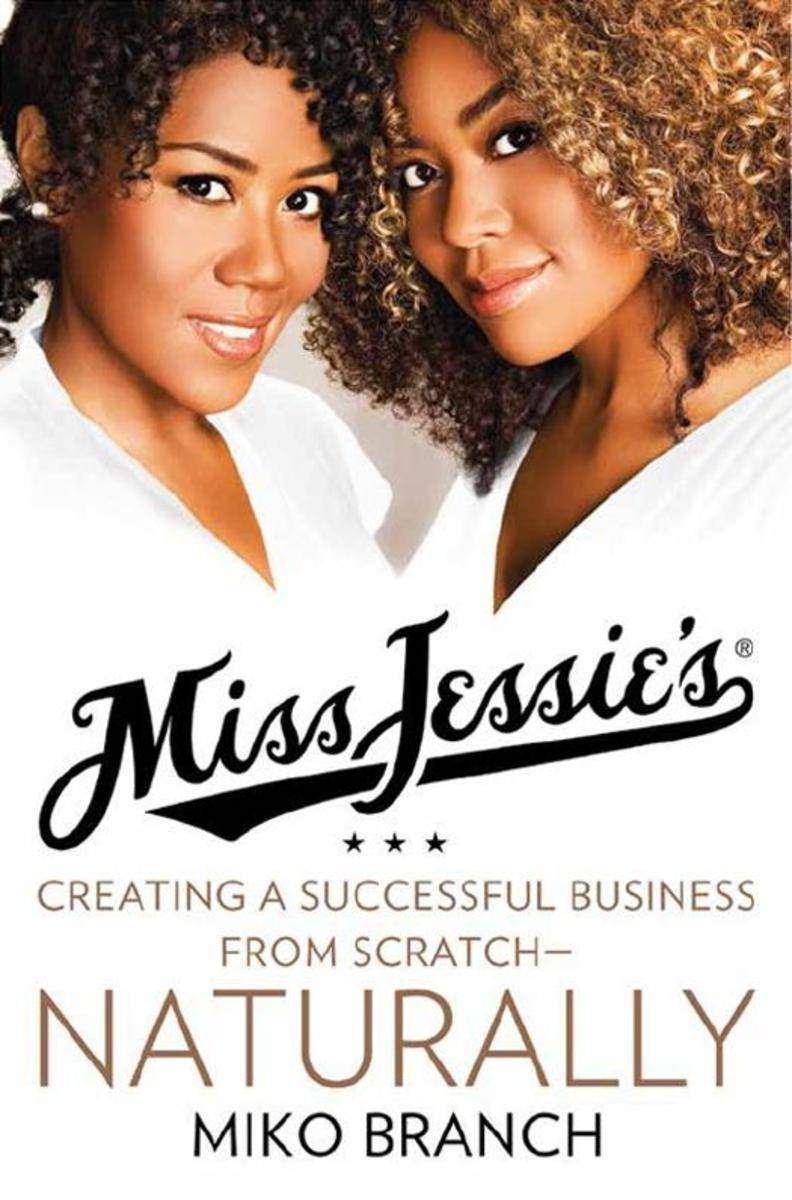
Miss Jessie's is a memoir and business guide rich with inspirational life lessons and unique business advice from Miko Branch, the Chief Executive Officer of the dynamic Miss Jessie's the company that revolutionized the hair-care industry.When Miko and her sister, Titi, were children, their grandmother Miss Jessie taught them independence and showed them the value of being "do it yourself" women, all while whipping up homemade hair concoctions at her kitchen table. As a co-founder of Miss Jessie's, Miko reveals how she and Titi applied their grandmother's lessons to create a successful business from scratch. Miss Jessie's chronicles the Branch sisters' remarkable story. When they were children, their stern father encouraged them to become self-reliant and not to depend on their looks to get ahead. Taking this message to heart, they blossomed into business owners and leaders in their field, using ingenuity and without borrowing a dime. They soaked up the entrepreneurial and creative culture of the early hip-hop era on the streets of Brooklyn in the late 1990s, and in the high-end salons of Manhattan. They blended these inspirations to establish a business that has gone from their kitchen table to the shelves of major retailers around the globe, revolutionizing the hair-care industry. A charming and enlightening look at the women behind the brand, Miss Jessie's is chock-full of entertaining stories and invaluable instruction that can be applied to any business: an authentic expression that the American Dream is possible.
Tough Calls from the Corner Office
¥145.91
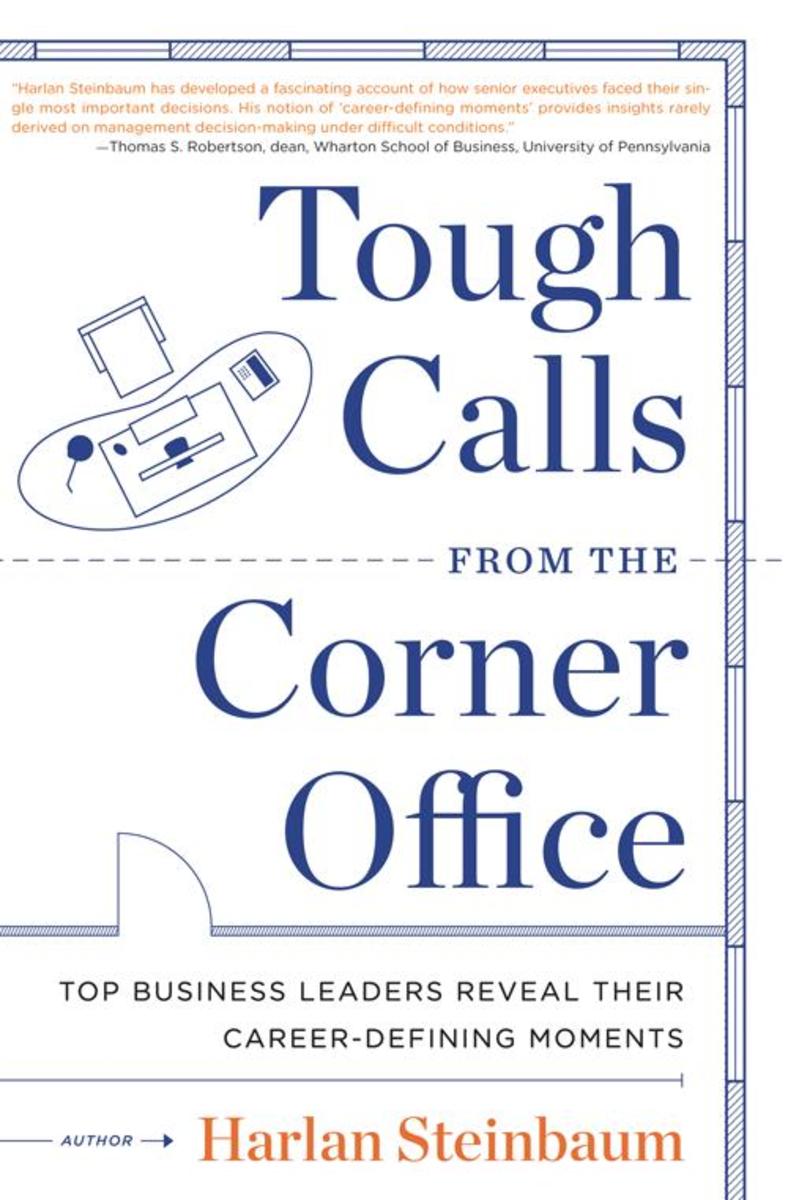
Thirty-nine of America's most successful business leaders share the most important decisions of their careers and the life and career lessons they hold for us all. When former CEO Harlan Steinbaum decided to buy back his retail drug chain with his partners, his life changed dramatically. The personal impact that this one business decision this "tough call" had on Steinbaum made him wonder if others had experienced similar kinds of defining moments in their own careers. To find out, he reached out to some of the most successful people in the country leaders from companies such as Verizon, Chrysler, ESPN, Ogilvy & Mather, Enterprise Rent-A-Car, WellPoint, and Panera Bread Company to pinpoint the career-defining decisions that were integral to their success. The result is Tough Calls from the Corner Office, a treasure trove of rich business wisdom, stories of tough decisions and hard-won victories, and lessons from a lifetime of achievement in the world of business.Tough Calls from the Corner Office offers inspiring stories, lessons, principles, strategies, ideas, and solutions drawn from every stage in a successful career, from early key choices to the final leave-taking from the world of work. Given unprecedented access to such visionaries as Union Square Hospitality Group's Danny Meyer, ESPN's Bill Rasmussen, Build-A-Bear's Maxine Clark, and Let's Make a Deal's Monty Hall, Steinbaum shares their experiences, told in their own words, so that others may learn from them. In a time when many people are at professional crossroads, Tough Calls from the Corner Office offers inspiration and the confidence to believe that tough decisions can be the first step to extraordinary success.
The Best Thing About My Ass Is That It's Behind Me
¥145.49
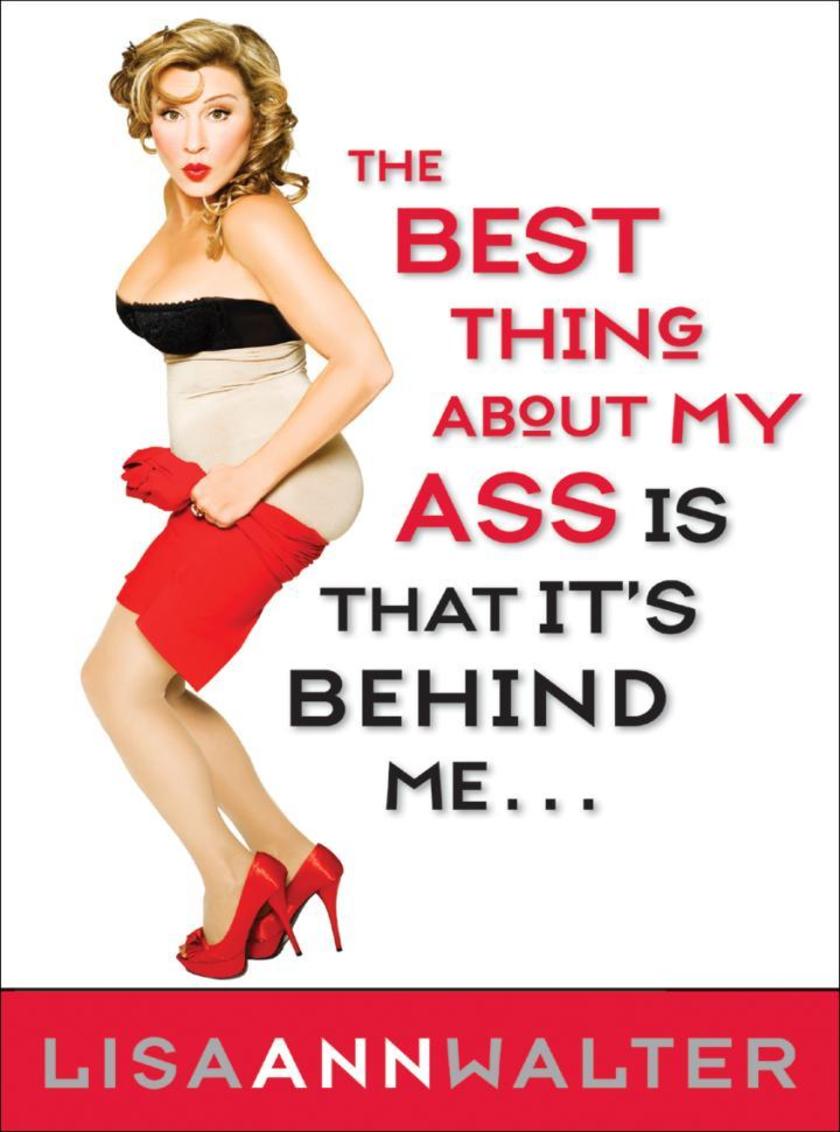
Follow one woman's bumpy, cellulite-riddled ride through size-0 Hollywood and learn how she went from body-dysmorphic to sassy-asstastic in only twenty-five short years of dieting, thousands of dollars in "procedures,". . . and one pair of industrial-strength Spanx.From the best girlfriend you didn't know you had comes this "I Can't Believe She Said That" guide to life in the real world. Actress and comic Lisa Ann Walter dishes about parenthood and the dangers of girl-on-girl snarking, explains why skinny actresses act crazy, and gives riotous advice on everything from the dating mistakes we all make to ten things you should subtract when you weigh yourself (self-tanner and dental work, for starters . . .).So what do you get when you drop a longtime self-loather into the glitz and glamour of HollywoodThis hysterical, and brutally honest, look at the impossible standard of perfection for which so many of us strive. Walter boldly shares her lifelong struggle with low self-esteem which, in her case, includes plenty of painful auditions, failed relationships, and awkward celebrity encounters, plus lots of impossible diets, questionable injectables, and dubious cosmetic procedures. Along the way, the "celebrity adjacent" Walter also tells her sometimes warm, often cringeworthy, and always funny Hollywood stories (including the reason she'd kill for Richard Gere). She also shares her sage advice by offering features such as ways to improve your self-esteem that won't cost you a dime:Four words:Push-up. Bra. Construction. Site. You don't even have to look good to get a response. Just wear sunglasses, square your shoulders, and toss your hair. Then count the whistles.Start frequenting your local gay bar. Both gays and lesbians are much more effusive about how fabulous you are! And you'll get free drinks! Always be seen with decrepit old men you'll look young and beautiful in comparison. Think how well this works for those Girls Next Door.
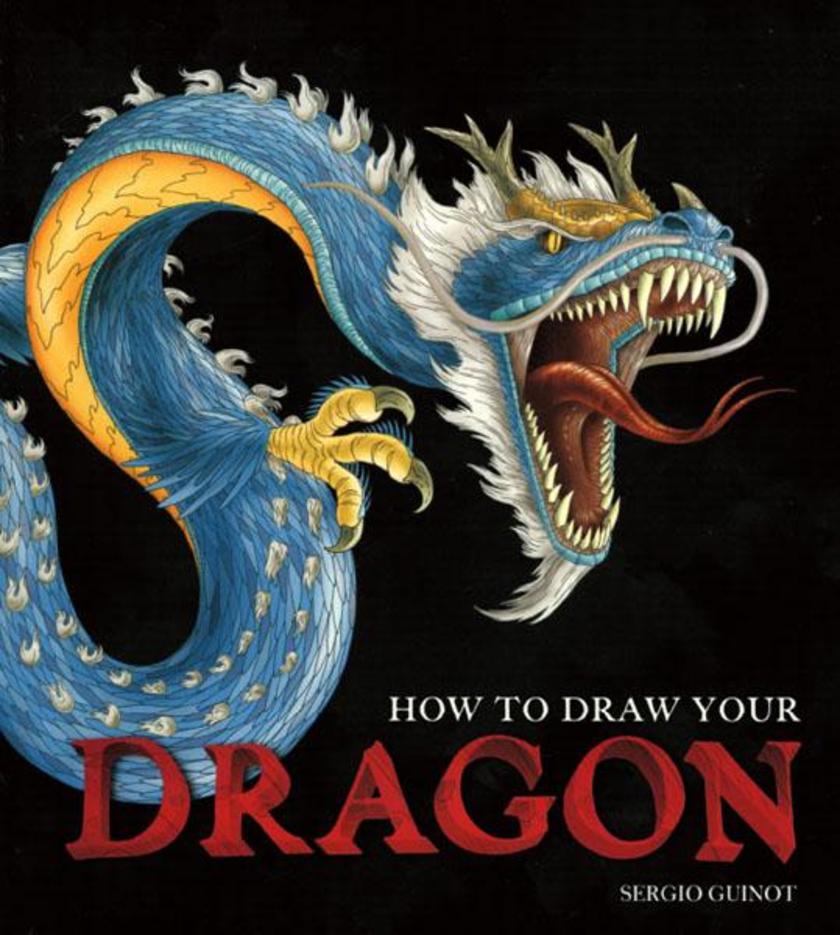
How to Draw Your Dragon
¥157.15
Massive fire-breathing dragons can be terrifying or kind, evil or accomplices of the hero, but they're never supporting characters, and all expert fantasy artists know how to depict them. Now, for the first time ever, a master dragon drawer reveals his secrets for doing this, taking you along for the ride as he meets these breathtaking creatures face-to-face.Inside you'll find: Easy to follow step-by-step instructions for creating realistic drawings of dragons. Dozens of different types of dragons, along with their unique anatomical and personality traits. An exploration of the digital and hand-drawing steps a dragon drawer must know.
The Underground Is Massive
¥88.56
What started as an underground party business—run and dominated by youths and hustlers—grew into the music business's greatest and biggest success. The Underground Is Massive is the first-ever big-picture history of the American electronic dance music underground, viewed through the lens of nineteen parties over thirty years—from the black, gay underground clubs of Chicago and Detroit's elite teen-party scene through nineties "electronica" to today's EDM-festival juggernaut, the book takes in the rise of the Internet and Burning Man, 9/11, and the collapse of the record business—and vividly charts why and how it took nearly three decades after electronic dance music became a global youth soundtrack for it to hit big in the land that birthed it. Through unparalleled insider access to anecdotes, interviews, and history, Michaelangelo Matos demystifies how what once belonged to a devoted audience of casual partiers and diehard dancers has become America's soundtrack of choice and changed the music industry completely. Matos expertly tackles the vast diversity of EDM's musical landscape, its technologically prophetic yet illicit origins, and the path by which underground raves grew into fiercely successful music festivals. Taking in legendary artists from Frankie Knuckles to Moby as well as the biggest names in EDM—Diplo, Skrillex, Deadmau5, David Guetta, Ti?sto, and Daft Punk—Matos's deep mix of sources and wide-lens overview of the culture make every chapter a page-turning revelation.
The Other Serious
¥84.28
An original collection of incandescent cultural criticism, both experimental and personal, full of pragmatic advice for how to live a considered, joyful existence in our era of screen living and hipster irony, by a Gen-X Princeton professor and contributor to the New York TimesThe essays in The Other Serious examine the signature pheno?mena of our moment: the way our lives contradict themselves, how exaggeration and excess seep into our collective subconscious, why gender is becoming more rather than less complicated, and how we interact with the material things that surround us. It is a book about the delicacy and bluntness of American life, about how pop culture sticks its finger deeply into the ethical dilemmas of our time, and how to negotiate between the old and the new, the high and the low, the global and the local, the sacred and the profane. At the heart of these reflections lies a central question: What should you do when you don't know what to do?Taken together, these essays comprise a guide for the overhaul of "the administrativersity" of contemporary American life, a bureaucratic prison where the brain needn't work anymore. These pieces investigate the writer's own way of thinking putting forth new ideas, questioning them, and urging the reader to adopt the same spirit of critical reexamination.
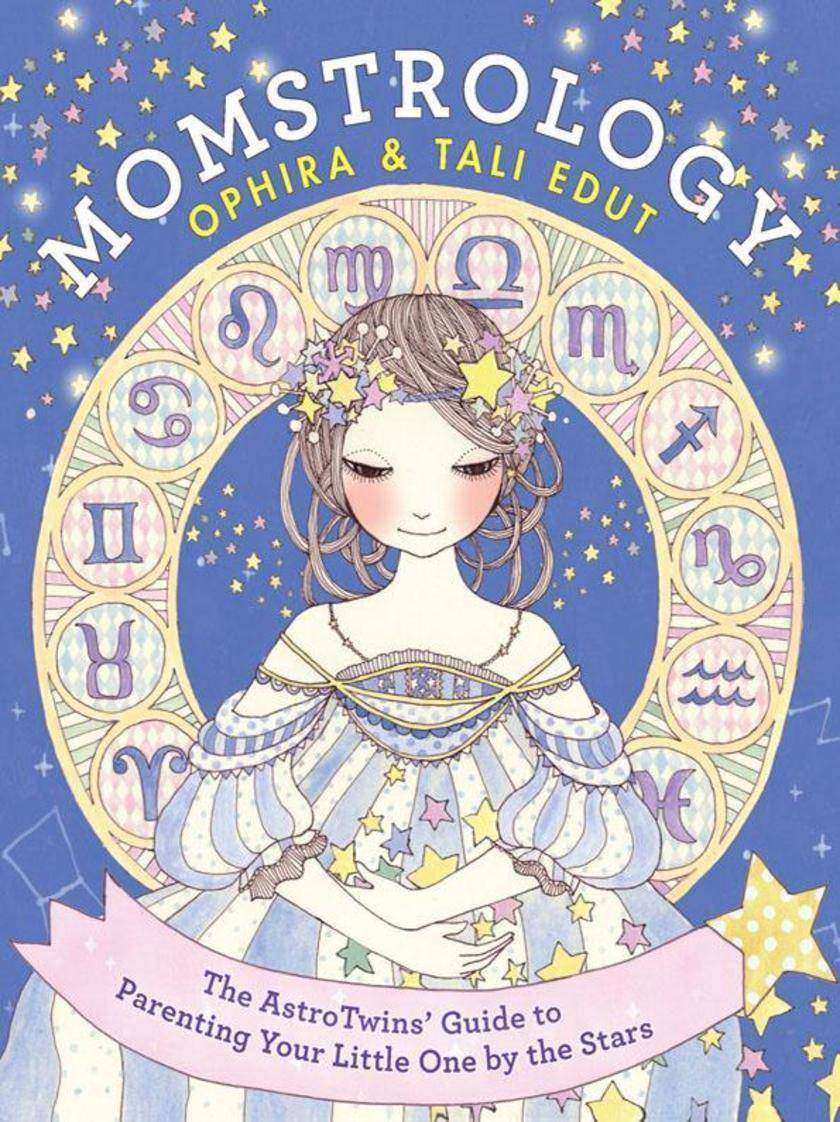
Momstrology
¥143.95
They say kids don't come with a set of instructions the AstroTwins beg to differ!Are you a Cancer mom trying to understand your Sagittarius daughterAre you a Virgo mother with a Pisces son who seems to be your polar oppositeWondering why your little Taurus was such an easy baby, but your Aquarius was anything butEven if you've only ever read your horoscope in the back of a magazine for fun or never given astrology a second thought, you'll be amazed at the insights you'll get from Momstrology, a guide to parenting by the stars.From choosing a preschool, to picking hobbies and activities, to understanding what it means when your toddler gets clingy, or your big kid wants to quit soccer, or your tween talks back, Momstrology is a unique guide through all of the phases of your child's life. Offering charts for every astrological sign to decipher your child's good days and bad days, likes and dislikes, and how your child deals with authority, limits, separation, and siblings, the AstroTwins offer real-world advice, from a cosmic perspective, that is always supportive and never overwhelming. With a section devoted to understanding your strengths and challenges as a mom based on your sign and another section that matches you with your children to see how you all mesh together, Momstrology is a parenting guide like no other.Let Momstrology be your go-to guide in the trenches of parenthood...through tears and triumphs and meltdowns and milestones, for every age and stage.
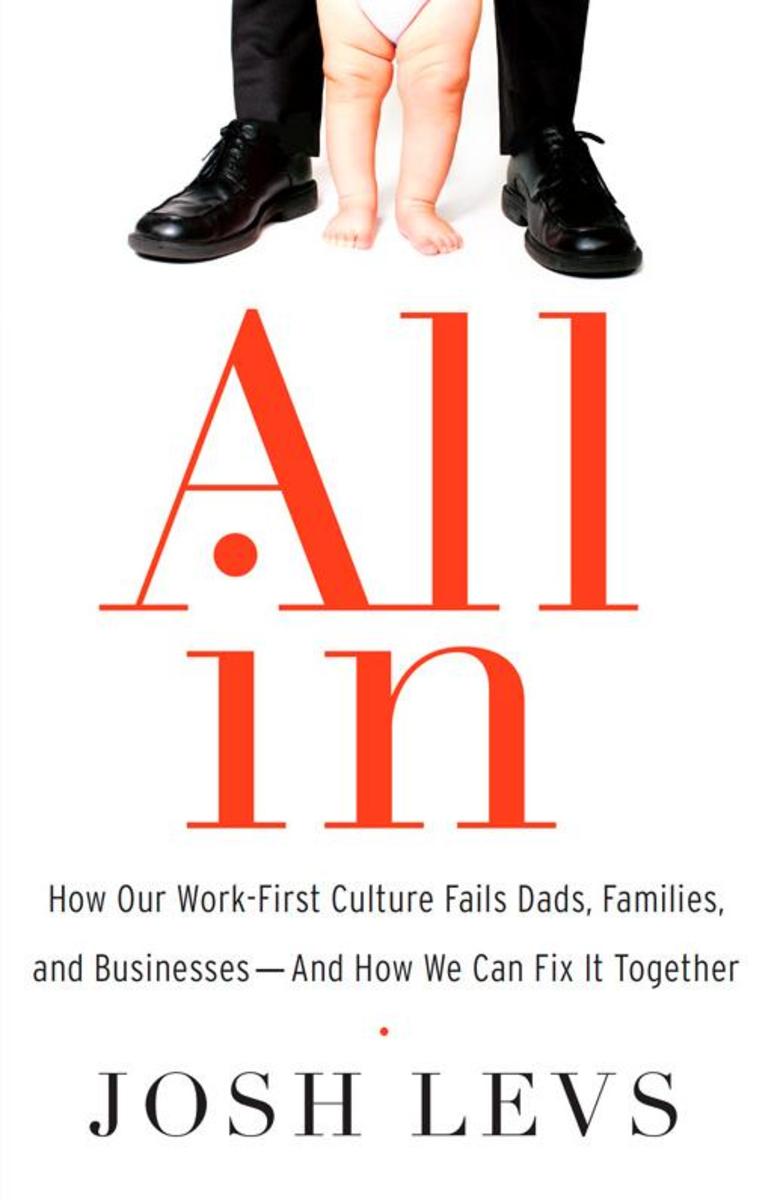
All In
¥143.95
When journalist and fatherhood columnist Josh Levs was denied fair parental leave by his employer after his child was born, he fought back -- and corporate America responded. He became a leading advocate for modern families. In All In, he shows how fatherhood today is far different from previous generations and what it means for our individual lives, families, workplaces, and society. An investigative journalist, expert on modern fatherhood and dad of three, Levs spent years reporting for CNN on air and online and serving as the network's "dad columnist". Prior to CNN, he was a reporter for NPR. His many prizes include six Peabody awards, two Edward R. Murrow awards, and a designation as a Journalist of the Year from the Atlanta Press Club. Levs is also a motivational and keynote speaker. He lives in Atlanta, Georgia, with his wife and children. Visit his website: www.joshlevs.com
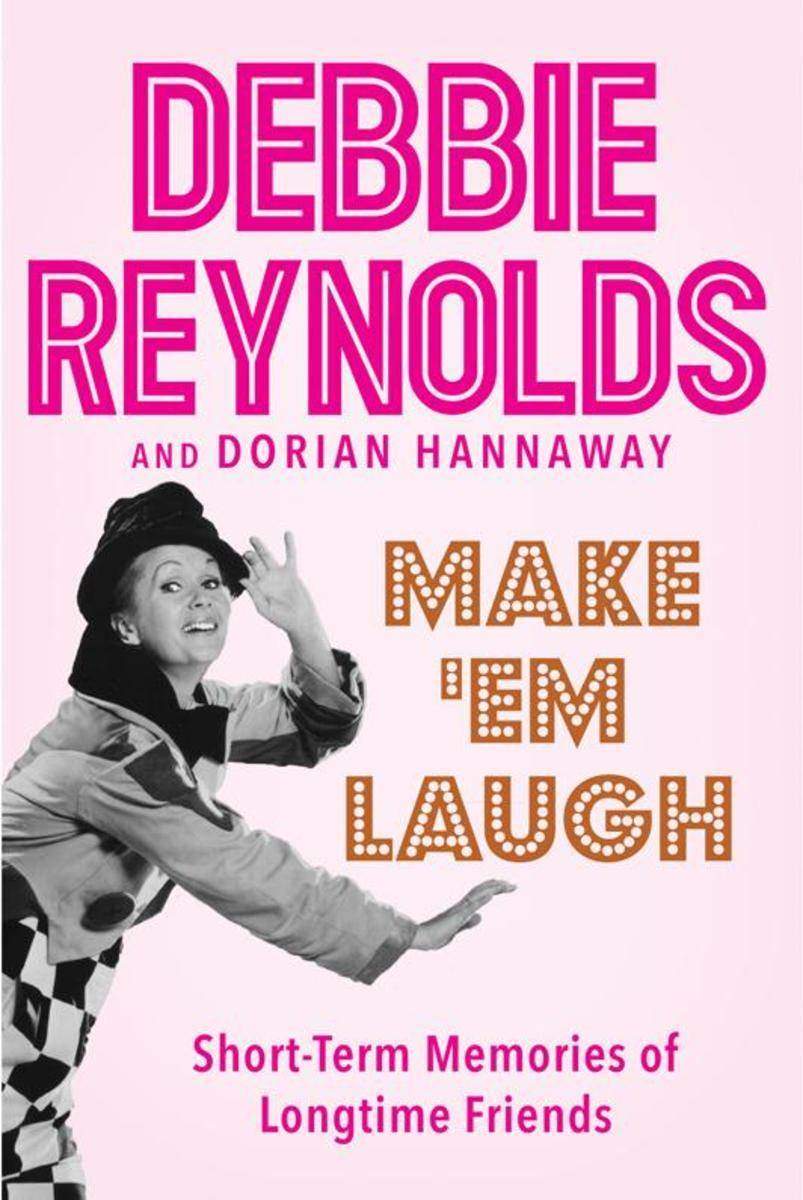
Make 'Em Laugh
¥95.11
The beloved Hollywood star and New York Times bestselling author of Unsinkable continues her intimate chat with fans in this entertaining collection of anecdotes, stories, jokes, and random musings from a woman who has seen it all—and done most of it. From her acclaimed performances to her headline-making divorce from Eddie Fisher, raising a famous daughter to hitting the road with a successful one-woman show, Debbie Reynolds has been in the spotlight for decades. She’s met presidents, performed for the Queen of England, and partied with kings. A show business icon, she continues to sing and dance—and can drop more names than Andy Cohen. In this fabulous personal tour, she recalls wonderful moments with the greats of the entertainment world—Lucille Ball, Frank Sinatra, Bette Davis, Phyllis Diller, and many, many more—sharing stories that shed new light on her life and career and the glittering world of Hollywood then and now. Debbie has plenty to tell—and in Make ’Em Laugh, she dishes it in the warm, down-to-earth voice her fans adore. Debbie shares memories of late night pals and some of the greatest comedians of all time, stories from the big screen and small, and tales of marriage, motherhood, and children. Combining her wicked sense of humor and appealing charm, she reveals the personal side of show business and fame in funny, poignant, and delightful reminiscences. Nothing is off limits: Debbie talks about her sex life, her family drama—and even shares a few secret recipes. As irresistible as the woman at its heart, this collection shows the consummate skill of a beloved entertainer who truly knows how to Make ’Em Laugh.
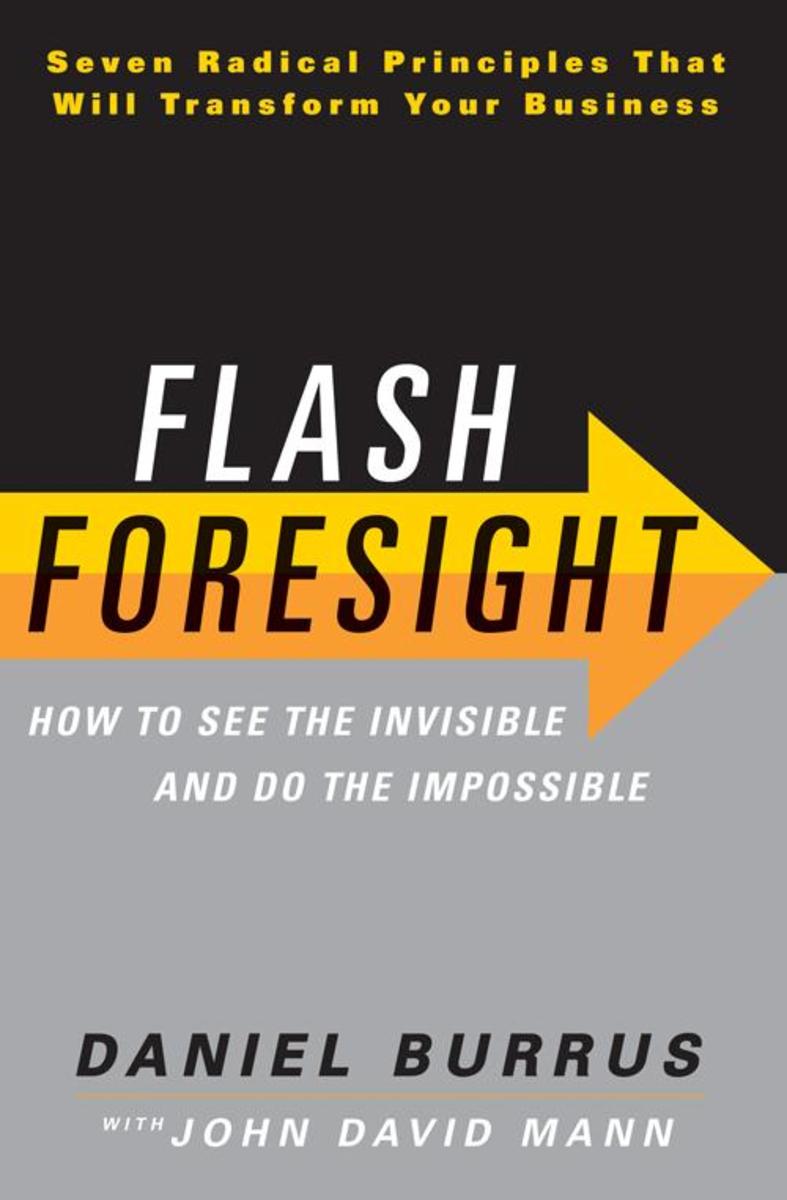
Flash Foresight
¥155.02
Today we all face more impossible challenges than ever before. But flash foresight lets you transform the impossible into the possible, revealing hidden opportunities and allowing you to solve your biggest problems before they happen. Daniel Burrus is one of the world's leading forecasters, corporate strategists, and visionaries. Over the past quarter century, he has established a reputation worldwide for his exceptional record of accurately predicting the future of technological change and its direct impact on the business world."Wouldn't it be amazing if you could predict the future and be right?" writes Burrus. "You can: all you have to do is leave out the parts you could be wrong about! And the amazing thing is, when you know where to look, there's more than enough you can be right about to make all the difference."From small businesses to multinationals, individual careers to entire industries, Flash Foresight looks at how Burrus's seven radical flash foresight "triggers" have transformed dozens of careers, fortunes, and lives. Both engaging and enlightening, Flash Foresight provides an easy-to-implement blueprint for applying the same strategies to your own business, enabling you to see the invisible and do the impossible.In the past, flash foresight was useful. Today, as the pace of technological change accelerates almost beyond the point of comprehension, it's an imperative.
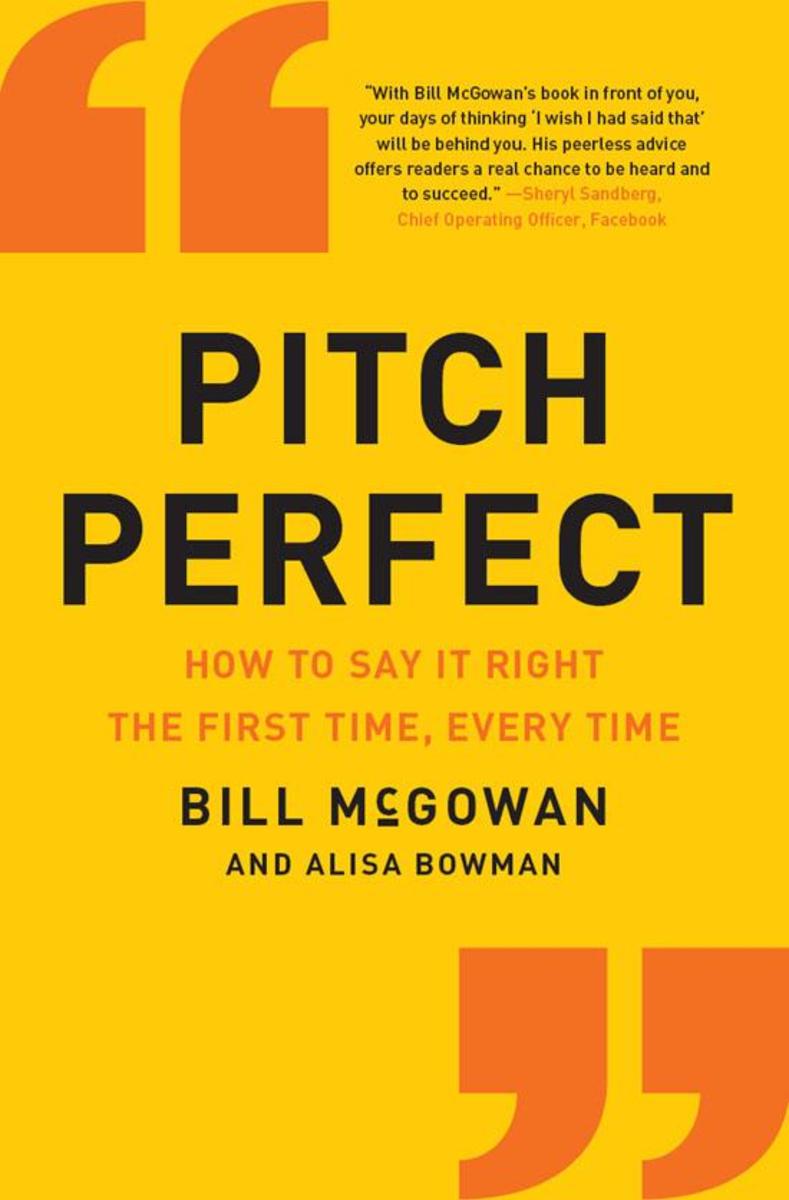
Pitch Perfect
¥155.02
The media coach and Emmy Award-winning correspondent Bill McGowan shares his secrets of pitch-perfect communications, showing readers how to communicate with confidence.During the pivotal moments of our lives, results are often determined not only by our actions but by our words as well. Saying the right thing the right way can make the difference between sealing the deal or losing the account, advancing your career or suffering a demotion. During these moments, it's important to be pitch perfect to use precisely the right tone to convey the right message to the right person at the right time. Such pitch-perfect moments are crucial in our personal and professional journeys. In Pitch Perfect, the renowned media coach Bill McGowan shows you how to craft just the right message. Along the way, McGowan lays out his Seven Principles of Persuasion, including: The Scorsese Principle: Hold your audience's attention with visual images. Direct the film that plays in your listener's mind. The No-Tailgating Principle: Avoid verbal fender-benders and career-wrecking moments by maintaining a safe talking distance. When in doubt, stop talking and listen. The Pasta-Sauce Principle: Cure boredom by boiling down your message, making it as rich and brief as possible. In Pitch Perfect, you'll learn how to overcome all these communication pitfalls. The Seven Principles of Persuasion are as easy to learn, implement, and master as they are effective. The right language both verbal and nonverbal can make you more confident, persuasive, and certain. It can stir people to listen closely to your every word and to remember you long after you've left the room.
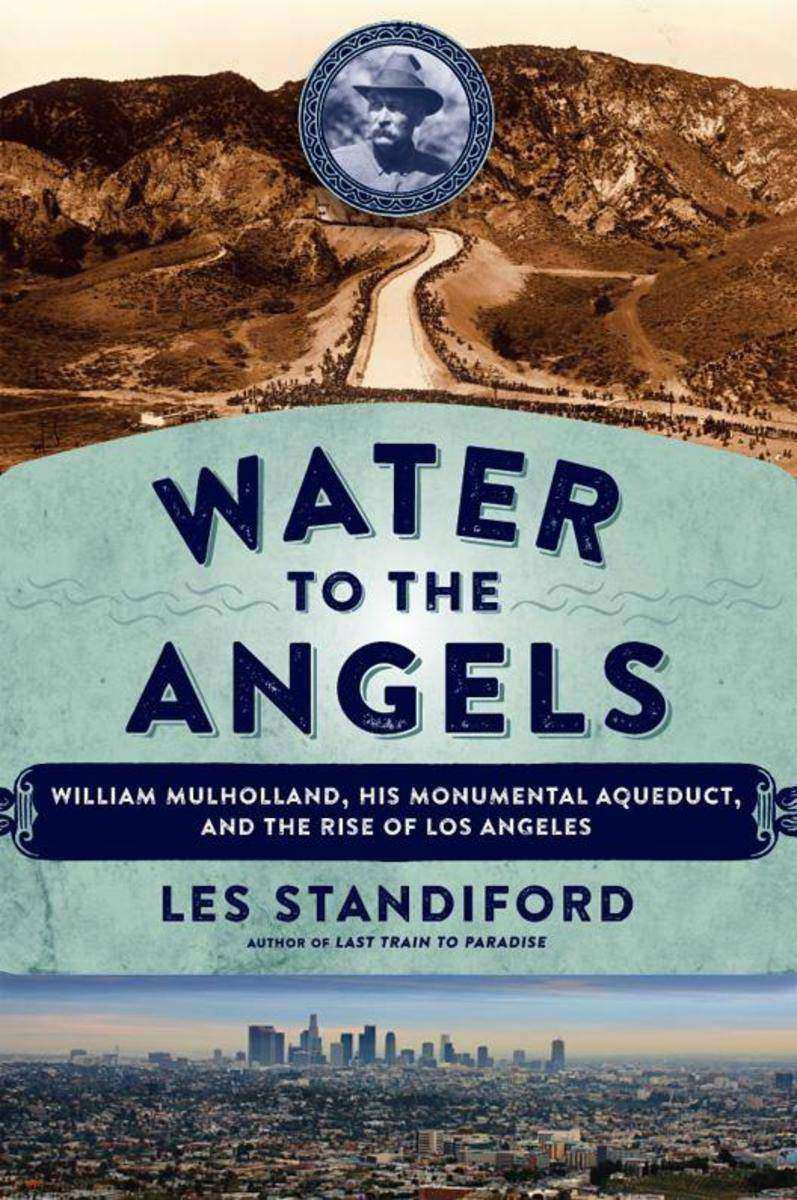
Water to the Angels
¥94.10
In 1907, Irish immigrant William Mulholland designed and began to build one of the greatest civil engineering feats in history: the aqueduct that carried water 233 miles from the Sierra Nevada Mountains to Los Angeles allowing this small, resource-challenged desert city to grow into a modern global metropolis. Drawing on new research, Les Standiford vividly captures the larger-than-life engineer and the breathtaking scope of his six-year, $23 million project that would transform a region, a state, and a nation at the dawn of its greatest century.Mulholland, a penniless Dublin immigrant who made his way west as a stowaway on a passenger ship, personifies the American rags-to-riches tale, working from a position as a ditchdigger to become chief engineer of the Los Angeles Water Company. Confronted with a decade-long drought that threatened his adopted city's future, the self taught Mulholland found the answer in the rushing snow melt from the Eastern Sierra Nevada Mountains, nearly 250 miles away. He proposed to build an aqueduct that would outdo any such ever conceived, one that would carry an entire river from its source to Los Angeles, through mountains, over chasms, and across an alternately freezing and blistering terra incognita, because he believed it was the city's only hope.The project brought a simmering-to-this-day firestorm of protest from residents of California's Owens Valley where the waters would be taken, as well as an all-out onslaught from political opponents and vested interests in Los Angeles, who were fearful of losing their stranglehold on the city's yield. But after nine years of struggle, including the efforts of thousands of workmen many of whom lost their lives and the use of engineering techniques and strategies never previously employed, Mulholland turned the gates and loosed the waters that brought an unprecedented wave of development and prosperity to his city and the region.Though the landmark film Chinatown touched on the subject, Mulholland was characterized there as Hollis Mulwray, a colorless pipsqueak easily dispatched by archvillain and developer Noah Cross (John Houston). In real life, however, Mulholland was every bit the equal of any of his foes, a colorful, brook-no-nonsense man of the people who accomplished a feat like no other and became a hero in the process. Water to the Angels is not only a book that provides insight into the seeds of significant ecological concerns of this day, it is also a stirring story of accomplishment against all odds, all the more captivating for being true.As Robert Towne, author of the screenplay for Chinatown suggests, the subject is timeless. "I found the ubiquity of water in everyone's lives to be compelling. Everybody needs water."At a time when the importance of water is being recognized as never before considered by many experts to be the essential resource of the twenty-first century Water to the Angels brings into focus the vigor of a fabled era, the might of a larger-than-life individual, and the scale of a priceless construction project, and sheds critical light on a past that offers insights for our future.


