


 购物车
 个人中心


实现中国梦的战略布局
¥4.35
本书紧密联系十九大精神,论述了“四个全面”战略布局的内涵、意义、内在逻辑关系等,从实现中国梦的实践指南、关键一步、关键一环、本质要求和制度保障、政治保证等方面对“四个全面”战略布局作了系统而详细的阐释,有助于党员干部深学习*新时代中国特色社会主义思想,理解“四个全面”战略布局的深刻涵义,更好地探索实现中华民族伟大复兴的中国梦的现实路径。


新时代领导干部执政本领提升
¥14.99
本书从历史溯源、现实分析、提升应用的视角,着重阐述领导干部如何增强学习、政治领导、改革创新、科学发展、依法执政、群众工作、狠抓落实、驾驭风险这八项执政本领,全面解读领导干部执政本领“是什么”“为什么”“怎么做”等一系列理论和实践问题,内容涵盖每一项执政本领的含义、来源、演变过程、重要意义和作用、具体的工作方法等方方面面,是一部逻辑清晰、语言通俗、针对性强的党政知识读物。

中国科技创新体制现代化
¥3.48
党的十八大提出实施创新驱动发展战略,强调科技创新是提高社会生产力和综合国力的战略支撑,必须摆在国家发展全局的核心位置。 《中国科技创新体制现代化》主要从现代化背景下的我国科技体制机制创新、我国科技文化融合的现代化趋势、科学共同体现代化的体制机制创新、科学基金组织结构与职能改革创新、网络时代科普能力现代化建设的体制机制创新、科普能力现代化的社会基础与社会责任等六个方面作了系统而详细的探究,对于推进新形势下我国科技创新体制现代化提供十分重要的价值参考。

党支部工作规程与方法(2018版)
¥3.29
本书以新党章及现行党内法规,系统总结了各行各业党支部工作的好方法、好经验,全面、简明、具体地回答了党支部做好每一项工作的工作规程、方式方法和操作要求;每一篇结尾都设有典型案例、深度思考题等栏目,让读者在阅读思考中对照实际情况,找到适合自己的工作方法;详细介绍了党支部常用的一些文书格式和撰写方法。本书是广大基层党务工作者做好支部工作的实用手册。
基层党务工作手册(2018版)
¥3.99
?党建工作的着眼在哪儿?在基层党组织。党建工作的突破在哪儿?在基层组织的实践创新。《基层党务工作手册(新时期党建工作手册)》由东方治主编,全面贯彻落实十七届四中、五中全会精神,找准各类基层党组织展活动、发挥作用的着力,对近些年来基层党建工作的成功经验行了科学总结和理论概括。全面、系统、简明、具体地解答了新时期基层党组织在发展党员,党员教育、管理、监督、服务及换届选举等各项党务工作中的方式方法、工作规程和操作中出现的实际问题,以关键词、核心提要和创新案例的版块设置,生动、详实、灵活、多样地展知识框架,是基层党务工作者的案头读物。 ? ? ? ? ? ? ? ? ? ? ? ? ? ? ? ??
社区党组织建设工作实务(2018版)
¥3.99
《社区党组织建设工作实务》围绕社区党组织的定位、设置、选举;社区“两新组织”体系建设;在社区深推“三有一化”建设;加强村改社区、新建小区党建工作;推网格化管理、组团式服务,不断提高社区党组织社会管理能力和服务群众能力等方面系统地论述了街道社区党建工作的方式方法、工作程序和操作规程。是社区党组织贯彻落实基层组织建设年实施意见,深化创先争优活动的参考用书。
我们都是新时代答卷人
¥3.99
面对决胜全面建成小康社会的艰巨任务,面对实现中华民族伟大复兴的历史使命,党员干部须做到居安思危、敬终如始。新时代已经带来了发展新要求、新课题,本书涵盖了谁出卷、谁答卷、谁阅卷等几个方面的内容,倡导党员干部要做到信念过硬、政治过硬、责任过硬、能力过硬、作风过硬,全面阐述了新时代对答卷人的新要求,帮助广大党员干部成为新时代合格答卷人。

新编预备党员培训教材(2018版)
¥3.26
由李俊伟、徐云鹏和赵晓刚共同编*的《新编预 备党员培训教材(2017版)》一书紧扣党的十八大、 十八届六中中全会精神以及中国梦、培养和践行社会 主义核心价值观等相关理论知识和《关于加强新形势 下发展党员和党员管理工作的意见》精神,分十二章 主要对确立预备期的意义、预备党员应该具备的素质 、预备党员转正的程序等行了介绍。每章的*后部 分是针对本章内容中关于预备党员的培养、教育、管 理工作中的疑难解析。本书版式新颖,内容紧扣主题 ,观**、准确,语言通俗,对预备党员如何渡过 预备期达到党员要求,从而真正成为一名共产党员将 起到很好的帮助和指导作用。此外,也可作为“新党 员培训工程”的选用教材之一。
马克思主义理论学科建设和思想政治理论课教学研究(高校马克思主义理论教学与研究文库)
¥40.28
本书分为三篇:高校马克思主义理论学科建设、高校思想政治理论课教学内容改革、思想政治理论课教学方法研究,对马克思主义理论学科整体性研究的基本关系、马克思主义理论学科建设与思想政治理论课的关系、“中国特色社会主义理论与实践研究”课程的教学理念及思路和方法、加强思想政治理论课教学有效性和针对性的思路和途径等几个重要问题进行了系统梳理和深入的探讨。
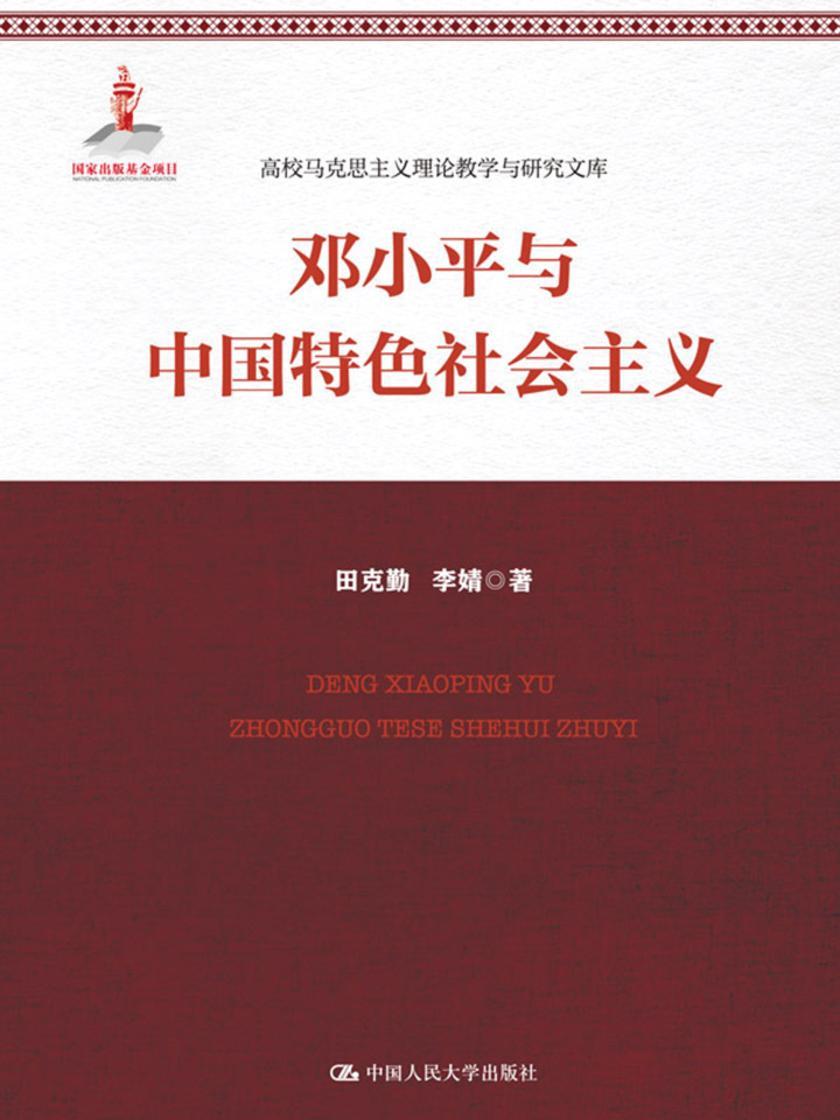
邓小平与中国特色社会主义(高校马克思主义理论教学与研究文库)
¥54.17
本书以新时期马克思主义中国化的推进为主线,以中国特色社会主义为主题,以改革开放和社会主义现代化建设为实践背景,以邓小平同志在开创中国特色社会主义道路、形成中国特色社会主义理论体系、确立中国特色社会主义制度过程中所做出的杰出贡献为主要内容,力求深入阐述邓小平和邓小平理论的历史地位及其当代价值,充分体现党的十八大和习近平总书记系列重要讲话精神。
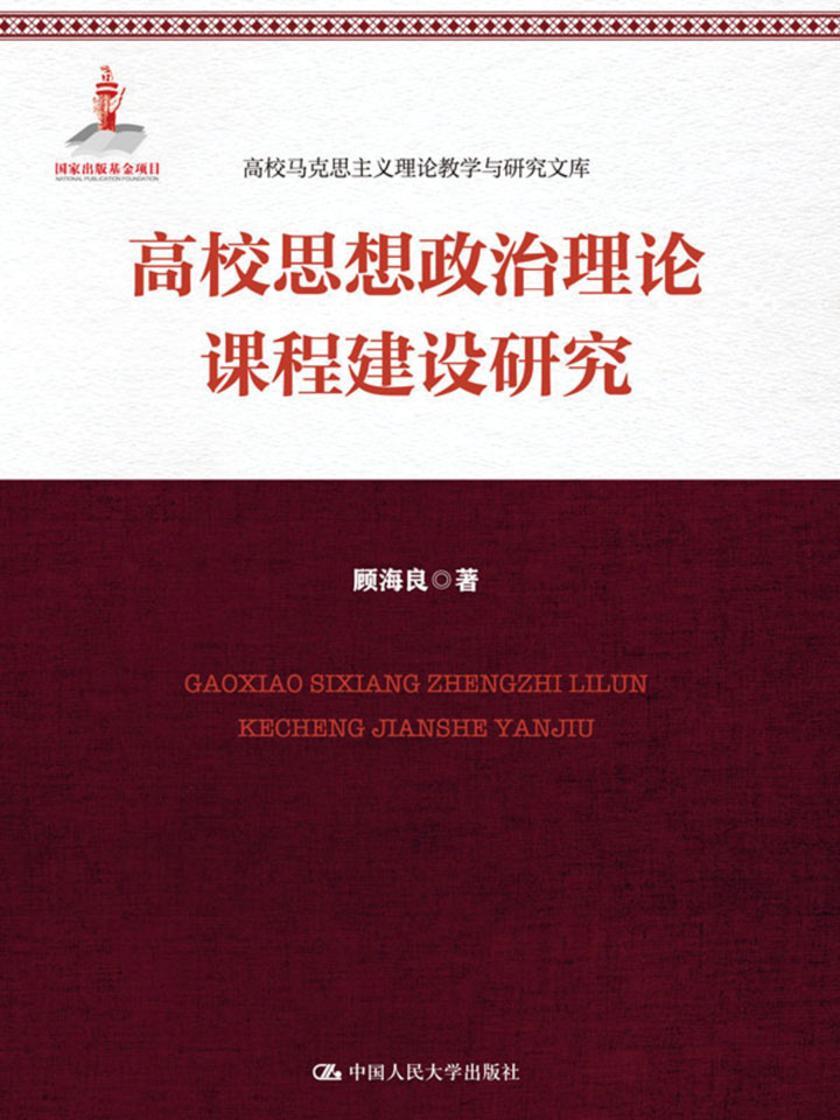
高校思想政治理论课程建设研究(高校马克思主义理论教学与研究文库)
¥34.80
本书分为四篇:指导思想探索”、“学科建设思考”、“课程改革研究”、“基本理论探析”,对改革开放以来高校思想政治理论课程改革历程及其经验、当前马克思主义理论学科建设的主要问题、思想政治理论课程教学中一些理论问题、“05方案”实施以来高校思想政治理论课程改革新情况和新问题进行了系统的梳理和深入的探讨。

居民自治(上):经验提炼与梳理
¥22.40
《居民自治(上):经验提炼与梳理》从自治机制的新探索、自治规则的制度化、自治体系的规范化、自治主体的再构建这四个部分,对上海市各街镇、居委会的居民自治工作行经验提炼与梳理,探析了社区与居民之间是如何通过自治行互动的, 在自治模式、制度上有了新的突破和创新,对上海深推居民自治、社区治理有着很好的指导意义和借鉴作用。
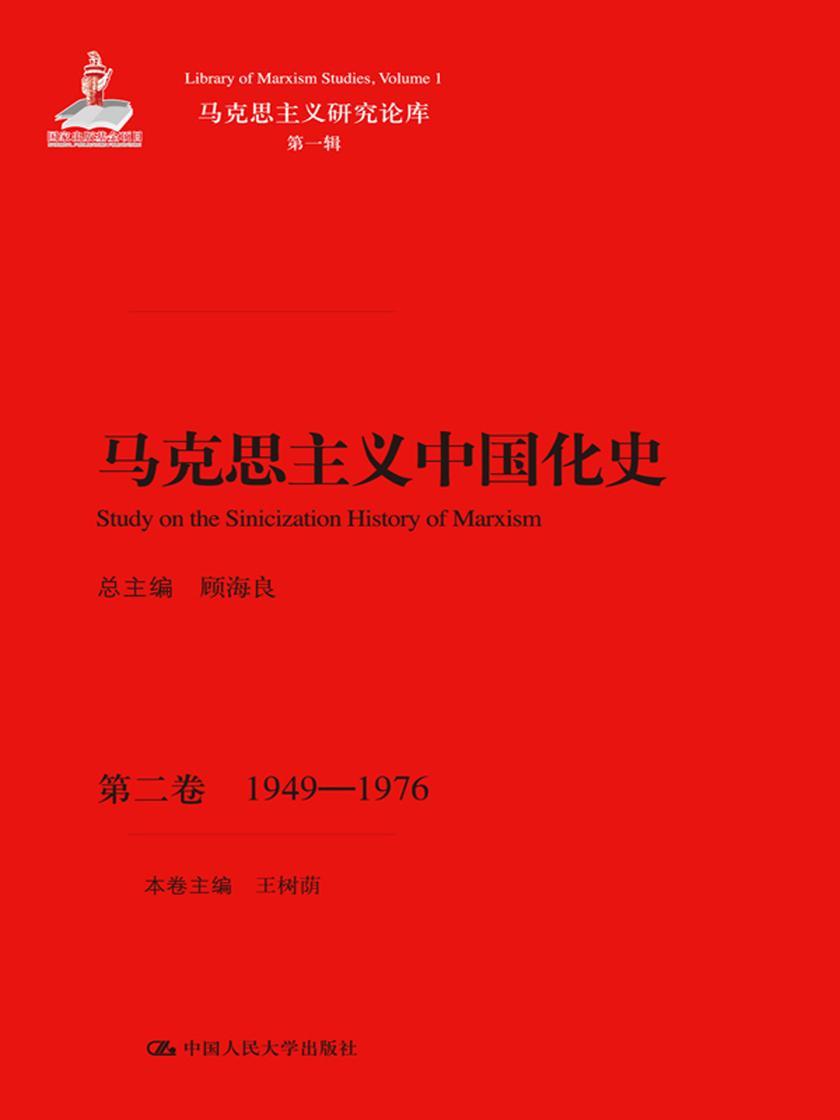
马克思主义中国化史·第二卷·1949-1976(马克思主义研究论库·第一辑;国家出版基金项目)
¥60.42
1949年10月至1976年10月,是马克思主义中国化历史程中承前启后的重要时期。1956年社会主义改造基本完成,中国从新民主主义社会社会主义初级阶段,成功实现了中国历*深刻伟大的社会变革。中国共产党沿着马克思主义基本原理与中国实际“第二次结合”这条主线,围绕“什么是社会主义,怎样建设社会主义”这一时代主题,始了全新的探索历程,既有凯歌行的峥嵘岁月,也有挫折失误的曲折历程,取得了独创性理论成果和巨大成就,为当代中国一切发展步奠定了根本政治前提和制度基础,为新的历史时期创中国特色社会主义提供了宝贵经验、理论准备、物质基础。本书将全面阐述这一时期中国共产党人探索中国社会主义革命和建设道路的曲折历程与经验教训,系统展示以*为核心的党的代中央领导集体探索中国社会主义道路、马克思主义基本原理与中国实际“第二次结合”程中的理论成果。
求实创新
¥2.00
对于个人来说,创新能够让你领先于众人甚至独占鳌头,对于一个国家和民族,创新在其间的意义更为深远。可以说,创新是一个民族进步的灵魂,是国家兴旺发达的不竭动力,只有不断创新,一个国家或民族才能永远充满活力,蒸蒸日上,保持自己的先进地位而稳立于世界民族之林。要时刻记得,自古以来,加速旧事物的灭亡、促进新事物的成长和不断发展壮大,唯有创新一条路。

The New Freedom: [Illustrated & Biography Added]
¥23.14
The book is not a discussion of measures or of programs. It is an attempt to express the new spirit of our politics and to set forth, in large terms which may stick in the imagination, what it is that must be done if we are to restore our politics to their full spiritual vigor again, and our national life, whether in trade, in industry, or in what concerns us only as families and individuals, to its purity, its self-respect, and its pristine strength and freedom. The New Freedom is only the old revived and clothed in the unconquerable strength of modern America. I have not written a book since the campaign. I did not write this book at all. It is the result of the editorial literary skill of Mr. William Bayard Hale, who has put together here in their right sequences the more suggestive portions of my campaign speeches.And yet it is not a book of campaign speeches. It is a discussion of a number of very vital subjects in the free form of extemporaneously spoken words. I have left the sentences in the form in which they were stenographically reported. I have not tried to alter the easy-going and often colloquial phraseology in which they were uttered from the platform, in the hope that they would seem the more fresh and spontaneous because of their very lack of pruning and recasting. They have been suffered to run their unpremeditated course even at the cost of such repetition and redundancy as the ex-temporaneous speaker apparently inevitably falls into. WOODROW WILSON. ABOUT WOLSON: Thomas Woodrow Wilson, known as Woodrow Wil-son (1856 –1924), was an American politician and academic who served as the 28th President of the United States from 1913 to 1921. Born in Staunton, Virginia, he spent his early years in Augusta, Georgia and Columbia, South Carolina. Wilson earned a PhD in political science at Johns Hopkins University, and served as a professor and scholar at various institutions before being chosen as President of Princeton University, a position he held from 1902 to 1910. In the election of 1910, he was the gubernatorial candidate of New Jersey's Democratic Party, and was elected the 34th Governor of New Jersey, serving from 1911 to 1913. Running for president in 1912, Wilson benefited from a split in the Republican Party, which enabled his plurality of just over forty percent to win him a large electoral college margin. He was the first Southerner elected as president since 1848, and Wilson was a lea-ding force in theProgressive Movement, bolstered by his Democratic Party's winning control of both the White House and Congress in 1912. In office, Wilson reintroduced the spoken State of the Union, which had been out of use since 1801. Leading the Congress, now in Democratic hands, he oversaw the passage of progressive legislative policies unparalleled until the New Deal in 1933. Included among these were the Federal Reserve Act, Federal Trade Commission Act, the Clayton Antitrust Act, and the Federal Farm Loan Act. Having taken office one month after ratification of the Sixteenth Amendment, Wilson called a special session of Congress, whose work culminated in theRevenue Act of 1913, reintroducing an income tax and lowering tariffs. Through passage of the Adamson Act, imposing an 8-hour workday for railroads, he averted a railroad strike and an ensuing economic crisis. Upon the outbreak of World War I in 1914, Wilson maintained a policy of neutrality, while pursuing a more aggressive policy in dealing with Mexico's civil war. ***

Medicina bun?. Solu?ii naturale sigure pentru peste 75 de probleme de s?n?tate g
¥90.84
Ce greu este orice nceput! Dar necesar, de neocolit. Nu tim cum va fi sfritul, nu tim nici mcar ce form va lua drumul, dect n linii mari; dar pentru c suntem aici, pe acest pmnt i pe acest continent, Europa, trebuie s re-ncepem, moralitatea noastr va fi cea a luptei i a onestitii n lupt. Avem libertatea, adevrat, n sfrit o avem, a sosit att de trziu nct, dei o pipim i o simim, pare incredibil. Dar ea nu este mai mult dect o form, o form goal ce va trebui umplut...“ (Nicolae Breban)

Valetul de pic?
¥42.92
Cu o precizie remarcabil?, George Friedman a prognozat tendin?e viitoare ?n politica, tehnologia, cultura ?i demografia global?. ?n Puncte de presiune, Friedman se concentreaz? asupra Europei – centrul cultural ?i de putere al lumii ?n ultimele cinci secole... p?n? acum. Analiz?nd cele mai instabile, imprevizibile ?i fascinante linii de grani?? ale Europei ?i Rusiei – ?i liniile de falie care au existat vreme de secole ?i care au fost motivul a numeroase r?zboaie catastrofale – Friedman scoate ?n eviden??, ?ntr-o modalitate inedit?, punctele de presiune care au ?nceput din nou s? cedeze. Uniunea European? de ast?zi a fost construit? ?n mare parte pentru a reduce la minimum tensiunile geopolitice care au sf??iat continentul de-a lungul istoriei. Dup? cum demonstreaz? Friedman, folosindu-se de o bogat? analiz? istoric? ?i cultural?, acest model a ?nceput s? ??i arate limitele. Puncte de presiune relateaz? istoria vie a Europei ?i explic?, cu mult? claritate, care sunt cele mai volatile regiuni ale acesteia: teritoriul agitat ?i mereu ?n schimbare dintre Occident ?i Rusia (o zon? mare care include, ?n prezent, Ucraina, Belarus ?i Lituania); vechea linie de grani?? dintre Germania ?i Fran?a ?i zona Mediteranei, care este leag?nul iudaismului ?i al cre?tinismului ?i care a devenit un centru al vie?ii islamice. Din paginile scrise de Friedman se desprinde o imagine clar? a regiunilor ?i ??rilor, iar istoria ?ncepe s? se contureze precis. Puncte de presiune este o analiz? cuprinz?toare a Europei moderne, a trecutului s?u remarcabil ?i a faliilor care s-au trezit la via?? ?i care vor fi fundamentale ?n viitorul apropiat. Aceasta este cea mai oportun? ?i, p?n? la urm?, cea mai fascinant? carte a lui Friedman. ?... ?n preajma lui George Friedman, exist? mereu tenta?ia de a-l confunda cu un glob de cristal, capabil s? ??i arate viitorul.“ — The New York Times Magazine ?Friedman descrie ?n culori vii o regiune unde amintirile sunt vechi, vulnerabilit??ile omniprezente ?i amenin??rile apar rapid ?i pe nea?teptate...“ — Publishers Weekly ?Kronika“ este colec?ia ?n care umanitatea este reconstruit? prin c?r?i care ne ajut? s? p?trundem ?n culisele celor mai interesante evenimente politice, sociale sau financiare de ieri ?i de ast?zi.
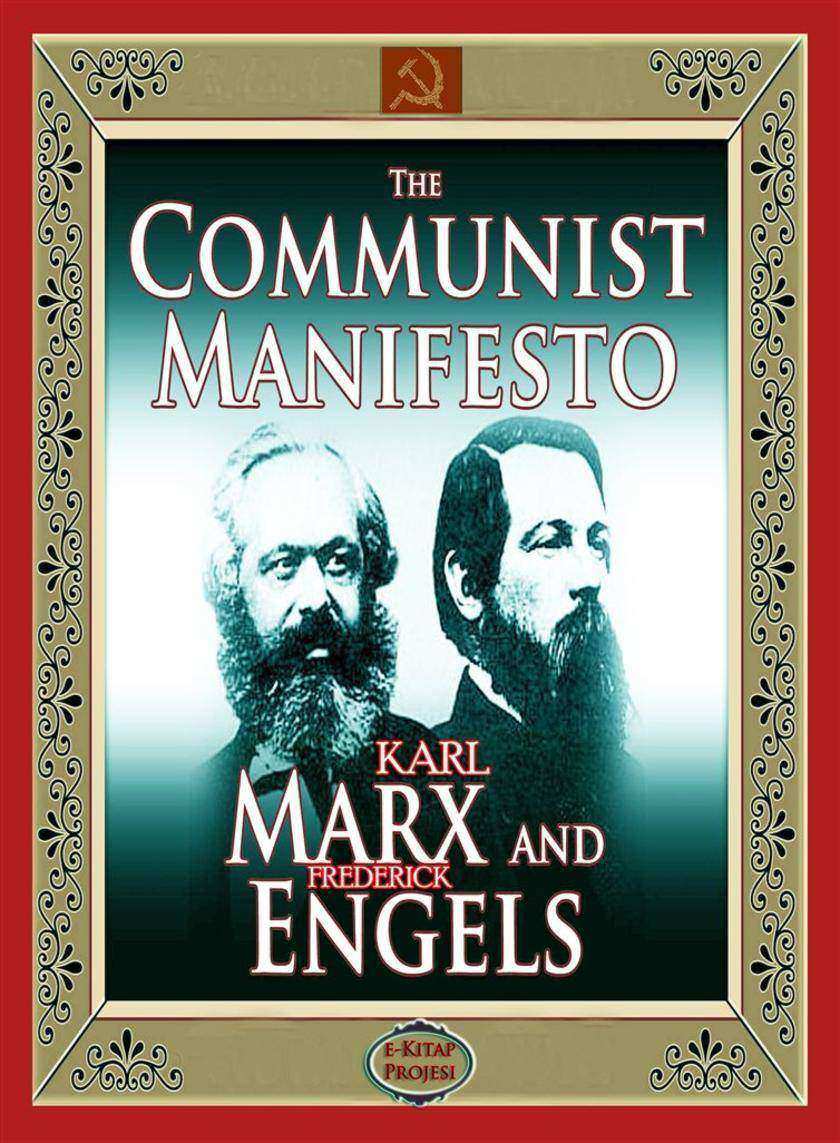
The Communist Manifesto
¥28.37
The “Manifesto of the Communist Party” was written by Marx and Engels as the Communist League’s programme on the instruction of its Second Congress (London, November 29-December 8, 1847), which signified a victory for the followers of a new proletarian line during the discussion of the programme questions. ??When Congress was still in preparation, Marx and Engels arrived at the conclusion that the final programme document should be in the form of a Party manifesto (see Engels’ letter to Marx of November 23-24, 1847). The catechism form usual for the secret societies of the time and retained in the “Draft of a Communist Confession of Faith” and “Principles of Communism,” was not suitable for a full and substantial exposition of the new revolutionary world outlook, for a comprehensive formulation of the proletarian movement’s aims and tasks. See also “Demands of the Communist Party in Germany,” issued by Marx soon after publication of the Manifesto, which addressed the immediate demands of the movement. ??Marx and Engels began working together on the Manifesto while they were still in London immediately after the congress, and continued until about December 13 when Marx returned to Brussels; they resumed their work four days later (December 17) when Engels arrived there. After Engels’ departure for Paris at the end of December and up to his return on January 31, Marx worked on the Manifesto alone. ??The first edition of the Manifesto was a 23-page pamphlet in a dark green cover. In April-May 1848 another edition was put out. The text took up 30 pages, some misprints of the first edition were corrected, and the punctuation improved. Subsequently this text was used by Marx and Engels as a basis for later authorised editions. Between March and July 1848 the Manifesto was printed in the Deutsche Londoner Zeitung, a democratic newspaper of the German emigrants. Already that same year numerous efforts were made to publish the Manifesto in other European languages. A Danish, a Polish (in Paris) and a Swedish (under a different title: “The Voice of Communism. Declaration of the Communist Party”) editions appeared in 1848. The translations into French, Italian and Spanish made at that time remained unpublished. In April 1848, Engels, then in Barmen, was translating the Manifesto into English, but he managed to translate only half of it, and the first English translation, made by Helen Macfarlane, was not published until two years later, between June and November 1850, in the Chartist journal The Red Republican. Its editor, Julian Harney, named the authors for the first time in the introduction to this publication. All earlier and many subsequent editions of the Manifesto were anonymous.
Шепот-шепоток. Чудодейственная сила слов
¥17.74
Mykola Riabchuk, a renowned Ukrainian public intellectual and political analyst, has been closely following and commenting on political developments in Ukraine since the early years of its independence. His best essays, collected within this book, focus primarily on the years of the presidency of Victor Yanukovych which were marked by a state capture, democratic recession and creeping authoritarian consolidation. An astute analysis of political processes combined with a sound essayistic narrative make the book essential reading for political scientists, students, and all those interested in the region.
Startra kész nemzet: Izrael gazdasági csodájának t?rténete
¥71.69
The Americans live in a democratic state of society, which has naturally suggested to them certain laws and a certain political character. This same state of society has, moreover, engendered amongst them a multitude of feelings and opinions which were unknown amongst the elder aristocratic communities of Europe: it has destroyed or modified all the relations which before existed, and established others of a novel kind. The—aspect of civil society has been no less affected by these changes than that of the political world. The former subject has been treated of in the work on the Democracy of America, which I published five years ago; to examine the latter is the object of the present book; but these two parts complete each other, and form one and the same work. I must at once warn the reader against an error which would be extremely prejudicial to me. When he finds that I attribute so many different consequences to the principle of equality, he may thence infer that I consider that principle to be the sole cause of all that takes place in the present age: but this would be to impute to me a very narrow view. A multitude of opinions, feelings, and propensities are now in existence, which owe their origin to circumstances unconnected with or even contrary to the principle of equality. Thus if I were to select the United States as an example, I could easily prove that the nature of the country, the origin of its inhabitants, the religion of its founders, their acquired knowledge, and their former habits, have exercised, and still exercise, independently of democracy, a vast influence upon the thoughts and feelings of that people. Different causes, but no less distinct from the circumstance of the equality of conditions, might be traced in Europe, and would explain a great portion of the occurrences taking place amongst us. I acknowledge the existence of all these different causes, and their power, but my subject does not lead me to treat of them. I have not undertaken to unfold the reason of all our inclinations and all our notions: my only object is to show in what respects the principle of equality has modified both the former and the latter. Some readers may perhaps be astonished that—firmly persuaded as I am that the democratic revolution which we are witnessing is an irresistible fact against which it would be neither desirable nor wise to struggle—I should often have had occasion in this book to address language of such severity to those democratic communities which this revolution has brought into being. My answer is simply, that it is because I am not an adversary of democracy, that I have sought to speak of democracy in all sincerity. Men will not accept truth at the hands of their enemies, and truth is seldom offered to them by their friends: for this reason I have spoken it. I trust that my readers will find in this Second Part that impartiality which seems to have been remarked in the former work. Placed as I am in the midst of the conflicting opinions between which we are divided, I have endeavored to suppress within me for a time the favorable sympathies or the adverse emotions with which each of them inspires me. If those who read this book can find a single sentence intended to flatter any of the great parties which have agitated my country, or any of those petty factions which now harass and weaken it, let such readers raise their voices to accuse me. The subject I have sought to embrace is immense, for it includes the greater part of the feelings and opinions to which the new state of society has given birth. Such a subject is doubtless above my strength, and in treating it I have not succeeded in satisfying myself. But, if I have not been able to reach the goal which I had in view, my readers will at least do me the justice to acknowledge that I have conceived and followed up my undertaking in a spirit not unworthy of success. A. De T.
England, My England
¥8.01
Dbbenetes és elspr" Elton JohnA drogellenes háború dbbenetes trténetének els elbeszélése. Bátor nemzetkzi tudósítás, melyben az írót személyes érintettség vezérelte a kábítószerfüggség témájában.2015-ben már pontosan egy évszázada lesz, hogy az Egyesült llamok hadat üzent a kábítószernek. De nincs okunk gyzelmi táncot lejteni. A drogellenes háború centenáriumi évében Johann Hari újságíró a saját szemével látja, miként züllik el egyik kzeli rokona, valamint volt barátja is a kokain és a heroin miatt és talán maga is a drogfüggség felé sodródik. De milyen is valójában a drogellenes háború Mi Hari szerepe, és melyik trténetben A merész tudósító egy két éven át tartó, húszezer mérfldes útra indult ennek a harcnak a frontvonalán, hogy kiderítse, mit jelent a drogellenes háború világszerte, és hogyan léphetnénk túl rajta.A kábulat ára drámai, személyes trténetekre épül. Hari saját trténetére, és azokéra, akikkel kutatómunkája és interjúi során megismerkedik: egy transzszexuális brooklyni kokaindíler, aki tudni akarja, ki lte meg az anyját, és egy mexikói anya, aki éveken át kereste a sivatagban a lánya gyilkosát. Egy gyerek, akit a holokauszt idején egy budapesti gettóból csempésztek ki, és aki segített feltárni a függség tudományos magyarázatát. Uruguay elnke, aki éveket tlttt katonai brtnben, és aki legalizálta a marihuánát, hogy megpróbáljon gátat szabni az országában dúló erszaknak.A kábulat ára erteljes, lendületes és meggyz knyv, mely képet ad arról, mennyire pusztítóak a drogok is, és a kormányok drogellenes erfeszítései is. Egy emberibb jvt mer álmodni.Johann Hari írt tbbek kztt a New York Times, az LA Times, a Guardian, a Le Monde, a Slate, a New Republic és a Nation lapokban. Kilenc éven át volt az Independent rovatvezetje, és kétszer nyerte el az Amnesty International UK Az év újságírója címét. Az Editorial Intelligence- tl Az év kulturális kommentátora, a Stonewall-tól pedig Az év meleg újságírója díjat is megkapta. A kábulat ára az els knyve.


