


 购物车
购物车 个人中心
个人中心
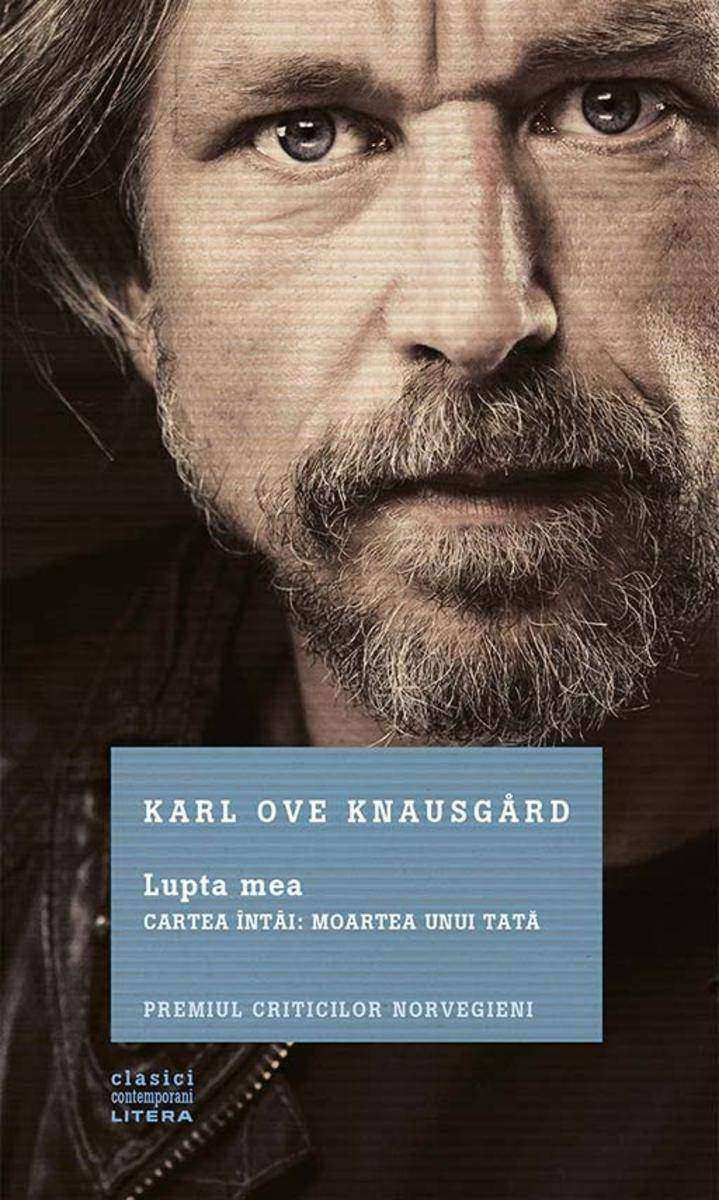
Lupta mea. Cartea ?nt?i: Moartea unui tat?
¥66.22
Devenit p?rinte, Karl Ove Knausgård se reg?se?te în fa?a propriului eu, un pu?ti sensibil, care cre?te în umbra unui frate sociabil, a unei mame adesea absente ?i a unui tat? cu accese de mânie imprevizibile. Maturizarea lent? a sentimentelor, flirturile nelini?tite, pasiunea pentru rock compun cu o onestitate dureroas? romanul unui adolescent hipersensibil. O c?l?torie afectiv? de o fidelitate absolut?, o explorare proustian? a propriului trecut, o poveste deopotriv? intim? ?i universal?, care pune problema capacit??ii literaturii de a descrie via?a, doar via?a, în toate aspectele ei. „... extrem de sincer, Knausgård... vrea s? ne introduc? în cotidianul vie?ii, care este uneori vizionar, alteori banal, alteori profund semnificativ, dar, prin for?a lucrurilor, absolut obi?nuit, pentru c? ni se întâmpl? pe tot parcursul vie?ii ?i tuturor...” – The New Yorker „O reu?it? rar?. Nici un scriitor din genera?ia sa nu egaleaz? combina?ia lui Karl Ove Knausgård de talent, stil, spirit de observa?ie ?i originalitate...” – Dagens Næringsliv „Dur ?i plin de for?? precum granitul. Mai real decât realitatea.” – La Repubblica
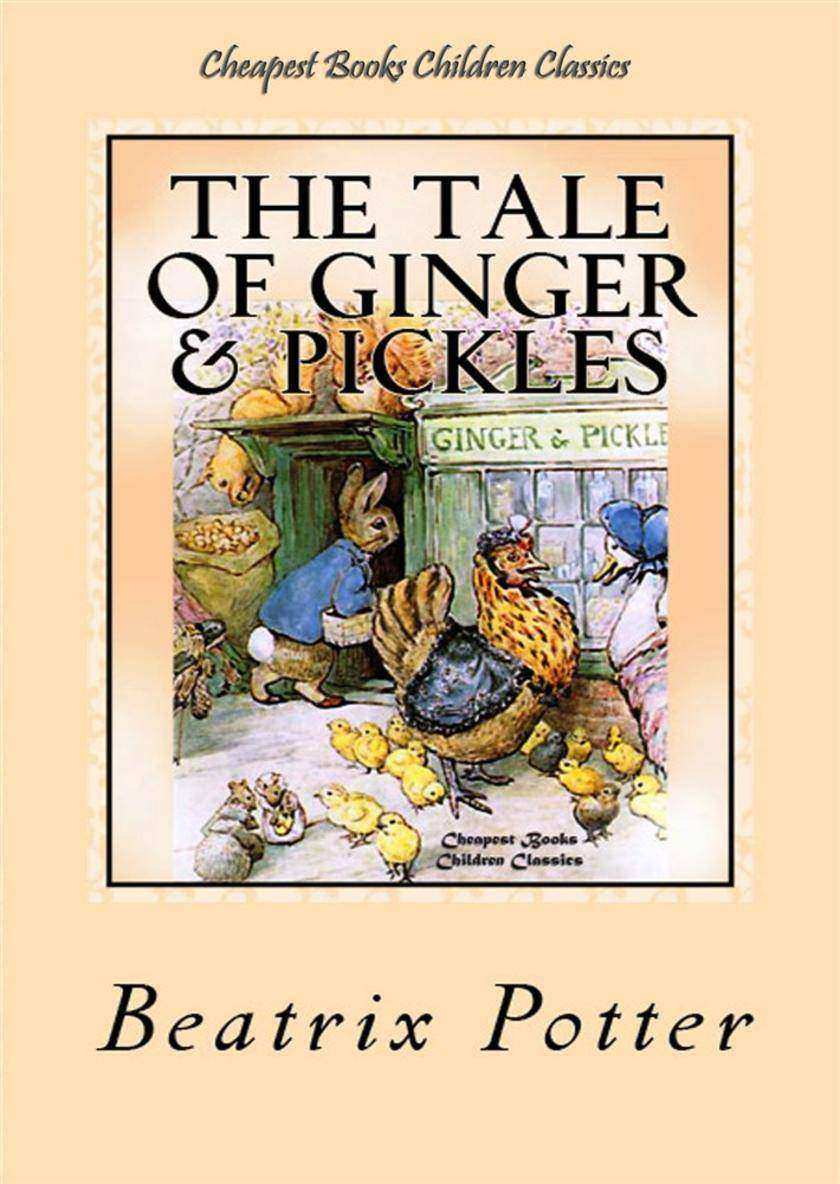
The Tale of Ginger and Pickles: "Three Years in Bed and Never a Grumble!"
¥9.24
ONCE upon a time there was a village shop. The name over the window was "Ginger and Pickles."??It was a little small shop just the right size for Dolls??”Lucinda and Jane Doll-cook always bought their groceries at Ginger and Pickles.??The counter inside was a convenient height for rabbits. Ginger and Pickles sold red spotty pocket-handkerchiefs at a penny three farthings.??They also sold sugar, and snuff and galoshes.?In fact, although it was such a small shop it sold nearly everything -except a few things that you want in a hurry like bootlaces-, hair-pins and mutton chops.?Ginger and Pickles were the people who kept the shop. Ginger was a yellow tom-cat, and Pickles was a terrier.??The rabbits were always a little bit afraid of Pickles.
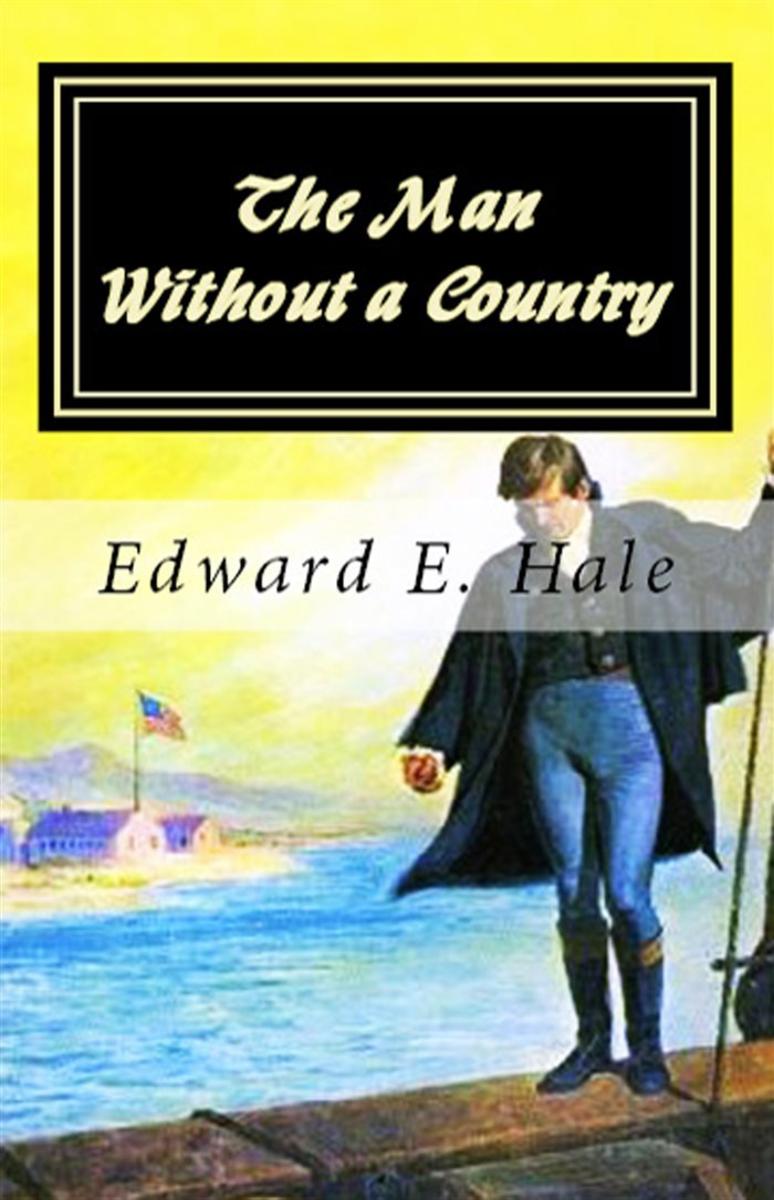
The Man Without a Country: (Illustrated)
¥12.18
"The Man Without a Country" first appeared in the Atlantic Monthlyfor December, 1863. It was the author's wish that it be published anonymously, in the hope that it might be ascribed to some officer of the Navy; but unfortunately, the man who compiled the year's index for the magazine, which was mailed with the December number, recognized Dr. Hale's handwriting, and gave him credit for it in the index. The story was written during the darkest period of the Civil War, and this war is perhaps the gloomiest period in the history of our great republic in the history of our great Republic; it was written at a time when one-half of the people in the United States were burning with patriotism, and were ready to lay down their lives to preserve the Union, while the other half were striving to disrupt what to them was merely a confederation of States, in no wise binding, and were damning the United States, even as did Philip Nolan; at at time when the President was bending low under the weight of sorrow for the loss of thousands of noble men who were falling in battle, and was enduring in pitiful silence the villification that was heaped upon him by the "copper-head" opposition; at a time when patriotism was preached in the pulpit, sung by our poets, and exhaled with every breath. The story launched in such an atmosphere, met with immediate favor. It was reprinted everywhere without regard for copyright, and was translated into several foreign languages. It was accepted by many as a narrative of actual facts, and provoked many discussions as to whether Philip Nolan was a real person; some even went so far as to identify him.
Orman ve ?ifac? Ke?iler: ?ocuk Roman?
¥18.39
OBAN ve ORMAN Dirmil, dalarla evrili bir ovann banda Oyuk Da’na yaslanm ayaklarnn ucunda duran kylere yukardan bakyordu. Batdan toplad tepeleri, douya da sralar ve platolar eklinde datmt. Bin yllk sedirler, ardlar tüm grkemiyle Kzlar Sivrisi’nden ehre doru iniyordu. Kzlcklar, pynarlar, allar, am aalar, sedirler; ieini am kekikler, papatyalar, da menekeleri, sessizlikte patlayan bin bir tomurcuk; arlara, kelebeklere ve insanlara kollarn am beklemekteydi. Doruklarn kar nisan yamurlaryla eridi. Yapraklardan düen damlalar, yamalardan patlayan kara sular; pnarlar, dereler, kocaman Dirmil ay’ndan kpüre kpüre alayarak akt ve Yaprakl’da koca bir deniz oluturdu. Oluktan akan sular, kaln am aac gvdelerine oyulmu yalaklar doldurup dalarn vefal dostu keileri sulad gibi doruk ocuklar iin de bir plaj saylrd. Gulaz zamanyd (kei ve koyunlarn kuzulama aylar) bütün keiler, koyunlar kuzulayp sürüler oald. Kuzularn, olaklarn az sütlerine ocuklar, obanlar ortak oldu. Duman tüten topraklar sürüldü. Taa, kua, topraa deyip ü kere atld tohum. Ve bire bin verdi tohum. Dirmil ülkesinde gkyüzüne bakp dü kuran, ay dededen pabu isteyen, elledikleri ku yumurtalarnn scaklnda uyuyup kalan ocuklar ve bu ocuklarn askere gidene kadar elik omak oynayan babalar vard. Evimiz Dirmil’dedir: Doduumuz, lülerimizi uurladmz, bizi toplayan, bekleyen evlerimiz. Cumbal, kklü, saaklarnda rtenlerin bakt evlerimiz… Krmz kiremitleriyle yeil bahelere yaslanm ahap sesli evlerimiz. HALL ERDEM 1961 Dirmil-Burdur doumlu. Gazi niversitesi Eitim Fakültesi Snf retmenliini bitirdi. Türke Blümünde lisans tamamlad. Kar Aydnl (Roman) Fam Yaynlar 2014 Dirmil mürcüsü (Roman) Fam Yaynlar2006- 2014 Goca Meryem (Roman) Fam Yaynlar 2014 Tokat (ocuk Roman) Kendi Yayn 2013 Teke Yresi Halk nanlar (Aratrma - inceleme) Kendi Yayn 2008 Karacaolan Geleneinde Dirmil Güzellemeleri ve yküler (Aratrma inceleme) 2011 Alter Yay. Gece Mavisinde Ak (iir) Kendi Yayn 1998 Ve Alld lüme (iir ) Temmuz Yaynlar 1990 Kardan Adam (ocuk iirleri) Kendi Yayn 1998 Ik Avclar (ocuk iirleri) Kendi Yayn) 2013 pten rendiim Hayat ocuk Kitab 2015 Gl Hikayeleri (ykü) 2015 iir ve yazlarn Bahe, Mavi Umut, Bahar, al, retmen Dünyas, Dirmil, Noktam, Bezuvar, süje, Kar dergilerinde yaynlad. Beykonak Eitim ve Kültür Vakf Yirce iir Yarmasnda. Ne-Var Yok iiriyle Birincilik ald. (2004) Resim almalarn da yürüten Halil ERDEM 3 kiisel, 25 karma resim sergi etkinliinde bulundu.
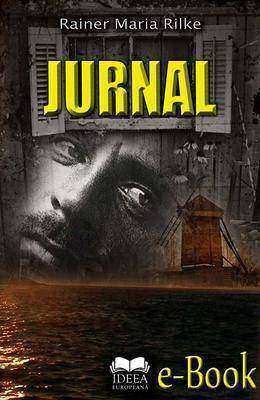
Jurnal
¥85.05
Un roman splendid de aventuri africane. Suspence. Intrig? erotic?. Speciali?ti de ?nalt? clas? angrena?i ?ntr-o textura epic? de o densitate surprinz?toare.?Jerome a fost ?oferul agen?iei noastre ONU din Abidjan, Coasta de Filde?. ?ofer, am zis? Cred c? am exagerat. El nu ?tia s? conduc?. Volanul, ambreiajul, fr?nele, acceleratorul, dar mai ales schimb?torul de viteze erau instrumente care-l ?ngrozeau. Nu ?tiu cum a ob?inut permisul de conducere. Nu ?tiu cum s-a strecurat pe lista personalului auxiliar al Programului Na?iunilor Unite pentru Dezvoltare – PNUD, local. ?n mod normal, dup? c?teva zile, ar fi trebuit s?-l schimb cu un adevarat ?ofer. Dar era prea t?rziu. M? ata?asem de el, de r?sul lui nechezat, de optimismul lui absurd, de povestirile lui tipic africane, ?n care realitatea se confund? cu imagina?ia ?i ?n care el juc? rolul fiec?rui erou, cel mai ?nzestrat fiind el ?nsu?i, bine?n?eles. El ne-a ajutat, cu riscul libert??ii ?i, uneori, chiar al vie?ii lui, s? aflam cine ?i pentru ce exper?ii Na?iunilor Unite din Coasta de Filde? erau lua?i ca ostateci, dac? nu pur ?i simplu asasina?i. Pentru toate acestea ?i pentru ?nc? altele, am considerat c? Jerome merit? s? fie cunoscut de un cerc mai larg dec?t cel al nostru, al exper?ilor, ?i am scris acest roman, povestit a?a cum m-a ?nv??at el, cu o realitate ce se confund? adesea cu imagina?ia.“ (Alcaz)
Povestea ta a ?nceput demult. Cum s? vindeci traumele familiale mo?tenite
¥65.32
Premiul European pentru Literatur? Crime 2015Unde se sf?r?e?te adev?rul ?i unde ?ncepe minciuna??Henry Hayden este admirat de toat? lumea. Un celebru autor de bestselleruri. Un so? iubitor ?i devotat. Un vecin generos ?i atent.?Dar Henry Hayden e numai o imagine, o masc?. Trecutul s?u e un secret ?i cu at?t mai mult metodele sale. Doar el ?i so?ia sa ?tiu c? de fapt ea este autoarea romanelor care l-au f?cut faimos.?C?nd amanta lui r?m?ne ?ns?rcinat?, fa?ada pe care Henry ?i-a construit-o cu grij? e pe cale s? se n?ruie. Iar ?ntr-o noapte ploioas?, ?n v?rful unei st?nci abrupte, solu?ia perfect? devine gre?eala sa cea mai cumplit?."Suntem ?ntr-un fel de er? de aur a antieroului sociopat, at?t ?n c?r?i c?t ?i pe ecrane, de la personajul Dexter al lui Jeff Lindsay p?n? la eroinele borderline create de Gillian Flynn ?i Paula Hawkins. De obicei antieroul ?nfrunt? ni?te adversari formidabili, iar Arango se asigur? c? lucrurile nu vor fi niciodat? u?oare pentru Henry." - Th e New York Times Book Review"Arango analizeaz? dec?derea uman? prin personalitatea borderline a lui Henry Hayden. Ve?i fi ner?bd?tori s? afla?i dac? ma?ina?iunile lui Henry ?l vor pro?teja sau dimpotriv?, dac? haosul pe care l-a creat ?i va distruge propria armur?." – Booklist"Un senza?ional thriller psihologic care sondeaz? mintea unui om lipsit de suflet." - Publishers Weekly
![Stories of Don Quixote: [Written Anew for Children]](https://platform-permanent.ddimg.cn/pt-media-info-soa-resource/digital/product/46/86/1901164686_ii_cover.jpg?version=300f647f-dec2-461b-b937-5b09fb749e8c)
Stories of Don Quixote: [Written Anew for Children]
¥18.80
THE romance entitled "The Achievements of the Ingenious Gentleman, Don Quixote de la Mancha," was originally written in Spanish by Miguel de Cervantes Saavedra. It was published in two parts, the first in 1605 and the second in 1615—now just about three hundred years ago. Among the great books of the world it holds a permanent place. It has been translated into every language of Europe, even Turkish and Slavonic. It has been published in numberless editions. It has been read and enjoyed by men of the most diverse tastes and conditions.??The story is so simple that every one can understand it, and yet it has in it so much wisdom that the wisest may derive pleasure from it. It touches the sen-se of humor in every heart. It moves to pity rather than ridicule, and to tears as well as laughter. And herein lies its chief claim to greatness, that it seems to have been written not for one country nor for one age alone, but to give delight to all mankind. "It is our joyfullest modern book."??In its original form, however, it is a bulky work, dismaying the present-day reader by its vastness. For it fills more than a thousand closely printed pages, and the story itself is interrupted and encumbered by episodes and tedious passages which are no longer interesting and which we have no time to read. The person who would get at the kernel of this famous book and know something of its plan and its literary worth, must either struggle through many pages of tiresome details and unnecessary digressions, or he must resort to much ingenious skipping. In these days of many books and hasty reading, it is scarcely possible that any person should read the whole of Don Quixote in its original form. And yet no scholar can afford to be ignorant of a work so famous and so enjoyable.??These considerations have led to the preparation of the present small volume. It is not so much an ab-ridgment of the great book by Cervantes as it is a rewriting of some of its most interesting parts. While very much of the work has necessarily been omitted, the various adventures are so related as to form a continuous narrative; and in every way an effort is made to give a clear idea of the manner and content of the original. Although Cervantes certainly had no thought of writing a story for children, there are many passages in Don Quixote which appeal particularly to young readers; and it is hoped that this adaptation of such passages will serve a useful purpose in awakening a desire to become further acquainted with that great world's classic..

Al zecelea om
¥48.80
Natura uman nu funcioneaz n alb i negru, ci n gri i negru.” – Graham Greene Graham Greene este un scriitor cu totul aparte […]. El va rmne n istoria literar drept cronicarul definitiv al contiinei i al nelinitii existeniale a secolului al XX-lea.” – William Golding, Enciclopedia scriitorilor britanici Dac ar fi trit s vad cel de al Doilea Rzboi Mondial, Edgar Allan Poe ar fi scris o astfel de carte. O intrig palpitant, care abordeaz chestiuni morale majore ntr-o not minor, aa cum se ntmpl de obicei n povestiri […] i totui, Al zecelea om ne intrig pentru c pune ntrebri dificile despre responsabilitate, curaj, vinovie i iubire, despre opiunile posibile atunci cnd ne confruntm cu rul absurd, despre virtutea care apare ntotdeauna cnd te atepi mai puin, nu pe drumul mare, ci pe ci lturalnice.” – People Clasici moderni Litera pune laolalt scriitori moderni ale cror opere au devenit deja repere clasice. Cele mai importante, mai provocatoare, mai emoionante, mai revoluionare opere din ultimii 125 de ani – cri care vor continua s fie citite de la o generaie la alta.
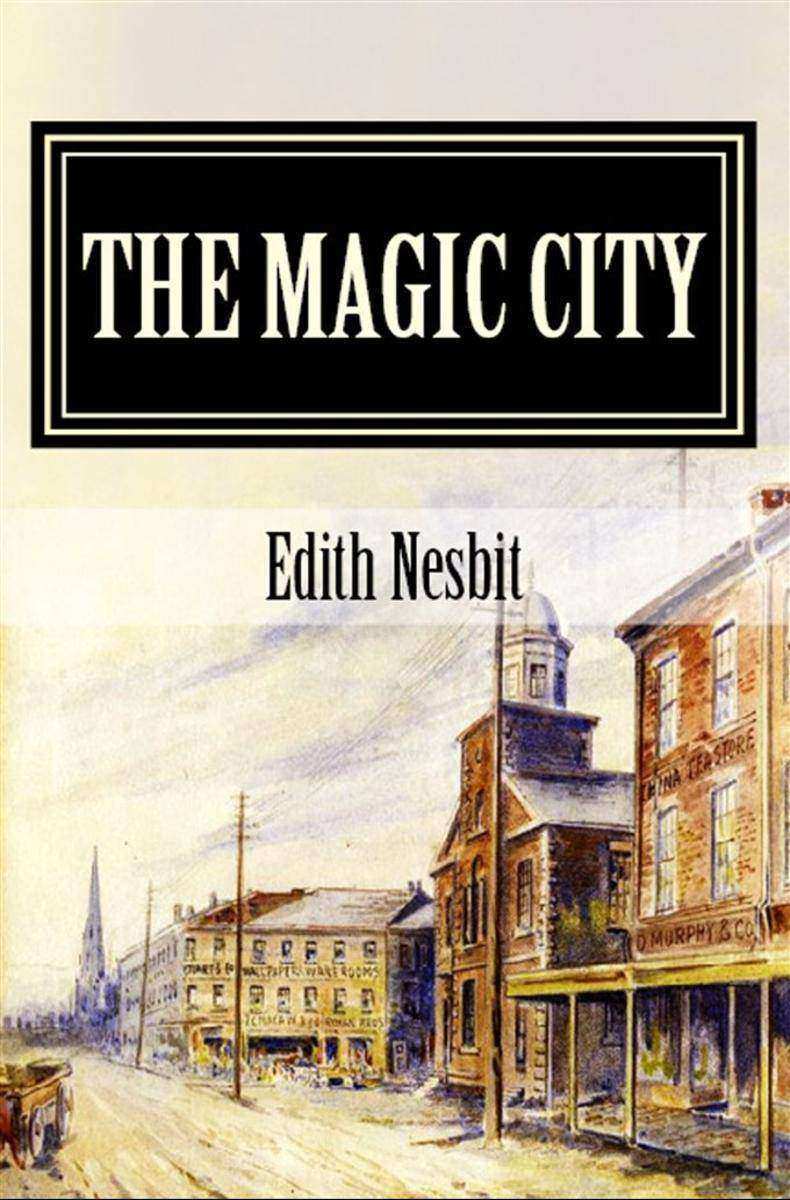
The Magic City: (Illustrated)
¥18.80
Philip Haldane and his sister lived in a little red-roofed house in a little redroofed town. They had a little garden and a little balcony, and a little stable with a little pony in it—and a little cart for the pony to draw; a little canary hung in a little cage in the little bow-window, and the neat little servant kept everything as bright and clean as a little new pin. Philip had no one but his sister, and she had no one but Philip. Their parents were dead, and Helen, who was twenty years older than Philip and was really his half-sister, was all the mother he had ever known. And he had never envied other boys their mothers, because Helen was so kind and clever and dear. She gave up almost all her time to him; she taught him all the lessons he learned; she played with him, inventing the most wonderful new games and adventures. ABOUT AUTHOR: Edith Nesbit (married name Edith Bland; 1858 – 1924) was an English author and poet; she published her books for children under the name of E. Nesbit. She wrote or collaborated on over 60 books of fiction for children, several of which have been adapted for film and television. She was also a political activist and co-founded the Fabian Society, a socialist organisation later connected to the Labour Party.

The Enchanted Castle
¥14.06
Then came a glimmer of daylight that grew and grew, and presently ended in another arch that looked out over a scene so like a picture out of a book about Italy that everyone's breath was taken away, and they simply walked forward silent and staring. A short avenue of cypresses led, widening as it went, to a marble terrace that lay broad and white in the sunlight. The children, blinking, leaned their arms on the broad, flat balustrade and gazed. Immediately below them was a lake just like a lake in "The Beauties of Italy" a lake with swans and an island and weeping willows; beyond it were green slopes dotted with groves of trees, and amid the trees gleamed the white limbs of statues. Against a little hill to the left was a round white building with pillars, and to the right a waterfall came tumbling down among mossy stones to splash into the lake. Steps fed from the terrace to the water, and other steps to the green lawns beside it. Away across the grassy slopes deer were feeding, and in the distance where the groves of trees thickened into what looked almost a forest were enormous shapes of grey stone, like nothing that the children had ever seen before. "That chap at school ," said Gerald. "It is an enchanted castle," said Kathleen. "I don't see any castle," said Jimmy. "What do you call that, then" Gerald pointed to where, beyond a belt of lime-trees, white towers and turrets broke the blue of the sky.
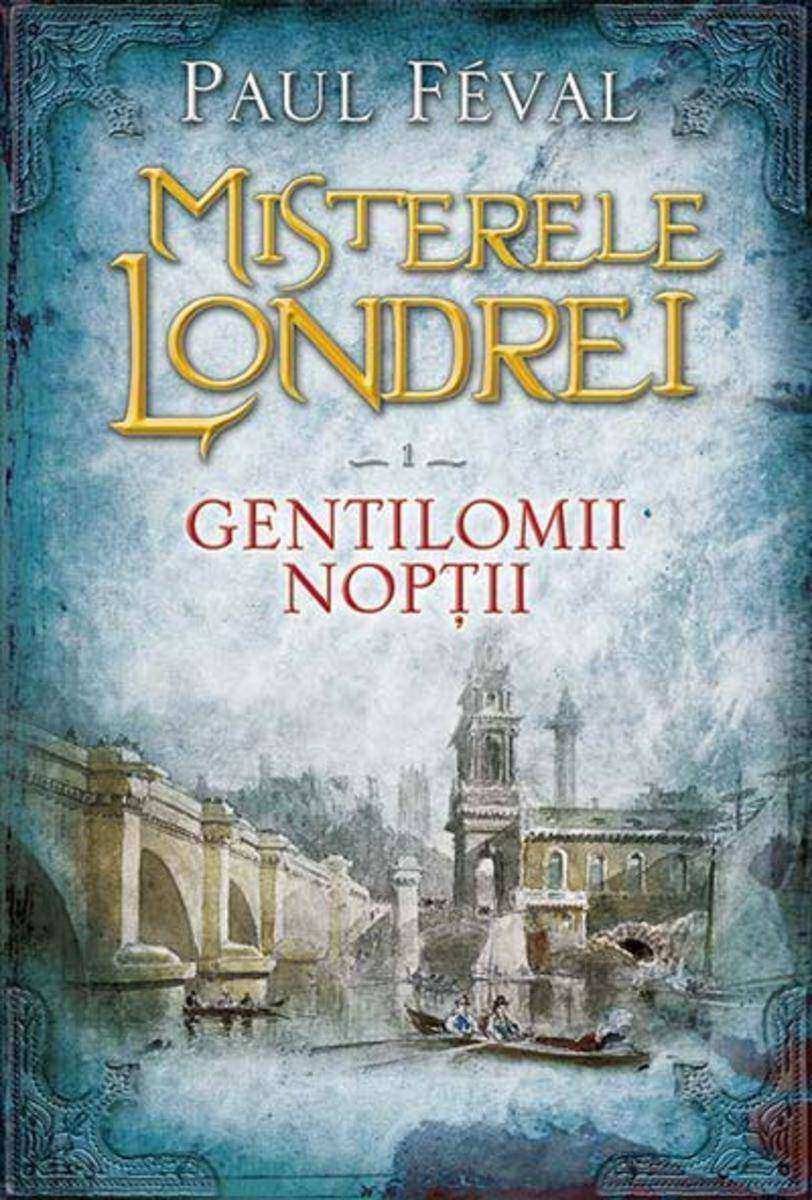
Gentilomii nop?ii
¥42.92
O incursiune ?n lumea ?ntunecat? a societ??ilor secrete Condamnat c?ndva pe nedrept, Fergus O’Breane a pierdut totul: p?rin?i, logodnic? ?i prieteni. O ?ntors?tur? fericit? a sor?ii ?l ajut? s? se ?ntoarc? ?n Anglia bogat, puternic, admirat ?i cu alia?i lipsi?i de scrupule. Comploturi, r?piri, t?lh?rii, asasinate – fostul pu?c?ria? devenit marchiz pare ?n stare de orice pentru a se r?zbuna. Organiza?ia de r?uf?c?tori Familia reune?te oameni de toate soiurile – fo?ti condamna?i ?i nobili, bancheri ?i poli?i?ti, s?raci ?i r?sf??a?i ai sor?ii. Un unic scop ?i am?n?: ?mbog??irea prin orice mijloace. ?ns? pentru conduc?torul lor, Rio-Santo, Familia nu este dec?t un mijloc de a-?i atinge scopurile politice, iar ca s?-?i doboare du?manul, Anglia, marchizul este ?n stare de orice crim?, indiferent cine cade victim? a intrigilor sale...
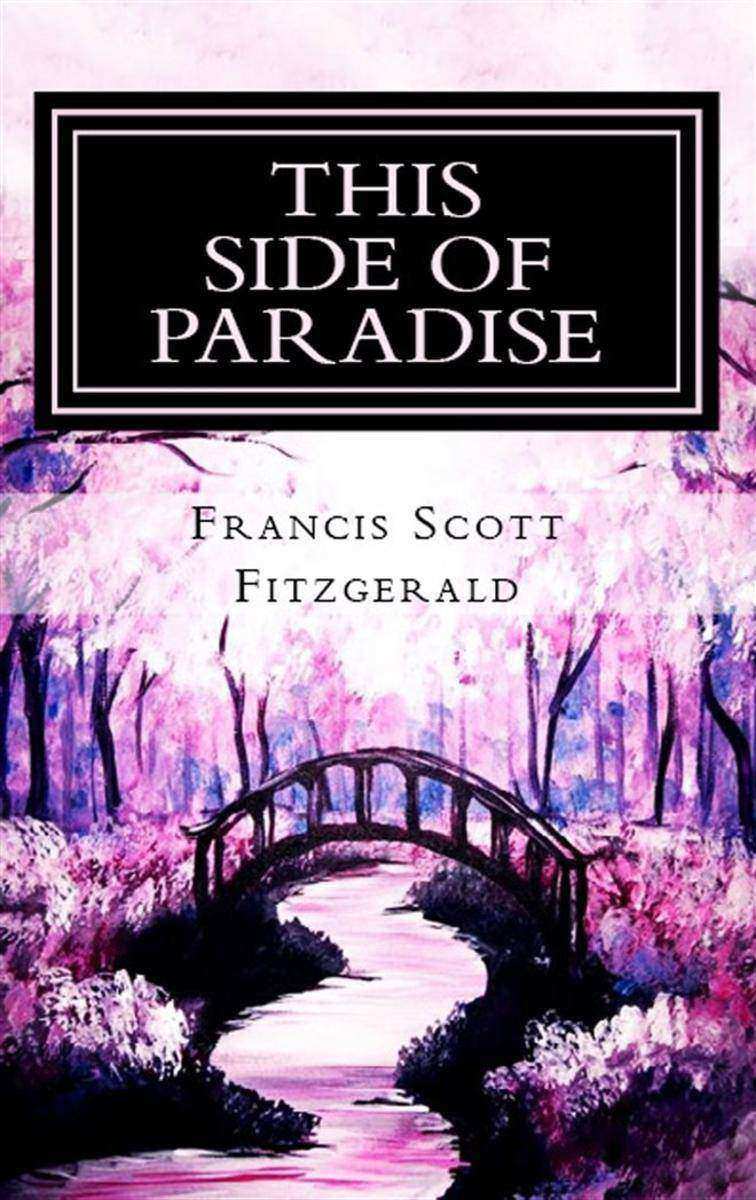
This Side of Paradise
¥27.88
There's little comfort in the wise.Rupert Brooke. Experience is the name so many people give to their mistakes.Oscar Wilde / To SIGOURNEY FAY Amory Blaine inherited from his mother every trait, except the stray inexpressible few, that made him worth while. His father, an ineffectual, inarticulate man with a taste for Byron and a habit of drowsing over the Encyclopedia Britannica, grew wealthy at thirty through the death of two elder brothers, successful Chicago brokers, and in the first flush of feeling that the world was his, went to Bar Harbor and met Beatrice O'Hara. In consequence, Stephen Blaine handed down to posterity his height of just under six feet and his tendency to waver at crucial moments, these two abstractions appearing in his son Amory. For many years he hovered in the background of his family's life, an unassertive figure with a face half-obliterated by lifeless, silky hair, continually occupied in "taking care" of his wife, continually harassed by the idea that he didn't and couldn't understand her.But Beatrice Blaine! There was a woman! Early pictures taken on her father's estate at Lake Geneva, Wisconsin, or in Rome at the Sacred Heart Convent—an educational extravagance that in her youth was only for the daughters of the exceptionally wealthy—showed the exquisite delicacy of her features, the consummate art and simplicity of her clothes. A brilliant education she had—her youth passed in renaissance glory, she was versed in the latest gossip of the Older Roman Families; known by name as a fabulously wealthy American girl to Cardinal Vitori and Queen Mar-gherita and more subtle celebrities that one must have had some culture even to have heard of. She learned in England to prefer whiskey and soda to wine, and her small talk was broadened in two senses during a winter in Vienna. All in all Beatrice O'Hara absorbed the sort of education that will be quite impossible ever again; a tutelage measured by the number of things and people one could be contemptuous of and charming about; a culture rich in all arts and traditions, barren of all ideas, in the last of those days when the great gardener clipped the inferior roses to produce one perfect bud.
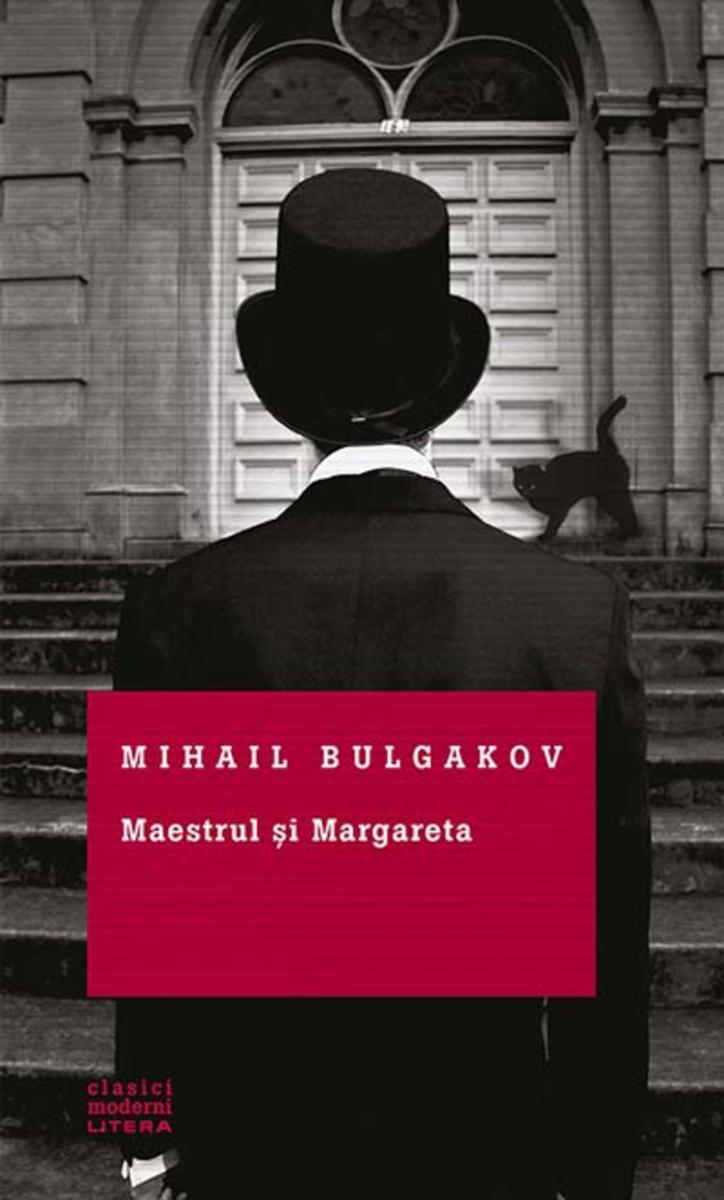
Maestrul ?i Margareta
¥41.37
?[Maugham este] un artist des?v?r?it... un geniu.“ (Theodore Dreiser) ?Pentru un scriitor din genera?ia mea este foarte dificil s? r?m?n? indiferent fa?? de opera lui Somerset Maugham...“ (Gore Vidal) ?Maugham a fost scriitorul modern care m-a influen?at cel mai mult, pe care ?l admir din tot sufletul pentru darul s?u de a spune lucrurile direct, f?r? ?nflorituri.“ (George Orwell) ?Darul s?u unic de povestitor dep??e?te adesea imagina?ia ?ns??i.“ (The Sunday Times) ?Maugham r?m?ne un artist pasionat al formei...“ (Saturday Review of Literature) Clasici moderni Litera pune laolalt? scriitori moderni ale c?ror opere au devenit deja repere clasice. Cele mai importante, mai provocatoare, mai emo?ionante, mai revolu?ionare opere din ultimii 125 de ani – c?r?i care vor continua s? fie citite de la o genera?ie la alta.
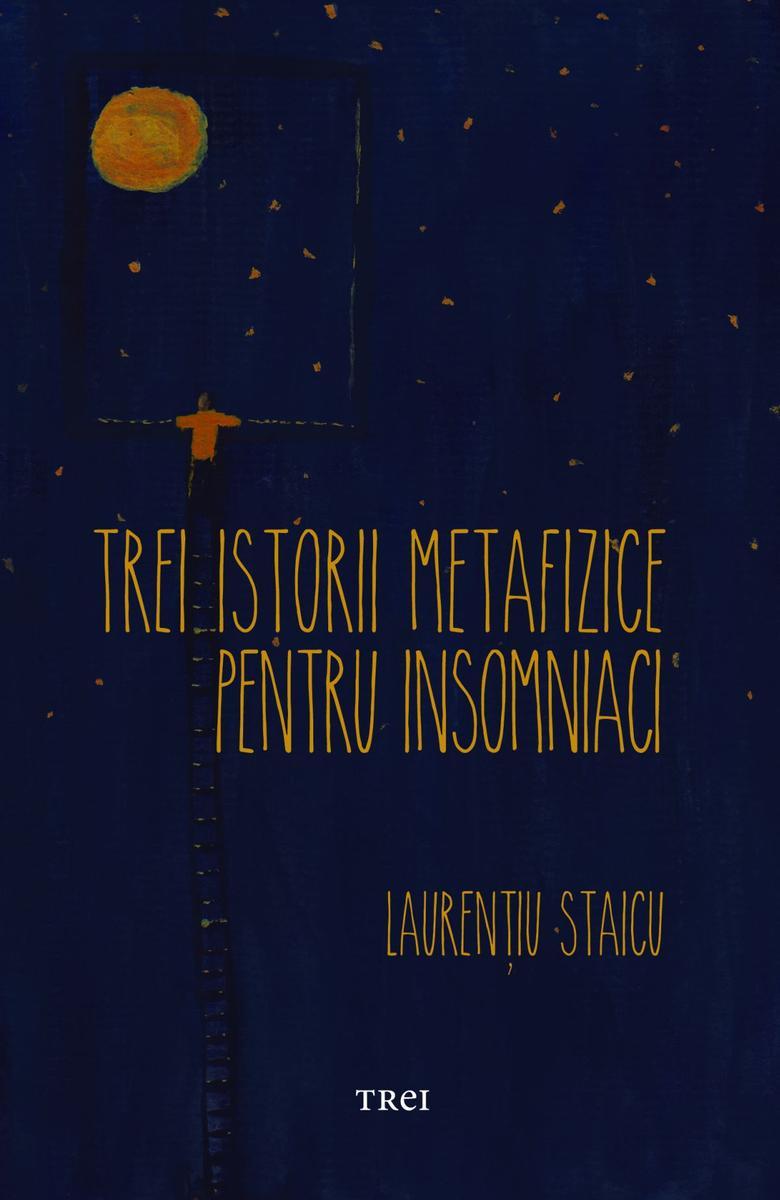
Trei istorii metafizice pentru insomniaci
¥57.14
#1 New York Times Bestseller?Dragostea unei mame.?C?utarea neobosit? a unei fiice.?O enigm? care trebuie dezlegat?…De peste zece ani, Jenna Metcalf n-a ?ncetat s? se g?ndeasc? la mama ei, Alice, o cercet?toare care ?i-a dedicat via?a studierii comportamentului elefan?ilor ?i care a disp?rut ?n condi?ii misterioase.?Jenna refuz? s? cread? c? a fost abandonat?. Disperat? s?-?i g?seasc? mama, apeleaz? la ajutorul poli?istului care a anchetat cazul ?i al lui Serenity, o femeie care poate s? comunice cu spiritele celor disp?ru?i.??n timp ce ?ncearc? s? afle ce s-a ?nt?mplat cu Alice, cei trei descoper? c? ?ntreb?rile dureroase au r?spunsuri ?i mai greu de suportat.?Departe de a fi un roman poli?ist clasic, Vremea plec?rii fascineaz? prin ?ntrep?trunderea pove?tii emo?ionante ?i excep?ional documentate despre via?a elefan?ilor cu aceea a traumei prin care trece un copil care-?i pierde p?rin?ii."Picoult este o scriitoare extraordinar de talentat?." - Stephen King"O poveste tulbur?toare despre dragostea p?rinteasc?, prietenie ?i pierdere." – The Washington Post"Jodi Picoult scrie cu aten?ie la detalii ?i surprinde magistral delicate?ea ?i complexitatea rela?iilor umane." - The Boston Globe"Picoult st?p?ne?te la perfec?ie arta povestirii." - Associated Press "Cu romanul s?u ?n care creeaz? personaje complexe ?i o poveste pe mai multe planuri, Jodi Picoult ?i-a c??tigat pentru totdeauna un loc ?n inima cititorilor." - Library Journal?
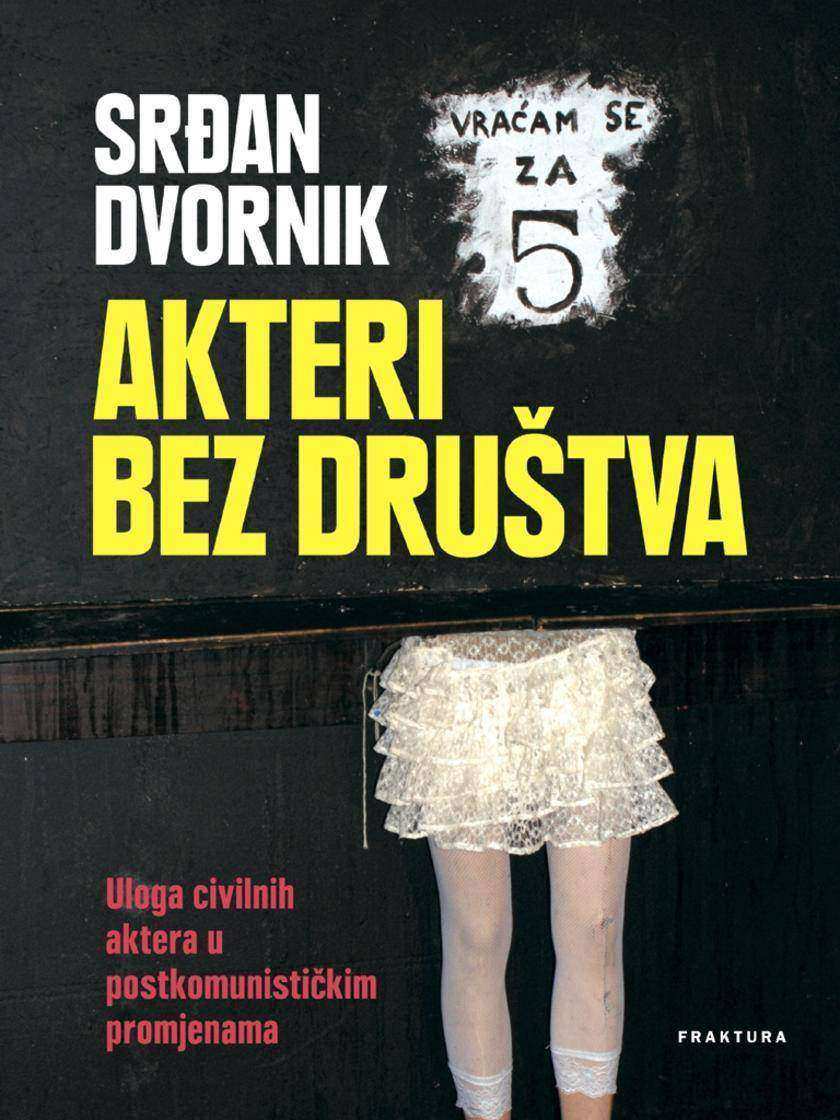
Akteri bez dru?tva
¥132.35
Englezii nu au nici un respect fa de limba lor i nu sunt interesai s-i nvee copiii s-o vorbeasc. Ortografia lor este att de oribil, nct nici nu om nu poate nva s pronune dup ea.“ – G. Bernard Shaw Pentru opera sa care este marcat de idealism i umanitate, pentru satira sa stimulatoare, plin de multe ori de o singular frumusee poetic.“ – Comitetul Nobel Cei mai muli oameni spun c i dau dreptate lui Bernard Shaw sau c nu-l neleg. Eu sunt singurul care-l nelege i nu-i dau dreptate. – C.K. Chesterton Cu privirea sa ptrunztoare, dramaturgul vede c, de cele mai multe ori, o serie de achiziii superficiale – mbrcmintea, limbajul, purtrile, stilul de via – sunt cele care acord de fapt individului statutul social considerat cu mndrie un drept al posesorului: i i rde de asta, ca democrat i socialist, cam la fel cum Molière i rde de una sau de alta dintre profesiile liberale.“ – R.E. Burton

Extract from Captain Stormfield's Visit to Heaven
¥13.90
Well, when I had been dead about thirty years I begun to get a little anxious. Mind you, had been whizzing through space all that time, like a comet.? Like a comet! Why, Peters, I laid over the lot of them! Of course there warn’t any of them going my way, as a steady thing, you know, because they travel in a long circle like the loop of a lasso, whereas I was pointed as straight as a dart for the Hereafter; but I happened on one every now and then that was going my way for an hour or so, and then we had a bit of a brush together. ??But it was generally pretty one-sided, because I sailed by them the same as if they were standing still. An ordinary comet don’t make more than about 200,000 miles a minute. Of course when I came across one of that sort—like Encke’s and Halley’s comets, for instance—it warn’t anything but just a flash and a vanish, you see. ??You couldn’t rightly call it a race. It was as if the comet was a gravel-train and I was a telegraph despatch. But after I got outside of our astronomical system, I used to flush a comet occa-sionally that was something like. We haven’t got any such comets—ours don’t begin. One night I was swinging along at a good round gait, everything taut and trim, and the wind in my favor—I judged I was going about a million miles a minute—it might have been more, it couldn’t have been less—when I flushed a most uncom-monly big one about three points off my starboard bow. ??By his stern lights I judged he was bearing about northeast-and-by-north-half-east. Well, it was so near my course that I wouldn’t throw away the chance; so I fell off a point, steadied my helm, and went for him. You should have heard me whiz, and seen the electric fur fly! ??In about a minute and a half I was fringed out with an electrical nimbus that flamed around for miles and miles and lit up all space like broad day. The comet was burning blue in the distance, like a sickly torch, when I first sighted him, but he begun to grow bigger and bigger as I crept up on him. I slipped up on him so fast that when I had gone about 150,000,000 miles I was close enough to be swallowed up in the phosphorescent glory of his wake, and I couldn’t see anything for the glare. Thinks I, it won’t do to run into him, so I shunted to one side and tore along. By and by I closed up abreast of his tail. Do you know what it was like? It was like a gnat closing up on the continent of America. I forged along. ??By and by I had sailed along his coast for a little upwards of a hundred and fifty million miles, and then I could see by the shape of him that I hadn’t even got up to his waistband yet. Why, Peters, we don’t know anything about comets, down here. If you want to see comets that are comets, you’ve got to go outside of our solar system—where there’s room for them, you understand. My friend, I’ve seen comets out there that couldn’t even lay down inside the orbits of our noblest comets without their tails hanging over.
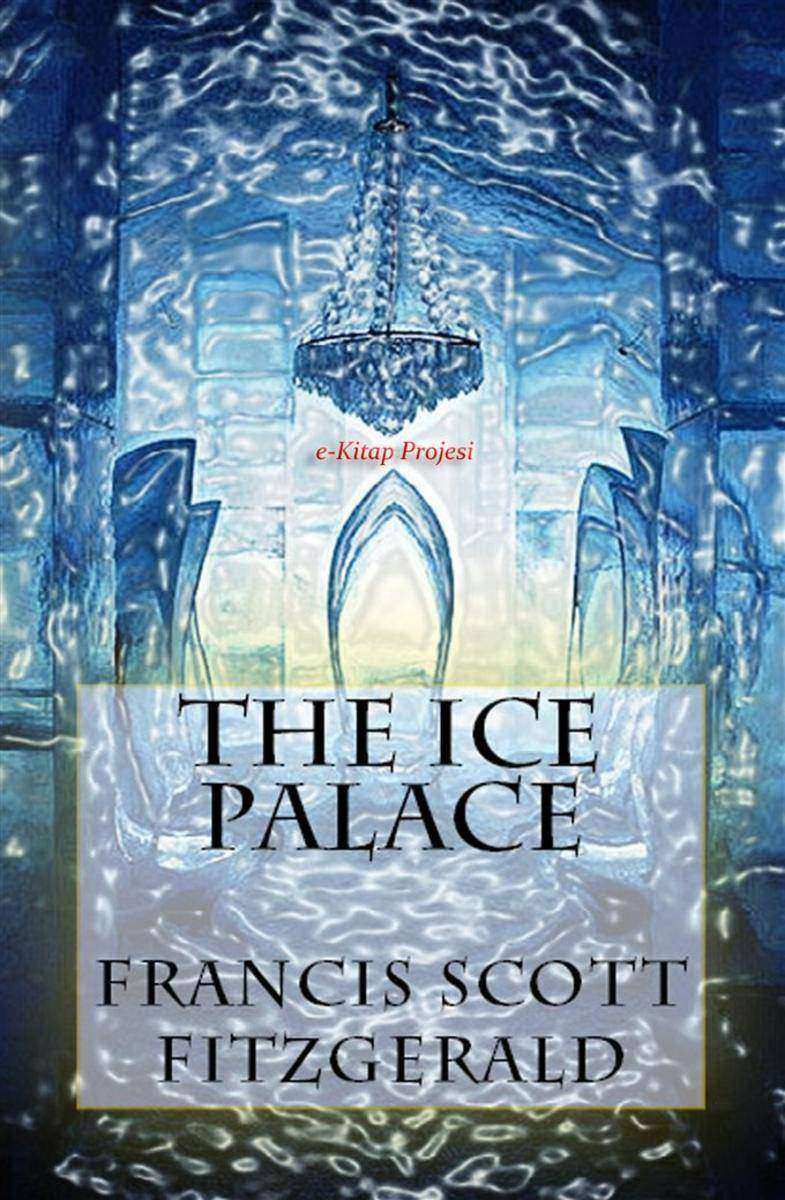
The Ice Palace
¥18.56
All night in the Pullman it was very cold. She rang for the porter to ask for another blanket, and when he couldn't give her one she tried vainly, by squeezing down into the bottom of her berth and doubling back the bed-clothes, to snatch a few hours' sleep. She wanted to look her best in the morning. She rose at six and sliding uncomfortably into her clothes stumbled up to the diner for a cup of coffee. The snow had filtered into the vestibules and covered the door with a slippery coating. It was intriguing this cold, it crept in everywhere. Her breath was quite visible and she blew into the air with a naive enjoyment. Seated in the diner she stared out the window at white hills and valleys and scattered pines whose every branch was a green platter for a cold feast of snow. Sometimes a solitary farm-house would fly by, ugly and bleak and lone on the white waste; and with each one she had an instant of chill compassion for the souls shut in there waiting for spring. As she left the diner and swayed back into the Pullman she experienced a surging rush of energy and wondered if she was feeling the bracing air of which Harry had spoken. This was the North, the North—her land now!
Afl? cine e?ti cu adev?rat
¥42.92
S-ar p?rea c?, oriunde s-ar afla, Hercule Poirot d? peste o crim?. P?n? ?i ?ntr-o excursie la ruinele antice de la Petra, unde doamna Boynton, o americanc? bogat? ?i detestat? de toat? lumea, inclusiv de propria familie, este descoperit? moart?. Poirot are o singur? zi pentru a afla dac? uciga?ul este chiar unul dintre copiii acesteia, dornic s? se elibereze de sub domina?ia ei tiranic?, sau vreuna dintre numeroasele sale victime, c?ci singura pl?cere ?n via?? a doamnei Boynton a fost s? le fac? r?u celorlal?i…
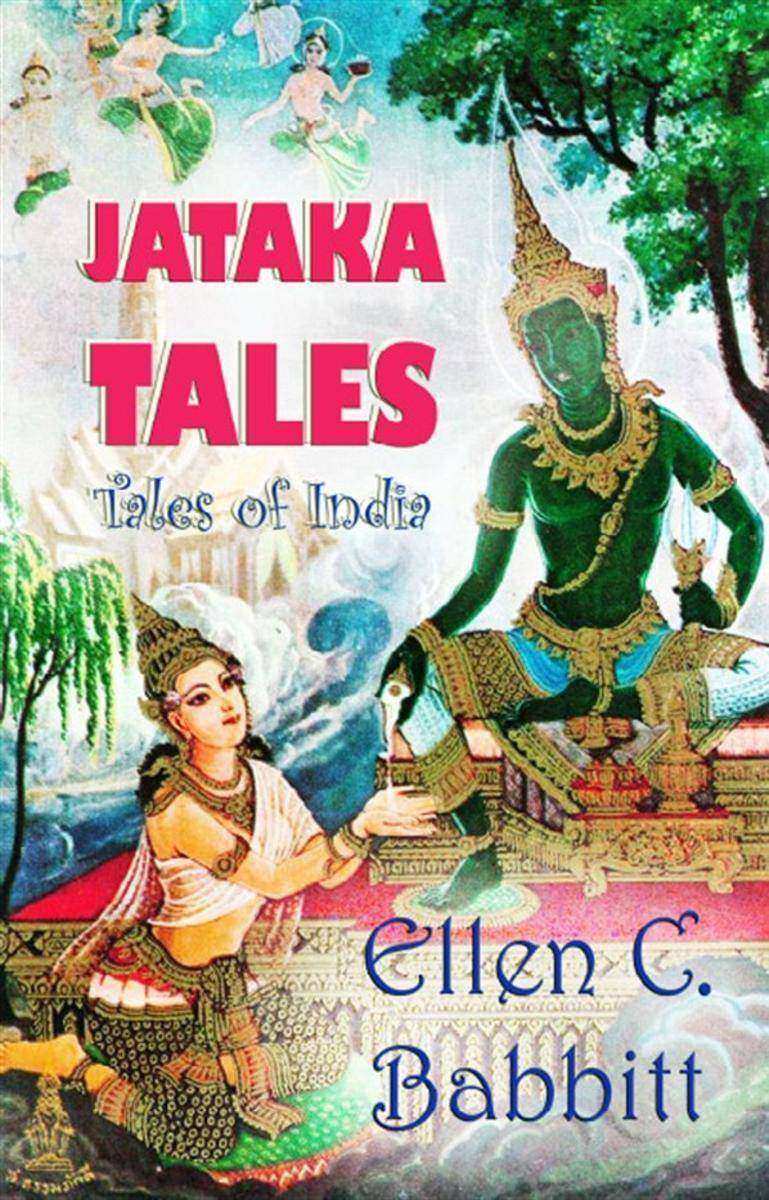
Jataka Tales: "Tales of India"
¥18.80
The Jatakas, or Birth-stories, form one of the sac-red books of the Buddhists and relate to the adventures of the Buddha in his former existences, the best character in any story being identified with the Master.??These legends were continually introduced into the religious discourses of the Buddhist teachers to illustrate the doctrines of their faith or to magnify the glory and sanctity of the Buddha, somewhat as medieval preachers in Europe used to enliven their sermons by introducing fables and popular tales to rouse the flagging interest of their hearers.? Sculptured scenes from the Jatakas, found upon the carved railings around the relic shrines of Sanchi and Amaravati and of Bharhut, indicate that the "Birth-stories" were widely known in the third century B.C., and were then considered as part of the sacred history of the religion. ??At first the tales were probably handed down orally, and it is uncertain when they were put together in systematic form.??While some of the stories are Buddhistic and depend for their point on some custom or idea peculiar to Buddhism, many are age-old fables, the flotsam and jetsam of folklore, which have appeared under various guises throughout the centuries, as when they were used by Boccaccio or Poggio, merely as merry tales, or by Chaucer, who unwittingly puts a Jataka story into the mouth of his pardoners when he tells the tale of "the Ryotoures three."??Quaint humor and gentle earnestness distinguish these legends and they teach many wholesome lessons, among them the duty of kindness to animals.??Dr. Felix Adler in his "Moral Instruction of Children," says:?The Jataka Tales contain deep truths, and are calcu-lated to impress lessons of great moral beauty. The tale of the Merchant of Seri, who gave up all that he had in exchange for a golden dish, embodies much the same idea as the parable of the priceless Pearl, in the New Testament. The tale of the Measures of Rice illustrates the importance of a true estimate of values. The tale of the Banyan Deer, which offered its life to save a roe and her young, illustrates self-sacrifice of the noblest sort. The tale of the Sandy Road is one of the finest in the collection..
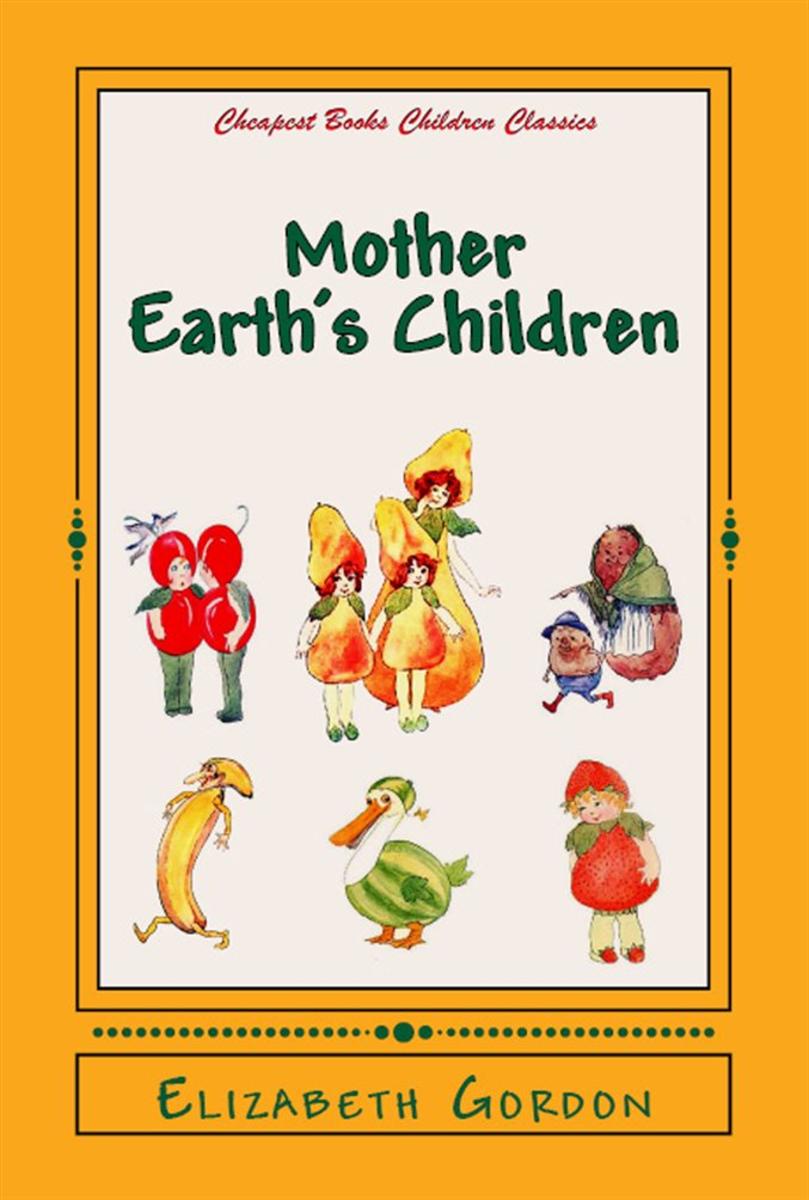
Mother Earth's Children: "The Frolics of the Fruits and Vegetables"
¥18.56
A seed, little friends, is really a plant or a tree all wrapped up in a little brown bundle. If you plant it in the ground it will grow, and when it is old enough it will bear fruit, because God has made it so. Among all the children of Mother Nature, the fruits and vegetables are probably the most useful to us. Wherever we may go some of these little people are there before us, ready to help us by giving us food and to make life easy and joyous for us. In your Mother’s garden you will always find many famil-iar friends; in the fields the graceful Grain children will nod and beckon to you; in the orchard the Fruit children will peep out at you from their leafy homes; along the roadside the gay little Berries will give you a friendly greeting, and in the forest you will find the little wild Grapes climbing trees and playing hide and seek with the Bird children. The publishers, who have already given you the Flower Children, Bird Children, and Animal Children, wish to join the author and the artist in their grateful acknowledgment of the wonderful appreciation which these books have received, and to hope that these new comrades will prove as fascinating as those whom you already know. For myself, little friends, I thank you from my heart. Elizabeth Gordon. Mother Earth's Children?"The Frolics of the Fruits and Vegetables" "Illustrated" by Elizabeth Gordon This little book is a thank-offering to the thousands of little friends who have so loyally given me their best in the way of encouragement and appreciation, and is most especially inscribed to Gladys Doris.
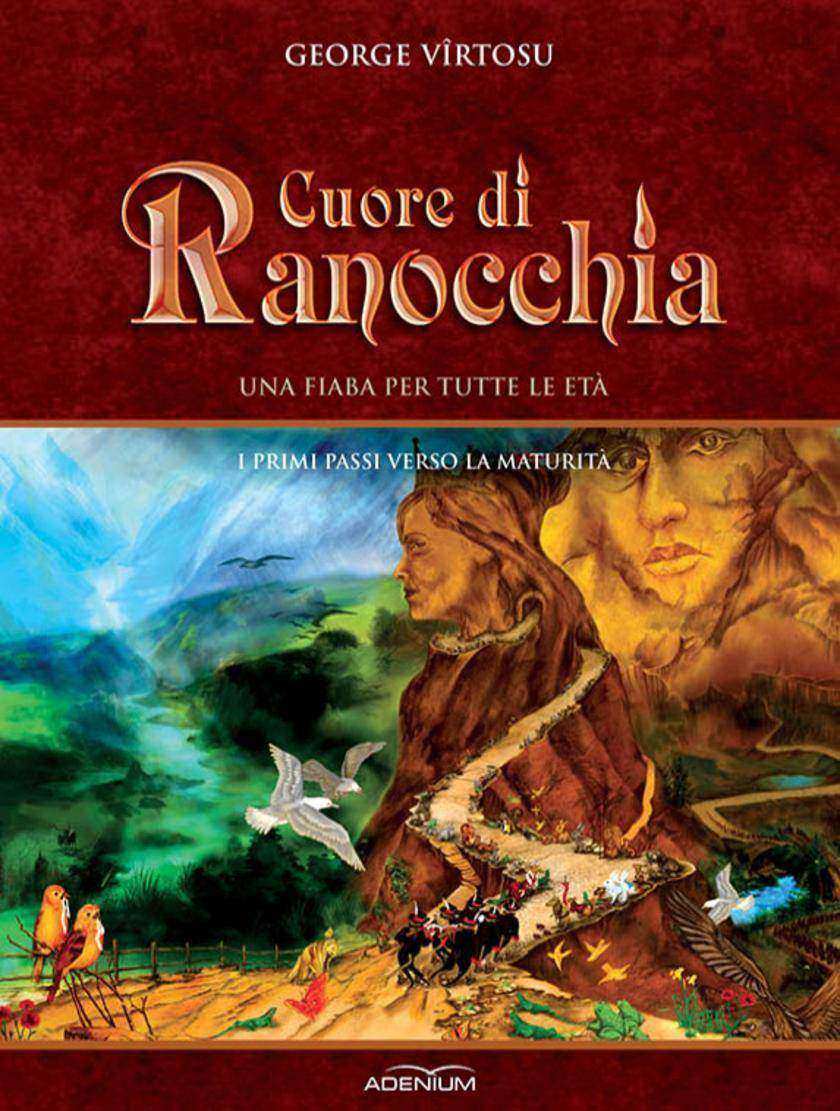
Cuore di ranocchia. Secondo volume. I primi passi verso la maturità
¥46.92
Am ?ncercat s? povestesc despre un de?ert uria?, ?n timp ?i spa?iu, un de?ert ce r?m?ne ciclic ?gravid“ cu s?m?n?a minuscul? a unei lumi pe care tot el se zbate s-o distrug?. De?ertul se str?duie?te instinctiv s? nasc? o alt? lume, perfect?, dar tot de?ert pl?m?de?te. Nu este vorba despre tribul balcanic, ci despre un fel de r?zboi ?i pace ?ntre aceasta lume din ce ?n ce mai profan?, pragmatic? ?i tribul fiin?elor ?nc? sensibile, care nu vor s? renun?e la Dumnezeu, la Metafor? ?i la propria lor structur?. (Ardian-Christian Kuciuk)


