


 购物车
购物车 个人中心
个人中心

Maga itt a tánctanár?
¥52.40
A magyar k?nyvkiadás legnagyobb adósságainak egyike ez a k?nyv. A világ t?bb országában a holokausztirodalom egyik legjelent?sebb remekm?veként tartják számon, Magyarországon 1982-ben jelent meg utoljára.Zsolt Béla, nagyváradi író, újságíró, a zsidót?rvények után nem folytathatta a pályáját. Munkaszolgálatra Ukrajnába került, az út onnan haza, majd a váradi gettóba, kés?bb Bergen-Belsenbe vezetett, egészen a szabadulásig.Zsolt Béla regénye nem artisztikus memoár. Vad, olykor az elviselhet?ség határáig kegyetlen és ?szinte visszaemlékezés, felzaklató olvasmány.Az olykor egymás kínjának is ?rül? társairól. Az elmebajig kegyetlen, egyszersmind a megtorlástól retteg? csend?r?kr?l. ?rulásról, kétségbeesésr?l, az újra és újra feltámadó hamis reményr?l, és mindennek okáról és céljáról: a zsidók kifosztásáról.Aki elolvassa a Kilenc koffert, megérti, miért nem tud a rémálomból eszmélni sok európai ország azóta sem.Zsolt Béla feleségének egész családja odaveszett, k?ztük az a Heyman ?va, akinek gettónaplója megjelent már t?bb nyelven, magyarul Piros bicikli címen.

Gabriela
¥65.32
Gómez Herrera este un gaucho, un haiduc al pampasului argentinian, scos parc? din revistele motiva?ionale ?i de self-improving. ?tie ce poate ?i ce vrea ?i are la ?ndem?n? arme imbatabile: cinismul, pref?c?toria, falsitatea ?i calomnia. Demn de Juan Moreira, str?mo?ul s?u, Herrera ofer? re?eta perfect? pentru ob?inerea unui scaun ministerial ?ntr-o ?ar? european?. Comedia inocent? devine astfel o satir? bine regizat?, iar r?sul un z?mbet sarcastic. Hazliile ispr?vi ale nepotului lui Juan Moreira este un tabloul al arivistului, pe fundalul societ??ii argentiniene de la sf?r?itul secolul al XIX-lea ?i ?nceputul secolului al XX-lea.

Szívszelídít?
¥76.11
A New York Times bestseller szerz?je, a feszültségteremtés királyn?je, 100 millió eladott példánnyal a valaha volt legnépszer?bb szerz?k egyike.Legújabb, nagy siker? krimije éppúgy felkerült a legfontosabb sikerlistákra, mint Clark szinte minden m?ve. A fiatalon meg?zvegyült Lane Harmon, az ?téves Katie édesanyja lakberendez?, fény?z? otthonokba bejáratos. Egy alkalommal, amikor f?n?ke megbízza, hogy rendezzen be egy szerény sorházat, meglepve tapasztalja, hogy a megbízó nem más, mint egy híres-hírhedt pénzember felesége. A férj, Parker Bennett, két éve t?nt el a Karib-tengeren hajózva. A cégben lév? ?tmilliárd dollárral együttVajon él-e még? Vajon k?ze van-e a milliárdokhoz? ?s vajon mit tud a feleség?Lane egyre jobban belebonyolódik az ügybe, és egyre k?zelebb kerül Bennették fiához, míg végül már megszállottan próbálja bizonyítani a család ártatlanságát. Azzal azonban nem számol, hogy ezzel magát és kislányát is veszélybe sodorja Botrány, csalás, árulás és szerelem a kritikusok és az olvasók szerint ez az ?tvenk?tetes Clark életének egyik legjobb regénye. El?sz?r a pénz a tét. Utána?a szerelem. Végül az életed.

Deliruri. Via?a este cotidian?
¥40.79
Perechi ?n formare este romanul unei iubiri ai c?rei protagoni?ti, desp?r?i?i timp de ?aisprezece ani, ajung s? se reg?seasc? ?n ?mprejur?ri dramatice. Andreas Lüscher este un psiholog care ?ncearc? s? p?streze o distan?? profesionist? fa?? de pacien?ii s?i. Dar c?nd destinul i-o aduce ?n cale pe Meret, fosta lui iubire din tinere?e, b?rbatul descoper? c?t de fragile ?i imperfecte sunt cuvintele atunci c?nd ?ncearc? s? refac? o leg?tur? pierdut?, acum mai puternic? dec?t a fost vreodat?.
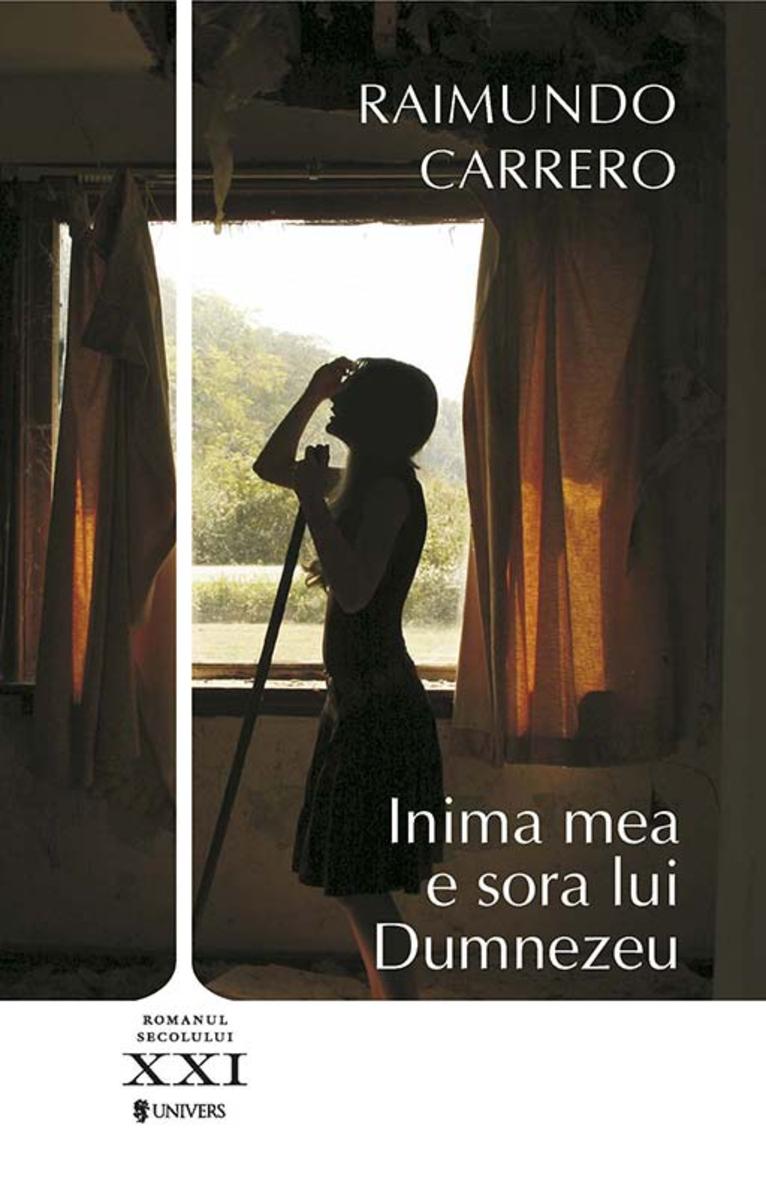
Inima mea e sora lui Dumnezeu
¥32.62
Umorul, absurdul ?i tenta?ia suprarealist? sunt aduse aici la rang de repere pentru fic?iune. Blues pentru o pisic? neagr? este o colec?ie de povestiri ?n care Boris Vian ??i m?rturise?te pe spa?ii mici pasiunea pentru firescul r?sturnat cu susul ?n jos ?i pentru jocurile infinite cu limbajul ?i literatura. Pe fondul celui de-al doilea R?zboi Mondial, lumea a luat-o razna, dar toate personajele se lupt? pentru a salva aparen?ele. Protagoni?tii sunt dintre cei mai ciuda?i, iar ac?iunile lor ?n acord cu lumea ?n r?sp?r. Pescari de timbre, sculptori de pietre de morminte, motani-negri-vorbitori-englezi iubitori de b?uturi fine sunt reprezentativi pentru stilul lui Boris Vian.
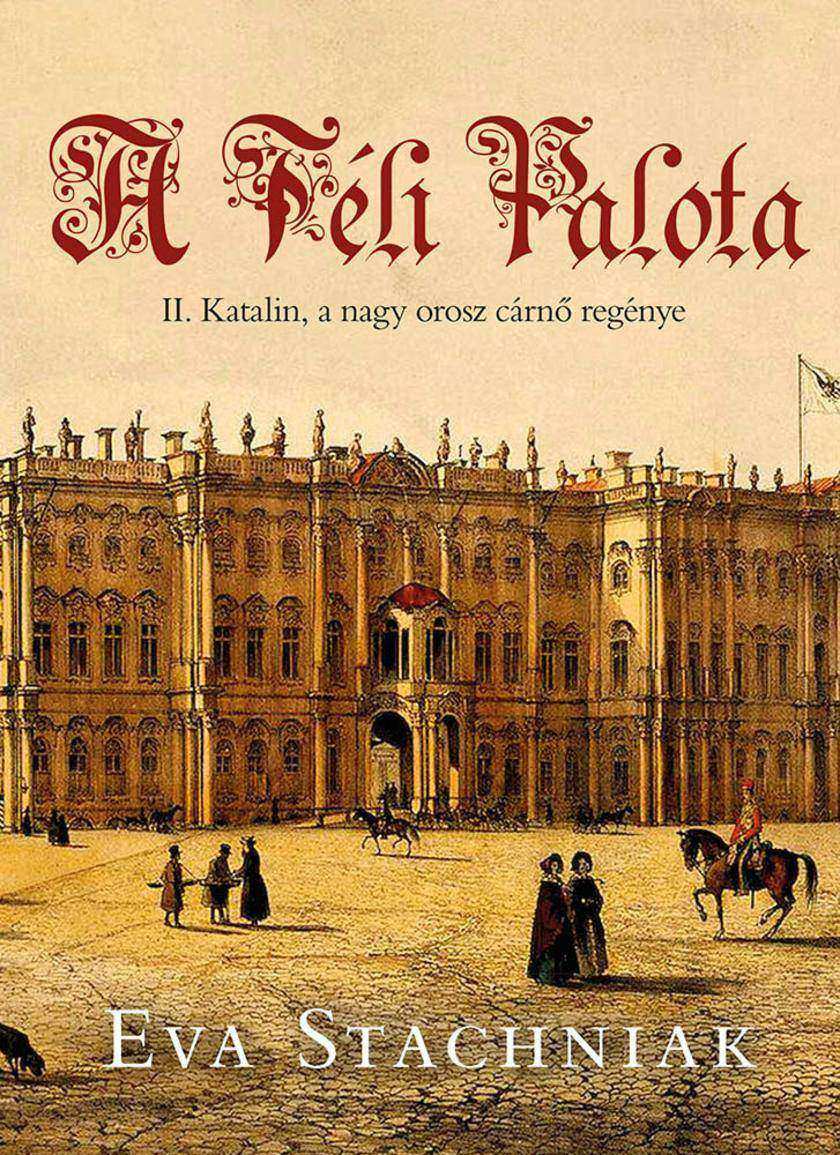
A Téli Palota
¥80.44
Két év telt el ,,a nap", vagyis a világ t?bb országát egyszerre sújtó ?sszehangolt, elektromágneses hullámokat (EMP) gerjeszt? támadás óta. ?ramszolgáltatás híján az Egyesült ?llamok kontinentális területeinek nagy részén k?zépkori állapotok uralkodnak, s becslések szerint az offenzívát, valamint az azt k?vet? káoszt az ország lakosságának csupán húsz százaléka élte túl. Az észak-karolinai Black Mountain városa - lakóinak h?sies helytállása folytán - nem semmisült meg teljesen, de a halál és az emberfeletti megpróbáltatások ?ket sem kímélték. Vezet?jük, John Matherson otthona porig égett, és az inzulinkészletek kiapadása miatt a férfi elveszítette egyik lányát, a cukorbeteg Jennifert is. A Bluemontban újjászervez?d?tt amerikai kormány látszólag mindent megtesz annak érdekében, hogy feltartóztassa az országba humanitárius segítségnyújtásra hivatkozva benyomuló idegen katonai er?ket. Az új vezetés tervének részeként John egyetlen életben maradt lánya, a tizennyolc éves Elizabeth is megkapja a katonai behívóját...
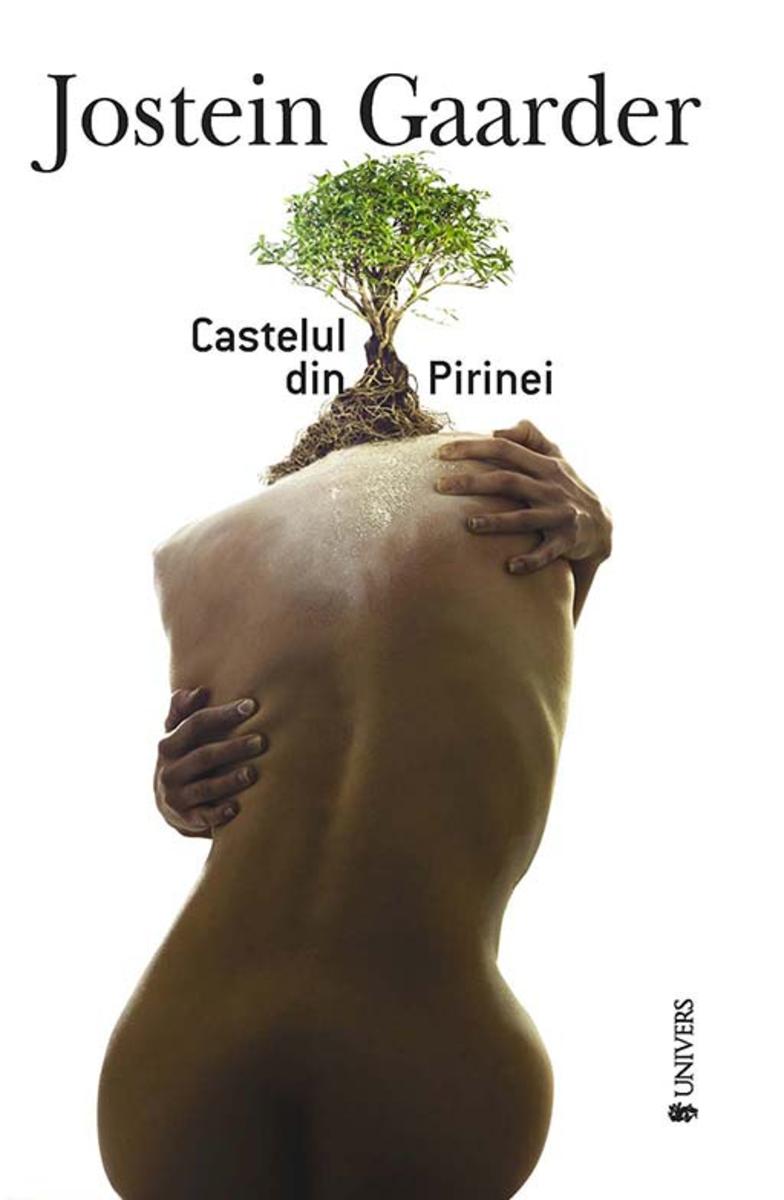
Castelul din Pirinei
¥40.79
Marianela este varianta spaniol? a pove?tii din copil?rie R??u?ca cea ur?t?. Satul Socartes este locul unde se petrece trista poveste de iubire a protagoni?tilor lui Pérez Galdós; numele localit??ii nu este ?nt?mpl?tor, romanul dezvolt?nd epic teoriile despre frumuse?e ale lui Socrate. Marianela, o feti?? orfan?, s?rac? ?i ur?t?, se ?ndr?goste?te de Pablo, un b?iat orb din na?tere. Fermecat de vocea ei, Pablo nu ?i-o poate imagina dec?t frumoas?, fapt pentru care ?i va ?mp?rt??i dragostea. Magia se risipe?te atunci c?nd medicul Teodoro Golfin ?i red? t?n?rului vederea. Dac? ?n basmul lui Andersen frumuse?ea este ?n final dezv?luit?, aici leb?da ?nt?rzie s? apar?, Marianela ascunz?ndu-se de privirea lui Pablo. A?a c? happy-end-ul se las? a?teptat. Va trece Pablo peste aceast? piedic? sau iubirea pentru Marianela se va risipi precum c?ntecele fetei purtate de v?nt? Ve?i afla din finalul romanului lui Pérez Galdós.

Pr?v?lia de miracole
¥40.79
tii care e pluralul corect - acali sau acai Nu V rspunde Enormitatea Sa Bérurier: e un substantiv care apare numai la singular, pentru c acalul este o pasre care triete singuratic. Dac nu suntei mulumii de rspuns i vrei s aflai de unde izvorte Guatemala sau ce culoare avea calul alb al lui Henric al IV-lea, dac suntei nedumerii aflnd c 3 ori 8 fac 22, citii n continuare. Cnd ntr-o comun de lng Lyon dispare fr urm un bieel, Bérurier ajunge nvtor la coala de loaze, iar San-Antonio pe urmele unor interlopi care se in de partuze. Nu dup mult timp, totul se accelereaz, crimele se nmulesc, iar n jurul fermectorului comisar ncepe s danseze sarabanda rposailor.Mai multe detalii pe san-antonio.ro

Az ellenállás
¥82.99
Te milyennek képzeled a t?kéletes randit? ?lmodoztál már arról, hogy egyszer valaki kitalálja a legdédelgetettebb álmod? Szeretted a D.A.C. els? részét, és türelmetlenül várod, hogy megjelenjen a második? Akkor ezt el kell olvasnod! Kalapos ?va ebben a novellában kis bepillantást enged Márk fejébe, és azt is megtudhatjuk, hogy sikerül-e a fiúnak ?sszehoznia egy bénázásoktól és félreértésekt?l mentes randit Flórával. Lépj be te is a D.A.C. világába, és éld át velünk A t?kéletes randit! NOVELLA kizárólag e-k?nyvben!
A v?r?s halál álarca
¥22.73
Az el?kel? bentlakásos iskola borostyánnal borított falai k?z?tt korrupció, botrány és egy ?sszeesküvés baljós hálózata rejt?zik. Az Amerikából j?tt Raven Stone-nak felt?nik, hogy valami nagyon nem stimmel. El?sz?r is ott vannak a titokzatos elt?nések. Aztán a tanárok hazugságai. ?s most pedig a halálos fenyegetések... A nyugtalanító t?rténéseket csak tovább bonyolítja a rejtélyes Kieran Storm felt?nése, akinek nemcsak az agya penge, de a teste is d?gleszt?. Raven érzi, hogy beleszeret a fiúba, de megbízhat olyasvalakiben, akir?l szinte semmit sem tud?

San-Antonio. De la A la Z
¥32.62
Codul vindec?rii este echipamentul vostru pentru via??: folositi-l! ?n 2001, Alexander Loyd a descoperit cum s? activeze func?ia fizic? ?ncorporat? ?n organism, care poate ?nl?tura, ?n propor?ie de p?n? la 95%, sursa tuturor bolilor ?i st?rilor de r?u. ?n acest caz, sistemul neuro-imunitar ??i poate ?ndeplini misiunea de a vindeca orice r?u din organism. Descoperirile dr. Loyd au fost validate prin teste ?i m?rturii ale oamenilor din ?ntreaga lume, care au folosit sistemul Codul vindec?rii pentru a corecta, practic, orice problem? fizic?, emo?ional? sau rela?ional?, dar ?i pentru a avea succes deosebit ?n carier?. Testele doctorului Alexander Loyd au ar?tat c? exist? un ?cod universal al vindec?rii“ care poate ajuta la vindecarea celor mai multe probleme pentru cei mai mul?i oameni. cartea cuprinde ?i: Cele ?apte secrete ale vie?ii, s?n?t??ii ?i prosperit??ii; Tehnica de 10 secunde a Impactului imediat pentru dezamorsarea stresului zilnic; Detectorul de probleme suflete?ti, singurul test care identific? problemele de baz? printr-un raport personalizat ?i succint. ?Am folosit aproape toate tehnologiile moderne, protocoale de tratament, tehnici, sisteme, filozofii ?i modalit??i de vindecare at?t din medicina alopat?, c?t ?i din cea alternativ?, dar, dac? ar fi s? aleg doar una, aceasta ar fi lucrarea dr. Loyd. Nu cunosc niciun alt proces care s? fie at?t de elegant ?n simplitatea lui, at?t de u?or de ?nv??at, de profund eficient ?i, mai ales, etern. Cea mai bun? recomandare pe care o pot face este s? spun c? ?l folosesc eu ?nsumi, ?l folosesc pentru familia ?i pacien?ii mei.“ – Merril Ken Galera, medic, director medical la Galera Center ?Aproape c? trebuie s? treci printr-un proces ca acela din Codul vindec?rii pentru a-?i schimba convingerile gre?ite care te ?mpiedic? s? ai via?a ?i s?n?tatea pe care ?i le dore?ti.“ – Dr. Bruce Lipton, fost cercet?tor ?n domeniul biologiei celulei la Stanford ?i autor al bestsellerului Biology of Belief

San-Antonio. Bérurier ?n serai
¥32.62
Solu?ia Chopra pentru o sc?dere ?n greutate permanent?, stare de bine ?i lini?te sufleteasc? Via?a ?nseamn? ?mplinire! La ce t?nje?ti acum? La m?ncare? Iubire? Stim? de sine? Lini?te sufleteasc?? De ce m?nc?m uneori mai mult dec?t avem nevoie? Deepak Chopra ne r?spunde: fiindc? nu reu?im s? g?sim mul?umirea ?i lini?tea sufleteasc? de care avem nevoie, transform?m m?ncarea ?n substitut al satisfac?iei emo?ionale. C?nd motivele dezechilibrului emo?ional dispar, organismul se autoregleaz? ?i cere c?t ?i trebuie. Deepak Chopra identific? mai ?nt?i cauzele care ne ?mpiedic? s? ne schimb?m atitudinea: obiceiurile proaste, teama de schimbare, descurajarea de a urma ?nc? o diet? sau dimpotriv?, credin?a naiv? c? urm?toarea diet? va func?iona, al?turi de poftele cotidiene, mai ales pentru alimentele s?rate, dulci ?i grase ?i de faptul c? ritmul modern de via?? aproape c? ne impune alegerea alimentelor nes?n?toase.Solu?ia Chopra este o abordare holistic?, bazat? pe leg?tura dintre minte ?i corp. Ca s? ajungem la o stare ideal? de ?mplinire sufleteasc? ?i form? fizic? optim? trebuie s? ne hr?nim zilnic trupul cu alimente s?n?toase, inima cu bucurie, compasiune ?i iubire, mintea cu noi informa?ii, iar spiritul cu calm ?i con?tiin?? de sine.Cartea se ?ncheie cu o sec?iune de re?ete delicioase ?i s?n?toase inspirate din meniurile Centrului Chopra ?i bazate pe principiile alimentare ayurvedice, adaptate la via?a occidental? modern?.Oriunde te afli ?n via??, cartea de fa?? te va ajuta s? alegi direc?ia potrivit?.

Feketén fehéren
¥69.41
"Miklóska nagyon boldog volt, hogy újra láthatja a cica-babát és megint játszhatik vele, Kandur bátya sem adta meg a cica-babának azt a pofont és azt a pár karmolást, amit?l a cica-baba félt. Egyébként Kandur bátya csakhamar hazautazott, a cica-baba ellenben Budapesten maradt s Miklóskával együtt megy haza nyaralni a nagymamához."

Kenoma
¥16.27
Documentele publicate sub egida Institutului de Istorie ?George Bari?iu“ al Academiei Rom?ne au fost structurate ?n dou? p?r?i: Emigra?ia albgardist? ?i Biserica Rus? din Bucure?ti. Prima parte cuprinde r?spunsul direc?iilor regionale la Ordinul Direc?iei Generale a Securit??ii Statului nr. 354/81558 privind albgardi?tii din raza acestora de competen??, iar cea de a doua – materiale ale Direc?iei Regionale a Securit??ii Bucure?ti despre personalul, emigran?ii ?i refugia?ii care frecventeaz? Biserica Rus?. Sursele relev? destinul, starea de spirit ?i material? a fo?tilor membri ai armatelor ruse ?i ucrainene stabili?i ?n Rom?nia, supravie?uitori ai celor dou? r?zboaie mondiale, liderii fiind deja aresta?i.Din sinteza informativ? a Direc?iei Regionale a Securit??ii Bac?u din 27 octombrie 1951:??n urma ac?iunilor contrarevolu?ionare desf??urate ?n t?n?rul Stat Sovietic de c?tre bandele conduse de Denikin, Kerenski ?i Vranghel, bande ce au fost distruse de c?tre t?n?ra Armat? Ro?ie Sovietic? ?i alungate peste grani?ele Statului Sovietic, ?i ?n ?ar? la noi au venit o serie de elemente ce au f?cut parte din aceste armate, care ?i-au stabilit domiciliul ?n diferite ora?e ale ??rii noastre, unde sub regimul burghezo-mo?ieresc ce se afla ?n acel timp la c?rma ??rii noastre au g?sit azil ?i ocrotire.Astfel ?i ?n regiunea Bac?u din aceste elemente identificate p?n? ?n prezent sunt ?n num?r de 6 persoane, ?i anume: Mateevski Konstantin, ?n prezent domiciliat ?n Piatra-Neam?, de profesie electrician ?i mecanic, angajat ?n aceast? func?ie la Sovromlemn Piatra-Neam?; Petrovski Vasile, fost colonel de artilerie ?i avia?ie ?n armata alb? a lui Vranghel, ?n prezent domiciliat ?n Piatra-Neam?, fiind angajat ca magazioner la fabrica Bistri?a din Piatra-Neam?; Galini?cenko Alexandru, domiciliat ?n Piatra-Neam?, f?r? ocupa?ie, ?n prezent fiind b?tr?n; Kazimirov Mark, de profesie ?ofer angajat ?n aceast? calitate la fabrica ?Reconstruc?ia“ Piatra-Neam?, fost ofi?er ?n Armata Alb? ucrainean?, ?n prezent lucreaz? ca t?mplar, ?i Babici Ifrim, fost ofi?er ?n armata lui Vranghel, actualmente domiciliat ?n comuna Tarc?u, raionul Piatra-Neam?, cu serviciul la Sovromlemn.?n leg?tur? cu susnumi?ii trebuie s? ar?t?m c? dac? ?n trecut existau unele rela?ii de prietenie ?ntre d?n?ii, ?nt?lniri ?n care ??i reaminteau cu pl?cere de trecutul lor, ast?zi, fiind elemente b?tr?ne, nu se mai observ? aceste leg?turi, mai ales c? majoritatea sunt c?s?tori?i cu cet??ence rom?ne ?i parte dintre d?n?ii au chiar ?i copii.De asemeni, din cele cunoscute de noi rezult? c? ace?tia nu ?ntre?in leg?turi prin coresponden?? cu str?in?tatea ?i nici cu elementele dubioase ?i du?m?noase din locurile unde tr?iesc ei. S-a putut constata c? aceste elemente sunt extrem de fricoase ca nu cumva s? vin? o dispozi?ie care s?-i pun? ?n situa?ia s? se ?ntoarc? ?n URSS, obliga?i. Comentarii ?n acest gen au fost extrem de multe ?n r?ndurile lor, ?n special ?ntre anii 1945-1946, c?nd ei credeau sigur c? vor fi evacua?i din ?ara noastr? ?i trimi?i ?n Uniunea Sovietic?. Totu?i ?i ?n prezent, de?i b?tr?ni, exist? ?i ?n r?ndurile lor unele comentarii ?i nemul?umiri, pe care ?ns? ?i le arat? ?n anturajul restr?ns pe care eventual ?l au.“

C?inii
¥65.32
Ce ne determin? s? alegem un anumit b?rbat, o anumit? femeie? Exist? oare o alegere potrivit? sau totul e hazard? Si oare cum eroii unor romane at?t de ?ndr?gite, precum?Amantul doamnei Chatterley?sau?M?n?stirea din Parma, au ajuns s?-?i ?eas? pove?tile de dragoste?S? ne imagin?m rela?ia noastr? de iubire ca pe o cas?. ?i, construind-o, avem libertatea de a ?ncepe de oriunde dorim: de la funda?ia s?pat? ad?nc ?n p?m?nt, de la acoperi? sau de la parterul confortabil, trec?nd apoi la alte etaje, mai mult sau mai pu?in atr?g?toare ini?ial. ?n arhitectura unui cuplu, aceste planuri au o semnifica?ie proprie ?i spun c?te ceva despre cei care le cl?desc. Chestionarele ?i testele pe care le ve?i g?si ?n acest volum v? vor ajuta s? v? evalua?i compatibilitatea cu cel?lalt ?ntr-o rela?ie incipient? ?i s? v? cunoa?te?i mai bine "casa" propriului cuplu, pentru a v? putea bucura ?mpreun? de ea c?t mai deplin. E o carte pentru oameni singuri, ce ?nc? ??i caut? perechea, dar ?i pentru cuplurile deschise spre autoexplorare.?
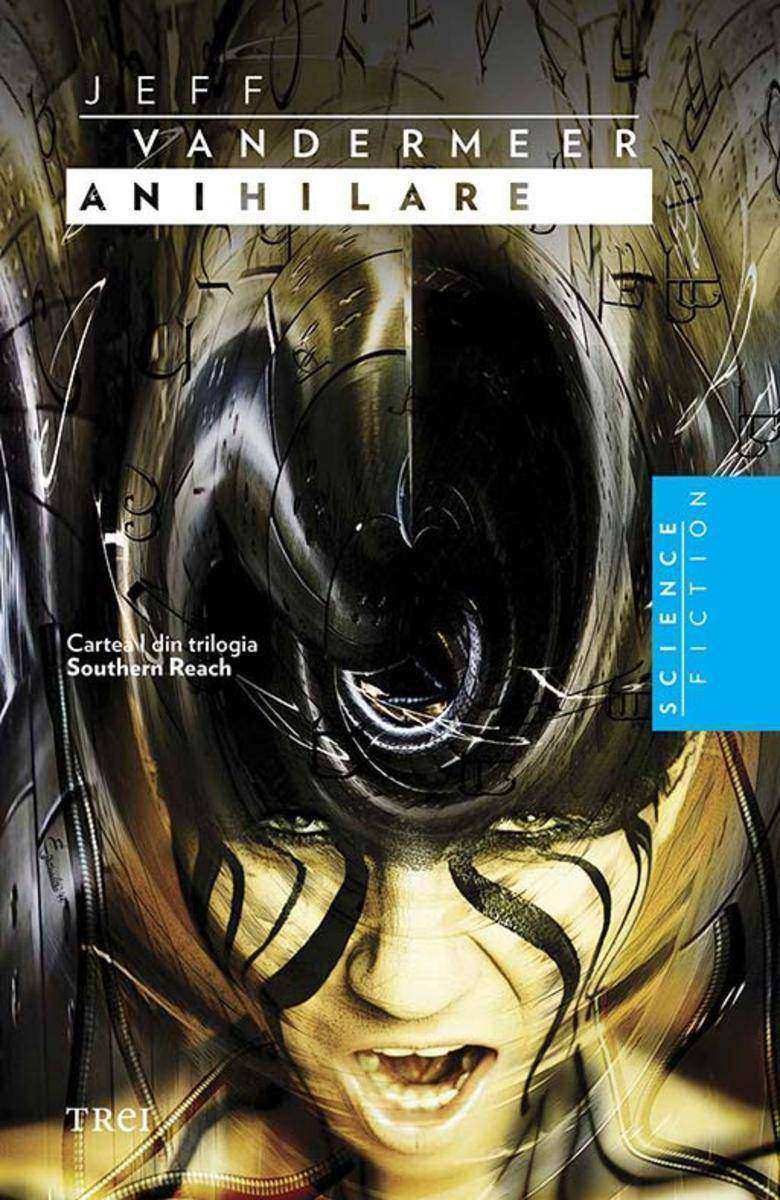
Anihilare
¥48.97
Icarus e o uria?? nav? spa?ial? care c?l?tore?te prin hiperspa?iu cu vitez? superluminic?.Icarus explodeaz?, iar Lilac LaRoux (fiica celui mai bogat om din univers) ?i Tarver Merendsen (care, la doar 18 ani, este deja erou de r?zboi) sunt singurii supravie?uitori. O navet? de salvare ?i duce pe o planet? pustie, unde g?sesc o form? ciudat? de via?? (“fiin?ele ?optitoare“), supus? unui experiment secret condamnabil, ini?iat de tat?l lui Lilac. Totul se schimb? dup? ce Lilac ?i Tarver dezleag? misterul ?fiin?elor ?optitoare“ ?i afl? c? ar putea fi salva?i. Dar nu vor mai fi niciodat? aceia?i tineri care au p??it c?ndva pe planeta pustie.“O aventur? palpitant? ?n spa?iul cosmic.“ -Kirkus ReviewsCioburi de stele a fost recompensat? cu cel mai prestigios premiu pentru science-fiction ?i fantasy din Australia, Aurealis Award for Best Young Adult Novel.“Nu ?tiu cine sau ce ne urm?re?te, dar ?mi dau seama c? floarea este un dar de la fiin?ele misterioase. Nu ?tiu ce inten?ii au ele, dar ?tiu ce ?nseamn? acest dar pentru mine. Nu sunt singur?. Poate c? n am fost niciodat?. Nici m?car c?nd am intrat ?n m?runtaiele navei. Acele fiin?e ?optitoare ?mi citesc g?ndurile. Citesc ?n sufletul meu.“

Formarea inovatorilor. Cum cre?ti tinerii care vor schimba lumea de m?ine
¥65.32
Lee Child este un maestru al suspansului. – Entertainment WeeklyJack Reacher, fost ofi?er ?n poli?ia militar? a Statelor Unite, e pus din nou ?n fa?a unui caz complicat. Pl?nuind s? ajung? ?n Virginia, ?n c?utarea unei femei pe care nu a v?zut-o niciodat?, face autostopul. ?n ma?ina care se opre?te sunt doi b?rba?i ?i o femeie ce pare extrem de ?ngrijorat?. Din atitudinea lor, Reacher ?ncepe s? suspecteze c? ascund ceva.FBI-ul lanseaz? un apel de urm?rire general? pentru c? ?n zon? a avut loc o crim? ?i o persoan? a fost r?pit?. Oare ?nso?itorii de drum ai lui Reacher sunt implica?i ?n aceast? poveste? Iar fostul ofi?er din poli?ia militar? e doar o momeal??Al?turi de Julia Sorenson, agent FBI, Reacher porne?te o anchet? pe cont propriu ?i se treze?te prins ?ntr-o conspira?ie uria??, ?n care nimic nu e ceea ce pare ?i nimeni nu spune adev?rul.Urm?rit creeaz? unul dintre cele mai reu?ite personaje feminine din ?ntreaga serie Jack Reacher. – The New York TimesSubtil ?i nuan?at, cu un stil seduc?tor ?i r?sturn?ri irezistibile de situa?ie. – Newsweek?Reacher continu? s? conduc? ?i ?ncepu s? se g?ndeasc? la cele dou? baraje rutiere prin care trecuser?. Opt ma?ini ?i opt poli?i?ti ?n fiecare loc, cu lanterne ?i timp berechet pentru o inspec?ie am?nun?it?. Se imagin? pe sine ?n situa?ia de om urm?rit, cu ?nf??i?are obi?nuit?, c?l?torind singur, trezindu-se dintr-odat? vulnerabil ?i ?ntr-o situa?ie riscant?, poate anticip?nd barajele rutiere dinaintea sa. Ce putea s? fac? un astfel de om ca s? fie preg?tit? Putea s?-?i schimbe ?nf??i?area obi?nuit?, cu fard, plastilin?, peruci, piercinguri false, tatuaje false sau cicatrice false. Trebuia s? nu mai fie singur ?n ma?in?. Ceea ce era simplu, chiar ?i f?r? pricepere sau antrenament. Putea s? ia un autostopist de pe drum.“

Sec?iune printr-un ora? bolnav
¥57.14
De la primul pas f?cut ?n aceast? lume, purt?m cu noi, f?r? s? ?tim, un ?sac" de poveri ale familiei: drame nespuse, doliuri ne?ncheiate, pove?ti ru?inoase. Motiv?nd c? ?este spre binele nostru" s? nu ne vorbeasc? despre secretele de familie, p?rin?ii ?i bunicii ne condamn?, incon?tient, la a repeta ciclul de traume suferite de str?mo?i. ?n acest ghid practic de psihogenealogie, suntem ajuta?i s? punem ordine ?n ??antierul" mo?tenit de la genera?iile anterioare, s? ne asum?m familia, cu bune ?i rele, ?i s? detension?m (prin iertare, nu prin uitare) conflictele care ne b?ntuie de genera?ii. Cartea clarific? principalele no?iuni de psihogenealogie ?i ofer? instrumentele necesare (?atomul social", ?gensociograma") pentru ?mp?carea cu sine, dar ?i cu str?mo?ii.

Pasiunea lui Cherry
¥57.14
Atunci c?nd adolescentul sufer? din dragoste, p?rin?ii lui se gr?besc s?-l aline cu replici de genul ?Nu merit? s? te nec?je?ti pentru at?ta lucru!" sau ?O s? ?nt?lne?ti persoane mult mai bune ?i mai dr?gu?e dec?t fosta ta iubire". ?n ciuda dorin?ei bine inten?ionate a p?rin?ilor de a-?i proteja adolescen?ii de orice fel de suferin?e, sindromul ?inimii fr?nte" trebuie v?zut ca un proces c?t se poate de util pentru o bun? maturizare a adolescentului, sus?ine psihopedagogul belgian Bruno Humbeeck. Suferin?a din dragoste nu e o boal? ?i nici un motiv de ru?ine. Din contr?, este un prilej pentru a ?nv??a s? iube?ti, s?-l respec?i pe cel?lalt ?i s?-?i redefine?ti identitatea. Misiunea esen?ial? a p?rin?ilor va fi aceea de a oferi un mediu sigur ?i empatic ?n care copilul s? poat? da un sens nefericirii sale, s?-?i poat? asuma ?i integra suferin?a ?n scenariul propriei cre?teri afective. L?muririle psihologice viz?nd ata?amentul, pasiunea fuzional?, a?tept?rile ?i necesitatea revizuirii propriei imagini asupra lumii pot fi extrem de folositoare ?i ?n gestionarea dramelor pasionale din cuplurile adulte.

Bucuria de a munci? Tu, locul de munc? ?i fericirea
¥57.14
n aceast carte de referin pentru psihologia dezvoltrii umane, Erik Erikson combin profundele intuiii ale psihanalizei cu datele empirice ale antropologiei culturale, pentru a evidenia legturile strnse dintre educaia copilului i constrngerile socioculturale. Publicat n 1950 i reeditat n mai multe rnduri, cartea de fa are meritul de a fi aplicat cu succes teoria freudian a sexualitii infantile la munca de teren" a antropologiei. Astfel, autorul a studiat dou triburi amerindiene, comparndule diversele moduri de educaie i socializare ale copiilor. Plecnd de aici, a elaborat teoria celor opt stadii ale dezvoltrii Eului, concepie care a rmas extrem de influent pn n prezent. Cartea ofer analize revelatorii asupra civilizaiei nordamericane, la care se adaug dou inedite psihobiografii dedicate lui Hitler i Maxim Gorki.
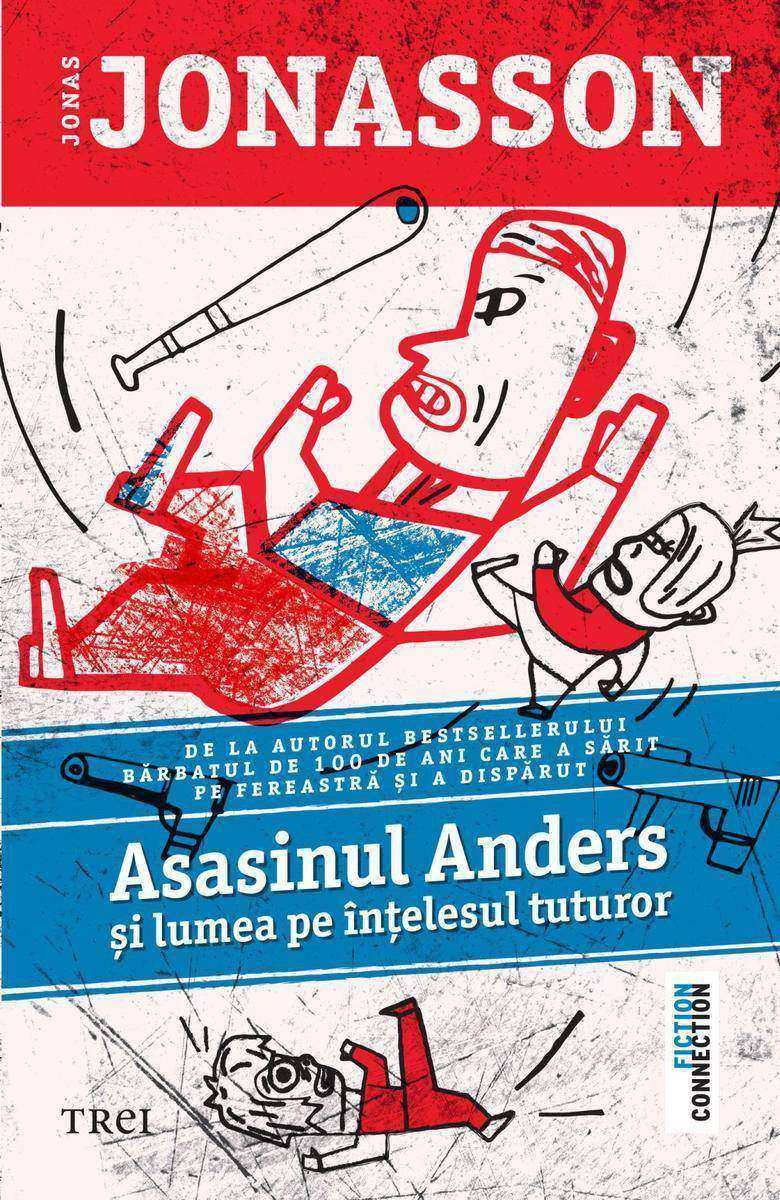
Asasinul Anders ?i lumea pe in?elesul tuturor
¥73.49
Luca D’Andreapoate fi comparat cu Stephen King i Jo Nesb." - La RepubblicaCu o voce inconfundabil i o stpnire desvrit a ritmului i a naraiunii,Luca D’Andreaspune povestea unui om copleit de obsesia sa, pentru care e gata s sacrifice tot ce are mai de pre."D’Andreaeste un adevrat maestru." – La StampaEsena ruluieste n curs de publicare n peste 30 de ri.n Italia, a intrat direct n top 10 pe lista de bestselleruri, iar n opt luni a ajuns la a asea ediie.n Germania, n a doua sptmn de la publicare, a urcat pe locul doi n topul Der Spiegel.O tripl crim, crud i sngeroas, zguduie satul Siebenhoch, o comunitate retras i linitit din Tirolul de Sud.Dei s-a petrecut cu mult timp n urm, teribila ntmplare din creierii Alpilor Dolomii i bntuie nc pe locuitori i nvluie zona ntr-o atmosfer violent i misterioas.Totodat, locul crimelor, defileul Bletterbach, este un punct strvechi al planetei, care ar putea fi adpostul unei creaturi periculoase i nspimnttoare, care s-a trezit la via.Un american, venit n Alpi alturi de familia sa, are un accident ngrozitor i, dei supravieuiete, muntele pare s-l atrag n cele mai morbide feluri. El devine din ce n ce mai implicat n enigmele locale, lucru care-i va dezbina familia i-l va arunca ntr-un comar cumplit.


