


 购物车
购物车 个人中心
个人中心

修仙:古代中国的修行与社会记忆
¥29.00
求神问仙是中国中古时期宗教表达的重要形式,也为道教的产生奠定了基础。一直以来,中古时期的仙和修仙者都被描绘成一群神秘、隐匿的人。而康儒博在这项创性研究中的看法则大异其趣。康氏认为,仙并未脱离社会,仙仅仅是诸多社会角色中的一个宗教角色,且在这种映照之下得以成立。修仙者不是绝世的,他们要在社会环境中寻求治病救人、预测未来、述异志怪的能力。该书融合了多元的理论方法和坚实的中国古代文献,在此基础上细致微地分析了修仙者的社会角色和社会互动。它对修仙作为一种社会氛围的描摹非常新颖,它所提出的研究范式对理解其他社会中的圣人角色也具有创造性。


吃茶去:与星云大师一起参禅
¥24.99
中国人千百年来流行说禅机。星云大师精选禅宗公案200则,从现代人的观点,帮助您汲取禅师灵活幽默的智慧,活出充实自在的人生。禅,离开不了生活,穿衣吃饭是禅,搬柴运水也是禅——一天,稽山章禅师在庭院里碰到投子禅师,投子禅师以一杯茶慰劳他,问道:“这杯茶如何?”章禅师双手接过茶,说道:“这杯茶,可以说森罗万象都在这里!” 投子禅师道:“森罗万象都在这里,如此说来,这是一杯非比寻常的茶,假著随随便便喝下去,谁知有何严重的后果?” 稽山章禅师有恃于自己对禅的心得,在禅师尚未说完话时就突然把茶泼掉,机锋严厉地道:“森罗万象在什么地方?” 投子禅师这时轻言慢语非常平静地说道:“可惜!一杯茶。” 章禅师转变话锋道“这只是一杯茶。”。投子禅师不放过章禅师:“虽只是一杯茶,森罗万象都在这里!” 章禅师终于无话可说。

心学之思——王阳明哲学的阐释(当代中国人文大系)
¥46.80
有关王阳明研究的一部佳作。作者从一个新的视野出发,对阳明心学展开多维度的阐释,思路开阔,创见颇多,具有开拓性。尤其从“存在”的维度上阐明阳明心学的个体性特征,进而提出“存在意义”的转换问题,明确肯定阳明心学将情感、意志视为主体应有的规定,这都是同类著作中少见的。又如从阳明学关于“心体”、“本体”与“工夫”等方面所表现的二重性引出其演变分化的历史叙述,得出阳明形而上学的消解过程完成于黄宗羲的结论,亦有前人所未言者。此书1997年由三联书店出版,早已脱销,它的再版必将推进阳明学研究的深入发展。

了凡四训
¥9.40
看人生贫富之真相,明改造命运之方法,融会儒释道三家思想,展现五千年文明智慧。 《了凡四训》是明朝袁了凡先生所作的家训,融汇了中国传统儒释道三家思想的精华。佛之慈悲,道之空灵,儒之世,结合起来,成为完美的中国智慧。 清朝曾国藩读完《了凡四训》,改号“涤生”。涤者,取涤其旧染之污也;生者,取明袁了凡之言,“从前种种,譬如昨日死;从后种种,譬如今日生。”并将此书列为子侄的人生智慧之书。 内心的强大,不仅需要丰富的知识,更需要谨严慎思的德行,明白这些,烦躁和困扰也就迎刃而解。

概率:人生的指南(普及概率知识%培养概率思维%人生正确决策书)
¥22.75
屋外明明是艳阳高照,天气预报却说有雨,你出门时是否要带伞?彩票中奖的概率极低,你是否要一注,赌赌运气? 投资有风险,那你是否还会股票、基金或其他理财产品?……日常生活中,我们经常会遇到类似的情景,如果你懂得一些关于概率的知识,也许就不用那么纠结和困惑了。 在《概率》一书中,作者用通俗、风趣的语言,向我们讲述了关于概率的7种主要类型。在面对不同的场景时,要使用相应的一种或多种概率类型,人们才能做出*的选择。就如英国哲学家巴特勒所言,概率是人生的真正指南。

价值论——一种主体性的研究(第3版)
¥58.80
本书力求建构一种基于中国文化传统,并运用新的哲学方法行思考的价值论体系。这种新的方法,简单说就是以“关系思维”代替传统的“实体思维”,将人的社会存在和人在实践中的主体性权利与责任,当作理解价值现象和价值观念的客观依据,并力求通过对实践和主体性的分析,来回答有关价值的各种问题。这一方法*初来自马克思创立的“实践的唯物主义”。

中西美学与文化精神(当代中国人文大系)
¥58.80
文化精神是一文化中一切时代、一切思想的总和。本书从文化精神的角度研究中西美学。作者从文化范式手,在把握中西美学基本精神和对中西美学作宏观整体比较的前提下,切到中西美学中“和谐”、“悲剧”、“崇高”、“荒诞与逍遥”、“文与形式”、“典型与意境”等基本概念,和“创作理论”、“灵感理论”、“灵感的主体构成”以及“审美具体方式”等具体问题,并结合了大量的中西艺术实践,作了观念的梳理与理论的分析概括来寻找横跨不同范式之间的共同规律。

导读德勒兹与加塔利《什么是哲学》
¥29.40
《什么是哲学?》的秘密就在于,这本书和它的主题、它的发生、它的评论都同时呈现在一个交互且不可分割的生成之中。这也就意味着它们每一个都不先于另一个,也都不能给出决定性的言说。正是出于这个理由,《什么是哲学?》这本书将永远向未来放,德勒兹与加塔利将之定义为“一个从不终止,总是在产生之过程中的新世界”。

浅译道德经
¥29.00
《道德经》又称《老子》《老子五千文》它在阐述真正的自然法则!这一法则是天地万物和谐共存,人类文明延续的基石。

胡适的北大哲学课·壹
¥11.99
1917年7月,胡适受蔡元培之邀就任国立北京大学文科教授,讲授中国古代哲学史、中国名学、英文高等修辞学。胡适一边教学,一边编写教材。顾颉刚曾对同窗傅斯年推荐:“胡先生讲的的确不差,他有眼光、有胆量、有断制,确是一个有能力的哲学史家。” 自1919年至1937年间。胡适多次在北京大学讲授中国哲学史,而且主要是讲中古哲学史和近世哲学史,其中1919年2月出版的《中国哲学史大纲》(卷上)就是在讲义的内容基础上修定而成。胡适是首位采用了西方近代哲学的体系和方法研究中国哲学的人,由于他的出现,中国的思想史才初具规模。他在中国哲学史,甚至在各种专史和通史的研究方面,都是创性的,他觉得是中国哲学思想史的山鼻祖。 《胡适的北大哲学课》以胡适在北京大学的所有哲学讲义为母本,再综合胡适关于中国哲学的其他著作整理而成,力求为读者构建一个*全的胡适哲学体系,让读者*直的感受哲学大师的风采。

周易(修订版)(上)
¥23.00
周易(修订版)(上)

增一阿含经(上册)
¥46.00
汉译四部《阿含经》——《杂阿含经》、《中阿含经》、《长阿含经》与《增一阿含经》,是由佛陀的圣弟子于佛陀般涅槃的当年夏安居时结集出来的,忠实地汇集了佛陀自成佛以来至般涅槃前所宣讲的教法,由此说明了《阿含经》的原始性、根本性与权威性。在汉传佛教的三藏典籍中,《阿含经》就代表着原始佛教,也是印度部派佛教时期所公认的“根本佛法”。 为便于广大信徒与学者更好地了解、学修原始佛教,本书校注者以高丽藏为底本,尽量保持原本整体风貌,将四部阿含经文转为简体字,加上现代标及分段。并在前人研究成果的基础上,参考《南传大藏经》、《碛砂藏》、《大正新修大藏经》、《正仓院圣语藏本》等不同藏经,纠正原经文部分错漏之处,就经中出现的地名、人名、法相名词、艰涩文句及其它译本的不同翻译作出注释,方便读者更为精准地把握根本教义与修行原理。本书有较高的学术、实用、版本和收藏价值,是广大佛教信徒与佛学研究者难得的学习、研究参考书。

胡适的北大哲学课·肆
¥11.99
1917年7月,胡适受蔡元培之邀就任国立北京大学文科教授,讲授中国古代哲学史、中国名学、英文高等修辞学。胡适一边教学,一边编写教材。顾颉刚曾对同窗傅斯年推荐:“胡先生讲的的确不差,他有眼光、有胆量、有断制,确是一个有能力的哲学史家。” 自1919年至1937年间。胡适多次在北京大学讲授中国哲学史,而且主要是讲中古哲学史和近世哲学史,其中1919年2月出版的《中国哲学史大纲》(卷上)就是在讲义的内容基础上修定而成。胡适是首位采用了西方近代哲学的体系和方法研究中国哲学的人,由于他的出现,中国的思想史才初具规模。他在中国哲学史,甚至在各种专史和通史的研究方面,都是创性的,他觉得是中国哲学思想史的山鼻祖。 《胡适的北大哲学课》以胡适在北京大学的所有哲学讲义为母本,再综合胡适关于中国哲学的其他著作整理而成,力求为读者构建一个*全的胡适哲学体系,让读者*直的感受哲学大师的风采。

Embedded Linux Development using Yocto Projects - Second Edition
¥259.95
Optimize and boost your Linux-based system with Yocto Project and increase its reliability and robustness efficiently and cost-effectively. About This Book Optimize your Yocto Project tools to develop efficient Linux-based projects Practical approach to learning Linux development using Yocto Project Demonstrates concepts in a practical and easy-to-understand way Who This Book Is For If you are an embedded Linux developer with a basic knowledge of Yocto Project and want to broaden your knowledge with examples of embedded development, then this book is for you. This book is also for professionals who want to find new insights into working methodologies for Linux development. What You Will Learn Understand the basic concepts involved in Poky workflows along with configuring and preparing the Poky build environment. Configure a build server and customize images using Toaster. Generate images and fit packages into created images using BitBake. Support the development process by setting up and using Package feeds. Debug Yocto Project by configuring Poky. Build an image for the BeagleBone Black, RaspberryPi 3, and Wandboard, and boot it from an SD card. In Detail Yocto Project is turning out to be the best integration framework for creating reliable embedded Linux projects. It has the edge over other frameworks because of its features such as less development time and improved reliability and robustness. Embedded Linux Development using Yocto Project starts with an in-depth explanation of all Yocto Project tools, to help you perform different Linux-based tasks. The book then moves on to in-depth explanations of Poky and BitBake. It also includes some practical use cases for building a Linux subsystem project using Yocto Project tools available for embedded Linux. The book also covers topics such as SDK, recipetool, and others. By the end of the book, you will have learned how to generate and run an image for real hardware boards and will have gained hands-on experience at building efficient Linux systems using Yocto Project. Style and approach A clear, concise, and straightforward book that will enable you to use and implement the latest features of Yocto Project.

Dawn by H. Rider Haggard - Delphi Classics (Illustrated)
¥8.09
This eBook features the unabridged text of ‘Dawn by H. Rider Haggard - Delphi Classics (Illustrated)’ from the bestselling edition of ‘The Complete Works of H. Rider Haggard’. Having established their name as the leading publisher of classic literature and art, Delphi Classics produce publications that are individually crafted with superior formatting, while introducing many rare texts for the first time in digital print. The Delphi Classics edition of Haggard includes original annotations and illustrations relating to the life and works of the author, as well as individual tables of contents, allowing you to navigate eBooks quickly and easily. eBook features: * The complete unabridged text of ‘Dawn by H. Rider Haggard - Delphi Classics (Illustrated)’ * Beautifully illustrated with images related to Haggard’s works * Individual contents table, allowing easy navigation around the eBook * Excellent formatting of the text Please visit www.delphiclassics.com to learn more about our wide range of titles

The Last Man by Mary Shelley - Delphi Classics (Illustrated)
¥8.09
This eBook features the unabridged text of ‘The Last Man by Mary Shelley - Delphi Classics (Illustrated)’ from the bestselling edition of ‘The Complete Works of Mary Shelley’. Having established their name as the leading publisher of classic literature and art, Delphi Classics produce publications that are individually crafted with superior formatting, while introducing many rare texts for the first time in digital print. The Delphi Classics edition of Shelley includes original annotations and illustrations relating to the life and works of the author, as well as individual tables of contents, allowing you to navigate eBooks quickly and easily. eBook features: * The complete unabridged text of ‘The Last Man by Mary Shelley - Delphi Classics (Illustrated)’ * Beautifully illustrated with images related to Shelley’s works * Individual contents table, allowing easy navigation around the eBook * Excellent formatting of the text Please visit www.delphiclassics.com to learn more about our wide range of titles

Sin
¥90.03
Zakhar Prilepin’s novel-in-stories, Sin, has become a literary phenomenon in Russia, where it was published in 2007. It has been hailed as the epitome of the spirit of the opening decade of the 21st century, and was called “the book of the decade” by the prestigious Super Natsbest Award jury. Now available for the first time in English, it not only embodies the reality of post-perestroika Russia, but also shows that even in this reality, just like in any other, it is possible to maintain a positive attitude while remaining human. Zakharka is young, strong, in love with love and with life’s random, telling moments. In the episodes of his life, presented here in non-chronological order, we see him as a little boy, a lovelorn teenager, a hard-drinking grave-digger, a nightclub bouncer, a father, and a soldier in Chechnya. He even writes poetry, and his stylistically varied verses are presented in the penultimate chapter of the book. Loving life, he looks boldly, and even with curiosity, into the face of death – taking pictures of the deceased at a funeral, staring with agitation at the entrails of a just-disembowelled pig, chronicling the death of a childhood friend – and values the freedom of not fearing his own end. It is family that ultimately defines happiness for Zakharka; but it is also family that makes him realize, on the desolate Chechen border, that his love for them has deprived him of this freedom. Sin offers a fascinating glimpse into the recent Russian past, as well as its present, with its unemployment, poverty, violence, and local wars – social problems that may be found in many corners of the world. Zakhar Prilepin presents these realities through the eyes of Zakharka, taking us along on the life-affirming journey of his unforgettable protagonist.
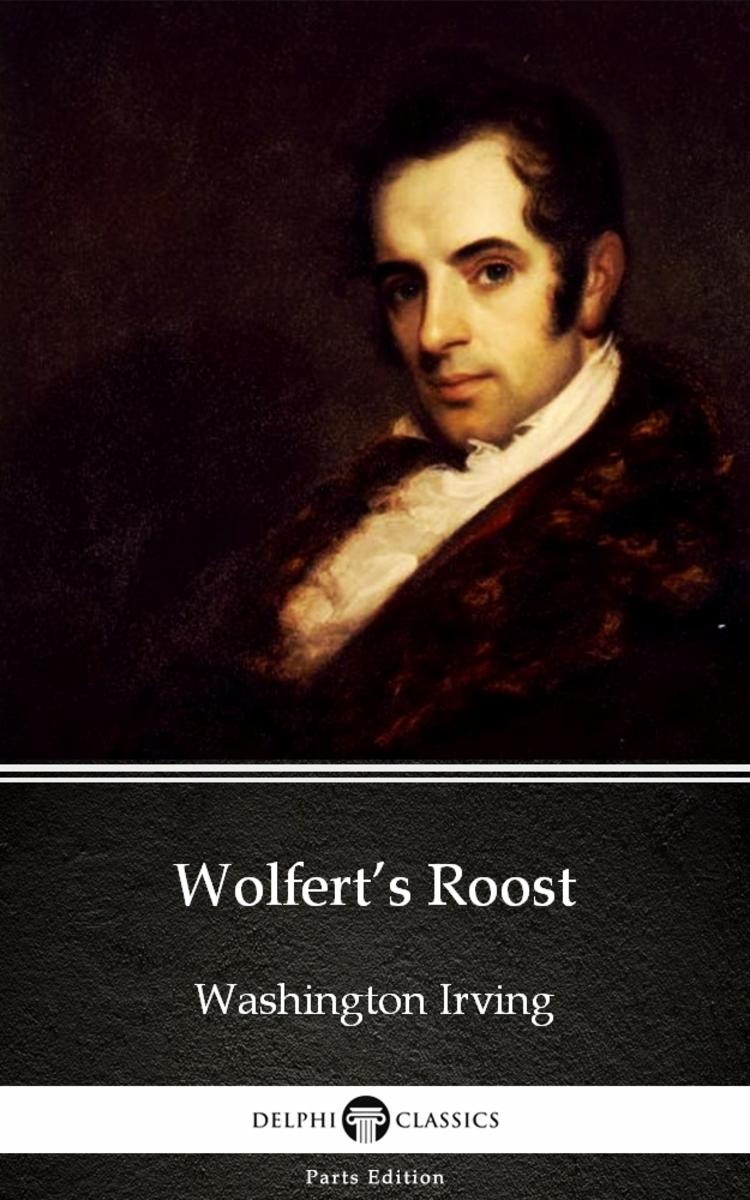
Wolfert’s Roost by Washington Irving - Delphi Classics (Illustrated)
¥8.09
This eBook features the unabridged text of ‘Wolfert’s Roost by Washington Irving - Delphi Classics (Illustrated)’ from the bestselling edition of ‘The Complete Works of Washington Irving’. Having established their name as the leading publisher of classic literature and art, Delphi Classics produce publications that are individually crafted with superior formatting, while introducing many rare texts for the first time in digital print. The Delphi Classics edition of Irving includes original annotations and illustrations relating to the life and works of the author, as well as individual tables of contents, allowing you to navigate eBooks quickly and easily. eBook features: * The complete unabridged text of ‘Wolfert’s Roost by Washington Irving - Delphi Classics (Illustrated)’ * Beautifully illustrated with images related to Irving’s works * Individual contents table, allowing easy navigation around the eBook * Excellent formatting of the text Please visit www.delphiclassics.com to learn more about our wide range of titles

Midas by Mary Shelley - Delphi Classics (Illustrated)
¥8.09
This eBook features the unabridged text of ‘Midas by Mary Shelley - Delphi Classics (Illustrated)’ from the bestselling edition of ‘The Complete Works of Mary Shelley’. Having established their name as the leading publisher of classic literature and art, Delphi Classics produce publications that are individually crafted with superior formatting, while introducing many rare texts for the first time in digital print. The Delphi Classics edition of Shelley includes original annotations and illustrations relating to the life and works of the author, as well as individual tables of contents, allowing you to navigate eBooks quickly and easily. eBook features: * The complete unabridged text of ‘Midas by Mary Shelley - Delphi Classics (Illustrated)’ * Beautifully illustrated with images related to Shelley’s works * Individual contents table, allowing easy navigation around the eBook * Excellent formatting of the text Please visit www.delphiclassics.com to learn more about our wide range of titles

Precaution by James Fenimore Cooper - Delphi Classics (Illustrated)
¥8.09
This eBook features the unabridged text of ‘Precaution by James Fenimore Cooper - Delphi Classics (Illustrated)’ from the bestselling edition of ‘The Complete Works of James Fenimore Cooper’. Having established their name as the leading publisher of classic literature and art, Delphi Classics produce publications that are individually crafted with superior formatting, while introducing many rare texts for the first time in digital print. The Delphi Classics edition of Cooper includes original annotations and illustrations relating to the life and works of the author, as well as individual tables of contents, allowing you to navigate eBooks quickly and easily. eBook features: * The complete unabridged text of ‘Precaution by James Fenimore Cooper - Delphi Classics (Illustrated)’ * Beautifully illustrated with images related to Cooper’s works * Individual contents table, allowing easy navigation around the eBook * Excellent formatting of the text Please visit www.delphiclassics.com to learn more about our wide range of titles
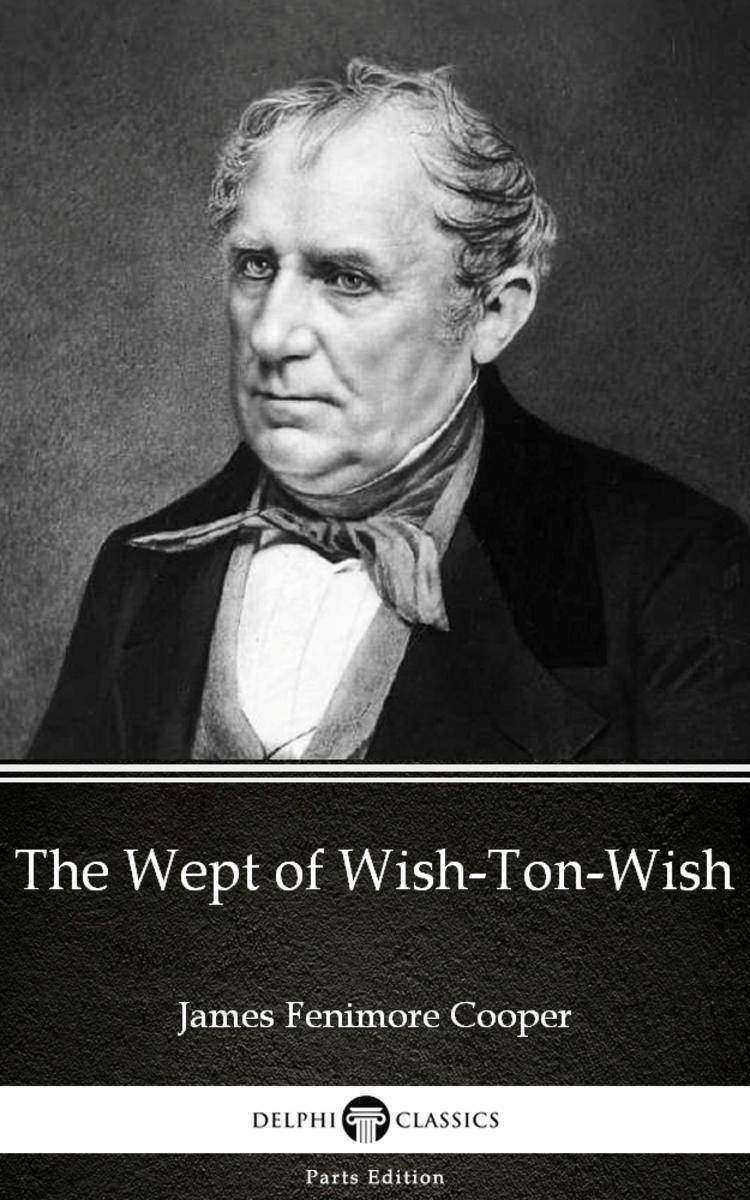
The Wept of Wish-Ton-Wish by James Fenimore Cooper - Delphi Classics (Illustrate
¥8.09
This eBook features the unabridged text of ‘The Wept of Wish-Ton-Wish by James Fenimore Cooper - Delphi Classics (Illustrated)’ from the bestselling edition of ‘The Complete Works of James Fenimore Cooper’. Having established their name as the leading publisher of classic literature and art, Delphi Classics produce publications that are individually crafted with superior formatting, while introducing many rare texts for the first time in digital print. The Delphi Classics edition of Cooper includes original annotations and illustrations relating to the life and works of the author, as well as individual tables of contents, allowing you to navigate eBooks quickly and easily. eBook features: * The complete unabridged text of ‘The Wept of Wish-Ton-Wish by James Fenimore Cooper - Delphi Classics (Illustrated)’ * Beautifully illustrated with images related to Cooper’s works * Individual contents table, allowing easy navigation around the eBook * Excellent formatting of the text Please visit www.delphiclassics.com to learn more about our wide range of titles


