


 购物车
 个人中心

Timaeus
¥40.79
Of all the writings of Plato the Timaeus is the most obscure and repulsive to the modern reader, and has nevertheless had the greatest influence over the ancient and mediaeval world. The obscurity arises in the infancy of physical science, out of the confusion of theological, mathematical, and physiological notions, out of the desire to conceive the whole of nature without any adequate knowledge of the parts, and from a greater perception of similarities which lie on the surface than of differences which are hidden from view.
Ion
¥40.79
The Ion is the shortest, or nearly the shortest, of all the writings which bear the name of Plato, and is not authenticated by any early external testimony. The grace and beauty of this little work supply the only, and perhaps a sufficient, proof of its genuineness. The plan is simple; the dramatic interest consists entirely in the contrast between the irony of Socrates and the transparent vanity and childlike enthusiasm of the rhapsode Ion.
The Confessions
¥40.79
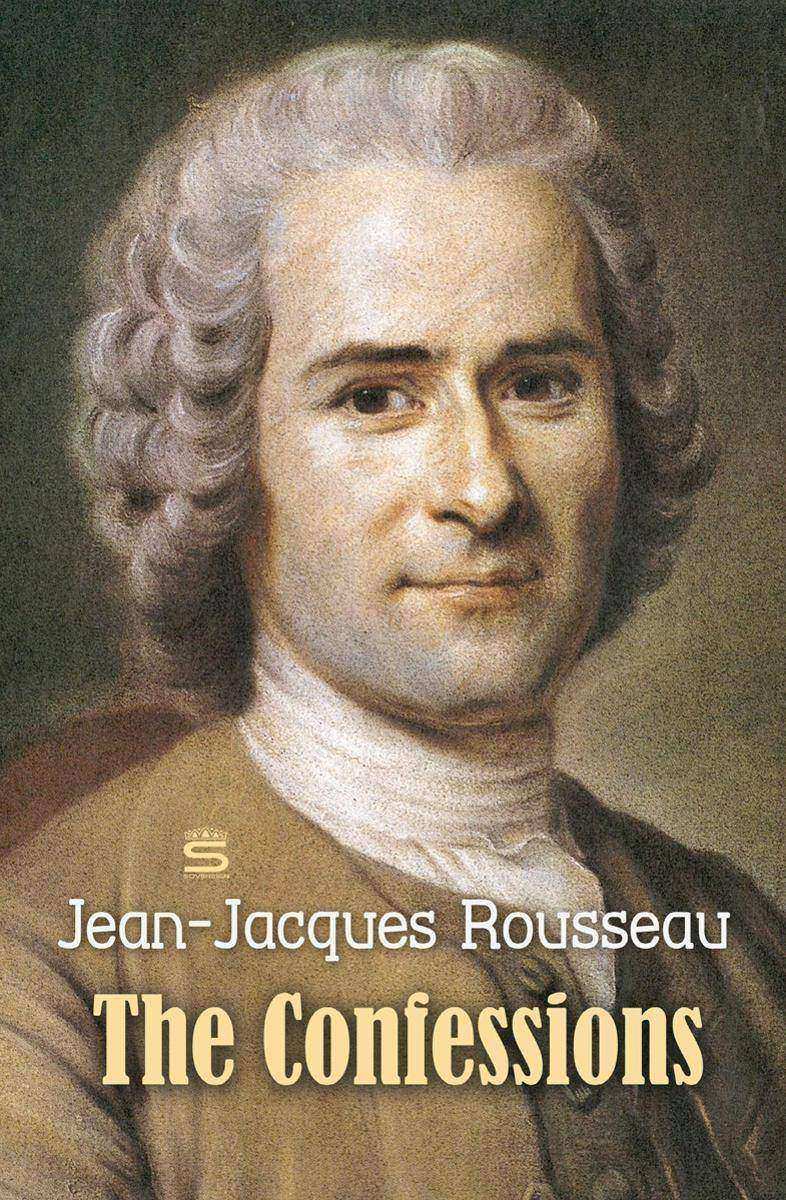
The Confessions is an autobiographical work of Jean-Jacques Rousseau which initiated modern autobiography. Covering the first fifty-three years of Rousseau's life the book provides an account of the experiences that shaped his personality and ideas.

Areopagitica
¥40.79
Areopagitica is among history's most influential and impassioned philosophical defences of the principle of a right to freedom of speech and expression. Today, Areopagitica is regarded as one of the most eloquent defences of press freedom ever written – and as one of the most influential, because many of its expressed principles have formed the basis for modern justifications.
Meteorology
¥40.79
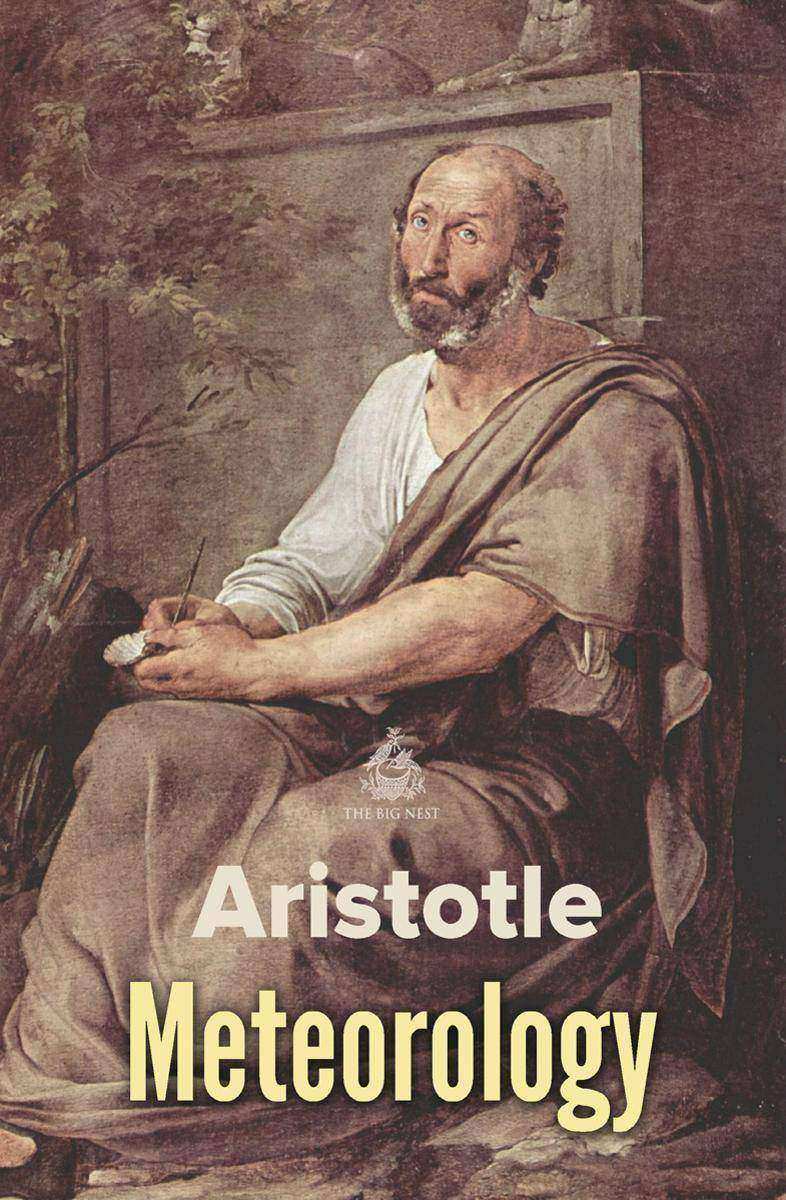
We have already discussed the first causes of nature, and all natural motion, also the stars ordered in the motion of the heavens, and the physical element-enumerating and specifying them and showing how they change into one another-and becoming and perishing in general. There remains for consideration a part of this inquiry which all our predecessors called meteorology. It is concerned with events that are natural, though their order is less perfect than that of the first of the elements of bodies. They take place in the region nearest to the motion of the stars. Such are the milky way, and comets, and the movements of meteors.
On the Motion of Animals
¥40.79
Elsewhere we have investigated in detail the movement of animals after their various kinds, the differences between them, and the reasons for their particular characters (for some animals fly, some swim, some walk, others move in various other ways); there remains an investigation of the common ground of any sort of animal movement whatsoever.
There is No Thinker Only Thought
¥73.49
In these talks given in New Delhi, Bombay, London, Saanen, Paris and Madras, Krishnamurti begins by defining what he means by the word discussion and what it means to go beyond thought. "I think, before we begin, it should be made clear what we mean by discussion. To me it is a process of discovery through exposing oneself to the fact. That is, in discussing I discover myself, the habit of my thought, the way I proceed to think, my reactions, the way I reason, not only intellectually but inwardly. It is really exposing oneself not merely verbally but actually so that the discussion becomes a thing worth while - to discover for ourselves how we think. Because, I feel if we could be serious enough for an hour or a little more and really fathom and delve into ourselves as much as we can, we shall be able to release, not through any action of will, a certain sense of energy which is all the time awake, which is beyond thought."
Choiceless Awareness
¥73.49
In these talks in India , Krishnamurti begins by stating his intention to begin answering questions put forth to him by others. He points out that if an answer is to be right, the question itself must also be. "...a serious question put by a serious person, by an earnest person who is seeking out the solution of a very difficult problem, then, obviously, there will be an answer befitting that question."? An extensive compendium of Krishnamurti's talks and discussions in the USA, Europe, India, New Zealand, and South Africa from 1933 to 1967—the Collected Works have been carefully authenticated against existing transcripts and tapes. Each volume includes a frontispiece photograph of Krishnamurti , with question and subject indexes at the end. The content of each volume is not limited to the subject of the title, but rather offers a unique view of Krishnamurti's extraordinary teachings in selected years. The Collected Works offers the reader the opportunity to explore the early writings and dialogues in their most complete and authentic form.

Ancheta
¥33.03
Ce este adev?rul? De unde ?tiu cine sunt? De ce ar trebui s? fim buni? Exist? multe c?r?i despre filosofie. Cu toate acestea, Cine sunt eu? difer? fa?? de celelalte lucr?ri de introducere ?n filosofie. Nimeni nu a reu?it p?n? acum s? pun? cititorul fa??-n fa?? cu marile ?ntreb?ri ale omenirii ?ntr-o manier? at?t de documentat?, de competent? ?i, ?n acela?i timp, cu umor ?i cu elegan??. Prezenta lucrare reprezint? o c?l?torie unic? prin noianul de cuno?tin?e pe care le avem despre om. Precht ne prezint? tot ceea ce este mai nou ?n neuro?tiin??, ?n psihologie ?i ?n filosofie. Fie c? pleac? ?n cercetarea sensului vie?ii pornind de la analiza unui episod din Star Trek sau de la melodia Lucy in the Sky with Diamonds a celor de la Beatles, cartea ne pune ?n fa?a unui traseu captivant, ?n care vom descoperi cele mai surprinz?toare lucruri despre noi ?n?ine.
MALARIA: История военного переводчика
¥11.77
A partir de uma sugest?o de Gilles Deleuze e Félix Guattari – a de que todos os filósofos ocidentais terminaram construindo, no interregno do seu pensamento, personagens conceituais, uma espécie de assinatura do filósofo – este livro objetiva identificar esse tra?o a partir da obra de Michel Foucault. A tese em quest?o é que este autor n?o se enquadra em uma imagem única, como a do Juiz em Kant, ou a do sedutor em Kierkegaard, mas em uma imagem híbrida e triádica, fazendo coro com muitos filósofos chamados de transversais e que se instalaram no horizonte de filosofias chamadas de pós-estruturalistas, como Deleuze.

Безжальна правда про нещадний б?знес
¥24.53
Em Vida sem Princípio , Henry David Thoreau nos apresenta um verdadeiro manual de como viver em sociedade e em contato com a Natureza respeitando a natureza e ao próximo.? puro Transcendentalismo , um apelo para que cada um siga a sua própria luz interior.Este ensaio foi obtido a partir da palestra''What Shall It Profit? ''apresentada ao publico em 06 de dezembro de 1854, no Sal?o Railroad em Providence Rhode Island.Foi publicado pela primeira vez na edi??o de outubro de 1863 The Atlantic Monthly, onde foi dado o título moderno.Vida sem Princípio é um ensaio em que Thoreau coloca o seu programa para viver bem. Incluem-se aqui as suas ideias sobre a forma de abordagem da comunica??o interpessoal, modos de trabalho, sustento financeiro e outros códigos de conduta baseados na filosofia de de vida de Thoreau.'
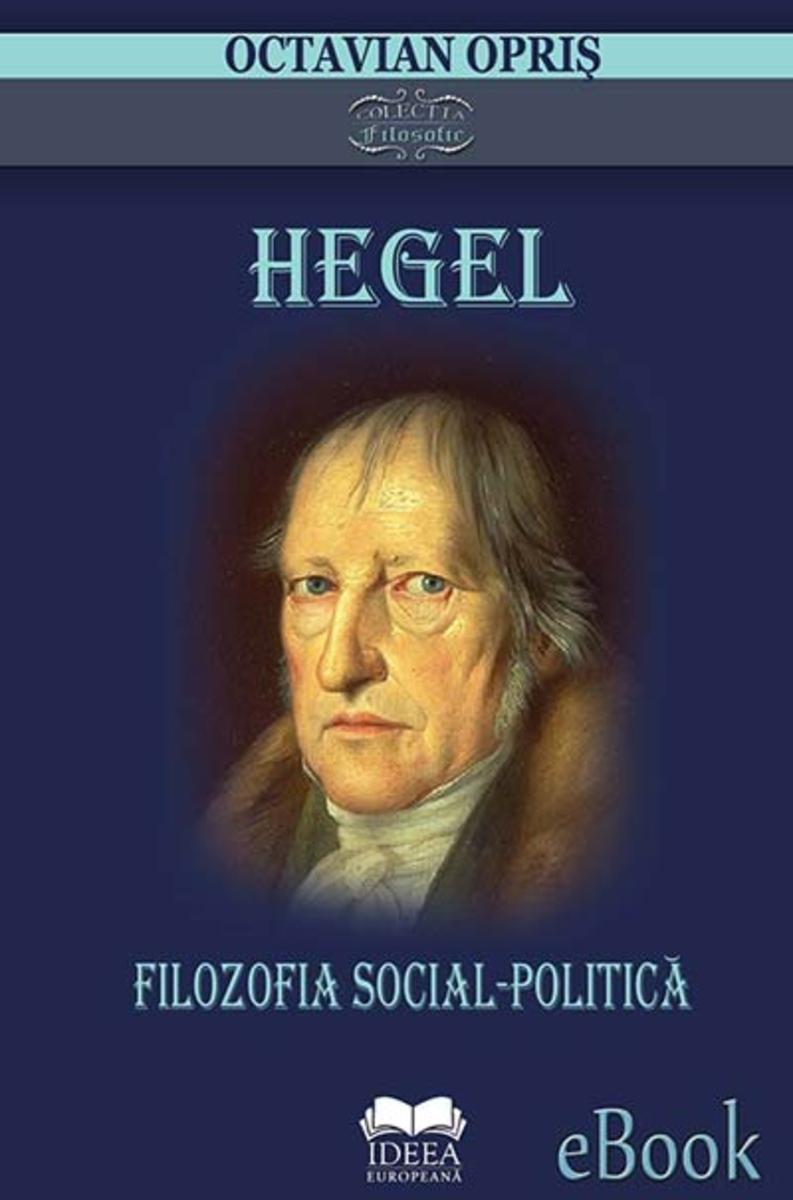
Hegel. Filozofia social-politic?
¥51.50
Hegel este cel mai sistematic filozof, a c?rui oper? este coerent articulat? ?i sus?inut? de o dens? ?es?tur? conceptual? ?i o teleologie cu un pronun?at caracter axiologic. Hegel a vrut ?i ?n parte a reu?it s? construiasc? o concep?ie articulat? ?i cuprinz?toare despre om, societate, natur? ?i divinitate. Fiecare component? a sistemului s?u filozofic, structurile logice, societatea, arta, politica sau istoria nu pot fi ?n?elese f?r? ?ntregul care le cuprinde, le determin? d?ndu-le transparen?? ?i sens. G?ndirea politic? hegelian? nu e o simpl? medita?ie asupra statului ?i a institu?iilor sale determinat? de conjunctur? sau de vreo implica?ie practic? a filozofului ?n politica din timpul s?u. Medita?ia hegelian? asupra politicului este consecin?a necesar? a g?ndirii speculative cuprins? ?n masiva sa oper? filozofic?. Politicul este o component? important? a structurii ontologice a lumii, un moment esen?ial al realiz?rii ?i func?ion?rii Libert??ii. Ra?iunea ?n act, cristalizat? ?ntr-o diversitate de conduite, structuri ?i institu?ii configureaz? universul practic, concretiz?nd spiritul teoretic ?i organiz?nd a nou? regiune ontic?.
The World Set Free
¥18.74
Kitab?n ba?l?ca vasf? olarak, Antik Yunan polisinden günümüze uzanan yolda, ?ocuk ve gen? yeti?tirmenin kamusal ve insan? ?nemini ortaya koyarken, fizik?, ahl?k? ve kültürel y?nleriyle bir bütün olarak e?itim felsefesi üzerine kaleme al?nm?? en temel eserlerden biri olmas? g?sterilebilir… ?Bu noktada, Rousseau’nun, “Tüm yazd?klar?m i?inde en iyi eserim” diye takdim etti?i?Emile’in 1762’de yay?nland???nda lanetlenip, 30 y?l sonra, Frans?z Devrimi’nin ?ncüleri i?in Frans?z milli e?itiminin ilham kayna?? addedildi?i dikkate al?nd???nda, Kant’?n e?itim üzerine sarf etti?i s?zlerin tarihsel ve toplumsal ba?lam? da ortaya ??kar. 18.yüzy?l?n ortalar?ndan 19.yüzy?l?n ba?lar?na dek ge?en bir ?mürlük sürede k?ta Avrupas? büyük bir do?umun sanc?lar?yla sars?lmaktad?r. ?ncesi ve sonras? diye tarihi ikiye ay?ran ?ifte Devrim (Sanayi ve Frans?z Devrimi) büyük bir zihinsel d?nü?üme yol a?mak üzeredir. Kant’? büyüten, ya da büyüklü?üne ayr?ca de?er katan bir unsur da, onun i?te bu ?a??n insan? olmas?d?r. ?Kant, 1806’daki Jena Sava??n? ve Napoleon i?galinin Alman milleti üzerinde yaratt??? ?ok ve deh?eti g?remeden vefat etse de, Wilhelm von Humboldt gibi e?itim reformcular? arac?l???yla Prusya (genel itibar?yla da Alman) e?itim sistemi i?in ne denli ?nemli bir yol a?t???n? tüm kitap boyunca seziyor gibidir. Bununla birlikte Kant’?nE?itim ?zerine’si, milli dilde ibadet edip, okumay? yazmay? te?vik eden Luhterci gelene?in Pietizmle kendini yenilemi? ve Büyük Frederich taraf?ndan te?vik edilmi? olan e?itim anlay???n?n olgunla?ma ?a??n?n da bir ürünüdür. Bu sebeple, kitab?n tamam?na h?kim olan motif, Ayd?nlanmac? bir “i?sel ?zgürle?im” ve “ruhan? terbiye” aras?nda kurulmas? gereken büyük dengedir. ? ? ?Bu arka plan? dikkate alarak, ?imdi kitaba biraz daha yak?ndan bakabiliriz… E?itim ?zerine, memleketin sayg?n ?evirmenlerinden biri olan Ahmet Aydo?an’?n sunu? ve ?ns?züyle ba?l?yor. ?stü kapal? fakat sitem dolu bir de?erlendirme yaz?s? olan “’Sapere Aude!’ Diye ??kt?k Yola”, Kant’a s?zü teslim etmeden evvel, 30 sayfada, Kant’?n dü?ünce dünyas?ndan ne denli uzakta kald???m?z?n ele?tirisini yap?yor. Bu arada, kitab?n ortaya ??k?? ?yküsüne de 22.sayfada a??klay?c? bir notla yer veriliyor. K?ningsberg ?niversitesi’nde muhtelif zamanlarda verilen dersler i?in haz?rlanan notlardan derlendi?i anla??lan?E?itim ?zerine, modern Türk?e’nin bir felsefe dili olamamas?n?n da etkisiyle, ?e?itli dipnotlar arac?l???yla kavramlar?n ve kelimelerin daha anla??l?r k?l?nd??? bir h?lde okura sunuluyor. ? “?nsan E?itilmesi Gereken Bir Varl?kt?r”: ? ?Kant, dü?üncelerini temellendirdi?i giri? sayfalar?nda insan?n e?itime muhta? ten varl?k oldu?u ger?e?inden hareket ediyor ve insan?n ancak e?itimle insan olabilece?ini dile getiriyor. (s.35) E?itime y?nelik bu yakla??m, Kant’?n idealizm felsefesinin ger?ekle?mesine giden yolu a?an anahtarlardan biri say?labilir.? ? ???NDEK?LER: ? KANT'IN YA?AMI…KANT'A G?RE AYDINLANMA NED?R?AHLAKIN METAF?Z???…KANT VE E??T?M ?ZER?NE….KANT VE TANRIKANT IN ELE?T?REL FELSEFES?KANT’IN ELE?T?REL FELSEFES?NE PLATON VE PARMEN?DES?N KATKILARI Kritisizm Nedir? KANT FELSEFES?N?N TEMEL KAVRAMLARIKANT’IN KURAMSAL METAF?Z?K ELE?T?R?S? HAKKINDAK? D???NCELER?..I. KANT'IN LE?BN?Z- WOLFF VE HUME'UN FELSEFELER?NE Y?NEL?K ELE?T?R?S?II. KANT'TA METAF?Z?K B?LG?N?N OLANA?I: METAF?Z?K OLANAKLI MIDIR?SONU?LARKANT’IN D?NYA YURTTA?LI?I AMACINA Y?NEL?K GENEL B?R TAR?H D???NCES?KANT’?I EBED? BARI?” D???NCES?S?YAS? HAKLARDA TEOR? VE PRAT?K ?L??K?S? ?ZER?NEK?RESELLE?EN SORUNLAR KAR?ISINDA KANT ET???UNUTULMAZ KANT S?ZLER?…..
Перегляд позитивного мислення
¥16.35
A compreens?o de Contos d’Escárnio n?o poderia restringir-se à constru??o do horizonte no qual nasce, o século XX. A inten??o de escrever lixo e bestagem, anunciada pelo narrador, aos poucos, revela um grotesco vindo de um longínquo, de um aquém. Por isto, faz-se necessário também compreender o fluxo histórico-estético que encontra acolhida na imagina??o de Hilda Hilst, cujo amparo conceitual buscou-se à estética da recep??o e do efeito. Na Teoria Estética, o feio insurge como fen?meno da realidade artística contempor?nea; refúgio de sobrevivência da arte e dos belos escritos, deixa livre à plasticidade do presente a tarefa da denúncia da realidade. Em protesto, o dissonante reivindica cidadania e se mantém como possibilidade da arte. Neste sentido, tem lugar em Hilda Hilst a atualidade do grotesco.
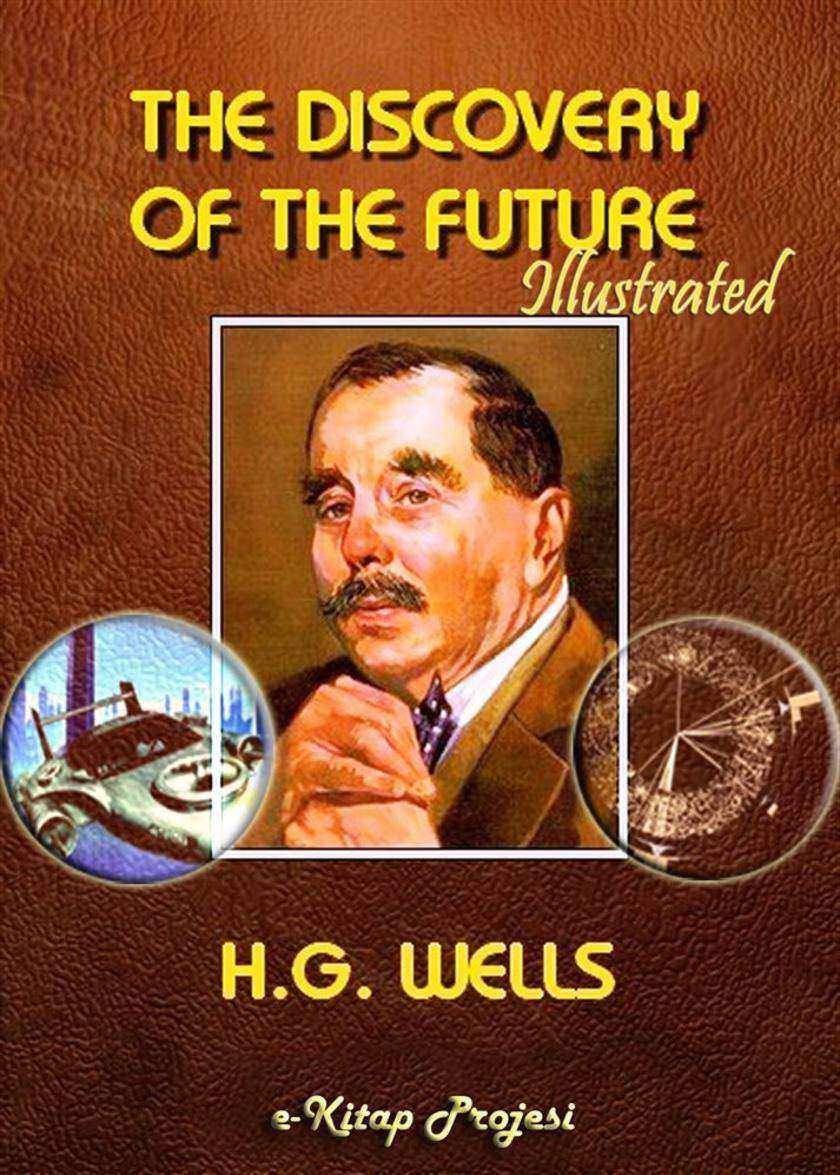
Discovery of the Future: Illustrated
¥13.98
Such is the system which underlies the Meditations of Marcus Aurelius. Some knowledge of it is necessary to the right understanding of the book, but for us the chief interest lies elsewhere. We do not come to Marcus Aurelius for a treatise on Stoicism. He is no head of a school to lay down a body of doctrine for students; he does not even contemplate that others should read what he writes. His philosophy is not an eager intellectual inquiry, but more what we should call religious feeling. The uncompromising stiffness of Zeno or Chrysippus is softened and transformed by passing through a nature reverent and tolerant, gentle and free from guile; the grim resignation which made life possible to the Stoic sage becomes in him almost a mood of aspiration. His book records the innermost thoughts of his heart, set down to ease it, with such moral maxims and reflections as may help him to bear the burden of duty and the countless annoyances of a busy life. It is instructive to compare the Meditations with another famous book, the Imitation of Christ. There is the same ideal of self-control in both. It should be a man's task, says the Imitation, 'to overcome himself, and every day to be stronger than himself.' 'In withstanding of the passions standeth very peace of heart.' 'Let us set the axe to the root, that we being purged of our passions may have a peaceable mind.' To this end there must be continual self-examination. 'If thou may not continually gather thyself together, namely sometimes do it, at least once a day, the morning or the evening. In the morning purpose, in the evening discuss the manner, what thou hast been this day, in word, work, and thought.' But while the Roman's temper is a modest self-reliance, the Christian aims at a more passive mood, humbleness and meekness, and reliance on the presence and personal friendship of God. The Roman scrutinises his faults with severity, but without the self-contempt which makes the Christian 'vile in his own sight.' The Christian, like the Roman, bids 'study to withdraw thine heart from the love of things visible'; but it is not the busy life of duty he has in mind so much as the contempt of all worldly things, and the 'cutting away of all lower delectations.' Both rate men's praise or blame at their real worthlessness; 'Let not thy peace,' says the Christian, 'be in the mouths of men.' But it is to God's censure the Christian appeals, the Roman to his own soul. The petty annoyances of injustice or unkindness are looked on by each with the same magnanimity. 'Why doth a little thing said or done against thee make thee sorry? It is no new thing; it is not the first, nor shall it be the last, if thou live long. At best suffer patiently, if thou canst not suffer joyously.' The Christian should sorrow more for other men's malice than for our own wrongs; but the Roman is inclined to wash his hands of the offender. 'Study to be patient in suffering and bearing other men's defaults and all manner infirmities,' says the Christian; but the Roman would never have thought to add, 'If all men were perfect, what had we then to suffer of other men for God?' The virtue of suffering in itself is an idea which does not meet us in the Meditations. Both alike realise that man is one of a great community. 'No man is sufficient to himself,' says the Christian; 'we must bear together, help together, comfort together.' But while he sees a chief importance in zeal, in exalted emotion that is, and avoidance of lukewarmness, the Roman thought mainly of the duty to be done as well as might be, and less of the feeling which should go with the doing of it. To the saint as to the emperor, the world is a poor thing at best. 'Verily it is a misery to live upon the earth,' says the Christian; few and evil are the days of man's life, which passeth away suddenly as a shadow. ? ? ? ? ? ? ? ? ? ? ? ? ? ? ? ? ? ? ? ? ? ? ? ? ? ? ? ? ? ? ? ? ? ? ? ? ? ? ? ? ? ?*** ? "MARCUS AURELIUS ANTONINUS" was born on April 26, A.D. 121. His real name was M. Annius Verus, and he was sprung of a noble family which claimed descent from Numa, second King of Rome. Thus the most religious of emperors came of the blood of the most pious of early kings. His father, Annius Verus, had held high office in Rome, and his grandfather, of the same name, had been thrice Consul. Both his parents died young, but Marcus held them in loving remembrance. On his father's death Marcus was adopted by his grandfather, the consular Annius Verus, and there was deep love between these two. On the very first page of his book Marcus gratefully declares how of his grandfather he had learned to be gentle and meek, and to refrain from all anger and passion. The Emperor Hadrian divined the fine character of the lad, whom he used to call not Verus but Verissimus, more Truthful than his own name. He advanced Marcus to equestrian rank when six years of age, and at the age of eight made him a member of the ancient Salian priesthood. The boy's aunt, A

A trubadúr
¥22.73
Egy kétségtelenül szellemes megjegyzés szerint a cím csak akkor fedheti le pontosan a k?nyv tartalmát, ha bet?r?l bet?re megegyezik vele. Valami hasonló mondható a fülsz?vegekr?l is (biztos Boegesnek is tetszene ez a gondolat), és ennek megfelel?en meg sem kísérlem néhány mondatban ?sszefoglalni, hogy mir?l lesz szó. Ehelyett inkább el?sz?r is azt emelem ki, hogy a címnek megfelel?en mir?l nem: például nem magáról Borgesr?l, a 20. század egyik legjelent?sebb argentin írójáról. Hanem inkább arról, hogy a novelláival kapcsolatban milyen, az irodalomtól olyakor látszólag meglehet?sen távol álló kérdések merülhetnek fel kezdve azon, hogy az általa leírt bábeli k?nyvtár valóban olyan teljes és mindenre kiterjed?-e, miként azt Borges sugallja; folytatva azon, hogy van-e egyáltalán értelme felvetni, hogy milyen lenne, ha valaki t?kéletes emlékezettel rendelkezne (nincs). Meg, hogy elképzelhet?-e, nem pedig, hogy létezik vagy legalább lehetséges-e egy olyan pont vagy térrész: egy olyan Alef, amelyen keresztül egyszerre láthatunk mindent. ?s így tovább egészen addig, hogy mit mondhatunk az irodalomkritikáról, az irodalmi zsánerek létrej?ttér?l meg elt?nésér?l vagy éppen az irodalmi halhatatlanságról – ismét csak mint elméleti problémáról. Azaz végs? soron persze mégiscsak egyfajta bolyongás ez a borgesi k?nyvtában, illetve bizonyos, legalább hipotetikusan lehetséges és az irodalomhoz így vagy úgy kapcsolódó kérdések fázisterében még akkor is, ha a fentebbiekben, miként a figyelmes olvasó már észre vehette, éppen azt tettem, amir?l korábban azt sejttettem, hogy nem fogom: néhány példa említésével próbáltam utalni rá, hogy mir?l szól az egész. De talán ez sincs igazi ellentmondásban azzal a megk?zelítéssel, amit ez a k?nyv sugall. Galántai Zoltán tudományt?rténész és író. Korábbi k?nyvei az eClassicnál: K?nyvkett?. A k?nyv, az írás és az irodalom j?v?jér?l (2013) http://eclassic.xyz/shop/bemutato/konyvketto-a-konyv-az-iras-es-az-irodalom-jovojerol/ Monoverzumok. Kozmosz, t?rvény, tudomány (2016) http://eclassic.xyz/shop/szabadpolc/monoverzumok/
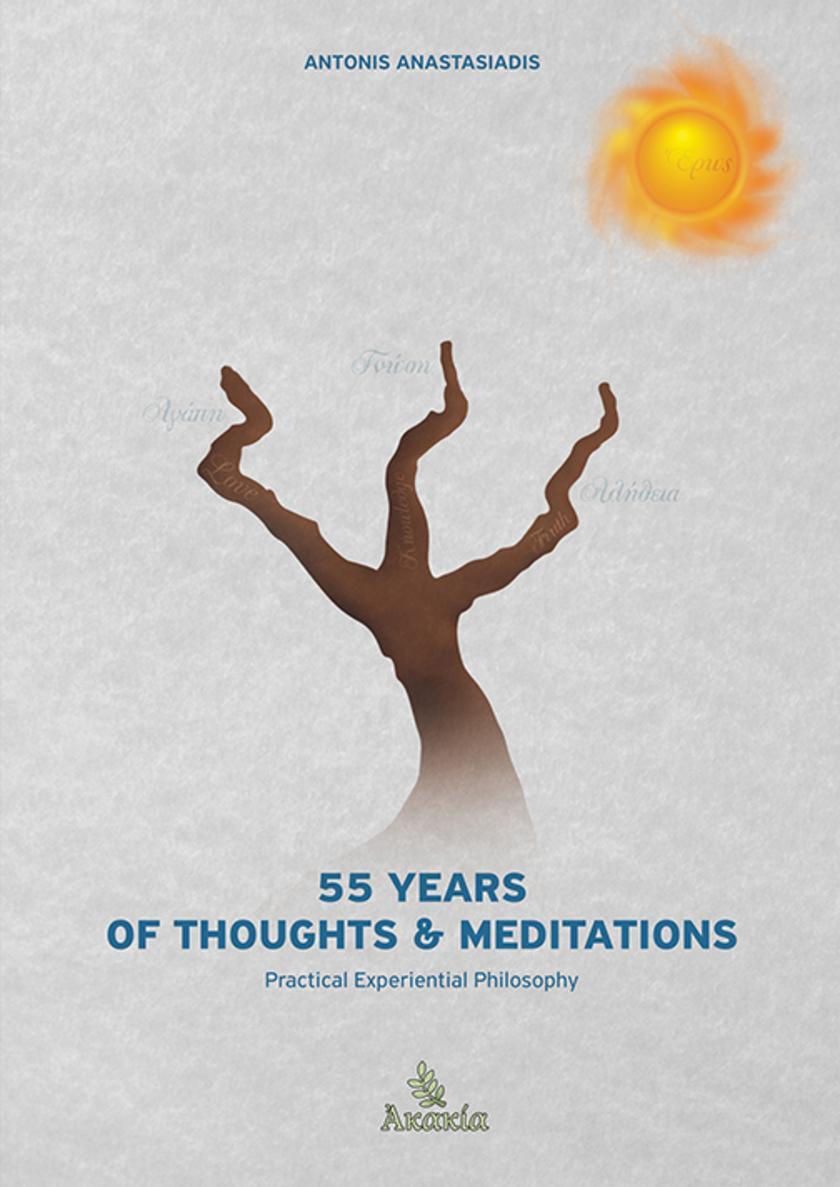
55 Years of Thoughts & Meditations: Practical Experiential Philosophy
¥84.20
The book “55 years of Thoughts & Meditations” is the result of the constant efforts, inquiries, reflections, thoughts and meditations of one man. All matters analysed derive from our everyday lives and include social, political, philosophical and love issues, as well as more general reflections on life. These matters are delivered in a thematic manner, which varies in both form and substance and is expressed in prose mainly, but also in poetic form. Many of the issues posed occur to every thinking person, who follows his/her own path on earth and who seeks answers and solutions to life’s problems: Why do nations engage in battle? Why do people fight? What makes human contact difficult? What are art and beauty? What are sciences and what are their true limits? Should we trust them? What is “wisdom” and “beauty” and which knowledge is truly worthwhile? Is there objective knowledge? What is the unique truth? Is there good and evil? What are the three ideals, “Love”, “Knowledge” and the “Truth”?So one morning, I began to gather and then document all my random thoughts, the remnants of everything that has triggered my observations, all the questions I have documented throughout my life and everything I had noted here and there and I turned it into a book of personal thoughts and meditations. This book is therefore the book of life, taken straight from life, rich with the reflec-tions of a lifetime. It is a book about life and is aimed at every thinking and honest reader with good intentions. This includes young readers who are gifted with the clarity of soul and are in a better position to be aware of the just and the beautiful. Fifty five years of thoughts and meditations is what this book is. It is a quest of “Love”, of “Knowledge” and of the “Truth”.
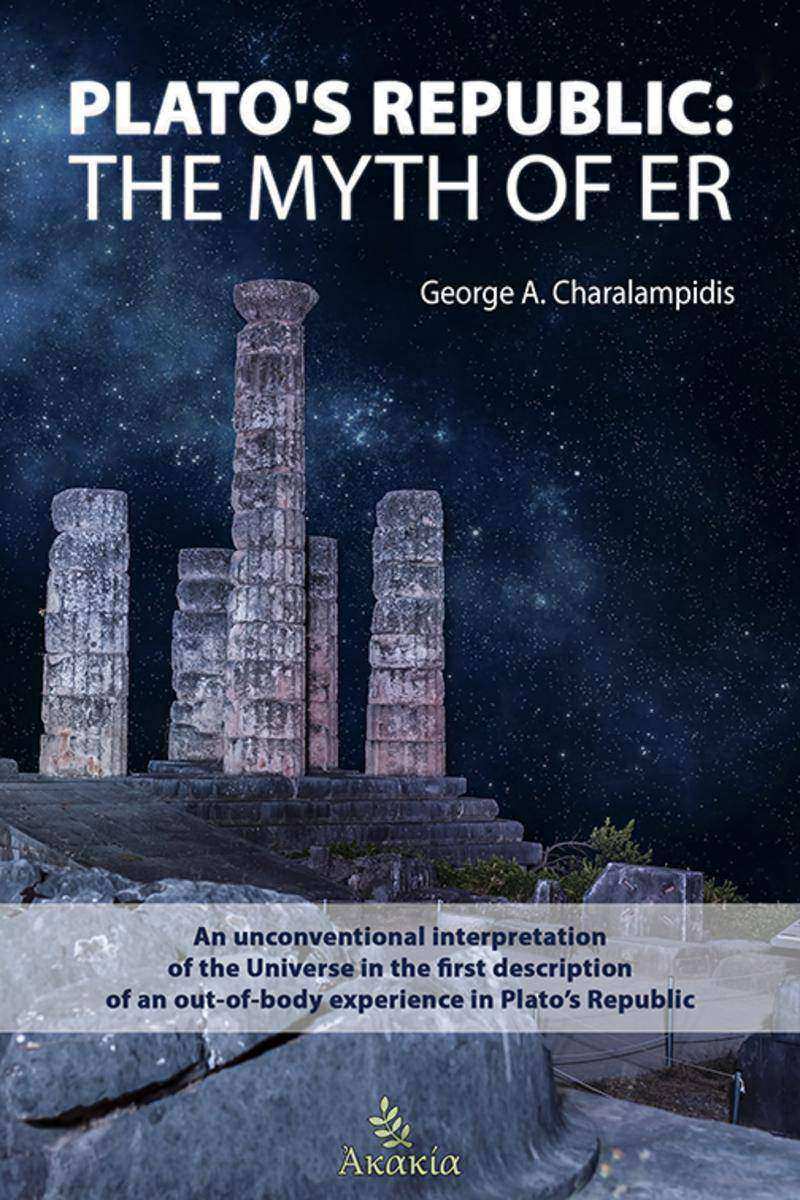
Plato’s Republic: The Myth of ER
¥63.19
The Myth of Er is the epilogue of Plato’s Republic. It could be considered as an independent text that refers to the greatest philosophical question of all times."Where does our soul go when we die and where does it come from when we are born?"Socrates in order to give an answer that would lead to a safe conclusion connects the journey of our soul to the function of our planetary system and tries to analyze the following sacramental but also scientific issues:- What is the difference between a developed soul and a developed mind?- Why is the cultivation of virtues necessary?- Which are the three roads of Hades and their connection to the "Van Allen belts"?- How are the penalties and rewards to our soul defined?- Where is Tartarus?- What does the spindle of necessity symbolize?- How are space time and the "Cuiper belt" connected?- What does the existence of Sirens and the three fates mean?- What is the procedure our incarnation?- What contract do we sign before we reincarnate on planet earth?- Which is the role of free will?- What does the mystery of the Dionysial theatre symbolize?- What difference is there between reincarnation and metempsychosis?- What is Socrates’ genius or our guardian angel?
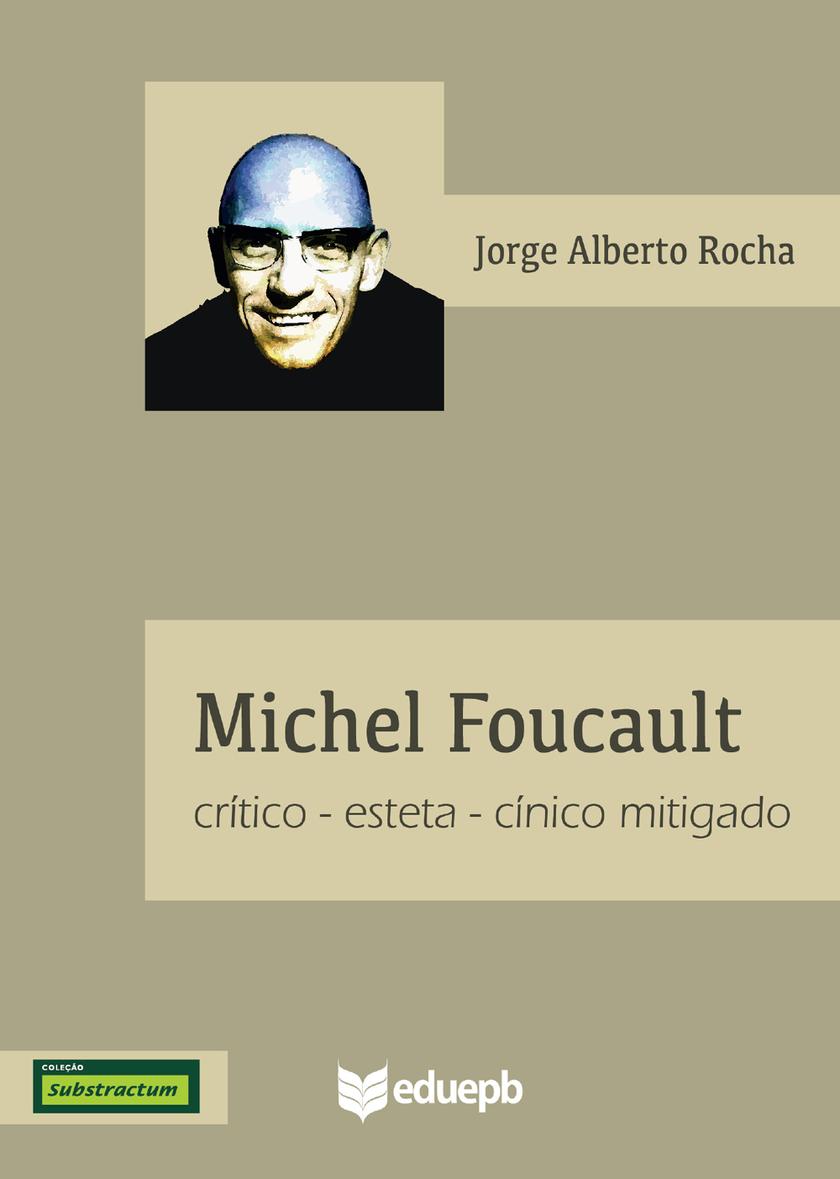
Michel Foucault: crítico-esteta-cínico mitigado
¥57.14
S?rmanul Nietzsche, ?bestia blond?“, a avut ?i el parte de crucificare. Multor profe?i ?i m?ntuitori li se ?nt?mpl? asta: eventual ?i ?n timpul vie?ii, ?i dup? moarte. Nietzsche, r?zvr?titul ?mpotriva legilor celor vechi, ?ntemeietorul orgolios al noii sale ?religii“, a trebuit s? suporte ?i el toate e?ecurile ?i r?st?lm?cirile posibile, ba chiar ?i punerea terifiant? ?n practic? a unora dintre ideile lui, care nici nu mai erau ale lui ?i, ?ndeob?te, nu mai erau idei…?Viclenia ra?iunii“, implicit a istoriei, o descrisese Hegel, unul dintre cei mul?i pe care Nietzsche nu-i agrea. Dincoace de istorie ?i chiar dincolo de ea, r?m?n c?r?ile. Omul n-a fost s? fie m?ntuit de Nietzsche. C?r?ile lui vor d?inui printre oameni: pentru oameni.
Istoria se repet?. Momente, Schi?e, Amintiri
¥33.03
Antropologie ?i antroposofie ? Max Dessoir despre antroposofie ? Franz BrentanoAlc?tuind cuprinsul acestei lucr?ri, Rudolf Steiner reveleaz? ?c?teva din firele ?tiin?ifice care trebuie trasate pornind de la antropozofie la filozofie, la psihologie ?i la fiziologie“. Cunoa?terea omului va trebui atunci s? fie extins? ?in?nd cont de enigmaticele aspecte ale vie?ii sale interioare, privite din perspective multiple. ?n aceast? carte, Rudolf Steiner prezint? ?n scris aspectele semnificative ale configur?rii ?ntreite a fiin?ei omene?ti: corpul fizic, organismul sufletesc ?i configura?ia spiritual?.
Utopia. Imaginarul social ?ntre proiec?ie ?i realitate
¥40.79
La acest ?nceput de secol XXI, ?n ?ntreaga lume se intensific? studierea problemelor fundamentale, eterne, ca via?a ?i moartea, rostul vie?ii, originile ?i destina?iile noastre ultime, c?t ?i ?ntrebarea cu privire la existen?a de dup? moarte. Cartea examineaz? filosofia de via?? a budismului Nichiren ?n lumina ideilor de ultim? or? despre via?? ?i moarte, de?i cuprinderea exhaustiv? ?ntr?un singur volum a unei probleme at?t de vaste este imposibil?. Budismul Nichiren ofer? oamenilor mijloacele de a??i transforma destinele prin ?nf?ptuirea propriei revolu?ii umane individuale ?i dezv?luie calea spre pace ?i fericire.


