


 购物车
购物车 个人中心
个人中心
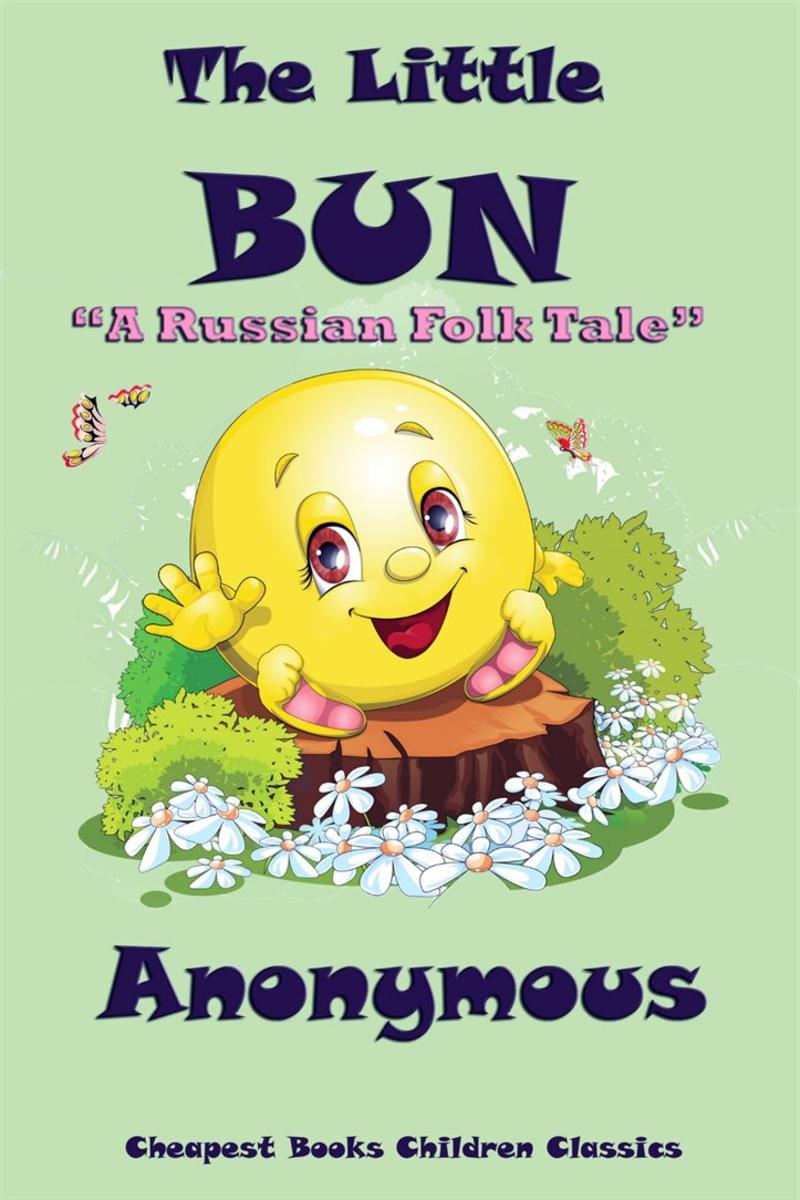
The Little Bun: "A Russian Folk Tale"
¥9.24
ONCE time ago, there lived an old man and old woman. The old man said, "Old woman, make me a little bun." "What can I make it from? I have no flour." "Eh, eh, old woman! Scrape the cupboard, sweep the flour bin, and you will find enough flour. "The old woman picked up a duster, scraped the cupboard, swept the flour bin and gathered about two handfuls of flour. She mixed the dough with sour cream, fried it in butter, and put the bun on the window sill to cool. The bun lay and lay there. Suddenly it rolled off the window sill to the bench, from the bench to the floor, from the floor to the door. Then it rolled over the threshold to the entrance hall, from the entrance hall to the porch, from the porch to the courtyard, from the courtyard trough the gate and on and on.
The Mystery Girl
¥18.56
Quite aside from its natural characteristics, there is an atmosphere about a college town, especially a New England college town, that is unmistakable. It is not so much actively intellectual as passively aware of and satisfied with its own intellectuality.The beautiful little town of Corinth was no exception; from its tree-shaded village green to the white-columned homes on its outskirts it fairly radiated a satisfied sense of its own superiority.Not that the people were smug or self-conceited. They merely accepted the fact that the University of Corinth was among the best in the country and that all true Corinthians were both proud and worthy of it. The village itself was a gem of well-kept streets, roads and houses, and all New England could scarce show a better groomed settlement.In a way, the students, of course, owned the place, yet there were many families whose claim to prominence lay in another direction.However, Corinth was by all counts, a college town, and gloried in it. The University had just passed through the throes and thrills of one of its own presidential elections.The contest of the candidates had been long, and at last the strife had become bitter. Two factions strove for supremacy, one, the conservative side, adhering to old traditions, the other, the modern spirit, preferring new conditions and progressive enterprise. Hard waged and hard won, the battle had resulted at last in the election of John Waring, the candidate of the followers of the old school.Waring was not an old fogy, nor yet a hide-bound or nar-row-minded back number. But he did put mental attainment ahead of physical prowess, and he did hold by certain old-fashioned principles and methods, which he and his constituents felt to be the backbone of the old and honored institution.Wherefore, though his election was an accomplished fact, John Waring had made enemies that seemed likely never to be placated.
Le Père Achille
¥8.82
"La mère Achille quitte son ouvrage, la fenêtre où elle était assise, et se dispose à mettre son couvert. L'homme va monter pour déjeuner. Il travaille là tout près dans ces grands ateliers vitrés qu'on aper?oit encombrés de pièces de bois, et où grincent du matin au soir les instruments des scieurs de long… La femme va et vient de la chambre à la cuisine. Tout est soigné, tout reluit dans cet intérieur d'ouvrier. Seulement la nudité des deux petites pièces est plus frappante à ce jour éclatant du cinquième étage. On voit des cimes d'arbres, les buttes Chaumont tout en haut, et ?à et là de longues cheminées de briques noircies au bord, toujours actives. Les meubles sont cirés, frottés. Ils datent du mariage, comme ces deux bouquets de fruits en verre qui ornent la cheminée. On n'a rien acheté depuis, parce que, pendant que la femme tirait courageusement son aiguille, l'homme dépensait ses journées dehors. Tout ce qu'elle a pu faire, ?'a été de soigner, d'entretenir le peu qu'ils avaient."
![The Lilac Fairy Book: [Illustrated Edition]](https://platform-permanent.ddimg.cn/pt-media-info-soa-resource/digital/product/45/20/1901164520_ii_cover.jpg?version=1f9c82ff-f21a-4027-bfe8-190a22f9e0dd)
The Lilac Fairy Book: [Illustrated Edition]
¥28.29
Our stories are almost all old, some from Ireland, before that island was as celebrated for her wrongs as for her verdure; some from Asia, made, I dare say, before the Aryan invasion; some from Moydart, Knoydart, Morar and Ardnamurchan, where the sea streams run like great clear rivers and the saw-edged hills are blue, and men remember Prince Charlie. ??Some are from Portugal, where the golden fruits grow in the Garden of the Hesperides; and some are from wild Wales, and were told at Arthur's Court; and others come from the firesides of the kinsmen of the Welsh, the Bretons. There are also modern tales by a learned Scandinavian named Topelius.??All the stories were translated or adapted by Mrs. Lang, except 'The Jogi's Punishment' and 'Moti,' done by Major Campbell out of the Push-too language; 'How Brave Walter hunted Wolves,' which, with 'Little Lasse' and 'The Raspberry Worm,' was done from Topelius by Miss Harding; and 'The Sea King's Gift,' by Miss Christie, from the same author.??It has been suggested to the Editor that children and parents and guardians would like 'The Grey True Ghost-Story Book.' He knows that the children would like it well, and he would gladly give it to them; but about the taste of fond anxious mothers and kind aunts he is not quite so certain. Before he was twelve the Editor knew true ghost stories enough to fill a volume. ??They were a pure joy till bedtime, but then, and later, were not wholly a source of unmixed pleasure. At that time the Editor was not afraid of the dark, for he thought, 'If a ghost is here, we can't see him.' But when older and better informed persons said that ghosts brought their own light with them (which is too true), then one's emotions were such as parents do not desire the young to endure. For this reason 'The Grey True Ghost-Story Book' is never likely to be illustrated by Mr. Ford.
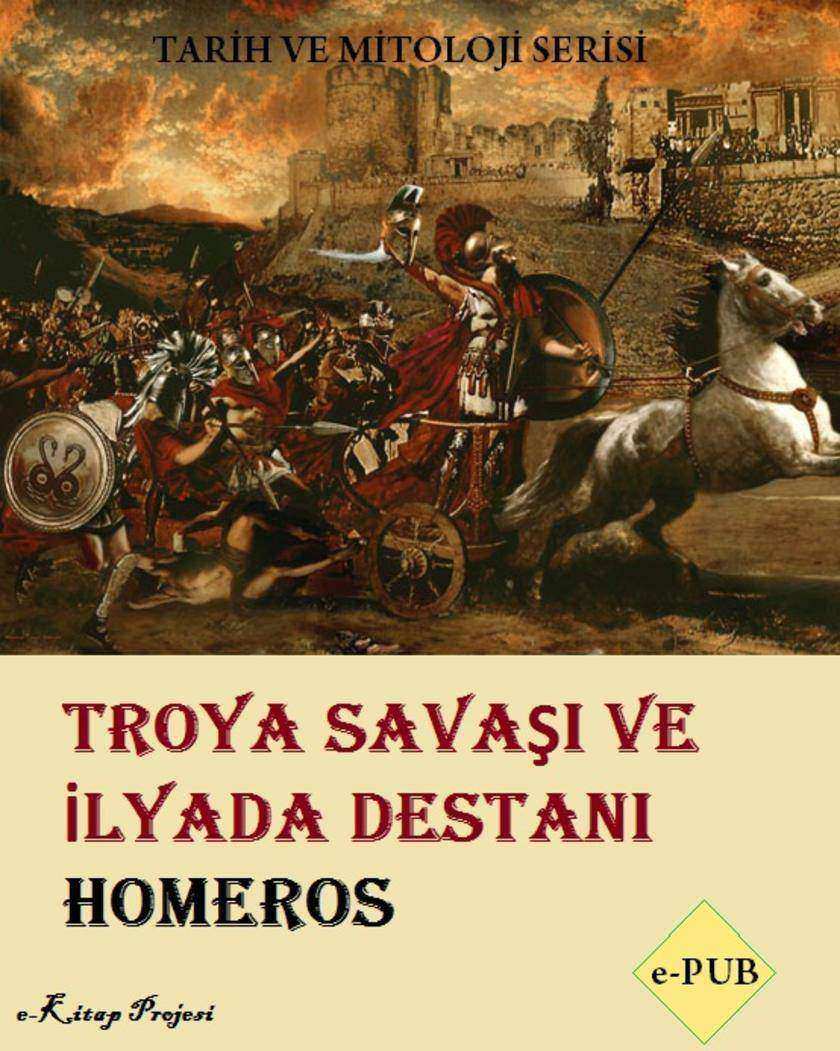
Troya Sava?? ve ?lyada Destani
¥28.20
Eski Yunan’da, ?air Homeros’un yazd??? varsay?lan büyük bir destand?r. Bir ba?ka Homeros destan? olan ?deysseia ile birlikte, bat? edebiyat?n?n en eski ?rne?i ve tüm zamanlar?n en güzel ?iirlerinden say?l?r. Hem ?lyada hem de Oysseisa, Truva Sava?? ve bu sava?ta yer alan insanlarla ilgili s?ylenceleri dile getiren, ko?ukla yaz?lm?? destanlard?r. Tarih?iler Yunanistan’tandaki Akhalar ile Bat? Anadolu’da ya?am?? olan Truval?lar aras?ndaki bu sava??n yakla??k I.O. 1199’da ge?ti?i g?rü?ündedir. Akhalar’?n Truva’y? ku?atmalar?n?n ise 10 y?l sürdü?ü san?lmaktad?r. Bu konuda o kadar ?ok ?ykü ve s?ylence vard?r ki, hangisinin ger?ek hangisinin uydurma oldu?unu bilme olana?? yoktur. Yunanca’da Truva’n?n bir ad?n?n da ?lios olmas?ndan dolay? Homeros’un destan? ?lyada ad?n? ald?. Homeros, ya?ad??? d?nemde herkesin bu ?yküyü bildi?ini dü?ünerek, Truva ku?atmas?n? ba?tan sona anlatmaz; sava??n 10. y?l?nda sadece d?rt gün i?inde ge?en olaylar? anlat?r. Sava? neredeyse bitmek üzeredir. Truva efsanesinin bu b?lümü "As?l’?n ?fkesi" olarak bilinir. ?lyada’n?n ?yküsü: Kral Agamemnon, Truva Sava?? s?ras?nda Akhalar’?n ba?komutan?yd?. Kral?n en yi?it ve bas?na buyruk sava???s? olan As?l, kimseye boyun e?meden, kendi bildi?ince hareket ediyordu. As?l’?n sava?ta ka??rd??? Briseis ad?nda Truvali bir k?z yüzünden As?l ile Agamemnon aras?nda anla?mazl?k ??kt?. Tutsa?? olan bir k?z? babas?na geri vermeye raz? olan Agamemnon, onun yerine As?l’?n sevdi?i Briseis’i istiyordu. Agamemnon’a boyun e?mek zorunda kalan As?l, k?z? ona verdi. Ne var ki, h?rs?n? alamayarak sava?tan ?ekildi. Agamemnon’u cezaland?rmas? i?in, deniz tanr??as? olan annesi Theti?’i ?a??rd?. Theti?, tanr?lar?n kral? Zeus’tan yard?m istedi. B?ylece ?ok ge?meden yaln?zca As?l ve Agamemnon de?il, tanr? ve tanr??alarda kavgaya kar??t?. Tanr?lar?n ise kar??mas? Yunan askerlerini tela?land?rd?. Agamemnon, g?rdü?ü bir dü?e aldanarak, ordusuna art?k Yunanistan’a d?nülece?ini bildirdi. Askerlerin Truva’y? ele ge?irmeden d?nmek istemeyeceklerini sanarken, onlar?n gitmeye can att?klar?n? g?rmek onu dü? k?r?kl???na u?ratt?. Yunanl? komutanlar orduyu yeniden sava? düzenine sokmakta gü?lük ?ektiler. Bütün bu olaylar Yunan ordusunun sava? gücünü ve birli?ini zay?flatm??t?. ?ki ordu aras?nda sava? yeniden ba?larken, Paris’in karde?i Hektor, sava??n nedeni Paris’in Sparta Kral? Menelaos’un kar?s? Helen ‘i ka??rmas? oldu?una g?re, anla?mazl???n Paris ile Menelaos aras?nda d?vü?le ??zümlenmesini ?nerdi. Bu d?vü?te tam Paris yenilecekken, annesi olan tanr??a Afrodit onu son anda ka??rarak kurtard?. B?ylece ordular aras?nda bir kez daha sava? ba?lad?.
![Odysseia Destan?: [Resimli]](https://platform-permanent.ddimg.cn/pt-media-info-soa-resource/digital/product/44/88/1901164488_ii_cover.jpg?version=828c7ad1-ccea-463d-9a90-b28d56463a51)
Odysseia Destan?: [Resimli]
¥28.20
Odysseia'n?n MO 800 ila 600 y?llar? aras?nda yaz?ld??? dü?ünülmektedir. Manzum eser ?lyada'n?n devam? niteli?indedir ve Yunan kahraman Odysseus'un Truva'n?n dü?ü?ünden sonra vatan? ?thaka'ya yapt??? maceralarla dolu uzun yolculu?u anlat?r. 10 y?l süren sava?tan sonra Odysseus'un ?thaka'ya d?nmesi 10 y?l?n? al?r, ve bu 20 y?ll?k uzakl???nda o?lu Telema?hus ve kar?s? Penelope ülkeyi y?netmek ve Penelope ile evlenerek (Odysseus'un oldu?u iddia edilmektedir) ?thaka'n?n hükümdar? olmak isteyen bir grup soylu ile mücadele etmek zorundad?rlar. ?iir Bat? edebiyat?n?n ve kültürünün temel eserlerinden say?l?r, ve antik Yunan kültürüne ???k tutan en ?nemli kaynaklardan biridir. Odysseia, Truva'n?n dü?mesinden 10 y?l sonra Odysseus'un ?thaca'ya evine d?nünceye kadar maceralar?n? anlat?r. ?lyada 10 y?l süren Truva Sava??, Odysseia, 10 y?l boyunca Odysseus'un ba??ndan ge?enlerden ibarettir. ?lyada, bir olay?, Odysseia ise bir ki?inin destan?n? anlat?r. Truva Destan?nda olaylar birbirini izleyecek ?ekilde anlat?l?r. Halbuki, Odysseia'da olaylar an?lar, geriye d?nü?ler, atlamalarla canland?r?l?r. Bat? dillerindeki Ulysses'nin türedi?i Latince Ulyxes, yi?idin bir Yunan leh?esinden al?nm?? ad?d?r. Odysseus (Ulysses, Ulis), kuzeybat? Yunanistan k?y?lar?n?n kar??s?nda bulunan ?thaca (?thaka, ?thake) adas?nda do?du. Babas?n?n ad? Learthes, anas?n?n ad? Antikleia idi. Yalan dolanda usta Autolykos'un k?z? olan Antikleia'n?n Learthes ile evlenmeden ?nce S?syphos ile yatt???, Odysseus'un bu birle?meden do?du?u da s?ylenir. Odysseus'un gen?li?i, Akhilleus'unki gibi hekim Kheiron'un yan?nda ge?ti. Birgün Odysseus, dedesi Autolykos'a konuk olarak gitti. Orada bir yaban domuzu av?na kat?ld? ve baca??ndan yaraland?. ??te, Truva Sava?? sona erdikten sonra, bir 10 y?l daha türlü maceralar ge?irerek ?thake'ye d?ndü?ünde, dad??? Eurykleia taraf?ndan ya?l? Odysseus'un tan?nmas?n? sa?layacak yara izi, bu yara izidir. Truva Sava??na kat?lmadan ?nce Odysseus, ?thake taht?na ??kt? ve kral oldu. Babas? Learthes'in o?lunu tahta nas?l ge?irdi?i pek anlat?lmaz. Ama kral olunca bir e? se?mesi olayl? oldu. Hemen dünyan?n en güzel k?z? Helena'ya talip oldu ama güzel k?z?n taliplilerinin ?oklu?undan ürkerek ondan vazge?ip, Helena'n?n babas?n?n karde?i ?karios'un k?z? Penelope'u (Penelopeia) istedi. Tyndereos'un ise akl? karmakar???k oldu?undan Odysseus'un bu yakla??m?n? ?nce be?enmedi. Odysseus ise Penelope'u almak i?in ?art?n? s?yledi. Tyndereos'u dü?tü?ü durumdan kurtaracak, buldu?u ??zümle kimse aras?nda kavga olmayacakt?. Bu arada Tyndereos'un k?z?n? türlü prensler, krallar ve sava???lar istiyorlar, türlü hediyeler g?nderiyorlard?. Tyndereos da onlar?n kalplerini k?r?p bir felakete yol a?mamaya ?al???yordu. Sonunda Tyndereos, Penelope'u vermeye raz? olunca Odysseus fikrini s?yledi: Kocas?n? Helena kendisi se?sin ama her kimi se?erse di?er tüm talipliler bunu sorun etmeyecek ve Helena'n?n kendine se?ece?i kocaya her zaman arka ??kmaya ant i?ecekti. Tyndareos, fikri be?endi ve i? k?z?n se?imine b?rak?ld?. ?karios ?nce herkesi yemin etmeye ?a??rd?. Herkes yemin etti, Odysseus dahil. Dünyan?n en güzel k?z? Helena, kocas? olarak Agamemnon'un karde?i Menelaos'u se?ti. Herkes karara sayg? duydu ve kabul etti. Herkes?e edilen bu yemin, ileride on y?l sürecek olan "Truva Sava??"na yol a?acakt?.
![Dead Souls: [Illustrated]](https://platform-permanent.ddimg.cn/pt-media-info-soa-resource/digital/product/45/56/1901164556_ii_cover.jpg?version=8556a2fc-101c-4262-b607-4162e26e5593)
Dead Souls: [Illustrated]
¥28.04
Dead Souls, is a novel by Nikolai Gogol, first published in 1842, and widely regarded as an exemplar of 19th-century Russian literature. The purpose of the novel was to demonstrate the flaws and faults of the Russian mentality and character. Gogol masterfully portrayed those defects through Pavel Ivanovich Chichikov (the main character) and the people whom he encounters in his endeavours. These people are typical of the Russian middle-class of the time. Gogol himself saw it as an "epic poem in prose", and within the book as a "novel in verse". Despite supposedly completing the trilogy's second part, Gogol destroyed it shortly before his death. Although the novel ends in mid-sentence (like Sterne's Sentimental Journey) "To the door of an inn in the provincial town of N. there drew up a smart britchka—a light spring-carriage of the sort affected by bachelors, retired lieutenant-colonels, staff-captains, land-owners possessed of about a hundred souls, and, in short, all persons who rank as gentlemen of the intermediate category. In the britchka was seated such a gentleman—a man who, though not handsome, was not ill-favoured, not over-fat, and not over-thin. Also, though not over-elderly, he was not over-young. His arrival produced no stir in the town, and was ac-companied by no particular incident, beyond that a couple of peasants who happened to be standing at the door of a dramshop exchanged a few comments with reference to the equipage rather than to the individual who was seated in it. "Look at that carriage," one of them said to the other. "Think you it will be going as far as Moscow?" "I think it will," replied his companion. "But not as far as Kazan, eh?" "No, not as far as Kazan." With that the conversation ended. Presently, as the britchka was approaching the inn, it was met by a young man in a pair of very short, very tight breeches of white dimity, a quasi-fashionable frockcoat, and a dickey fastened with a pistol-shaped bronze tie-pin. The young man turned his head as he passed the britchka and eyed it attentively; after which he clapped his hand to his cap (which was in danger of being removed by the wind) and resumed his way.."
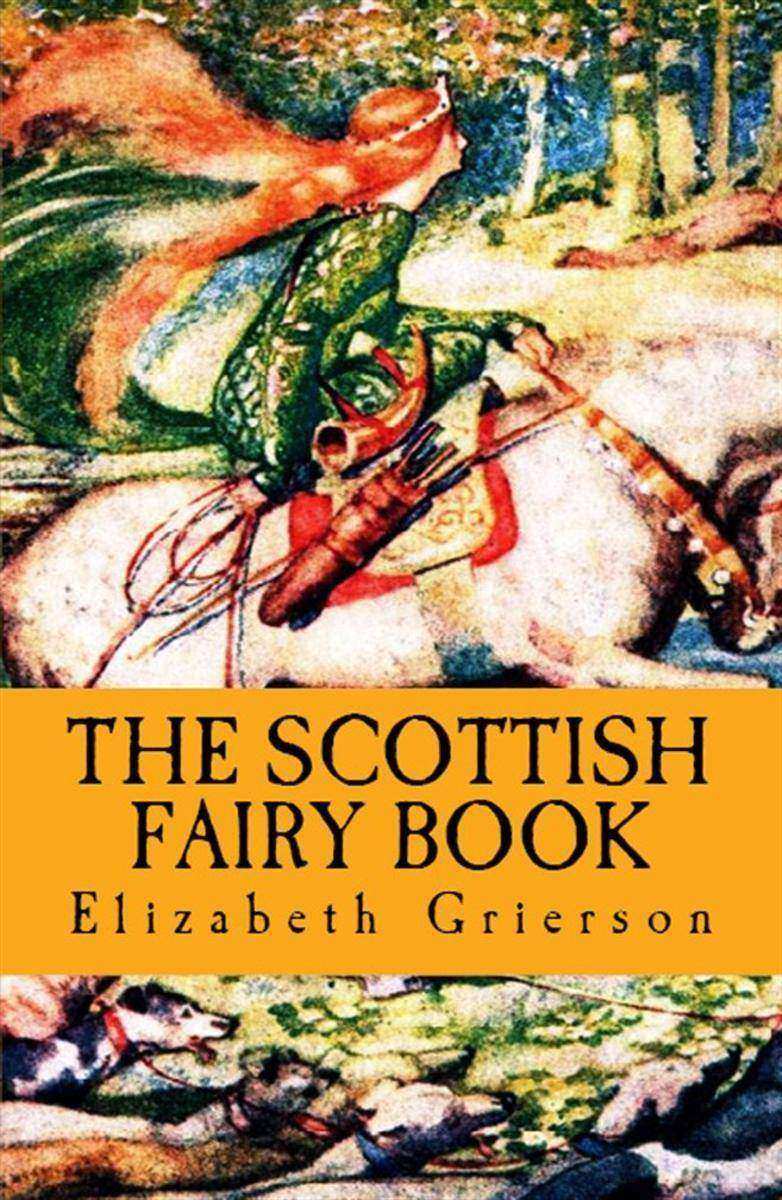
The Scottish Fairy Book
¥18.80
There are, roughly speaking, two distinct types of Scottish Fairy Tales. There are what may be called "Celtic Stories," which were handed down for centuries by word of mouth by professional story-tellers, who went about from clachan to clachan in the "High-lands and Islands," earning a night's shelter by giving a night's entertainment, and which have now been collected and classified for us by Campbell of Isla and others.??These stories, which are also common to the North of Ireland, are wild and fantastic, and very often somewhat monotonous, and their themes are strangely alike. They almost always tell of some hero or heroine who sets out on some dangerous quest, and who is met by giants, generally three in number, who appear one after the other; with whom they hold quaint dialogues, and whom eventually they slay. Most of them are fairly long, and although they have a peculiar fascination of their own, they are quite distinct from the ordinary Fairy Tale.
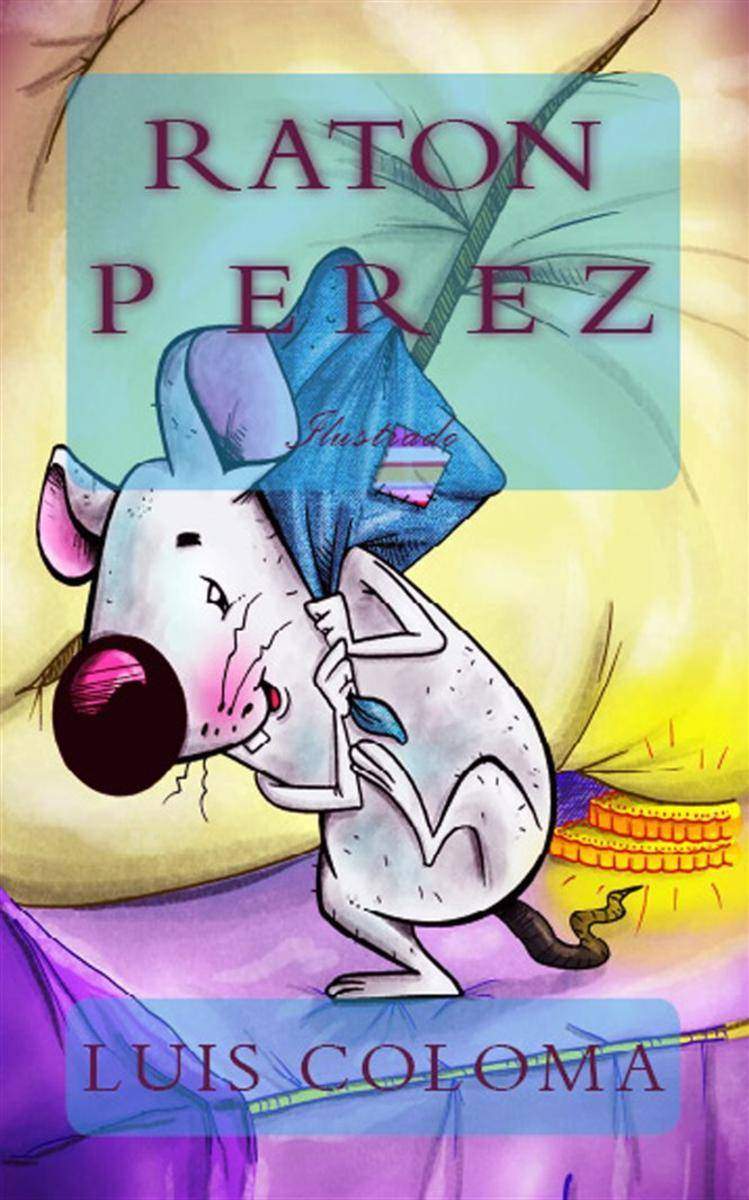
Ratón Pérez
¥9.24
Sembrad en los ni?os la idea, aunque no la entiendan: los a?os se encargarán de descifrarla en su entendimiento y hacerla florecer en su corazón.??Entre la muerte del rey que rabió y el advenimiento al trono de la reina Mari-Casta?a existe un largo y obscuro período en las crónicas, de que quedan pocas memorias. Consta, sin embargo, que floreció en aquella época un rey Buby I, grande amigo de los ni?os pobres y protector decidido de los ratones.??Fundó una fábrica de mu?ecos y caballos de cartón para los primeros, y sábese de cierto, que de esta fábrica procedían los tres caballitos cuatralbos, que regaló el rey D. Bermudo el Diácono á los ni?os de Hissén I, después de la batalla de Bureva. ? AUTOR: Luis Coloma Roldán (1851 - 1915), conocido también como el padre Coloma, fue un escritor, periodista y jesuita espa?ol. En su faceta de autor de literatura infantil y juvenil creó el personaje del Ratoncito Pérez. ? Biografía:Fue hijo de un célebre médico, Ramón Co-loma Garcés casado en segundas nupcias con Concepción Roldán. A los doce a?os entró en la Escuela Naval preparatoria de San Fernando (1863), pero lo dejó para licenciarse en Derecho en la Universidad de Sevilla coincidiendo con la trascenden-tal revolución de 1868, hacia la cual el joven jerezano mantuvo una actitud hostil que reflejaría en sus escritos. De esta época data su amistad con Fernán Caballero, ya anciana entonces, sobre la que escribiría unos Recuerdos. Luego se trasladó a Madrid, donde trabaja como pasante en el bufete del abogado Hilario Pina. Empezó a frecuentar tertulias elegantes y a colaborar en distintos periódicos defendiendo la Restauración de los Borbones (El Tiempo. Periódico político de la tarde de Madrid y El Porvenir de Jerez).
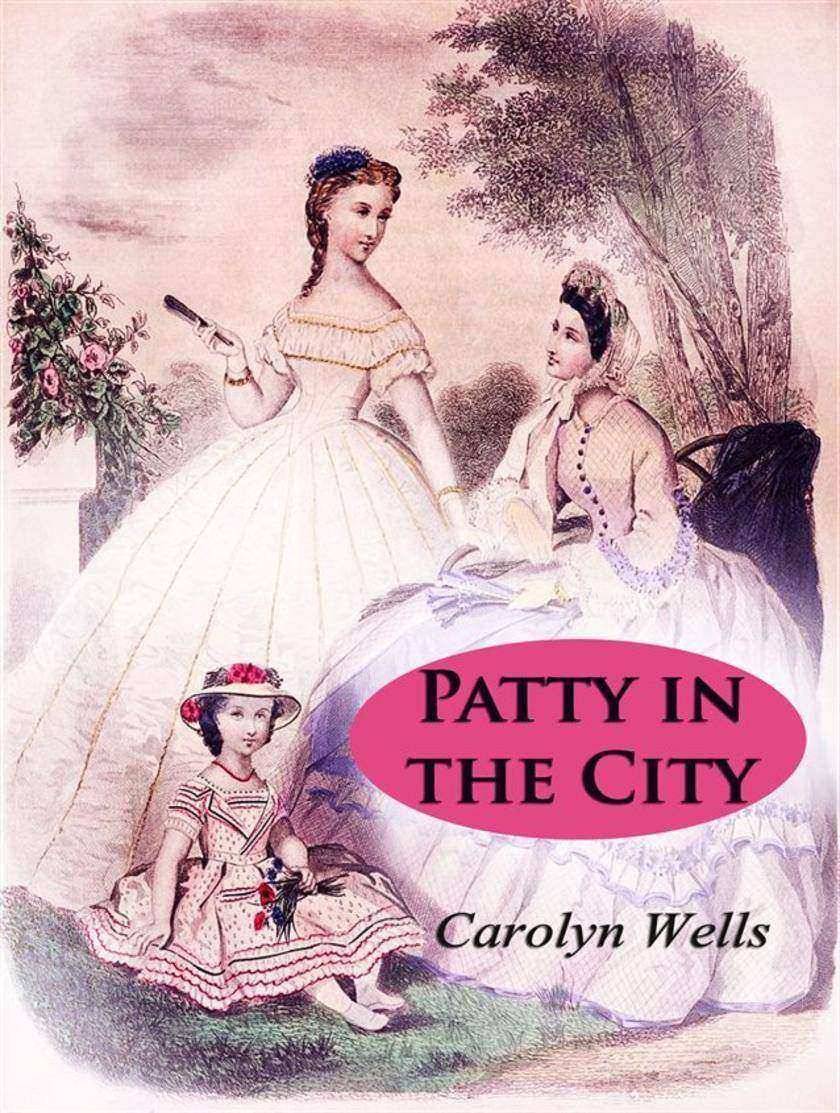
Patty in the City
¥28.29
It was the third week in September when the Fairfields left the seashore and returned to their Vernondale home.??“Now, my child,” said Mr. Fairfield, as they sat on the veranda after dinner, “I will unfold to you my plans for the coming winter, and you may accept, or reject, or amend them as you please.”??“Proceed,” said Patty, settling herself comfortably in her wicker chair; “I feel in an amiable mood this evening, and will probably agree to anything you may suggest.”??“I’ve been thinking for some time,” went on her father, “that I don’t want to spend the coming winter in Vernondale. I would much rather be in New York.”??“Reason number one—Nan,” said Patty, checking it off on her forefinger and smiling at her father.?“Yes,” he responded, with an answering smile, “she is reason number one, but there are others.”?To readers who are unfamiliar with Patty’s earlier history we may say right here that her mother had died when Patty was but three years old. ??At present she lived with her father in their little home in Vernondale, an establishment of which Patty greatly prided herself on her management.?Recently Mr. Fairfield had become engaged to Miss Nan Allen, a young lady who lived in Philadelphia, and who was a dear friend of Patty’s.
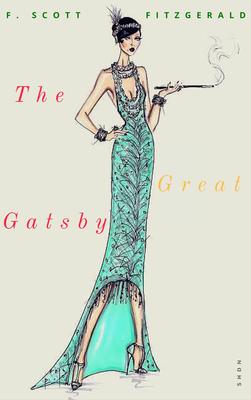
The Great Gatsby
¥8.75
In 1922, F. Scott Fitzgerald announced his decision to write "something new--something extraordinary and beautiful and simple + intricately patterned." That extraordinary, beautiful, intricately patterned, and above all, simple novel became The Great Gatsby, arguably Fitzgerald's finest work and certainly the book for which he is best known. A portrait of the Jazz Age in all of its decadence and excess, Gatsby captured the spirit of the author's generation and earned itself a permanent place in American mythology. Self-made, self-invented millionaire Jay Gatsby embodies some of Fitzgerald's--and his country's--most abiding obsessions: money, ambition, greed, and the promise of new beginnings. "Gatsby believed in the green light, the orgiastic future that year by year recedes before us. It eluded us then, but that's no matter--tomorrow we will run faster, stretch out our arms farther.... And one fine morning--" Gatsby's rise to glory and eventual fall from grace becomes a kind of cautionary tale about the American Dream. It's also a love story, of sorts, the narrative of Gatsby's quixotic passion for Daisy Buchanan. The pair meet five years before the novel begins, when Daisy is a legendary young Louisville beauty and Gatsby an impoverished officer. They fall in love, but while Gatsby serves overseas, Daisy marries the brutal, bullying, but extremely rich Tom Buchanan. After the war, Gatsby devotes himself blindly to the pursuit of wealth by whatever means--and to the pursuit of Daisy, which amounts to the same thing. "Her voice is full of money," Gatsby says admiringly, in one of the novel's more famous descriptions. His millions made, Gatsby buys a mansion across Long Island Sound from Daisy's patrician East Egg address, throws lavish parties, and waits for her to appear. When she does, events unfold with all the tragic inevitability of a Greek drama, with detached, cynical neighbor Nick Carraway acting as chorus throughout. Spare, elegantly plotted, and written in crystalline prose, The Great Gatsby is as perfectly satisfying as the best kind of poem.
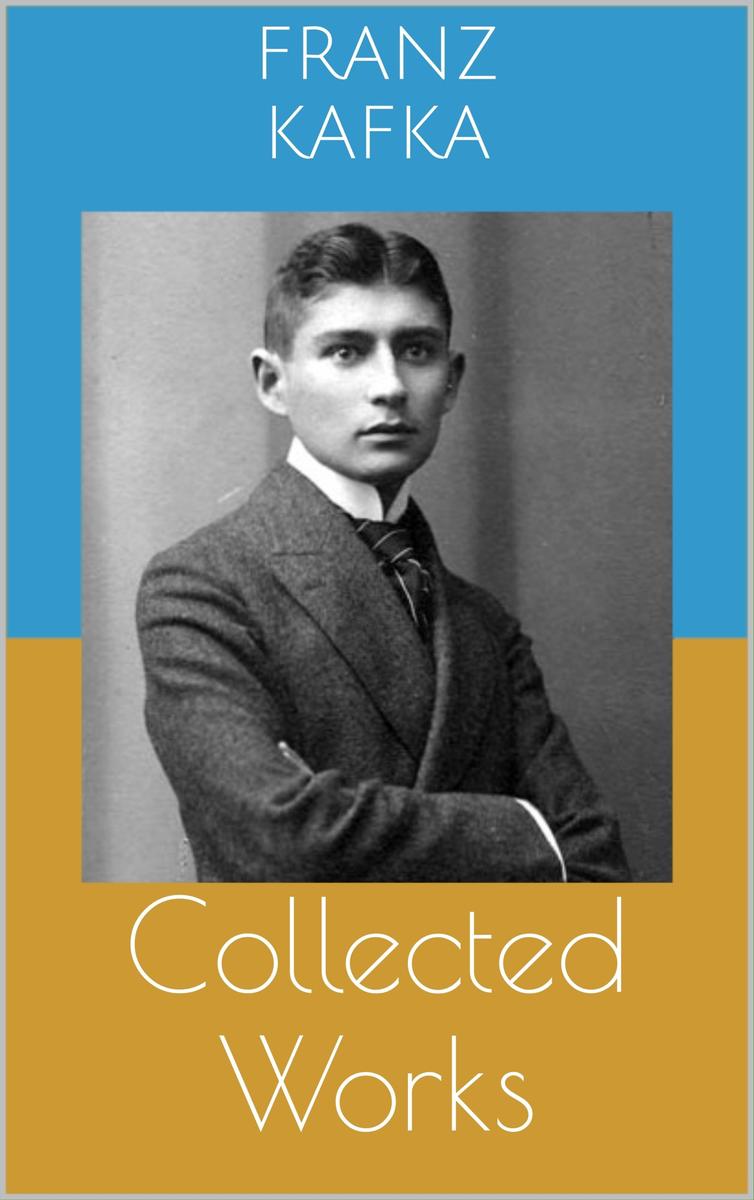
Collected Works: Complete Editions: The Metamorphosis, In the Penal Colony
¥9.24
This carefully crafted ebook is formatted with a functional and detailed table of contents.Franz Kafka (3 July 1883 – 3 June 1924) was a German-language writer of novels and short stories, regarded by critics as one of the most influential authors of the 20th century. Kafka strongly influenced genres such as existentialism. Most of his works, such as "Die Verwandlung" ("The Metamorphosis"), "Der Prozess" ("The Trial"), and "Das Schloss" ("The Castle"), are filled with the themes and archetypes of alienation, physical and psychological brutality, parent–child conflict, characters on a terrifying quest, labyrinths of bureaucracy, and mystical transformations. Kafka was born into a middle-class, German-speaking Jewish family in Prague, then part of the Austro-Hungarian Empire. In his lifetime, most of the population of Prague spoke Czech, and the division between Czech- and German-speaking people was a tangible reality, as both groups were strengthening their national identity. The Jewish community often found itself in between the two sentiments, naturally raising questions about a place to which one belongs. Kafka himself was fluent in both languages, considering German his mother tongue. Kafka trained as a lawyer and, after completing his legal education, obtained employment with an insurance company. He began to write short stories in his spare time. For the rest of his life, he complained about the little time he had to devote to what he came to regard as his calling. He regretted having to devote so much attention to his "Brotberuf" ("day job", literally "bread job"). Kafka preferred to communicate by letter; he wrote hundreds of letters to family and close female friends, including his father, his fiancée Felice Bauer, and his youngest sister Ottla. He had a complicated and troubled relationship with his father that had a major effect on his writing. He also suffered conflict over being Jewish, feeling that it had little to do with him, although critics argue that it influenced his writing.This collection contains the following works:- The Metamorphosis- A Country Doctor- A Hunger Artist- A Report for an Academy- An Imperial Message- Before the Law- In the Penal Colony- Jackals and Arabs- The Great Wall of China- The Hunter Gracchus- The Trial- Up in the Gallery
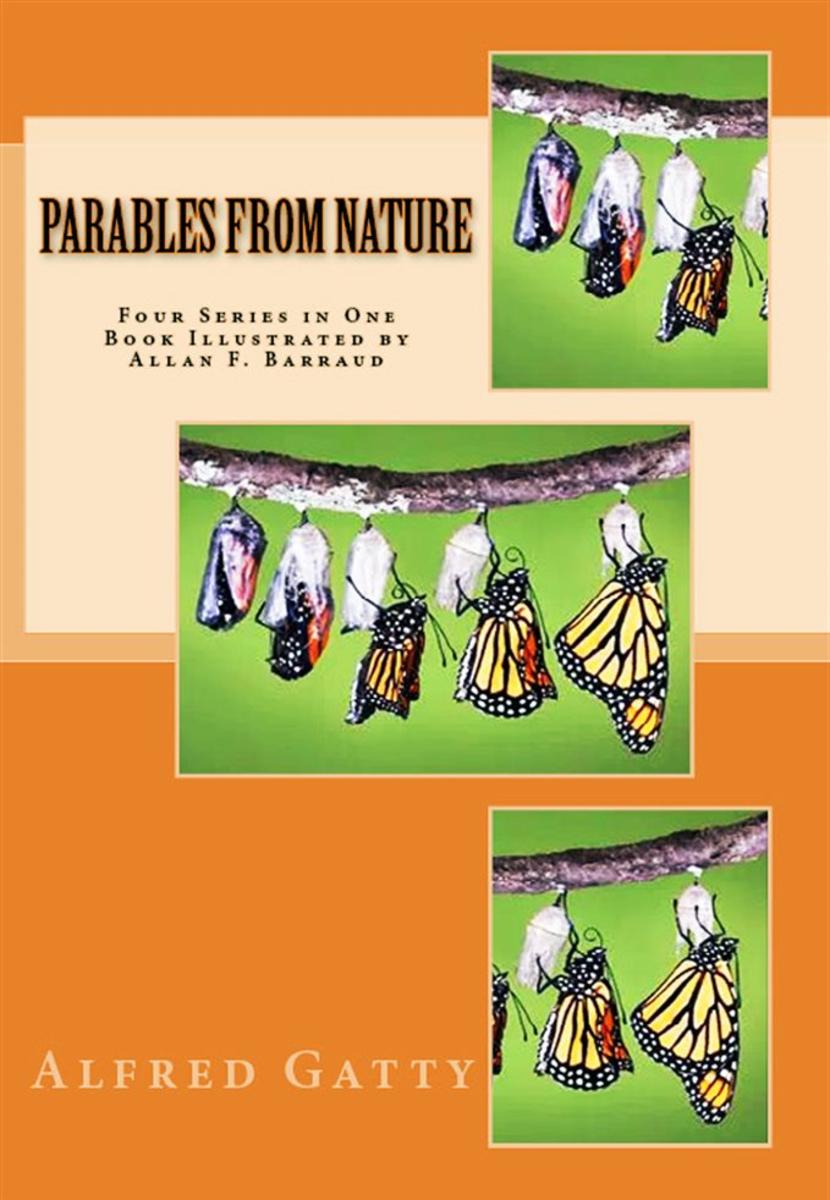
Parables from Nature: "Illustrated Four Series in One Book"
¥37.69
"Parables from Nature", a collection includes all 29 stories from the first, second, third, and fourth series, originally published in separate volumes for children that ages 6-12. "THERE are two books," says Sir Thomas Browne, in his Religio Medici, "from whence I collect my divinity; besides that written one of God, another of his servant, Nature—that universal and public manuscript that lies expanded unto the eyes of all: those that never saw Him in the one have discovered Him in the other."And afterwards, as if giving a particular direction to the above general statement, he adds: "Those strange and mystical transmigrations that I have observed in silkworms turned my philosophy into divinity. There is in these works of Nature, which seem to puzzle reason, something divine, and hath more in it than the eye of a common spectator doth discover."

My Lovely King
¥47.58
Saya tidak percaya akan cinta. Cinta hanya sebuah omong kosong. Buktinya saat kakak memberikannya emas dan mutiara. Dia langsung?meninggalkanku. Putri kaisar kerajaan Xi Ying Yue Cinta itu menyakitkan. Saya akan menutup hati saya. Untuk apa harus?mengambil? Ratu? Sedangkan saya sudah memiliki keturunan. Apalagi luka?di wajah saya mengerikan. Wanita mana yang akan jatuh cinta denganku? Semua wanita hanya pemuas malamku yang dingin. Kaisar kerajaan Chun Dua orang yang memiliki luka. Berkali-kali bertemu. Apakah jodoh atau sudah kehendak yang kuasa kita harus bersatu?. ? pertemuan #1 itu hanya kebetulan pertemuan #2 artinya kamu jodohku pertemuan #3 kupastikan dia milikku
In the Days of the Comet
¥8.98
A fantastic tale of the world's beauty and unity after the Great Change occurs.
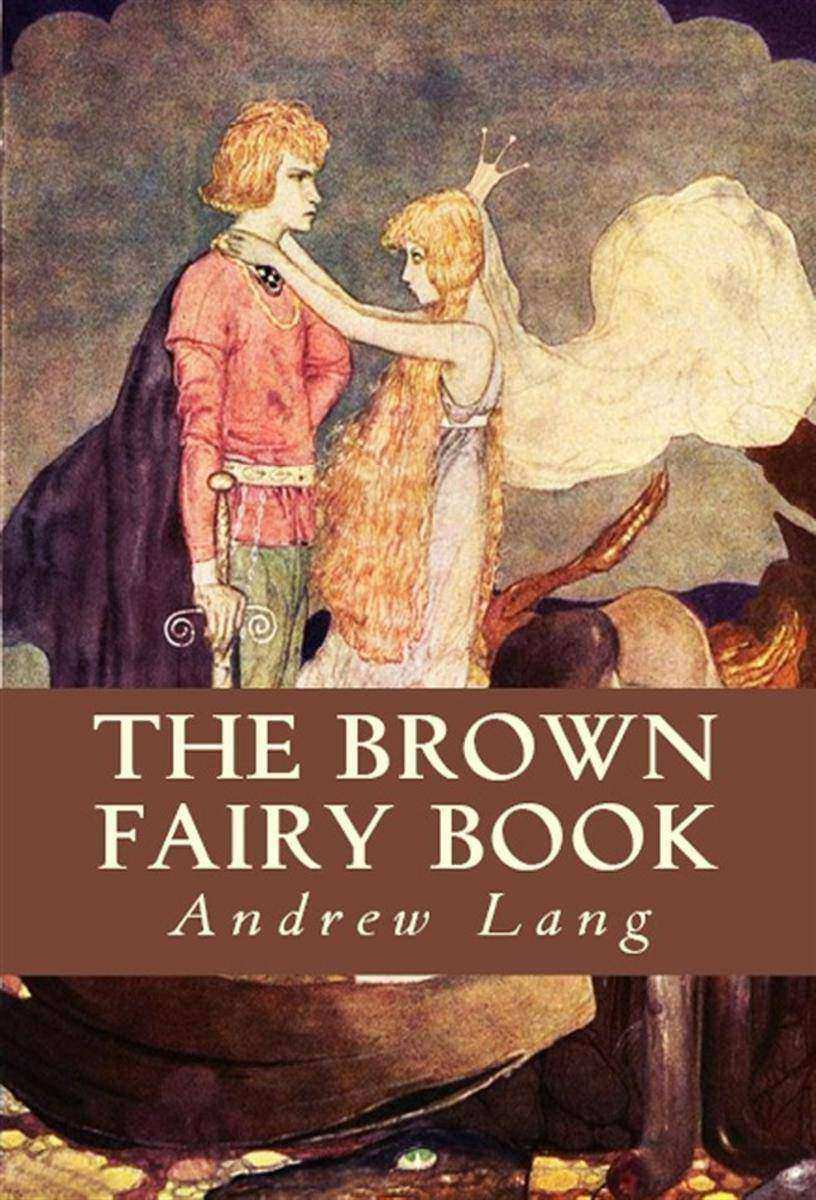
The Brown Fairy Book
¥28.37
The stories in this Fairy Book come from all quarters of the world. For example, the adventures of ‘Ball-Carrier and the Bad One’ are told by Red Indian grandmothers to Red Indian children who never go to school, nor see pen and ink. ‘The Bunyip’ is known to even more uneducated little ones, running about with no clothes at all in the bush, in Australia. You may see photographs of these merry little black fellows before their troubles begin, in ‘Northern Races of Central Australia,’ by Messrs. Spencer and Gillen. ??They have no lessons except in tracking and catching birds, beasts, fishes, lizards, and snakes, all of which they eat. But when they grow up to be big boys and girls, they are cruelly cut about with stone knives and frightened with sham bogies—‘all for their good’ their parents say—and I think they would rather go to school, if they had their choice, and take their chance of being birched and bullied. However, many boys might think it better fun to begin to learn hunting as soon as they can walk. Other stories, like ‘The Sacred Milk of Koumongoé,’ come from the Kaffirs in Africa, whose dear papas are not so poor as those in Australia, but have plenty of cattle and milk, and good mealies to eat, and live in houses like very big bee-hives, and wear clothes of a sort, though not very like our own. ??‘Pivi and Kabo’ is a tale from the brown people in the island of New Caledonia, where a boy is never allowed to speak to or even look at his own sisters; nobody knows why, so curious are the manners of this remote island. ??The story shows the advantages of good manners and pleasant behaviour; and the natives do not now cook and eat each other, but live on fish, vegetables, pork, and chickens, and dwell in houses. ‘What the Rose did to the Cypress’ is a story from Persia, where the people, of course, are civilised, and much like those of whom you read in ‘The Arabian Nights.’ Then there are tales like ‘The Fox and the Lapp’ from the very north of Europe, where it is dark for half the year and daylight for the other half. The Lapps are a people not fond of soap and water, and very much given to art magic. ??Then there are tales from India, told to Major Campbell, who wrote them out, by Hindoos; these stories are ‘Wali D?d the Simple-hearted,’ and ‘The King who would be Stronger than Fate,’ but was not so clever as his daughter. From Brazil, in South America, comes ‘The Tortoise and the Mischievous Monkey,’ with the adventures of other animals. Other tales are told in various parts of Europe, and in many languages; but all people, black, white, brown, red, and yellow, are like each other when they tell stories; for these are meant for children, who like the same sort of thing, whether they go to school and wear clothes, or, on the other hand, wear skins of beasts, or even nothing at all, and live on grubs and lizards and hawks and crows and serpents, like the little Australian blacks.??The tale of ‘What the Rose did to the Cypress,’ is translated out of a Persian manuscript by Mrs. Beveridge. ‘Pivi and Kabo’ is translated by the Editor from a French version; ‘Asmund and Signy’ by Miss Black-ley; the Indian stories by Major Campbell, and all the rest are told by Mrs. Lang, who does not give them exactly as they are told by all sorts of outlandish natives, but makes them up in the hope white people will like them, skippin
The Young Forester
¥8.82
Think the Old West was nothing but outlaws and cowboys? Think again. Follow the death-defying adventures of a forest fireman, one of the many brave souls who laid his own safety on the line to make the wild terrain of the region safe and inhabitable.
A House of Pomegranates
¥8.82
A House of Pomegranates is a collection of whimisical short stories by Oscar Wilde. This collections includes the following tales: The Young King, The Birthday of the Infanta, The Fisherman and his Soul, and The Star-child. Readers of all ages will be delighted by these fanciful tales.
Lady Susan
¥18.80
“Lady Susan”, Austen's "most wicked tale, and "it is a short epistolary novel by Jane Austen, possibly written in 1794 but not published until 1871. Lady Susan is a selfish, attractive woman, who tries to trap the best possible husband while maintaining a relationship with a married man. She subverts all the standards of the romantic novel; she has an active role, she's not only beautiful but intelligent and witty, and her suitors are significantly younger than she is.???- Some Other Books of Austen:??- Pride and Prejudice (1813)??- Sense and Sensibility (1811)??- Emma (1816)??- Persuasion (1818)??- Mansfield Park (1814)??- Northanger Abbey (1817)??- Juvenilia – Volume II (1790)??- Juvenilia – Volume I (1790)??- Juvenilia – Volume III (1790)
Three Ghost Stories
¥9.32
THREE GHOST STORIES??Though best known for his heartwarming holiday tales and sweeping social novels such as A Tale of Two Cities and Great Expectations, Charles Dickens was a prolific writer who was always willing to experiment with new styles. The chilling tales collected in Three Ghost Stories are a result of his brief but successful foray into the mystery and detective genres.??Under none of the accredited ghostly circumstances, and environed by none of the conventional ghostly surroundings, did I first make acquaintance with the house which is the subject of this Christmas piece.??I saw it in the daylight, with the sun upon it. There was no wind, no rain, no lightning, no thunder, no awful or unwonted circumstance, of any kind, to heighten its ef-fect. More than that: I had come to it direct from a railway station: it was not more than a mile distant from the railway station; and, as I stood outside the house, looking back upon the way I had come, I could see the goods train running smoothly along the embankment in the valley. I will not say that everything was utterly commonplace, because I doubt if anything can be that, except to utterly commonplace people—and there my vanity steps in; but, I will take it on myself to say that anybody might see the house as I saw it, any fine autumn morning.??The manner of my lighting on it was this.

To the Lighthouse
¥8.75
To the Lighthouse (5 May 1927) is a novel by Virginia Woolf. A landmark novel of high modernism, the text, centering on the Ramsay family and their visits to the Isle of Skye in Scotland between 1910 and 1920, skillfully manipulates temporality and psychological exploration. To the Lighthouse follows and extends the tradition of modernist novelists like Marcel Proust and James Joyce, where the plot is secondary to philosophical introspection, and the prose can be winding and hard to follow. The novel includes little dialogue and almost no action; most of it is written as thoughts and observations. The novel recalls the power of childhood emotions and highlights the impermanence of adult relationships. One of the book's several themes is the ubiquity of transience.


