


 购物车
购物车 个人中心
个人中心
Lotteries for Education
¥107.81
Lotteries are widely used to decide places (seats) at schools, colleges and universities. Conall Boyle explores many examples to find out why. The emotional turmoil that the use of ballots can cause to students and parents alike is graphically described. But lottery selection teaches lessons too; now we can find proper answers to controversial questions like "e;Does choice work?"e;This book will be of interest to parents, pupils and teachers as well as educational administrators. Any student applying for admission to a university course should learn about the amazing weighted lottery for entry to medical schools in the Netherlands. There is a better way: it's a lottery!
Unlearning
¥63.67
One view of education (appealing to the Latin root "e;educare"e; - "e;to train or mold"e;) aims to fill students' heads with knowledge and turn them into disciplined, normalized and potentially productive members of the workforce.An alternative (appealing to the Latin root "e;educere"e; - "e;to lead out or draw out"e;) wants to produce well-trained minds and create individuals capable of questioning, critical thinking, imagination, and self-reflective deliberation as engaged citizens.This book commends a third way, inspired by the Greek notion of "e;paideia"e;, which sees education as 'the process of educating person into their true form, the real and genuine human nature'.This education is not about learning a trade. It is a dynamic living thing in which the ability to UNlearn is essential for developing a good and capable citizen, trained for freedom, autonomy, and virtue.
Artificial Consciousness
¥132.34
The book is interdisciplinary and focuses on the topic of artificial consciousness: from neuroscience to artificial intelligence, from bioengineering to robotics. It provides an overview on the current state of the art of research in the field of artificial consciousness and includes extended and revised versions of the papers presented at the International Workshop on 'Artificial Consciousness', held in November 2005 at Agrigento (Italy).
How Universities Can Help Create a Wiser World
¥73.48
In order to make progress towards a better world we need to learn how to do it. And for that we need institutions of learning rationally designed and devoted to helping us solve our global problems, make progress towards a better world. It is just this that we lack at present. Our universities pursue knowledge. They are neither designed nor devoted to helping humanity learn how to tackle global problems - problems of living - in more intelligent, humane and effective ways. That, this book argues, is the key disaster of our times, the crisis behind all the others: our failure to have developed our institutions of learning so that they are rationally organized to help us solve our problems of living - above all, our global problems. Having universities devoted almost exclusively to the pursuit of knowledge is a recipe for disaster. Scientific knowledge and technological know-how have unquestionably brought great benefits to humanity. But they have also made possible - even caused - our current global crises, above all the impending crisis of global warming. In this lucid and provocative book, Nicholas Maxwell argues convincingly that we need urgently to bring about a revolution in universities round the world so that their basic aim becomes wisdom, and not just knowledge.
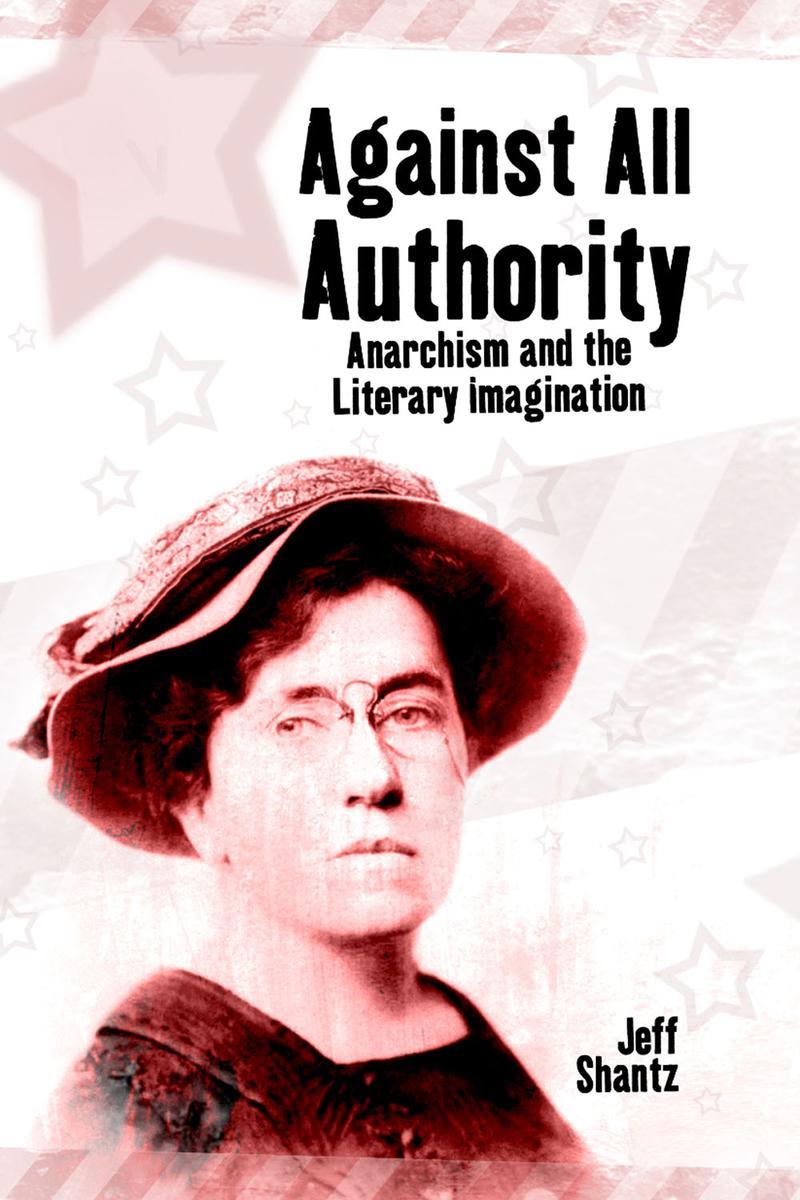
Against All Authority
¥132.34
This volume examines historical and contemporary engagements of anarchism and literary production. Anarchists have used literary production to express opposition to values and relations characterizing advanced capitalist (and socialist) societies while also expressing key aspects of the alternative values and institutions proposed within anarchism. Among favoured themes are anarchist critiques of corporatization, prisons and patriarchal relations as well as explorations of developing anarchist perspectives on revolution, ecology, polysexuality and mutual aid. A key component of anarchist perspectives is the belief that means and ends must correspond. Thus in anarchist literature as in anarchist politics, a radical approach to form is as important as content. Anarchist literature joins other critical approaches to creative production in attempting to break down divisions between readers and writer, audience and artist, encouraging all to become active participants in the creative process.
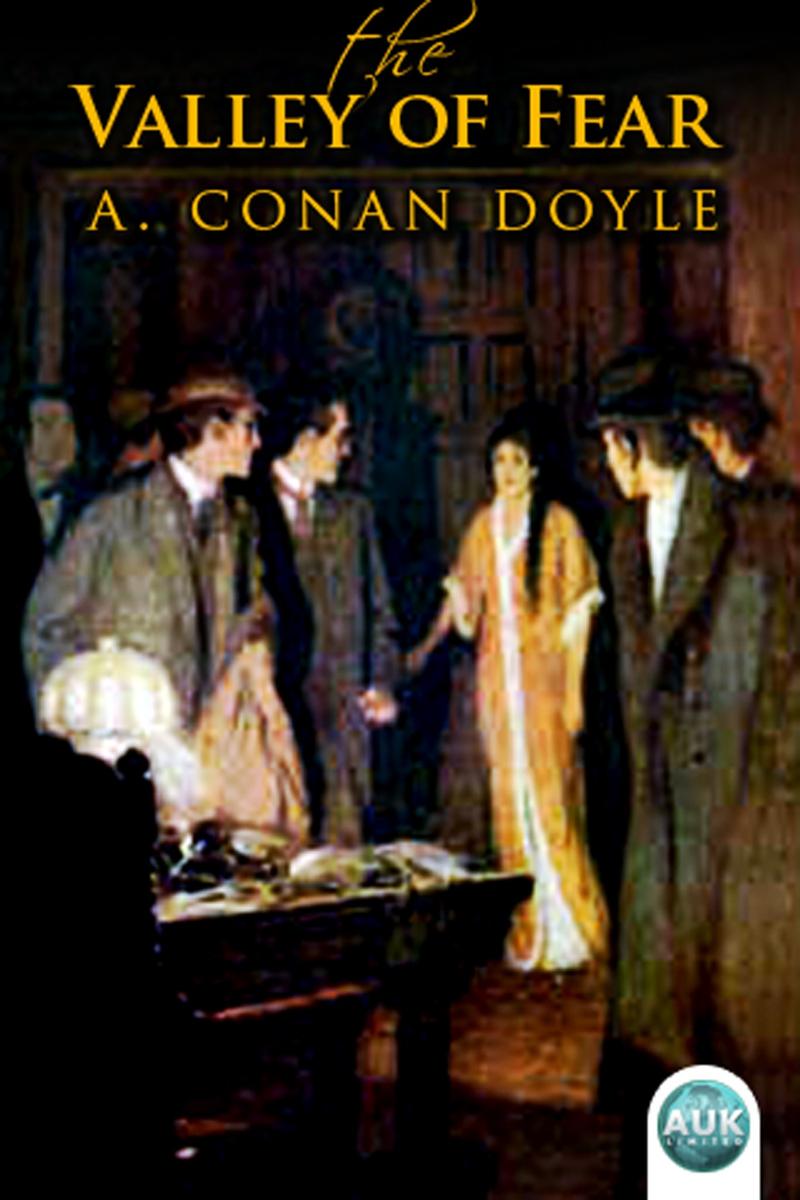
Sherlock Holmes - The Valley of Fear
¥29.33
This classic Sherlock Holmes case has been specially formatted for today's e-readers. In this gruesome Sherlock Lock Holmes tale, Holmes and Watson are called upon to investigate the mysterious shooting of John Douglas, when he is mysteriously murdered with a sawn-off shotgun at his Manor home in Sussex. The House is surrounded by a moat so the two, are at first, left baffled as to how the murderer entered or existed ... or did he? Fans of the famous detective will love this book, as will anyone interested in a thrilling and exciting read.
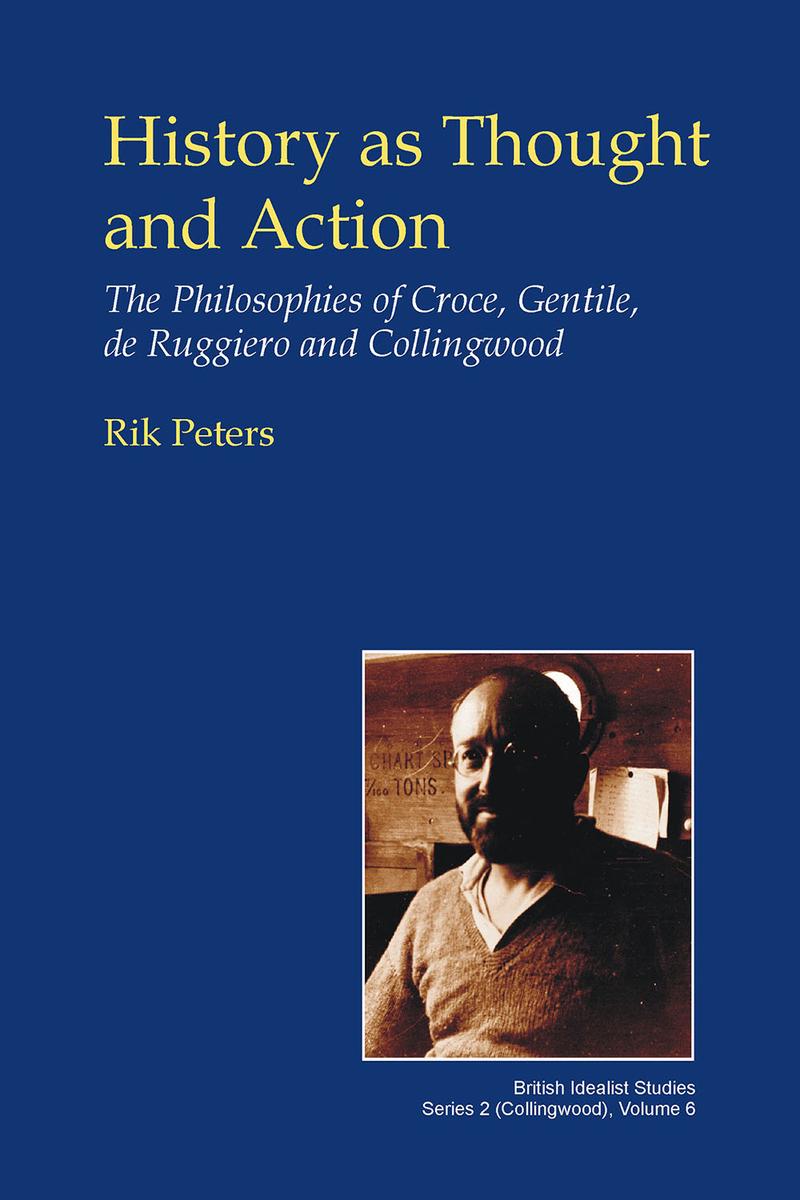
History as Thought and Action
¥220.63
This is the first book-length study of the relationship between Benedetto Croce (1866-1952), Giovanni Gentile (1875-1944), Guido de Ruggiero (1888-1948) and Robin George Collingwood (1889-1943). Though the relationship between these highly influential philosophers has often been discussed, it has never been studied comprehensively.On the basis of published and unpublished writings this study carefully reconstructs their debate on the relationship between thought and action, following their explorations of art, history, philosophy and action in the context of the First World War and the rise of Fascism and Nazism. This book unveils the hidden past of contemporary philosophy of history and divulges the last secret of Collingwood's Italian connection.
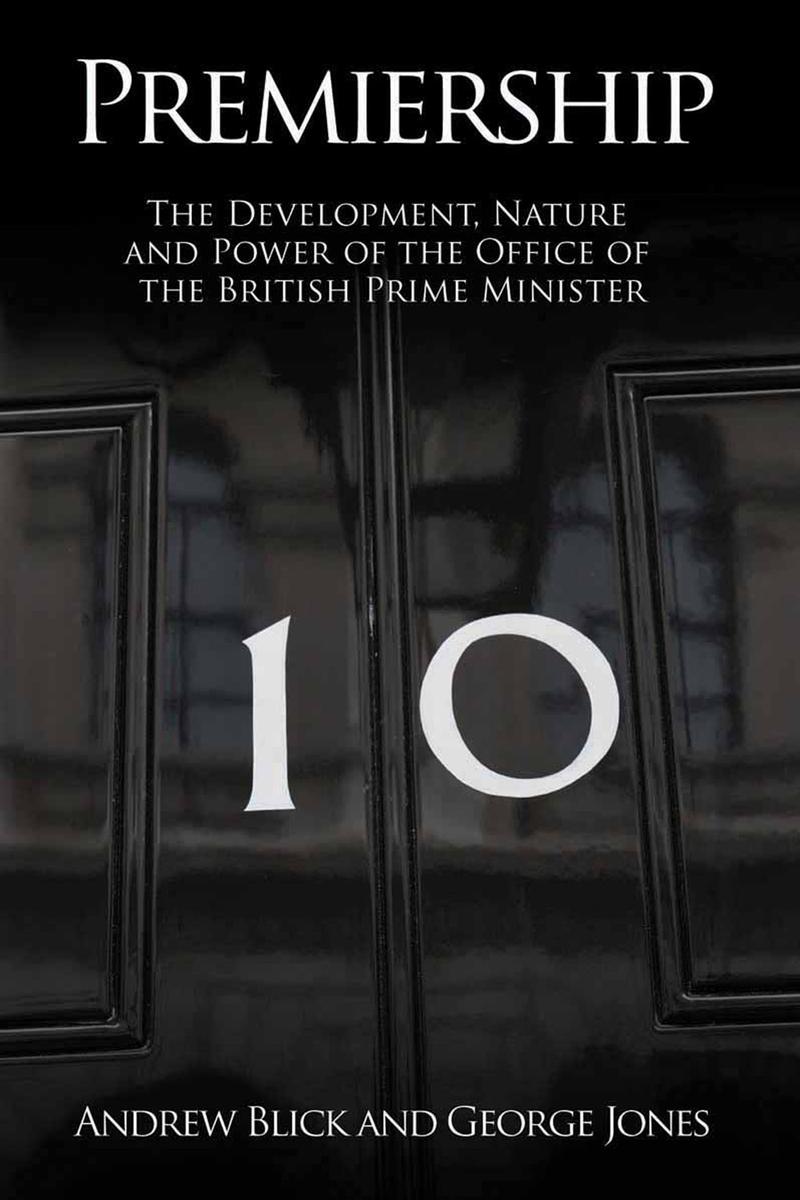
Premiership
¥63.67
The office of Prime Minister stands at the apex of the British political system. An undertsanding of this post is essential to all who are -- or aspire to be -- within government, or who observie it from outside.This book combines the methods of history and political science to produce theories of the development, nature and power of the premiership, and to explain the implications for present politicians and analysts. It is essential reading for for academics, students, journalists and all who are working in or intersted in politics.
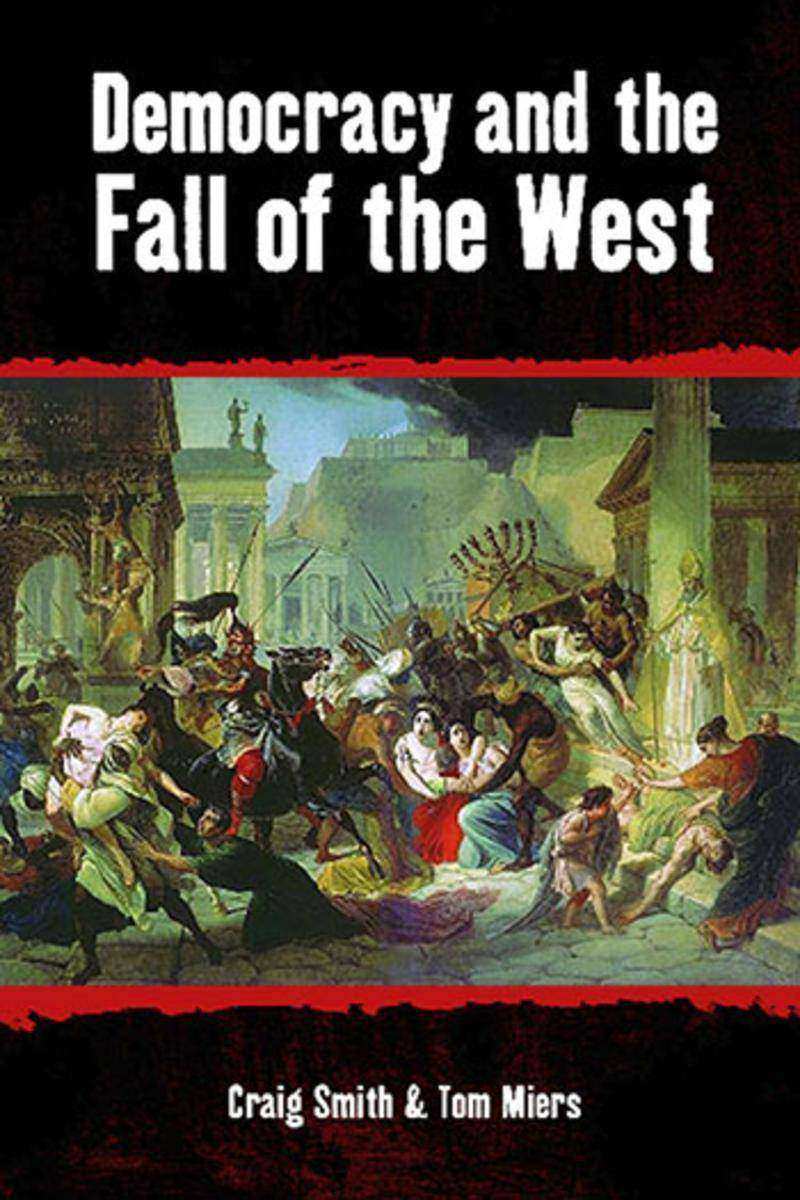
Democracy and the Fall of the West
¥63.67
Democracy is killing the West. That is the stunning conclusion of this book that tears apart the consensus underpinning modern political assumptions.Democracy is held to solve one of the oldest puzzles of human social life: how do we ensure that our rulers have a legitimate mandate and rule in the interests of the whole community? We are supposedly now guided by institutions whose democratic mandate ensures that they will govern in a benign manner in the interests of all.Democracy & the Fall of the West challenges that assumption by drawing on an alternative theory about the nature of modern democracy and its impact on Western society. It argues that the secret of the West's success is not Democracy, but Liberalism.Craig Smith and Tom Miers demonstrate that, since the introduction of democracy, the power of the state has re-grown at the expense of the liberty of the individual. Far from underpinning our freedoms, Democracy is in fact undermining them. It has unshackled the coercive power of the state, and will result in the inevitable decline of the West as we know it.
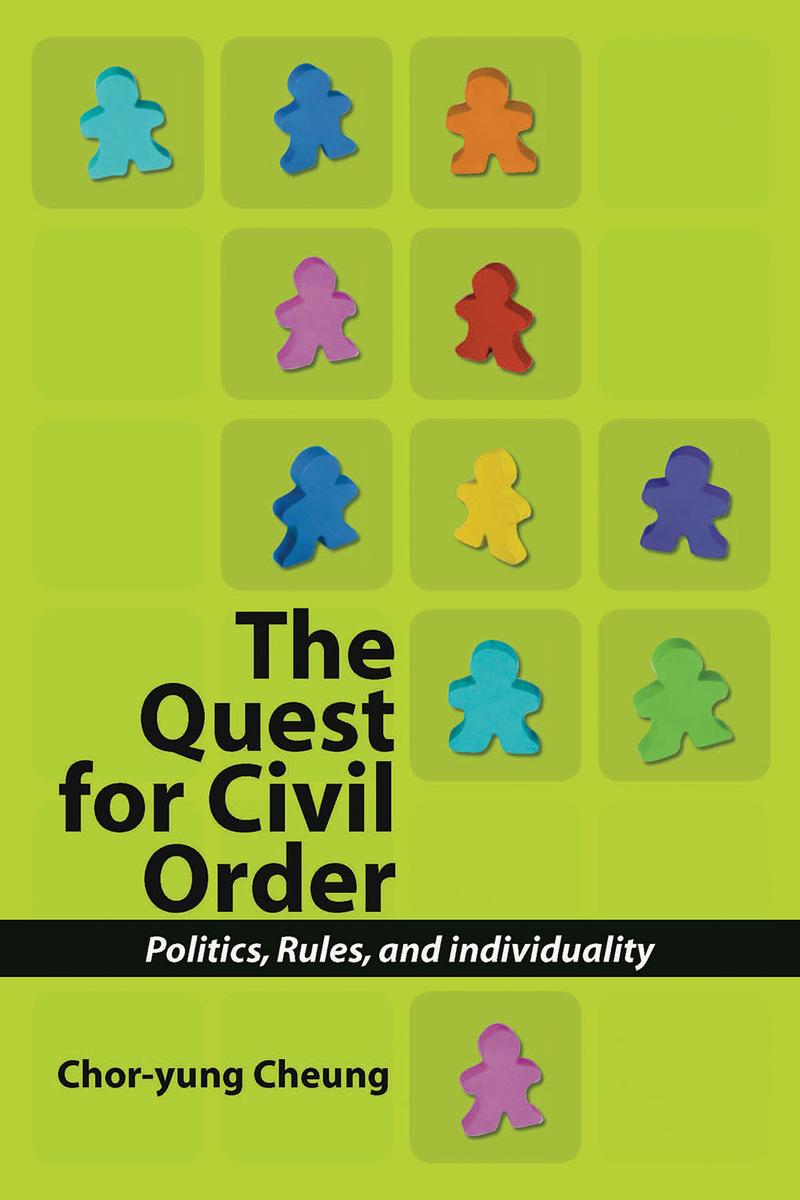
Quest for Civil Order
¥132.34
Examines four notable thinkers in the field of modern social and political theory, with a view to determining how far it is possible to create and maintain a non-coercive but sustainable political order under conditions of diversity in contemporary Western democracies.
Leadership in Christian Higher Education
¥132.34
Universities and Colleges with a Christian affiliation have in recent years sought to renew and redefine their identities and almost all have rearticulated their mission for the modern age after a long and serious process of reappraisal. This process has been accompanied by an ongoing discussion of the nature and identity of higher education itself. This discussion has required leadership that is different from most secular leadership.This book provides a range of experienced voices, including the Archbishop of Canterbury, that reflect on the character and mission of leadership in Christian higher education in the 21st Century.
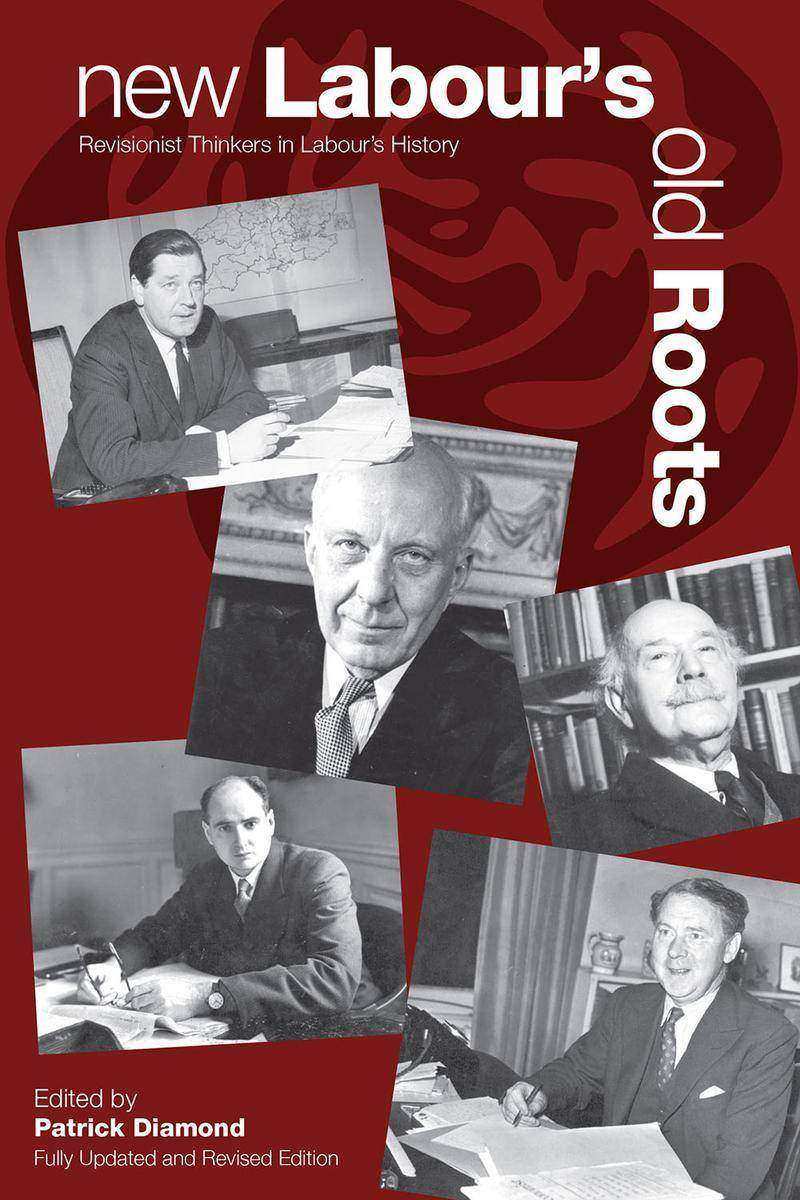
New Labour's Old Roots
¥147.05
The New Labour project was not conjured up out of thin air - it only looks that way because of the party's amnesia about the intellectual roots and political traditions which have guided it. This book provides extracts from fifteen thinkers and politicians located within the revisionist tradition as an antidote to that amnesia. It is an 'all star cast' from R.H. Tawney, Hugh Gaitskell and Anthony Crosland to Roy Hattersley, Gordon Brown and Tony Blair. The collection demonstrates that Labour's revisionism is not a rigid body of doctrine but a 'cast of mind' that distinguishes between core values (ends) and policy instruments (means) - revisionist thinkers are engaged in the continuous pursuit of policy innovation, never shrinking from abandoning policies that fail to achieve the desired ends. All successful Labour governments have been determined to avoid the confusion of means and ends. These essays show a determination throughout the party's history to debate and discuss political ideas in the cause of a fairer, more equal society. Fully updated and revised edition.

World in My Mind, My Mind in the World
¥73.48
Not consciousness, but knowledge of consciousness: that is what this book communicates in a fascinating way. Consciousness is the thread that links the disappearing gorilla with the octopus suffering from a stomach ache, and the person under anaesthetic with a new born baby. How these are different, yet illustrative of consciousness, is revealed in this accessible book by one of the world's leading thinkers and neural computing engineers.Igor Aleksander addresses this enigmatic topic, by making us understand the difference between what happens to us when thinking consciously and when sort of thinking when dreaming or when not conscious at all, as when sleeping, anaesthetised or knocked out by a blow on the head.The book also tackles the larger topics of free will, choice, God, Freud (what is 'the unconscious'?), inherited traits and individuality, while exploding the myths and misinformation of many earlier mind-hijackers. He shares the journey towards building a new model of consciousness, with an invitation to understand 5 axioms or basic ideas, which we easily recognise in ourselves.
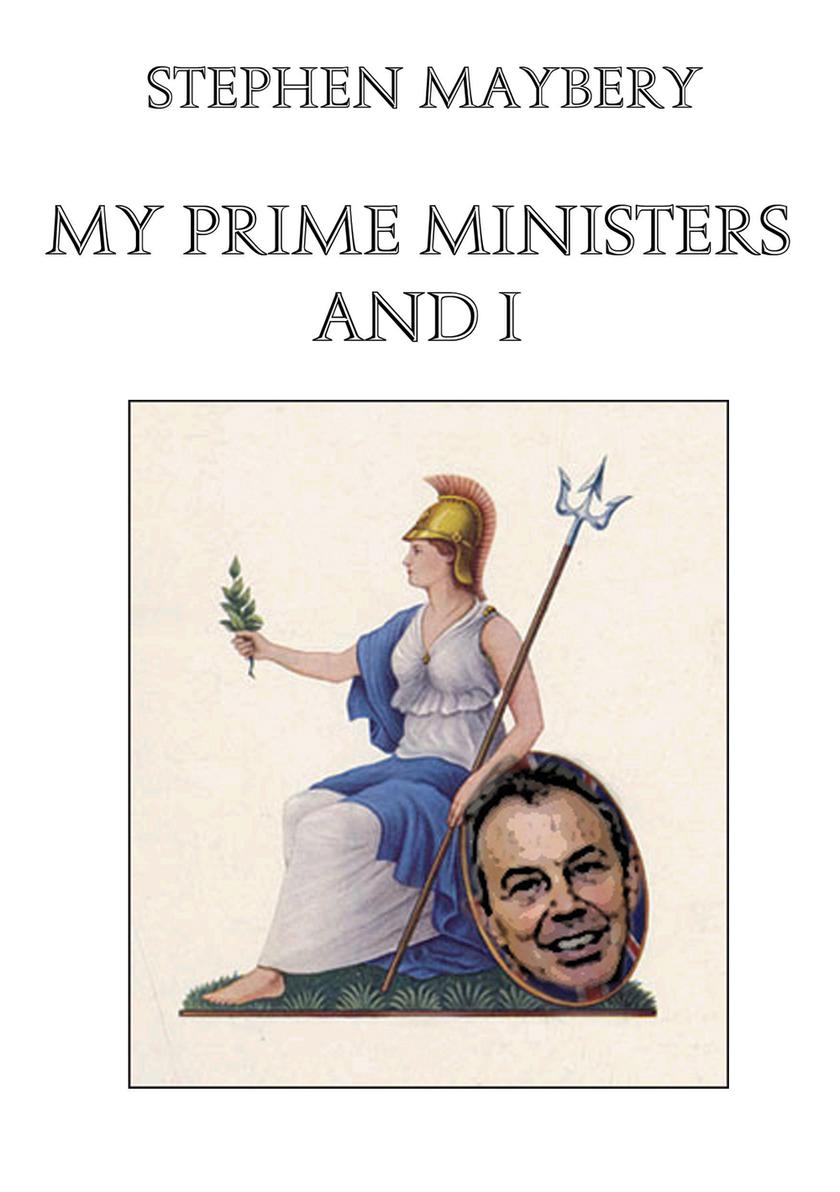
My Prime Ministers and I
¥58.76
Set at the time of the Golden Jubilee, My Prime Ministers and I is exactly what satire is supposed to be, a ruthless and hilarious lampoon of Tony Blair and England's Political class. Tired of being continuously undermined by her supposedly loyal Ministers, Queen Elizabeth abdicates, as do her immediate successors. The Ministers are delighted as they are now able to act as if they were royalty without the embarrassment of being measured against the real thing. But things do not work out quite as the politicians anticipated. The Queen now lives in Canada, from where she subtly plots against the British Government, and if that were not bad enough for the Administration in London, the populace of Great Britain had the impertinence to start voicing their opinions on the direction events were taking - a development not necessarily to the taste of the ruling elite, who viewed such manifestations of democratic opinion to be nothing short of seditious... giving the lower orders the vote was one thing but actually listening to them was out of the question, and, unfortunately, that is the sort of logic which can start a revolution. Dividing her time between Canada and Virginia, Elizabeth II orchestrates the situation much as a conductor would a Mozart symphony. The London politicians may have possessed the power, but what chance would they stand against a woman through whose veins ran a thousand years of skulduggery?
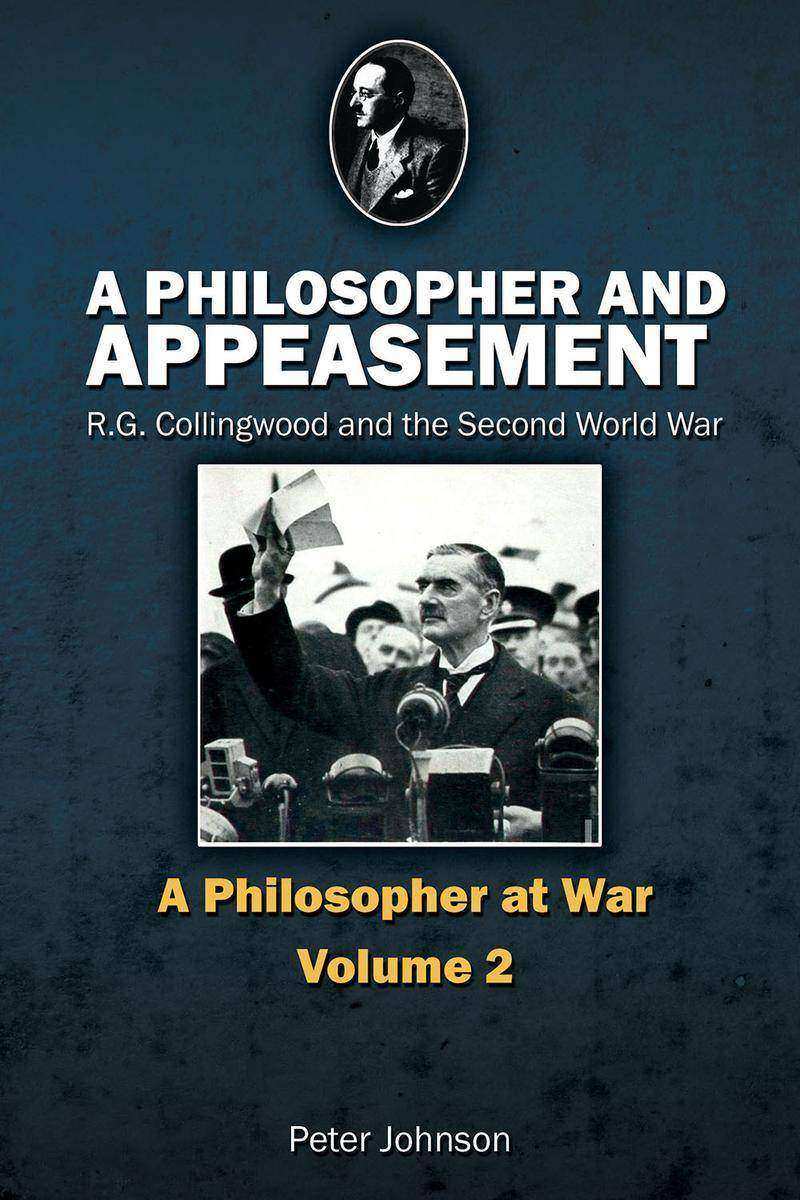
Philosopher and Appeasement
¥107.81
This book is volume one of a two-part series. Taken together, the two volumes of A Philosopher at War examine the political thought of the philosopher and archaeologist, R.G. Collingwood, against the background of the First and Second World Wars. Collingwood served in Admiralty Intelligence during the First World War and although he was not physically robust enough to play an active role in the Second World War, he was swift to condemn the policies of appeasement which he thought largely responsible for bringing it about. The author uses a blend of political philosophy, history and discussion of political policy to uncover what Collingwood says about the First World War, the Peace Treaty which followed it, and the crises which led to the Second World War in 1939, together with the response he mustered to it before his death in 1943. The aim is to reveal the kind of liberalism he valued and explain why he valued it. By 1940 Collingwood came to see that a liberalism separated from Christianity would be unable to meet the combined evils of Fascism and Nazism. How Collingwood arrived at this position, and how viable he finally considered it, is the story told in these volumes.
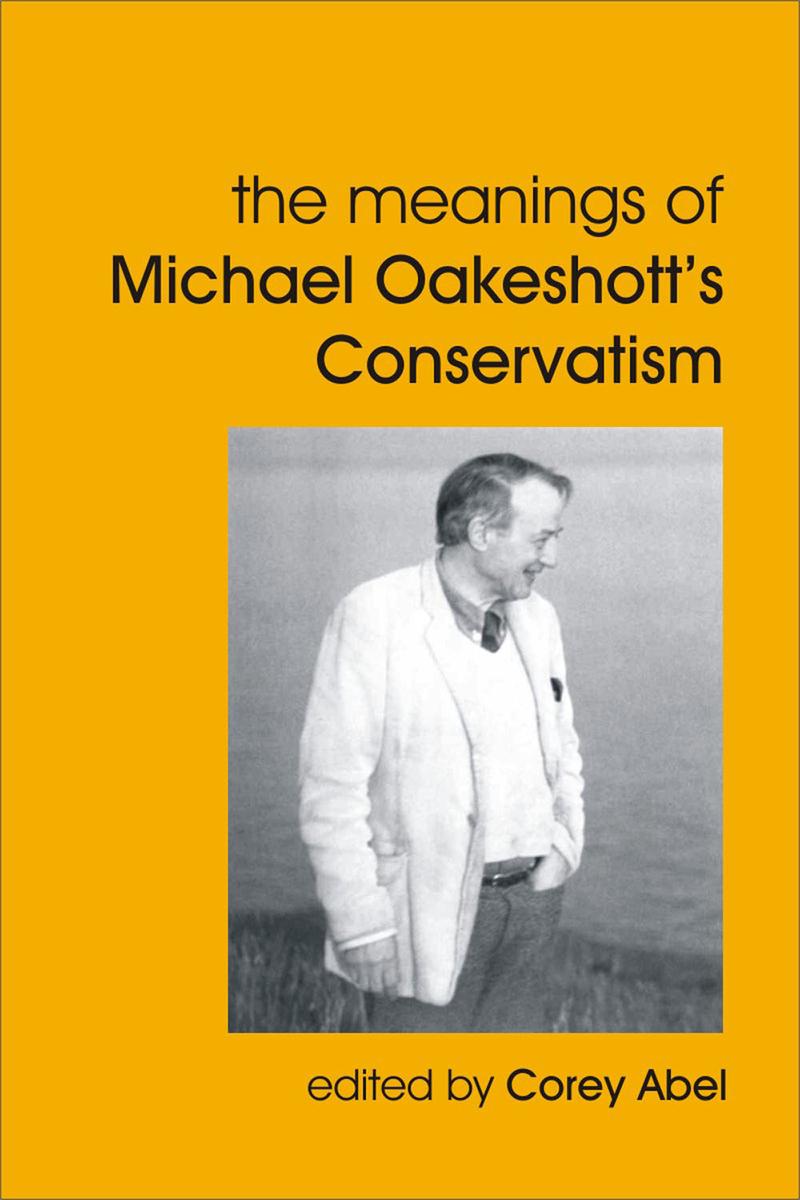
Meanings of Michael Oakeshott's Conservatism
¥147.05
This collection of recent scholarship on the thought of Michael Oakeshott includes essays by both distinguished and established authors as well as a fresh crop of younger talent. Together, they address the meanings of Oakeshott's conservatism through the lenses of his ideas on religion, history, and tradition, and explore his relationships to philosophers ranging from Hume to Ryle, Cavell, and others. The collection assigns no single or final meaning to Oakeshott's conservatism, but finds in him a number of possibilities for thinking fruitfully about what conservatism might mean, when it is no longer considered as a doctrine, but as a habit or a turn of mind.
Fairy Tales of the Brothers Grimm
¥58.76
The well-known Brothers Grimm are famous for writing the world's greatest fairy tales. This excellent collection has been specially formatted for today's e-readers, and with easy navigation to your favourite tales is an excellent addition to any bookshelf.

Here For Our Children's Children?
¥63.67
This study reviews the many different bases for wanting to preserve the environment. By seeing how protagonists approach the same situation from different assumptions, some of the origins of environmental conflict may be established, and ways of resolving conflict can be identified.There are two major issues in environmental ethics: The first asks whether the problems can be solved within current approaches, or require instead lifestyle changes for the whole of western civilisation.The second issue concerns why the environment should be valued. This review identifies a series in increasingly stronger valuations that can be identified as:1. Hedonistic - we protect the environment because we like it.2. Utilitarian - the environment is valuable to us3. Consequentialist - we want to preserve things for other people - now or future.4. Intrinsic - The environment has virtue in its own right5. Extrinsic - we value the environment because it is of consequence to some thing else - theistic (a God).Thirdly, these insights are used to explore potential ways of resolving environmental conflicts, notably by the recovery of democratic decision making at the right scale: local, national or even global.

Barchester Towers
¥29.33
Barchester Towers, Trollope's most popular novel, is the second of the six Chronicles of Barsetshire. The Chronicles follow the intrigues of ambition and love in the cathedral town of Barchester. Trollope was of course interested in the Church, that pillar of Victorian society - in its susceptibility to corruption, hypocrisy, and blinkered conservatism - but the Barsetshire novels are no more `ecclesiastical' than his Palliser novels are `political'. It is the behaviour of the individuals within a power structure that interests him. In this novel Trollope continues the story of Mr Harding and his daughter Eleanor, adding to his cast of characters that oily symbol of progress Mr Slope, the hen-pecked Dr Proudie, and the amiable and breezy Stanhope family. The central questions of this moral comedy - Who will be warden? Who will be dean? Who will marry Eleanor? - are skilfully handled with that subtlety of ironic observation that has won Trollope such a wide and appreciative readership.
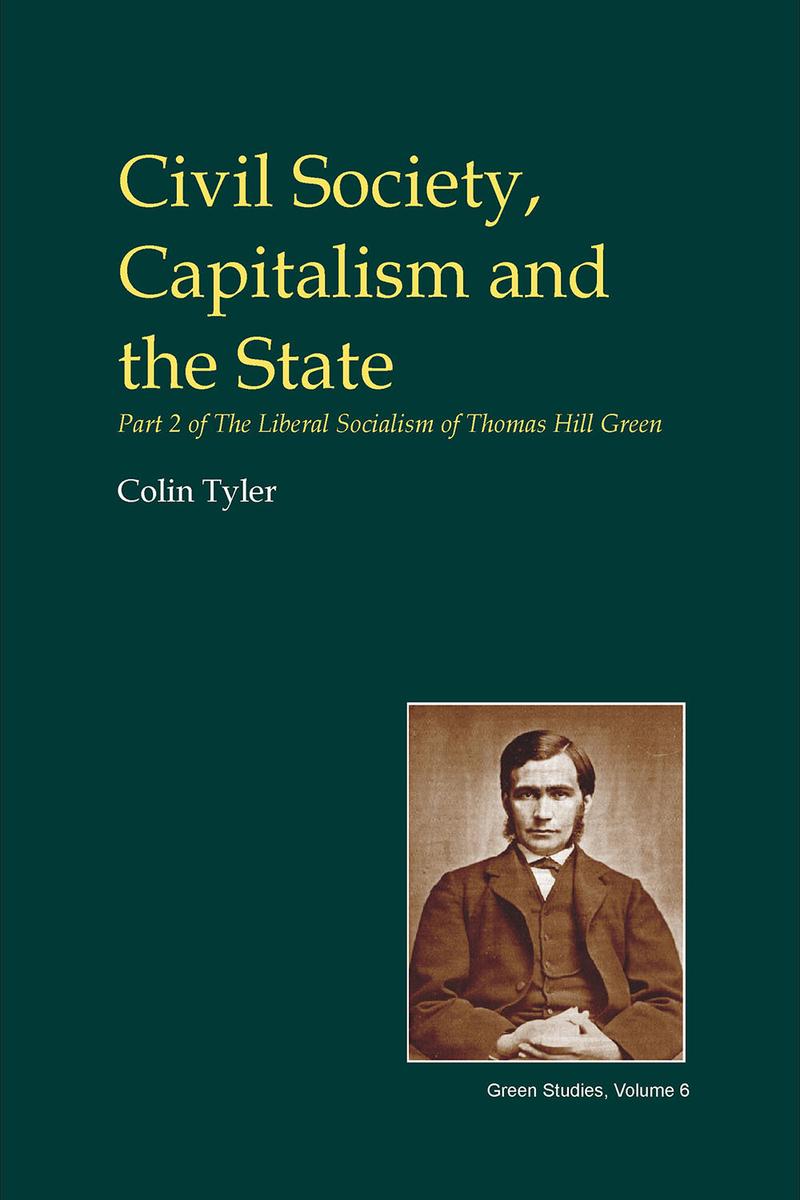
Civil Society, Capitalism and the State
¥220.63
Civil Society, Capitalism and the State presents a critical reconstruction of the social and political facets of Thomas Hill Green's liberal socialism. It explores the complex relationships Green sees between human nature, personal freedom, the common good, rights and the state. It explores Green's analysis of free exchange, his critique of capitalism and his defence of trade union activity and the cooperative movement. It establishes that Green gives only grudging support to welfarism, which he saw as a conservative mechanism in effect if not conscious design. It is shown that he believes state provision of welfare to be justified only to the extent that peasants and the proletariat lack a culture and institutions which enable them to assert themselves against abusive landlords and capitalists. Ultimately, it is shown that Green's guiding ideal is the creation of a eudaimonically-enriching kingdom of ends, which favours the creation of a dynamic and free society driven by mass participation through decentralised social and political institutions. This book builds on Colin Tyler's The Metaphysics of Self-realisation and Freedom (2010), although it can also be read as a freestanding work.
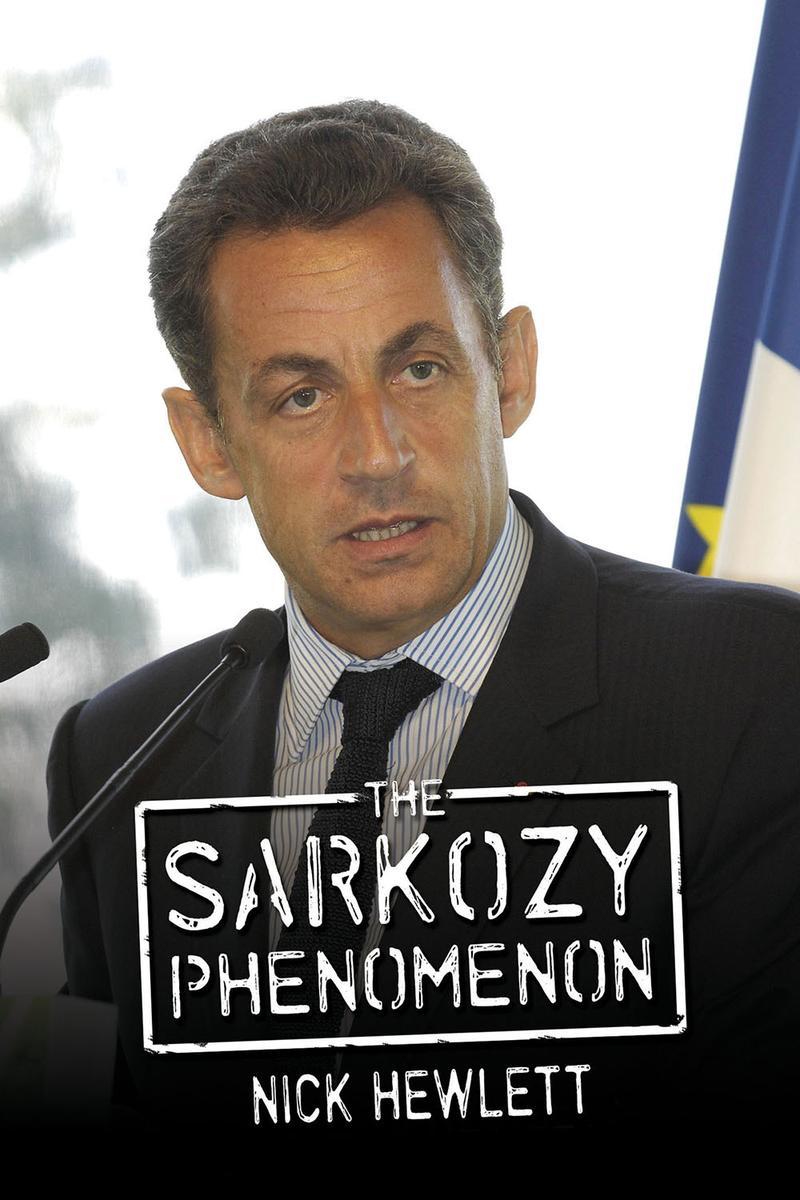
Sarkozy Phenomenon
¥63.67
After his victory at the Presidential elections in May 2007, Nicolas Sarkozy quickly became both deeply controversial and intriguing. It was clear from the start that his rule was to be the most autocratic since Charles de Gaulle's; Prime Minister, government and parliament found themselves eclipsed by the ever-present, hyperactive President who sought to take many decisions on his own and to implement changes in numerous different domains, but with no obvious overall plan. His sweeping reform programme was inspired by a perceived need for rupture with the past, and bringing former Socialists into government seemed to confirm his insistence on the validity of some left-leaning points of reference as well as those on the right. To many, Sarkozy was both dangerous and unfathomable, like Napoleon. In this short book the author argues that the Sarkozy phenomenon is best explained by principal reference to the notion of Bonapartism, which of course has a long history in French politics. Bonapartism is an exceptional form of political rule which results from an unstable situation and where an authoritarian leader steps in and appeals to the electorate in populist fashion with promises of modernization and progress. But Sarkozy's authoritarian, populist rule is also influenced by the extreme right as well as by more conventional centre-right politics in which Sarkozy worked for many years. Yet Sarkozy is less out of step with trends in other liberal democratic states than it might seem; in other highly industrialized countries also a long-term decline of interest in politics has combined with the emergence of highly personalized, media-driven political leadership. The book is written in a clear, accessible way which assumes little prior acquaintance with French politics or history. Those with little knowledge of French politics will find it rewarding, as will as readers with greater familiarity with the field.


