


 购物车
购物车 个人中心
个人中心
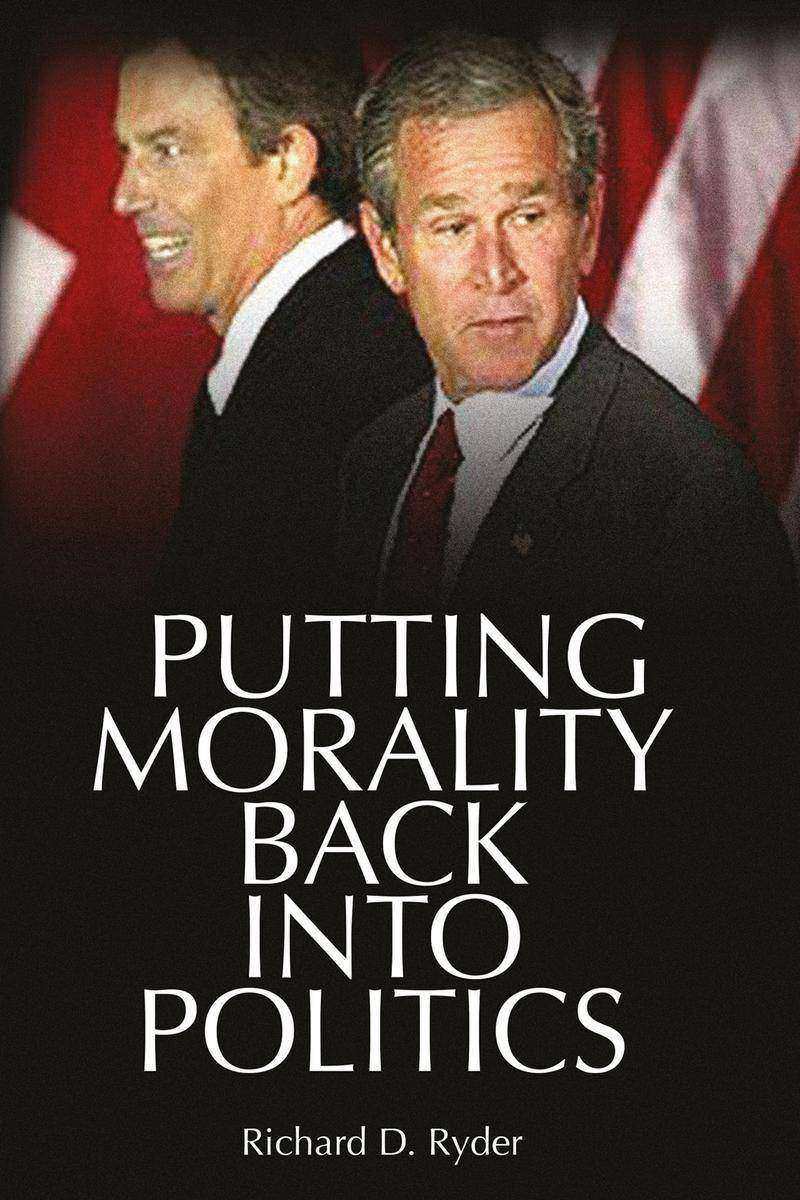
Putting Morality Back into Politics
¥63.67
Machiavelli almost succeeded in removing morality from European politics and, indeed, since his day it has sometimes been assumed that morality and politics are separate. Ryder argues that the time has come for public policies to be seen to be based upon moral objectives. Politicians should be expected routinely to justify their policies with open moral argument.In Part I, Ryder sketches an overview of contemporary political philosophy as it relates to the moral basis for politics, and Part 2 suggests a way of putting morality back into politics, along with a clearer emphasis upon scientific evidence.
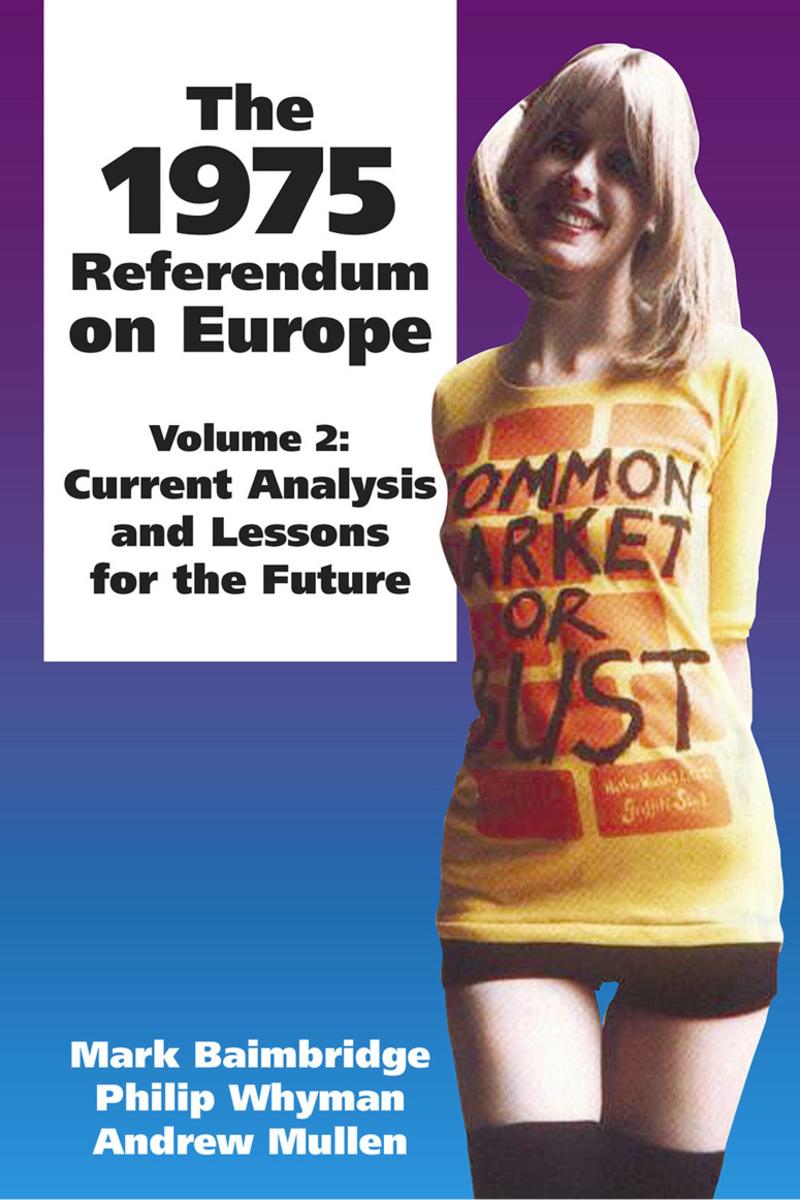
1975 Referendum on Europe - Volume 2
¥132.34
Provides an analysis of the relationship between the UK and the EU, treating the key overarching issues in the 1975 referendum and looking ahead to the prospect (eventually) of further referendums on the subjects of EMU and a European constitution.
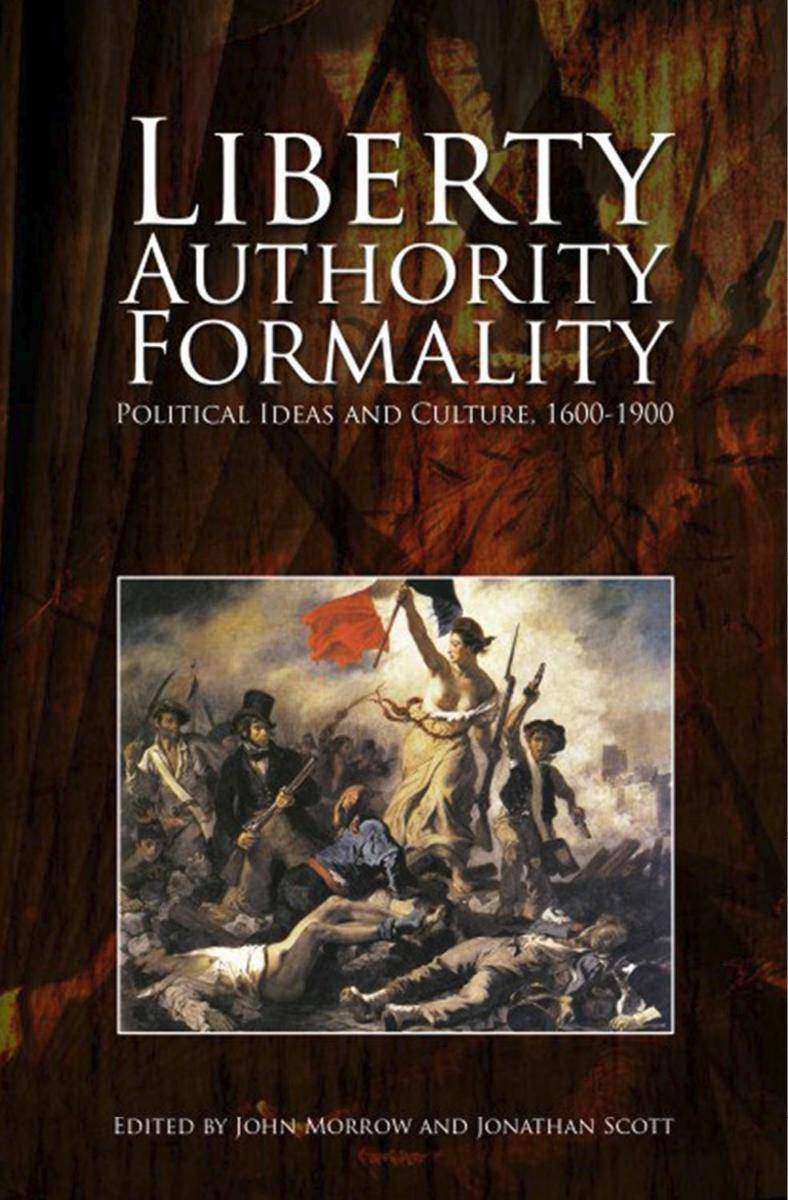
Liberty, Authority, Formality
¥132.34
The essays in this volume are all inspired by the historical scholarship of J.C. Davis. During a prolific career, Davis has transformed our understanding of early modern utopian literature and its contexts, and compelled students of seventeenth-century English to re-evaluate the significance of movements and individuals who have had a prominent place in the historiography of the English Revolution. Davis's analyses of groups like the Levellers and individuals like Gerrard Winstanley and Oliver Cromwell has reoriented the inquiry around the contemporary moral themes of liberty, authority and formality-around which concepts this volume engages.
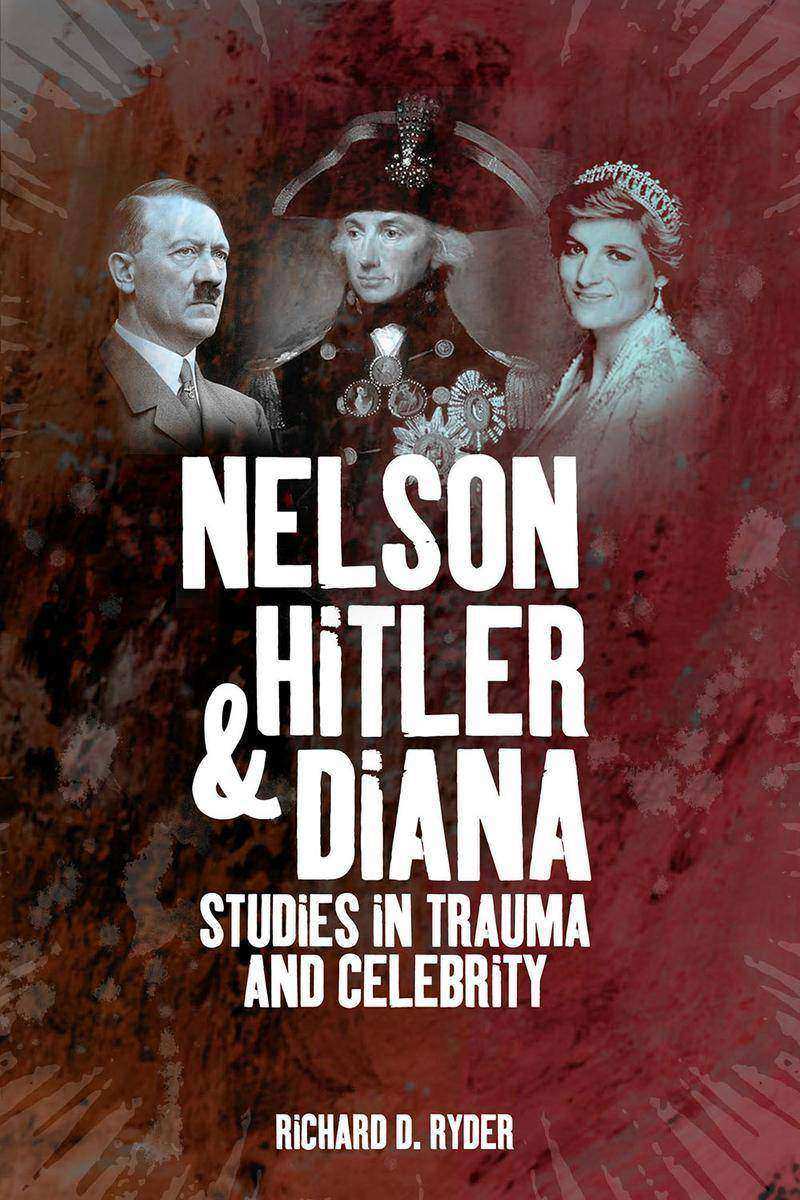
Nelson, Hitler and Diana
¥107.81
Clinical psychologist Richard Ryder approaches three iconic celebrities - Horatio Nelson, Adolph Hitler, and Diana Princess of Wales - as though they were his patients and presents a short psycho-biography of each. Beneath their obvious differences he finds striking similarities in their backgrounds and early experience, especially being deprived of their mothers' love. In a short Epilogue the author asks what lessons might be learned for the future from these three famous figures of the past.
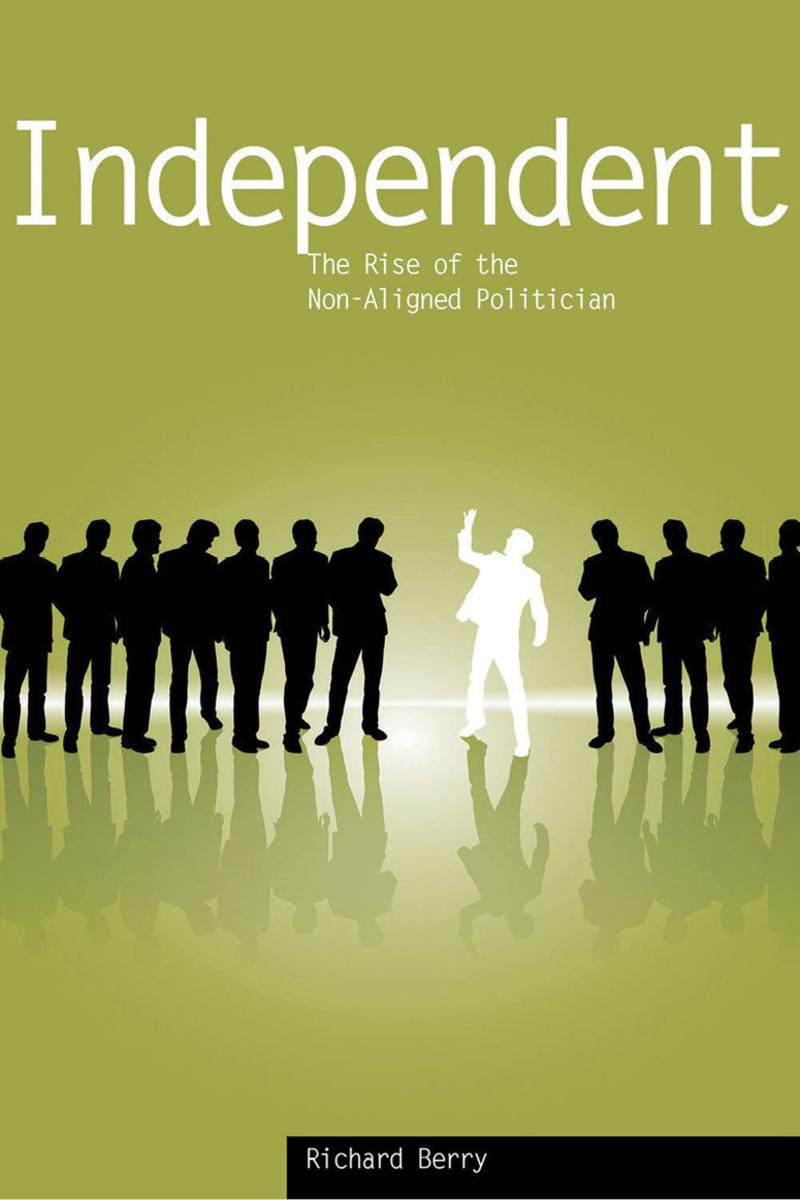
Independent
¥63.67
Martin Bell, Ken Livingstone and Richard Taylor (the doctor who became an MP to save his local hospital) are the best known of a growing band of British politicians making their mark outside the traditional party system. Some (like Livingstone) have emerged from within the old political system that let them down, others (Bell, Taylor) have come into politics from outside in response to a crisis of some kind, often in defence of a perceived threat to their local town or district.Richard Berry traces this development by case studies and interviews to test the theory that these are not isolated cases, but part of a permanent trend in British politics,a shift away from the party system in favour of independent non-aligned representatives of the people.

Far From the Madding Crowd
¥44.05
Far from the Madding Crowd is perhaps the most pastoral of Hardy's Wessex novels. It tells the story of the young farmer Gabriel Oak and his love for and pursuit of the elusive Bathsheba Everdene, whose wayward nature leads her to both tragedy and true love. It tells of the dashing Sergeant Troy whose rakish philosophy of life was '...the past was yesterday; never, the day after'. And lastly, of the introverted and reclusive gentleman farmer, Mr Boldwood, whose love fills him with '...a fearful sense of exposure', when he first sets eyes on Bathsheba. The background of this tale is the Wessex countryside in all its moods.
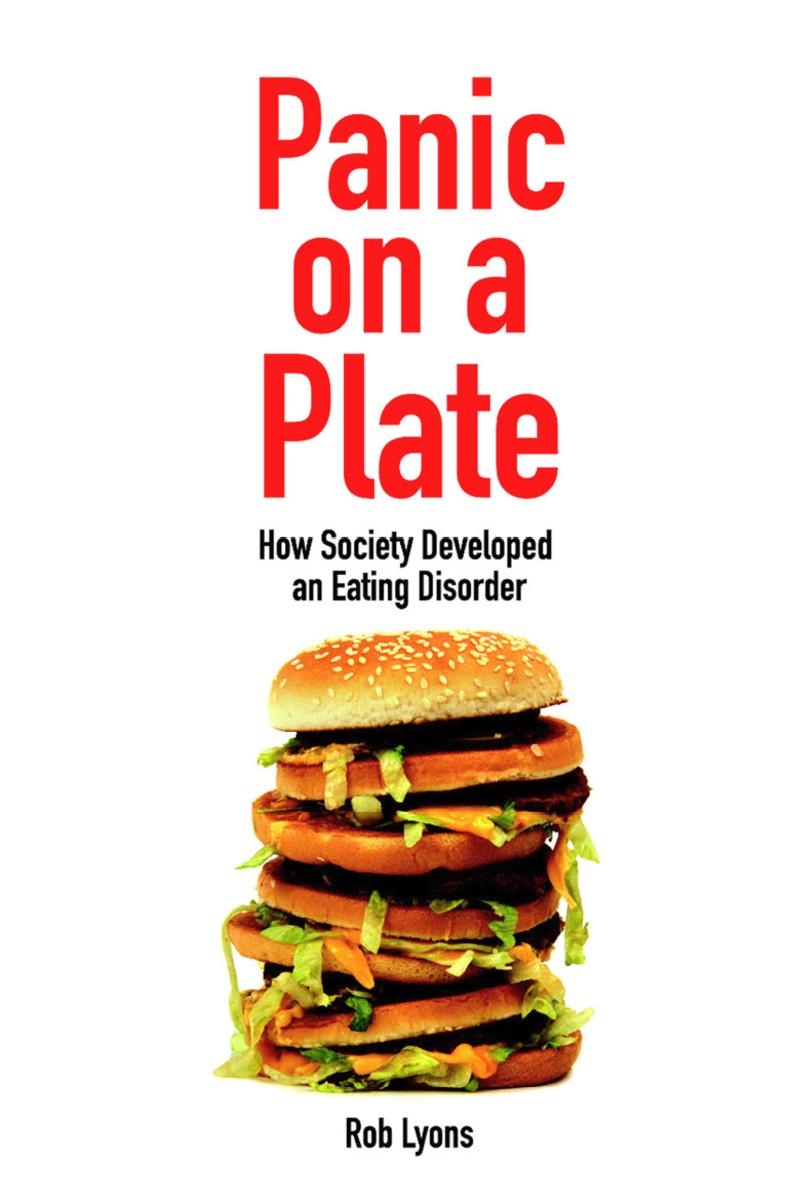
Panic on a Plate
¥63.67
Food in Britain today is more plentiful, more nutritious, more varied, and much more affordable than ever in our history. This is something to celebrate, and Rob Lyons does exactly that. In a series of short up-beat chapters he challenges head on the fashionable critics of so-called junk food and the "e;wacky world"e; of organic and locally-sourced food campaigners. They have created needless panic and made our cheap and tasty food an object of shame and blame, when it should be a cause for rejoicing. "e;Panic on a Plate"e; draws on history, science, and official reports to show the fearmongers are wrong: the changing face of food is full of hope.
Public Service on the Brink
¥132.34
The contributors to this book mount a robust defence of the concept and practice of public service at a crucial time for its future. They question the ill-conceived assumptions behind the endless programmes of reform imposed by successive governments, often on the basis of advice from people with no direct experience of working in the public sector.With cuts in public spending by the coalition government and "e;austerity"e; programmes being imposed in Britain and abroad, the book could not be more timely in its reminder of the core purpose of public service. After a long period of denigration of the public sector, here is the voice that has not been heard clearly through these decades of reorganisation:"e;I know what my job is and I want to do it as well as I can. Indeed I would love my work if I could get one day's peace to get on with it. But I am beset at every turn by unintelligible, time wasting and fruitless management initiatives, constant change, ill-judged targets, wrong-headed 'commercial' exemplars and continuous and misguided restructuring. I have to watch as, instead of my 'customers' (actually patients, pupils, taxpayers) getting a better deal from me, the only beneficiaries seem to be those who can lobby for special treatment."e; The book contains accounts of public service by people of varying backgrounds and ages who work both inside and outside of the public sector. They share an allegiance to the value and purpose of working for the common good and an enthusiasm for getting things right and for the opportunity to recount their experience through this book.
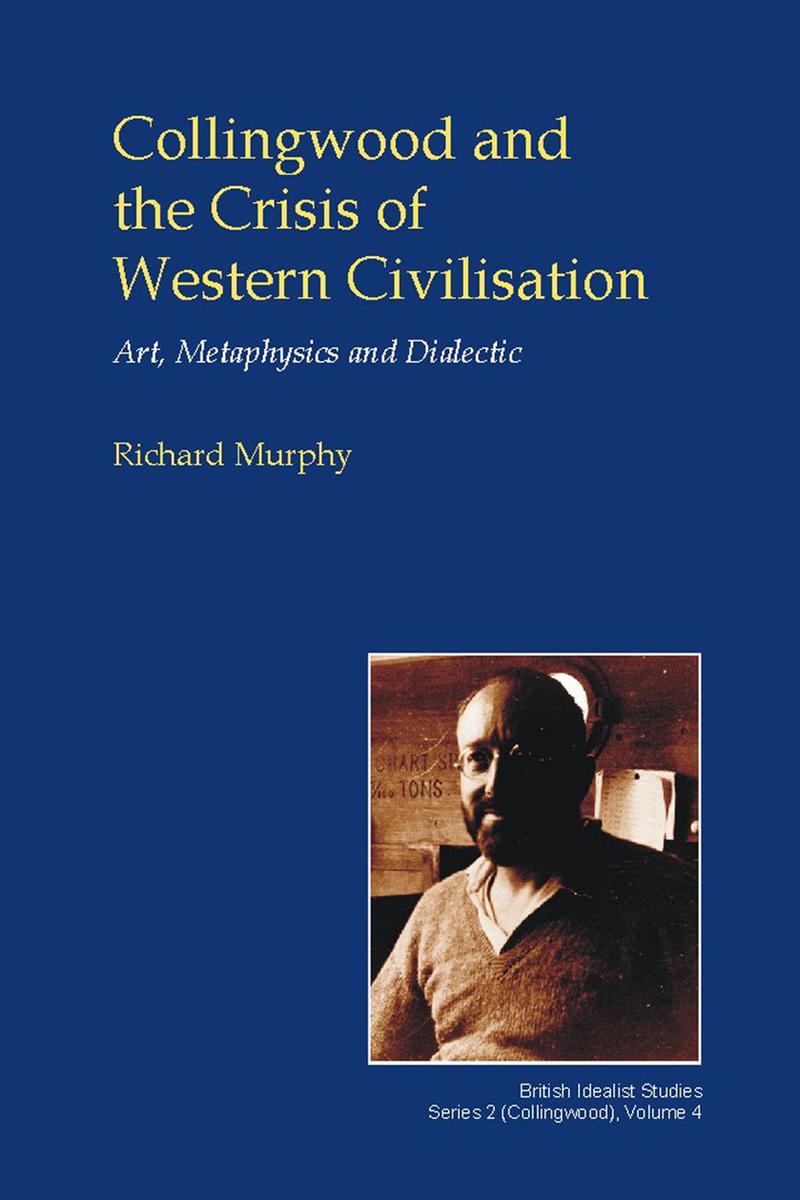
Collingwood and the Crisis of Western Civilisation
¥220.63
This book argues that R.G. Collingwood's philosophy is best understood as a diagnosis of and response to a crisis of Western civilisation. The various and complementary aspects of the crisis of civilisation are explored and Collingwood is demonstrated to be working in the traditions of Romanticism and 'historicism'. On these subjects, the theories of Collingwood and Ortega y Gasset are contrasted with those of Nietzsche and Weber.

Wives and Daughters
¥44.05
Set in English society before the 1832 Reform Bill, Wives and Daughters centres on the story of youthful Molly Gibson, brought up from childhood by her father. When he remarries a new stepsister, Cynthia, enters Molly's quiet life. Loveable but worldly and troubling, Cynthia's arrival alters Molly's daily life. The narrative traces the development of the two girls into womanhood within the gossiping and watchful society of Hollingford. Wives and Daughters is far more than a nostalgic evocation of village life; it offers an ironic critique of mid-Victorian society
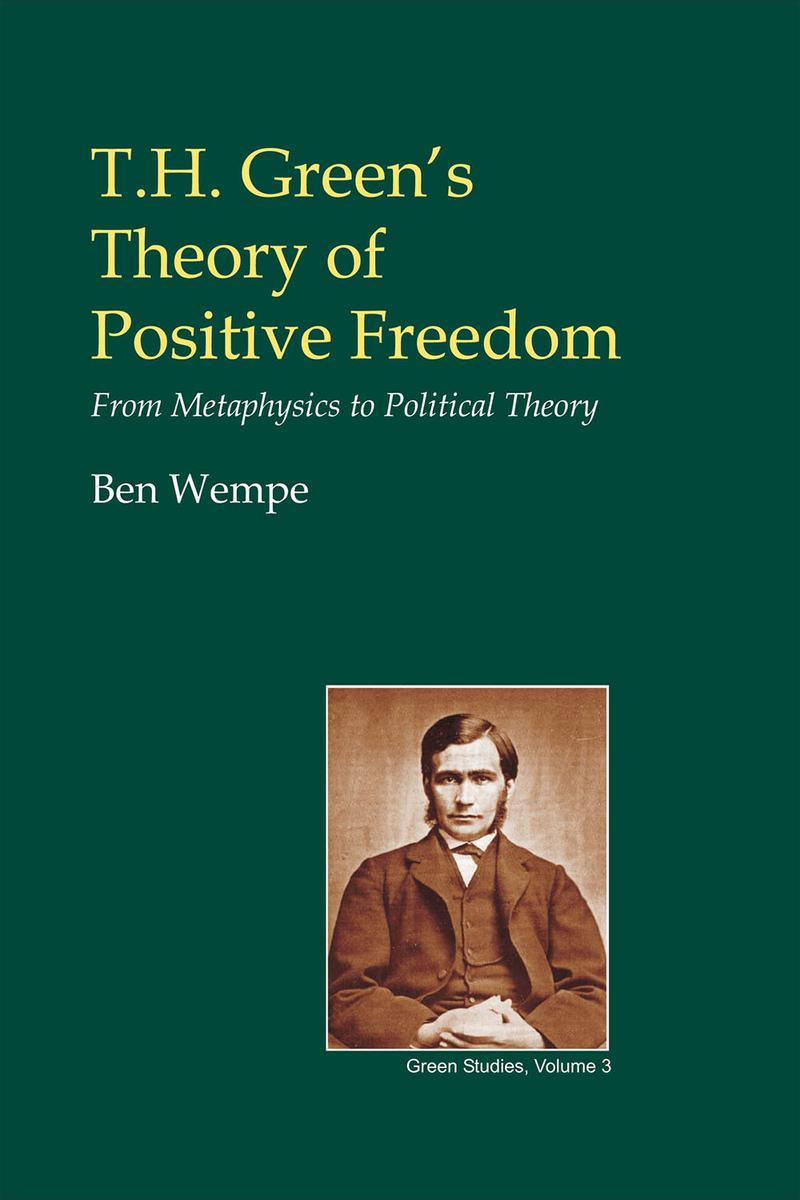
T.H. Green's Theory of Positive Freedom
¥220.63
In this new and entirely revised edition of his study of Green's theory of positive freedom, Ben Wempe argues that the far-reaching and beneficial influence of Green's political doctrine, on public policy as well as in the field of political theory, was founded on a misinterpretation of his philosophical stand, since the metaphysical basis on which Green argued for his political position was largely neglected. The book discusses Green's philosophical development and examines an important, hitherto underrated, influence that went into the formation of his philosophical opinions. It then considers Green's metaphysics and describes how some omissions from the concise version of his metaphysical doctrine, as it is found in his published works, may be remedied by reference to Green's unpublished material.
What Does It All Mean?
¥107.81
As a young man Bill Adams travelled the world teaching US citizens abroad on behalf of a large state university on the East Coast. Back home he reflected that if there were answers to the great questions of life, then he'd not found them - not in India, in Europe, in China, or Japan. In time he came to see that his lifelong interest in how the mind works could be the clue to the meaning of life. Socrates had been right all along: Know thyself. Adams now sets out a new reasoned argument, based on his experience as a cognitive psychologist and as a human being, to show why Socrates was right: the purpose of life is to recognize ourselves - in each other and in all things. The mind is looking for itself: that is how it works, that is what it does for a living.

Liberty Option
¥63.67
The Liberty Option advances the idea that for compelling moral as well as practical reasons it is the free society - with the rule of law founded on the principles of private property rights, its complete respect for individual sovereignty and properly limited legal authorities - not one or another version of statism that serves justice best, is most prosperous and encourages the greatest measure of individual virtue on the part of the citizenry. The work shows why this is so and lays out some of the most crucial implications of the idea. While the book presents a principled approach to politics, it is firmly grounded in the best and most up to date understanding of human community life and history as well as many of its complications, challenges, adversities and prospects.
Economic Imperative
¥63.67
The book explores the role of leisure in modern life. It was written in the belief that leisure sets us apart as a species, that what is "e;useless"e; by commercial standards is probably the best thing we have going for us, and that leisure is under attack, in high danger of being lost, and has been for some time (since at least the end of the Second World War). The source of the problem is the ascendancy of the economic imperative, the subordination of the science of means (philosophy) by the science of ends (economics). The book argues that our leisurely impulse has been so squandered that boredom is now a significant problem in modern life. The essays canvass the distinctive contributions of art, science and religion, and provide a synthetic account of these three forces driving human culture. Although the book covers the science/religion question, this book differs from others on the science/religion debate in that it connects the traditional discussion to questions of economics and social policy. It takes an innovative approach in weaving the fundamentals of human life (art, science, economics and so on) into one fabric, namely, leisure.
Mendacious Colours of Democracy
¥132.34
Politics is a noble, but also a dirty, business. To gain election - and retain office - in a democratic system, politicians are frequently compelled to be dishonest. They engage in benevolent lying because obstruction by stupid voters will otherwise stop them advancing the national interest as they see it.'So claims the author of this eye-opening book, which straddles politics, philosophy, morality and economics. Alex Rubner's own background as an economist advising policy-makers gives authority to his words and a personal dimension to his illustrations.
James Beattie
¥107.81
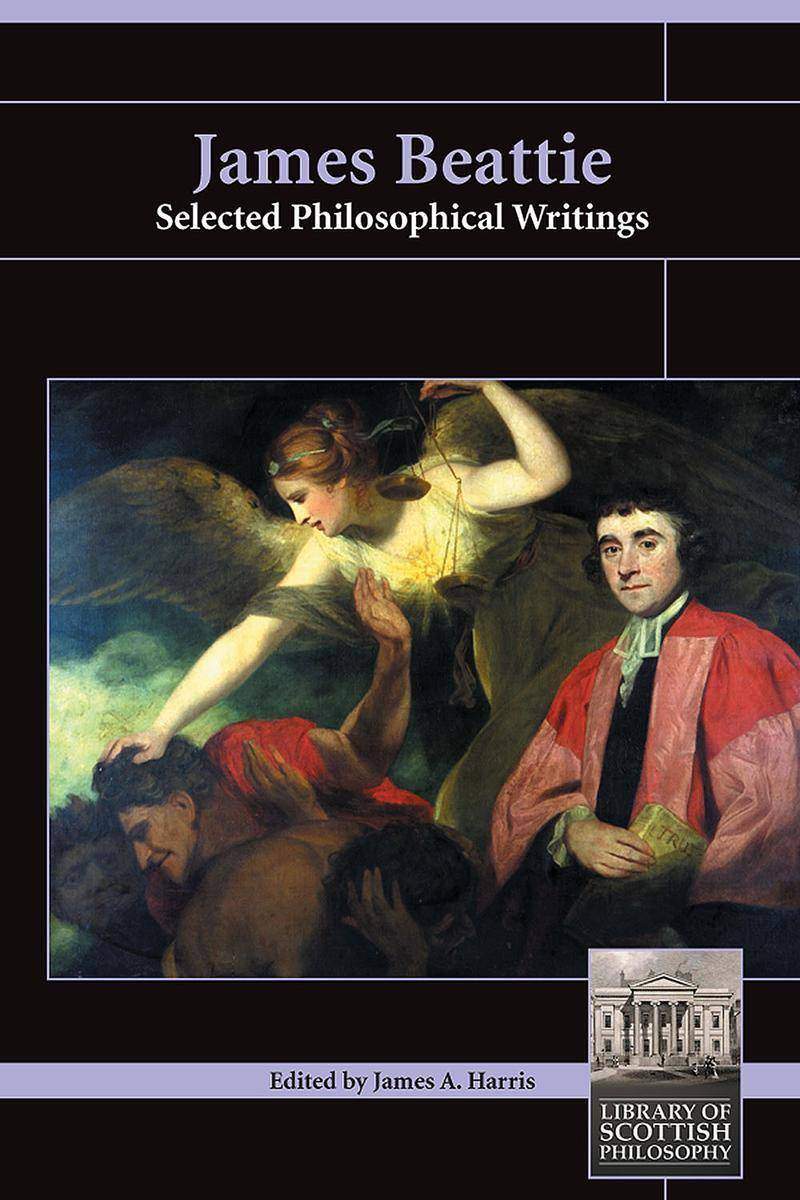
James Beattie (1735-1803) was appointed professor of moral philosophy and logic at Marischal College, Aberdeen, Scotland at the age of twenty-five. Though more fond of poetry than philosophy, he became part of the Scottish 'Common Sense' school of philosophy that included Thomas Reid and George Campbell. In 1770 Beattie published the work for which he is best known, An Essay on Truth, an abrasive attack on 'modern scepticism' in general, and on David Hume in particular, subsequently and despite Beattie's attack, Scotland's most famous philosopher. The Essay was a great success, earning its author an honorary degree from Oxford and an audience with George III. Samuel Johnson declared in 1772 that 'We all love Beattie'. Hume, on the other hand, described the Essay as 'a horrible large lie in octavo', and dismissed its author as a 'bigotted silly Fellow'. Although Beattie is no match for Hume as a philosopher, the success of the Essay suggests that, unlike Hume, Beattie voices the characteristic assumptions, and anxieties, of his age. The first part of this selection-the first ever made from Beattie's prose writings-includes several key chapters from the Essay on Truth, along with extracts from all of Beattie's other works on moral philosophy. The topics treated include memory, the existence of God, the nature of virtue, and slavery. The second part of the selection is devoted to Beattie's contributions to literary criticism and aesthetics. Beattie's studies of poetry, music, taste, and the sublime are vital to the understanding of the literary culture out of which developed the early Romanticism of Wordsworth and Coleridge.
Global Modernity
¥73.48
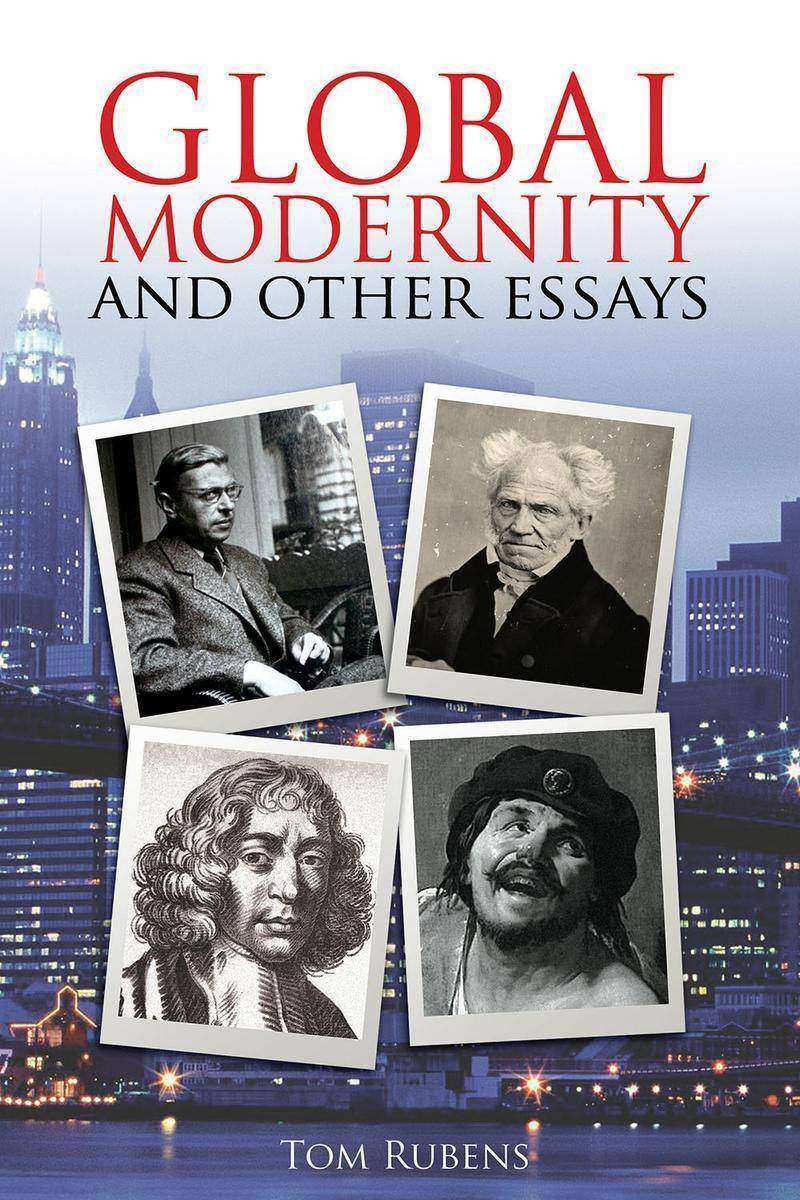
This group of essays follows a similar eclectic pattern to that found in Tom Rubens' previous essay-collections published by Imprint Academic. The author's aim is, as before, to appeal widely but also succinctly: in a way that will stimulate readers to develop their own thoughts on, and consult more extensive treatments of, the subjects in question. As regards philosophers referred to in the in text, these include: Democritus, Spinoza, Schopenhauer and Sartre. Subjects explored include: modernity as a condition which is intellectually exacting; the police in England; democracy in relation to culture and society as a whole; philosophical determinism; sexual love; and the American 'Western' film.
Great Abdication
¥63.67
The middle class provides British society with its stability and strength. According to Deane's contentious thesis, our middle class has abstained from its responsibility to uphold societal values, and the enormously damaging collapse of our society's norms and standards is largely a result of that abdication. The institutions of political and social governance provide a husk of functionality and mask these problems for those that do not wish to see, or do not care. To restore Britain to something resembling a substantively functioning country, the middle classes must reinstate themselves as arbiters of morality, be unafraid to judge their fellow men, and follow through with the condemnation that necessarily follows when individuals sin against common values.
Democracy, Fascism and the New World Order
¥63.67
Democracy is not a universal good, it is a political system, and like all political systems it is open to corruption. The word 'democracy' means 'rule by the people', not rule by a simple majority. To achieve rule by all the people, it used to be accepted that as much of civil life should be kept out of party politics as possible. A mixed constitution was one way of achieving this. By absorbing into itself the institutions of civil society, the modern democratic state has become an ever more pervasive 'tyranny of the majority' accountable to the electorate only once every few years. The powers it has assumed, together with the powers of corporations, represent a 'new world order' that respects neither freedom, the individual, the vulnerable nor, in a true sense, the rule of law.
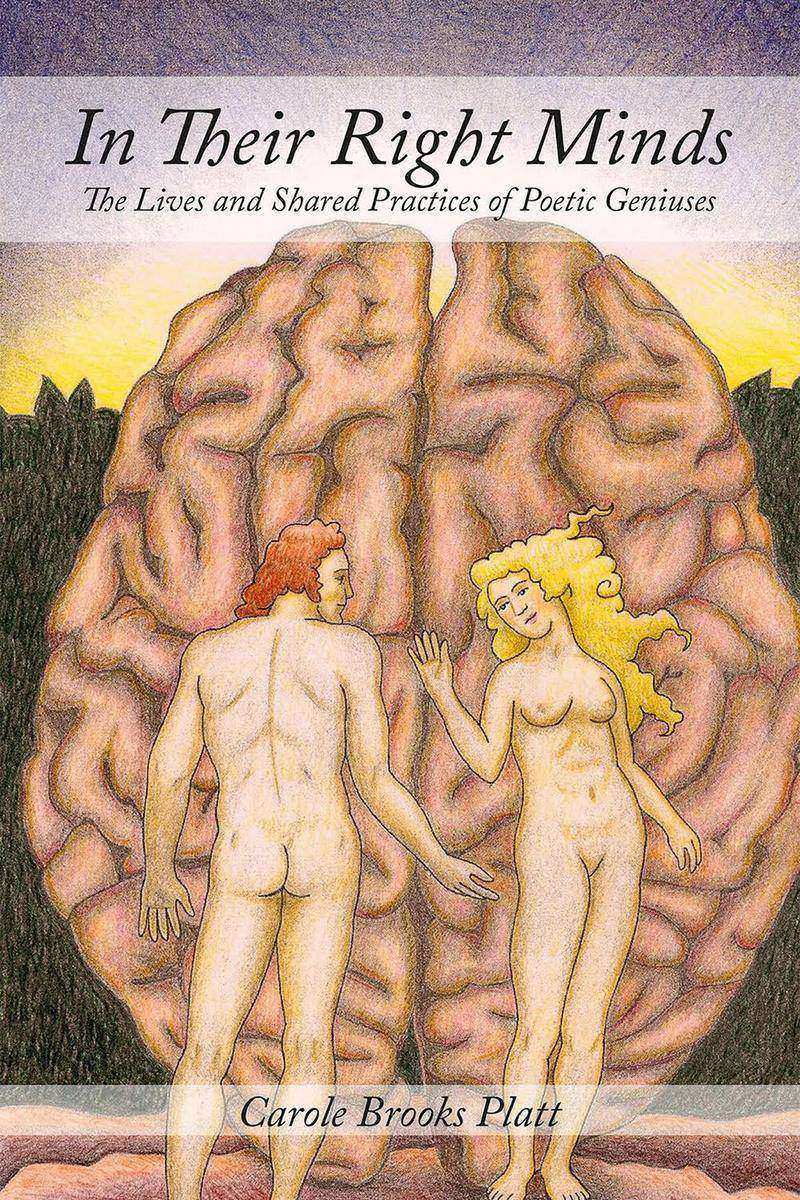
In Their Right Minds
¥107.81
In 1976, Julian Jaynes proposed that the language of poetry and prophecy originated in the right, "e;god-side"e; of the brain. Current neuroscientific evidence confirms the role of the right hemisphere in poetry, a sensed presence, and paranormal claims as well as in mental imbalance. Left-hemispheric dominance for language is the norm. An atypically enhanced right hemisphere, whether attained through genetic predisposition, left-hemispheric damage, epilepsy, childhood or later traumas, can create hypersensitivities along with special skills. Dissociative "e;Others"e; may arise unbidden or be coaxed out through occult practices. Based on nearly twenty years of scientific and literary research, this book enters the atypical minds of poetic geniuses - Blake, Keats, Hugo, Rilke, Yeats, Merrill, Plath and Hughes - by way of the visible signs in their lives, beliefs, and shared practices.

Enemies of Progress
¥63.67
This polemical book examines the concept of sustainability and presents a critical exploration of its all-pervasive influence on society, arguing that sustainability, manifested in several guises, represents a pernicious and corrosive doctrine that has survived primarily because there seems to be no alternative to its canon: in effect, its bi-partisan appeal has depressed critical engagement and neutered politics.It is a malign philosophy of misanthropy, low aspirations and restraint. This book argues for a destruction of the mantra of sustainability, removing its unthinking status as orthodoxy, and for the reinstatement of the notions of development, progress, experimentation and ambition in its place.Al Gore insists that the 'debate is over', while musician K.T. Tunstall, spokesperson for 'Global Cool', a campaign to get stars to minimize their carbon footprint, says 'so many people are getting involved that it is becoming really quite uncool not to be involved'. This book will say that it might not be cool, but it is imperative to argue against the moralizing of politics so that we can start to unpick the contemporary world of restrictive, sustainable practices.


