


 购物车
购物车 个人中心
个人中心

Les Purificateurs: Ep 3 : L’école de Shuyukan
¥8.09
L’école de Shuyukan, ?le de Kyushu, Japon : deux lycéennes et un prêtre sauvagement assassinés par une entité diabolique dans les toilettes du troisième étage du b?timent des internes. Toute la ville de Fukuoka est en proie à la panique. La prestigieuse école est fermée, les élèves renvoyés chez eux, mais les manifestations surnaturelles continuent de terrifier les habitants. Les Purificateurs sont envoyés sur place et seront immergés malgré eux dans une macabre affaire de satanisme. Sauront-ils vaincre l’entité maléfique qui possède l’école de Shuyukan ?
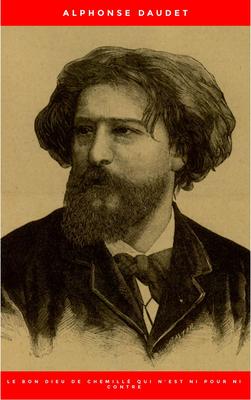
Le Bon Dieu de Chemillé qui n'est ni pour ni contre
¥8.82
"Le curé de Chemillé s'en allait porter le Bon Dieu à un malade. Vraiment, c'était pitié de songer que quelqu'un pouvait mourir par un si beau jour d'été, en plein Angélus de midi, le moment de la vie et de la lumière. C'était pitié aussi de songer que ce pauvre curé avait été obligé de se mettre en route tout de suite en sortant de table, à l'heure où d'habitude il allait – le bréviaire aux mains – faire un bout de sieste sous sa petite tonnelle de vigne, au frais et au repos d'un joli jardin plein de pêches m?res et de roses trémières."
![Don Ki?ot: [Resimli]](https://platform-permanent.ddimg.cn/pt-media-info-soa-resource/digital/product/44/86/1901164486_ii_cover.jpg?version=533339dc-c4a9-43c1-996b-5c5d9432c1d2)
Don Ki?ot: [Resimli]
¥18.80
17. yüzy?l ?spanya's?nda edebiyat dü?künü bir maceraperest; günümüzdeyse klasikle?mi? bir yazar: Miguel de Cervantes Saavedra. ?spanyol donanmas?na kat?l?p K?br?s'ta, ?nebaht?'da, Tunus'ta, Navar?n'de sava?t?. Be? y?l Cezayir'de esir hayat? ya?ad?. ?lkesinde resmi g?revler üstlendi ve yolsuzluk, cinayet gibi gerek?elerle defalarca hapse girdi ??kt?. Her ?ey edebiyat i?indi; onca serüvenden sonra tüm zamanlar?n en ünlü hayalperesti La Manchali Don Ki?ot'u yazd?. Nesli tükenmi? ??valyelere ?zenip hayallerinde kurdu?u dünyada ya?ayan Don Ki?ot, umutsuz bir kahramanl?kla, yel de?irmenlerini devle?tiren aptall?k aras?nda bir simge günümüz dünyas?nda. T?pk? u?a?? Sanco Panza'n?n pratik ve ger?ek?i halk?n simgesi oldu?u gibi… Birinci b?lümü 1605 y?l?nda yay?mlanan ?spanyol edebiyat?n?n bu ba?yap?t?, yay?mland??? günden beri pek ?ok dile ?evrildi, defalarca bas?ld?.?mrünün son y?llar?nda da olsa, D?n Ki?ot sayesinde istedi?i un, sayg?nl?k ve paraya kavu?an Cervantes ?ldü?ünde modern roman?n ilk kilometre ta?lar?ndan birini dikti?ini bilmiyordur. ?ok farkl? ulusal edebiyatlar?n ?ok farkl? yazar, ele?tirmen ve okurlar? Don Ki?ot'u modern edebiyat?n ba?lang?? noktas? ve kutsal kitab? olarak de?erlendirirler. Don Ki?ot'un ü? tek tanr?l? dinin kutsal kitaplar?ndan sonra gelmi? ge?mi? en ?ok okunan kitab? olmas? da bu de?erlendirmenin hakl?l???n? kan?tlar. Günümüzde onun yaln?zca ilk modern roman de?il, ayn? zamanda ilk post-modern roman oldu?unu iddia edenler de var. Bu ku?kusuz tart??maya a??k bir konudur; ancak bu iddian?n kesin olarak g?sterdi?i, modern zamanlar? yararak gelen muhte?em Don Ki?ot'un tam 400 y?l ?nce ?u s?ralarda yay?nland???ndan beri güncelli?inden hi?bir ?ey kaybetmemi? oldu?udur. Belki de bu yitmezli?in, bitmezli?in s?rr? bir ba?ka edebiyat olumsuzunun, Dostoyevski'nin ?u s?zlerinin alt?nda bir yerlerdedir: "Don Ki?ot, insan dü?üncesinin en son ve en büyük s?zü, insan?n ifade edebilece?i en ac? ironidir" ?enyor Kesada'n?n tatl? delilikleri: K?yün ?atosu bir tepe üstünde yükseliyordu. Berber ile papaz o sabah bu tepenin ete?inde kar??la?t?lar; hem birbirlerini g?rmekten, hem de bu taze ve parlak sabahtan do?an sevin?le uzun uzun birbirlerinin elini s?kt?lar, ?spanya k?rlar?, g?z alabildi?ine güne?in alt?na serilip gidiyordu. G?kyüzünde en güzel yaz günlerinin derin ve temiz mavili?i vard?. Her ?ey g?ze ho? g?rünüyor, her ?ey derin bir ya?ama sevinci ve tatl?l??? ile dolup ta??yordu. Bununla beraber papaz dü?ünceli g?rünmekte idi. Berber: — Dostumuz ?enyor Kesada ne halde? diye sordu. Papaz cenazeden d?ner gibi bir ?ehre ile i?ini ?ekerek cevap verdi: — Nas?l istemezseniz ?yle. Ben ?imdi ?atodan geliyorum. Dostumuza o u?ursuz kitaplar? bir par?a b?rak?p k?rlara ??kmas? i?in yalvard?m. Ha ona nasihat vermi?sin, ha bir d??? kat?ra ! Berber ba??n? iki yana sallayarak: — Do?ru, dedi, onunki si bal gibi delilik! O ??valye romanlar? yazmakla vakitlerini ge?iren a?a??l?k yaz?c?lar?n etti?ini bulacak.

Re?eta geniului. Cum s? devii lider ?n orice domeniu de activitate
¥82.81
Pufi ??i dore?te foarte mult s? aib? un c?min, a?a cum au fra?ii ?i surorile ei – dar se pare c? nimeni nu o vrea… C?nd Ela ??i face apari?ia la ferm?, o ?ndr?ge?te imediat pe simpatica pisicu?? ?i ??i dore?te s? o adopte, dar mama e hot?r?t?: f?r? pisici ?n cas?. Oare ce se ?nt?mpl? cu pisicu?ele pe care nimeni nu le vrea? Seria Prima mea lectur? este dedicat? micilor cititori pasiona?i de c?r?i ?i de citit. ?nc?nt?toarele aventuri ale unor copii dornici s? aib? un animal de companie ofer? o lectur? accesibil? ?i antrenant?, cu ajutorul c?reia pot fi exersate f?r? niciun fel de dificultate abilit??ile de citire. Structura complex? a frazelor ?i a vocabularului ?i dezvoltarea nara?iunii pe mai multe planuri reprezint? pasul necesar pentru abordarea cu succes a textelor clasice de mari dimensiuni
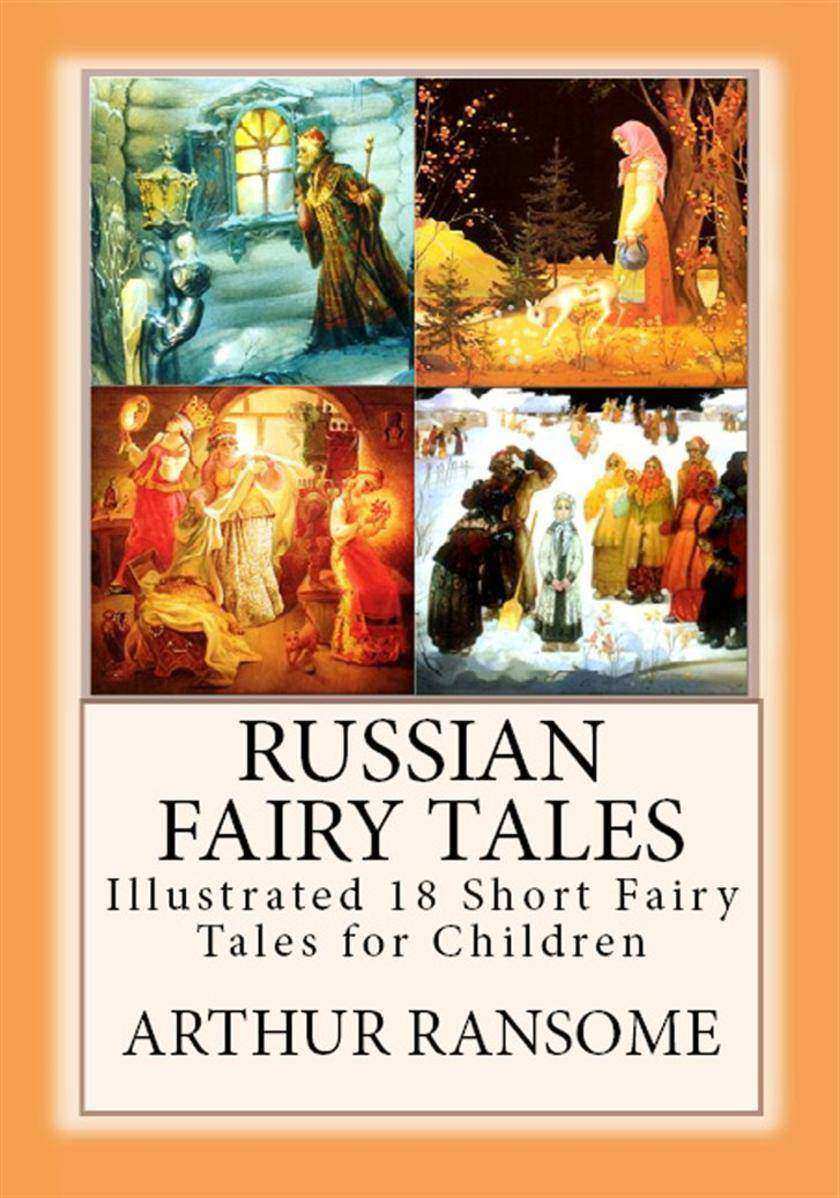
Russian Fairy Tales: "Illustrated 18 Short Fairy Tales for Children"
¥17.82
RUSSIAN FAIRY TALES"Illustrated 18 Short Fairy Tales for Children"1. The Magic Swan Geese2. The Tale of Tsar Saltan3. Emelya and the Pike4. The Frog Tsarevna5. Morozko6. Twelve Months7. Tsarevitch Ivan, the Firebird and the Gray Wolf8. Little Snow Girl (Snegurochka)9. The Snow Maiden (Snegurochka)10. Kolobok Dough-Boy11. Sadko12. Ruslan and Ludmila13. Golden Cockerel14. The Scarlet Flower15. The Humpbacked Little Pony16. The Tale of the Fisherman and the Golden Fish17. The Tale of the Dead (Sleeping) Princess and the Seven Knights18. Sister Alyonushka and brother Ivanushka
![Rudy and Babette: [Illustrated Edition]](https://platform-permanent.ddimg.cn/pt-media-info-soa-resource/digital/product/45/8/1901164508_ii_cover.jpg?version=9d02e19f-7784-4ad4-85d2-15b056aa4db1)
Rudy and Babette: [Illustrated Edition]
¥18.88
LET us now go to Switzerland, and see its wonderful mountains, whose steep, rocky sides are covered with trees. We will climb up to the fields of snow, and then make our way down to the grassy valleys, with their countless streams and rivulets, impetuously rushing to lose themselves in the sea. The sunshine is hot in the narrow valley; the snow becomes firm and solid, and in the course of time it either descends as an avalanche, or creeps along as a glacier. ??THERE are two of these glaciers in the valleys below the Schreckhorn and the Wetterhorn, near the long village of Grindelwald. They are a remarka-ble sight, and therefore many travelers from all countries come in the summer to visit them: they come over the high mountains covered with snow, they traverse the deep valleys; and to do this they must climb, hour after hour, leaving the valley far beneath them, till they see it as if they were in an air-balloon. ??The clouds hang above them like thick mists over the mountains, and the sun's rays make their way through the openings between the clouds to where the brown houses lie spread, lighting up some chance spot with a vivid green. Below, the stream foams and blusters; but above it murmurs and ripples, and looks like a band of silver hanging down the side of the rock.??On either side of the path up the mountain lie wooden houses. Each house has its little plot of potatoes; and this they all require, for there are many children, and they all have good appetites. The children come out to meet every stranger, whether walking or riding, and ask him to buy their carved wooden ch?lets, made like the houses they live in. Be it fine or be it wet, the children try to sell their carvings.??About twenty years since you might have seen one little boy standing apart from the others, but evidently very desirous to dispose of his wares. He looked grave and sad, and held his little tray tightly with both hands as if he was afraid of losing it. This serious look and his small size caused him to be much noticed by travelers, who often called him and purchased many of his toys, though he did not know why he was so favored. His grandfather lived two miles off among the mountains, where he did his carving. He had a cabinet full of the things he had made. ??There were nut-crackers, knives and forks, boxes carved with leaves and chamois, and many toys for children; but little Rudy cared for nothing so much as for an old gun, hanging from a rafter in the ceiling, for his grandfather had told him it should be his own when he was big enough to know how to use it.
![Czechoslovak Fairy Tales: [And Other Central Europe Stories]](https://platform-permanent.ddimg.cn/pt-media-info-soa-resource/digital/product/51/97/1901165197_ii_cover.jpg?version=c97fe4d1-16e8-47f7-ae85-30795416f5c6)
Czechoslovak Fairy Tales: [And Other Central Europe Stories]
¥18.80
Parker Fillmore, author of "The Laughing Prince", was a collector and editor of fairy tales from Czechoslovak tales and Slavic folklore. The Laughing Prince is classified as Slavic fairy tales, but the collection is also compromised of fairy tales and folklore for Bosnia, Bulgaria, Croatia, the Czech Republic, Montenegro, Russia, the Ukraine, Slovakia, Slovenia, Serbia, Poland and others.This Book, His other work, "Czechoslovak Fairy Tales", is another collection of fairy tales. Fillmore enjoyed the fairy tales he heard, and received a scholarship from patrons to spend time collecting these iconic tales that were part of the heritage of many he encountered in Czechoslovak and elsewhere. He referred to the tales as "charming little tales of sentiment" and called a few “full of stark simplicity and grim humor.” He also calls the tales his “own renderings” and not exactly translations, an important distinction to make. He does say, however, that he didn't invent new details, but instead made the stories his own.This rendering of some of the old Czechoslovak tales is not offered as a literal translation or a scholarly translation. I have retold the stories in a way that I hope will please American children. I have tried hard to keep the flavor of the originals but have taken the liberty of a short cut here and an elaboration there wherever these have seemed to me to make the English version clearer and more interesting. [Parker Fillmore]
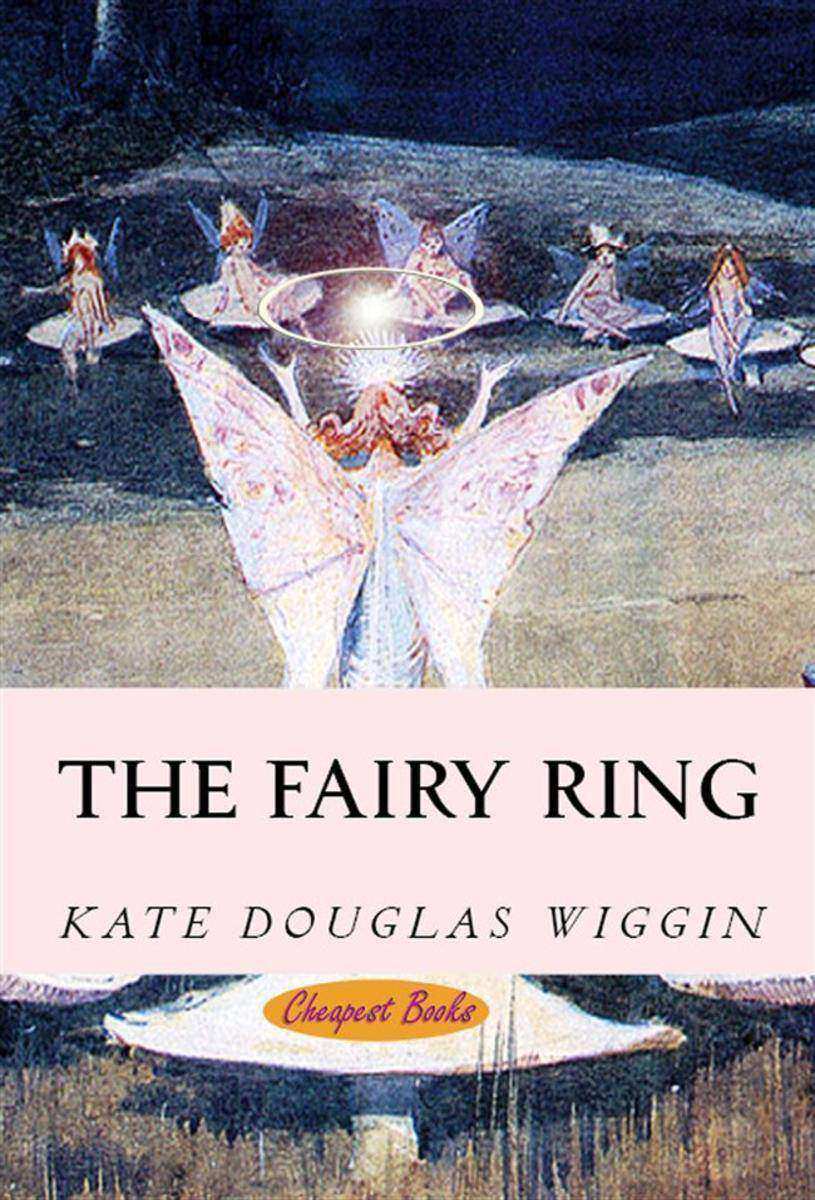
The Fairy Ring
¥37.85
"THERE was once upon a time a king who had a garden; in that garden was an apple tree, and on that apple tree grew a golden apple every year."?These stories are the golden apples that grew on the tree in the king's garden; grew and grew and grew as the golden years went by; and being apples of gold they could never wither nor shrink nor change, so that they are as beautiful and precious for you to pluck today as when first they ripened long, long ago.??Perhaps you do not care for the sort of golden apples that grew in the king's garden; perhaps you prefer plain russets or green pippins? Well, these are not to be despised, for they also are wholesome food for growing boys and girls; but unless you can taste the flavor and feel the magic that lies in the golden apples of the king's garden you will lose one of the joys of youth.??No one can help respecting apples (or stories) that gleam as brightly today as they did hundreds and thousands of years ago, when first the tiny blossoms ripened into precious fruit.??"Should you ask me whence these stories,?Whence these legends and traditions?With the odors of the forest,?With the dew and damp of meadows?"—??I can say only that the people were telling fairy tales in Egypt, in Joseph's time, more than three thousand years ago; and that grand old Homer told them in the famous "Odyssey," with its witches and giants, its cap of darkness, and shoes of swiftness. Old nurses and village crones have repeated them by the fireside and in the chimney corner; shep-herds and cowherds have recounted them by the brookside, until the children of the world have all learned them by heart, bequeathing them, generation after generation, as a priceless legacy to their own children. Nor must you fancy that they have been told in your own tongue only. Long, long before the art of printing was known, men and women of all nations recited these and similar tales to one another, never thinking that the day would come when they would be regarded as the peculiar property of youth and childhood. ?
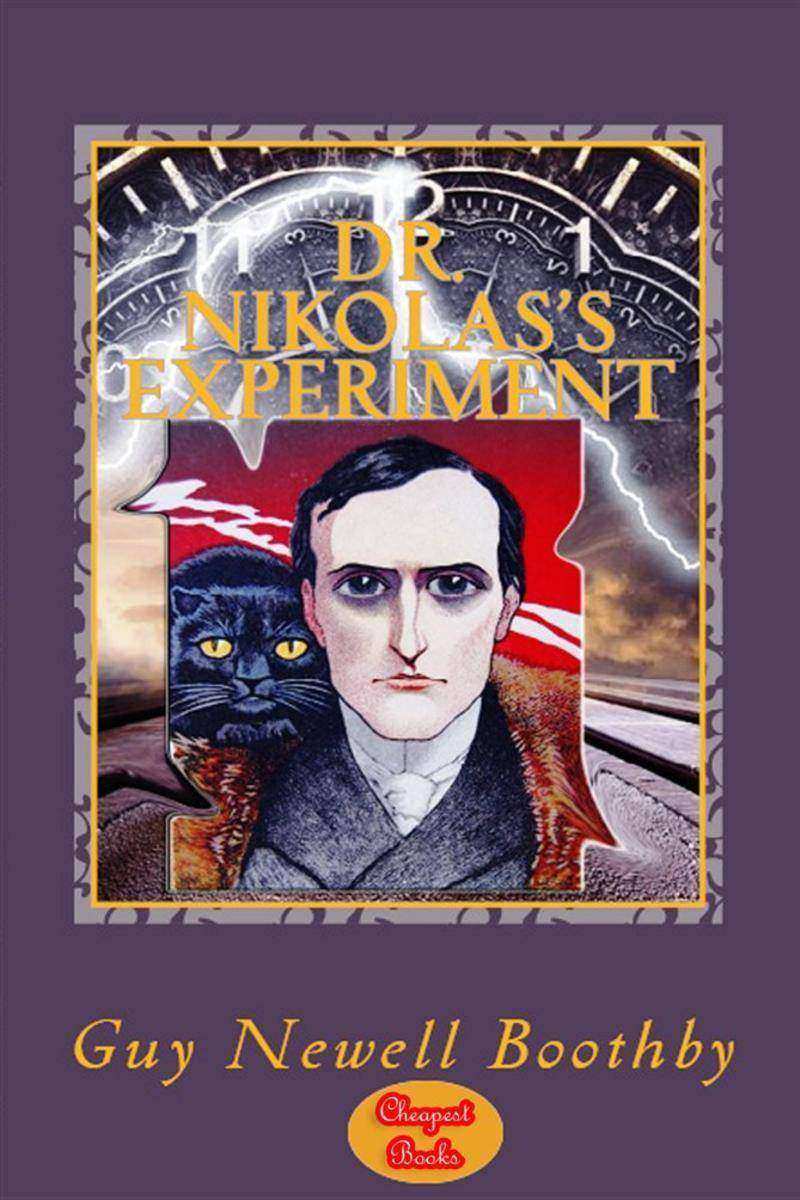
Dr. Nikola's Experiment
¥18.88
This fourth novel of Boothby's Dr. Nikola series reveals that Nikola has discovered all of the facts necessary to extend a human being's life. He has studied science and magic secrets of Tibetan monks. He explains: ?"It has been a long and tedious search, but such labour only makes success the sweeter. The machinery is now prepared; all that remains is to fit the various parts together. In six months' time, if all goes well, I will have a man walking upon this earth who, under certain conditions, shall live a thousand years."??To assist him, he hires a destitute young physician, who explains his predicament: ?"As ill luck would have it, however, I had got into the wrong set, and before I had been two years in the hospital was over head and ears in such a quagmire of debt and difficulties that it looked as if nothing but an absolute miracle co-uld serve to extricate me." ?That miracle seems to have come to him in the person of Dr. Nikola.??The nefarious and wealthy Nikola has purchased a remote castle in the north of England, where the seclusion will allow him and his new assistant and Nikola's deaf-mute malformed Chinese servant to conduct his grand experiment on a human subject. ? AUTHOR: Guy Newell Boothby was an Australian novelist and writer, born in Adelaide, son of Thomas Wilde Boothby, who for a time was a member of the South Australian Legislative Assembly. Guy Boothby's grandfather was Benjamin Boothby (1803-1868), judge of the supreme court of South Australia from 1853 to 1867. When Boothby was six, he traveled to England with his mother. Around 1890, he took the position of private secretary to the mayor of Adelaide, Australia, but was not content with the work due to little opportunity for advancement. He turned to his writing talents, writing librettos for 2 comic operas and stories about Australian life. Boothby moved back to the United Kingdom in 1894. He wrote over 50 books in the course of a decade, before dying of pneumonia in Bournemouth. Some of Boothby's earlier works were non-fiction, but later he turned to writing novels. He was once well known for his series of five novels about Doctor Nikola, an occultist anti-hero seeking immortality and world domination.
Under the Sunset
¥8.82
Far, far away, there is a beautiful Country which no human eye has ever seen in waking hours. Under the Sunset it lies, where the distant horizon bounds the day, and where the clouds, splendid with light and color, give a promise of the glory and beauty that encompass it. Sometimes it is given to us to see it in dreams. This Country is the Land Under the Sunset. This is the story of that Country, and what happened when evil came to abide there. It is a story all of us must hear.
Fra?ii Burgess
¥68.75
nc de mici, Sarah i Emily Grimes se deosebesc foarte mult ntre ele. Emily o admir pe sora ei mai mare, mai neleapt i mai statornic, i i invidiaz relaia cu tatl lor absent, iar, mai trziu, cstoria aparent perfect. Calea pe care Emily o alege n via este mai puin sigur i convenional, iar aventurile ei amoroase nu o satisfac cu adevrat. Dei legtura dintre cele dou surori rezist de-a lungul timpului, treptat, distana dintre ele crete, pn cnd un eveniment tragic le aduce pentru ultima dat mpreun, ntr-o ncercare de apropiere. Cu stilul su viguros i emoionant, Yates ptrunde cu uurin pn n profunzimea vieii personajelor sale... O poveste spus sobru i tulburtor.” The New York Times Book Review Unul dintre cei mai strlucii romancieri postbelici din Statele Unite. Opera lui continu s-i delecteze pe cititorii care au norocul s-o descopere.” Independent Richard Yates este autorul romanului Revolutionary Road, nominalizat la National Book Award.

Black Jack
¥8.82
The raucous beginning of Brand's Western is traditional: A gunfighter is shot dead in the street. However, when spinster Elizabeth Cornish takes his baby to raise and wagers with her brother that blood will not "will out"--that Jack's son will not be a murderer--a fascinating story of nature versus nurture emerges.
David Copperfield
¥28.37
Now a grown man, David Copperfield tells the story of his youth. As a young boy, he lives happily with his mother and his nurse, Peggotty. His father died before he was born. During David’s early childhood, his mother marries the violent Mr. Murdstone, who brings his strict sister, Miss Murdstone, into the house. The Murdstones treat David cruelly, and David bites Mr. Murdstone’s hand during one beating. The Murdstones send David away to school.??David’s mother dies, and David returns home, where the Murdstones neglect him. He works at Mr. Murdstone’s wine-bottling business and moves in with Mr. Micawber, who mismanages his finances. When Mr. Micawber leaves London to escape his creditors, David decides to search for his father’s sister, Miss Betsey Trotwood—his only living relative. He walks a long distance to Miss Betsey’s home, and she takes him in on the advice of her mentally unstable friend, Mr. Dick.??Miss Betsey sends David to a school run by a man named Doctor Strong. David moves in with Mr. Wickfield and his daughter, Agnes, while he attends school. Agnes and David become best friends. Among Wickfield’s boarders is Uriah Heep, a snakelike young man who often involves himself in matters that are none of his business. David graduates and goes to Yarmouth to visit Peggotty, who is now married to Mr. Barkis, the carrier. David reflects on what profession he should pursue.??On his way to Yarmouth, David encounters James David apprentices himself at the London firm of Spenlow and Jorkins and takes up lodgings with a woman named Mrs. Crupp. Mr. Spenlow invites David to his house for a weekend. There, David meets Spenlow’s daughter, Dora, and quickly falls in love with her.??In London, David is reunited with Tommy Traddles and Mr. Micawber. Word reaches David, through Steerforth. David journeys to Yarmouth to visit Peggotty in her hour of need. Little Em’ly and Ham, now engaged, are to be married upon Mr. Barkis’s death. David, however, finds Little Em’ly upset over her impending marriage. When Mr. Barkis dies, Little Em’ly runs off with Steerforth, who she believes will make her a lady. Mr. Peggotty is devastated but vows to find Little Em’ly and bring her home.???Miss Betsey visits London to inform David that her financial security has been ruined because Mr. Wickfield has joined into a partnership with Uriah Heep. David, who has become increasingly infatuated with Dora, vows to work as hard as he can to make their life together possible. Mr. Spenlow, however, forbids Dora from marrying David. Mr. Spenlow dies in a carriage accident that night, and Dora goes to live with her two aunts. Meanwhile, Uriah Heep informs Doctor Strong that he suspects Doctor Strong’s wife, Annie, of having an affair with her young cousin, Jack Maldon.??Dora and David marry, and Dora proves a terrible housewife, incompetent in her chores. David loves her anyway and is generally happy. Mr. Dick facilitates a reconciliation between Doctor Strong and Annie, who was not, in fact, cheating on her husband. Miss Dartle, Mrs. Steerforth’s ward, summons David and informs him that Steerforth has left Little Em’ly. Miss Dartle adds that Steerforth’s servant, Littimer, has proposed to her and that Little Em’ly has run away. David and Mr. Peggotty enlist the help of Little Em’ly’s childhood friend Martha, who locates Little Em’ly and brings Mr. Peggotty to her. Little Em’ly and Mr. Peggotty decide to move to Australia, as do the Micawbers, who first save the day for Agnes and Miss Betsey by exposing Uriah Heep’s fraud against Mr. Wickfield.??A powerful storm hits Yarmouth and kills Ham while he attempts to rescue a shipwrecked sailor. The sailor turns out to be Steerforth. Meanwhile, Dora falls ill and dies. David leaves the country to travel abroad. His love for Agnes grows. When David returns, he and Agnes, who has long harbored a secret love for him, get married and have several children. David pursues his writing career with increasing commercial success.
Asasinul Anders ?i lumea pe in?elesul tuturor
¥73.49
Luca D’Andreapoate fi comparat cu Stephen King i Jo Nesb." - La RepubblicaCu o voce inconfundabil i o stpnire desvrit a ritmului i a naraiunii,Luca D’Andreaspune povestea unui om copleit de obsesia sa, pentru care e gata s sacrifice tot ce are mai de pre."D’Andreaeste un adevrat maestru." – La StampaEsena ruluieste n curs de publicare n peste 30 de ri.n Italia, a intrat direct n top 10 pe lista de bestselleruri, iar n opt luni a ajuns la a asea ediie.n Germania, n a doua sptmn de la publicare, a urcat pe locul doi n topul Der Spiegel.O tripl crim, crud i sngeroas, zguduie satul Siebenhoch, o comunitate retras i linitit din Tirolul de Sud.Dei s-a petrecut cu mult timp n urm, teribila ntmplare din creierii Alpilor Dolomii i bntuie nc pe locuitori i nvluie zona ntr-o atmosfer violent i misterioas.Totodat, locul crimelor, defileul Bletterbach, este un punct strvechi al planetei, care ar putea fi adpostul unei creaturi periculoase i nspimnttoare, care s-a trezit la via.Un american, venit n Alpi alturi de familia sa, are un accident ngrozitor i, dei supravieuiete, muntele pare s-l atrag n cele mai morbide feluri. El devine din ce n ce mai implicat n enigmele locale, lucru care-i va dezbina familia i-l va arunca ntr-un comar cumplit.
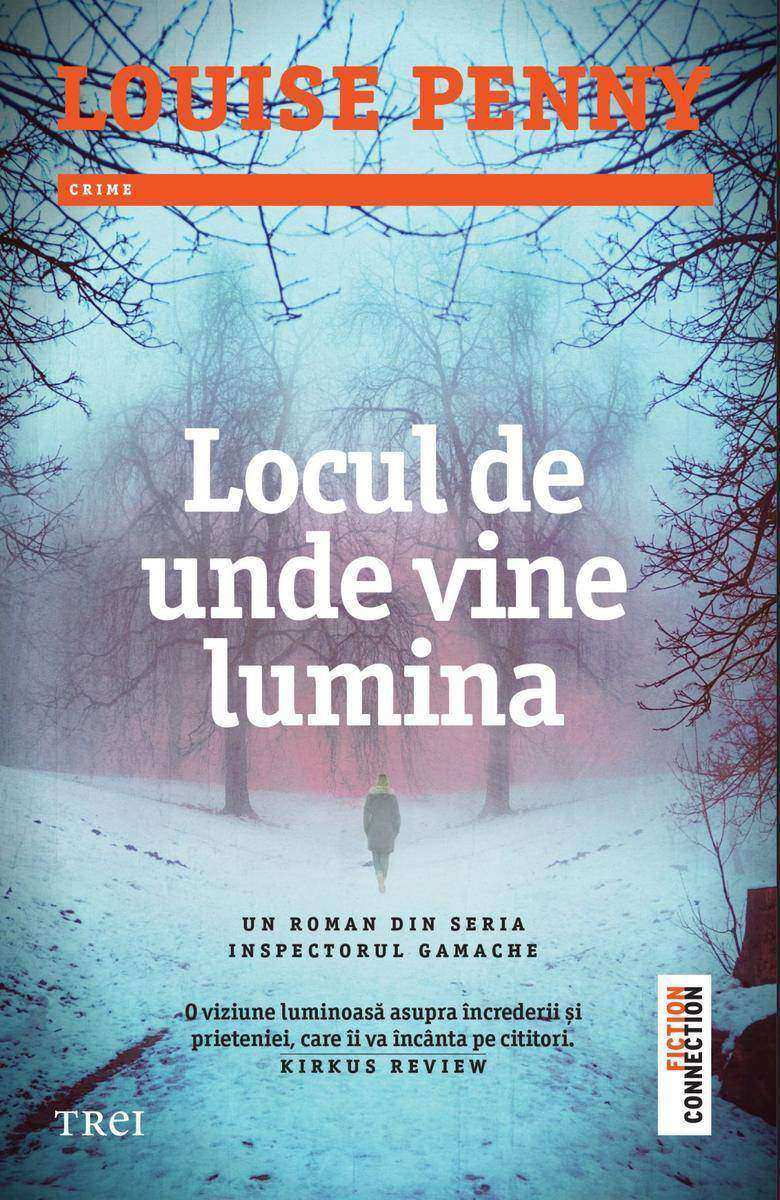
Locul de unde vine lumina
¥90.84
Ultimul volum din seria Mara Dyer Totul are un sfrit, dar Mara nu i l-a nchipuit astfel. Mara Dyer vrea s cread c exist ceva dincolo de minciunile care i s-au spus. Exist.Nu se ntreab unde ar putea duce ncercarea ei de a afla adevrul. Ar trebui s se ntrebe. Nu i-a imaginat niciodat ct de departe poate merge ca s se rzbune.Acum o va face.Trdare, vin, secrete adnc ngropate i puterea destinului – toate alctuiesc acest deznodmnt surprinztor al seriei Mara Dyer. Vremea rzbunrii a sosit.“Profund, intens, ntunecat.” - Lev Grossman, autorul seriei Magicienii“Noah este o combinaie letal: natural i nepstor, dar extrem de atrgtor i promiscuu. Mara Dyer este la fel de imperfect i enigmatic; n preajma ei, Noah devine vulnerabil. Cu inima puin rnit, dar nu sfiat, Noah are frumuseea lui, pe care doar relaia cu Mara o scoate la suprafa.” - The Guardian“Mara e un personaj mai complicat, ns Noah este cel mai imprevizibil. Mi-a plcut foarte mult s-l creez pentru c este att de diferit de toi ceilali; vocea lui e diferit, experiena lui e diferit, motivaiile sale sunt diferite – personajul lui s-a conturat ncet n faa ochilor mei.” - Michelle Hodkin

An American Robinson Crusoe: "For American Boys and Girls"
¥18.80
"AN AMERICAN ROBINSON CRUSOE" is the outcome of many years of experience with the story in the early grades of elementary schools. ??It was written to be used as a content in giving a knowledge of the beginning and development of human progress. ??The aim is not just to furnish an interesting narrative, but one that is true to the course of human development and the scientific and geographical facts of the island on which Robinson is supposed to have lived. The excuse for departing so widely from the original story is to be found in the use which was desired to be made of it. ??The story here presented is simply the free adaptation of the original narrative to the demand for a specific kind of content in a form which would be interesting to the children.??THERE ONCE lived in the city of New York, a boy by the name of Robinson Crusoe. He had a pleasant home. His father and mother were kind to him and sent him to school.??They hoped that he would study hard and grow up to be a wise and useful man, but he loved rather to run idle about the street than to go to school. He was fond of playing along the River Hudson, for he there saw the great ships come and go. They were as big as houses. He watched them load and unload their cargoes and hundreds of people get off and on. His father had told him that the ships came from far distant lands, where lived many large animals and black men. His father told him too, that in these faraway countries the nuts on the trees grew to be as large as one's head and that the tree were as high as church steeples.??When Robinson saw the ships put out to sea he would watch them till they would disappear below the horizon far out in the ocean, and think, "Oh, if I could only go with them far away to see those strange countries!" Thus he would linger along the great river and wish he might find an opportunity of making a voyage. Often it would be dark before he would get home. When he came into the house his mother would meet him and say in a gentle voice, "Why, Robinson, how late you are in getting home! You have been to the river again."
The Blue Castle
¥9.00
Valancy lives a drab life with her overbearing mother and prying aunt. Then a shocking diagnosis from Dr. Trent prompts her to make a fresh start. For the first time, she does and says exactly what she feels. As she expands her limited horizons, Valancy undergoes a transformation, discovering a new world of love and happiness. One of Lucy Maud Montgomery's only novels intended for an adult audience, The Blue Castle is filled with humour and romance.

Le Singe
¥8.82
"Samedi, soir de paye. Dans cette fin de journée, qui est en même temps une fin de semaine, on sent déjà le dimanche arriver. Tout le long du faubourg, ce sont des cris, des appels, des poussées à la porte des cabarets. Parmi cette foule d'ouvriers qui déborde du trottoir et suit la grande chaussée en pente, une petite ombre se h?te furtivement, remontant le faubourg en sens inverse."
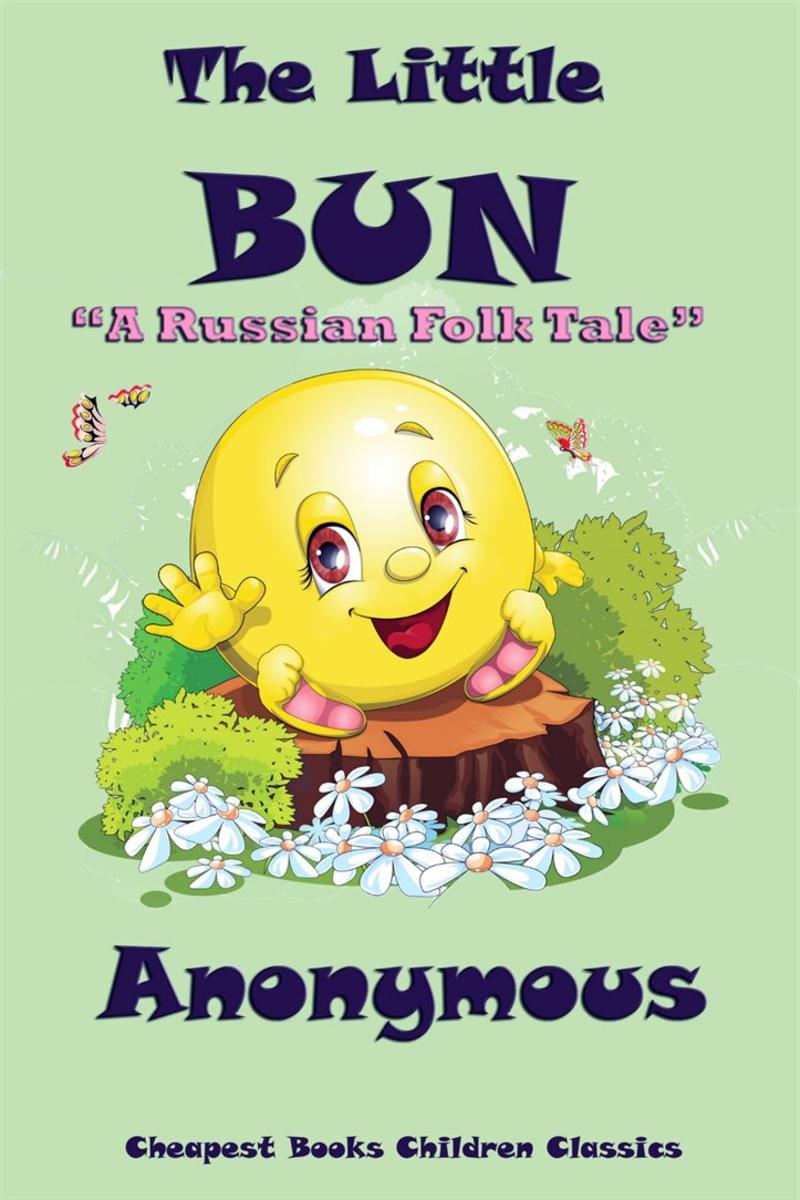
The Little Bun: "A Russian Folk Tale"
¥9.24
ONCE time ago, there lived an old man and old woman. The old man said, "Old woman, make me a little bun." "What can I make it from? I have no flour." "Eh, eh, old woman! Scrape the cupboard, sweep the flour bin, and you will find enough flour. "The old woman picked up a duster, scraped the cupboard, swept the flour bin and gathered about two handfuls of flour. She mixed the dough with sour cream, fried it in butter, and put the bun on the window sill to cool. The bun lay and lay there. Suddenly it rolled off the window sill to the bench, from the bench to the floor, from the floor to the door. Then it rolled over the threshold to the entrance hall, from the entrance hall to the porch, from the porch to the courtyard, from the courtyard trough the gate and on and on.

The Mystery Girl
¥18.56
Quite aside from its natural characteristics, there is an atmosphere about a college town, especially a New England college town, that is unmistakable. It is not so much actively intellectual as passively aware of and satisfied with its own intellectuality.The beautiful little town of Corinth was no exception; from its tree-shaded village green to the white-columned homes on its outskirts it fairly radiated a satisfied sense of its own superiority.Not that the people were smug or self-conceited. They merely accepted the fact that the University of Corinth was among the best in the country and that all true Corinthians were both proud and worthy of it. The village itself was a gem of well-kept streets, roads and houses, and all New England could scarce show a better groomed settlement.In a way, the students, of course, owned the place, yet there were many families whose claim to prominence lay in another direction.However, Corinth was by all counts, a college town, and gloried in it. The University had just passed through the throes and thrills of one of its own presidential elections.The contest of the candidates had been long, and at last the strife had become bitter. Two factions strove for supremacy, one, the conservative side, adhering to old traditions, the other, the modern spirit, preferring new conditions and progressive enterprise. Hard waged and hard won, the battle had resulted at last in the election of John Waring, the candidate of the followers of the old school.Waring was not an old fogy, nor yet a hide-bound or nar-row-minded back number. But he did put mental attainment ahead of physical prowess, and he did hold by certain old-fashioned principles and methods, which he and his constituents felt to be the backbone of the old and honored institution.Wherefore, though his election was an accomplished fact, John Waring had made enemies that seemed likely never to be placated.
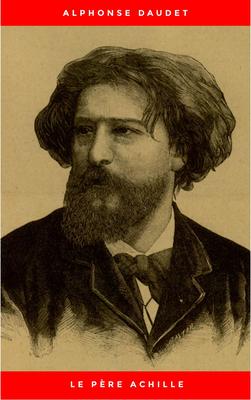
Le Père Achille
¥8.82
"La mère Achille quitte son ouvrage, la fenêtre où elle était assise, et se dispose à mettre son couvert. L'homme va monter pour déjeuner. Il travaille là tout près dans ces grands ateliers vitrés qu'on aper?oit encombrés de pièces de bois, et où grincent du matin au soir les instruments des scieurs de long… La femme va et vient de la chambre à la cuisine. Tout est soigné, tout reluit dans cet intérieur d'ouvrier. Seulement la nudité des deux petites pièces est plus frappante à ce jour éclatant du cinquième étage. On voit des cimes d'arbres, les buttes Chaumont tout en haut, et ?à et là de longues cheminées de briques noircies au bord, toujours actives. Les meubles sont cirés, frottés. Ils datent du mariage, comme ces deux bouquets de fruits en verre qui ornent la cheminée. On n'a rien acheté depuis, parce que, pendant que la femme tirait courageusement son aiguille, l'homme dépensait ses journées dehors. Tout ce qu'elle a pu faire, ?'a été de soigner, d'entretenir le peu qu'ils avaient."


