


 购物车
购物车 个人中心
个人中心
Ionesco
¥40.79
Renun?a?i la p?ine, nu mai m?nca?i cereale, abandona?i glutenul! Mesajul este c?t se poate de simplu – fugi de gluten ?i nu numai c? te vei sim?i mai bine, dar ?i vei face o favoare creierului. Aceast? teorie extrem de controversat?, care demonteaz? toate ipotezele nutri?ionale moderne, propulseaz? cartea lui Perlmutter pe primul loc ?n topul bestsellerurilor New York Time, ajuns? la al nou?lea tiraj ?i publicat? ?n 15 ??ri. Renumitul neurolog David Perlmutter dezv?luie un adev?r ?ngropat foarte mult timp ?n literatura de specialitate: carbohidra?ii distrug creierul. ?i nu numai carbohidra?ii nes?n?to?i, dar chiar ?i cei s?n?to?i, precum cerealele integrale care pot provoca demen??, ADHD, anxietate, migrene, depresie ?i multe altele. Dr. Perlmutter explic? mecanismele care au loc la nivelul creierului atunci c?nd acesta are de a face cu ingredientele comune din p?inea cea de toate zilele ?i din bolul cu fructe, de ce gr?simea ?i colesterolul sunt benefice pentru creier ?i cum pot stimula acestea regenerarea celular? la orice v?rst?. Oferind o privire ?n profunzime asupra felului ?n care putem prelua controlul ?genelor noastre inteligente“ prin alegeri specifice alimentare ?i de stil de via??, autorul demonstreaz? cum se pot fi ?nfr?nge cele mai de temut maladii ale noastre f?r? medicamente. ?n sus?inerea teoriilor expuse ?n prima parte a c?r?ii, dr. Perlmutter a definitivat un plan revolu?ionar de 4 s?pt?m?ni prin care ne ?nva?? cum s? reprogram?m destinul nostru genetic pentru ob?inerea performan?elor ?n ceea ce prive?te starea de s?n?tate. Concluzia este ?ncurajatoare – nu depinde dec?t de noi s? r?m?nem ?n deplin?tatea facult??ilor mintale p?n? la sf?r?itul vie?ii.
Cosmoza. Iubirea cosmic?
¥73.49
O investiga?ie ?tiin?ific? pentru ?n?elegerea ?i ?mbun?t??irea capacit??ii min?iiViitorul min?ii umane aduce un subiect rezervat c?ndva exclusiv domeniului science-fiction ?ntr-o realitate nou? ?i surprinz?toare. Acest tur de for?? ?tiin?ific dezv?luie cercet?rile uimi?toare care se efectueaz? ?n laboratoa?rele de top din lumea ?ntreag? – toate baz?ndu-se pe ultimele descoperiri din neuro?tiin?? ?i fizic? – incluz?nd expe?rimente recente ?n telepatie, controlul min?ii, telechinezie ?i ?nregistrarea amintirilor ?i a visurilor.Lectura acestei c?r?i este o aventur? uimitoare nu doar pentru fanii SF, ci ?i pentru pasiona?ii de fizic?, medicin?, neuro?tiin??, care vor descoperi aici vastele posibilit??i ale creierului uman.?Kaku are darul de a explica idei incredibil de complexe ?ntr-un limbaj pe care-l poate ?n?elege ?i un cititor neavizat." - San Francisco Chronicle
Other Side of Truth
¥73.48
In The Other Side of Truth, filmmaker Paul Kimball crosses the Rubicon of the imagination to explore the idea that what we call the 'paranormal' is actually a form of artistic expression created by an advanced non-human intelligence to inspire us to think about who we are, where we have been, and where we are going. Using his own journey of discovery as the starting point, Kimball presents the 'other side of truth' - the world not as we have been told it is, but as we are being encouraged to imagine that it could become.

Ben Goes to the Dentist
¥48.95
Will Bartholomew the panda have to take Ben's place when the Campbell family visit the dentist?
Geometri-I (Konu Anlat?ml?): Lise ??rencilerine, Okulda Yard?mc? ve Temel Yeterl
¥27.88
Konu Anlat?ml? ?rnek ??zümlü Test ??zümlü Test Sorulu Karma Testli Bu kitab?, lisede okumakta olan ve üniversite s?nav?na haz?rlanmakta olan sizlere geometri dersinizde yard?mc?n?z olmas? amac?yla haz?rlad?m. Kitap 5 b?lümden olu?maktad?r. ? B?lümler; belli bir s?ralama ve sistematik bir bi?imde konu anlat?mlar? ve ?rnek ??zümleri ile ??rencilere yorum yaparak ?al??ma al??kanl???n? kazand?racak bi?imde sunulmaktad?r. Bu derste yapaca??n?z ?al??malar?n?z?n sonucunda ba?ar?l? olman?z? bekliyorsan?z a?a??daki s?ralamaya ?zen g?stererek bu kitaptaki konulara s?ras?yla ?al??man?z? ?neriyorum. Konu anlat?m s?ras?na dikkatle uyunuz. Konu anlat?m ve konu bilgilerini ezbere de?il ve ?rnek üzerinde ??züm yaparak, kavray?n?z. ??zümlü test sorular?n?, kendiniz tekrar ??zerek konu bilgilerinizi ve yorum gücünüzü geli?tiriniz. Cevapl? test sorular?n? ??zerek, cevaplar? ile kar??la?t?r?n?z, varsa yanl??lar?n?z ve eksikleriniz konu tekrar? ile do?rulay?n?z. Konu ile ilgili ba?lant?lar?, konu anlat?m s?ras?na g?re ??rendi?iniz konu bilgilerinizi unutmadan ??zümlerle geli?tirmeye ve sa?lamaya ?al???n?z. Bu y?ntemle ??rendi?imiz konu bilgilerinizi kullanarak, yorumlu bol ve de?i?ik sorular ??zünüz. Soru ??zerken ?ekle g?re ??züm de?il de verilenlere g?re gerekti?inde yard?mc? ?izimlerle (a??ortay, dik do?ru ve paralel do?ru… gibi) ??zümü kolayla?t?rarak, bilinmeyeni en k?sa ve kolay yoldan bulmaya ?al???n?z. ? Sevgili ??rencilerim, umar?m bu kitab?m hayat?n?zda hedefledi?iniz yere ula?man?zda sizlere yard?mc? olacakt?r. De?erli meslekta?lar?m bu kitab? sizlerinde de?erli g?rü?lerinize sunarken ?al??malar?n?zda ba?ar? dileklerimle ele?tirilerinizi de beklerim.????????? ?????????????????????????????????????????????????????????????????????????????????????????? Erol Gedikli Mat. ??retmeni
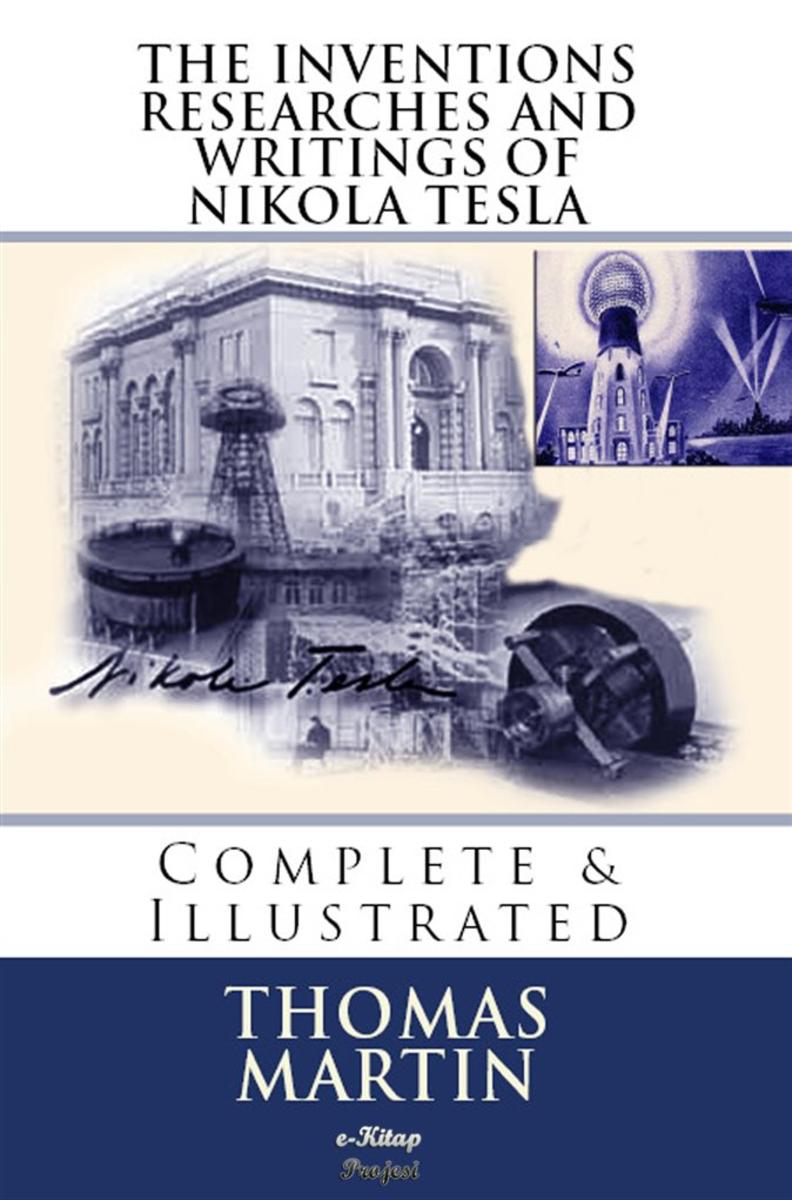
The Inventions, Researches and Writings of Nikola Tesla: Complete & Illustrated
¥28.61
The electrical problems of the present day lie largely in the economical transmission of power and in the radical improvement of the means and methods of illumination. To many workers and thinkers in the domain of electrical invention, the apparatus and devices that are familiar, appear cumbrous and wasteful, and subject to severe limitations. They believe that the principles of current generation must be changed, the area of current supply be enlarged, and the appliances used by the consumer be at once cheapened and simplified. The brilliant successes of the past justify them in every expectancy of still more generous fruition.??The present volume is a simple record of the pioneer work done in such departments up to date, by Mr. Nikola Tesla, in whom the world has already recognized one of the foremost of modern electrical in-vestigators and inventors. No attempt whatever has been made here to emphasize the importance of his researches and discoveries. ??Great ideas and real inventions win their own way, determining their own place by intrinsic merit. But with the conviction that Mr. Tesla is blazing a path that electrical development must follow for many years to come, the compiler has endeavored to bring together all that bears the impress of Mr. Tesla's genius, and is worthy of preservation. Aside from its value as showing the scope of his inventions, this volume may be of service as indicating the range of his thought. There is intellectual profit in studying the push and play of a vigorous and original mind.?
![My Inventions: [Illustrated & Biography Added]](https://platform-permanent.ddimg.cn/pt-media-info-soa-resource/digital/product/54/27/1901165427_ii_cover.jpg?version=a8779e71-e376-471c-8d55-4deaa3f269be)
My Inventions: [Illustrated & Biography Added]
¥27.80
NIKOLA TESLA (1856 ~ 1943) was a Serbian American inventor, electrical engineer, mechanical engi-neer, physicist, and futurist best known for his contributions to the design of the modern alternating current (AC) electricity supply system. Tesla gained experience in telephony and electrical engineering before emigrating to the United States in 1884 to work for Thomas Edison in New York City. He soon struck out on his own with financial backers, setting up laboratories and companies to develop a range of electrical devices. His patented AC induction motor and transformer were licensed by George Westinghouse, who also hired Tesla for a short time as a consultant. His work in the formative years of electric power development was involved in a corporate alternating current/direct current "War of Currents" as well as various patent battles.The investors showed little interest in Tesla's ideas for new types of motors and electrical transmission equipment and also seemed to think it was better to develop an electrical utility than invent new systems. They eventually forced Tesla out leaving him penniless. He even lost control of the patents he had generated since he had assigned them to the company in lieu of stock. He had to work at various electrical repair jobs and even as a ditch digger for $2 per day. Tesla considered the winter of 1886/1887 as a time of "terrible headaches and bitter tears." During this time, he questioned the value of his education. Chapter 1 My Early Life: The progressive development of man is vitally dependent on invention. It is the most important product of his creative brain. Its ultimate purpose is the complete mastery of mind over the material world, the harnessing of the forces of nature to human needs. This is the difficult task of the inventor who is often misunderstood and unrewarded. But he finds ample compensation in the pleasing exercises of his powers and in the knowledge of being one of that exceptionally privileged class without whom the race would have long ago perished in the bitter struggle against pitiless elements.Speaking for myself, I have already had more than my full measure of this exquisite enjoyment, so much that for many years my life was little short of continuous rapture. I am credited with being one of the hardest workers and perhaps I am, if thought is the equivalent of labor, for I have devoted to it almost all of my waking hours. But if work is interpreted to be a definite performance in a specified time according to a rigid rule, then I may be the worst of idlers. Every effort under compulsion demands a sacrifice of life-energy. I never paid such a price. On the contrary, I have thrived on my thoughts.In attempting to give a connected and faithful account of my activities in this series of articles which will be presented with the assistance of the Editors of the Electrical Experimenter and are chiefly addressed to our young men readers, I must dwell, however reluctantly, on the impressions of my youth and the circumstances and events which have been instrumental in determining my career. Our first endeavors are purely instinctive, promptings of an imagination vivid and undisciplined. As we grow older reason asserts itself and we become more and more sys-tematic and designing. But those early impulses, although not immediately productive, are of the greatest moment and may shape our very destinies. Indeed, I feel now that had I understood and cultivated instead of suppressing them, I would have added substantial value to my bequest to the world. But not until I had attained manhood did I realize that I was an inventor..
The Way To Geometry
¥27.80
Plato saith “tov peov akei gewmetreiv”, That "God doth alwayes worke by Geometry", that is, as the wiseman doth interprete it, Sap. XI. 21. Omnia in mensura & numero & pondere disponere. Dispose all things by measure, and number, and weight: Or, as the learned Plutarch speaketh; He adorneth and layeth out all the parts of the world according to ra-te, proportion, and similitude. ??Now who, I pray you, understandeth what these termes meane, but he which hath some meane skill in Geometry? Therefore none but such an one, may be able to declare and teach these things unto ot-hers.??How many things are there in holy Scripture which may not well be understood without some meane skill in Geometry? The Fabricke and bignesse of Noah's Arke: The Sciagraphy of the Temple set out by Ezechiel, Who may understand, but he that is skilfull in these Arts? I speake not of many and sundry words both in the New and Old Testaments, whose genuine and proper signification is merely Geometricall: And cannot well be conceived but of a Geometer.??To the Reader:??Friendly Reader, that which is here set forth to thy view, is a Translation out of Ramus. ??Formerly indeed Translated by one Mr. Thomas Hood, but never before set forth with the Demonst-rations and Diagrammes, which being cut before the Authors death, and the Worke it selfe finished, the Coppie I having in mine hands, never had thought for the promulgation of it, but that it should have died with its Author, considering no small prejudice usually attends the printing of dead mens Workes, and wee see the times, the world is now all eare and tongue, the most given with the Athenians, to little else than to heare and tell newes: ??And if Apelles that skilfull Artist alwayes found so-mewhat to be amended in those Pictures which he had most curiously drawne; surely much in this Worke might have beene amended if the Authour had lived to refine it..
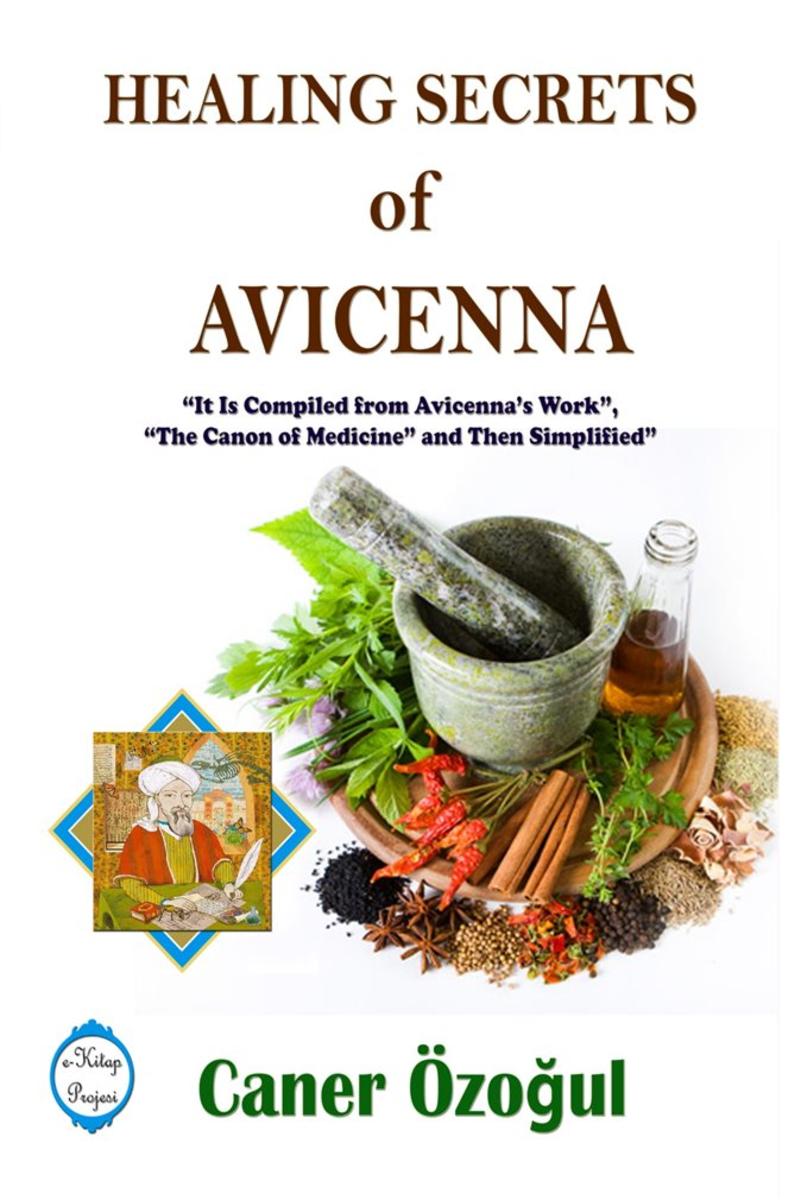
Healing Secrets of Avicenna: It Is Compiled from Avicenna’s Work
¥46.52
Ibn Sīnā (Avicenna) was born in 980 in Buhara, and died in 1037 in Hamadan, Persia (now Iran). He is a physician, physicist, writer, philosopher and scientist. He was known in the West as the founder of modern science in the medieval ages, the leader of physicians and dubbed as the “Doctors’ Doctor”. His fame rests on his book, Al-Qānūn fī al-?ibb (The Canon of Medicine) which was regarded as the principal medical work in the field of medicine for seven centuries and this book remained as a reference source for medical studies in the universities of Europe until the end of seventeenth century. ????????????? If now we examine his work “The Canon of Medicine”, we find that he has an extensive explanation of anatomy and in his work in which he gives a clear definition of some organs which can be visualised with today’s some special imaging devices, today, there are still many unresolved and unstudied methods. Ibn Sina’s curative recipes were used in the European medicine for many centuries even after his death. The famous astronomer Copernicus, also a nephrologist, has healed using the recipes of Ibn Sina who has lived before his birth over 500 year ago. ????????????? When i had first read the second volume of Ibn Sina’s study, “The Canon of Medicine”, telling about which plant is recuperative and the applications of these plants internally and externally, i came up with the idea of bringing this study down to a simpler level of understanding that everybody can comprehend, rather than letting it be understood just by the specialists. But I could bring this out after 1 year of work. Staying faithful to the context of the book, submitting this book on behalf of the community was my biggest wish. In order to bring?simplicity, I worked meticulously to compile an index of plant names together with their latinized forms which are sorted in alphabetical order and also an alphabetical index of diseases. I got opinion and also support from doctors and experts in Phytotherapists. I left the explanations as they are since i didn’t want to make any extra additions to the book. If a detailed survey of the plants is carried out, there is more detailed information in the literature about how they should be used. We can already see that the modern medicine finds out solutions to many diseases but nevertheless, there are still dozens of diseases which can not be healed. For instance, in this work, Ibn Sina explains the reason of why he has named a plant as “Swallow-wort” as follows: Sometimes the newborn nestlings of a swallow suffer from blindness. It was observed that the mother squeezes the extract of this plant onto their babies’eyelids and then their eyes were healed. All the same, if this kind of plants are examined throughly, it is quite possible to observe the same effect on humans as well. In this case, i call upon the expert scientist, to carry out these researches. At the end of this book, i added also some basic methods of practical home care medicine which are used in traditional medicine. I believe that these will be found useful and practical. I hope that this will be useful for humanity... ????????????? ????????????? ????????????? ????????????? ????????????? ????????????? ????????????? ????????????? ????????????? Caner OZOGUL ????????????? ????????????? ????????????? ????????????? ????????????? ????????????? ????????????? ????????????? ????????????? ??? (Herbalist)
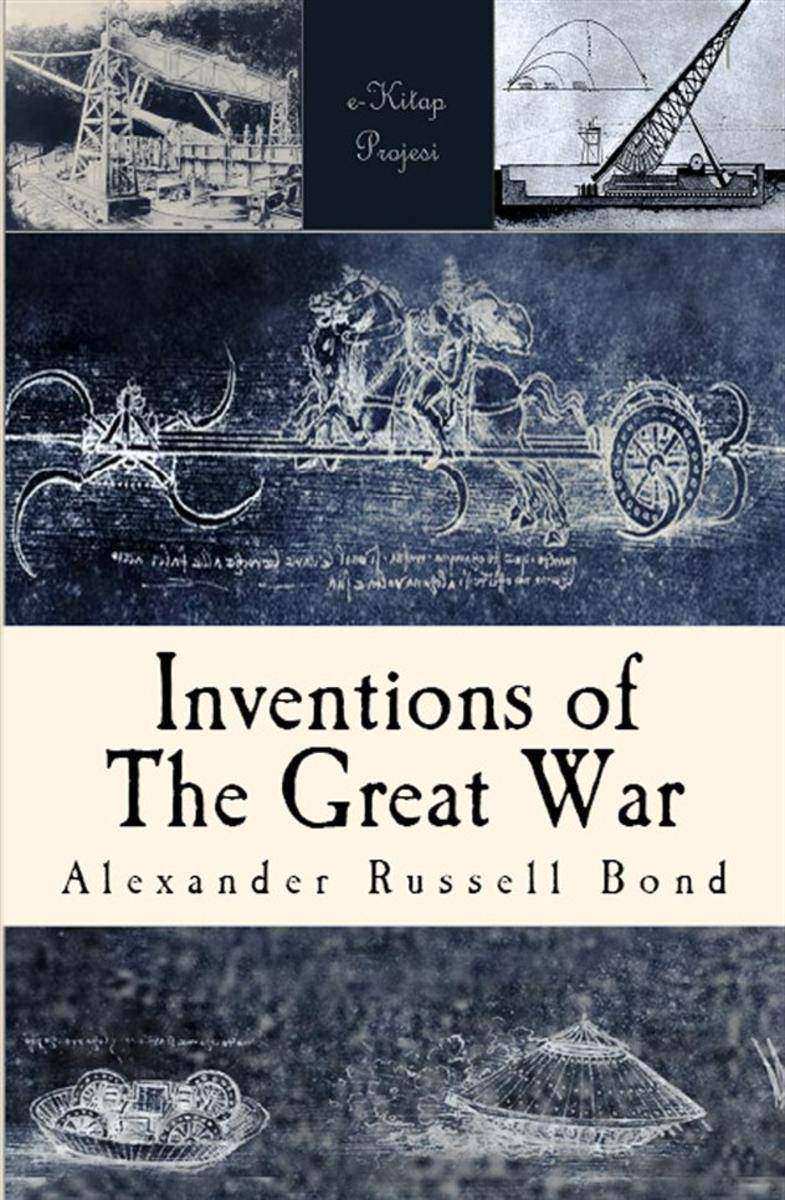
Inventions of the Great War
¥27.88
The great World War was more than two-thirds over when America entered the struggle, and yet in a sense this country was in the war from its very beginning. Three great inventions controlled the character of the fighting and made it different from any other the world has ever seen. These three inventions were American. The submarine was our invention; it carried the war into the sea. The airplane was an American invention; it carried the war into the sky. We invented the machine-gun; it drove the war into the ground. It is not my purpose to boast of American genius but, rather, to show that we entered the war with heavy responsibilities. The inven-tions we had given to the world had been developed marvelously in other lands. Furthermore they were in the hands of a determined and unscrupulous foe, and we found before us the task of overcoming the very machines that we had created. Yankee ingenuity was faced with a real test. The only way of overcoming the airplane was to build more and better machines than the enemy possessed. This we tried to do, but first we had to be taught by our allies the latest refinements of this machine, and the war was over before we had more than started our a?rial program. The machine-gun and its accessory, barbed wire (also an American invention), were overcome by the tank; and we may find what little comfort we can in the fact that its invention was inspired by the sight of an American farm tractor. But the tank was a British creation and was undoubtedly the most important invention of the war. On the sea we were faced with a most baffling problem. The U-boat could not be coped with by the building of swarms of submarines. The essential here was a means of locating the enemy and destroying him even while he lurked under the surface. Two American inventions, the hydrophone and the depth bomb, made the lot of the U-boat decidedly unenviable and they hastened if they did not actually end German frightfulness on the sea. But these were by no means the only inventions of the war. Great Britain showed wonderful ingenuity and resourcefulness in many di-rections; France did marvels with the airplane and showed great clev-erness in her development of the tank and there was a host of minor inventions to her credit; while Italy showed marked skill in the crea-tion of large airplanes and small seacraft.
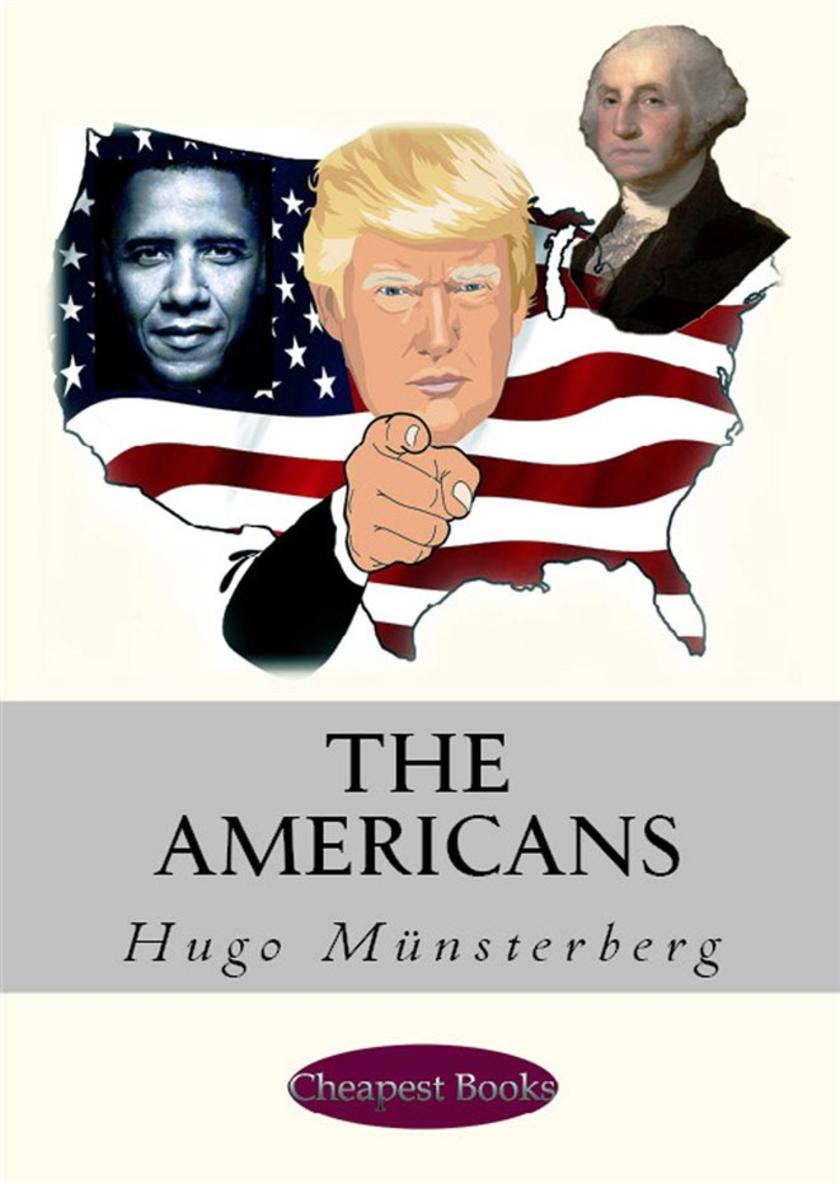
The Americans: "American Problems from the Point of View of a Psychologist"
¥28.61
"The Americans" by Hugo Munsterberg stands alongside Alexis de Tocqueville's American Democracy as one of the great works on the New World written by a scholar deeply familiar with the Old World. When originally published, it gave the German public a sense of American life, and was described as "a book which deals in a detailed way with the political, economic, intellectual, and social aspects of American culture." Munsterberg, a world-renowned psychologist at the turn of the twentieth century, noted that "its purpose is to interpret systematically the democratic ideals of America."??The primary aim of The Americans is to study the people and America's inner tendencies. It offers a "philosophy of Americanism," the ideology of a people writ whole. Munsterberg's sense of the "spirit" of a people, rather than facts about the people, is revealed in his four cardinal chapters: Self-Direction, Self-Realization, Self-Perfection, and Self-Assertion. While he covers the economic premises of the free market and the politics of party affairs, he considers these the least important. Instead it is the lasting forces and tendencies of American life, rather than problems of the day, that occupy the author. ??This focus was shared by German readers, for whom the book was conceived, and for those in the United States who read the book in English.The dynamic of strong basic tendencies of democratic forces and lesser, but significant, aristocratic tendencies underwrites the strains and tensions in American society. It also defines the special nature of a book, written more than one hundred years ago, that retains its lively sense of purpose and deep insight into American life. ??One could well say that this book is required reading in this day and age for Americans and Europeans alike:??"This is a neglected masterpiece.."

Honest Abe: "A Study in Integrity Based on the Early Life of Abraham Lincoln"
¥27.88
HE who seeks to understand the character and achievement of Abraham Lincoln must begin with a study of the man’s honesty. At the base of his nature, in the tap-root and very fiber of his being, pulsed a fidelity to truth, whether of thought or of deed, peculiar to itself. So thoroughgoing was this characteristic that it seems to have begun in him where in other men it generally leaves off. Politicians without number have yielded a work-a-day obedience to the rules of honor, but there is record of no other public leader in recent times who, among the vicissitudes of a trying career, has endeav-ored to balance actions and principles with such painstaking nicety. To trace these efforts from Lincoln’s early years is to pass with him, pace for pace, over part of the road that led to distinction. As we go we shall have to take account of hap-penings, little as well as big; for every man is the sum of all his parts, and in no other way may we hope to comprehend how the esteem that began with a few rustic neighbors grew until it filled the heart of a nation. To what extent, if any, Lincoln inherited his uprightness of mind from remote ancestors will probably never be known. The bare lines of the genealogical chart afford no clues to the characters of the men and women whose names appear there. If any of the threads spun out of their several lives met and twined in the broad strand of blue that enriched his, there is no way of identifying the spinners. Less obscure, though per-haps of only passing interest, is what may be gleaned under this head about two of Lincoln’s nearer relations. His father’s brothers, Mordecai and Josiah, appear to have enjoyed general respect on account of their probity. “They were excellent men,” said one who claimed to know them intimately, “plain, moderately educated, candid in their manners and inter-course, and looked upon as honorable as any men I have ever heard of.”[i-1] Their younger brother Thomas, however, cannot be so readily portrayed. He has, like his illustrious son, been, in turn, depreciated and idealized to such a degree that the inquirer, who would reach safe conclusions in respect to him, must tread warily through a maze of contradictions. Rejecting the praise as well as the blame of hearsay histori-ans, and following the testimony of those only who knew the man, we learn from one that he was “honest”; from another that he “was regarded as a very honest man”; and still another found him “always truthful—conscientious.”[i-2] To these tributes must be added what one who was doubly connected with Thomas Lincoln had to say about him:—“I’m just tired of hearing Grandfather Lincoln abused,” said Mrs. Dowling, the daughter of Dennis Hanks and Matilda John-son, speaking to an attentive listener, not many years ago. “Everybody runs him down.”
Bütünsel Bak??la Canl?l?k-I: "Madde ve Enerji, Beden ve Ruh ?li?kisi"
¥0.01
CANLILIK Nedir? Bilin? nedir? Zamanla ba?lant?l? olduklar?n? g?rebilir miyiz? Duygular?n ne oldu?unu s?yleyebilir miyiz? Beden ve Ruh ayr? m? yan?lg? m?d?r? Beden ve ruh, madde ve enerji gibi midir? Einstein'?n ünlü E=M.C2 formülüyle, madde ve enerjinin temelde ayn? ?eyler oldu?unu ve birbirlerine d?nü?ebildiklerini, maddenin yo?unla?m?? uzay-enerji alan? oldu?unu g?stermi?tir. Madde ile enerji aras?ndaki benzerlik ne i?e, beden ile ruh aras?ndaki benzerlikte ?yle midir? Beden madde ise Ruh enerji midir? Bilin?, duyulardan kayna??n? alan daha üst bir duyu mudur? Hücreler dokular?, dokular organlar?, organlar sistemleri olu?turur dü?üncesinde bilincimizi de g?rebilir miyiz? Haf?zam?zdaki bilgilere istedi?imiz her an neden ula?amay?z? Daha da ?nemlisi, tüm bilincimizi zaman?n ?ok k?sa an?na s??d?rabilir miyiz? Neden?

Smokiana
¥27.88
Although Smoking is generally associated with Tobacco only, yet there are other plants whose leaves are used for similar purposes & these will be referred to as we come to the different means of using them. Our first Woodcut of Tobacco is from STELLA—ROMA 1669. a work of great value as giving Pipes & the Hookah of Persia as well as Plants but we will start with some of the growths now most generally known of the “NICOTIANA” Family which is very widely spread over the face of the Earth & has of late made great strides in Borneo & Sumatra. We are greatly indebted to old German woodcuts for solid infor-mation anent details of Habits & customs of the 16th. Century which our own people have not handed down to us, take for instance “Hans Sachs.” Book of Trades. Had smoking been in vogue in his day he would have given it—or rather Jost Ammon would have illustrated it so here in 1616 A.D. we find a Sturdy German, blowing a tremendous cloud. It is taken from an old work now in Frankfurt—viz
Bütünsel Bak??la Canl?l?k-II: "Madde ve Enerji, Beden ve Ruh ?li?kisi"
¥0.01
alardan beridir insanln duygularn, rüyalarn, davranlarn, düüncelerini, hemen her eyini etkileyen ve algland kadaryla sorduu baz sorularn günümüz dünyasnda anlalmaya, kaplarnn aralanp bilincimizi yeniden ekillendirmeye baladn grürken, yeni sorular oluturmaya baladmz grüyoruz. Bugünlere kadar hepimizin merak ettii sorularn bazlar unlardr: - Canllk nedir - Duygularmz nedir - Ben neyim Bunlar alglayp yorumlayabildiimiz bilin nedir - Beden ile düünce zamanda nasl balanmtr - Düüncelerimi, grdüklerimi, gzleyen nedir - Uzay nedir Nasl var olmutur - Evrende neyin ifadesiyiz - Zaman nedir - lümden sonras var mdr Ruh olarak tanmladk, zihin-beden arasnda balanty kurmaya, duygular anlamaya alrken. Bilincin, algnn ve tüm bunlarla nasl bir ilikisi olabileceini sorguladk. Genelde yle oluyor ya bütünün nce paralarn anlamaya, paralara ayrp anlamaya almann, sorunlarn izlerini sürüp bütünle olan etkileimini grmeye yneliyoruz. Zamann iinde zaman geirmemize ramen, bilincimizle, canllmzla nasl balantl olduunu grmezden geldik. Günümüz dünyasnn ulat bilgi, yaamsal deneyimlerin kaydedilip aktarlmas, izlediimiz filmlerden tutun da, deneyimlerimizin hzl etkileimiyle zaman aralklarn orduk. Snr sistemimize benzeyen internet alar oluturduk. nsanlk olarak yapay zekalar gelitirdik. Hücre ile beden benzeri; canlyla tüm canlln, ekosistemin, varln etkileim rüntüsü olduunu anlamaya baladk. Belki de oluturduumuz yeni anlamlar, gelecekte oluacaklarn paralardr. Deiim devam ediyor. Grünen o ki, canllar bu evrenin en ileri evrensel alanlardr. Soralm kendimize; Evrende canllktan daha anlaml bir ey var mdr
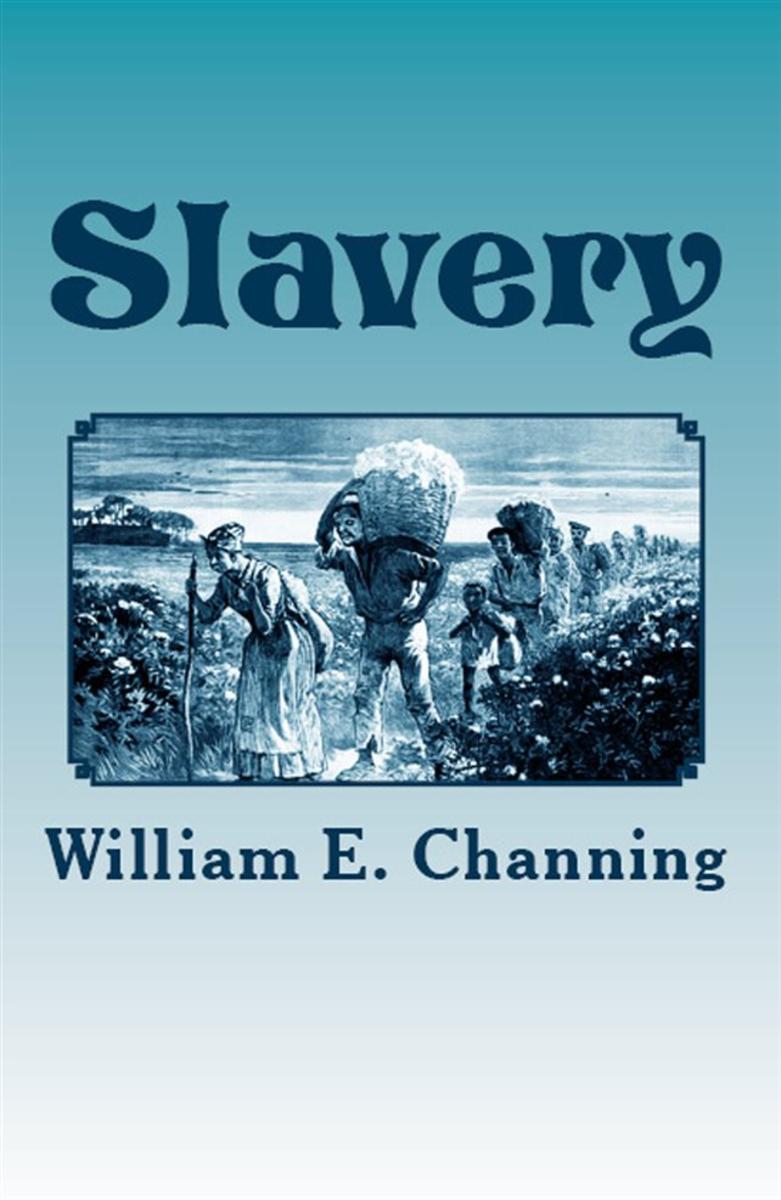
Slavery
¥27.88
The first question to be proposed by a rational being is, not what is profitable, but what is Right. Duty must be primary, prominent, most conspicuous, among the objects of human thought and pursuit. If we cast it down from its supremacy, if we inquire first for our interests and then for our duties, we shall certainly err. We can never see the Right clearly and fully, but by making it our first concern. No judgment can be just or wise, but that which is built on the conviction of the paramount worth and importance of Duty. This is the fundamental truth, the supreme law of reason; and the mind, which does not start from this in its inquiries into human affairs, is doomed to great, perhaps fatal error. The Right is the supreme good, and includes all oth-er goods. In seeking and adhering to it, we secure our true and only happiness. All prosperity, not founded on it, is built on sand. If human affairs are controlled, as we believe, by Almighty Rectitude and Impartial Goodness, then to hope for happiness from wrong do-ing is as insane as to seek health and prosperity by rebelling against the laws of nature, by sowing our seed on the ocean, or making poison our common food. There is but one unfailing good; and that is, fidelity to the Everlasting Law written on the heart, and rewritten and republished in God's Word. Slavery ought to be discussed. We ought to think, feel, speak, and write about it. But whatever we do in regard to it should be done with a deep feeling of re-sponsibility, and so done as not to put in jeopardy the peace of the slave-holding States. On this point public opinion has not been and cannot be too strongly pro-nounced. Slavery, indeed, from its very nature, must be a ground of alarm wherever it exists. Slavery and security can by no device be joined together. But we may not, must not, by rashness and passion increase the peril. To instigate the slave to insurrection is a crime for which no rebuke and no punishment can be too severe. This would be to involve slave and master in common ruin. It is not enough to say, that the Constitution is violated by any action endangering the slave-holding portion of our country. A higher law than the Constitution forbids this unholy interference. Were our national union dissolved, we ought to reprobate, as sternly as we now do, the slightest manifestation of a disposition to stir up a servile war. Still more, were the free and the slave-holding States not only separated, but engaged in the fiercest hostilities, the former would deserve the abhorrence of the world, and the indignation of Heaven, were they to resort to insurrection and massacre as means of victory. Better were it for us to bare our own breasts to the knife of the slave, than to arm him with it against his master. ? ABOUT AUTHOR William Ellery Channing (1780 – 1842) was the foremost Unitarian preacher in the United States in the early nineteenth century and along with Andrews Norton, (1786-1853), one of Unitarianism's leading theologians. He was known for his articulate and impassioned sermons and public speeches, and as a prominent thinker in the liberal theology of the day. Channing's religion and thought were among the chief influences on the New England Transcendentalists, though he never countenanced their views, which he saw as extreme. The beliefs he espoused, especially within his "Baltimore Sermon" of May 5, 1819, at the ordination of a future famous theologian and educator in his own right, Jared Sparks, (1789-1866), as the first minister (1819-1823) of the newly organized (1817) "First Independent Church of Baltimore" (later the "First Unitarian Church of Baltimore (Unitarian and Universalist)"). Here he espoused his principles and tenets of the developing philosophy and theology of "Unitarianism" resulted in the organization later in 1825 of the first Unitarian denomination in America (American Unitarian Association) and the later developments and mergers between Unitarians and Universalists resulting finally in the Unitarian Universalist Association of America in 1961. In later years Channing addressed the topic of slavery, although he was never an ardent abolitionist. Channing wrote a book in 1835, entitled, "SLAVERY" James Munroe and Company, publisher. Channing, however, has been described as a "romantic racist" in "Black Abolitionism: A Quest for Human Dignity" by Beverly Eileen Mitchell (133–38). He held a common American belief about the inferiority of African people and slaves and held a belief that once freed, Africans would need overseers. The overseers (largely former slave masters) were necessary because the slaves would lapse into laziness. Furthermore, he did not join the abolitionist movement because he did not agree with their way of conducting themselves, and he felt that voluntary associations limited a person's autonomy. Therefore, he often chose to remain separate from organizations and reform movements. This middle position characterized his attitude about
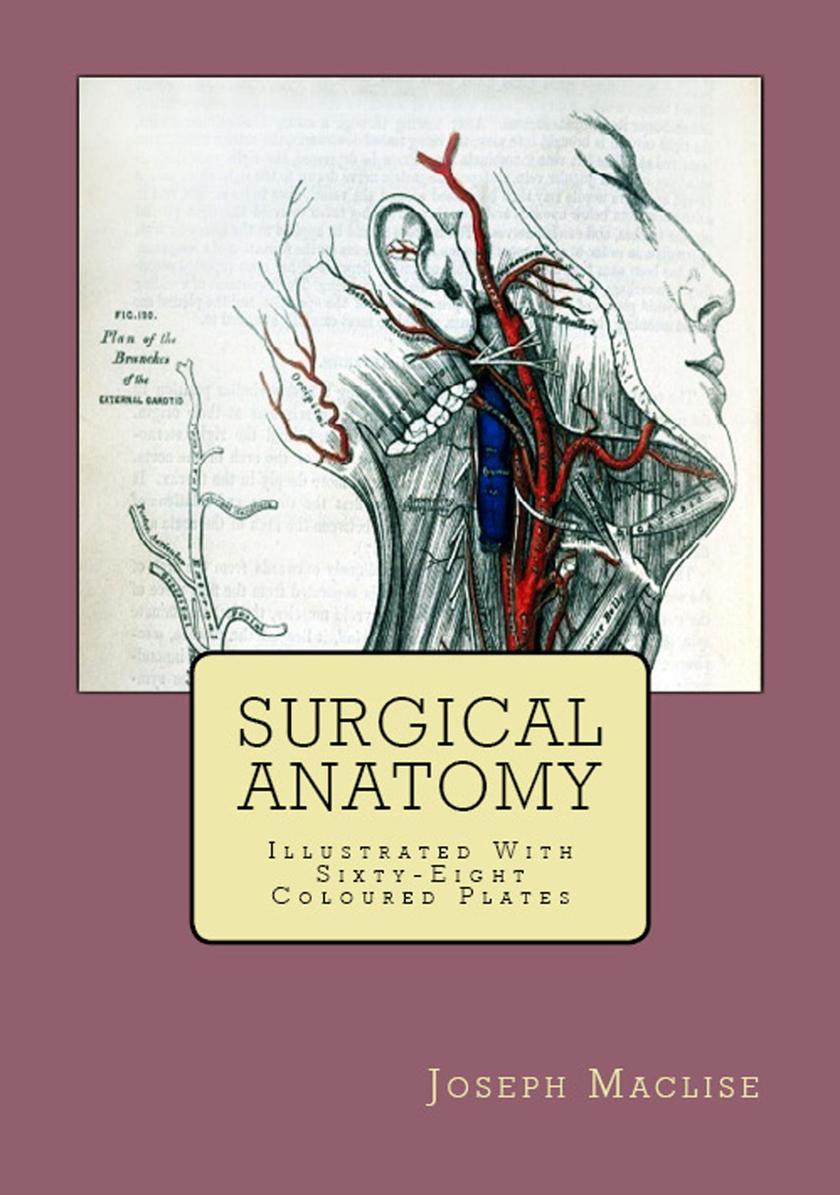
Surgical Anatomy: "With Sixty-Eight Coloured Plates"
¥37.20
The object of this work is to present to the student of medicine and the practitioner removed from the schools, a series of dissections demonstrative of the relative anatomy of the principal regions of the human body. Whatever title may most fittingly apply to a work with this intent, whether it had better be styled surgical or medical, regional, relative, descriptive, or topographical anatomy, will matter little, provided its more salient or prominent character be manifested in its own form and feature. The work, as I have designed it, will itself show that my intent has been to base the practical upon the anatomical, and to unite these wherever a mutual dependence was apparent.That department of anatomical research to which the name topographical strictly applies, as confining itself to the mere account of the form and relative location of the several organs comprising the animal body, is almost wholly isolated from the main questions of physiological and transcendental interest, and cannot, therefore, be supposed to speak in those comprehensive views which anatomy, taken in its widest signification as a science, necessarily includes. While the anatomist contents himself with describing the form and position of organs as they appear exposed, layer after layer, by his dissecting instruments, he does not pretend to soar any higher in the region of science than the humble level of other mechanical arts, which merely appreciate the fitting arrangement of things relative to one another, and combinative to the whole design of the form or machine of whatever species this may be, whether organic or inorganic. The descriptive anatomist of the human body aims at no higher walk in science than this, and hence his nomenclature is, as it is, a barbarous jargon of words, barren of all truthful signification, inconsonant with nature, and blindly irrespective of the cognitio certa ex principiis certis exorta. Still, however, this anatomy of form, although so much requiring purification of its nomenclature, in order to clothe it in the high reaching dignity of a science, does not disturb the medical or surgical practitioner, so far as their wants are concerned. Although it may, and actually does, trammel the votary who aspires to the higher generalizations and the development of a law of formation, yet, as this is not the object of the surgical anatomist, the nomenclature, such as it is, will answer conveniently enough the present purpose. The anatomy of the human form, contemplated in reference to that of all other species of animals to which it bears comparison, constitutes the study of the comparative anatomist, and, as such, establishes the science in its full intent. But the anatomy of the human figure, considered as a species, per se, is confessedly the humblest walk of the understanding in a subject which, as anatomy, is relationary, and branches far and wide through all the domain of an animal kingdom. While restricted to the study of the isolated human species, the cramped judgment wastes in such narrow confine; whereas, in the expansive gaze over all allying and allied species, the intellect bodies forth to its vision the full appointed form of natural majesty; and after having experienced the manifold analogies and differentials of the many, is thereby enabled, when it returns to the study of the one, to view this one of human type under manifold points of interest, to the appreciation of which the understanding never wakens otherwise. If it did not happen that the study of the human form (confined to itself) had some practical bearing, such study could not deserve the name of anatomical, while anatomical means comparative, and whilst comparison implies inductive reasoning. ? ABOUT AUTHOR: Joseph Maclise:FELLOW OF THE ROYAL COLLEGE OF SURGEONS I INSCRIBE THIS WORK TO THE GENTLEMENWITH WHOM AS A FELLOW-STUDENT I WAS ASSOCIATED AT THELondon University College: AND IN AN ESPECIAL MANNER, IN THEIR NAME AS WELL AS MY OWN,I AVAIL MYSELF OF THE OPPORTUNITY TO RECORD, ON THIS PAGE,ALBEIT IN CHARACTERS LESS IMPRESSIVE THAN THOSE WHICH AREWRITTEN ON THE LIVING TABLET OF MEMORY,THE DEBT OF GRATITUDE WHICH WE OWE TO THE LATE SAMUEL COOPER, F.R.S., AND ROBERT LISTON, F.R.S., TWO AMONG THE MANY DISTINGUISHED PROFESSORS OF THATINSTITUTION, WHOSE PUPILS WE HAVE BEEN,AND FROM WHOM WE INHERIT THAT BETTER POSSESSION THAN LIFEITSELF, AN ASPIRATION FOR THE LIGHT OF SCIENCE. JOSEPH MACLISE.
Pygmalion
¥33.03
Majoritatea deceselor cauzate de cancer ar putea fi evitate ?Marele c?l?u“ al secolului XXI, cancerul este ?n mod gre?it perceput ca o calamitate ce love?te la ?nt?mplare, o nenorocire ?mpotriva c?reia suntem neputincio?i. Cartea arat? c? exist? o leg?tur? ?ntre tabagism, surplusul de greutate, sedentarism, alimenta?ie, expunerea la razele ultraviolete, lipsa de somn ?i cancer, precum ?i c? majoritatea deceselor cauzate de aceast? boal? ar putea fi evitate prin modific?ri simple ale stilului de via??. Cele 10 reguli pentru reducerea riscurilor, izvor?te din analiza mai multor decenii de cercet?ri ?tiin?ifice, reprezint? o arm? puternic? ?mpotriva cancerului ?i le ofer? pentru prima dat? celor care au supravie?uit bolii un instrument concret de prevenire a recidivelor, ?n scopul cre?terii speran?ei de via??. ? excesul de zah?r ?i gr?simi din produsele alimentare industriale ar putea induce o dependen?? similar? celei asociate consumului de droguri ? dou? ore ?i jum?tate de activitate fizic? de intensitate moderat?, s?pt?m?nal, reduc riscul de mortalitate al bolnavilor de cancer ? cei care consum? trei por?ii de legume crucifere pe s?pt?m?n? prezint? un risc de recidiv? redus la jum?tate

Problema evreiasc?
¥54.10
Aceast? carte con?ine informa?ii utile privind refacerea s?n?t??ii cu produse naturale ?i prin metode naturale, oferind o vedere de ansamblufundamental? pentru persoanele f?r? preg?tire medical? ?i o colec?ie de tehnici cu sfaturi utile ?n procesul de vindecare. ?n plus, aceast? lucrare ?i provoac? pe profesioni?tii din domeniul medical s? reinvestigheze impar?ial studiile din prezent ?i din trecut ?n acest domeniu, f?r? prejudec??i. Ve?i g?si date despre prevenirea ?i tratamentul: cancerului, anemiilor, artritei, SIDA, diabetului zaharat, cefaleei, bolii Alzheimer,hipertensiunii arteriale, obezit??ii, menopauzei, osteoporozei etc.
Bilin? ve Zaman
¥9.32
Her ?ey ?evresiyle etkile?imsel bütünlükte anlaml? olmaktad?r. Soral?m yine de; Bütünü par?alar?ndan fazlas? yapan nedenler nelerdir? Evrende neyin ifadesiyiz? Canl?l?k, bilin?, ruh, duygular art?k anla??labilir midir? Canl?l?k h?z farklar?ndan m? olu?maktad?r? H?zl? bile?enimiz olan elektri?in; canl?l???n ve bilincimizin olu?umunda nas?l bir etken olmaktad?r? Bizleri olu?turanlardan beden, duygular, bilin?, ruh diye tan?mlad?klar?m?z aras?nda ba?lant?lar nas?l kurulmaktad?r? Sorular?, günümüzde enerjiler aras? ba?lant?, etkile?im nas?l kurulmaktad?r? Sorusu gibi oldu?u, yani her?ey gibi onlar?nda enerji oldu?u anla??lm??t?r. Ruh olarak tan?mlad?k, zihin-beden aras?nda ba?lant?y? kurmaya, duygular? anlamaya ?al??t?k. Bilincin, alg?n?n tüm bunlarla nas?l bir ili?kisi olabilece?ini sorgulad?k. Genelde ?yle oluyor ya, bütünün ?nce par?alar?n? anlamaya, par?alara ay?r?p anlamaya ?al??man?n sorunlar?n?n izlerini sürüp bütünle olan etkile?imini g?rmeye y?neliyoruz. Zaman?n i?inde zaman ge?irmemize ra?men bilincimizle, canl?l???m?zla nas?l ba?lant?l? oldu?unu g?rmezden geldik. Günümüz dünyas?n?n ula?t??? bilgi, ya?amsal deneyimlerin kaydedilip aktar?lmas?, izledi?imiz filmlerden tutun da, deneyimlerimizin h?zl? etkile?imiyle zaman aral?klar?n? orduk. S?n?r sistemimize benzeyen internet a?lar? olu?turduk. ?nsanl?k olarak yapay zekalar geli?tirdik. Hücre ile beden benzeri; canl?yla tüm canl?l???n, ekosistemin, varl???n etkile?im ?rüntüsü oldu?unu, etkile?imsel ?rüntüde anlam? oldu?unu ??rendik. Belki de olu?turdu?umuz yeni anlamlar gelecekte olu?acaklar?n par?alar?d?r. De?i?im devam ediyor. G?rünen o ki, canl?lar bu evrenin en ileri evrensel enerji alanlar?d?r. Soral?m kendimize; Evrende canl?l?ktan daha anlaml? bir ?ey var m?d?r? Dünya bilinci ?a?lard?r. Biriktirdi?i bilgi ve deneyimlerini, olu?umun ba?lang?c?ndan itibaren nesiller boyu aktarm??, ekosistemiyle bir bütün olarak evrilmi?tir. Ula?t??? bilin? halini ?evresiyle etkile?imsel d?ngü i?inde hep yeniden ?ekillendirmi?tir. D?nü?ümsel etkile?imin hi?bir zaman?n?n ayn? olmay??? temel evrensel durumun etkisiyle de zamanda evrilmi? ve günümüz dünyas?n?n paradigmas?na ula?m??t?r. Evrimsel ?rüntüye paralel geli?en teknolojik entegrasyonla bilgi, zamanda ?ok yo?un etkile?ebilmi?tir. Dünya üzerinde artan s?n?r hücresi say?s? yani artan canl? say?s?n?n olumlu bir yan? ise, bilginin etkile?imini art?rm?? olmas?d?r. Platon’un idealar dünyas?nda var olan?n kendi ba??na var olamayaca??n?, var olan?n ?ncül bir mükemmeli olmal? dü?üncesiyle hareket etti?i g?rülüyor. Bu dü?ünceye bi ele?tiriyle ba?lay?p daha sonra ele?tiriyide ele?tirelim. Diyelim ki bu dü?ünceye evrimin, zaman?n itiraz? var. Buna b?yle devam edersek ba?lang?? i?inde, uzaylar i?inde ba?layan evrenler olsa bile bugünki mant?k yine en ba?a d?nmemizi s?ylüyor. Yani ilk nas?l olu?tu? Bu olu?um ?ncesi uzay diyeyim en mükemmel saf hali olan B?R nas?l olu?tu. 1’de ise hi?bir ?zellik olmamal? yani nas?l olurda idea’lar oradan kaynaklan?r. Demek ki varl?k olu?umu bi süre?, evrim olur gibi. Sondan ba?a d?nsekte bi süre?, ba?tan ba?lam?? olsakta bi süre?. Bu ifadeler B?R d?ngüsü i?inde do?ru olabilir. ?dealar nereden geldi ?ünki sonu? olarak idealar B?R de olmamal? ?ünkü B?R farkl?l?k bar?nd?rm?yor. Asl?nda her ?eyi B?R kapsar, o kaynak potansiyeller alan?d?r. Haliyle her ?eyle ayn? alandad?r. Bi nevi potansiyeller alan?yla varl?k ayn? ?eydir, benzerdir. O halde Platon’un idealar kuram?n?n kayna?? ve kendisi bu evrendedir, bu evrendir. Günümüz bilim dünyas?nda ?oklu evrenler dü?üncesi olduk?a yayg?nd?r. O halde evrenlerin oldu?u daha dev uzaysal kaynaklar, alanlar olmal?d?r. ??te B?R belkide bizimde i?inde evrildi?imiz vede k?smen farkl?la?t???m?z her ?eyin kayna??, alan?d?r. Evren büyük tabii ancak büyüklük hep yan?lt?c? olmaya devam etmi?tir. Belkide hiper bir uzay hatta uzaylar alan?nda olabiliriz. Belki ama e?er do?ru b? dü?ünce ?ekliyse bu ilk soruyu yinede de?i?tirmiyor. ?lk ba?lang?? diye bir ?ey var m??
Manager contra curentului. Ce fac marii manageri altfel dec?t ceilal?i
¥73.49
Acest suport de curs este destinat elevilor ?colilor postliceale sanitare c?t ?i personalului mediu din sistemul sanitar., respect?nd programa de preg?tire. Este structurat ?n ?ase capitole: (1) Simptomatologia afec?iunilor ortopedico-traumatice; (2). Afec?iuni congenitale; (3) Infec?ii osoase; (4).Osteoporoza; (5) Tumori osoase; (6) Traumatologie.Pentru a detecta corect problemele reale ?i a decide care este cea mai bun? metod? de ?ngrijire, personalul medical cu preg?tire medie trebuie s? ?tie s? abordeze principalele afec?iuni ortopedico-traumatice. Cei care ??i ?nsu?esc principiile ?i normele expuse ?n acest volum vor fi capabili s? identifice ?i s? ?ncadreze corect semnele ?i simptomele, vor cunoa?te principalele investiga?ii recomandate, precum ?i m?surile de prevenire ?i tratamentul necesar pentru recuperarea bolnavilor care sufer? de aceste afec?iuni.


