


 购物车
购物车 个人中心
个人中心
Sky Island by L. Frank Baum - Delphi Classics (Illustrated)
¥8.09
This eBook features the unabridged text of ‘Sky Island by L. Frank Baum - Delphi Classics (Illustrated)’ from the bestselling edition of ‘The Complete Works of L. Frank Baum’. Having established their name as the leading publisher of classic literature and art, Delphi Classics produce publications that are individually crafted with superior formatting, while introducing many rare texts for the first time in digital print. The Delphi Classics edition of Baum includes original annotations and illustrations relating to the life and works of the author, as well as individual tables of contents, allowing you to navigate eBooks quickly and easily. eBook features: * The complete unabridged text of ‘Sky Island by L. Frank Baum - Delphi Classics (Illustrated)’ * Beautifully illustrated with images related to Baum’s works * Individual contents table, allowing easy navigation around the eBook * Excellent formatting of the text Please visit www.delphiclassics.com to learn more about our wide range of titles
The Witch’s Head by H. Rider Haggard - Delphi Classics (Illustrated)
¥8.09
This eBook features the unabridged text of ‘The Witch’s Head by H. Rider Haggard - Delphi Classics (Illustrated)’ from the bestselling edition of ‘The Complete Works of H. Rider Haggard’. Having established their name as the leading publisher of classic literature and art, Delphi Classics produce publications that are individually crafted with superior formatting, while introducing many rare texts for the first time in digital print. The Delphi Classics edition of Haggard includes original annotations and illustrations relating to the life and works of the author, as well as individual tables of contents, allowing you to navigate eBooks quickly and easily. eBook features: * The complete unabridged text of ‘The Witch’s Head by H. Rider Haggard - Delphi Classics (Illustrated)’ * Beautifully illustrated with images related to Haggard’s works * Individual contents table, allowing easy navigation around the eBook * Excellent formatting of the text Please visit www.delphiclassics.com to learn more about our wide range of titles

The Time Of Women
¥90.03
Life is not easy in the Soviet Union at mid-20 th century, especially for a factory worker who becomes an unwed mother. But Antonina is lucky to get a room in a communal apartment that she and her little girl share with three elderly women. Glikeria is a daughter of former serfs. Ariadna comes from a wealthy family and speaks French. Yevdokia is illiterate and bitter. All have lost their families, all are deeply traditional, and all become “grannies” to little Suzanna. Only they secretly name her Sofia. And just as secretly they impart to her the history of her country as they experienced it: the Revolution, the early days of the Soviet Union, the blockade and starvation of World War II. The little girl responds by drawing beautiful pictures, but she is mute. If the authorities find out she will be taken from her home and sent to an institution. When Antonina falls desperately ill, the grannies are faced with the reality of losing the little girl they love – a stepfather can be found before it is too late. And for that, they need a miracle.

Delphi Complete Works of Henry Howard, Earl of Surrey (Illustrated)
¥16.27
One of the most influential and important figures of the Renaissance, Henry Howard, Earl of Surrey was the first poet to use blank verse in English literature, later influencing the works of Shakespeare, Spenser and Milton. This new edition of the bestselling Delphi Poets Series offers superior formatting of the complete surviving works of Surrey, with beautiful illustrations and the usual Delphi bonus material. (Version 1) * Beautifully illustrated with images relating to Surrey's life and works * Concise introduction to the influential early Renaissance poet * Excellent formatting of the poems * Special chronological and alphabetical contents tables for the poetry * Easily locate the poems you want to read * Includes line numbers ? ideal for students * Features a bonus biography - explore Surrey's literary life Please visit www.delphiclassics.com to browse through our range of exciting titles CONTENTS: The Poetry of Surrey BRIEF INTRODUCTION: HENRY HOWARD, EARL OF SURREY The Poems LIST OF POEMS IN CHRONOLOGICAL ORDER LIST OF POEMS IN ALPHABETICAL ORDER The Biography HENRY HOWARD by Sidney Lee Please visit www.delphiclassics.com to browse through our range of exciting titles
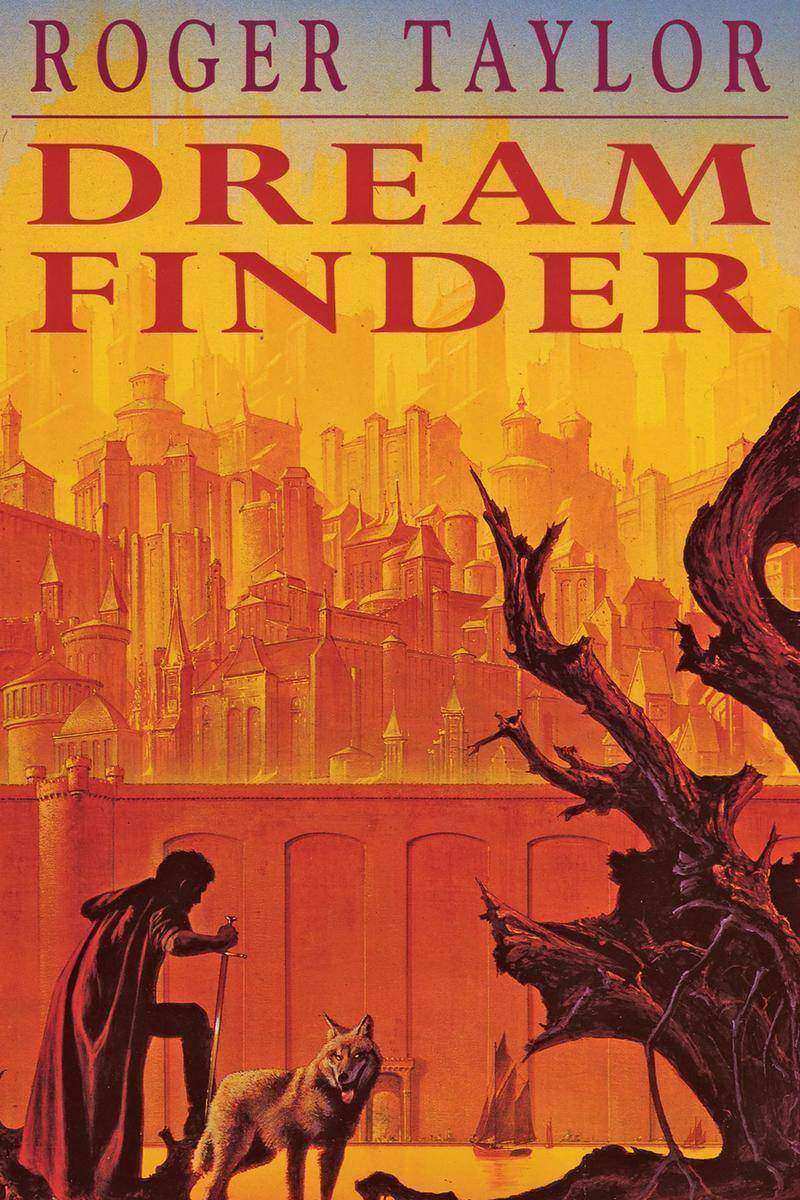
Dream Finder: An independent novel of good and evil set in the world of "The Chr
¥32.62
The city of Serenstad has never been stronger, and superstitions are waning in the light of reason and civilization. For the Guild of Dream Finders this has proved disastrous, until Duke Ibris, troubled by mystifying and unsettling dreams, orders Antyr, leader of the Guild, to become the Dream Nexus. Dream Finder is an independent novel set in the world of The Chronicles of Hawklan". --------------- "This is good grown-up stuff; more please." -- Interzone "Big meaty fantasy." -- Darlington Northern Echo "This is wonderful stuff." -- Brum Group News "


批判性思维、逻辑论证:有理有据地说服他人(套装3册)
¥49.99
《论证是一门学问》是一本清晰、简洁、实用、有趣的论证规则手册。本手册能够使你的文章、谈话、辩论及论文写作更有理有据,更有说服力,更容易被读者、听众和对手欣然接受。 作者运用大量易于理解、趣味性十足、生活化的例证,归纳了 50 条论证规则,涵盖各学科、各种类型的论证。 本书首先告诉你构建简论的通则:如何从可靠的前提出发,如何理顺思路,如何使自己的论证简明、具体;其次,介绍了举例论证、因果论证和演绎论证,讨论了详论、口头陈述以及议论文写作和公共辩论所应遵循的规则;后,作者又揭开了论证过程中常见的谬误及陷阱。 《思维的模式》是20世纪伟大的思想家怀特海的代表著作之一,书中收录了他的九篇演讲,在这些演讲中,他阐述了自己综合性的思维模式。 现代科学给我们建立了一种思维模式,即在有限前提下作出假定。怀特海反对这种固有的思考模式。 他认为,我们不应该将自己的视野局限于此,而不思索世界和生活的整体。他认为哲学产生于好奇,如果缺乏兴趣,我们对任何问题的探讨都会是机械的。 怀特海所说的兴趣不是建立在对一般环境条件反射的基础之上,不是对琐碎细节的兴趣,他认为高级思维应该在世间万物中间建立联系,每一个事实都包含无限的细节,无限的细节会生发无数的结果。 这种综合的思维模式能够带给我们新颖的思考角度,开拓我们的视野,激发我们的创造力和创新性思维。它能够使我们打破固有的思考方式,建立灵活、多变的思维模式,实现学习、职场和生活的进阶。 《我们如何思维》是著名哲学家、教育学家约翰?杜威的代表作之一,详述了思维的过程和本质,并通过大量实例帮助我们提高思维能力。指出思维的本质并非记忆、听来的故事或偏见,而是经过批判、推理、论证结论之后的信念;提出了反省思维的必要性,表明只有正确思维才能提高规划与谋略能力,获取避免不良后果的措施;提供了进行思维训练的一系列步骤,包括加入逻辑推理要素,进行系统性的推论和试证,引入实例验证思维结果的正确性,等等。有助于我们对思维有一个全新而正确的认识,突破本能的禁锢,跳出思维舒适区,掌握科学有效的思维方法,并终提升实践活动中的效能。
The Athenian Constitution
¥40.79
The Constitution of the Athenians describes the political system of ancient Athens. The treatise was composed between 330 and 322 BC.
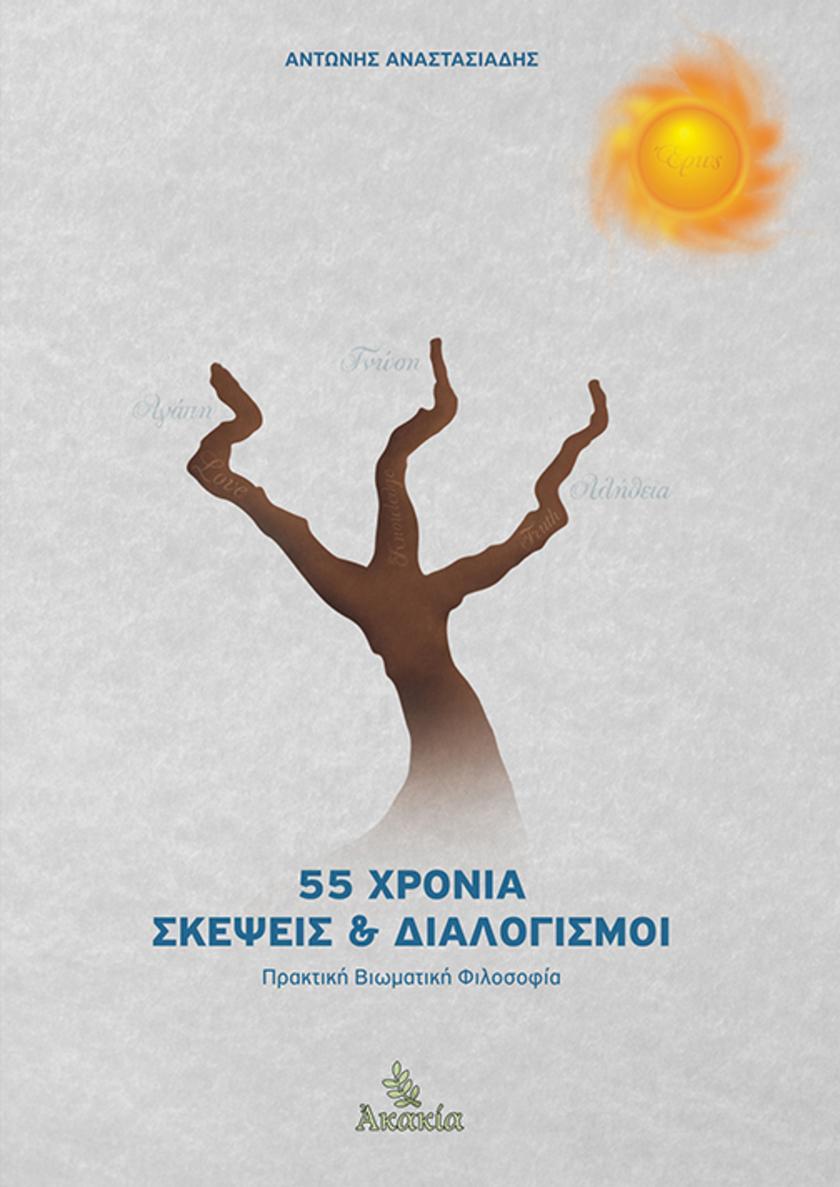
55 Χρ?νια Σκ?ψει? & Διαλογισμο?
¥84.20
Το παρ?ν βιβλ?ο ?55 Χρ?νια Σκ?ψει? & Διαλογισμο?? ε?ναι το απ?σταγμα συνεχο?? προσπ?θεια?, αναζητ?σεων, προβληματισμ?ν, σκ?ψεων και διαλογισμ?ν εν?? ανθρ?που. Με πολυπο?κιλο και ποικιλ?μορφο θεματικ? περιεχ?μενο σε πεζ? κυρ?ω? μα και ποιητικ? λ?γο, τα θ?ματα ε?ναι ?λα απ? την καθημεριν?τητα: Κοινωνικ?, πολιτικ?, φιλοσοφικ?, ερωτικ?, γενικ?τερη? αναζ?τηση? κ.τ.λ.Πολλ? τα ερωτ?ματα που ξεπροβ?λλουν εμπρ?? σε κ?θε σκεπτ?μενο ?νθρωπο που βαδ?ζει το προσωπικ? του μονοπ?τι π?νω στην γη και ο οπο?ο? αναζητε? απαντ?σει? και λ?σει? των προβλημ?των τη? ζω??. Γιατ? αντιμ?χονται οι λαο?; Γιατ? μαλ?νουν οι ?νθρωποι; Τι δυσκολε?ει την ανθρ?πινη επικοινων?α την καθημεριν?; Τι ε?ναι η τ?χνη και η ομορφι?; Τι ε?ναι οι επιστ?με? οι πολλ?? και ποια ε?ναι τα ?ρια του? τα αληθιν?; Πρ?πει να τι? εμπιστευ?μαστε λοιπ?ν; Τι ε?ναι η ?σοφ?α? και η ?ομορφι?? και ποιε? οι γν?σει? που αξ?ζουν τελικ?; Ποια ε?ναι η αλ?θεια η μοναδικ?. Υπ?ρχει γν?ση αντικειμενικ?; Υπ?ρχει το καλ? και το κακ?; Ε?ναι λοιπ?ν τα τρ?α ιδανικ?, η ?Αγ?πη?, η ?Γν?ση? και η ?Αλ?θεια? τελικ?;?τσι λοιπ?ν ξεκ?νησα ?να πρω?, τι? σκ?ρπιε? σκ?ψει? μου αυτ??, το κατακ?θι μια? ολ?κληρη? ζω?? ?λων εκε?νων για τα οπο?α τ?σο πολ? ?χω προβληματιστε? και ?λα τα ερωτ?ματ? μου που ?χουν καταγραφε?, να τα μαζ?ψω ?να πρω?, ?λα αυτ? που ε?χα καταγεγραμμ?να εδ? και εκε?, σε ?να βιβλ?ο προσωπικ? σκ?ψεων και διαλογισμ?ν. Ε?ναι ?να βιβλ?ο τη? ζω?? λοιπ?ν το βιβλ?ο αυτ?, βγαλμ?νο απευθε?α? μ?σα απ? την ζω? που με συγκ?νηση το καταγρ?φω και με περ?σσια περισυλλογ?.Ε?ναι βιβλ?ο τη? ζω?? και απευθ?νεται σε κ?θε σκεπτ?μενο καλοπροα?ρετο και ?ντιμο αναγν?στη αλλ? και σε ηλικ?ε? νεαρ??, που με την καθαρ?τητα που ?χουν στη ψυχ?, πιο ε?κολα κι αντιλαμβ?νονται το ?μορφο, το δ?κιο και το σωστ?. Πεν?ντα π?ντε χρ?νια σκ?ψεων και διαλογισμ?ν ε?ναι το βιβλ?ο αυτ?. Ε?ναι μια αναζ?τηση τη? ?Αγ?πη??, τη? ?Γν?ση?? και τη? ?Αλ?θεια?

Canoeing in the wilderness
¥40.79
At the time Thoreau made this wilderness canoe trip he was forty years old. The record of the journey is the latter half of his The Maine Woods, which is perhaps the finest idyl of the forest ever written. It is particularly charming in its blending of meditative and poetic fancies with the minute description of the voyager’s experiences.
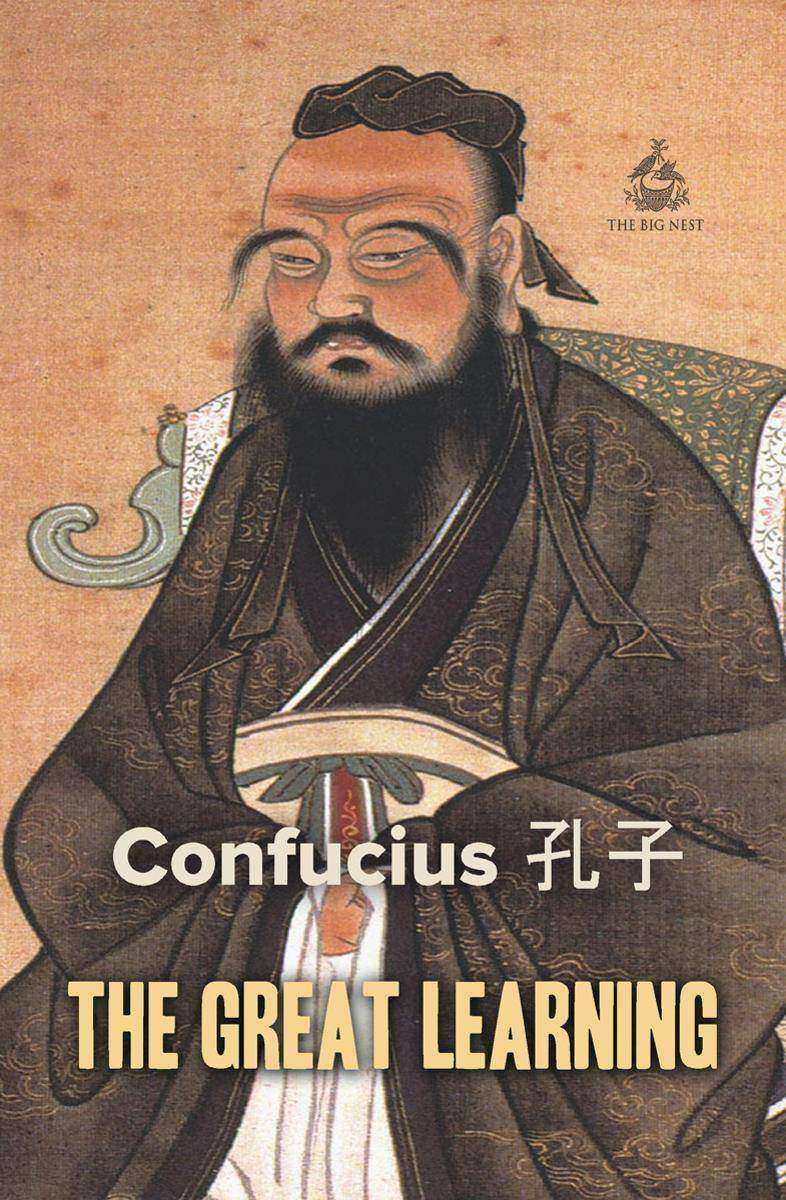
The Great Learning
¥40.79
What the great learning teaches, is to illustrate illustrious virtue; to renovate the people; and to rest in the highest excellence. The point where to rest being known, the object of pursuit is then determined; and, that being determined, a calm unperturbedness may be attained to. To that calmness there will succeed a tranquil repose. In that repose there may be careful deliberation, and that deliberation will be followed by the attainment of the desired end.
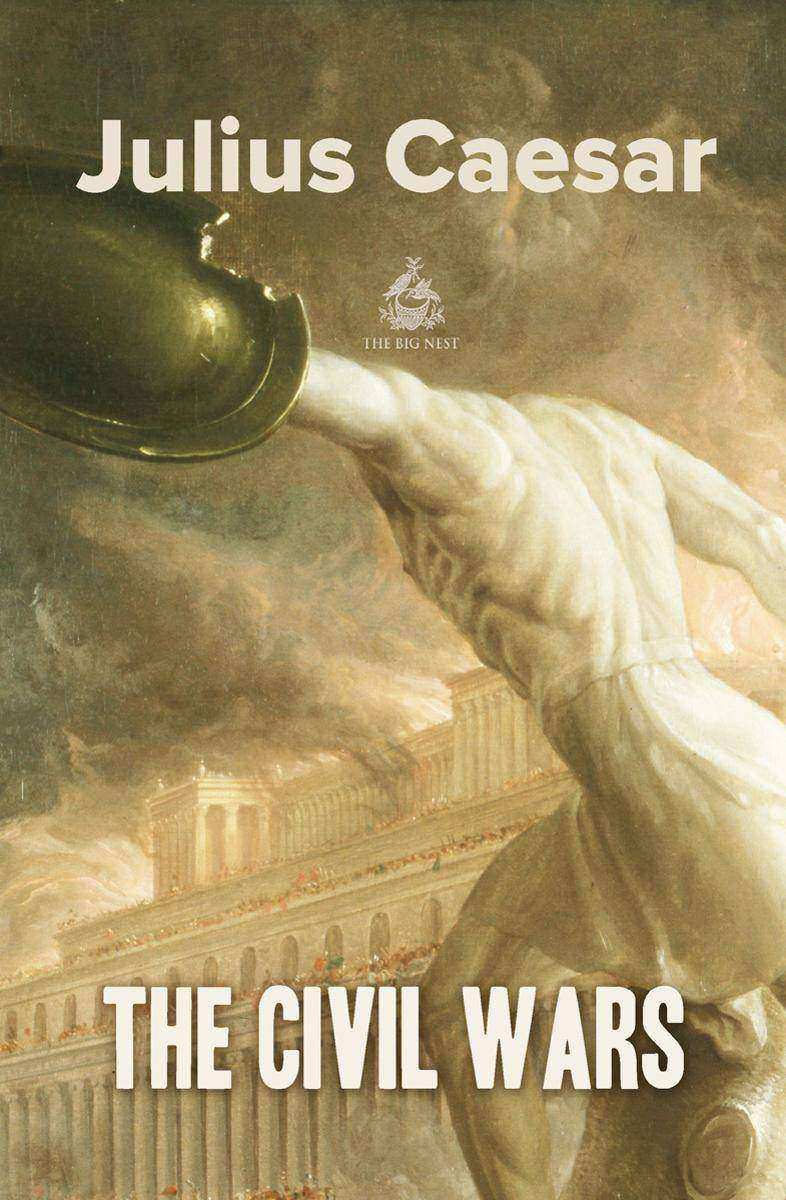
The Civil Wars, Book 3
¥40.79
Julius Caesar, holding the election as dictator, was himself appointed consul with Publius Servilius; for this was the year in which it was permitted by the laws that he should be chosen consul. This business being ended, as credit was beginning to fail in Italy, and the debts could not be paid, he determined that arbitrators should be appointed: and that they should make an estimate of the possessions and properties of the debtors, how much they were worth before the war, and that they should be handed over in payment to the creditors. This he thought the most likely method to remove and abate the apprehension of an abolition of debt, the usual consequence of civil wars and dissensions, and to support the credit of the debtors.
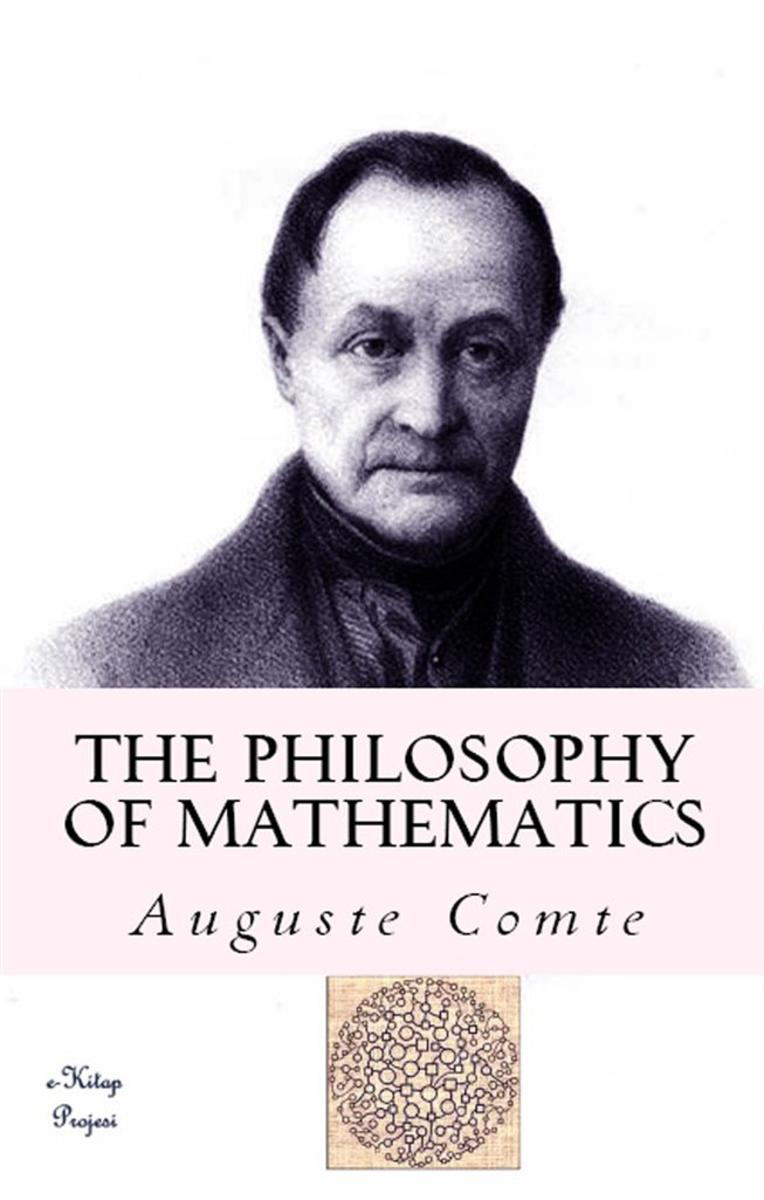
The Philosophy of Mathematics: "A True Definition of Mathematics"
¥37.11
In The philosophy of mathematics, mathematics employee classification efforts to understand the philosophy is the branch.?The main question is related to the source of the object that is the subject of mathematics and mathematics. In particular examine the characteris-tics of a true proposition:??? What are the sources of mathematical subject matter??? What is about the meaning of a mathematical object??? What is the nature of a mathematical proposition??? What is the relationship between logic and mathematics??? What is the role of mathematics hermeneutic??? Mathematics played a role in the investigation which type?? What is the subject of mathematical investigations??? What is the human traits behind mathematics??? What is mathematical beauty??? What is the nature and source of mathematical truth???What is the relationship between mathematics and abstract material universe with the world???Another important issue is the reality of a mathematical the-ory. Mathematics (from the Natural Sciences as different) experimentally is sought reasons to find real specific mathematical theory can not be tested (see. Epistemology). Luitz that Brouwer 's laid the foundation for intuitionist mathematics of the representatives knew of this view. The logical mathematics is the approach of Bertrand Russell and Gottlob Frege was defended by David Hilbert, formalism is considered the repre-sentative of the current. Traditionalism logician the empiricist's (Rudolf Carnap, A. J. Ayer, Carl Hempel) were represented by one of the key issues in the philosophy of mathematics is also important to regard the certainty problem. Austrian logician Kurt G?del's also work Mathema-tics and mathematics.
A Light to Yourself
¥57.14
In these talks, given in Europe and India, Krishnamurti goes into the importance of going into problems openly, without conclusions. "..because we approach our problems partially, through all these various forms of conditioning, it seems to me that we are thereby not understanding them. I feel that the approach to any problem is of much more significance than the problem itself, and that if we could approach our many difficulties without any particular form of conditioning or prejudice, then perhaps we would come to a fundamental understanding of them." An extensive compendium of Krishnamurti's talks and discussions in the USA, Europe, India, New Zealand, and South Africa from 1933 to 1967—the Collected Works have been carefully authenticated against existing transcripts and tapes. Each volume includes a frontispiece photograph of Krishnamurti , with question and subject indexes at the end. The content of each volume is not limited to the subject of the title, but rather offers a unique view of Krishnamurti's extraordinary teachings in selected years. The Collected Works offers the reader the opportunity to explore the early writings and dialogues in their most complete and authentic form.
Wild Apples
¥40.79
It is remarkable how closely the history of the Apple-tree is connected with that of man. The geologist tells us that the order of the Rosaceae, which includes the Apple, also the true Grasses, and the Labiatae, or Mints, were introduced only a short time previous to the appearance of man on the globe.
Gorgias
¥40.79
In several of the dialogues of Plato, doubts have arisen among his interpreters as to which of the various subjects discussed in them is the main thesis. The speakers have the freedom of conversation; no severe rules of art restrict them, and sometimes we are inclined to think, with one of the dramatis personae in the Theaetetus, that the digressions have the greater interest. Yet in the most irregular of the dialogues there is also a certain natural growth or unity; the beginning is not forgotten at the end, and numerous allusions and references are interspersed, which form the loose connecting links of the whole.
Phaedrus
¥40.79
The Phaedrus is closely connected with the Symposium, and may be regarded either as introducing or following it. The two Dialogues together contain the whole philosophy of Plato on the nature of love, which in the Republic and in the later writings of Plato is only introduced playfully or as a figure of speech. But in the Phaedrus and Symposium love and philosophy join hands, and one is an aspect of the other. The spiritual and emotional part is elevated into the ideal, to which in the Symposium mankind are described as looking forward, and which in the Phaedrus, as well as in the Phaedo, they are seeking to recover from a former state of existence.
Protagoras
¥40.79
The Protagoras, like several of the Dialogues of Plato, is put into the mouth of Socrates, who describes a conversation which had taken place between himself and the great Sophist at the house of Callias—'the man who had spent more upon the Sophists than all the rest of the world'—and in which the learned Hippias and the grammarian Prodicus had also shared, as well as Alcibiades and Critias, both of whom said a few words—in the presence of a distinguished company consisting of disciples of Protagoras and of leading Athenians belonging to the Socratic circle.
On Generation and Corruption
¥40.79
Our next task is to study coming-to-be and passing-away. We are to distinguish the causes, and to state the definitions, of these processes considered in general-as changes predicable uniformly of all the things that come-to-be and pass-away by nature. Further, we are to study growth and 'alteration'. We must inquire what each of them is; and whether 'alteration' is to be identified with coming-to-be, or whether to these different names there correspond two separate processes with distinct natures.
The Analects
¥40.79
Confucius believed that the welfare of a country depended on the moral cultivation of its people, beginning from the nation's leadership. He believed that individuals could begin to cultivate an all-encompassing sense of virtue through ren, and that the most basic step to cultivating ren was devotion to one's parents and older siblings. He taught that one's individual desires do not need to be suppressed, but that people should be educated to reconcile their desires via rituals and forms of propriety, through which people could demonstrate their respect for others and their responsible roles in society.
On Interpretation
¥40.79
On Interpretation is among the earliest surviving philosophical works in the Western tradition to deal with the relationship between language and logic in a comprehensive, explicit, and formal way.
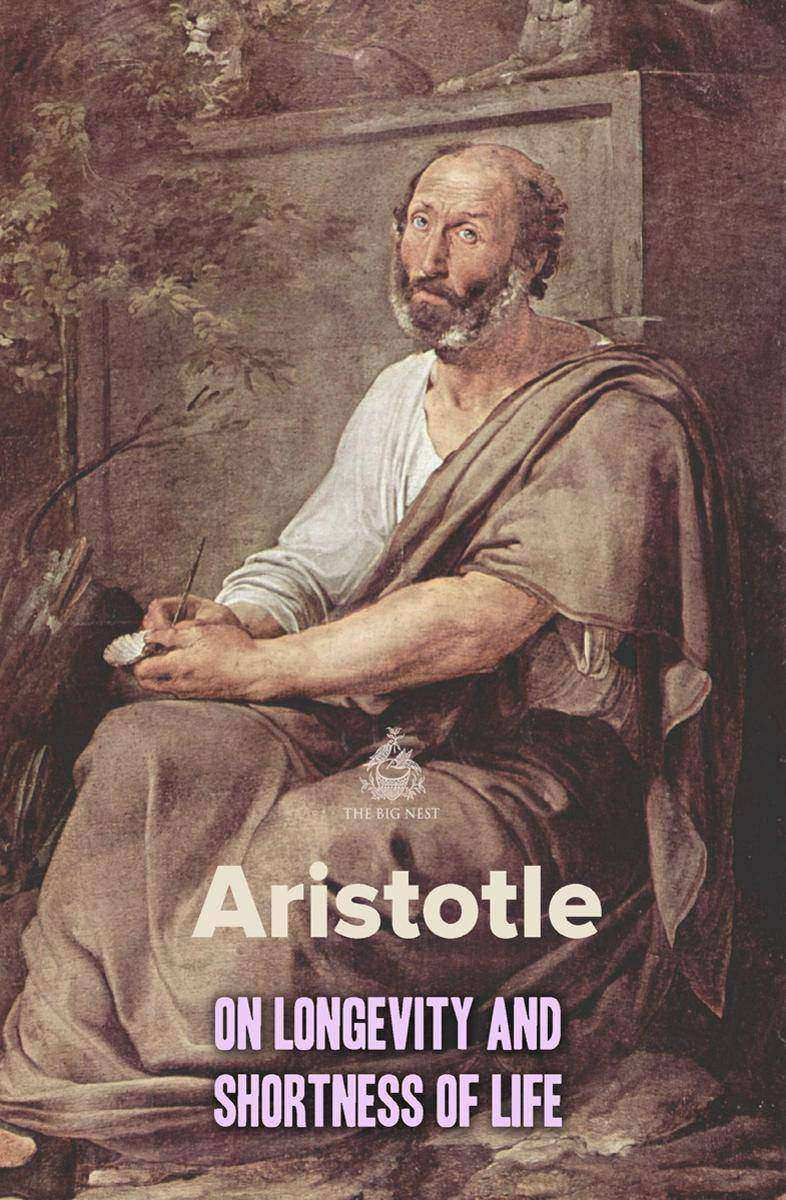
On Longevity and Shortness of Life
¥40.79
The reasons for some animals being long-lived and others short-lived, and, in a word, causes of the length and brevity of life.


