


 购物车
购物车 个人中心
个人中心

五百年来王阳明 (本书荣获央视2017中国好书) 团购电话400-106-6666转6(试读本)
免费
本书结合两千年来中华文明发展史,生动讲述了王阳明立功、立德、立言的传奇人生,讲述了王阳明在千磨万的人生困厄中创建心学的历程,系统梳理了知行合一大智慧,并展了卓有见地的阐发。

沉思录(试读本)
免费
《沉思录》是古罗马皇帝奥勒留终其一生的灵性思考,是自己与自己的心灵对话,也是对自我甚至对人类灵魂的拷问。全书十二卷,剖析了灵魂与死亡的关系,阐释了人的德行和个人对社会的责任等,表达了奥勒留身居宫廷与面对乱世的独特感悟。《沉思录》是斯多葛派哲学思想的精髓,也是该派里程碑式的作品。本书为梁实秋译本的*修订版,同时加了英文,是中英对照的精装典藏本。

菜根谭的智慧(试读本)
免费
《菜根谭的智慧》一书在参照各种权威版本的基础上,精心筛选出**可靠性、时代性、契合度的经典原文。为便于阅读,我们将全书分为处世篇、修持篇、养身篇、闲适篇,并编制了主题目录。书中准确流畅的“释义”和详尽的“注释”,更便于您去阅读和理解。独特的“新解”,意在扬弃封建糟粕,赋予时代新义,为您处理社会问题提供有益的借鉴。

前世的秘密(亚马逊网站五星级读物!全美畅销40万册!全球殿堂级神秘学大师泰德·安德鲁斯带你深入潜意识,揭开自己的前世之谜!)(试读本)
免费
本书为美国灵性大师泰德?安德鲁斯绝世力作,全球范围内探讨“前世今生”话题重要的作品。 作者围绕“人真的有前世轮回吗”这一问题,深探讨了“人死了以后,灵魂去了哪里?”“为什么有些人会在你的今世出现?”“你们前世究竟有着怎样的关联?”“怎样找到灵魂的另一半?”“潜意识里究竟隐藏着什么?”“如何走你的前世?”“前世会对你的今生有何帮助?”等问题,对于想要了解前世轮回,想要深探索自我内心世界的人来说,本书*不容错过。

孟子与中国文化(修订版)(试读本)
免费
展现在读者面前的,是一本专门写给社会大众尤其是青年朋友的书。作者以多年的治孟心得为基础,深浅出地介绍了孟子生平及其思想的精髓,对孟学作了通俗化地解读。本书独辟蹊径地将孟子思想结晶为“国家应该如何治理”、“道德应该如何成就”、“人们应该如何生活”三个问题,并颇具创意地将文中重要的话语摘取出来作为提要,使读者诸君在翻阅本书时有耳目一新之感。
泰州学派:儒家精神与乡村建设
¥35.00
本书从当代中国农村社会发展中的基本问题出发,考察16世纪的平民儒家学派泰州学派在参与乡村建设中的思想及实践活动,认为平民可以通过汲取儒学等文化资源,担当农村社会建设的主力。作为乡村建设实践,泰州学派形成家族建设与社会建设两翼,通过创造性转化,活跃在20世纪的各种乡村建设实验中。

文本的深度耕犁(西方马克思主义经典文本解读·第一卷)
¥59.88
本书是作者关于当代国外马克思主义及后马克思思潮哲学文本研究的多卷本论著《文本的深度耕犁》之*卷,其内容主要是对西方马克思主义哲学中经典文献的文本学研究。在书中,作者*次以文本学的深度解读模式批判性地面对西方马克思主义的经典文本。本卷分别解读了青年卢卡奇的《历史与阶级意识》、施米特的《马克思的自然概念》、弗罗姆的《马克思关于人的概念》、科西克的《具体的辩证法》、萨特的《辩证理性批判》、阿尔都塞的《保卫马克思》和戈德曼的《隐蔽的上帝》等重要论著。

西周伦理思想研究--国家社科基金后期资助项目 中华书局出品
¥40.80
本书充分利用西周金文与传世文献史料,围绕宗教、伦理、政治互动的主线,对西周的孝友等血缘伦理思想,以及德、敬、肃、恭、勤、雍、和等政治伦理思想与善恶评价思想行宏观与微观的深探讨。在西周与古埃及的比较研究中,彰显西周“伦理思维发达”这一重要特征,并以双方族群格局差异为切,深探讨这一重要特征之成因。在西周与后世的比较视野下,围绕西周基本社会制度的伦理影响,深探研西周的“德治”思想及其“层级推衍治理”思想,从而揭示西周伦理政治思想的主要时代特征。

鬼谷子:精装
¥14.00
《鬼谷子》一书是其后学者根据其言论整理而成的,这部两千多年前的谋略学巨著,是中国传统文化中的奇葩,历来被人们称为“智慧之禁果,旷世之奇书”。其思想内容十分丰富,涵盖了哲学、政治学、军事学、心理学、社会学、文学、情报学等多种学科,是一部可以被广泛解读的著作。它一直为中国乃至世界军事家、政治家和外交家所研究,现又成为当代商家的之书。它所揭示的智谋权术的各类表现形式,被广泛运用于内政,外交、战争、经贸及公关等领域,其思想深深影响今人,享誉海内外。
立法与德性:柏拉图《法义》发微
¥28.70
《法义》是柏拉图*长的著作,以探讨“政制与礼法”为主旨。在西方法哲学史上,柏拉图首次考察了立法的目的及其哲学基础、立法与德性等根本问题。本文集选编了潘戈、拉克斯等著名学者的十一篇论文,集中探讨柏拉图《法义》关于立法与德性的问题,主要关注柏拉图这几个方面的论述: 首先,立法不应着眼于战争的胜利和财富,亦即基于*的和片面的德性(勇敢)。克里特和斯巴达之所以如此看待立法的目的,是因为他们将诸城邦间的战争、人人皆敌视为自然状态,从地理性和物质性的“自然”来解释立法的目的,而非依据诸德性的自然秩序和人的自然本性。 其次,真正的立法旨在获得完整的德性:理智、明智、节制、正义和勇敢。立法以完整的德性特别是以理智为目标。因此,柏拉图暗中将哲学设定为立法的基础,也就改变了立法的目的:立法由培养勇敢和追求财富转向追求整体德性和人的完满,立法更应关注灵魂的优异而非身体的需要。 *后,在每一种法律中,都会存在某种德性观,立法的意图应尽量从*的德性转向完整的德性。在此意义上,哲学对立法和政治始终有鉴照作用。指向德政的立法可彰显现实城邦的不足,引领其走向完善。

中国哲学创新研究
¥119.28
中国哲学学科自20世纪初依西方哲学范式建成以来,始终面临着方法论的困境,无论是在概念创造、研究路径还是学科体制上,都未能取得创性性突破,从而也就无法化解传统与现代、本土与外来、内容与形式之间的多维张力。因此,本书拟从哲学研究的方法论入手,试图以“大哲学”概念为思想先导,以哲学教育为实践基础,打破中国哲学学科内外之间的多重壁垒,融实践与智慧、传统与现代、中国与世界为一体,检查当代中国哲学困境的方法论根源,论证哲学创新的方法论视野,并从方法论上探索实现在全球化和新科技革命的背景下实现哲学创新性发展的可能性。
仰望星空:当代哲学前沿问题论集
¥76.80
本书是庆祝中国人民大学哲学院建院55周年的学术论文集。中国人民大学哲学院创建55周年以来,为新中国哲学理论建设和人才培养作出了巨大贡献。从这里,走出了千百位哲学教授,产生了数百部学术专著和数以万计的学术论文。本论文集则汇编了近年来哲学院在职教师的近70篇科研代表作,计约60万字,基本展现了当前哲学院的科研水准和探索方向
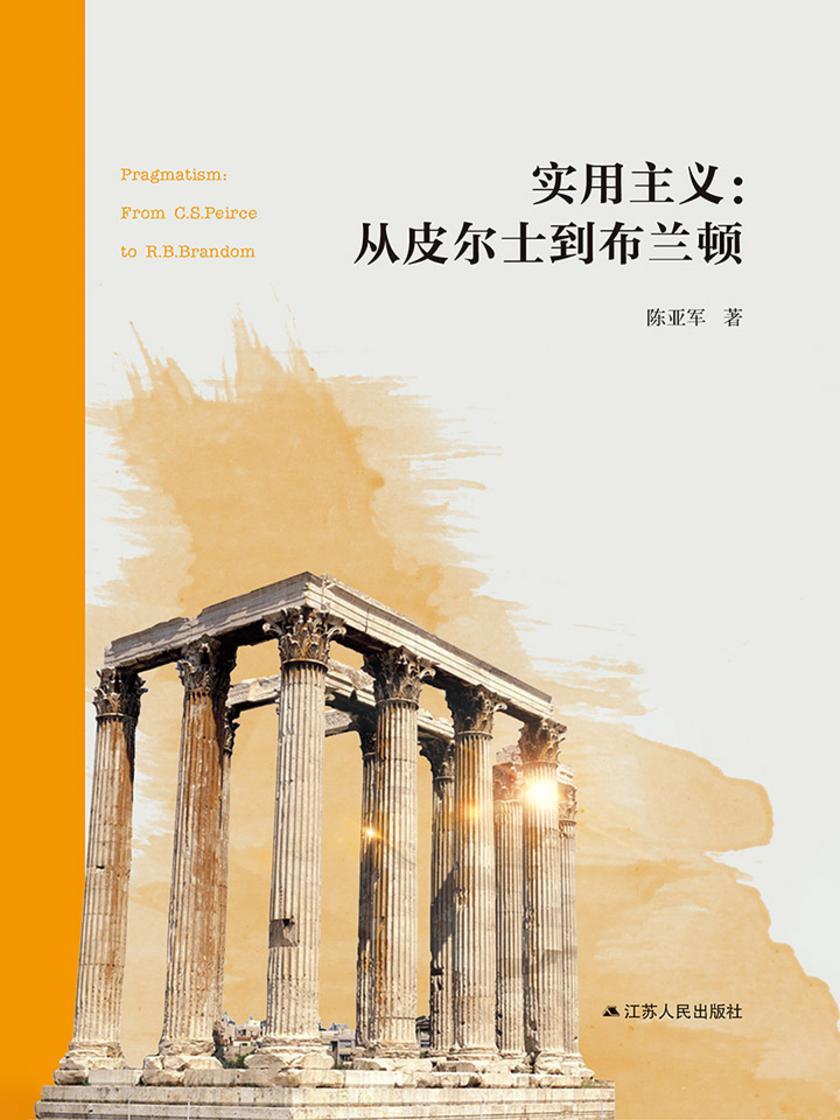
实用主义:从皮尔士到布兰顿
¥22.00
实用主义是当代西方哲学中*有影响的流派之一,20世纪初活跃一时,20世纪70年代又重新引起西方学术界的重视,衍生出新的变种。本书以*有代表性的7位实用主义大家皮尔士、詹姆斯、杜威、奎因、罗蒂、普特南、布兰顿为对象,较为系统地分析评述了他们的观,从中可以看出实用主义到新实用主义的思想内涵及其演变。
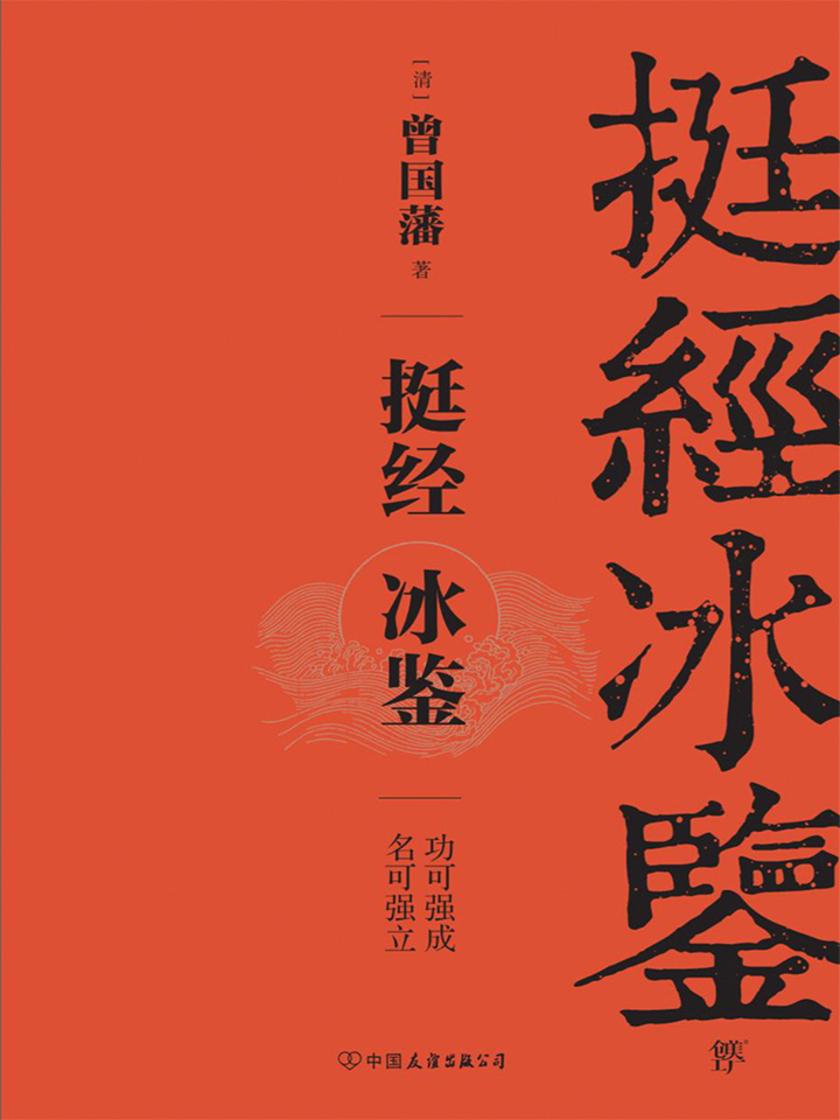
《挺经冰鉴》(全新升级!十年七迁,连跃十级,一代权臣曾国藩洞悉人心的心法要诀)
¥12.90
《挺经》:晚清名臣曾国藩总结一生成败得失,得出“挺经十八法”,作为其修身处世、居官治平的法则。“挺经”指以刚劲强硬为特征的处世哲学。 《冰鉴》:曾国藩一生识人、用人心得的总结。通过观察人外在的容貌情态,探知其内在的能力、品质、性格等,从而量材为用。体现出中国古代人才战略的至高智慧。
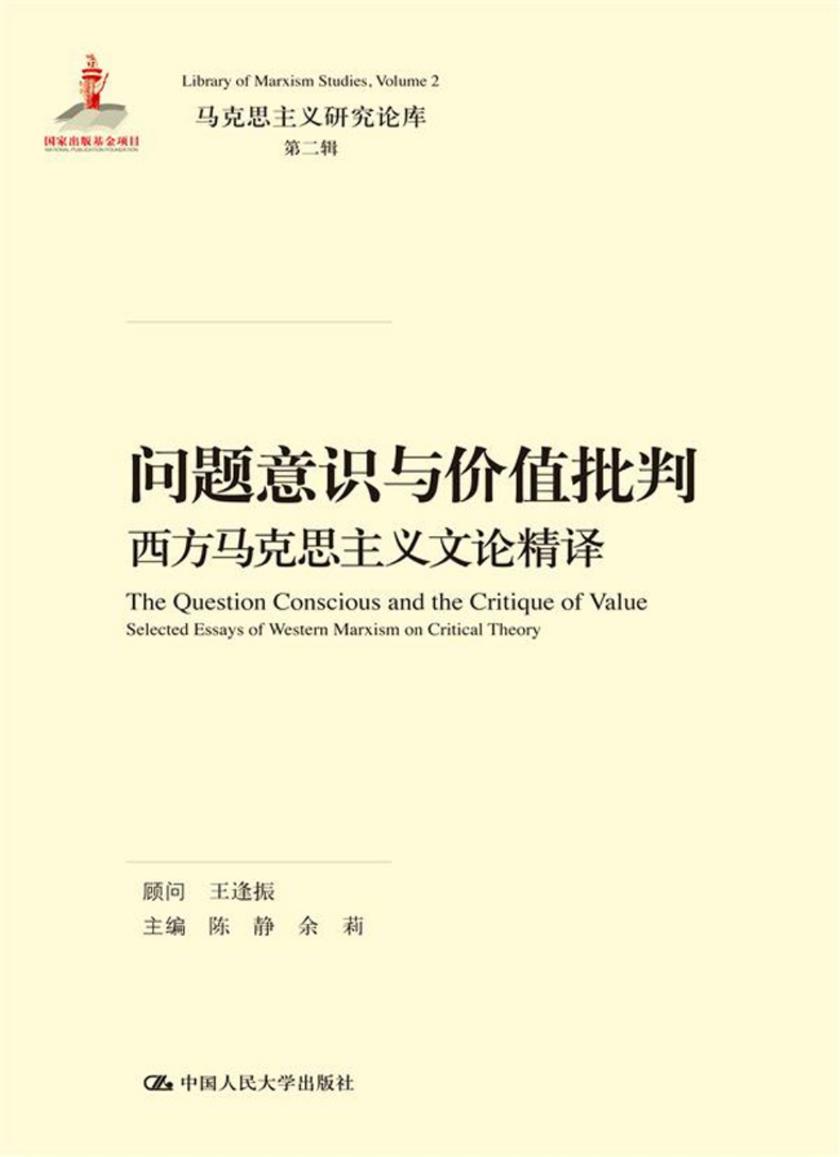
问题意识与价值批判:西方马克思主义文论精译(马克思主义研究论库·第二辑)
¥40.80
西方马克思主义文论研究始终对现实有着强烈的干预意识,本书以文学理论为依托,以文学理论关照现实生活的各个方面,在马克思主义理论框架下展对当今社会问题的研究与批判,内容涉及对西方主流价值观的批判,对经典文学和文化研究概念的重新阐发,对非主流文学作品的研究,对理论问题的讨论等等。本书收詹姆逊、伊格尔顿、迈克尔?哈特等国外著名学者的理论文章,体现了西方文论研究的*成果,不仅能极大地拓展国内学者的研究视野,也能够让国内学者感受到西方同行的学术精神。

海外中国研究丛书合集——古代篇(十卷本)
¥246.00
【内容简介】 海外中国研究丛书是由学者刘东创办并主编、并由江苏人民出版社出版的丛书,自1988年起开始出版发行,海外中国研究的学术名著190余种,囊括了费正清、魏斐德、史华兹、杜赞奇、谢和耐、宇文所安、易劳逸、韩书瑞、瓦格纳、杜维明、斯波义信、沟口雄三等海外著名学者的代表性著作,为中西文化交流做出了持续的贡献,在学术界、出版界享有盛誉,成为公认的图书品牌。目前每年出版新书十余种,并推出了女性系列、海外学子系列、环境系列等子系列。此套电子书是该丛书首次以合集形式发布。
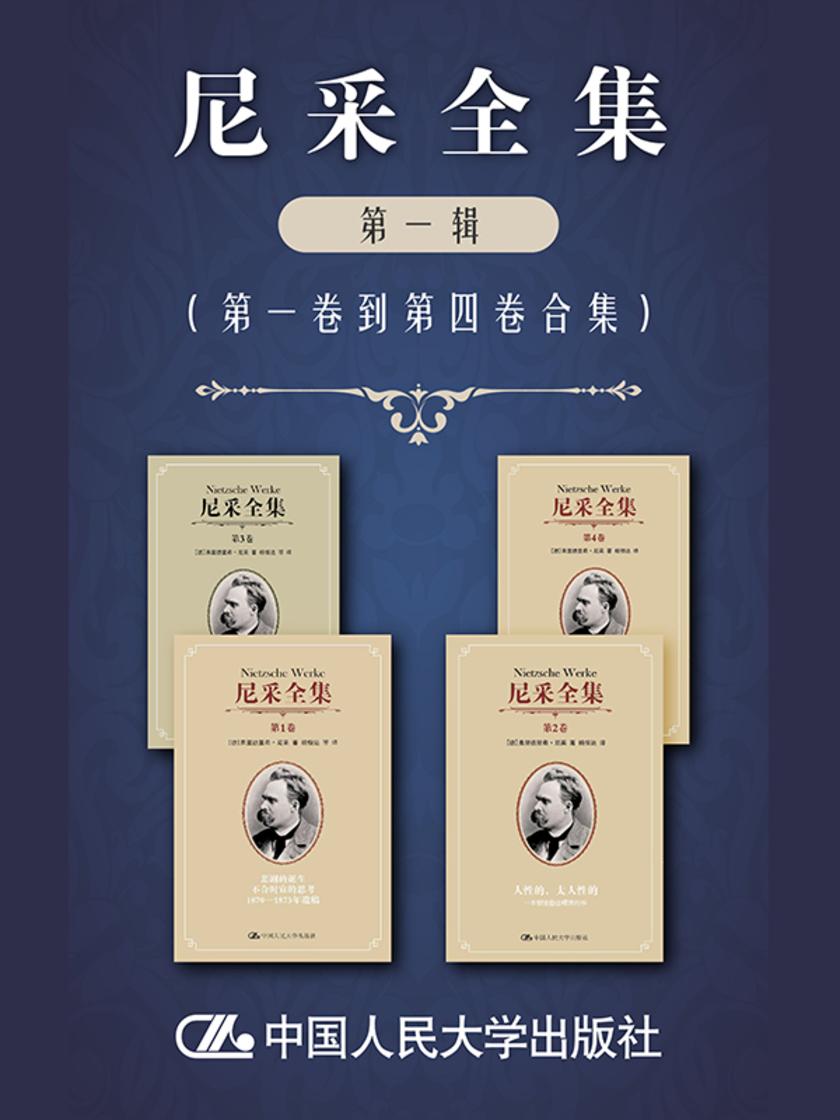
尼采全集(第一辑)(第一卷至第四卷)
¥202.44
本套装包括《查拉图斯特拉如是说》《朝霞》《墨西拿的田园诗》《快乐的知识》《人性的,太人性的》《见解与箴言杂录》《漫游者和他的影子》《悲剧的诞生》《不合时宜的思考》《1870-1873年遗作》。《查拉图斯特拉如是说》是德国哲学家、思想家尼采的一部里程碑式的作品,几乎包括了尼采的全部思想;这本以散文诗体写就的杰作,以振聋发聩的奇异灼见和横空出世的警世招语宣讲 “超人哲学”和“权力意志”,横扫了基督教所造成的精神奴性的方方面面,谱写了一曲自由主义的人性壮歌。《快乐的知识》是尼采后期的重要作品,创作于大病初愈之后,浓缩了尼采思想的精髓,对诸如生命、个体与群体能、爱情、文艺、哲学、科学、道德、法律、宗教、社会发展等问题都进行了简明而深刻的论述,语言凝练而隽永,思想鲜明而锐利,行文多为警句或短诗,思想火花处处闪现,令人读后有痛快淋漓之感。《人性的,太人性的》用格言体写成,从各方面探讨了世界与人生的基本问题,作者对西方形而上学传统及其影响下的西方文化进行了全面批判,一方面肯定人性中值得肯定的方面,希望挖掘人的潜力,使人类变得更优秀;另一方面又对人性的弱点和缺点,尤其对西方文化传统下形成的这种弱点和缺点,进行了尖刻的讽刺和挖苦。作者寄希望于“自由精灵”,也就是能超越传统思维方式、传统道德观念而自由思想的人。 《悲剧的诞生》是对古希腊酒神现象的重视,尼采立足于这种不登大雅之堂的现象,把它当作理解高雅的希腊悲剧、希腊艺术、希腊精神的钥匙,从中提升出一种哲学来。
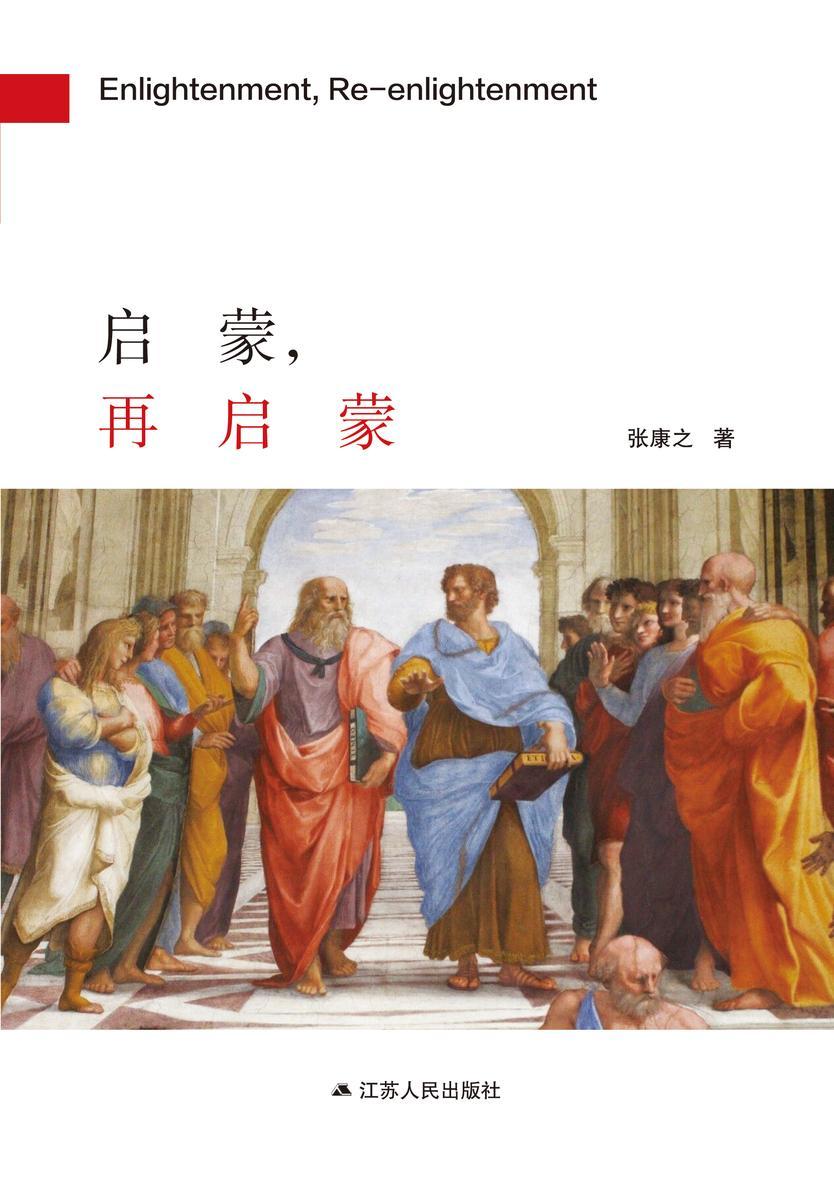
启蒙,再启蒙
¥23.00
该书是立足于全球化、后工业化时代规划未来社会的倡言之作。作者认为,与人类历史的农业社会、工业社会两个历史阶段的生成关联在一起的是发生了两场伟大的启蒙运动。中国的春秋战国时代和西方的古希腊时代代表了人类历史上的*次启蒙运动,所启蒙的是农业社会;发生在18世纪的那场影响至今的启蒙运动则是一场启蒙工业社会的运动。现在,人类正处在从工业社会向后工业社会转变的过程中,也同样需要一场启蒙运动去规划后工业社会。作者从政治、经济、社会、文化、生活方式、行为模式等各个方面对工业社会行了较为全面的批判性反思,并在此基础上系统地阐释了启蒙后工业社会的行动路线。作者在构思后工业社会的建构问题时,把全球化、后工业化程中的社会高度复杂性和高度不确定性作为立论的出发,认为这一条件下对人类命运构成了极大挑战,要求全部社会建构及其治理行动都必须指向人的共生共在。在对社会及其治理实践的思考中,作者根据社会的加速化、流动性的增强、科学技术的发展等方面所提供的客观条件,提出了合作制组织以及合作治理的构想,认为新的启蒙的重心就在于提出可行的合作行动方案,以求将人的共生共在变成现实。

如果没有今天,明天会不会有昨天?(2020)
¥19.90
假设你在桥上,目睹电车即将撞上轨道上的五个人,拯救他们的*办法,就是把站在你身旁的一个人推下去,你会怎么选择? 假设博物馆里每一幅画都是相同的红色画布,只有画名和简介不同,策展人说每幅画想传达的意念也有所不同,你可以要求退钱吗? 假设村里的理发师只能帮不自己刮胡子的村民刮胡子,不能帮会自己刮胡子的村民刮胡子,他自己的胡子要由谁来帮他刮? 以上问题都是哲学家精心设计的"思想实验",因为哲学无法用科学实验来检验其正确性,于是哲学家在脑中设计出具体的假设情境,测试哲学理论是否符合我们对于相关概念的理解,以找出人生根本问题的答案。苏格拉底、柏拉图、萨特、加缪、尼采……众多伟大的哲学家都曾设计过思想实验。新锐哲学家伊夫·博萨尔特精选其中*经典的55则,用清晰易懂的方式加以阐述、推演,引领读者探讨*令人彷徨的人生11大主题。
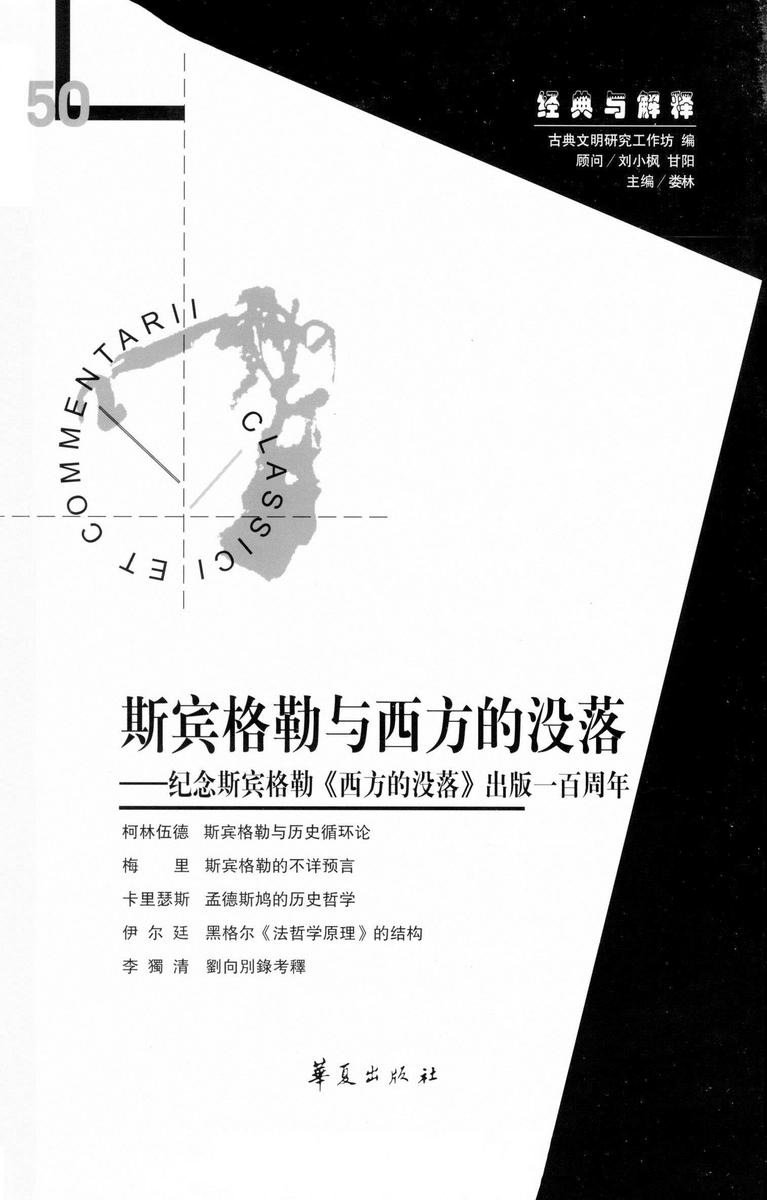
斯宾格勒与西方的没落:纪念斯宾格勒《西方的没落》出版一百周年(“经典与解释”第50期)
¥58.00
1918年斯宾格勒《西方的没落》出版,标志着西方现代性危机发展到*激烈的程度。“西方的没落”自此成为表述西方现代性危机的一个新概念,在学界得到广泛受。此文集为纪念《西方的没落》出版100周年而编,收多篇关键的相关论文。旨在帮助国人深理解西方学界对这个问题的看法,并在如今中西文明愈发相与激荡的大潮中,提供一番借鉴。 早期现代政治哲学的构建者,如黑格尔、孟德斯鸠等人,不但共同塑造了西方现代文明的高峰,同时也埋下了西方现代文明危机的种子。黑格尔的《法哲学原理》,孟德斯鸠的历史哲学,都是早期政治哲学思想的代表,文集中分别收关于二人的一篇研究论文。 20世纪的思想者施特劳斯对西方现代性给予了*深刻的反省,但其哲学思想和研究在西方主流学界并未得到应有的受,本集选一篇施特劳斯相关的研究论文,旨在表明,与施特劳斯相比,西方主流学界似乎拥有睿智的学院式的哲学思考,却对西方现代性问题缺乏真正锐利的反思。
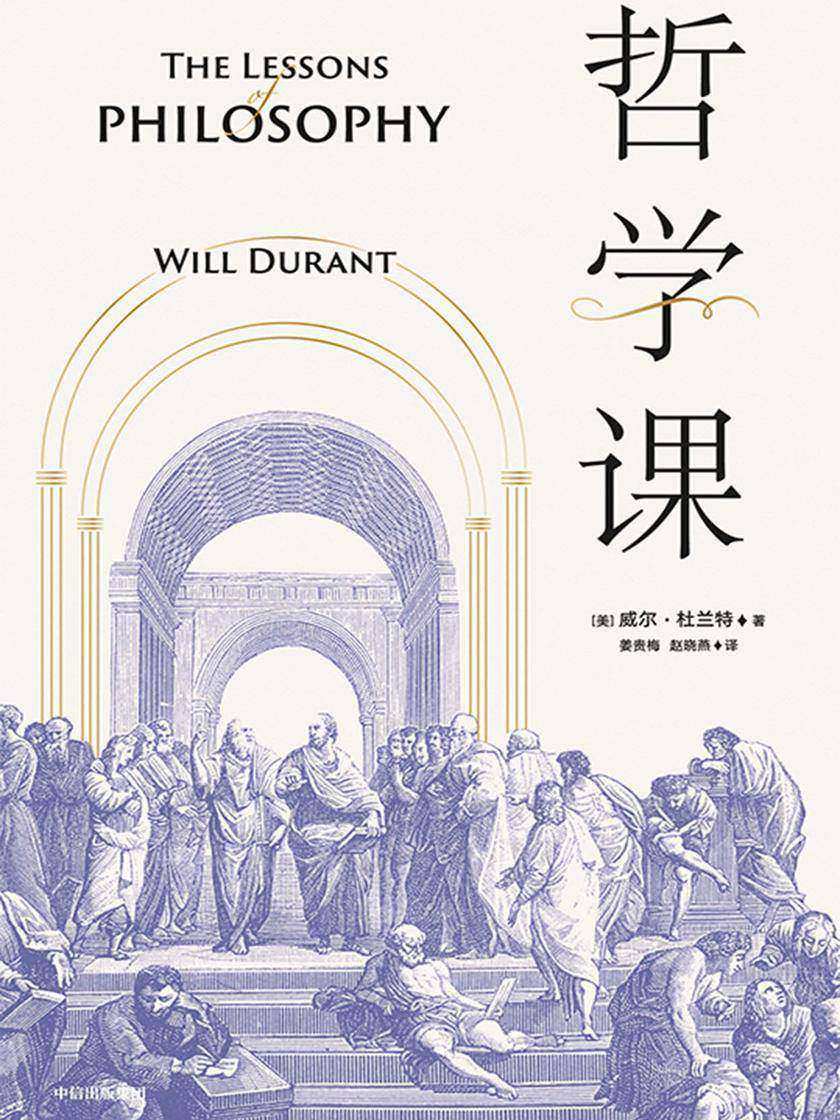
哲学课
¥39.99
哲学究竟给我们上了怎样的一课?面对浩如烟海的哲学作品,我们似乎很难找到答案。威尔·杜兰特直面哲学中的教训,从逻辑学与认识论、形而上学、伦理学、美学、历史、政治、宗教等方面,梳理了不同哲学流派对哲学基本问题的论述,对这些问题行了解读,并提出了切实可行的解决方案。 哲学作为一个辉煌的领域,在曲折中不断发展,成就与教训相伴而生。杜兰特给我们提供了一个新颖的角度,他让不同哲学流派的思想互相碰撞,我们在字里行间就能得到启示:在认识论和神学领域,哲学是一个受害者;而科学与哲学互相依靠,哲学是“对经验的一种整体性研究”。 本书体现了杜兰特丰富的哲学理论和深厚的思想底蕴,书中蕴含的哲学道理,经过历史的锤炼,即使在今天,也仍能启发人们客观、理性、全面地思考未来。


