


 购物车
购物车 个人中心
个人中心

?tvenezer lándzsa: Anjouk - V. rész
¥75.54
"A megsemmisülés rejtélyes sz?vege egyszerre filozófiai traktátus, misztikus beavatás és poszthumán próza. A kortárs irodalomban egyre inkább feler?s?dik ez a nem-antropocentrikus hang, mely nem emberi sorsokat akar elbeszélni, hanem a nyelv és az ember k?z?s hiányt?rténetére mutat rá. ?Mennyien kapaszkodtak a létbe, mint egy végtelen fa t?rzsébe” - írja Horváth Márk és Lovász ?dám, hiszen az emberi állapot csak a társadalmi, nyelvi és metafizikai katasztrófa terében értelmezhet?. Apokaliptikus (neo)romantika és abszurd k?ltészet. Az utolsó ember kézik?nyve a túlélés lehetetlenségér?l."Nemes Z. Márió Az Idegenre hárult a sors ajándéka, hogy els?ként az utolsó emberek k?zu?l végignézze minden ku?ls?dleges k?telék pusztulását, és bizalmát lelkébe, s?t a lelkén is túlra helyezze, minden emberit maga m?g?tt hagyva. Minden ház gerendái k?z?tt barátságok és szerelmek jól táplált holttestei indultak oszlásnak, míg csak a csont fehérlett ki a vízb?l. Mint rég elhagyott kik?t?k tornyai, olyan hívogatóak voltak ezek a csontok az új kor embere számára.

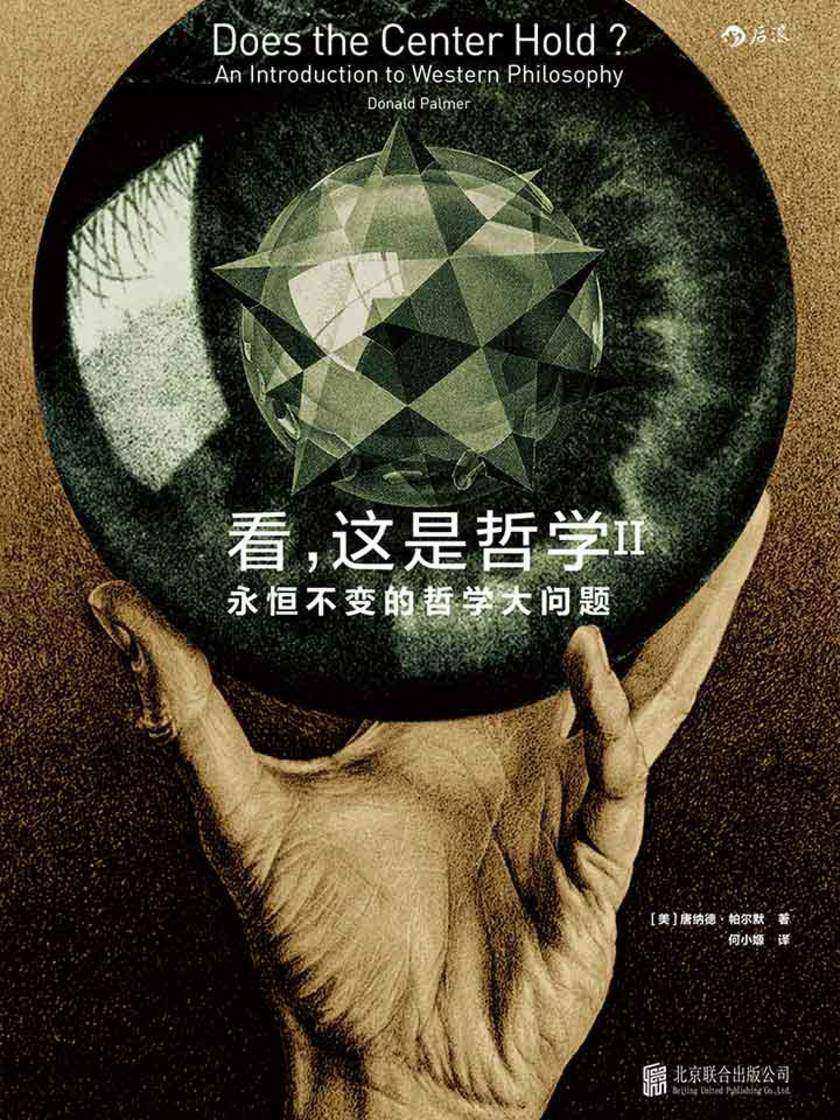
看,这是哲学II(哲学通识的极佳入门读物,用400幅原创手绘插图,深入浅出梳理永恒不变的哲学大问题!)
¥34.80
本书是作者执教哲学导论课程三十余年的心得之作,用轻松活泼的文风和四百余幅原创手绘插图,以“中心是否保持不变”为引导,对哲学中的“大问题”行了深浅出的梳理。作者严肃地对待哲学,却又不那么郑重其事,用风趣幽默减轻了哲学难以承受之重,让读者真正获得思考的快乐。作为哲学通识读物,无论哲学专业的学生,还是人文社科学生,甚或普通大众,都能从中有所受益并获得乐趣。
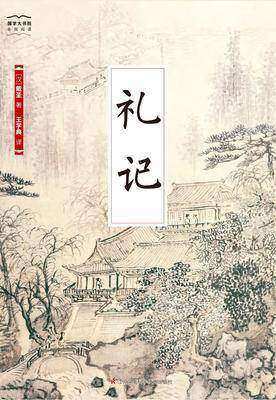
国学大书院04:礼记
¥14.00
《礼记》初时据说有一百多篇,后为汉朝学者戴德简化为85篇,世人称之为《大戴礼记》。在编撰过程中,我们从权威版本中筛选出极为经典、实用,且具有文学价值的28个篇章,将其编辑成册。将每篇分为诸多小节,每个小节分为三部分:原文、注释与译文。整本书结构严谨,言简意赅,意蕴深远。
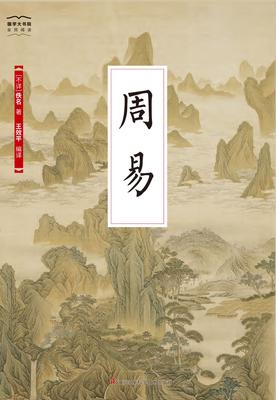
国学大书院05:周易
¥16.00
智慧中的智慧 预测学中的行为学《周易》是群经之首,是经典中之经典,哲学中之哲学,谋略中之谋略。从《周易》中,哲学家看到辩证思维,史学家看到历史兴衰,政治家看到治世方略,军事家可参悟兵法,企业家亦可从中找到经营的方法,同样,芸芸众生也可将其视为为人处世、提高修养的不二法宝。 本书将《周易》的六十四卦分别予以详细解读,每卦独立自成一体,各节皆有原文、译文、启示,每卦之后附有中外著名事例,以期抛砖引玉之效。 《周易》一书作为中国早熟的思想文化体系,它在中国传统思想文化中的重要地位,已为世所公认。《周易》被称为六经之首,就是一种证明。

国学大书院27:小窗幽记
¥8.67
立德修身的恒言警句为学立业的至理名言《小窗幽记》为陈眉公所著的修身处世格言,条条都是人生的回味和处世的领悟,体现了儒家修身、齐家、治国、平天下的积极人生态度,又兼容了佛家超凡脱俗和道家清静无为的智慧,历来被称为修身养性、提升自我修养的佳作。
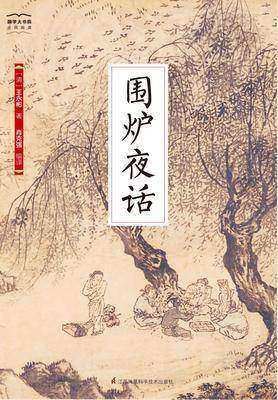
国学大书院28:围炉夜话
¥7.33
《围炉夜话》是明清时期著名的文学品评著作,全书分为221则,以“安身立业”为主旨,分别从道德、修身、读书、教子、忠孝、勤俭等十个方面,揭示了人生的深刻含义,其独到见解在中国文学史上占有重要地位。
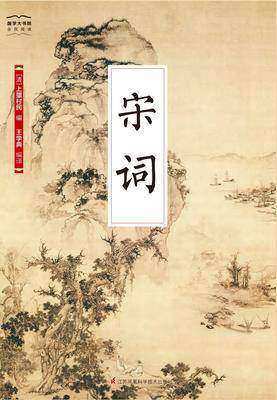
国学大书院35:宋词
¥12.67
吟诵经典 陶冶情操 采录诸词 脍炙万口 《宋词》是继唐诗后的又一种文学体裁,它兼有文学与音乐两方面的特。宋词是中国古代文学皇冠上光辉夺目的一颗巨钻,在古代文学的阆苑里,她是一块芬芳绚丽的园圃。她以姹紫嫣红、千姿百态的丰神,与唐诗争奇,与元曲斗妍,历来与唐诗并称双绝,都代表一代文学之胜。远从《诗经》《楚辞》及《汉魏六朝诗歌》里汲取营养,又为后来的明清戏剧小说输送了有机成分。直到今天,她仍在陶冶着人们的情操,给我们带来很高的艺术享受。
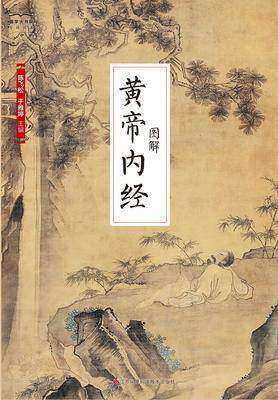
国学大书院38:图解黄帝内经
¥29.33
《黄帝内经》又称《内经》,假托黄帝之名而作,成书于战国或西汉时期。它是上古乃至太古时代中国人在医学和养生方面的智慧结晶,标志着中国医学由经验医学上升为理论医学的新阶段。它和《伏羲八卦》《神农本草经》并称为“上古三坟”,是我国现存*早的一部医学理论典籍,是中国人养心、养性、养生的千年圣典,也是一本蕴含中国生命哲学源头的大百科全书。

Пришестя робот?в.
¥31.07
"Wilde è profetico sin dalle prima righe, quando denuncia la prevalenza dell’emozione sulla razionalità, male principe del nostro tempo, e poi del pietismo sull’emancipazione, male di tanta politica di pseudo sinistra" (dall'Introduzione di Alfredo Sgarlato). Wilde: ?perché la vita raggiunga la sua più elevata perfezione, ci vuole qualche cosa di più. Ciò che ci vuole è l'individualismo?, ?Utopia? Una carta geografica del mondo in cui non sia segnato il paese dell'Utopia, non varrebbe la pena d'essere guardata, perché vi mancherebbe il paese in cui l'Umanità atterra ogni giorno. Ma non appena v'è sbarcata, ella guarda più lontano, scorge una terra ancora più bella, e spiega di nuovo le vele. Progredire significa realizzare l'Utopia?. SOMMARIO: Introduzione (di Alfredo Sgarlato) - Postfazione. Breve biblio-nota ai testi e alla traduzione (di Fabrizio Pinna) - OSCAR WILDE Società e libertà: elogio dell'individualismo - APPENDICE I Oscar Wilde, Rapporti fra il socialismo e l'individualismo (di Luigi Fabbri, 1913) - APPENDICE II The Soul of Man under Socialism (1891). LA COLLANA IN/DEFINIZIONI
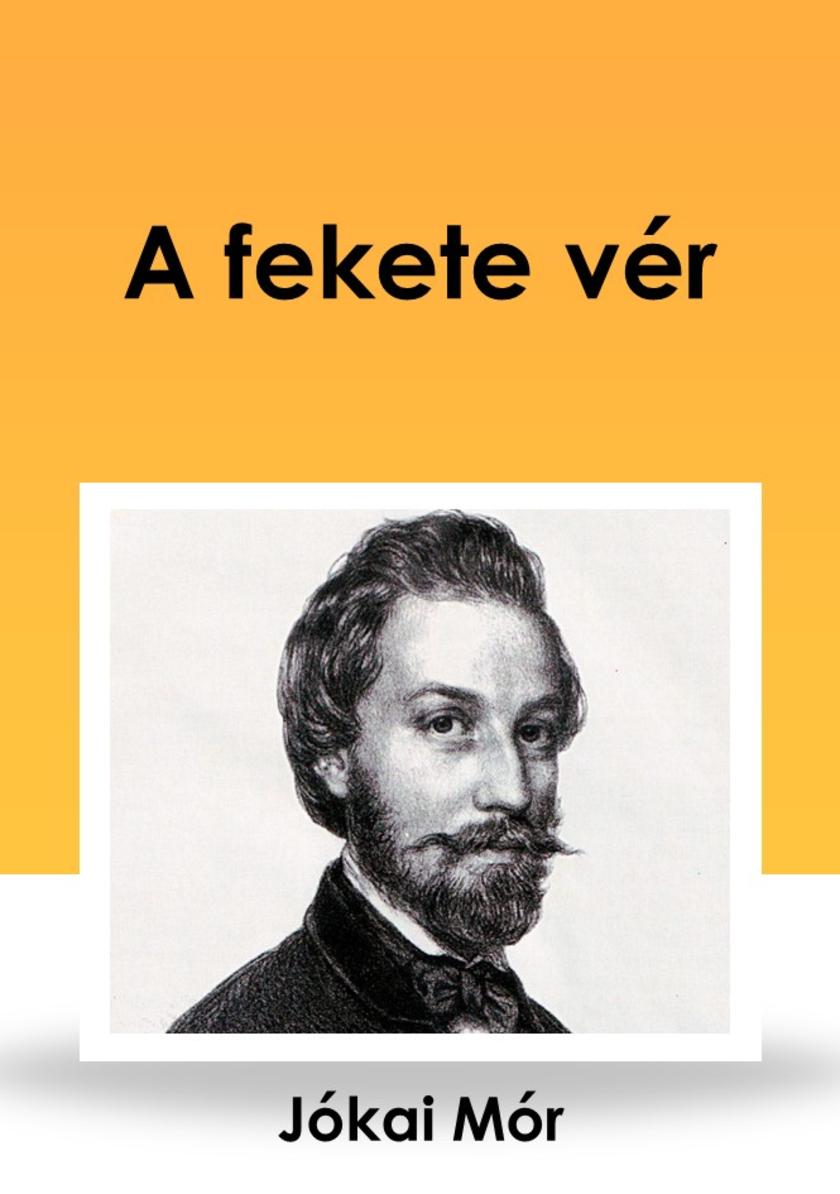
A fekete vér
¥8.67
The present publication is intended to supply a recognised deficiency in our literature—a library edition of the Essays of Montaigne. This great French writer deserves to be regarded as a classic, not only in the land of his birth, but in all countries and in all literatures. His Essays, which are at once the most celebrated and the most permanent of his productions, form a magazine out of which such minds as those of Bacon and Shakespeare did not disdain to help themselves; and, indeed, as Hallam observes, the Frenchman's literary importance largely results from the share which his mind had in influencing other minds, coeval and subsequent. But, at the same time, estimating the value and rank of the essayist, we are not to leave out of the account the drawbacks and the circumstances of the period: the imperfect state of education, the comparative scarcity of books, and the limited opportunities of intellectual intercourse. Montaigne freely borrowed of others, and he has found men willing to borrow of him as freely. We need not wonder at the reputation which he with seeming facility achieved. He was, without being aware of it, the leader of a new school in letters and morals. His book was different from all others which were at that date in the world. It diverted the ancient currents of thought into new channels. It told its readers, with unexampled frankness, what its writer's opinion was about men and things, and threw what must have been a strange kind of new light on many matters but darkly understood. Above all, the essayist uncased himself, and made his intellectual and physical organism public property. He took the world into his confidence on all subjects. His essays were a sort of literary anatomy, where we get a diagnosis of the writer's mind, made by himself at different levels and under a large variety of operating influences. Of all egotists, Montaigne, if not the greatest, was the most fascinating, because, perhaps, he was the least affected and most truthful. What he did, and what he had professed to do, was to dissect his mind, and show us, as best he could, how it was made, and what relation it bore to external objects. He investigated his mental structure as a schoolboy pulls his watch to pieces, to examine the mechanism of the works; and the result, accompanied by illustrations abounding with originality and force, he delivered to his fellow-men in a book. W. C. H. KENSINGTON, November 1877. THE LIFE OF MONTAIGNE The author of the Essays was born, as he informs us himself, between eleven and twelve o'clock in the day, the last of February 1533, at the chateau of St. Michel de Montaigne. His father, Pierre Eyquem, esquire, was successively first Jurat of the town of Bordeaux (1530), Under-Mayor 1536, Jurat for the second time in 1540, Procureur in 1546, and at length Mayor from 1553 to 1556. He was a man of austere probity, who had "a particular regard for honour and for propriety in his person and attire . . . a mighty good faith in his speech, and a conscience and a religious feeling inclining to superstition, rather than to the other extreme. Between 1556 and 1563 an important incident occurred in the life of Montaigne, in the commencement of his romantic friendship with Etienne de la Boetie, whom he had met, as he tells us, by pure chance at some festive celebration in the town. From their very first interview the two found themselves drawn irresistibly close to one another, and during six years this alliance was foremost in the heart of Montaigne, as it was afterwards in his memory, when death had severed it.

Liberty Girl
¥19.05
Human reason, in one sphere of its cognition, is called upon to consider questions, which it cannot decline, as they are presented by its own nature, but which it cannot answer, as they transcend every faculty of the mind. It falls into this difficulty without any fault of its own. It begins with principles, which cannot be dispensed with in the field of experience, and the truth and sufficiency of which are, at the same time, insured by experience. With these principles it rises, in obedience to the laws of its own nature, to ever higher and more remote conditions. But it quickly discovers that, in this way, its labours must remain ever incomplete, because new questions never cease to present themselves; and thus it finds itself compelled to have recourse to principles which transcend the region of experience, while they are regarded by common sense without distrust. It thus falls into confusion and contradictions, from which it conjectures the presence of latent errors, which, however, it is unable to discover, because the principles it employs, transcending the limits of experience, cannot be tested by that criterion. The arena of these endless contests is called Metaphysic.Time was, when she was the queen of all the sciences; and, if we take the will for the deed, she certainly deserves, so far as regards the high importance of her object-matter, this title of honour. Now, it is the fashion of the time to heap contempt and scorn upon her; and the matron mourns, forlorn and forsaken, like Hecuba: At first, her gover Modo maxima rerum, Tot generis, natisque potens... Nunc trahor exul, inops. —Ovid, Metamorphoses. xiii under the administration of the dogmatists, was an absolute despotism. But, as the legislative continued to show traces of the ancient barbaric rule, her empire gradually broke up, and intestine wars introduced the reign of anarchy; while the sceptics, like nomadic tribes, who hate a permanent habitation and settled mode of living, attacked from time to time those who had organized themselves into civil communities. But their number was, very happily, small; and thus they could not entirely put a stop to the exertions of those who persisted in raising new edifices, although on no settled or uniform plan. In recent times the hope dawned upon us of seeing those disputes settled, and the legitimacy of her claims established by a kind of physiology of the human understanding—that of the celebrated Locke. But it was found that—although it was affirmed that this so-called queen could not refer her descent to any higher source than that of common experience, a circumstance which necessarily brought suspicion on her claims—as this genealogy was incorrect, she persisted in the advancement of her claims to sovereignty. Thus metaphysics necessarily fell back into the antiquated and rotten constitution of dogmatism, and again became obnoxious to the contempt from which efforts had been made to save it. At present, as all methods, according to the general persuasion, have been tried in vain, there reigns nought but weariness and complete indifferentism—the mother of chaos and night in the scientific world, but at the same time the source of, or at least the prelude to, the re-creation and reinstallation of a science, when it has fallen into confusion, obscurity, and disuse from ill directed effort. I do not mean by this a criticism of books and systems, but a critical inquiry into the faculty of reason, with reference to the cognitions to which it strives to attain without the aid of experience; in other words, the solution of the question regarding the possibility or impossibility of metaphysics, and the determination of the origin, as well as of the extent and limits of this science. All this must be done on the basis of principles. ABOUT AUTHOR: That all our knowledge begins with experience there can be no doubt. For how is it possible that the faculty of cognition should be awakened into exercise otherwise than by means of objects which affect our senses, and partly of themselves produce representations, partly rouse our powers of understanding into activity, to compare to connect, or to separate these, and so to convert the raw material of our sensuous impressions into a knowledge of objects, which is called experience? In respect of time, therefore, no knowledge of ours is antecedent to experience, but begins with it. But, though all our knowledge begins with experience, it by no means follows that all arises out of experience. For, on the contrary, it is quite possible that our empirical knowledge is a compound of that which we receive through impressions, and that which the faculty of cognition supplies from itself (sensuous impressions giving merely the occasion), an addition which we cannot distinguish from the original element given by sense, till long practice has made us attentive to, and skilful in separating it. It is, therefore, a question which requires close investigation, and not to b
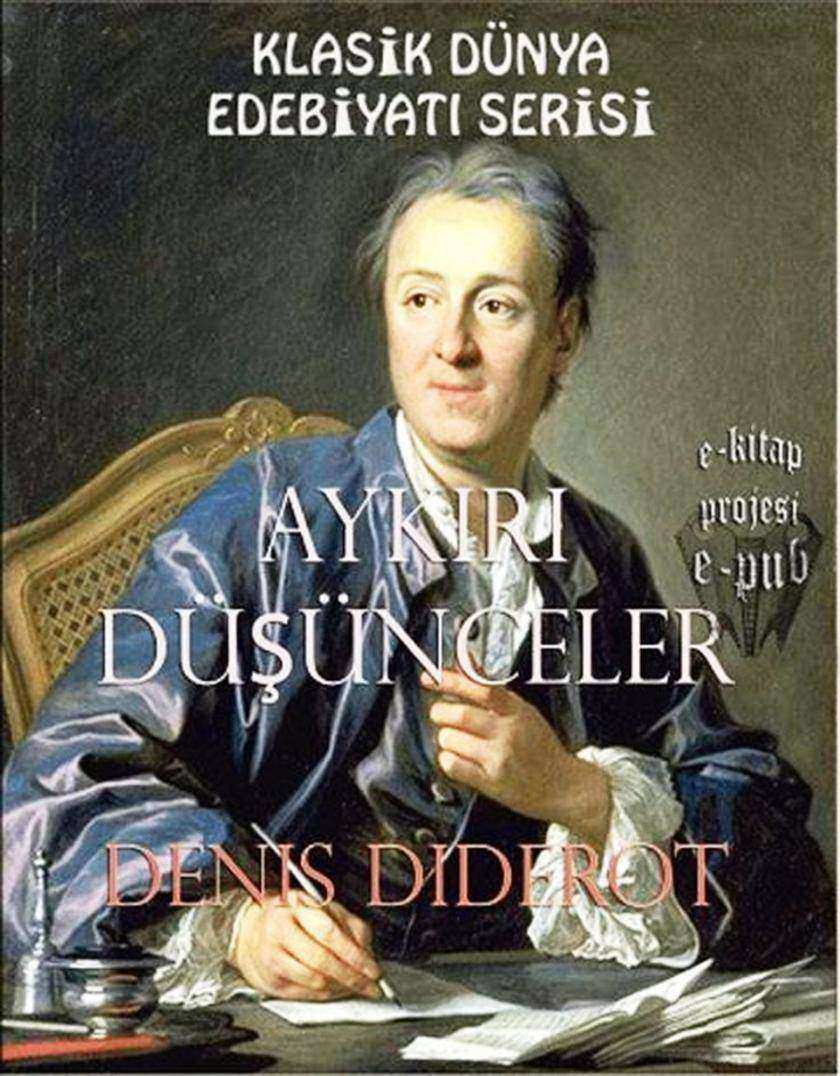
Ayk?r? Dü?ünceler
¥18.80
Diderot, tanr?sal, dinsel inanc?n yerine akl? ge?iren adamd?r, onun sava??m? buydu ve bütün k?r inan?lar? silip süpüren bu ak?l, g?rünen dünyay?, do?ay?, felsefenin, sanat?n, sa? t?renin temel ilkesi durumuna getirdi. Diderot’un yayg?n ?al??ma alan?n? olu?turan ilkedir bu. Maddeci ve gerekirci bir filozoftu. tanr?ya inanan ki?inin filozof olmayaca??n? s?yledi. 'K?rler üstüne mektup'taki k?r, kendini tanr?ya inand?rmaya ?al??an misyonere "bunun i?in tanr?ya parma??mla dokunmam gerekir" der. Diderot, bu yüzden hapse girdi. 'D'alembert'in dü?ü'nde, madde tanr?n?n yerini alm??t?r art?k. Madde devinim ve duyarl?l?kla donat?lm??t?r. Bilim gerekircili?in kan?t?d?r. Bütün varl?klar ?z?e birdir ve bir ge?i?, de?i?im, olu?um süreci i?inde bulunurlar. ?yle ise sa? t?renin temeli do?a olacakt?r. Do?as? gere?i insan iyidir, hristiyan sagtoresinin sand??? gibi do?u?tan günahkar de?il ve iyilikler de, k?tülükler de, düzenin, ko?ullar?n, e?itimin ürünüdür. ?nsan, bu gerekircilik anlay??? i?inde, ?zgür olamayaca?? i?in, su?lu da bulunamaz. bu üslama sonucu olarak sanat, do?ay? ?rnek almal?d?r. roman, resim, oyun ger?ek?i olmal?d?r. Diderot, bunlar? s?ylemekle kalmam??, romanlar? ve oyunlar? ile ?rneklendirmi?tir de ve ?a??n?n sanat??lar?n? bu a??dan de?erlendirmi?tir. Diderot, büyük sava??m? ve e?siz ?abas? ile insanl???n ba?tac?d?r bugün de ve onu b?ylesine unutulmaz k?lan i?lerinin ba??nda ise elbet 'ansiklopedi' gelir. 'Ansiklopedi', yunanca enkyklios paidela'dan yap?lm??t?r ve bütün bilimleri i?ine alan ??retim anlam?na gelir. s?zcü?ü bulan rabelais'dir (1532). Diderot ile d'alembert'in ansiklopedisine temel olan yap?t, ?ng?l?z chambers’?n cyelopaedia’s? idi; fakat diderot'nun etkisi ile ansiklopedi, bir ?eviri yap?t olmaktan ??k?p, gizemcili?e kar?? bilimin sava? alan? durumunu ald?. Bu yüzden de gerici ?evrelerin kar?? koymas?n? sonu?lad?. diderot, ya?am? boyunca ?al??t? 'ansiklopedi' i?in, bir?ok maddeyi kendisi yazd?. bu u?urda yepyeni ara?t?rmalara giri?ti, teknik de?i?mekte oldu?u i?in ortaya yeni ara?-gere?ler ??kmakta idi, bunlar? tan?d?, adland?rd?, tan?tt? ve fransa'y? ayd?nlanma ?a??'n?n avrupa'da g?zbebe?i durumuna getirdi. Ancak unutmamal? ki, bir ansiklopedi ortaya ??karan her ülkeyi ayd?nlanma ?a??'n? alg?lam?? sayamay?z. ?o?u ülkede bu tür yap?tlar, geni?letilmi? s?zlükler olmaktan ileri gidememi?tir. diderot’nun ansiklopedisi, toplu bilgi vermekten ?ok, dinsel inan?lara kar?? bilimlerin ??retimini üstlenmi?ti, demek yans?z de?ildi, metafizikle ve skolastikle ?arp???yordu..
Orizontul r?sturnat
¥73.49
Coresponden?a lui Descartes dubleaz? opera sa propriu-zis?, fiind uneori mai expresiv? dec?t aceasta ?i cuprinz?nd cutezan?e filozofice pe care c?r?ile sale nu ?i le ?ng?duie. E aici, ?n paginile acestor scrisori, un Descartes mai viu, mai nuan?at ?n exprimare, mai amplu. O mare g?ndire filozofic?, precum aceasta, nu se resemneaz? cu propria realitate, ci se impune printr-o str?danie de a cuceri con?tiin?a public?, despre care dau seama aceste texte. Ele ?nchid ?n cuprinderea lor imaginea eforturilor prin care filozoful ??i creeaz? premisele posterit??ii sale.

Oglinda spart?
¥33.03
Imagineaz?-?i c? e?ti într-o ma?in? a timpului care te poart? înainte ?i înapoi prin propria via??. Te duce în trecut, la anii copil?riei, când înv??ai s? mergi pe biciclet?, apoi te face s? revezi primul t?u s?rut, cel dintâi serviciu sau anii mai târzii, când te confrun?i, eventual, cu divor?ul. Înso?it de Platon, afl? ce spun marii gânditori ai lumii despre toate aceste pietre de hotar de pe drumul vie?ii noastre. Aristotel î?i va vorbi despre importan?a începerii ?colii, Freud despre îndr?gostire, Heidegger despre implica?iile psihologice ale mutatului, iar Nietzsche despre criza vârstei de mijloc. La drum cu Platon te ajut? s? în?elegi ?i s? vezi cu al?i ochi evenimentele majore, momentele-cheie ?i fazele de tranzi?ie din via?a ta, f?când filosofia s? par? accesibil? ?i plin? de umor!
马克思主义哲学与中国道路(马克思主义理论研究与当代中国书系)
¥33.60
本书首先依据西方马克思主义探讨了马克思主义的“真精神”,特别是探讨了马克思主义与哲学,以及马克思主义哲学与本体论之关系,然后着重从马克思主义的思考角度和范式来审视和反思当今的世界,特别是当今的中国。本书通过对马克思走向政治经济学批判的三次飞跃的分析,发出了“回归政治经济学批判”的呼唤;用马克思两大发现的整体视角剖析了资本主义的“经济人”,并基于此对当今学术界的一些人无原则地宣扬“经济人”展了批判;揭示了改革放以来我国学术界理解马克思主义哲学的三种路向,特别是批判了对马克思主义做启蒙主义和后现代主义解释的缺陷;归纳了马克思主义哲学与中国道路的双向促;用马克思主义公平观审视了社会的不平等,用马克思主义生态观审视了生态危机;描述了“马中西”三大资源在中国道路中的交互汇通。

新核心素养系列(套装共8册)
¥24.71
●从未有哪个时代像今天一样,科学让人类社会以肉眼可见的速度向前演化。这场两千多年的长程奔跑似乎来到了冲刺阶段,不断有人做出世界末日的预言,那么,科学*终带给我们的究竟是生存还是毁灭?科学研究的目的究竟是什么?科学能告诉我们*真理吗? 带着这样的终极关怀,《人人都该懂的科学哲学》首先讲述了科学脱离哲学、独立成长的过程,然后以智慧设计论、弦理论、占星术、有神论、社会建构主义、女性主义等充满争议的问题为例,辨析了科学的定义、方法和目的,科学和社会的关系。伟大的科学哲学家亚里士多德、笛卡儿、休谟、培根、波普尔、库恩等纷纷出场,上演了一场绵亘数千年的*辩论。 面对未来的挑战,无论人类能否破解“公地悲剧”、实现星际殖民、活到长生不老,杰弗里·戈勒姆以科学哲学的视角安慰我们:“当生命终结,人类文化仍然存在,只不过是存在于过去。希望它永远存在就太过分了,无异于希望巴黎时时处处是春天。” ●《人人都该懂的科学哲学》属于湛庐文化重磅推出的“新核心素养”系列图书之一。本系列图书致力于推广通识阅读,扩展读者的阅读面,培养批判性思考的能力。其中涵盖了哲学、心理学、法律、艺术、物理学、生物科技等诸多人文科学和自然科学的知识,其中《人人都该懂的科学哲学》的内容涵盖了科学哲学的核心思想,让你一本书了解科学哲学的核心智慧。

?nvierea
¥33.03
Critica ra?iunii pure, tradus? de Nicolae Bagdasar ?i Elena Moisuc ?n 1969, a ajuns la cea de-a treia edi?ie. Cu acest prilej, profesorul dr. Ilie P?rvu, de la Facultatea de Filosofie a Universit??ii din Bucure?ti a ?ngrijit noua opera?ie de editare, fiind astfel corectate unele erori de tipar ?i unele inconsecven?e terminologice. Totodat?, exist? un motiv ?n plus pentru ca studen?ii care posed? edi?ia a II-a a traducerii, ap?rut? ?n 1995, s? apeleze ?i la cea de-a treia edi?ie: ?n aceasta din urm? au fost indicate diferen?ele dintre edi?ia I german? (din 1781) ?i edi?ia a II-a (din 1787).

Educa?ia sentimental?
¥33.03
Volumul red? circuitului public, pentru prima oar? ?n limba rom?n?, trei din operele g?nditorului atenian. Este vorba de Scrisori (?n num?r de treisprezece, deosebit de importante pentru cunoa?terea g?ndirii platoniciene, dar ?i pentru ?n?elegerea epocii ?i a personalit??ilor cu care a venit ?n contact filosoful), Dialoguri suspecte (Minos, Rivalii, Theages, Hipparhos, Clitofon) ?i Dialoguri apocrife (Axiohos, Despre drept, Despre virtute, Demodocus, Sisyfos, Eryxias).Traducerea apara?ine lui ?tefan Bezdechi, care a realizat ?i aparatul critic al Scrisorilor (introducere ?i note).
The Philosophy of Auguste Comte
¥33.11
M. Lévy-Bruhl then explains that, whilst recognising the entire coherence of Comte’s collective labours, he proposes to confine his present study to the earlier and principal work, the Philosophy, which in M. Lévy-Bruhl’s opinion is the dominant and more fruitful composition.??This he regards as the representative work of the nineteenth century, as shown by the intellectual history of the period. He points to its influence on thought in England, in Europe, and in America. It will surprise many persons to learn that in M. Lévy-Bruhl’s opinion two eminent French writers, who assuredly neither were, nor were supposed to be, Positivists, “have done more for the diffusion of the ideas and method of Comte than Littré and all the other Positivists together.” ??These two are Taine and Renan, much as they differed from Comte’s actual scheme and doctrines. Renan indeed spoke of Comte as destined to prove one of the typical names of the century. The present writer remembers Renan saying to him with a most genial welcome, “I too am a believer in the religion of humanity.” ??Professor Lévy-Bruhl followed up his History of Modern Philosophy in France by a substantial work on the philosophy of Auguste Comte. It forms a volume of the Bibliothèque de Philosophie Contemporaine, which has already devoted four other works to the Positive Philosophy. It is as well to premise that this treatise dealt solely with the philosophy, not with the polity, or any part of the religious scheme of Comte. Professor Lévy-Bruhl writes as a student, but not as an adherent of Auguste Comte. His entire work is rather an exposition, not a refutation, or a criticism, or an advocacy of Comte’s philosophical system. But it may be said at once that no one abroad or at home, certainly neither Mill, nor Lewes, nor Spencer, nor Caird, has so truly grasped and assimilated Comte’s ideas as M. Lévy-Bruhl has done.??In his Introduction M. Lévy-Bruhl very clearly states the scope of his work, and his own general attitude. He traces the origin of Comte’s philosophy in the mental effervescence of the first generation of the present century towards a reorganisation of society, after the upheaval left by the Revolution and its consequences. He correctly states the relation of St. Simon to Comte as being that of an initial stimulus. ??The cardinal difference between Comte and all the socialists and founders of social and religious Utopias consisted in this, that Comte saw the necessity of a new system of philosophy as the indispensable preliminary to any reorganisation of society.

Dream Psychology: Psychoanalysis the Dreams for Beginners
¥28.04
Ralph Waldo Emerson, was born at Boston in 1803 into a distinguished family of New England Unitarian ministers. His was the eighth generation to enter the ministry in a dynasty that reached back to the earliest days of Puritan America. Despite the death of his father when Emerson was only eleven, he was able to be educated at Boston Latin School and then Harvard, from which he graduated in 1821. After several years of reluctant school teaching, he returned to the Harvard Divinity School, entering the Unitarian ministry during a period of robust ecclesiastic debate. By 1829 Emerson was married and well on his way to a promising career in the church through his appointment to an important congregation in Boston. However, his career in the ministry did not last long. Following the death of his first wife, Ellen, his private religious doubts led him to announce his resignation to his congregation, claiming he was unable to preach a doctrine he no longer believed and that "to be a good minister it was necessary to leave the ministry."With the modest legacy left him from his first wife, Emerson was able to devote himself to study and travel. In Europe he met many of the important Romantic writers whose ideas on art, philosophy, and literature were transforming the writing of the Nineteenth Century. He also continued to explore his own ideas in a series of voluminous journals which he had kept from his earliest youth and from which virtually all of his literary creation would be generated. Taking up residence in Concord, Massachusetts, Emerson devoted himself to study, writing and a series of public lectures in the growing lyceum movement. From these lyceum addresses Emerson developed and then in 1836 published his most important work, Nature. Its publication also coincided with his organizing role in the Transcendental Club, a group of leading New England educators, clergy, and intellectuals interested in idealistic religion, philosophy, and literature.

Nature
¥9.24
The Prince (Italian: Il Principe) is a political treatise by the Italian diplomat, historian and political theorist Niccolò Machiavelli. From correspondence a version appears to have been distributed in 1513, using a Latin title, De Principatibus (About Principalities). But the printed version was not published until 1532, five years after Machiavelli's death. This was done with the permission of the Medici pope Clement VII, but "long before then, in fact since the first appearance of the Prince in manuscript, controversy had swirled about his writings" Although it was written as if it were a traditional work in the Mirror of Princes style, it is generally agreed that it was especially innovative, and not only because it was written in Italian rather than Latin. The Prince is sometimes claimed to be one of the first works of modern philosophy, in which the effective truth is taken to be more important than any abstract ideal. It was also in direct conflict with the dominant Catholic and scholastic doctrines of the time concerning how to consider politics and ethics. Although it is relatively short, the treatise is the most remembered of his works and the one most responsible for bringing "Machiavellian" into wide usage as a pejorative term. It also helped make "Old Nick" an English term for the devil, and even contributed to the modern negative connotations of the words "politics" and "politician" in western countries. In terms of subject matter it overlaps with the much longer Discourses on Livy, which was written a few years later. In its use of examples who were politically active Italians who perpetrated criminal deeds for politics, another lesser-known work by Machiavelli which The Prince has been compared to is the Life of Castruccio Castracani. The descriptions within The Prince have the general theme of accepting that ends of princes, such as glory, and indeed survival, can justify the use of immoral means to achieve those ends.


