


 购物车
购物车 个人中心
个人中心

Laws
¥40.79
The Laws are discussed by three representatives of Athens, Crete, and Sparta. The Athenian, as might be expected, is the protagonist or chief speaker, while the second place is assigned to the Cretan, who, as one of the leaders of a new colony, has a special interest in the conversation. At least four-fifths of the answers are put into his mouth. The Spartan is every inch a soldier, a man of few words himself, better at deeds than words. The Athenian talks to the two others, although they are his equals in age, in the style of a master discoursing to his scholars; he frequently praises himself; he entertains a very poor opinion of the understanding of his companions.


我和你(深入反思西方现代哲学,关注不同主体的相遇和对话。)
¥19.99
《我和你》通过探讨“我和你”与“我和它”两种关系范畴,区分出经验世界与关系世界,对西方近代以来的哲学行了深的反思。“我和你”的关系存在于两个能动的主体之间,不是主体对客体的认识,而是两个主动主体的相遇和对话。本书观对人文社科各个领域都产生了广泛深刻的影响。
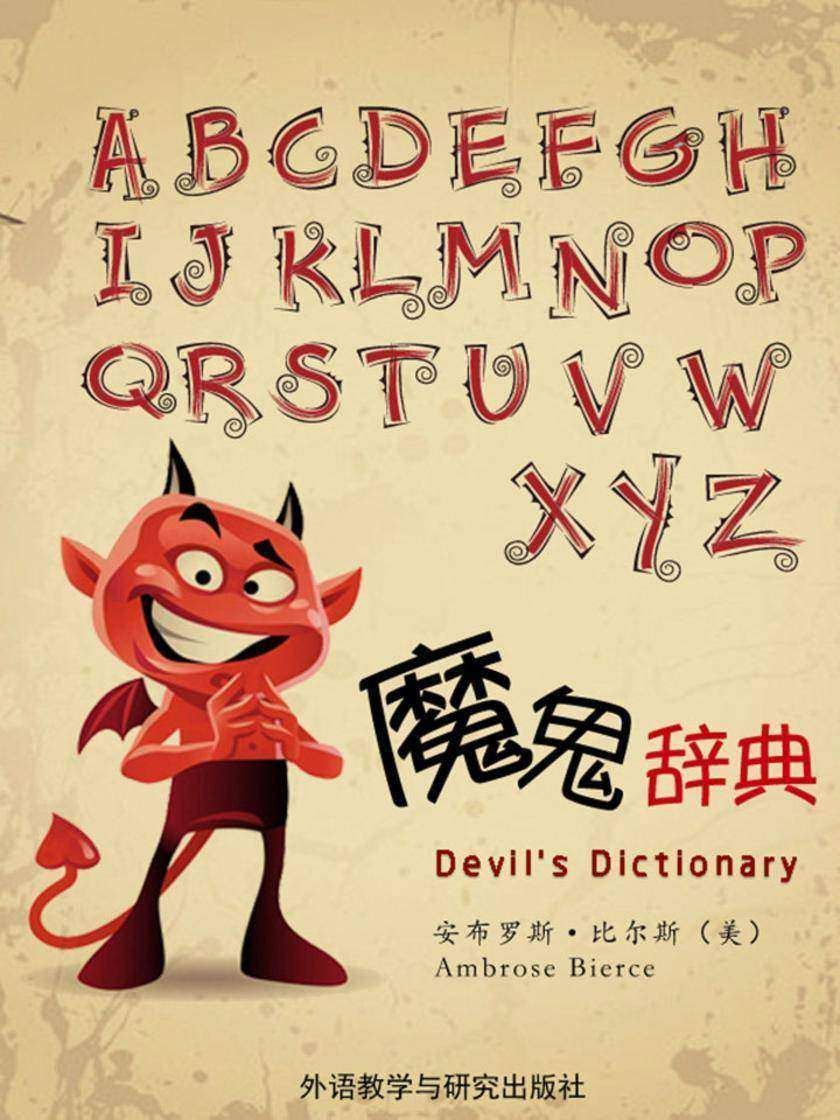
魔鬼辞典
¥4.29
美国文坛怪杰安布罗斯·比尔斯,以辞典形式为世间万物正名定义,颠覆你我看待万事万物的根源态度。呈现一条始终在读者意料之外的思维通道,对于人性、人生、社会、哲学等问题进行了无限有趣自由的革新思考,信息量巨大,引爆机械庸常的日常生活的活力和自由。 以尖锐之辞,精准刺穿人性中羞于暴露、难以正视的的弱点和阴影:以魔鬼之姿,向流行文化与消费主义的机械简单宣战,不断革新和创造;以辛辣思维,开拓词语的智慧空间,消解意义,拥抱无限趣味。颠覆一切固有概念的万物辞典,一部拒绝深刻却始终深刻的智慧精品。

世界哲学简史
¥29.00
《世界哲学简史》结合广泛的历史和文化语境,向我们展现了整个哲学史的全貌,创了在全世界范围内探讨哲学问题的全新广度和深度。除了那些众所周知的大哲学家和重要思潮,某些不那么为人所知但同样有趣的人物也在本书中占有一席之地。本书通过生动的叙述、晓畅的行文,向读者充分展示了哲学与生活的相关性,使读者受到激发、有所受益,同时获得乐趣。

熊逸说经典作品集(套装共4册)(不诋毁,不夸张,不曲解,溯源寻根,颠覆经典——熊逸带你走进不一样的国学世界。)
¥112.99
熊逸说经典作品集(套装共4册)套装分别包含: 《逍遥游:当《庄子》遭遇现实》: 一个坚定地鄙薄《庄子》的人如何*终投向了《庄子》,一个真诚相信《庄子》的人又真的可以在现实世界里驾驭虚舟、逍遥往来吗?《逍遥游》从历史人物与《庄子》的爱恨纠葛入手,除了“ 务虚”地辨析《庄子》的要义,还“务实”地描述出一幅幅“当《庄子》遭遇现实”的冲突画面。 这是一本充满思辨趣味的书,尤其适合那些怀有纯粹的思辨兴趣的读者。循着作者的分析脉络,我们会得到如*精彩的本格推理小说一般的阅读享受。 《逍遥游》还是一部丰富的文化史。作者以《庄子》的文本为线索,从历史上复杂的阐释与实践中勾勒出道家学说恢宏的文化版图,而跨学科地旁征博引又有助于我们以全新的社会科学的眼光,以当代的人文素养,反观两千多年前的古老智慧。 《道可道:《老子》的要义与诘难》:这本书首先是一本更新换代型的《老子》读本。作者结合*的考古材料和前沿海内外研究成果,以缜密的考据和分析破旧立新,把所有重要的疑难问题都推到了证据和逻辑所能达到的极限,并力图扫清每一个思维死角。 这还是一本充满思辨趣味的书,尤其适合那些怀有纯粹的思辨兴趣的读者。循着作者的分析脉络,我们会得到如*精彩的本格推理小说一般的阅读享受。 这还是一本丰富的文化史。作者以《老子》的文本为线索,从历史上复杂的阐释与实践中勾勒出道家学说恢宏的文化版图,而跨学科地旁征博引又有助于我们以全新的社会科学的眼光,以当代的人文素养,反观两千多年前的古老智慧。 《思辨的禅趣》: 与本系列的其他作品不同,这是一本轻松诙谐的小书。在如今这个“禅”已经被无数的励志读物打扮成心灵鸡汤的时代,本书势单力薄地以《坛经》为经线,厘清“禅”乃至整个佛学的本来面目,并为《坛经》清晰梳理出其印度佛学的理论背景,有理有据地挑战着“禅宗是中国本土佛教”的传统看法。 关于禅趣,很多人都会想到林林总总的机锋公案,然而那些讲解机锋公案的读物往往言人人殊,莫衷一是。本书则着力于贯通禅宗的核心义理,高屋建瓴地使所有机锋公案都可以迎刃而解。 zui后有必要提醒读者的是,本书虽然采用了诙谐通俗的行文风格,但仅适合于那些怀有纯粹的文化趣味的读者,如果你需要的是任何形式的心灵慰藉、人生感悟或关怀,那么还是放下这本书为好。 《纸上卧游记》:本书*站从柏拉图的《理想国》出发,沿途经停托马斯·莫尔的《乌托邦》和德尼·维拉斯的《塞瓦兰人的历史》,按照乌托邦的经典旅行线路,带你领略不曾存在过的风景。 第二站经停小站颇为频繁,从《于丹论语心得》到《机械复制时代的艺术作品》,中途经过《不抱怨的世界》《论语言的起源》《道家美学与西方文化》《奢侈与资本主义》《茶之书》以及《论语》,进行一场“励志书的诡计和学术书的情感”之旅。 第三站穿越到遥远的中世纪,从《有闲阶级论》到《科文特加登广场女士的哈里名录》,一览“哲学问题和贵族精神”的风貌。 zui后经过由《英国文艺复兴时期文学史》《春秋大义》《大学的兴起》组成的“语言之岛”我们将重返起点。 经过本次旅程,是不是发现世界有什么不一样了呢?

宝宝必听100首胎教音乐
¥9.99
“肚子里的胎宝宝听得到音乐吗?” “胎教应当选什么样的音乐?” “听音乐就能激发胎宝宝智力发育?”免费在线读 “自己都听不懂的音乐,对胎宝宝真的有用吗?” …… 如今越来越多的孕妈妈和准爸爸都在重视胎教,可是有些孕妈妈和准爸爸,还不知道为什么要做胎教,也不确定胎教是否真的有意义,更懂得怎么做胎教。 本书就告诉孕妈妈和准爸爸,胎教,尤其是音乐胎教,是让胎宝宝在孕妈妈肚子里就可以自己感知外面世界的一种途径,也是一种通过调节孕妈妈的情绪,激发胎宝宝大脑发育的方法。 不知道怎么做音乐胎教?不用担心,这里汇集了古今中外各类优美的音乐,更有相关背景知识、通俗易懂的音乐解析以供参考,孕妈妈和准爸爸可以一边放轻柔的音乐,一边给胎宝宝讲讲相关知识,不仅带你赏析美妙音乐,更让你轻松做博学父母。

Exploratorii. Cartea a IV-a - Ultimul pas ?n s?lb?ticie
¥73.49
Nietzsche este, poate, cea mai ilustr? victim? a aventurii socratice a cunoa?terii de sine. Via?a nu posed? fenomene originale, ci numai unele repetitive, care prin reluarea lor ve?nic identic? ??i tocesc conturul lor original. Cadrul repeti?iei nu este via?a, c?ci via?a ?ns??i este un fenomen de repeti?ie. Omul este condamnat s? tr?iasc? ?ntr-un plictisitor ?ir de repeti?ii ?i relu?ri din care nu poate evada. Nu exist? fenomene absolut unice, care s? nu fie repetitive ?i, probabil, la fel este ?i cu oamenii. To?i au mai fost nu o dat?, ci de nenum?rate ori ?n trecut ?i vor mai fi de nenum?rate ori ?n viitor. Tot ce trebuia ?i putea s? se produc? s-a produs deja. Restul este doar monoton? repeti?ie: ve?nic? revenire a aceluia?i. Eterna ?ntoarcere exprim? nu devenirea heraclitean? f?r? repaos, ci marile linii de stabilitate din cadrul existen?ei. Prin ea, Nietzsche vrea s? eternizeze trec?torul, socotind timpul ca etern, etern? ?ntoarcere, adic? schimbare ?i stabilitate. Ecce homo este ?i exerci?iul acestui impas al g?ndirii lui Nietzsche. Prin aceasta ?ns? Nietzsche ?i-a adus contribu?ia la instaurarea unui nou ?idol“ al lumii moderne dup? ce aceasta a denun?at prezen?a ?idolilor“ de tot felul ?n spa?iul ei de con?tiin??. (Vasile Musc?)??ntruc?t, ?n scurt timp, va trebui s? m? adresez omenirii cu cea mai grea solicitare care i-a fost prezentat? vreodat?, mi se pare imperios necesar s? spun cine sunt. ?n principiu, ar trebui s? se ?tie: c?ci nu m-am l?sat ?neatestat?. Dar discrepan?a dintre m?re?ia misiunii mele ?i micimea contemporanilor mei ?i-a g?sit expresia ?n faptul c? nici nu am fost auzit, nici nu am fost v?zut. Tr?iesc pe propriul meu credit, s? fie poate o simpl? prejudecat? faptul c? tr?iesc?... Este de ajuns s? stau de vorb? cu vreun ?om cultivat?, care vine vara ?n Engadina de Sus, ca s? m? conving c? nu tr?iesc... ?n aceste ?mprejur?ri, este o ?ndatorire ?mpotriva c?reia obi?nuin?a mea ?i, mai mult chiar dec?t aceasta, m?ndria instinctelor mele, se revolt?, anume aceea de a spune: Auzi?i-m?! c?ci eu sunt cutare ?i cutare. ?nainte de toate, nu cumva s? m? confunda?i!“ (Friedrich Nietzsche)
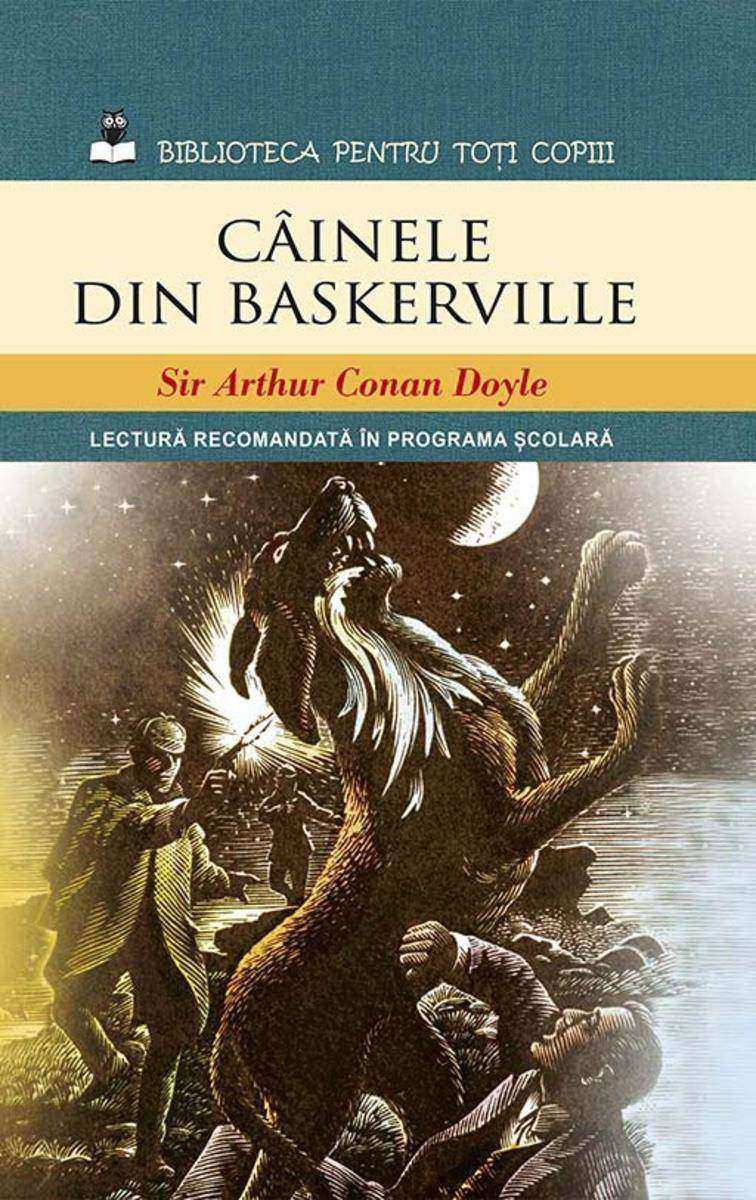
C?inele din Baskerville
¥33.03
O analiz? aplicat? a operei unuia dintre cei mai controversa?i g?nditori germani, supranumit monahul de la Sils-Maria; o lectur? ?n filigran a modului nietzschean de abordare a c?torva concepte dificile, interpretate la modul catastrofic: supraomul, ve?nica ?ntoarcere a aceluia?i, anti-Christul. Lucrarea se situeaz? ?n buna ?i prestigioas? tradi?ie a marilor creatori care comenteaz? textele fundamentale ale omenirii dintr-un unghi specific.

Ecce homo. Cum devii ceea ce e?ti
¥47.42
n Filosofia meritului autorul folosete metoda fenomenologic pentru a prezenta evoluia instituiilor socio-morale care reglementeaz meritele; autorul propune n acest scop concepte originale, cum sunt ideonomia (sistemul de idei care fundamenteaz teoretic un sistem de apreciere a meritului); socionomia (sistemul de reguli care legitimeaz social un merit specific unei comuniti) i politonomia (sistemul de norme prin care se instituionalizeaz juridic meritul politic).Tratatul de Filosofie a meritului este structurat n trei pri corespunztor celor trei domenii existeniale n care se manifest fiina uman, spiritual, social, politic. Lucrarea prezint n extenso criteriile, principiile i formele de manifestare a meritului, premisele constituirii sistemelor sociale de apreciere a meritului, natura bio-psihic i socio-moral a meritelor precum i caracterul normativ al meritelor politico-juridice. Prima parte abordeaz sfera meritele cu caracter antropologic, antroponomic i antropocratic. Partea a doua prezint n extenso meritele cu caracter sociologic, socionomic i sociocratic i partea a treia analizeaz formele de manifestare a meritului din perspectiva politologiei, a politonomiei i a politocraiei. n fiecare capitol se regsesc argumente logice, etimologice i sociologice care justific aprecierea unor atribute i caliti umane ca merite individuale. Fiecare din cele douzeciiapte de capitole explic un tip de merit din tripl perspectiv: ideal social i politic.
Din registrul ideilor ginga?e
¥24.44
Immanuel Kant (1724-1804) este o figur? legendar? a filosofiei germane, opera sa fiind baza ? revolu?iei copernicane“ petrecute ?n istoria g?ndirii ?n plin? er? de av?nt al romantismului. ?n volumul de fa?? sunt cuprinse dou? eseuri foarte pu?in cunoscute publicului amator de filosofie, ?n care vom reg?si g?ndurile filosofului privitoare la ?nceputuri (ale istoriei omenirii) ?i sf?r?ituri (ale lumii ?n general). Scrise dup? celebra triad? a ? Criticilor“, textele poart? amprenta sistemului kantian de g?ndire, dar constituie totodat? ?ncerc?ri remarcabile de abordare a unor subiecte de larg interes, analizate din perspectiva ve?nicei clauze a ? condi?iilor de posibilitate“. Orice minte uman? care va ?ncerca s? cuprind? ?nceputul ?i sf?r?itul se va vedea constr?ns? ?ntr-un fel sau ?n altul de limitele pe care Kant ?ncearc? s? le expun? aici ?n idei c?t mai simple.? Istoria naturii ?ncepe a?adar cu binele, c?ci este lucrarea lui Dumnezeu, iar istoria libert??ii cu r?ul, c?ci este lucrarea oamenilor. Pentru individ, care, ?n exerci?iul libert??ii prive?te doar c?tre sine, o astfel de schimbare a fost o pierdere pentru natur?, ale c?rei scopuri sunt orientate spre oameni ca specie, a fost un c??tig.“

Destine ale reginelor frumuse?ii
¥61.83
Constantin Dobrogeanu-Gherea (1855-1920), critic literar ?i politician intelectual, s-a num?rat printre primii sociologi ai Rom?niei. Lucrarea de fa??, care ?ncheie celebrul studiu Neoiobagia, constituie prima analiz? bine ?ntemeiat? a vie?ii sociale care a caracterizat Rom?nia ?ntre 1866 ?i Al Doilea R?zboi Mondial, fiind o concluzie ?i totodata o sintez? a acestui studiu.Dincolo de cifre ?i de personajele citate, dincolo de obiectele specifice ale analizei, cititorul r?bd?tor poate descoperi c?, sub forma diferit?, vom g?si de data aceasta un fond: fibra profund? din care se ?mpletesc ve?nicele noastre probleme na?ionale.? ?i doar? din cele spuse se vede clar unde rezid? r?ul ??rii. O organiza?ie social? ?i de stat antagonic? ?i contradictorie, care preface institu?iile ei ?n aparen?e ?i minciun?. O via?? politic? ?i economic? plin? de resturi feudale, care nu vor s? moar?, ?i bazat? pe capitalismul modern,care nu poate ?nc? s? tr?iasc?.“ - Constantin Dobrogeanu-Gherea

Secretele ?ntineririi. S?n?tatea ideal? prin controlul pH-ului
¥57.14
Pamfletul Sim?ul comun (1776) a fost un veritabil best-seller ?n epoc?, succesul de care s-a bucurat reflect?ndu-se ?n numeroasele republic?ri. Lucrarea pledeaz?, cu argumente solide, pentru separarea total? a coloniilor americane de Marea Britanie, invoc?nd drepturile naturale ale oamenilor, egalitatea ?i suveranitatea fiec?rei fiin?e, supunerea doar fa?? de lege ?i caracterul absurd al institu?iei monarhiei. Autorul surprinde cu verv? ?i fine?e toate circumstan?ele favorabile desprinderii de patria-mam?, ?ndemn?ndu-?i concet??enii s?-?i decid? singuri soarta.

Ultimii martori
¥51.50
Lucrarea aceasta se bazeaz? pe teza de doctorat a autorului, sus?inut? ?n iunie 2008, Problema drept??ii ?i restituirea propriet??ilor ?n Rom?nia post-decembrist?, fiind ?ns? o versiune modificat? a tezei. Dup? cum m?rturise?te autorul, unele pasaje tehnice au fost adaptate, pentru a putea fi u?or inteligibile pentru publicul larg. Cartea de fa?? este rezultatul unor ample cercet?ri, ?ncepute ?n 2002. ?Nu mai cred c? principala datorie a filosofului moral este de a produce ?solu?ii? (sentin?e) la problemele etice percepute ca atare ?ntr-un univers social. […] La fel ca ?ntr-un tribunal, pledoariile sunt utile, ?i e bine s? se foloseasc? de argumente c?t mai puternice ?i mai rafinate. Dar, la fel cum cercetarea ?n materie de drept nu-?i poate propune ca obiectiv principal producerea de pledoarii specific avoca?ilor (cu toate c? examinarea fundamentelor legii poate conferi o greutate suplimentar? unei pledoarii particulare sau alteia), tot a?a cercetarea de ordin etic nu-?i poate propune ca obiectiv ceva similar pledoariilor.“ Con?inutul este organizat ?n 7 capitole, concluzii ?i o bibliografie, util? f?r? ?ndoial? pentru oricine ar dori s? aprofundeze chestiunile abordate de autor. Introducerea este urmat? de o discu?ie conceptual? ?i metodologic? despre repara?ie (capitolul 2), rectificare, restitu?ie, drepturile de proprietate ?i evaluarea moral? a restitu?iei. Celelalte capitole se ocup? de urm?toarele teme: nedreptatea na?ionaliz?rii (capitolul 3), restitu?ia post-comunist? (capitolul 4), argumentul coasian (capitolul 5), restitu?ia ?i dreptatea transgenera?ional? (capitolul 6), principiul nozickian al rectific?rii nedrept??ilor (capitolul 7). ?Am ?ncercat apoi s? analizez ce anume presupune c?utarea unui r?spuns la o ?ntrebare de tipul ?Este restitu?ia justificat? ?? (?n 2.3.) Rezultatul important, cred, a fost acela c? nu exist? un r?spuns simplu, ?i c? o astfel de ?ntrebare este prost formulat?. Am propus ?n loc alte cinci ?ntreb?ri, mai precise : dac? actul na?ionaliz?rii a fost unul nedrept, dac? o politic? restitutiv? risc? sau nu s? ?ndrepte o nedreptate trecut? ?nf?ptuind o alta, dac? putem identifica cu precizie obiectele restitu?iei ?i dac? orizontul temporal introduce elemente importante ?n cadrul de evaluare moral? (at?t ca atare, c?t ?i ?n dimensiunea sa intergenera?ional?). ?n primul r?nd, putem afirma c? politica aleas? imediat dup? 1989 (cea a men?inerii status-quo-ului, ?n speran?a c? lucrurile se vor rezolva cumva de la sine sau ca o solu?ie ideal? se va prezenta ?n mod miraculos) a fost at?t lipsit? de vreo justificare moral?, c?t ?i neinspirat? din punct de vedere pragmatic.“

O slobodi
¥37.20
Iako je napisao veoma zna?ajne radove iz drugih podru?ja filozofije?(npr. Sistem logike, gde izla?e na?ela induktivnog zaklju?ivanja, ili Utilitarizam, gde izla?e shvatanje da svako treba da dela tako da proizvede najve?u sre?u za najve?i broj ljudi), Mil je najtrajniji utjecaj ostavio svojim radovima iz politi?ke filozofije i etike. Njegovo delo O slobodi smatra se jednim od temeljnih tekstova savremenog liberalizma. U njemu Mil zagovara na?elo da je ljudsku slobodu dozvoljeno ograni?avati samo ukoliko ?teti drugima. Na?elo ?tete, kako se to na?elo ?esto naziva, u svojoj primeni na ure?enje dru?tvenih odnosa isklju?uje sve despotske i autoritarne oblike vlasti koji gu?e slobodu pojedinaca i njihovu individualnost. Od posebne va?nosti za sre?u pojedinca i dru?tva u celini jeste sloboda govora, koja ni?im ne sme biti ograni?ena. Na Milovoj raspravi O slobodi njen prevodilac, kralj Petar I Kara?or?evi?, tvorac dr?ave Srba, Hrvata i Slovenaca, zasnovao je svoj politi?ki program.

Isabel ?i apele diavolului
¥33.03
Tr?s?turi fundamentale ale unei concep?ii moderne despre lume?Cum se comport? filosofia c? art? fa?? de libertatea omului, ce este aceast? libertate, ?i dac? am ajuns s? ne ?mp?rt??im din ea, sau putem ajunge la acest lucru: iat? problema fundamental? a scrierii mele. Toate celelalte expuneri ?tiin?ifice au fost f?cute numai pentru ca, ?n cele din urm?, s? arunc?m ?i mai mult? lumin? asupra unei probleme care, dup? p?rerea mea, prezint? cea mai mare importan?? pentru om. ?n aceste pagini vrem s? d?m o filosofie a libert??ii.“ – Rudolf Steiner

Iubi?i-v? pe tunuri
¥33.03
F?r? a propune o terminologie aristotelic? bine precizat? pe teritoriul limbii rom?ne, transpunerea de fa?? reprezint? un moment important ?n raportarea rom?neasc? la opera Stagiritului.Traducere de ?tefan Bezdechi efectuat? dup? textul grec publicat de W. Christ ?n colec?ia ?Teubner“, Lipsca, 1906. Pentru realizarea ei au fost utilizate urm?toarele surse:Die Metaphysik des Aristoteles, traducere ?n limba german? de J. R. V. Kirchmann, ap?rut? ?n dou? volume ?i prev?zut? cu note ample ?n colec?ia ?Philosophische Bibliothek“, numerele 38 ?i 39, la Berlin, ?n 1871;Aristoteles, Metaphysik, traducere ?n limba german? de Adolf Lasson, ?n care cele patrusprezece c?r?i ale Metafizicii sunt a?ezate ?ntr-o r?nduial? mai logic? dec?t a?a cum au fost transmise ?n originalul grec, traducere ap?rut? ?n 1924, la Jena;Aristote, Métaphysique, traducere ?n limba francez? de J. Tricot, cu o prefa?? de A. Diés, ap?rut? ?n colec?ia ?Bibliothèque des textes philosophiques“, J. Vrin, la Paris, ?n 1933.La marginea textului a fost trecut? pagina?ia edi?iei Bekker, dup? care se fac ?n mod obi?nuit cita?iile din opera lui Aristotel.Confruntarea traducerii a fost f?cut? de prof. Aram M. Frenkian.

MI6. Adev?ruri ?ocante despre istoria serviciilor secrete britanice
¥82.81
Volumul cuprinde dou? din cele mai reprezentative lucr?ri ?n care filosoful german ??i expune concep?ia moral?: ?ntemeierea metafizicii moravurilor (1785) ?i Critica ra?iunii practice (1788). ?n ?ntemeierea metafizicii moravurilor Immanuel Kant expune principiile moralit??ii, iar ?n Critica ra?iunii practice ??i construie?te propriul s?u sistem etic, ceea ce face ca aceasta s? fie considerat?, dup? Critica ra?iunii pure, a doua sa oper? fundamental?.?ntre cele dou? lucr?ri este o at?t de str?ns? leg?tur?, ?nc?t cunoa?terea numai a uneia din ele ne-ar oferi o imagine incomplet? asupra concep?iei sale morale.Immanuel Kant a avansat idei etice ?i ?n alte opere ulterioare (Religia ?n limitele ra?iunii – 1793 sau Metafizica moravurilor – 1797), dar numai ?n cele reunite ?n acest volum se ocup? de problemele teoretice ale moralit??ii.Traducerea a fost f?cut? dup? edi?ia german? din 1956 (Leipzig, Hrsg. Von Raymund Schimidt).

Csupasz csontok
¥58.21
DAVID HUME (1711 – 1776) was a Scottish philosopher, historian, economist, and essayist known especially for his philosophical empiricism and skepticism. He was one of the most important figures in the history of Western philosophy and the Scottish Enlightenment. Hume is often grouped with John Locke, George Berkeley, and a handful of others as a British Empiricist. Beginning with his A Treatise of Human Nature (1739), Hume strove to create a total naturalistic "science of man" that examined the psychological basis of human nature. In stark opposition to the rationalists who preceded him, most notably Descartes, he concluded that desire rather than reason governed human behaviour, saying: "REASON IS, and OUGHT ONLY to BE the SLAVE of the PASSIONS". A prominent figure in the sceptical philosophical tradition and a strong empiricist, he argued against the existence of innate ideas, concluding instead that humans have knowledge only of things they directly experience.. NOTHING is more usual and more natural for those, who pretend to discover anything new to the world in philosophy and the sciences, than to insinuate the praises of their own systems, by decrying all those, which have been advanced before them. And indeed were they content with lamenting that ignorance, which we still lie under in the most important questions, that can come before the tribunal of human reason, there are few, who have an acquaintance with the sciences, that would not readily agree with them. It is easy for one of judgment and learning, to perceive the weak foundation even of those systems, which have obtained the greatest credit, and have carried their pretensions highest to accurate and profound reasoning. Principles taken upon trust, consequences lamely deduced from them, want of coherence in the parts, and of evidence in the whole, these are every where to be met with in the systems of the most eminent philosophers, and seem to have drawn disgrace upon philosophy itself. Nor is there required such profound knowledge to discover the present imperfect condition of the sciences, but even the rabble without doors may, judge from the noise and clamour, which they hear, that all goes not well within. There is nothing which is not the subject of debate, and in which men of learning are not of contrary opinions. The most trivial question escapes not our controversy, and in the most momentous we are not able to give any certain decision. Disputes are multiplied, as if every thing was uncertain; and these disputes are managed with the greatest warmth, as if every thing was certain. Amidst all this bustle it is not reason, which carries the prize, but eloquence; and no man needs ever despair of gaining proselytes to the most extravagant hypothesis, who has art enough to represent it in any favourable colours. The victory is not gained by the men at arms, who manage the pike and the sword; but by the trumpeters, drummers, and musicians of the army. From hence in my opinion arises that common prejudice against metaphysical reasonings of all kinds, even amongst those, who profess themselves scholars, and have a just value for every other part of literature. By metaphysical reasonings, they do not understand those on any particular branch of science, but every kind of argument, which is any way abstruse, and requires some attention to be comprehended. We have so often lost our labour in such researches, that we commonly reject them without hesitation, and resolve, if we must for ever be a prey to errors and delusions, that they shall at least be natural and entertaining. And indeed nothing but the most determined scepticism, along with a great degree of indolence, can justify this aversion to metaphysics. For if truth be at all within the reach of human capacity, it is certain it must lie very deep and abstruse: and to hope we shall arrive at it without pains, while the greatest geniuses have failed with the utmost pains..

省心杂言 (中国伦理第一书)
¥13.20
本书是对《省心杂言》的释评,书中全面周详地阐述了立身处世以及人际关系的一系列准则,对现实生活工作学习都极具借鉴意义。
创新实践与唯物史观形态研究(马克思主义研究论库·第二辑)
¥25.20
本书通过对创新实践范畴的剖析,从马克思立足于实践观实现了对传统哲学的革命这一事实出发,把实践一步划分为常规实践和创新实践,并指出了创新实践更能体现实践的“自由的自觉的活动”这一人的本质存在方式,正如马克思通过确立实践存在论构建了历史存在论的唯物史观一样,当今时代迫切需要在创新实践基础上一步确立创新实践存在论的唯物史观。在此基础上比较系统地阐述了创新实践与人的本质论、创新实践与历史动力论、创新实践与人民价值论、创新实践与发展本质论等基本问题,力求在创新实践的基础上推以实践生成论为基础的唯物史观的发展,期望助推学界更加深理解马克思实践唯物主义的深邃思想,充分彰显唯物史观的时代意义,深探索唯物史观的当今理论形态。

Аnalyste
¥11.77
O que somos?De onde viemos?!Para onde vamos? A que caminhos a vida nos leva? Essas e outras quest?es aflitivas e de todos os tempos nos s?o solucionadas por León Denis neste opúsculo. Filho da dor, Denis sabe, como você também, o quanto viver, muitas vezes é sofrer. E por isso apresenta, de modo t?o leve a solu??o espírita, racional, para o problema do existir. Mais do que um livro de Filosofia espírita, você tem em m?os palavras de consolo e estímulo para que cada trope?o do caminho seja compreendido e por assim dizer, aproveitado! Venha acompanhar-nos nesta viagem e descubra, em rápidos parágrafos os porquês de sua vida, da nossa vida, do planeta, do Universo.? Aos poucos, entenderemos com a lógica espírita como tudo esta em seu devido lugar.


