


 购物车
购物车 个人中心
个人中心

Прода?ться все: Джефф Безос та ера Amazon
¥36.79
Dignità o miseria della natura umana? ?C'è un principio supposto prevalere tra molti che è del tutto incompatibile con ogni virtù o senso morale [...] Questo principio è che ogni benevolenza è mera ipocrisia, l'amicizia un inganno, lo spirito pubblico una farsa, la fedeltà un trucco per procurare fiducia e confidenza; e mentre tutti noi, in fondo, perseguiamo solo il nostro interesse privato, indossiamo questi bei travestimenti in modo da abbassare le difese degli altri ed esporli maggiormente alle nostre astuzie e macchinazioni?... Le meditazioni senza tempo di uno dei più grandi filosofi europei. SOMMARIO: Introduzione e avvertenza ai testi / Nota bibliografica: una mappa degli studi (di Fabrizio Pinna) - David Hume: Dignità o miseria della natura umana? / L'Amore di Sé. APPENDICE: Of the Dignity or Meanness of Human Nature; Of Self-love; My Own Life & Letter from Adam Smith, LL. D. to William Strahan, Esq.; Of the Reason of Animals; Of the Immortality of the Soul; Of Superstition and Enthusiasm; Of some Verbal Disputes. LE COLLANE IN/DEFINIZIONI & CON(TRO)TESTI
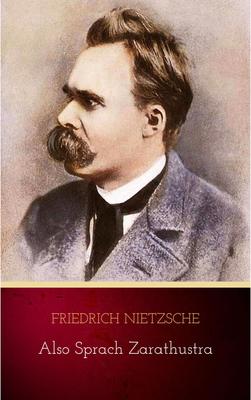
Also sprach Zarathustra
¥8.82
Das Buch besteht aus vier Teilen. Der erste Teil erschien 1883, der zweite und dritte 1884, der vierte 1885 als Privatdruck. 1886 ver?ffentlichte Nietzsche die drei ersten Teile als ?Also sprach Zarathustra. Ein Buch für Alle und Keinen. In drei Teilen.“ Im Gegensatz zu den frühen Werken Nietzsches handelt es sich beim Zarathustra nicht um ein Sachbuch. In hymnischer Prosa berichtet ein personaler Erz?hler vom Wirken eines fiktiven Denkers, der den Namen des Persischen Religionsstifters Zarathustra tr?gt. Nietzsche selbst nennt den Stil, in dem Also sprach Zarathustra geschrieben ist, halkyonisch und wünscht sich Leser, die eines ?gleichen Pathos f?hig und würdig sind“: ?Man muss vor Allem den Ton, der aus diesem Munde kommt, diesen halkyonischen Ton richtig h?ren, um dem Sinn seiner Weisheit nicht erbarmungswürdig Unrecht zu tun“. Dass Nietzsche diese Leserschaft in seiner Gegenwart nicht gesehen hat, legt der Untertitel des Werkes nahe: ?Ein Buch für Alle und Keinen“.
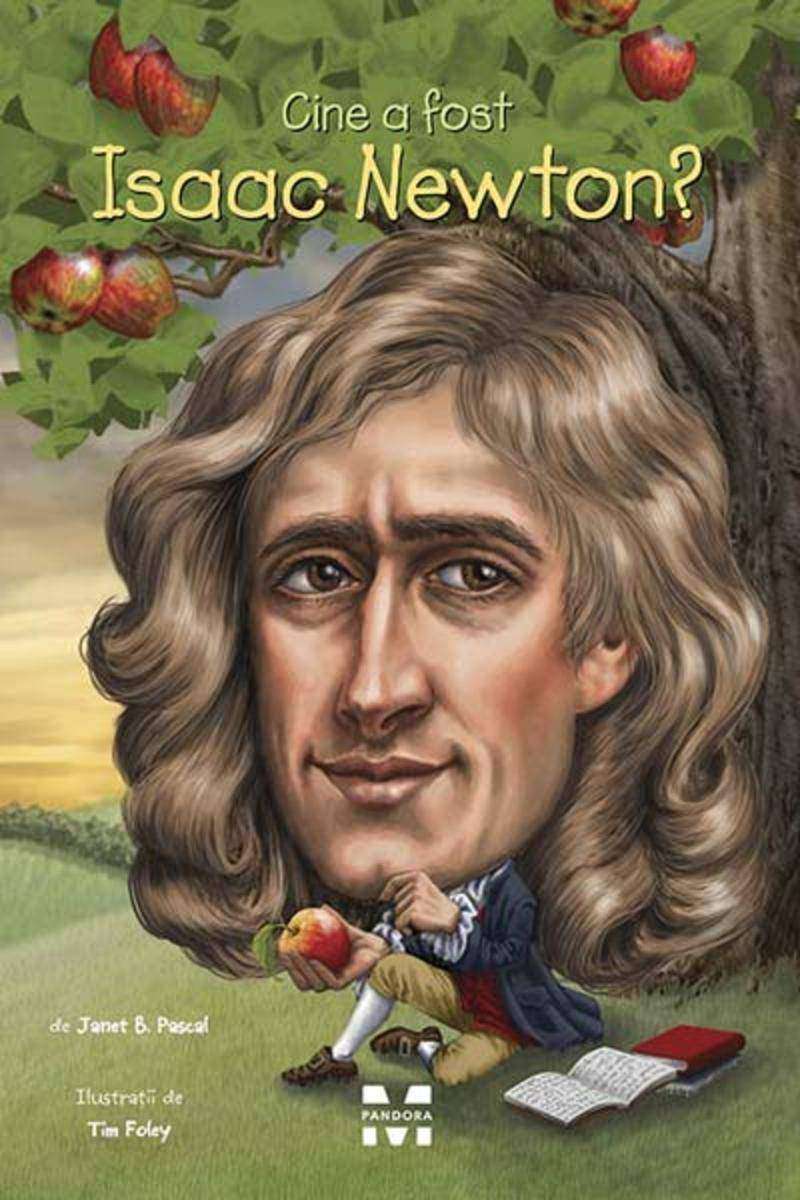
Cine a fost Isaac Newton?
¥32.62
Cartea de fa??, pe care cititorul o ?ine acum ?n m?n?, reprezint? o form? – literar vorbind, foarte complex?, fiindc? ea evolueaz? pe mai multe voci narative, dintre care doar unele ?i apar?in ?n mod direct autoarei – de exorcism. Geniul inimii e r?spunsul unui poet la o experien?? personal? plenitudinar?, ?n care bucuria ?i suferin?a se ?ntrep?trund reciproc pentru a exprima, ?mpreun? ?i tensionat, starea de gra?ie. Exist? o voce a experien?ei biografice ?n aceast? carte scris? febril, o alta de martor sau de participant la istorie, tot a?a cum exist? o voce a puterii ?i una a victimei. Deasupra tuturor st?, ?ns?, nu neap?rat triumf?toare, dar lucid-cerebral?, chemarea celor dou? credin?e pentru care merit? s? tr?ie?ti ?i s?-?i rememorezi via?a atunci c?nd ai ajuns cu ea la r?sp?ntie: credin?a ?n cultura modelelor care te-au precedat ?i credin?a deloc ingenu?, ci ivit? din cunoa?tere, ?n sacralitatea profund? a celor tr?ite ?i ?n transcenden??. (?tefan Borbély) A considera un text drept ?carte a ilumin?rilor mele“ ?i a a?eza ca titlu al primei p?r?i a volumului sintagma Povestea subteranei ne plaseaz? sub semnul aproape imposibil al drumului c?tre Sine, al cuprinderii, al denud?rii ?i al efortului de a ?n?elege un obiect al c?rui adev?r se va afla ?ntotdeauna ?n proximitatea pe?terii lui Platon. E un demers perpetuat, dar niciodat? epuizat ?i aproape exclus din plasma comunic?rii, care – ?n situa?ia ?romanului“ Aurei Christi – nu are coresponden?e, nu se apropie de experien?a budhist?, nici de prerogativele ocultismului de New Age, ci ne aduce ?n vecin?tatea ?ndemnului de pe frontispiciul templului lui Apollo din Delphi, preluat apoi, ca solu?ie ?ntre a fi ?i a p?rea, de c?tre Socrate: ?Cunoa?te-te pe tine ?nsu?i!“. Po?i ?nt?lni, pe acest drum, ?i acel daimonion care a str?juit g?ndirea aceluia?i ?n?elept atenian ca alt? fa?? a ?subteranelor“ fiin?ei, acolo unde lumina se ?ngem?neaz? cu ?ntunericul, stare ?poetizat?“ de Goethe, dar pr?bu?it? ?n tragic de Dostoievski. E o cobor?re spre ?n?elegere prin cuprindere ?i, implicit, prin atingerea nelimitatului. (Mircea Braga) Cartea Aurei Christi Geniul inimii pare o st?nc? masiv?, singuratic?, ?ntr-un peisaj ?mioritic“. Geniul inimii are originalitate ?i for??. Prima parte e liric?, a doua (?ntr-un fel) – o comedie negru-satiric?, a treia – predominant epic-narativ?. Prima parte este excelent?; mi-am ?nsemnat un num?r de poezii memorabile. A doua, ?n centrul ei mai ales, are sec?iuni, pasaje extrem de interesant-pl?cute-amuzante, ?n pofida tonului, uneori, foiletonistic. A treia e impresionant? ?n ansamblu, armonios-coerent?, de o sinceritate sf??ietoare. ?n tot volumul, istoricul, religiosul, subiectivul se leag? foarte frumos ?ntre ele. Nu-mi plac laudele la adresa lui Nietzsche! De fapt, cum se leag? acest autor de Biblie, de Evanghelii?! Aura Christi poate fi m?ndr? de o realizare major?, cu totul original?. Probabil, nu l-a citit pe romanticul britanic Wordsworth; dar el e cel care a scris (sau a ?nceput s? scrie) o memorabil? autobiografie ?n versuri. Pu?ini l-au continuat. Am putea spune c? Aura se num?r? printre cei pu?ini. (Virgil Nemoianu)
Reverie cu flori de cire
¥40.79
A fi rom?n? ?E o ru?ine!“, exclama Cioran. ?n ce m?sur? filosoful de la Paris avea dreptate? Ce ?nseamn? ?a fi rom?n“ ?ntr-o fals? tranzi?ie care aparent nu se mai termin?? La aceste ?i multe alte ?ntreb?ri ?ncearc? s? r?spund? scriitorul Ionel Necula ?n opus-ul de fa??, care ?nsumeaz? analize ale r?sturn?rilor sociale evidente, ?nregistrate ?n ultimii ?aptesprezece ani. Nu ?ntotdeauna comod, spiritul coroziv al autorului ??i spune cuv?ntul, av?nd uneori accente incendiare.

The Critique of Practical Reason
¥40.79
The Critique of Practical Reason follows on from Kant's Critique of Pure Reason and deals with his moral philosophy. The second Critique exercised a decisive influence over the subsequent development of the field of ethics and moral philosophy, beginning with Johann Gottlieb Fichte's Doctrine of Science and becoming, during the 20th century, the principal reference point for deontological moral philosophy.
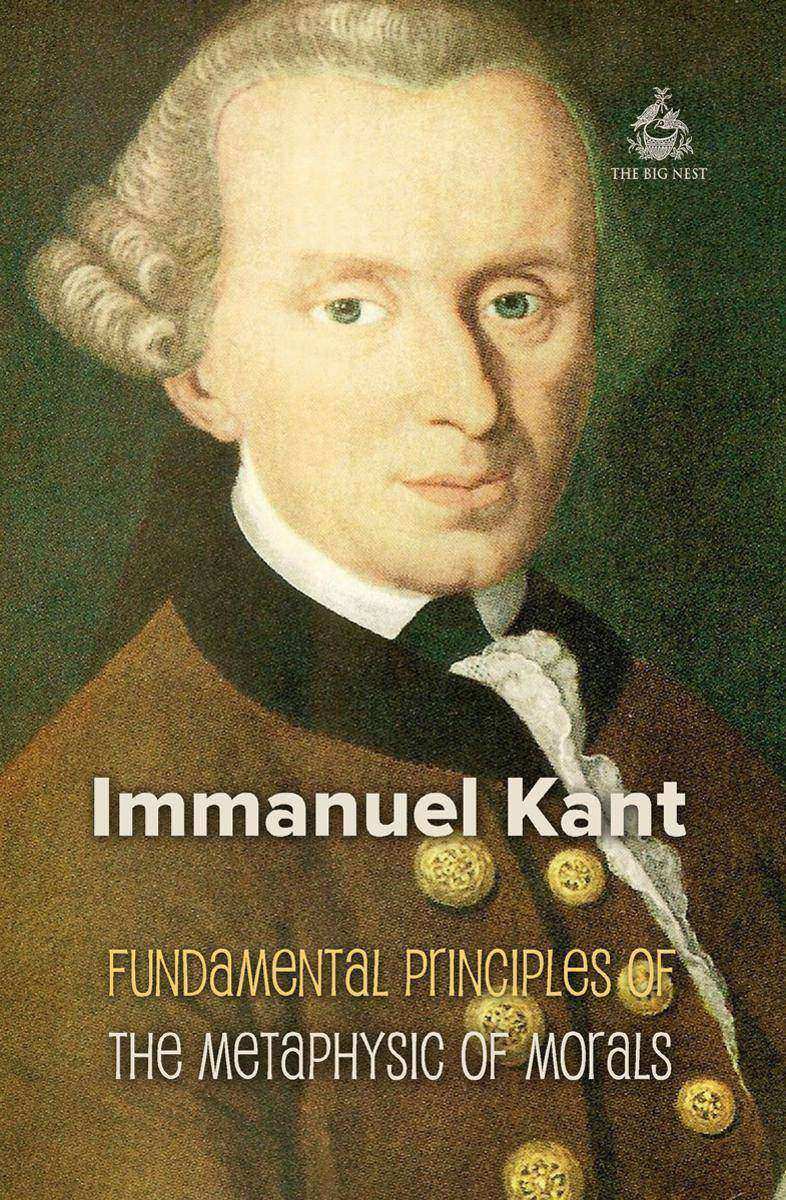
Fundamental Principles of the Metaphysic of Morals
¥40.79
The first of Immanuel Kant's mature works on moral philosophy and remains one of the most influential in the field. Kant conceives his investigation as a work of foundational ethics, one that clears the ground for future research by explaining the core concepts and principles of moral theory and showing that they are normative for rational agents. Kant aspires to nothing less than this: to lay bare the fundamental principle of morality and show that it applies to us.

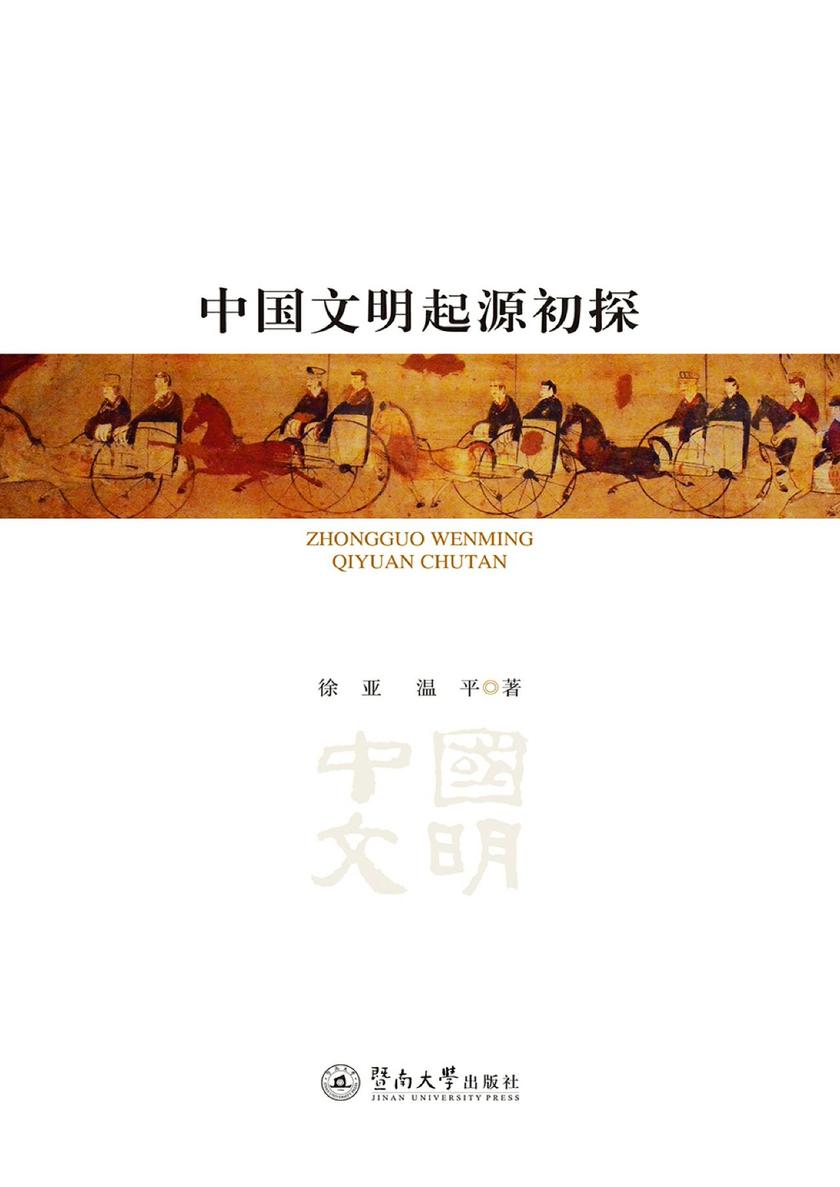
中国文明起源初探
¥25.99
本书是一部探讨中国文明起源的著作,作者潜心研究中国历史、哲学和文化多年,力求洞悉中国文明的内在脉络。作者聚焦于中国文明起源过程中的理性要素,通过追溯这个时期理性要素的形态,试图还原中国文明*初的萌发过程。本书沿着中国古代思想观念发展的路,回溯发端,探究这个时期决定历史走向的观念是怎样的,历史是怎样被这种观念所决定的,以及这种观念的来源和后续发展,以此来逐渐揭中国文明起源发展的印记和规律。
Israel Potter by Herman Melville - Delphi Classics (Illustrated)
¥8.09
This eBook features the unabridged text of ‘Israel Potter by Herman Melville - Delphi Classics (Illustrated)’ from the bestselling edition of ‘The Complete Works of Herman Melville’. Having established their name as the leading publisher of classic literature and art, Delphi Classics produce publications that are individually crafted with superior formatting, while introducing many rare texts for the first time in digital print. The Delphi Classics edition of Melville includes original annotations and illustrations relating to the life and works of the author, as well as individual tables of contents, allowing you to navigate eBooks quickly and easily. eBook features: * The complete unabridged text of ‘Israel Potter by Herman Melville - Delphi Classics (Illustrated)’ * Beautifully illustrated with images related to Melville’s works * Individual contents table, allowing easy navigation around the eBook * Excellent formatting of the text Please visit www.delphiclassics.com to learn more about our wide range of titles
Billy Budd, Sailor by Herman Melville - Delphi Classics (Illustrated)
¥8.09
This eBook features the unabridged text of ‘Billy Budd, Sailor by Herman Melville - Delphi Classics (Illustrated)’ from the bestselling edition of ‘The Complete Works of Herman Melville’. Having established their name as the leading publisher of classic literature and art, Delphi Classics produce publications that are individually crafted with superior formatting, while introducing many rare texts for the first time in digital print. The Delphi Classics edition of Melville includes original annotations and illustrations relating to the life and works of the author, as well as individual tables of contents, allowing you to navigate eBooks quickly and easily. eBook features: * The complete unabridged text of ‘Billy Budd, Sailor by Herman Melville - Delphi Classics (Illustrated)’ * Beautifully illustrated with images related to Melville’s works * Individual contents table, allowing easy navigation around the eBook * Excellent formatting of the text Please visit www.delphiclassics.com to learn more about our wide range of titles
Phantoms by Ivan Turgenev - Delphi Classics (Illustrated)
¥8.09
This eBook features the unabridged text of ‘Phantoms by Ivan Turgenev - Delphi Classics (Illustrated)’ from the bestselling edition of ‘The Collected Works of Ivan Turgenev’. Having established their name as the leading publisher of classic literature and art, Delphi Classics produce publications that are individually crafted with superior formatting, while introducing many rare texts for the first time in digital print. The Delphi Classics edition of Turgenev includes original annotations and illustrations relating to the life and works of the author, as well as individual tables of contents, allowing you to navigate eBooks quickly and easily. eBook features: * The complete unabridged text of ‘Phantoms by Ivan Turgenev - Delphi Classics (Illustrated)’ * Beautifully illustrated with images related to Turgenev’s works * Individual contents table, allowing easy navigation around the eBook * Excellent formatting of the text Please visit www.delphiclassics.com to learn more about our wide range of titles

The Beast in the Jungle
¥40.79
The Beast in the Jungle is one of James' finest short novels touching upon such universal themes as loneliness, fate, love and death. The story can be interpreted as a confession or parable about James' own life. He never married and possibly never experienced a consummated sexual relationship. Although he did enjoy a thorough experience of aesthetic creativity, it is possible that he still regretted what he called the essential loneliness of his life. The parable of the protagonist, John Marcher and his peculiar destiny speaks about the worth and meaning of human life.
Proserpine by Mary Shelley - Delphi Classics (Illustrated)
¥8.09
This eBook features the unabridged text of ‘Proserpine by Mary Shelley - Delphi Classics (Illustrated)’ from the bestselling edition of ‘The Complete Works of Mary Shelley’. Having established their name as the leading publisher of classic literature and art, Delphi Classics produce publications that are individually crafted with superior formatting, while introducing many rare texts for the first time in digital print. The Delphi Classics edition of Shelley includes original annotations and illustrations relating to the life and works of the author, as well as individual tables of contents, allowing you to navigate eBooks quickly and easily. eBook features: * The complete unabridged text of ‘Proserpine by Mary Shelley - Delphi Classics (Illustrated)’ * Beautifully illustrated with images related to Shelley’s works * Individual contents table, allowing easy navigation around the eBook * Excellent formatting of the text Please visit www.delphiclassics.com to learn more about our wide range of titles
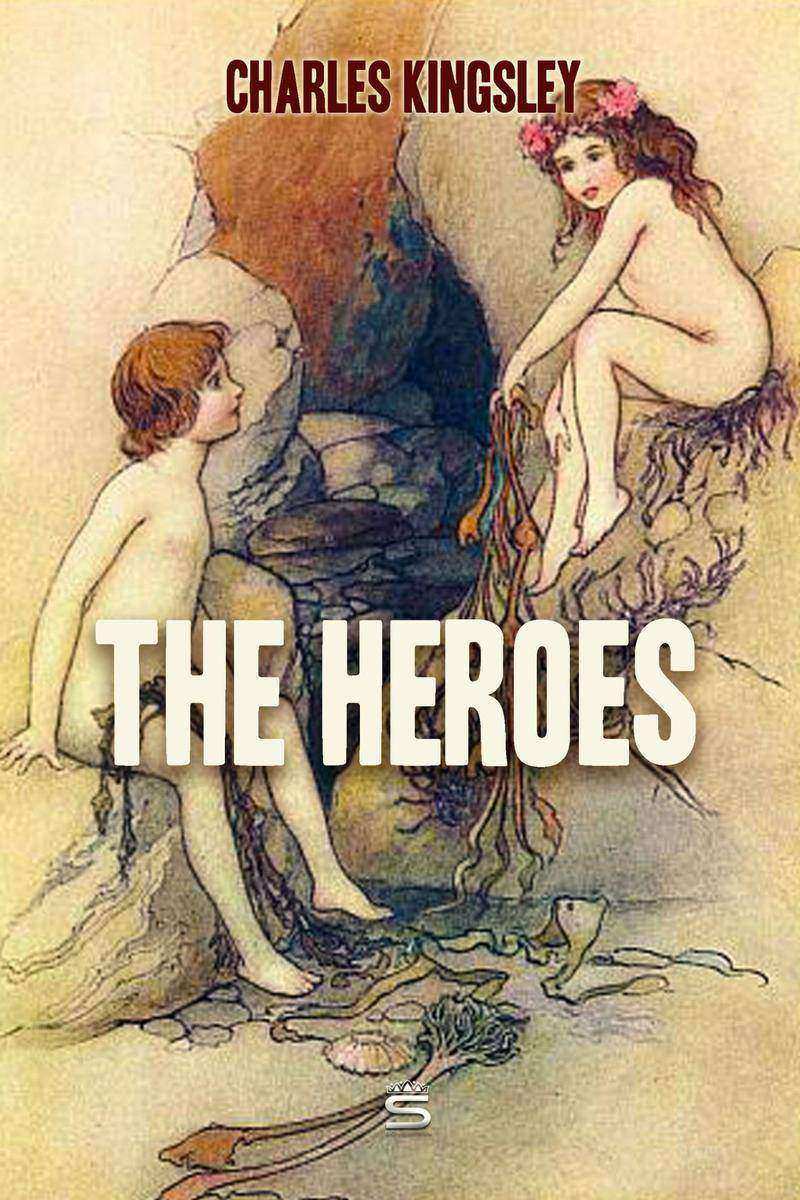
The Heroes: Greek Fairy Tales for My Children
¥40.79
A collection of magical stories based on old Greek fairy tales including: The Story of Perseus, The Story of The Argonauts, The Story of Theseus. Written by Charles Kingsley and dedicated to his children Rose, Maurice, and Mary. A little present of old Greek Fairy Tales.

Eve's Ransom
¥40.79
Eve's Ransom is the story of a mechanical draughtsman named Maurice Hilliard, who comes into some money, which enables him to live without working. As part of his resulting travels, he meets and falls in love with Eve Madeley, a book keeper.
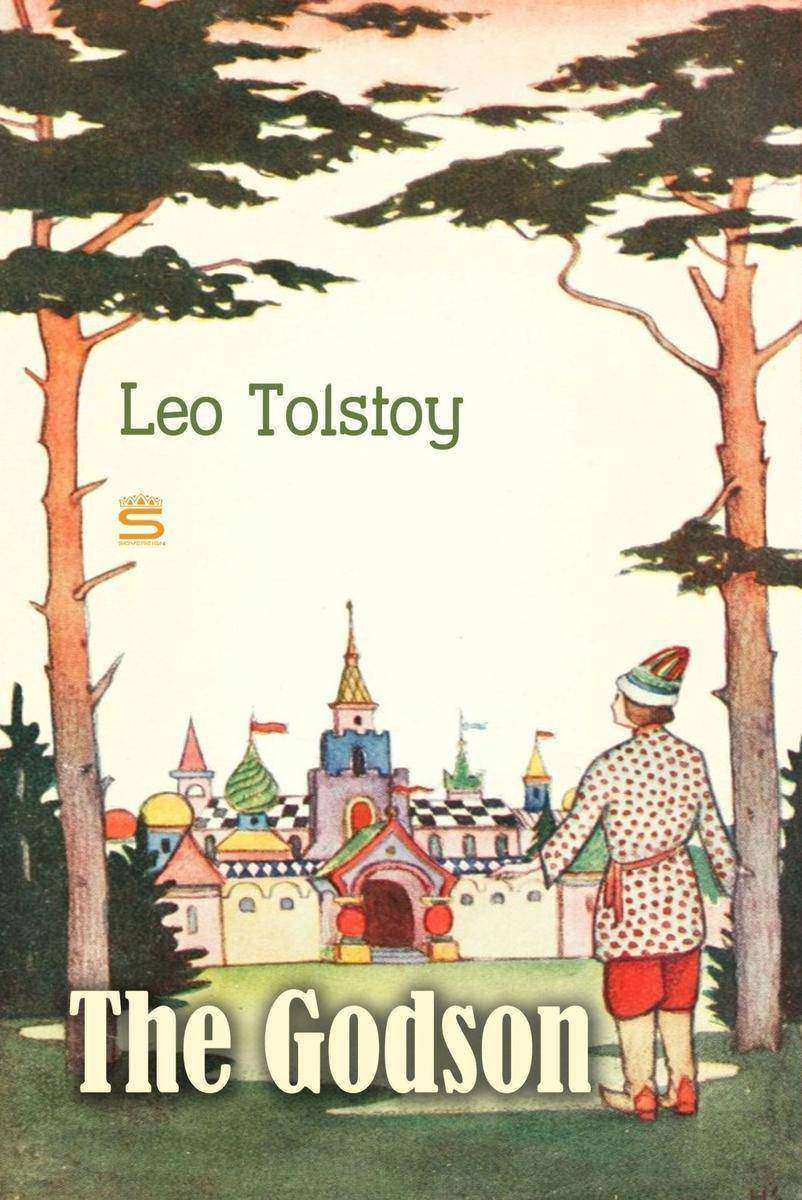
The Godson
¥40.79
A son was born to a poor peasant. He rejoiced and went to a neighbour to ask him to stand as godfather to the boy. The neighbour refused. He did not want to be godfather to a poor man’s son. So the peasant went to another neighbour and he, too, refused. He walked from house to house, but could find no one who would be godfather to his son, so he set out to another village.

The Ancestors
¥51.91
The Ancestors is the story of three generations of first daughters who were born after the abolition of slavery and possessed egos that were not compliant with the expected and largely accepted subservient role of women within the humble but chauvinistic environment in which they lived. The spirit of the era is captured as the biopic depicts simple sub-cultural lifestyles with fixed superstitions, parallel belief in God and the occult and unique language. Life experiences are stmpathetically and humorously echoed during separate journeys of survival and eventual triumph.
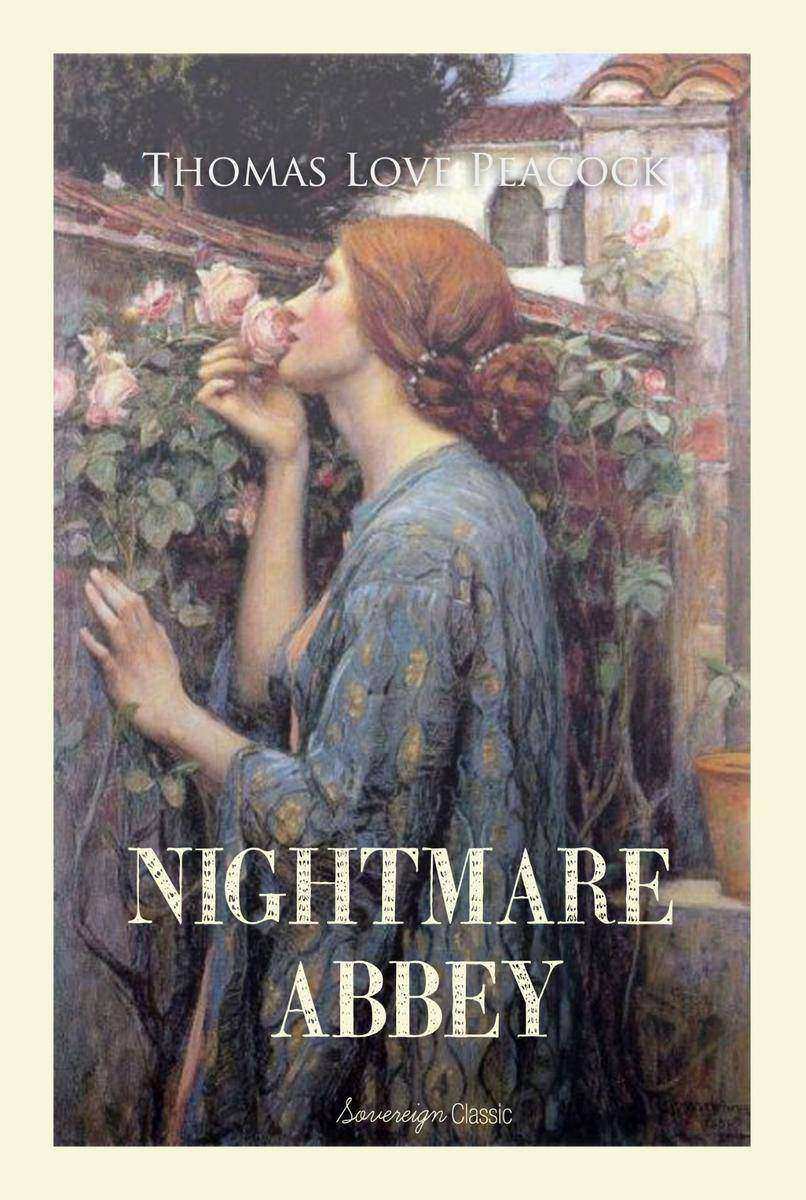
Nightmare Abbey
¥40.79
A morose widower, Mr Glowry lives with his only son Scythrop in his semi-dilapidated family mansion Nightmare Abbey, which is situated on a strip of dry land between the sea and the fens in Lincolnshire. Mr Glowry is a melancholy gentleman who likes to surround himself with servants with long faces or dismal names such as Raven, Graves or Deathshead. The few visitors he welcomes to his home are mostly of a similar cast of mind: Mr Flosky, a transcendental philosopher; Mr Toobad, a Manichaean Millenarian; Mr Listless, Scythrop's languid and world-weary college friend; and Mr Cypress, a misanthropic poet.
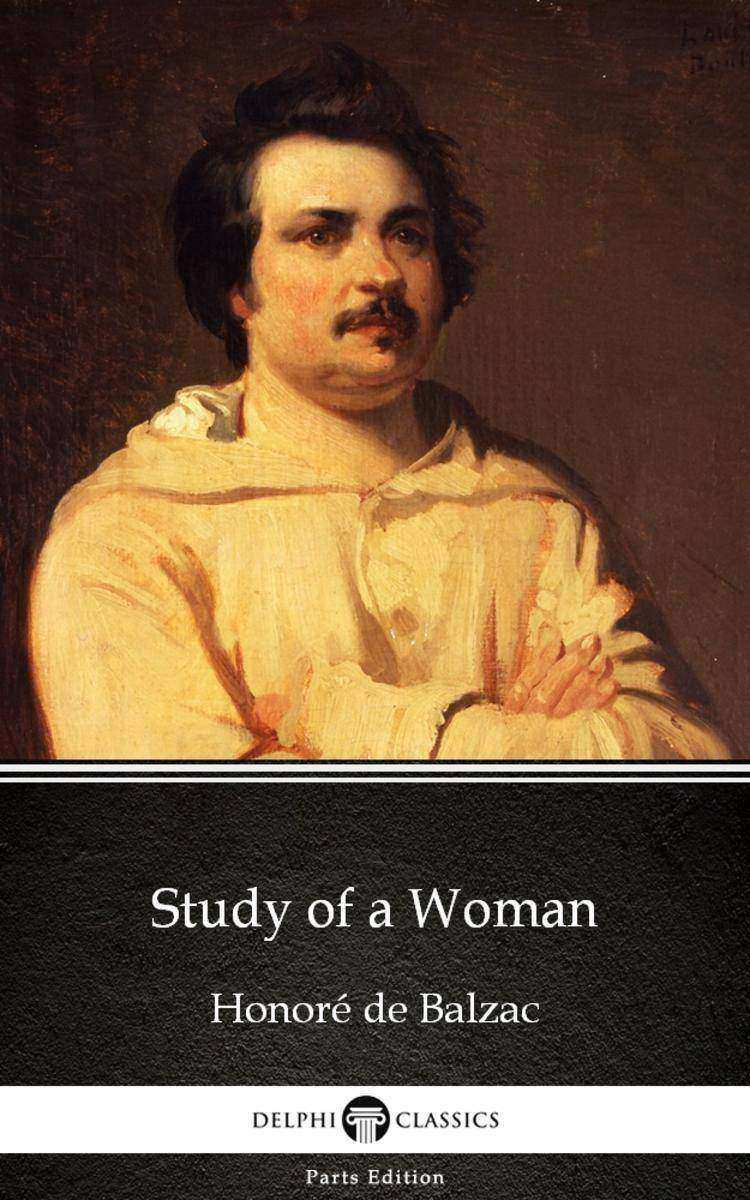
Ursule Mirouet by Honoré de Balzac - Delphi Classics (Illustrated)
¥8.09
This eBook features the unabridged text of ‘Ursule Mirouet by Honoré de Balzac - Delphi Classics (Illustrated)’ from the bestselling edition of ‘The Collected Works of Honoré de Balzac’. Having established their name as the leading publisher of classic literature and art, Delphi Classics produce publications that are individually crafted with superior formatting, while introducing many rare texts for the first time in digital print. The Delphi Classics edition of Balzac includes original annotations and illustrations relating to the life and works of the author, as well as individual tables of contents, allowing you to navigate eBooks quickly and easily. eBook features: * The complete unabridged text of ‘Ursule Mirouet by Honoré de Balzac - Delphi Classics (Illustrated)’ * Beautifully illustrated with images related to Balzac’s works * Individual contents table, allowing easy navigation around the eBook * Excellent formatting of the text Please visit www.delphiclassics.com to learn more about our wide range of titles
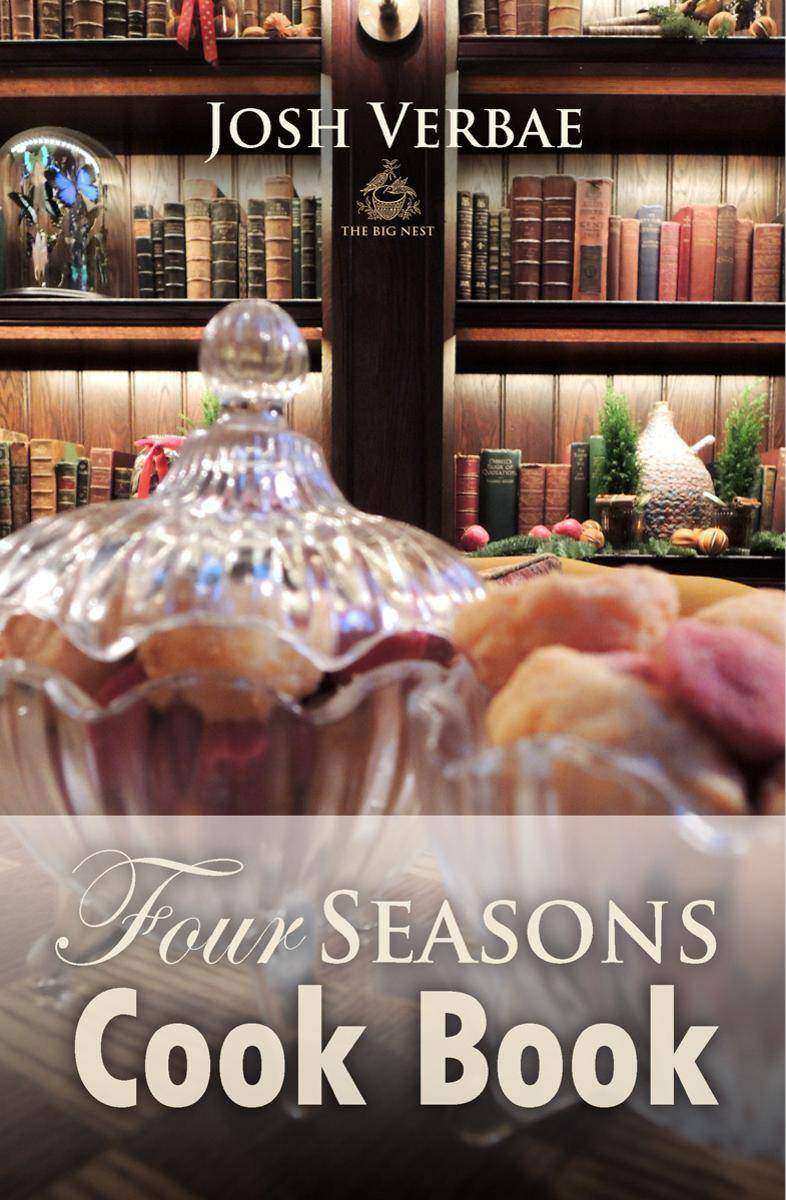
Four Seasons Cook Book
¥40.79
The Four Seasons Cook Book offers complete recipe book for every single day of the year featuring original varied cuisine from all over the world. There is everything in this book from East India Fish to Bavarian Pear Pudding and Russian Pancakes. The book is divided into twelve months of the year giving you something new to try for every single day. Travel the world with this exciting collection of international recipes and enjoy delicious authentic food.

Martin Chuzzlewit
¥40.79
The last of Dickens' picaresque novels which exposes selfishness, portrayed in a satirical fashion using all the members of the Chuzzlewit family. The novel was written after taking a year off during which Charles Dickens visited America. Similarly, young Martin Chuzzlewit, the old man's grandson, goes off to America to live through events which Dickens himself perhaps experienced or observed during his own travels.
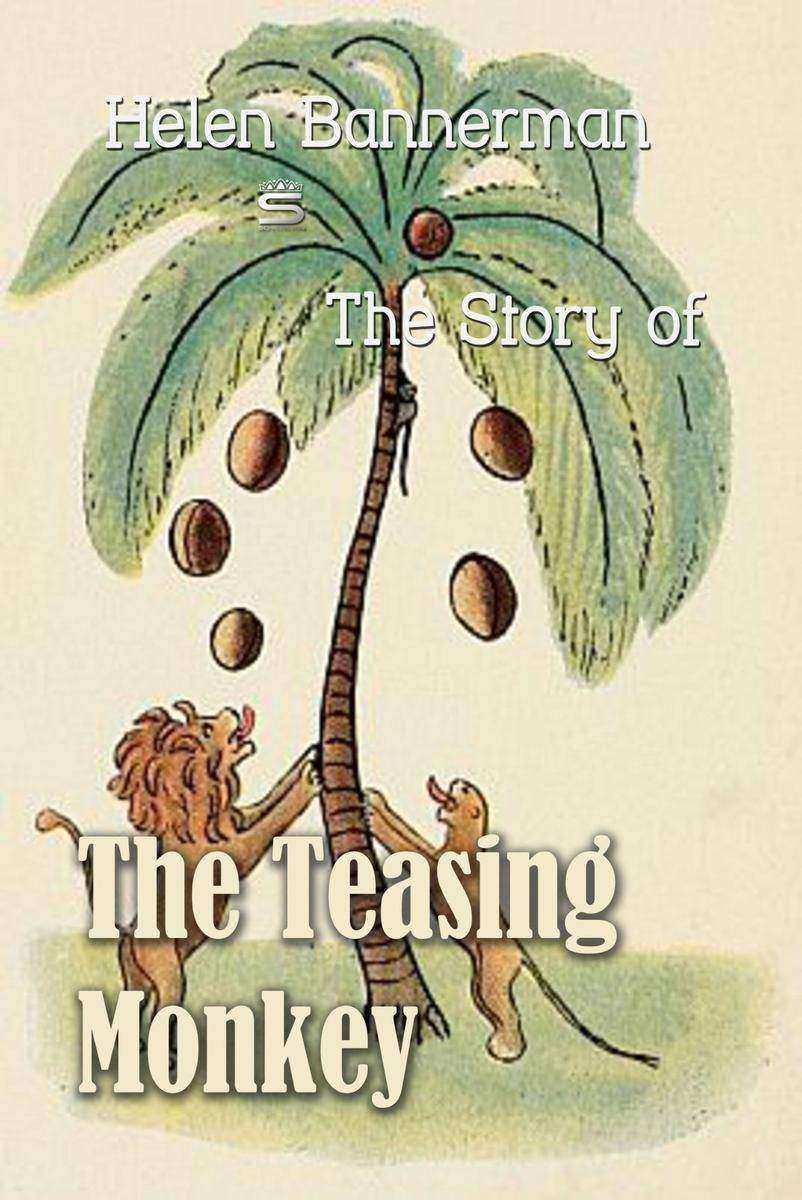
The Story of The Teasing Monkey
¥40.79
Once upon a time there was a very mischievous little monkey, who lived in a big banyan tree, and his name was Jacko. And in the jungle below there lived a huge, fierce old lion and lioness.


